Retail News CRM

Tag: cars

  • VinFast Powers Green SMs Global Expansion with One Million Electric Cars by 2030

    VinFast Powers Green SMs Global Expansion with One Million Electric Cars by 2030

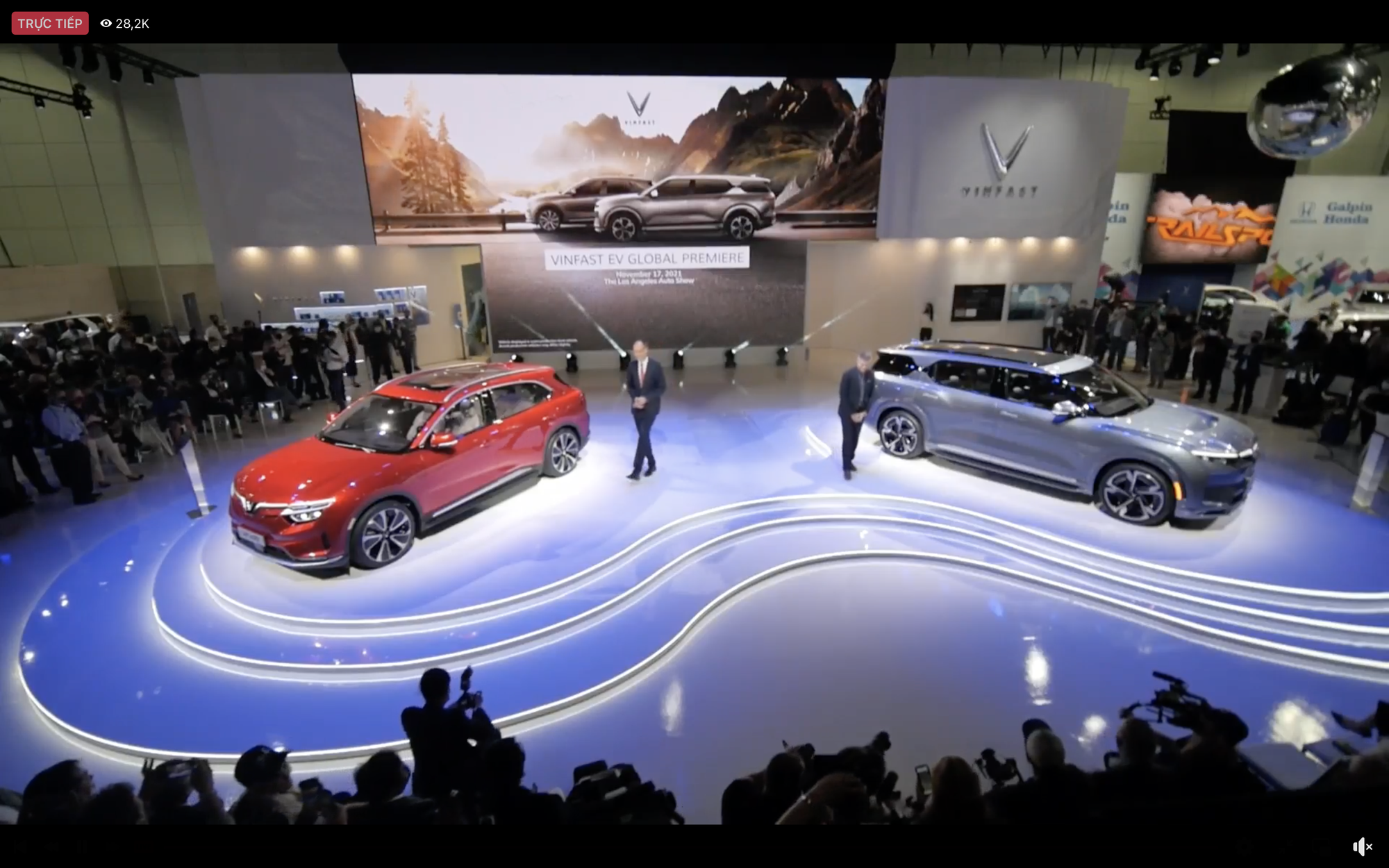
    VinFast, a prominent electric car manufacturer, has unveiled a bold strategy to supply one million electric vehicles (EVs) to Green SM, a rising ride-hailing service, by 2030. In addition to this, the deal stipulates the addition of four million electric motorcycles to Green SM’s fleet. The announcement was made in VinFast’s first quarter financial report.

    Strategic Collaboration for Global Impact

    The venture is viewed as a strategic collaboration between the two companies, with anticipated benefits for both parties. For VinFast, this partnership signifies a promising opportunity to broaden its international distribution network and augment its brand recognition. Concurrently, it bolsters Green SM’s ambitions to expand its global reach.

    Green SM has recently initiated taxi services in India, marking its fourth international market entry, following Laos, Indonesia, and the Philippines. Pham Nhat Vuong, recognised as Southeast Asia’s wealthiest individual, controls both companies. Green SM was launched in 2023 with a starting capital of $113.9 million, which has since grown exponentially to $1.94 billion.

    Initially, Green SM focused on taxi services and technology-based ride-hailing services, exclusively using VinFast vehicles. However, the company has expanded its offerings to include services such as food and parcel delivery, as well as car and motorcycle rentals.

    Positive Outlook for VinFast

    VinFast experienced substantial financial success in the first quarter, reporting a revenue increase of 42% to $1.04 billion. This surge was primarily attributable to a marked increase in electric vehicle sales both within Vietnam and in international markets, including Indonesia and the Philippines.

    Within the first quarter, VinFast sold 58,600 electric cars, reflecting a year-on-year increase of 61%. Moreover, the company sold 143,000 electric motorcycles and bicycles in the same period. Despite this success, VinFast reported a loss exceeding $1.26 billion, an increase from the previous figure of $798 million.

    In 2023, Vuong anticipated that the company would experience losses for several years. However, there is now a more optimistic outlook, as the company expects to break even next year following the decision to spin off its manufacturing operations to a separate company owned by a consortium of private investors.

    Questions & Answers

    What is VinFast’s strategy for its collaboration with Green SM?
    VinFast plans to supply one million electric vehicles and four million electric motorcycles to Green SM by 2030, expanding its international distribution network and enhancing brand recognition.

    What services does Green SM offer?
    Green SM provides taxi services and technology-based ride-hailing services. The company has also expanded to offer food and parcel delivery, as well as car and motorcycle rentals.

    What is the financial outlook for VinFast?
    Despite experiencing losses, the company anticipates breaking even next year. This follows a decision to spin off manufacturing operations to a separate company owned by private investors.
  • Electric Cars Take the Lead: Singapore Embraces EV Revolution, Toppling Traditional Players

    Electric Cars Take the Lead: Singapore Embraces EV Revolution, Toppling Traditional Players

    In a historic shift, electric vehicles (EVs) constituted 57.6% of new vehicle registrations in the first quarter of this year in Singapore. This marks the first time EVs have outpaced both combustion engine and hybrid models in new registrations. The proportion of EVs has seen a significant increase, rising from 45% the previous year. Specifically, about 7,700 new electric vehicles were registered out of a total of 13,300 units.

    Chinese Brands Leading the Charge

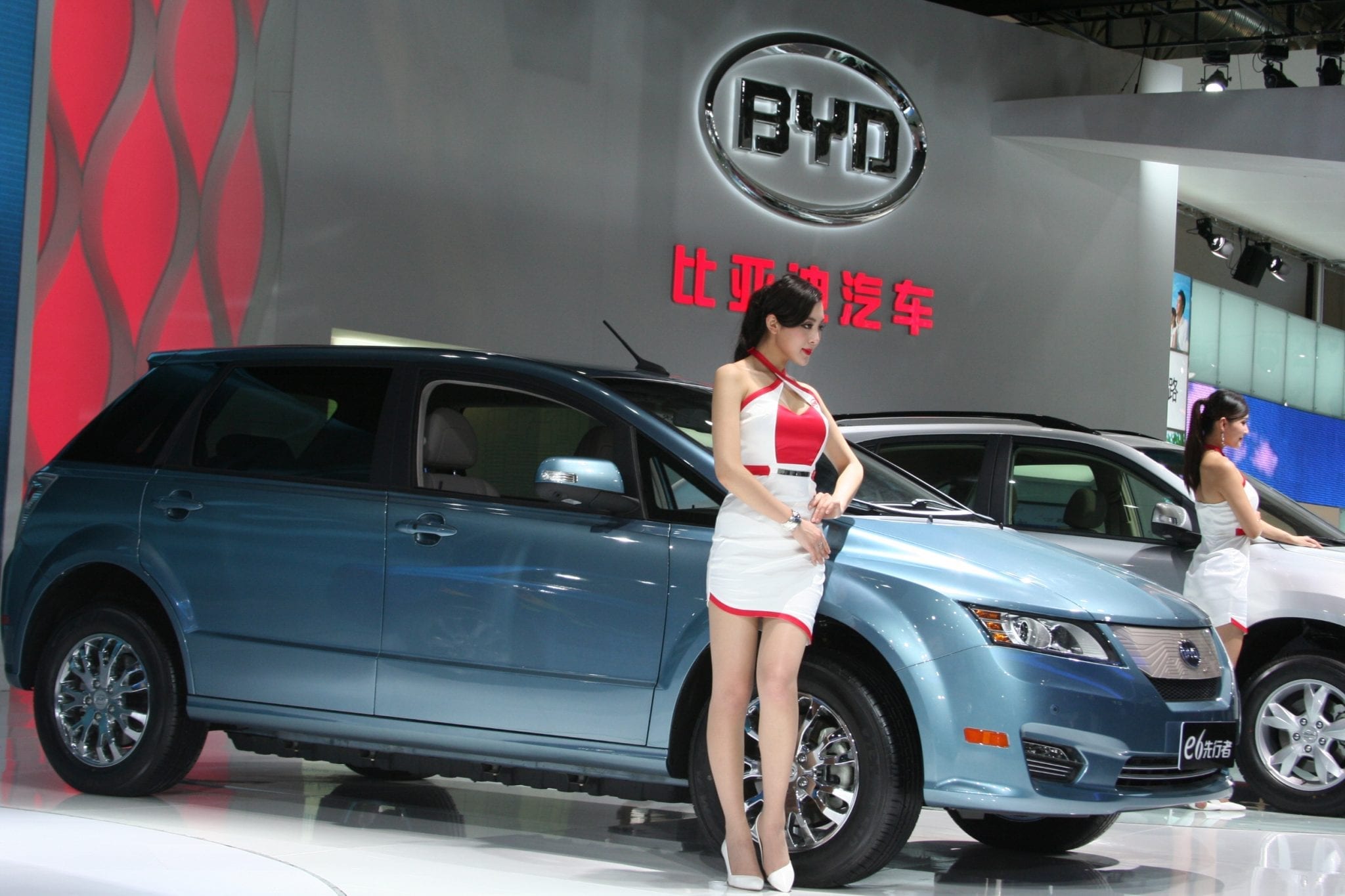
    BYD, the automotive giant from China, led the pack with 3,239 registrations, accounting for 24% of the total new vehicles. The company expanded its market share from 21% at the end of 2025. Furthermore, three other Chinese brands—Chery, GAC, and MG—made their debut in the top ten best-selling car brands in Singapore. These new entrants replaced Hyundai, Kia, and Mazda, which held the seventh, eighth, and ninth spots, respectively, in 2025.

    Toyota and Tesla Maintain Strong Presence

    Despite a relatively modest EV lineup, Toyota managed to secure second place with 1,932 registrations, holding a 14.5% market share in the first quarter of 2026, a slight increase from the previous year. Tesla, the US-based EV manufacturer, secured 11.4% of the market with 1,515 registrations. This performance propelled Tesla to the third spot among best-selling brands in Singapore, up from sixth place in 2025.

    Incentives and Challenges in EV Adoption

    Current incentives in Singapore, designed to reduce the cost of owning an EV, offer buyers rebates of up to $30,000 on upfront vehicle taxes. In contrast, non-electric vehicles may face penalties of up to $35,000, depending on their emissions.

    However, Walter Theseira, a transport economist at the Singapore University of Social Sciences, pointed out that while EV adoption is gaining momentum, it is still a challenge for all new car registrations to be fully electric—particularly for high-mileage drivers, for whom hybrid models may be more suitable.

    Change in the Automotive Landscape

    Automotive consultant Say Kwee Neng observed a fundamental shift in the dynamics of the car industry, which began with the rise in EV adoption in 2024 and 2025. According to Hal Serudin, a partner at automotive consultancy Lumina 3 Sixty, the increase in sales of Chinese and EV brands is in line with trends observed in other regional markets such as Malaysia and Thailand; these brands have disrupted both mass-market and luxury segments.

    Questions & Answers

    What proportion of new car registrations in Singapore were electric vehicles in the first quarter of this year?
    Approximately 57.6% of new car registrations were electric vehicles.

    Which Chinese automotive brands are among the top ten best-selling car brands in Singapore?
    BYD, Chery, GAC, and MG are among the top ten best-selling car brands in Singapore.

    What incentives are currently offered in Singapore to promote EV adoption?
    Currently, Singapore offers rebates of up to $30,000 on upfront vehicle taxes for electric vehicle buyers.

  • Nissan India Celebrates Export of 1.2 Million Vehicles: Triumph for Made-in-India Cars Globally

    Nissan India Celebrates Export of 1.2 Million Vehicles: Triumph for Made-in-India Cars Globally

    Nissan India Reaches Export Milestone

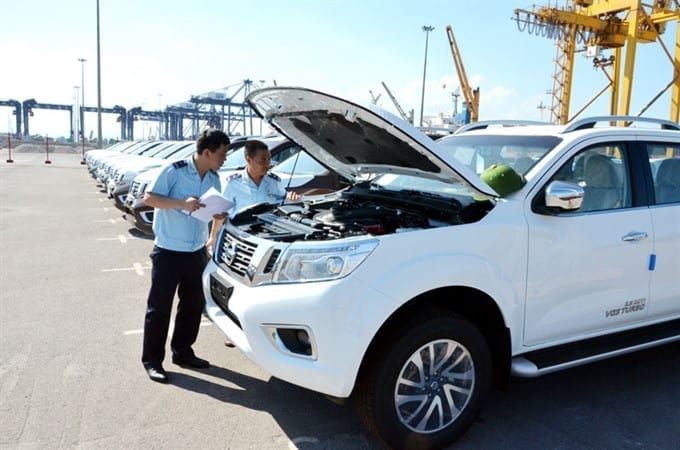
    Nissan India has marked a significant achievement with the announcement of its 1.2 millionth vehicle export. The Japanese automotive company has primarily centred its focus on the Magnite model, with occasional offerings of fully imported models such as the X-Trail. Nissan India exports vehicles to the AMIEO region, comprising Africa, Middle East, India, Europe, and Other markets.

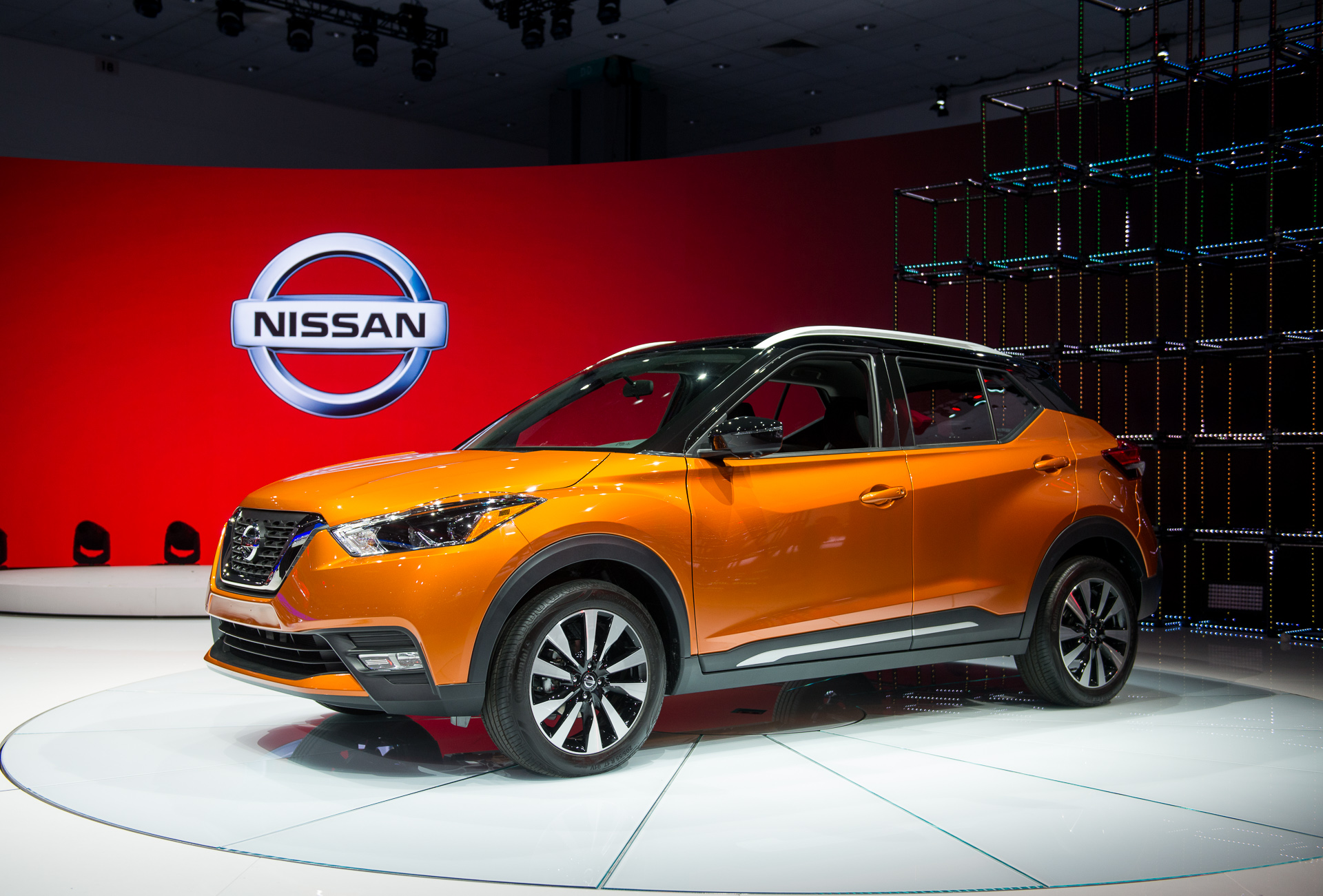
    The milestone vehicle, a Magnite, is destined for the Gulf Cooperation Council (GCC) region. It was officially unveiled by Saurabh Vatsa, the Managing Director of Nissan Motor India, at Kamarajar Port in Ennore, Tamil Nadu. While the Magnite has been the mainstay, Nissan India has a history of exporting various models. These include the Sunny, Kicks, and Micra, which have been shipped to regions such as Africa, the Middle East, Latin America, and Southeast Asia.

    Changes in Model Exports Over Time

    Over time, however, these models were phased out due to lacklustre sales performance following the introduction of BS6 emission standards. At present, the Magnite is exported to 65 countries and is available in both left-hand (LHD) and right-hand (RHD) drive versions.

    Saurabh Vatsa, Managing Director, Nissan Motor India, commended this achievement, attributing it to the collective efforts of their teams and the global trust in their Made-in-India cars. He stated, “The Nissan Magnite continues to be a global success story, representing our focus on design, quality, and innovation that transcends borders.”

    Updates to the Magnite Model

    In December of the previous year, Nissan introduced a minor facelift to the Magnite, including subtle cosmetic changes and additional features. However, the mechanical aspects of the vehicle remain the same. The Magnite is offered with two petrol engine options: a 1.0-litre naturally aspirated engine and a 1.0-litre turbocharged engine. The former delivers 72 bhp and 96 Nm of peak torque, while the latter offers 99 bhp and 160 Nm (or 152 Nm with automatic transmission) of torque.

    Questions & Answers

    What milestone has Nissan India recently achieved?
    Nissan India has recently announced the export of its 1.2 millionth vehicle.

    Which regions does Nissan India export its vehicles to?
    Nissan India exports its vehicles to the AMIEO region, which includes Africa, the Middle East, India, Europe, and other markets.

    What changes were made to the Nissan Magnite in its latest update?
    In its latest update, the Nissan Magnite received a mild facelift with subtle cosmetic enhancements and additional features. The mechanical aspects of the vehicle, however, remain unchanged.

  • BYD Recalls Over 115,000 Vehicles Amid Safety Concerns: Tang And Yuan Pro Models Affected

    BYD Recalls Over 115,000 Vehicles Amid Safety Concerns: Tang And Yuan Pro Models Affected

    Chinese vehicle manufacturer BYD has announced its largest vehicle recall to date, affecting over 115,000 vehicles from the Tang series and Yuan Pro models produced between 2015 and 2022. The recall has been triggered by concerns regarding design defects and battery-related safety risks.

    Recall Details

    BYD has presented a plan to the State Administration for Market Regulation to recall 44,535 Tang series vehicles. These vehicles, produced between March 2015 and July 2017, have been identified as having potential component design flaws that may lead to abnormal functionality, according to the market regulator’s statement released on Friday.

    The recall also includes 71,248 Yuan Pro electric vehicles, produced between February 2021 and August 2022. These vehicles are being recalled due to issues related to the manufacturing process, specifically concerning the installation of the batteries.

    Previous Recalls

    This recall follows earlier instances where BYD had to recall vehicles due to safety concerns. In January, the company recalled 6,843 Fangchengbao Bao 5 plug-in hybrid off-road SUVs due to potential fire risks. Prior to this, nearly 97,000 vehicles from the Dolphin and Yuan Plus EV series were recalled due to a manufacturing fault in the steering control unit that posed a fire risk. This recall took place in September 2024.

    Questions & Answers

    What is the reason for BYD’s recall of its Tang series and Yuan Pro vehicles?
    The recall is due to identified design defects and battery-related safety risks in these vehicles.

    How many vehicles are affected by this recall?
    The recall affects over 115,000 vehicles, including 44,535 from the Tang series and 71,248 Yuan Pro electric vehicles.

    Has BYD had to recall vehicles in the past?
    Yes, BYD has had to recall vehicles in the past due to safety concerns. In January, the company recalled 6,843 Fangchengbao Bao 5 vehicles due to fire risks, while in September 2024, nearly 97,000 Dolphin and Yuan Plus EVs were recalled due to a manufacturing fault in the steering control unit that also posed a fire risk.

  • Volvo Cars India Records 33% Growth In First Half Of 2023

    Volvo Cars India Records 33% Growth In First Half Of 2023

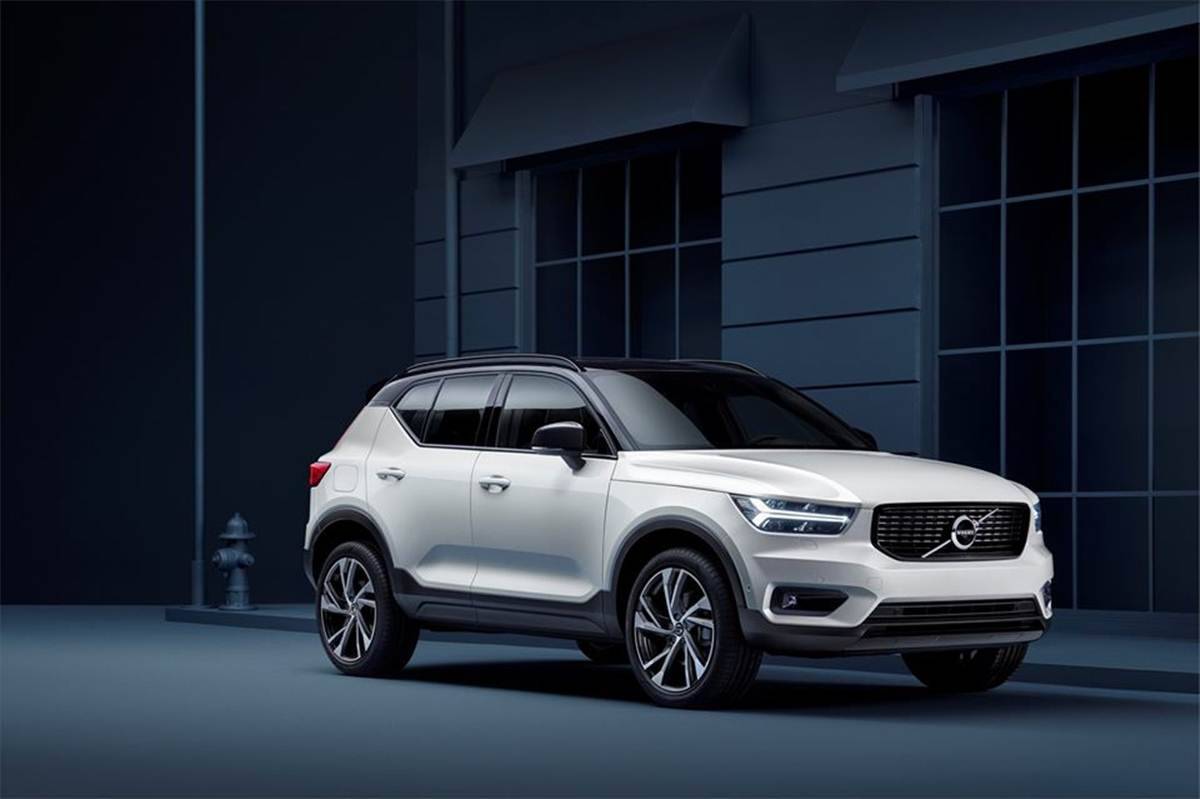
    Volvo Cars India has reported a significant growth of 33 percent in its sales for the first half of 2023 in India. During the period from January to June, the company delivered 1,089 cars, a notable increase from the 818 units delivered in the same period last year.

    The driving force behind this impressive growth can be attributed to the XC60, one of Volvo’s most popular models, which experienced a substantial 35 percent surge in deliveries. This particular model contributed to a total of 376 cars being delivered during the first half of the year.

    Another notable highlight is the strong performance of the locally assembled all-electric XC40 Recharge, which garnered good demand. With a total of 289 units sold during this period, the XC40 Recharge accounted for 27 percent of the overall sales volume. This success further demonstrates the growing demand for electric vehicles in the Indian market.

    “The first half has been highly successful, with the XC40 Recharge representing 27 percent of the sales volume. The impressive 33 percent growth reaffirms the positive feedback from customers regarding our luxurious mobility options and their strong trust in the Volvo brand. The performance in the first half serves as a promising indicator, instilling confidence that the upcoming months will yield even better outcomes. With the upcoming launch of our Born Electric model C40 Recharge in August, we aim to surpass our best-ever year.” said Jyoti Malhotra, Managing Director, Volvo Car India.

    Volvo Car India recently unveiled its latest addition to the electric vehicle lineup, the C40 Recharge. This marks their second offering in the electric car segment, following the XC40 Recharge. The new EV will also be assembled locally at Volvo’s manufacturing plant located in Hoskote, near Bengaluru. Bookings for the C40 Recharge will start in August, with deliveries scheduled to commence in September 2023.

  • Volvo Cars Registers 33% Growth in Global Sales

    Volvo Cars Registers 33% Growth in Global Sales

    Volvo Cars has announced a significant surge in sales for the month of June. The company reported selling a total of 66,379 cars worldwide, marking a 33% increase compared to the same period last year. A major contributor to this is the demand for Volvo’s fully electric vehicles, which experienced a fourfold increase in sales compared to June 2022. It’s worth noting that last year’s figures were adversely affected by supply chain constraints, leading to lower production. In June, Recharge models saw a staggering growth of 129%, accounting for an impressive 37% of all Volvo cars sold globally. Among the Recharge models, fully electric cars comprised 14% of the total sales.

    During the first half of this year, Volvo Cars achieved sales of 341,691 cars, representing a notable 17% increase compared to the corresponding period in 2022. A significant contributing factor to this success is the company’s Recharge line-up, consisting of chargeable models with either fully electric or plug-in hybrid powertrains.

    In Europe, Volvo Cars experienced a substantial sales surge of 70% in June, with 27,196 cars sold compared to the previous year. Recharge models accounted for 58% of overall sales in the region. Looking at the cumulative sales for the first half of the year, Volvo Cars witnessed a 23% increase in Europe, reaching a total of 146,943 cars sold.

    Meanwhile, in the United States, Volvo Cars achieved a remarkable 53% increase in sales in June, with a total of 12,933 cars sold compared to the previous year. Recharge models were the driving force behind this growth, with a notable increase of 79%. Consequently, Recharge models accounted for 29% of total sales in the US. During the first half of 2023, Volvo Cars achieved sales of 59,750 units in the US, representing an 18% increase compared to the same period last year.

    However, Volvo Cars faced a slight dip in sales in China, with 15,405 cars sold in June, representing a 7% decrease compared to the same month last year. Despite this decline, Recharge models still held a respectable 8% share of the total sales in the Chinese market.  In terms of individual models, the Volvo XC60 emerged as the top-selling vehicle in June, with a total of 21,053 cars sold. This represents an increase from the previous year when 18,275 units were sold.

    The XC40 followed closely behind, with sales reaching 18,170 cars, the XC90 also maintained a steady performance, with 9,895 cars sold. Volvo Cars’ sales growth, is particularly driven by the soaring demand for its fully electric vehicles.

  • Imported cars flood local market despite of poor purchasing power

    Imported cars flood local market despite of poor purchasing power

    Vietnamese firms spent over $903 million in the first quarter importing 41,780 completely-built-up (CBU) cars, according to a report by the General Statistics Office (GSO).

    The cumulative import turnover of CBU cars in Q1 2023 increased by 76% in volume and 60.8% in value compared to the same period last year.

    In March, 15,000 cars worth $332 million were imported into Vietnam, representing a year-on-year increase of 48.8% in volume and 48.5% in value.

    Despite the increasing number of imported cars, the Vietnam Automobile Manufacturers’ Association (VAMA) said that sales for the whole market in the first two months reached just over 17,300 units, due to poor purchasing power.

    Local auto experts said this was an unusual and ominous signal as pressure from automobile inventory remains high.

    An uncompleted statistic shows that Vietnam’s inventory of cars reached 38,000 units. Facing the gloomy prospect of the market, VAMA has recently proposed that the Government halve the registration fee for locally-assembled or manufactured cars during the first half of the year to boost market demand.

    In a letter sent to the Prime Minister, both the Vietnam Automobile Manufacturers Association (VAMA) and the Vietnam Association of Mechanical Industry (VAMI) also jointly asked for an extension of the deadline to pay excise tax.

    The Vehicles Importers Vietnam Association (VIVA) has raised its voice to ask for fair treatment after hearing that the Government asked the Ministry of Finance and other relevant ministries to devise a 50% cut on auto registration fees for locally assembled or manufactured cars.


  • Skoda cars to be sold in Vietnam from May

    Skoda cars to be sold in Vietnam from May

    Skoda cars are expected to be imported from the Czech Republic and sold from May before being assembled there, according to Skoda Vietnam sources.

    In the C-segment, CUV Karoq, one of the company’s bestselling models, will compete with the Hyundai Tucson, Kia Sportage, Mazda CX-5, Honda CR-V, and others.

    In the D-segment, the SUV Kodiaq will go up against the Kia Sorento, Hyundai Santa Fe, Mazda CX-8, and Toyota Fortuner.

    In late February Skoda and its Vietnamese partner TC Motor, a distributor and assembler of South Korean Hyundai vehicles, began building a plant in the northern province of Quang Ninh.

    Vietnam is the first Southeast Asian country in which Skoda will put up a factory and plans to export vehicles to other countries in the region.

    Skoda makes 11 models, with the Octavia being its bestseller. Various models, including B-segment sedan Slavia are expected to be sold in the country from late 2024.

    Last year the company sold 731,300 vehicles in some 100 markets worldwide, with Germany, the Czech Republic, India, the UK, and Poland being the biggest.

  • Indonesia surpasses Thailand as Vietnam’s largest car exporter

    Indonesia surpasses Thailand as Vietnam’s largest car exporter

    Indonesia surpassed Thailand as Vietnam’s largest car exporter in 2022, with 72,671 cars exported.

    According to statistics released by Vietnam Customs, Vietnam imported 173,467 cars in 2022, an 8.5% increase from 2021.

    Indonesia, Thailand and China were the biggest car exporters to Vietnam, but Indonesia surpassed Thailand to be the country that exported the most cars to Vietnam, with 72,671 cars exported in total, a 64.2% increase from 2021, and worth $10.5 billion.

    Thailand exported 72,032 cars worth $1.42 billion to Vietnam in 2022, a 10.9% decrease in number from 2021. The number of cars imported from Indonesia and Thailand amounted to 144,703 cars, accounting for 83% of all imported cars. China stood in third place, exporting 17,240 cars to Vietnam in 2022.

    For the first time in decades, the number of cars sold in Vietnam in 2022 reached 508,547 cars, according to statistics from the Vietnam Automobile Manufacturers’ Association and TC Motor.

  • Google’s Ripple Could Bring Tiny Radars To Cars

    Google’s Ripple Could Bring Tiny Radars To Cars

    Google has been building radars for a while. Remember the ill-fated Pixel 4 smartphone which came with the project soli radar that was used for an advanced face unlocking system? That phone was ill-fated as it couldn’t be launched in many countries like India where the 60Ghz mmWav frequency spectrum was not available for public use. In fact, even before 2019’s failure with the Soli radar, Google had been building miniature radar chipsets since 2015. And now, it has its latest effort which isn’t in hardware form but a software platform called Ripple which is fundamentally an application programming interface (API) that allows the use of this technology outside of Google’s device ecosystem.

    Notably, Google is partnering with Ford with whom it already has a relationship for the use of the Android Automotive platform. Ripple was showcased behind the scenes at CES. Ripple will unlock helpful innovation that benefits everyone. General-purpose radar is a key emerging technology for solving critical use cases in a privacy-respecting way,” said Ivan Poupyrev, who was part of Google’s ATAP unit that developed the Soli radar as well.

    Ripple’s libraries have been added to GitHub and is also a rebranding of its Standard Radar API. Soli’s technology could be theoretically repurposed inside a car where it provides privacy benefits – as it can detect whether someone is present, nearby, or telling a device to do something without the need of a microphone or camera. Ford which has joined Google on this initiative hasn’t revealed its plans but has revealed it is looking at an internal radar.

    “We are researching how to use interior radar as a sensor source to enhance various customer experiences beyond our leading Ford Co-Pilot360 driver-assist technologies that use advanced exterior radars today. A standard API, with semiconductor industry participation, will allow us to develop software independent of the hardware sourcing and give the software teams latitude to innovate across multiple radar platforms,” Jim Buczkowski, the head of Research and Advanced Engineering at Ford.

  • Audi recalls 104 cars in Vietnam over lock nut issue

    Audi recalls 104 cars in Vietnam over lock nut issue

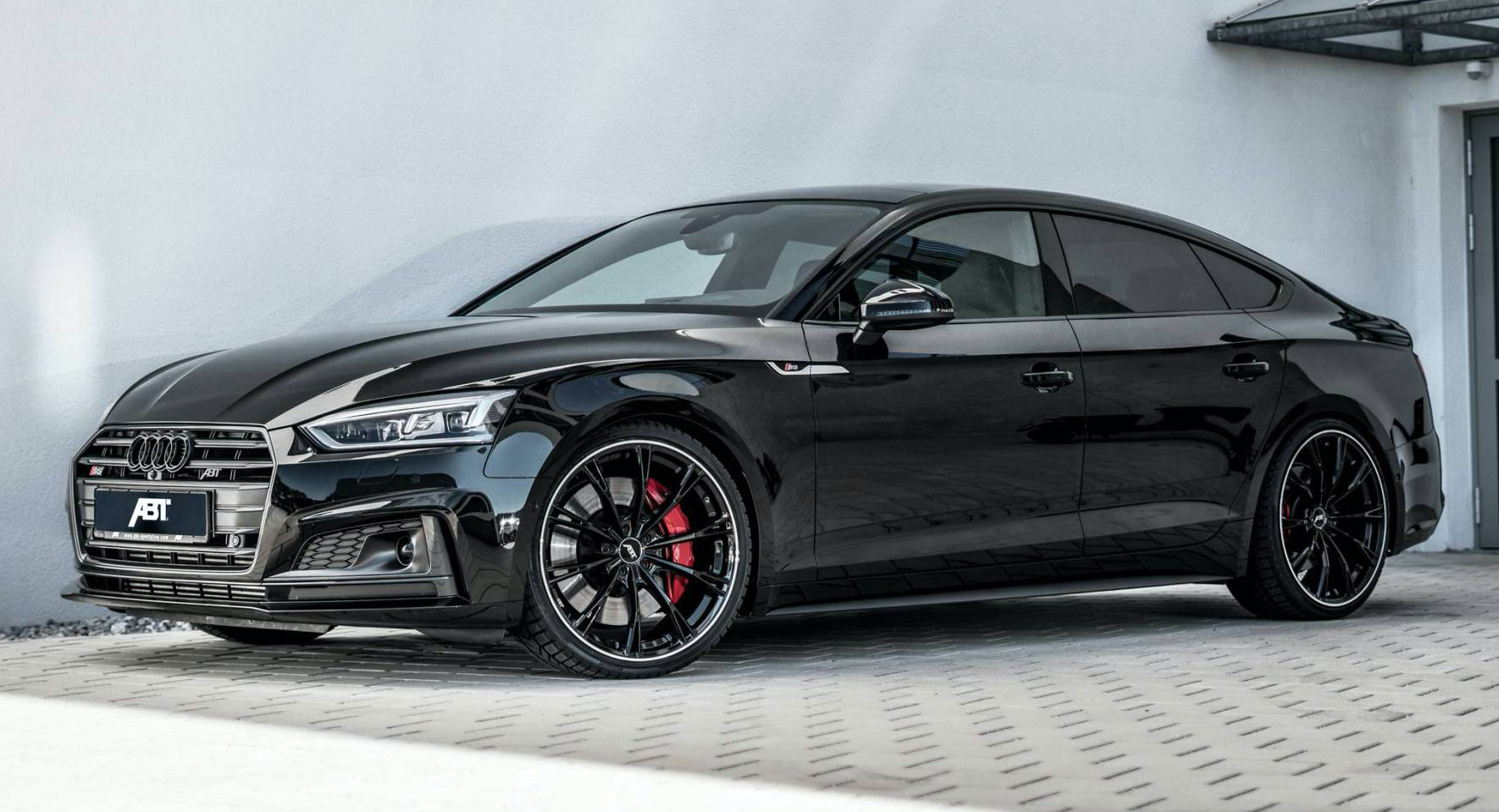
    German auto brand Audi is recalling 104 cars in Vietnam due to a lock nut issue on the rear suspension that could cause a loss of control and crash.

    Certain lock nuts on the trailing arm of the rear axle can break due to corrosion, which can change the wheel alignment on the rear axle, according to a notice the company submitted to Vietnam Register.

    If the rear axle suddenly moves in the wrong direction, the driver could lose control and crash, it added.

    There has been no known accidents reported.

    The company will contact each owner about a free replacement of the lock nut, which would take around 1.5 hours.

    The recall lasts from Nov. 15 to Nov. 14, 2024.

  • Volvo Cars To Go Leather-Free In All Pure Electric

    Volvo Cars To Go Leather-Free In All Pure Electric

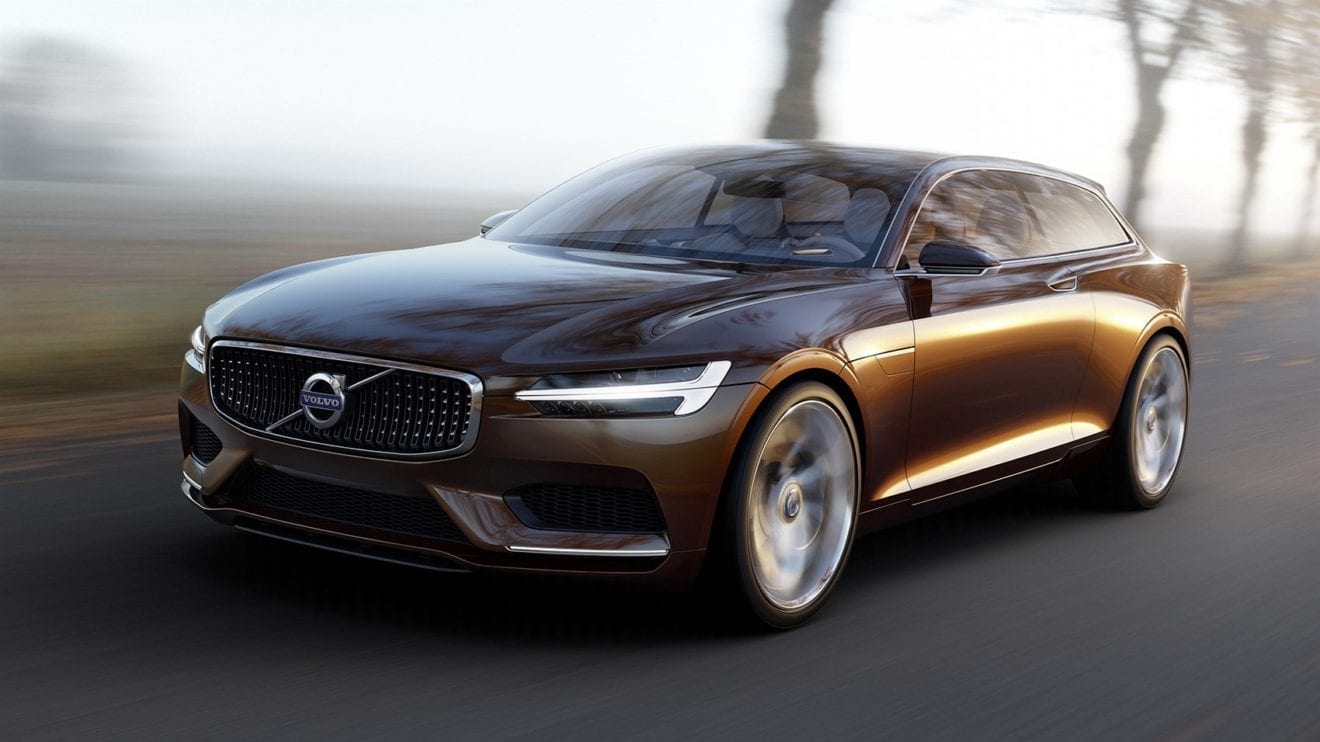
    Volvo Cars is taking an ethical stand for animal welfare in its fully electric cars. Starting with the new C40 Recharge, all-new fully electric Volvo models will be completely leather-free. In the coming years, Volvo Cars will launch a completely new family of pure electric cars. By 2030 it aims to offer only fully electric cars – all of them leather-free.

    As part of its ambitions to go completely leather-free, Volvo Cars is working actively to find high-quality and sustainable sources for many materials currently used in the wider car industry. By 2025, the company is aiming for 25 percent of the material in new Volvo cars to consist of recycled and bio-based content, as it looks to become a fully circular business by 2040. As part of its climate action plans, it also aims for all its immediate suppliers, including material suppliers, to use 100 percent renewable energy by 2025.

    Volvo Cars has created a new interior material – Nordico. It will consist of textiles made from recycled material such as PET bottles, bio-attributed material from sustainable forests in Sweden and Finland, and corks recycled from the wine industry.

    The company’s move towards leather-free interiors is also driven by a concern about the negative environmental impacts of cattle farming, including deforestation. Livestock is estimated to be responsible for around 14% of global greenhouse gas emissions from human activity, with the majority coming from cattle farming.

    Instead of leather interior options, Volvo Cars will offer its customers alternatives such as high-quality sustainable materials made from bio-based and recycled sources.

    For example, Nordico, a new interior material created by Volvo Cars, will consist of textiles made from recycled material such as PET bottles, bio-attributed material from sustainable forests in Sweden and Finland, and corks recycled from the wine industry – setting a new standard for premium interior design. This material will make its debut in the next generation of Volvo models.

    Instead of leather interior options, Volvo Cars will offer its customers alternatives such as high-quality sustainable materials made from bio-based and recycled sources.

    Volvo Cars will also continue to offer wool blend options from suppliers that are certified to source responsibly, as the company looks to ensure full traceability and animal welfare in its wool supply chain. Volvo Cars is also looking to reduce the use of residual products from livestock production commonly used within or in the production of plastics, rubber, lubricants and adhesives, either as part of the material or as a process chemical in the material’s production or treatment.

    The company takes this step because it believes that while going leather-free is a step in the right direction, doing so alone does not make a car interior vegan.

    By aiming to actively replace these materials as much as possible, Volvo Cars takes a strong and ethical position to do what it can to help stop animal harm, by contributing to a reduced demand for these materials containing animal products.

  • Apple Adds More Drivers For Testing Self Driving Cars In California

    Apple Adds More Drivers For Testing Self Driving Cars In California

    It is no secret that Apple is lagging behind the likes of Google, Aurora, Cruise, Tesla, and many more when it comes down to self-driving technology. It even lost its lead of project titan aka the Apple Car project – Doug Field – to Ford recently. But now there are signs that it is ramping up testing of its self-driving car software with it increasing the number of pilots it has for tests in the last month.

    In August, Apple’s autonomous driving program consisted of 69 vehicles and 92 pilots as per a filing with the California DMV. Now that number has risen to 114 registered drivers as of September 10 which is just last week. This number is still lower than the peak of 154 drivers which was achieved in October 2020. There are signs that Apple is increasing its fleet after almost halving it in 2020.

    Waymo and Cruise have the most vehicles with each having 616 and 201 autonomous cars on the prowl in California. Apple just has 69 cars and is yet to apply for a driverless permit. DMV filings also reveal that Apple’s vehicles were involved in two collisions since last August achieving a total of five in the year. It has been reported that Apple’s system for autonomy disengaged at the time of the accident and the other vehicle was to blame for the two recent incidents.

    Apple has been developing a self-driving system for the last couple of years and this system will be applied to a chassis that will be powered by an electric powertrain with unique battery technology. Recently, after the exit of Field, Apple elevated Apple Watch software boss and healthcare head, Kevin Lynch to being the head of the Apple Car project. Lynch himself reports to Apple COO Jeff Williams and the overall project is under Apple AI chief and senior VP, John Giannandrea.

    Apple has been also on the lookout for a manufacturing partner having had chats with Hyundai, Magna, Kia, Toyota and Nissan for a contract manufacturer agreement, something that’s yet to be closed. Many believe Apple could be launching its car by 2025, but many Apple watchers believe that may not be true and the project isn’t as further along as many believe. Regardless, this will like also be the last major product launch under CEO Tim Cook who has been at Apple since 1998 and recently completed a decade at the top of the Silicon Valley giant.

  • General Motors Invests In Oculii, Radar Software Maker For Self-Driving Cars

    General Motors Invests In Oculii, Radar Software Maker For Self-Driving Cars

    General Motors Co’s venture capital arm has invested millions of dollars in Oculii, a U.S. startup maker of software for radar sensors used in self-driving cars, Oculii co-founder Steven Hong said. GM can use Oculii’s low-cost software to boost the resolution of radars and scale up its partially automated vehicles and full self-driving cars, he told Reuters in an interview.

    The investment is a “fantastic signal they’re serious about the technology and bullish about radar in general,” said the Stanford University graduate who founded Oculii with his father, Lang Hong, an engineering professor at Wright State University. He declined to disclose the financial details.

    Tesla Inc eliminated radar sensors from its volume models this year, rekindling questions about the safety and performance of its advanced driver assistant system. Radars, which measure the distance between objects, enable a car to accelerate or brake to match its speed with that of the vehicle in front. Radars also work well in adverse lighting and weather conditions. Tesla Chief Executive Elon Musk has called additional sensors like lidars and radars “crutches,” doubling down on cheaper cameras and artificial intelligence for its driving automation system.

  • Honda Cars India To Hike Prices Across Range From August 2021

    Honda Cars India To Hike Prices Across Range From August 2021

    Honda Cars India plans to increase the prices of its entire model range effective from August 2021. As reported by PTI, the Japanese automaker has cited an increase in input cost as the primary reason for the price hike. The carmaker looks to offset the impact of a sharp increase in the procurement cost of various essential commodities like steel and precious metals. However, the company hasn’t revealed the quantum of the hike, which is expected to vary from model to model.

    This will be the third price hike this year as the company had earlier increased prices in April because of rising input costs. In January 2021, prices of Honda cars were hiked as the company cited a rise in input costs to hike prices. The carmaker has four models in its product line-up for the Indian market, including the City and the Amaze sedan.

    Rajesh Goel, Senior VP and Director, Marketing and Sales, Honda Cars India today PTI, “The prices for raw materials like steel, aluminium and precious metals have increased sharply and many of them are at an all-time high, impacting our input costs significantly.”

    He further added that the carmaker is presently working out the details of the price hike which could be implemented from next month.

    “Our endeavour is to keep the cost of acquisition lower, so we are currently deliberating on how much of the additional cost we can absorb and how much will be inevitable to be passed on to our customers. The revised prices will be implemented from next month,” Goel noted.

    With input costs going up, Maruti Suzuki India last month announced that it would increase prices of its entire product portfolio in the second quarter of the financial year 2022. The Indo-Japanese auto major has already effected a price increase in April 2021.