Retail News CRM

Tag: cars

  • Volvo Cars Partners With POC To Develop Safer Helmets For Cyclists

    Volvo Cars Partners With POC To Develop Safer Helmets For Cyclists

    Volvo Cars are one of the pioneers in the development of safer modern cars and the Swedish carmaker is now coming up with something innovative to take the safety quotient one step ahead. Volvo is partnering with POC for a series of world’s first crash test of bike helmets against cars in a bid to protect cyclists in case of a collision. Accidents between cars and cyclists often result in severe injuries and even death of the rider. Cyclist detection with full auto brake uses cameras and radars to detect cyclists, warn the driver of an imminent collision and apply the brakes as a precautionary measure.

    The Volvo-POC research project consists of a number of specially designed crash tests at the Volvo Cars safety research facilities in Gothenburg, Sweden and is part of a wider research project to understand the types of long-term injuries sustained by cyclists. Speaking about the new project, Malin Ekholm, head of the Volvo Cars Safety Centre said, “This project with POC is a good example of our pioneering spirit in safety. We often develop new testing methods for challenging traffic scenarios. Our aim is not only to meet legal requirements or pass rating tests. Instead, we go beyond ratings, using real traffic situations to develop technology that further improves safety.”

    The tests are based on existing regulatory test procedures for pedestrian head protection. During these tests, POC bike helmets are worn by crash dummy heads mounted on a testing rig, from where they are launched towards different areas of the hood of a static Volvo car, at different speeds and angles for various measurements. The learnings from the research project will help POC make its helmets safer and more protective in the event of a car-bike accident, while the tests will also provide valuable insights and learnings for Volvo Cars into these types of accidents for future development.

  • Honda Confirms Closure of UK Car Plant

    Honda Confirms Closure of UK Car Plant

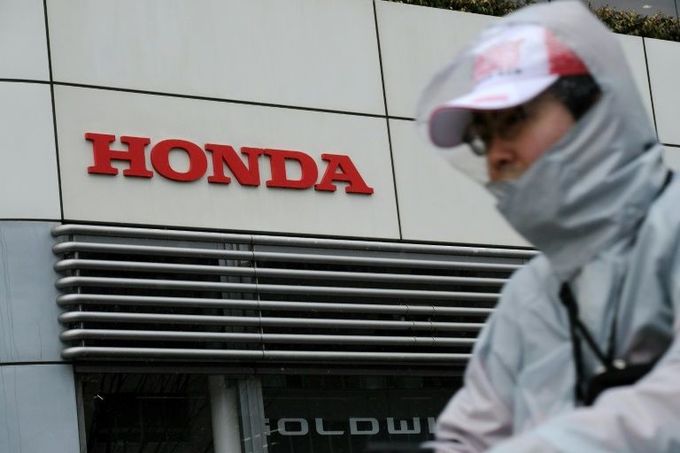
    Honda has confirmed its western England car factory, which employs 3,500 people, will close in 2021. The Japanese carmaker announced Monday that the Swindon plant will shut in two years, “at the end of the current model’s production life cycle.” Honda makes its popular Civic model at the factory, 70 miles (115 kms) west of London.

    Reports of the closure first emerged in February, heightening concerns about the impact of Brexit-related uncertainty on the U.K. economy. Honda said the closure is not Brexit-driven but “is part of Honda’s broader global strategy in response to changes to the automotive industry.”

    The British government and union consultants, but “no viable alternatives to the proposed closure of the Swindon plant have been identified.”

  • Tata Offers Emergency Service Support For Fani Cyclone-Affected Customers

    Tata Offers Emergency Service Support For Fani Cyclone-Affected Customers

    Tata Motors has announced initiating a special emergency service support for Tata vehicle owners who were affected by the untimely Fani cyclone in Odisha. The carmaker is offering free towing service to all Tata Motors vehicles that might have been damaged as a result of the unprecedented rains and strong winds in the state. Tata customers in the affected area can call Tata Motors Roadside Assistance to get their vehicles towed to the nearest Tata Motors authorized service center.

    Speaking on this initiative, Subhajit Roy – Senior General Manager & Head Customer Care (Domestic and International Business), PVBU, Tata Motors, said, “We are deeply saddened by the devastating effects of Cyclone Fani that has struck Odisha and its neighboring states. We at Tata Motors are extending prompt services across Odisha to give our customers the much-needed respite. We are currently offering free as well as discounts on services on Tata Cars across the state’s cyclone-hit areas to provide our customers utmost care.”

    In addition to that, the company will also offer special discounts and offers to customers with cyclone-affected cars. This currently includes – 50 percent discount on the spare parts on customer liability, a 50 percent discount on the labor on customer liability, and the provision of exclusive towing trucks till the situation betters. Furthermore, the company has ensured the availability of special call center executives who are fluent in the regional language for seamless communication.

    Tata Motors Roadside Assistance can be contacted at 1800 209 7979

  • Ford India Will Continue To Sell Diesel Cars

    Ford India Will Continue To Sell Diesel Cars

    Maruti Suzuki’s move to phase-out all diesel models within a year has certainly raised eyebrows. Tata Motors also in the past has said that it will only convert its 1.5-litre and above displacement diesel engines to BS6 and the low displacement diesel engines won’t make it beyond the timeline. There were several speculations about other carmakers as well. However, Ford India has stated that it will go ahead with diesel models in India and won’t pull the plug on any model. The American carmaker will be ready with BS6 powertrains well ahead of the April 1, 2020 deadline.

    Speaking with PTI, Vinay Rana, Executive Director, Ford India said, “We will continue to offer the power of choice to consumers and will not stop diesel models. Ford will also be fully ready with its range of BS-VI compliant diesel powertrains ahead of April 2020 implementation.” Raina believes that customers of Utility Vehicles traditionally prefer diesel engines. He added, “For instance, over 65 per cent of the consumers today buy EcoSport diesel variants compared to petrol. Despite government lifting subsidies on diesel over the years, we have seen the demand for diesel stay and expect the same to continue in 2020 and beyond.” However, he said that the company is expecting the prices of passenger vehicles in the industry to increase by up to 8 to 10 per cent.

    He also pointed out that Ford has launched its first CNG vehicle- the Aspire to support any possible shift from diesel and will continue to launch petrol versions of the models to complement diesel cars. “Ford – with the introduction of EcoSport in 2013 – was among the first to bring petrol engines into the consideration set of UV buyers. To complement the diesel technology, we will continue to deepen the portfolio of petrol engines and offer more BS-VI compliant petrol engines options to our consumers,” Raina added.

    Ford has also tied up with Mahindra to develop a new C-segment SUV for India and other developing markets. The new SUV will be developed on Mahindra’s platform and it will also supply the powertrain to Ford.

  • Ford Puts Pre-Collision Assist Technology On Shopping Carts

    Ford Puts Pre-Collision Assist Technology On Shopping Carts

    When it comes to raising the blood pressure, for parents, the weekly shop is right up there with getting the kids to bed and meal times. And while toddler meltdowns and trips to the sweet aisle are trying, few moments can be more worrying than seeing your child career off at high speed on a supermarket trolley.

    But now Ford has come out with a solution to ease your stress and it’s used car technology in a shopping cart. Ford has used the Pre-Collision Assist technology which is seen in most of its cars on a trolley. The technology uses a forward-facing camera and radar to detect vehicles, pedestrians and cyclists in the road, and automatically applies the brakes if the driver does not respond to warnings.

    The self-braking trolley uses a sensor to achieve a similar outcome – to scan ahead for people and objects and automatically apply the brakes when a potential collision is detected. Just a prototype for the time being, the self-braking trolley is part of a series of Ford Interventions; applying automotive expertise to solve the day-to-day problems we all face.

    Anthony Ireson, director, Marketing Communications, Ford Europe said, “Pre-Collision Assist technology can help our customers avoid accidents or mitigate the effects of being involved in a collision. We thought that showing how similar thinking could be applied to a shopping trolley would be a great way to highlight what can be a really useful technology for drivers.”

  • Daimler Will Pull Smart Mini-Cars Out Of United States, Canada

    Daimler Will Pull Smart Mini-Cars Out Of United States, Canada

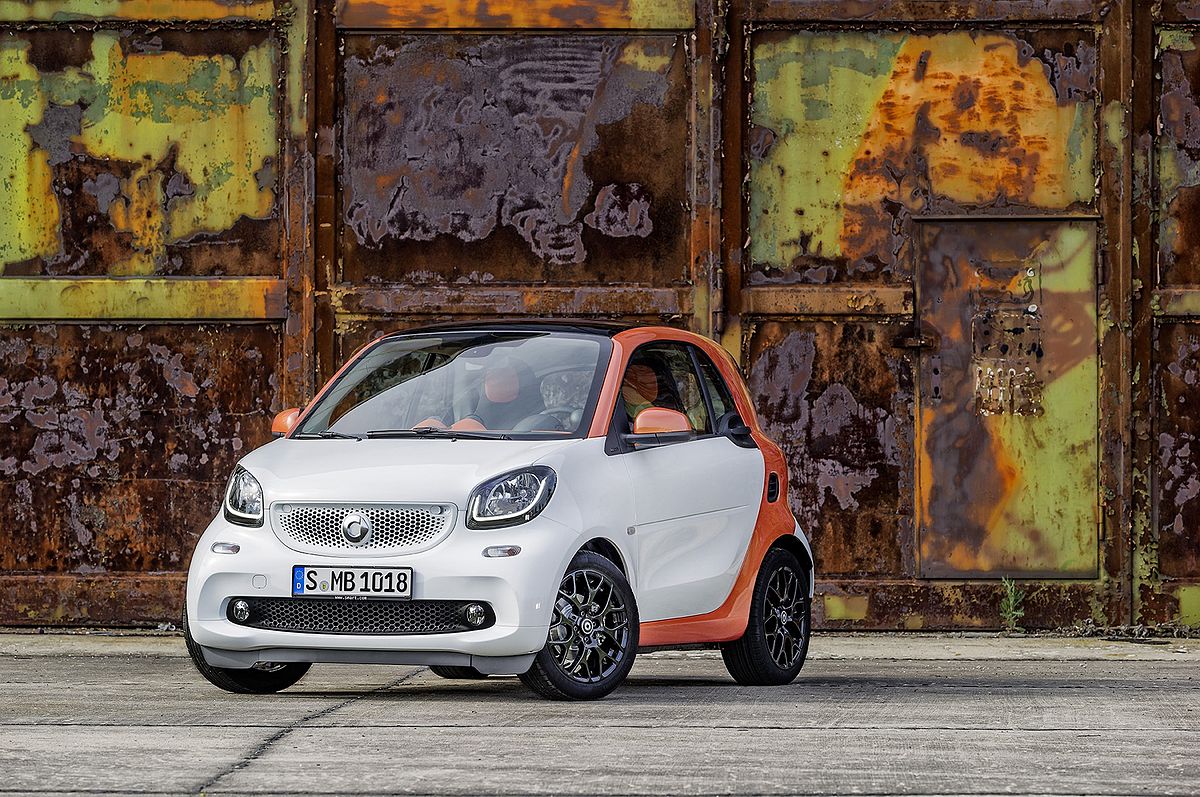
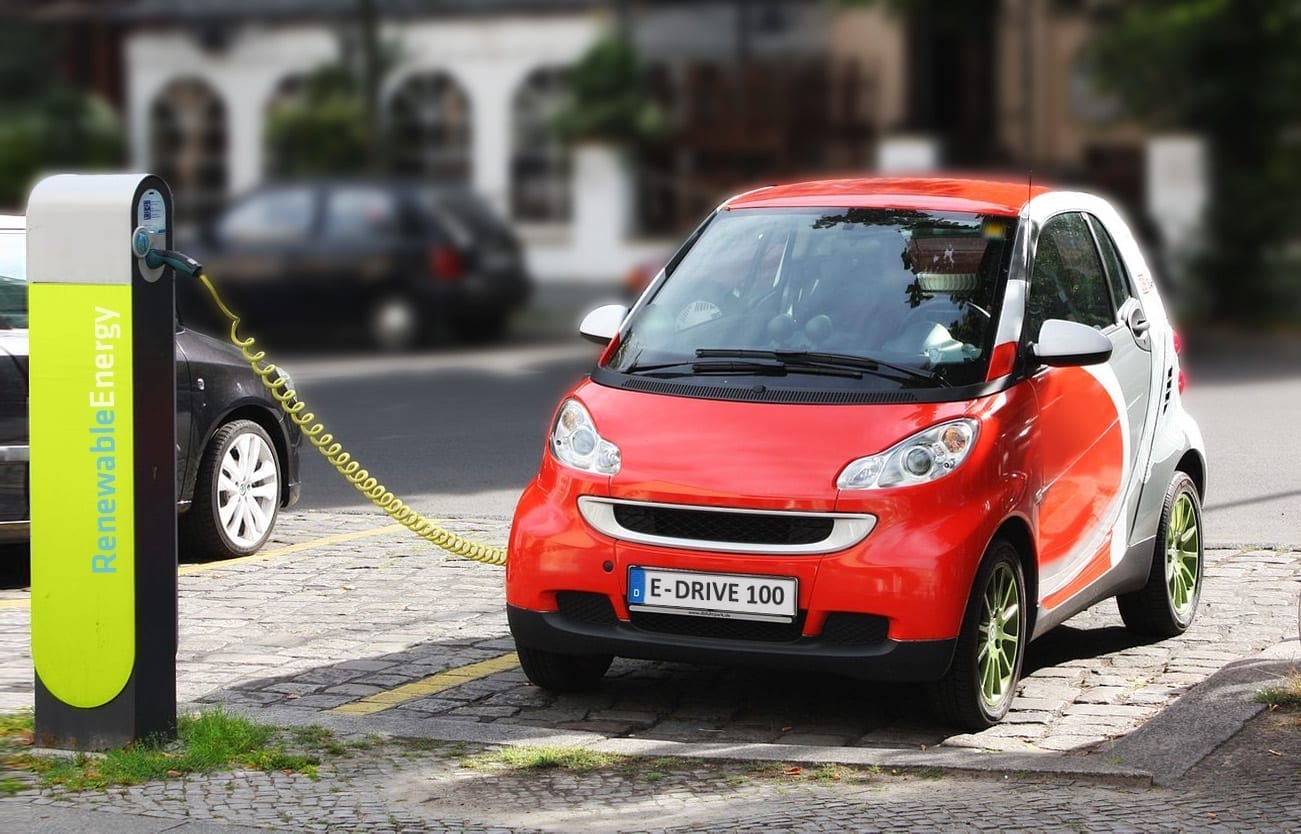
    The tiny, two-person Smart cars once pitched as the next big thing in urban mobility will be discontinued in the United States and Canada at the end of the current model year, German automaker Daimler AG said on Monday. Smart cars, with their unique styling and ability to fit in half a parking space, found an audience in densely populated U.S. and Canadian cities. But that audience was small and rapidly declining. Smart reported just 90 cars sold in the United States during March, down 18 percent from the year before.

    U.S. sales of a wide range of small cars have collapsed over the past several years as relatively cheap gasoline and a strong economy have encouraged consumers to buy larger trucks and sport utility vehicles.

    The Smart brand’s electric cars offered just 58 miles (93 km) of driving range. Competing models such as the “mid-range” Tesla Model 3, with an estimated range of 264 miles, offered more range and more room for passengers and cargo. The range figures are from the U.S. Environmental Protection Agency.

    Daimler’s Mercedes-Benz brand, in a statement, cited “a number of factors” for the decision to end Smart’s run in the United States and Canada, “including a declining micro-car market in the U.S. and Canada, combined with high homologation costs for a low volume model.” Homologation refers to the changes required to bring the European-designed Smart in line with U.S. regulations. Daimler ended sales of gasoline-fueled Smart cars in 2017.

    Mercedes plans to bring new, larger electric vehicles to the United States, starting with the launch of the EQC sport utility next year. Those vehicles will help Mercedes meet zero emission vehicle quotas in California and other states. Mercedes dealers will still offer parts and repairs for Smart cars, the company said.

  • Karma queues up 3 vehicles for Shanghai auto show

    Karma queues up 3 vehicles for Shanghai auto show

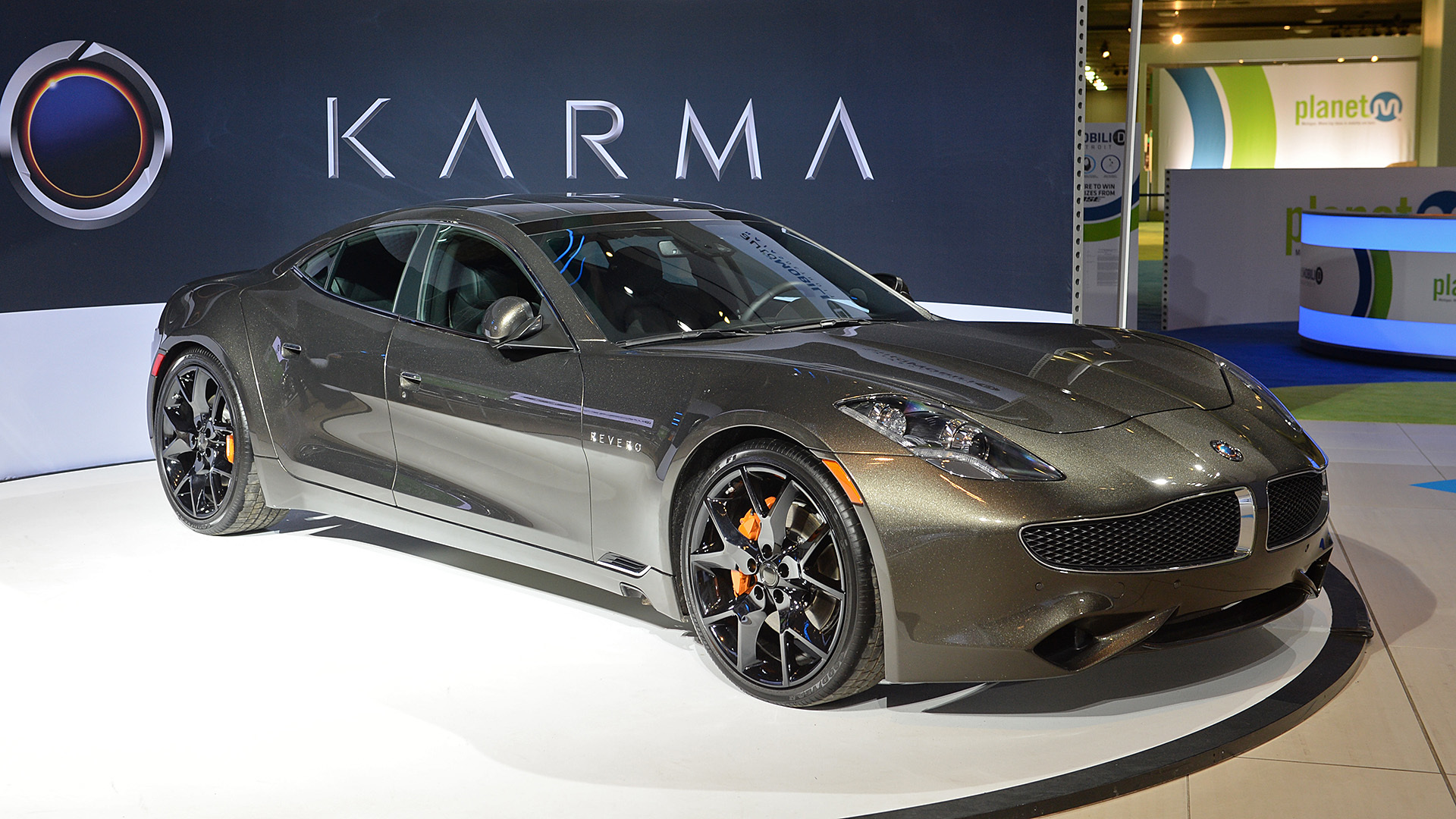
    Karma Automotive is prepping three vehicles — a concept car developed with Italian design house Pininfarina, the next-generation Revero electric car and the Karma Vision concept – that it hopes will propel the brand in a new direction.

    They will debut next month at the Shanghai auto show.

    “Taken together, Karma’s Shanghai Big Three represents our transformation from an old-value car manufacturer to a company building long-term value in part by becoming an open-platform luxury high-tech automotive incubator,” Karma CEO Lance Zhou said in a statement.

    Karma Automotive, headquartered in Irvine, Calif., was founded after the demise of Fisker Automotive, created by noted designer Henrik Fisker. The company’s sole product was the gasoline-electric Fisker Karma luxury car. Chinese supplier Wanxiang Group bought Fisker Automotive in a bankruptcy auction and put a revised version of the Karma back into production as the Revero in 2016.

    Karma plans to introduce a revised version of the Revero this year. The car is sold through a network of 19 stores in the U.S., Canada and Chile.

    The company released little information about the three vehicles scheduled for the Shanghai auto show, which opens April 16.

  • Hyundai Motor raided as defect cover-up investigated

    Hyundai Motor raided as defect cover-up investigated

    Prosecutors raided the main office of Hyundai Motor and its smaller affiliate Kia Motors on Wednesday as part of a probe into allegations that the company tried to conceal defects in some of its vehicle lineups. The Seoul Central District Prosecutors’ Office sent its investigators to search the quality division at the headquarters of the automaker to collect evidence.

  • Rolls-Royce agrees to follow Korea’s lemon law

    Rolls-Royce agrees to follow Korea’s lemon law

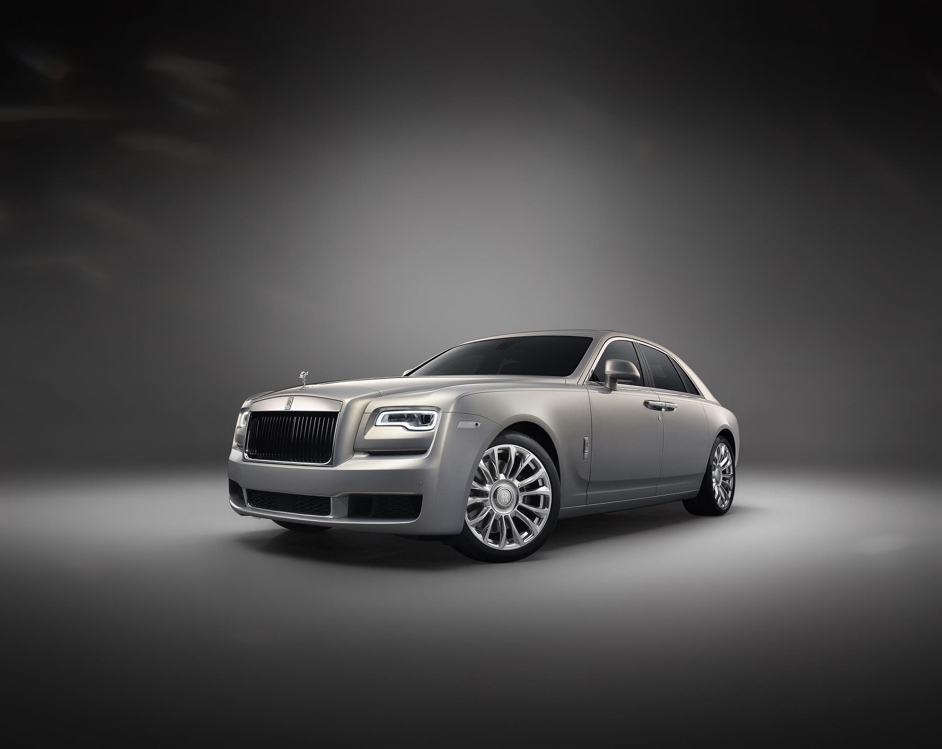
    Rolls-Royce announced Wednesday it will follow Korea’s voluntary lemon law for automakers, making it the first foreign luxury brand to accept the newly introduced regulation. Korea’s revised automobile management law, enacted last month, forces complying automakers to replace or refund recently purchased vehicles that repeatedly exhibit problems, similar to lemon laws in the United States.

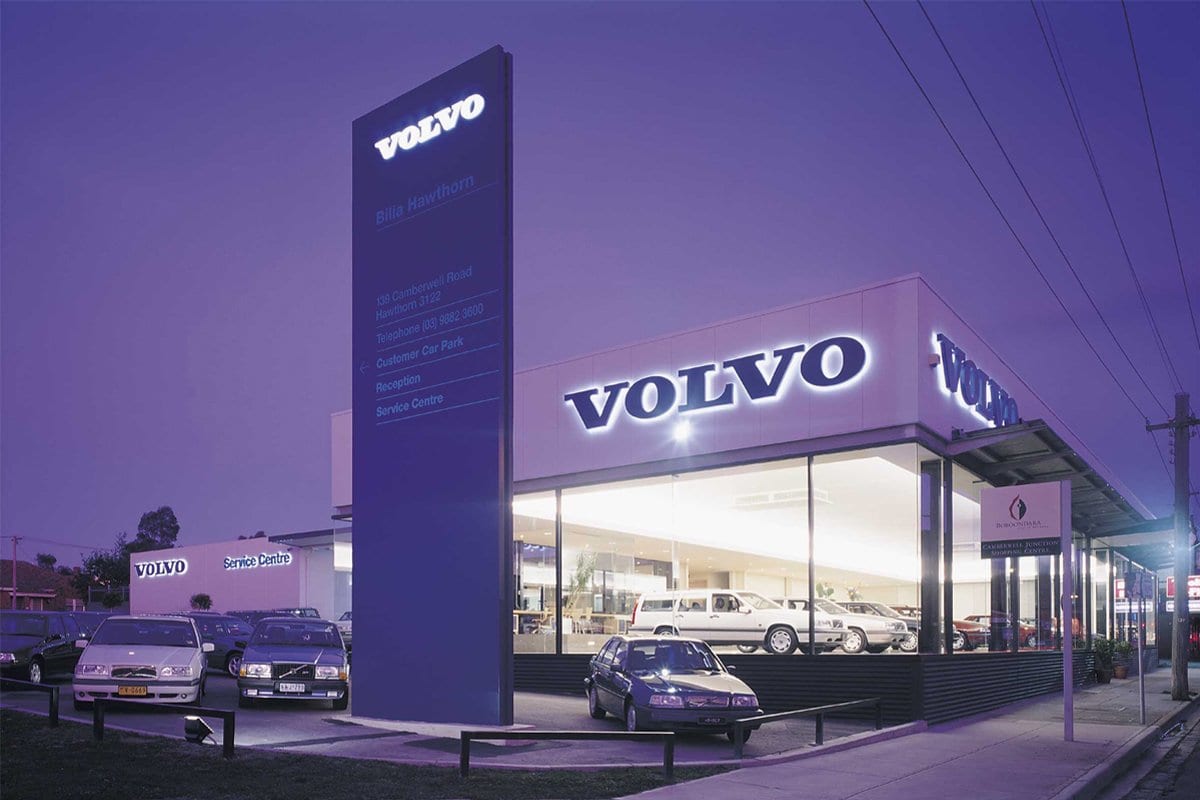
    While most local automakers have adopted the rule, Volvo has been the only overseas brand to do so.

    The U.K.-based automaker said it will abide by the country’s revised auto guidelines to strengthen its quality commitment to Korean customers.

    “Rolls-Royce will be the first luxury brand to accept the amended automobile management act,” said Rolls-Royce Motor Cars CEO Torsten Muller-Otvos at a launch event on Wednesday for the automaker’s showroom in Cheongdam-dong, southern Seoul.

    “It is our responsibility … to reassure our Korean customers that we will stand by our promise of ultimate quality,” added Muller-Otvos.

    Foreign automakers’ reputations took a blow in Korea last year. BMW Korea conducted two series of recalls after its vehicles began bursting into flames due to component defects.

    The Korean unit of Mercedes-Benz was fined 2.8 billion won ($2.5 million) in December for violating environmental and customs law regarding emissions certifications.

    BMW was fined for similar reasons at the start of this year.

    The quality push from Rolls-Royce comes as the luxury automaker achieved record sales figures last year in the Korean market as foreign imported vehicles continue to grow in popularity.

    According to the Korea Automobile Importers & Distributors Association, Rolls-Royce sales in the domestic market grew 43 percent to 123 units last year from 86 in 2017. Foreign auto imports increased by 11.8 percent.

    The luxury automaker’s performance in the Korean market last year outpaced its 22 percent growth in global sales.

    According to Rolls-Royce, the brand’s sales grew at a rapid pace in Korea last year thanks to an expanded lineup, including the Phantom.

    The CEO said he expects the company’s performance in the country to continue to improve.

    “Korea is a very important cornerstone in our Asia strategy,” said Muller-Otvos. “We might even see at a certain moment Korea overtaking the Japanese business in terms of size.”

    The luxury automaker’s chief also emphasized the automaker’s commitment to the luxury sector as the auto industry braces for major changes.

  • VinFast to test its first car for safety in Europe next month

    VinFast to test its first car for safety in Europe next month

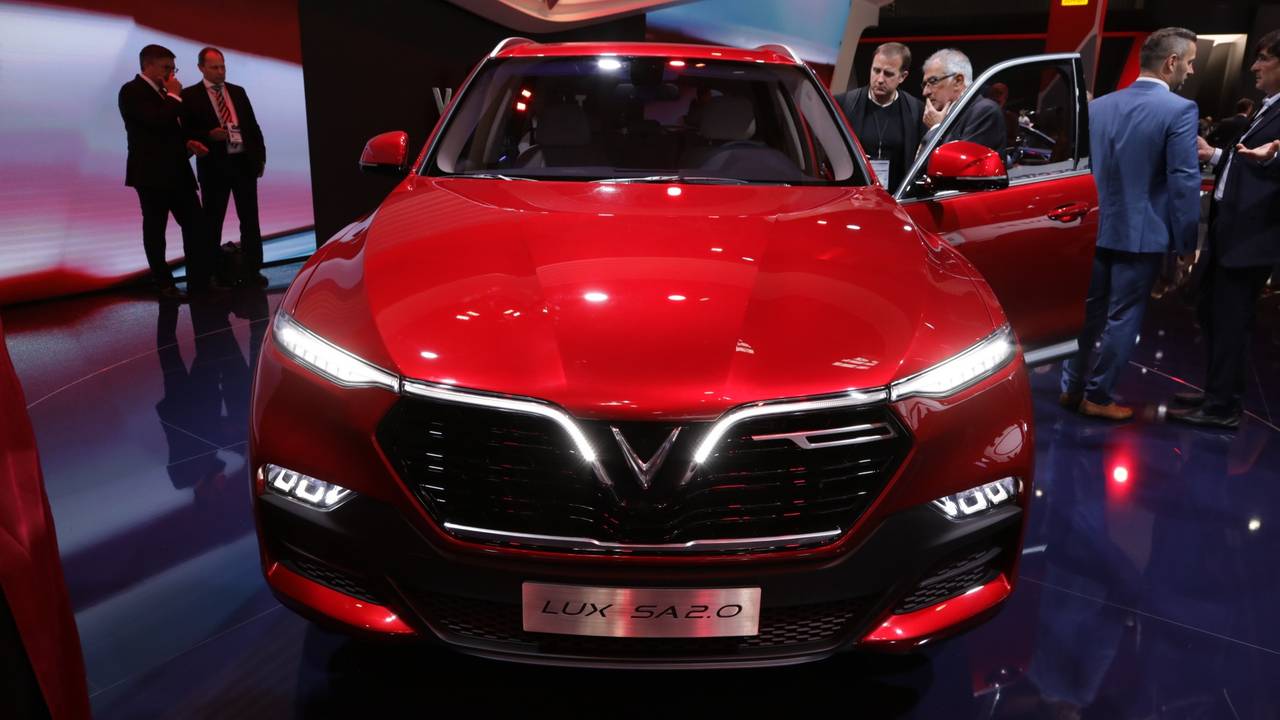
    VinFast, Vietnam’s first indigenous car manufacturer, plans to test its first vehicle for safety parameters in Europe on March 6. According to company executives, the vehicle will be tested for international standards to ensure its highest safety. This announcement came after VinFast’s Hai Phong factory successfully manufactured the first body shell of the Lux A2.0, a sedan, Wednesday.

    Shaun William Calvert, deputy general director in charge of production, said the first body shell meets the highest quality requirements.

    VinFast, the car manufacturing unit of Vietnam’s largest private conglomerate Vingroup, showed off its first two car models, a sedan and an SUV, at the Paris Motor Show in France last October just a year after the company’s incorporation, grabbing the attention of the local and international media.

    VinFast’s first cars are expected to hit the road in August 2019.

  • Hyundai may promote its Nexo with bottled water

    Hyundai may promote its Nexo with bottled water

    Hyundai Motor is considering releasing a range of bottled water inspired by its hydrogen fuel-cell vehicle Nexo, the company confirmed Monday. The automaker is hoping to use the Nexo-branded water to market its Nexo sport-utility vehicle (SUV) as pure and eco-friendly, like water. The unusual approach of using water to promote the car’s eco-friendly aspect is thought to be an industry first.

    Hyundai will be partnering with local convenience store chain CU. The date of the water’s debut has yet to be fixed, according to a press officer from Hyundai, rejecting claims by some media outlets that the launch could be as early as next month. The company also said mass production of the bottled water has not yet begun.

    When asked whether the water will be produced using any of the technology that goes into making a fuel-cell vehicle – water is a byproduct of a hydrogen fuel-cell vehicle – the press officer said, “the product will be like general drinking water used for marketing rather than a medium to show our car technologies.”

    The marketing scheme comes as Hyundai Motor Group is increasing its focus on hydrogen energy as its future growth engine.

    Just last month, Hyundai Motor Group Executive Vice Chairman Chung Eui-sun was appointed co-chair of the Hydrogen Council, a group of business leaders that promote hydrogen energy. On appointment, he highlighted the potential of a hydrogen energy-based economy where hydrogen energy would meet 18 percent of the total global energy demand and create millions of jobs by 2050.

    Hydrogen fuel-cell cars are powered by electricity generated through a chemical reaction between hydrogen and oxygen. It is often labeled as the ultimate eco-friendly car because its only byproduct is water, which is environmentally friendly. However, there are still some technological hurdles to make it the most common car on the roads, including high prices.

  • Hyundai to focus on customization

    Hyundai to focus on customization

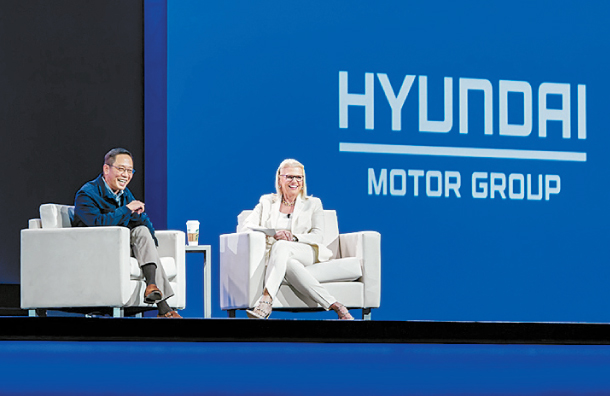
    The chief of Hyundai Motor’s financial affiliates outlined the units’ digital strategy and future vision at IBM’s largest annual conference that ran through Friday in San Francisco. Chung Tae-yong, who heads Hyundai Card, Hyundai Capital and Hyundai Commercial, said that finely-tuning customization will take center stage in Hyundai’s approach to serving financial services’ clients.

    “The existing concept of market customization is irrelevant to the current business environment,” said the CEO, whose English name is Ted Chung, during a session with Ginni Rometty, CEO of IBM.

    “Customization should not be based on widely-held assumptions, like young people might love zombie movies or older people won’t listen to hip-hop music,” Chung said, “If one likes candy, that is just it.”

    He went on to note that Hyundai Card holds a wide range of information that points to clients’ daily lives, preferences and hobbies and that the new services under development will be tailored using that data.

    Chung also cited Buddy, an AI-based chatbot for customer service using machine learning technology from IBM’s Watson.

    “It’s almost impossible to fully understand or memorize the benefits, limits, or conditions of a finance product,” he said.

    “So we introduced IBM Watson and it became a very powerful tool to help our employees and helped us to lower our employee turnover rate to less than 10 percent.”

  • 2018 sales of EV doubled in Korea

    2018 sales of EV doubled in Korea

    Hyundai Motor Executive Vice Chairman Chung Eui-sun laid out a plan to develop 44 electric vehicle models (EVs) and sell 1.67 million of the cars by 2025 during his New Year’s message held at the beginning of this year. The goal was a dramatic increase on the 38 models he planned to have by 2025 at the start of 2018. The revised goal is rooted in the fact that EVs are growing at an unprecedented pace in the global auto industry.

    According to U.S. market research firm S&P Global Platts, the number of electric cars sold worldwide exceeded 2 million in 2018 including plug-in hybrids, double the 1 million sold in 2017.

    This achievement came seven years after Tesla rolled out its Model S, opening the era of EVs, and more than two decades since Toyota released the world’s first hybrid, the Prius.

    Among the total number of EV cars sold, battery-electric vehicles sold 1.45 million units last year, followed by plug-in hybrids at 550,000 units.

    The most popular model was Tesla’s Model 3, which started mass production last year. Unlike the Model S and X, which cost over 100 million won ($88,850), the Model 3 was released as a more affordable model with a price tag around 50 to 60 million won. It sold 146,846 units, taking the top spot.

    Four Chinese companies ranked high in the top 10. The EC Series from Beijing Automotive Group ranked second. BYD’s eco-friendly plug-in hybrid, the e5, and JAC Motor’s iEV E/S were also on the list. Among Japanese cars, Nissan’s Leaf placed third while Toyota’s Prius Prime was ninth and Mitsubishi Outlander plug-in hybrid placed 10th.

    Hyundai and Kia both made it to the top 10 list of automakers for the first time. Combined, the two sold 90,860 units last year, taking the eighth spot.

    Tesla sold the most cars, at 245,240, followed by China’s BYD at 229,338. German brands, traditionally strong players in the vehicle market, had BMW at fifth and Volkswagen at ninth.

    Industry analysts project the market for electric cars will expand at an even faster speed. Deloitte, a global consulting firm, expects 4 million EVs to be sold in 2020 and 14 million in 2025. By 2030 it expects EV sales to hit 21 million.

    Considering that 98 million cars are sold worldwide annually, within 20 years one of every five cars purchased will be an EV.

    Experts say that while the United States and China have led the growth of the EV market, that is likely to change in the future.

    Deloitte forecast that cost reductions from technology development will pull down the price of EVs to be on a par with diesel cars by 2022. This means the product sector will gain price competitiveness, no longer relying on government subsidies.

    The market will also get more competitive. Toyota and Volkswagen are both planning to release new electric cars in the near future, with Volkswagen aiming to make 25 percent of the cars it produces EVs by 2025. Its investment in electric cars is already worth 20 billion euros ($2.25 billion).

    According to consulting firm AlixPartners, Volkswagen Group is planning to release 55 EV models by 2022. This accounts for half of all EV models slated for release by then.

    “Government subsidies played a big role in enabling Chinese firms to sell large numbers of EVs, but its finances have hit the limit,” said Kwon Yong-ju, a professor from Kookmin University’s department of automotive & transportation design.

    “With European companies having accumulated technology and capital while waiting for the commercialization of EVs, the future could be quite different from now.”

    “Major countries, like the United States and Europe, have tightened regulations toward environmental pollution more than before,” said Koh Tae-bong, head of research center at Hi Investment & Securities. “For car companies, it is inevitable that they will expand the amount of electric cars they make.”
  • Renault Korea still at odds with union

    Renault Korea still at odds with union

    Renault Samsung Motors and its labor union once again failed to reach a consensus on 2018 wages after negotiations fell through for a 14th time on Tuesday. Renault Samsung is the only domestic automaker that has still not clinched a wage deal for last year. A source from the automaker said the Tuesday talks lasted for about an hour and a half after the meeting began at 2 p.m. at Renault Samsung’s Busan factory, but ended in vain.

    The major issue of disagreement is over whether to raise the base pay.

    The labor union has been requesting a 100,667 won ($89.51) raise in base pay. The company has refused, citing bad timing, and offered incentives if the base pay is maintained instead.

    The wage deal is very important for both the company and the labor union, as it comes at a crucial time.

    While Renault Samsung’s Busan factory has been producing Nissan’s Rogue compact crossover on consignment, the contract ends in September.

    The Korean unit of Renault needs to negotiate with the French headquarters to win follow-up models to produce in Busan. As Rogue production accounts for nearly half the workload at the Busan factory, it could be seriously harmed if the deal falls through and may even end up following in the footsteps of GM Korea’s Gunsan factory in North Jeolla, which closed last year.

    The company claims raising the base pay at this time would negatively affect negotiations with the headquarters.

    The labor union, however, responded to the company with partial strikes. From October last year through last month, the labor union has gone on strike 28 times at the Busan factory. The labor union claims it deserves a base pay raise considering its wage is about 85 percent that of workers at Hyundai Motor factories and its productivity has been high.

    In response to the strikes, Jose Vicente de Los Mozos Obispo, Deputy Alliance Executive Vice President, Manufacturing & Supply Chain at Renault, sent a video message to employees at the Korean unit earlier this month, warning the Renault-Nissan-Mitsubishi Alliance cannot assign new models to the factory if the strikes continue. Renault considers labor cost, production cost and supply stability when allocating new models to factories.

    The two parties have yet to hammer out their differences in the negotiations that began in June last year.

    The company and the labor union will have another round of negotiations soon, though the exact date was not released Tuesday.

    Renault Samsung is in a hurry to finalize the deal as it is running out of time to win new models for the Busan factory before September. The factory needs several months of preparation to adjust production lines to produce a new model.