Retail News CRM

Tag: cars

  • China’s Wanxiang gets approval to produce Karma electric cars

    China’s Wanxiang gets approval to produce Karma electric cars

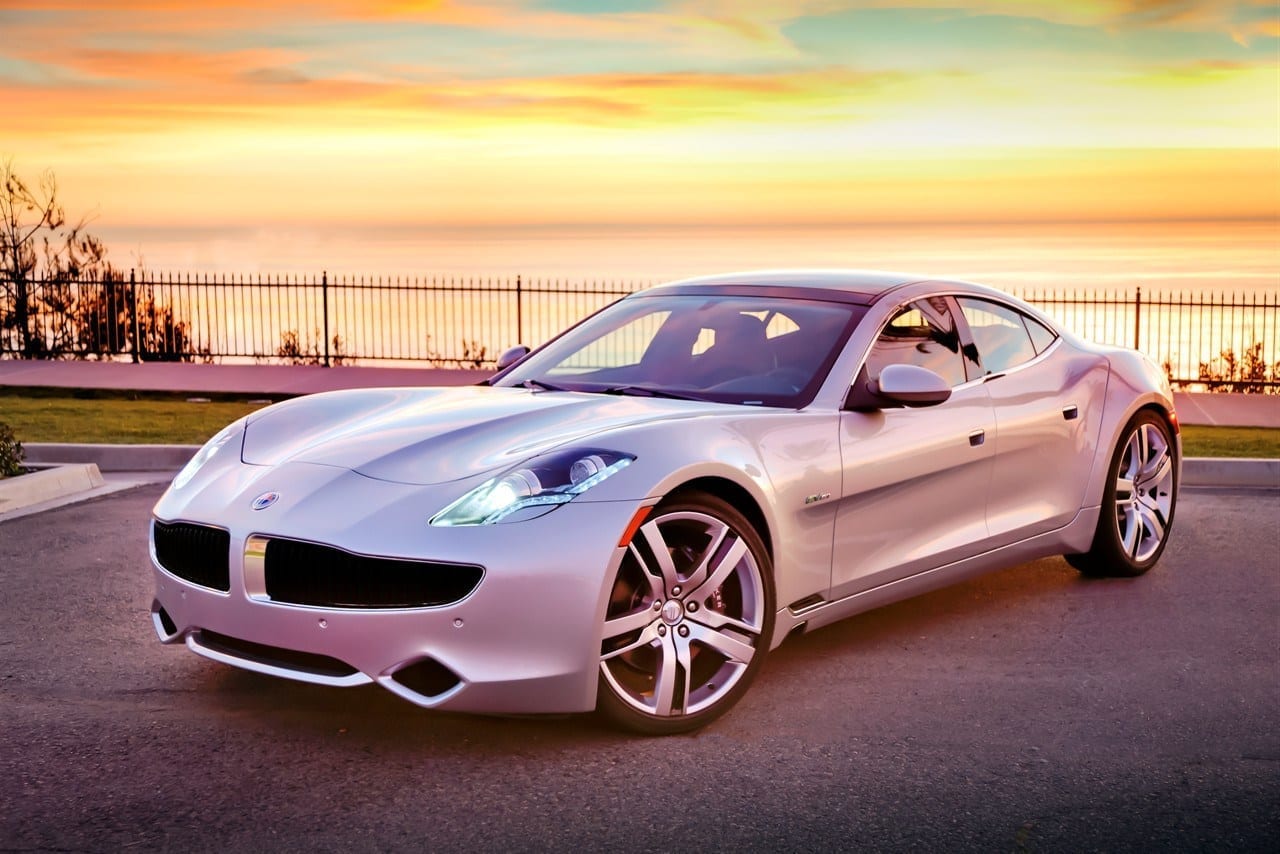
    Wanxiang Group, a major Chinese auto parts supplier which almost three years ago bought the assets of defunct California-based plug-in hybrid carmaker Fisker Automotive, has received approval from local regulators to produce electric vehicles in China.

    According to a notice on Friday on the website of the National Development and Reform Commission (NDRC), China’s top economic and industrial planner, Wanxiang has the green light to build a factory with capacity to produce 50,000 electric cars a year.

    The move means the former Fisker Automotive, which was founded in part with a U.S. government loan and ceased production of its $100,000 plug-in electric hybrid sports cars in 2012 after a series of technical glitches and cost overruns, continues to survive under Chinese ownership after Wanxiang gave it a second life.

    Wanxiang later changed Fisker’s name to Karma Automotive.

    Wanxiang, a Hangzhou-based company which in 2012 also acquired U.S. lithium-ion battery maker A123, became the sixth company to be allowed to produce new-energy vehicles in China.

    More companies are currently being encouraged to enter the automotive industry in China but only if they are willing to produce so-called new-energy cars, mostly all-electric battery cars and heavily electrified plug-in hybrids.

    China has been making a push for electrically-propelled cars by offering incentives to buyers, forcing global automakers to share their technology, and opening its market to tech firms and others to produce electric vehicles.

    Beijing wants such vehicles to serve the mass market, and hopes the technology will help its auto industry close a competitive gap with global rivals which have a century’s head-start in traditional combustion engines.

    Aside from Wanxiang, NDRC has approved five companies to produce new-energy vehicles, including Ch-Auto’s Qiantu Motor, and Changjiang Auto. More companies such as WM Motor, Future Mobility, Singulato Motors are seeking approval.
  • KAI Offers Train Cars to Myanmar

    KAI Offers Train Cars to Myanmar

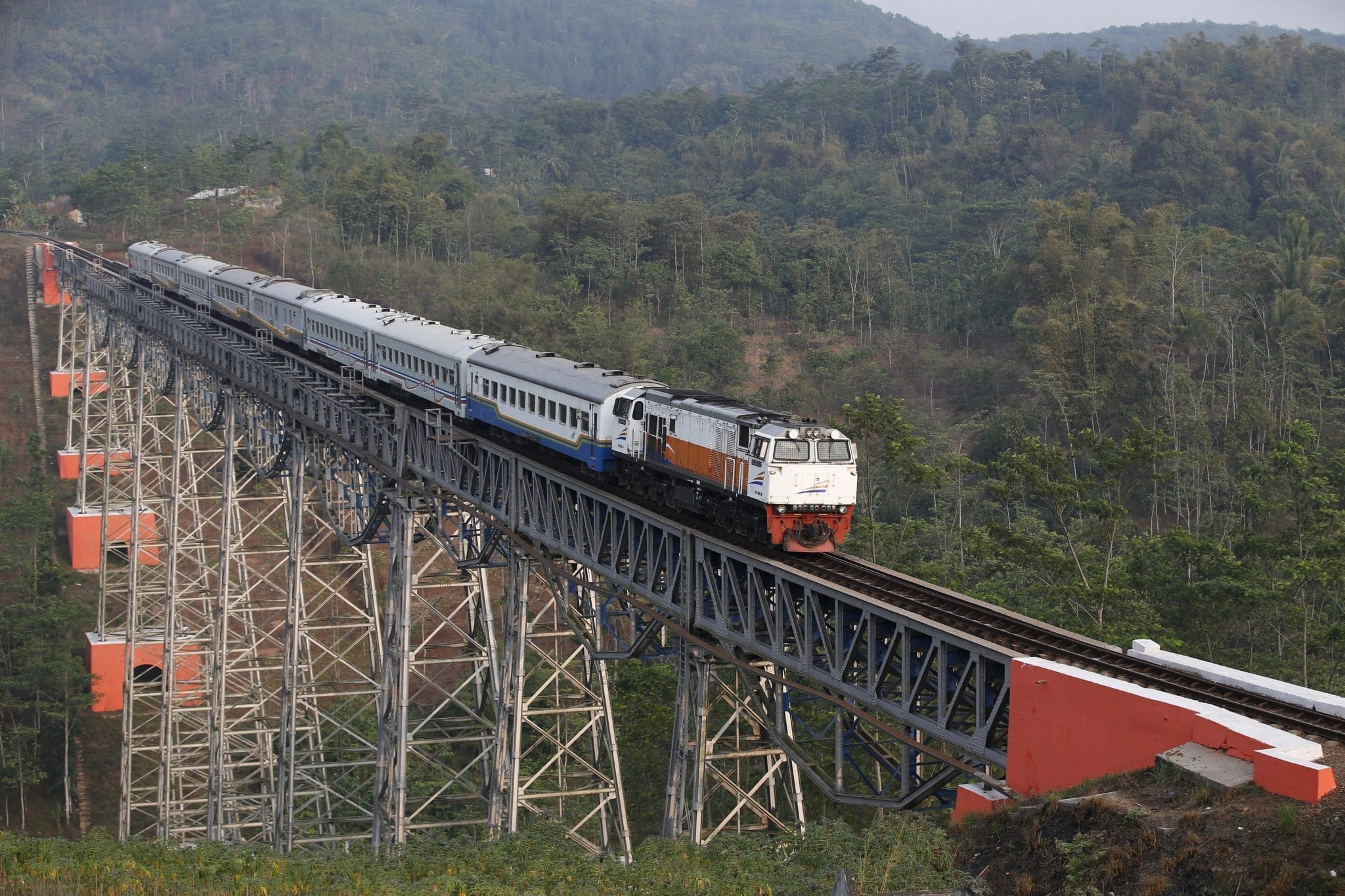
    State-owned railway company PT Kereta Api Indonesia (KAI) has offered at least 600 old train cars to Myanmar.

    “We have about 600 20-year-old cars. They can run up to 60 kilometers per hour. But they need to be reconditioned,” KAI director of logistics and development Budi Noviantoro said in Yogyakarta.

    Budi explained that his company has sent a technical team to Myanmar to conduct a survey. As the company purchased new cars from General Electric, PT KAI had no longer used the old cars for its operations.

    The Myanmar Ambassador to Indonesia has offered PT KAI to operate the country’s railway, reflecting a cooperation commitment to realize the mass transportation project.

    “Myanmar has had trains. But the speed is limited only to 30 kilometers per hour,” Budi said.

    Budi pointed out Myanmar has a huge potential in the railway sector, but the government could not yet optimize the potential, as the situation in the country has just been stabilized.

    In addition, KAI has also discussed a cross-border railway project, connecting Kunming, Vietnam, Thailand, Malaysia and Indonesia. Delegations of six ASEAN countries, including Myanmar are currently meeting in Yogyakarta to discuss the cross-border railway project.

    KAI president director Edi Sukmoro said that the cross-border railway network can be realized since railway transportation is the most important part in the ASEAN Economic Community era.

    “In Europe, a car can be transported by a Ferry. In the future, Indonesia can have this,” he said.

  • High-end luxury car market hit hard

    High-end luxury car market hit hard

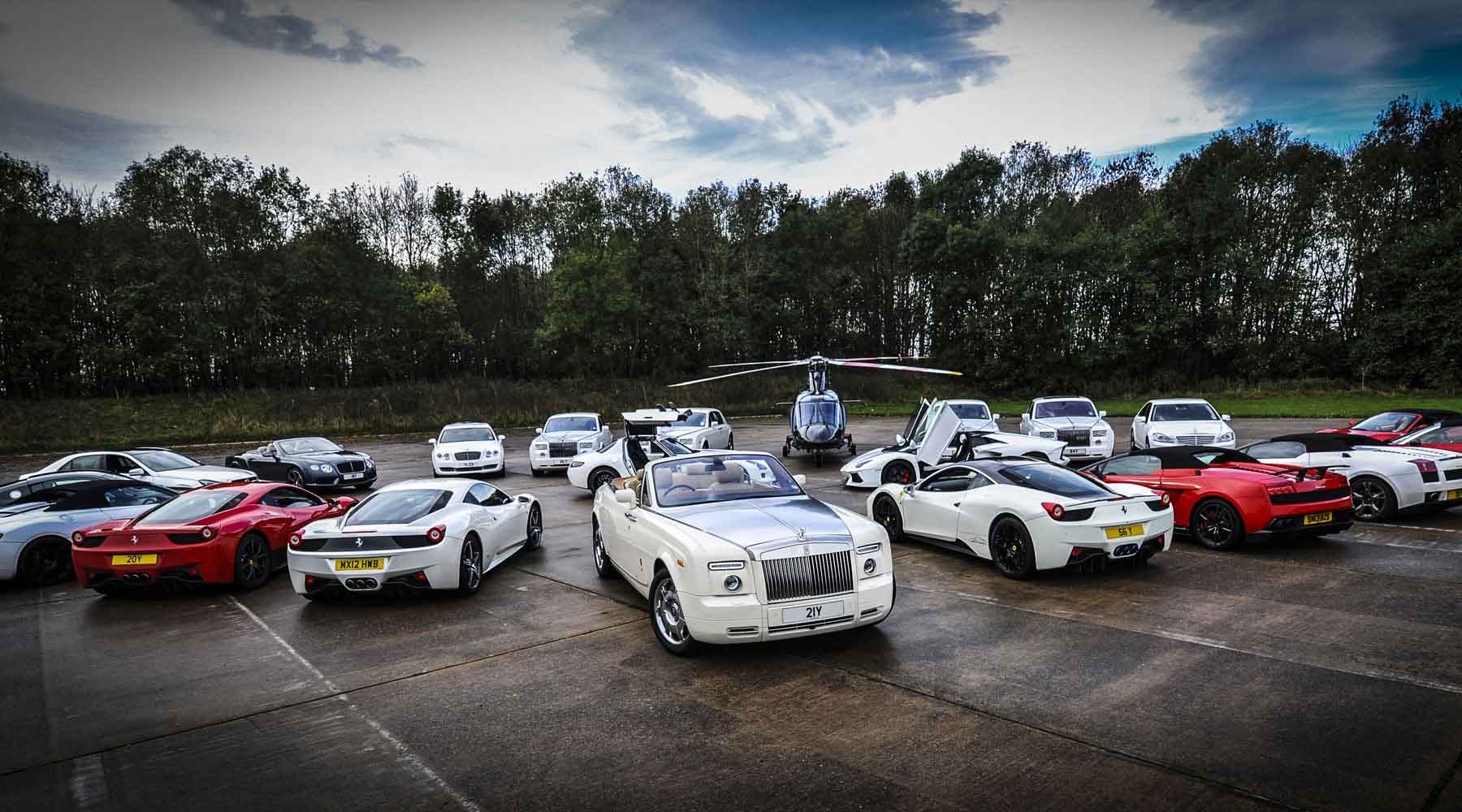
    The bottom may already be falling out of the high-end luxury car segment because of the gloomy economy, but Indonesia’s tax amnesty scheme seems to be exacerbating the situation.

    This segment groups super sports car and ultra luxury limousine brands, namely Ferrari, Lamborghini, McLaren, Aston Martin, Rolls-Royce and Bentley.

    From January to August this year, a total of 91 of these cars were registered here, according to the Land Transport Authority. This is down 27 per cent or about a quarter from the 125 units registered in the same period last year.

    This is in stark contrast to the total year-to-date registrations for the overall car market, which soared 71 per cent from 33,673 to 57,468.

    According to some dealers, the high-end luxury car segment has been particularly quiet in the past couple of months since the start of the Hungry Ghost Festival, a period when prospective buyers traditionally refrain from making big-ticket purchases.

    Pang Cheong Yan, managing director of Wearnes Automotive, said: “Generally, people are becoming more cautious as they are not sure how long this current economic climate will continue.”

    Mr Pang, who is in charge of the Aston Martin and Bentley brands, added that it did not mean that this group of buyers is “less rich”.

    “They are just not willing to spend on discretionary items.”

    Melvin Goh, chief executive officer of EuroSports Global, said that the wealthy are being “more careful with their spending”. EuroSports distributes Lamborghini and Zonda, among other brands.

    Mr Goh said: “Business sentiment is weak and this has affected the Lamborghini business. Fortunately though, we have the LP580-2 Coupe and Spider priced below S$1 million and these are still selling.”

    Mr Goh explained that the S$1 million mark is a psychological barrier for many people, so anything just below it becomes a “magic number”.

    Besides the economy, however, some dealers said that Indonesia’s tax amnesty scheme is also hurting their business.

    The director of a high-end luxury brand, who declined to be named, said that as many as 30 per cent of his customers are wealthy Indonesians and “this group is gone”.

    He said that many are “scrambling for cash” to pay the taxman after having declared their assets to the authorities.

    “As for the rest who still have spare cash, they won’t spend until they are in the clear.”

    The head of another high-end luxury dealership agreed. He said that while the large majority of his customers – up to 90 per cent – are Singaporeans, some of the remaining 10 per cent are also feeling the heat from the tax amnesty issue.

    “For now, they are not going to be seen spending any of their money on expensive cars.”

  • Daimler plans at least six electric car models

    Daimler plans at least six electric car models

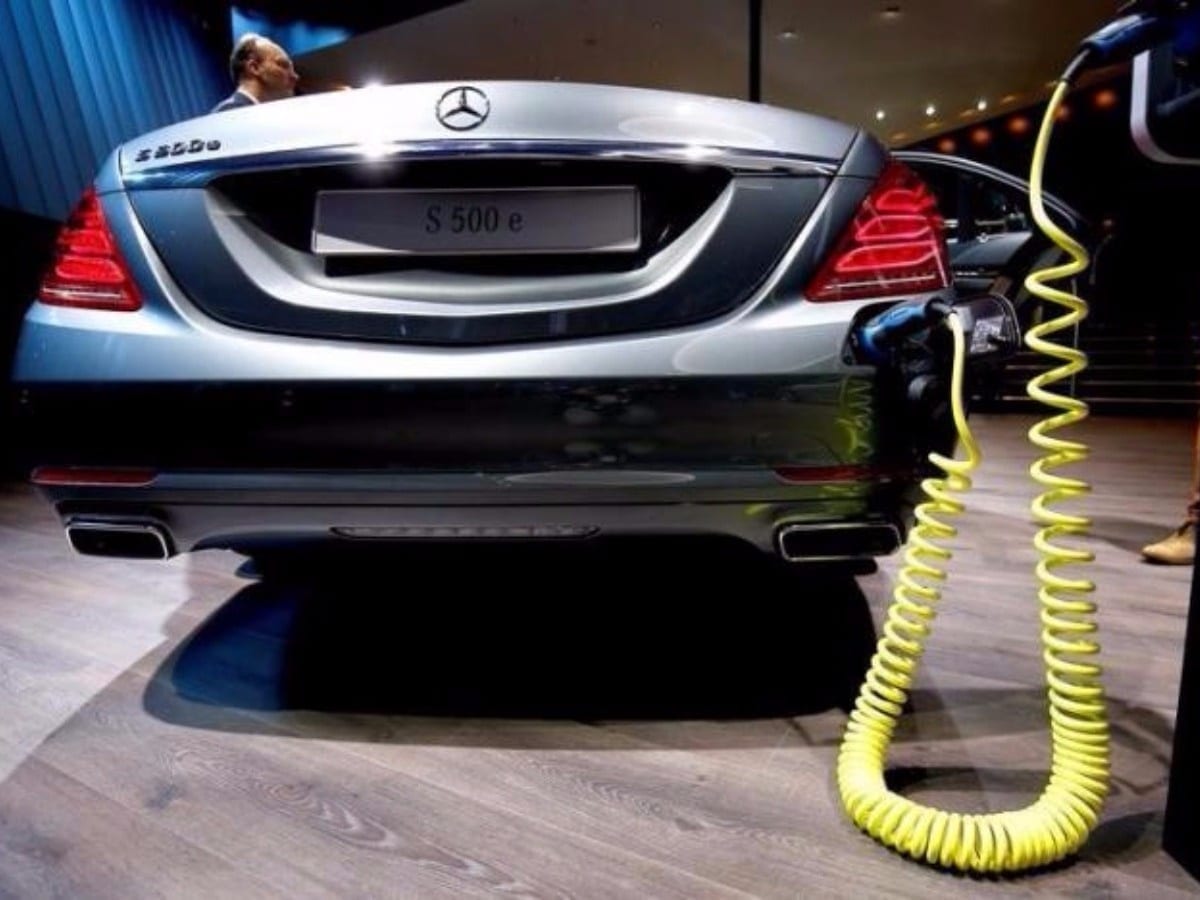
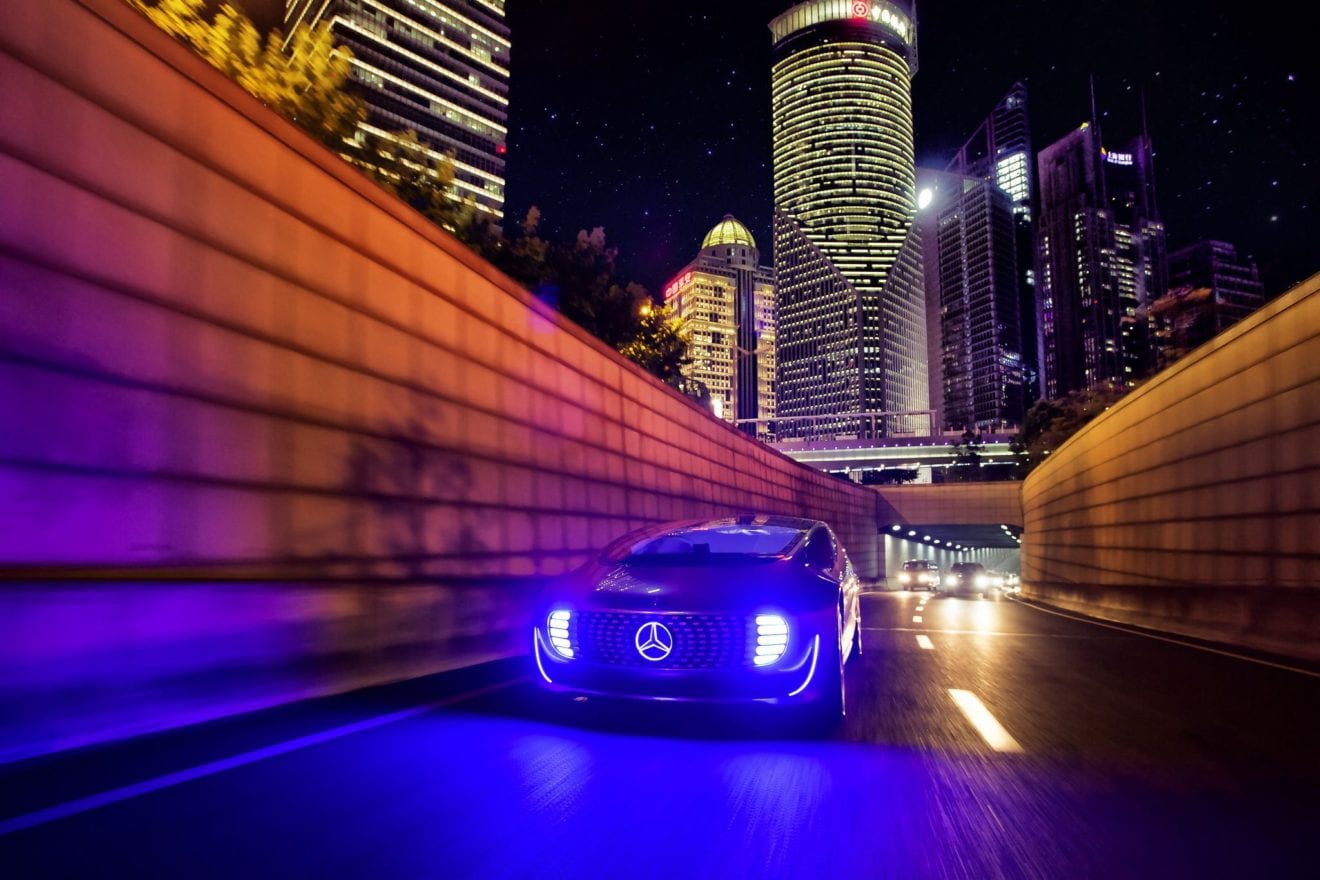
    German carmaker Daimler plans to roll out at least six, and possibly as many as nine, electric car models as part of its push to compete with Tesla and Volkswagen’s Audi, a person familiar with Daimler’s plans told Reuters.

    The maker of Mercedes-Benz cars remains on track to unveil a new electric car at the Paris motor show next month. In July, the German carmaker said it had accelerated development of premium electric cars, a segment currently dominated by United States-based rival Tesla.

    German trade magazine Automobilwoche earlier cited company sources as saying Daimler would bring to market more than six electric car models between 2018 and 2024.

    German firms are investing heavily in electric cars, a segment once neglected by the industry as customers shunned their limited operating range and high cost.

    But a growing political backlash against diesel fumes and recent advances in battery technology to increase the reach of an electric car by up to 50 percent have spurred major investments by Volkswagen, Daimler and suppliers such as Bosch and Continental.

    Reuters’ source said Mercedes would also make an SUV model with a plug-in hybrid engine powered by fuel cells, which would have a range of up to 50 km (30 miles) on battery power and would then run on electricity generated by hydrogen.

  • Ford to recall 91,000 cars worldwide to fix fuel-pump issue

    Ford to recall 91,000 cars worldwide to fix fuel-pump issue

    Ford Motors said on Wednesday it was recalling about 91,000 vehicles worldwide to replace faulty fuel-pump parts that could potentially cause a car to stall without warning.

    Ford said it would replace fuel-pump control modules in about 88,151 vehicles, including certain of its 2013-15 model year Ford Taurus sedans, Ford Flex crossover utility vehicles, Lincoln MKS sedans, Lincoln MKT SUVs and Ford Police Interceptor sedans. (ford.to/2bOOxjg)

    The company also said it would recall about 2,472 Ford Transit vans to replace fuel-injection pumps in certain models manufactured in the year 2015-16.

    The carmaker said it was additionally recalling 23,150 Ford Escape SUVs of 2017 model year to update power-window software.

    Ford said is was not aware of any accidents or injuries associated with the issues.

  • Toyota to introduce new safety features in future vehicles

    Toyota to introduce new safety features in future vehicles

    Japanese auto major Toyota plans to introduce its new global architecture and latest safety technologies in future vehicles as it seeks to play a major role in bringing down fatalities in road accidents.

    The company, which has introduced its Toyota New Global Architecture (TNGA) in its 4th generation hybrid car Prius, plans to introduce it in its future models as well.

    Besides, it is also looking to introduce pre-collision system (PCS) in vehicles from next year in Japan, Europe and the US.

    “We have introduced the TNGA in the market with our 4th generation Prius. We will introduce it in vehicles following the Prius and eventually introduce it to all our products when there is a model change,” Toyota Motor Corporation Assistant Chief Safety Technology Officer Seigo Kuzumaki said here.

    Stating that TNGA has resulted in new collision safety body structure, he said in oblique frontal crash test, the new Prius has about 55 per cent decline in cabin deformation percentage compared to the previous 3rd generation.

    The test was conducted at a speed of 90 kmph as compared to 64 kmph done in the previous generation, he added.

    According to Toyota, TNGA incorporates wide reaching structural innovations that promises substantially improved basic performance and product appeal.

    Commenting on the PCS, Kuzumaki said: “The plan is to introduce this technology to our vehicles in Japan, Europe and the US in 2017. Later on, it will be rolled out country wise depending on suitability.”

    The PCS is a feature that helps prevent collisions using a camera and millimetre wave radar and engaging brake assistance system after warning when a driver fails to use brake.

    Although the company hasn’t specified a timeline for these technologies to be brought to India, it assumes significance as Indian roads account for registering the highest number of road fatalities in the world.

    Deaths due to road accidents in the country increased by around 5 per cent to 1,46,000 in 2015 from the previous year.

    As per WHO, fatalities due to road accidents globally were at 1.42 million people and is projected to increase to 1.85 million by 2030.

  • KDDI taps Gemalto for connected cars and IoT

    KDDI taps Gemalto for connected cars and IoT

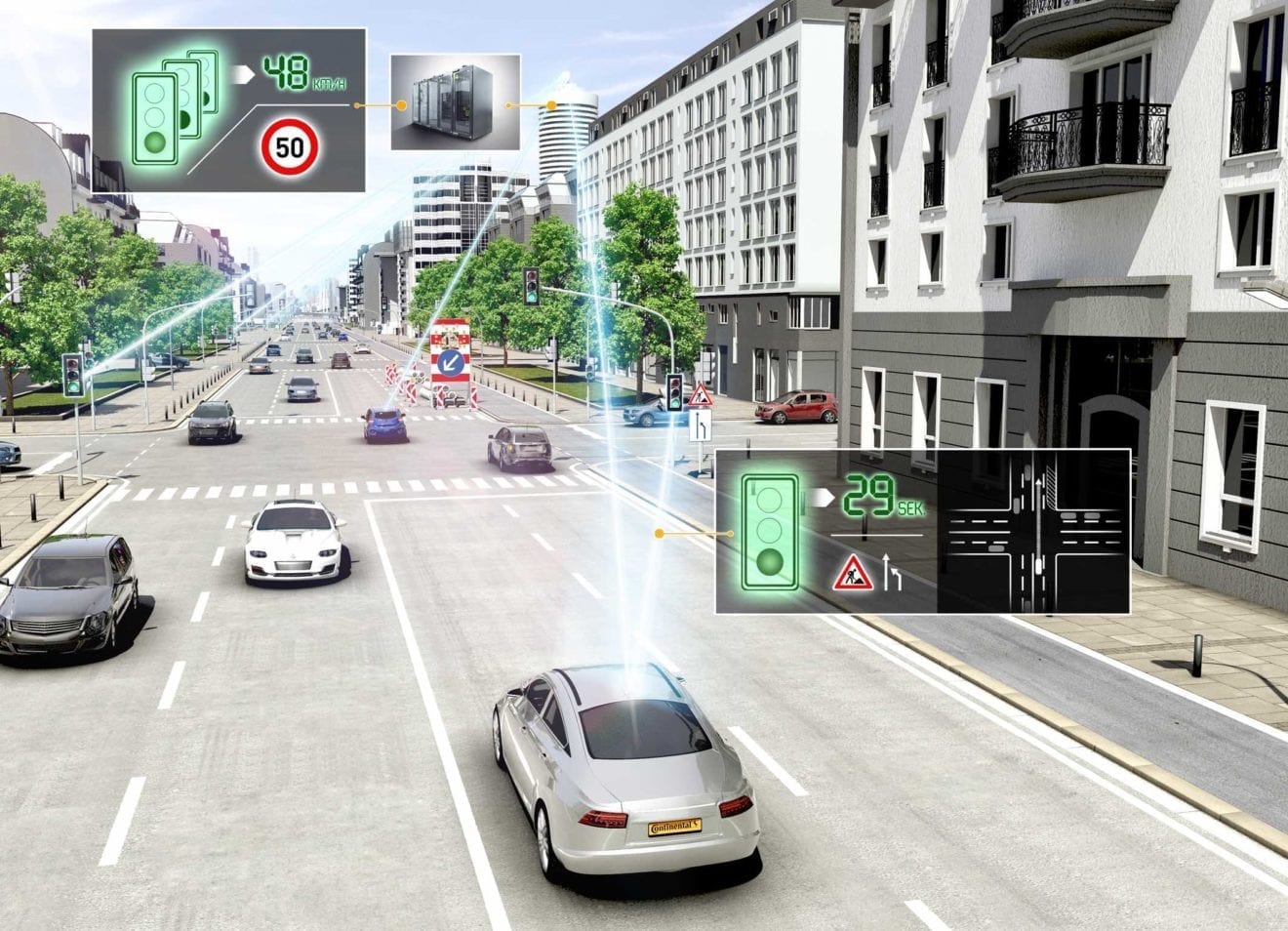
    Japan’s KDDI has selected Gemalto to provide the platform to enable secure connectivity for connected cars and IoT applications worldwide.

    Gemalto will provide its LinqUs On-Demand Connectivity (ODC) subscription management solution and embedded SIMs (eSIMs) to the operator.

    As a result, KDDI can expect to provision any requested operator’s profile on connected cars equipped with pre-embedded eSIM.

    Motorists can access optimized real-time information about traffic and nearby amenities, navigation, vehicle diagnostics, and emergency services, anytime, anywhere.

    Gartner forecasts that by 2020, there will be around 250 million vehicles on the road with some form of wireless connectivity, making connected cars a major element of the Internet of Things. The lack of flexible and interoperable remote subscription management is a major challenge in deploying IoT.

    Gemalto’s solution, based on global GSMA specifications, is designed to simplify logistics for OEMs.

    “Gemalto’s solution is based on interoperable GSMA standards, and will provide a common and consistent way to connect devices in the future,” said Keiichi Mori, executive officer and general manager of KDDI’s IoT business development division.

    “With long-lasting relationships with over 500 mobile operators worldwide and a strong local presence, they can help us expand our services to other IoT applications, to obtain rapid growth in the connected world.”

    Michael Au, Gemalto president for South Asia and Japan, said IoT is increasingly turning connected cars into powerful hubs for value-added services such as infotainment, real-time vehicle telematics, and usage-based insurance, offering plenty of opportunities to OEMs and service providers.

  • TomTom wins deal to provide Volvo Cars with maps, data

    TomTom wins deal to provide Volvo Cars with maps, data

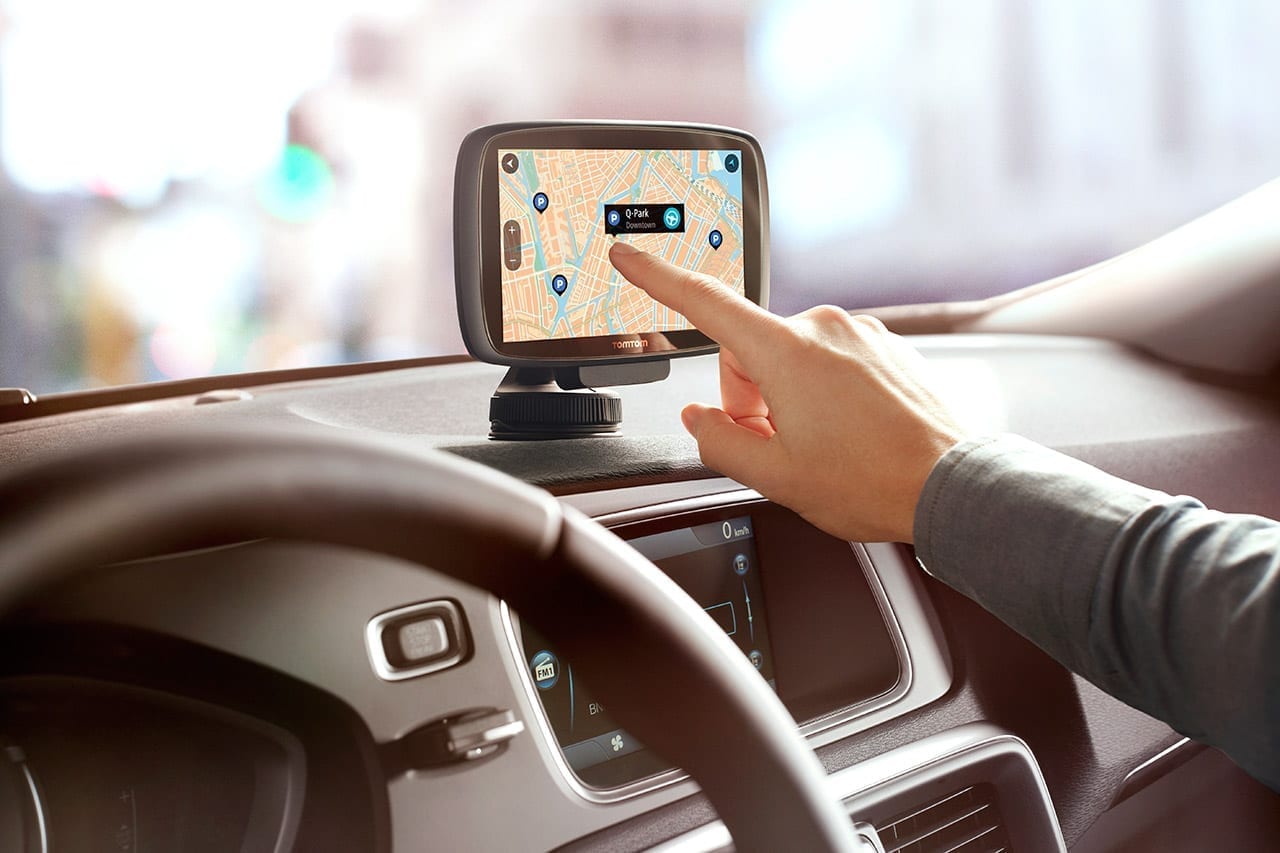
    TomTom, the Dutch navigation company, said on Wednesday it had won a contract to provide Volvo Cars with real-time maps and traffic data for its vehicles.

    Terms were not disclosed, but the contract is a major win for TomTom, which competes with Google Maps and HERE, the former Nokia unit now owned by Audi, BMW and Daimler.

    TomTom, once known mostly for dashboard-mounted GPS systems, has won a string of contracts for its mapping technology, which it believes will play an important role as car driving becomes increasingly automated.

    Other TomTom customers include Volkswagen, Uber and Apple.

    TomTom’s shares are down more than 30 percent so far this year, declining sharply during the January market sell-off and again in February after issuing a forecast for 5 percent sales growth in 2016 that fell short of market expectations.

  • Tesla calls out to build a million all-electric cars a year by 2020

    Tesla calls out to build a million all-electric cars a year by 2020

    Technology entrepreneur Elon Musk gave a public shout-out to the sharpest minds in manufacturing this week, calling on them to come help Tesla Motors Inc build a million all-electric cars a year by 2020.

    Musk says he is “hell-bent” on making the Silicon Valley automotive upstart a manufacturing powerhouse, but his vision relies on finding veteran auto engineers to ramp up volume ten-fold in four years – a challenge even for established carmakers.

    Tesla on Wednesday said it would build 500,000 cars in 2018, two years ahead of schedule, and close to 1 million by 2020. The same day Tesla said its vice presidents in charge of production and manufacturing were leaving.

    “You’re looking at a company with significant levels of management turnover at the highest ends, people without experience in the planning, design or build of vehicles, and you expect to crank it up at those kinds of volumes?” asked Michigan-based auto manufacturing consultant Michael Tracy.

    Putting aside the issue of capital requirements, auto experts point to a shortage of manufacturing engineers, whose ranks were thinning out even before the U.S. auto crisis hit in 2008.

    “It’s a constant issue we have in this country,” said Garth Motschenbacher, director of employer relations at Michigan State University’s College of Engineering.

    “For the longest time manufacturing was seen as the dirty end of engineering,” he said.

    At the same time, Alphabet’s Google and Apple are working on car programs and courting the same potential employees. So are established auto names like Ford Motor Co, General Motors Co and Toyota Motor Corp .

    A 2015 Deloitte report found it takes three months to hire skilled engineers, and the shortage is crimping manufacturers.

    Robust early reservations for the upcoming Model 3 mass-market car may have assured Musk of demand, but now comes the execution, said automotive recruiter Stephen Parkford.

    “It’s like reservations for a restaurant that’s not open yet. You got the menu, but you don’t have a chef!” he said.

    Hiring a highly proven production engineer from a traditional carmaker who arrived with his entire team could speed the process, Parkford said.

    But while young engineers will jump at the chance to work for Tesla, the “by-the-numbers, disciplined manufacturing guys” with 15-20 years experience will be harder to nab, said Cuneyt Oge, president of the Society of Automotive Engineers. One key obstacle is the high price of living in Silicon Valley.

    Musk needs a visionary auto industry veteran, Oge said. “But anyone with that kind of experience is going to say, ‘Hey, Elon, you can’t do this in two years.’”

    Tesla is known for pushing the envelope on design and technology but has stumbled in manufacturing, with prior launches marked by delays and quality issues.

    Traditional automakers have more human and financial resources than cash-burning Tesla: Tracy pointed to Nissan Motor Co Ltd’s ability in 2004 to bring in 200 engineers from Japan to help fix quality issues at its recently opened assembly plant in Canton, Mississippi.

    “Greybeards” are crucial to build and run factory systems, said Oge. “You can’t just defy the laws of business physics which require you to go down a learning curve collectively to build that systems know-how,” he said.

    While Tesla employees may cite Musk’s tirelessness and attention to detail, even bedding down inside his Fremont, California factory, others like consultant Tracy see a worrying sign.

    “If Elon is sleeping in a sleeping bag in a conference room off of the final assembly line, then there’s an awful lot happening in that factory that’s wrong,” Tracy said.

  • Astra car sales down 2.7 percent to 208,804 units in Q1

    Astra car sales down 2.7 percent to 208,804 units in Q1

    The countrys largest automotive company PT Astra International recorded a 2.7 percent decline year-on-year in car sales to 208,804 units in the first four months of the year.

    Based on data at the Indonesian Association of Motor Vehicle Industries (Gaikindo), Low Cost Green Cars (LCGC) contributed 34,209 units to the total sales by Astra Group.

    The sales in the first four month, however, was on the rise from 47,159 units in January to 49,933 units in February, to 54,508 units in March and to 57,204 units in April.

    The Astra group produces and sells Toyota, Daihatsu, Isuzu, Peugeot cars and UD Trucks. Sales have continued to be dominated by Toyota with sales reaching 111,710 units in the January-April period.

    Peugeot sales were the lowest in number reaching only 14 units. Sales of Daihatsu cars totaled 56,854 units, Isuzu 5,490 units, and UD Trucks 527 units.

    Sales of motorcycles produced by PT Astra Honda Motor (AHM) reached 1,439,241 units, down 13.5 percent from 1,664,395 units in the same period last year.

    Sales of non Astra cars in the first four months of the year totaled 177,316 units down 1.67 percent from 180,340 units in the same period last year.

    Sales of non Astra motorcycles totaled 543,263 units.

  • General Motors China Sales Up 7.3 Percent In January 2016

    General Motors China Sales Up 7.3 Percent In January 2016

    General Motors and its joint venture partners in China reported 421,023 new retail vehicle sales during January 2016, a 7.3 percent increase on a year-over-year basis.

    “This year, GM and our joint ventures will continue to offer an unmatched choice of products across market segments along with new services to meet the needs of China’s car buyers,” said GM Executive Vice President and GM China President Matt Tsien. “Our new models, such as the Cadillac CT6 and Chevrolet Malibu XL, will be strong additions to our portfolio.”

    Increasing demand for SUVs and luxury vehicles continued to support GM’s robust sales last month. The Buick Envision and Baojun 560 led the growth in sales of GM’s SUVs in January, with demand growing 188 percent-year-over-year.

    Chevrolet

    Chevrolet sales in January declined 27 percent year-over-year to 56,133 units.

    The automaker attributes the drop to the end of the fuel economy subsidy for the Sail. Chevrolet sales are expected to improve with the arrival of several new models in 2016, including the Malibu XL on February 27.

    Buick

    Buick sales in January grew 39 percent year-over-year to 138,907 units.

    Sales of the brand exceeded 130,000 units for the first time, led by the Excelle GT and Envision SUV. Sales of the Envision more than doubled on a year-over-year basis.

    Cadillac

    Cadillac sales luxury cars increased 16 percent from a year earlier to 8,337 units, making January the sixth consecutive month of double-digit sales growth.

    Sales of the ATS-L advanced 14 percent. The Cadillac CT6 full-size prestige sedan is the full-size top-of-the-range prestige sedan was launched on January 27th and is offered at Cadillac dealerships across China. It is first model manufactured at SAIC-GM’s new Cadillac plant in Shanghai.

    Baojun

    Sales of Baojun vehicles jumped 101 percent from a year earlier to 78,367 units.

    The Baojun 730 MPV and Baojun 560 SUV led their respective segments, while the 2016 Baojun 630 family sedan with enhanced styling and upgraded performance was launched at the end of last month at a lower price.

    Wuling

    Wuling sales in the Chinese domestic market decreased 17 percent from a year earlier in January to 139,227 units. The brand was impacted by continued contraction of the mini-commercial vehicle market.

  • Mercedes-Benz to invest RM200m in retail network

    Mercedes-Benz to invest RM200m in retail network

    Mercedes-Benz Malaysia will be looking to invest a further RM200 million until end-2016 to enhance its retail network to deepen the group’s presence nationwide, as Malaysia currently represents the biggest market for Mercedes-Benz passenger cars in Southeast Asia, according to the company.

    The German automaker has invested over RM250 million here since 2012, and has been reaping the benefits of its investment as market development for its brand has grown significantly. Its annual passenger car sales grew from 5,809 units in 2012 to 6,932 units in 2014 — a record annual number for the company.

    As at early October this year, its passenger vehicle sales hit about 8,200 units, exceeding the total volume for 2014, and setting 2015 up as another record-breaking year in terms of sales.

    Its year-to-early-October sales were 70% higher over the same period last year, president and chief executive officer Dr Claus Weidner told The Edge Financial Daily in an interview recently.

    However, he was cautiously optimistic about going into 2016, given the rising cost of living and continued weakening of the ringgit against the US dollar.

    “To repeat that sort of growth … we can’t do it every year. Nevertheless, we are confident we can keep up with the expected high level of sales in 2016, and will look into the macroeconomic situation and plan accordingly,” Weidner said.

    He declined to disclose if the group will raise prices of its cars next year, saying that it is too early to tell if the group should.

    “We have several financial instruments in place, together with our group from Daimler. But at the current stage, I cannot say which way we will take,” Weidner explained.

    He added that the group’s investment in local production since 2012 will help counterbalance the carmaker’s exposure to foreign exchange to a certain extent.

    Together with its authorised dealer, Hap Seng Star Sdn Bhd, Mercedes-Benz Malaysia recently launched the seventh Autohaus, or Mercedes-Benz showroom, in Kota Kinabalu, Sabah.

    Known as Hap Seng Star Kota Kinabalu Autohaus, the showroom saw Hap Seng putting in an investment of RM2 million. The sum is part of the RM30 million that the dealer has put aside for its long-term expansion in East Malaysia, which includes an Autohaus in Miri, Sarawak, that opened in May, and a new one in Kuching, Sarawak, slated for launch by end-2016.

    Weidner: We are confident we can keep up with the expected high level of sales in 2016, and will look into the macroeconomic situation and plan accordingly.

    Hap Seng’s latest venture in East Malaysia will help grow Mercedes-Benz Malaysia’s customer base in the premium automotive segment. Mercedes-Benz Malaysia believes that a focused partner in the auto industry is what will help drive growth.

    “In this situation, we have good progress in terms of putting in good landmarks and strategic points for the main market in East Malaysia. We want to provide the same standard of service as we do in Peninsular [Malaysia] to our customers here.

    “Hence, having partners who are very focused on the automotive business and show their professionalism is crucial for us to expand because it is a really detailed set-up and we have to establish quite a lot of processes,” Weidner explained.

    He added that Mercedes-Benz Malaysia had been investing in its processes and talent, in addition to the hardware aspects of the business.

    “Our customers are very demanding, and this is one of the challenges that we face, and we train our front-liners to be able to cater to these customers and continuously improve our processes. Training and upgrading — these are where we invest in heavily,” Weidner said.

    Mercedes-Benz Malaysia and Hap Seng began their collaboration some 46 years ago in Sabah, where they started their commercial vehicle operations in East Malaysia.

  • Luxury carmakers clock best-ever India sales in 2014

    Luxury carmakers clock best-ever India sales in 2014

    Riding on high demand that outstripped supply, luxury car manufacturers Audi and Mercedes-Benz have ended 2014 with best-ever sales in their history in India. German carmaker Audi sold 10,851 units in 2014, compared with 10,000 in 2013, it said in a statement. Audi India sold 3,044 units in the October-December quarter, posting a 17 per cent growth over the year-ago period when it sold 2,611 units.

  • After terrible year, Thailand’s auto sector is expecting 2015 recovery

    After terrible year, Thailand’s auto sector is expecting 2015 recovery

    The Thai auto industry may have suffered a terrible year, with domestic sales plummeting by almost 40 percent during the first 10 months, but many believe the worst has passed and that 2015 will be a year of recovery.

  • Car-makers on sales overdrive in India with discounts, freebies

    Car-makers on sales overdrive in India with discounts, freebies

    It is a buyers’ market out there in the country’s automart. If you are planning to buy the first dream car or upgrade to the next one, then this is perhaps the best time. Most automotive companies are offering a slew of discounts and freebies through dealers to boost year-end sales in a sagging market. These include direct cash discounts, option of zero payment on insurance for three years with extended service warranty and loyalty bonus.