Tag: China

  • One of China’s top 10 e-retailers grows Q2 revenue 30%

    One of China’s top 10 e-retailers grows Q2 revenue 30%

    September 4, 2015, 10:56 AM

    The Beijing-based web-only retailer’s total net revenues in the second quarter of 2015 were 2,312.3 million yuan ($373.0 million), a 29.8% increase from 1781.65 ($280 million) in the corresponding period in 2014. Net loss for the quarter was 21.2 million yuan ($3.4 million), compared to net income of 28.8 million yuan in the second quarter of 2014, or 1.6% of total net revenue in that quarter.

    “During the second quarter of 2015, we expanded our leading position in China’s books and media market, gained additional share in the baby, children and maternity destination category and continued to enjoy some of the highest conversion rates in the industry,” executive chairwoman of Dangdang Peggy Yu Yu said in a statement accompanying the earnings report.

    Dangdang.com was founded by Chinese book publisher Li Guoqing and his wife Peggy Yu Yu, who says she was inspired by Amazon.com when she studied in the United States.  In terms of sales, Dangdang.com is one of the largest book and media e-retailers in China and the company has gradually expanded into other categories, such as electronics and apparel.

    Dangdang also has invested heavily in serving mobile shoppers. “Mobile orders remained close to record levels at 40% of total orders, and we improved monetization of our mobile platform with a sharp increase in mobile advertising revenue,” Yu said. “Our digital business is gaining momentum, driven by our growing catalog of e-books, including original content.”

    Dangdang’s size is still small compare to leading e-retailers, however its executives contend it can challenge the Chinese e-commerce leaders, Alibaba Group and JD.com.

    “I don’t think the position of those leaders is secure. As we all know, the size of the business is not equal to competitive advantage and competitive threshold.  The market will be settled only if the marketing leaders have some unique edges and generate difficult barriers to entry,” Dangdang cofounder and CEO Li Guoqing said last month in a speech at the One Thousand E-commerce Professionals Seminar in China.  “Alibaba’s sales only account for about 5% of retail sales of China and that is not enough barrier to entry. At same time, JD.com’s electronics sales only represent 2% to 5% sales of electronics products in China. If some companies get a new business model, there are still plenty of chances to beat those leaders.”

    Also, Li said few people knew Vipshop, No. 4 in the Internet Retailer China 500, and Yihaodian, No. 7, three years ago, but now they have become e-commerce leaders in their categories in China. Wal-Mart Stores took full control of Yihaodian in July. Vipshop is a discount fashion retailer.

    • Dangdang.com is No. 10 in the Internet Retailer 2015 China 500. JD.com is No. 1. Alibaba is not ranked in the China 500 because it does not own merchandise but rather provides a platform for more than 8 million merchants to sell. However, the gross merchandise value of goods sold on Alibaba’s online marketplaces totaled $109 billion in the first quarter, while JD.com reported $18.5 billion in GMV. By contrast, Dangdang’s GMV in the second quarter was 1,890.6 million yuan ($304.9 million), a 32.1% increase from the same period in 2014.

    For the second quarter ended June 30, Dangdang reported:

    • The combination of product revenue from its own sales and GMV from marketplace sellers reached 4,130.3 million yuan ($666.2 million) and grew 31.8% year-over-year.
    • Active customers were 9.7 million, an increase of 15% from 8.4 million 2014.
    • Total orders for the second quarter of 2015 were approximately 19.5 million, a 19% increase from 16.4 million in 2014.

    For the first six months of 2015, Dangdang reported:

    • Net revenues were 4093.99 million yuan ($644.30 million), up 18.5% from 3454.25 million yuan ($543.58 million) in the same period of 2014.
    • Net income of 7.62 million yuan ($1.2 million), compared with a $35.1 million yuan ($5.52 million) net loss in same period of 2014.
  • Traditional retailers transforming to stay afloat

    Traditional retailers transforming to stay afloat

    The impact of e-commerce on the retail industry in China has meant traditional retailers have been transforming themselves by investing in new sectors, shifting to asset-light business models or exploring the online-to-offline business mode, Shanghai’s China Business News reports.

    It has been forecast that nearly 80% of retail sales growth in Shanghai between 2014 and 2016 will come from the city’s second-tier commercial areas, according to a research report on commercial real estate and shopping centers.

    Beijing, which accounts for 16.66% of the country’s total number of high-net-worth individuals, is considered by retailers to be a market with great growth potential.

    A major factor affecting brands’ considerations in making inroads into a shopping mall is its geographic location. A mall in an area with a low vacancy rate is usually more attractive than that with a high vacancy rate, said Fan Hongjuan, head of retail services at DTZ East China.

    For instance, the vacancy rate in shopping centers in Hangzhou is as low as under 2%, while the rates in Shenyang, Chengdu and Chongqing are more than 10%, Fan added.

    High vacancy rates usually stem from shopping center operators’ incompetence in attracting brands. Brand operators are largely unwilling to set up in shopping centers in remote areas because low business turnover might not offset high rental costs. Even in downtown areas, some shopping centers located in remote parts of the country have been experiencing sluggish business, according to some industry experts.

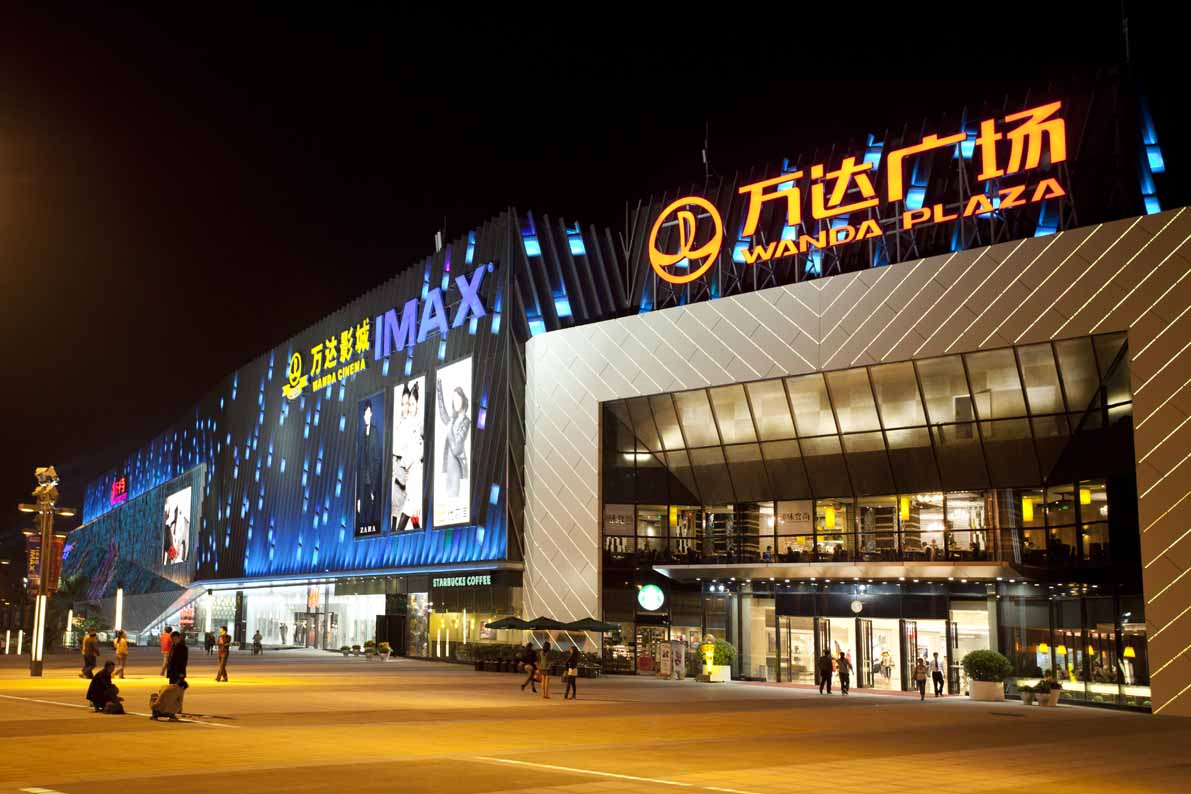
    Under the circumstances, traditional retail business operators are seeking to transform their operating models. Property conglomerate Dalian Wanda Group has devised plans to undergo restructuring of its unprofitable businesses. It has closed a number of its department stores and plans to convert 29 of its 89 karaoke parlors into other types of entertainment outlets, in response to the slump in businesses affected by the country’s slowing economy.

    The business conglomerate has also been engaged in transforming toward an “asset-light” business model in recent years.

    Meanwhile, Beijing Wangfujing Department Store (Group) has been exploring an online-to-offline business mode to cater to consumers born in the 1980s and 1990s, who are expected to be the main force of consumption in the near future, according to the report.

  • Investors switch to Hong Kong office property market amid troubled outlook for retail sector

    Investors switch to Hong Kong office property market amid troubled outlook for retail sector

    Institutional investors are diverting their capital to Hong Kong’s office property market in the wake of a troubled outlook for the retail sector, where yields have been compressed by soaring asset prices.

    Property consultants expect more big-ticket transactions to emerge in the office investment market over the next 12 to 18 months, with investors targeting en-bloc sales.

    John Davies, an executive director of the Hong Kong institutional investment properties team at property consultant CBRE, said interest in office properties was increasing, given that the retail sector was heading for a correction and the mass residential market was under pressure.

    The office sector had become sought after by both investors and end-users because it had offered “stable but steady growth in rental income” since 2010, he said.

    The solid fundamentals of the office sector, including a low vacancy rate and a lack of major new supply from now until 2020, made investors more confident, Davies said.

    “It is quite interesting to see [office demand from] the financial sector in Central has not grown, but the insurance sector, global sourcing firms and engineering consultants doing a lot of regional infrastructure projects have been expanding in decentralised locations in the past decade,” he said.

    For instance, Kowloon Bay was becoming a favourite address among multinational corporations setting up headquarters in Hong Kong.

    There has been chatter in the market that an investor is in talks with Swire Properties to acquire an office project in Kowloon Bay for an estimated US$1 billion. If the deal eventuates, it would be the biggest office transaction in Hong Kong.

    In a stock exchange filing on August 30, Swire revealed it was considering selling its entire interest in a wholly owned subsidiary that holds an office development project in Kowloon Bay.

    Swire won the 46,235 sq ft site in November 2013 in a government tender for HK$2.6 billion, or HK$4,753 per square foot. The project is scheduled for completion in 2017.

    Jonathan Lai, an associate director at Ricacorp Properties, said there was a limited number of quality en-bloc office projects available for sale on the market.

    “Investors are willing to pay a premium for it,” he said.

    Lai said the Kowloon Bay project could prove attractive to real estate funds looking for stable income for three to five years.

    Davies expects more large deals in the next 12 to 18 months.

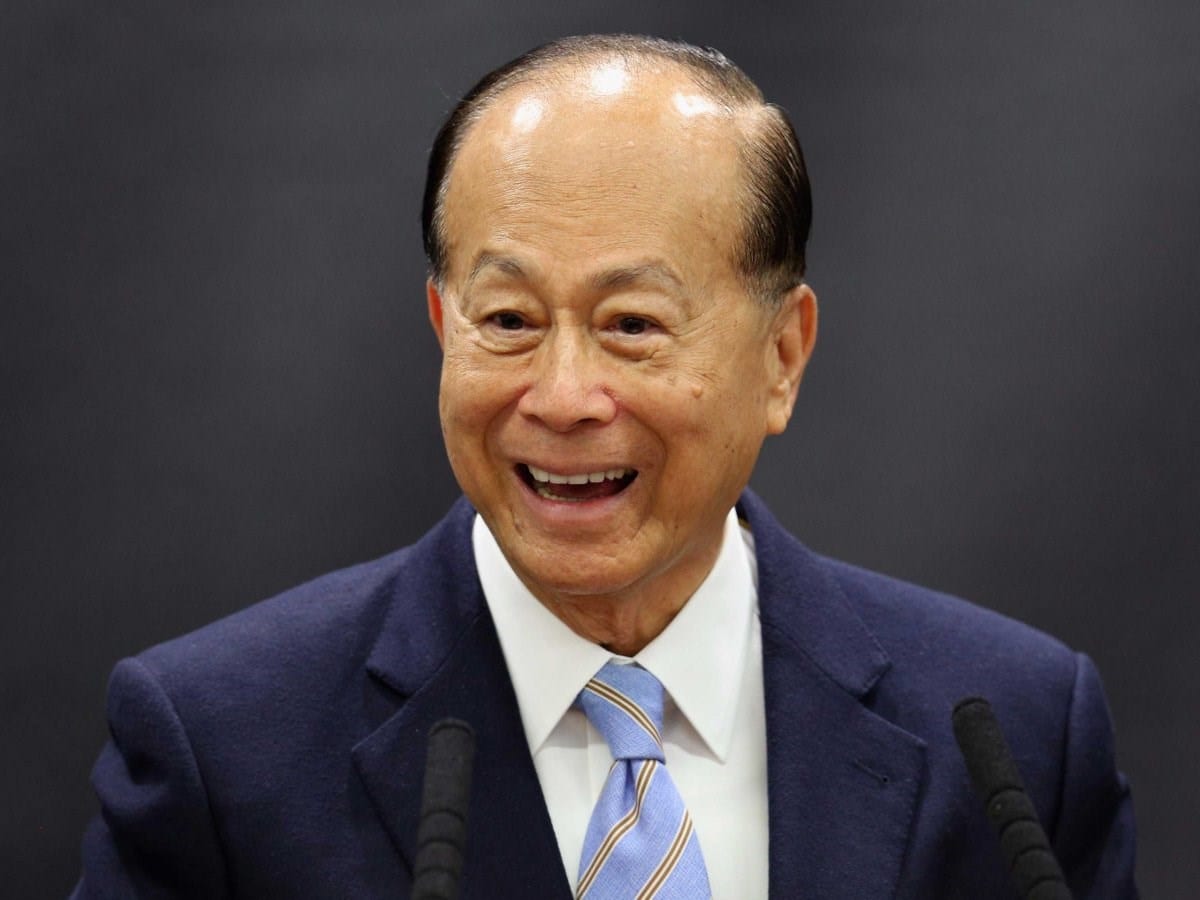
  • Li Ka-shing’s Moves in China Reveal Good Timing

    Li Ka-shing’s Moves in China Reveal Good Timing

    As investors around the world fret over China’s economic tremors, Hong Kong tycoon Li Ka-shing has less reason to press the panic button: he has been quietly accelerating moves to cut his reliance on the world’s second-largest economy.

    Mr. Li, nicknamed Superman in Hong Kong for the business acumen that made him one of Asia’s richest men, has been trimming his property portfolio in China since 2011. He has also sold off parts of his ports and retail holdings in Hong Kong, which is a conduit for China’s international trade and finance.

    Instead, the 87-year-old tycoon has pivoted his two main conglomerates—Hutchison Whampoa Ltd. and Cheung Kong Holdings Ltd.—toward the old world of Europe. He has spent more than $20 billion in the past 18 months on deals that include buying the U.K.’s second-largest mobile-phone operator, a Dutch drugstore chain and a U.K. train-car maker, as well merging his Italian telecommunications company with a larger rival. Those deals were valued at more than his combined European acquisitions in the previous decade.

    Even before the spree, Europe had overtaken Greater China as the biggest contributor to Hutchison’s operating profit, by a small margin, in 2012. Last year the region accounted for 42% of the total, as Greater China shrunk to 30%.

    In a sign that easy returns from the boom years of China may be over, three people close to Mr. Li’s business say the moves were spurred in part by his belief that he can make more money in Europe—long seen as a collection of plodding economies—than in China, hitherto a magnet for investors because of its rapid growth rates. Company officials have said that the size and scale of investment opportunities in Europe exceed those of Hong Kong, where there is little left for Mr. Li to plow funds into.

    Now, as global markets stumble on concerns over China’s slowing economy, falling stock prices and a sudden devaluation in the Chinese currency, Mr. Li’s moves appear prescient, cementing his status among investors as an oracle. Company insiders and academics who study Mr. Li, however, say that the tycoon was also motivated by a weak euro that made European assets offering steady returns cheaper relative to China.

    “What Mr. Li really excels at is the timing of his selling,” said Woody Wu, an accounting professor at the Chinese University of Hong Kong. “He sells as long as the price is right. He’s a genius when it comes to finance.”

    Mr. Li, who is valued at $24.8 billion by Forbes as of Sept. 5, presides over an empire that is divided roughly into quarters: property, telecommunications, ports and infrastructure as well as retail and energy. Earlier this year, Mr. Li folded his two flagship firms together into CK Hutchison Holdings Ltd. and spun off their property businesses into a separate company, Cheung Kong Property Holdings Ltd. The companies’ combined market value is about $77 billion.

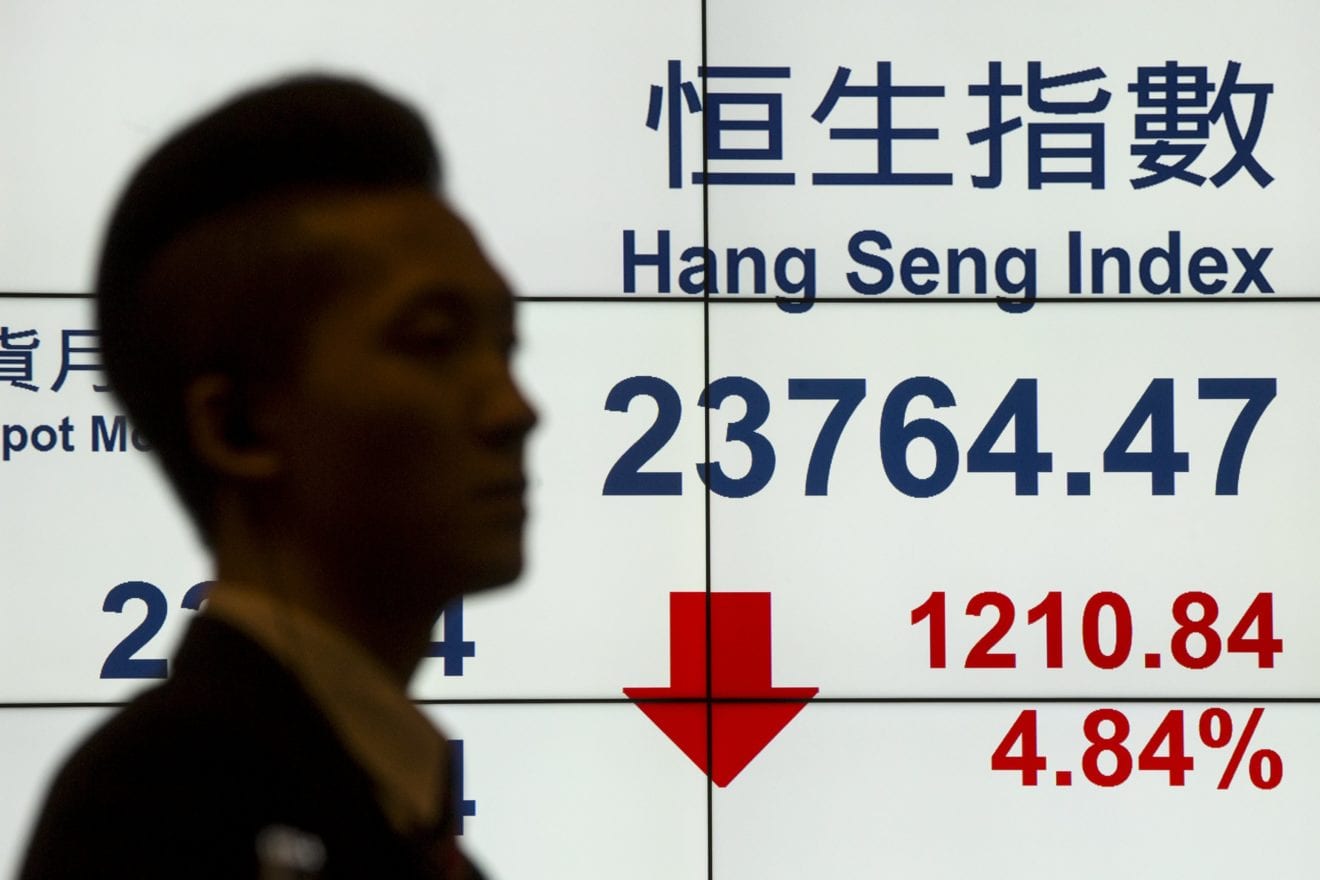
    Both companies outperformed Hong Kong’s benchmark Hang Seng Index, which has fallen nearly 24% since June 12. Shares of CK Hutchison are off 10% over the same period, while the property arm took a 21% hit, showing Mr. Li isn’t immune to any slowdown in China.

    Most of Mr. Li’s property portfolio is in China and nothing thrills Mr. Li like a development deal, according to two people who have worked closely with him. When entertaining clients over bowls of pili nuts at his office on the 70th floor in Hong Kong’s central business district, Mr. Li once pointed to the city’s skyline and boasted that one in eight buildings were made by him, according to a person who has visited him.

    He was among the first foreign developers to enter China after its leader Deng Xiaoping, with whom Mr. Li had close ties, began opening up the nation’s economy. He retained good relationships with subsequent presidents Jiang Zemin and Hu Jintao, although he is seen by China watchers as less close to the current president, Xi Jinping.

    In 2008, Mr. Li surprised observers when he sold a 40-story office tower in the heart of Shanghai’s blossoming financial district to a private investor for 4.9 billion yuan (US$769 million). Three years later, the building fetched a half billion yuan less when it was resold as the market dipped, people familiar with the matter said at the time.

    Mr. Li hasn’t made any significant land acquisitions in China since at least 2012 and has sold off malls and housing developments.

    “It shows [Mr. Li’s companies] are bearish on the market going forward,” said Samuel Hui, a conglomerates analyst at broker CLSA.

    One person close to Mr. Li said he had lost the advantage in know-how for construction that he held in the 1990s in the face of competition from rising Chinese property moguls such as Dalian Wanda Group’s Wang Jianlin, who has replaced Mr. Li as Asia’s richest man.

    Other potential motives attributed by company insiders and academics for Mr. Li’s step back range from the possible souring of his relations with the nation’s power brokers, to the tycoon preparing to hand over the business reins to his eldest son, Victor Li.

    “The more important reason why he’s moving away from China is that his influence there is dissipating,” said Joseph Fan, a finance professor at the Chinese University of Hong Kong who has studied Mr. Li’s career.

    In Hong Kong, where Mr. Li started his empire manufacturing plastic flowers in the 1950s, he has shifted the domicile of his businesses to the Cayman Islands. Last year, he sold a quarter of his Hong Kong retail chain to Singapore sovereign-wealth fund Temasek Holdings Pte. Ltd. Most recently, Qatar’s sovereign-wealth fund bought 16.5% of his electricity assets in the city.

    People close to Mr. Li say he remains in empire-building mode.

    “You still see that energy and strong interest into making deals—megadeals,” said a person familiar with Mr. Li. “I don’t see that he’s tired of doing this.”

  • China is buying about one-fifth of the world’s Apple Watches

    China is buying about one-fifth of the world’s Apple Watches

    Demand from China has helped drive the massive success of the iPhones 6, but will it do the same for the Apple Watch? The early numbers look a bit muted, though still promising.

    Since the device’s release in May, research firm RedTech Advisors/TalkingData estimates that over 1 million of the watches have been sold in China. Sales for the three-month period ending in June topped out at over 626,000, which the company calculates to equal 22% of estimated global sales of 2.8 million devices.

    That’s lower than China’s overall contribution to Apple’s revenues. While the company doesn’t disclose disclose iPhone sales by region, last quarter Apple generated 26% of its revenues from China, driven by sales of its smartphone.

    Growth of the Apple Watch is slowing in China, and sales aren’t expected to increase until November, when China’s e-commerce companies launch their Cyber Monday-esque Single’s Day deals, and then later through Chinese New Year in February.

    RedTech said the uptake for the Apple Watch in China has been slower than other Apple products, but attributes this to a lack of supply rather than demand. The company estimates that 30% of activated Apple watches in China came from “grey market” third-party vendors during the product’s release, but as supply increased, grey-market sales plummeted to 13%. Right now, the firm calculates that 40% of Apple Watch sales are coming from official Apple Stores, another 28% come from its official Chinese online store, and the remainder from third-party vendors, gifts, and overseas vendors.

    Apple is aggressively expanding its retail presence in China, and plans to double its number of retail outlets in China by 2016 to 40.

    It may be difficult determine whether the Apple Watch has been a success for some time, either in China or globally. Smart wristbands, unlike phones, are a relatively new type of hardware. IDC estimates that Apple globally has 19% of wearable market share, a remarkable feat given that Apple’s watch has only been available for just over a three month period.

    But one Apple supplier from Taiwan complained that orders for watch components were lower than anticipated, which suggests Apple had even higher expectations.

  • Chow Tai Fook changes strategies to tackle tough market

    Chow Tai Fook changes strategies to tackle tough market

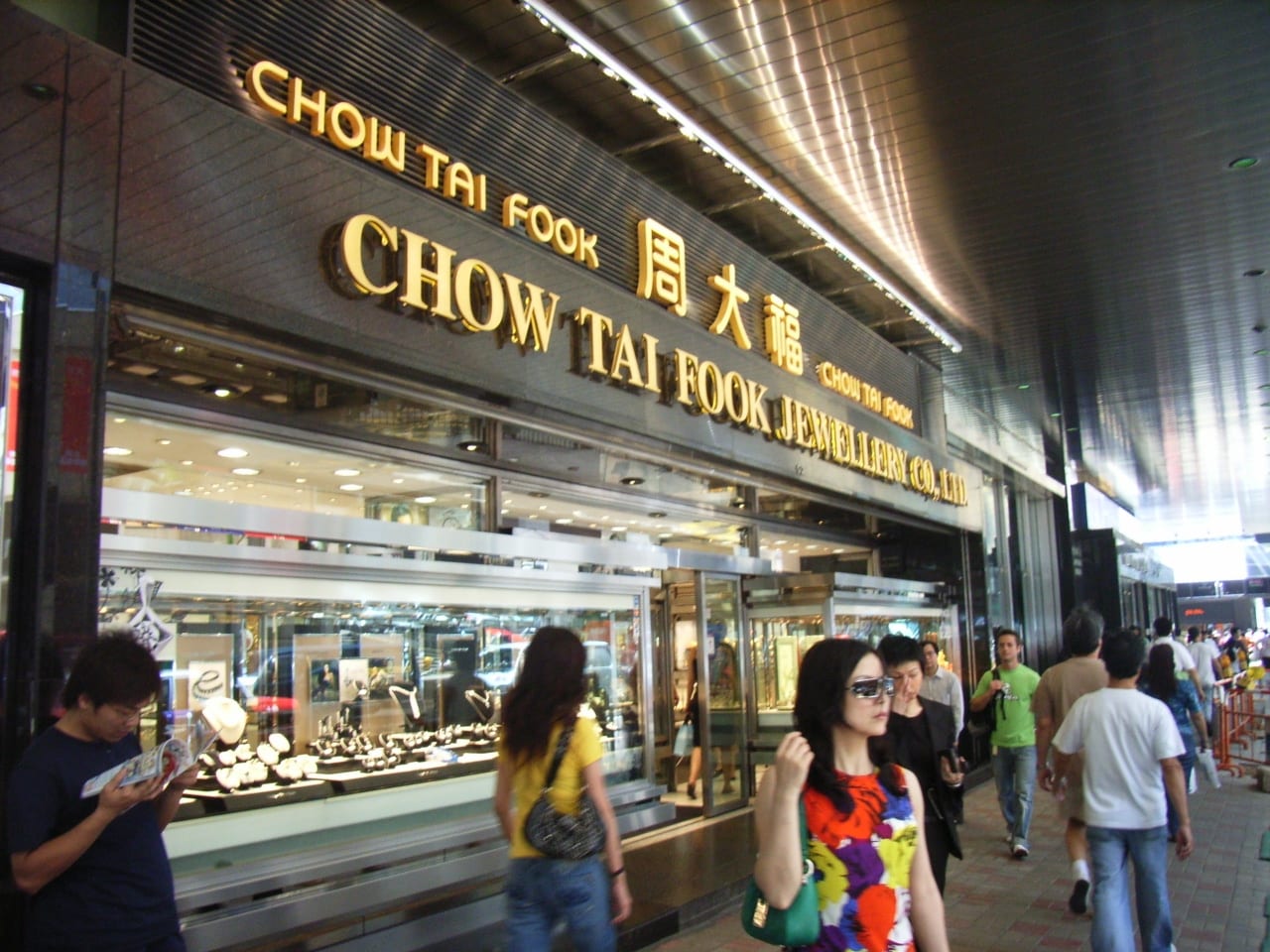
    Chow Tai Fook Jewellery Group is renegotiating store rents and consolidating its retail network in order to manage rental costs, chairman Henry Cheng Kar-shun said on Thursday.

    Amid a downturn in the city’s retail landscape, the largest Hong Kong-listed jeweller in terms of market capitalisation had also shifted focus to smaller-priced items to attract customers, Cheng said.

    Business is getting tougher for retailers, with sales in July dropping 2.8 per cent from a year earlier to HK$37.6 billion, following a 0.4 per cent fall in June. The drop in July was the biggest since March’s decline of 2.9 per cent.

    Sales of jewellery, watches, clocks and gifts all recorded a smaller decrease of 5 per cent, after four months of double-digit falls.

    “There are a number of external factors that are out of our control, such as the macroeconomic conditions, the central government’s policies and the devaluation of China’s currency,” Cheng said. “What we can do is do our best to operate the business well.

    “While we are still making profits in all of our [Hong Kong] stores, we may consider cutting some to maximise profits. For example, if we have three shops on one street, we may opt for two in order to cut costs.”

    Facing a sluggish retail market, commercial landlords are now willing to set more realistic prices and reduce rents.

    Cheng said the company was renegotiating with landlords to lower rents and the extent of rent cuts would depend on the business performance of the store concerned, said Cheng, suggesting the average cut could be between 20 and 30 per cent.

    Chow Tai Fook in June reported net profit for the year ended March fell about 25 per cent to HK$5.46 billion from the previous year.

    Revenue dropped 17 per cent to HK$64.28 billion.

    The average selling price of gem-set jewellery fell 12.7 per cent and that of gold products declined 1.2 per cent.

    The company extended its e-commerce network to strengthen its capability to reach more online customers, particularly the younger generation, said Cheng, adding the online division was making profits.

    He was speaking at an event to mark the company’s unveiling of a diamond piece centred on a 24 D-colour internally flawless diamonds cut from a 507.55 carat rough diamond, known as the Cullinan Heritage, that Chow Tai Fook acquired for HK$275 million in 2010.

  • UBS Capitulates, Slashes Hang Seng Forecast

    UBS Capitulates, Slashes Hang Seng Forecast

    As China devalues yuan and the U.S. is on track to raise rates, Hong Kong, whose currency is pegged to the dollar, is in trouble.

    Forecasting “black sky”, UBS now sees the Hang Seng Index to end the year at 19,775, another 5.5% downside from its current level. The Hang Seng Index has fallen by about 25% since its late April high.

    Apart from China slowdown, “we have seen a combination of the three pillars of Hong Kong’s economy weakening (tourism and re-export) or showing signs of weakness (property),” wrote Spencer Leung.

    The Hang Seng Index is now valued at only 9.4 times forward earnings, a good 0.8 times standard deviation below its 2-year average, but “the current valuation of Hong Kong equity may not be attractive enough to compensate for potential earnings downside.” UBS estimates Hong Kong companies’ earnings could drop 31% next year.

    It is not easy for retail businesses to operate in Hong Kong, because the rent is simply too high. UBS estimates that ground-level stores in prime shopping districts in Hong Kong will have to see their rental expenses drop 70% from their peak to break even. Last week, U.S. handbag bag Coach closed its flagship shop in the Central shopping district.

    Overnight, the iShares MSCI Hong Kong ETF rose 0.5%.

  • Online security ‘paramount’ for shoppers

    Online security ‘paramount’ for shoppers

    A sense of security is paramount for nearly one quarter of shoppers when evaluating whether to purchase goods from a retailer online, according to a new survey from Worldpay, a payments provider.

    Assuring customers they are in safe hands throughout the entire payment experience should be a priority for retailers, according to 3500 online shoppers polled globally.

    Similarly, for one in four online shoppers, seeing payment authentication and digital certificate logos displayed prominently on a retail site’s homepage is the single most reassuring element in the purchasing process. Forty-six per cent of consumers globally admit this would help address their concerns.

    Transparency around online security is particularly important in China, where 70 per cent of shoppers said they feel more secure shopping when payment authentication and certificate logos are clearly displayed, indicating that this simple measure will go a long way in addressing the misgivings of online customers.

    Shoppers also want security transparency when retailers store personal and payment details. Thirty-one per cent of shoppers worldwide say they don’t want a retail website to store their payment details, and South Koreans and Australians are most averse to the idea with over 50 per cent saying they don’t want this information stored online. In China and Japan, 65 per cent of shoppers expect reassurance that their details will be kept safe by the retailer and want a clear explanation of how this will be done.

    Stuart Thornton, VP of business development in APAC with Worldpay, said: “Nagging doubts about the security of their payment details can add up over the multiple stages of the purchasing journey for shoppers and stop them from ever clicking ‘buy’, even if they really want a product. When selling online, retailers need to step in and reassure customers that their information is in safe hands, from the second they start browsing a site to the moment they receive an email confirming their purchase”.

    At checkout, shoppers expect the ability to use their preferred payment method and want the process to be simple and intuitive. Sixty-five per cent globally have abandoned their purchase at the checkout stage as a result of not being able to pay how they wish.

    Nearly 60 per cent of shoppers worldwide would drop out of a purchase if their preferred payment method was displayed on a retail site’s homepage but wasn’t available at checkout. Forty per cent of shoppers globally admit they would not take the time to look for their preferred payment method at checkout if it was not easy to find. This figure is even higher in Japan, where 62 per cent of shoppers say they wouldn’t search for their preferred payment method if it wasn’t already clearly indicated on the website.

    Retailers must also manage consumer expectations by clearly indicating what they can expect at each stage of the payments journey, particularly when redirecting them to a third-party website. Ninety-four per cent of shoppers globally say this is important, and one-fifth would instantly drop a transaction if ushered to a third-party site without warning. In Japan, nearly 30 per cent of shoppers would drop out if unexpectedly redirected to a third-party site to enter additional details.

    “Purchasing products online demands a certain level of trust between retailers and shoppers, and making the process simple and transparent is absolutely essential,” said Thornton.

    “Retailers will struggle to inspire confidence in their customers if they cannot deliver on shoppers’ expectations and give them peace of mind throughout the online shopping journey”.

    The need for retailers to act as a source of reassurance for shoppers is equally strong when it comes to handling errors or providing customer support. Nearly two-thirds of online shoppers (64 per cent) want a clear and immediate explanation of exactly what went wrong. When it comes to additional support, 27 per cent want to be able to call customer support, while 24 per cent want the option to email a support representative.

    Clear error messages also head off any potential confusion as to whether a transaction has been processed. Ninety-six per cent of shoppers say it is important they receive an email confirming that their order has been processed and their payment accepted.

    Adds Thornton: “If there is one thing to take away from these findings it is that the online payments journey is inextricably linked to the user experience. If retailers cannot reassure customers that their transaction will be quick, secure, and managed to the highest standard of professionalism throughout the payment journey they will struggle to keep shoppers engaged”.

    The research was carried out in partnership with KAE Marketing Intelligence, which conducted a desktop analysis of 350 top retail sites and surveyed 3500 online shoppers in 14 countries across North America, South America, EMEA, and APAC.

  • Blackmores, Sanger to open stores on JD.com

    Blackmores, Sanger to open stores on JD.com

    JD.com says it has secured partnerships with Australian brands Blackmores, a leading Australian natural health company, and Sanger Australia, the Australian meat sales and marketing business of the Bindaree Beef Group.

    Both brands will open stores on JD.com’s direct sales channel and will use the company’s same-day delivery services. Sanger Australia will also leverage JD.com’s cold chain logistics network to ensure that its meat products are delivered fresh to Chinese customers from Australia.

    The announcements follow the successful launch in late June of a dedicated Australian Mall for authentic imported Australian products on JD.com’s cross-border platform, JD Worldwide. Since its launch, dozens of Australian brands have successfully sold their products to Chinese consumers through Australian Mall. The most popular product categories in the first two months of the program include health  care, baby care products and fresh food.

    “We’re pleased to be working with leading Australian brands to build winning eCommerce strategies for this market and help them take advantage of our large and growing base of upwardly mobile Chinese consumers,” said Carol Fung, VP of JD.comand president of JD.com’s FMCG Business Unit.

    “Blackmores is a long-time partner, and we are very excited to be expanding the range of their outstanding healthcare products available to our rapidly growing user base. With demand for Australian fresh produce growing exponentially, the addition of Sanger Australia’s world-class beef to our platform is an outstanding development for our customers.”

    Blackmores Asia MD Peter Osborne said his company has been working with JD.com since 2013.

    “Our increased engagement is testament to our strong relationship and commitment to growing our China business. Working with JD.com not only ensures we get our products to consumers quickly, but will also enable us to initiate targeted and specialised marketing campaigns leveraging JD’s data analytics capabilities.”

  • US wine giant Robert Mondavi to launch online in China

    US wine giant Robert Mondavi to launch online in China

    Famed Californian winery Robert Mondavi is to join Alibaba Group’s Tmall.com online shopping marketplace to reach more consumers in China, the world’s largest wine-consuming market.

    Robert Mondavi says its exclusive Tmall flagship store will be the California company’s first and only online sales channel in China. The outlet will sell US-bottled labels such as Robert Mondavi Winery, Robert Mondavi Private Selection, Woodbridge by Robert Mondavi, and Twin Oaks by Robert Mondavi. The Robert Mondavi brand is owned by alcoholic beverage maker Constellation Brands, which bills itself on its website as the world’s top premium wine producer.

    Philip Kingston, senior vice president of international for Constellation Brands, said the company in recent years has “seen a very encouraging uptake in Chinese tourists visiting our wineries in California, as well as wine sales in China.”

    Opening a store on Tmall – China’s largest B2C online marketplace and part of Alibaba Group, whose retail shopping sites in the PRC have 367 million annual active buyers – “allows us to sell our wines to Chinese consumers in a marketplace which we believe will build our brand,” Kingston said in a statement.

    “It also strengthens our presence in China as we expect to benefit from Alibaba’s sophisticated data-analytics capabilities and extensive customer insights.”

    The growth and sheer size of China’s consumer class in recent years has made the country a top market for the world’s vintners. China’s wine consumption in 2014 was more than double that of second placed US, according to data from research firm IWSR.

    Tmall said with the opening of the Robert Mondavi Wines flagship store, it was launching a  “Tmall Vineyard Direct” program, promising to connect with more wineries around the world to allow them to sell directly to Chinese consumers through Tmall. Gary Clubb, head of Tmall international business development, said  “working directly with the winery itself is key to a robust supply chain and allows us to leverage the power of the Alibaba ecosystem to pioneer innovative sales and marketing campaigns to the 367 million buyers on our platforms”.

    Tmall has been aggressively recruiting Western retailers and brands selling products in a range of categories, from fast-moving consumer goods to apparel, to build up Alibaba’s cross-border online sales.

  • Coach to exit landmark location in Hong Kong

    Coach to exit landmark location in Hong Kong

    Leather goods maker Coach Inc. is shutting one of its three flagship locations in Hong Kong, the latest retailer to be hit by the drop in the number of mainland Chinese visitors to the city amid a slowing economy and weaker yuan.

    The store towers above Queen’s Road Central in the central business district of a city where high rents and labour costs, as well as slowing sales, have hit other retailers.

    Coach said the store would close on August 31 but said it remained committed to the Hong Kong and China markets. Earlier this month, Coach said its mainland China sales grew 9 per cent year-on-year to $595 million in fiscal 2015, but growth in Hong Kong and Macau was slower.

    “Sales growth in China was driven entirely by the mainland, as Hong Kong and Macau continued to experience traffic declines from a decrease in PRC (People’s Republic of China) tourists,” Chief Executive Victor Luis said.

    For this fiscal year, China sales growth is forecast to slow to about 5 per cent, the company said. Chinese tourists have been the main customers of Hong Kong’s luxury retailers, but the slowing economic growth and the recent devaluation of the yuan have dented their once voracious appetite for goods ranging from cosmetics to luxury watches.

    Tighter visa rules and a flare up of anti-Chinese sentiment in Hong Kong have also contributed to the decline in mainland visitors. Hong Kong’s retail sales fell for the fourth straight month in June.

  • Xiaomi Mi 4C Retail Box Surfaces, Confirms Snapdragon 808

    Xiaomi Mi 4C Retail Box Surfaces, Confirms Snapdragon 808

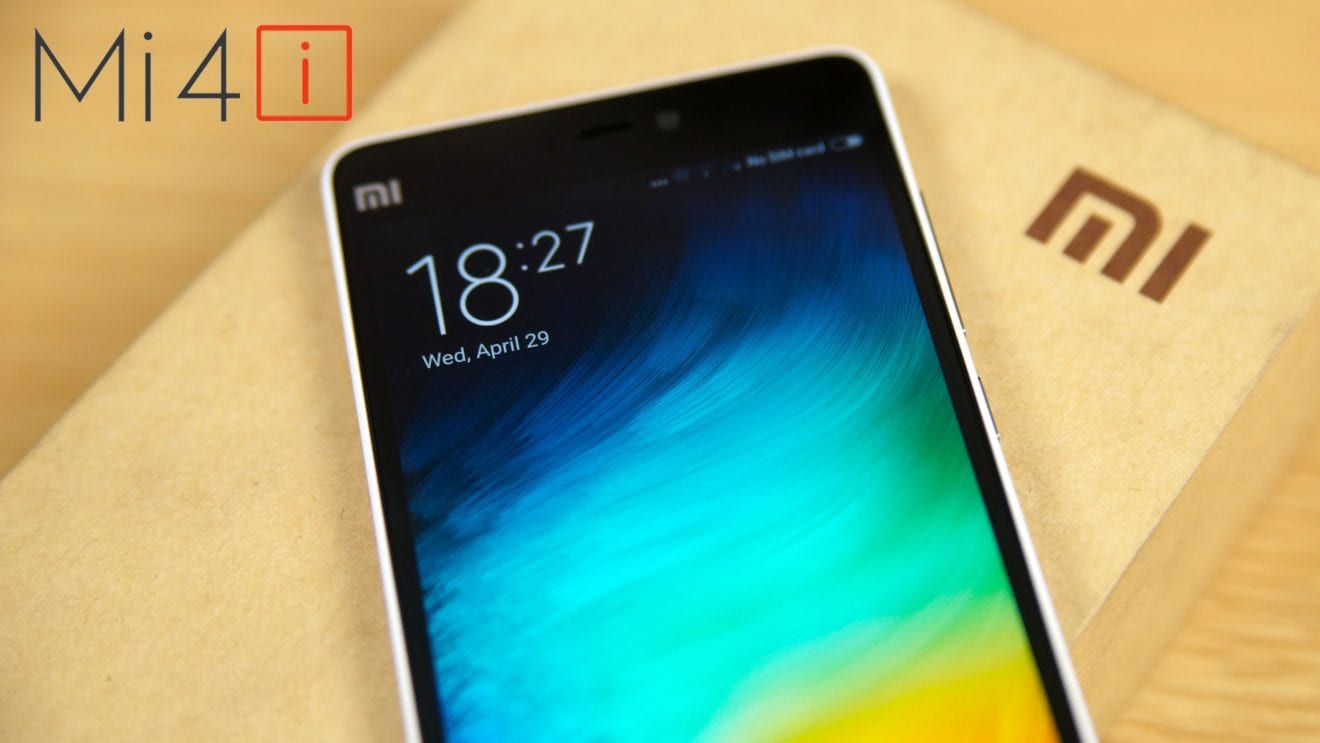
    Xiaomi was incredibly successful last year. The company managed to become China’s number one smartphone OEM and ship 61 million smartphones. Xiaomi is looking to improve upon that next year, and they’ve released a number of really compelling handsets thus far. The company has unveiled their flagship Mi Note phablets, along with a slew of other devices, like the Mi 4i for example. This is the first Xiaomi handset to make it to India before anywhere else, and it’s more than a decent mid-ranger, not to mention it’s quite affordable.

    Well, we’ve spotted another variant of Mi 4i in China recently, dubbed Mi 4C. The reports have been claiming that the ‘C’ stands for China, and the device has also surfaced on TENAA (China’s equivalent to the FCC) quite recently. The device was said to sport Qualcomm’s Snapdragon 808 64-bit hexa-core SoC, and a newly-leaked retail box of the device actually confirms that fact. If you take a look at the provided images, you’ll notice that not only the Snapdragon 808 is listed here, but some other details about the device as well. The box says that the Snapdragon 808 will be clocked at 1.8GHz, and that the device will ship with 3,000mAh battery. 4G LTE support will be on board as well, and the device will also sport the Type-C USB 3.0 port that we’ve seen on the OnePlus 2 (and a couple of other smartphones) recently.

    According to the previously-leaked AnTuTu listing of this device, this thing will be identical to its predecessor (aside from SoC, of course). The phone will sport a 5-inch 1080p (1920 x 1080) display, 2GB of RAM and 16GB of internal storage. The 13-megapixel shooter will be available on its back, and a 5-megapixel snapper will be located up front. Android 5.1.1 Lollipop will come pre-installed on this smartphone, and Xiaomi’s MIUI OS will be placed on top of it. We still don’t know which variant of MIUI will be installed though, MIUI did unveil MIUI 7 recently, but it’s still unknown if this phone will come with that version pre-installed. Either way, Xiaomi is expected to announce this handset soon, so stay tuned.

  • European Markets Dropped On Renewed China Worries

    European Markets Dropped On Renewed China Worries

    The European markets ended Monday’s session in negative territory, as renewed concerns over China weighed on investor sentiment. Concerns over the upcoming snap elections in Greece and the likelihood of a near-term U.S. interest rate hike also contributed to the negative mood at the start of the new trading week.

    The Financial Times reported that the Chinese government has decided to abandon attempts to boost the stock market through large-scale share purchases. Senior regulatory officials told the Financial Times China’s leaders feel they mishandled their efforts to rescue the stock market.

    The Chinese government resumed large-scale stock buying late in the trading day last Thursday to help the Shanghai Composite Index finish sharply higher, but officials said the government will refrain from further large-scale buying of equities.

    The Euro Stoxx 50 index of eurozone bluechip stocks decreased by 0.52 percent, while the Stoxx Europe 50 index, which includes some major U.K. companies, lost 0.30 percent.

    The DAX of Germany dropped by 0.38 percent and the CAC 40 of France fell by 0.47 percent. The SMI of Switzerland finished higher by 0.45 percent, but the FTSE of the U.K. was closed for a banking holiday.

    In Frankfurt, Volkswagen decreased by 1.14 percent. Japan’s Suzuki Motor Corp said that it would buy back the 19.9 percent stake it sold to the German automaker after an international court settled a dispute between the automakers over their soured partnership.

    BMW fell by 0.90 percent and Daimler lost 0.97 percent.

    Insurer Allianz rose by 0.18 percent, on reported that its infrastructure arm is weighing bids for London City Airport.

    RWE sank by 4.25 percent and E.ON dropped by 1.60 percent.

    In Paris, Renault surrendered 2.28 percent and Peugeot weakened by 1.19 percent. Car parts maker Valeo also decreased by 1.45 percent.

    Total tumbled by 0.91 percent and Technip lost 0.99 percent.

    Givaudan gained 0.73 percent in Zurich, after it agreed to acquire Induchem Holding, a cosmetic ingredient producer.

    Shares of NeuroVive Pharmaceutical AB plunged by 39.13 percent in Stockholm after the mitochondrial medicine company announced that it would not pursue development of CicloMulsion in the indication of acute myocardial infarction.

    Eni SpA climbed by 1.53 percent in Milan. The company announced over the weekend that it has discovered a massive natural gas discovery off the coast of Egypt.

    Eurozone inflation remained unchanged at a very low level in August as further fall in oil prices curbed its ability to move upward. Inflation came in at 0.2 percent in August, the same rate as seen in July and June, preliminary data from Eurostat showed Monday. It was forecast to ease to 0.1 percent.

    Germany’s retail sales rebounded in July to grow at the fastest pace in nine months, signaling that consumer spending boosted economic growth at the start of the third quarter. Retail sales advanced 1.4 percent on a monthly basis in July, Destatis reported Monday. This was the fastest growth since October 2014, when sales climbed 1.8 percent.

    Italy’s retail sales dropped for the second straight month in June, figures from the statistical office Istat showed Monday. Retail sales fell a seasonally adjusted 0.3 percent month-over-month in June, following a 0.2 percent decrease in the previous month. In April, sales had risen 0.7 percent.

    Greece’s retail sales declined in June after rising in the previous month, preliminary figures from the Hellenic Statistical Authority showed Monday. The volume of retail sales decreased 0.4 percent year-over-year in June, in contrast to a 4.1 percent sharp gain in May, which was revised down from 4.2 percent. In April sales had fallen 1.8 percent.

    China’s trade deficit in services widened in July, the State Administration of Foreign Exchange said Monday. The deficit on trade in services increased to $17.6 billion in July from $14.9 billion in June. At the same time, the merchandise trade showed a surplus of $46 billion in July.

    Business activity in the Chicago area unexpectedly grew at a slower rate in the month of August, according to a report released by MNI Indicators on Monday. MNI Indicators said its Chicago business barometer dipped to 54.4 in August from 54.7 in July. While a reading above 50 indicates growth, economists had expected the index to inch up to 54.9.

  • Hong Kong banks launch hotline to fight back against torrent of phone scams

    Hong Kong banks launch hotline to fight back against torrent of phone scams

    All retail banks in Hong Kong have set up hotlines for customers to verify the identities of their employees in a bid to battle a flood of phone scam cases.

    Banking chiefs said yesterday the hotlines – some exclusively for the purpose of verifying employees’ information – would be available through the websites of the Hong Kong Monetary Authority and Hong Kong Association of Banks, with each of the 21 retail banks also putting hotline information on their websites.

    Phone scams have evolved and increased in recent months, with scammers posing as bank employees trying to sell products to government departments and even the central government’s liaison office. Hongkongers have handed over more than HK$182 million over the past couple of months in cases that most often involve fake mainland officials.

    However, the authority’s deputy chief executive, Arthur Yuen Kwok-hang, said so far banks had received only 200 calls regarding cold-callers.

    “The numbers are low – much lower than we anticipated. I think this is because there isn’t this awareness among the public yet,” said Yuen.

    Yesterday, the Mandatory Provident Fund Schemes Authority – which handles the retirement funds of Hongkongers – received an inquiry about a suspicious call from its hotline. The MPFA confirmed the hotline only took incoming calls and reiterated that “it never contacts people to sell MPF products or set up meetings”.

    HKAB chairman George Leung Siu-kay said banks would never ask for full personal information of clients over the phone or by email.

    “[A bank employee] will only ask for partial information – like the last three digits of a Hong Kong identity card number,” said Leung. “They will never ask for passwords.” He also warned against calling back phone numbers on the caller ID.

    Leung said there were no statistics on the number of scam cases banks had dealt with since July, but they would “keep watch for suspicious transactions, especially among vulnerable groups”.

  • Vietnam leads SE Asian smartphone rush

    Vietnam leads SE Asian smartphone rush

    Vietnam is the fastest growing smartphone market in South East Asia, where sales topped $8bn in the first half of the year according to new figures.

    Data from market researcher GfK indicated that, overall, some 39.8m smartphones were sold in the region, up from 36.6m in the corresponding period of 2104.

    Sales volumes in Vietnam rose 27% in the first half of 2015 compared to the same period a year earlier to reach to total of 6m, making it the third largest smartphone market in the region, Inside Retail Asia reported.

    Thailand was the second-fastest growing market, up 13% to a total of 6.6m, a figure which also put in second place in terms of market size. The Philippines was the third fastest-growing market, up 10%.

    Indonesia, however, remains the largest market in terms of volume, with 14.9m units shifted in six months.

    Sales growth was sluggish in the mature markets of Singapore and in Malaysia, where consumers have cut back on their spending since the introduction of a general sales tax.

    GfK has also started tracking the mobile handset market in Myanmar and reported that 3m units had been sold in the first half, with most of these being smartphones (89%).

    “The availability of a wide range of lower price options nowadays have made it possible and much more affordable for price-sensitive consumers in these developing markets to switch over and own their first smartphone,” said Gerard Tan, GfK account director for technology.

    He pointed out that in the first half of 2013 just 15% of smartphones sold in the region had cost under $100, a proportion that has now climbed to 35%.

    Indonesia, he added, was the country with the most number of entry level smartphone brands and consumers in the region.

    This transformation is being almost entirely driven by Chinese brands, which now account for around 25% of the region’s market compared to 4% in 2013.

    “The perception of Chinese brands has been elevated considerably as a result of their heightened marketing campaigns and the opening up of dedicated showrooms and retail counters,” Tan said.