Retail News CRM

Tag: chip

  • A new Lenovo Legion gaming phone leaks with a new Snapdragon chip

    A new Lenovo Legion gaming phone leaks with a new Snapdragon chip

    In his tweet, Evan Blass said that the Lenovo Halo would be equipped with the Qualcomm SM8475 chipset. Although there is little information available for this chip, it is suspected that it may be an improved version of Qualcomm’s current flagship SoC, the Snapdragon 8 Gen 1. The Snapdragon 8 Gen 1’s model number is SM8450 – very close to the SM8475 which the Lenovo Halo is rumored to have.

    Other possible specs of the Lenovo Halo include:

    • 6.67-inch, 2220×1080 pixels (FHD+) POLED display, which is basically an OLED display with a plastic substrate. Lenovo Halo’s display may also support a 144Hz refresh rate with a 300Hz touch sampling rate.
    • 8, 12, or 16GB of RAM, with 128 or 256GB of UFS 3.1 storage space, which offers fast read and write speeds and can also be found in the Samsung Galaxy S21 Ultra 5G and OnePlus 9 Pro 5G.
    • 5,000 mAh battery, 68W wired charging, and 8mm thickness

    It looks like Lenovo is aiming for a more simplistic design with the Lenovo Halo. At the front of the phone, we can see a hole-punch front-facing camera, and at the back we see a triple camera array. Bearing the “Legion” label on its back means that the Lenovo Halo will be aimed at gamers, as Legion is Lenovo’s gaming brand.

    According to Evan Blass, the Lenovo Halo is suspected to be released in Q3 2022. There is currently no information regarding the phone’s price. Evan Blass also didn’t say if the Lenovo Halo would be available worldwide or only in certain markets.

  • Soon we may be using more secure payment cards thanks to Samsung

    Soon we may be using more secure payment cards thanks to Samsung

    Samsung has announced the S3B512C security chip, its new fingerprint security chip developed in partnership with Mastercard, designed primarily for payment cards. According to the company, the chip is the ‘industry’s first all-in-one security chip solution’ and would be able to provide faster and safer interactions while making purchases. Because Samsung’s chip uses biometric authentication, the chip would also remove the need to enter your PIN code on a keypad.

    The S3B512C chip has a fingerprint sensor as well as a tamper-proof secure element (SE) that meets international security requirements, and a secure processor. The chip captures the user’s biometric data via its fingerprint sensor. Then, using the SE, it stores and authenticates the received information. After that, the chip analyzes the data by using its secure processor.

    With its biometric authentication, Samsung’s security chip may prevent fraudulent transactions which could otherwise be made with lost or stolen traditional cards. Because it has securely saved the owner’s fingerprint, a card using Samsung’s chip will check if the person performing the transaction is indeed the rightful owner. The chip also utilizes anti-spoofing technology, which prevents unauthorized users from fooling the security system using tactics such as artificial fingerprints.

    According to Samsung, although the S3B512C chip is primarily designed for payment cards, it could also be used in cards intended for highly secure authentication, such as student or employee access cards. In addition, by utilizing a fingerprint sensor, a tamper-proof secure element, and a secure processor, the S3B512C may assist card makers in reducing the number of required chips in manufacturing biometric payment cards and might help optimize card design processes.

    Although Samsung’s new security chip sounds very promising, currently, there is no information on when Mastercard will implement Samsung’s new chip.

    Currently, Mastercard offers fingerprint-authenticated payment cards, but they are not as secure as the new Samsung chip and don’t use anti-spoofing technology.

  • Qualcomm Inks Car Chip Deals With Volvo, Honda And Renault

    Qualcomm Inks Car Chip Deals With Volvo, Honda And Renault

    Qualcomm Corp on Tuesday announced deals to supply chips to automakers Volvo Group, Honda Motor Co Ltd and Renault SA, accelerating its push to partner with legacy automotive firms digitizing their product lines.

    The San Diego, California, company once known for its mobile phone chips has created a range of automotive offerings, from self-driving car brains to chips that operate digital dashboards and infotainment systems. But the chips are all aimed at the same goal of helping automakers transform their vehicles into rolling computers that can be updated over the air with paid upgrades that generate revenue for carmakers long after a vehicle has left dealer lots, a business model pioneered by Tesla Inc.

    At the Consumer Electronics Show in Las Vegas, Qualcomm said it has reached a deal with Geely Holding-backed brands Volvo and Polestar to use Qualcomm’s “Snapdragon Cockpit” chips and an operating system from Alphabet Inc’s Google in vehicles starting later this year.

    The deal will allow Volvo’s electric SUV to tap into hands-free use of Google Assistant and navigation with Google Maps

    The deal will allow Volvo’s electric SUV, which is to begin production this year, to tap into hands-free use of Google Assistant and navigation with Google Maps. The companies said that future upgrades will be sent out over the air.

    Qualcomm also said that Honda will start using its “cockpit” chips in vehicles that will hit roads in 2023. Qualcomm also said Renault has agreed to use its automotive technology, but did not give specifics of which chips or when vehicles using them would arrive.Qualcomm said on Tuesday that it has created a new chip and system for computer vision, which uses cameras on the car and artificial intelligence to help with safety functions like automatic lane control. The new “Snapdragon Ride Vision System” uses software from Arriver, which was part of Qualcomm’s $4.5 billion purchase of automotive technology firm Veoneer Inc last year.

  • Qualcomm’s Apple M1-rivalling silicon arriving in 2023

    Qualcomm’s Apple M1-rivalling silicon arriving in 2023

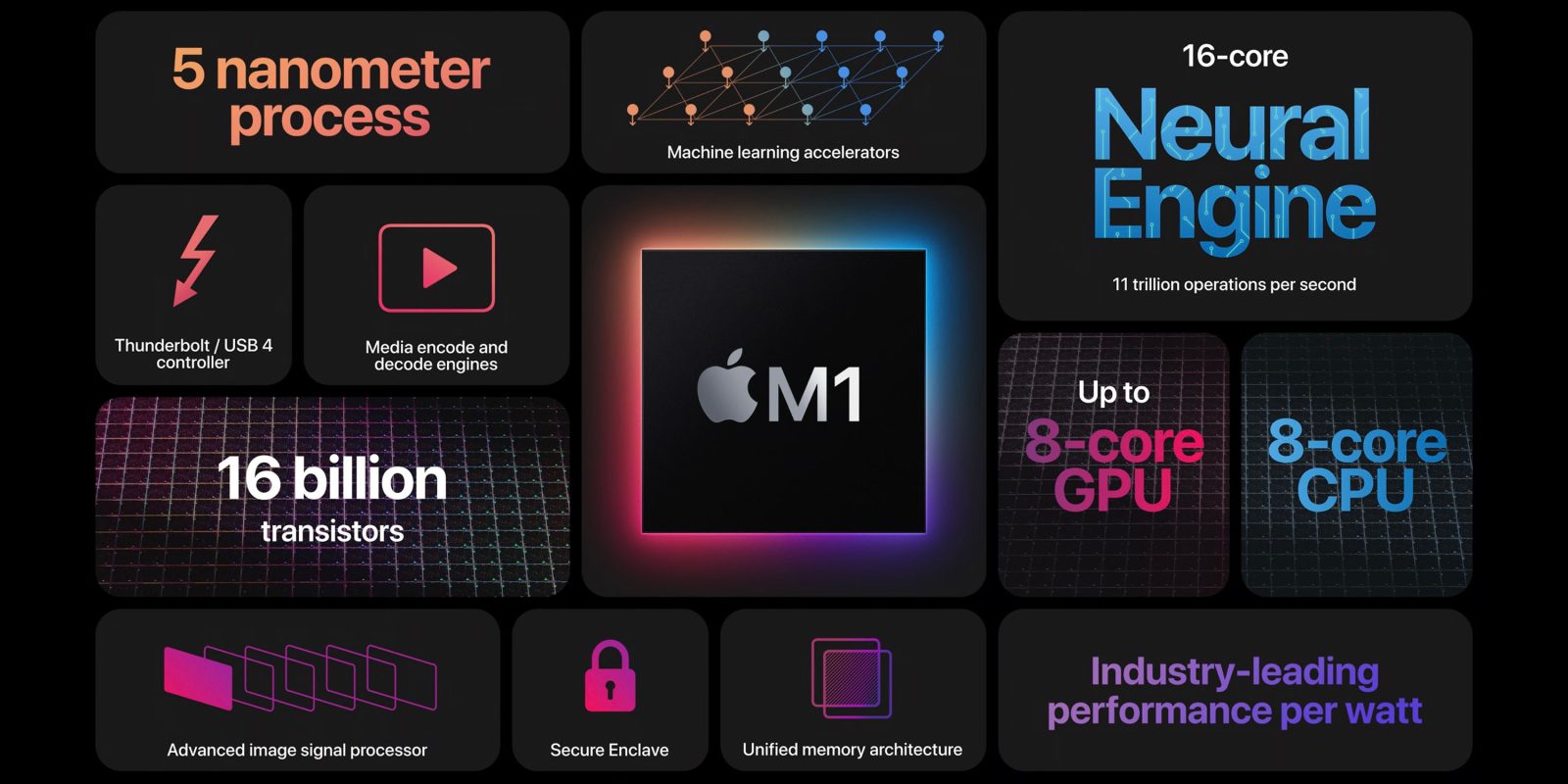
    Qualcomm revealed plans to bring to the market an Apple M1-beating chip by 2023 during its 2021 investor conference.

    The processor will be based on technology from Nuvia, a chip startup that was founded by ex-Apple engineers who had worked on Apple A and M series chips and was bought by Qualcomm earlier this year. We can hope to see Nuvia’s tech in smartphone chips too at some point in the future.

    For now, the focus is on the next generation of Arm-based processors which Qualcomm claims will set a new performance benchmark for Windows PCs. The chip will offer industry-leading sustained performance and battery life, or so Qualcomm hopes. It will feature Arm-based CPU cores, Adreno graphics, 5G modem, Hexagon DSPs, and Spectra imaging core.

    If you look at what Apple has done with the M-series, on the upper hand it even has the performance of an [Nvidia] RTX 3080 at discrete graphics.” – Qualcomm CEO Cristiano Amon.

    Qualcomm will also work on improving its Adreno GPUs to offer a desktop-like gaming experience on PCs. The chip giant is aiming to have samples out for customers in around nine months, with the official launch planned for 2023.

    Whether the chip will be able to live up to the claims or see the same fate as the Qualcomm Snapdragon 8cx and Microsoft Surface SQ2 PC chips that failed to make a mark remains to be seen.

    Apple meanwhile has already launched even more powerful versions of the M1 chip, the M1 Pro and M1 Max, and is now reportedly working on the third-generation of Mac chips that will likely offer significantly better CPU performance than the latest chips. The M series chip power a slate of new Apple products, including some of the best tablets that money can buy.

  • Infineon Sees Chip Shortage Extending Into 2022 As Quarterly Revenue Beats

    Infineon Sees Chip Shortage Extending Into 2022 As Quarterly Revenue Beats

    German chipmaker Infineon expects the global semi-conductor shortage to remain well into 2022, it said as it posted a 10% rise in fourth-quarter revenue on soaring demand for chips used in everything from cars to home appliances. Shares of the company rose 2% in Wednesday morning trade.

    Infineon, which gets about 40% of sales from the automotive sector, also forecast revenue of 3 billion euros for its coming first quarter, exceeding the 2.97 billion euros expected in a poll of 19 analysts by Vara Research.

    “Demand is by far outstripping supply,” Chief Executive Reinhard Ploss said on a call with analysts.

    “Supply is bound to catch up with demand eventually, but we do not see this happening on a broader scale within 2022,” he said.

    The leading supplier of chips to the auto industry is benefiting from a tailwind as more carmakers shift to electric vehicles, along with demand for chips used in consumer appliances and industrial equipment.

    The company is also investing heavily to expand its manufacturing capacities – for silicon as well as for the compound semiconductors silicon carbide and gallium nitride.

    Last month, the Munich-based chipmaker said it would invest about 2.4 billion euros ($2.8 billion) in 2022, up from about 1.6 billion this year.

    Infineon’s revenue rose to 3 billion euros ($3.47 billion) from 2.72 billion in the fourth quarter, ahead of expectations of 2.93 billion, according to IBES data from Refinitiv.

    Rival chipmaker STMicroelectronics also reported bullish earnings in its latest quarterly report.

    Infineon forecast 2022 revenue of between 12.2 billion and 13.2 billion euros, in line with expectations. It also increased its dividend by 5 euro cents to 27 euro cents per share.

    Guidance for segment result margin – a measure of operational profitability – is predicted to come in at about 21%, up from 18.7% this year.

  • Chipmaker Infineon Plans 50% investment Boost

    Chipmaker Infineon Plans 50% investment Boost

    German chipmaker Infineon Technologies said on Tuesday it plans a 50% hike in investments next year, boosting its shares as it looks to benefit from soaring demand and a global shortage in semiconductors. Infineon said it would invest around 2.4 billion euros ($2.8 billion) in 2022, up from about 1.6 billion euros this year.

    The leading supplier of chips to the auto industry forecast revenue would grow by a mid-teens percentage next year, with a segment result margin – a measure of operational profitability – of around 20%, up from a 2021 target for 18%.

    “The main part of the sales growth will come from capacity building, but also a decent part from higher prices, some of which we will pass on to customers,” Schneider said.

    Infineon opened a 1.6 billion euro plant in Austria last month, boosting its ability to supply power chips for cars, data centres and renewable power.

    The company has blamed a lack of investment in new capacity by its manufacturing partners for tightness in semiconductor markets as demand rebounded after coronavirus lockdowns, disrupting chip supplies, especially in the car industry.

    Contract chipmakers have invested chiefly in the production of higher-margin processors used in devices like smartphones, leaving existing plants unable to meet demand for the older chips used in cars.

    Infineon opened a 1.6 billion euro plant in Austria last month, boosting its ability to supply power chips for cars, data centres and renewable power.

    The Munich-based firm could decide to build another factory soon, assuming the rapid adoption of electric vehicles continues to take up capacity in its existing plants, Stifel analyst Juergen Wagner predicted.

    Schneider said he expected the shortage of chips to drag on well into 2022, welcoming European efforts to increase semiconductor production capacity.

    Infineon confirmed guidance for 2021 revenues of 11 billion euros.

  • Samsung reports record third quarter revenue despite global chip shortage

    Samsung reports record third quarter revenue despite global chip shortage

    Samsung had a record third-quarter revenue as it reported the U.S. Dollar equivalent of $63.1 billion for the period. That works out to a 10% increase for the top line while operating profit for the quarter came to $13.5 billion (or 26% higher than the operating profit reported during the previous quarter). $22.6 billion in revenue during the quarter came from Sammy’s semiconductor business.

    Samsung was able to navigate its chip business through the global chip shortage “by flexibly operating its product mix.” Samsung’s mobile business also played a huge role in the company’s record-breaking third-quarter. Thanks to strong sales of its flagship phones including foldable like the Galaxy Z Fold 3 and the Galaxy Z Flip 3, Samsung generated $24.2 billion in revenue during the period from July through September.

    Demand for semiconductors improved thanks to strong sales of computers; the latter benefited from the increased number of people working at home because of the pandemic.

    The company’s profits were impacted by the larger marketing outlays it made for its foldable line. Strong demand for Samsung’s phones also led its display business to deliver $7.5 billion in revenue. Earnings for the display segment were helped by strong demand for small to medium OLED panels. Demand for larger-sized displays was sluggish.

    Samsung is optimistic about Q4 and 2022 results, but cannot estimate results for the chip business because of the supply issues in that market. For the fourth quarter, the company expects to report higher earnings “due to expanded supply of SoCs and related products for launches of new 5G smartphones in 2022.”

    The company expects that the Galaxy S22 series will be its first flagship series of the new year with the Galaxy S22, Galaxy S22+, and the Galaxy S22 Ultra kicking off 2022 in January. Meanwhile, investors were happy with the report as the shares soared 2.28% on Wednesday (or $1.45 USD) to $61.22.

  • Hyundai Motor Aims To Develop Chips

    Hyundai Motor Aims To Develop Chips

    Hyundai Motor’s global chief operating officer said on Wednesday the South Korean automaker wants to develop its own chips to reduce reliance on chipmakers. A global shortage of semiconductors, triggered partly by surging demand for laptops and other electronic products during the pandemic, has shuttered some auto production lines globally this year. Hyundai temporarily suspended some factories, but the company’s global COO Jose Munoz told reporters the worst has passed for the industry chip shortage, adding Hyundai had the “toughest months” in August and September.

    “The (chip) industry is reacting very, very fast,” Munoz said, adding Intel is investing a lot of money to expand capacity. “But also in our case, we want to be able to develop our own chips within the group, so we are a little bit less dependent in a potential situation like this,” he said. “This takes a lot of investment and time, but this is something we’re working on.”

    He said the company’s parts affiliate Hyundai Mobis would play a key role in the in-house development plan. He also said Hyundai Motor aims to deliver vehicles at the level of its original business plan in the fourth quarter, and offset some of its production losses next year.

    Along with Toyota and Tesla, Hyundai is among a handful of automakers that increased global sales despite the chip shortage. Hyundai decided not to cut orders during the pandemic, after seeing the Asian markets recover more strongly than expected, Munoz said. Munoz, president of Hyundai Motor North America, said the company is on track to produce electric cars in the United States in 2022, and is looking into both enhancing its existing factory in Alabama and increasing its production capacity.

    He said the U.S. government needs to extend a proposed $4,500 tax credit incentive to U.S. electric vehicles made at non-union factories as well as union ones. “American workers are the same,” he said. “We would like this to be equal for all.” U.S. factories of Tesla and foreign automakers such as Hyundai and Toyota Motor are not unionized.

  • Chip shortage forces Apple to cut production of the 5G iPhone 13 series in 2021

    Chip shortage forces Apple to cut production of the 5G iPhone 13 series in 2021

    The chip shortage is now having an impact on Apple’s iPhone 13 series. Those knowledgeable about what is going on inside Apple’s camp say that the company will cut its production targets for this year by as many as 10 million units reducing the number of handsets made this year to 80 million from the original target of 90 million. Both Broadcom and Texas Instruments are the chipmakers who aren’t able to deliver the number of components they promised to Apple according to anonymous sources.

    Texas Instruments supplies Apple with chips for its displays and one chip that has become hard to find powers the OLED panels on iPhone models. Broadcom produces wireless components for the iPhone. Lead times in the chip industry, which measures how long it takes a manufacturer ordering chips to receive them, is at a record-setting 21.7 weeks compared to nearly 12 weeks at the same time last year.

    Broadcom is fabless which means that it relies on independent foundries like TSMC to manufacture its semiconductors. While Texas Instruments does make some chips itself, it also relies on TSMC to produce some of its chip designs. This means that both must scramble to get their semiconductors made by TSMC and since Apple is the end-user of these components, Apple is the company that is getting the brunt of the shortage.

    Apple already has been able to sidestep price hikes of as high as 20% instituted by TSMC. As the latter’s largest customer, Apple was able to get away with only a 3% price increase while also avoiding getting hit by the shortage. But even Apple now can’t escape what is happening around the world.

    Once again, what brought on the shortage were car manufacturers who early last year figured that their new car business was dead meat in the wake of the pandemic. So they cut back on ordering chips and when demand for new cars turned out to be much better than expected, automakers backed up their trucks to take as many chips as they could buy. This shortage could continue next year and might not run its course for some time.

    New orders for the iPhone 13 series made through Apple’s website will not be delivered until November in some cases and if you want to pick up your new handset at an Apple Store, you’re out of luck. The phones are “currently unavailable” for Apple Store pick up. And today’s report says that Apple’s carrier partners are also seeing delays in receiving new iPhone shipments.

    What is at stake here is Apple’s fiscal first-quarter of 2022, which is known as the holiday quarter since it includes Chanukah and Christmas. The company is expected to take in $120 billion in revenue during this year’s holiday quarter, up 7% from last year’s fiscal first-quarter revenue. Interestingly, a decade ago the $120 billion would be more than a complete year’s worth of revenue for Apple.

    Both the U.S. and China would love to become self-sufficient when it comes to semiconductors. The U.S. has made this rather tough for China by not allowing a Dutch company named ASML from shipping a $150 million machine called extreme ultraviolet (EUV) lithography machine to China’s top foundry, SMIC. The EUV machine is used to print circuit designs on wafers that are eventually cut into individual chips.

    With billions of transistors used on semiconductors like the A15 Bionic (which has 15 billion transistors stuffed inside it), etching circuit patterns require a machine that can etch an extremely thin line on the wafer and that is what the EUV machine does. ASML is working on its next-generation EUV that it says will allow foundries to build more powerful and energy-efficient chips over the next decade.

  • Global chip shortage impacts the iPhone less than the rest of the industry

    Global chip shortage impacts the iPhone less than the rest of the industry

    Counterpoint Researc has lowered its estimate of global smartphone deliveries this year. Shipments of the device were originally forecast to hit 1.45 billion units in 2021 for a 9% annual gain, but thanks to the chip shortage Counterpoint has cut its estimate for this year to 1.41 billion smartphones shipped for a 6% growth rate year-over-year. The shortage of semiconductors started to be an issue during last year’s fourth quarter and it has continued since.

    Inventories of chips held by manufacturers are now scraping the bottom of the barrels and many manufacturers have said that during the second quarter, they received only 80% of the number of components ordered. And to make matters worse, things were worse during the just-completed third quarter of the year with some firms receiving only 70% of the number of components ordered.

    Counterpoint Research claims that 90% of the smartphone industry is affected by the shortage. Even though components like the Display Driver IC (DDI), the main semiconductor used on smartphone displays, and power management integrated circuits (PMIC) have both been in short supply, advanced planning helped the smartphone industry continue to grow. Additionally, hoarding of Application Processors (AP) and camera sensors have allowed smartphone manufacturers to continue showing growth.

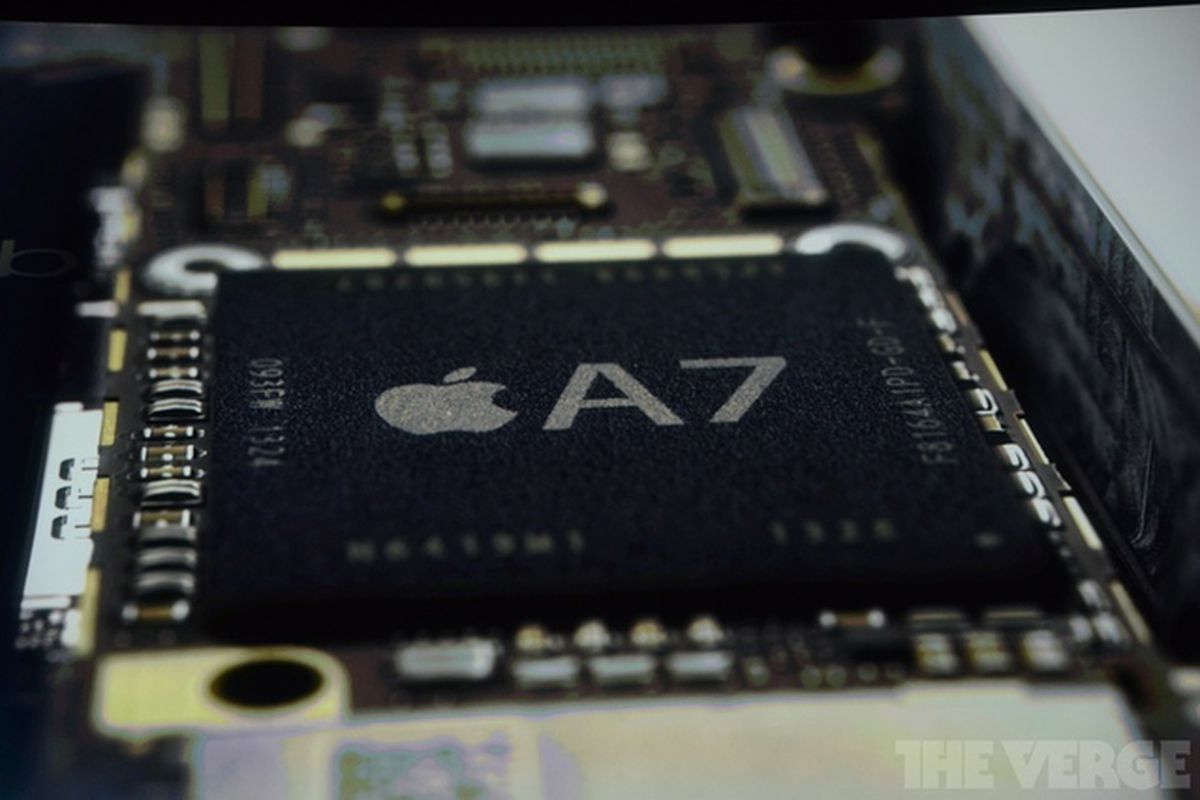
    The Application Processor (AP) is just a fancy term for what we usually refer to as the chipset used on a phone. For example, the AP used with the iPhone 13 series is the A15 Bionic. Counterpoint blames the shortage of AP chips on low yield rates tallied by new assembly lines churning out chips in fabrication facilities owned by the foundries. Qualcomm and Mediatek, two of the top AP vendors for the smartphone industry, rely on Samsung and TSMC respectively to build the chips Application Processors sold to phone manufacturers and low yields add to the chip shortage.

    Tom Kang, Research Director at Counterpoint Research, stated, “the semiconductor shortage seems to affect all brands in the ecosystems. Samsung, Oppo, Xiaomi have all been affected and we are lowering our forecasts. But Apple seems to be the most resilient and least affected by the AP shortage situation.” While Counterpoint didn’t explain why Apple was able to get off the hook, the answer is pretty easy to understand.

    As the largest customer of the world’s largest foundry, Apple surely gets special treatment from TSMC. It’s not just about supply. For example, starting in January, TSMC will hike its prices by 20% but Apple will see just a 3% rise in the price it pays TSMC for its chips. Apple accounts for over 20% of TSMC’s revenue, but less than 20% of its profits.

    Apple is being negatively impacted by TSMC’s announcement weeks ago stating that the 3nm process node, which was to be used to produce the A16 Bionic for next year, is too complex and will be delayed until the A17 Bionic for the iPhone 15 series. This could mean billions of fewer transistors will be packed inside the A16 Bionic resulting in a smaller improvement in performance and energy efficiency for the iPhone 14 line.

    So to reiterate, the 2022 A16 Bionic will be made using the 4nm process node and if the issues related to the complexity of the 3nm process node are ironed out in time, the A17 Bionic will possibly be the first 3nm chipset to power a smartphone.

    Apple fans are hoping that the company works on the A16 Bionic’s CPU. The CPU on the A15 Bionic showed very little improvement compared to the A14 Bionic as Apple faced an exodus of engineers from its unit that designs semiconductors.

    The transistor count on the A15 Bionic rose 27% to 15 billion compared to the 11.8 billion on the A14 Bionic, and the 8.5 billion transistors carried by the A13 Bionic. More telling was the transistor density on the A15 Bionic, which measures the number of transistors that fit inside a square mm. That metric rose to 135.14 million from 134.09 million the previous year.

    While the iPhone has avoided getting hit by the chip shortage, Apple did admit that the iPad and the Mac were hurt during the company’s fiscal third quarter which ended in June. Following the earnings report, Tim Cook told the media during the conference call that “The shortage primarily affected Mac and iPad. We had predicted the shortages to total $3 to $4 billion. But we were actually able to mitigate some of that, and we came in at the low-end part of that range.”

    Among other manufacturers that had to make adjustments due to the chip shortage, Google was forced to limit the release of its Pixel 5a mid-ranger to the U.S. and Japan. We won’t know whether Google will have to stagger the release of the Pixel 6 series until it officially announces the new line possibly later this month.
  • Samsung Electronics Close To Finalising $17 Billion Texas Chip Plant

    Samsung Electronics Close To Finalising $17 Billion Texas Chip Plant

    Samsung Electronics Co Ltd is close to finalizing the construction of a $17 billion semiconductor factory in Williamson County in the U.S. state of Texas, three people with knowledge of the matter said. Samsung told Reuters that it is continuing due diligence in multiple locations and that it has yet to make a decision. The factory will make advanced logic semiconductor chips and is likely to create about 1,800 jobs, Samsung previously said in filings to state officials.

    One of the people said though no decision has been made, the Austin suburb of Williamson County is the frontrunner due to the subsidies on offer as well as the likelihood of stable sources of electricity and water. A winter storm shut down at Samsung’s existing chip plant in Austin during the first quarter caused the equivalent of 300 billion to 400 billion won ($254 million to $339 million) of damage to wafer production.

    All three people declined to be identified as they were not authorized to speak with the media. Samsung previously said it would start construction on the new 6-million-square-foot (557,418-sq-meter) plant in January, with production up and running by the end of 2024. The plan comes at a time when the global auto industry faces a significant semiconductor shortage.

    “With the United States turning semiconductors into a strategic material, it is becoming a risk to be concentrated only in Asia,” said Park Sung-soon, an analyst at Seoul-based Cape Investment Securities. “Samsung wants to be on the ground in the U.S.”

    In the global chip contract manufacturing industry, Samsung is second to TSMC which had 52.9% of market share compared to Samsung’s 17.3% as of end-June, according to analysis provider TrendForce.

  • Tesla’s China Output Was Halted For Days In August Due To Chip Shortage

    Tesla’s China Output Was Halted For Days In August Due To Chip Shortage

    Tesla temporarily halted some operations at its Shanghai factory last month as the global shortage of semiconductors hit the electric car maker, Bloomberg News reported on Thursday, citing people familiar with the matter.

    Part of a production line at the China plant was halted for about four days in August because of a lack of key chips, the report said.

    Shortages with the availability of electronic control units caused output delays mainly for Tesla’s Model Y sports utility vehicle crossover, according to the report.

    Production at the Chinese factory is now back to normal.

    Tesla did not immediately respond to a query on the report.

    Last month, world’s largest automaker Toyota Motor Corp said it would slash global production for September by 40% from its previous plan following car makers worldwide in cutting production due to the months-long chip shortage.

  • Suzuki Expects 60% Drop In September Production Due To Chip Shortage

    Suzuki Expects 60% Drop In September Production Due To Chip Shortage

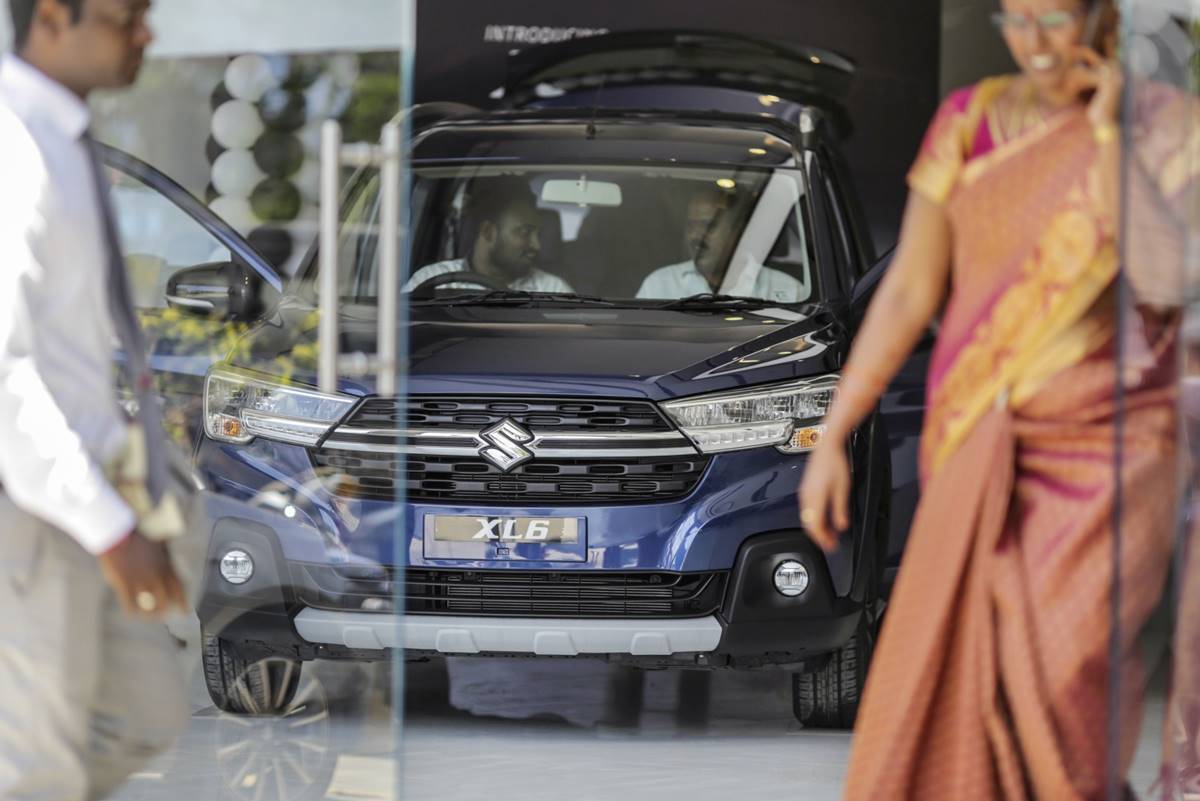
    India’s top carmaker Maruti Suzuki said on Tuesday that the global chip shortage will hurt production at its plants in the states of Haryana and Gujarat in September. Total production volume across both locations could be around 40% of normal output, it said in a regulatory filing.

    Top Indian carmakers, like their global peers, have been hit by semiconductor supply chain disruptions during the pandemic, which drove up demand for chips used in electronics like computers as people worked from home, and hit output at many automakers.

    Tata Motors and Mahindra and Mahindra Ltd have already warned of the impact from rising commodity prices and a global shortage of semiconductors, combined with pandemic uncertainty.

    In July, Tata Motors said it expected the chip supply crunch in the second quarter to be greater than in the first, likely resulting in wholesale volumes for its Jaguar Land Rover to be about 50% lower than planned.

    Analysts earlier said Maruti was better positioned than rivals as it was not dependent on a single vendor for chips.

    However, Maruti Chairman RC Bhargava has indicated the semiconductor crisis was not over and that it is difficult to predict what happens next.

  • Toyota Slashes September Output Amid Chip Crunch, COVID Resurgence

    Toyota Slashes September Output Amid Chip Crunch, COVID Resurgence

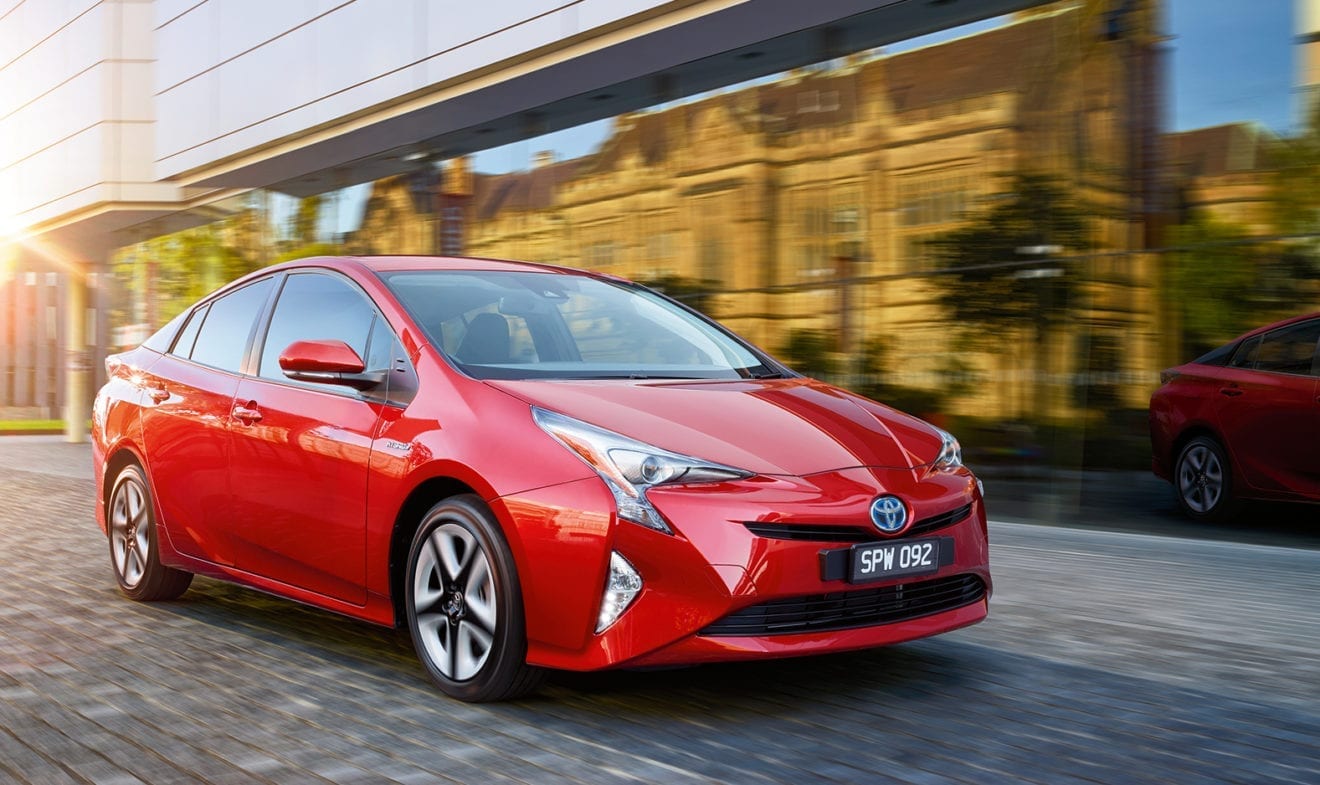
    Toyota said it will slash global production for September by 40% from its previous plan, becoming the last major automaker to cut output due to a global chip crunch, but it maintained its annual sales and production targets. Toyota’s success in navigating the chip shortage better than rivals has come down to its larger stockpile of chips under a business continuity plan adopted after the 2011 earthquake and the Fukushima nuclear disaster. The world’s largest automaker by sales volumes reiterated on Thursday its global production target of 9.3 million vehicles for the year ending in March, as well as its plan to sell 8.7 million cars in the period.

    “The 9.3 million global production plan takes into account certain risks,” executive Kazunari Kumakura told reporters. “We want to achieve the numbers.”

    Toyota said the September cuts included 14 factories in Japan and overseas plants, and that the company would reduce its planned global production that month by around 360,000 vehicles.

    Of these, 140,000 will be at Japanese plants, with the rest in the United States, China, Europe and other Asian countries.

    Car makers worldwide have been cutting production due to the months-long chip shortage, but a resurgence in COVID-19 cases in Japan, Philippines, Thailand, Vietnam and Malaysia – home to auto factories and chip plants – have led to stricter curbs and compounded the crisis.

    Germany’s Volkswagen said on Thursday it may need to cut production further and that it expected the supply of chips in the third quarter to be “very volatile and tight.”

    Ford Motor Co said Wednesday it will temporarily shut its Kansas City assembly plant that builds its best-selling F-150 pickup truck due to a semiconductor-related part shortage as a result of rising cases in Malaysia.

    Earlier this month, Toyota had flagged an unpredictable business environment due to fresh COVID-19 cases in emerging economies, the semiconductor shortage and soaring material prices.

    The carmaker had already halted assembly lines at some Japanese factories between late July and early August, including its Tahara plant, due to a surge in infections in Vietnam which had constrained the supply of parts, the Nikkei reported earlier.

    A person familiar with the matter told Reuters this month that Toyota had also suspended production at one assembly line in Guangzhou, China, which it operates with its Chinese joint-venture partner Guangzhou Automobile Group Co Ltd.

    In Thailand too, Toyota suspended production last month at three factories due to a pandemic-related parts shortage.

  • Chip Shortage Prompts Production Halt At Volvo Cars In Gothenburg

    Chip Shortage Prompts Production Halt At Volvo Cars In Gothenburg

    Volvo Cars, owned by China’s Geely Holding, will temporarily stop production at its Swedish plant in Gothenburg due to the shortage of semiconductor chips, it said on Wednesday. A global chip shortage has hit manufacturing, with automakers cutting down on production and electronic device makers struggling to keep up with a pandemic-led surge in demand for phones, TVs and gaming consoles.

    “Production at Torslanda will be paused temporarily from this evening due to a material shortage linked with the semiconductor issue,” Volvo Cars said in an emailed statement.

    “Production will restart as soon as possible, at the latest before next week,” the Swedish carmaker, which in June halted production at its Belgian plant in Ghent for a week, said.

    Volvo Cars, which last month reported a return to profit in the first half as demand for electric cars grows, is considering listing on the Nasdaq Stockholm stock exchange this year.