Retail News CRM

Tag: coca-cola

  • Coca-Cola Unveils New Absolut Vodka & Sprite Fusion: A Game Changer in Australia’s Ready-to-Drink Market

    Coca-Cola Unveils New Absolut Vodka & Sprite Fusion: A Game Changer in Australia’s Ready-to-Drink Market

    Coca-Cola Australia has broadened its alcoholic ready-to-drink range with the introduction of mixed drinks featuring Absolut Vodka and Sprite.

    Varieties in the New Range

    The new product line includes two distinct variants: Absolut Vodka Mixed with Sprite and Absolut Vodka Mixed with Sprite Zero Sugar. Both the versions maintain a modest alcohol by volume (ABV) content of 5 per cent, offered in 330ml cans.

    Available Packaging Options

    Customers have the option to buy these beverages in 4-packs, 10-packs, or bulk 24-can cases. The range of packaging options caters to different customer needs, whether it’s for personal consumption or a social gathering.

    Developing a Premium, Refreshing RTD Option

    Matthias Blume, Vice President of ARTD at Coca-Cola Australia, spoke about the recent launch. He stated that the introduction of Absolut Vodka Mixed With Sprite is a fusion of two renowned brands, aiming to provide a high-quality, invigorating ready-to-drink option for consumers in Australia. He also emphasized that this product is a valuable addition to their expanding ARTD portfolio, as it mirrors the ongoing momentum of the category and responds to the increasing consumer demand.

    Notably, this isn’t Absolut Vodka’s first foray into creative flavor combinations. The brand had previously collaborated with Tabasco to introduce a spicy flavor variant to its range.

    Questions & Answers

    What are the two versions of the new product launched by Coca-Cola Australia?
    Absolut Vodka Mixed with Sprite and Absolut Vodka Mixed with Sprite Zero Sugar are the two versions introduced in the new range.

    What are the available packaging options for this new range?
    Consumers can purchase these beverages in 4-packs, 10-packs, or 24-can cases.

    What is the significance of this new product range according to Matthias Blume, VP ARTD at Coca-Cola Australia?
    Matthias Blume suggests that the introduction of Absolut Vodka Mixed With Sprite reflects not only the momentum of the category but also the increasing consumer demand. It is intended to provide a premium, refreshing ready-to-drink option for Australian consumers.
  • Coca-Cola’s Upbeat 2025: Digital Transformation and Steady Growth Ahead

    Coca-Cola’s Upbeat 2025: Digital Transformation and Steady Growth Ahead

    Coca-Cola, a leading player in the soft drink industry, showcased continued revenue growth in 2025, setting the groundwork for its long-term success plan.

    Growth Pattern

    The company’s net revenues exhibited a 2% increase in both the fourth quarter and the entire year, while organic revenues saw a 5% growth over the same timeframe. James Quincey, chairman and CEO of Coca-Cola, expressed his satisfaction with the 2025 performance, which he believes demonstrates both the resilience and momentum inherent in the business.

    Quincey also shared insights into the company’s future plans, stating, “Our focus moving forward will be on better execution of our strategy and ensuring our system is primed for long-term success.”

    Towards a Digital Future

    Coca-Cola is set to fast-track its digital transformation with the aim of fostering closer relationships with consumers. Key initiatives include the establishment of a chief digital officer position, the launch of innovation hubs, and the inception of “commercial centres of excellence” in strategic markets.

    A spokesperson for the company explained that, “These collective actions are designed to better position the business to attract new customers, take the lead with marketing and innovation, and pilot a system that is ready for the future.”

    Sales and Revenue Highlights

    Sales figures for Coca-Cola’s zero sugar drink rose by 13% in Q4, while Diet Coke saw a 2% increase in the same period. However, the company’s operating income for the quarter fell 32% due to a US$960 million ($1.35 billion) charge related to a Bodyarmor trademark. Despite this, annual operating income showed a 38% rise.

    Future Expectations

    Looking ahead, Coca-Cola anticipates a free cash flow of approximately $17.1 billion, which includes an estimated $20.2 billion cash flow from operations.

    Questions & Answers

    What were the growth rates for Coca-Cola’s net and organic revenues in 2025?
    The company’s net revenues grew by 2% and organic revenues increased by 5% in the same year.

    What are some initiatives Coca-Cola is taking as part of its digital transformation?
    Coca-Cola is appointing a chief digital officer, setting up innovation hubs, and creating commercial centres of excellence in key markets.

    How does Coca-Cola’s operating income for 2025 compare to the previous year?
    Despite a 32% drop in the operating income for Q4 due to a trademark-related charge, the annual operating income grew by 38%.

  • Coca-Cola Charts New Course: Henrique Braun to Succeed James Quincey as CEO

    Coca-Cola Charts New Course: Henrique Braun to Succeed James Quincey as CEO

    The Coca-Cola Company recently announced that Henrique Braun, currently serving as executive Vice President and Chief Operating Officer, is set to become the organization’s next Chief Executive Officer. This change in leadership is scheduled to take effect from March 31, with Braun succeeding James Quincey.

    Quincey is not leaving the company entirely, however. He will be transitioning to the role of Executive Chairman. Furthermore, the board has plans to nominate Braun for election as a director during the annual shareholder meeting next year.

    Quincey’s tenure as CEO, which lasted nine years, was marked by his effective leadership in guiding the company through significant shifts and changes. He notably spearheaded the company’s transition towards a comprehensive beverage strategy. This involved restructuring its operational model, advancing its digital and marketing transformation, and overseeing the launch of over 10 billion-dollar brands. Additionally, he steered the company through the challenges posed by the Covid-19 pandemic.

    Quincey’s leadership style has been lauded by David Weinberg, Coca-Cola’s lead independent director, who described Quincey as a transformative leader. He further commended Quincey for setting and implementing a strategy that has bolstered Coca-Cola’s standing as a global leader. Quincey is expected to remain an active participant in the company’s operations through his new role as executive chairman.

    Reflecting on his time as CEO, Quincey expressed gratitude for the opportunity to have served such a robust and enduring business over his 30-year career with the company. He voiced his confidence in his successor, praising Braun as a trusted and highly experienced business partner. He expressed his belief that Braun is the ideal person to navigate the company and the Coca-Cola system towards future growth and success.

    In his new role as CEO, Braun will concentrate on identifying and capitalizing on global growth opportunities, reinforcing consumer connections, and harnessing technology to bolster business performance.

    Braun expressed his pleasure at being given this new responsibility. He pledged to maintain the momentum established by the company and to strive for future growth in collaboration with their bottlers.

    Weinberg expressed confidence in a smooth transition of leadership, stating that Quincey has fulfilled his role as a strong CEO and that Braun has demonstrated his suitability to lead Coca-Cola into the future.

    Questions & Answers

    Who will be the new CEO of The Coca-Cola Company?
    Henrique Braun will become the new Chief Executive Officer of The Coca-Cola Company.

    What role will James Quincey assume after stepping down as CEO?
    James Quincey will transition to the role of Executive Chairman after his stint as CEO.

    What will be Henrique Braun’s primary focus as the new CEO?
    As CEO, Braun will aim to leverage global growth opportunities, strengthen consumer connections, and harness technology to boost business performance.

  • Coca-Cola Vietnam’s $31M Tax Challenge Shaken: Legal Appeal Loses Fizz

    Coca-Cola Vietnam’s $31M Tax Challenge Shaken: Legal Appeal Loses Fizz

    Despite its efforts to dispute a tax claim, Coca-Cola Vietnam has been ordered to pay VND821 billion ($31.1 million) in back taxes and penalties after losing a lawsuit. The lawsuit was dismissed by the HCMC People’s Court last Thursday. This judgment upholds the decision made by the General Department of Taxation on December 25, 2019.

    Incorrect Tax Filings

    The tax authorities began to question Coca-Cola Vietnam’s tax filings for the business period from 2007 to 2015. Subsequent investigations revealed that the company had made errors in its filings, leading to an order for it to pay VND471 billion in back taxes and VND288 billion as a penalty for late payment.

    In court documents, the tax department revealed that Coca-Cola Vietnam had consistently reported losses from 1994 to 2015, resulting in no payment of business income taxes for those years, excluding 2015 when it paid VND115 billion. However, a contrary trend was noticeable in its net revenues, which consistently rose during this period. The company’s net revenues had reached VND197 billion in 2001, VND1.13 trillion in 2008, and VND6.82 trillion in 2015.

    Audit Results and Legal Disputes

    An audit of Coca-Cola Vietnam’s tax filings for the years 2016-2017 was conducted by the tax authorities. The audit, which concluded in December 2019, found incorrect filings, leading to the company’s underpayment of taxes. Coca-Cola Vietnam lodged a complaint in 2020, requesting the removal of part of the order, but this was dismissed by the tax department. Consequently, the company initiated a lawsuit in 2022.

    During the lawsuit, Coca-Cola Vietnam acknowledged disagreements with some of the tax authorities’ conclusions but was unable to provide sufficient evidence to support its case. The tax department maintained that its audit and decisions were in accordance with the law, a position which the court validated.

    Despite the dismissal of its appeal, Coca-Cola Vietnam stated that it respects the court’s procedures and judgement, reiterating its commitment to full compliance with tax regulations. The company is currently contemplating its subsequent moves.

    Coca-Cola’s History in Vietnam

    Coca-Cola made its entry into the Vietnam market in 1994, becoming one of the first U.S. companies to invest in the country after diplomatic relations were normalized. In more recent years, the company invested $136 million to establish a new factory in the southeastern province of Tay Ninh, indicating its continued intent to contribute to Vietnam’s development.

    Questions & Answers

    What was the outcome of Coca-Cola Vietnam’s lawsuit?
    The company’s lawsuit was dismissed, and it was ordered to pay VND821 billion ($31.1 million) in back taxes and penalties.

    What accounting discrepancies were found by the tax authorities?
    The tax authorities found that Coca-Cola Vietnam had been reporting losses consistently from 1994 to 2015, resulting in no payment of business income taxes for those years, except for 2015. However, the company’s net revenues had been steadily rising during this same period.

    How has Coca-Cola reacted to the court’s decision?
    Coca-Cola Vietnam has expressed respect for the court’s procedures and judgement. The company maintains that it has always fully complied with tax regulations and is considering its next course of action.

  • Bacardi and Coca-Cola Europacific Partners: Brewing Success in Australia with New Distribution Deal

    Bacardi and Coca-Cola Europacific Partners: Brewing Success in Australia with New Distribution Deal

    On November 3, Bacardi-Martini and Coca-Cola Europacific Partners (CCEP) initiated a multi-year partnership in Australia. This strategic alliance between the two beverage leaders aims to broaden their influence in the local drinks industry.

    The Partnership Details

    The partnership, first publicized in August, allows CCEP the responsibility of distributing an array of well-known brands. These encompass Bacardi rum, Bombay Sapphire gin, Grey Goose vodka, Patrón tequila, Dewar’s Scotch whisky, Angel’s Envy whiskey, and Martini vermouth. Simultaneously, Bacardi-Martini will continue to manage marketing and brand strategies.

    Luiz Schmidt, the Managing Director of Bacardi-Martini Australia, emphasized the importance of this collaboration. “Our brands are incredible with fantastic equity, but we acknowledge that to fully exploit their potential in Australia, we need to collaborate with an organization that possesses the necessary resources to put them in consumers’ hands nationwide,” he stated.

    Schmidt further stated that not only does CCEP have tremendous scale, but it also possesses proven industry expertise that can ensure long-term sustainable growth for both companies.

    Strengthening CCEP’s Market Position

    This agreement solidifies CCEP’s position as a key contender in the local premium drinks market and mirrors broader consolidation trends in beverage distribution.

    Orlando Rodriguez, the Managing Director of Australia Coca-Cola Europacific Partners, expressed his enthusiasm about the partnership and its potential. “The Bacardi portfolio is iconic, and we at CCEP have the track record of operational excellence to best support it,” Rodriguez stated.

    He added that both companies are eagerly anticipating the accomplishments they can achieve in the vibrant and expanding alcohol category.

    Questions & Answers

    What does the partnership between Bacardi-Martini and CCEP entail?
    The partnership allows CCEP to distribute Bacardi-Martini’s renowned brands across Australia, including Bacardi rum, Bombay Sapphire gin, among others, while Bacardi-Martini will continue managing marketing and brand strategies.

    How does the partnership affect CCEP’s position in the market?
    The agreement strengthens CCEP’s position as a leading player in the local premium drinks market and reflects broader consolidation trends in beverage distribution.

    What are the expected outcomes of this alliance?
    The Managing Directors of both Bacardi-Martini Australia and Coca-Cola Europacific Partners have expressed optimism about the potential growth and achievements this partnership can bring to the dynamic and expanding alcohol category in Australia.

  • Coca-Cola Partners with Return-It to Pilot Reverse Vending Machines: Taking Beverage Container Recycling to the Next Level in Australia

    Coca-Cola Partners with Return-It to Pilot Reverse Vending Machines: Taking Beverage Container Recycling to the Next Level in Australia

    Coca-Cola Europacific Partners (CCEP) Australia has initiated the introduction of reverse vending machines (RVMs) in its primary manufacturing facilities, commencing with its Moorabbin site in Victoria.

    What is a Reverse Vending Machine?

    A reverse vending machine is a sophisticated device designed to collect empty beverage containers. This includes plastic bottles, glass bottles, and aluminium cans, which are then funneled into the recycling process. Users are often rewarded for their recycling efforts, typically in the form of a deposit refund, voucher, or other incentives.

    CCEP Australia’s trial initiative is being carried out in collaboration with Return-It, the eastern zone network operator for Victoria’s Container Deposit Scheme (CDS Vic). The main goal of this venture is to make container recycling more accessible to the general public.

    Industry Partnerships Promote Recycling

    Orlando Rodriguez, the Managing Director for Australia at CCEP, expressed the company’s pride in making Coca-Cola in Moorabbin for over 65 years. He highlighted that with the installation of the reverse vending machine, consumers can now return their containers for recycling at the same location where their favourite beverages are produced.

    Marc Churchin, CEO of Return-It, emphasized that the collaboration highlights the crucial role of industry partnerships in advancing recycling efforts. He mentioned that the organization’s mission is to make recycling worthwhile by making it accessible, easy, and rewarding.

    Future Expansion Plans

    Beyond the Moorabbin facility, CCEP Australia has plans to expand the deployment of RVMs to other manufacturing locations across Australia. Rodriguez added that “the initiative reflects our long-standing support for Australia’s container deposit schemes and our commitment to investing in local recycling infrastructure. We want to ensure beverage containers are kept out of the environment.”

    Questions & Answers

    What is the function of a reverse vending machine?
    A reverse vending machine collects empty beverage containers, such as plastic bottles, glass bottles, and aluminium cans. These are then recycled, and users are incentivized for their participation in the form of deposit refunds, vouchers, or other rewards.

    What is the objective of CCEP’s initiative with Return-It?
    The primary goal is to make container recycling more accessible to the general public. This is achieved by installing reverse vending machines at locations where beverages are produced, enabling consumers to return their containers for recycling.

    What are Coca-Cola Europacific Partners’ (CCEP) future plans regarding reverse vending machines?
    CCEP plans to expand the rollout of reverse vending machines to more manufacturing locations across Australia. This reflects their ongoing support for local container deposit schemes and commitment to investing in local recycling infrastructure.

  • Coca-cola Q3 Report: Revenue Boost Amid Challenging Market, Category & Regional Performance Explored

    Coca-cola Q3 Report: Revenue Boost Amid Challenging Market, Category & Regional Performance Explored

    In the third quarter, Coca-Cola revealed a 5% increase in net revenue, rising to $19.2 billion. Their organic revenue also observed a 6% increase during this period.

    Challenging Market Conditions

    James Quincey, the Chairman and CEO of Coca-Cola, acknowledged the challenging market conditions, yet credited the company’s impressive performance to their diverse beverage portfolio and the unique strengths of their franchise model.

    Growth Across Regions

    Unit case volume increased by 1% during the third quarter. This growth was driven by increasing sales in specific regions such as Central Asia, North Africa, Brazil and the UK.

    Category Performance

    The performance varied across the different beverage categories. Sparkling soft drink volumes remained stable, with a 1% growth in unit case volume. This growth was primarily driven by gains in Europe, the Middle East and Africa, and the Asia Pacific region.

    Coca-Cola Zero Sugar saw a considerable increase in sales, with a 14% rise across all regions. Diet Coke and Coca-Cola Light also performed well, with a 2% increase predominantly due to growth in North America and the Asia Pacific region.

    However, not all categories experienced growth. Sparkling flavours saw a 1% decline as gains in Europe, the Middle East and Africa were offset by weaker results in the Asia Pacific region. Additionally, juice, value-added dairy and plant-based beverages saw a 3% decline.

    Conversely, water saw a 3% increase across all regions, sports drinks rose 3% due to growth in North America, and coffee grew 2%, driven by the Asia Pacific and Europe, Middle East and Africa regions.

    Refranchising Strategy

    Coca-Cola also made advancements in its refranchising strategy during the quarter. Coca-Cola HBC AG agreed to obtain a controlling interest in Coca-Cola Beverages Africa, furthering the company’s shift towards a franchise-focused model. In a separate transaction, the company completed the sale of a 40% stake in Hindustan Coca-Cola to the Jubilant Bhartia Group.

    The company confirmed that its productivity programs have helped counter inflationary pressures and have supported investment in areas such as digital and omnichannel capabilities.

    Future Projections

    Coca-Cola anticipates generating a minimum of $15 billion in free cash flow for the remainder of the fiscal year and affirmed that it is on track to meet its full-year guidance. Looking further ahead, Quincey expressed confidence in the company’s ability to meet its 2025 guidance while also working towards achieving its long-term objectives.

    Questions & Answers

    Does Coca-Cola expect to meet its full-year guidance?

    Yes, Coca-Cola confirmed that it expects to meet its full-year guidance.

    Which regions contributed to the growth of Coca-Cola?

    The growth in the third quarter was largely driven by increasing sales in regions such as Central Asia, North Africa, Brazil and the UK.

    What was the result of Coca-Cola’s refranchising strategy in the third quarter?

    During the third quarter, Coca-Cola HBC AG agreed to obtain a controlling interest in Coca-Cola Beverages Africa, furthering the company’s shift towards a franchise-focused model. Additionally, the company completed the sale of a 40% stake in Hindustan Coca-Cola to the Jubilant Bhartia Group.

  • Coca-Cola closer to sale of Costa Coffee – reports

    Coca-Cola closer to sale of Costa Coffee – reports

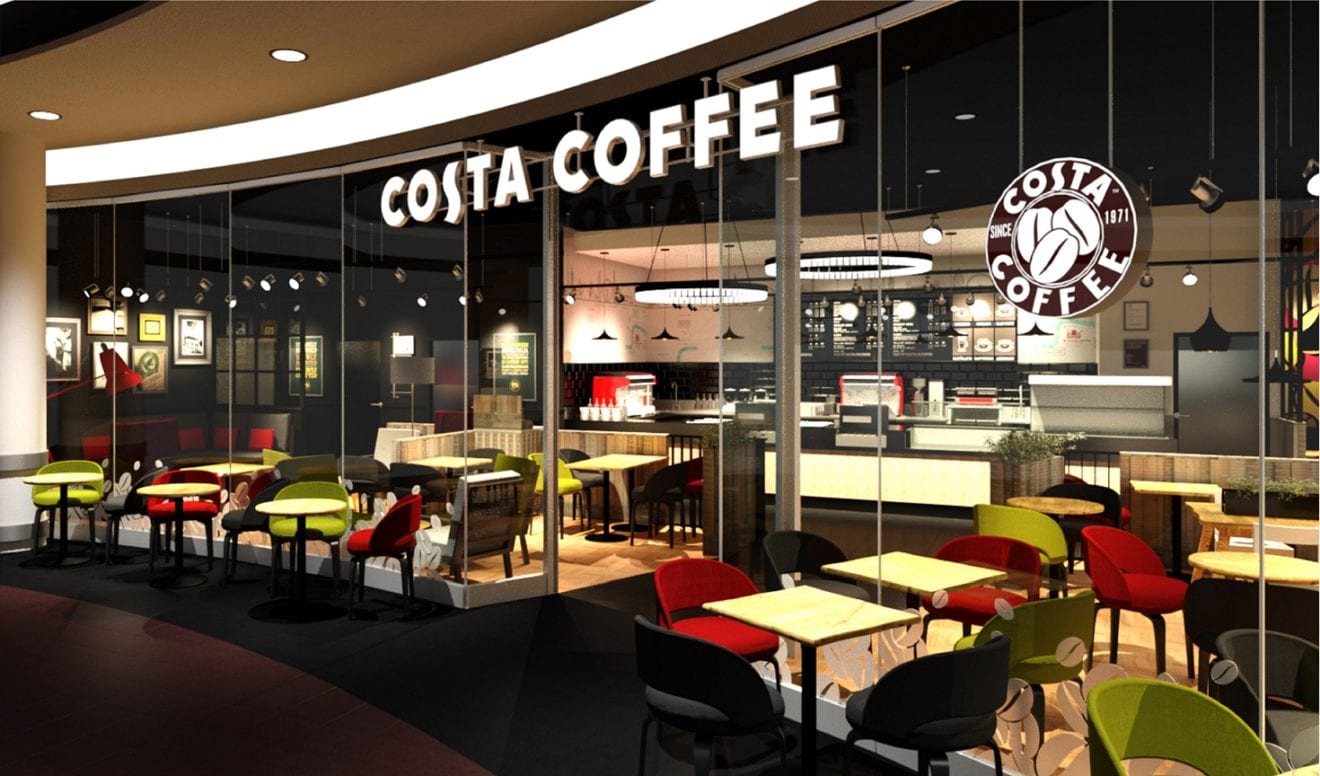
    The Coca-Cola Company is said to have received a bid from Bain Capital’s Special Situations division for its well-known café chain, Costa Coffee. Established in London in 1971 by brothers Bruno and Sergio Costa, the business started as a wholesale operation providing roasted coffee. The coffee chain caught the attention of Whitbread, which acquired the business in 1995. Later, in 2018, Costa Coffee was sold to The Coca-Cola Company for roughly £3.9 billion, equivalent to approximately US$5.1 billion at the time of the transaction.

    Bain Capital’s Bid

    The Special Situations unit of Bain Capital, which has previously invested in British bakery and café chain Gail’s as well as restaurant chain PizzaExpress, has proposed an initial bid for the UK-based coffee chain. Besides Bain, private equity firm TDR Capital has also expressed interest in the deal.

    Costa Coffee’s Global Presence

    Costa Coffee has grown significantly since its establishment, expanding its presence to over 50 countries. It currently maintains more than 2700 stores across the UK and Ireland and operates in more than 1300 locations in other global markets.

    Challenges Amidst the Pandemic

    Despite its global reach and popularity, Costa Coffee has grappled with increasing costs and a decline in consumer spending due to the Covid-19 pandemic. The café chain reported an annual loss of £13.8 million and revenues of £1.2 billion in 2023.

    Bain Capital’s Recent Acquisitions

    Bain Capital has a history of acquiring food and beverage establishments. For instance, the firm purchased the restaurant franchise growth platform Sizzling Platter in July, which operates several well-known brands such as Little Caesars, Wingstop, and Dunkin’.

    Questions & Answers

    Who initially founded Costa Coffee and when was it established?
    Costa Coffee was established by brothers Bruno and Sergio Costa in London in 1971.

    Who submitted a bid for Costa Coffee?
    The Special Situations unit of Bain Capital has reportedly submitted a bid for Costa Coffee.

    What financial impact did the Covid-19 pandemic have on Costa Coffee?
    Due to the pandemic, Costa Coffee has faced a decline in consumer spending and rising costs, resulting in an annual loss of £13.8 million in 2023.

  • Coca-cola And Bacardi Unveil Premixed Rum Beverages, Marking Soda Giant’s Debut In Australian Alcoholic Rtd Market

    Coca-cola And Bacardi Unveil Premixed Rum Beverages, Marking Soda Giant’s Debut In Australian Alcoholic Rtd Market

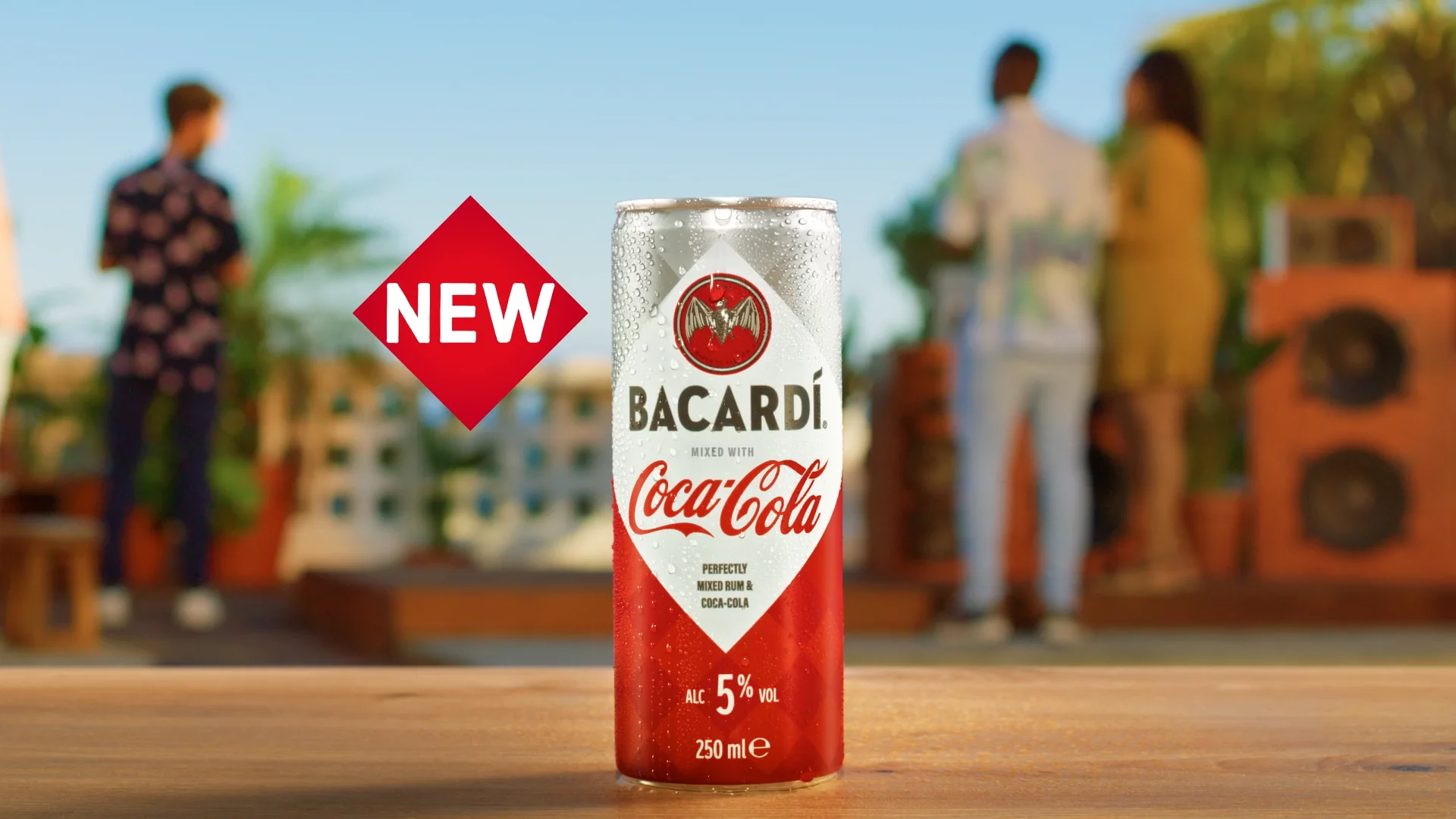
    In a landmark collaboration, Coca-Cola Australia has joined forces with Bacardi to launch a premixed rum beverage line, signifying the first time the soda behemoth has ventured into the alcoholic ready-to-drink (RTD) market in the region.

    New Flavors on Offer

    The new rum mix range will introduce two flavors, Original and Spiced, to tantalize the taste buds of consumers. The beverages will be packaged in 330ml cans with an alcohol by volume (ABV) content of 4.8 per cent. These canned beverages are slated to hit the shelves at selected licensed locations nationwide within the month.

    Matthias Blume, Coca-Cola Australia’s VP of RTD, expressed exhilaration over the groundbreaking venture. He noted that the association with Bacardi, a brand renowned for superior taste and creating enjoyable experiences, enables them to delight consumers in an entirely novel manner.

    “This marks a significant milestone not just for the brand, but also for Australians who have long cherished Coca-Cola as their go-to mixer,” Blume added.

    A Historic Occurrence

    Historically, Bacardi made a significant acquisition in 1998 when it purchased John Dewar & Sons and Bombay Sapphire from Diageo for $2 billion. Now, in their new collaboration with Coca-Cola, the two brands are poised to create similar impact in the retail industry.

    In related news, Coca-Cola recently unveiled AI-powered vending machines in New Zealand.

    Questions & Answers

    What is the significance of the new rum mix range by Coca-Cola and Bacardi?
    The launch marks the first time Coca-Cola has ventured into the alcoholic ready-to-drink market in Australia, making it a significant milestone for the company.

    What flavors are being introduced in the new rum mix range?
    The new range includes two flavors: Original and Spiced.

    What was Bacardi’s major acquisition in 1998?
    In 1998, Bacardi acquired John Dewar & Sons and Bombay Sapphire from Diageo in a deal valued at $2 billion.

  • Coca-Cola Europacific VP Peter West Announces Retirement, Gareth Mcgeown To Take Helm

    Coca-Cola Europacific VP Peter West Announces Retirement, Gareth Mcgeown To Take Helm

    Peter West, the current Vice President and General Manager of Coca-Cola Europacific Partners’ Australia, Pacific, and Southeast Asia (APS) division, has announced his forthcoming retirement at the end of the year. His departure concludes an impressive 35-year trajectory in the Fast-Moving Consumer Goods (FMCG) sector.

    Contributions and Achievements

    West commenced his tenure with Coca-Cola Amatil in 2018, taking on the role of Managing Director for Australian beverages. He became an instrumental figure in incorporating the APS region into Coca-Cola Europacific Partners (CCEP) after the company’s successful acquisition in 2021.

    Damian Gammell, CEO of Coca-Cola Europacific Partners, praised West’s performance, noting that his contributions had been transformative for both the Australian division and the wider region. Gammell pointed out West’s profound industry knowledge, his comprehension of the market landscape, and his capacity to stimulate growth in various markets. These attributes have earned West widespread respect within and outside the company.

    Prior to his role at Coca-Cola, West held high-ranking leadership positions at prominent companies such as Lion Dairy & Drinks, Mars Confectionery, and Arnott’s.

    Leadership Transition

    West’s successor, as of January 1, will be Gareth McGeown, who is currently the General Manager of CCEP Philippines.

    Reflecting on his career, West claimed that his tenure at Coca-Cola, and his role in the expansion and growth of Coca-Cola Europacific Partners, were the highlights of his professional life. He expressed his excitement about passing his responsibilities to McGeown, praising his expertise, enthusiasm, and strong business acumen. West is confident that McGeown will maintain the momentum of growth in the region.

    Questions & Answers

    Who will succeed Peter West as the Vice President and General Manager of Coca-Cola Europacific Partners’ APS division?
    Gareth McGeown, the current General Manager of CCEP Philippines, will succeed Peter West.

    When did Peter West join Coca-Cola Amatil?
    Peter West joined Coca-Cola Amatil in 2018 as the Managing Director of Australian beverages.

    What companies did Peter West work for before joining Coca-Cola?
    Prior to Coca-Cola, West held leadership positions at Lion Dairy & Drinks, Mars Confectionery, and Arnott’s.

  • Coca-cola Unveils Ai-powered Vending Machine For Enhanced, Personalized Consumer Experience

    Coca-cola Unveils Ai-powered Vending Machine For Enhanced, Personalized Consumer Experience

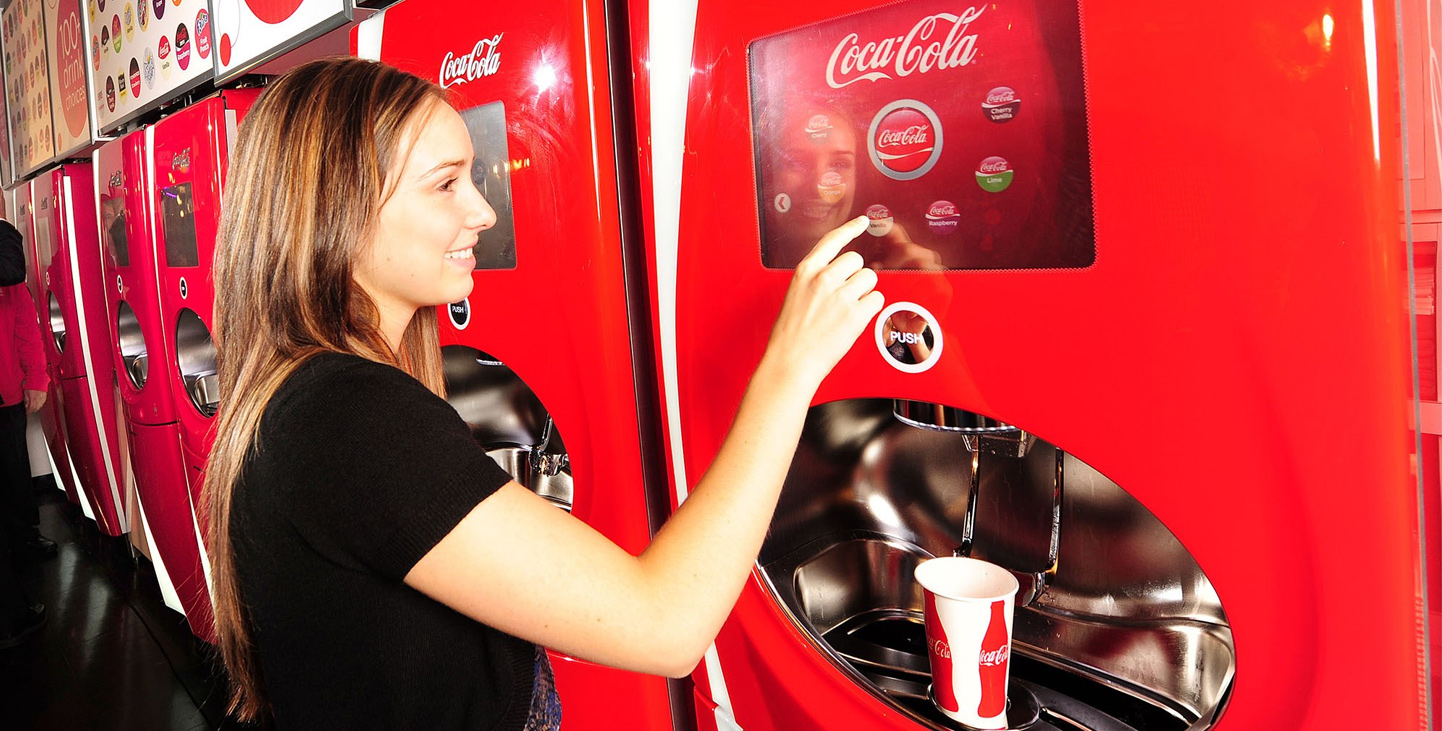
    Coca-Cola has debuted its most recent innovation in the form of a Coke&Go cooler vending machine. This cutting-edge machine is powered by artificial intelligence (AI) and computer vision, creating an upgraded, efficient, and personalized vending experience for consumers.

    Enhanced Consumer Experience

    The Coke&Go cooler vending machine allows consumers to gain access via their smartphones. This can be done by either scanning a QR code or by inputting credit card information, providing a seamless and technologically advanced method of interaction. What sets this vending machine apart is its ability to identify products using a product recognition technology. This means that customers can confirm and complete their purchases through the payment options that they have linked with the system.

    Terry Burbidge, GM of vending at Coca-Cola Europacific Partners New Zealand, underlined that this move aims to align their products more closely with the modern lifestyle of their consumers. He stated, “It’s about making refreshment more intuitive, more accessible, and more aligned with how Kiwis live today.”

    Smart Inventory Tracking

    The latest version of this vending machine also comes equipped with smart inventory tracking. This feature ensures that the cooler vending machines are restocked with the correct beverages at the right time. In doing so, not only does it enhance efficiency, but it also significantly reduces the likelihood of items being out of stock.

    The soft drink behemoth has plans to expand the presence of this innovative vending machine following a successful trial at the Sydney Airport during the previous year. Over the course of the next two years, hundreds of these advanced cooler vending machines will be installed across Australia and New Zealand.

    Questions & Answers

    What is the Coke&Go cooler vending machine?
    The Coke&Go cooler vending machine is a new type of vending machine by Coca-Cola that uses artificial intelligence and computer vision to provide an efficient and personalized experience.

    How do consumers interact with the Coke&Go cooler vending machine?
    Consumers can interact with the machine using their smartphones, either by scanning a QR code or entering their credit card information.

    What are the benefits of the vending machine’s smart inventory tracking feature?
    The smart inventory tracking ensures that the vending machines are consistently stocked with the right beverages, which improves efficiency and reduces the chance of items being out of stock.

  • Coca-Cola Beats Earnings Expectations Despite Sales Dip; Unveils Cane Sugar Product For Us Market

    Coca-Cola Beats Earnings Expectations Despite Sales Dip; Unveils Cane Sugar Product For Us Market

    Coca-Cola’s quarterly earnings have surpassed expectations, the company reported on Tuesday, due to increased pricing. This comes despite a decrease in sales volumes in significant markets, and the announcement of a new Coca-Cola product made with cane sugar for the U.S. market.

    Higher Prices and Lower Volumes

    The boost in prices compensated for a 1 per cent decline in sales volumes, which had increased by 2 per cent in the previous two quarters. The decline was primarily due to a decrease in sales in essential markets, including Mexico and India, and within the Coca-Cola brand in the United States. After adjusting for certain items, the company made a profit of 87 cents per share, surpassing the expected 83 cents.

    Sales of higher-priced sodas have fluctuated in recent times, especially in wealthier nations, as consumers with lower incomes become more price-sensitive.

    Healthier Substitutes

    In response to demands for healthier alternatives, food companies are looking to diversify their offerings. Recently, President Donald Trump announced that Coca-Cola had agreed to use real cane sugar in the United States. Coca-Cola’s CEO, James Quincey, stated during a post-earnings call that the company is exploring different sweetening options to meet consumer demand. This new cane sugar product will “complement” the company’s existing range, he added.

    Competing brand PepsiCo, which also exceeded quarterly earnings estimates recently, stated it would use natural ingredients if consumers expressed a preference for them.

    International Success and Domestic Challenges

    Coca-Cola already sells Coke made with cane sugar in various markets, including Mexico. Some U.S. grocery stores also offer glass bottles of Coke made with cane sugar, labelled as “Mexican” Coke.

    However, the transition to cane sugar will increase costs, including significant changes to supply chains, according to industry analysts. Higher-priced products could also put pressure on consumer budgets, as Quincey acknowledged that sales volumes in North America decreased due to continuing uncertainty and pressure affecting certain socioeconomic consumer segments.

    Coca-Cola maintains that the cost implications due to “global trade dynamics” are manageable. Approximately 61 per cent of the company’s revenue is derived from overseas markets.

    Higher Pricing and Volume Recovery

    Coca-Cola’s comparable revenue for the three months ending June 27 rose 2.5 per cent to $12.62 billion, outperforming the forecasted $12.54 billion. Quincey stated that a boycott-related drop in demand in the U.S. and Mexico has largely been resolved.

    Annual comparable earnings per share are expected to be near the upper limit of the company’s target increase range of 2 to 3 per cent, aided by a weaker dollar.

    Sales volumes of Coca-Cola Zero Sugar soared, with a 14 per cent increase recorded across all geographies.

    Questions & Answers

    What was the cause of the decrease in Coca-Cola’s sales volumes?
    The decrease in sales volumes was primarily due to a decline in sales in key markets such as Mexico and India, and within the Coca-Cola brand in the U.S.

    Is Coca-Cola planning to introduce new products to the market?
    Yes, Coca-Cola has announced it will introduce a new product made with cane sugar to the U.S. market as part of their commitment to meet consumer demand for healthier alternatives.

    What is the outlook for Coca-Cola’s annual comparable earnings per share?
    The annual comparable earnings per share are expected to be near the upper limit of Coca-Cola’s target increase range of 2 to 3 per cent, aided by a weaker dollar.

  • Coca-Cola Europacific Partners unveils its largest canning line yet

    Coca-Cola Europacific Partners unveils its largest canning line yet

    Coca-Cola Europacific Partners is making waves in the beverage industry with the launch of its most extensive and efficient canning line to date. The new facility is located in Richlands, Brisbane.

    A hefty investment of $75 million has been made towards the establishment of this production line, capable of processing an impressive 2,000 cans per minute. This translates to 120,000 cans per hour and nearly 3 million cans per day.

    This new development primarily aims to ramp up the production of Monster Energy products, in response to the escalating demand for energy drinks by consumers. However, it won’t be limited to the Monster Energy brand. The production line will also serve as a manufacturing hub for other beverages under the Coca-Cola Europacific Partners umbrella, including Coca-Cola, Sprite, and Fanta.

    Orlando Rodriguez, the Managing Director of Coca-Cola Europacific Partners Australia, spoke about the company’s long-standing commitment to manufacturing in Australia. He commented, “We have a rich history of manufacturing in Australia that spans nearly 90 years, and we remain deeply invested in our operations.”

    The construction of this development was a grand endeavor, employing 250 contractors over a two-year period. Once it reaches full operational status, the project is expected to generate 18 full-time jobs.

    Rodriguez further highlighted the benefits of the new line, saying, “Through the use of revolutionary technology and top-tier equipment, our new line will enhance our production efficiency. This allows us to deliver our beverages to Australians faster and in a more sustainable manner.”

    One of the key features of the new canning line is its reverse osmosis system, which has amplified its water treatment capacity by 67%.

    Furthermore, the line’s capacity to fill cans at room temperature is projected to cut down energy consumption by 23% annually. This is in comparison to other production lines within Coca-Cola Europacific Partners’ network.

    Questions & Answers

    What is the processing capacity of the new canning line?
    The new canning line can process 2,000 cans per minute, which equates to 120,000 cans per hour and nearly 3 million cans a day.

    What brands will be produced on the new line?
    The new canning line will primarily focus on producing Monster Energy Company products. However, it will also produce Coca-Cola, Sprite, Fanta, and other beverages under the brand.

    What sustainability features does the new canning line have?
    The line integrates a reverse osmosis system, increasing water treatment capacity by 67%. Moreover, its feature of filling cans at room temperature is expected to reduce energy consumption by 23% annually.

  • Coca-Cola buys Finnish vodka label Finlandia for $342 million

    Coca-Cola buys Finnish vodka label Finlandia for $342 million

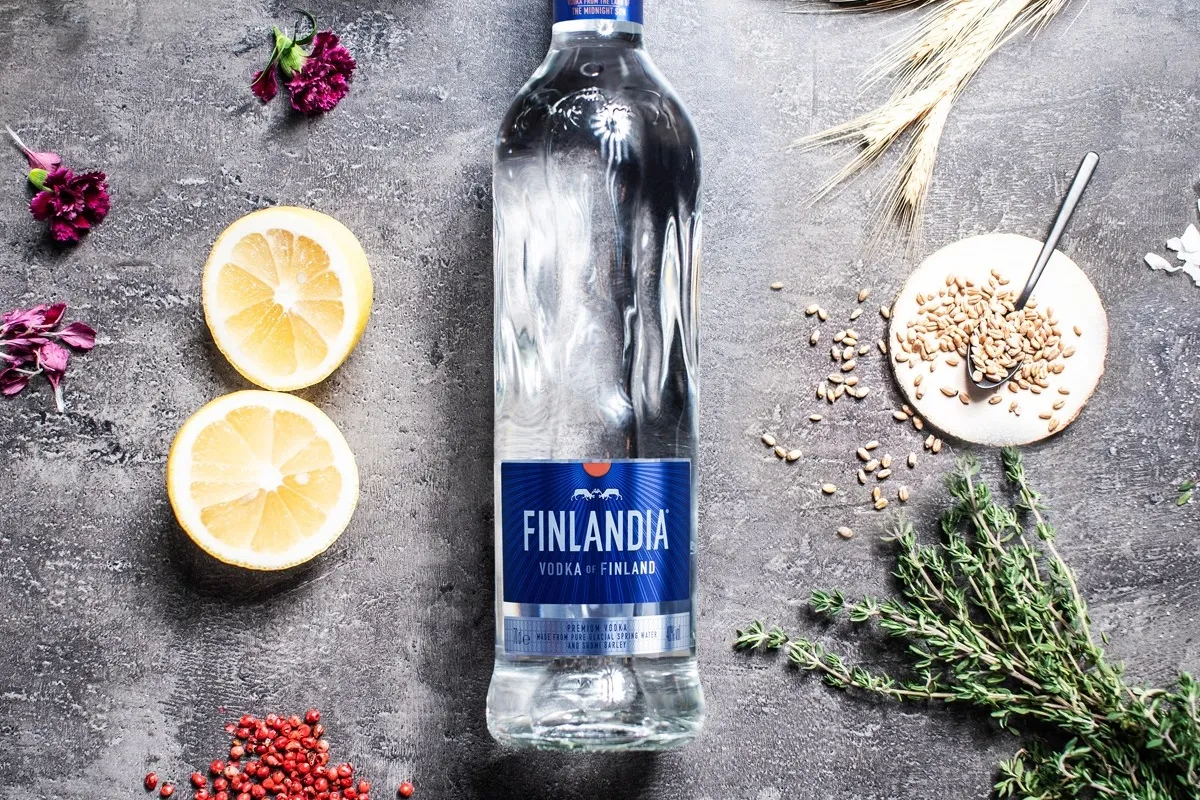
    Coca-Cola HBC (Hellenic Bottling Company) has purchased Finlandia Vodka from liquor giant Brown-Forman for $342 million (US$220 million), subject to adjustments related to inventory and other working capital items.

    The beverage giant says the acquisition will bolster Coca-Cola HBC’s premium spirits credentials and drive mixability opportunities with premium and super premium non-alcoholic ready-to-drink (NARTD) products, capturing more consumers and strengthening partnerships in strategically important channels such as HoReCa (hotel-restaurant-catering)

    Brown-Forman said the sale of Finlandia vodka is another step to its long-term strategic plan to premise its portfolio through brand innovation, acquisition, and divestiture.

    Established in 1970, Finlandia is one of the leading vodka brands in Central Eastern Europe with annual volumes of 2.7 million cases worldwide, of which more than 60 per cent is generated within Coca-Cola HBC’s geographic footprint.

    Anora Group bottles Finlandia in Finland based on a long-term production services agreement and is sold in pure and flavoured versions.

    “We are pleased to pass on the ownership torch of Finlandia to Coca-Cola HBC, who has proven to be a strong and reliable partner to our brands for more than 17 years,” said Lawson Whiting, CEO of Brown-Forman.

    “I am confident that Coca-Cola HBC’s growth ambitions and capabilities in premium spirits, its critical mass and execution excellence, and its leading sales and distribution credentials in the markets where it operates will accelerate Finlandia’s growth trajectory.”

    Brown-Forman’s roster of brands includes Jack Daniel’s Tennessee Whiskey, RTDs and other Jack Daniel’s-branded products, Woodford Reserve, Old Forester, Coopers’ Craft, The GlenDronach, Benriach, Glenglassaugh, Slane, Herradura, Fords Gin, and Diplomatico Rum.

    The company has approximately 5600 employees globally, and its brands are sold in more than 170 countries.

  • Coca-Cola raises outlook amid revenue growth

    Coca-Cola raises outlook amid revenue growth

    The US-headquartered company saw net revenues increase in most of its markets, including Europe, Middle East & Africa (10 percent), Latin America (24 percent), and North America (6 percent). Meanwhile, revenues in Asia Pacific declined 2 percent.

    Revenues of global ventures and bottling investments were up 15 percent and 4 percent, respectively.

    Global unit case rose 2 percent and operating income grew 6 percent, with earnings per share up 9 percent to $0.71.

    “We delivered an overall solid quarter and are raising our full-year topline and bottom-line guidance in light of our year-to-date performance,” said James Quincey, chairman and CEO of The Coca-Cola Company.

    “Our leading portfolio of brands, coupled with an aligned and motivated system, positions us to win in the marketplace today while also laying the groundwork for the long term.”

    The company expects to deliver organic revenue growth of 10-11 percent. For comparable net revenues, it anticipates a 4 percent currency headwind based on the current rates and including the impact of hedged positions.