Retail News CRM

Tag: coca-cola

  • Coca-Cola Amatil shareholders approve European takeover

    Coca-Cola Amatil shareholders approve European takeover

    Shareholders at Coca-Cola Amatil have voted “overwhelmingly” to approve Coca-Cola European Partner’s $13.50 per share takeover offer. The vote was held at 10 am on Friday, April 16, and saw 97.6 percent of shares proxy vote in support of the takeover – representing about 62 percent of total shareholders in CCA.

    Only 0.9 percent of votes were against the takeover.

    “Today is a significant day in the 117-year history of Coca-Cola Amatil,” said chairman Ilana Atlas.

    “I am excited by the possibilities that lie ahead for Coca-Cola Amatil’s future, and know I speak on behalf of the board when I say that it has been a privilege to be part of the Coca-Cola Amatil journey.”

    The takeover means CCA’s brands, which include Coca-Cola, Mount Franklin, Pump, Goulburn Valley, Monster Energy, Barista Bros, Blue Moon and Rekorderlig will now be owned and operated out of Europe.

    The takeover also means the Atlanta-based Coca-Cola Company will see its financial interest in CCA vanish.

    Shares in CCA fell after the vote, as it became clear shareholders would be receiving the “best and final” offer from CCEP.

  • 7-Eleven and Coca Cola launch Hong Kong concept store

    7-Eleven and Coca Cola launch Hong Kong concept store

    7-Eleven has teamed with carbonated beverage brand Coca Cola to open a new themed store in Hong Kong. Located at in Tsim Sha Tsui, the 7-Eleven x Coca Cola concept store is dressed in the distinctive Coke red. As well as the modern Coke livery, the counter features a banner with nostalgic advertising.

    The store features two fridges with Coca Cola’s glass-bottle-shaped doors, displaying a selection of the brand’s items and collectibles.

    “7-Eleven x Coca Cola themed store is a close collaboration with our suppliers leveraging on the brand strength and features to create a themed convenience store with impactful in-store decoration, interesting display, exclusive products, innovative food idea, good value offer to bring customers fun and convenience,” a spokesperson for 7-Eleven Hong Kong’s parent company Dairy Farm Group said.

    The store also features a ‘Hot Shot counter’ where customers can pause and eat snacks (and a Coke).

  • Morphe launches Coca Cola cosmetics and accessories

    Morphe launches Coca Cola cosmetics and accessories

    Beauty brand Morphe has teamed up with Coca Cola to launch a new makeup collection.

    Different to Morphe’s usual partnerships with famous beauty gurus such as Jaclyn Hill or Jeffree Star, the co-branding with Coca Cola has marked one of the brand’s biggest collabs.

    Called Thirst for Life Collection, the new beauty line will feature products designed with Coca Cola’s label, including lip glosses, an eyeshadow palette, highlighters and brushes.

    “The Thirst For Life Artistry Palette, in particular, was inspired by the full experience of drinking a Coca Cola – from the green glass of the bottle, to the blues of ice, to the colours of the actual liquid beverage,” the company said in a statement.

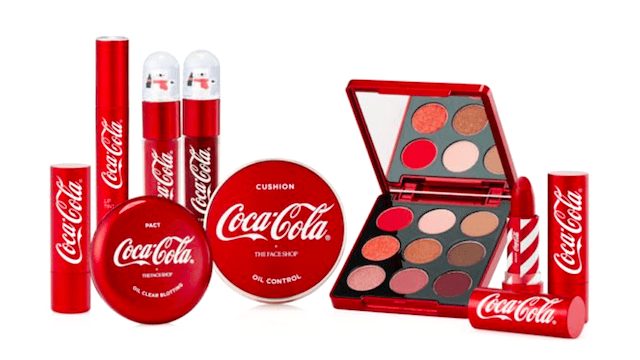
    Morphe is not the first beauty brand to collaborate with Coca Cola. The US soft drink brand teamed up with The Face Shop to launch a beauty collection in South Korea.

    The Morphe x Coca Cola Collection was launched today, June 18, with all products priced under US$30.

  • Coca-Cola Vietnam fined for tax evasion

    Coca-Cola Vietnam fined for tax evasion

    Coca-Cola Vietnam has been ordered to pay VND821.4 billion ($35.4 million) in back taxes and penalties stretching back over nine years.

    Dang Ngoc Minh, deputy head of the General Department of Taxation, said 57.3 percent of the amount is the back tax, 35.2 percent is a penalty for delayed payment and the remaining 7.5 percent is a penalty for incorrect filing.

    “The company can request a review or file a lawsuit.”

    A Coca-Cola spokesperson said tax authorities had recently concluded an investigation of the 2007-15 business period, and found the company had made “minor errors” in describing its business operations which had led to a failure to file for taxes.

    Though it disagrees with some of the tax authorities’ conclusions, the company would nevertheless comply with the laws, he said.

    But an official from the Ho Chi Minh City Tax Department said Coca-Cola has only paid VND38.2 billion ($1.6 million) as of Thursday.

    Coca-Cola entered Vietnam in 1994, and broke even only in 2013 despite double-digit revenue growth, according to the department.

    Since the company reported accumulated losses of VND3.77 trillion ($162.5 million) as of 2011, it was exempt from corporate income tax.

    HCMC has named Coca-Cola among businesses it suspects of transfer pricing fraud to evade tax.

  • Coca-Cola North America pilots subscription service to test new products

    Coca-Cola North America pilots subscription service to test new products

    Soft drinks giant Coca-Cola has launched a new subscription service in North America to test out over 20 new drinks.

    The Coca-Cola Insiders Club invites subscribers to sign up for a monthly shipment of three category-spanning beverages to be released in early 2020. A thousand memberships sold out in three hours following the announcement.

    “We’re absolutely thrilled to see how quickly the spots went, which shows just how passionate consumers are about our brands and innovations. It proves there is an opportunity to scale the concept and allow more people to participate,” said Alex Powell, a digital experiences manager, Coca-Cola North America.

    The soft drinks giant said the move was prompted by the phenomenal growth in the e-commerce subscription market which has doubled annually over the last five years.

    Subscribers can choose from two payment options for the six-month membership, US$10 per month or US$50 prepaid (one month free).

    “As a total beverage company, we’re constantly looking for ways to innovate not only in our products – but also in the consumer-centric experiences we offer,” said McCrea O’Haire, digital experiences manager, Coca-Cola North America.

    “People want choice, convenience and customization. The Insiders Club will allow us to showcase the diversity of the drinks we offer and get some of our newest innovations into the hands of fans who want to be among the first to enjoy them.”

    The launch of the limited-edition Coke Cinnamon in the region prompted a big response from consumers and provided valuable insights to the beverage giant.

    Coca-Cola North America said it will monitor sales, feedback and social media buzz and may consider expanding beyond the six-month trial period.

  • Coca-Cola looks at Indian chain Cafe Coffee Day to invest

    Coca-Cola looks at Indian chain Cafe Coffee Day to invest

    Beverages giant Coca-Cola is negotiating the acquisition of a large stake in Indian chain Cafe Coffee Day (CCD) as part of a move to gain traction in the territory against a drop in demand for carbonated drinks.

    Executives expect the deal, if it goes ahead, to hedge risks for the firm by taking advantage of a growing market sector in the territory.

    “The potential stake acquisition is being driven by Coca-Cola’s headquarters in Atlanta and officials from the beverage maker’s global team are engaged in active talks with the Coffee Day management,” said an executive with knowledge of the matter. “It would give Coca-Cola a significant scale in the fast-growing cafe business, compared to aerated soft drinks, which have been slowing down.”

    Coca-Cola has claimed that news of the potential deal is speculative.

    CCD is India’s largest coffee chain, with 1752 locations as of March this year. Starbucks India, by contrast, operates just 146 stores.

    “Cafe Coffee Day introduced India to the café culture back in the 1990s and has been able to build a massive footprint,” commented private equity professional Jaspal Sabharwal, “but the chain badly needs some innovation and facelift. There has been plenty of innovation in the cafe industry in recent years, but not enough of it has come from giant brands. Coca-Cola can play a very good role in this space.”

  • PepsiCo franchise rights to be acquired in South, West India

    PepsiCo franchise rights to be acquired in South, West India

    PepsiCo India’s bottling partner Varun Beverages Monday said its board has approved plans to acquire franchise rights of the beverages and snacks major in South and West regions. The board has approved the company’s intent to enter into a binding agreement with PepsiCo India Holdings to acquire franchise rights in the two regions for a national bottling, sales and distribution footprint in seven states and five UTs, Varun Beverages Ltd (VBL) said in a regulatory filing.

    According to a report, upon completion of these acquisitions, VBL will be a franchise of PepsiCo beverages business across 27 states and seven Union Territories (UTs), it added.

    “The proposed acquisitions are in line with the company’s strategy to expand into contiguous territories and will help to acquire greater scale, operational productivity and efficiency leading to higher revenues and profitable growth,” it said.

    VBL, however, did not disclose financial details of the proposed acquisitions.

    The company further said its board will meet on February 26 to consider raising of capital through Qualified Institutions Placement (QIP).

    Last year in January, VBL had entered into a pact with PepsiCo to sell and distribute the latter’s entire Tropicana range of juices along with Gatorade and Quaker Value-Added Dairy in North and East India.

    VBL already held manufacturing, sales and distribution rights for Tropicana Slice and Tropicana Frutz in the two regions.

    PepsiCo had then stated that North and East regions together accounted for 80 percent of the juice market in India and VBL’s contiguous reach would help it more than double the distribution reach in these states.

  • Cola, sugar prices shoot up 10% in Korea

    Cola, sugar prices shoot up 10% in Korea

    Processed food prices rose in January, with soybean paste, sugar and cola all jumping up around 10 percent compared to a year earlier. The Korea Consumer Agency (KCA) said Monday that 18 of 26 major processed foods measured both in 2018 and 2019 cost more in January than the previous year. The highest price hikes on year included sugar at 11 percent, soybean paste at 9.8 percent and cola at 9.7 percent. Among processed grain foods, instant rice products rose the most, by 5.6 percent. Prices for cup ramyeon noodles, one of the country’s favorite snacks, rose 3.4 percent.

    The KCA releases prices for a basket of around 30 major processed food categories every month. The basket price data serves as a separate indicator of real price changes for consumers. Other tracked products include beer, coffee mix and curry.

    Compared to the previous month, the average basket price for January rose 0.2 percent to 122,686 won ($109) from 122,491 won. Soybean paste prices rose on month by 4.7 percent and curry by 1.4 percent. Average cola prices rose 6.0 percent from December. The soft drink’s price rose last month after two months of declines.

    The KCA reported that the basket’s price was most affordable from large retail stores compared to traditional markets, department stores and large-size supermarkets.

    Meanwhile, products that declined in price on year included cooking oil at minus 6.1 percent, orange juice at minus 5.3 percent and red pepper paste at minus 4.9 percent.

    The data comes as consumer prices for January rose by 0.8 percent from 2018, according to Statistics Korea. The consumer price index for “living necessity food” rose 2.6 percent last month from the previous year.

  • Coca-Cola India launches grape based sparkling drink Colour

    Coca-Cola India launches grape based sparkling drink Colour

    Beverages major Coca-Cola India on Friday expanded its Minute Maid product range by launching a grape fruit based sparkling drink branded as Colour, said a top company official. People in Tamil Nadu towns and villages used to call soft drink ‘Colour’. Coca-Cola India has branded its new grape juice sparkler as ‘Colour’ to resonate with the local lingo.

    He also said the company would launch a new product in Andhra Pradesh that would be branded under a similar philosophy.

    “The new grape juice based Colour is launched here and will be focused on Tamilian population within India. The product is part of our strategy of expanding our fruit based beverages,” T.Krishnakumar, President, Coca-Cola India and South West Asia said.

    He said the company apart from focusing on its core products – carbonated drinks – also concentrates on launching products preferred in regional markets and also on expanding the ‘fruit circular economy’ – launching fruit based drinks made with domestically grown fruits.

    “The black grapes for the drink are sourced from grape farmers in South India,” Krishnakumar said.

    He did not agree that the new brand ‘Colour’ under the broader Minute Maid brand would reduce the latter’s brand equity. Minute Maid brand is known as a fruit based beverage brand.

    “We are expanding the products under the Minute Maid brand. The new product has 12 per cent grape juice content,” Krishnakumar said.

    According to Srideep Kesavan, Director-Juices, Coca-Cola India and South West Asia, research showed that grape juice was a fast moving product at fruit juice stalls in Tamil Nadu.

    Queried about cutting down on the sugar content in the company’s beverages, Krishnakumar said it will come down soon and a start has been made with the grape sparkler Colour with 9.5 grams of sugar.

    On the value of fruit pulp/products that Coca-Cola India would source under its ‘fruit circular economy’ he said the company had committed that a sum of Rs 5,000 crore would be spent on that head by 2023 and the company is in line with that commitment.

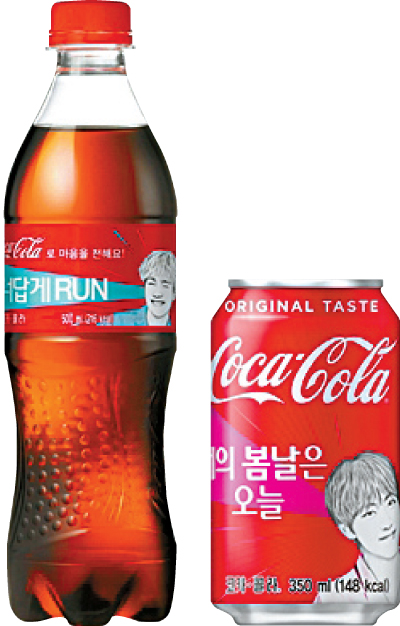
  • Love Yourself a BTS-themed coca cola

    Love Yourself a BTS-themed coca cola

    Coca-Cola launched BTS-themed bottles as part of its “Share a Coke” campaign on Monday. The bottles come in seven different designs – each one representing a member of the K-pop boy group – with inspirational messages referencing the group’s song titles. This year, the special Coke bottle labels read in Korean “Your spring day is today,” “I’m fine if it’s you,” “Run like yourself,” “You’re really dope,” “You are my idol,” “Go instead of worry” and “This year is blazing fire.”

    Bottles are also decorated with images of the members’ faces and vivid colors like pink, yellow and green.

    The BTS-themed drinks are available in grocery stores and convenience stores across Korea. They come in 350-milliliter (12-ounce) aluminum cans and 500-milliliter, 1.5-liter and 1.8-liter bottles.

    Coca-Cola in Korea has been launching special edition Coke bottles as part of its Share a Coke storytelling campaign since 2014. The campaign’s goal is to help consumers share hopeful messages with friends and family by exchanging the drinks with one another.

  • Burger house competition in Hong Kong

    Burger house competition in Hong Kong

    In 2018, two international burger chains have opened restaurants and branched out in the city. In May 2018, Shake Shack brought the modern day roadside burgers, to Hong Kong with its partner Maxim’s Caterers Limited. Maxim’s Caterers Limited is a Hong Kong based food, beverage and restaurant chain founded in 1956, and the company operates over 1,000 outlets in Hong Kong including The Cheesecake Factory and Simplylife Cafe.

    “We see tremendous opportunity for Shake Shack in Hong Kong and Macau,” said Randy Garutti, CEO of Shake Shack. “We are thrilled to bring the joy of Shake Shack to our fans in these dynamic communities as we continue to expand our footprint in Asia.”

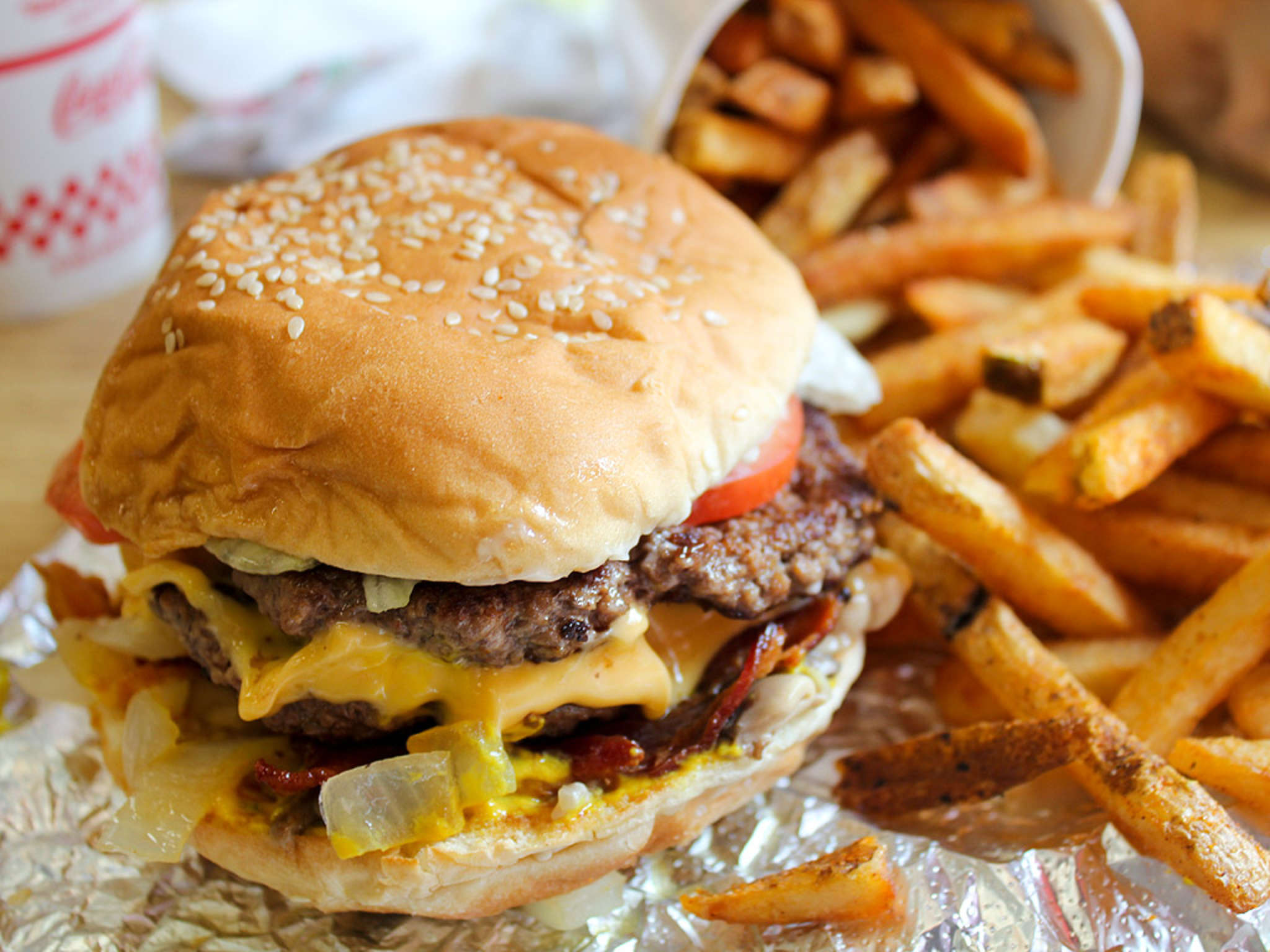
    On 19 November 2018, after months of staring longingly at the red and white hoarding, the day to check out Five Guys’ first Hong Kong restaurant has finally arrived. The popular fast food chain is now serving up all the American-style burgers, hotdogs, milkshakes, and fries. Naturally, burger lovers in Hong Kong were excited to get a chance to check it out.

    After 2 months,there is still a queue outside Five Guys owing to the all-you-can-eat peanuts and Coca-cola Freestyle. Coca-cola Freestyle is a concept similar to the Big Gulp offered by the 7-Eleven, customers may choose and drink all the provided soft drinks freely for only $30 Hong Kong dollars.

    This increasing number of burger outlets landing in HK just leaves us with one question – when is In-N-Out Burger making its way to Hong Kong?

  • The Coca-Cola Company completes acquisition of Costa

    The Coca-Cola Company completes acquisition of Costa

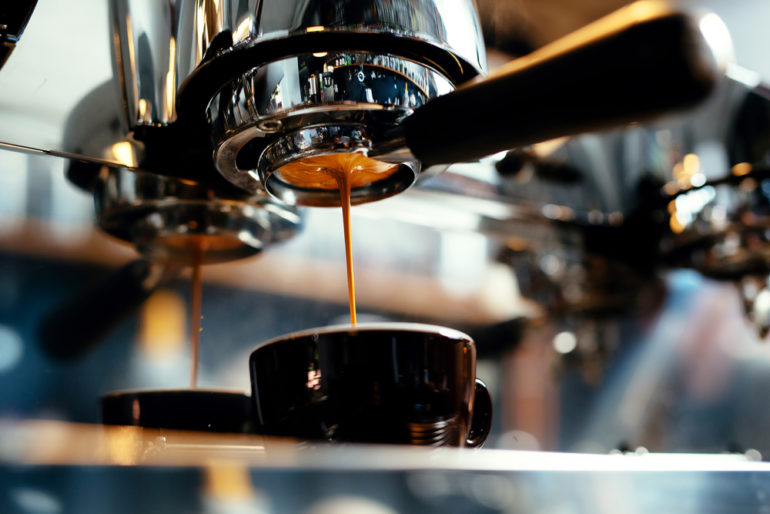
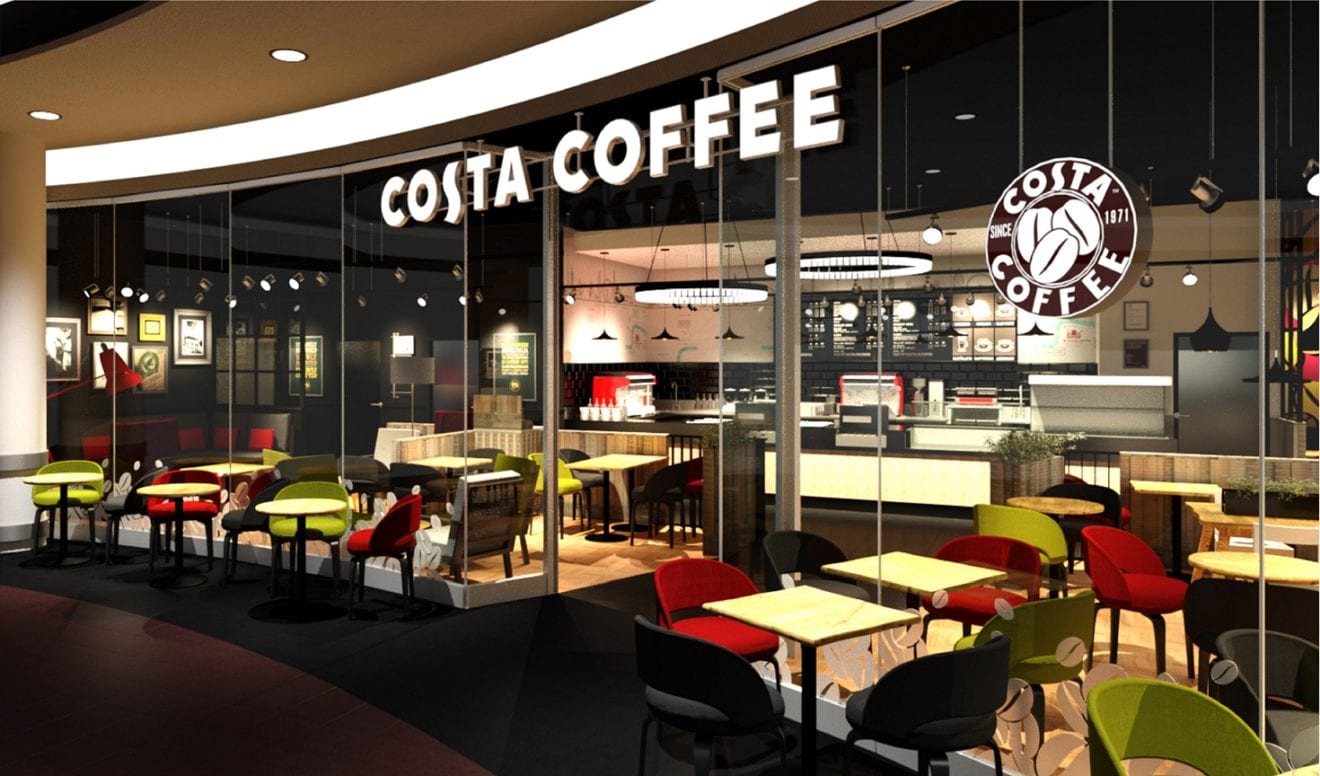
    The Coca-Cola Company has announced that it has completed the acquisition of Costa Limited from Whitbread PLC. The US$ 4.9 billion transaction follows approval from regulatory authorities in the European Union and China. The acquisition was first announced on August 31, 2018. Costa, which has operations in more than 30 countries, gives Coca-Cola a significant footprint in the global coffee business. Worldwide, the coffee segment is growing 6 percent annually. Costa has a scalable platform across multiple formats and channels, from the existing Costa Express vending system to opportunities to introduce ready-to-drink products.

    “We see great opportunities for value creation through the combination of Costa’s capabilities and Coca-Cola’s marketing expertise and global reach,” said James Quincey, CEO of The Coca-Cola Company. “Our vision is to use the strong Costa platform to expand our portfolio in the growing coffee category.”

    “We wish our friends and colleagues at Costa all the very best for their future success,” said Alison Brittain, Whitbread Chief Executive. “Whitbread acquired Costa 23 years ago, when it had only 39 shops. Costa has grown to become a leading, international coffee brand, and Coca-Cola is the right partner to take Costa to the next stage of expansion.”

  • The digital opportunity for Coca Cola at Costa Coffee

    The digital opportunity for Coca Cola at Costa Coffee

    Coca-cola bought Costa Coffee for GBP3.9 billion (US$5.1 billion) recently. As a result of the deal, the US-based fizzy drink company will gain a strong cafe presence across Europe, Africa, the Middle East, and the Asia Pacific.

    So far, Costa has about 2,400 coffee shops in the UK, 1,400 coffee shops in 31 international markets, and more than 8,000 Costa Express self-serve units.

    Why your cash is no good at these bars and coffee shops

    On average, the brand has been in business for more than 40 years and has opened 289 new stores every year. In fact, prior to the deal, Costa was set on establishing a strong presence in China.

    The company also earned GBP1.167 billion (US$1.507 billion) in revenues in 2016. The figure pales in comparison to Starbucks’ revenues of US$22.39 billion (2017) but maybe in a couple of years, Costa might be in a position to lead the market.

    One of the biggest factors that will play to Coca-Cola’s advantage is that innovation is part of Costa’s DNA. “When I came to the business I could see the foundation was strong but we needed to invigorate and innovate. I want us to be famous for innovating,” said Costa MD Dominic Paul last year.

    The company even worked with startups in the UK to prepare itself for the digital world, and build the coffee shop of the future. “We want to build an experience that’s relevant in 2025,” said an executive at one of the company hackathons.

    Highlighting the digital opportunity

    Starbucks has access to plenty of data about its customers and their buying habits, and it does a fabulous job using technology to drive business growth — today.

    Costa Coffee, on the other hand, might not know as much about its customers but with Coca-Cola in the mix, the company has significant opportunities ahead of it.

    Coca-Cola owns brands like fairlife (milk), Dasani (water), Georgia (coffee), Nestea (ice-tea), Cappy (fruit juice) among several others.

    The company understands the beverage market and has data to map seasons, geographies, and other metrics to customer purchases — allowing Costa to enter new markets, draw up ideal customer personas to market to, and even create more targeted advertising.

    In fact, Costa Coffee could even follow in Starbucks’ footsteps and venture into the retail market, all on the strong shoulders of Coca-Cola.

    Here are a few technologies that Coca-Cola uses — that Costa could borrow and benefit from in the future:

    # 1 | AI-driven proof-of-purchase for loyalty program

    One reason why Starbucks has been able to collect mountains of customer data is that they offer a great loyalty program. In fact, since their loyalty program runs on an app, the company is able to send targeted messages and offers as well.

    Costa could ape the loyalty program that Starbucks offers, and it could make it better by incorporating features that award points for the purchase of ready to drink coffee products from supermarkets and retail outlets.

    In order to do so, the company could use the AI solution that Coca-Cola developed in partnership with Google last year — which is now part of most of the campaigns run by the fizzy drink company in the US.

    # 2 | AI-powered vending machine count

    In the digital age, vending machines are a good alternative to retail outlets, especially for the cafe industry.

    A large number of people across the globe wait in a queue every morning, only to take their coffee and bagel ‘to-go’. Having more vending machines could be a good way to solve the problem — especially if they’re stocked frequently.

    However, the problem then would be checking when a machine needs to be refilled. If Costa is to go down this route, it could leverage a solution that Coca-Cola developed in partnership with Salesforce.

    The ERP giant’s AI product had been trained to recognize, identify, and count the varieties and quantities of Coca-Cola bottles stored in one of its cooler display cabinets, simply by analyzing a photo taken with an iPad or iPhone.

    Further, using AI, the system can factor in seasonal variations, weather information, and upcoming promotions, to automatically calculate when the machines need to be restocked.

    # 3 | Big data to determine popular flavors

    Coca-Cola created Cherry Sprite based on data from hundreds of thousands of self-serve soft-drink fountains.

    It has developed strong big data capabilities and understand how to leverage data to determine how to create products that customers prefer.

    Using this knowledge, and data from Coca-Cola’s Georgia and other brands, Costa could create the perfect ready to drink beverages for customers, propelling itself ahead of the competition quite quickly — especially with Coca-Cola’s distribution and supply chain intelligence to support it.
  • Coca Cola Australia buys Mojo Kombucha

    Coca Cola Australia buys Mojo Kombucha

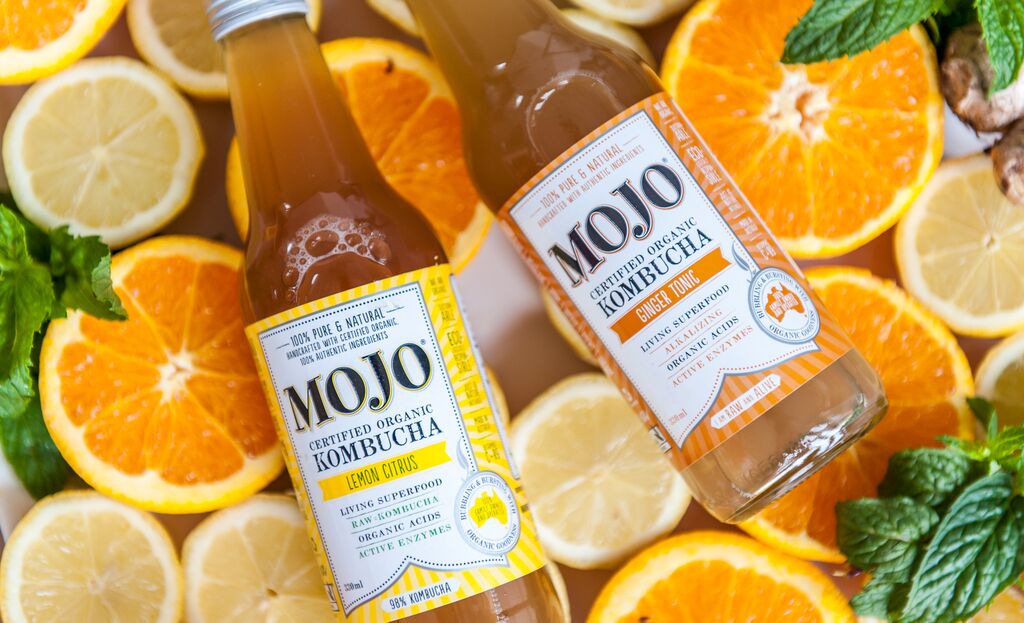
    Coca Cola Australia announced on Tuesday it has acquired the Organic & Raw Trading Co., the Australia-based owner of Mojo Kombucha.

    The terms of the deal were not disclosed. In a move that sees the soft drink maker diversify into low-sugar, natural beverages, Coca Cola will add Mojo brands to its portfolio of 165 products and 25 brands across Australia.

    “The addition of Mojo Kombucha fits perfectly with the growing popularity of organic, probiotic drinks,” Vamsi Mohan, president of Coca-Cola Australia, said in a statement.

    In the last twelve months, Coca Cola has been buying up healthier drink companies, including sparkling water, as consumers become increasingly health conscience.

    More recently, the soft drink heavy weight acquired UK coffee chain Costa for $5.1 billion and invested a small stake into Kobe Bryant’s sports drink BodyArmor in August.

    For the second quarter 2018, Coca Cola reported net revenues declined 8% to $8.9 billion, impacted by a 15% headwind from the refranchising of company-owned bottling operations.

    However, organic revenues grew 5%, driven by concentrate sales growth of more than 2% and price/mix growth of more than 2%.

    “We’re encouraged with our performance year-to-date as we continue our evolution as a consumer-centric, total beverage company,” said James Quincey, President and CEO of Coca-Cola. “We have the right strategies in place and remain focused on achieving our full year guidance.”

  • Costa Coffee exits Singapore after closing last store

    Costa Coffee exits Singapore after closing last store

    Just days after Costa Coffee announced it was to be bought by Coca-Cola, UK cafe chain Costa Coffee has confirmed it is exiting Singapore.

    During the last 13 weeks Costa Coffee Singapore has closed six stores in the city and its two remaining outlets will close imminently: Holland Village (September 7) and VivoCity on Sunday week.

    Costa Coffee launched in Singapore in 2012, and has a presence in other Asian markets including Cambodia and Vietnam (where it has one store at Danang Airport).

    A spokesman for Costa Coffee Singapore said: “We are committed to remaining within the South-east Asia region and have ambitious plans to grow the Costa brand.” He said the decision to exit Singapore was made early this year.

    An unnamed employee of Costa Coffee Singapore said that high rents were behind the decision to close the stores,

    However, Esther Ho, director of the School of Business Management at Nanyang Polytechnic, said international coffee chains were struggling in Singapore because they were not focused enough on “experiences” that helped to justify premium prices.