Retail News CRM

Tag: coca-cola

  • Coca-Cola raises outlook amid revenue growth

    Coca-Cola raises outlook amid revenue growth

    The Coca-Cola Company has raised its full-year guidance after its net revenue expanded 8 percent to US$12 billion for the third quarter.

    The US-headquartered company saw net revenues increase in most of its markets, including Europe, Middle East & Africa (10 percent), Latin America (24 percent), and North America (6 percent). Meanwhile, revenues in Asia Pacific declined 2 percent.

    Revenues of global ventures and bottling investments were up 15 percent and 4 percent, respectively.

    Global unit case rose 2 percent and operating income grew 6 percent, with earnings per share up 9 percent to $0.71.

    “We delivered an overall solid quarter and are raising our full-year topline and bottom-line guidance in light of our year-to-date performance,” said James Quincey, chairman and CEO of The Coca-Cola Company.

    “Our leading portfolio of brands, coupled with an aligned and motivated system, positions us to win in the marketplace today while also laying the groundwork for the long term.”

    The company expects to deliver organic revenue growth of 10-11 percent. For comparable net revenues, it anticipates a 4 percent currency headwind based on the current rates and including the impact of hedged positions.

  • Coca-Cola launches limited-edition Y3000 Zero Sugar flavour

    Coca-Cola launches limited-edition Y3000 Zero Sugar flavour

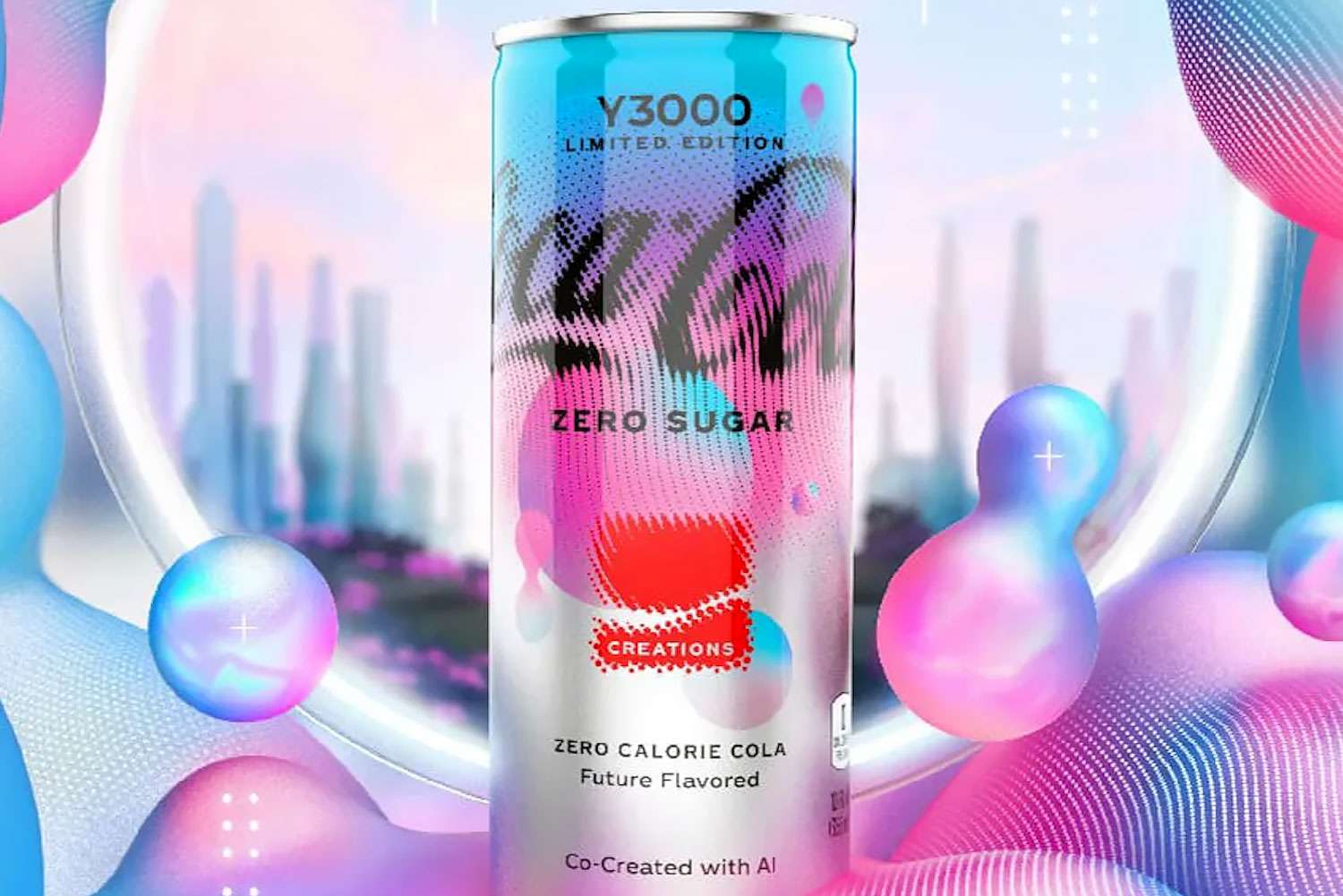
    Coca-Cola Australia has launched a limited-edition flavor called Coca-Cola Y3000 Zero Sugar across the country.

    The company says the latest launch is the first “futuristic flavor” co-created by human and artificial intelligence from Coca-Cola Creations.

    Last year, the business established a new global innovation platform called Coca-Cola Creations, which brings new products and experiences across the physical and digital worlds through limited-edition sequential releases.

    Under this venture, Coca-Cola Y3000 Zero Sugar was the first product Coca-Cola Creations introduced in Australia.

    Livia De Salvo, marketing manager of Coca-Cola Australia, said: “With the help of AI-powered technology, Coca-Cola Y3000 Zero Sugar imagines how a Coca-Cola from the future tastes and introduces innovative experiences to explore the future.”

    The inspiration and look for the product come from fans’ perspectives combined with insights gathered from artificial intelligence.

    Coca-Cola also looked at flavor trends and preferences to understand what consumers think the taste of the future will be like. These were used as inspiration to help develop flavor profiles and pairings recommended by artificial intelligence.

  • Coca-Cola franchisee posts $236M revenue in Vietnam

    Coca-Cola franchisee posts $236M revenue in Vietnam

    Swire Coca-Cola, a franchisee of the Coca-Cola Company, recorded a revenue of US$236.32 million in the first six months in Vietnam.

    Its pre-tax profit was around $33.21 million in the period.

    Swire Coca-Cola is a partner of the Coca-Cola Company with a franchise to manufacture, market, and distribute products of the Coca-Cola Company in China, Cambodia, Vietnam, and the western U.S.

    Swire Coca-Cola entered the Southeast Asia market in July last year by purchasing the manufacturing line of Coca-Cola in Vietnam and Cambodia for over $1 billion.

    Leaders of Swire Coca-Cola considered the Vietnam purchase successful as it had made considerable contributions to the company, while its unit in Cambodia is posting a loss.

    Coca-Cola entered Vietnam in 1994, producing its beverage in three factories.

  • Coca-Cola Vietnam sets record of Vietnamese Tet table with the most participants

    Coca-Cola Vietnam sets record of Vietnamese Tet table with the most participants

    Coca-Cola Vietnam set a world record for the largest Vietnamese Tet meal table with the participation of 1,000 multi-generation families in Ho Chi Minh City on January 8.

    The meal was recognized as a record-setting event by the World Records Union (Worldkings). This record honors the tradition of family reunions over Tet meals and conveys the message that Tet may change, but the magic remains.

    A total of 436 tables were arranged into the shape of two Coca-Cola bottles at Hoa Lu Stadium. More than 3,000 people from 1,000 Vietnamese families were seated around the tables to enjoy a Tet party with various traditional dishes and share memories of family reunions.

    After two years of the Covid-19 pandemic, the Coca-Cola’s Tet event has returned, highlighting the meaning of family reunion that Coca-Cola wishes to bring to Vietnamese consumers.

    Leonardo Garcia, General Director of Coca-Cola Vietnam and Cambodia, said: “Coca-Cola has been part of millions of Vietnamese family dinners for almost 30 years. We know how important the Tet reunion meal is for Vietnamese. This year, with the Timeless Magic Table event, we bring back the memories of old Tet family meals with an ice-cold Coke, because we know those meals can connect family members of all generations, something that never changes.”

    Also in this event, Coca-Cola together with partner Al’s Fresco set the record for “The organization that gives away 1,000 pizzas to serve the most families in the same event in Vietnam.”

    The World Records Union officially recognized the record (Worldkings).

    Proud to be part of the Tet meals of millions of Vietnamese families, Coca-Cola strives to preserve and promote the values of friendship and community every Tet season.

    This year, Coca-Cola Vietnam has supported more than 5,400 underprivileged people across Vietnam with a total value of VND5.3 billion to help them celebrate Tet. This was achieved thanks also to the contribution of the community, the companion of associations, unions, strategic partners of the company as well as local authorities.

    Early on, Coca-Cola launched a campaign to contribute VND15,000 to the Vietnam Red Cross Tet Fund each time consumers interacted with the brand on its website. Coca-Cola and Vietnam Red Cross have supported 3,000 underprivileged people across the country through “0 VND Tet Market.”

    Under the campaign, more than 4,000 chung and tet cakes will also be sent to students, homeless, and self-employed people in Ho Chi Minh City and Hanoi, who cannot return to their hometown to celebrate Tet.

    In addition to the partnership with Vietnam Red Cross, this year, Coca-Cola has continued its tradition of handing out Tet gifts to families and disadvantaged people in the neighborhood of its factories. The program is supported and accompanied by the local People’s Committee, Women’s Unions and Departments of Labor, Invalids and Social Affairs to present 2,400 Tet gifts to underprivileged people and families in 13 provinces and cities.

  • Casella Family Brands sells 35 vineyards

    Casella Family Brands sells 35 vineyards

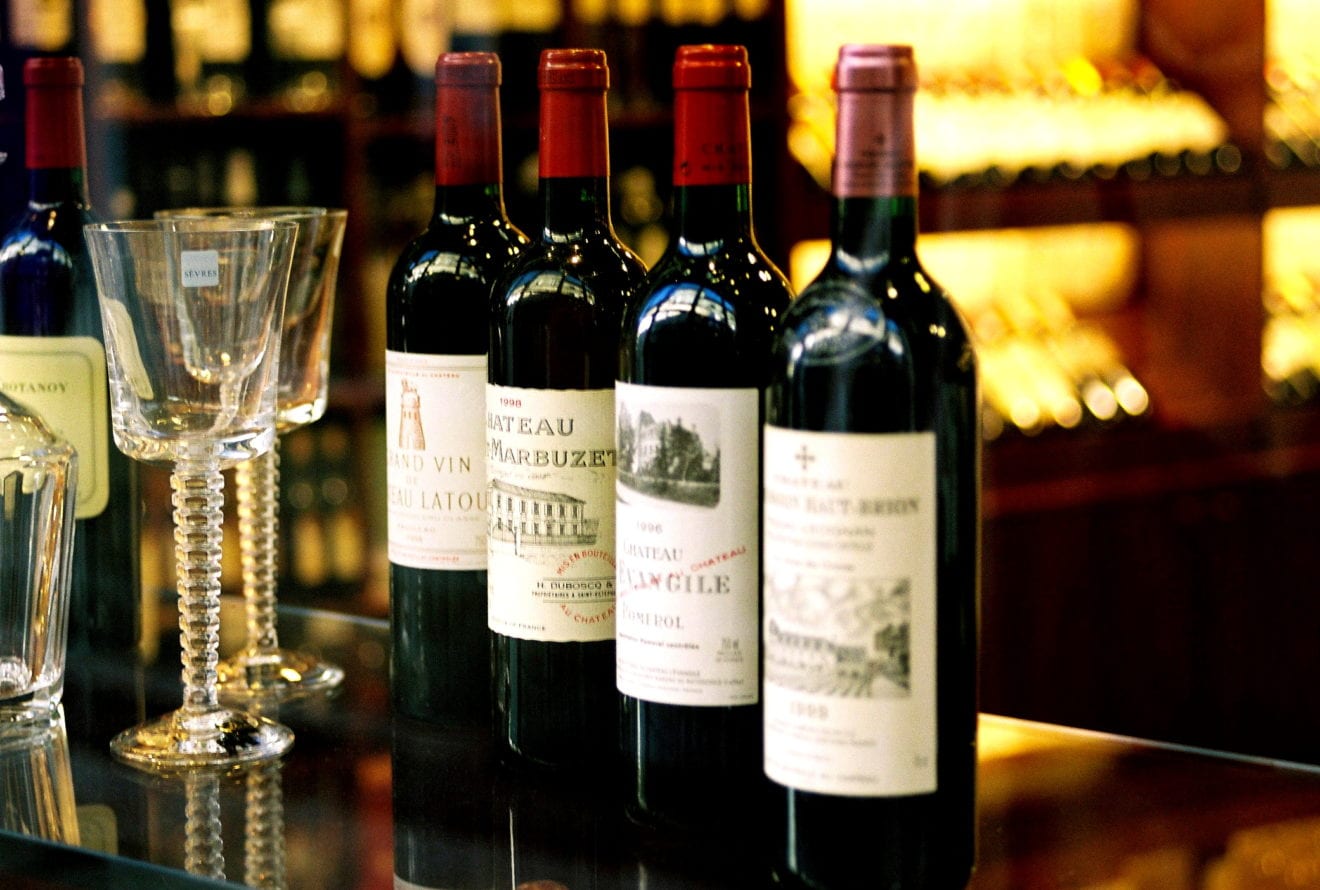
    Southern Premium Vineyards has acquired 35 vineyards from wine group Casella Family Brands. The sale comprises 7215 hectares across South Australia and NSW, including water entitlements and plant and equipment attached to the vineyards. The vineyards are located across the Clare Valley, Langhorne Creek and Limestone Coast regions of South Australia, and the Riverina precinct in NSW.

    Southern Premium Vineyards (SVP) already owns about 460 hectares of vineyards in the Coonawarra in South Australia’s south-east and the Barossa Valley. Public Sector Pension Investment Board owns it is one of Canada’s largest pension investment managers. SPV director Nick Gill said, “SPV’s strategy is to offer wine companies a multi-regional grape supply solution for their winegrape sourcing as an alternative to owning or leasing vineyards – and a partnership with Casella is a perfect fit with this strategy.”

    John Casella said: “We are pleased to be entering this partnership with SPV, a platform of PSP Investments, which is an investor with a proven track record of successful long-term investment in agribusiness in Australia and around the world.

    “We are confident that SPV will continue to deliver the quality and consistency of the grapes we require, safeguard and preserve the vineyards and ensure the wellbeing of employees.”

    Marc Drouin, senior managing director, Real Assets and Global Head of Natural Resources Investments, PSP Investments, said, “Our commitment to sustainable farming combined with our long-term investment horizon allows PSP Investments to lever Australia’s unique global competitive position for its quality winegrapes.

    “Casella is a best-in-class group with an impressive portfolio of vineyards in some of the country’s most highly regarded wine regions.

    “This acquisition is a cornerstone investment for both SPV and PSP Investments’ global wine portfolio.”

    Casella put most of its vineyards in NSW and South Australia on the market in May, following a strategic review of the business.

    The review by Australia’s largest privately owned winemaker led to a decision to divert the company’s funds into brand-building rather than running vineyards. The Australian described the move as “the biggest single sale of vineyards as one lot in living memory in Australia”, which is anticipated to raise tens of millions of dollars for Casella. Casella has entered into long-term grape supply agreements for all 35 vineyards to ensure ongoing supply for its established brands.

    John Casella said: “The company is in a sound financial position, having recently experienced global record sales for Yellow Tail during the COVID-19 pandemic.

    “While demand has stabilised, we are forecasting future growth due to ongoing investment in our brands supported by a strategic innovation pipeline.

    “The intended strategic partnership will allow us to focus on strengthening our brands globally, and therefore deliver positive outcomes for the Australian wine ­industry.”

    Some Casella-owned vineyards located in the Riverina and Barossa were not included in the sale, as well as its Victorian vineyards, which include Baileys of Glenrowan and Morris of Rutherglen. The company plans to use the funds to build its growing wine brand portfolio, create new alcoholic beverage brands – in categories such as spirits, beer and seltzer – and expand its whisky distilling business.

    Coca-Cola Europacific Partners sold its stake in Australian Beer Co (ABCo), which is located next door to the Casella winery in Yenda, NSW, to Casella Family Brands in January.

    Coca-Cola Europacific Partners vice-president and general manager for Australia, Pacific & Indonesia, Peter West said: “Casella Family Brands is a highly respected partner, and when we approached them as part of our strategic review of our beer and cider strategy, John and his team were keen to explore the opportunity to take full ownership of ABCo. We have had a terrific partnership with Casella Family Brands for almost a decade now and exit on good terms. We genuinely wish them
    the very best for the future.”

    John Casella said: “ABCo is an exciting business led by a state-of-the-art brewery, and we welcomed the opportunity to acquire full ownership. We will endeavor to maintain the excellent relationships the CCEP team has established with customers in the beer and cider category in Australia. We have enjoyed partnering with CCEP to grow ABCo’s business, and we both leave the joint venture arrangement on excellent terms.”.

    Casella Family Brands took over full ownership of the Australian Beer Co on July 1.
  • Coca-Cola teams with Berkley University to convert CO2 to sugar

    Coca-Cola teams with Berkley University to convert CO2 to sugar

    Coca-Cola Europacific Partners (CCEP) is partnering with the University of California Berkeley (UCB), US, to develop methods of converting captured carbon (CO2) into sugar. The collaboration hopes its work will slash the emissions of some of the world’s most polluting supply chains.

    Established between CCEP Ventures and UC Berkeley’s Peidong Yang Research Group, the project aims to create packaging and other essential raw materials from industrial waste.

    Last year, the Peidong Yang Group received a prize from NASA for a viable prototype for CO2 conversion to sugar for potential use on long-haul space missions.

    “Air to sugar conversion could significantly impact our ability to preserve the natural world,” says Dr. Peidong Yang.

    “This is a bold, scientific vision that would bring immediate environmental benefits, fundamentally transforming the production and distribution of goods across the world. We are pleased to be working with CCEP Ventures on research that could make a significant impact on our ability to create a more sustainable future.”

    CCEP Ventures’ initial investment with UCB will support foundational research that will focus on enabling the production of sugar from CO2 on-site and at an industrial level, with the expectation of future investments to drive scale – from lab to pilot phase.

    CCEP says the investment demonstrates the role innovation can play in its journey to reach net zero greenhouse gas emissions by 2040.

    The development of lab-scale prototypes could make the generation of essential raw and packaging materials more environmentally sustainable in the long term. It could also reduce some of the largest CO2 contributors in supply chains while saving material, transportation and logistics costs.

    “CCEP Ventures is helping us find solutions to industry challenges and provide funding to make these foundational technologies a reality,” says Craig Twyford, head of CCEP Ventures.

    “We’re excited to be involved in this project that could lead the industry in the development of transformational technology capable of converting CO₂ into more complex, usable goods.”

    If driven to an industrial scale, carbon capture could provide an answer to crop production issues by creating synthetic sugar – potentially for use in soft drinks like Coca-Cola. This, in turn, would cut related energy usage.

    Since agricultural ingredients, including sugar, amount to approximately a quarter of CCEP’s overall carbon footprint, the technology could not only reduce emissions associated with sugar manufacturing processes but also positively contribute to optimizing land usage as less arable land becomes available due to the global population growth.

    In the longer term, this technology may also make the conversion of CO2 into PET plastic more efficient by reducing the need for crude oil in the manufacturing process and significantly lowering costs.

    Earlier this month, CCEP launched a new supply chain financing program in collaboration with Rabobank. The duo is aiming to enhance their respective ESG performances by rewarding suppliers who enhance environmental sustainability across the board and include sustainability-related KPIs that, if attained, would result in discounts from the initial funding rate.

  • Coca-Cola to launch US-first paperboard packaging for multipack cans

    Coca-Cola to launch US-first paperboard packaging for multipack cans

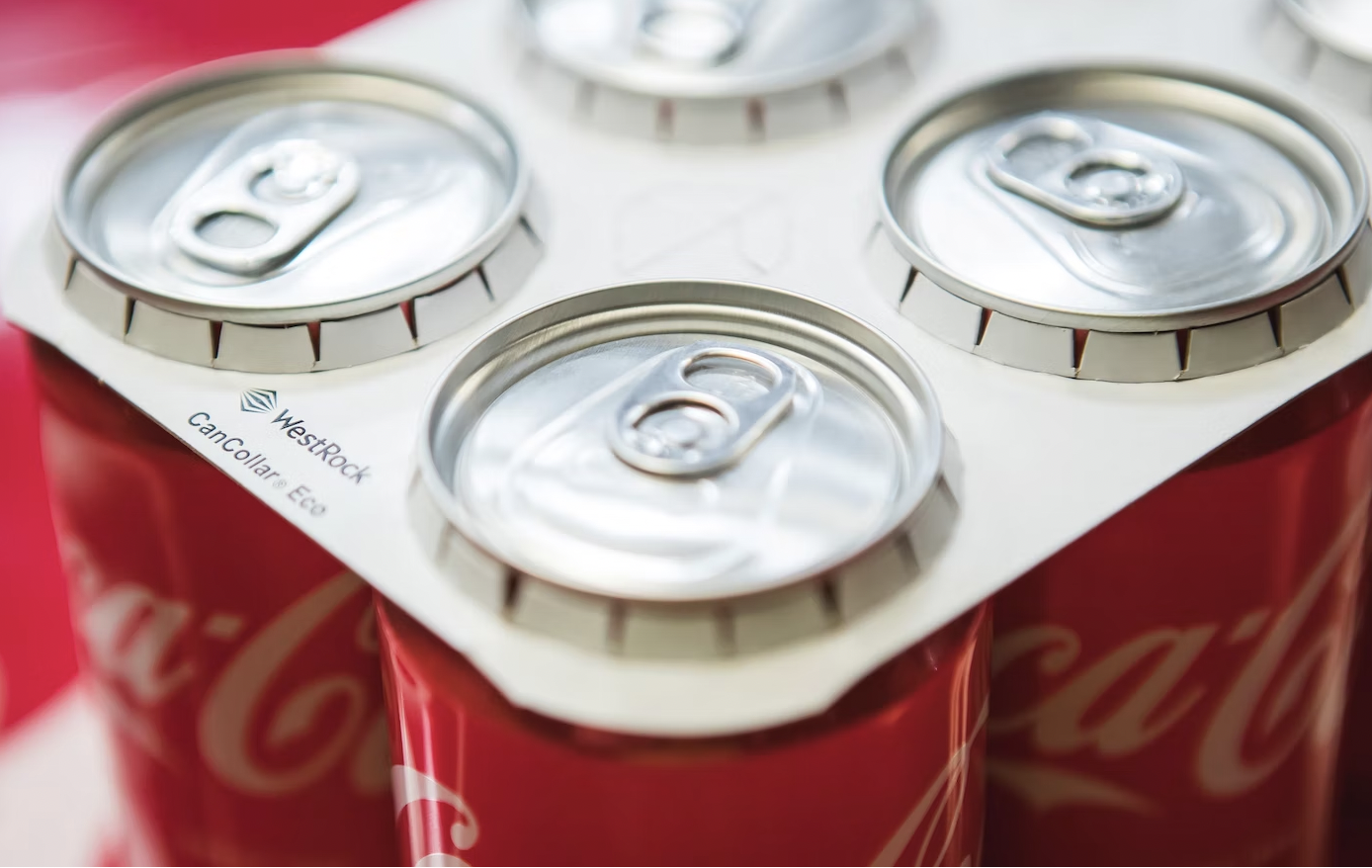
    Liberty, the local Coca-Cola bottler, has partnered with fiber-based consumer packaging supplier Graphic Packing International to produce multipacks in the paperboard packaging format called KeelClip, and use multipack carton application equipment in doing so. It will soon deliver this pack format to stores across the Philadelphia market.

    “Addressing plastic waste requires collective and collaborative thinking and action,” says Kurt Ritter, General Manager and Vice President of Sustainability, Coca-Cola North America. “Liberty’s ongoing commitment to sustainability is evident with the implementation of KeelClip, which is another demonstration of our system’s dedication to delivering our World Without Waste goals.”

    KeelClip equipment is a sustainable packaging system for cans that has already been successfully implemented and distributed through other local Coca-Cola bottlers in Europe. It is estimated by the company that the transition will remove 75,000 lbs of plastic packaging per year from the supply chain for approximately 3.1 million cases across Liberty’s service area, which includes Philadelphia, New Jersey, New York City, and parts of Connecticut and Delaware.

    “Liberty is thrilled to be the first bottler in the United States to implement this innovative packaging system,” Paul Mulligan, co-owner of Liberty Coca-Cola Beverages, says. “We know that the most valuable change to reduce plastic waste occurs when bottlers and packaging producers work together in partnership. We look forward to partnering with Graphic Packaging on sharing this sustainable packaging in our local communities for years to come.”

    Liberty is using the technology to improve sustainability across its entire distribution footprint. The installation of the KeelClip 1600 machinery means the sustainable fiber-based packaging is manufactured at one of Liberty’s production facilities located in New York and is being distributed across its entire footprint.

    Adds Bret Arnone, vice president, commercial operations & beverage packaging at Graphic Packaging. “This technology has seen incredible success wherever it has been used, winning 10 industry awards and becoming the gold standard for can multipacks in over 20 countries. Most importantly, it’s proven to help our commercial partners reduce their reliance on plastics for a more sustainable future.” The KeelClip packaging implementation is the latest effort Liberty is taking to advance its sustainability efforts. Last summer, Liberty became the first local Coca-Cola bottler to produce and distribute bottles made from 100% recycled material in the United States.

  • Swire Pacific acquires Coca-Cola bottling business in Vietnam, Cambodia

    Swire Pacific acquires Coca-Cola bottling business in Vietnam, Cambodia

    Hong Kong-based conglomerate Swire Pacific is offering $1 billion for Coca-Cola’s bottling operations in Vietnam and Cambodia, a move to expand its presence in the Southeast Asian market.

    Swire Pacific will pay Coca-Cola Indochina, which produces and sells Coca-Cola products in both countries, $1.015 billion in cash, South China Morning Post cited its filing to the Hong Kong stock exchange Monday.

    The transactions “will expand the group’s beverages business into one of the most rapidly growing beverages markets,” the company said.

    It is expected to be completed within the next six months, subject to antitrust approval, Bloomberg cited the filing.

    Swire, a Hong Kong- and London-based British conglomerate, was founded over 200 years ago in 1816. It has been redirecting investment into key operations of beverages and property, as well as emerging sectors like healthcare.

    It is also the principal shareholder at Hong Kong flag carrier Cathay Pacific Airways, one of Asia’s best-known airlines.

    Back in 2016, the group bought a Coca-Cola’s bottling facility in southern China. Its beverage arm operates one of the largest Coca-Cola plants in the world.

    In Vietnam, Coca-Cola has three factories, currently under the control of Coke’s Bottling Investment Group.

  • Coca-Cola names new regional marketing VP

    Coca-Cola names new regional marketing VP

    Coca-Cola has appointed Matthias Blume as its new VP of marketing, ASEAN and South Pacific. Based in Singapore, Blume will lead the company’s marketing and brand initiatives across Southeast Asia, Australia, New Zealand, and the Pacific Islands and serve on the company’s senior leadership team in the region.

    He was most recently the frontline director for Coca-Cola’s ASEAN and South Pacific operating unit, based in Singapore. Previously, he was sparkling director for the company’s ASEAN business unit. According to the company, Blume has a detailed knowledge of the company’s business across the region and has driven growth and innovation across the company’s stills and sparkling beverage brands.

    He is also a strong supporter of integrating sustainability into the company’s portfolio of brands. Coca-Cola said Blume was “at the forefront” of the company’s introduction of a prominent “Recycle Me” call-out across all its packs as well as the move across Southeast Asia to switch its iconic Sprite brand to clear, transparent bottles which are easier to recycle. He has 24 years of international marketing experience including 21 years at Coca-Cola and three years at Danone. Blume has also held local, regional, and global roles in a range of markets across Asia, North America and Europe.

    “Blume brings a tremendous passion for marketing and people plus a superb knowledge of our bottling system,” said Claudia Lorenzo, president, Coca-Cola ASEAN and South Pacific, said. According to her, Blume also brings a combination of consumer centricity, marketing curiosity and business acumen – strengths that Coca-Cola needs and values deeply in our marketing organisation.

    Separately, on the public affairs and communications front, the company named Russell Mahoney its VP, public affairs, communications and sustainability in March. He now leads the team across ASEAN, Australia, New Zealand, and the South Pacific and looks to address “some big sustainability issues” in the company. Mahoney said in a LinkedIn post that he will be moving to Singapore in the coming months.

    With the metaverse being all the rage these days, Coca-Cola also launched a pixel-flavoured drink, the limited-edition Zero Sugar Byte, which will rolle out first in the metaverse before making its way into physical retail. Coca-Cola describes the Zero Sugar Byte as the first Coca-Cola flavour to be born in the metaverse, which will bring the flavour of pixels to life in a limited-edition beverage that transcends the digital and physical worlds. The Zero Sugar Byte is the company’s second release from its Coca-Cola creations hub, following its release of its Starlight “space-flavoured” Coke in March this year.

  • Coca-Cola opens London flagship store

    Coca-Cola opens London flagship store

    Coca-Cola has opened the doors to its first flagship store in Europe today, in a vote of confidence for the West End. After a number of stores in the US, including the beverage titan’s home territory in Atlanta, Coca Cola is testing the waters with a UK experiential destination.

    The store is set to be open until September at the moment, as bosses trial a direct-to-consumer store format in Europe for the first time.

    Shoppers will be able to purchase limited-edition merchandise, including fashion collaborations with Staple and Lees.  Other collaborations include designers such as Soho Grit, Alma de Ace, BAPE, Herschel, and BE@RBRICK.

    Visitors can buy mocktails made with Coca-Cola products at a dedicated beverage bar – drinks on the menu at the moment include Winners Circle, Mango Sunset, and an Orange Lolly Float. There is also an opportunity for shoppers to design customized drink cans, with personalized messages on.

    Michelle Moorehead, vice president of licensing and retail, said the store would give shoppers “fresh ways to experience our drinks.”

    “Through a collection of products made from recycled materials, it also gives us a great opportunity to share our sustainability commitments with people and bring them with us on our journey to a World Without Waste,” she added.

    It comes as retail goliaths have continued to be keen to stake a physical presence in the West End, despite the departure of big names such as Topshop.

    Furniture giant Ikea is set to open up shop, after buying Topshop’s former flagship store on Oxford St for £378m.

    “I don’t think [high street shopping] necessarily is dying, it’s changing,” Alex Loizou, the co-founder of online boutique marketplace Trouva saidearlier this year. “Offline becomes more about the experience and something different. Online is driven by transactional behavior.”

    In recent years, the Apple and Nike stores have become weekend destinations for many, Loizou explained. “People will go into those destination spaces to just experience it and look at physical objects up close, even if people don’t buy them there,” he said.

    Earlier this week, Coca-Cola Co surpassed quarterly revenue expectations after raising prices and the reopening of theatres and restaurants.

    In results published on Monday, the firm said demand for soft drinks had come back with zest after entertainment and hospitality venues had reopened with the easing of Covid restrictions.

    Net revenue lifted 16 per cent to $10.5bn in the first quarter of the year, beating analyst expectations of $9.83bn, according to Refinitiv data.

    However, the soft drinks titan warned its suspension of operations in Russia would result in a hit to annual profit worth four cents per share.

  • Coca-Cola, the world’s worst plastic polluter, makes reusable pledge

    Coca-Cola, the world’s worst plastic polluter, makes reusable pledge

    The Coca-Cola Company on Thursday said it will aim for 25% of its packaging globally to be reusable by 2030, a move hailed by environmental groups who have called out the soft-drink maker for worldwide plastic pollution.

    Coca-Cola is a top target for consumer, investor, and environmental groups concerned about petroleum-based plastic single-use bottles clogging oceans, among other problems.

    The company was the world’s worst plastic polluter for the fourth year in a row in 2021, according to the global coalition Break Free From Plastic’s annual report released in October.

    “We hope that other companies will follow Coke’s leadership and set reusable packaging targets,” said the group’s global corporate campaign coordinator Emma Priestland.

    Reusable packaging includes containers that can be refilled with original products by companies or consumers, such as refillable fountain drink containers and glass and plastic bottles that are refillable or returnable, the cola maker said, referring to reuse guidelines by nonprofit Ellen MacArthur Foundation.

    In 2020, 16% of the company’s packaging was reusable. That year, 90% of its refillable glass and plastic containers were collected, it said.

    Coca-Cola’s announcement on Thursday is “the first known goal of its kind” and “a welcome change in strategy,” fund manager Green Century Capital Management said in a statement.

    Green Century and activist investor As You Sow filed a shareholder proposal urging Coca-Cola to reduce single-use plastic. They are now considering whether to withdraw their proposal.

    If Coca-Cola hits its new goal, it will be “easier to achieve our objectives of a World Without Waste, where we intend to collect back a bottle or can for every one we sell by 2030,” Chief Executive Officer James Quincey said during the company’s fourth-quarter earnings call Thursday.

    Eight in 10 American adults support government policies to reduce single-use plastic, according to a poll released on Wednesday by advocacy group Oceana.

    Coca-Cola, PepsiCo and other international brands in January called for a global pact that included calls to cut plastic production, a key growth area for the oil industry.

    Break Free From Plastic cleaned beaches in 45 countries and found nearly 20,000 Coca-Cola branded products, more than the next two largest plastic polluters – PepsiCo Inc and Unilever PLC – combined.

  • Coca-Cola to fully acquire Gatorade rival BodyArmor for $5.6 bln

    Coca-Cola to fully acquire Gatorade rival BodyArmor for $5.6 bln

    Coca-Cola said on Monday it would buy the remaining stake in BodyArmor it did not already own for $5.6 billion, as the soda maker amps up its sports drink portfolio to take on market leader, PepsiCo Gatorade.

    The deal marks a shift in strategy for the world’s largest beverage maker after it spent the last year offloading or discontinuing brands, including its own energy-drink brand, to focus on Coca-Cola sodas.

    The deal, which values BodyArmor at about $6.59 billion, is Coca-Cola’s largest for a single brand; It comes about three years after the company bought British coffee chain Costa for $5.1 billion.

    BodyArmor, which markets itself as an electrolyte-filled energy recovery drink for athletes, currently makes about $1.4 billion in annual retail sales and has a 50% growth rate, Coca-Cola said.”It gives Coke a strong stable of products in the rapidly growing sports hydration category. It’s a nice premium brand that has an opportunity for expansion over time,” Edward Jones analyst John Boylan said about BodyArmor that gained popularity after basketball star Kobe Bryant backed it in 2013.

    However, Boylan believes the massive deal would only “give Coke a solid No. 2 position in an attractive category”.

    Coca-Cola, which had first acquired a 15% stake in BodyArmor in 2018, said the brand’s co-founder Mike Repole will stick around after the deal to advise on the marketing and packaging of products.

    At the time Coca-Cola took its initial stake, BodyArmor was valued at $2 billion, according to a Sunday Wall Street Journal.

    The deal comes as Coca-Cola and rival PepsiCo face immense supply chain bottlenecks, forcing the companies to raise prices to counter higher freight and raw material costs. PepsiCo has even said it has had to deal with a shortage of Gatorade bottles.

  • Coca-Cola says new ‘No Sugar’ has the same flavour as Classic Coke

    Coca-Cola says new ‘No Sugar’ has the same flavour as Classic Coke

    In much the same way plant-based meat companies are tweaking their offerings to make them taste more like the real thing, beverage giant Coca-Cola is doing the same thing with its no-sugar cola.

    Coca-Cola has a vested interest in creating a no-sugar variety that mirrors its sugar-laden offering as a way to keep people associated with the brand. Consumers are drinking less soda as part of a broader effort to cut their sugar intake, and increasingly no sugar offerings are a more popular option.

    If consumers decide they want to drink less soda with sugar, and a no-sugar offering has the same flavor as the original, they are more likely to turn to their preferred brand. Sales of Coca-Cola Zero Sugar have been a bright spot for Coke, and the company no doubt is hoping the new flavor profile will attract more customers to the product. The new version is already on shelves across Europe and Latin America, and will roll out globally during 2021.

    “In order to continue to drive growth of our diets and lights category, we must keep challenging ourselves to innovate and differentiate just as other iconic brands have done,” Natalia Suarez, senior brand manager for Coca-Cola’s North America operating unit, said in a statement. “The consumer landscape is always changing, which means we must evolve to stay ahead.”

    No-calorie Coca-Cola Zero Sugar is sweetened with aspartame and acesulfame K. Finding a sweetener that can replace sugar’s texture and taste has been difficult for companies. Some companies have used aspartame, but many consumers stopped drinking diet soda because of concerns over the health impact of the artificial ingredient.

    Coca-Cola seems to have found the right ingredient mix for its no-sugar products. According to Euromonitor International data cited by The Wall Street Journal, Diet Coke had 35% of sales in the $22 billion global diet category in 2019 and Coke Zero Sugar had 22%.

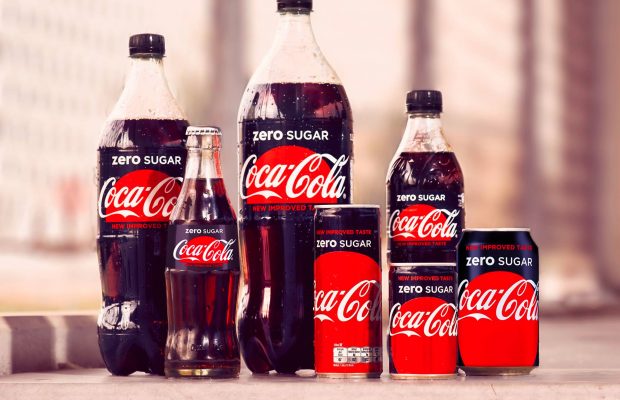
    Coca-Cola also is making a big change in the packaging it uses for Coca-Cola Zero Sugar. The new can has the same design as its its popular Coke soda, but uses different colors and the words “zero sugar” to indicate the absence of the sweetener. The new, simpler packaging is smart in that it keeps the brand, which is trying to emulate regular Coke, with the same design scheme as the original — but gives it just a bit of its own identify to stand out on store shelves.

  • Coca Cola Australia ways into first alcoholic beverage

    Coca Cola Australia ways into first alcoholic beverage

    Coca-Cola Australia has launched a drink unlike any other it has produced before.

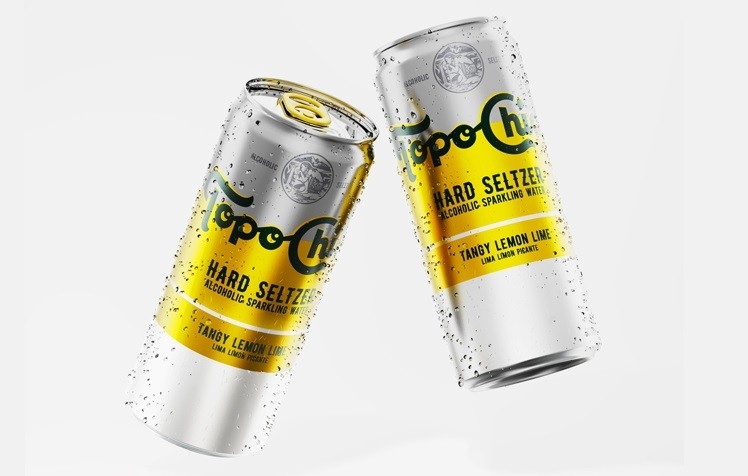
    For the first time, the company will enter the alcohol market with its Topo Chico Hard Seltzer which blends sparkling water with alcohol and natural flavor.

    The hard seltzer category has seen huge growth over the last 12 months and the soft drink giant also wanted to jump on the bandwagon.

    Coca-Cola South Pacific vice president Robert Priest said their beverage will have a great appeal to those drinkers looking for something new and refreshing to enjoy.

    “We have a fantastic product in Topo Chico Hard Seltzer which is backed by fans in Latin America and Europe and we’re confident Australians will love the light, refreshing taste,” Mr. Priest said.

    He said the company is “very good at finding drinks” and finding a new direction, and understanding what people want to drink as well.

    The hard seltzer category has blown up in recent time with the IRI predicting sales in Australia could be as high as $300 million by 2025.

    The publication explained its appeal comes from its reported health and wellness profile and how it usually contains less than 100 calories and generally has a lower ABV at around 4-5 percent.

    Seltzer water is carbonated water, and a replacement for soda and other sugary drinks that can increase the chances of conditions such as obesity and type 2 diabetes.

    The new alcoholic beverage will be available in three flavors: Tangy Lemon Lime, Pineapple Twist, and Strawberry Guava — with each can containing 4.7 percent alcohol by volume (ABV) and under 104 calories.

    Its description reads that its also gluten-free with no artificial sweeteners.

    Dietitian Leanne Elliston said at the end of the day consumers need to be made aware it’s still alcohol.

    “There is absolutely no nutritional value in hard seltzers and as such, they do not contribute to a healthy diet whatsoever,” she said.

    “It would be a concern if younger Australians thought it was a healthier way to drink.

  • Coca-Cola the latest global brand to ‘Adopt a Park’ in Brazil rainforest

    Coca-Cola the latest global brand to ‘Adopt a Park’ in Brazil rainforest

    Coca-Cola Co on Wednesday agreed to sponsor a protected reserve in the Amazon rainforest, joining beer maker Heineken and a growing list of global corporations signing up to the Brazilian government’s “Adopt a Park” program.

    Environmentalists say that the program, launched by the right-wing government of President Jair Bolsonaro this year, amounts to “greenwashing,” or a cosmetic move aimed to improve the government’s image, at a time when deforestation is soaring.

    Acting via its Brazilian subsidiary, Coca-Cola is the eighth company to join the program by adopting the Javari-Buriti Area of Relevant Ecological Interest for 658,850 reais ($122,109) for a period of one year.

    The park occupies 132 square kilometers in the remote western portion of Brazil’s Amazonas state and includes one of the densest formations of Buriti palm forest in the world.

    Heineken earlier this month pledged 466,900 reais to sponsor a 93 square kilometer Amazon reserve that is home to a traditional community of escaped slaves in Maranhao state.

    More than 11,000 square kilometers were deforested in Brazil’s Amazon in the 12-months through July 2020, an area 14 times the size of New York City, according to the latest annual data available from government space research agency Inpe.

    Environmentalists blame the surgeon Bolsonaro, who has weakened environmental enforcement agencies and called for more development in protected areas. Adopt a Park is only an attempt to improve the government’s image, they say.

    “The government should reverse the environmental dismantling … instead of this program which opens up a huge space for greenwashing and doesn’t solve the problem,” said Cristiane Mazzetti, a conservationist with advocacy group Greenpeace Brasil, in a statement.

    The Environment Ministry and parks service ICMBio did not respond to requests for comment on that criticism. The ministry said the funds would pay for infrastructure improvements and environmental conservation, without giving further details.

    Coca-Cola Brasil said adopting the park is part of its long track record of conservation in the Amazon, without responding to questions about greenwashing.

    Heineken did not immediately respond to the request for comment.