Tag: coffee

  • Ella takes up role as Singapore’s first robotic barista

    Ella takes up role as Singapore’s first robotic barista

    She is a barista with a very strong arm. And “Ella”, Singapore’s first fully automated robot barista, will be serving customers their caffeine fixes at CityHub mall in Lavender from Saturday (Oct 3).

    Crown Coffee, the food and beverage arm of Crown Group, said the outlet was launched in an effort to push automation and reduce physical interaction in the light of the coronavirus pandemic.

    Ella, named after Crown Group founder and chief executive Keith Tan’s wife, served a range of hot drinks to Minister of State for Trade and Industry Low Yen Ling and members of the media at a launch event on Friday.

    In a speech at the event, Ms Low, who is also Minister of State for Culture, Community and Youth, emphasized the importance of digitalization and automation in navigating the pandemic and zoomed in on Ella as a solution that creates opportunity from chaos.

    “While Covid-19 has severely impacted our businesses and economy, it has also created the impetus for us to build stronger business capabilities and seek out new growth opportunities,” she said.

    Crown Coffee’s new robot barista is able to make up to 200 cups of coffee an hour. It joins a host of new innovations spurred on by Covid-19 such as cleaning robots.

    Ella brews and serves coffee behind a transparent screen in a contactless set-up. Users will have to download the Crown Coffee mobile app, through which they can order drinks, from $4 each.

    Developed by Crown Group’s technology arm, Crown Digital, Ella is Mr Tan’s response to the cost pressures of training and retaining human workers, and a pre-emptive response to digital disruption.

    “We need to disrupt ourselves, as opposed to waiting for things to change,” said the former wealth manager, who started Crown Group in 2016 to follow his passion for coffee.

    Ella has been in development since 2017, when the first prototype was built.

    Mr Tan, 40, said Ella is part of his company’s aim to serve consistent, barista-quality coffee to more people conveniently.

    He added: “Ella’s main application will be in high-traffic areas like MRT stations or airports. Imagine you’re on your way to work and you order your coffee from the mobile app and when you get to the station your coffee is waiting for you.”

    Crown Group is currently seeking funding to expand Ella across Singapore and beyond, said a spokesman.

    Asked about the costs involved compared to employing human baristas, Mr Tan said that it will take some time for any savings from automation to accrue.
  • Hypebeast opens its first cafe, in Hong Kong: Hypebeans

    Hypebeast opens its first cafe, in Hong Kong: Hypebeans

    Following the reopening of the HBX Hong Kong location, HYPEBEAST is now officially launching HYPEBEANS. Serving as HYPEBEAST’s first step into the realm of culinary culture, HYPEBEANS is a communal destination centered around quality coffee.

    Located inside the retail expression, the offshoot offers a menu created with quality over quantity in mind. HYPEBEANS strives to accent lifestyles, effortlessly becoming part of daily routines. HYPEBEANS is a reflection of the intimate friendship between Kevin Ma and world-renowned barista Hiroshi Sawada, connected by mutual friend Hiroshi Fujiwara. The two became closer through a shared interest in fashion and the culinary arts, commemorating their bond through space where like-minded individuals in the city can gather.

    “Here at HYPEBEANS, we want to promote a lifestyle surrounded by culture,” says Kevin Ma, CEO and founder of HYPEBEAST, “we encourage creative collaborations here as an extension of the HYPEBEAST community.”

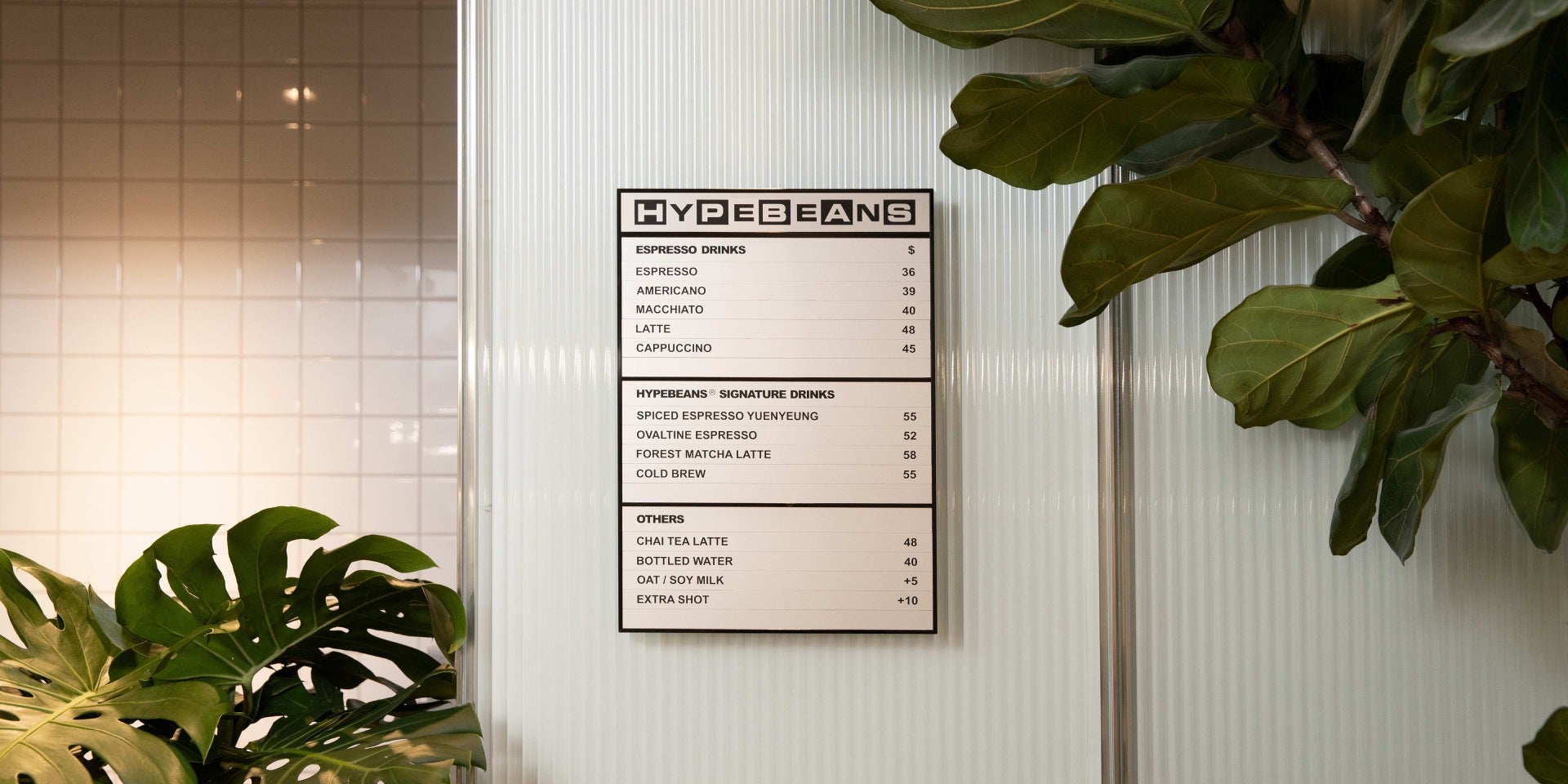
    For the menu, Sawada drew inspirations from Hong Kong-style cafés to present contemporary creations with nostalgic flair and traditional beverages crafted with a unique blend of coffee beans roasted by Japanese artisans. Signature drinks include the Spiced Espresso Yuenyeung – inspired by the iconic black tea and coffee drink and finished with star anise, Ovaltine Espresso – a milky drink utilizing the classic milky malt extract, Matcha Latte – a signature at SAWADA COFFEE USA centered around a custom blend of matcha and espresso, along with the HYPEBEANS Cold Brew.

    Take a look at the space below and check out some of the offerings at HYPEBEANS above.

    HYPEBEANS
    Shop B30, LANDMARK MEN, LANDMARK ATRIUM
    15 Queen’s Road Central
    Central, Hong Kong
    Opening Hours: Monday – Friday: 8 a.m. – 6 p.m. / Saturday, Sunday & Public Holidays: 10 a.m. – 7 p.m.

    For more food and beverage news, Shake Shack recently introduced its interactive “Shack Camp” family experience.

  • Starbucks struggles to beat Vietnamese coffee chains

    Starbucks struggles to beat Vietnamese coffee chains

    Despite recording double-digit growth last year, the American coffee chain Starbucks remained in third place in revenues behind two local competitors.

    Its 2019 revenue of VND780 billion ($33.6 million), up 32 percent year-on-year, was behind market leader Highlands Coffee at VND2.2 trillion and The Coffee House at VND863 billion.

    This makes the international coffee shop chain rank third in revenues for the second year in a row after securing second place behind Highlands Coffee in 2017.

    It also stood in the third place in terms of growth rate behind Phuc Long’s 65 percent and Highlands Coffee’s 35 percent. Although Starbucks, the only foreign brand in Vietnam’s top five coffee chains, has been established in the country for seven years, the number of outlets in four localities (60) remains small compared to main competitors. Highlands Coffee has 336 outlets and The Coffee House has over 150.

    The number of outlets is less than one-fifth of its presence in other Southeast Asian markets. Starbucks Thailand has 336 outlets and Starbucks Indonesia more than 320. In terms of gross margin, Starbuck’s rate of 19 percent is smaller than 60-70 percent for Highlands Coffee and The Coffee House and 35 percent for Phuc Long.

    One of the reasons for the lower margin is that Starbucks sources its coffee from the U.S. to ensure the same quality globally, so its costs are higher than those making local procurements.

    The brand, however, is among a few that remain in the market even as several other foreign brands have left, including Australia-headquartered Gloria Jean’s Coffees and Singapore’s New York Dessert Coffee (NYDC).

    Another foreign brand, U.S.-based The Coffee Bean & Tea Leaf, saw revenues in Vietnam dropping 30 percent year-on-year to VND71 billion last year.

  • Starbucks Singapore opens in heritage building at Katong Square

    Starbucks Singapore opens in heritage building at Katong Square

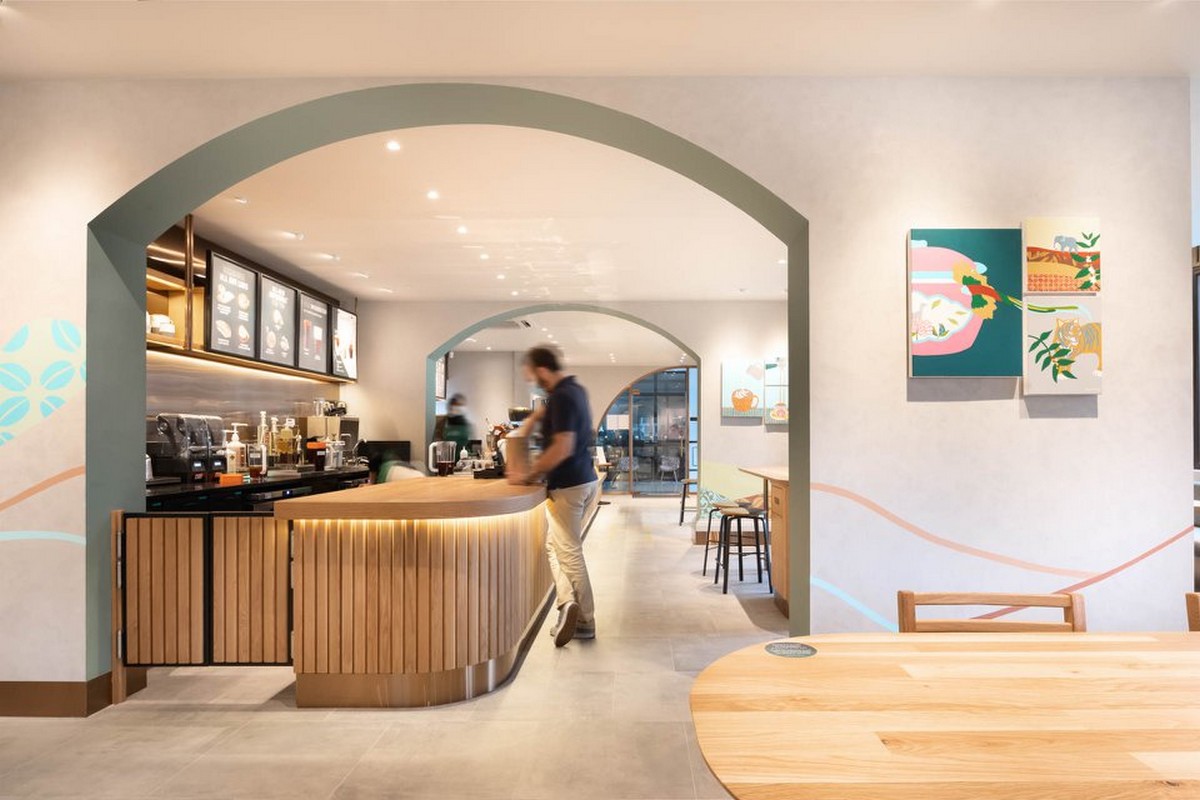
    Starbucks fans will have a new outlet to traipse to this coming weekend. Located at the Conservation Building of Katong Square, the airy shop is a pleasing palette of muted green and white, complemented by the wood furniture.

    Artworks by local artist Danielle Tay adorn the wall, paying homage to the “rich Peranakan heritage,” according to Starbucks.

    The coffee chain gave customers a peek of the outlet in a Facebook album on Sep. 23.

    While many have expressed their delight at the store’s design, they are also calling for Starbucks to prevent customers from hogging the seat in the post’s comments section.

  • Starbucks China opens first coffee outlet made of containers

    Starbucks China opens first coffee outlet made of containers

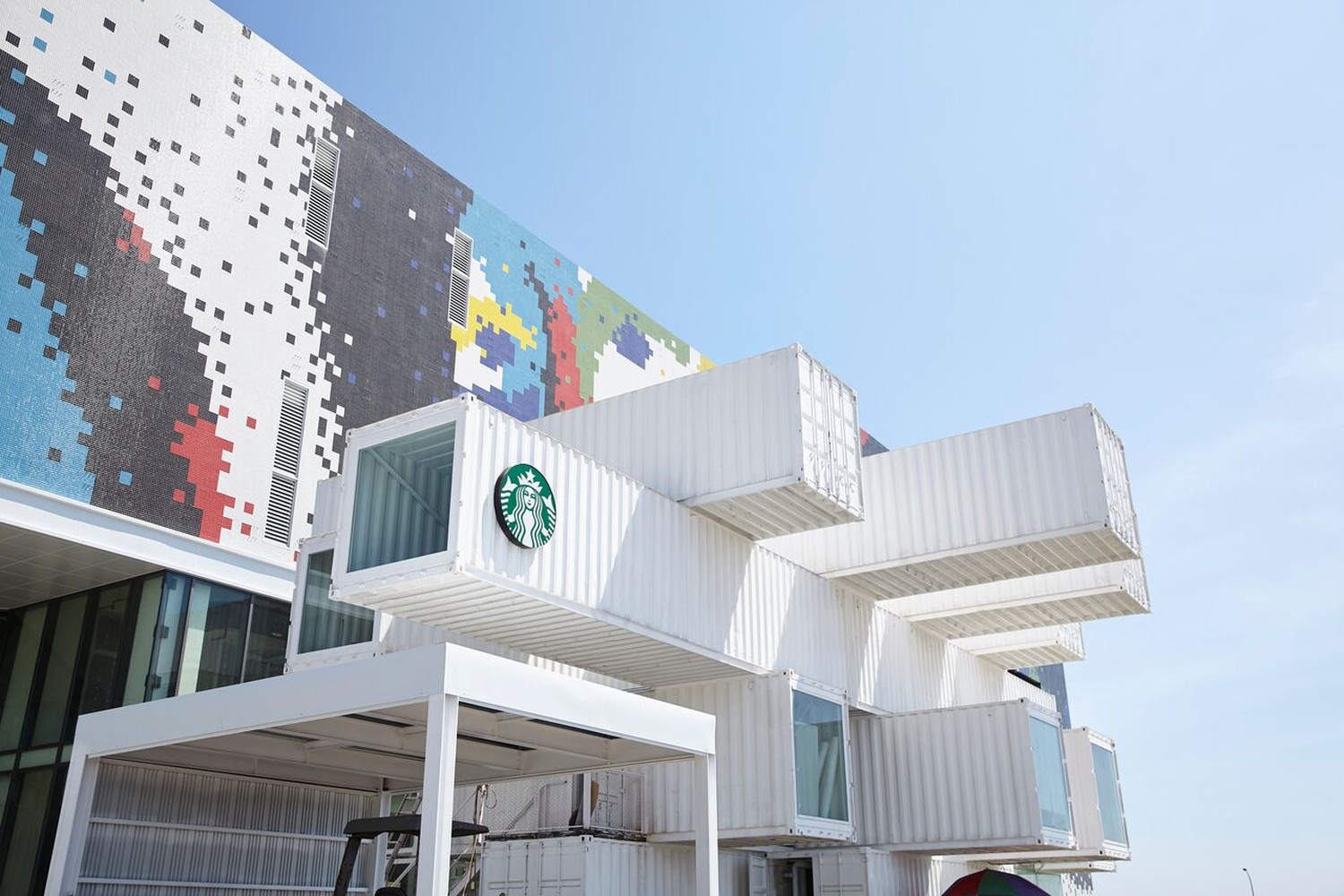
    Starbucks has just unveiled a new concept store in China created inside six repurposed shipping containers.

    An identical concept, created by Japanese architect Kengo Kuma, first appeared in Taiwan. As the 800th store in Shanghai, the Starbucks container store helped set a new record for the city – it has more Starbucks stores than any other city in the world.

    The cafe is located at Shanghai’s Wisdom Bay Science Innovation Park, on space which was formerly home to warehouses and container storage yards.

    Today, the area has been gentrified, converting abandoned cargo containers into office spaces as well has housed the nation’s first museum of 3D printing.

    Elements of the Silicon Valley-esque structure have also been replicated inside the store to create ‘cultural coffee experiences’, an art gallery and a wall installation art piece created by a 3D printer.

  • Costa sliming down Chinese cafe network

    Costa sliming down Chinese cafe network

    British coffee franchise Costa will pull back further from the China market by early next year.

    In response to a dip in consumer demand, the Coca-Cola-owned firm reduced its physical stores within the territory by around 10 percent last month, half of which were located in the capital, Beijing. It has also shuttered its entire network in the coastal city of Qingdao.

    The brand’s long-standing aspirations for China have been frustrated during the Covid-19 pandemic, caused by rising unemployment and other economic factors hit by the outbreak. The firm’s operations have also been strongly impacted by the virus within its home market, with 1650 staff dropped off the payroll in the UK

    Costa has had significant difficulties facing the competitive Chinese coffee shop market, having launched just a sixth of its 2500-store target network since opening in 2006. Despite this, recent statements by the firm reaffirm its commitment to the market.

  • Malaysian Starbucks operator posts loss due to Covid virus outbreak

    Malaysian Starbucks operator posts loss due to Covid virus outbreak

    Malaysian F&B franchise operator Berjaya Food Berhad, which operates Starbucks, Kenny Rogers Roasters, and Jollibean in the territory, has reported a loss of US$1.82 million for the last financial year.

    The firm’s Malaysian stock-exchange filing attributes its losses to the impact of the coronavirus pandemic, which saw movement control orders in effect within the country between March and June.

    “Even though the group’s sales were recovering at a fast pace when Malaysia entered into the Recovery Movement Control Order (RMCO) phase which started on 10 June 2020, the group still recorded a much lower sales in the current quarter under review,” the company reported in the filing.

    The period hardest hit corresponds with a contraction of 17.1 percent of Malaysia’s total GDP, the worst since 1998.

  • Starbucks unveils first unmanned self-serve outlet in Thailand’s

    Starbucks unveils first unmanned self-serve outlet in Thailand’s

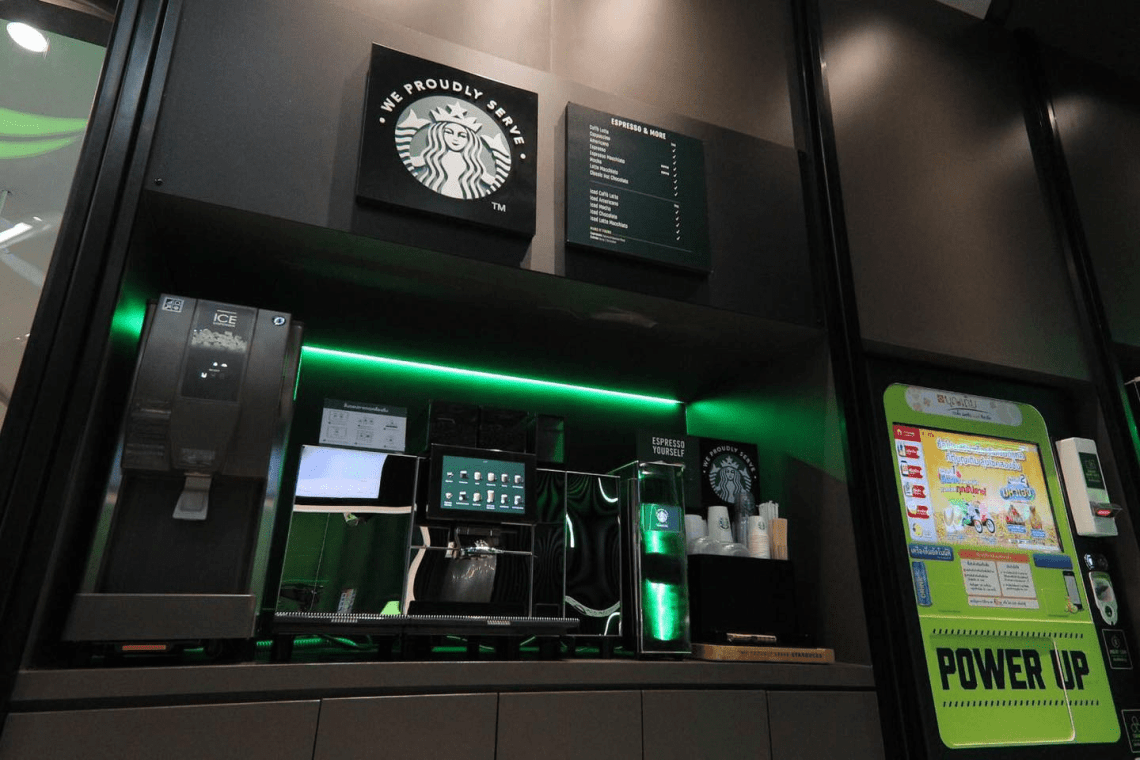
    Starbucks Thailand has launched its first-ever self-service machine with full customizable capabilities and digitized payment options.

    Located inside Bangkok’s new AIS eSports studio at Samyan Mitrtown mall, the venue aims to serve a boost of caffeine for the gamers, serving beverages 24 hours a day.

    A cup of coffee from the machines is priced from US$1.93 (THB 60) which is less than the price at a staffed branch. The drink is fully customizable via a digital touch screen.

    In five easy steps, a consumer can select their drink, tailor it to their liking and scan the QR code to pay either through Rabbit Line Pay or using a general QR code payment through their native banking app.

  • Starbucks opens its largest store in South Korea

    Starbucks opens its largest store in South Korea

    Starbucks South Korea has opened its largest store yet, celebrating the brand’s 21st anniversary in the country.

    Located in Yangpyeong, Gyeonggido near the Namhan River, the store spans three floors and occupies a 1203sqm area and has a design unlike any other in the market.

    “The new store is a reflection of Starbucks commitment to offering more ways for customers in Korea to enjoy the Starbucks Experience,” the company said in a statement.

    The Yangpyeong store is also the first Starbucks in the country to feature a Reserve coffee bar, Teavana bar and drive-thru format together.

    The company said the store is “a new experience” for local customers, incorporating an interactive space and the convenience of the drive-thru. Starbucks is to invite local talent to perform on the store’s rooftop to celebrate the launch.

  • Starbucks sales under pressure by Covid-19

    Starbucks sales under pressure by Covid-19

    Third-quarter results for coffee giant Starbucks show a drop in sales globally as the firm continues to battle a business climate heavily impacted by the coronavirus pandemic.

    Global store sales were down 40 percent on pre-pandemic projections, driven by a 51-per-cent decrease in comparable transactions, partially offset by a 23-per-cent increase in average ticket.

    Starbucks’ performance in China compared favorably to global figures while still following identical trends. Within the market, comparable-store sales were down 19 percent, with transactions down 27 percent, although there was a 10-per-cent increase in the average ticket.

    The American market, hardest hit by the pandemic, was a significant drag on global figures, which covered a 13-week period to June 28.

    “Since the beginning of the Covid-19 outbreak in January, we have taken a principled approach to navigate the crisis, true to our mission and values,” said Starbucks President and CEO Kevin Johnson. “We are pleased to share that the vast majority of Starbucks stores around the world have reopened and our global business is steadily recovering, demonstrating the relevance of the Starbucks brand and the trust we have built with our customers.

    “As we continue to drive the recovery, we are also building resilience for the future by accelerating the transformation of our business in ways that will elevate the customer and partner experience and drive long-term growth.  We firmly believe that we are well-positioned to regain the positive business momentum we had before the pandemic began and look forward to reigniting our ‘Growth at Scale’ agenda.”

  • Masan fails to buy out Vinacafe

    Masan fails to buy out Vinacafe

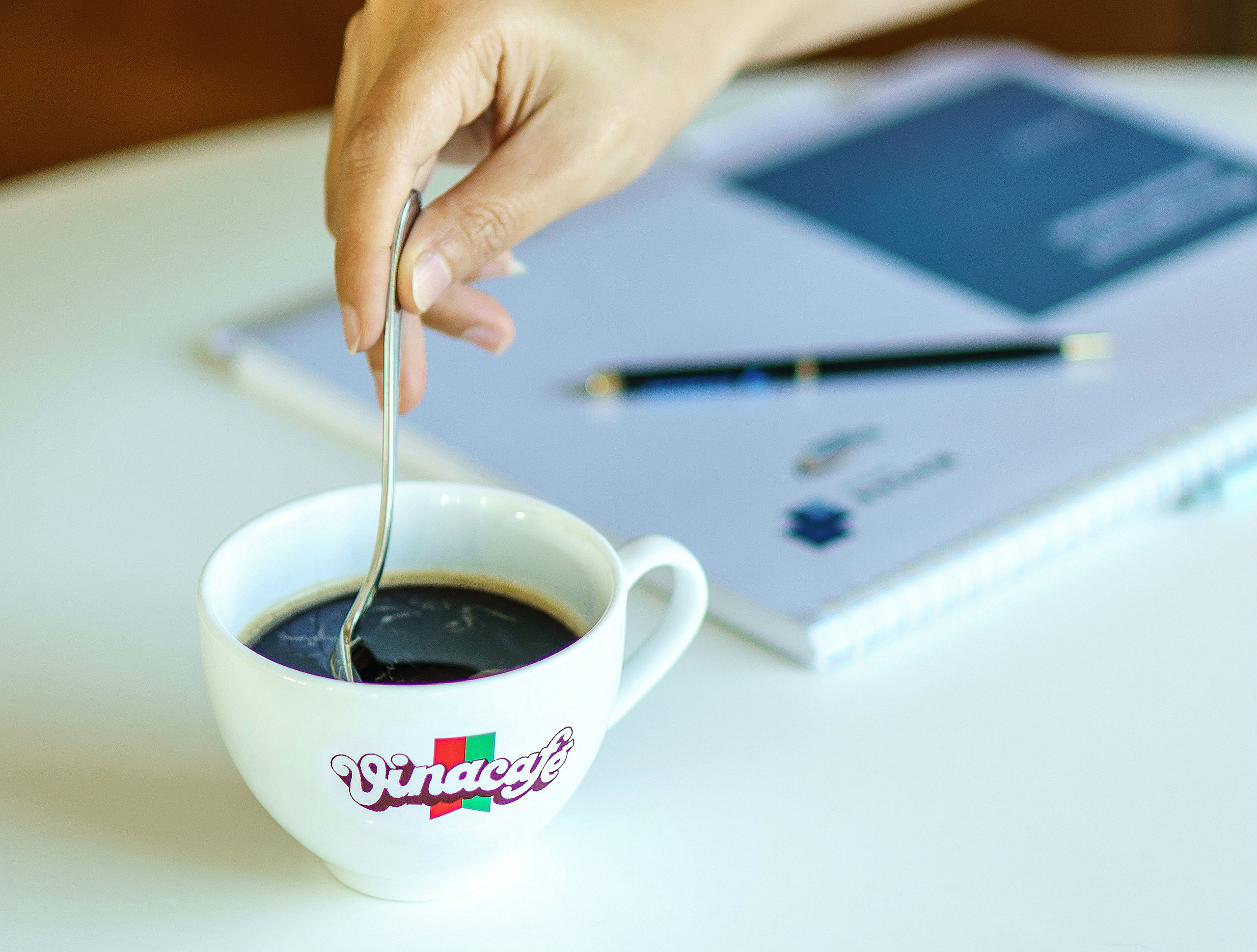
    Conglomerate Masan has not been able to buy out instant coffee producer Vinacafe Bien Hoa JSC due to unfavorable market conditions. Its subsidiary Masan Beverage Company Limited could only purchase a 0.3 percent stake in the coffee producer via order matching between June 17 and July 16, against a plan to purchase 1.51 percent to fully own the company.

    Masan Beverage owns 98.79 percent of Vinacafe, in which it has been buying stakes since 2011.The most recent transaction occurred in February 2018 when it bought nearly eight million shares for VND1.6 trillion ($69 million) to increase its holding to 98.49 percent. Ticker VCF of Vinacafe on Friday closed at VND208,000 ($9), up 16.8 percent from the start of the year.

    The company, established in 1968 and among the most popular instant coffee brands in Vietnam, targets net revenues and net profits this year of VND3.3 trillion ($142 million) and VND780 billion ($33 million), respectively.

  • ‘Starbucks Now’ starting with four Alibaba apps

    ‘Starbucks Now’ starting with four Alibaba apps

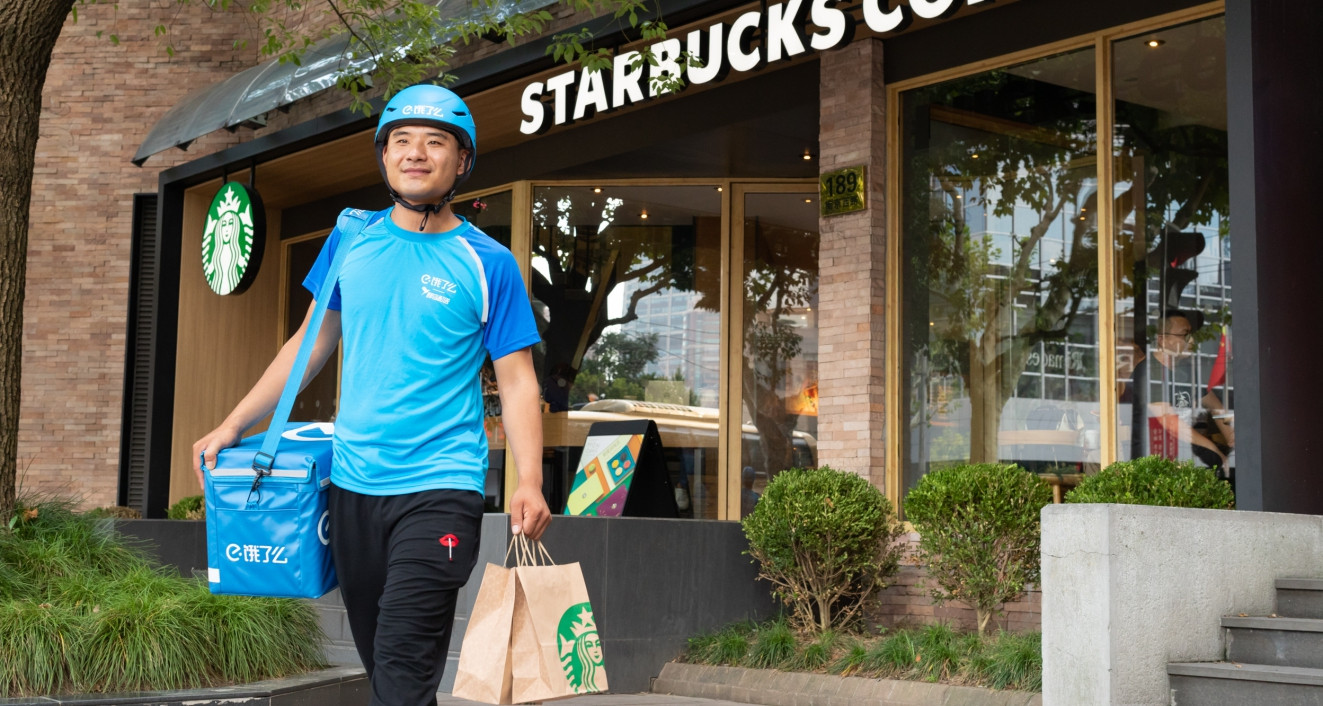
    Starbucks Coffee is introducing its own mobile order and payment system in the Mainland Chinese market as a feature on Alibaba platforms Taobao, Amap, Koubei, and Alipay.

    The Starbucks Now (“Fei Kuai”) service can be used by Starbucks customers to pre-order and pay for their beverages and food online before in-person pick-up at local stores, providing a measure of convenience whether at home or traveling.

    The feature was previously only available in Starbucks China’s own mobile app. The extension of service into the Alibaba digital economy via its cross-functional Alibaba Business Operation System (ABOS) gives Starbucks a channel into the online giant’s user base of close to a billion customers.

    “The Covid-19 pandemic highlights the importance of digitalization, which is the cornerstone for any successful brand in China,” said Alibaba Group VP Toby Xu. “Alibaba is committed to bolstering businesses’ digital firepower through ABOS

    “Through this partnership, we will continue to support Starbucks in expanding its digital service offerings across China to meet ever-evolving customer preferences and create long-term value.”

    Starbucks has collaborated with Alibaba since 2018, leveraging the firm’s Ele.me service to deliver Starbucks beverages to users’ homes.

  • India’s Cafe Coffee Day shuts 280 stores

    India’s Cafe Coffee Day shuts 280 stores

    Indian coffee chain Cafe Coffee Day shuttered 280 outlets between April and June due to low profitability and potentially rising costs.

    The firm, which now operates 1480 outlets, has also reported a decline in average daily sales from 15,739 cups to 15,445 cups during the period. This was counterbalanced by an uptick in Coffee Day’s vending machine count from 49,397 to 59,115 units year on year.

    “Export operations have been temporarily stopped due to lower margins and higher working capital requirement and around 280 outlets are closed during the quarter based on various factors including the profitability, future increase in major expenses,” said a spokesperson for the firm.

    The firm has struggled since the apparent suicide of founder VG Siddhartha a year ago. Siddhartha founded Coffee Day Enterprises in the late 1990s, years before Starbucks made its Indian debut, building a network of 1700 outlets – 10 times the size of Starbucks.

  • Dean & Deluca owner bids to buy back business it bankrupted

    Dean & Deluca owner bids to buy back business it bankrupted

    Thailand’s Pace Corporation, the firm responsible for bankrupting its gourmet grocery business Dean & Deluca earlier this year, has bid US$10 million to buy back the firm.

    The firm has offered to use half of the investment as a gesture towards creditors, owed $26.5 million by the failed business, which would represent a payout of less than 20 cents in the dollar.

    “Dean & Deluca overexpanded and lost what made them special,” debt expert Adam Stein Sapir said. “But if they can bring it back to its former glory with a smaller footprint, it has a lot of potentials.”

    The firm’s financial distress dates back well before the advent of the Covid-19 pandemic, with a history of legal filings against Dean & Deluca for nonpayment of bills going back to 2018 after Pace had spent $240 million on expansion. Its self-owned US retail stores and online shopping portal have been closed since the middle of last year.

    The original Dean & Deluca US store opened in Soho in 1977, earning the nickname “museum of fine food”. It claimed to be the first retailer in the US to sell radicchio, balsamic vinegar and sun-dried tomatoes. But over time its exclusivity waned – as one food writer observed: “You can buy extra virgin olive oil on Amazon now”.

    The brand’s value has shrunk from $55 million to $12 million since the closures of the majority of its outlets.

    Meanwhile, Dean & Deluca continues to expand across Asia via its separate Asian entity and partnerships with franchisees and JV partners, although a recent foray into airport stores has been hit by the Covid-19 pandemic.

  • Luckin Coffee names new chairman and CEO after founder ousted

    Luckin Coffee names new chairman and CEO after founder ousted

    Luckin Coffee has named Jinyi Guo as chairman and CEO as the Chinese chain tries to move past an accounting scandal that nearly brought it down.

    Guo, a director, and former acting CEO, replaces founder and former chairman Charles Zhengyao Lu, who was voted out by shareholders, the company said Monday in a statement. Yang Cha, Feng Liu, Jie Yang, and Ying Zeng were also appointed as independent directors, while David Hui Li, Erhai Liu, and Sean Shao left the board following an extraordinary general meeting July 5 and board meeting July 12.

    While shareholders voted to remove Lu and the other three directors, some investors cried foul because Lu had nominated two of the new members to the board, potentially giving him ongoing influence at the company, according to the Wall Street Journal.

    Lu has come under fire amid an accounting scandal that has already led to the firing of Luckin’s CEO and made its stock nearly worthless. Chinese and U.S. regulators have been investigating the company over fabricated transactions that inflated net sales by about US$300 million last year.

    The scandal has rocked the Xiamen-based company once considered among China’s brightest growth stories, sending the US-listed stock plunging 93 percent this year. The situation is also a black eye for China Inc as the US Congress moves closer to passing legislation that could bar Chinese companies from trading on US stock exchanges.

    In May, Luckin Coffee dismissed CEO Jenny Zhiya Qian, COO Jian Liu, and some employees who reported to them, after uncovering the scheme that funneled funds to the company from several third parties with links to the participants. The board said it fired the executives based on evidence showing their participation in the false transactions.

    Lu became a billionaire after his fast-growing Chinese chain went public in the US, but much of his wealth was wiped out by the plunge in Luckin’s stock. Lu last month resigned as chairman of Car Inc, China’s biggest rental-car fleet operator, as scrutiny increased over Luckin and the accounting scandal.