Tag: coffee

  • Starbucks set to open its first bakery cafe in South Korea

    Starbucks set to open its first bakery cafe in South Korea

    Starbucks, marking its 21st year in South Korea with more than 1400 stores across the country, will open its first bakery cafe this month.

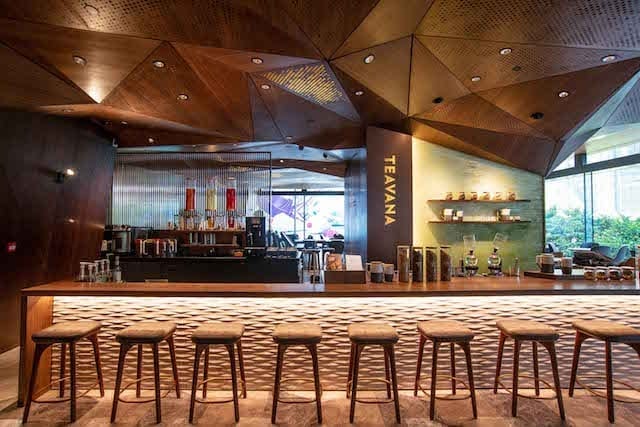
    Starbucks Korea, the local unit of the US coffee giant, plans to open a bakery in Yangpyeong County, Gyeonggi Province, overlooking the Namhan River. It will also feature a bar that serves the company’s tea brand Teavana.

    The company has been outsourcing the production of the baked goods it sells at its stores.

    The new store, however, will bake fresh bread on site with dough from Shinsegae Food, the food manufacturing arm of South Korean retail giant Shinsegae Group, which owns 50 percent of the South Korean Starbucks franchise through subsidiary E-mart

    The new initiative is seen as an attempt to achieve a new breakthrough in South Korea’s overcrowded coffee market.

    More than 70 percent of Starbucks sales come from drinks, with food accounting for about 20 percent of sales.

    Starbucks has been introducing new baked goods every one or two months to persuade customers to buy more bread or cakes and bakery sales have been growing by more than 20 percent annually.

  • Starbucks India opens first drive-thru store

    Starbucks India opens first drive-thru store

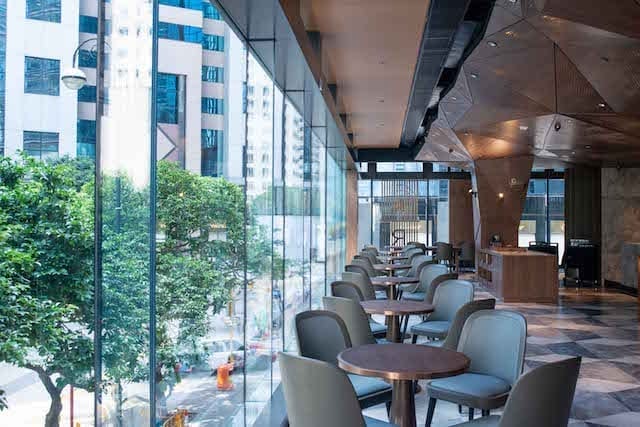
    Starbucks India has opened its first drive-thru store in Singhpura, Zirakpur. Located in Dhillon Plaza, the store spans two floors, featuring large in-store seating and ceiling-to-floor windows, offering a large dine-in space as well

    At the drive-thru window, customers can order drinks from the same menu as in-store and pick up from their car.

    “The opening of our first drive-thru store showcases our commitment to evolving our brand and business in India to provide new and meaningful experiences to our customers,” said Navin Gurnaney, CEO at Tata Starbucks, the local franchisee of the North American cafe chain.

    Tata Starbucks operates 187 stores across India.

  • Starbucks and Undefeated launch collection in Asia

    Starbucks and Undefeated launch collection in Asia

    Coffee giant Starbucks and Undefeated, the streetwear brand, have teamed up to create a limited-edition collection of merchandise, launched in Asia this week.

    Inspired by street-style culture, the collection features nine items in bright neon green and black. Featured items include refillable bottles, an apron, a tote bag, cap, and a notebook.

    “The Starbucks x Undefeated collaboration offers customers more ways to share their passion for doing what they love, expressing their personal style, and reminding themselves to never give up,” the company said in a statement.

  • Jakarta-based cafe chain Maxx Coffee launches in Singapore

    Jakarta-based cafe chain Maxx Coffee launches in Singapore

    Indonesian cafe chain Maxx Coffee has launched its first international outpost in Singapore as the first move towards expansion in Asia.

    Partnering with local operator Oue Restaurants, the new outlet opens today at Jem serving Indonesian single-origin coffee as well as a food selection and the brand’s signature beverages.

    “After 80 successful outlets in 23 cities across Indonesia, our goal remains consistent; to provide a social canvas fit for modern coffee lovers to create meaningful moments over great coffee,” said Oue Restaurant CEO Brian Riady.

    “With the burgeoning third-wave coffee culture in Indonesia and the rising global popularity of Indonesian coffee and coffee culture, Maxx Coffee is ripe for the picking.”

    “Maxx Coffee serves more than just a daily cuppa,” said PT Maxx Coffee Prima CEO Mehdi Zaidi. “Designed to cater to the modern coffee lover’s lifestyle, our outlets are a mix of co-working spaces that enable an exchange of ideas, booths to spark conversations and cosy corners for anyone who wants a quiet space to enjoy a book.”

    The new outlet’s interior features a light wood decor with an open espresso bar and food counter.

    The majority of Maxx Coffee’s specially sourced roasts are single-origin grade 1 Arabica coffee beans from Brazil Cerrado, Sumatera Lintong, Java Ciwidey, and Aceh Gayo.

  • Online move limits damage to Cafe de Coral Group’s sales

    Online move limits damage to Cafe de Coral Group’s sales

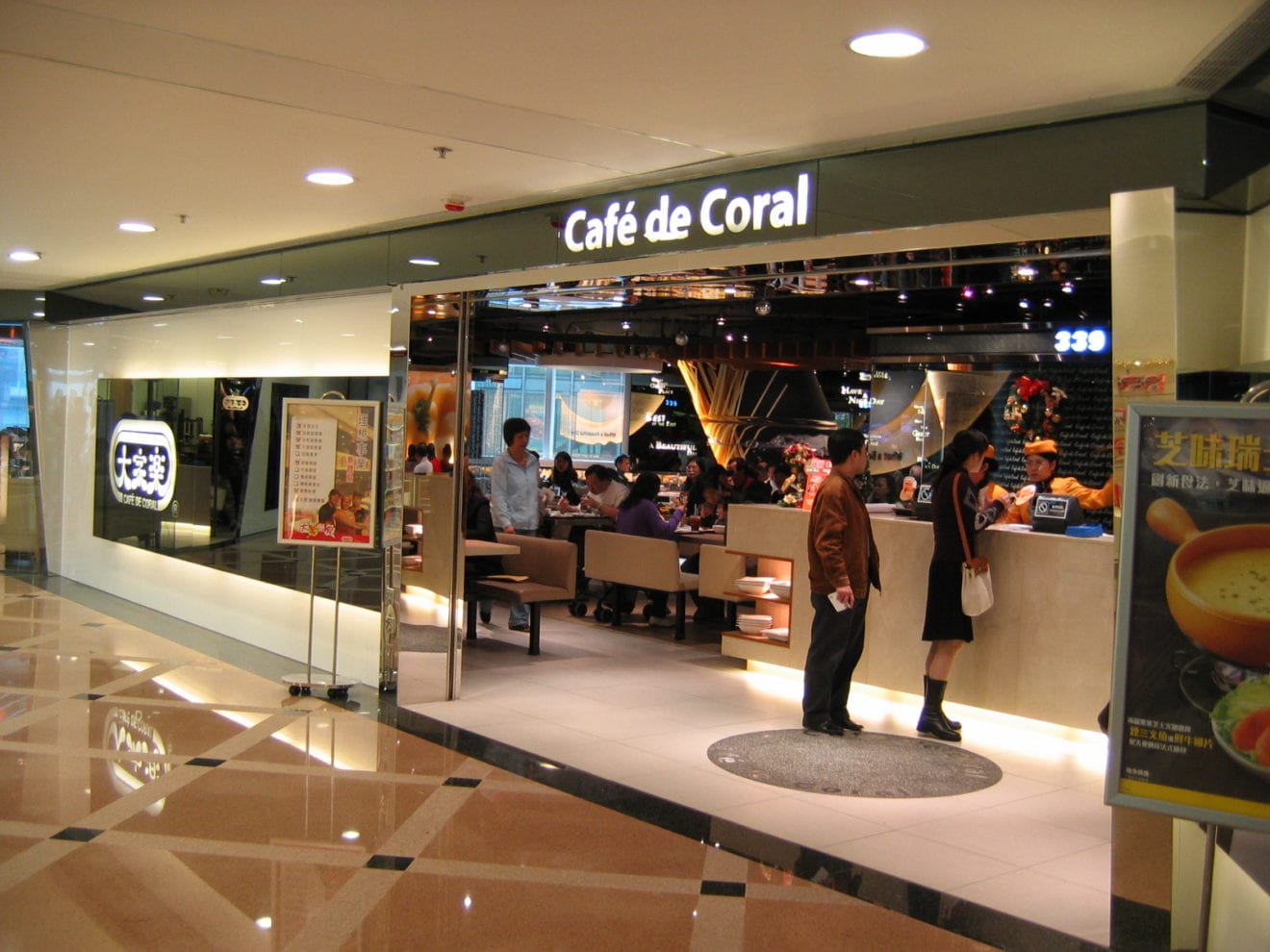
    Listed Hong Kong restaurant and catering operator Cafe de Coral Group managed to minimize the impact on sales during Covid-19 social-distancing restrictions by expanding its online and delivery operations.

    The company operates the Cafe de Coral fast food and Super Super Congee & Noodles QSR chains, along with the casual-dining restaurant’s Shanghai Lao Lao, Mixian Sense (pictured above),The Spaghetti House and Oliver’s Super Sandwiches.

    Sales for the year to March 31 decreased by a modest 6.2 percent to US$1.03 billion, with the Hong Kong casual-dining business taking the biggest hit, down 14 per cent. Overall Hong Kong sales fell by 6.4 percent and Mainland China sales by 6.2 percent.

    Profit attributable to shareholders for the year plunged 87.1 percent $9.5 million.

    Chairman Sunny Lo Hoi Kwong says the coronavirus outbreak will force a re-shuffle of the way businesses to operate as they adapt to the new market landscape.

    “Once the pandemic is under control, I believe Hong Kong – and the world as a whole – will need to adapt to a new business paradigm.”

    Cafe de Coral Group addressed some of the decline in dine-in sales by measures such as introducing self-service ordering kiosks in stores and increasing its emphasis on online ordering and home-delivery services.

    “At the same time, we are making internal adjustments to our operations by fine-tuning dishes and updating menus to optimize meals for delivery. Anticipating a shift from in-restaurant dining to a broader mix of in-store and delivery options, our focus on technology, efficiency and cost-effectiveness will only intensify going forward,” he said. The company also partnered with home-delivery apps.

    Cafe de Coral Group has also been reviewing lease agreements with landlords to reduce overheads. “With the group’s strong, 50-year reputation and our position as one of Hong Kong’s leading listed catering groups, landlords have been quite willing to work with us,” he said.

  • Malaysian startup installs ‘Coffee ATMs’ for frontline medical workers

    Malaysian startup installs ‘Coffee ATMs’ for frontline medical workers

    One-year-old Malaysian startup Coffee Star has provided self-service dispensing machines – dubbed ‘Coffee ATMs’ – to medical frontliners serving free beverages during the coronavirus pandemic.

    The machines were delivered to the Malaysia Agro Exposition Park Serdang (currently serving as a quarantine and treatment center for 600 patients) and Sungai Buloh Hospital, providing fresh coffee to frontliners for free, serving more than 10,000 cups of fresh coffee since April.

    The unmanned Coffee ATMs are completely automated machines allowing users to select drinks via a touchscreen panel.

    “Our frontliners who are courageously and selflessly serving the nation in the coronavirus crisis represent the best of who we are,” said MAEPS CEO Zaidi Shahrim. “We are honored to support this initiative by partnering, Coffee Star, to provide the heroes in our communities fresh coffees to recharge.”

    “We have tremendous admiration for all of the frontliners fighting in this unprecedented time,” said Coffee Star Malaysia “coffee enthusiastic officer” Raja Ahmad Fauzan bin Raja Hassan. “When we heard that they needed an energy booster to help them through their long days, we were eager to help.

    “We experience the impact of coronavirus directly throughout our business locations in airports, shopping malls and office towers. So, we are redeploying our machines from those locations and utilised for a greater good to serve fresh, free coffee to the frontliners. The machine serves fresh coffee on-demand at the right moment they need it.”

  • Kimly buys six food outlet stores

    Kimly buys six food outlet stores

    Singaporean coffee shop operator Kimly has completed acquisitions of six food outlet properties for US$25.4 million.

    The acquisitions include two coffee shops, three industrial canteen units, and a restaurant. The firm is poised to acquire two further coffee shops pending approvals, which have been delayed by the coronavirus pandemic. Funding for the new properties was partially obtained via the issuance of 22 million new shares.

    Most of the acquired properties will progressively undergo asset enhancement initiatives such as layout improvements, an increase of seating capacity, and the introduction of new food concepts aimed at retaining current food stall operators, attracting new food stall tenants as well as better serving customers.

    “We continue to look for opportunities to acquire and operate more strategically located food outlets with the view of enhancing long-term shareholder value and the group’s profitability,” read a statement by directors of the group.

    “Moving ahead, we remain committed to our strategy to pursue long-term direct ownership in properties where the group operates and manages food outlets to further extend our presence across the heartlands of Singapore.”

    With the completion, Kimly’s total number of food outlets increases from 73 to 79, complemented by an additional four drink stalls and three food stalls. It has increased its number of food outlets and food stalls from 64 to 79 and from 121 to 137 respectively since its IPO.

  • Teafolia closing down, Singapore’s latest victim of the virus outbreak

    Teafolia closing down, Singapore’s latest victim of the virus outbreak

    Singaporean bubble tea brand Teafolia has permanently ceased operations in the territory.

    A Facebook post announcing the closure cited the “current economic situation” as the reason for shuttering its outlets. The brand had traded in Singapore for the past three years.

    Teafolia temporarily closed two of its three outlets during Singapore’s circuit breaker period, a lockdown imposed to counter the spread of the coronavirus pandemic on the island. It permanently closed its Bedok Mall outlet for reasons of “economic circumstances” a fortnight ago.

    Teafolia was popular amongst locals for fruit teas, milk-based drinks, and slushies as well as bubble tea. Its website lists one store in Los Angeles, USA, although it remains unclear whether or not the brand’s sole international location remains in business.

  • Starbucks expands Teavana in Korea

    Starbucks expands Teavana in Korea

    Starbucks is expanding Teavana in South Korea. According to the Korea Herald, The number of Starbucks’ premium Reserve-branded coffee houses serving Teavana drinks has expanded from 13 to 52.

    The tea has grown in popularity within the territory since it was introduced in 2016, with Teavana sales growing 20 percent annually. One tea blend is now the chain’s third most frequently ordered beverage among younger customers, perhaps due to a heightened awareness of health consciousness in that demographic.

    During the first three months of this year, sales of green tea-based drinks rose 35 percent compared with the same period last year.

    Starbucks acquired US-based Teavana Holdings in December 2012, a “super-premium tea” product it said brought “exotic blends, great flavors, wellness and innovation” to customers globally. At that time it was a standalone retailer, however, Starbucks closed all of the stores and integrated the brand and its products into selected coffee stores.

  • Starbucks in Korea under fire for free-gift ‘wastage’

    Starbucks in Korea under fire for free-gift ‘wastage’

    A giveaway promotion from Starbucks in South Korea has drawn the ire of critics who allege consumers are buying coffee and dumping it to gain enough points for free goods. The promotion has become popular, critics say customers feel pressured to buy products in “excessive” volumes.

    Starbucks in South Korea is holding a promotional event from May 21 to July 22. If a customer buys 17 drinks, including seasonal drinks, they can get one of two small suitcases or a camping chair.

    Rival chain Hollys Coffee has also been running a promotion since May 12 that allows customers to purchase three products useful for camping, including parasols and chairs, at a 60-per-cent discount, if one spends more than 10,000 won (US$8.10) at the store.

    The problem is that some of these promotional products are exploding in popularity, and there is an abnormal craze, such as mass purchases of unwanted drinks to receive them.

    On social media sites, tips on how to buy 17 drinks at Starbucks for the lowest price (68,700 won) have been shared.

    Starbucks does not disclose the number of free gifts available at each store, but information about the stores is being posted online.

    Last Friday, a customer bought 300 cups of coffee at a time and returned home with only the small suitcases, as free gifts.

    The customer posted a memo titled “All Free” for the remaining 299 cups besides the one he or she took, but no one drank them, so all the coffee was reportedly discarded.

    In addition, some of the Starbucks suitcases are being sold for up to 200,000 won on online shopping malls and secondhand trading sites.

    “It is a thank-you event for customers who usually buy more than two cups a week, but we are in a difficult position as other customers report of the inconvenience,” a Starbucks in South Korea official said.

    “However, these gifts are being praised for their design and practicality.

    Hollys Coffee is also known to have many people lining up from dawn to buy its promotional items or going from store to store in search of a particular item.

    The craze is also attributed to the fact that both companies have released gifts aimed at “home camping.”

    Interest in domestic travel and camping has grown as the global Covid-19 crisis has made it virtually impossible to travel abroad during the summer vacation season.

    In particular, “home camping,” which can be enjoyed on verandas, porches or terraces at home, has also become popular as the number of people staying at home increases due to the coronavirus outbreak.

    According to Gmarket’s recent survey of sales during the period from April 22 to May 21, sales of tents for home use increased by 39 percent year-on-year, compared to growth of 49 percent for folding tables, and 48 percent for folding camping chairs.

    Some point out that the purpose of the promotional events, which were intended to convey a token of gratitude to loyal customers, is becoming blurred. Some are calling for measures such as limiting the quantity per person.

    “Unlike ordinary products, there is a problem where food and beverage be discarded if they are not consumed immediately,” a retail industry source said.

    “To prevent this phenomenon of throwing away money, Starbucks should be telling customers how many free gifts each store has prepared.”
  • The Coffee Academics releases Dalgona coffee

    The Coffee Academics releases Dalgona coffee

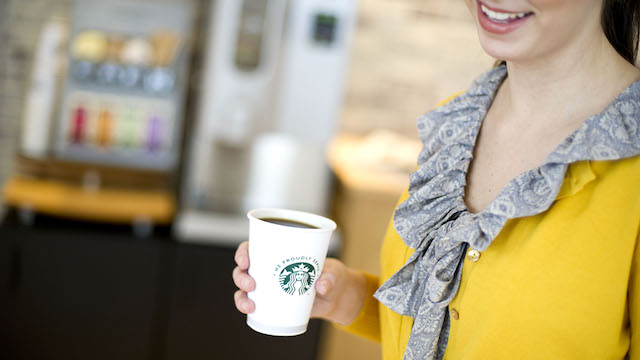
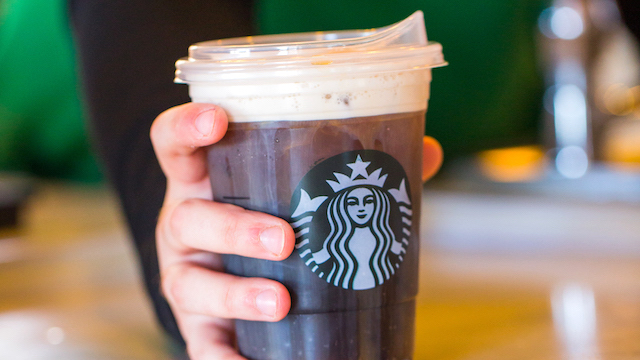
    Hong Kong specialty coffee chain The Coffee Academics has launched its own version of Dalgona coffee at its Thai flagship store in Bangkok.

    Dalgona coffee, which originated in South Korea, has become a viral craze on social media throughout Asia and sparked a leap in sales of instant coffee products which consumers use to make the beverage at home.

    Different from the original recipe – which uses only instant coffee, sugar and milk – The Coffee Academics has elevated the concept with house-blended espresso, oat milk and organic coconut sugar to create its own version.

    With Thai stores now reopened for dine-in service, guests can have the new coffee at The Coffee Academics’ stores or order it delivered via Wongnai or Lineman app.

    A Dalgona coffee costs THB240 (US$7.40) and will be available until June 30.

    We’ve reached out to The Coffee Academics in Hong Kong to see if there are plans to release the blend in other markets.

  • Kopi Kenangan eyes fast expansion after US$109 million investment

    Kopi Kenangan eyes fast expansion after US$109 million investment

    Southeast Asian non-franchise grab-and-go beverage retailer Kopi Kenangan has raised US$109 million in Series B funding led by the firm’s existing investor, Sequoia Capital.

    The funds will help Kopi Kenangan strengthen its operations in Indonesia, launch new products, invest in technology enhancements and protect employees during the ongoing coronavirus pandemic. The company has also revealed plans to offer a wider range of food and beverage products from local merchants as well as its cloud kitchens.

    Horizons Ventures, B Capital, Verlinvest, Kunlun, Alpha JWC Ventures and Sofina also participated in the round as new investors

    The firm serves locally sourced coffee priced for the mid-market and available at kiosks throughout the territory or via online delivery. It was an early responder to the Covid-19 threat and provides protective medical gear, donations, and free coffee for frontline healthcare workers within Indonesia.

    “The hospitality industry is facing the biggest existential crisis of our generation,” said Kopi Kenangan co-founder and CEO Edward Tirtanata. “It’s hard to tell when the sector will return to normal but when it does, it will look very different. As a growing startup, we are adapting quickly to the challenge through contactless commerce and uncompromising hygiene standards throughout our stores. The well-being of our employees is a big priority and we are investing in their safety, along with enhanced health benefits and additional training to help them cope with this massive change.”

    The firm’s current target is to have 500 outlets in operation by the end of the year over its current 324 stores, which already employ 3000 staff. It is then looking to expand into Thailand, the Philippines, and Malaysia following the resolution of the coronavirus crisis.

    Kopi Kenangan recently hired Facebook co-founder Eduardo Saverin to its board of directors.

  • Tencent to help Tim Hortons China roll out over 1,000 outlets

    Tencent to help Tim Hortons China roll out over 1,000 outlets

    Chinese social networking and gaming giant Tencent is partnering with Tim Hortons China to expand the Canadian coffee house’s rollout.

    Tencent announced the partnership on its Chinese social media accounts without disclosing any financial details.

    Tim Hortons China has traded since early last year and is expected to use the new funding to set up a WeChat app as well as opening new physical locations outward from its highest concentration of stores in Shanghai. The firm has set a general initial target of 1500 outlets in the territory.

    The firm may be taking a leaf out of Starbucks’ former arch-rival Luckin Coffee’s playbook in focusing on digital business. Luckin expanded swiftly in China using the strategy before becoming embroiled in a financial fraud scandal.

  • Second Starbucks community outlet opens doors in South Korea

    Second Starbucks community outlet opens doors in South Korea

    A second Starbucks community store has opened in South Korea.

    The new venue, located in Seongsudong, Seoul, is described by the company as a “hub for young people and prospective startups to share information about networking and starting their own businesses”.

    The store is located near a sizable startup and social-venture community and a major metro station.

    Starbucks will host a series of startup workshops for young people at the store via its new Starbucks Youth Startup Entrepreneurship Programme, which is funded by a portion of sales from the store, coordinating with other stores across the market to offer the program to youth in other parts of the country.

    The community space within the store features movable walls and furniture as well as regular cafe seating.

  • Lavazza launches with a strong partner with with Yum Brands

    Lavazza launches with a strong partner with with Yum Brands

    Fast-food and QSR-restaurant operator Yum China has partnered with Italian coffee company Lavazza to develop a network of coffee shops across the country.

    The companies have opened a Lavazza Flagship store in Shanghai, first outside Italy, as the first step in the new partnership.

    The flagship is located in Jing’an, Shanghai’s historic downtown district, offering what the companies describe as “an immersive Italian coffee shop experience that is almost identical to what they could expect to find in Italy”. High ceilings, artistic murals and marble furnishings help deliver the Italian ‘feel’ and the coffee is complemented with a “gastronomic cafe” serving traditional Italian-inspired snacks.

    “We see great potential for coffee in China and Lavazza shares this enthusiasm,” said Joey Wat, CEO of Yum China. “Leveraging our deep understanding of Chinese consumers, we look forward to working together with Lavazza to explore the coffee market in China.

    Antonio Baravalle, CEO of Lavazza Group, described Yum China as “a prestigious partner with in-depth knowledge of the market and the needs of Chinese consumers”.

    “China is an important market with huge untapped potential for coffee consumption. We have been searching for the right opportunities to establish Lavazza in China and Asia, and this partnership is an important first step,” he said.

    The 125-year-old family-owned Lavazza positions itself as a premium brand offering high-quality coffee. It has a strong presence across Asia at the retail level and as a supplier of beans to independent cafes, which must meet strict standards of coffee-making to be allowed to serve the brand.

    Lavazza has created a blend exclusively for the China market: Bel Paese Coffee, which it says offers tastes from across the different regions of Italy, including using historic espresso recipes and local interpretations.

    A range of ‘Coffee Design’ specialty coffees is also available at the Lavazza Shanghai Flagship Store.

    The food menu was created in partnership with an unnamed Michelin-starred chef to provide an authentic Italian offer.

    Yum China says its brands – including Pizza Hut, KFC and a growing portfolio of Chinese food chains – sold 130 million cups of coffee to consumers last year