Tag: coffee

  • Starbucks Indonesia opens first community store

    Starbucks Indonesia opens first community store

    Starbucks Indonesia has opened its first community store, aiming to support local children by funding scholarships through a portion of sales.

    Located in the Tanah Abang neighborhood in Jakarta, the store partners with two local NGOs, Yayasan Sahabat Anak and the Indonesian Street Children Organization (ISCO).

    “Starbucks is committed to using our scale and brand reputation as a force for good,” said Anthony Cottan, director, Starbucks Indonesia, at PT Sari Coffee Indonesia. “Since opening our first store in 2002, we’ve invested in creating long-term positive social impact across Indonesia, growing our community involvement alongside our businesses.”

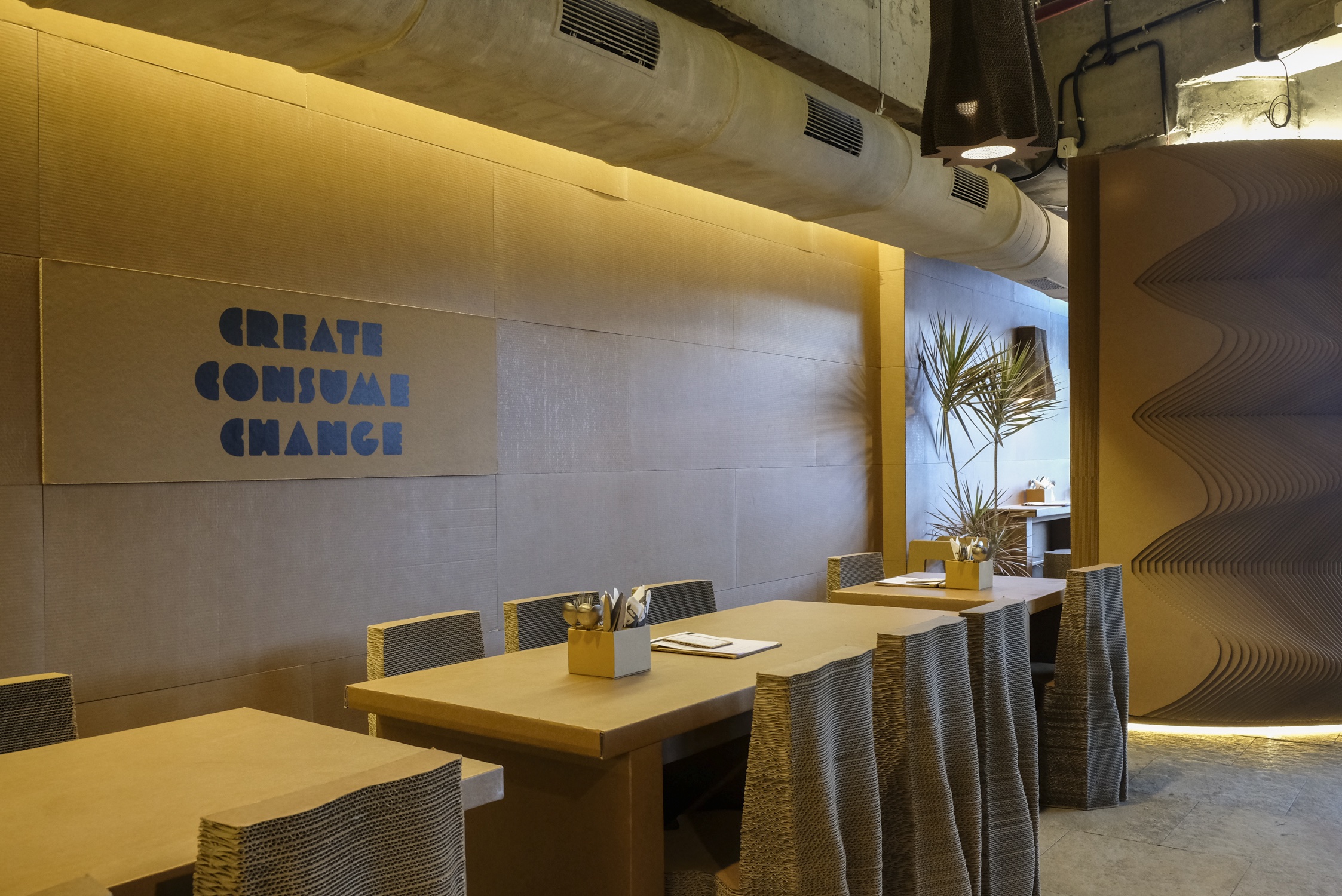
    Occupying a 250sqm area and spanning four floors, the Starbucks Indonesia community store provides space for workshops and classrooms, and undertakes “social impact initiatives”. Most of its staff come from the Tanah Abang area, making them representative of the community, the company said in a statement.

    “One of the most important contributions Starbucks can make in return is serving as a catalyst for positive change in the communities we serve,” said Sara Trilling, senior VP, and president of Starbucks Asia Pacific. “Over the years, we’ve continued to expand the number of community stores in the region including in Thailand, South Korea, and now Indonesia.”

    Chairman of Yayasan Sahabat Anak, Dian Novita Elfrida, said with the support of Starbucks, local children will be given more opportunities for better education.

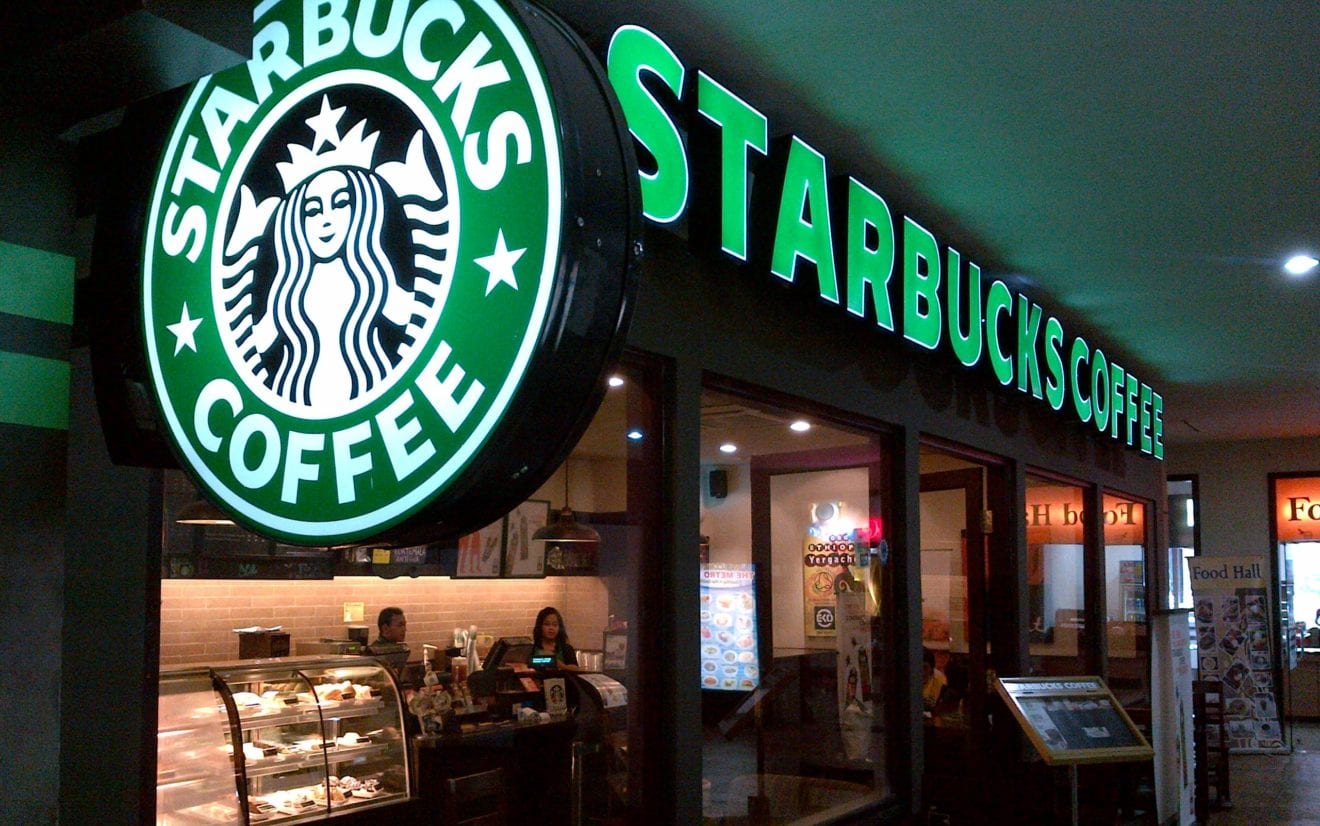
    Starbucks Indonesia operates more than 430 outlets countrywide.

  • Vietnam’s Coffee Queen abdicates Trung Nguyen throne

    Vietnam’s Coffee Queen abdicates Trung Nguyen throne

    Le Hoang Diep Thao has transferred all shares in the Trung Nguyen empire she ran with her ex-husband, pursuant to their final divorce ruling.

    Thao, former deputy director of Trung Nguyen Group (TNG), is no longer on the company’s list of shareholders, TNG announced in a statement Wednesday.

    She and her ex-husband were referred to in the media as the King and Queen of Vietnamese coffee.

    Her ex-husband, Dang Le Nguyen Vu, founder, chairman and CEO of TNG, now owns all shares in the coffee giant and its subsidiaries and has full control of the group. He has also completed a VND1.19 trillion ($51.1 million) “difference in assets” payment to Thao following their divorce ruling on December 5 last year, TNG said.

    On January 13, the Ho Chi Minh City Civil Judgment Execution Department had confirmed that it received Vu’s payment of the above VND1.19 trillion ($51.1 million) in full. The same day, the department also received a written request from the Supreme People’s Procuracy to postpone the execution of the ruling, to give it time to “consider a cassation request Thao had submitted on the judgment.”

    But because Vu had already fulfilled his obligations in accordance with the judgment in question, the City Civil Judgment Execution Department went ahead with the execution and notified the Supreme People’s Procuracy of its action on January 16.

    Vu and Thao, who got married in 1998, differed on how the group, which had developed one of the biggest brands in the country, should be run. In 2015, Thao filed for divorce.

    In March, the court of the first instance had ruled that the stocks and cash of TNG shared by Vu and Thao, as well as the couple’s cash deposits, would be split 60:40 in Vu’s favor.

    Both Thao and Vu had appealed against the entire verdict. The HCMC People’s Appellate Court on December 5 quashed both appeals, finalized the divorce, and upheld the previous judgment.

    Vu will receive all of his and Thao’s stocks in the Trung Nguyen Group, estimated at over VND5.7 trillion ($244.74 million), and have sole management rights over the Trung Nguyen coffee empire, the court had ruled.

    Vu would also receive six properties worth VND350 billion ($15.03 million) that were jointly owned by the couple, while Thao would get the remaining seven worth over VND376 billion ($16.48 million).

    Thao would also receive cash and cash equivalents, gold and foreign currency belonging to TNG that have been deposited at banks totaling VND1.76 trillion ($75.57 million). Vu was liable to pay the difference in assets to Thao, valued at VND1.22 trillion ($52.38 million), the court had ruled.

    Trung Nguyen Group, founded in 2006, is the leading coffee brand in Vietnam. The group began experiencing difficulties six years ago when Vu and Thao fell out on how the corporation should be run.

  • OUE buys Indonesia’s Maxx coffee chain

    OUE buys Indonesia’s Maxx coffee chain

    Singapore investment firm OUE has acquired a majority stake in the parent of Indonesia’s Maxx coffee chain, which also operates in Singapore.

    According to the agreement, OUE’s wholly-owned subsidiary Oddish Ventures will buy an 88.43-per-cent stake, worth US$23.1 million from two companies – Inti Anugerah Pratama and Ciptadana Capital – which own 45.64 percent and 42.79 percent of the Maxx Coffee Prima’s issued shares respectively.

    OUE reported that the acquisition was valued based on various factors, including the high barrier of entry into the Indonesia food-and-beverage market, the opportunity for additional revenue stream through franchising, and Maxx Coffee’s access to prime retail locations in Indonesia.

    With the acquisition, OUE hopes to scale up and optimize its existing food-and-beverage portfolio, the company said in a statement.

    Founded in 2015, Maxx Coffee has more than 75 outlets in Indonesia and Singapore.

  • % Arabica expands in Indonesia

    % Arabica expands in Indonesia

    Japanese coffee chain % Arabica is launching four locations in Indonesia.

    The stores, scheduled to open in Jakarta and Bali next month, are the result of three years’ planning and were designed by German architect Alexis Dornier.

    According to an Instagram post by the company’s Indonesia partner, the first store to open will be at District 8, a mixed-use development in SCBD, South Jakarta, followed by one in Central Park, West Jakarta and one in Bali’s Seminyak Village the following month. The last of the first four stores, which is set to open in Ubud in May, will be % Arabica’s Indonesian flagship.

    % Arabica now operates 56 outlets in 13 countries since first opening in Kyoto in 2014. The chain has two stores in the Philippines, three in Singapore, and one in Cambodia, with a Bangkok store expected to launch shortly as well as new outlets in Malaysia and Vietnam on the horizon.

  • First Starbucks Reserve store in Penang opens at Gurney Plaza

    First Starbucks Reserve store in Penang opens at Gurney Plaza

    Starbucks has opened its first Reserve store in Penang, Malaysia.

    The new store, located in Gurney Plaza, is the 12th Starbucks Reserve Store in Malaysia and features an interactive coffee bar equipped with a variety of brewing equipment.

    Starbucks Reserve Gurney Plaza has two bars, the main one serving core Starbucks products as well as a coffee bar that highlights rare, small-lot coffees from around the world.

    “The opening of Penang’s first Starbucks Reserve further reinforces our coffee leadership here in Malaysia,” said Starbucks Malaysia & Brunei MD Sydney Quays, “while also committing to fostering coffee education and moments of connections between our Starbucks partners [employees] and our customers.”

    The materials and patterns used in designing the store highlights the main stage where the Reserve bar sits, and is a nod to locally sourced textiles. The store’s ceiling element is inspired by the patterns and textures of the mountains where many Arabica coffee cherries are grown, and is featured throughout the store.

    Customers can enjoy the classic Starbucks menu in addition to specialty beverages inspired by the six Starbucks Reserve Roasteries around the world, including Shanghai, Milan and Tokyo.

  • Reliance to open Armani Cafe in India

    Reliance to open Armani Cafe in India

    Indian conglomerate Reliance Industries is launching a Michelin-star restaurant in Mumbai in partnership with Italian luxury firm Emporio Armani.

    The first Armani Cafe venue is set to open in the firm’s upcoming luxury Bandra Kurla mall, the Jio World Centre.

    Armani restaurants have opened in several major cities among 20 international locations.

    Reliance is the luxury brand’s master franchisee in the Indian territory, and already operates Emporio Armani, Giorgio Armani and Armani Exchange outlets nationwide. It is expected to roll out Armani’s sportswear brand EA7 in March.

  • Starbucks China closes over 2000 stores due to Coronavirus virus

    Starbucks China closes over 2000 stores due to Coronavirus virus

    More than 2000 Starbucks China stores have been closed to protect staff and customers from the coronavirus outbreak, including its giant Shanghai Roastery.

    “We currently have over half our stores closed in the market,” said Starbucks Inc group president, international, channel development and global coffee & tea, during an earnings call on Tuesday.

    “We are assessing this each and every day. We do have delivery available to customers from stores that are remaining open. But again, this is something that we continue to assess every day… This is a very complex situation.”

    The unprecedented network closure comes as the deadly coronavirus spreads beyond its epicenter of Wuhan in the Hubei province across China. As at 9am ICT Thursday, there were 7892 confirmed cases of infection the vast majority in Mainland China. To date, there have been 170 deaths, all on the mainland.

    Starbucks China’s widespread store closures coincided with the release of the parent company’s first-quarter figures which showed 5-per-cent global same-store-sales growth, including 3-per-cent growth in China. The company has more than 4100 stores on the mainland and 31,795 globally, adding a net 539 during the quarter to December 29, 167 of those in China. Consolidated net revenues of US$7.1 billion grew 7 percent year on year.

    During the earnings call, Culver said the closures were ordered because the company was making sure it was taking care of its partners, their health and well being, as well as the customers.

    “As the situation has accelerated, we’ve taken action to close stores, both working with the local government in the direction that they’ve given us, but then also proactively closing stores in the country.”

    The stores will reopen when it is considered safe, but Culver indicated Starbucks was not yet sure about the potential impact of the closures on its second-quarter performance.

    “It really is difficult to say at this juncture, what the impact to our business will be and how it will show up in our financials. Given the fluidity of the situation, the business impact is largely a function of two things – the number of stores closed and the duration of closure – and with respect to the duration, it’s not entirely in our control. We will need to move beyond the extended Chinese New Year holiday season to assess how the situation may be stabilizing, and what the implications are. We’re probably looking at early March at the earliest to reasonably assess the implications for revenue operating income and EPS for our second quarter and for the full year at the very latest will provide an update in conjunction with our Q2 earnings release on April 28.

    “As a company, we’ve navigated complex situations before and in China, we feel there’s no other company that’s better positioned to navigate this given our relationship that we’ve been able to build with our partners and the relationship and trust that they’ve been able to build with their customers.

    “We will remain transparent as the events continue to unfold. But we do have complete confidence in the decisions that we’re making. We’ve been in the market for 20 years and we have built an admired and trusted brand. And we will continue to play the long game in China, as we navigate in the coming weeks and months.”

    Meanwhile, Starbucks executives say they are focusing on lower-tier cities to maintain its Chinese market growth. Of the 167 stores opened in the December quarter, 46 percent were in tier 1 and 2 cities, the balance in tier 3, 4 and 5 cities.

    “We continue to make investments in those cities, playing the long game, clearly when we opened our first few stores, there’s a lot of demand for Starbucks coming into those cities, as we continue to build out the footprint,” said Culver. “What we’ve seen historically, is that the total transactions obviously continue to grow and volumes show up as very similar to some of our outer tier-one cities.”

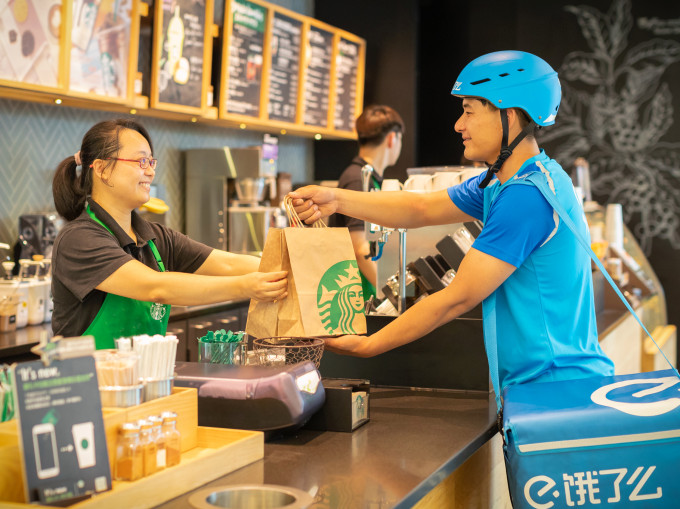
    Delivery services – available in 3500 stores, or about 80 percent of its network there, we’re also paying dividends.

    “We see it as an incremental for these existing customers as well as attracting new customers in total dollar profits, continue to increase because of it, and slightly margin diluted, but it does provide a higher ticket, as well as a higher food attach,” said Culver.

    “And we also see stronger demand in the morning, and during the lunch period.”
  • Starbucks unveils ambitious sustainability commitment

    Starbucks unveils ambitious sustainability commitment

    Starbucks CEO Kevin Johnson has announced a multi-decade commitment to be a “resource-positive” company – aspiring to give more than it takes from the planet.

    “As we approach the 50th anniversary of Starbucks in 2021, we are looking ahead with a heightened sense of urgency and conviction that we must challenge ourselves, think bigger and do much more in partnership with others to take care of the planet we share,” said Johnson. “By embracing a longer-term economic, equitable and planetary value for our company, we will create greater value for all stakeholders.”

    The firm released plans to expand plant-based options, migrating toward a more environmentally friendly menu, as well as a shift from single-use to reusable packaging. It also intends to invest in “innovative and regenerative agricultural practices, reforestation, forest conservation and water replenishment in Starbucks supply chain”.

    Furthermore, Starbucks is committing to making investments in better ways to manage waste, both in its stores and its communities, to ensure more reuse, recycling and elimination of food waste. It will also develop more eco-friendly stores, operations, manufacturing and delivery processes.

    Johnson also outlined three preliminary targets for 2030, including a 50-per-cent reduction in carbon emissions in Starbucks direct operations and supply chain; a 50-per-cent conservation or replenishment of water withdrawal for direct operations and coffee production with a focus on communities and basins with high water risk; and a 50-per-cent reduction in waste sent to landfill from stores and manufacturing.

    “It is encouraging to see Starbucks embrace a data-driven and team-driven approach to creating a resource positive future,” said strategic consultancy firm SustainAbility’s executive director Mark Lee. “Their most senior leadership was directly involved in the creation of this plan, and they did an outstanding job convening experts in the field in the course of its development, inviting them to help Starbucks dream big on what’s possible for the planet. This puts Starbucks in the vanguard of corporate sustainability leaders, and we hope more businesses will be inspired to develop similarly robust approaches to addressing the world’s most pressing sustainability challenges.”

  • Tom n Toms Hong Kong closing all stores

    Tom n Toms Hong Kong closing all stores

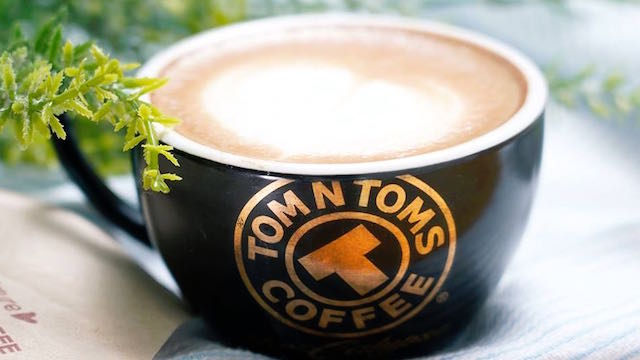
    Tom n Toms Hong Kong has shuttered all five of its stores after the South Korean coffee chain’s local franchise went into liquidation.

    Following news of its Myanmar expansion plans, the popular South Korean cafe eventually could not withstand the pressures on Hong Kong’s depressed retail market.

    Tom n Toms Hong Kong launched in 2016 and had outlets at Tuen Muen Town Plaza, Tsim Tsa Tsui’s The One, Causeway Bay’s Time Square, Nam Cheong’s V Walk and Tsuen Wan’s Citywalk shopping malls. The Nam Cheong’s V Walk branch had opened only in August last year.

    The Tuen Muen branch was the first to close, a notice posted on its door announcing its liquidation.

    After taking into consideration a debt if HKD10 million (US$1.3 million) debt and its current financial situation, the Tom n Tom Hong Kong board admitted the business was inoperable. A search for buyers had proven fruitless, so all proceeds from the sale of assets will be distributed to creditors.

    The company will hold a creditors meeting at the end of this month. Most affected employees have been paid off and advised to approach the Labour Department to claim the remaining payments in lieu of notice and holidays.

  • Starbucks Vietnam opens new concept outlet at Ecopark

    Starbucks Vietnam opens new concept outlet at Ecopark

    Starbucks Vietnam has opened a concept store at a new urban development called Ecopark in Hung Yen, near Hanoi, its 63rd store in the country.

    Located at the heart of Summer Park, Starbucks Ecopark features a mixture of rural and modern aesthetics, creating “a space that seeks a sense of harmony with its natural surroundings and the buildings bold structure,” the company said in a statement

    “Starbucks Ecopark is our first store opening for 2020, when we set our seventh anniversary of Starbucks Vietnam,” said Patricia Marques, GM of Starbucks Vietnam. “I believe it will be a great gathering place for family and friends.”

    Designed by local company Vietnambuilding and built by Ecotech, the new Starbucks cafe’s exterior features wooden louvers across the entire ceiling. Inside, further linear forms can be found in a low island serving counter which gives unobstructed views to an angled bar behind.

    Nguyen Duc Hiep, chief architect at Vietnambuilding, said the designers incorporated the exterior brick into space and used natural materials such as wood finishes to amplify the atmospheric mood.

    “Respecting the present landscape and green trees is our first thought when visiting the site,” he said.

    “It is also a challenge for us when we want to propose an impressive construction without interfering with the landscape or removing any tree in the garden.”

    Starbucks did not explain why it defines the new outlet as a concept store. however, it does appear to take the third-place concept into a more natural, landscaped garden environment not possible in a mall or high-street location.

  • Luckin Coffee ways into the vending-machines landscape

    Luckin Coffee ways into the vending-machines landscape

    China’s largest coffee chain Luckin Coffee is moving into the vending machines market.

    “It allows us to get closer to consumers and we are not restricted by the license approvals,” said Luckin founder and CEO Qian Zhiya of the new strategy. Luckin’s machines will serve freshly brewed drinks as well as food.

    The firm also launched a share placement and a convertible bond worth a combined US$821 million last week, according to a report.

    Proceeds will be used to open more stores and to invest further in sales and marketing.

    Luckin recently overtook Starbucks in terms of the number of outlets within the territory, operating more than 4500 stores. The firm focuses primarily on the coffee delivery and pickup business, and so stores are typically smaller in size than Starbucks locations and some are without seating.

  • Longreach Group bought Japan’s Caffe Veloce

    Longreach Group bought Japan’s Caffe Veloce

    Asian private equity firm The Longreach Group has again acquired a Japanese coffee chain – this time the Caffe Veloce from Chat Noir Company.

    Without disclosing the amount of the transaction, The Longreach Group said it has agreed to buy Caffe Veloce, a year after buying Kohikan from UCC Foodservice Systems (UFS).

    The company said the acquisition reflects its core investment focus on acquiring and adding value to high potential companies in the specialty consumer business sector.

    “We will accelerate Chat Noir’s growth through the enhancement of a variety of menu items, new marketing campaigns and via new store expansion to regional markets in Japan,” it added.

    Chat Noir has 190 Caffe Veloce locations across Japan.

    Founded  in 2003, The Longreach Group has experience in the food and beverage industry and wholly owns Wendy’s First Kitchen. It also has minority ownership in McDonalds Japan.

  • Luckin Coffee stronger than Starbucks in China

    Luckin Coffee stronger than Starbucks in China

    Luckin Coffee has now become the largest coffee chain in China, surpassing Starbucks in terms of number of locations.

    The firm has launched 4500 outlets within the Chinese territory, around 200 more than its Seattle-headquartered competitor. The brand soared past Starbucks late last year and has rapidly multiplied its footprint in the market backed by strong investment from supporters such as BlackRock.

    The firm focuses primarily on the coffee delivery and pickup business, and so stores are typically smaller in size than Starbucks locations and some are without seating. Starbucks itself has responded to the challenge by entering into a partnership with Alibaba to offer a more robust delivery solution.

    Many of Luckin’s new locations are in areas not currently served by Starbucks.

  • Taiwan’s Mr Brown coffee shutters stores

    Taiwan’s Mr Brown coffee shutters stores

    Taiwanese cafe chain Mr Brown coffee has shuttered eight outlets in Taipei due to falling customer demand, among other factors.

    The closures include a sizeable store in central Tamsui that will cease trading later this month. Employees at the affected outlets have been reassigned, with others leaving the firm.There have been no reported mass layoffs of staff.

    A representative from Mr Brown coffee, which is a subsidiary of King Car Group, confirmed that falling sales as well as rental costs in some cases influenced the decision to close the stores. Another two outlets may also be closed in the near future. Rising competition in the sector may have played a part in the shift in consumer demand.

  • Cafe chain Gloria Jean’s heading to India

    Cafe chain Gloria Jean’s heading to India

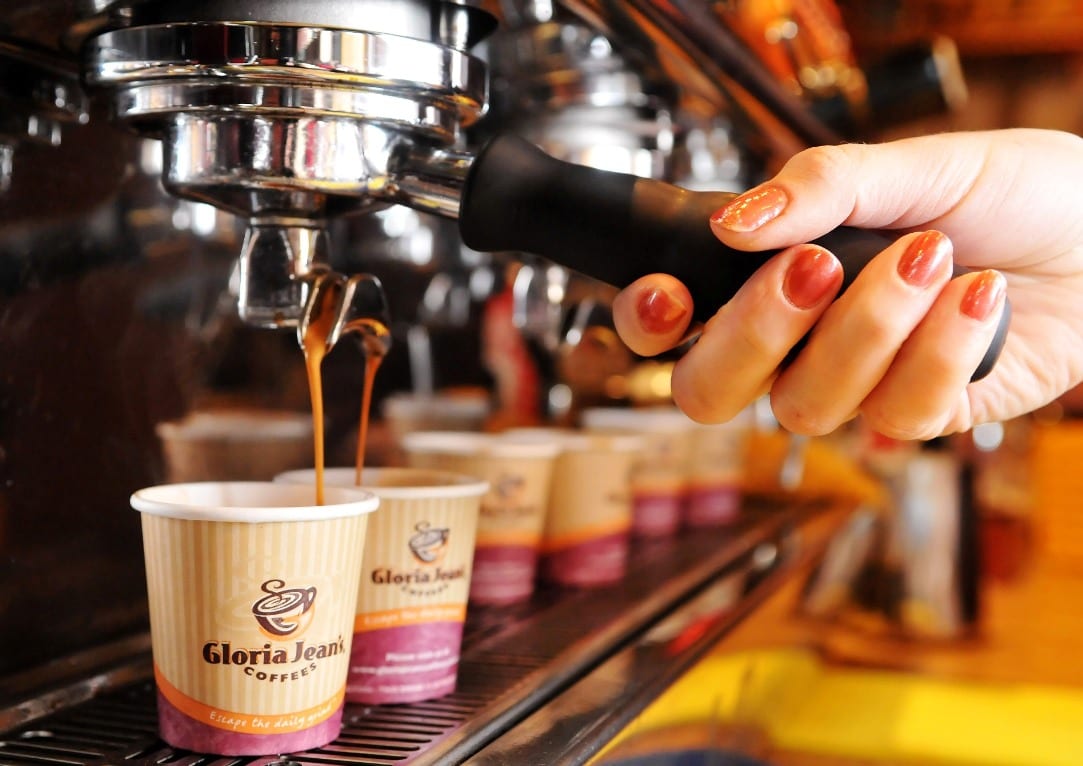
    Australian retail coffeehouse Gloria Jean’s is set to launch in India with its first outlet in Bengaluru.

    The franchise is being taken to India by recently-appointed CEO of Jay Jay Capital & Investments Rohit Malhotra. Jay Jay is planning multiple investments in launching brands new to India in the cafes, bars, restaurants, hotels and resorts, fashion, retail and entertainment sectors.

    Jay Jay subsidiary GJC Hospitality is the master franchise holder for Gloria Jean’s Coffees in India.

    The company has not said how many stores it is planning, but the first will act as a test of the concept enabling the company to finetune its offer for the local market.

    Malhotra says the company will be focusing on quality.

    “At Gloria Jean’s, we take our coffee very seriously, so not only does it taste great, but we also make sure we buy from suppliers that look after both their workers and the environment,” said Malhotra.

    “Our coffee beans are sourced from all over the world and from many different farms of all types and sizes – large plantations, co-operative groups and tiny family farms. This means that there is no one size fits all approach to buying responsibly, but we are focused on promoting sustainable farming and a better outcome for all”.

    Originating in the US but now Australian owned, Gloria Jean’s Coffees has about 760 coffee houses in more than 55 countries.