Tag: coffee

  • Starbucks closes seven Hanoi stores over contaminated water

    Starbucks closes seven Hanoi stores over contaminated water

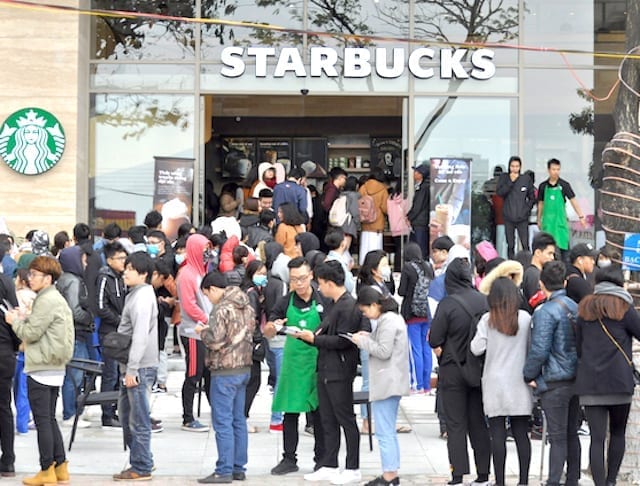
    Coffee shop giant Starbucks has temporarily closed seven stores in Hanoi’s southwestern districts over the ongoing oil contamination crisis.

    A customer service agent said Friday that the closed stores are located in Cau Giay, Ha Dong and Nam Tu Liem districts, all of which use water that comes from the Da River in Hoa Binh Province. No reopening date has been set.

    Other major coffee chains in the southwestern districts of Hanoi have remained open, with their managers saying, without elaborating, that they are getting clean water from a supplier.

    Like Starbucks, many restaurants and eateries in Hanoi are struggling to get clean water.

    Nghia, owner of a pho noodle stall in Hoang Mai District, said that he has spent hundreds of thousands of dong (VND100,000 = $4.3) on bottled water this week because the tap water smelled bad and could not be used for cooking.

    A buffalo-meat restaurant chain with outlets in affected areas mobilizes staff to work till midnight Wednesday to stock bottled water.

    In some areas, bottled water prices have increased 2-3 times due to high demand. The Vietnam Directorate of Market Surveillance has asked Hanoi authorities to stop merchants from overpricing bottled water.

    On Tuesday last week, a 2.5-ton truck was seen dumping used oil into a mountain creek in Phu Minh Commune, Hoa Binh Province. The oil spread and contaminated the tap water for about one million Hanoi residents.

    Tests of the smelly water by authorities later found that the level of styrene, an organic compound that is classified as “probably” carcinogenic, was 1.3-3.6 times higher than normal.

    On Thursday, Hanoi officials said the tap water samples collected Monday this year passed safety tests, but continued to advise against drinking or cooking with it.

  • Kyoto coffee chain % Arabica opens store in London

    Kyoto coffee chain % Arabica opens store in London

    Kyoto coffee chain % Arabica has made its debut in the UK with its first store in London.

    Located right by Covent Garden’s piazza, a tourist destination, it is surrounded by a shopping hub and close to West End theatres.

    Meanwhile, the brand has already established its presence in Paris and Berlin, with future plans of setting foot in Switzerland and Spain as part of its European strategy.

    The brand opened its first-ever shop in Hong Kong at Discovery Bay in 2013 with its headquarters situated in Hong Kong, before planting its world-recognized flagship in Kyoto. Now trading in more than 11 countries, Arabica has more eight stores in the works and plans to continue to expand in new international markets.

  • Coffee Day enters Joint Venture with Japanese retailer

    Coffee Day enters Joint Venture with Japanese retailer

    Indian cafe chain Coffee Day has partnered with Japanese sales-floor support-service business Impact HD to grow its retail network in India.

    The joint venture plans to rapidly build market share in the region’s neighborhood retailing sector, launching a minimum of 450 Coffee Day Essentials branded stores in quick succession.

    Coffee Day Group holds a 51 percent controlling share in the joint venture.

    “With about three times the population of Japan in the same standard of living as the Japanese, the multi-retail market environment in which food and daily necessities are purchased on a daily basis remains unexplored,” read a statement released by Impact HD. “In India, kirana stores account for 98 percent of the total, and the remaining 2 percent are hypermarkets and supermarkets that incorporate foreign capital and know-how.”

    The joint venture will convert lagging Cafe Coffee Day cafes into Coffee Day Essentials neighborhood convenience stores.

    The Impact HD JV was among the last major decisions made by Coffee Day Group founder and chairman VG Siddhartha before he took his own life in July.

  • Vietnam coffee chains ready for a marketshare battle

    Vietnam coffee chains ready for a marketshare battle

    Major Vietnam coffee chains are targeting new customers by adopting take-away business models on city streets.

    In Ho Chi Minh City, the largest of the local Vietnam coffee chains, Highlands Coffee, which is majority-owned by Jollibee Foods, has been selling its product in coffee booths set up at roadsides from 7am – 9am when traffic is at its busiest.

    According to Highland’s staff, the company will be building more sidewalk trolleys to serve the increasing needs of customers on the road, most of whom drive motorcycles. Instead of going into the coffee shops, customers now can just stop on the roadside and grab a coffee to go.

    Other major coffee brands, including Passio and Vinacafe, set up morning coffee booths on some busy streets a few months ago. As the new model is easy to run and needs low-cost investment, the Vietnam coffee chains have been able to lower their prices to attract more customers.

    Targeting low- and middle-income customers, Vietnamese coffee company Trung Nguyen has recently launched a small-scale coffee franchise called E-Coffee. According to Vo Thi Ha, communications director of Trung Nguyen Group, the takeaway coffee model only costs around one-eighth of a normal store’s investment.

    “As the mid and high-end segments become increasingly saturated, the affordable and low-income groups are increasingly seen as potential revenue generators. This consumer segment is large and easy to serve, so could generate big profits because of low investment costs, as long as businesses find the right model,” a marketing expert in Ho Chi Minh City told local newspaper VN Express.

    However, Coffee Bike director, Do Quoc Anh, described the current street-trolley coffee business model as unprofessional and unsustainable. He said if it was not developed properly and carefully, it would die out as a trend.

  • Nespresso’s Brazil boss heads up APAC operations

    Nespresso’s Brazil boss heads up APAC operations

    Nespresso has announced Jean-Marc Dragoli, who led the company’s Brazilian operations, as general manager for Oceania.

    Dragoli is now based in Sydney and aims to build on the double-digit growth achieved in his previous role.

    “I know Australians and New Zealanders are true coffee connoisseurs and I am looking forward to working with colleagues across Oceania to offer the highest quality sustainable coffee and service to people at home, in the workplace, at hotels and fine dining establishments,” Dragoli said.

    He is taking over from former general manager Loïc Réthoré and will focus on building good customer experience and driving business innovation and sustainability efforts in Australia.

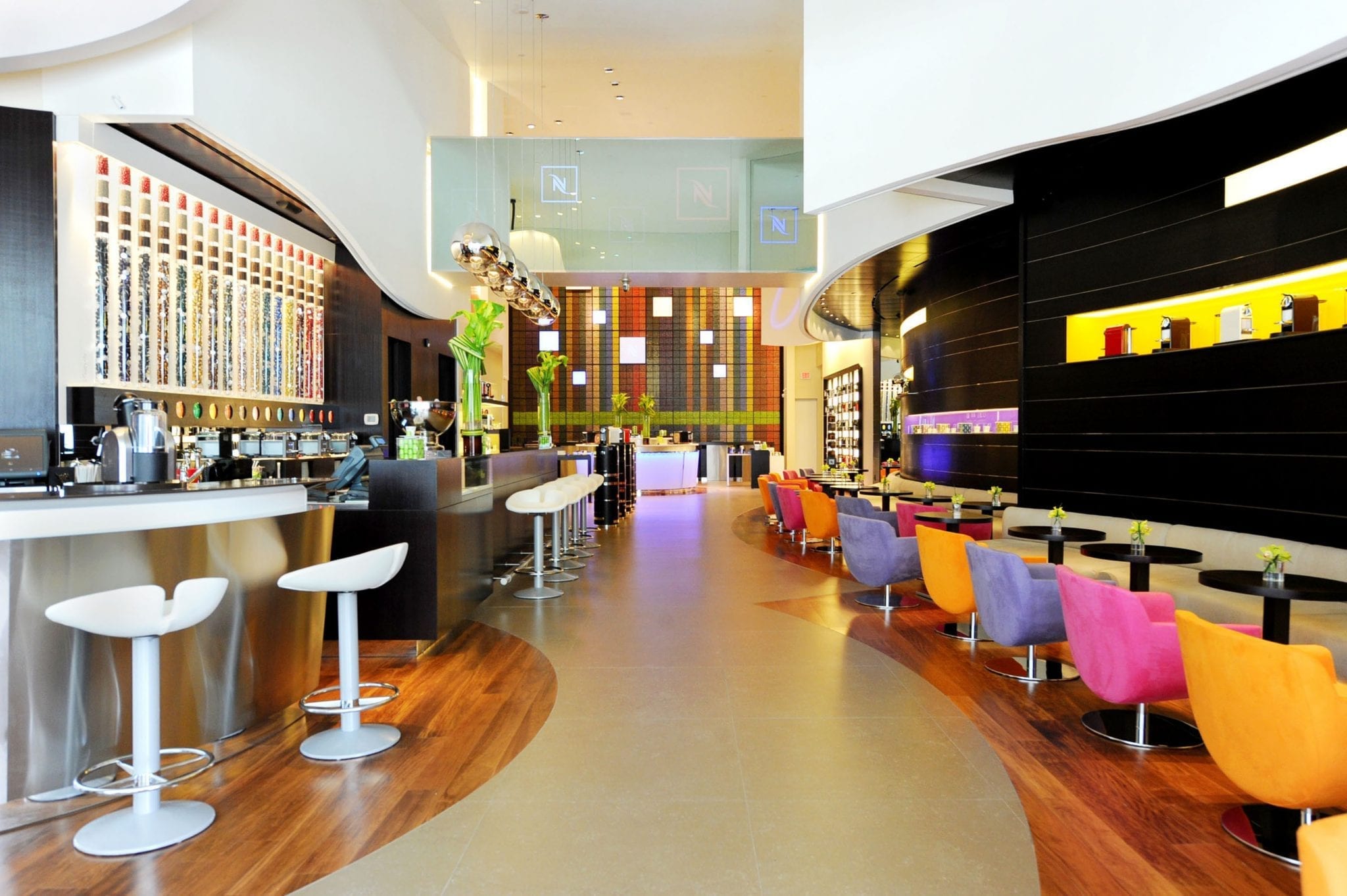
    Nespresso Oceania is known for its Vertuo coffee system; subscription services and reimagined boutiques, including the new flagship boutique on George Street in Sydney.

    “We are delighted to have Dragoli join us at a hugely exciting time for the business, as we continue to lead the way in sustainable, high-quality coffee in the region. With an excellent management team in place, we know Dragoli will build on this success in the coming months and years,” Nespresso head of APAC, Middle-East & Africa, Roland Tschanz said.

  • Starbucks teams up with Alibaba in ‘Genie-us’ delivery service

    Starbucks teams up with Alibaba in ‘Genie-us’ delivery service

    Starbucks and Alibaba have teamed up to allow consumers in China to order coffee using their Tmall Genie smart speaker.

    From the comfort of their sofa, those seeking a hot latte or an iced tea can simply call out “‘Tmall Genie: I want Starbucks delivered’. And within 30 minutes of placing a verbal order for food and beverages, it will arrive, thanks to Alibaba’s Tmall.

    They can also track the delivery status of their orders in real-time, as well as connect membership accounts to the smart speaker to earn Star rewards with every purchase, which add up to free food and drinks.

    Soon, members will also receive personalised recommendations based on their previous orders and trending items from Starbucks’ seasonal menu, says Miffy Chen, GM of Alibaba A.I. Labs, the artificial-intelligence research unit behind the Tmall Genie.

    She said the collaboration helps both companies meet the needs of China’s digitally savvy consumers, who are increasingly expecting seamless, on-demand deliveries for everything from ordering groceries to food and medicine.

    Molly Liu, VP and GM of the digital ventures division at Starbucks China, said the new smart speaker marks a new era of digital customer engagement for Starbucks and will help “[elevate] their connection with customers to new heights.”

    “We are focused on ensuring that Starbucks voice-ordering is truly personal, and we look forward to offering our customers more convenient moments and new opportunities to engage with Starbucks on a single integrated platform as they move throughout the day,” Liu said.

    As part of the partnership between Starbucks and Alibaba, the Seattle-based coffee chain has also exclusively debuted a new Starbucks-themed Tmall Genie through its flagship store on Tmall, Alibaba’s B2C e-commerce site. The smart speaker, which comes in the brand’s classic shade of green, features its teddy-bear mascot “Bearista” behind a DJ turntable. Users can play music from a curated playlist by telling the Tmall Genie to “play some Starbucks music,” a feature powered by Alibaba’s music-streaming app Xiami.

    About 3000 Starbucks Genies, priced at RMB 199 (US$28) each, sold out instantly during a livestream hosted by popular Taobao livestreamer Viya Huang on Monday. Huang’s five-hour stream had attracted more than 829 million views.

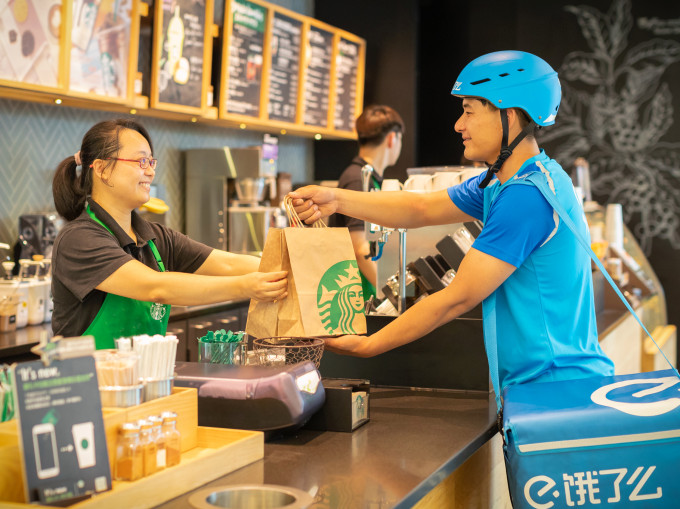
    The new Tmall Genie feature comes as Starbucks and Alibaba celebrates the one-year anniversary of their strategic partnership to transform the coffee experience in China. Starbucks has since tapped Alibaba’s New Retail infrastructure, such as partnering with Ele.me to expand its delivery coverage or opening back-of-room “Star Kitchens” inside Freshippo, which leverage the supermarket chain’s fulfillment capabilities to enhance its delivery speed and reach.

    In 2017, Starbucks’s cafes began accepting mobile wallet Alipay for payment. In December of the same year, Starbucks opened its first roastery outside of its home market in Shanghai, which featured mobile technology and augmented-reality experiences designed by Alibaba.

    While China’s per-capita demand for coffee is still a fraction of US consumption – an average mainland Chinese consumer drinks three cups a year versus 363 cups in the US – total consumption grew at an average annual rate of 16 per cent in the last decade, significantly outpacing the world average of 2 per cent, according to the International Coffee Organization.

  • Squarestreet launches coffee concept in Sheung Wan

    Squarestreet launches coffee concept in Sheung Wan

    Scandinavian lifestyle accessories label Squarestreet is presenting a new in-store coffee concept centered around the tradition of “fika” at its Sheung Wan boutique.

    “Fika” is a Swedish verb that describes the act of meeting to drink coffee while enjoying traditional pastries in any home or workplace in Sweden. It is an integral part of Swedish coffee culture.

    The Kaffe venue offers classic Swedish homemade pastries paired with Swedish-roasted beans in a cosy and intimate environment. The shop also offers a selection of local, Swedish and in-house designed accessories and homewares. Its takeaway utensils are all compostable and its cup sleeves are decorated with the classic folk art called “Kurbits” from the Dalarna region in central Sweden.

    All pastries are made by a Swedish baker following traditional recipes, and the cafe’s beans are delivered weekly, three days after roasting, to keep the coffee as fresh as possible.

    “I wanted to offer a new type of cafe experience through Kaffe,” said Kaffe founder and curator Alexis Holm. “Having a ‘fika’ is something special, a moment with friends, a good book, or treating your grandma to her favourite pastry. Coffee is only the excuse, it’s what happens when people have coffee that matters.”

  • Starbucks Japan lets customers pay with a pen

    Starbucks Japan lets customers pay with a pen

    Starbucks Japan has launched a new pen-shaped digital wallet called “Starbucks Touch The Pen” allowing customers to buy their coffee without taking out their wallets.

    The pen’s design resembles a drip coffee machine and comes in three colours – black, silver, and white. The new cashless-payment device is run by NFC (near-field communications) technology through FeliCa chip and contains “coffee brown” gel ink, meaning it works as a digital wallet and has the same function as a normal pen.

    Starbucks’ Touch The Pen will cost ¥4000 (US$37) including ¥1000 preloaded credit when it is available to purchase online next week.

    Before The Pen, the cafe chain had three other digital payment models including The Drip (a key fob), The Cup (a phone case) and The Hug (a keyring handbag).

  • Starbucks Singapore releases mobile program at selected stores

    Starbucks Singapore releases mobile program at selected stores

    Starbucks has launched its mobile order & pay (MO&P) service at 32 selected Singapore outlets ahead of a city-wide launch by March next year.

    MO&P allows customers to order in advance and pick up at their chosen Starbucks store. The new feature is also compatible with the company’s loyalty program through the Starbucks mobile app.

    “Innovation has always been a key ingredient of Starbucks’ culture and we are ready to take on the challenge of introducing new technologies and tools, like Mobile Order & Pay, to help make our customers’ experience at Starbucks even more enjoyable,” said Patrick Kwok, GM at Starbucks Singapore.

    “We are consistently on the lookout for new ways to enhance our retail offerings and experience for our local customers, meeting their needs and wants,” he added.

    Starbucks Singapore has marked this year as its “Year of Innovation” after the launch of its flagship store at Jewel Changi Airport. The company also plans to bring on board more partners to diversify its products.

    The Starbucks Singapore mobile application was launched in Singapore in 2012. With the mobile app, its customers can customise their drink, collect stars for their loyalty program and pay for in-store orders.

  • The Coffee Club opens first store in Vietnam

    The Coffee Club opens first store in Vietnam

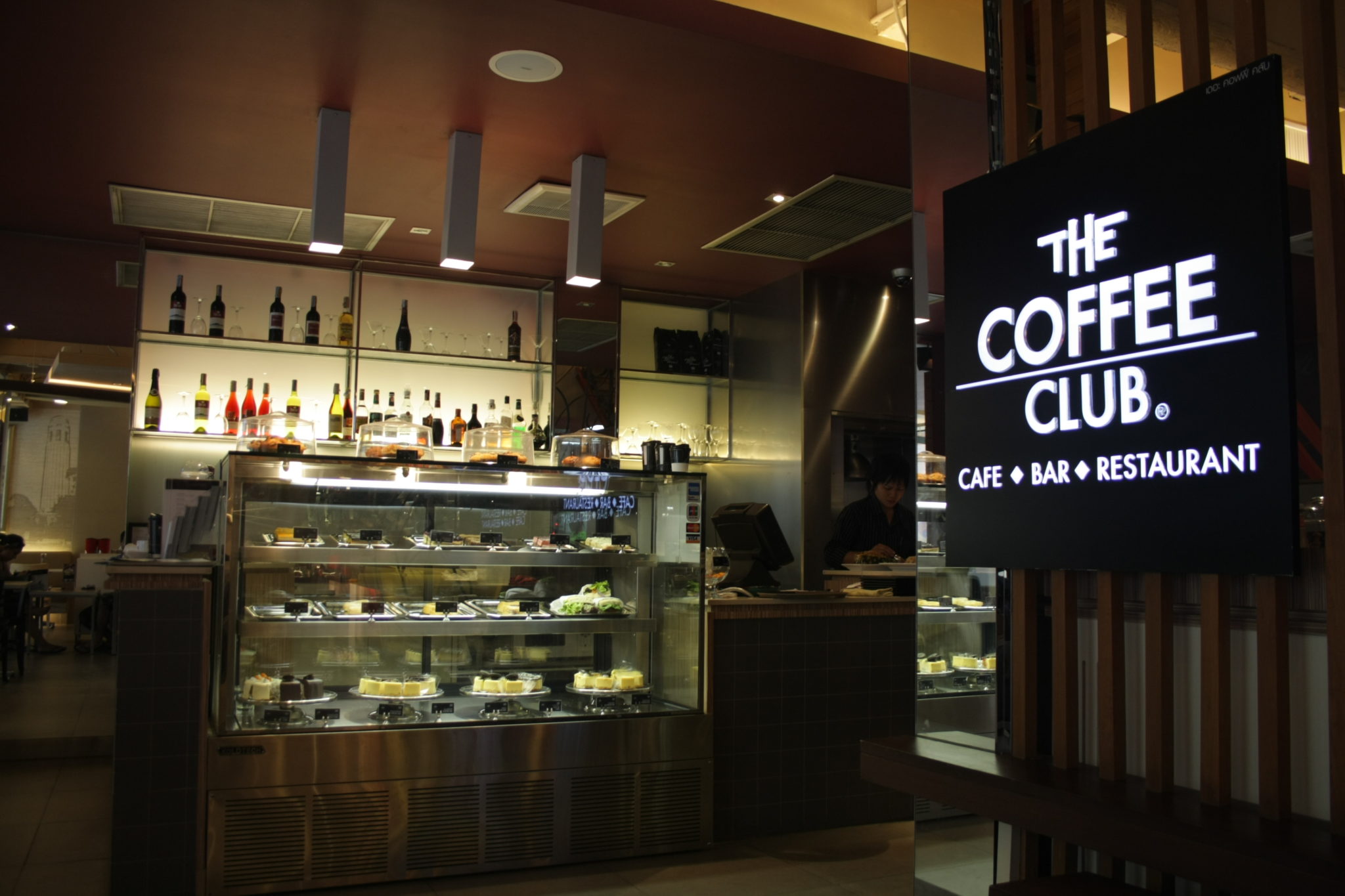
    The first The Coffee Club Vietnam store has opened, marking the Australian-founded chain’s 10th international market.

    Minor International subsidiary Minor Food signed up Vietnam Investment Group (VI Group) as its local partner in The Coffee Club Vietnam last October.

    Paul Kenny, CEO of Minor Food said the chain will provide a coffeehouse-style experience with an all-day menu following the Australian format. Together with Western dishes, the Vietnam store’s menu also includes Asian cuisine.

    “The Coffee Club offers a distinctive restaurant experience with great selections of food and beverages menus, excellent coffee and a welcoming relaxed atmosphere enriching the contemporary lifestyles of the Vietnamese consumers,” said David Do, VI Group MD.

    Since opening its doors in Brisbane in 1989, The Coffee Club has become Australia’s largest home-grown cafe group serving approximately 40 million customers in more than 400 stores.

  • The Coffee Academics launches world’s first Nitro Coffee Bar

    The Coffee Academics launches world’s first Nitro Coffee Bar

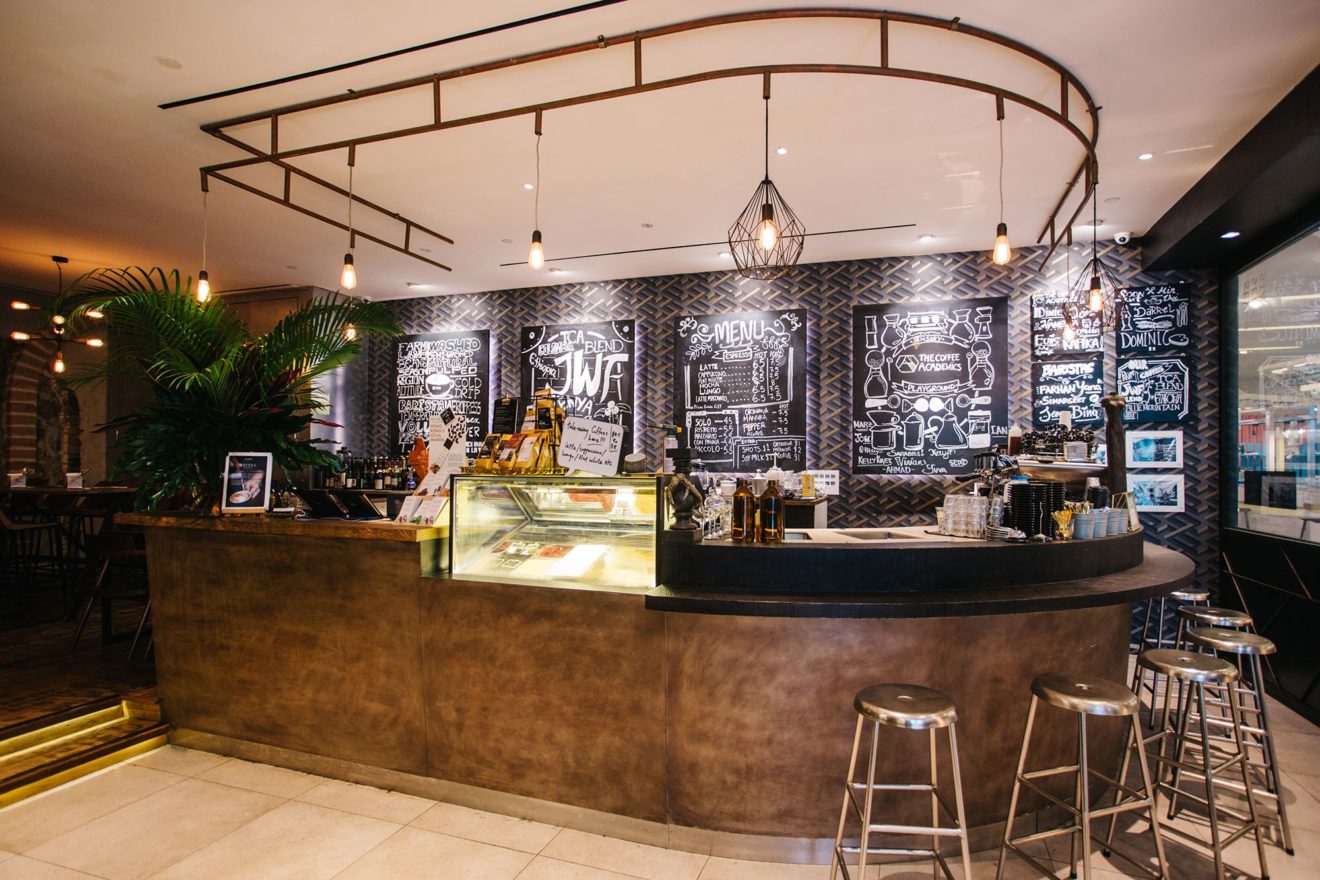
    Hong Kong’s specialty coffee chain The Coffee Academics is launching its latest retail concept the world’s first single-origin Nitro Coffee Bar on September 16 at K11 Musea.

    The Nitro Coffee Bar is the first of its kind to put single-origin specialty coffee at the forefront of product offerings, raising awareness of the specialty coffee value chain. The bar highlights The Coffee Academics’s moves to “drive more value to the source” via direct-trade and other social enterprise programs.

    “The Coffee Academics’ new concept at K11 Musea pushes the boundaries of specialty coffee by incorporating the nitro technology and tapas pairing into the coffeehouse experience,” said The Coffee Academics founder Jennifer Liu.

    In celebration of the opening, The Coffee Academics is offering a rare Yemeni coffee, recently acquired via the largest Yemen coffee auction to-date, with only 1500 cups total – exclusive worldwide at the K11 Musea store. With 60–70 percent of the FOB price going directly to the farmer, The Coffee Academics’ participation in this particular Yemen Coffee Auction was made to deliver a meaningful contribution to the revival of an ancient coffee civilization and the rebuilding of a war-torn nation.

  • Starbucks Reserve Riverside 66 Tianjin opens doors

    Starbucks Reserve Riverside 66 Tianjin opens doors

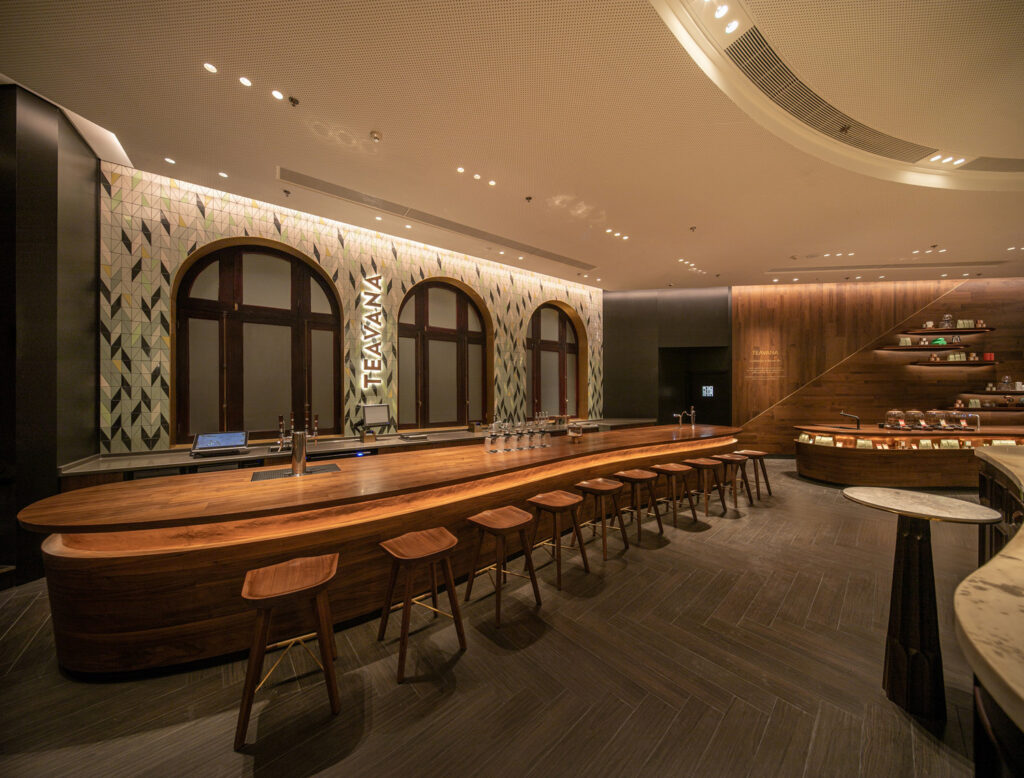
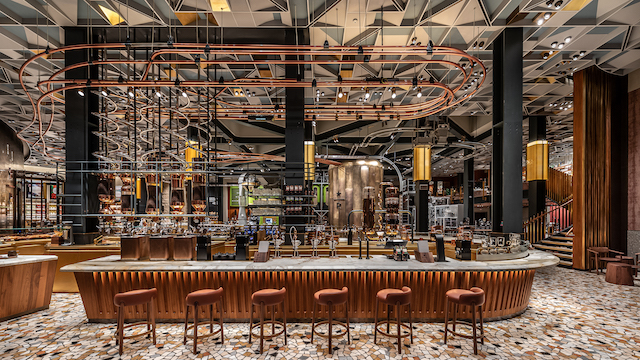
    Starbucks opened a flagship Reserve store in Tianjin, China, today which was built inside a Renaissance-era heritage building dating back to 1921.

    The Starbucks Reserve Riverside 66 Tianjin flagship store combines history with an entirely modern ‘third-place experience’ for the brand’s customers.

    “Over the past 20 years in China, Starbucks has constantly pushed to innovate and reimagine the third-place experience, to bring people and communities closer together,” said Leo Tsoi, senior VP, COO, and president at Starbucks China – retail. “We are immensely proud and privileged to preserve a revered piece of history that binds together four generations of Tianjin residents, and to share this rich cultural inheritance with more people, passing it on to future generations.”

    The new store marks the first in the city to feature a Starbucks Bar Mixato and Starbucks Teavana tea bar, in addition to its Starbucks Reserve offer.

    The building, located on the city’s main commercial street, was designed by Shen Liyuan, who was among the first Chinese architects to study overseas. It housed the Zhejiang Xinye Bank until the early 1950s, a symbol of the city’s economic prosperity and development.

    In the 1980s, the early days of China’s economic transformation, it reopened as the high-end Yongzheng Tailor Shop before being converted into the Xinye Foreign Trade Mall. The location was officially designated as a city heritage site in 1997 and has been vacant for the past 20 years.

    Working with local historic preservation experts, it took Starbucks three years to navigate technical complexities and realize the vision for a modern restaurant space in a preserved building.

    Features of the building, such as the majestic Greek-style exterior facade, glass dome, imported marble columns, and marble carvings, have all been preserved, along with the original bank counters. The architects specified bronze tubes to avoid using nails in the columns when the lighting was installed. Lighting and air conditioning systems were embedded into the glass dome.

    “Beyond preserving the century-old architecture in its fullest form, the Starbucks flagship store has also made creative use of its unique features,” said Luo Shuwei, historian and senior researcher from the Tianjin Academy of Social Sciences. “Starbucks partners have shown great passion and dedication to ensure that every design detail is in harmony with the original architectural style, to create a warm and welcoming ambiance that is also filled with history.”

  • Starbucks Korea profit up with 28 percent

    Starbucks Korea profit up with 28 percent

    Starbucks Korea has reported a 28-per-cent year-on-year jump in its operating profit in the first half of the year amid rising appetite for premium coffee, discount store chain E-Mart said Tuesday.

    From January to June, the US coffee giant posted an operating profit of 74.7 billion won (US$61 million) in Korea, up from 58.3 billion won in the year-ago period, according to E-Mart’s first-half earnings results.

    E-Mart, the country’s biggest discount store chain operated by Shinsegae Group, holds a 50-per-cent stake in Starbucks Korea, with the other 50 per cent controlled by Starbucks US.

    South Korea is one of the fastest-growing premium coffee markets, and Starbucks expects further growth in this country.

    Sales also jumped 25 per cent to 887.7 billion won in the first half from 709 billion won a year earlier, the data showed. Net earnings were not available.

    Starbucks, which entered Korea in 1999, currently operates 1308 stores, including 50 upscale Starbucks Reserve outlets, in Asia’s fourth-largest economy.

    Starbucks Korea earned 1.5 trillion won in sales last year, up 20 per cent from 1.28 trillion won a year earlier.

  • Sugarfina partners with The Coffee Academics

    Sugarfina partners with The Coffee Academics

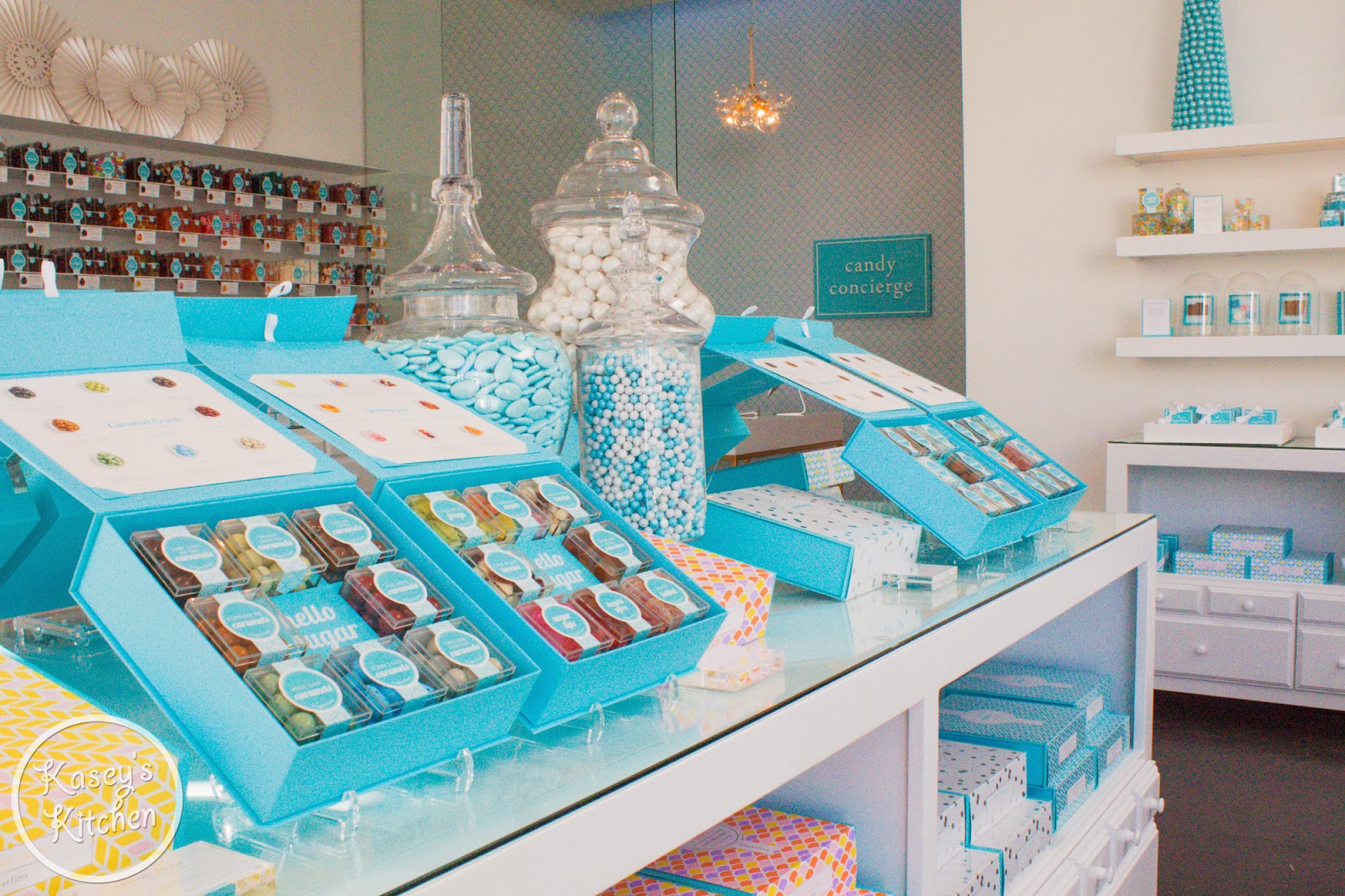
    Luxury confections boutique Sugarfina has teamed up with specialty-coffee chain The Coffee Academics in a collaboration targeting lovers of premium candy and fine coffee.

    The Cold Brew Coffee Collection by Sugarfina presents the world’s first coffee-infused gummy bears in three flavours – Cold Brew Bears, Bourbon Cold Brew Bears and Iced Vanilla Latte Bears. The Cold Brew Coffee Collection Candy Bento Box also features a special coffee blend by The Coffee Academics made exclusively for Sugarfina.

    All coffee-infused gummy bears are completely fat-free and gluten-free, made with natural ingredients without artificial flavours or colouring.

    Designed by Sugarfina’s Hong Kong team, the collection is presented in the signature black and gold palette of The Coffee Academics brand, and features the Sugarfina bear as a “bearista”.

    Besides the coffee-infused gummy bears, The Coffee Academics has also created a Vanilla Cream Cold Brew Coffee exclusively for Sugarfina, featuring cold brew coffee made with the Sugarfina blend and topped with a vanilla cream foam. The iced beve

  • Blue Bottle Coffee’s industrial-style flagship opens in Seoul

    Blue Bottle Coffee’s industrial-style flagship opens in Seoul

    Blue Bottle Coffee’s first South Korean cafe which opened in Seoul’s artsy Seongsu neighborhood earlier this year, features an industrial-style design with steel surfaces and red-brick fixtures.

    The cafe was designed by Schemata Architects, which has already created several of the brand’s branches in Tokyo, Japan.

    South Korea is the second international market for the US coffee company, which opened its first Tokyo cafe in 2015, inspired by the hospitality of traditional Japanese kissaten (coffee house) culture.

    In the new three-floor, 14,000sqft Seongsu location, each level is dedicated to a different use. The cafe has been designated to the basement – a decision made by the practice after seeing that the ground floor overlooked a busy road often blocked with traffic.

    “Having the cafe in the basement provides a calm and peaceful space away from the bustle on the ground,” the design team explained to Dezeen.

    At its centre is a huge stainless-steel service counter, above which a section of the ceiling has been cut away to provide views to the upper floor.

    Large stacks of red bricks – a material typically used to clad the facades of buildings in Seongsu – have been dotted throughout the space, where brand merchandise like packets of coffee and mugs can be displayed.

    “As a mark of respect for [Seongsu’s] history, we decided to also use brick inside the building,” explained the practice.

    A short set of stairs leads down to a lowered seating area that’s dressed with timber tables and chairs, as well as a couple of long beige sofas.

    The ground level hosts a roastery, a storage room for coffee beans and an area dedicated to cupping: the practice of observing the taste and aroma of brewed coffee. It is all fronted by glass allowing pedestrians outside to see the coffee-making process.

    “The basic design rules for Blue Bottle Coffee cafes remained the same in this project, which is to use a limited number of materials to create a space with a sense of unity and to create a flat relationship between the customers and the staff over the counter,” the practice’s founder, Jo Nagasaka said.