Tag: coffee

  • Starbucks India Speeding up store rollouts

    Starbucks India Speeding up store rollouts

    Starbucks India plans to ramp up its store rollout. The global coffee chain opened 25 new stores in the last financial year and 30 new stores this year with local partner Tata Global Beverages – but plans to open a far greater number of new stores in the near future, according to Tata Starbucks CEO Navin Gurnaney, with an investment of more than US$6.4 – 7.1 million.

    “We spend anywhere between $213,000 and $284,000 to build a store,” said Gurnaney in an interview with the Business Standard. “We would not be being aggressive with our store growth if we didn’t see potential. We think the market is very strong. Excellence is always well received and we believe we have an excellent experience, partners and products. We are extremely bullish on India. India is one of the top five growing markets for Starbucks internationally.”

    Starbucks India stores serve an average of 270,000 customers per week, with 90 percent of their chosen beverages being coffee.

    “People don’t come to us just to buy a sandwich,” added Gurnaney. “It is always an accompaniment with a beverage. The coffee category has been growing with all groups of people and the millennials are certainly gravitating towards coffee. But not just millennials, it is also the 30 years something upwardly mobile, better traveled and better-educated people which are growing in India.”

    While there has been some speculation that Starbucks Tata is considering an acquisition of a rival brand, Gurnaney insisted that Starbucks India outlook is extremely optimistic, and that future plans are to be “thoughtfully aggressive”.

    Starbucks entered India with its first store in Mumbai launching in 2012.

  • Nestle starts selling Starbucks-branded coffee in China

    Nestle starts selling Starbucks-branded coffee in China

    FMCG giant Nestle started selling Starbucks-branded coffee in Mainland China today, seeking to tap growth in a market where it says coffee consumption per capita remains low compared to global standards.

    Nestle last year paid US$7.15 billion for exclusive rights to sell the US chain’s coffees and teas globally and began selling Starbucks-labelled products in Europe, Asia and Latin America in February.

    The world’s largest food company will start selling 21 Starbucks-branded capsule and instant-coffee products on Chinese e-commerce platforms like Alibaba’s Tmall and JD, as well as to offices and hotels in tier-1 cities, both companies said.

    “We believe China is the most exciting market in general but especially for coffee because… per capita cup consumption is quite low as compared to Asia,” said Rashid Aleem Qureshi, Nestle’s CEO for the Greater China region.

    “Right now the overall soluble coffee [market] in China is growing between 3 to 5 percent a year and we believe that by bringing this exciting new business opportunity we should be able to grow faster than that,” he said, referring to a category that includes capsule and instant coffee.

    Nestle’s move comes as the Swiss company experienced slower first-half growth in China, its second-largest market, where other categories like mainstream baby foods have struggled compared to pricier options.

    China’s per capita coffee consumption is about six cups a year, compared to 400 in Japan and 300 in South Korea, Nestle said.

    The partnership with Starbucks would help Nestle add a premium coffee option to the range of products it already sells in China, such as Nescafe instant coffee range and Nespresso capsule coffees, Qureshi said.

    Starbucks China CEO Belinda Wong said the Nestle deal would open two new avenues to sell its products in China, where it has been investing heavily in its store network and delivery amid tougher competition from local startups.

  • Hoshino Coffee chains eye Asian expansion

    Hoshino Coffee chains eye Asian expansion

    Upmarket Japanese coffee businesses are expanding into other Asian markets in an attempt to win over customers from global leaders such as Starbucks.

    Specialty brands Sarutahiko Coffee and Hoshino Coffee are among those reaching into major Asian markets, with Sarutahiko entering Thailand and Hong Kong, and Hoshino moving to Taiwan.

    “Consumers who frequent Starbucks are ready to embrace Japanese-style service,” said president and CEO of Sarutahiko Tomoyuki Otsuka.

    Mitsubishi has taken a 15 percent holding of Sarutahiko for around 500 million yen ($4.6 million), with a view to expanding the brands’ network from the current 16 stores (including three in Taiwan) to 30 outlets.

    Hoshino Coffee already trades well in Singapore, Malaysia, and Indonesia and will launch in Taiwan in the next fiscal year.

  • Body of Cafe Coffee Day founder discovered after apparent suicide

    Body of Cafe Coffee Day founder discovered after apparent suicide

    VG Siddhartha, the founder of India’s largest coffee chain Cafe Coffee Day, has been found dead, in an apparent suicide.

    Siddhartha had been missing since Monday, last seen by his driver standing on a bridge. He had penned a letter to his board in which he wrote that he could no longer handle pressure from private equity investors and a taxation enquiry.

    “I gave it my all but today I gave up as I could not take any more pressure,” local Indian media have reported the letter as reading. He referred to a “serious liquidity crunch” relating to “harassment” from tax officials and pressure from lenders.

    Siddhartha founded Coffee Day Enterprises in the late 1990s, years before Starbucks made its Indian debut, building a network of 1700 outlets – 10 times the size of Starbucks. The company was listed in 2015. Current shareholders include private-equity company KKR with which has 6 per cent stake after selling a 4.25 per cent stake last February.

    “We are deeply saddened by the developments and our thoughts are with his family at this time,” KKR said in a statement about Siddhartha’s death.

    As news of his disappearance, and later the discovery of his body, spread, the company’s share price plunged by 20 per cent.

    Last month, Coca-Cola was linked to an investment in the coffee chain which would have valued the enterprise at about US$1.45 billion. The status of that deal is unclear.

    Meanwhile, Coffee Day Enterprises board released a statement to the stock exchange pledging to “ensure continuity of business”

  • Starbucks China sales and transaction volume grows

    Starbucks China sales and transaction volume grows

    Starbucks China sales growth out-paced the rest of Asia in the third quarter, up 6 per cent on a same-store basis and 2 per cent by transaction volume.

    But the coffee giant appears to be getting the most traction from its home market, where sales grew 7 per cent in the 13 weeks to June 30, the average ticket price was up by 4 per cent and the number of transactions rose 3 per cent.

    “Starbucks continues to be focused and disciplined in the execution of our three key strategic priorities that we established last year: accelerating growth in the US and China, expanding the global reach of the Starbucks brand through our Global Coffee Alliance with Nestle, and increasing shareholder returns,” said Kevin Johnson, president and CEO, referring to the Growth at Scale program.

    The company opened 442 net new stores in the quarter, with nearly one third of those in China and 48 per cent in other international markets outside the US. It ended the period with 30,626 stores worldwide, 7 per cent more than a year earlier.

    Johnson said Starbucks delivered strong operating performance demonstrating the success of the Growth at Scale agenda.

    “Our two targeted long-term growth markets, the US and China, performed extremely well across a number of measures as a result of our focus on enhancing the customer experience, driving new beverage innovation and accelerating the expansion of our digital customer relationships. Given the strong momentum across our business, we are raising our full-year financial outlook.

    “With our efforts to streamline the company and elevate the Starbucks brand, we are positioning the company to deliver predictable and sustainable operating results while building an enduring company that creates meaningful long-term value for Starbucks shareholders,” he concluded.

    Global comparable store sales increased 6 per cent, driven by a 3 per cent increase in average ticket and a 3 per cent increase in comparable transactions.

  • Jollibee bought The Coffee Bean & Tea Leaf

    Jollibee bought The Coffee Bean & Tea Leaf

    Philippine restaurant operator Jollibee Foods is to buy US cafe brand The Coffee Bean & Tea Leaf outright for US$350 million.

    The acquisition is Jollibee’s largest to date, and will involve a $100 million investment in a new Singaporean holding firm to handle the process, constituting an 80 percent equity of the business. The $250 million balance is to be regarded as an advance to the firm, which will issue preferred shares within six to nine months to repay it. The takeover will be financed initially through a bridge loan.

    The remaining 20 percent equity in the new firm will be taken by members of the family operating Jollibee partner Viet Thai International Joint Stock Company, which runs the Highlands Coffee and Pho 24 franchises, primarily within Vietnam.

    An IPO for the new holding company is expected to be made within three-to-five years.

    The Coffee Bean & Tea Leaf is owned by California-based International Coffee and Tea. It recorded revenue of $313 million last year, however, analysts estimate it lost about $21 million.

    “The deal will bring international business’ contribution to 36 percent of worldwide sales and will bring Jollibee closer to its vision to be one of the top five restaurant companies in the world in terms of market capitalization,” said Jollibee Foods Corporation chairman Tan Caktiong.

    “Our priority is to accelerate the growth of The Coffee Bean & Tea Leaf brand particularly in Asia, by strengthening its brand development, marketing, and franchise support system.”

    The Coffee Bean & Tea Leaf operated 1189 locations as of the end of last year, around a third of which are in Southeast Asia.

  • 108 Matcha Saro opens first store in Singapore

    108 Matcha Saro opens first store in Singapore

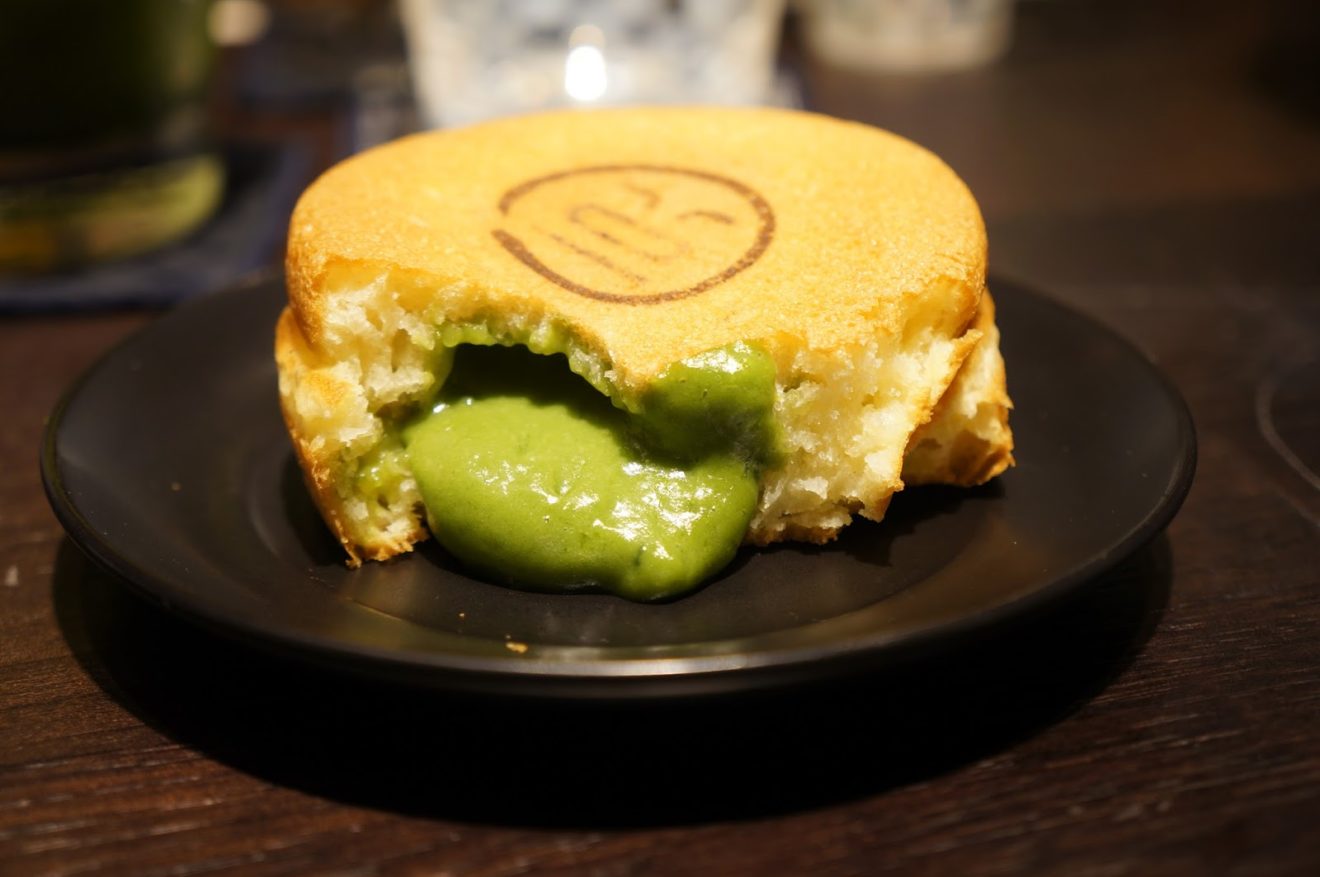
    Japanese cafe chain 108 Matcha Saro is opening its first Southeast Asian store, at Singapore’s Suntec City shopping center.

    Set to open tomorrow (July 26), the take-away concept store will be designed to resemble a traditional ancient Japanese teahouse, located in the basement of the shopping center.

    The 108 Matcha Saro stores in Japan feature four different live stations where passers-by can watch staff making Warabi-mochi or Obanyaki, whisking Matcha and assembling Parfaits and Soft Serves.

    Founded in 2014, 108 Matcha Saro has four stores in Japan, and another four in Taiwan.

  • Luckin Coffee plans expansion into India and Middle East

    Luckin Coffee plans expansion into India and Middle East

    China’s Luckin Coffee wants to expand into India and the Middle East.

    The company has signed a memorandum of understanding to create a joint venture with Kuwait-based Americana Group which will open stores across the Greater Middle East and India. No further details have been released, according to Reuters.

    Luckin, which sells coffee by app from a fast-growing network of stores and pick-up points across China’s main cities, raised US$561 million by listing in the US in May. It says it will open 2500 stores this year.

    Americana Group operates 1800 restaurants and 29 restaurants and food factories in the Middle East. It has franchises for a raft of fast-food and quick-service restaurant brands including KFC, TGI Fridays, Pizza Hut, Hardees, Baskin Robbins, Costa Coffee, Krispy Kreme, Red Lobster, Grand Cafe, Maestro, Longhorn Steakhouse and Chicken Tikka.

    It operates in 20 markets and boasts a payroll of 60,000. Besides the Middle East, the company has KFC and Pizza Hut stores in Kazakhstan and KFC stores in Morocco.

    “This collaboration represents Luckin Coffee’s first step toward bringing its leading products from China to the world,” said Luckin Coffee founder and CEO Jenny Qian Zhiya in a statement.

    Earlier this month, the hitherto coffee-focused company announced it would launch a tea brand, Xiaolu.

  • Starbucks China launches world-first Starbucks Now store

    Starbucks China launches world-first Starbucks Now store

    Starbucks China has opened its first Starbucks Now store – an express retail experience that integrates Starbucks physical and digital customer touch points.

    Centered in Beijing’s financial district, the Starbucks Now store is the company’s first express-retail format location. The service combines the signature Starbucks cafe environment with mobile order and pay and Starbucks Delivers customer experiences.

    “The Starbucks Now store is a testament to our unwavering commitment to delivering innovative customer experiences through new retail formats,” said Starbucks China Retail president and COO Leo Tsoi. “This new retail format and design approach provides us with a platform to offer customers a fast and convenient retail experience to suit their on-the-go lifestyle.”

    Customers entering the store are greeted by a Starbucks barista at an elevated concierge counter to assist with ordering or order pickup. They can choose from a menu of handcrafted beverage options tailored for the on-the-go customer along with an assortment of popular food items. Limited seating is available for customers who choose to stay and relax with their favorite food and beverages in the store.

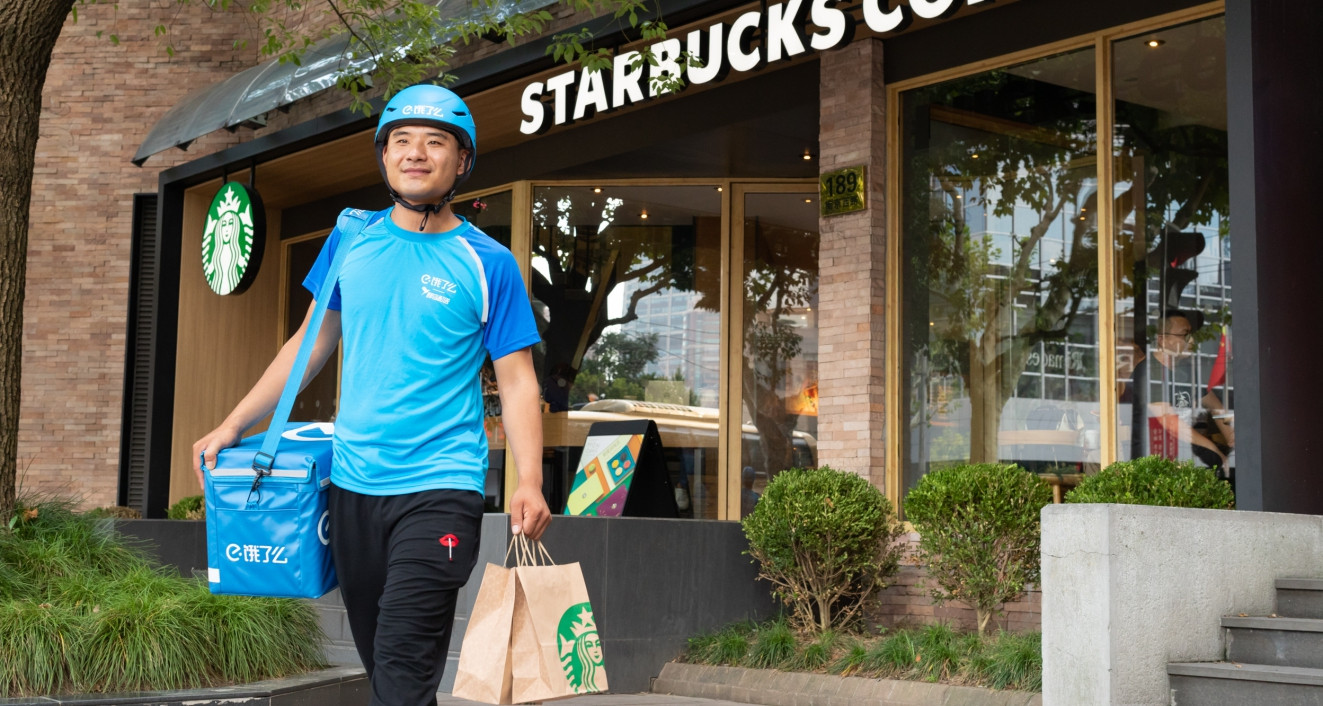
    For delivery riders, a dedicated area for Starbucks Delivers orders enables fast pickup supported by baristas. Fulfilled Starbucks Now and Starbucks Delivers online orders will be placed in a secure in-wall system with a designated pickup portal associated with each order.

    The store will also have the ability to serve as a centralised dispatch centre for delivery orders within a certain radius, so Starbucks baristas at neighbouring cafes can focus on delivering service to in-store customers at those locations. During peak times, Starbucks Delivers beverage orders will be prepared by baristas from a central kitchen that is part of the Starbucks Now store.

    The company plans to open new Starbucks Now stores across high-traffic areas including business and transportation hubs as well as to new cities in China.

  • Dean & DeLuca chief bullish about Asia

    Dean & DeLuca chief bullish about Asia

    The CEO of embattled food retailer Dean & DeLuca is promising a massive store rollout in Asia at the same time as unpaid suppliers suspend deliveries to the brand’s remaining US stores.

    Sorapoj Techakraisri, CEO of Dean & DeLuca’s Thai owner Pace Development, said this week US losses will stop by the end of this year, but it is hard to see the iconic New York-founded delicatessen brand surviving.

    The brand is being operated in three completely different formats currently: an upscale, gourmet deli-cafe concept in the US where its store count is now down to just four; a restaurant-cafe concept in Asian cities such as Bangkok and Manila; and a trimmed-down takeaway or dine-in format in airports, most through a joint venture with Lagardere Travel Retail announced last October, selling coffee, drinks and takeaway food for consumption on planes from tiny footprints like the one at Hong Kong International Airport.

    There is no similarity beyond the brand name between the New York stores and the Asian businesses, which are now operated as separate units.

    Techakraisri admitted in a phone interview that there were delays in payments to suppliers.

    “The lack of financial resources makes it very difficult for us to maintain the necessary investments to improve and keep our franchise competitive and attractive,” he said. He promised creditors would be paid and that he planned to invest more capital.

    Later, in Bangkok, he said: “We are adjusting the Dean & DeLuca [US] business to a more appropriate size by controlling expenditures both at its office and stores.” These measures have cut costs by 25 per cent he said, and would see overall losses halted by the end of this year.

    Techakraisri said the US stores would be revamped to improve sales.

    Visitors to the New York flagship store on Tuesday of this week were greeted by the sight of empty shelves and a sign apologising to customers for the store’s appearance and inconvenience to customers. Fresh-food shelves were mostly empty, covered in long black sheets made of cloth, according to Bloomberg.

    The company has also closed its futuristic Stage fast-food concept in Manhattan opened in 2017.

    Pace bought the company for US$140 million in 2014, including a network which at one point reached more than 30 stores in the US, and licensing agreements in 31 countries including South Korea, the Philippines, Singapore, Thailand and Middle Eastern markets. By May last year the US network was down to just nine stores and there are now just four remaining.

    The original store opened in Soho in 1977, earned the nickname “museum of fine food” It claimed to be the first retailer in the US to sell radicchio, balsamic vinegar and sun-dried tomatoes. But over time its exclusivity has waned – as one food writer observed this month: “You can buy extra virgin olive oil on Amazon now”.

    Suppliers were chasing large debts. New York bakery Elenis claimed it was owed $86,000 for the custom-designed cookies shipped to Dean & Deluca over the holiday period. It ended a 15 years of supplies in December 2017 over unpaid bills and after suing settled on a 50 cents in the dollar payment.

    “They told me repeatedly that the funds would be in my account the next day or that the check was in the mail and I was never paid,” said owner Eleni Gianopulos. “As a small vendor, it’s crushing.”

    Another creditor, Ceci Cela Patisserie of Manhattan, was offered settlement of 50 cents in the dollar before deciding to sue for more than $70,000 it claimed was owed.

    Many suppliers this month have shared documents with US journalists showing they are owed hundreds of thousands of dollars collectively and some have not been paid since February.

    An Asian renaissance?

    In Bangkok this week, Techakraisri was painting a very different picture of Dean & DeLuca’s prospects despite the ongoing challenges in the US.

    “We [have] set plans for Dean & DeLuca’s expansion in Thailand over the next three-to-five years, when about 100 stores will be opened, up from 11 currently,” he said in a press conference for Thai media, reported by The Nation. “About five new Dean & DeLuca stores will be opened locally this year.”

    The Dean & DeLuca Asia operations now comprise 65 per cent of the brand’s total turnover, the four remaining US stores accounting for just 35 per cent.

    Dean & DeLuca Asia (Thailand) reported sales of  Bt630 million (US$21 million) in the year to May, and Bt115.23 million ($3.84 million) in profit before interest, taxes, depreciation and amortisation. That was an improvement of 13.3 per cent over the previous year. Those sales figures, however, appear to be a mix of company-owned store sales (in Thailand) and franchise revenues from overseas operators.

    Dean & DeLuca Inc (which runs the US business) has been losing an estimated $1.3 million a month – far more than the Asian business profits can cover.

    Techakraisri says despite the US woes, the company has boosted its global store network from 42 store in six markets at the time of the purchase in 2014 to 77 today in 11 markets outside the US.

    He says the company plans to launch Dean & DeLuca stores in five more “major Asian markets” during the next two years or so: China, India, Indonesia, Hong Kong and Taiwan.

    It is not clear how many of those will be airport stores operated under the Lagardere partnership, which at the time of the announcement promised 150 stores within five years.
  • China·Chengdu Panda Cafe opens in Naples

    China·Chengdu Panda Cafe opens in Naples

    China·Chengdu Panda Cafe, a coffee house featuring panda elements, officially debuted in Naples, Italy last weekend.

    The cafe, presents Chengdu-themed performances to guests, quickly attracted local customers curious to try the brand’s unique “Chengdu Flavour” coffee. It also features a number of interactive events, including panda painting, calligraphy, and Chengdu-themed postcard writing.

    “Baby pandas” in the cafe warmly invite all Italians to “drink coffee today in Naples, and in 2021 drink Panda covered-bowl tea in Chengdu”. The activity serves as an invitation to the 31st Summer Universiade, to be hosted in Chengdu. Naples was the previous host of the sports event.

    To promote the opening, a Panda-themed flash mob performed the “Panda Swing Dance” at many famous scenic spots across Naples.

  • Crimson Cup opens fourth cafe in Dhaka, Bangladesh

    Crimson Cup opens fourth cafe in Dhaka, Bangladesh

    US coffee roaster Crimson Cup Coffee & Tea has opened its fourth international coffee shop in Dhaka, Bangladesh.

    The new Rangs Fortune Square venue joins Crimson Cup Coffee Houses in the Banani and Dhanmondi neighborhoods.

    “Dhanmondi is a huge residential area with a multicultural population,” said MD Mohaimin Mostafa, “and our existing shop in Dhanmondi 27 was not sufficient to keep up with demand. Our second outlet in Dhanmondi makes it much easier for customers to reach us.”

    The brand features a brew bar where baristas hand-pour craft coffees discovered during Crimson Cup’s sourcing trips all over the world.

    After opening four coffee houses since 2015, the Crimson Cup Bangladesh team is continuing its plans for expansion. Managers are looking for locations in Sylhet and Chittagong as well as the resort city of Cox Bazar. They are also exploring development opportunities in India, Nepal and Thailand.

  • Indonesia’s Wake Cup Coffee & Eatery makes Indian debut

    Indonesia’s Wake Cup Coffee & Eatery makes Indian debut

    Indonesian coffee chain Wake Cup Coffee & Eatery has launched in Mumbai.

    The franchise opens in India in partnership with local franchisee Gobble Me Good, its first international location after opening 13 outlets back home.

    The firm is the newest player in India, the world’s 10th fastest-growing coffee market currently valued at ₹2570 crore (US$374 million), according to a recent Euromonitor International report that estimated industry growth at 6.9 per cent a year by 2023.

    “Consumers frequenting cafes in India are primarily 18-35 years old, which comprises the country’s primary working force with higher disposable income and fast-paced lives,” said the

    Large food companies such as local giant ITC are also making moves in coffee retail to compete with the likes of Nestle and Unilever.

  • Coca-Cola looks at Indian chain Cafe Coffee Day to invest

    Coca-Cola looks at Indian chain Cafe Coffee Day to invest

    Beverages giant Coca-Cola is negotiating the acquisition of a large stake in Indian chain Cafe Coffee Day (CCD) as part of a move to gain traction in the territory against a drop in demand for carbonated drinks.

    Executives expect the deal, if it goes ahead, to hedge risks for the firm by taking advantage of a growing market sector in the territory.

    “The potential stake acquisition is being driven by Coca-Cola’s headquarters in Atlanta and officials from the beverage maker’s global team are engaged in active talks with the Coffee Day management,” said an executive with knowledge of the matter. “It would give Coca-Cola a significant scale in the fast-growing cafe business, compared to aerated soft drinks, which have been slowing down.”

    Coca-Cola has claimed that news of the potential deal is speculative.

    CCD is India’s largest coffee chain, with 1752 locations as of March this year. Starbucks India, by contrast, operates just 146 stores.

    “Cafe Coffee Day introduced India to the café culture back in the 1990s and has been able to build a massive footprint,” commented private equity professional Jaspal Sabharwal, “but the chain badly needs some innovation and facelift. There has been plenty of innovation in the cafe industry in recent years, but not enough of it has come from giant brands. Coca-Cola can play a very good role in this space.”

  • Indonesian coffee chain Kopi Kenangan to expand across SEA

    Indonesian coffee chain Kopi Kenangan to expand across SEA

    Indonesian coffee chain Kopi Kenangan has closed a US$20 million growth funding deal with Sequoia India.

    The firm, which secured an $8 million investment from local group Alpha JWC Ventures last October, plans to use the capital to open 150 outlets within this year, expanding to 1000 stores throughout the territory by 2021. The chain will also consider regional expansion across Southeast Asia.

    Kopi Kenangan currently operates 80 stores in eight cities, which sell around a million cups of coffee per month – predominantly traditional Indonesian iced coffee with organic palm sugar.

    “Our mission is to bring high-quality coffee, made with the freshest local ingredients to consumers across Indonesia – and the rest of Southeast Asia, too,” said Kopi Kenangan co-founder and CEO Edward Tirtanata.

    Sequoia expressed admiration for the firm’s achieving profitability in its second year of business.

    “Most food-retail businesses struggle despite high gross margins due to operating costs like rent, manpower and wastage,” wrote Sequoia Capital investment advisor Rohit Agarwal. “Kopi Kenangan has implemented robust backend systems to track inventory in real-time and moves excess items across stores, cutting wastage to almost zero. Its stores are 10–20 per cent of the size of a normal cafe, significantly cutting cost per store”.

    One of the chain’s core strengths is its app, launched in April, which allows customers to order their coffee for pick up and avoid queues, or have their purchase delivered by food delivery partners.