Tag: coffee

  • Twiice launches edible coffee cups

    Twiice launches edible coffee cups

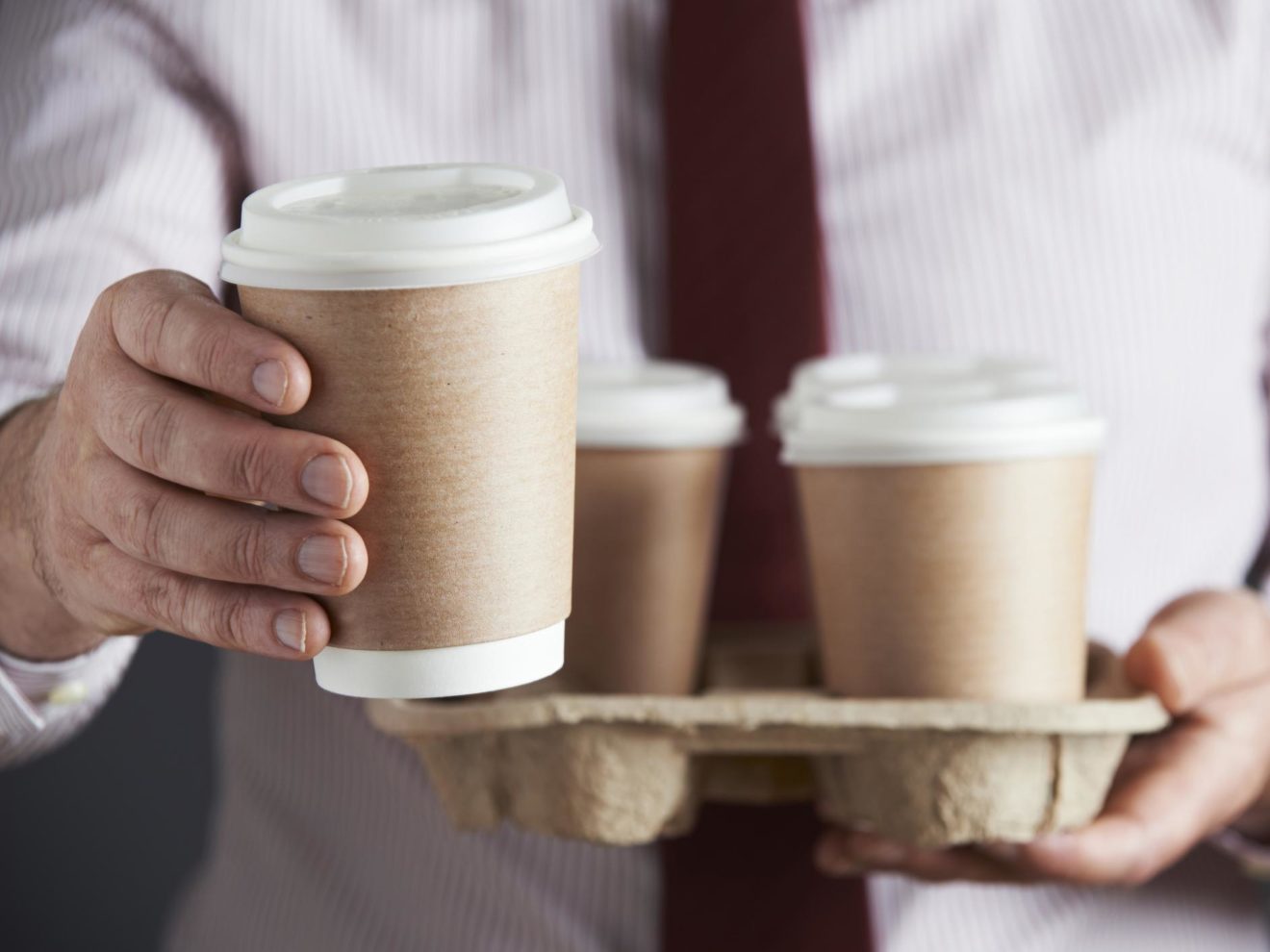
    New Zealand-based online retailer Twiice has recently launched single-use coffee cups that are both biodegradable and edible.

    Twiice director Jamie Cashmore said it took four years to create the product and the company only felt ready to launch it to the public recently. They are now offering pre-orders on their website and have stocked one cafe, Freaky Cafe on Wakefield Street in Auckland.

    Plastic pollution has been a major problem worldwide for years. Tonnes of plastics are estimated to wind up in the ocean each year. A United Nations report has even identified this as a major global health risk.

    Twiice’s coffee cups avoid this waste issue by being compostable, meaning they degrade into soil within days. But Cashmore is hoping people will just eat them instead.

    “Every cup eaten is one saved from the landfill,” he said.

    The cups, which are made of a firm biscuit substance formulated by Cashmore and his wife Simone and his parents, taste like cookies and are baked in a way that sogginess is not a problem.

    “We have developed a method to make the cups over the last four years,” he said. “It’s this method that makes the cups able to take hot drinks.”

    The business is currently based in Auckland, but Cashmore said they are planning to branch out in a month or so.

    “We’ve only been open three weeks and are accepting pre-orders on our website,” he said.

    Cashmore said they can’t stock more coffee shops for another four weeks because they are still waiting for the packaging.

    “We are currently waiting on our wholesale packaging which should arrive in a month or so. Then we’ll be able to ship all over New Zealand.”

    Cashmore said he and his family started the business in 2015 and it took them four years to finish the product.

    “There’s a variety of things going on in the market around coffee cups, with a range of compostable, reusable (with a deposit), and now edible products becoming available in the market,” he said. “They are awesome products, but likely to be fairly niche for the moment.”

    Cashmore said the new cups could soon enter the mainstream and might help wean consumers off their plastic habit.
  • Arabica Singapore Opens

    Arabica Singapore Opens

    Coffee chain % Arabica Singapore is to open three stores initially, the first at 56 Arab Street on June 28.

    After many delays due to construction and interior works, the Arab Street outlet of the Japanese coffee house will opened with seating for 20 and featuring a minimalist white design.

    Two other stores will follow at Chip Bee Gardens at Holland Village, and 313@Somerset on Orchard Road.

    There are plans to serve food at the Chip Bee Gardens outlet.

    Established in 2011, % Arabica has 16 stores in Hong Kong, Japan, Kuwait, the UAE, Oman, the Philippines and China.

  • Australian barista Paul Bassett Expanding Coffee Bussiness

    Australian barista Paul Bassett Expanding Coffee Bussiness

    A decade after launching in South Korea, Australian Paul Bassett plans to make the most of a “positive evolution” in the local coffee culture, expanding his brand partnership with a local dairy company.

    Paul Bassett teamed with Maeil Dairies Co to launch a coffee brand named after him in 2009 – just at the time local consumers were starting to embrace specialty coffee. Their vision was to target the growing high-end coffee market.

    “Driven by a lot of curiosity for specialty coffee, the overall (Korean coffee) market has grown in the past 10 years and specialty components within the market showed some real healthy growth,” the 2003 World Barista Champion said in a recent interview.

    “I think it was the timing when we opened the (first) store and the location of the store was quite important. Had we been here 20 years ago, I am not sure.”

    South Korean’s craze for coffee has been described as dramatic in recent years. Starbucks and other premium coffee brands have sprawled into every corner of the nation’s big cities.

    South Korea’s coffee market was estimated at US$9.85 billion last year, and the specialty sector of the market is still growing.

    When Paul Bassett opened its first location in a department store in the affluent Gangnam district in 2009, it made a splash in the sector with a differentiated product lineup beyond typical Americanos and lattes.

    The brand made a name for itself with lungos, an Italian-style short black coffee with more water, a rather nascent item at the time. Lungos are weaker than espressos with additional hot water but more bitter than Americanos.

    Paul Bassett outlets, operated by M’s Seed Co, a wholly owned unit of Maeil Holdings, have also proven popular due to a variety of latte items and ice creams, with milk provided by Maeil Dairies.

    For example, its ice cream latte, similar to Italian espresso-based affugatos, is also a hit at the coffee house.

    Bassett said he has been deeply involved in selecting beans, deciding on the blending ratio and roasting profile, quality checks and product development. Baristas at Paul Bassett stores extract espresso and make drinks according to his manual.

    The 41-year-old barista says he works as a “gatekeeper of quality” to maintain quality and consistency of beans and other drinks at 96 stores, mostly located in the Seoul metropolitan area.

    “We can go into one store in one location and have the same result and same experience in all of the locations,” he said. “It’s a challenge, but it’s one of the things that is really important to us.”

    Starting with 500 million won in sales in the first year, Paul Bassett posted 93.8 billion won in sales in 2018 and aims to double the number of outlets to 200 by next year.

    Without a doubt, local coffee brands like Paul Bassett still lag far behind Starbucks. The US coffee giant generated 1.5 trillion won in sales last year and currently runs 1290 stores in Korea.

    Still, Bassett is optimistic about his brand’s further expansion on the back of a rising appetite for specialty coffee and its royal customers. To fuel growth, the barista, who makes regular visits to Korea to check the menu and train baristas, said he will work with the M’s Seed to educate South Koreans about the origin of beans and the chemistry behind coffee.

    Once consumers know every cup of coffee can tell a story from farms from Ethiopia, Guatemala and Brazil, they will crave specialty coffee more than blended coffee, he said.

    Growing up in a family that runs a restaurant in Australia and having found his true passion for coffee during his trip to Italy 20 years ago, Bassett says he wants to contribute to the Korean coffee culture.

    “I have a very intimate and personal relationship with coffee. I’ve been able to develop an understanding of coffee through so much experimentation that I understand all the little inputs and how they can impact taste,” Bassett said.

    “I feel like the journey has brought me to where I am now.”

  • Japanese-born Pronto Caffe & Bar is opening in Singapore

    Japanese-born Pronto Caffe & Bar is opening in Singapore

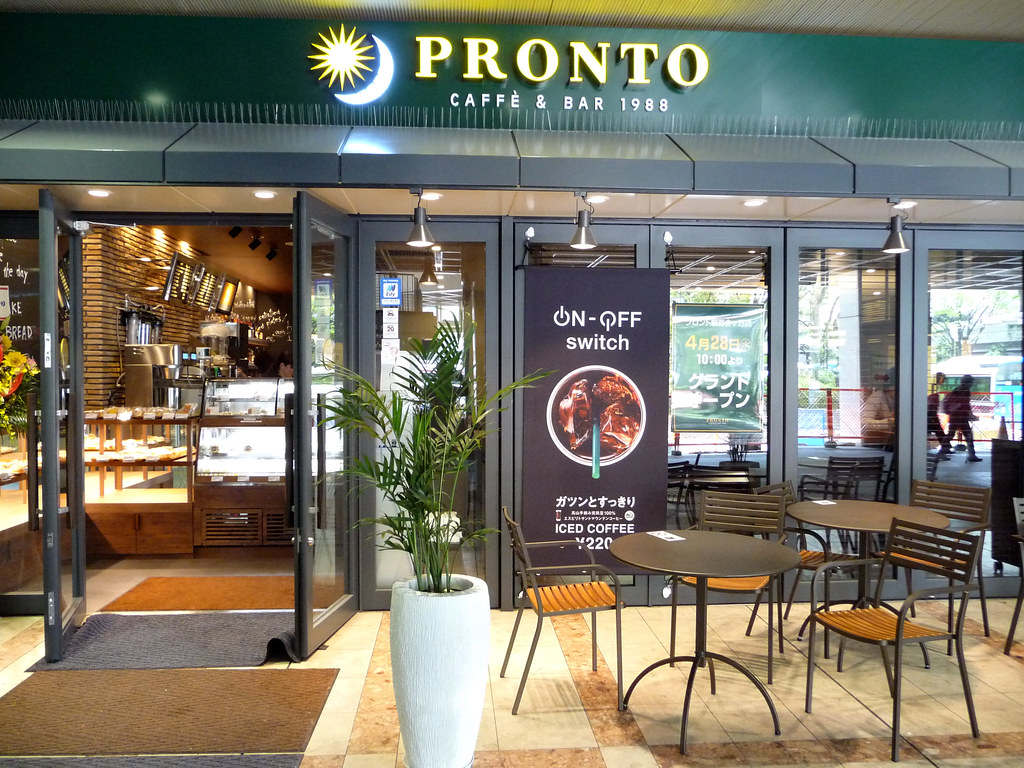
    Japanese-Italian cafe chain Pronto Caffe & Bar is opening in Singapore this week.

    Set to open on Thursday (June 13) at Capital Square, the outlet will serve breakfast sets, pastas, pizzas, desserts and coffee by day; and alcohol and bar food by night.

    The menu features a mixture of Japanese-influenced dishes, including Japanese Style of Pork and Spicy Greens, along with more traditional western fare, such as Eggplant with Bacon in Tomato Sauce pasta.

    Green tea beverages are available as well as coffee.

    First opened in 1988, and jointly owned by Suntory and UCC, Pronto now has more than 260 outlets in Japan.

    There are plans to open more outlets in Singapore next year.

  • Single-use cup consumption on the fall in South Korea

    Single-use cup consumption on the fall in South Korea

    Single-use cup consumption at Korean fast-food restaurants has plunged by 72 per cent.

    The changes have occurred in the year since establishments began to participate in a move initiated by the government to pull back plastics use.

    The Korean Ministry of Environment assessed 1000 outlets under 21 brands over the past year, of which 16 were coffee chains (including Starbucks) and five fast-food restaurants (including Lotteria and McDonald’s) all located in metropolitan Incheon and its environs.

    The findings showed that 81 per cent of the outlets served beverages in multi-use cups, reducing the stores’ reliance on disposable cups from 206 tons last July to 58 tons in April. All brands assessed offered discounts to customers bringing their own cups, and many replaced plastic drinking straws with other alternatives.

    “We can live without disposable products and they can be replaced,” said a ministry official. “It is inconvenient without them, but we have to make the effort.”

  • Starbucks China Reshuffles Management

    Starbucks China Reshuffles Management

    Starbucks China management has been restructured as the company gears up for a more intense focus on its digital business. From June 1, CEO Belinda Wong, becomes chairman and CEO of Starbucks China.

    Two distinct business units will be created – Starbucks Retail and Digital Ventures – the heads of which will report directly to the newly created office of the chairman and CEO, Starbucks China.

    Leo Tsoi has been appointed SVP, COO & president of Starbucks Retail and Molly Liu has been appointed VP & GM of Digital Ventures.

    Wong will oversee new business development in China and focus on long-term sustainable growth.

    “The new team structure is for the next phase of growth and managing resources to balance the short-term needs of the business and the long-term strategic priorities in China,” said Starbucks group president, international, channel development and global coffee and tea, John Culver.

    “While paying more attention to customers and partners, we will accelerate the pace of innovation to capture the new opportunities in the third-place experience and digital innovation,” he said.

    Wong has headed the China business since 2011 and under her leadership, the company has grown at a rate faster than any other of the brand’s global markets. Among her achievements were setting up the New Retail partnership with Alibaba, integrating the East China business in 2017 and creating the “Coffee Wonderland” experience with the Starbucks Reserve Roastery in Shanghai.

    After 20 years in China, the company has grown to 3800 stores in 165 cities, serving 9 million customers every week.

    “For 20 years, we have worked steadily to achieve a long-term and healthy development in China,” said Wong. “For the next chapter of growth, we will stay true to our mission, values and guiding principles. About 53,000 Starbucks partners in China will work together to continue our innovation ventures and bring our passion of coffee to our customers to enhance the third-place experience.

    “We will also support our partners in their professional development to realise their full potential and give back to the community where we live in. ‘In China, for China’, we will continue to fulfill our commitment in developing a long-term and healthy development in China, making Starbucks as a faster, stronger and more loving company,” she said.

  • Nespresso Improves subscription offering

    Nespresso Improves subscription offering

    Nespresso is increasing its marketing and communications around a new coffee pod subscription service in Australia, after a successful soft launch in early May.

    The move taps into the growing demand for convenience in everyday life, as consumers – conditioned by the Ubers and Netflixes of the world – expect more seamless transactions.

    “We all live busy lives…not having to make the same decision over and over is helpful,” Loic Rethore, Nespresso’s head of Oceania, told Inside Retail.

    Nespresso offers three subscription plans based on the number of coffee pods customers use per day. Those who use around one pod per day pay $50 to receive 60 pods every two months, and those who use two pods per day pay $50 to receive 60 pods every month. A third plan costs $75 for 90 pods per month for those who use around three pods per day.

    All plans include free delivery and a 10 per cent credit, so those who pay $50 every month actually receive $55 in credit that they can put towards coffee or accessories.

    The service was designed to be flexible and easy to cancel, since customers don’t want to feel ‘locked in’ to subscription programs, Rethore said. And while it currently is online only, customers will be able to subscribe to the plans in Nespresso boutiques in Q3.

    “We’re seeing a very nice uptake of the program, and we’re going to continue to ramp up the communications around it,” Rethore said

    This is the first time the company has offered coffee pod subscriptions – it offers subscriptions for machines – and depending on the uptake over the next few months, it will consider rolling out the service to other markets around the world.

    “We want to understand how it plays out, and what kind of uptake and additional sales we can expect from the coffee pod subscription service,” Rethore said.

    “We’re in the process of monitoring that now. We’ll be able to make forecast in a few months,” he said.

    Rethore noted that Nespresso often tests out new products and concepts in Australia.

    “Australia is very special in terms of markets for Nespresso. It’s considered a mature and adventurous market in terms of coffee consumption. They’re early adopters,” he said.

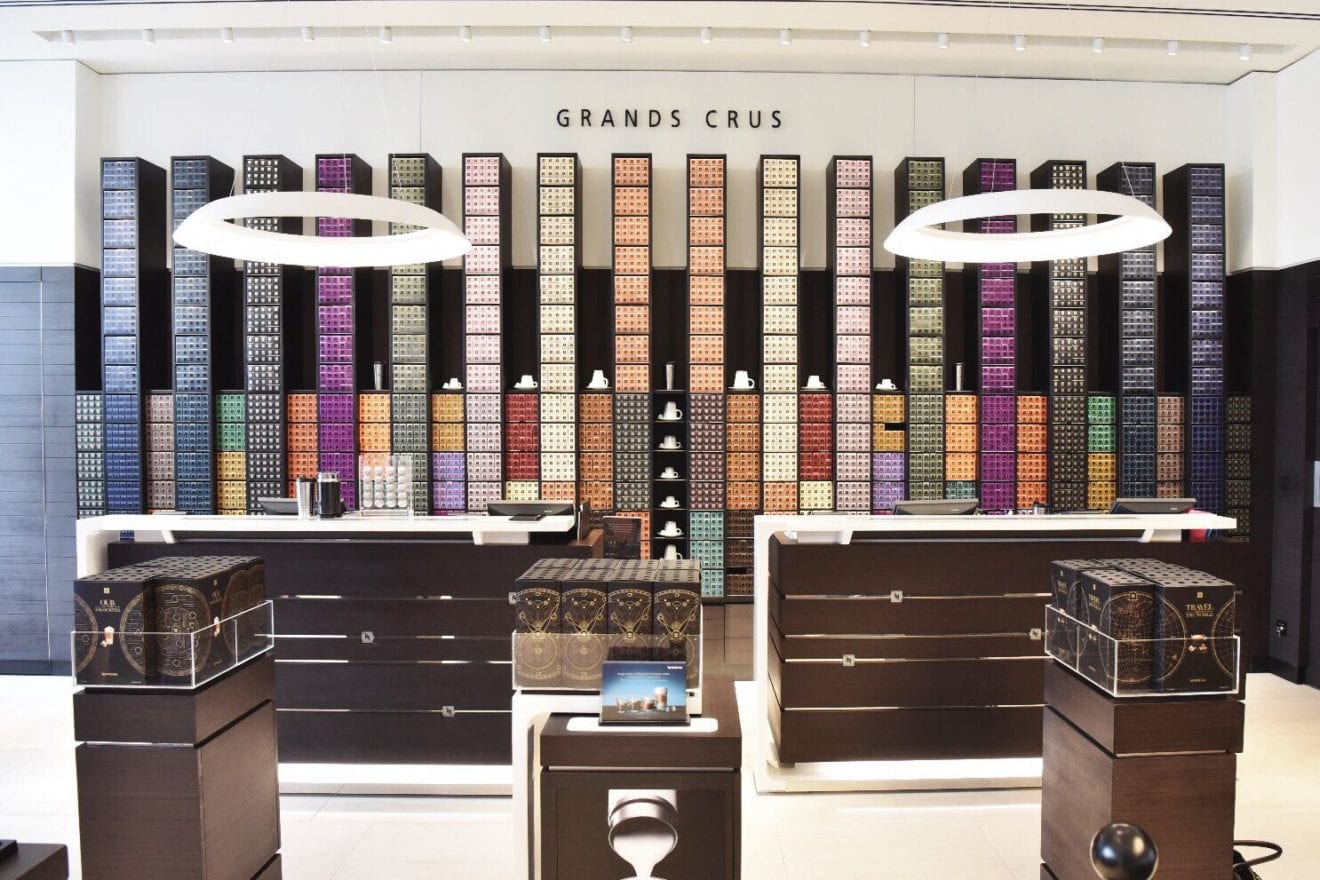
    The company recently has been rolling out a new store concept in Australia, which focuses on education and experience. Customers can learn about the origin of Nespresso coffee, the company’s sustainability efforts and other information in dedicated areas, and staff are equipped with tablets and can process orders anywhere in the store – similar to an Apple store.

    “It’s very pleasing to see that club members have reacted very well to this new concept. They’ve really embraced the new journey of storytelling,” Rethore said.

    Seven stores currently feature the new concept, and Nespresso will continue to shift existing stores to the new concept as they come up for renovation.

    “Overall, the business of the new stores is doing well,” Rethore said.

    One metric he cited was the customer response to the coffee master classes that Nespresso is offering in the new concept stores.

    “The master classes have been fully booked. We didn’t expect such a reaction. People are enjoying not only knowing more about our coffee, but also the experience.”

  • Starbucks launches Starbucks Now cashless in China

    Starbucks launches Starbucks Now cashless in China

    Starbucks China has launched its new mobile order & pay experience Starbucks Now to 300 selected stores in Beijing and Shanghai.

    The firm is planning to introduce this feature across China over the course of the next year.

    Starbucks Now allows customers to place an order in advance of their visit and pick up their beverage and food at a Starbucks store. The new feature is exclusively available to the cafe chain’s loyalty program members through the Starbucks China mobile app.

    “Starbucks Now represents a significant opportunity for Starbucks China to drive new innovative customer experiences,” said Starbucks China CEO Belinda Wong.

    “This builds on the latest of several digital initiatives in China, including Starbucks Delivers and locally relevant gifting and e-commerce experiences. We are excited to offer this special mobile order & pay service exclusively to our Starbucks Rewards members to provide convenience and speed to suit their on-the-go lifestyle and seamlessly integrate Starbucks into their daily lives.”

    The rollout of Starbucks Now builds on the digital capabilities and infrastructure of the recently introduced Starbucks Delivers program last year. Starbucks Now will provide customers in China a unique and convenient way to order, pay and pick up their favourite Starbucks beverage and food item without the wait.

    The service allows customers to choose a store location based on their GPS location to browse, customise a beverage, select a food offering, view order time, and pay – wherever they may be. Following confirmation of the order, baristas prepare each beverage and ensure the order is ready to hand to the customer when they arrive at the store.

    Starbucks Now is curated to enable customisation as part of the mobile order experience. Through the feature, customers can modify the beverage size, select the number of espresso shots and select their dairy preferences. In a first-ever mobile order feature for Starbucks, beverage options have been expanded to include: type of espresso shot, amount of whipped cream, and room for milk.

  • Starbucks China opens First Signing Coffee Store in Guangdong

    Starbucks China opens First Signing Coffee Store in Guangdong

    Starbucks China has opened its first Signing Store, staffed entirely by deaf or hearing-impaired people.

    The store is in Guangzhou, in Guangdong Province which is home to about 4 percent of China’s deaf population. It is Starbucks’ third Signing Store, following outlets in Washington DC and Malaysia.

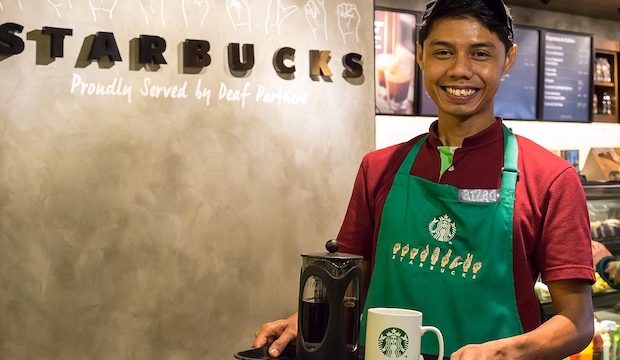
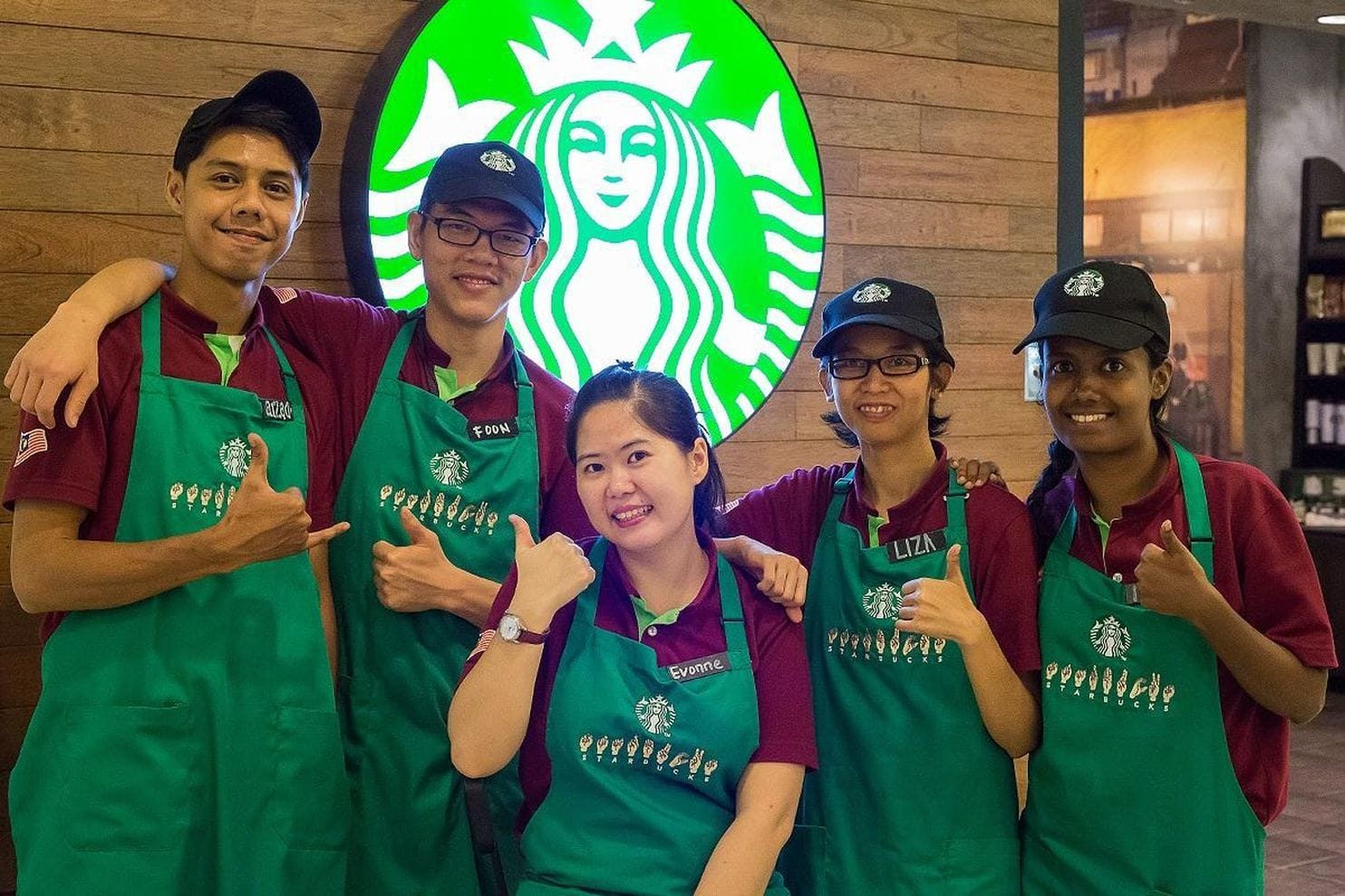
    Sign language symbols are printed on umbrellas in front of the store, and there are indicators throughout the store. Deaf baristas will wear aprons with the word “Starbucks” embroidered in sign language.

    The store is equipped with a customized ordering system. Customers and partners will be able to communicate using notepads and two-way digital displays. For customers new to sign language, there will be a dedicated area for customers to write down their orders on an electronic board and wireless vibrating pagers will notify customers when their orders are ready.

    The cafe also features exclusive artwork and unique merchandise designed by deaf artists.

    The initiative aims to offer employment and career-advancement opportunities for the deaf and hard-of-hearing community as well as “a welcoming hub for those passionate about improving accessibility and experiences for all”. It is located near the Guangdong Disabled Association and Guangdong Deaf People Association.

    “Starbucks is committed to creating equal opportunities for everyone, as well as a unique third-place experience that addresses a wide range of community needs,” said Belinda Wong, CEO of Starbucks China. “The new Signing Store is an example of how we are building inclusive environments and careers for our partners.”

    Store staff, who have been recruited from across China, are fluent in Chinese sign language.

    To create an inclusive environment and encourage customers to learn more about the deaf community, the store will also offer sign-language lessons and coffee workshops in sign language.

    “The Guangdong Deaf People Association is proud to partner with Starbucks to provide training and opportunities for the deaf and hard of hearing community,” said Yitao Fan, vice chairman, China’s Deaf People Association and president of Guangdong Deaf People Association. “Thanks to Starbucks, deaf partners are empowered to develop their careers in a vibrant and supportive environment, while the store provides a strong platform to drive societal awareness around deaf culture and the needs of the community.”

  • Starbucks China opens Signing Coffee Store in Guangdong

    Starbucks China opens Signing Coffee Store in Guangdong

    Starbucks China has opened its first Signing Store, staffed entirely by deaf or hearing-impaired people.

    The store is in Guangzhou, in Guangdong Province which is home to about 4 percent of China’s deaf population. It is Starbucks’ third Signing Store, following outlets in Washington DC and Malaysia.

    Sign language symbols are printed on umbrellas in front of the store, and there are indicators throughout the store. Deaf baristas will wear aprons with the word “Starbucks” embroidered in sign language. The store is equipped with a customized ordering system. Customers and partners will be able to communicate using notepads and two-way digital displays. For customers new to sign language, there will be a dedicated area for customers to write down their orders on an electronic board and wireless vibrating pagers will notify customers when their orders are ready.

    The cafe also features exclusive artwork and unique merchandise designed by deaf artists.

    The initiative aims to offer employment and career-advancement opportunities for the deaf and hard-of-hearing community as well as “a welcoming hub for those passionate about improving accessibility and experiences for all”. It is located near the Guangdong Disabled Association and Guangdong Deaf People Association.

    “Starbucks is committed to creating equal opportunities for everyone, as well as a unique third-place experience that addresses a wide range of community needs,” said Belinda Wong, CEO of Starbucks China. “The new Signing Store is an example of how we are building inclusive environments and careers for our partners.”

    Store staff, who have been recruited from across China, are fluent in Chinese sign language.

    To create an inclusive environment and encourage customers to learn more about the deaf community, the store will also offer sign-language lessons and coffee workshops in sign language.

    “The Guangdong Deaf People Association is proud to partner with Starbucks to provide training and opportunities for the deaf and hard of hearing community,” said Yitao Fan, vice chairman, China’s Deaf People Association and president of Guangdong Deaf People Association. “Thanks to Starbucks, deaf partners are empowered to develop their careers in a vibrant and supportive environment, while the store provides a strong platform to drive societal awareness around deaf culture and the needs of the community.”

  • Kerry Logistics Extends into Coffee Trading and Distribution

    Kerry Logistics Extends into Coffee Trading and Distribution

    Kerry Logistics Network Limited (‘Kerry Logistics’; Stock Code 0636.HK) announced the establishment of Kerry Coffee (Hong Kong) Limited (‘Kerry Coffee’) to extend its business into the trading of coffee and related products, as well as to further deepen its partnership with Italian coffee group illycaffè.

    Kerry Coffee will be the sole distributor of illycaffè’s complete product range in Hong Kong and Macau, including the iperEspresso coffee machines, capsules, coffee beans, and other coffee-making equipment and accessories.

    Kerry Logistics has been enjoying a partnership with illycaffè since 2017, providing total integrated logistics solutions for illycaffè and acting as the sole distributor of iperEspresso coffee machines and capsules in Hong Kong.

    The launch of Kerry Coffee will consolidate illycaffè’s entire product selection under one operator in Hong Kong to facilitate brand building and market penetration.

    It will also mark the expansion of Kerry Logistics’ food services business to capitalise on the growing coffee culture in the territory.

    Robert Berger, Executive Director – Fashion & Lifestyle of Kerry Logistics (Hong Kong), said, “We are thrilled to take our collaboration with illycaffè a step further.

    “The establishment of Kerry Coffee and the consolidation of illycaffè’s full product range under the new company will enhance the cost-efficiency of the sales and distribution operation, and enable illycaffè to increase its market share and brand recognition in Hong Kong and Macau.

    “The development also enriches Kerry Logistics’ food services business and allows greater product diversification to serve HORECA and club customers in Hong Kong and Macau.”

    Embodying the distinctive coffee culture in Italy, illycaffè is one of the world’s most global coffee brands.

    Kerry Coffee will provide total logistics solutions, sales, and marketing to ride on the flourishing coffee culture in Hong Kong and Macau, solidify the market position of the illy brand and establish Kerry Coffee as a major player in the coffee market.

  • Dome Cafe Singapore Closing Doors

    Dome Cafe Singapore Closing Doors

    The last Dome Cafe Singapore cafe is to close next month. The Australian casual-bistro concept which specializes in light meals and coffee will exit Singapore after 20 years on June 23 when the last outlet, at Parkway Parade, shuts its doors.

    Opened in 1993, under a Singaporean joint venture called Dome Holding, it was one of the first cafes serving specialty coffee on the island.

    A second outlet opened five months later, and by 1996, there were five Dome Singapore cafes.

    In the same year, Suntec Investment acquired a 51 percent stake in Dome Holding, forming Suntec Dome Holding and by 2009 the chain had grown to 10.

    “The food and beverage scene has evolved tremendously since the first Dome Cafe opened in Singapore more than 20 years ago,” said Rebecca Lim, Suntec F&B Holdings MD in a statement.

    “As a group, we have to progress with the times to stay relevant in this competitive industry. We will be channeling our resources to concepts that are aligned with the interests and welfare of the customers we serve.”

    Dome Cafe has more than 100 outlets internationally.

  • Hydro Flask Starts in Hong Kong

    Hydro Flask Starts in Hong Kong

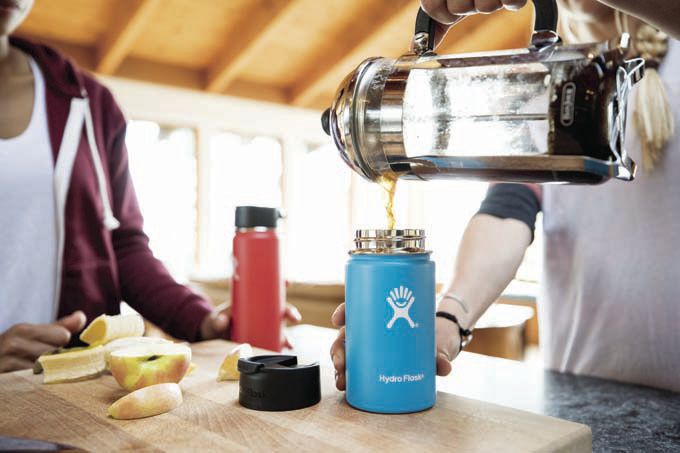
    Hydro Flask, the US brand of high-performance, insulated stainless-steel flasks targeting the outdoors market, has launched in Hong Kong.

    From this month, Hydro Flask products are being sold by Hong Kong retailers through an expansion of the company’s partnership with the Primer Group. Products will be stocked through outdoor and sporting goods retailers, lifestyle stores, travel retailers and gourmet grocers.

    “We’re excited to expand our strong relationship with Primer to bring Hydro Flask to Hong Kong. It’s a key part of our global expansion and influences markets beyond Asia,” said Mike Wallenfels, VP of global sales at Hydro Flask.

    The brand’s launch is timely as growing numbers of Asian consumers are purchasing reusable containers in preference to single-use plastic and paper cups, for environmental reasons.

    The company produces containers suited to cold drinks, coffee, beer, wine and food, along with backpacks, casual clothing and accessories.

    Hydro Flask is a subsidiary of listed company Helen of Troy Limited.

  • Blue Bottle Coffee Taking Off in Seoul

    Blue Bottle Coffee Taking Off in Seoul

    The first South Korean cafe for Blue Bottle Coffee has launched today.

    The brand’s 14,000sqft headquarters in Seoul includes a roastery and training lab, which is open for public tours, classes, and tastings. Blue Bottle will open a second cafe in Seoul later in the second quarter and has plans for more by the end of the year.

    South Korea is the second international market for the company, which opened its first Tokyo cafe in 2015, inspired by the hospitality of traditional Japanese kissaten (coffee house) culture.

    “Every time we visit Korea, we are deeply honored by the enthusiasm and love for our brand,” said Blue Bottle Coffee CEO Bryan Meehan. “Our Instagram account has more followers in Seoul than any other city in the world. South Korean guests have travelled thousands of miles to meet us in the US and Japan. Finally, we are bringing Blue Bottle to our loyal Korean guests.”

    The industrial, red-brick building that Blue Bottle Korea has launched in is located in the Seongsu neighbourhood, often referred to as the “Brooklyn” of Seoul. The space, designed by Jo Nagasaka of Schemata Architects, displays the brand’s signature emphasis on natural light and warm minimalist design.

    Featuring an open atrium with glass separating the first and second floors, the building offers a transparent view from street level into Blue Bottle’s roastery. Guests may descend a staircase into the intimate below-ground cafe featuring classic walnut chairs and tables.

    Seongsu is situated next to the idyllic Seoul Forest, an urban green space frequented by families of all generations.

    Blue Bottle sees huge potential for growth in the Korean coffee market, which is quickly emerging as an international destination for specialty coffee. Koreans consume more than 25 billion cups of coffee per year, and more than half of the world’s Q-graders – coffee specialists licensed to purchase premium green coffee beans – live in South Korea.

    With more than 18,000 coffee shops already trading in Seoul alone, Blue Bottle Coffee has entered a highly competitive market. It intends to differentiate itself by quality and sustainable practices, bringing expressive blends and rare single origins sourced through direct trade to the country.

  • Starbucks sales surge despite China Growth

    Starbucks sales surge despite China Growth

    Starbucks sales growth has surpassed expectations with a glowing earnings report released yesterday that revealed strong performance in cafes across the US and China.

    “We are especially pleased with our comparable-store sales growth in our two lead markets, the US and China,” said Starbucks CEO Kevin Johnson, “where we are also continuing to drive strong new store development with industry-leading returns.”

    The firm reported a second-quarter net income of US$663.2 million, up from $660.1 million for the same period last year.

    “While much of the beverage comp-sales growth was driven by ticket, close to half of the ticket growth was from beverage mix and match,” said company CFO Pat Grismer, “demonstrating that our higher margin premium offerings resonated with customers and customers bought more beverages per transaction.”

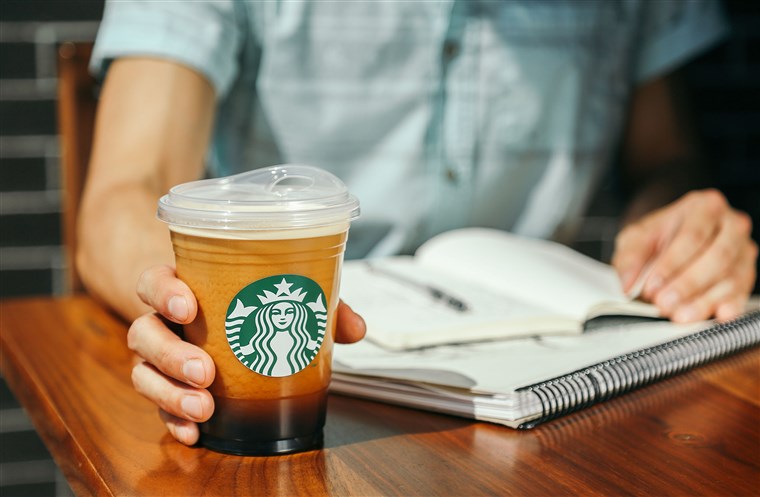
    The release of Starbucks’ Cloud Macchiato last month, with promotional support from singer Ariana Grande, contributed to the results with “the second-most viral Starbucks campaign ever” according to Johnson. The success accords with the firm’s strategy to build on the cold-drinks business while focussing less on limited-time offerings and Frappucinos.

    The popularity of the chain’s cold drinks, along with improvements in store, saw US sales grow 4 per cent in stores opened for at least one year.

    Same store year-on-year sales grew 3 per cent in China, where the firm is facing a serious challenge from motivated competitor Luckin Coffee. “This performance is especially noteworthy when you consider the intensity of competition from discounting in China, as well as our aggressive pace of new store development,” said Johnson.

    Transactions have decreased by 1 per cent in China, most likely as a result of increased competition, which has recently forced Starbucks to introduce a fast-delivery service in partnership with Alibaba. The firm has also seen significant growth in its loyalty program, Starbucks Rewards.

    Starbucks surpassed 30,000 outlets worldwide in the second quarter, with 94 per cent of new openings occurring outside the US. A further 2100 new stores are planned for launch before the end of the current fiscal year, nearly 600 of those in China.