Tag: coffee

  • China’s Luckin Coffee Looking at The USA

    China’s Luckin Coffee Looking at The USA

    China’s Luckin Coffee has filed for a US IPO seeking to raise up to US$800 million.

    For the time being, the IPO is officially indicated by a $100 million placeholder figure, however knowledgeable sources have disclosed the actual amount sought may be more than $500 million and up to $800 million, with the company’s valuation estimated at $4–5 billion, far higher than has been reflected in previous statements.

    Within the last few weeks the company secured a further $150 million in equity funding, ahead of the IPO.

    If the public listing is successful, it will make the Beijing-based cafe chain the largest US IPO by a Chinese company so far this year.

    China’s Luckin Coffee has undergone “expansion on steroids” in an effort to displace Starbucks as the biggest operator in the nation. This year, the firm plans to more than double its current network of 2370 stores, despite still operating at a loss following the ambitious growth spurt.

    Luckin’s net loss to shareholders was $475.4 million last year against a total revenue of $125.27 million. However the firm insists the future is bright – a prospectus released by China’s Luckin Coffee suggests that coffee consumption in China will rise to 15.5 billion cups by 2023 compared with the 8.7 billion cups consumed last year.

    “The big question for the brand long term is if, when it rolls back discounts, enough customers stick around,” said Shanghai-based principal at China Market Research Group Ben Cavender. “But the company has completely rewritten the rules for the coffee business in China and has impacted Starbucks as well as a host of smaller players.”

  • Starbucks opens its largest store in Singapore

    Starbucks opens its largest store in Singapore

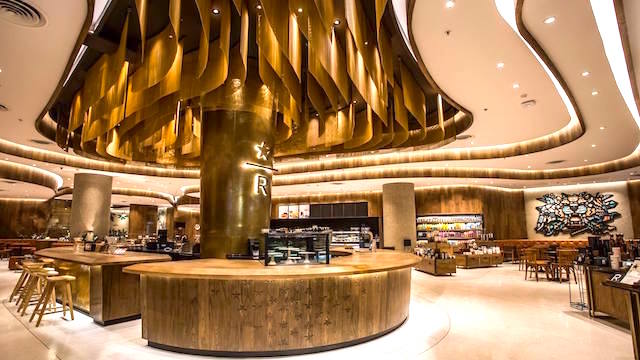
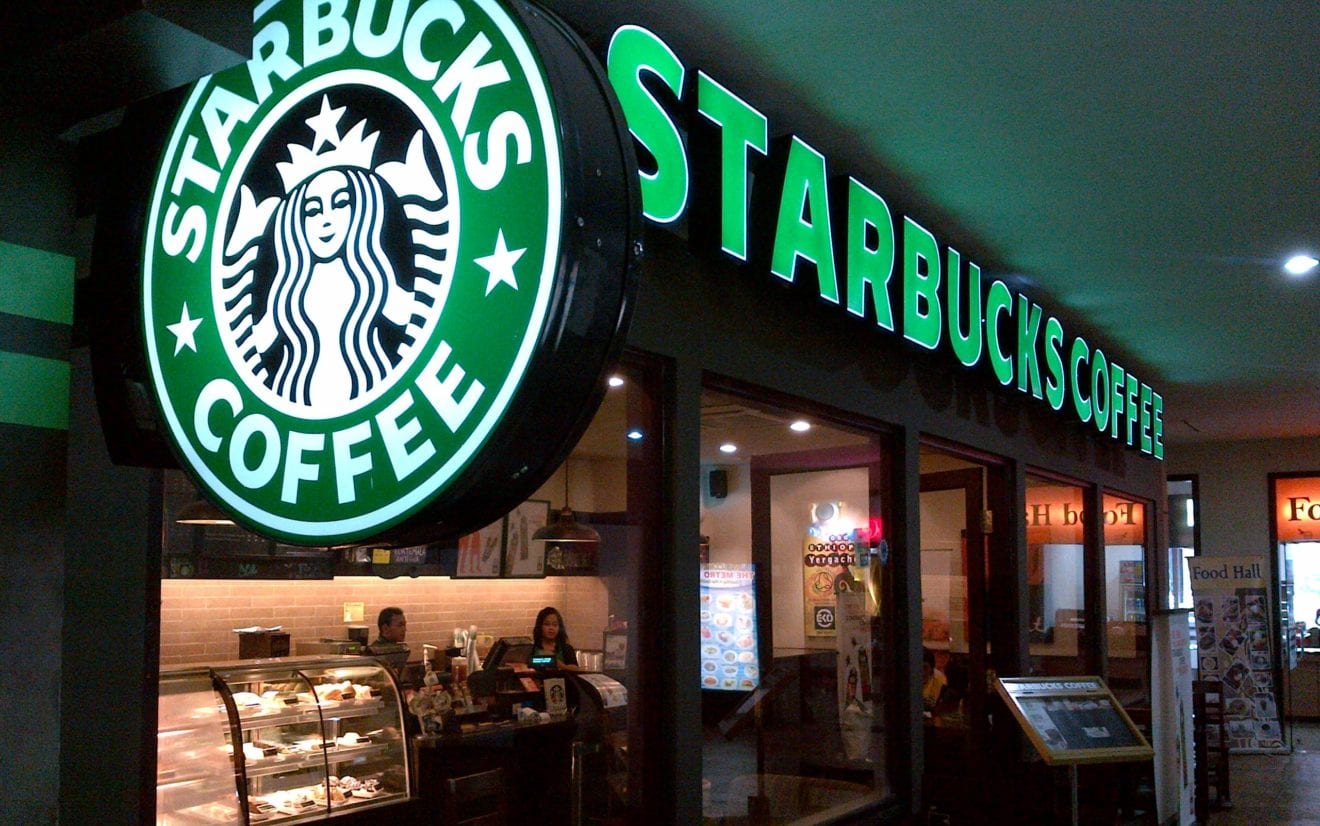
    Starbucks Singapore has opened its largest store yet.

    Operating in Jewel Changi, the two-storey flagship store will serve a mix of quality coffee experiences and localised offerings.

    Upon entry, visitors are greeted by a layered wooden storefront, inspired by the textures of coffee-farm landscapes. At the front and centre of the store stands a sprawling coffee bar shaped like a coffee bean. It is designed with cross-sectional honeycomb patterns carved on the wooden material for added texture.

    “Our Starbucks Jewel flagship store brings to life our vision for the Starbucks brand in Singapore – with the depth of our coffee expertise, our strength in store design and experience, and our pipeline of meaningful product innovations to elevate the customer experience – this is the epitome of our coffee leadership in Singapore,” said Starbucks Singapore GM Patrick Kwok.

    Beyond the exclusive local menu at the flagship, the space pays tribute to the whole coffee journey in the duplex’s lush indoor landscaping, polished interiors and artisanal woodwork. The bar features the VA388 Black Eagle Espresso Machine – a familiar sight at the World Barista Championships – which allows the barista full control over the consistency and precision in every aspect of a coffee, from bean ratio to brewing time and water temperature.

    To reinforce the local touch to the menu, Starbucks Singapore has also partnered with homegrown ice-cream parlour Udders. Dessert fans can take their pick from a series of coffees paired with ice cream, including a classic affogato.

  • China’s Coffee Consumption Keeps Growing

    China’s Coffee Consumption Keeps Growing

    China’s coffee craze has gained pace with the growth rate in consumption on premise 25 per cent higher last year.

    According to research from Mintel, China’s on-premise coffee market value reached RMB64.7 billion (US$9.6 billion) last year, up 7.5 per cent on the year prior, when the growth rate was 6 per cent. It is predicting growth to resume to 6 per cent annually from this year until 2023.

    However, while sales by value are thriving, Mintel estimates that the number of on-premise coffee house outlets shrank by 2 per cent as fewer new stores opened than closed. But that is half the decline of a year earlier.

    “Like many industries across China, the on-premise coffee market is not immune to the influence of New Retail,” said Belle Wang, associate food and drink research analyst at Mintel.

    “The quick expansion of New Retail coffee businesses across the country has stimulated more coffee consumption among consumers, resulting in strong sales volume. With the growing momentum of New Retail coffee shops, and an increasing number of international and domestic brands entering the market, consumers today have more options when it comes to coffee. As such, the industry will see positive growth rates over the next two years.

    “However, this growth will slow down, largely due to Chinese consumers’ traditional behaviour of drinking tea and the country’s thriving tea shops,” said Wang.

    Mintel expects positive volume growth in the next two years, at 0.6 per cent from last year to this year and a further 1.2 per cent between this year and next, to reach an estimated 74,000 coffee houses by 2020.

    Convenience versus traditional

    When it comes to choosing where to get their caffeine fix, more Chinese consumers today are purchasing coffee from convenience stores than traditional coffee house chains. Mintel’s research reveals that 52 per cent of Chinese consumers (survey sample of 3000) buy coffee at convenience stores compared to just 44 per cent who purchase it from a traditional coffee-house chain.

    About 23 per cent of consumers who drink on-premise coffee at least once a month have done so at new retail coffee houses.

    “Our research shows that more on-premise coffee users get their coffee from convenience stores than from traditional chain coffee houses. This is perhaps due to Chinese consumers associating convenience stores with a full range of breakfast options. Convenience stores are also viewed as easily accessible and more affordable. Given this upward trend, other coffee vendors could introduce unique features, like providing various food and coffee pairings, in order to compete,” said Wang.

    “While New Retail coffee is experiencing a lot of growth at the moment, consumer engagement remains low – partially because they are still relatively new. However, there is an opportunity for New Retail coffee houses to catch up in terms of popularity by offering aggressive discounts and delivery service.”

    That said, big discounts alone will not be sufficient, as discounting is neither the best nor a sustainable strategy for a long-term business plan. There needs to be other merits such as offering healthy mix-and-match meal deals,” Belle added.

    Latte the top choice

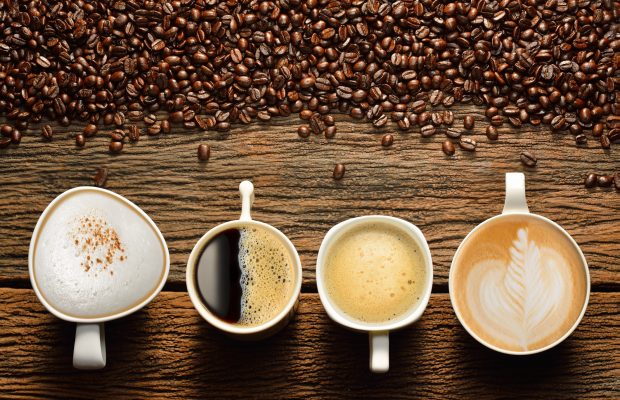
    Mintel’s research reveals the favourite coffee beverages consumed in China’s coffee craze. More than half of on-premise coffee consumers order lattes (54 per cent) or cappuccinos (52 per cent). These are followed by mocha (45 per cent), Americano (38 per cent), flavoured coffee (36 per cent), espresso (26 per cent) and cold-brew coffee (23 per cent).

    A relatively new concept in China’s coffee craze is coffee mixed with plant-protein milk, with 22 per cent of on-premise coffee consumers ordering it.

    “Lattes and cappuccinos are the most popular drinks in coffee houses as they are generally very palatable due to their creamy texture and rich dairy flavour. Furthermore, as they are usually widely available, they are often a first step into coffee appreciation,” said Wang.

    “Once consumers fully appreciate these basic beverages, they are more likely to try non-milk based drinks, like an Americano or cold brew coffee. However, only offering basic coffee selections makes it difficult to stand out in the homogenous coffee marketplace and attract more coffee consumers.

    “As such, coffee houses can take inspiration from tea shop drinks by making their offerings more visually appealing and ‘instagramable’ in order to draw attention and pique consumer interest,” Belle concluded.
  • Cuckoo clock inspires Vietnam cafe

    Cuckoo clock inspires Vietnam cafe

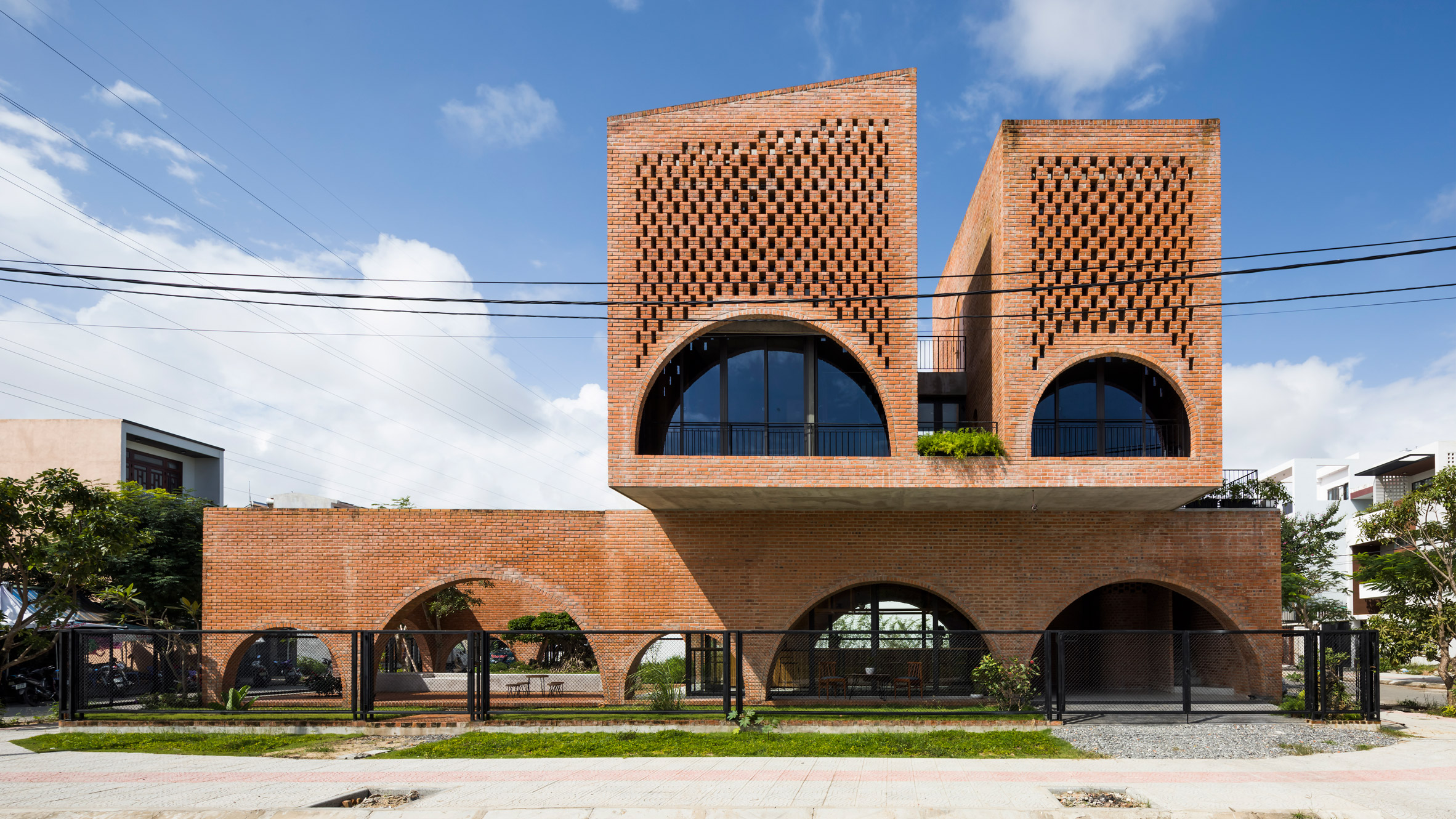
    Design firm Tropical Space has built a coffee shop inspired by a cuckoo clock in Vietnamese seaside city Da Nang.

    The design, featured by Dezeen, features a brick structure with a house perched on top, with the coffee shop forming a single-storey base and the house extending out over the garden area. The local clay brick base is inset with vaulting arches surrounding a large courtyard and the glass-walled shop area.

    “Habits mean most people’s daily lives usually take place in functional spaces,” said the firm’s architects. “We have detached the walls that define these spaces to offer buffer space, urging people to leave their rooms and join together.”

    The house area, divided into three distinct blocks, feature spaces that can be closed off by small cuckoo clock-style wooden doors.

    The shells of perforated brickwork create cool, shaded spaces that admit natural light, and reflect other designs by the firm built in the region.

  • Zarraffa’s Coffee Open Two New Shops

    Zarraffa’s Coffee Open Two New Shops

    Coffee chain Zarraffa’s Coffee will open two new stores this month, one in Clarkson, WA, and the other in Bankstown, NSW.

    The chain’s Clarkson store, which will be the retailer’s first purpose-built location in the Perth area, will feature a comfortable in-store environment and a full-service drive through.

    Zarraffa’s new drive through brings the total to six in Western Australia, with the other five stores located in various suburbs across Perth, including Ellenbrook, Canning Vale, Currambine, Peppermint Grove and in Kalgoorlie.

    “The Clarkson store typifies what Zarraffa’s customers experience on the East Coast where the brand has been built steadily since 1996,” said founder and managing director Kenton Campbell.

    The Bankstown store will be the retailer’s fourth store under the NSW area developer arrangement, Zarraffa announced.

    The retailer said more stores have been proposed this year for the company.

    “We are not interested in growth for growth’s sake,” Campbell said.

    “Zarraffa’s has built its reputation on creating small business opportunities, through specialised training, operational consistency and great products and service – year on year.”

  • RFG back to square one in asset sale process

    RFG back to square one in asset sale process

    Retail Food Group on Tuesday said sale talks with a potential buyer of its Donut King, Pizza Capers and Crust businesses have ended in disappointment, following months of negotiations.

    The deal fell through after the two parties failed to reach a formal binding agreement on terms that the board considered to be in the best interests of the company as a whole, RFG said in a statement.

    “Our Donut King and QSR brands [Pizza Capers and Crust] continue to provide solid earnings contributing to the company’s underlying profit,” Peter George, executive chairman of RFG, said.

    “The potential sale of any of these assets must be at a price not only acceptable to our board but in the best interests of our shareholders.”

    The franchisor, which operates Gloria Jean’s Coffees, Brumby’s Bakeries, Donut King, Michel’s Patisserie, Di Bella Coffee, The Coffee Guy, Café2U, Pizza Capers and Crust, had been pursuing an asset sale to help pay down its net debt of roughly $258.9 million, after restructuring costs and write-downs wiped out its declining profit in the first half of FY19.

    An RFG spokesperson said the failure to sell its Donut King and QSR brands will not impact the company’s recent agreement with NAB and Westpac to reset its financial covenants and waive a review of the business.

    The company continues to work closely with its lenders and maintains their support, the spokesperson said.

    The RFG board is investigating a range of other options to pay down its debt, including equity, other debt funding options and potential asset sales, and will update the market of any definitive option being reached.

    In response to a report that the Australian Securities and Investments Commission is “keeping an eye” on the franchisor, particularly around big announcements, the RFG board said it has not been made aware of any current investigations.

    A spokesperson for ASIC told that “ASIC supervises the market, so we monitor all share trading”.

  • Soul Origin offers free toast

    Soul Origin offers free toast

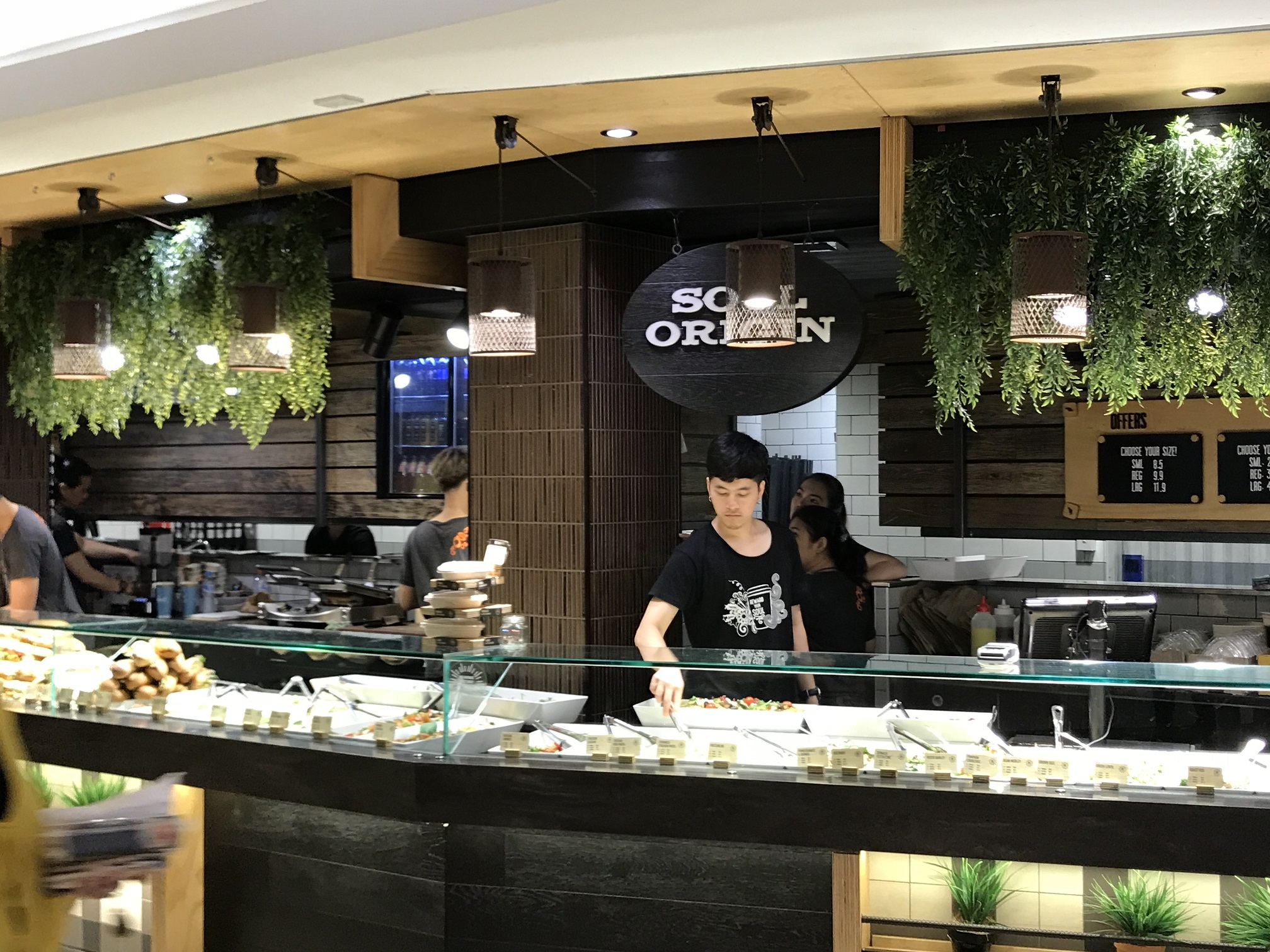
    Cafe chain Soul Origin is giving away a free slice of Vegemite toast with any coffee purchase on Wednesday, after an imprompt national debate broke out yesterday over the correct amount of Vegemite on a slice of toast.

    The debate started when a customer took issue with the scant serving of Vegemite on their toast and posted an image to the Breakfast sub-Reddit page, calling the Soul Origin cafe in the Domestic Terminal of Sydney Airport that served it to them “un-Australian”.

    The image was widely shared across social media, where thousands of Vegemite fans and haters weighed in.

    “I’m fairly sure that’s illegal in Australia,” one Redditor commented on the original photo, while another noted, “I hate the stuff and even I know that isn’t quite enough.”

    On the other side of the fence, some pushed for the option to throw the toast in the bin and replace it with peanut butter instead.

    Soul Origin chief executive Chris Mavris took the frenzy in stride. He released a statement Tuesday afternoon announcing customers would receive a free slice of Vegemite toast with any coffee purchase on Wednesday, and encouraging customers to tell their local cafe exactly how they like it.

    “There’s nothing more Australian than Vegemite on toast but it’s no secret that everyone has their own personal way of enjoying this national delicacy,” Mavris said.

  • Vietnam’s Q1 coffee exports down 15.3 percent on-year

    Vietnam’s Q1 coffee exports down 15.3 percent on-year

    Vietnam’s coffee exports in Q1 are expected to fall 15.3 percent from a year earlier to 477,000 tonnes, government data showed Friday.

    Coffee

    Coffee exports from Vietnam will likely fall an estimated 15.3 percent in the first quarter of this year from a year earlier to 477,000 tonnes, equal to 7.95 million 60-kg bags, the General Statistics Office said in a report on Friday.

    Coffee export revenue for Vietnam, the world’s biggest producer of the robusta bean, will likely decline 23.8 percent to $830 million in the three-month period, the report said.

    The country’s coffee shipments in March are estimated at 160,000 tonnes valued at $278 million, it said.

    Rice

    Rice exports in the first quarter from Vietnam were forecast to fall 11.5 percent from a year earlier to 1.31 million tonnes.

    Revenue from rice exports in the period was expected to drop 23.6 percent to $567 million.

    March rice exports from Vietnam, the world’s third-largest shipper of the grain, totalled 600,000 tonnes, worth $256 million.

    Energy

    Vietnam’s first-quarter crude oil exports were seen rising 7.7 percent from the same period last year to an estimated 1.07 million tonnes.

    Crude oil export revenue in January to March is expected to fall 3.5 percent to $507 million.

    Oil product imports in the first quarter were estimated at 2.0 million tonnes, falling 42.6 percent from the same period last year, while the value of product imports fell 47.6 percent to $1.17 billion.

    Vietnam’s January to March liquefied petroleum gas imports were seen falling 7.9 percent from a year earlier to 349,000 tonnes.

  • Vietnamese Coffee farmers can reduce carbon emissions by diversifyingproduction

    Vietnamese Coffee farmers can reduce carbon emissions by diversifyingproduction

    Coffee farmers in Vietnam, the second biggest producer of coffee in the world, can reduce their carbon (CO2) footprint by growing different plant species alongside coffee. These are the findings of a new report titled Source or sink? The carbon footprint of Vietnam robusta coffee from the Initiative for Sustainable Landscapes (ISLA) program by IDH, The Sustainable Trade Initiative, compiled by Agri-Logic, and based on the work of coffee traders JDE Coffee, Lavazza, Olam and Acom.

    Together with improved fertilizer and water use, this diversification could significantly reduce the impact of coffee production on climate change. Farmers can also broaden the range of income sources available to them, increasing their climate resilience.

    The findings come amidst reports that severe droughts in Vietnam could considerably reduce this year’s coffee output.

    Daan Wensing, Director of Global Landscapes at IDH, said:

    “Climate change is a threat that requires urgently rethinking the farming systems in which coffee is produced. This research brings hope that communities and coffee farmers can become more climate-resilient, and our coffee more sustainable. Together with more efficient fertilizer and water use, diversification can be at the forefront of efforts to make coffee production carbon positive.”

    Coffee production has a huge economic benefit for the Central Highlands region of Vietnam, where 95% of its coffee is produced. At the same time, it is a source of carbon emissions through significant use of fertilizer, water and energy.

    The report found that monocrop coffee farms are net sources of carbon, releasing 0.37 metric tons of CO2 from the atmosphere per year per metric ton of coffee produced.

    Conversely, diversified coffee farms are carbon sinks, removing 0.16 metric tons of CO2 from the atmosphere per year per metric ton of coffee produced. Growing pepper, durian, avocado and other crops alongside coffee creates more biomass, sequestering more CO2 than is generated through production.

    Of the small number of monocrop farms that did sequester CO2, more efficient use of fertilizer (the leading driver of carbon emissions in coffee farming) was found to be the reason.

    The research spanned two years and analysed the carbon footprint of robusta coffee production on 300 farms in the Central Highlands provinces of Lam Dong and Dak Lak.

    Through the Initiative Sustainable Landscapes (ISLA) in Vietnam, IDH works with local and national governments, private companies and smallholder farmers to support coffee producers in the Central Highlands in reducing their carbon footprint, maximize water and fertilizer use and to adapt to climate change. Daan Wensing concluded:

    “Diversification is a growing concept in Vietnam. As more farmers adopt this and other agroforestry methods, the number of farms that serve as carbon sinks will grow, becoming crucial drivers of both climate mitigation and resilience.”

  • French coffee chain Malongo Looking at Southeast Asia

    French coffee chain Malongo Looking at Southeast Asia

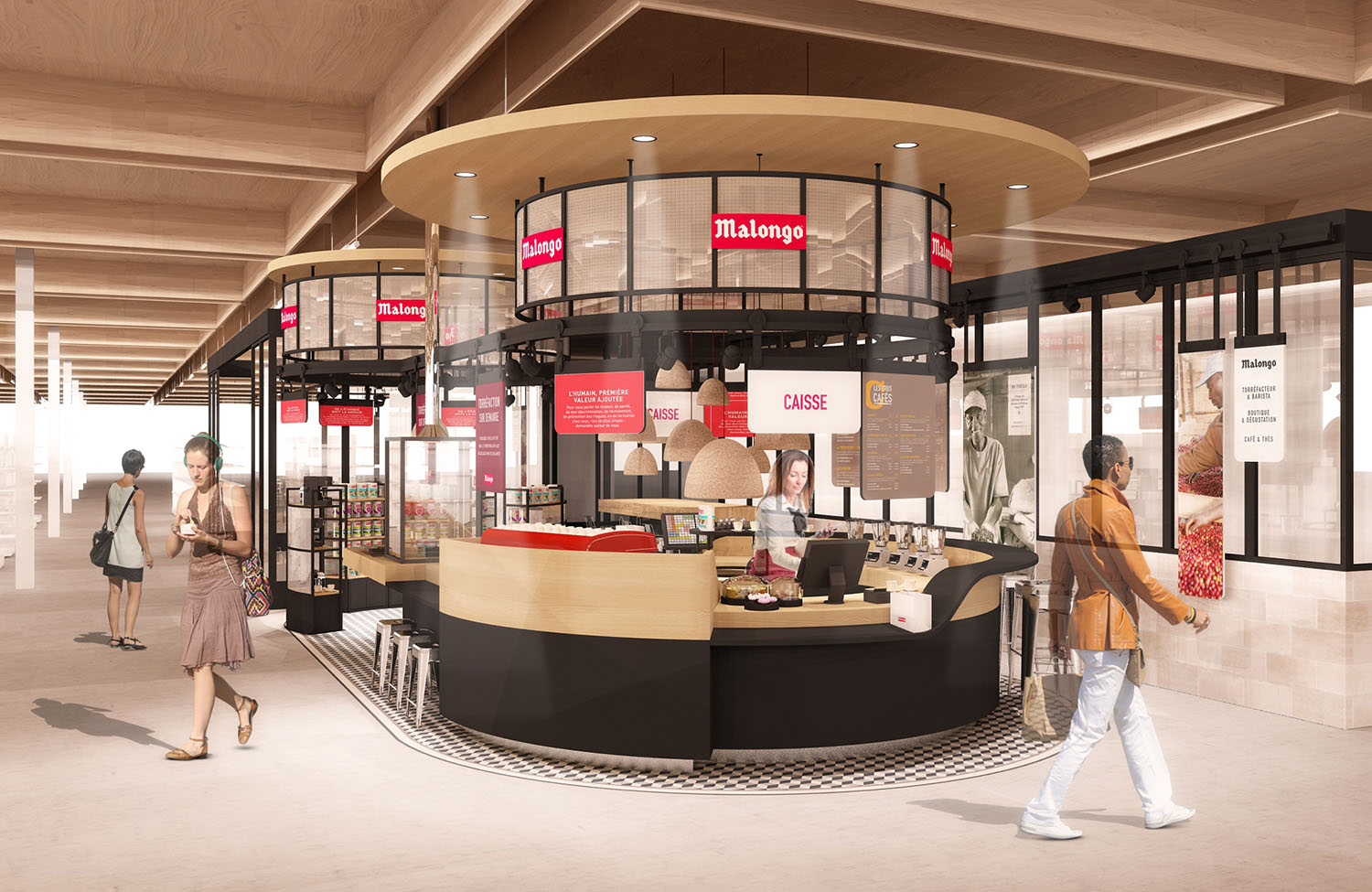
    French coffee shop chain Malongo is expanding into Southeast Asia.

    After the successful opening of two outlets in the Philippines last year, the organic-coffee company is eyeing more stores in the region, targeting Vietnam, Thailand, Indonesia and Singapore.

    Malongo is seeking investors interested in growing the brand’s presence in their local market via a licensing model. The new stores will be based on the outlets opened in the Philippines.

    Located at One Bonifacio in BGC, the first Philippine store features a French-heritage led design, serves coffee sourced from multiple countries, and promises a commitment to eco-consciousness.

    Roasters since 1934, Malongo is a family-run firm. More than half of Malongo’s coffees and all of its teas hold organic AB certification, including a guarantee that no fertilisers or pesticides are used in farming.

  • Tealive parent Loob Holding eyes on IPO

    Tealive parent Loob Holding eyes on IPO

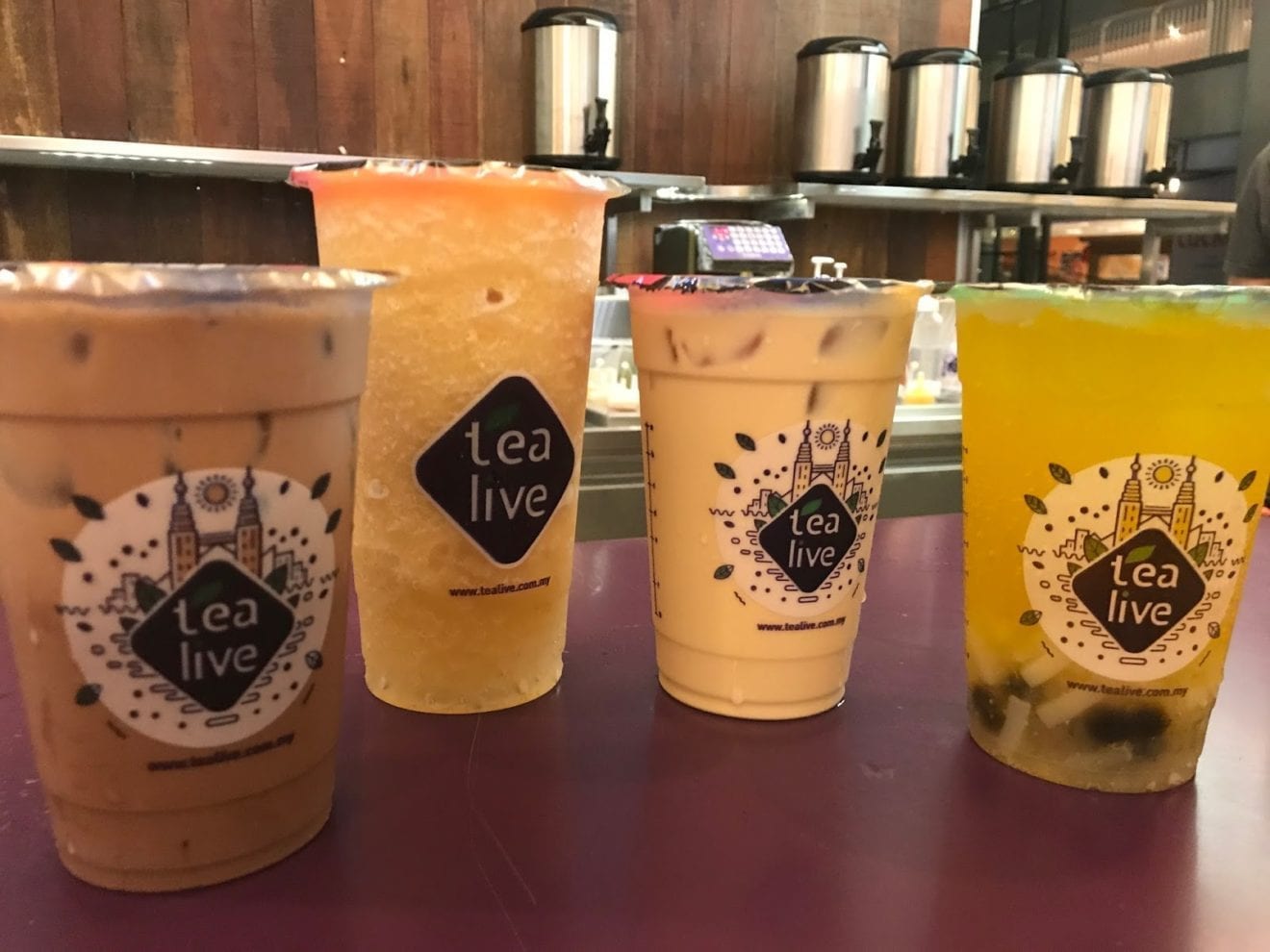
    Tealive parent Loob Holding, is planning an IPO to fund ‘aggressive expansion’. The company is looking to open 1000 Tealive stores in 15 countries by the end of next year.

    Along with another 150 new outlets in India by 2024.

    China is still its focus market, with 500 more outlets to come after first outlet opened last November.

    Tealive has more than 200 outlets in its home market, seven in Vietnam, two in China, and one in Australia. About one third of these are operated by franchisees.

    Loob Holding CEO Bryan Loo said the company is building relationships with potential business partners in Japan, Indonesia, Myanmar, Mongolia, and the UAE, while Singapore is also in its expansion plan.

    Apart from Tealive, Loob also runs F&B franchises in Malaysia, including Gindaco, Croissant Taiyaki, Define:food, Define:burgers and Ko Ko Kai.

  • Starbucks opens 30,000th store, somewhere in China

    Starbucks opens 30,000th store, somewhere in China

    Starbucks has opened its 30,000th store – launched in Shenzhen, China.

    The new Starbucks Reserve Shenzhen Bay Mix City location in the largest growth market for Starbucks globally serves to demonstrate the continued momentum in the firm’s global growth agenda. The new store is inspired by Shenzhen harbour, the spirit of the city as a technology hub, and the modern life of its community.

    Starbucks first opened in China in 1999, and has since grown to more than 3700 stores in its 20 years in the market.

    “The opening of Starbucks’ 30,000th store is a proud moment for all Starbucks partners,” said the firm’s president and CEO Kevin Johnson. “Over the past 48 years we have worked to build a different kind of company based on a mission grounded in the human experience, the world’s finest coffees, and a constant of pursuit of doing good.

    “Starbucks now serves more than 100 million customer occasions across 78 markets around the world. It all started with our first store in Seattle, Washington, and today we celebrate the 30,000th store that just opened in Shenzhen, China.”

    Starbucks drives net new store growth of 6–7 per cent annually, including a variety of different formats.

    Recently three new Starbucks Reserve roasteries opened in Milan, New York and Tokyo, along with a first-of-its-kind coffee sanctuary in Bali, Indonesia. A second ‘signing store’ providing employment opportunities for the deaf and hard of hearing also launched recently in Washington, DC.

    As Starbucks celebrates its 30,000th store, the company’s more than 380,000 employees deliver the brand experience to more than 100 million customers weekly across 78 markets around the world.

  • Starbucks launches a New $100 million equity fund

    Starbucks launches a New $100 million equity fund

    Starbucks has launched an investment fund to boost food and retail startup technology companies.

    The new entity, Valor Siren Ventures, will be managed by Valor Equity Partners, a growth-focused private equity investment firm that was among the first investors in food technology. Starbucks has contributed an initial US$100 million into the fund, which will identify and invest in companies developing technologies, products, and solutions relating to food or retail.

    “These verticals are increasingly relevant to Starbucks as it seeks to support its world-class talent with an innovation agenda accelerated by external relationships,” the company said in a statement.

    Valor Siren Ventures will seek to raise an additional $300 million in the coming months from other strategic partners and key institutional investors.

    Separately, Starbucks will also explore direct commercial arrangements with these start-ups. Starbucks president and CEO Kevin Johnson says the company is embracing new ideas and innovations that are relevant to its customers, inspiring to its partners, and meaningful to its business.

    “We believe that innovative ideas are fuel for the future, and we continue to build on this heritage inside our company across beverage, experiential retail, and our digital flywheel,” he said.

    “At the same time, and with an eye toward accelerating our innovation agenda, we are inspired by, and want to support the creative, entrepreneurial businesses of tomorrow with whom we may explore commercial relationships down the road. This new partnership with Valor presents exciting opportunities, not only for these startups, but also for Starbucks, as we build an enduring company for decades to come.”

    Over 20 years, Valor’s team has worked with companies, principally in the consumer, engineered products, and services sectors. Its investments in food and retail technology include GoPuff, Fooda and Sizzling Platter.

  • Starbucks Reserve Roastery in Tokyo opens

    Starbucks Reserve Roastery in Tokyo opens

    Starbucks opens a four-story fully-immersive Starbucks Reserve Roastery in Tokyo today.

    Located in the Nakameguro neighborhood, the new venue offers more than 100 unique coffee and tea beverages and merchandise exclusively available in store. It will be the fifth Roastery globally, home to the largest Teavana Bar in the world and Japan’s first Princi Italian bakery.

    It also introduces Starbuck’s first Amu Inspiration Lounge, a full floor dedicated to community gathering – and is planned as Starbucks’ first Specialty Coffee Association certified training location in Japan in the near future.

    “As the first international market outside of North America, Starbucks Japan has contributed 23 years of innovation for the company globally,” said Starbucks CEO Kevin Johnson. “The opening of the Tokyo Roastery will further amplify what Starbucks Japan has done across all stores in the market for more than two decades – innovating and delivering the finest quality coffee one person, one cup and one neighbourhood at a time.”

    “The Roastery will amplify and inspire coffee passion across all Starbucks stores, and will serve as a catalyst for a new wave of growth centered on the customer experience and passion for coffee and service,” added Starbucks Japan CEO Takafumi Minaguchi. “Beginning with the ‘Make it Yours’ campaign that will commence at every store in Japan upon the opening of the Roastery, customers will be invited to experience the first Starbucks coffee roasted exclusively in Tokyo, for Japan, and available in a variety of coffee beverage styles.

    “The Roastery signifies our commitment to fostering moments of human connection over a cup of coffee and using these moments to create positive social impact in the communities we serve.”

    The Starbucks Reserve Roastery in Tokyo  is the only one designed in collaboration with a local architect from the ground up. Inspired by the famous cherry-blossom trees lining the Meguro River, the building’s glass walls and terraced floors fold into the fabric of the neighbourhood, bringing visitors eye-level with the cherry blossoms and the four seasons of the river to reflect the natural beauty and sense of harmony found across Japan.

    The coffee journey at the Starbucks Reserve Roastery in Tokyo is an immersive experience and education in coffee, and its process – from green bean to cup – which begins at the Main Bar on the first floor. The open floor plan draws customers into the immersive experience, introducing them to the art of roasting, brewing and hand-crafting beverages. The terraced third floor features Starbucks Japan’s first cocktail bar, Arriviamo.

    Japan is the fourth largest market in terms of store count for Starbucks globally – behind the US and China – and today has more than 1400 Starbucks stores.

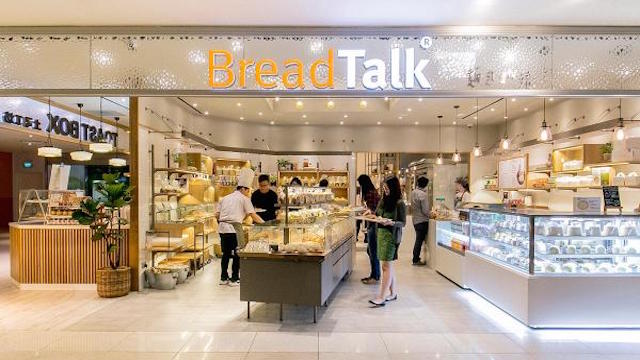
  • BreadTalk buys out Thai partner

    BreadTalk buys out Thai partner

    Minor Group has sold its half share in BreadTalk Thailand to the bakery’s Singapore-listed owner.

    BreadTalk paid US$5.15 million for the stake, which Minor Group is expected to use to expand its other food and beverage brands in the kingdom, including The Coffee Club.

    The BreadTalk Thailand joint venture, called BTM Thailand, was set up in 2014.

    Minor Group’s other brands in Southeast Asia include ThaiExpress, Xin Wang Hong Kong Cafe, Swensens and the Pizza Restaurant Company.