Tag: coffee

  • Thousands of visitors sample Indonesian coffee in Amsterdam

    Thousands of visitors sample Indonesian coffee in Amsterdam

    Visitors at the “Taste of Amsterdam” annual culinary promotion event in Amsterdam, the Netherlands, sampled Indonesian coffee, noted a press release from the Indonesian Embassy in The Hague, the Netherlands, received by ANTARA News here, Tuesday.

    At the annual event, some 5,314 people were able to sample coffee in a booth themed “Indonesia Coffee House.”

    Indonesian Ambassador to the Netherlands I Gusti Agung Wesaka Puja stated that the Taste of Amsterdam was an event for Indonesia to conduct culinary diplomacy.

    “This year is the third time the Embassy in The Hague has participated in the event. In 2016, we are promoting Indonesian coffee,” he noted.

    Coffee has become a part of the history of relations between Indonesia and the Netherlands as it was the Dutch traders who had brought coffee seeds to Indonesia in the 17th century.

    According to the ambassador, coffee is one of Indonesias leading export commodities. Indonesia is the fourth-largest coffee producer in the world. In 2015, Indonesia had produced 550 thousand tons of coffee beans.

    Until the end of the event, 7,001 people had visited the Indonesia Coffee House and enjoyed coffee and Indonesian culinary delicacies.

    Among those visiting the booth, 5,314 people sampled Aceh Gayo and Malabar Natural coffees, which were served free of charge.

    Harry Puts, a visitor, praised the taste of Indonesian coffee. He suggested that Indonesian coffee should be made without blending it with coffee from other regions.

    Some cafe businesses and food importers have contacted the Indonesian Embassy in The Hague and have expressed their keeness to start selling Indonesian coffee in the Netherlands.

    As many as 125 renowned restaurants and cafes from all over the Netherlands took part in the Taste of Amsterdam event in 2016. Every year, the event receives over 30 thousand visitors, with each spending at least 50 Euros to enjoy food and beverages at the event.

  • Vietnam coffee-sales steady; buyers await Indonesia arrivals

    Vietnam coffee-sales steady; buyers await Indonesia arrivals

    Vietnam’s coffee sales may pick up if prices maintain their recent uptrend, but buyers are likely to await the upcoming harvest in Indonesia for better deals on fresh arrivals, traders said on Tuesday.
    Coffee exports this month from the world’s biggest robusta producer are forecast to be in a wide range of 120,000 to 160,000 tonnes (2.0 million and 2.67 million 60-kg bags), versus an estimated 160,000 tonnes in April, traders said.
    The ICE July robusta contract has risen nearly 4 percent so far this month to $1,649 a tonne, and Vietnamese robusta prices also gained 2.4 percent in domestic markets during the same period.
    Robusta prices on Tuesday rose to 35,400-35,500 dong ($1.59) per kg in Daklak, Vietnam’s biggest growing province, from 34,800-34,900 dong a week ago, and 34,600 dong at the end of April.
    Prices eased slightly from 35,600-35,900 dong per kg on Monday, of which 35,900 dong was the highest level since Nov. 12, 2015, according to Reuters data.
    “The trend is that prices are rising and if it stays that way, more selling is expected this month,” said Phan Hung Anh, deputy director of export firm Anh Minh in Daklak.
    Traders said buying demand has been steadily declining, given that Vietnam has supplied a significant volume of coffee to the world so far in the current 2015/2016 season.
    The country exported an estimated 976,200 tonnes between October 2015 and last month, up 27.4 percent from a year ago, based on government statistics.
    “Buyers are waiting to see Indonesia’s crop arrivals, and prices of the fresh beans (there) may become more attractive,” Anh said.
    As futures prices edge up, premiums of Vietnamese robusta grade 2, 5 percent black and broken eased to $30-$40 a tonne to the July contract this week, from premiums of $50-$55 a week ago.
    The coffee crop harvest in Vietnam’s rival – Indonesia – is expected to pick up pace in June, about a month later than usual, due to El Nino-related dry weather.
    Indonesia’s 2016/2017 coffee output is forecast to drop around 9 percent as compared with last year to 9.65 million bags, while Vietnam’s output could edge up 3 percent to 29.14 million bags, BMI Research, a Fitch Group company, said in a report in late April.
  • Indonesian Embassy Introduces Ijen Coffee in New Zealand

    Indonesian Embassy Introduces Ijen Coffee in New Zealand

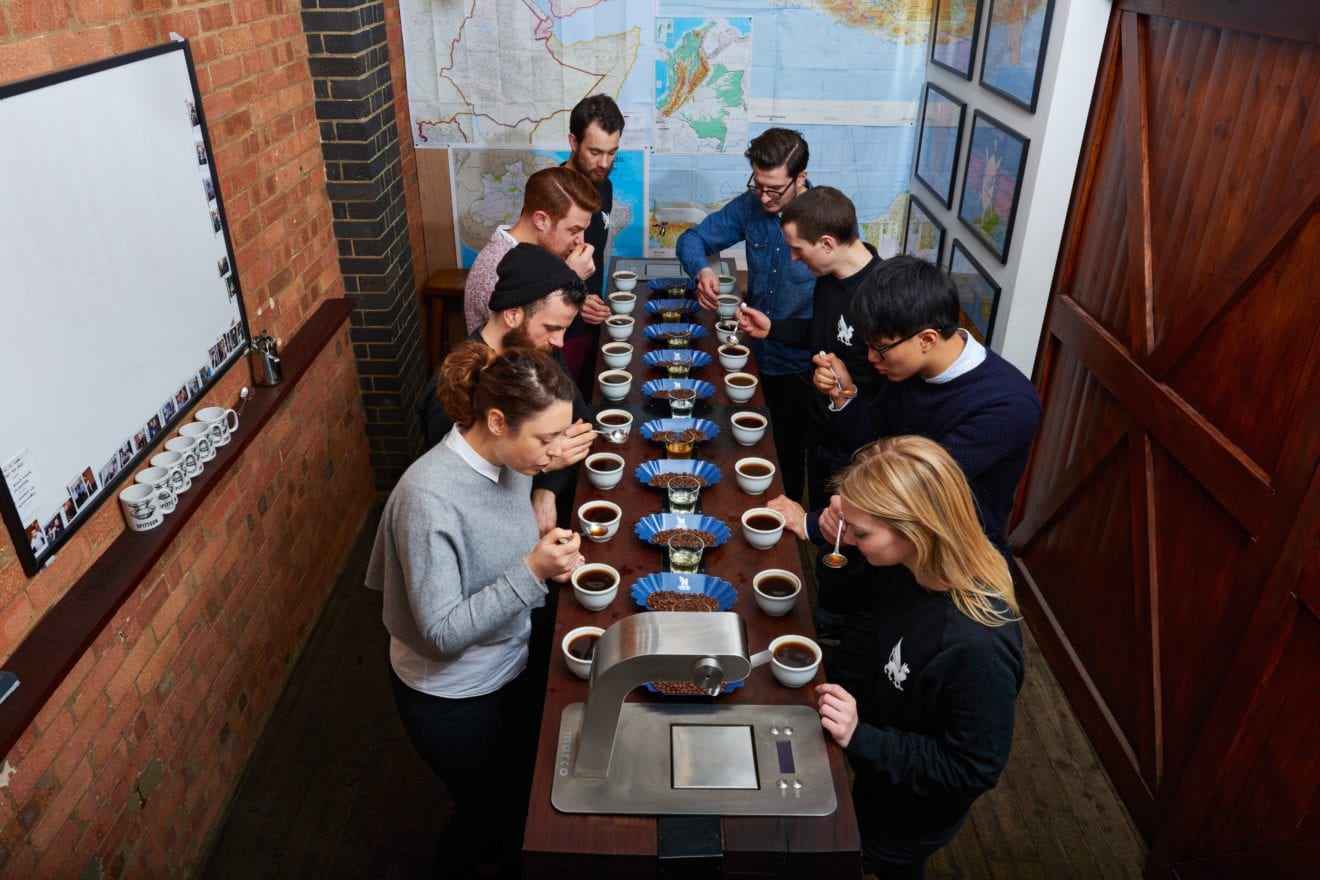
    The Indonesian Embassy in Wellington held the “Coffee Talk and Coffee Cupping” event to promote Indonesian coffee by brewing Java Arabica coffee from Mount Ijen, Banyuwangi.

    “The presence of Ijen Coffee will add more variety to coffees served in cafes in Wellington, which is known as the world’s capital of coffee,” said Jose Tavares, New Zealand Ambassador to Indonesia.

    Tavares added that Indonesians should be grateful because the country has numerous variety of specialty coffee from Aceh to Papua.

    The event was attended by representatives from several coffee companies in Wellington. They also provided with the chance to taste the flavor of Ijen Coffee during the coffee cupping event.

    The event is also expected to increase Indonesia’s coffee export to New Zealand, which reaches up to a monthly average of 60 tons in 2015.

  • Coffee wars: South Korea’s cafe boom nears saturation point

    Coffee wars: South Korea’s cafe boom nears saturation point


    In fashionable retail and commercial districts of southern Seoul, nearly one in every two buildings boasts a coffee shop – evidence of a boom that has delivered dizzying growth for the likes of Starbucks and local chains.

    But now the market is getting even more crowded, as convenience stores such as 7-Eleven offer 1,000 won (87 cents) cups, and smaller players are feeling the heat.

    “We declared an emergency situation, gathered all employees eight times to debate strategies,” Moon Chang-ki, CEO of mid-priced coffee chain Ediya, the country’s largest operator by location with about 1,800 stores, told reporters recently. “If we sell at that price, our store owners won’t earn any margins.”

    To compete, Ediya says it has instead focused on improving the quality of its coffee, and actually raised prices last year. Other chains have responded to growing competition by cutting back on store numbers and staff, or expanding overseas.

    The number of chain and stand-alone coffee shops in South Korea more than tripled to about 49,600 in 2015 from 12,400 in 2011, according to Korea Contents Media – far faster than overall consumption of coffee, which Koreans have been drinking for decades.

    PEAK COFFEE

    South Korea’s per capita coffee consumption has nearly doubled since 1990 to 2.3 kg (5 lb) per person, according to the International Coffee Organization – still roughly half the 4.5 kg that Americans consume.

    Revenue growth at coffee chains in the country slowed to about 8 percent in 2014, however, from more than 20 percent annually between 2008 and 2012, analysts say. While the number of new coffee shops in Seoul increased, so did closures, according to city data.

    Brewed coffee sales at 7-Eleven, run by Lotte Shopping’s Korea Seven Co Ltd, jumped 88 percent in 2015 after it introduced drip coffee early last year costing about a dollar, almost one-fifth the cost of an average Starbucks cup.

    McDonald’s Corp stores cut coffee prices to 1,500 won from 2,100 won early last year, and have seen sales of the beverage almost triple, the company told Reuters.

    By contrast, local chain Cafe Droptop, with about 225 shops, cut about 20 percent of its workforce at the end of 2015. Another chain, Coffine Gurunaru, with about 100 shops, incurred combined operating losses of 2.5 billion won ($2.2 million) in 2013 and 2014 after being profitable in the previous two years, filings show.

    “Even fried chicken restaurants and pubs are adding coffee, trying to be a cafe, while espresso machines are spreading in offices,” said Lee Kyung-hee, who heads the Korea Business Strategy Institute, a consultancy. “The coffee industry is fighting a war without borders.”

    GOING ABROAD

    Starbucks entered the market in 1999, and is widely credited with starting the country’s habit for splurging on higher-quality coffee and creating a cafe industry SK Securities said was worth about 2.5 trillion won ($2.2 billion) in 2014.

    Starbucks Coffee Korea, a 50-50 joint venture between the world’s biggest coffee chain and South Korean hypermarket operator E-Mart, now has 860 stores, putting the country behind only China and Japan as the company’s biggest markets in Asia, with sales more than doubling between 2011 and 2014.

    It posted a 20 percent increase in net profit to 30.77 billion won in 2014, the most recent year for which results are available, on revenue of 617 billion won, up 28 percent.

    But with industry growth slowing, some chains have been pushing abroad.

    Caffe Bene, which reached 932 domestic stores in 2014 before trimming back to 850 at the end of March, posted a 3.3 billion won net loss in the first three quarters of 2015, according to the latest public data.

    Last month, a joint venture between Singapore’s Food Empire and Indonesia’s Salim Group acquired a 38 percent stake in Caffe Bene, becoming the second biggest shareholder after South Korean private equity fund K3 Equity Partners.

    The chain said it was looking to expand in Southeast Asia to drive growth.

    Zoo Coffee, with 65 domestic shops, has opened about 200 franchise stores in China since entering the country in 2013 and in December announced a tie-up with China’s giant Dalian Wanda Group to open 50 stores per year there.

    Cafe Droptop in November opened its first overseas outlet in Shanghai.
     

  • Cheap convenience store coffees enjoy growing popularity

    Cheap convenience store coffees enjoy growing popularity

    Low-cost coffees at Korean convenience stores are increasingly popular among price-conscious consumers, posing a threat to coffee shop franchises, industry data showed Monday.

    Local convenience stores have served canned coffee and instant coffee with hot water for years, but they are expanding sales of higher-quality drinks through self-serve coffee bars to get a bigger chunk of the rapidly growing market.

    The nation’s top three convenience store chains, which each have over 7,000 outlets nationwide, offer coffee at around 1,000 won (87 cents), a price one-third or one-fourth that of major franchise coffee shops.

    Helped by affordable prices, coffee sales at major convenience store chains have soared in the first quarter compared to a year ago.

    7-Eleven, operated by Lotte’s affiliate Korea Seven, said sales at “Seven Cafe” jumped nearly four times in the first three months of this year, without elaborating on the specific sales figures.

    GS 25, a chain under GS Retail, also saw coffee sales at “Cafe 25” rise nearly three-fold during the period, and CU, a chain by BGF Retail, said its sales at “Cafe GET” rose 62 percent.

    Convenience stores plan to expand their on-the-go coffee services this year as well as bakery items and ice beverage menus this summer to expand coffee-related sales. The 7-Eleven and GS 25 chains plan to triple the machine to 3,000 this year, according to company officials.

    As major chains are set to expand coffee services to edge out their rivals, industry officials expect the competition to accelerate polarization in the market between mini take-out stores and trendy cafes. Their fast rise poses a threat to franchise coffee shops, which have posted lackluster performances amid a supply glut and rising rental fees in major retail strips.

    Ediya, a homegrown coffee brand that has the largest number of shops nationwide, said the average sales per store slipped 2 percent in 2015 from a year ago.

    “We have been paying keen attention to convenience store coffees. After in-depth discussions with employees late year, we concluded that creating Ediya’s own taste is the most important,” Ediya CEO Moon Chang-ki said during last week’s press conference.

    “Despite the influx of cheap coffee, we will strengthen R&D to improve the quality of our coffee products.”

    The coffee market was valued at 6 trillion won last year and was expected to grow about 10 percent in the next five years.

    Amid the coffee craze, convenience store coffee grew at the fastest pace to snip away the market share of other caffeine beverages. Coffee sales at convenience stores amounted to 40 billion won ($34.7 million) in 2015 and are expected to expand to 100 billion won this year, according to industry data.

  • South Korea Has Reached Peak Coffee Shop

    South Korea Has Reached Peak Coffee Shop

    In fashionable retail and commercial districts of southern Seoul, nearly one in every two buildings boasts a coffee shop – evidence of a boom that has delivered dizzying growth for the likes of Starbucks and local chains.

    But now the market is getting even more crowded, as convenience stores such as 7-Eleven offer 1,000 won (87 cents) cups, and smaller players are feeling the heat.

    “We declared an emergency situation, gathered all employees eight times to debate strategies,” Moon Chang-ki, CEO of mid-priced coffee chain Ediya, the country’s largest operator by location with about 1,800 stores, told reporters recently. “If we sell at that price, our store owners won’t earn any margins.”

    To compete, Ediya says it has instead focused on improving the quality of its coffee, and actually raised prices last year. Other chains have responded to growing competition by cutting back on store numbers and staff, or expanding overseas.

    The number of chain and stand-alone coffee shops in South Korea more than tripled to about 49,600 in 2015 from 12,400 in 2011, according to Korea Contents Media – far faster than overall consumption of coffee, which Koreans have been drinking for decades.

    PEAK COFFEE

    South Korea’s per capita coffee consumption has nearly doubled since 1990 to 2.3 kg (5 lb) per person, according to the International Coffee Organization – still roughly half the 4.5 kg that Americans consume.

    Revenue growth at coffee chains in the country slowed to about 8 percent in 2014, however, from more than 20 percent annually between 2008 and 2012, analysts say. While the number of new coffee shops in Seoul increased, so did closures, according to city data.

    Brewed coffee sales at 7-Eleven, run by Lotte Shopping’s Korea Seven Co Ltd, jumped 88 percent in 2015 after it introduced drip coffee early last year costing about a dollar, almost one-fifth the cost of an average Starbucks cup.

    McDonald’s Corp stores cut coffee prices to 1,500 won from 2,100 won early last year, and have seen sales of the beverage almost triple, the company told Reuters.

    By contrast, local chain Cafe Droptop, with about 225 shops, cut about 20 percent of its workforce at the end of 2015. Another chain, Coffine Gurunaru, with about 100 shops, incurred combined operating losses of 2.5 billion won ($2.2 million) in 2013 and 2014 after being profitable in the previous two years, filings show.

    “Even fried chicken restaurants and pubs are adding coffee, trying to be a cafe, while espresso machines are spreading in offices,” said Lee Kyung-hee, who heads the Korea Business Strategy Institute, a consultancy. “The coffee industry is fighting a war without borders.”

    GOING ABROAD

    Starbucks entered the market in 1999, and is widely credited with starting the country’s habit for splurging on higher-quality coffee and creating a cafe industry SK Securities said was worth about 2.5 trillion won ($2.2 billion) in 2014.

    Starbucks Coffee Korea, a 50-50 joint venture between the world’s biggest coffee chain and South Korean hypermarket operator E-Mart, now has 860 stores, putting the country behind only China and Japan as the company’s biggest markets in Asia, with sales more than doubling between 2011 and 2014.

    It posted a 20 percent increase in net profit to 30.77 billion won in 2014, the most recent year for which results are available, on revenue of 617 billion won, up 28 percent.

    But with industry growth slowing, some chains have been pushing abroad.

    Caffe Bene, which reached 932 domestic stores in 2014 before trimming back to 850 at the end of March, posted a 3.3 billion won net loss in the first three quarters of 2015, according to the latest public data.

    Last month, a joint venture between Singapore’s Food Empire and Indonesia’s Salim Group acquired a 38 percent stake in Caffe Bene, becoming the second biggest shareholder after South Korean private equity fund K3 Equity Partners.

    The chain said it was looking to expand in Southeast Asia to drive growth.

    Zoo Coffee, with 65 domestic shops, has opened about 200 franchise stores in China since entering the country in 2013 and in December announced a tie-up with China’s giant Dalian Wanda Group to open 50 stores per year there.

    Cafe Droptop in November opened its first overseas outlet in Shanghai.
  • Coffee Producer Classic Worldwide International Group Expands to Indonesia’

    Coffee Producer Classic Worldwide International Group Expands to Indonesia’

    Dato Sri Rozaini, Executive Director at CWIG, said the company’s expansion to Indonesia required about IDR 1 trillion (approx. USD $76 million) worth of investment over the past two years, including the construction of the coffee plant. The main reason for expansion to Indonesia is that production costs are lower in Indonesia compared to the home country. CWIG targets to control a 3 – 5 percent stake in Indonesia’s coffee market after the first year of operations. This market share should then be raised to 20 – 30 percent in the next three years. This is an ambitious target as Indonesia’s coffee market is characterized by many brands and types of coffee.

    CWIG is confident that it can control a significant stake in Indonesia’s coffee market because the company has developed strongly, within a short time, on the Malaysian market. Although it only started to sell its coffee products in Malaysia in 2014, Rozaini says CWIG already controls a 30 – 40 percent market share in Malaysia’s coffee market. A similar scenario is expected in Indonesia. Rozaini added that – provided the expansion to Indonesia is successful – the company also plans to expand its coffee business to Brunei and the Philippines.

    Remarkably, CWIG’s coffee plant in Banten will not use domestically-sourced coffee beans (although Indonesia is among the world’s top coffee bean producers). Instead the company will import the beans from Vietnam and Brazil. The reason behind this decision is that the company wants to use (high-grade) arabica coffee beans for its coffee products. Indonesia, on the other hand, is mostly a robusta bean producer.  Parts of Aceh and North Sumatra do produce arabica beans but the grade of these beans are not in line with the requirements of the company.

  • Gloria Jean’s eyes Myanmar

    Gloria Jean’s eyes Myanmar

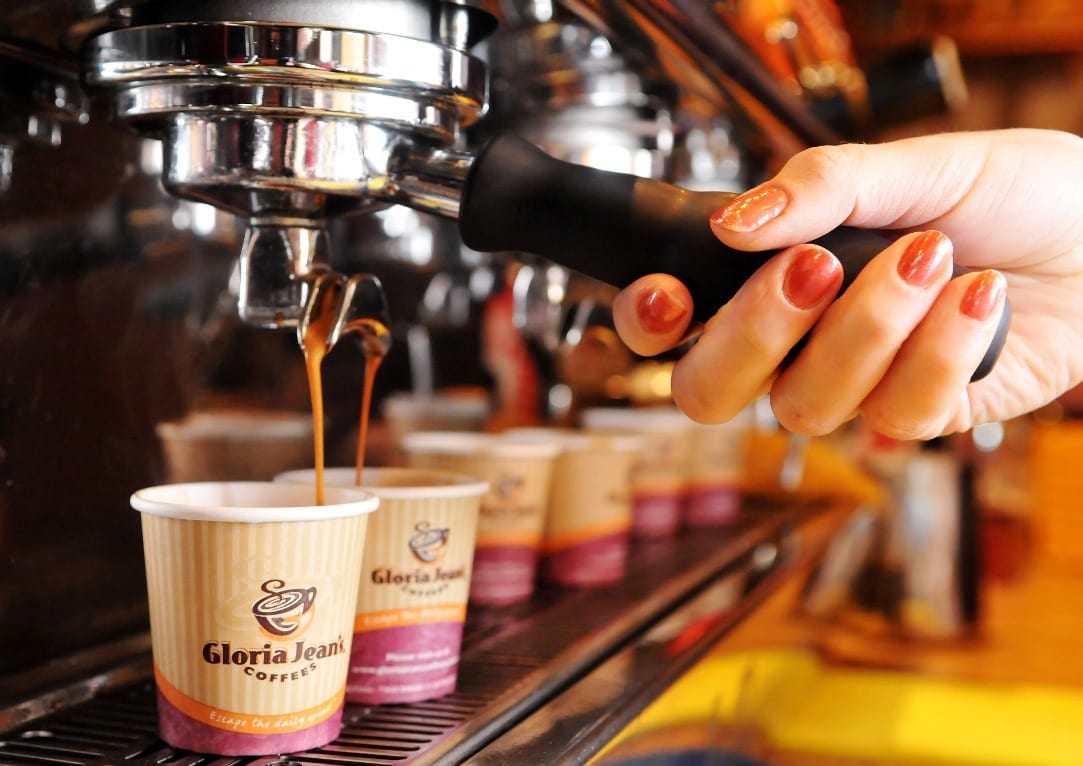
    Gloria Jean’s plans to expand its franchise in Myanmar through more branches across cities

    Gloria Jean’s franchise is operated by local company Seezar Soesan, which has business interests in areas including IT, trading, construction, agriculture, consultancy and media services.

    The coffee franchise has already opened its two branches in Yangon, one in Myanmar Plaza in January and another in Yangon’s new international airport terminal in early March.

    U Kyaw Htin Latt, Seezar Soesan’s chief operating officer said the company plans to continue to be the sole operator for the next two years but may allow other interested firms to open branches, as quoted by local media.

    Other coffee branches that Myanmar has got hold include Espressonite Myanmar, Nervin and Ya Kun

  • Vietnam’s Coffee sales slow, Indonesian premiums rise

    Vietnam’s Coffee sales slow, Indonesian premiums rise

    Vietnam’s coffee premiums held steady, with farmers slowing sales on concerns over dry weather affecting output, while domestic buying and thin stocks in Indonesia helped to raise outright prices, traders said on Thursday.

    The dry season in Vietnam, the world’s top robusta producer, is peaking, with water shortages forecast to cut 2016/2017 output. Rival producer Indonesia has low stocks, which has helped to push up export price quotations to a 15-month high.

    “Most activities are focused on domestic markets, where exporters in short position have to raise their buying prices to secure beans,” said a trader in Ho Chi Minh City.

    Domestic prices in Daklak, Vietnam’s biggest growing province, advanced to 31.1 million-31.4 million dong ($1,400) per tonne, tracking gains in the ICE robusta futures.

    At 31.4 million dong, the price is on par with that on Feb. 6, according to data.

    Premiums of Vietnamese robusta grade 2, 5 percent black and broken were stable at $50-$70 a tonne to the May ICE contract in the past week. Beans grade 1, similar to Indonesia’s Sumatran coffee, were steady at premiums of $95-$110 a tonne.

    ICE May robusta coffee settled up 0.9 percent at $1,420 per tonne on Wednesday.

    As dry weather intensifies in Vietnam’s Central Highlands coffee belt, underground water might sustain trees only until the end of this month, traders said.

    The current El Nino weather event is likely to delay the usual arrival of the rainy season by 10-15 days.

    The government has announced financial aid worth $23.5 million to help 34 provinces fight drought and salination, it said in a statement on Wednesday.

    About 40 of Vietnam’s 63 provinces have now been affected by the dry weather.

    In Indonesia, premiums rose to $300-$320 a tonne for beans grade 4, 80 defects COFID-G4-USD to the ICE May contract, from a premiums of $300 last Thursday, due to thin stocks, traders said.

    At $320 a tonne, the premium is the highest since at least December 2014, according to data available on Reuters.

    “Prices were good and went up because there was support from Java factories, while there were little stocks,” a Lampung-based trader said, adding that purchases by small traders also supported prices.

    Indonesia’s main harvest will pick up from late this month.

    Indonesia’s coffee bean production is targeted to increase by up to 27 percent to 700,000 tonnes in 2016, a manager at the country’s coffee association said on Thursday, up from 550,000 tonnes in 2015.

  • Explore bittersweet world of coffee at ‘Thailand Coffee Fest’

    Explore bittersweet world of coffee at ‘Thailand Coffee Fest’

    With the bittersweet scent of coffee in the air and the endless coffee products on display, Thailand Coffee Fest 2016 will turn Queen Sirikit National Convention Center into a heaven for coffee addicts.

    Organized by SCATH and CP Link, Thailand Coffee Fest 2016 will be a hub for all things caffeinated. The event features shopping and will showcasing products from Thailand’s leading coffee companies, along with fancy appliances that can help you to brew your perfect cup.   

    The event will host various exhibitions including a photography gallery, while coffee lovers can head to workshops to learn basic barista skills including the art of latte making and cold drip coffee, and coffee-themed seminars.

    Thailand’s Brewer Cup and Latte Art Championship 2016 will pit skilled baristas against each other, while the Highlight will host the search for quality coffee and the 10 best coffee beans of the fair, followed by an auction of the coffee treats.

    You can register for workshops and seminars on the website.

    Thailand Coffee Fest 2016 takes place from Feb. 25-28 at Plenary Hall, Queen Sirikit National Convention Center. Entry is free.

  • Indonesia`s coffee output up 1% last year

    Indonesia`s coffee output up 1% last year

    Vice President M. Jusuf Kalla said Indonesias coffee production only rose one percent to 500 thousand tons last year.

    “Our coffee production has been stagnant. It only reached 500 thousand tons last year, just one percent increase,” he told a meeting convened to develop national coffee here on Saturday.

    Indonesia produces an average of 600 thousand to 700 thousand tons of coffee per year compared to Vietnam, whose coffee output reaches more than 2 million tons, he said.

    As a matter of fact, Vietnam once learned coffee farming from Indonesia, he said.

    He said Lampung province is the countrys largest robusta coffee producer with an annual production of 100 thousand tons per year.

    Also present at the meeting were Agriculture Minister Andi Amran Sulaiman, Lampung Governor M Ridho Ficardo, and a number of officials.

  • Lampung exports of instant coffee growing

    Lampung exports of instant coffee growing

    Lampung has recorded growing exports of instant coffee reaching 63.2 tons in November, 2015.

    “Exports of instant coffee has continued from month to month,” head of the provincial trade office Ferynia said here on Saturday without saying exports in the previous months.

    Lampung is a big producer of robusta coffee.

    Instant coffee from Lampung has been exported to various countries such as Vietnam, which is the worlds largest producer of robusta coffee, and Singapore.

    Exports, however, are small in comparison with domestic consumption.

    The export prospects are still encouraging, Ferynia said, adding, Lampung is aggressive in launching export promotion in a number of other countries by holding exhibitions.

    He said Lampung has managed to maintain strong foothold for its instant coffee in export markets.

    “Demand is still high and the price is good for Lampung product of instant coffee in international markets,” he said.

    The production center for instant coffee in Lampung is Bandarlampung, which has a production capacity of around 8,000 tons of the commodity per year.

    “Sales of instant coffee in the country average 50 to 100 tons per months,” Ferynia said.

    Lampung has 163,837 hectares of coffee plantations with production averaging 140,000 tons of coffee beans per year.

    Indonesia is the fourth largest coffee producer in the world and the second largest in robusta coffee production.

  • Starbucks Will Be Bigger In China Than In the US

    Starbucks Will Be Bigger In China Than In the US


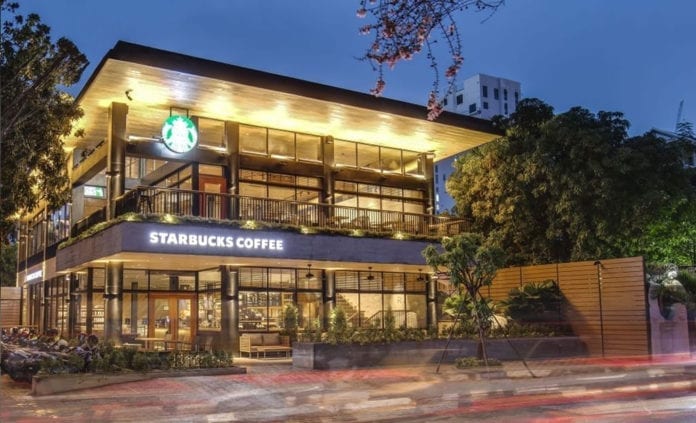
    The future of Starbucks is in China. The company opened nearly 1,000 new stores in the country over the past year, bringing the total to about 2,500 stores. It’s still opening more than one store per day, and expects to open 5,000 stores by 2021.

    At the company’s investor day in December, CEO Howard Schultz said he expects profits in China to exceed those in the United States eventually.

    Starbucks China CEO Belinda Wong expects several factors to contribute to the coffee company’s ability to grow revenue and operating income threefold over the next five years: the growing middle class and their increasing demand for coffee, global improvements to Starbucks’ core retail business, and digital partnerships with local companies like Tencent.

    A market that will be double the size of America in six years

    China’s middle-class growth isn’t slowing down. Over the last decade, the number of people considered middle class in China grew from 66 million to 300 million, according to reports collected by Wong. By 2022, Starbucks expects China’s middle class to double in size again to 600 million. For reference, the entire United States has about 324 million people.

    While the growth of China’s middle class is important, a bigger driving factor may be that Chinese are still developing a taste for coffee. As such, the demand for Starbucks will grow even faster than the rapidly expanding middle class.

    Over the next five years, the demand for specialty coffee in China is expected to grow at a rate of 15% per year, according to Euromonitor. What’s more, Starbucks already holds the lead in market share.

    More reasons to visit a Starbucks store

    One of the biggest organic drivers of store visits is Starbucks’ loyalty program, My Starbucks Rewards. Wong says new signups for MSR increased 63% per year from 2013 to 2016. Gold membership increased 53% per year. Importantly, members are “very intentional about their path to gold,” and as a result MSR members visit stores more frequently.

    Additionally, Starbucks plans to invest in new reasons to visit Starbucks. The company plans to expand its lunch menu in all of its stores globally, introducing things like soup and other food items. It expects lunchtime revenue to double over the next five years.

    Starbucks also has an opportunity to capitalize on Teavana in China, which has a huge tea culture. Incorporating more Teavana products into its stores could bring in customers who aren’t particularly fond of coffee, but still want the experience Starbucks offers.

    Lastly, Starbucks is expanding its consumer goods business in China. It just released its bottled Frappuccino nationwide. That could give potential customers a taste for Starbucks, inviting them to visit a store.

    Partnering with digital leaders

    One of the biggest announcements Starbucks made regarding its operations in China is its new digital partnership with WeChat, the messaging app owned by Tencent. WeChat has 864 million monthly active users, and its built-in wallet is often used to pay for goods in stores. Starbucks shoppers can now use WeChat to pay for their food and drink orders in store as well.

    Starbucks loses about 5% to 10% of sales in China due to long lines where customers are unable to pay fast enough, according to Shaun Rein, managing director of China Market Research Group. The partnership with WeChat should help speed up the checkout process, driving more sales.

    Starting early next year, WeChat users will be able to send each other Starbucks drink certificates or gift cards through the app. The service will operate in the same way as WeChat’s digital red envelopes, which allow users to send each other money. It’s one of the most popular functions of WeChat in China, and Starbucks will be smart to get the service launched before Chinese New Year, when red envelopes peak. The move provides a social marketing benefit to Starbucks as well, as it aims to attract new customers to its stores.

    The overall opportunity for Starbucks in China is huge. The company’s efforts to capitalize on the growing demand for specialty coffee from the middle class should fuel growth for many more years. Add in the company’s global efforts to expand into other parts of the day, plus its willingness to work with native digital leaders like Tencent, and Starbucks’ Chinese operations could surpass the U.S. sooner rather than later.

  • Starbucks barista Ryan Wibawa took top honors in the first ever Indonesian Brewers Cup

    Starbucks barista Ryan Wibawa took top honors in the first ever Indonesian Brewers Cup

    For Starbucks barista Ryan Wibawa, mastering coffee artistry was the key to becoming a champion.

    “I’ve worked really hard to hone my craft,” he said. “I’m now seeing the results of my hard work.”

    Wibawa took top honors in the first ever Indonesian Brewers Cup Championship finals held in central Jakarta. The competition, which occurred in stages over four months and wrapped up in November, featured 79 competitors from Bali, Jakarta and Semarang. Participants were judged on their coffee-brewing expertise, presentation skills and customer service. As the first place winner, Wibawa will represent Indonesia at the World Brewers Cup Championship in Dublin, Ireland next year.

    “This experience has given me another level of confidence to share my skills and knowledge about coffee,” said Wibawa. “I’m honored to represent Starbucks Indonesia at the World Championships in February.”

    Wibawa was first exposed to coffee when he joined Starbucks two years ago. He learned quickly and developed an enthusiasm for all things coffee. In 2014, he was selected as his district’s coffee master and earlier this year he won Starbucks Indonesia’s Barista Championships. He will also represent Indonesia at the China and Asia Pacific (CAP) region’s Starbucks Barista Championships in Hong Kong in February 2016.

    Ryan works at Indonesia’s first Starbucks Reserve store in Jakarta, where he delights customers with his coffee craft. He has also shared his expertise by training other Starbucks partners at Indonesia’s third Starbucks Reserve location in Bandung, which opened earlier this year.

    “I am proud to be a Starbucks partner,” said Wibawa. “At Starbucks, I can do what I love and what I’m passionate about, which is coffee.”

    To prepare for the Indonesian Brewers Cup Championship, Wibawa practiced twice per month with Mirza Luqman, Starbucks Indonesia’s learning and development manager.

    “Ryan was very eager and committed to learning everything about coffee,” said Luqman. “I couldn’t be happier for him.”

    “I can’t believe I will compete in the world championships,” added Wibawa. “I am so happy and proud to represent Starbucks and my country.”

    Starbucks barista Ryan Wibawa took top honors in the first ever Indonesian Brewers Cup Championship finals

    Starbucks barista Ryan Wibawa took top honors in the first ever Indonesian Brewers Cup Championship finals

  • Starbucks Malaysia gives back to Malaysian communities with its Connecting Communities Project

    Starbucks Malaysia gives back to Malaysian communities with its Connecting Communities Project

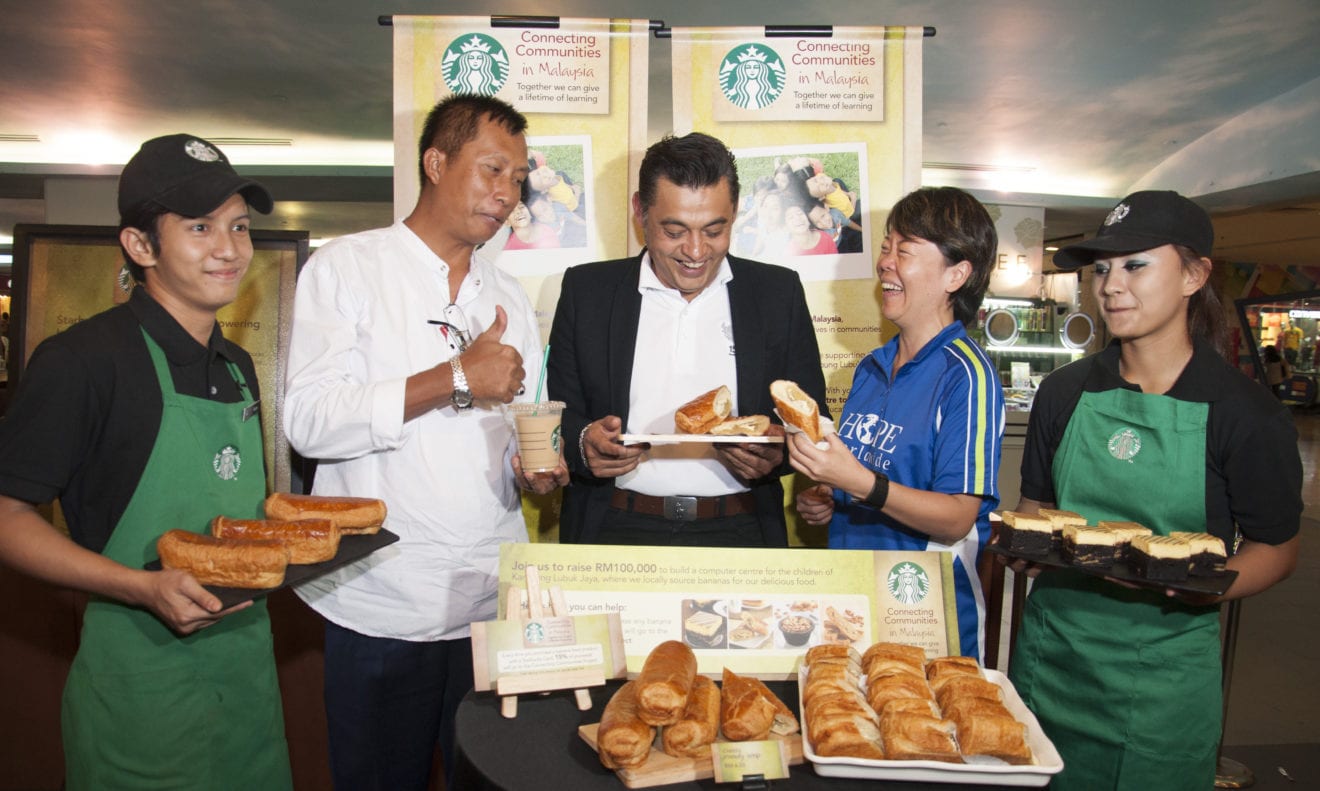
    Weaving with Mengkuang leaves used to be a leisurely pastime of coastal women in Malaysia. Today, a small Malaysian business is revisiting this craft and selling Mengkuang products in Starbucks® stores.

    “Giving back to Malaysian communities is important to our company as well as our partners (employees),” said Sydney Quays, managing director, Starbucks Malaysia. “Featuring products from small villages provides increased exposure and ultimately contributes to the livelihood of local residents.”

    Earlier this year, Starbucks Malaysia developed a relationship with Craft CT 01 Enterprise – a small company is located on the east coast of Malaysia. The business develops products made from Mengkuang, a tropical plant with tall, thorny leaves. Their products including hot cup sleeves, coasters and placemats are currently sold in 50 Starbucks locations throughout the country.

    “We have seen a great deal of interest in the Mengkuang products since we began selling them in our stores,” Quays said.

    Sourcing of Mengkuang products is one outcome of Starbucks Malaysia’s Connecting Communities Project, which has helped farmers and their families since 2013. As part of this project, Starbucks also purchased a sizable amount of fresh bananas from small farmers in the Kampung Lubak Jaya village on the west coast of Peninsular Malaysia. The bananas were used to develop the Signature Banana Chocolate Chip Muffin and Banana Chocolate Decadence, offered in West Malaysia Starbucks® stores.


    “The banana-based food items are quite popular with our customers,” added Quays.

    The first Starbucks® store in Malaysia opened in Kuala Lumpur in 1998. The company reached a milestone of 200 stores in the country this past September.The 200th store, known as Starbucks Ansa, is located in what was formerly the Piccolo Hotel. The store design aims to introduce customers to the Connecting Communities Project through a community table with banana and Mengkuang leaf carvings, a merchandise wall dedicated to Mengkuang products and specially-woven Mengkuang mats that serve as wall hangings.

    “We will continue to find ways to grow our Connecting Communities Project. There is more we can do positively impact the lives of Malaysia’s small farmers and businesses,” said Quays.