Tag: coffee

  • Tim Hortons launches retail coffee range in South Korea

    Tim Hortons launches retail coffee range in South Korea

    Tim Hortons has launched its retail lineup in South Korea as part of its strategy to broaden the brand’s reach.

    The Canadian cafe brand’s retail coffee offerings include Original Blend whole bean coffee and fine grind coffee in five flavours: Original Blend, French Vanilla, Colombian, Maple, and Decaf.

    “Like all Tim Hortons coffees, our bagged coffee retail products start with 100 per cent premium Arabica beans that are roasted with care and blended to perfection,” said Mieka Burns, VP of consumer packaged goods at Tim Hortons.

    “Guests can already savour their favourite Tim Hortons beverages in restaurants and they can now complement that experience at home.”

    Tim Hortons’ whole bean and fine grind coffee are available at the Lotte Mart grocery store in Gangdong Millennial Jungheung S-Class Complex, and will soon be available in department stores and online.

    The Canadian coffee chain debuted in South Korea in 2023 and has quickly expanded to 16 locations.

  • Indonesian coffee chain Fore Coffee’s IPO oversubscribed by 200 times

    Indonesian coffee chain Fore Coffee’s IPO oversubscribed by 200 times

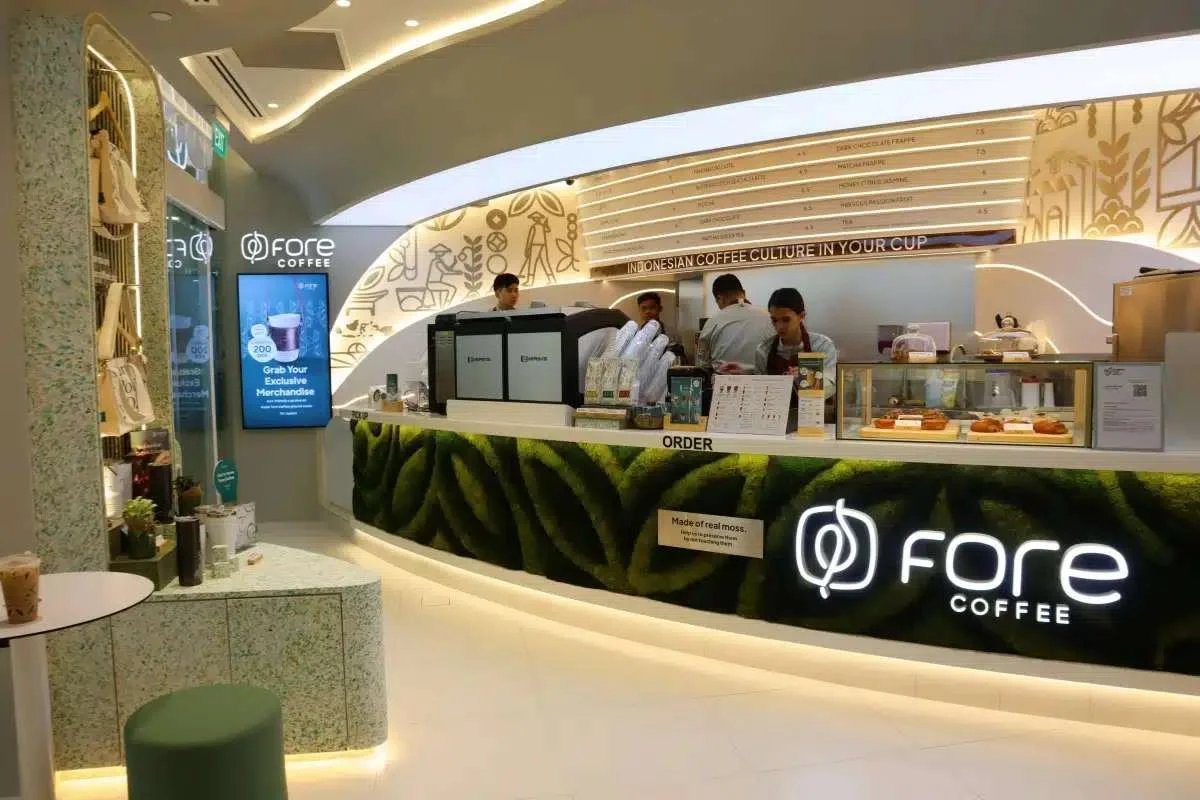
    Indonesian coffee chain Fore Coffee made its trading debut on the Indonesia Stock Exchange (IDX), following a heavily oversubscribed initial public offering that attracted more than 114,000 investors.

    The East Ventures-incubated company priced its IPO at US$0.012 (RP188) per share, issuing 1.88 billion new shares to raise approximately $22.3 million (RP353.44 billion) in fresh capital.

    Fore Coffee plans to allocate around 75 percent of the funds to its domestic expansion, with a target of 140 new outlets over the next two years.

    An estimated $3.8 million (RP60 billion) will be invested in launching a new doughnut concept, while the remaining $1.1 million (RP18 billion) will go towards working capital.

    Wilson Cuaca, president and chairman of Fore Coffee, and co-founder and managing partner at East Ventures, said the strong response to the IPO demonstrates the appeal of homegrown startups to public investors.

    “The counter-intuitive decision to proceed with the IPO during the lowest IDX Composite index since the pandemic paid off,” Cuaca said.

    Mandiri Sekuritas and Henan Putihrai Sekuritas acted as joint lead underwriters and intermediaries for the offering.

  • Vietnam’s largest coffee chain Highlands Coffee posts $41M in profit

    Vietnam’s largest coffee chain Highlands Coffee posts $41M in profit

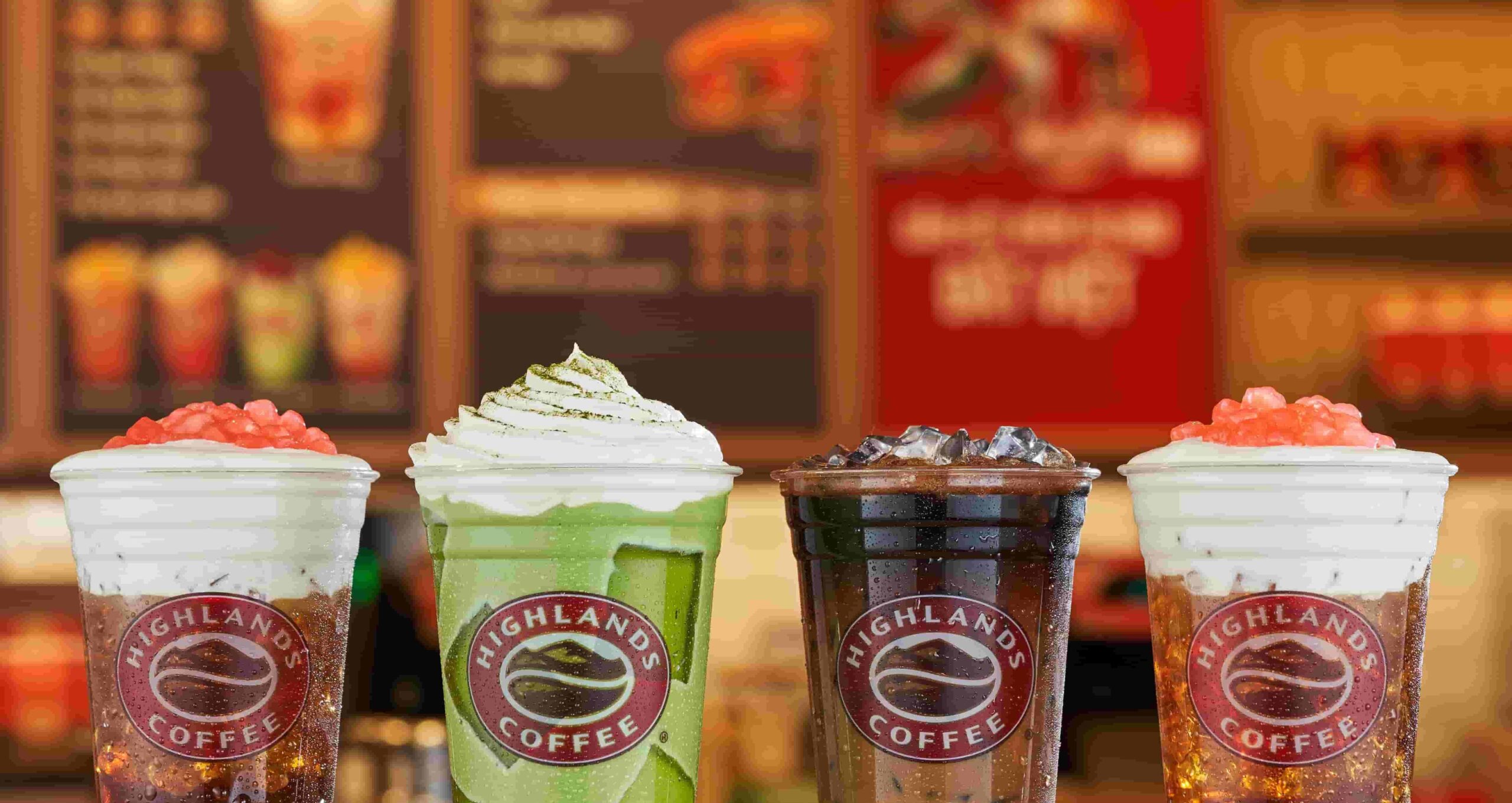
    Vietnam’s largest coffee chain Highlands Coffee posted an EBITDA of VND1.05 trillion (US$41 million) last year, up 4.5% from 2023.

    The chain contributed 36% of the EBITDA from coffee and tea of its parent company Jollibee Foods Corporation. EBITDA stands for earnings before interest, taxes, depreciation, and amortization.

    An average store posted VND16 million in revenue per day.

    Same-store sales, however, declined by 3.7% year-on-year. The figure measured stores’ sales that had been operating for at least 15 months.

    Highlands Coffee, by the end of last year, operated 850 outlets in Vietnam and other countries.

    The brand was established in 1999, starting with sales of packaged coffee products in Hanoi. In 2002, Highlands Coffee expanded into the coffee chain model with its first store in Ho Chi Minh City.

    In 2012, Highlands Coffee was acquired by Jollibee Foods Corporation, a Philippines-based restaurant conglomerate.

    At the end of 2016, JFC and its partner, Vietnam Thai International Company, planned to list Highlands Coffee on the Vietnamese stock market. However, this intention has yet to materialize.

    Highlands Coffee has thrived by focusing on widespread coverage. Their strategy revolves around offering a streamlined menu while expanding into office buildings, apartment complexes, street-front locations, and shopping centers.

    Vietnam’s beverage store revenue last year was estimated at VND118.26 trillion, a 13% increase from the previous year, according to a report by iPOS, which provides digital management solutions to over 100,000 businesses.

    This marked the highest revenue and the fastest growth rate since 2018.

  • China’s largest coffee chain Luckin Coffee establishes exclusive coconut island in Indonesia

    China’s largest coffee chain Luckin Coffee establishes exclusive coconut island in Indonesia

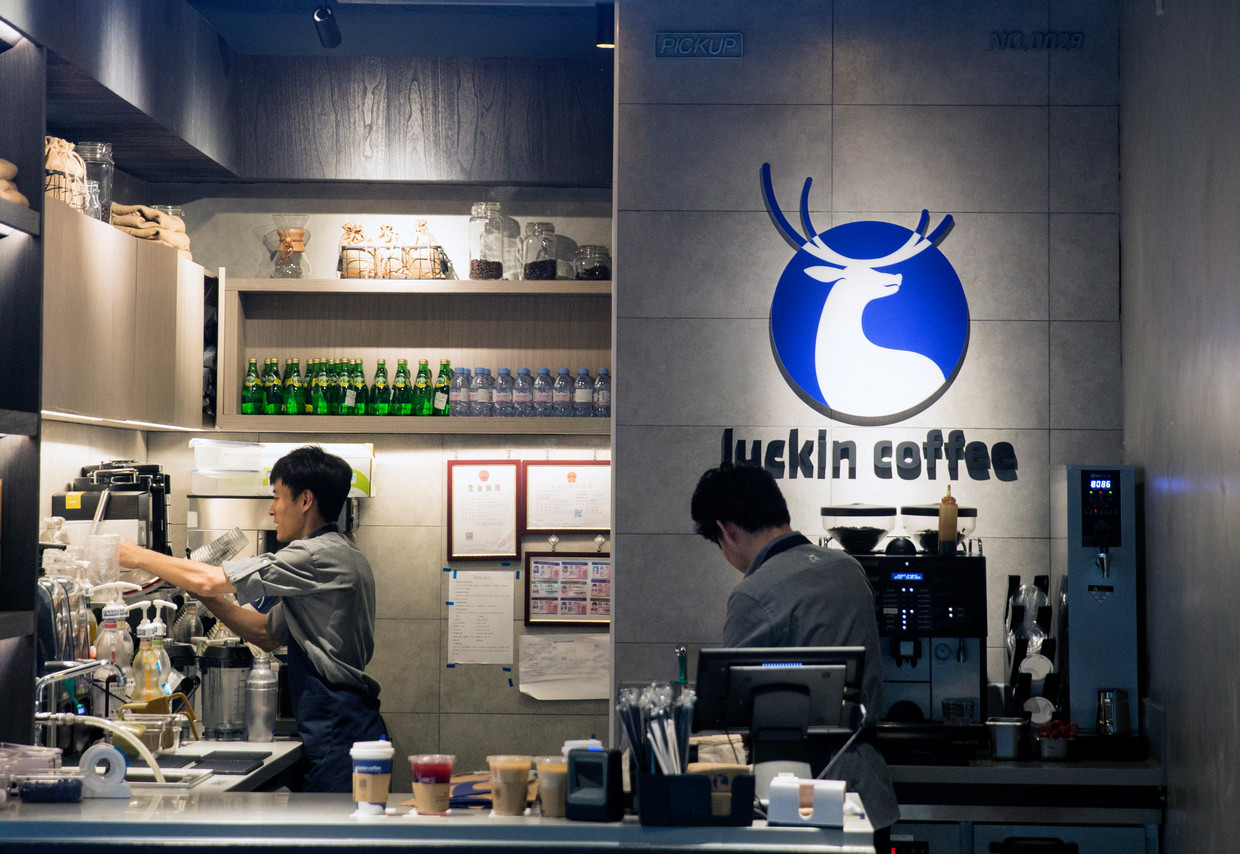
    China’s largest coffee chain Luckin Coffee has signed an agreement with Indonesia’s Banggai Islands Regency, making it the exclusive premium origin of coconut milk for its flagship Coconut Latte.

    The memorandum of understanding it signed with the regency provides Luckin Coffee and its partners with exclusive rights to procure coconuts from the region, the firm announced earlier this month. The Banggai Islands are among the world’s top coconut-producing regions.

    According to Global Times, the islands will be named “Luckin Exclusive Coconut Island ” under the agreement.

    The chain intends to source roughly one million tons of raw coconut materials, which comply with its quality standards, over the next five years.

    Li Shan, senior director of the firm’s supply chain center, said the region’s high-quality coconut will bolster the company’s supply chain.

    Luckin Coffee, headquartered in Xiamen, a port city in southeastern China, was established in 2017 and grew rapidly before it was discovered to have falsified half of its 2019 sales. The scandal led to its delisting from Nasdaq and subsequent filing for bankruptcy protection in the U.S. in 2021, Reuters reported.

    It has since made a strong comeback and now dominates China’s coffee market with over 21,000 stores nationwide as of September, outselling U.S giant Starbucks.

    It has also been expanding overseas, setting up its first Southeast Asian store in Singapore in April 2023 and later increasing its number of outlets in the city-state to 38.

    According to Nikkei Asia, it opened its first two stores in Malaysia this January and plans to have 200 outlets there in the next two years.

    Since its launch, Luckin has sold over 1.2 billion Coconut Lattes as of January.

  • Starbucks ordered to pay $50M to customer burned by hot beverage

    Starbucks ordered to pay $50M to customer burned by hot beverage

    A delivery driver has won $50 million in a lawsuit after being seriously burned when a Starbucks drink spilled in his lap at a California drive-through, court records show.

    A Los Angeles County jury found Friday for Michael Garcia, who underwent skin grafts and other procedures on his genitals after a venti-sized tea drink spilled instants after he collected it on Feb. 8, 2020. He has suffered permanent and life-changing disfigurement, according to his attorneys.

    Garcia’s negligence lawsuit blamed his injuries on Starbucks, saying that an employee did not wedge the scalding-hot tea firmly enough into a takeout tray.

    “This jury verdict is a critical step in holding Starbucks accountable for flagrant disregard for customer safety and failure to accept responsibility,” one of Garcia’s attorneys, Nick Rowley, said in a statement.

    Starbucks said it sympathized with Garcia but planned to appeal.

    “We disagree with the jury’s decision that we were at fault for this incident and believe the damages awarded to be excessive,” the Seattle-based coffee giant said in a statement, adding that it was “committed to the highest safety standards” in handling hot drinks.

    U.S. eateries have faced lawsuits before over customer burns.

    In one famous 1990s case, a New Mexico jury awarded a woman nearly $3 million in damages for burns she suffered while trying to pry the lid off a cup of coffee at a McDonald’s drive-through. A judge later reduced the award, and the case ultimately was settled for an undisclosed sum under $600,000.

    Juries have sided with restaurants at times, as in another 1990s case involving a child who tipped a cup of McDonald’s coffee onto himself in Iowa.

  • Popular US chain Blue Bottle Coffee to open first Singapore café

    Popular US chain Blue Bottle Coffee to open first Singapore café

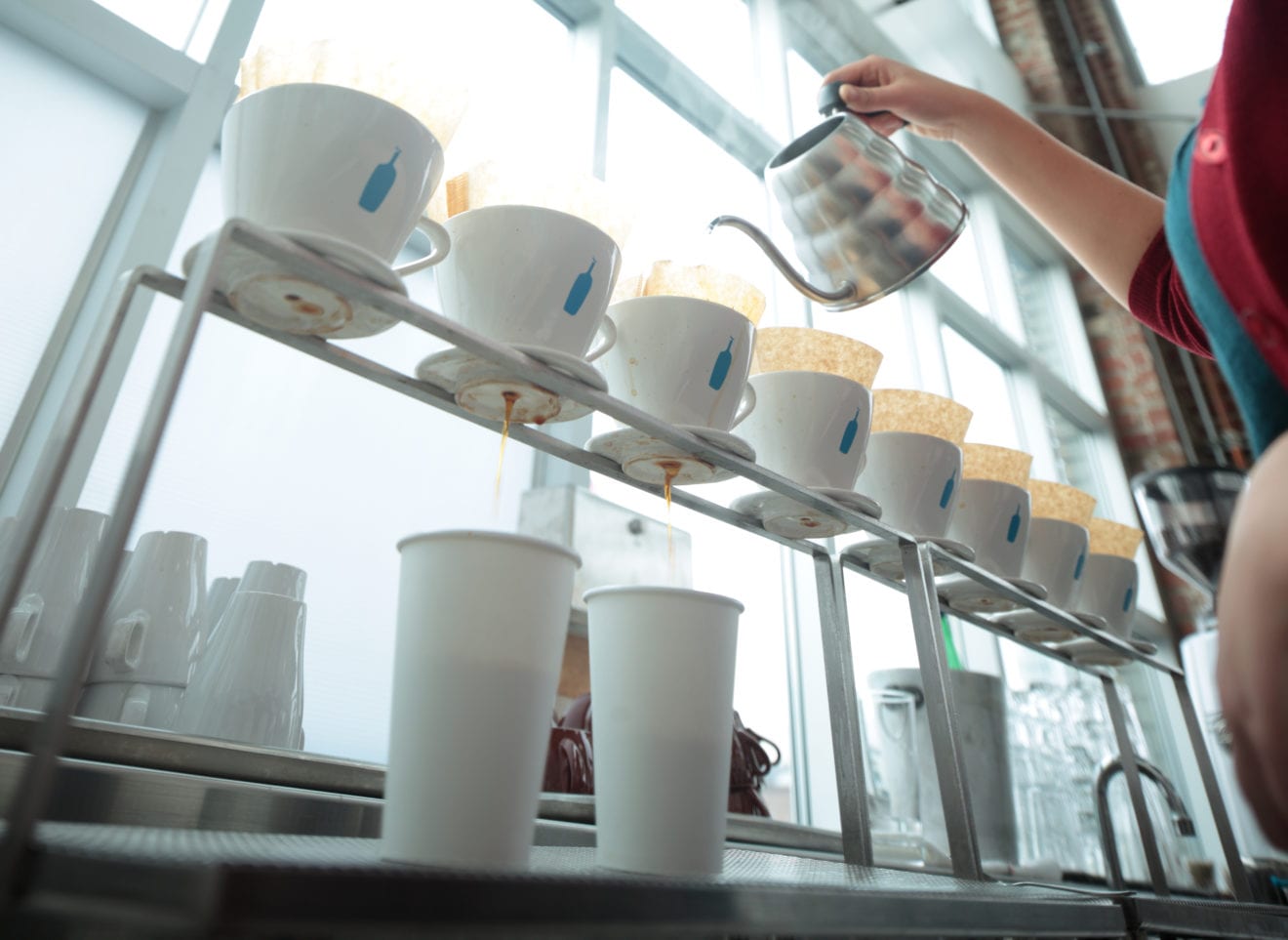
    Renowned US specialty coffee brand Blue Bottle Coffee is set to open its first café in Singapore at Japanese retailer LUMINE’s flagship store in Raffles City Shopping Center.

    “We will share the opening date and hours soon, so please stay tuned for further updates,” the firm said in an announcement on Wednesday.

    This would mark the brand’s first café in Southeast Asia, it added.

    The new café will replace Blue Bottle Coffee’s temporary gift shop, which opened last August as the brand’s entry point into the city-state, .

    Founded in 2002 as a small coffee cart in California, Blue Bottle Coffee has since expanded across the U.S., Japan, South Korea, Hong Kong, and China.

    Its Singapore debut comes through a partnership with LUMINE. Several of the chain’s cafés in Japan are also located within shopping centers operated by the retailer.

    The brand, which calls itself a “destination for coffee lovers,” is expected to feature a seasonally curated espresso menu at its upcoming shop, according to AsiaOne.

    It might also serve snacks like lemon poppy seed pound cake and candied orange scones.

  • Vietnamese coffee chain Trung Nguyen to launch first store in Australia

    Vietnamese coffee chain Trung Nguyen to launch first store in Australia

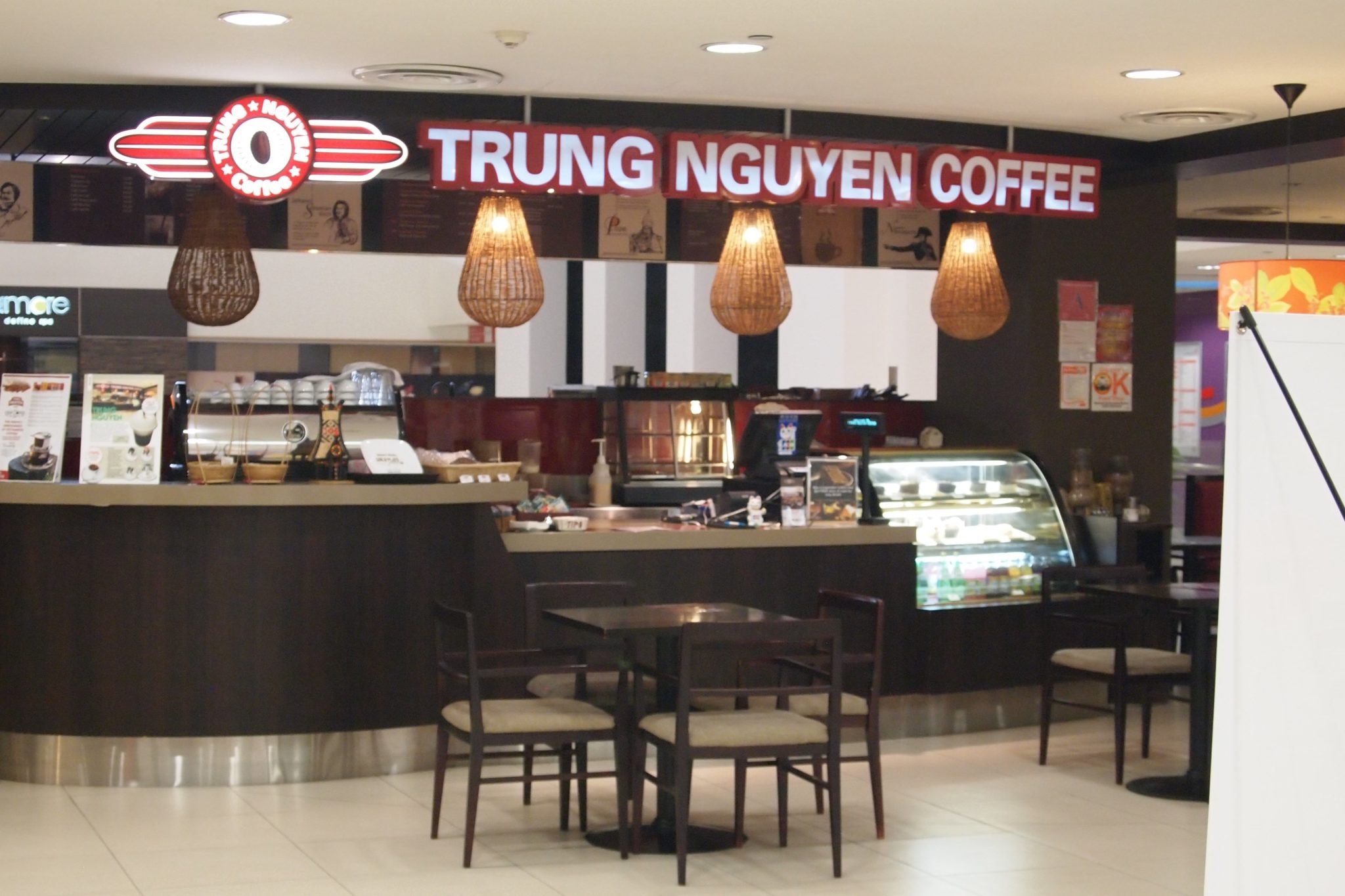
    Vietnamese coffee chain Trung Nguyen is continuing its global expansion, opening its first store in Australia next month via a franchise agreement with local distributor Master C Pty Ltd.

    The 400sqm store on Melbourne’s Courtney Street will feature a retail corner, a coffee-tasting area, and a cafe space.

    In addition, customers can experience the three coffee cultures the company has identified and showcases in its flagship Vietnam stores: Ottoman, Roman and Zen.

    The Melbourne store will resemble a Vietnamese-themed coffee shop with its architectural style, display graphics, and menus that incorporate elements of Vietnamese and local cultures.

    Trung Nguyen first made its international debut in China in 2022 with a store in Shanghai and then expanded into Beijing and Chongqing. It opened its first US store last year, in partnership with US-based franchisee H&L Wholesale Food Corporation.

  • Nescafe USA launches coffee concentrate concept

    Nescafe USA launches coffee concentrate concept

    Nescafe USA has expanded its product range with the launch of its first-ever liquid coffee concentrate, Nescafe Espresso Concentrate.

    Made from 100 per cent Arabica beans, the coffee concentrate is available in two flavours: Black and Sweet Vanilla. It can be served over ice or mixed with milk or water.

    The Nescafe Espresso Concentrate was successfully launched last year in Australia and China.

    Felipe Acosta, the senior brand manager for Nescafe, said the new format is designed to provide consumers with an easier way to create cafe-style drinks at home.

    “While the tastes of Gen Z and millennial consumers are constantly evolving, the demand for cold, convenient, customisable, and cafe-quality coffee remains strong,” said Acosta.

    The company says two out of three youth globally regularly drink cold coffee drinks.

    “The brand’s first-ever liquid espresso empowers consumer creativity, allowing adventurous coffee lovers to make beverages in an instant – without the need for any extra machinery, all from the comfort of their own homes.”

    Nescafe Espresso Concentrate comes in a 300ml bottle – enough for about 20 cups of espresso when prepared as directed – and has an RRP of US$9.49.

  • Former Starbucks Vietnam head becomes Phuc Long beverage chain CEO

    Former Starbucks Vietnam head becomes Phuc Long beverage chain CEO

    Patricia Marques, formerly the chief of Starbucks Vietnam for over 11 years, has been named the CEO of beverage chain operator Phuc Long Heritage.

    Marques has made an appearance at of Phuc Long’s recent events, and is introduced on the website of Masan Group, the parent company of Phuc Long Heritage, as “a seasoned food and beverage executive with a proven track record of success in the Vietnamese market.”

    Prior to joining Phuc Long, she served as general manager of Starbucks Vietnam, where she oversaw all aspects of the business and maintained a close relationship with its partner, Maxims HK.

    Before that she had spearheaded the establishment of international operations for companies such as Saks Fifth Avenue, Panera Bread and Highlands Coffee.

    Marques has lived in Vietnam for the past 14 years and considers HCMC her home, according to Masan.

    “We believe that Patricia will write the next chapter for Phuc Long Heritage and build a tea brand to represent Vietnamese culture.”

    Phuc Long has 176 stores nationwide. In the third quarter its net revenues rose nearly 13% year-on-year to VND425 billion (US$16.75 million).

  • How ZUS Coffee become Malaysia’s largest coffee chain in 4 years

    How ZUS Coffee become Malaysia’s largest coffee chain in 4 years

    ZUS Coffee, a Malaysian firm that began as a small kiosk in Kuala Lumpur, took just over four years to become the biggest coffee chain operator in the country.

    The firm quickly expanded to surpass U.S. giant Starbucks in a market with over 3,300 branded coffee outlets, a figure expected to grow 4-5% this year, according to global coffee industry research platform World Coffee Portal.

    It launched at the end of 2019 with a 200-square-foot (18-square-meter) kiosk in the Kuala Lumpur City Center area.

    The brand positioned itself in the mid-priced segment, which was largely untapped at the time, aiming to make specialty coffee a daily necessity rather than a luxury.

    One of its main draws is its frequently updated menu, which features unique drinks like the Ice Shaken Osmanthus Orange Espresso, Sakura Rose Frappe, and Cheese Crème Latté.

    But this was not the only factor setting it apart from other options in Malaysia’s coffee market as it is also known for its tech-driven approach.

    The company digitized its operations and had an app at launch that facilitates online ordering, pick-up and delivery, with the aim to shake up the market by focusing on digital orders and fast service.

    The app also collects data on customers’ tastes and preferences, which is used to develop new products or improve existing items.

    The company had a rough start as cashless payments and online coffee ordering were slow to catch on in Malaysia.

    However, the Covid-19 pandemic hit a few months after the startup launched, transforming the local coffee landscape. Delivery services and contactless payments quickly became standard, making ZUS’ focus on technology highly successful.

    “We became profitable just 10 months after we launched. Timing was crucial – it is not just the product or the team, but being in the right place at the right time,” Venon Tian, the firm’s COO and co-founder, told Nikkei Asia.

    Tian’s ambitious plans for his business would see it challenge international brands in the local market.

    “Hopefully we will be able to surpass the bigger boys in town soon and be something for Malaysians to be proud of as well,” Tian told The CEO Magazine in 2022, when the chain had just over 150 stores.

    As its popularity and presence grew over the years, the firm became the largest coffee chain operator in Malaysia. It has 566 stores as of September 2024, surpassing Starbucks, which is in second place with 411 outlets.

    Its revenues jumped from 15.7 million ringgit (US$3.5 million) in 2021 to over 200 million ringgit in the fiscal year ending June 30, 2023, while its net profit surged from 134,000 ringgit to 10.2 million ringgit during the same period.

    The chain is now looking to expand into the international market. It has already opened more than 40 stores in the Philippines since entering the market last year after Filipino billionaire Frank Lao acquired a 30% stake in the company.

    It opened its first store in Singapore in October and launched in Brunei late last month with an outlet at the Setia Point shopping center in the capital city of Bandar Seri Begawan.

    Tian said at a conference hosted by Tech in Asia earlier this year that ZUS would be expanding to Pakistan by the first half of 2025. He expects its revenues and net profit to reach 600 million ringgit and 30 million ringgit, respectively, this year.

    He told Nikkei Asia that the firm aims to become a “national champion,” comparing it to Malaysian airline AirAsia. “Who knows, we could be the AirAsia of coffee – a Southeast Asian brand recognized globally.”

  • Starbucks employees to receive 60% bonus amid firm’s worst year since 2020

    Starbucks employees to receive 60% bonus amid firm’s worst year since 2020

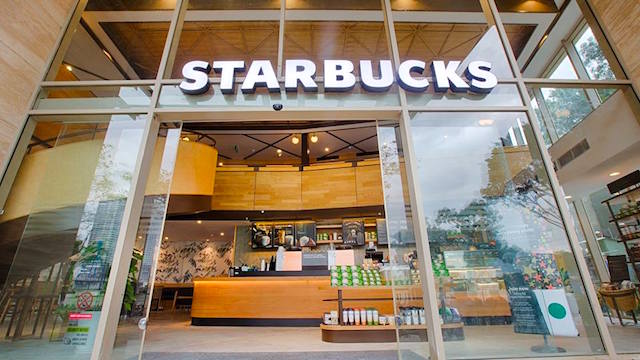
    Many corporate workers at U.S. coffee chain Starbucks will get just 60% of their total bonuses for the 2024 fiscal year amid the company’s first annual sales decline since 2020.

    The coffee giant’s poor performance in the fiscal year, which ended on September 29, cut into the overall bonus for employees who met their personal goals, a source familiar with the matter said.

    Bonuses for most employees are determined based on both individual performance and company results, with the latter calculated from revenue and operating income, a separate document shows.

    They are typically paid in December and, in the U.S., range from 5% of base pay for non-managerial employees to 45% for senior vice presidents.

    The reduced bonuses reflect the challenges Starbucks has faced this year as consumers, hit by widespread inflation, scaled back on their lattes.

    Its quarterly and yearly performances, reported late last month, show disappointing sales in its two largest markets, the U.S. and China, which fell short of analysts’ expectations.

    For the third consecutive quarter, Starbucks saw a decline in same-store sales, with a 7% drop this quarter—the steepest since the Covid-19 pandemic, according to CNBC.

    Net income attributable to the company for the fourth quarter was US$909.3 million, or 80 cents per share, down from $1.22 billion, or $1.06 per share, a year earlier. Net sales also decreased by 3% year-on-year to $9.07 billion.

    This was Starbucks’ first quarter under new CEO Brian Niccol, who joined the company in September to turn the business around.

    “It is clear we need to change our strategy to win back customers fundamentally,” he said in the report. “We have a clear plan and are moving quickly to return Starbucks to growth.”

    For the full fiscal year, global comparable store sales dropped by 2%, largely due to a 4% decline in comparable transactions, as shown in the firm’s report.

    This marked the second drop in the last 15 years, with the first occurring in 2020 due to Covid-19 restrictions.

  • Coffee brand L’or launches bubble tea-inspired popping pearls

    Coffee brand L’or launches bubble tea-inspired popping pearls

    French coffee brand L’or has introduced L’or Coffee Popping Pearls, a bubble tea-inspired topping made with real coffee.

    The pearls can be served with both savoury and sweet dishes. The limited-edition product is available via the L’or e-shop, and Australia is the first international market to introduce the innovation.

    “We’re thrilled to be pioneers, bringing real coffee into popping pearls, blending the worlds of coffee and bubble tea in an innovative way. It makes coffee, yoghurt, ice cream, cocktails, desserts, etc, so much more exciting and surprising,” said Virginia Marsh L’or marketing director for Australia.

    L’or, founded in France in 1992, makes coffee capsules, coffee machines, and coffee-related equipment.

  • Luckin Coffee may launch in the US as early as next year

    Luckin Coffee may launch in the US as early as next year

    Chinese coffee chain Luckin Coffee is exploring potential expansion into the US, with a launch possibly as early as next year.

    During an earnings call, Luckin Chairman and CEO Guo Jinyi emphasised both the promise and challenges of overseas growth.

    “The international market is filled with opportunities, but also presents significant challenges that require patience, time, and continuous investment,” Guo said.

    “We remain both patient and confident in our ability to succeed. We are actively evaluating opportunities in the US and other markets.”

    A report from the Financial Times suggests that Luckin may target cities in the US with sizeable Chinese student populations and tourist presence, such as New York.

    The company also aims to undercut major US coffee brands by offering drinks priced around US$2 to $3, potentially attracting budget-conscious consumers.

    Luckin has already begun overseas expansion in Singapore, opening eight new stores last quarter, taking its total in that market to 45. It also has stores in Malaysia.

    Although initial operations in the country incurred financial losses, Guo said these experiences provided valuable insights into the complexities of managing international ventures.

    The company plans to expand abroad, focusing on store network growth, supply chain management, and brand building.

    “Considering the maturity and competitiveness of the US coffee market, Luckin intends to approach its expansion strategy there with careful consideration and a disciplined execution plan,” Guo added.

    However, the potential US expansion may face reputational challenges.

    Jason Yu, GM at consumer research firm Kantar Worldpanel China, pointed out that Luckin’s past scandal, involving inflated sales data, could impact its brand image in the US.

    In 2020, Luckin admitted to fabricating approximately $310 million in sales in 2019, leading to multiple short-selling attacks and ultimately its delisting from NASDAQ.

    “With fierce competition in the Chinese coffee sector, overseas expansion and the possibility to regain trust from the capital market might be strategic options for Luckin,” Yu said.

  • Indonesia’s Tomoro Coffee accelerates Southeast Asia expansion

    Indonesia’s Tomoro Coffee accelerates Southeast Asia expansion

    Indonesian coffee brand Tomoro Coffee is planning to expand its retail operations in Southeast Asia with plans to open stores in Malaysia, Cambodia, Vietnam and Thailand.

    The business plans to open 3000 locations across the region next year, with 1000 in Indonesia.

    “Southeast Asia was chosen because the coffee culture in this region has been rooted for more than 200 years and the coffee consumption per capita is quite high,” said Tomoro Coffee’s MD Wang Chao at a press conference.

    Tomoro Coffee, which opened in 2022, has 600 stores in Indonesia and sold 40 million cups last year.

    The brand debuted in China last November with its first store in Shanghai, followed by six locations in Singapore in March and 12 in the Philippines since June of this year.

    Tomoro Coffee is backed by venture capital firm ATM Capital.

  • New Starbucks CEO shakes up China arm’s top management

    New Starbucks CEO shakes up China arm’s top management

    Brian Niccol, who became Starbucks’ CEO earlier this month, has named Molly Liu the sole chief of the coffee chain’s China operations after her one-year tenure as co-CEO.

    Bloomberg reported, citing a post on Starbucks’ WeChat channel, that the management shift aims to hand leadership to “a new generation of successors. ”

    Liu was named China co-CEO last year and had been working alongside Belinda Wong, the company said.

    Wong, who had been overseeing Starbucks’ business in China since 2011, will remain the chairwoman of that market, taking charge of innovation and China’s development strategy and boosting the brand’s social influence.

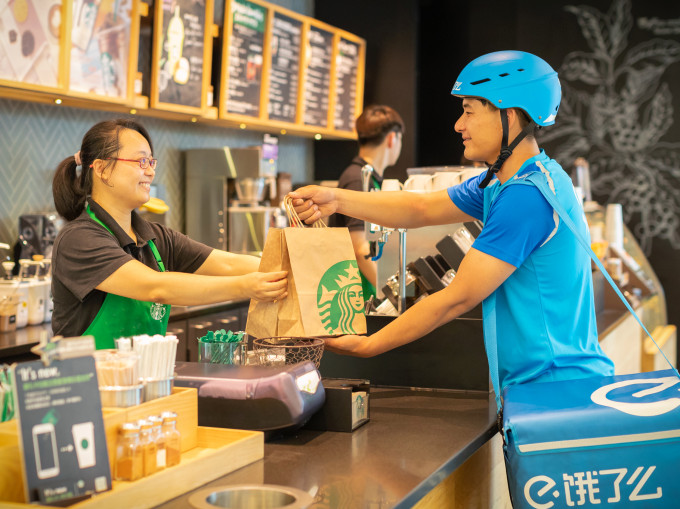
    The move came as the U.S. coffee chain is struggling with declining sales and growing local competition in China, its second-biggest market globally with over 7,300 locations, according to the trade magazine Restaurant Business.

    Revenues from Starbucks’ China stores dropped 11% year-on-year to US$734 million in the second quarter this year while comparable store sales declined by 14%, according to the South China Morning Post.

    Chinese coffee chains, meanwhile, have been offering customers drinks at much lower prices to compete with the U.S. giant, which has been in China since 1999.

    As CEO, Liu will have to stabilize the business while working toward the goal of opening about 1,700 more stores in that market.

    Her appointment is the second shift in executive management at Starbucks since the new CEO took the helm just over two weeks ago.

    The firm’s CEO for North America, Michael Conway, announced his retirement last week.

    Instead of filling his position, the company plans to hire a global chief brand officer to lead areas such as product and marketing.