Tag: coffee

  • Starbucks Announces Exciting Shift to 4-Day In-Office Workweek for Employees

    Starbucks Announces Exciting Shift to 4-Day In-Office Workweek for Employees

    Starbucks CEO Brian Niccol announced a transition that will require many employees to work in-office at least four days a week, an increase from the current three days. This new policy is set to roll out later this year.

    A Return to the Office: What It Means for Starbucks

    The updated policy will see common office days established from Monday to Thursday across support centers in Seattle and Toronto, as well as regional offices in North America, as outlined by Niccol in a recent message to partners on the company’s website.

    As Niccol approaches his one-year anniversary as CEO, he is dedicated to steering Starbucks back to its coffeehouse roots. His focus is on enhancing the in-store experience while lessening the company’s reliance on mobile and to-go orders, which, to some, is as vital as a morning cup of coffee. “Being in person also helps us build and strengthen our culture. As we work to turn the business around, all these things matter more than ever,” Niccol emphasized.

    Implementing Change and Encouraging Presence

    This shift to a four-day in-office work week is expected to take effect on September 29. Earlier this year, Starbucks took the initiative to urge remotely working vice president-level leadership to begin relocating to either Seattle or Toronto. Now, the call extends to all support center leaders, who must complete their moves within the next 12 months.

    As the coffee chain looks to combat rising inflation and navigate economic uncertainties, Starbucks is rapidly rolling out a new staffing and service model across its North American stores to boost sales growth.

    Questions & Answers

    What prompted Starbucks to increase in-office work days?
    The increase in in-office work days comes as part of CEO Brian Niccol’s strategy to strengthen company culture and enhance the in-store experience while reducing reliance on mobile and to-go orders.

    When will the new four-day work week policy take effect?
    The new policy is expected to take effect on September 29, 2025, requiring employees to work in the office four days a week.

    What changes has Starbucks made in response to economic pressures?
    In response to rising inflation and economic uncertainty, Starbucks has initiated a new staffing and service model across company-owned stores in North America to revive sales growth.
  • Potential $10b Valuation As Investors Eye Stake In Starbucks’ China Operations

    Potential $10b Valuation As Investors Eye Stake In Starbucks’ China Operations

    Starbucks’ China Operations Draw Interest from Potential Buyers

    Starbucks’ business operations in China may soon undergo changes, as several prominent investors have shown interest in acquiring a stake. This signifies a potential valuation of Starbucks’ China unit at approximately US$10 billion.

    Among the investors vying for a stake in the coffee giant’s China business are Asia-based private equity firms Centurium Capital and Hillhouse Capital, as well as their US counterparts Carlyle Group and KKR & Co.

    Starbucks May Retain 30% Stake

    According to sources, it is a possibility that Starbucks might retain a stake of 30 percent, with the remainder distributed among a group of purchasers, each owning less than 30 percent. However, the company and the potential buyers have not yet provided any comments on the matter.

    No Plans for Full Sale

    Last month, Starbucks confirmed that it does not plan to fully sell off its China operations. This announcement followed the commencement of a formal sales process for its China business in May.

    Offers Under Consideration

    Around 30 domestic and international private equity firms in China have submitted non-binding offers for a stake in Starbucks’ China business. Currently, the company is in the process of evaluating the bids, deal structure suggestions, and value creation proposals from the potential investors.

    This selection process is expected to result in a shortlist within the next two months. However, it is unlikely that the entire arrangement will be finalized before the end of this year.

    Questions & Answers

    Which companies are vying for a stake in Starbucks’ China business?
    Asia-based private equity firms Centurium Capital and Hillhouse Capital, as well as US counterparts Carlyle Group and KKR & Co, have shown interest in acquiring a stake.

    How much of a stake might Starbucks retain in its China operations?
    Starbucks may retain up to 30 percent stake in its China operations, with the remaining stake distributed among the group of buyers.

    Is Starbucks planning a complete sell-off of its China operations?
    Last month, Starbucks confirmed that it has no plans to fully sell off its China operations.

  • Starbucks’ China Venture Sparks Interest: Possible $10 Billion Stake Sale On Horizon

    Starbucks’ China Venture Sparks Interest: Possible $10 Billion Stake Sale On Horizon

    Starbucks’ China Business Draws Significant Interest

    Starbucks’ China venture has recently garnered substantial interest for a potential stake sale. The unit is speculated to be worth up to a staggering $10 billion. According to insider information, a multitude of entities is in the race for the stake, including Asian private equity firms Centurium Capital and Hillhouse Capital, as well as American counterparts Carlyle Group and KKR & Co.

    Possible Ownership Structure

    The multinational coffee company may retain a 30% stake in its China business if a deal goes through. The remaining portion would be divided among several investors, each maintaining a stake of less than 30%.

    No Official Comments Yet

    At this point, there has been no official response from Starbucks, Centurium, Hillhouse, Carlyle, or KKR regarding these claims. Until now, this information has not been independently corroborated.

    No Full Sale for Starbucks China

    Despite the current speculation, Starbucks clarified last month that it is not considering a complete sale of its China operations. This announcement followed the initiation of a formal sale process for Starbucks’ China operations that commenced in May.

    Offers Under Evaluation

    Starbucks has received non-binding offers from approximately 30 domestic and foreign private equity firms. The coffee giant is currently assessing these proposals, the proposed deal structures, and the value creation plans presented by the bidders.

    According to sources, the shortlist of potential investors could be ready within the next two months. However, it is unlikely that the transaction will be finalized by the end of this year.

    Questions & Answers

    Who are some of the potential buyers for Starbucks’ China business?

    Potential buyers include Asia-based private equity firms Centurium Capital and Hillhouse Capital, as well as US firms Carlyle Group and KKR & Co.

    What percentage of the Starbucks China business might the company retain after the sale?

    Starbucks may retain a 30% stake in its China operations post-sale.

    When is the deal likely to be finalized?

    While this is subject to change, the deal is currently unlikely to be completed before the end of this year.

  • Flash Coffee Welcomes New CEO to Drive Exciting Expansion Plans in Indonesia

    Flash Coffee Welcomes New CEO to Drive Exciting Expansion Plans in Indonesia

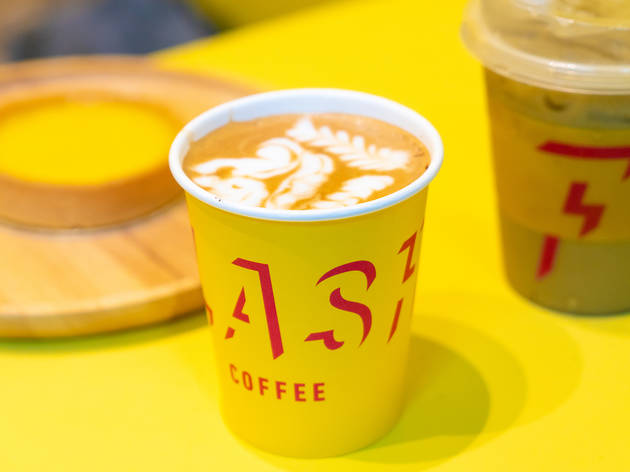
    Flash Coffee is gearing up for a new chapter in its growth story with the appointment of Bardon Matthew as its new chief executive officer. The company is making a strategic pivot towards Indonesia, singularly focusing on this market in an effort to enhance its turnaround and growth trajectory.

    Navigating the F&B Landscape

    With a robust track record spanning over two decades in Southeast Asia’s food and beverage sector, Matthew’s goals are explicit: to scale the business profitably and strengthen operational efficiencies. His leadership comes on the heels of pivotal strategic updates, including a decisive commitment to achieving disciplined, store-level profitability, which subsequently helped secure a fresh $3 million funding round.

    A Journey from Barista to CEO

    Matthew’s journey is as rich as the coffees Flash serves. Starting as a barista, he climbed the ranks through various esteemed establishments including Starbucks, J.Co Donuts & Coffee, Maxx Coffee, and Krispy Kreme. Most recently, he spearheaded a 230-store network at Fore Coffee during an impressive growth phase. His wealth of experience has equipped him with the insights and strategies needed to navigate the complexities of the industry.

    Bold Expansion Plans

    “I don’t believe in the status quo,” Matthew states emphatically. “With the right teams and systems, we can build for long-term success. I’m excited to scale Flash Coffee in my home market.” The ambitious plan includes scaling to over 500 stores by the end of 2025, with an immediate target of 80 locations, branching out to two new cities beyond Jakarta and Bandung. By 2026, Flash Coffee aims to have established 130 stores across Indonesia, marking an extraordinary leap on the regional retail scene.

    Will Coffee Shops Rule the Streets?

    As Flash Coffee ramps up its operations, one can’t help but wonder if the aroma of coffee will soon become an inseparable part of Indonesia’s bustling streets.

    Questions & Answers

    What are Bardon Matthew’s main goals as the new CEO of Flash Coffee?
    His primary objectives include scaling the business profitably, enhancing operational strength, and leading the company’s growth in Indonesia.

    How many stores does Flash Coffee plan to open in Indonesia?
    Flash Coffee aims to expand to over 500 stores across Indonesia, with an initial goal of 80 stores by the end of 2025.

    What is Bardon Matthew’s background in the food and beverage industry?
    Matthew has over 20 years of experience, having held leadership positions at various notable brands including Starbucks and Krispy Kreme, and most recently managed a 230-store network at Fore Coffee.

  • Starbucks Refutes Rumors of a Complete Sale of Its China Operations

    Starbucks Refutes Rumors of a Complete Sale of Its China Operations

    Starbucks has ignited speculation by initiating discussions with over a dozen potential buyers for its China operations, as reported by Caixin. However, amidst this buzz, the company has clarified that a complete sale is not on the table.

    Not Selling the Farm — Yet

    “I can confirm Starbucks is not currently considering a full sale of its China operations,” a company spokesperson stated. This directive comes in the wake of a formal sale process that Starbucks commenced in May 2023, inviting interested parties to submit their proposals by last week.

    What’s Brewing Behind the Scenes

    Under the guidance of Goldman Sachs, Starbucks is on a quest to learn more about the corporate cultures and management styles of potential buyers, while also assessing their sustainability practices, employee treatment, and overall business strategies for Starbucks China. Insiders familiar with the matter, who spoke on condition of anonymity, suggested the retail giant has yet to determine whether it will sell a controlling or minority stake in its operations.

    Evaluating the Landscape

    Despite the uncertainty, Starbucks has received interest from more than 20 institutional investors, including private equity firms eager to carve out a piece of the Starbucks pie. The potential move comes after a notable dip in market share for the brand, which fell from 34% in 2019 to a mere 14% by 2024, according to Euromonitor International. With lower-priced competitors like Luckin and Cotti aggressively challenging Starbucks’ pricing strategy, the American coffee titan faces increasing pressure to adapt.

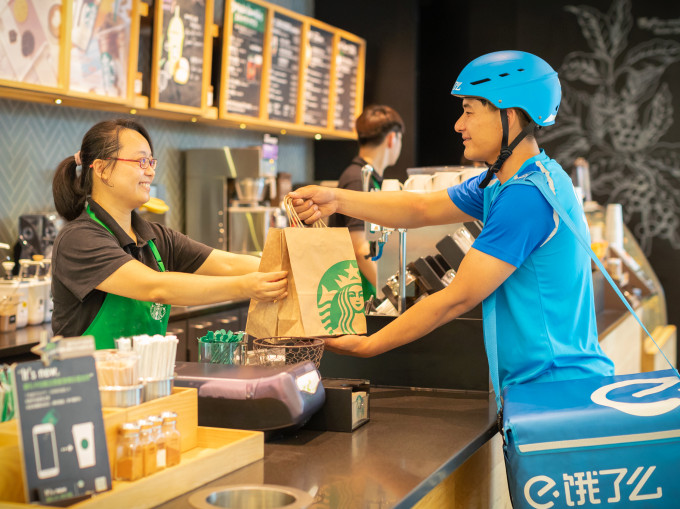
    This transition is not just numbers on a spreadsheet; it’s reflective of changing consumer preferences in a market increasingly defined by affordability and accessibility. In a twist of irony, while Starbucks is pulling back on prices—marking its first-ever price drop in China for non-coffee iced drinks earlier this month—challenges abound as e-commerce giants in China further erode market pricing by offering consumers subsidies on food delivery, allowing coffee enthusiasts to pay as little as 5 yuan for their caffeine fix delivered to their door.

    Charting a Path Forward

    Starbucks has poured substantial investment into its China operations, exemplified by the launch of its 1.5 billion yuan ($209 million) Coffee Innovation Park in Kunshan in 2023, aimed at supplying its expansive store network. As the company continues its dialogues with potential investors, it is expected that a shortlist of buyers will soon be formed. “The purpose was to let everyone tell their story freely and choose whatever the best prospect is and proceed,” one insider noted.

    Questions & Answers

    What prompted Starbucks to consider selling part of its China operations?
    Starbucks is navigating a rapidly evolving market in China, having lost significant market share to lower-priced competitors, which has raised questions about its pricing strategy and long-term prospects.

    How has the competition impacted Starbucks in China?
    Starbucks has seen its market share plunge from 34% in 2019 to 14% in 2024, thanks to fierce competition from fast-growing rivals offering cheaper options.

    What recent steps has Starbucks taken in response to pricing pressures?
    Earlier this month, Starbucks implemented its first-ever price drop in China, lowering the cost of some non-coffee iced drinks by an average of 5 yuan to stay competitive.

  • Vietnam Coffee Prices Plunge 14% in a Week as Global Market Reaches Yearly Low

    Vietnam Coffee Prices Plunge 14% in a Week as Global Market Reaches Yearly Low

    In the Central Highlands provinces of Dak Lak, Gia Lai, and Kon Tum, coffee prices have taken a significant dip, plummeting 30% from the peak of VND135,000 reached in March. This downward trend in coffee prices is not limited to Vietnam; it mirrors a broader decline seen across the global market in recent months.

    Currently, Robusta coffee for September delivery is priced at $3,737 per ton, while Arabica fetches $6,950. The cause of this price shift can largely be traced back to Brazil, the world’s foremost coffee exporter, which initiated its harvest in May, yielding more than anticipated. This surplus has contributed to a notable increase in global supply, putting further pressure on prices.

    In Asia, Indonesia is ramping up its robusta exports in response to rising production levels, adding to the already steep competition and exerting downward pressure on prices. It’s a classic case of supply and demand, where larger harvests create a buyer’s market. Meanwhile, as global capital flows gravitate toward the stability of the U.S. dollar amid economic uncertainties, coffee—priced in dollars—has become comparatively more expensive for consumers using other currencies. This shift has dampened international demand, prompting necessary price corrections.

    In light of these market conditions, coffee sellers are keen to capitalize on quick sales, actively seeking to ensure profits which, in turn, has accelerated the short-term decline in prices. Despite these challenges, the U.S. Department of Agriculture predicts that Vietnam’s coffee production for the 2025-2026 season will reach 31 million bags, a 6.9% increase from the previous year.

    Farmers in key growing regions like Dak Lak and Kon Tum are finding reason for optimism this year, buoyed by favorable weather conditions that have thus far limited the impacts of climate change on their crops. Notably, plantations that were replanted four years ago are now entering a high-yield phase, reinforcing production forecasts.

    Vietnam’s coffee exports have also been strong, with the country shipping 823,900 tons in the first five months of 2025, raking in $4.7 billion, according to the Ministry of Industry and Trade. This translates to an average export price of $5,709 per ton—including processed coffee—a staggering 63% increase year-on-year. Major markets driving this demand include Germany, Italy, Spain, the U.S., and Japan. Emerging markets in the Middle East, Africa, and the Americas are also stepping up, making significant contributions to Vietnam’s burgeoning coffee export landscape. Hold onto your coffee cups; the retail brew scene is definitely brewing up a storm.

    Questions & Answers

    What recent trend has been observed in coffee prices in Vietnam?
    Coffee prices in Vietnam’s Central Highlands have dropped by 30% from their March peak of VND135,000, reflecting a global decline in coffee prices.

    How is Brazil impacting global coffee supply?
    Brazil’s coffee harvest, which began in May, is exceeding expectations, leading to a substantial increase in global supply and putting downward pressure on coffee prices worldwide.

    What are the projections for Vietnam’s coffee production?
    The U.S. Department of Agriculture projects that Vietnam’s coffee production for the 2025-2026 season will reach 31 million bags, marking a 6.9% increase compared to the previous season.

  • Flash Coffee Raises $3M to Propel Indonesian Expansion Efforts

    Flash Coffee Raises $3M to Propel Indonesian Expansion Efforts

    Flash Coffee Secures $3 Million in Funding to Accelerate Expansion in Indonesia

    Investment Fuels Ambitious Growth Strategy

    Flash Coffee has successfully raised $3 million in a recent funding round, spearheaded by TA Ventures and supported by White Star Capital. This investment comes on the heels of a robust performance, showcasing the coffee brand’s resilience and promising revenue potential.

    Strong Performance Underpins Brand’s Expansion Plans

    After a remarkable year, Flash Coffee reported an impressive average store-level EBITDA of 22%, with new stores achieving an extraordinary 36% EBITDA—figures that surpass industry expectations. With these promising metrics in hand, the company is set to expand its footprint to 70 stores across Indonesia by 2025, in addition to venturing into two new cities.

    “Our strategy has prioritized solidifying our foundation—profitable stores, enhanced team dynamics, enriching menus, and spaces that resonate with modern Indonesian aesthetics,” remarked Jakob Angele, Executive Chairman of Flash Coffee.

    Innovative Store Concept Enhances Consumer Experience

    As part of its growth strategy, Flash Coffee is introducing a redesigned store concept that features natural textures, local materials, and abundant greenery. The brand’s fresh logo and the slogan “Kebanggaan Indonesia” (Proudly Indonesian) emphasize its deep connection to Indonesian culture and heritage.

    “Today’s Indonesian consumer is cross-generational, actively seeking experiences that are both meaningful and personal,” noted Richard Armstrong, Venture Partner at TA Ventures. This insight aligns with the brand’s ongoing commitment to adapt to evolving consumer trends.

    Implications for the Retail Sector

    Flash Coffee’s ambitious expansion and strategic pivot toward personalized consumer experiences signal significant shifts within the retail sector. As competition intensifies, brands must stay attuned to consumer preferences, balancing profitability with enriching visitor experiences. This funding reflects not just the brand’s ambition but also the growing consumer demand for quality and authenticity in the coffee retail space.

  • Neuhaus launches praline and coffee food pairing ritual

    Neuhaus launches praline and coffee food pairing ritual

    Neuhaus has launched its first praline and coffee food pairing ritual in Asia in an exclusive Travel Retail partnership with Gebr. Heinemann. The pairing is solely available in selected Sweet Dreams by Heinemann shops at Hong Kong International Airport.

    The Neuhaus Coffee & Pralines Collection showcases six pralines and two types of coffee from Brazil and Colombia.

    Neuhaus’ master chocolatiers have created two sets of pralines to be paired with coffee. Each set comprises three pralines created to match with a single origin coffee from either Columbia or Brazil.

    DELICATE TO INTENSE

    The three pralines are eaten one after the other in a specific order building from delicate to intense together with coffee from the same region.

    Available in two versions, The Coffee & Pralines Collection contains 36 pralines and two 100-g packets of Brazil and Colombia single origin coffees — enough for 12 coffee and praline rituals.

    The Origin Box contains 24 pralines. Both presentations boxes are simple with a luxurious finish. They both contain a leaflet that provides full details of the production process and ideal coffee ritual.

    Alexandra Bevernage, Global Travel Retail Director Neuhaus Chocolates said: “This first and exclusive launch in Asia of our unique Coffee Pairing collection underscores the importance of the region to Neuhaus.

    NATURAL FIT

    “Heinemann is one of the most forward-looking companies in the region, making the collaboration with Neuhaus, who invented the Belgian praline, a natural fit. We are developing more exciting projects and will continue to work on building strong offerings in Asia so as to continue leading the premium chocolate category.”

    Johannes Sammann, COO Heinemann Asia Pacific added: “We are very excited to partner with Neuhaus for this exclusive launch in Asia. The unique coffee pairing collection from Neuhaus is definitely the first of its kind and its launch in Asia through our Sweet Dreams by Heinemann stores at Hong Kong International Airport underscores how important Hong King is for the confectionery category.

    “As we continue to grow this category in Hong Kong, we will be bringing many more of such exclusive launches.”

  • Coffee Exports Surge to All-Time High, Driven by Growing Demand from EU and US Markets

    Coffee Exports Surge to All-Time High, Driven by Growing Demand from EU and US Markets

    Vietnam’s coffee scene is brewing up some interesting developments! Although there was a slight dip in volume, with a 0.6% year-on-year decrease, the value of exports leapt by an impressive 62.3%. This surge was largely driven by a significant rise in average prices, which soared by 63.2% to reach $5,709 per ton, according to the latest customs data.

    Steaming Exports in May

    In May alone, Vietnamese coffee exports reached nearly 149,000 tons valued at $860 million. This marks a robust increase of 60.5% in volume and nearly 2.2 times more in value compared to the same month last year.

    Interestingly, the European Union continues to be the primary consumer of Vietnamese coffee, importing over 367,000 tons worth approximately $2 billion. This reflects a 10.2% rise in volume and a staggering 81.9% increase in value. Meanwhile, shipments to the United States also demonstrated impressive growth, climbing 6.3% in volume to 54,310 tons and skyrocketing 72.4% in value to $299 million.

    Emerging markets are also getting a taste of this coffee boom, with shipments to Algeria doubling and exports to Mexico and South Africa soaring by 39 and 17 times, respectively. Who knew coffee could create such a buzz?

    Challenges on the Horizon

    Despite these encouraging numbers, Vietnam’s coffee exports are not without hurdles. Global uncertainties and a downward trend in prices loom as potential challenges ahead. Analysts caution that coffee prices are likely to drop due to increased supply from major producers. By June 11, Robusta futures in London closed at $4,409 per ton, reflecting a 15.6% decline from the previous month, while Arabica on the New York exchange saw an 8.4% drop.

    Domestically, coffee prices in the Central Highlands have dipped to their lowest levels since November, now hovering around VND112,000 (approximately US$4.3) per kilogram—a 12% decrease. The price drop coincides with the new harvest seasons in Brazil and Indonesia, with Brazil’s coffee production anticipated to rise by 0.5% to 65 million bags for the 2025-26 harvest. Simultaneously, Vietnam’s output is projected to increase by 6.9% to 31 million bags, as per the U.S. Department of Agriculture.

    However, there’s a silver lining: the Import-Export Department under Vietnam’s Ministry of Industry and Trade remains optimistic about the coffee export outlook, estimating total annual exports could hit $7 billion—a significant leap from $5.4 billion in 2024.

    Questions & Answers

    What drove the recent spike in the value of Vietnamese coffee exports?
    The sharp increase in average prices, which rose by 63.2% to $5,709 per ton, contributed significantly to the surge in export value, despite a slight drop in volume.

    Which markets are leading in Vietnamese coffee imports?
    The European Union remains the largest market, with imports exceeding 367,000 tons, while there’s also notable growth in the U.S. and emerging markets like Algeria, Mexico, and South Africa.

    What are the potential risks facing Vietnam’s coffee exports?
    Key challenges include global price declines due to increased supply from major producers and uncertainties in global policies affecting market dynamics.

  • Starbucks pilots ‘Green Dot’ AI virtual assistant tool

    Starbucks pilots ‘Green Dot’ AI virtual assistant tool

    Starbucks has initiated a testing phase for a novel artificial intelligence (AI)-driven virtual assistant, Green Dot Assist, across 35 outlets in the United States and Canada. This innovative tool is designed to offer immediate, conversational answers to baristas’ queries, thereby eliminating the necessity to consult manuals or conduct online searches for information.

    Green Dot Assist is intended to facilitate easy access to key information, bolster baristas’ confidence and familiarity with products, and ensure smooth workflow. As an example, Starbucks cited how Green Dot Assist could swiftly refresh a barista’s memory about ingredients in a seasonal beverage.

    Starbucks has expressed that this tool aligns with its broader strategy to minimize friction in the workplace and give baristas more time to concentrate on preparing beverages and interacting with customers.

    The AI assistant, powered by Microsoft Azure’s OpenAI platform, is expected to automate technical alerts and staff scheduling adjustments in the near future.

    Following the completion of this trial phase, Starbucks intends to extend the usage of Green Dot Assist to more outlets.

    Questions & Answers

    What is the purpose of Starbucks’ Green Dot Assist?
    Green Dot Assist is an AI-powered virtual assistant designed to facilitate easy access to key information, bolster baristas’ confidence and familiarity with products, and ensure smooth workflow in Starbucks outlets.

    How does Green Dot Assist work?
    Green Dot Assist provides immediate, conversational responses to baristas’ queries, eliminating the need for staff to consult manuals or search for information online.

    What are the future plans for Green Dot Assist?
    Following the completion of its testing phase across select outlets in the US and Canada, Starbucks intends to extend the implementation of Green Dot Assist to more locations. The AI assistant is also expected to automate technical alerts and staff scheduling adjustments in the future.

  • Starbucks Seeks Private Jet Pilot with Competitive Salary Reaching $360,000

    Starbucks Seeks Private Jet Pilot with Competitive Salary Reaching $360,000

    Starbucks is on the hunt for a private jet pilot, offering a staggering salary that can soar up to $360,300 annually, according to a recent report by Business Insider. This ambitious pay scale positions the coffee giant as one of the top employers in the aviation industry.

    The Seattle-based company is prepared to start the lucky captain at a minimum of $207,000—still higher than the average airline pilot’s salary of $280,000, as per the U.S. Bureau of Labor Statistics. But it’s not just about the paycheck; the role comes with a unique blend of responsibilities and perks that promise an exhilarating lifestyle.

    Experience and Qualifications Required

    Starbucks is seeking an experienced aviator with a total of 5,000 flight hours and at least five years of service in a corporate flight department. The ideal candidate will also need to pilot the latest Gulfstream private jets—a task that requires not only technical know-how but also a dash of flair.

    But the responsibilities extend beyond flying the plane. The captain is expected to act as a “Starbucks ambassador both at home and abroad,” showcasing the brand in the skies. Duties will include assisting passengers with their luggage, ensuring security away from the home base, and the flexibility for extensive travel—talk about a high-flying gig!

    The job description highlights collaboration with crew members, dispatch teams, and maintenance personnel, all while fulfilling the air transportation needs for Starbucks Aviation.

    CEO’s Unique Arrangement

    This aeronautical quest comes on the heels of Starbucks making headlines when they appointed Brian Niccol as CEO last year, allowing him to remain in California and commute 1,000 miles to Seattle. His offer letter referred to the use of Starbucks’ corporate aircraft for his travels, a perk that extends to personal trips valued at up to $250,000 annually.

    It seems that for Starbucks, the sky isn’t the limit; it’s just the beginning!

    Questions & Answers

    What qualifications does Starbucks require for the pilot position?
    Candidates need a minimum of 5,000 flight hours and five years of experience in a corporate flight department, along with the ability to operate the latest Gulfstream jets.

    What are the main responsibilities of the private jet pilot?
    The pilot will serve as a brand ambassador for Starbucks while assisting with passenger needs, ensuring security, and traveling extensively.

    How does the salary compare to industry standards?
    Starbucks is offering up to $360,300 annually for the position, which is significantly higher than the average airline pilot’s salary of $280,000.

  • Nescafe expands Espresso Concentrate range with Rich Caramel version

    Nescafe expands Espresso Concentrate range with Rich Caramel version

    Nescafe, the global coffee brand, has expanded its Espresso Concentrate collection with the introduction of a new flavour, ‘Rich Caramel.’ This new addition, characterized by a robust and distinctive caramel taste, is versatile and ideal for the creation of barista-style caramel frappes and sweet iced lattes at home.

    New Flavour Joins the Range

    Nescafe’s Rich Caramel variant joins the already popular Sweet Vanilla and Black varieties in the Espresso Concentrate line. Melissah Toomey, Chief Marketing Officer of Nescafe, stated that the brand’s prior experimentation with caramel flavours has been met with considerable success. The Nescafe Caramel Latte, for instance, stands as the best-selling item amongst all their flavoured product offerings.

    Availability

    The Rich Caramel flavour is presently on sale at Woolworths and local retailers. Plans are also underway to make the product available for purchase at Coles in the coming month.

    Response to Consumer Feedback

    Toomey explained that the addition of Rich Caramel to the Espresso Concentrate range is a direct result of feedback from consumers. Last year’s launch of the Espresso Concentrates was met with overwhelming positivity, leading the company to broaden the range further.

    Apart from the new espresso concentrate, Nescafe also introduced a KitKat-inspired coffee mix to its product lineup last month.

    Questions & Answers

    What is the new flavour that Nescafe has added to its Espresso Concentrate line?
    The new flavour is ‘Rich Caramel.’

    What other flavours are available in the Espresso Concentrate range?
    Apart from Rich Caramel, the range also includes Sweet Vanilla and Black.

    Where can I purchase the new Rich Caramel flavour?
    The Rich Caramel variant of Nescafe Espresso Concentrate is available at Woolworths, local retailers, and will soon be available at Coles.

  • Boss Coffee brings back fan-favourite Iced Mocha across Down Under

    Boss Coffee brings back fan-favourite Iced Mocha across Down Under

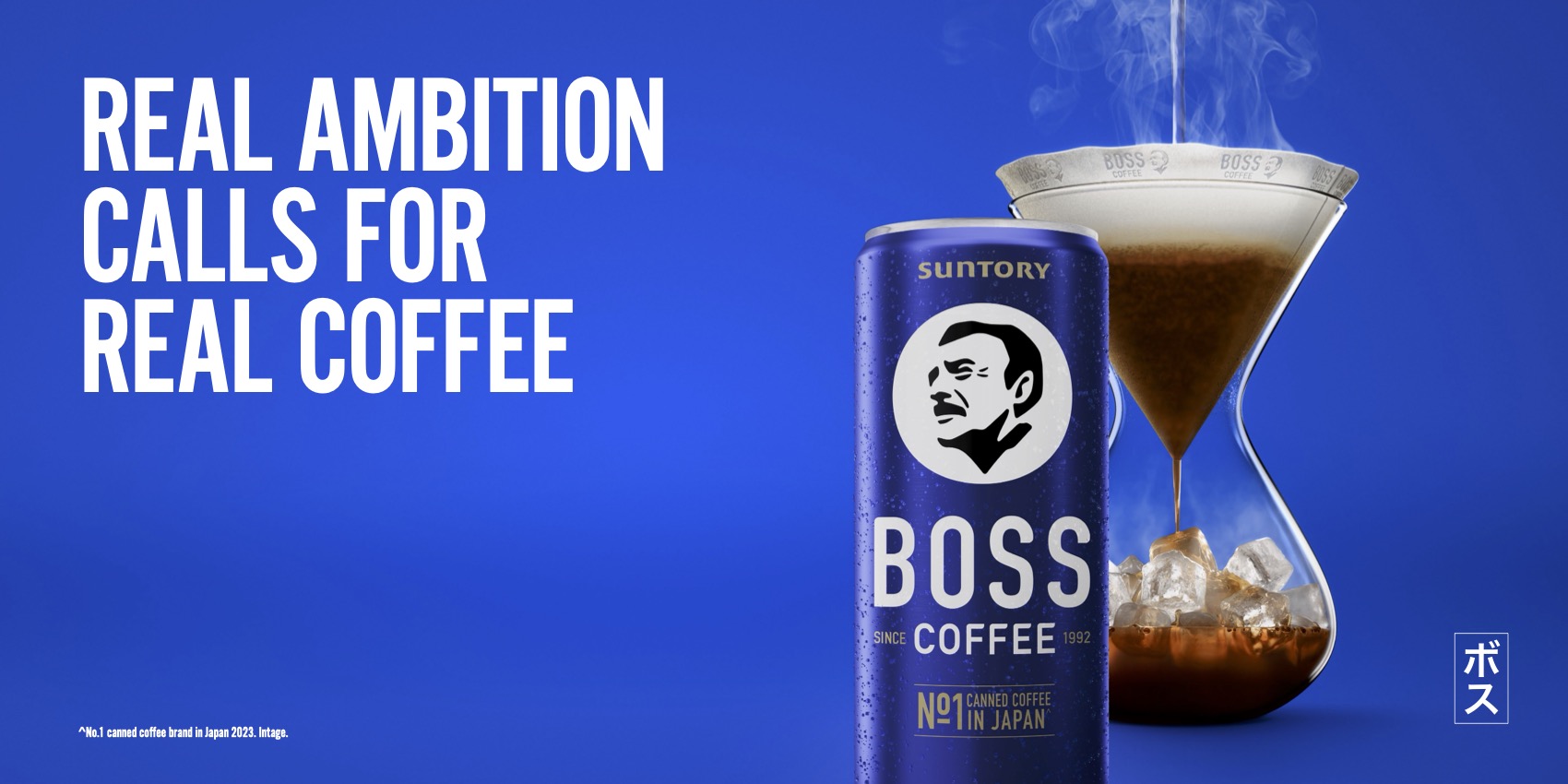
    Suntory Boss Coffee has relaunched its Iced Mocha in Australia and New Zealand, boasting an enhanced recipe that combines flash-brewed coffee and a rich chocolate taste. The drink is designed as a sweet yet invigorating refreshment, targeting busy professionals, students, and any individual in need of a caffeine lift.

    Morgan Loveridge, Head of Market Execution at Suntory Boss Coffee & Future Brands, stated that the revised Iced Mocha has achieved impressive results in taste tests, with a purchase intent of 80%. Consumers have expressed that the addition of Iced Mocha enhances the overall appeal of the Suntory Boss Coffee range.

    Suntory Boss Coffee first entered the Australia and New Zealand market in 2019 and has since secured a significant market share with 52.8% in Australia and 69.5% in New Zealand. The Iced Mocha variety was first introduced to their range in 2023.

    The complete array of Suntory Boss Coffee is accessible in supermarkets, petrol stations, and convenience stores across the two countries.

    Questions & Answers

    What is the revised recipe of Suntory Boss Coffee’s Iced Mocha?
    The improved recipe of Suntory Boss Coffee’s Iced Mocha combines flash-brewed coffee with a rich chocolate flavour.

    Who is the target market for Suntory Boss Coffee’s Iced Mocha?
    The Iced Mocha drink is aimed at busy professionals, students, and anyone needing a caffeine boost.

    Where can customers find the Suntory Boss Coffee range?
    The full range of Suntory Boss Coffee is available in supermarkets, petrol stations, and convenience stores in Australia and New Zealand.

  • Bacha Coffee Launches First Flagship Store in Hong Kong, Promising a Unique Coffee Experience

    Bacha Coffee Launches First Flagship Store in Hong Kong, Promising a Unique Coffee Experience

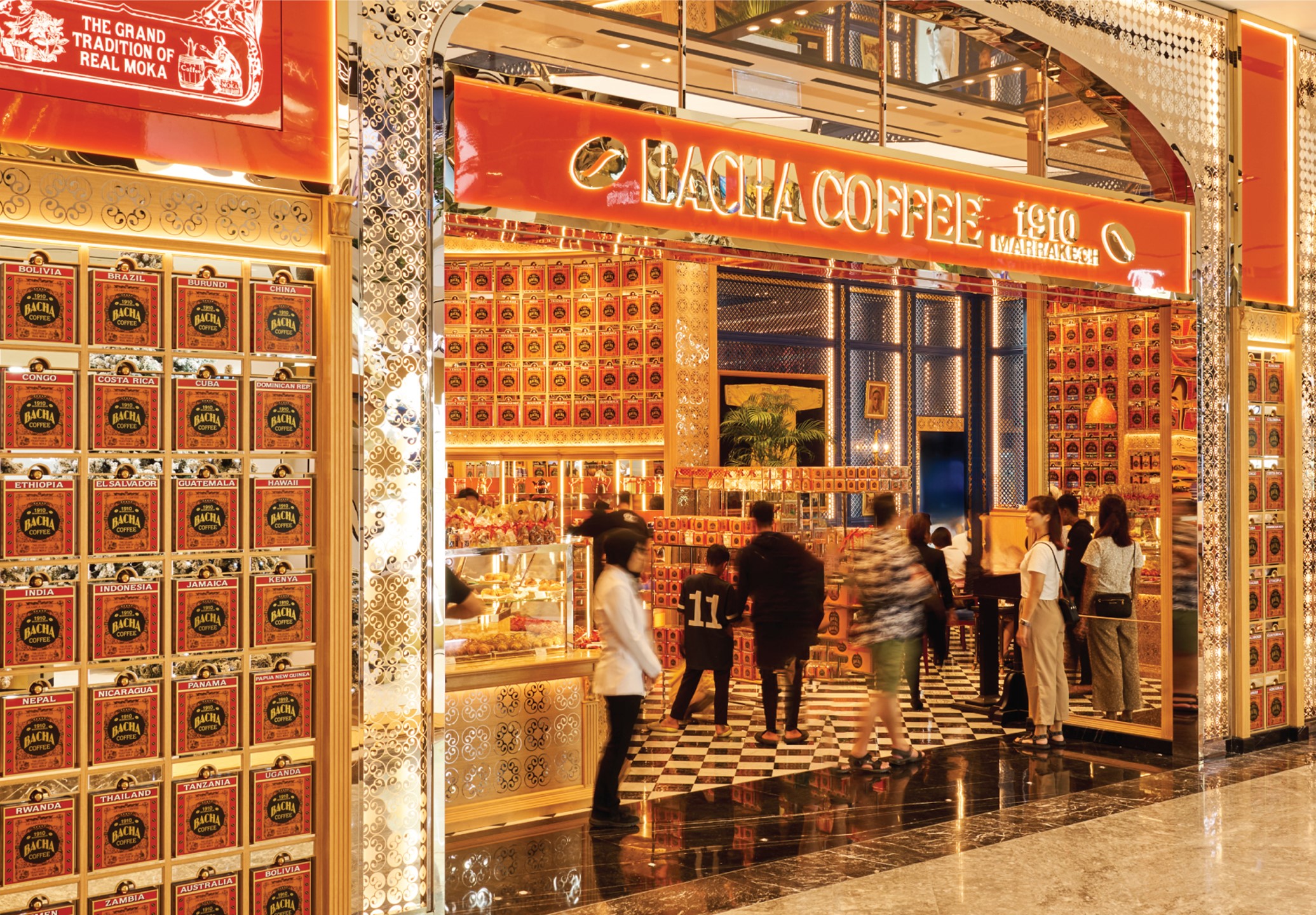
    Bacha Coffee has unveiled its first full-concept flagship store in the bustling Harbour City of Hong Kong, a pivotal move in the brand’s ambitious global expansion plan. Spanning an impressive 2,500 square feet, this vibrant new location features a Coffee Boutique, a 50-seat Coffee Room, and a takeaway counter that collectively showcase an astounding selection of over 200 varieties of 100% Arabica coffee sourced from 35 countries.

    This outlet is not just about coffee; it’s Bacha Coffee’s first complete dining experience in the city. The Coffee Room entices visitors with an all-day menu brimming with delectable pastries and artisan viennoiseries, all thoughtfully paired with their aromatic coffee offerings. The design pays homage to the brand’s origins in Marrakech, creating an enchanting atmosphere that transports patrons to its Moroccan roots.

    Here, traditional brewing techniques reign supreme, with skilled “coffee masters” meticulously preparing each cup in elegant golden gooseneck pots, a sight that is both captivating and delicious.

    The Hong Kong launch underscores Bacha Coffee’s commitment to global growth, following a successful revival in Marrakech that has seen the brand expand to 32 stores across 12 cities such as Paris, Dubai, Doha, Seoul, Singapore, and Taipei. The recent inauguration of its flagship store on the iconic Champs-Élysées in April further exemplifies its relentless pursuit of worldwide recognition.

    And who knows, maybe one day we’ll be sipping Bacha Coffee in outer space—after all, why should astronauts miss out on a good brew?

    Questions & Answers

    What is Bacha Coffee’s latest store concept in Hong Kong?
    The new full-concept flagship store includes a Coffee Boutique, a Coffee Room with all-day menu options, and a takeaway counter, set within a lavish 2,500-square-foot space.

    How many coffee varieties does the flagship store offer?
    The flagship store offers an impressive selection of over 200 varieties of 100% Arabica coffee from 35 different countries.

    What inspired the design of the Coffee Room at the new store?
    The Coffee Room’s design is inspired by Bacha Coffee’s original home in Marrakech, aiming to provide a unique and captivating atmosphere for customers.

  • Starbucks and Luckin Coffee Boost Sales in China by Targeting Emerging Smaller Cities

    Starbucks and Luckin Coffee Boost Sales in China by Targeting Emerging Smaller Cities

    The operations of American beverage titan Starbucks in China have recently shown signs of resilience, reporting flat same-store sales for the quarter ending March 30. This performance stands in stark contrast to an 8% decline in the same category for the year ending September 29. Notably, the company’s operating revenue rose by 5% year on year, reaching an impressive US$740 million in the latest quarter.

    Starbucks’ Strategy Shines Through

    Richard Lin, chief consumer analyst at SPDB International, praised Starbucks’ strategy of exchanging lower ticket sizes for increased transaction volumes. According to Lin, this reflects the company’s determination to protect its market share amidst ongoing price competition in China. Over the past year, Starbucks has poured significant resources into expansion, adding 665 new stores to its network, bringing its total to 7,758 outlets and solidifying its status as the largest non-U.S. market for the brand.

    Luckin Coffee’s Bold Moves

    In the race for coffee supremacy, Luckin Coffee, Starbucks’ chief competitor, is making notable strides as well. The company’s operating revenue jumped by a staggering 41% in the first quarter to CNY 8.9 billion (approximately US$1.2 billion), with net profits of CNY 737 million reversing a loss from the same period the previous year. Luckin also expanded aggressively, adding 1,743 stores across China and reaching a total of 24,097 locations. Same-store sales at its company-operated sites increased by 8%, driven by a strategic focus on afternoon tea products designed to attract a broad customer base.

    Analysts from China Merchants Securities have observed that Luckin’s store expansion has surpassed expectations, coupled with rising customer spending. With their stable supply chain and cost advantages, the company is poised to continue capturing market share, despite some short-term increases in coffee bean prices.

    Emerging Markets: The Untapped Goldmine

    The growth narrative doesn’t end with the major cities. A burgeoning trend is evident as data reveals that smaller cities in China are emerging as surprising growth hubs for beverage chains, eclipsing their larger counterparts in growth potential. Over the past year, more than 66,900 coffee shops opened, with remarkable growth in “new first-tier” cities—urban locales that are increasingly asserting their influence on the national stage. Chengdu, for instance, witnessed the launch of nearly 2,000 new coffee shops, while Hangzhou added over 1,700 to its burgeoning coffee scene.

    Interestingly, third-tier cities and smaller towns are now home to almost 45% of China’s coffee shop population. Recent findings from shopping platform Meituan highlighted a staggering 97% increase in coffee orders in these less urbanized areas, accompanied by a 159% rise in coffee shop numbers.

    As Lin pointed out, while the coffee market in higher-tier cities nears saturation, the lower-tier markets represent fertile ground for expansion. He believes that as chains keep prices affordable, they will cultivate a new generation of coffee drinkers who are eager to learn more about their brews.

    With China’s coffee industry boasting a market value of CNY 624 billion in 2024, projections indicate that this figure could skyrocket to CNY 1 trillion this year, presenting a tantalizing vista for both established players and eager newcomers alike.

    Questions & Answers

    What contributed to Starbucks’ stable performance in China?
    Starbucks has adopted a strategy of lowering ticket sizes to boost transaction volume, which has helped maintain its market share amid fierce price competition.

    How has Luckin Coffee fared against Starbucks?
    Luckin Coffee has experienced impressive growth, achieving a 41% increase in operating revenue, and reversing previous losses through aggressive expansion and innovative product offerings.

    What trends are emerging in China’s coffee market?
    Smaller cities are rapidly becoming more significant players in the coffee market, demonstrating higher growth rates in both coffee shop openings and consumer demand than their larger urban counterparts.