Tag: coffee

  • Coffee Exports Soar to New Heights, Achieving Record-Breaking Milestone

    Coffee Exports Soar to New Heights, Achieving Record-Breaking Milestone

    In the first eight months of the 2025 fiscal year, Vietnam’s coffee exports soared to 1.2 million tonnes, generating a striking $6.42 billion, as reported by the Ministry of Agriculture and Environment. This impressive growth reflects an 8.7% increase in volume and a staggering 59.1% jump in value compared to the previous year. If this trend continues, export earnings could eclipse $8 billion for the 2024–2025 crop year, significantly outpacing the record $5.6 billion achieved in 2024.

    Rising Stars of the Coffee Industry

    Industry leaders attribute this remarkable surge to several key factors, including soaring global prices and Vietnam’s commitment to enhancing quality. The nation’s focus on specialty coffee, sustainability certifications, and adherence to international standards has bolstered its coffee’s reputation on the world stage while mitigating pricing risks.

    On average, Vietnamese coffee is now exported at $5,580 per tonne, marking a 46.4% year-on-year increase. Germany, Italy, and Spain continue to dominate as primary markets, with exports to Mexico skyrocketing over 90-fold. Even China, despite its modest growth rate, saw a noteworthy 11.7% rise in shipments.

    Advancements Fueling Coffee Competitiveness

    Experts highlight that long-term investments in processing technologies and enhanced supply chain transparency have significantly increased the competitiveness of Vietnamese Robusta. This variety is quickly becoming the preferred choice among roasters globally. Additionally, businesses are venturing into higher-value markets, particularly in specialty and processed coffee, spurred on by beneficial free trade agreements such as the EVFTA, UKVFTA, and CPTPP. In a coffee world that often celebrates strong brews, Vietnam is transforming underdogs into top contenders.

    Private enterprises are taking an active role in this growth story. For instance, Vinh Hiep Company from Gia Lai province reported over $750 million in exports and anticipates exceeding the $1 billion mark this year, accounting for more than 12% of the national coffee export volume.

    Phuc Sinh Group also underscores the evolution of Vietnamese Robusta, once known for its lower pricing, which is now attracting some of the highest prices globally. This turnaround can be credited to advanced processing methods, state-of-the-art roasting systems, and successful expansions into instant and specialty products.

    Thriving on Innovation

    Today, Vietnam dedicates approximately 732,000 hectares to coffee cultivation, achieving an average yield of 2.9 tonnes per hectare. Surprisingly, innovative farming techniques can drive yields as high as 5 tonnes per hectare. As the coffee landscape shifts, Vietnam is not just producing beans; it’s crafting stories of quality and resilience that reverberate across the globe.

    Questions & Answers

    What contributed to the significant increase in Vietnam’s coffee export value in 2025?
    Industry leaders cite a combination of rising global prices and Vietnam’s strategic shift towards improving coffee quality, expanding specialty coffee offerings, and achieving sustainability certifications.

    Which countries are the primary buyers of Vietnamese coffee?
    Germany, Italy, and Spain are the leading markets for Vietnamese coffee, with notable increases in exports to Mexico and a steady growth in shipments to China.

    How has the Vietnamese coffee industry positioned itself in the global market?
    Through investments in processing technology and a focus on higher value specialty and processed coffee segments, Vietnamese coffee has enhanced its global competitiveness and appeal among roasters worldwide.

  • Coffee Industry Seizes Opportunities as Global Prices Continue to Climb

    Coffee Industry Seizes Opportunities as Global Prices Continue to Climb

    In a striking reflection of the challenges posed by climate change, coffee prices surged globally by approximately 40% in 2024, as highlighted by a recent study from the Food and Agriculture Organization. This surge is largely attributed to adverse weather conditions affecting production in key coffee-producing countries such as Brazil, Colombia, and Indonesia, while demand escalates in Europe, the US, and Asia.

    Vietnam’s Coffee Export Boom

    Amid this global upheaval, Vietnam’s coffee sector appears to be capitalizing on the situation, with export turnover exceeding $560 million last month alone. This impressive figure has propelled the total export value for the first seven months of the year to a remarkable $3.6 billion, marking a year-on-year growth of 20%, according to the Ministry of Agriculture and Environment. The major driver behind this thriving export performance is the spike in global coffee prices.

    Seizing the Moment in a Competitive Market

    As the world’s leading exporter of Robusta coffee, Vietnam holds an estimated 40% share of the global market. Nguyen Nam Hai, the president of the Vietnam Coffee Cocoa Association (Vicofa), noted that the international coffee landscape has never appeared more promising. High prices and growing demand, paired with Vietnam’s stable supply, put the country in a fortuitous position to expand its market share.

    Deep Processing: A Game Changer?

    However, to fully leverage this opportunity, Vietnam must shift its focus toward deeper processing. Hai emphasized that relying solely on raw bean exports limits potential gains. While export values are climbing, the structural makeup of Vietnam’s coffee products reveals considerable shortcomings. Currently, only 12-15% of total exports fall into the deep-processing category, which includes roasted, instant, and specialty coffee — a figure that pales in comparison to Brazil and Colombia’s 30-40% ratio.

    Le Hoang Diep Thao, founder and CEO of TNI King Coffee, weighed in on this issue, noting that investing in deep processing can significantly enhance product value. Yet, she cautioned that the initial investment can be daunting, particularly for instant coffee technology, requiring hundreds of billions of Vietnamese dong. Not all companies possess the financial capacity for such ventures.

    Coping with Technological and Branding Hurdles

    Technological barriers and branding challenges further complicate Vietnam’s transition toward deep processing. While substantial investment has been made by major players like Vinacafé, Trung Nguyên, and Nestlé, many small and medium-sized enterprises struggle to keep pace. While Vietnam is recognized for its production volumes, household names in coffee evoke thoughts of Starbucks, Lavazza, and Nestlé, making it tough for Vietnamese brands to penetrate the premium segment.

    Agricultural economist Dinh Van Thanh cautioned that if Vietnam persists in its reliance on raw exports, it risks being reduced to merely an “ingredient factory” for larger corporations. A robust long-term strategy aimed at investment in deep processing and enhancing the national coffee brand on the global stage is imperative.

    Emerging Positive Signals

    Despite the challenges, there are encouraging developments within the industry. Trung Nguyên Legend is working to expand its instant coffee exports to the Middle East and Eastern Europe, while Vinacafé is honing its focus on the ASEAN market. Meanwhile, enterprising start-ups in Lam Dong and Gia Lai are launching specialty coffee brands aimed at markets such as Japan and South Korea. In a clever twist, rather than merely selling raw beans, these innovators are partnering with companies to process roasted coffee for direct sale in South Korea, with prices that can be double that of unprocessed beans, ultimately benefiting farmers.

    Strategic Recommendations for Growth

    Experts have outlined three strategic areas for the Vietnamese coffee industry to capitalize on high prices and broaden export potential. First, there is a compelling need for investment in deep processing technology. The government should consider implementing preferential credit policies for businesses that invest in production lines for instant and specialty coffee. Second, building a national coffee brand akin to Thailand’s Jasmine rice or Colombia’s Arabica coffee is critical for establishing a strong global presence. Lastly, targeting emerging markets such as the Middle East, South Asia, and Eastern Europe, where coffee demand is rapidly increasing, could provide a fertile ground for expanding the reach of processed Vietnamese coffee.

    Questions & Answers

    How has climate change affected global coffee prices?
    A recent study revealed that global coffee prices increased by about 40% in 2024, largely due to unfavorable weather conditions that impacted production in key coffee-producing countries.

    What role does Vietnam play in the global coffee market?
    Vietnam is the largest exporter of Robusta coffee, holding about 40% of the global market share. The country is now focusing on deepening its processing capabilities to enhance its market position.

    What strategies are being suggested for the growth of Vietnam’s coffee sector?
    Experts recommend investing in deep processing technology, building a national coffee brand, and targeting emerging markets like the Middle East and Eastern Europe to capitalize on growing coffee demand.

  • Chagee’s Revenue Soars Amid Expansion, Despite Significant Profit Dip

    Chagee’s Revenue Soars Amid Expansion, Despite Significant Profit Dip

    The second quarter of the financial year saw Chinese milk tea chain Chagee experiencing a double-digit increase in revenue, largely due to its network expansion. However, this growth was accompanied by a notable drop in profit.

    Financial Highlights

    Chagee, which is listed on Nasdaq, recorded a 10.5 per cent rise in net revenues to RMB3.331 billion (US$465.1 million) for the quarter ending on June 30. The company’s teahouse network witnessed substantial growth of 40 per cent, reaching 7038 locations.

    The total gross merchandise value (GMV) also saw an increase, rising by 15.5 per cent to RMB8.103.1 billion. The GMV in overseas markets experienced a significant surge of 77 per cent. However, the same-store GMV witnessed a downturn, falling by 23 per cent following a 38 per cent growth in the same period last year.

    Chagee’s GAAP net income saw a steep decrease of 87.7 per cent to RMB77.2 million. However, the non-GAAP net income, which factors in share-based compensation expenses amounting to RMB552.5 million, saw a marginal rise of 0.1 per cent to RMB629.8 million.

    Leadership Changes and Future Plans

    During the same quarter, Chagee made key leadership appointments to boost its expansion capabilities in North America. These included the appointment of Emily Chang as the Chief Commercial Officer and Aaron Harris as the Chief Development Officer for the region.

    Company management is optimistic about its comprehensive international expansion strategy. This strategy is expected to set the company on a path of sustainable growth. There are proactive strategies already in place for key regions like Indonesia, Thailand, and North America. Additionally, the company has plans to venture into Japan and Korea in the coming year.

    Questions & Answers

    What changes were observed in Chagee’s revenue and profit in the second quarter?
    Chagee witnessed a double-digit rise in revenue, largely due to the expansion of its network. However, its profit saw a significant drop.

    What significant appointments were made by Chagee in the second quarter?
    Chagee appointed Emily Chang as the Chief Commercial Officer and Aaron Harris as the Chief Development Officer for the North American region.

    What are the company’s future expansion plans?
    Management has comprehensive international expansion strategies in place. There are plans for expansion in key regions including Indonesia, Thailand, and North America, and the company intends to enter the Japanese and Korean markets next year.

  • Tim Hortons China Sees Q2 Recovery, Cites New Strategy And Franchise Growth As Key Drivers

    Tim Hortons China Sees Q2 Recovery, Cites New Strategy And Franchise Growth As Key Drivers

    TH International Limited, the company responsible for operating Tim Hortons coffee shops in China, has reported a slight recovery in the second quarter. This recovery has helped to counterbalance the economic strain resulting from store closures and decreased revenue from company-operated outlets.

    Financial Performance

    The system sales experienced a 1.4 percent increase since last year, reaching a total of $57.2 million. Despite this growth, total revenues decreased by 4.9 percent, amounting to $48.7 million. However, the company recorded a positive adjusted EBITDA of $300,000 and a reduced adjusted net loss of 16.2 percent, which amounts to $5.5 million.

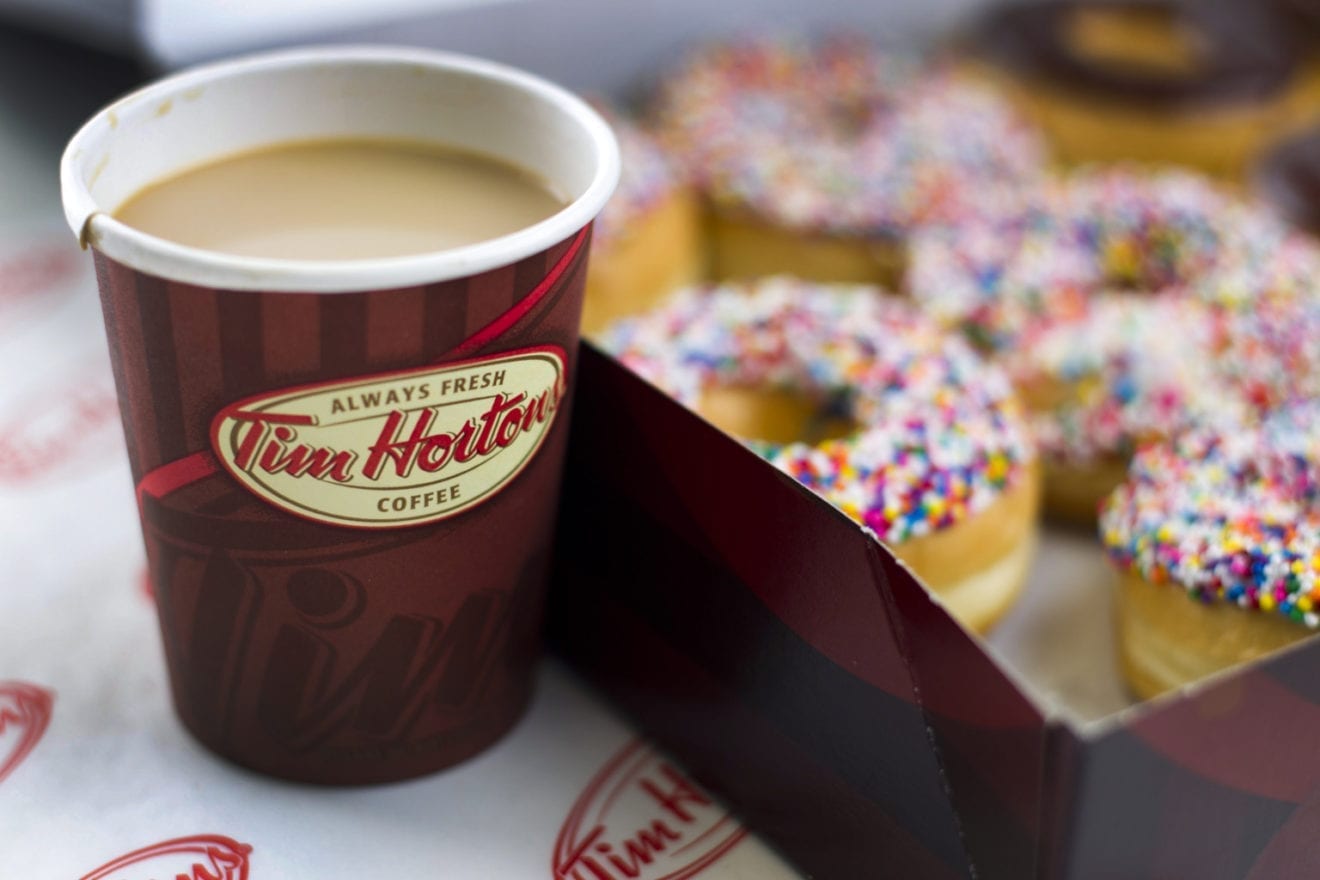
    The company’s CEO, Yongchen Lu, stated the company’s “Coffee + Freshly Prepared Food” strategy as the driving force behind the improved results. New product offerings led to an increase in food revenue by 8.6 percent from last year. Consequently, the contribution of food revenue to system sales rose to a record 35.2 percent.

    Albert Li, the CFO, pointed out the efficiency enhancements in the company’s operations. The costs of food, packaging, and labor dropped as a percentage of store revenues. He attributed the improved financial performance to the refinement of store unit economics and operational efficiencies at both store and corporate levels.

    Growth and Challenges

    During the quarter, the company introduced 40 made-to-order stores while discontinuing 49 non-made-to-order outlets, mainly smaller Tim Hortons Express units. Despite this, the contribution from company-operated stores dropped to $3.8 million, a decrease from the previous year. This decrease can be attributed to store consolidation and declining same-store sales.

    Franchising proved to be a successful venture. Revenues from franchised stores increased by 50.7 percent, reaching $9.4 million. The franchise network expanded from 333 to 449 locations. In addition, other revenues, including sub-franchise and retail businesses, more than doubled compared to last year.

    Despite a net loss of $10.6 million, the management remains optimistic. They believe the operational enhancements and an improved food mix put the company in a position for steady growth.

    Questions & Answers

    What was the company’s strategy that drove its stronger results?
    The company employed a “Coffee + Freshly Prepared Food” strategy that particularly improved results through new product offerings.

    How did the company improve its financial performance?
    The company refined store unit economics and enhanced operational efficiencies at both the store and corporate levels.

    What changes occurred in the company’s franchising operations?
    There was a revenue increase of 50.7 percent from franchised stores. The franchise network also expanded to 449 locations from 333 in the previous year.

  • Starbucks Invites Top Firms To Bid For Stake In Chinese Operations Amidst Market Share Decline

    Starbucks Invites Top Firms To Bid For Stake In Chinese Operations Amidst Market Share Decline

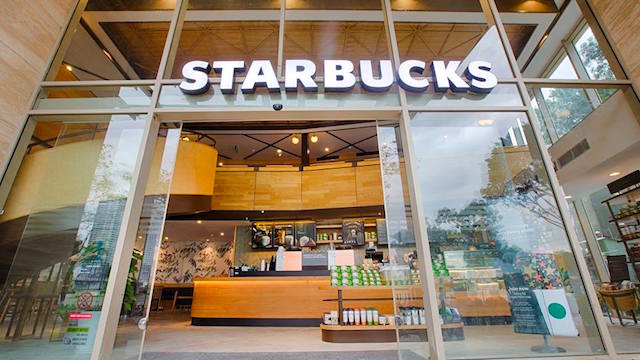
    Starbucks has requested a select group of potential bidders to prepare non-binding bids for a share in its China operations within the next fortnight, according to two sources familiar with the situation.

    The American coffeehouse corporation has extended invitations to entities such as private equity firms Carlyle, EQT, Hillhouse Investment, and Primavera Capital to partake in management presentations. During these sessions, financial and operational aspects of its China business will be disclosed. Other potential bidders are said to include Bain Capital, KKR & Co, and technology giant Tencent.

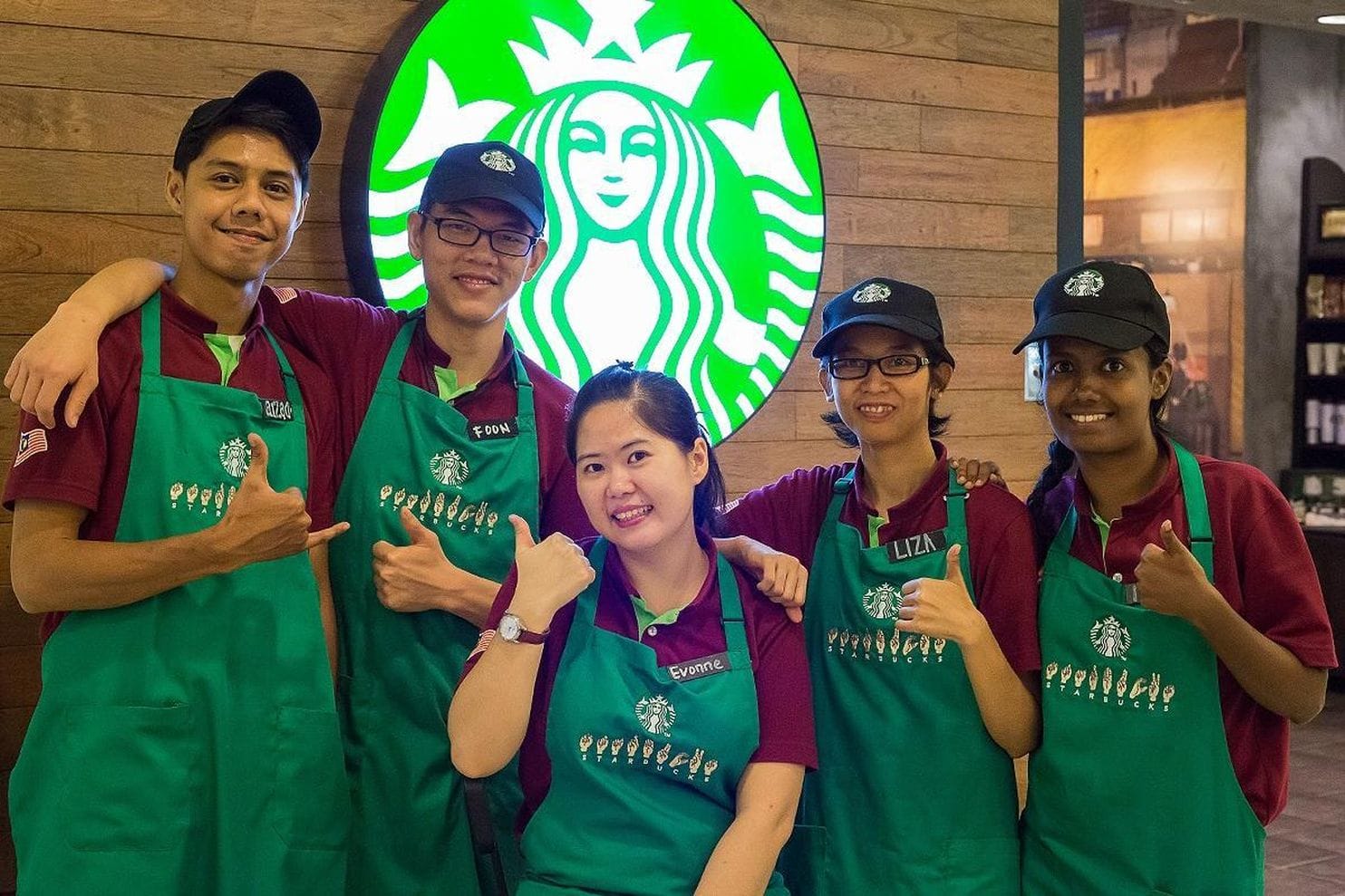
    A new partner in China could help revitalize a business that has seen its market share fall by more than half over the last five years. This decline has occurred as cheaper local competitors expand rapidly amidst a slowing economy and increasingly cost-conscious consumers.

    Preliminary Sale Process

    Starbucks initiated the sale in May, inviting interested parties to provide details about their businesses by late June. The Seattle-based company clarified that it was not contemplating a complete sale of the business. Potential bidders anticipate the business to be valued at up to US$10 billion.

    In July, up to ten interested parties were shortlisted and signed non-disclosure agreements before being granted potential access to financial and operational data. The final structure of the sale and the size of the stake have yet to be determined.

    Informal discussions with a variety of prospective buyers have been ongoing since the latter part of last year, and the company aims to reach an agreement by the end of this year. CEO Brian Niccol stated last month that over 20 parties have expressed interest in the business and options are currently being evaluated.

    Commitment to China Business

    “We remain committed to our China business and want to retain a meaningful stake… We will only enter a transaction if it makes sense for Starbucks,” said Niccol. Primavera, Carlyle, EQT, KKR, and Bain have not provided any comment, while Hillhouse and Tencent have not responded to comment requests.

    The sale is being pursued after Starbucks reported robust overall revenue for the three months ending on June 29, a result of a turnaround plan implemented by Niccol following several quarters of declining profits.

    Stiff Competition

    In China, Starbucks is grappling with a sluggish economy and stiff competition from local brands, including Luckin Coffee, which has been capturing market share with its cheaper offerings and wider reach in smaller cities.

    Last year, Starbucks’ market share in China, which is home to over a fifth of its outlets, was 14 per cent, down from 34 per cent in 2019. In response, the chain has lowered prices for some non-coffee drinks in China and accelerated the development of new, China-centric products.

    Financial Performance

    Sales in comparable stores in China increased by 2 per cent in the quarter ending June 29, up from zero growth in the previous quarter. As of the end of June, Starbucks operated 7,828 stores in China, as stated in its latest quarterly report. The company has not disclosed core earnings for its China operations.

    Questions & Answers

    Why is Starbucks selling a stake in its China business?
    Starbucks is selling a stake in its China business to potentially inject fresh momentum into the operations, which have seen market share decline in the past five years due to local competition and changing consumer behavior.

    Who are the potential bidders for the stake in Starbucks’ China operations?
    Potential bidders include private equity firms Carlyle, EQT, Hillhouse Investment, Primavera Capital, Bain Capital, KKR & Co, and technology giant Tencent.

    What is Starbucks’ current market position in China?
    Starbucks’ market share in China has decreased, from 34% in 2019 to 14% in 2020. The company is facing competition from local brands and a slower economy, but it remains committed to its China business and aims to retain a significant stake.

  • Zus Coffee’s Ambitious Expansion: 200 New Outlets Across Southeast Asia

    Zus Coffee’s Ambitious Expansion: 200 New Outlets Across Southeast Asia

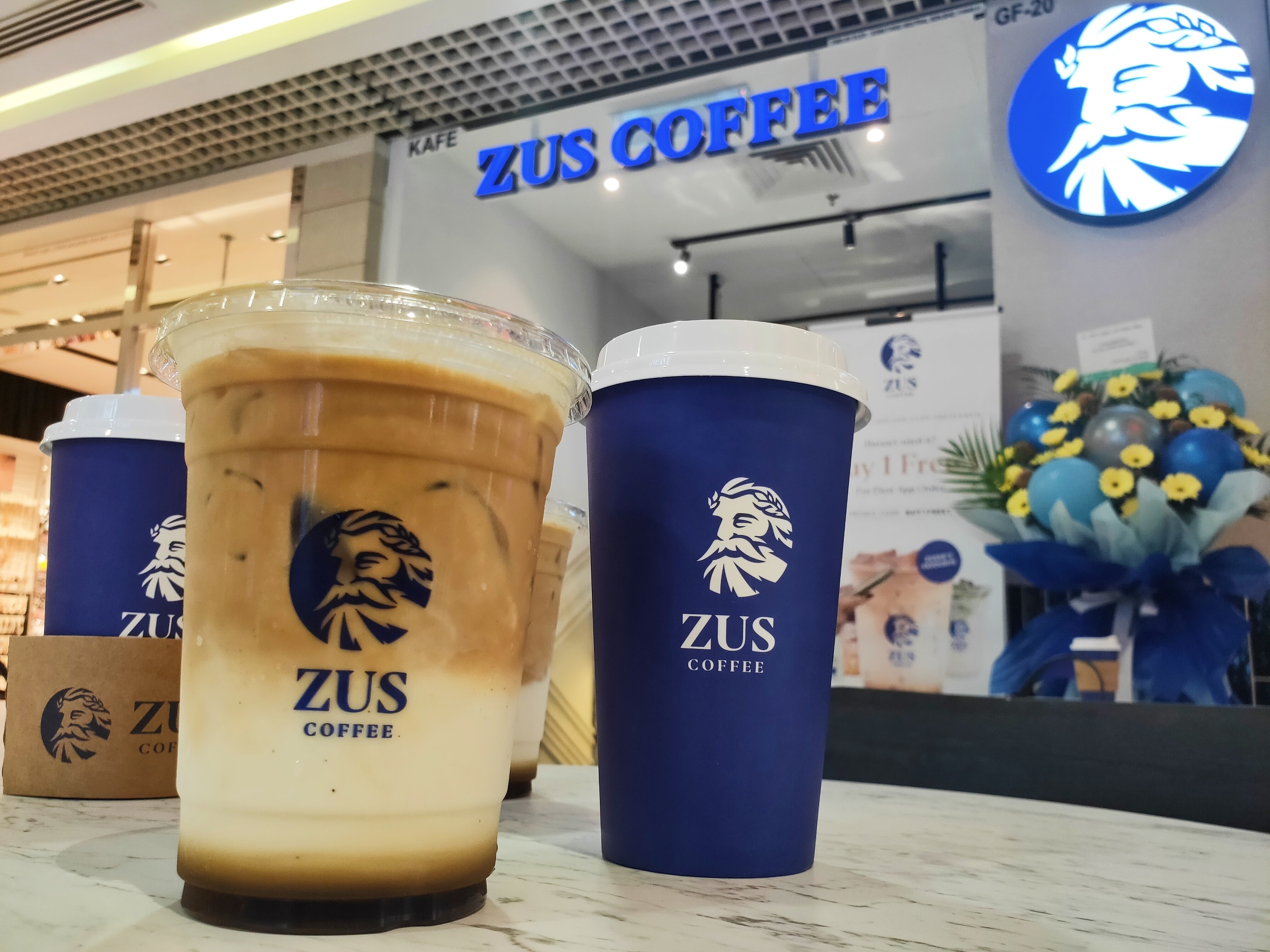
    Zus Coffee, the well-established Malaysian chain, has announced its expansion into Thailand with the opening of two new outposts in Bangkok. This move marks a key stage in the brand’s previously stated intentions for regional growth.

    Expansion into Bangkok

    The two stores, located at Varnish Place Ari, a renowned lifestyle hub, and Baan Kampu Asoke on Sukhumvit 21 Road, were established in partnership with RSC, a prominent leasing firm.

    These Bangkok locations are just a fraction of Zus Coffee’s ambitious strategy to establish 200 new outlets throughout Southeast Asia within the year. As part of this growth plan, the company is aiming to unveil at least 107 new stores in its home country of Malaysia, approximately 80 in the Philippines, and six in Singapore. Additional expansion in Thailand, Brunei, and Indonesia is also on the horizon.

    About Zus Coffee

    Zus Coffee was founded in 2019 with a specific focus on offering budget-friendly specialty coffee. Since its inception, the company has experienced remarkable growth, mushrooming from 290 outlets in 2023 to over 700 locations in Malaysia.

    The company embarked on its international expansion in 2023, with the Philippines being the first overseas market where it launched operations.

    Questions & Answers

    When was Zus Coffee founded?
    Zus Coffee was established in 2019, specializing in affordable specialty coffee.

    What is Zus Coffee’s expansion plan for the year?
    Zus Coffee aims to open 200 new outlets across Southeast Asia this year. The plan includes launching at least 107 new stores in Malaysia, around 80 in the Philippines, and six in Singapore, with further expansion planned in Thailand, Brunei, and Indonesia.

    Where has Zus Coffee recently expanded to?
    Zus Coffee has recently expanded into Thailand, opening two new outlets in Bangkok.

  • Bacha Coffee launches first store in Macau

    Bacha Coffee launches first store in Macau

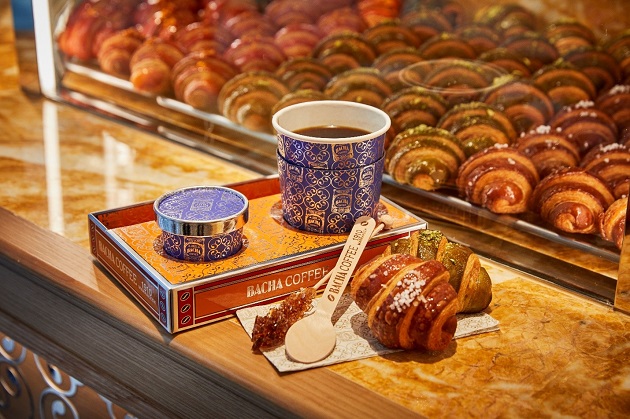
    Bacha Coffee, a premium coffee brand from Morocco, has recently opened a new store in Macau. This follows closely on the heels of their notable full-concept flagship store’s launch in Harbour City, Hong Kong.

    Store Location and Management

    The Macau boutique, positioned on the first level of the Shoppes at Venetian, is under the management of the Hong Kong-based Blue Chip Group. The store, with an impressive area of around 250 square feet, stocks a rich selection of 100% Arabica coffees. These coffees are sourced from over 30 countries globally, emphasizing the brand’s worldwide reach.

    Product Offering

    The boutique carries a diverse range of product offerings to cater to both local customers and international tourists. Apart from Single Origin coffees, the store also includes a selection of Fine Flavoured, Fine Blended, and Naturally CO2 Decaffeinated coffees.

    Noteworthy offerings include single-serve coffee bags and signature blends from famed coffee-growing regions such as Yemen and Jamaica. The store also offers branded merchandise, which includes items like mugs, sugar bowls, and specially curated gift hampers.

    About Bacha Coffee

    Established in 1910 in Marrakech, Morocco, Bacha Coffee presents a range of unique concepts, from Coffee Rooms and Boutiques to Travel Retail and Takeaway formats. The brand, currently serving customers in over 60 countries, has extended its reach across continents, making a mark in Asia, the Middle East, and Europe.

    Questions & Answers

    What is the concept behind Bacha Coffee’s new store in Macau?
    The new Bacha Coffee store in Macau offers a wide range of 100% Arabica coffees sourced from over 30 countries, along with brewing accessories and packaged goods.

    What unique offerings does the Bacha Coffee store in Macau have?
    The Macau store includes unique offerings such as Fine Flavoured, Fine Blended, and Naturally CO2 Decaffeinated coffees. It also offers single-serve coffee bags and signature blends from renowned coffee-growing regions like Yemen and Jamaica.

    Where else is Bacha Coffee present?
    Bacha Coffee has a global presence, serving customers in more than 60 countries across Asia, the Middle East, and Europe. The brand has recently opened a full-concept flagship store in Harbour City, Hong Kong.

  • Starbucks Korea Eliminates Printers and Desktops as Café Workspaces Gain Popularity Among Customers

    Starbucks Korea Eliminates Printers and Desktops as Café Workspaces Gain Popularity Among Customers

    In a strategic move to enhance customer satisfaction, Starbucks has implemented a new policy across all its locations in South Korea, urging patrons to leave behind bulky devices when they step away from their tables. Announced Thursday, every store has displayed notices banning large equipment, including power strips and extensive cubicle-style dividers.

    These signs serve a dual purpose: they remind customers to take their belongings if they plan to leave for an extended period and encourage the efficient use of shared tables. A representative from Starbucks elucidated that this policy aims to maintain a comfortable environment for all guests. “While laptops and smaller personal devices are welcome, customers are asked to refrain from bringing desktop computers, printers, or other bulky items that may limit seating and impact the shared space,” the spokesperson explained to Business Insider. Importantly, these guidelines do not impose time restrictions on those who choose to dine in.

    Starbucks boasts over 2,000 outlets in South Korea, making it the company’s third-largest market after the United States and China. This recent policy aligns with a rapidly burgeoning trend in the country known as “cagongjok,” which describes individuals who occupy coffee shops for long hours to work or study.

    While the majority of these patrons use laptops, the trend has also seen some customers bringing in considerably larger equipment such as monitors and printers, as well as—wait for it—partition panels. A social media post illustrating a customer in South Korea with a three-sided partition and a computer exemplifies this phenomenon, showcasing just how far some have taken the concept of a “mobile office.”

    The rise of this trend is rooted in South Korea’s changing labor landscape and the widespread shift toward remote work. Post-pandemic, many employees adjusted to working from home, and as they gradually returned to their offices, skyrocketing rents and limited redevelopment opportunities in Seoul restricted available commercial space. In a city where businesses fiercely compete for every square foot, cafés have flourished as makeshift workspaces.

    Jo Elfving-Hwang, an associate professor of Korean society and culture at Australia’s Curtin University, noted that businesses have adapted by turning to co-working spaces or allowing employees to work remotely. “People just started working from home more, and [businesses] discovered that they didn’t necessarily need a space in the same way,” she shared with Fortune.

    However, not everyone is pleased with the emergence of “cagongjok.” Some café owners voice frustration, labeling these long-term patrons as “electricity thieves” who commandeer tables for hours while purchasing just a single beverage, thereby limiting availability for other guests. As such, it seems only natural for cafés to strive to reclaim their identity as spaces for leisure and relaxation rather than simply functioning as remote work hubs, according to Elfving-Hwang.

    Questions & Answers

    What prompted Starbucks to implement this new policy in South Korea?
    The new policy was introduced to enhance customer experience by preventing the overcrowding of space caused by bulky devices like desktop computers and printers.

    What does the term “cagongjok” refer to in the context of South Korea’s café culture?
    “Cagongjok” describes individuals who occupy coffee shops for extended periods to work or study, often occupying tables for hours with minimal purchases.

    How is the rise of remote work influencing café dynamics in South Korea?
    As more employees work from home and the demand for physical office space decreases, many have turned to cafés as alternative workspaces, leading to a shift in how these establishments are utilized.

  • Singapore’s Food Tech Startup Prefer Expands To Australia Through Strategic Partnership With The Coffee Ferm

    Singapore’s Food Tech Startup Prefer Expands To Australia Through Strategic Partnership With The Coffee Ferm

    Prefer, a Singapore-based food tech startup, is extending its reach to Australia, following the establishment of its debut domestic business collaboration.

    Expansion Down Under

    In a strategic move to expand its footprint in Australia and New Zealand, Prefer has formed a partnership with local coffee producer, The Coffee Ferm. This new alliance will see The Coffee Ferm acquiring a license for Prefer’s flavor intellectual property, enabling the firm to escalate manufacturing and distribution within the local market.

    Innovative and Sustainable Flavors

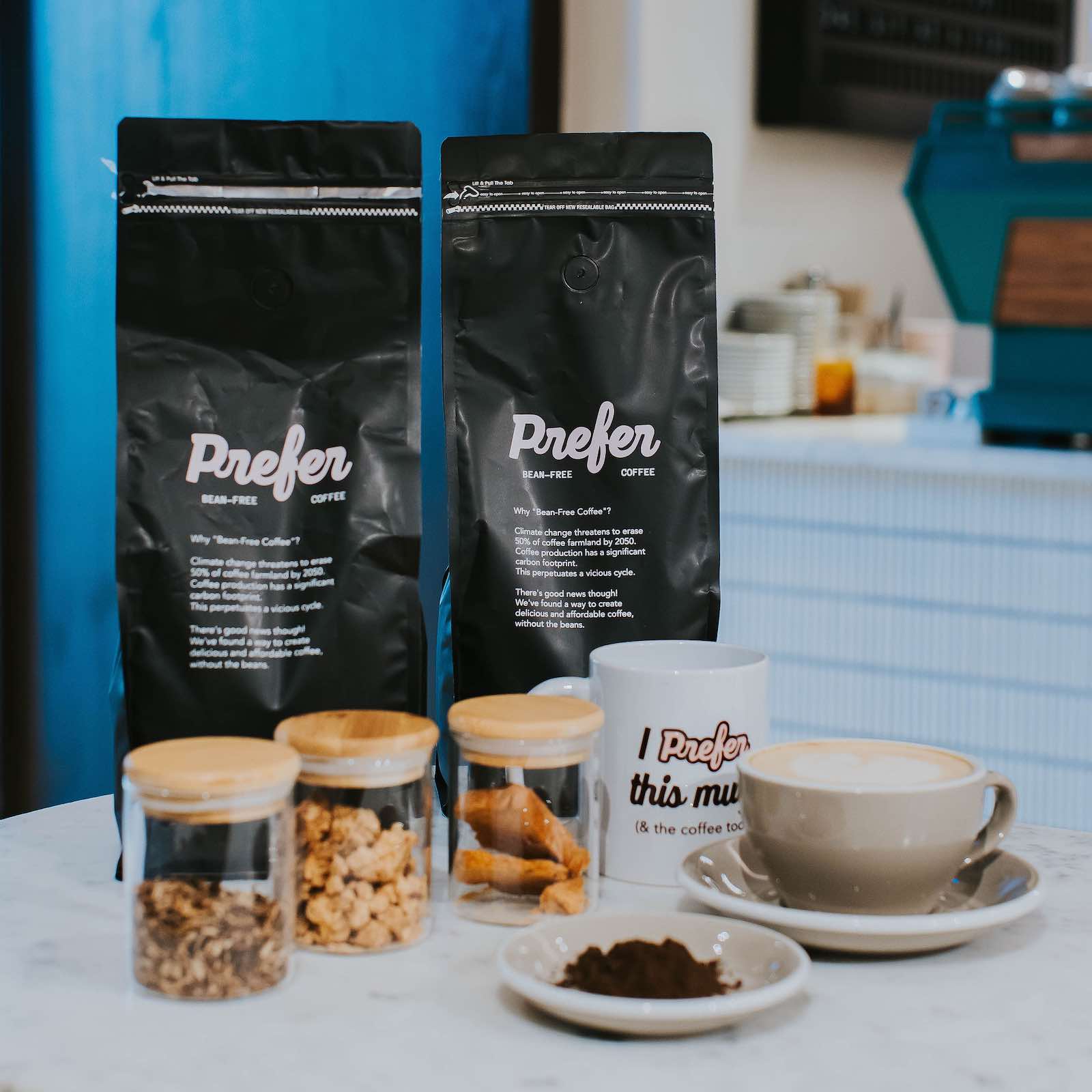
    Established in 2022, Prefer is making a name for itself in the market with its inexpensive and eco-friendly flavors and ingredients. These flavors are created using a unique fermentation and roasting technique, utilizing byproducts from food manufacturing processes, such as rice and soy. The company claims that their products deliver the same taste and operational attributes of coffee and cocoa, but with significantly lesser environmental impact.

    Supplies

    Prefer supplies its innovative flavors and ingredients to an array of businesses, from Fast Moving Consumer Goods (FMCG) brands and food manufacturers, to private label retailers, and flavor houses.

    Bean-free Coffee and Other Partnerships

    The startup has recently brought its ‘bean-free’ coffee products to the market via foodservice channels, in collaboration with the Singaporean food enterprise, Melvados. Moreover, Prefer has formed an alliance with Ajinomoto Thailand to generate sustainable innovations in the country’s coffee beverage sector.

    Funding and Future Plans

    This expansion comes in the wake of Prefer securing a successful fundraising round, which exceeded expectations at US$4.2 million. The fundraising was jointly headed by At One Ventures and Chancery Hill Capital, with Forge Ventures also participating. The influx of funds will contribute to the company’s plans to enhance their pilot production facility in key markets using toll manufacturers, further their research and development on cocoa flavor creation, and extend their global partnerships, with a continued emphasis on Asia.

    Questions & Answers

    What is the core business of Prefer?
    Prefer is a food tech startup that creates affordable and sustainable flavors from food manufacturing byproducts like rice and soy.

    What is the significance of Prefer’s partnership with The Coffee Ferm?
    The partnership will enable Prefer to expand into the Australian and New Zealand markets by licensing its flavor intellectual property to The Coffee Ferm, thus facilitating local manufacturing and distribution.

    What are Prefer’s future plans following the recent fundraising?
    Prefer plans to scale its pilot production facility, continue research and development on cocoa flavor, and broaden its global partnerships with a continued focus on Asia.

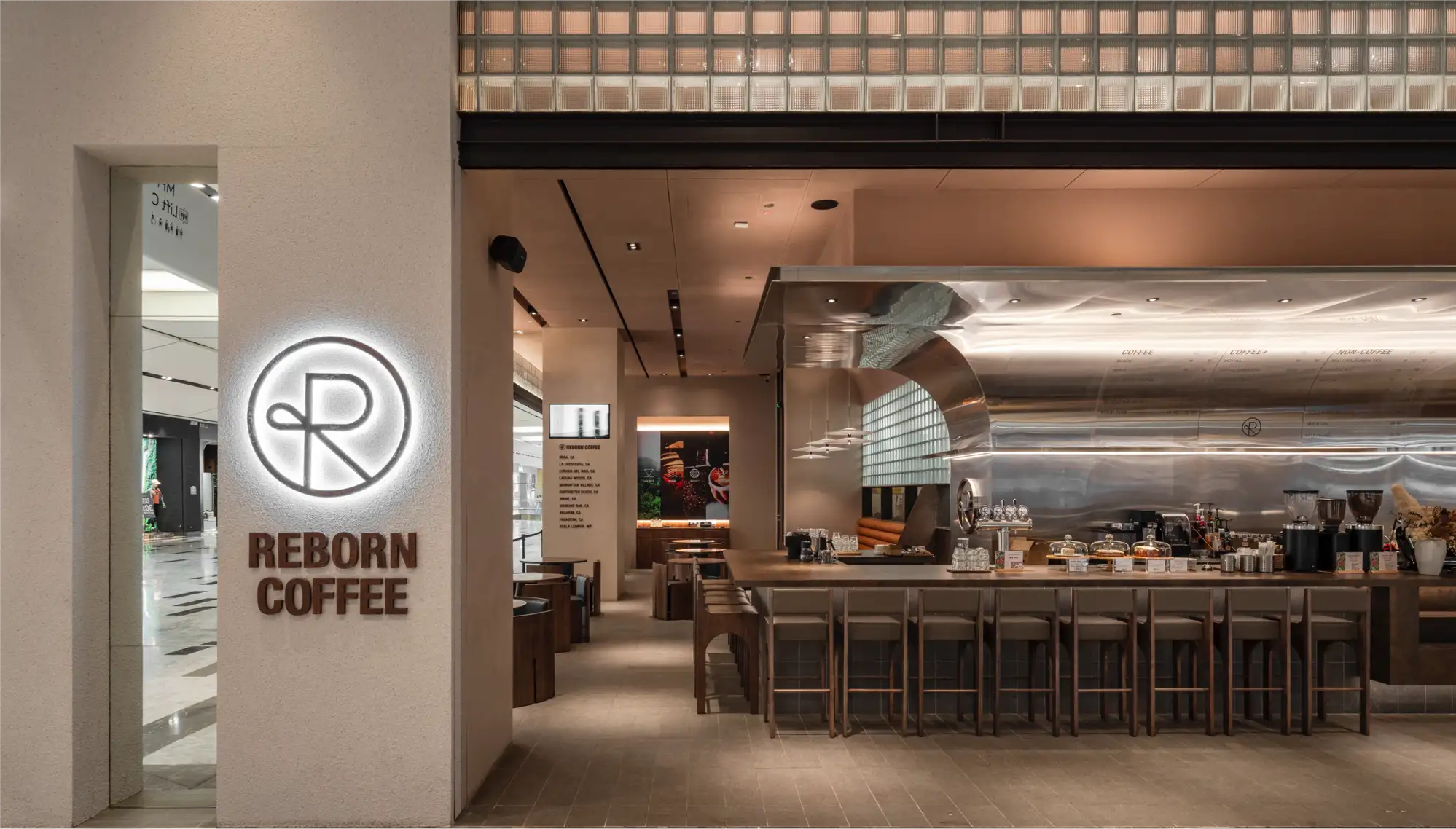
  • Reborn Coffee Seals $1.3m Licensing Deal For Expansion Into China’s Burgeoning Specialty Market

    Reborn Coffee Seals $1.3m Licensing Deal For Expansion Into China’s Burgeoning Specialty Market

    Reborn Coffee, a specialty coffee retailer based in California, has entered into a licensing agreement valued at $1.3 million with Reborn Health Goods, a corporation situated in China. This alliance will facilitate the specialty coffee retailer’s expansion efforts throughout mainland China.

    Agreement Details

    Under this exclusive master licensing agreement, Reborn Health Goods will be responsible for the national operation and expansion of the Reborn Coffee brand. This includes directing store development activities and coordinating regional sublicensing partnerships, all in tune with the brand’s objectives for growth and maintaining its standards.

    Jay Kim, CEO of Reborn Coffee Inc., believes this agreement lays the groundwork for harmonized growth and consistency in branding across one of the most dynamic consumer markets globally. He said, “Our partner brings the scale, strategy, and operational excellence to lead Reborn’s multi-format rollout across key provinces and cities in China.”

    Reborn Health Goods will also work collaboratively with both existing and future regional licensees—including those in Guangdong and Liaoning provinces—to ensure Reborn Coffee’s branding is executed uniformly throughout the country.

    Strengthening Position in Asia-Pacific

    Asia-Pacific has seen a surge in demand for specialty coffee. By aligning with this trend, Reborn Coffee’s strategic partnership with Reborn Health Goods bolsters its presence in the region, aligning with its wider international vision.

    Questions & Answers

    What is the primary objective of the licensing agreement between Reborn Coffee and Reborn Health Goods?
    The main goal of the agreement is to facilitate the expansion of Reborn Coffee throughout mainland China while ensuring brand consistency.

    Who will be responsible for the national operation and brand expansion of Reborn Coffee in China?
    Reborn Health Goods, under the licensing agreement, will oversee the national operation and expansion of the Reborn Coffee brand in China.

    How does this agreement align with the increase in demand for specialty coffee in the Asia-Pacific region?
    With the rising demand for specialty coffee in the Asia-Pacific region, this agreement helps to solidify Reborn Coffee’s presence and supports its broader international expansion plans.

  • Record Q2 Revenue For Luckin Coffee Amid Global Expansion And Increased Customer Engagement

    Record Q2 Revenue For Luckin Coffee Amid Global Expansion And Increased Customer Engagement

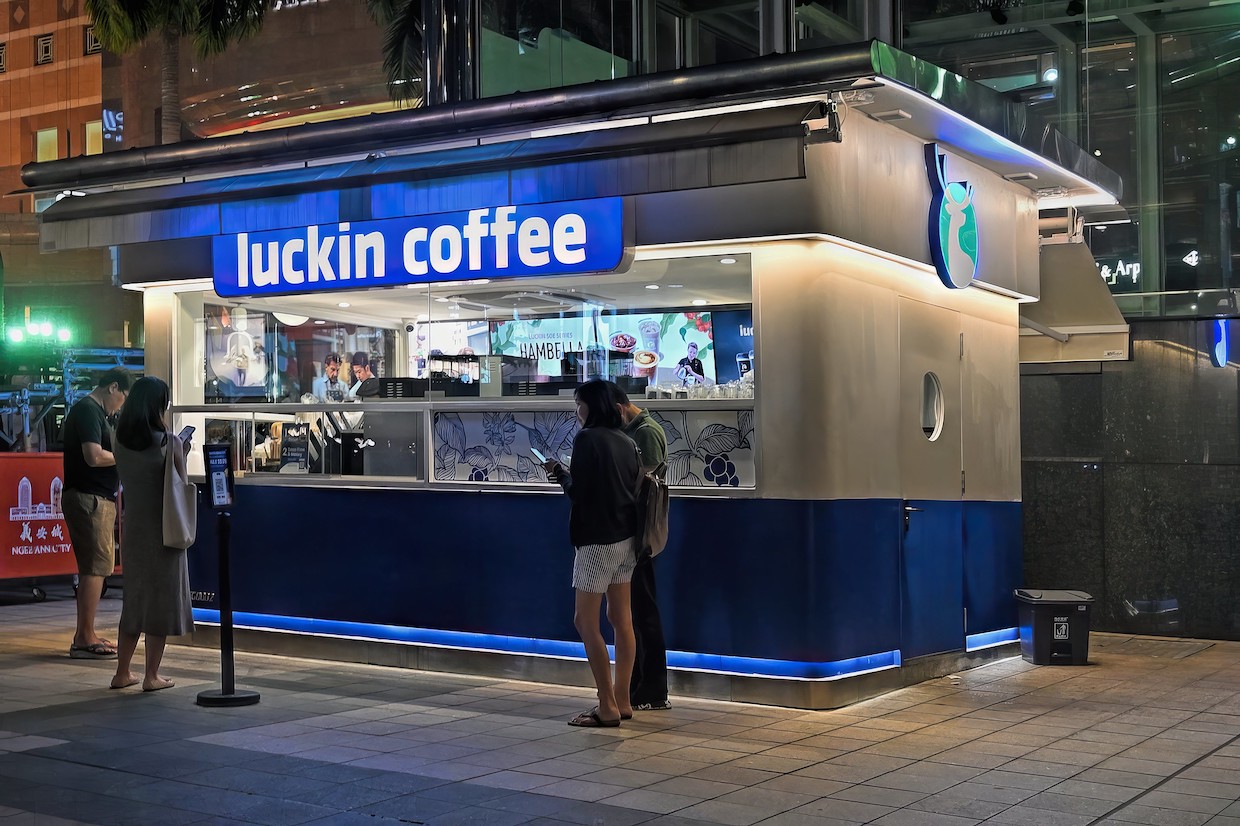
    Luckin Coffee reported an unprecedented revenue of $1.72 billion in the second quarter, representing a 47 percent year-on-year increase. This performance coincides with the expansion of the Chinese coffee chain’s global footprint to 26,206 outlets, including more than 2100 new store openings.

    Global Expansion and Growth in Numbers

    Luckin Coffee expanded its network by adding 2085 stores in mainland China and Hong Kong during the second quarter. Additionally, the company opened six new stores in Singapore, 16 in Malaysia, and two in the United States. Of the total number of stores, 16,968 are directly operated by Luckin Coffee, while 9,238 outlets are run in partnership with other entities.

    The company saw a notable surge in customer engagement, with monthly transaction numbers reaching an all-time high of 91.7 million customers during the quarter, marking a 31.6 percent increase compared to the corresponding period last year.

    Financial Performance and Business Prospects

    Revenue generated from directly operated stores shot up by 45.6 percent to $1.27 billion, propelled by a same-store sales growth of 13.4 percent. This indicates a notable improvement from the 8.1 percent growth recorded in the preceding quarter, and a significant rebound from a 20.9 percent decline experienced a year ago.

    Luckin Coffee’s operating profits at store level surged by 42.3 percent to reach $268 million. Revenue from partnership stores also saw a substantial increase, reaching $399.8 million, which translates to a 55 percent year-on-year increase.

    Jinyi Guo, co-founder and CEO of Luckin Coffee, attributed the robust financial performance to the company’s strategic focus on scalability. He emphasized that by capitalizing on the company’s strengths in areas such as operational efficiency, fulfillment, and supply chain, Luckin Coffee has managed to achieve double-digit same-store sales growth in its directly operated stores.

    As for the future, Guo reaffirms that the company remains resolute in its commitment to expanding its market share.

    Questions & Answers

    What was Luckin Coffee’s recorded revenue for the second quarter?
    The company recorded a revenue of $1.72 billion for the second quarter.

    How many new stores did Luckin Coffee open in the second quarter?
    The coffee chain opened more than 2100 new stores globally in the second quarter.

    What was the growth rate in Luckin Coffee’s same-store sales?
    The company reported a same-store sales growth of 13.4% during the quarter.

  • Starbucks Debuts Largest ‘greener Store’ In Asia-pacific, Showcasing Sustainability And Immersive Coffee Experiences

    Starbucks Debuts Largest ‘greener Store’ In Asia-pacific, Showcasing Sustainability And Immersive Coffee Experiences

    Starbucks has made a significant addition to its global retail footprint with the unveiling of its largest ‘greener store’ in the Asia Pacific region. The Starbucks Reserve Dream Plaza Taipei in Taiwan is also the brand’s largest flagship store in Taiwan.

    Store Details

    Situated in the Xinyi District of Taipei, the sprawling store spans over 2000sqm and offers services round the clock. The store’s design is segmented into multiple zones, each showcasing various elements of the Starbucks brand. These include an exclusive selection of Starbucks Reserve coffee, a range of innovative culinary options, and eco-friendly design features.

    Siren’s Lounge and Unique Offerings

    One of the store’s most unique features is the Siren’s Lounge. This attraction is a first in the Asia Pacific region, housing a menu formulated in association with celebrated chef Andre Chiang. Customers can relish specialty mocktails and spirit-infused beverages, all while absorbing panoramic views of Taipei’s stunning skyline.

    The store also hosts a Mixology Bar where trained baristas concoct signature coffee-based cocktails such as the Espresso Martini Flight and Brandy Espresso Bliss. Additionally, Taiwan’s maiden Teavana Bar finds its home in this location, offering an assortment of sparkling tea infusions and season-specific blends.

    Immersive Experiences

    Adding to its list of attractions are two new experiential zones – the Sensory Room and Coffee Experience Room. These spaces are designed to host workshops and tastings guided by coffee connoisseurs. The aim is to provide customers with an immersive experience, delving deeper into the origins, flavors, and brewing techniques of coffee.

    The establishment of this flagship store underscores the importance of the Taiwanese market in Starbucks’s growth strategy. It also highlights the brand’s commitment to promoting sustainability and fostering cultural connections.

    In unrelated news, earlier this month, Starbucks’s operations in China reportedly received offers for a potential stake sale, with valuations amounting to as much as US$10 billion.

    Questions & Answers

    What is unique about the new Starbucks Reserve Dream Plaza Taipei?
    The Starbucks Reserve Dream Plaza Taipei, located in Taiwan, is the largest flagship store in the market and the largest ‘greener store’ in the Asia Pacific region. Some of its unique features include the Siren’s Lounge, the Mixology Bar, and Taiwan’s first Teavana Bar.

    What are the Sensory Room and Coffee Experience Room?
    The Sensory Room and Coffee Experience Room are two experiential zones within the store. These spaces host workshops and tastings led by coffee experts, with the aim of providing a deeper understanding of coffee’s origins, flavours, and brewing methods.

    What does the opening of this flagship store signify for Starbucks?
    The opening of this flagship store marks a key milestone in Starbucks’s growth strategy in Taiwan. It demonstrates the brand’s emphasis on culture and sustainability, as well as its commitment to providing unique and immersive experiences for its customers.

  • Starbucks Sales Dip Globally, But China Shows Signs Of Recovery

    Starbucks Sales Dip Globally, But China Shows Signs Of Recovery

    Starbucks has recently disclosed a drop in its global comparable store sales for its fiscal third quarter, which underscores the persisting challenges in its primary US market. This comes even as its China operations begin to show some promising signs of recovery.

    Revenue and Sales Performance

    Despite the Seattle-based coffee giant recording a 4% rise in total revenue year-over-year, amounting to US$9.5 billion, it was overshadowed by a 2% decrease in global comparable store sales. This dip can be predominantly attributed to a slump in foot traffic in North America—Starbucks’ biggest market—where there was a 3% reduction in transactions.

    On a brighter note, China, the second largest market for Starbucks, appeared to defy this trend. Comparable store sales in China saw a 2% increase, signifying a comeback following several quarters of decline.

    Expansion and Strategic Growth

    Over the past year, Starbucks has added over 500 new stores in China, thereby increasing its total to 7,828. The company is also said to be considering various proposals from potential local partners to help speed up its expansion into lower-tier cities, while keeping strategic control intact.

    However, Starbucks also faces mounting competition in China from rapidly growing domestic contenders such as Luckin Coffee and Cotti Coffee. These brands have been rapidly expanding by offering lower prices and faster service models.

    North America Initiatives and Future Plans

    In North America, Starbucks is actively undertaking its ‘Back to Starbucks’ initiative, a strategy designed to bolster store operations, improve employee engagement, and refine the overall customer experience.

    Brian Niccol, the Chairman and CEO, expressed an optimistic outlook, citing early signs of progress in the company’s efforts to revamp its operations. He commented, “We’ve made significant progress and tackled challenging issues to build a robust operating foundation. In terms of turnaround efforts, we are ahead of schedule.”

    “By 2026, we plan to launch a series of innovations that will drive growth, enhance customer service, and ensure that everyone has access to the very best of Starbucks. We are committed to rebuilding a superior Starbucks experience and a stronger business.”

    Starbucks has also announced its plans to gradually phase out underperforming mobile order-only stores, and shift towards new café formats that include seating and drive-thrus. This is part of an overall strategy to improve the in-store experience.

    The coffee chain has big plans for fiscal 2026, with the introduction of a range of new beverage and food items, including protein-based cold foams, coconut water-infused drinks, gluten-free snacks, and customizable energy drinks.

    In addition to the product expansion, there are also upgrades planned for the company’s mobile app and loyalty rewards program, with continued investment in digital and operational technology.

    Questions & Answers

    What strategies is Starbucks implementing to recover from the drop in sales?
    Starbucks is taking several steps to recover, including the ‘Back to Starbucks’ initiative in North America, which aims to strengthen store operations and improve the overall customer experience. The company is expanding in China and is planning to introduce new products and upgrade its mobile app and loyalty program.

    What is the ‘Back to Starbucks’ initiative?
    The ‘Back to Starbucks’ initiative is a strategy designed to strengthen store operations, increase employee engagement, and enhance the overall customer experience. The company hopes this will help to boost sales and customer satisfaction.

    What are the company’s plans for growth in China?
    Starbucks plans to partner with local entities to accelerate expansion into lower-tier cities in China. Over the past year, the company has already added more than 500 new stores in the country and continues to consider strategies for further expansion.

  • Starbucks Unveils Its Grandest Flagship Store Yet in Taiwan

    Starbucks Unveils Its Grandest Flagship Store Yet in Taiwan

    Starbucks has unveiled its grandest flagship store in Taiwan, the Starbucks Reserve Dream Plaza Taipei, an ambitious endeavor nestled in the bustling Xinyi District. Open around the clock, this sprawling 2,000-square-meter venue transforms coffee culture into an immersive experience, featuring exclusive beverages and innovative concepts that are nothing short of a caffeine lover’s paradise.

    A Multifaceted Coffee Oasis

    Visitors can explore several distinct zones within this flagship location, including a Reserve Bar that serves up traditional espresso classics and an enticing bakery. Notably, the Siren’s Lounge®, the first of its kind in the Asia Pacific, offers a reservations-only tasting experience where guests dive into a curated menu crafted by renowned chef André Chiang. This unique dining adventure pairs exquisite food with mocktails and cocktails such as the “VSOP Brandy Espresso Bliss” and the “Reserve Coffee Manhattan,” creating moments that blend taste with artistry.

    Interactive Experiences and Educational Spaces

    The store also boasts new attractions like the Sensory Room and Coffee Experience Room, both designed for tastings, workshops, and events led by Starbucks Coffee Masters and expert roasters. These engaging spaces allow customers to delve deep into the intricacies of coffee’s origins and flavors, making each sip a journey of discovery.

    Introducing Teavana and Artistic Flair

    Excitingly, the store rolls out Taiwan’s first dedicated Teavana® Bar, featuring sparkling tea fusions and seasonal ingredients that reflect local flavors. Artists from both Taiwan and across the globe contribute to the store’s visual identity through a rotating art program themed “Harmony of Nature & Innovation.” The in-store gallery showcases the creativity behind coffee culture, sustainability, and cultural heritage.

    A striking metal sculpture of the iconic Starbucks Siren welcomes patrons at the entrance. Inside, highlights include “Terroir / The Rhythm of Seasons,” crafted by Indigenous Truku artist Labay Eyong, and “The Coffee Dreamscape,” a generative digital artwork by Che-Ye Wu. Tokyo-based artist Yaeko Kurimata adds a beautiful mural titled “Coffee and Biodiversity” in the Siren’s Lounge®, while Canadian designer Ben Johnston’s typographic piece in the Sensory Room conveys the fundamentals of coffee in a captivating visual format.

    A Commitment to Sustainability

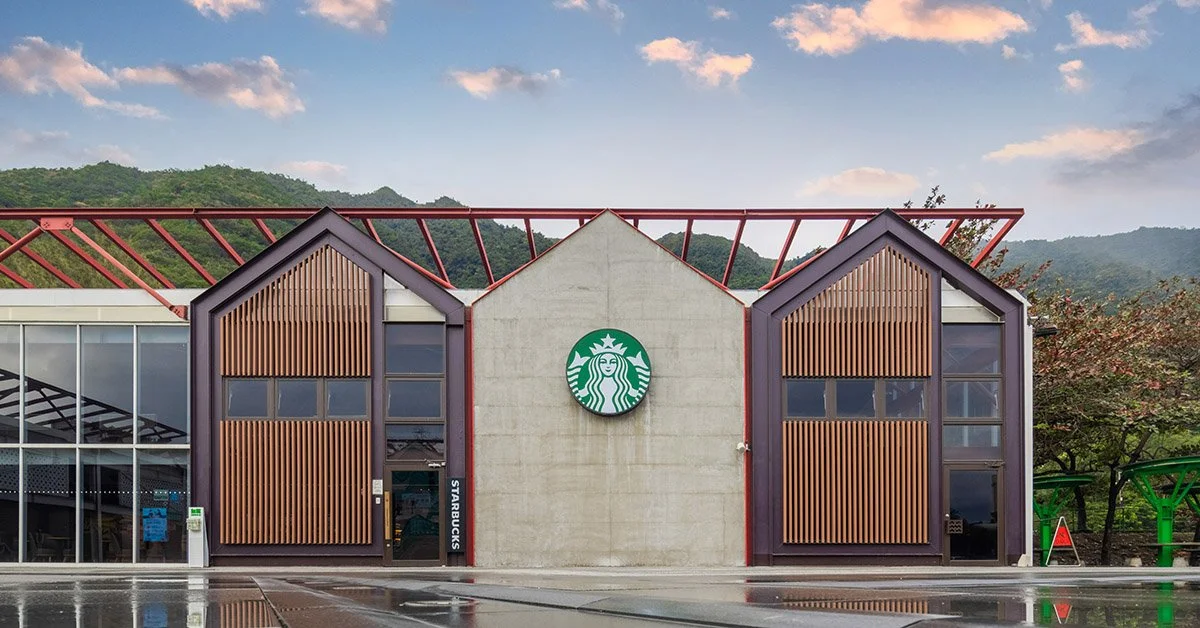
    In a notable achievement, this store stands as the largest certified Greener Store in the Asia Pacific, exemplifying Starbucks’ commitment to sustainable design and materials throughout its structure. With an emphasis on eco-friendly practices, this flagship location not only serves coffee but also promotes a conscious approach to its craft.

    Questions & Answers

    What makes the Starbucks Reserve Dream Plaza Taipei unique compared to other Starbucks locations?
    This flagship store features an expansive 2,000-square-meter space with multiple immersive zones, including a dedicated Siren’s Lounge® offering a reservations-only tasting menu, unique to the Asia Pacific region.

    How does the store enhance the customer experience beyond traditional coffee offerings?
    With the introduction of the Sensory Room and Coffee Experience Room, guests can engage in tastings and workshops that delve deeper into coffee’s origins and flavors, guided by experts and Coffee Masters.

    What role does art play in the Starbucks Reserve Dream Plaza Taipei?
    The store showcases a rotating art program focused on “Harmony of Nature & Innovation,” featuring works by both local and international artists, enhancing the ambiance while celebrating coffee culture and sustainability.

  • Singapore coffee chain Alchemist enters Japan with two Tokyo stores

    Singapore coffee chain Alchemist enters Japan with two Tokyo stores

    Singapore’s well-known coffee brand, Alchemist, has successfully launched in Japan, marking its first venture outside its home country. The company inaugurated its two international outlets in Tokyo, thereby cementing its global footprint.

    New Store Locations

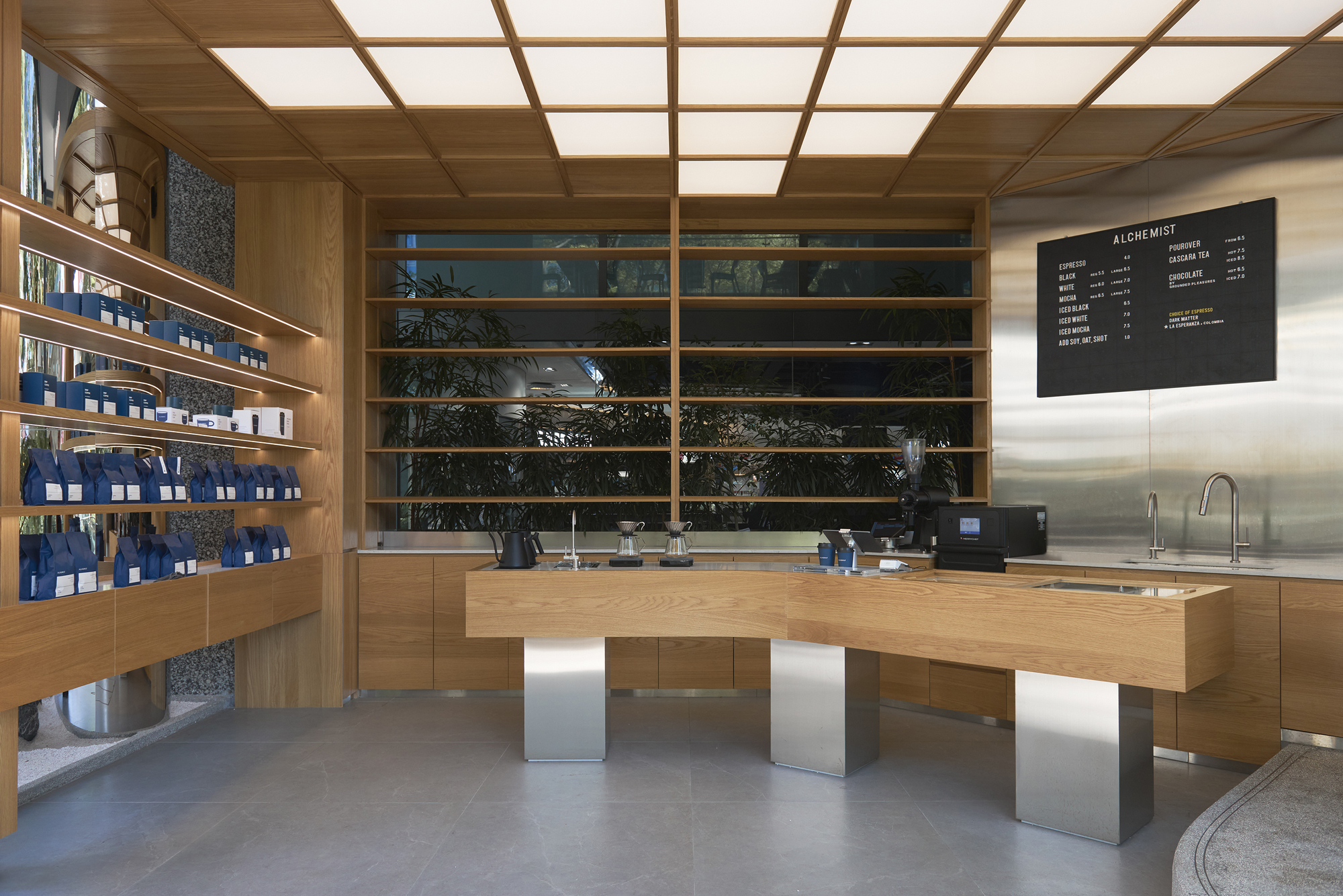
    The new store locations chosen are in the neighborhoods of Aoyama and Asakusa. The Aoyama outlet boasts a sprawling 140 square meters area and has a seating capacity for 30 people. On the other hand, the Asakusa branch covers a larger area of 200 square meters and can comfortably seat 70 patrons. The stores continue the brand’s tradition of minimalist design, allowing customers to appreciate the coffee brewed using beans roasted in Singapore.

    Alchemist’s founder, Will Leow, expressed his admiration for Japan’s entrenched coffee culture and meticulous attention to detail. “Our primary objective has always been forging connections through coffee. Establishing a presence in Tokyo was a logical progression for us, and we’re gratified by the warm welcome we’ve received from the local community,” he said.

    Alchemist’s Journey

    Alchemist was founded in 2016 by Will Leow, a barista and entrepreneur. The brand started as a modest coffee stand in Singapore’s Central Business District. Since then, it has expanded to 11 locations across the city-state.

    Future Expansion Plans

    As part of its long-term growth strategy, Alchemist aims to open 10 more outlets throughout Tokyo by the end of 2028. The company is excited about sharing its unique vision with the coffee aficionados of Japan, a country already revered for its exquisite quality and craftsmanship in the brewing sector.

    Questions & Answers

    What is the seating capacity of the new Alchemist stores in Tokyo?
    The Aoyama store can accommodate 30 customers, whereas the Asakusa store has a seating capacity for 70 patrons.

    When and where was Alchemist established?
    Alchemist was founded in 2016 by Will Leow. It started as a small coffee stand in Singapore’s Central Business District.

    What are Alchemist’s expansion plans in Tokyo?
    Alchemist plans to open 10 more stores across Tokyo by the end of 2028 as part of its long-term expansion strategy.