Tag: coffee

  • Savor Italy in Thailand: Dolce & Gabbana Launches First Luxury DG Caffe in Bangkok’s Siam Paragon Mall

    Savor Italy in Thailand: Dolce & Gabbana Launches First Luxury DG Caffe in Bangkok’s Siam Paragon Mall

    Luxury fashion house Dolce & Gabbana has established its first DG Caffe in the heart of Bangkok, housed within the bustling Siam Paragon shopping complex.

    Design Details

    Designed to exude elegance and sophistication, the cafe is adorned with Dandong Green marble flooring and walls. The marble features are complemented by Carretto Siciliano decorative panels and a background of white checkerboard wallpaper, a signature pattern for the brand.

    Adding an extra touch of luxury, tables and bar counters are constructed from Indian Green marble. These striking features are paired with plush emerald green velvet seating, adding a rich, opulent appeal to the space. Custom pendant lights and wall sconces are strategically placed to illuminate the dining and bar areas, bringing a warm, welcoming glow to the establishment.

    Italian Meets Local Cuisine

    The DG Caffe menu is a celebration of the fusion between traditional Italian and Sicilian flavours and local Thai cuisine. Patrons can look forward to an array of offerings from breakfast items to light lunches and main courses. For those with a sweet tooth, the cafe also serves a variety of pastries and desserts.

    Bridge Between Cultures

    According to Dolce & Gabbana, the DG Caffe in Bangkok is envisioned to function as a cultural bridge. The establishment aims to pay tribute to the ‘Made in Italy’ concept and the brand’s dedication to craftsmanship, while also embracing the local culture of its new Thai home.

    Questions & Answers

    Where is the first DG Caffe by Dolce & Gabbana located?
    The first DG Caffe by Dolce & Gabbana is located in the Siam Paragon shopping mall in Bangkok.

    What design elements are featured in the DG Caffe?
    The DG Caffe showcases Dandong Green marble flooring and walls, Carretto Siciliano decorative panels, Indian Green marble tables and counters, emerald green velvet seating, and custom pendant lights and wall sconces.

    What can customers expect from the DG Caffe menu?
    The DG Caffe menu offers a fusion of Italian and Sicilian flavours with Thai influences, with options ranging from breakfast dishes to light lunches, main courses, pastries, and desserts.

  • Starbucks Strikes Success: Turnaround Strategy Brews Positive Sales Growth After Two Years

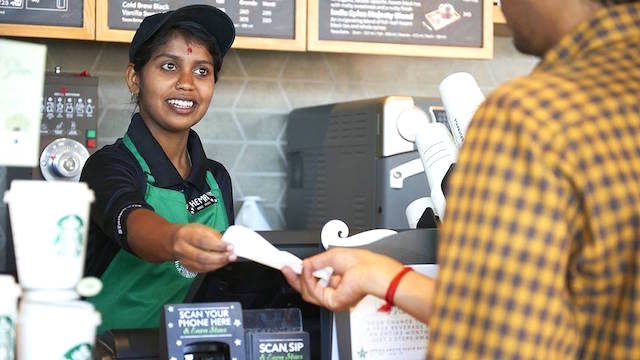
    Starbucks Strikes Success: Turnaround Strategy Brews Positive Sales Growth After Two Years

    Starbucks has finally shown a surge in comparable sales growth, marking the first increase in nearly two years. This promising development suggests the early success of the renowned coffee company’s turnaround strategy.

    Turnaround Indicators

    The fourth quarter, which ended on September 28, witnessed a 1 per cent increase in global comparable store sales. This significant growth, the first in seven quarters, was mainly due to an increase in comparable transactions.

    In North America, and particularly in the US, comparable store sales remained steady. There was a 1 per cent rise in the average ticket, which was counterbalanced by a 1 per cent drop in comparable transactions. This is a notable improvement from a 2 per cent dip in the third quarter, a change credited to the positive momentum generated by the ‘Back to Starbucks’ initiative. Moreover, the company pointed out that comparable sales in the market began to show positive growth as of September.

    International Growth

    International comparable store sales saw a 3 per cent increase, with China’s comparable store sales experiencing a 2 per cent hike.

    The consolidated net revenues for the quarter grew by 5 per cent, amounting to US$9.6 billion, thus extending the 4 per cent rise witnessed in Q3.

    Brian Niccol, the chairman and CEO, expressed his optimism regarding the progress of the ‘Back to Starbucks’ strategy. He stated, “It’s clear that our turnaround is taking hold. Our return to global comp growth and the momentum we are building give me confidence that we are on the right path to deliver the very best of Starbucks for our customers, partners and shareholders.”

    However, for the entire year, comparable store sales witnessed a 2 per cent fall, with a 2 per cent decline in North America and the US, a flat growth in international markets, and a 1 per cent decrease in China.

    Financial Summary

    On the financial front, net earnings plummeted by 85 per cent to $133 million in the fourth quarter and fell by 50 per cent to $1.8 billion for the entire year.

    Starbucks closed 107 net stores in Q4, including 627 stores, with a majority (90 per cent) being in North America. This aligns with the restructuring plan announced earlier, where Starbucks unveiled its plans to cut its North American store network by approximately 1 per cent and eliminate around 900 non-retail partner roles.

    At the quarter’s end, Starbucks’ global portfolio consisted of 61 per cent of stores located in the US and China, including 16,864 stores in the US and 8,011 outlets in China.

    Questions & Answers

    What is the ‘Back to Starbucks’ strategy?
    The ‘Back to Starbucks’ strategy is a turnaround plan designed to boost the company’s sales growth and profitability.

    How has this strategy impacted Starbucks’ performance?
    The ‘Back to Starbucks’ strategy has positively impacted the company, resulting in a 1 per cent increase in global comparable store sales and a 5 per cent rise in consolidated net revenues in Q4.

    What is the future plan of Starbucks in light of the recent restructuring?
    Starbucks plans to focus more on the US and Chinese markets, which currently comprise 61 per cent of the company’s global portfolio. The company also intends to reduce its North American store network by about 1 per cent and cut 900 non-retail partner roles as a part of its restructuring plan.

  • Nespresso Stirs Up Retail Innovation: Merging Experiential Marketing with Everyday Coffee Culture

    Nespresso Stirs Up Retail Innovation: Merging Experiential Marketing with Everyday Coffee Culture

    In the current retail landscape, the focus has shifted from transactional success to experiential design. Retail spaces are no longer merely about selling products but aim to evoke emotions and offer unique experiences. High-end pop-ups and roving coffee vans are becoming more common as retailers transform retail into a theatrical performance, driven by lifestyle trends and emotional resonance.

    This transformation is evident in Nespresso’s recent marketing initiatives. NespressoGo, a mobile, multi-city campaign, has redefined Australia’s morning coffee rituals. Nespresso’s successful marketing approach has always been centered around the idea of coffee as an experience rather than just a product. The brand’s boutique design, packaging, and storytelling have transformed a daily habit into a premium lifestyle experience.

    In spring, Nespresso launched its silver van onto Bennelong Lawn, introducing a ‘Happy Hour’ campaign. The campaign, featuring sunrise run clubs, live DJs, and iced lattes, was designed to appeal to a new generation that thrives outdoors and online.

    The campaign was inspired by the cultural shift among Gen Z and millennials toward early mornings as a time for wellness, creativity, and connection, according to Burcu De La Cruz, Nespresso ANZ’s marketing manager for brand, communications, and sustainability. The success of earlier campaigns in Bondi and Collingwood inspired the brand to expand the concept nationally with sunrise pop-ups in Sydney, Melbourne, and Brisbane, in collaboration with run clubs.

    This strategic expansion of Nespresso’s retail experience allowed the brand to interact with consumers outside traditional retail environments. This strategy aligns with Nespresso’s broader goal of combining luxury with accessibility, creating immersive brand moments that reflect changing consumer lifestyles. De La Cruz notes that these lifestyles are rapidly evolving, with morning culture at its peak and a growing preference among young Australians for iced coffee and digital-first engagement.

    Many of the experiences offered by Nespresso were designed to be “social-media friendly,” creating a wider reach through influencer and user-generated content.

    The Return of Presence

    Post-digital retail trends highlight a renewed desire for physical, sensory connection. Consumers are starting to perceive friction in shopping as a luxury, and in response, retailers are creating experiences that leave a lasting impression.

    Examples of this trend include Mecca’s ‘beauty atelier’ in Australia and Nike’s House of Innovation concept stores globally. These experiential stores merge brand architecture with entertainment, encouraging visitors to create content as they shop.

    Experiential retail is also a thriving data strategy. Pop-ups and events provide live behavioral insights that cannot be replicated through e-commerce. For instance, Nespresso’s roaming van serves as a research lab, gathering social metrics and demographic data while embedding itself in community activities.

    This trend upends traditional retail norms by prioritizing connection over transaction and brand immersion over brand awareness.

    The Future of Feeling

    As AI personalization and one-click checkout become more commonplace, emotional engagement is emerging as the new brand differentiator. Future retail success may depend on brands’ ability to shape mood as effectively as they manage inventory.

    Nespresso and other forward-thinking brands are creating experiences that ‘move’ rather than simply sell. The goal, as De La Cruz states, is to “blend luxury with accessibility” – to make the extraordinary feel commonplace. Today, retail is defined not by its shelves but by its stages, where commerce, culture, and community converge for a shared coffee at dawn.

    Questions & Answers

    What is the current trend in retail?
    The current trend in retail is moving towards experiential design, where retailers aim to create unique experiences and evoke emotions rather than solely focusing on selling products.

    How are brands like Nespresso adapting to these trends?
    Nespresso is creating immersive experiences that blend luxury with accessibility. They’re leveraging ‘social-media friendly’ events and mobile campaigns to engage with consumers in their lifestyle habits, particularly those of younger demographics.

    What does the future of retail look like?
    The future of retail is likely to prioritize emotional engagement and brand immersion. As aspects like AI personalization and one-click checkout become standard, brands will need to distinguish themselves by creating experiences that resonate with consumers on an emotional level.

  • Boyu Capital Poised to Secure $4 Billion Stake in Starbucks China, Boosting Brand’s Asian Market Footprint

    Boyu Capital Poised to Secure $4 Billion Stake in Starbucks China, Boosting Brand’s Asian Market Footprint

    Boyu Capital, a private equity firm from China, is leading the race to acquire a majority stake in Starbucks’ China operations, a deal that could potentially value the unit at over US$4 billion.

    Boyu Capital remains in the bid after the final contender, Carlyle Group, chose to withdraw. Key partners from both companies travelled to the U.S. to engage in final discussions with the Seattle-based coffee chain.

    Starbucks’ Stake in China

    After the sale is finalized, it’s expected that Starbucks will retain a substantial minority stake in its China operations. The company expressed that it has received strong interest from numerous high-quality partners, all of whom have faith in the long-term growth potential for Starbucks in China.

    The company is currently assessing bids from five contenders, though it declined to comment further. Starbucks China was valued at roughly $4 billion by the bidders who submitted binding offers, which is approximately ten times its core earnings.

    Starbucks’ Future Plans

    Starbucks CEO, Brian Niccol, previously indicated that the anticipated valuation of the China business would exceed $10 billion, factoring in the upfront investment from a potential partner, Starbucks’ retained stake in the China business, and future royalty payments.

    There is also the possibility of other parties, such as internet companies, joining the discussions as limited partners to assist in funding the deal.

    Competition and Sales

    Starbucks’ decision to divest in China comes amidst fierce competition from local coffee chains that have gained market share by offering less expensive products during an economic slowdown that has altered consumer behavior.

    In response to these challenges, Starbucks has implemented strategies such as lowering prices for selected non-coffee beverages in China and increasing the introduction of new, localized products.

    Sales in comparable stores in China increased by 2% in the quarter that ended on June 29, following a quarter with no growth. Starbucks’ earnings for the fourth quarter and the 2025 fiscal year will be reported on October 29.

    Questions & Answers

    Who is the frontrunner to buy a controlling stake in Starbucks’ China business?
    Boyu Capital, a private equity firm from China, is leading the race to acquire a controlling stake in Starbucks’ China operations.

    What is the potential value of Starbucks’ China unit?
    The deal to acquire the majority stake in Starbucks’ China operations could potentially value the unit at over US$4 billion.

    What strategies has Starbucks implemented in response to increasing competition in China?
    Starbucks has lowered prices for selected non-coffee beverages in China and increased the introduction of new, localized products to counter the competition.

  • Kopi Kenangan Brews Global Expansion Plan After Tasting Success in Malaysia

    Kopi Kenangan Brews Global Expansion Plan After Tasting Success in Malaysia

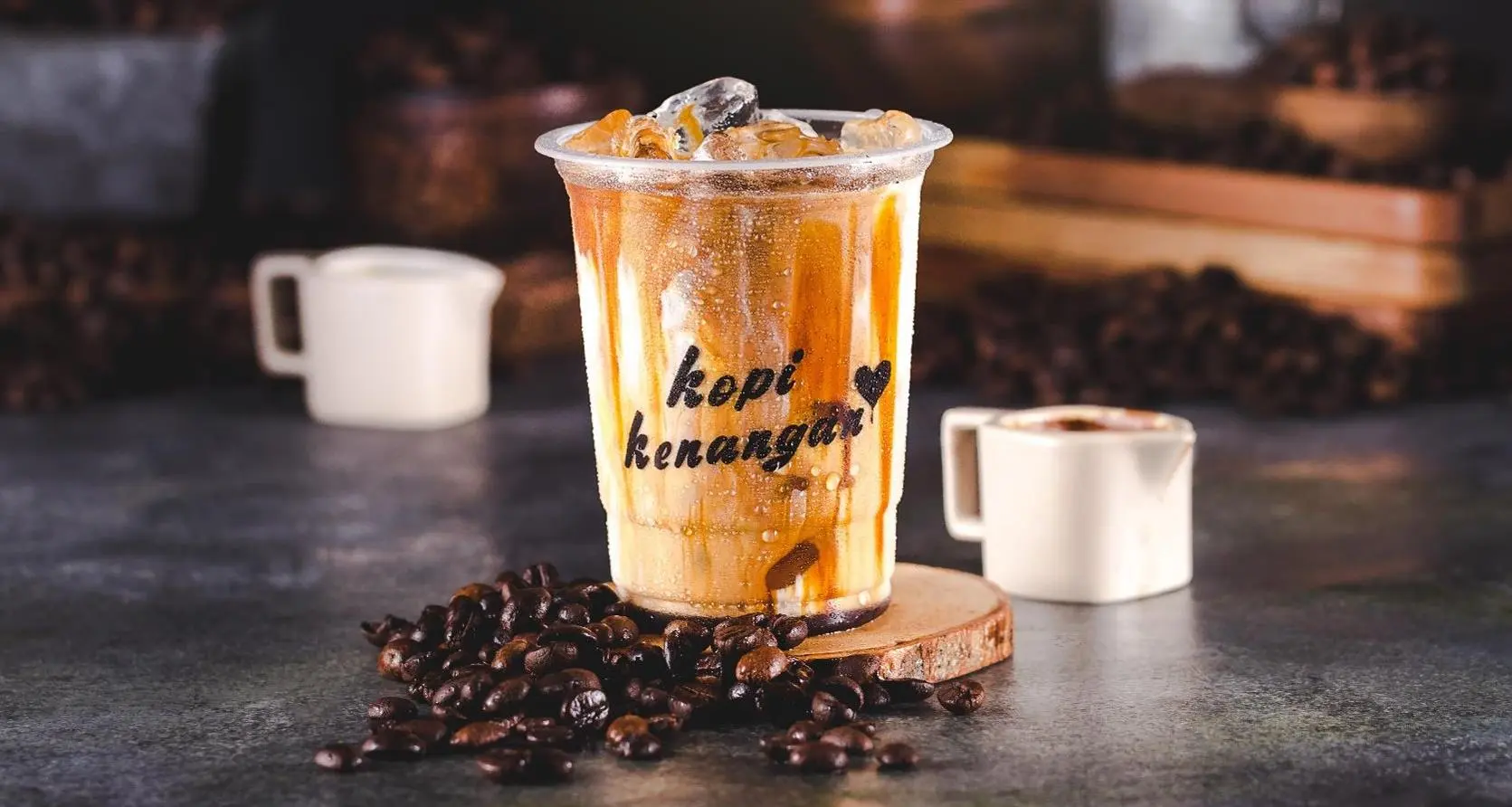
    Kopi Kenangan, an Indonesian coffee chain, is broadening its presence in Asia, subsequent to achieving profitability in Malaysia, three years after its market launch. Edward Tirtanata, the co-founder and CEO of the company, anticipates closing the current year with 150 branches in Malaysia, before broadening that number to 200 venues next year.

    Tirtanata shared that the company has been persistently opening more than one location per day this year, with approximately 70 new stores expected to launch within the next month.

    Continuing its regional expansion, Kopi Kenangan is planning to penetrate the markets of Taiwan and a Gulf Cooperation Council (GCC) country by mid-next year. Earlier this year, the brand made its first appearance in Australia and anticipates having four stores in operation by the end of the year. Meanwhile, roughly 20 additional outlets are scheduled to open in the Philippines in the latter part of this year and early next year.

    The third quarter of this year saw the company’s revenue increase by 40% year-on-year, a growth attributed to its strategy of adapting flavors, recipes, and prices to accommodate local markets. Tirtanata stated, “If you drink our coffee in Singapore, Jakarta, Malaysia, or New Delhi, it will taste different.” He further emphasized the company’s readiness to innovate and revise their recipes to cater to their diverse customer base.

    Questions & Answers

    What is the planned expansion of Kopi Kenangan within the next year?
    Kopi Kenangan aims to increase its Malaysian outlets to 200 stores. Also planned is the opening of approximately 70 new stores within the next month. Furthermore, the company is set to launch in Taiwan and a Gulf Cooperation Council (GCC) country by mid-next year.

    What contributes to Kopi Kenangan’s revenue growth?
    The company’s strategy of adapting its coffee flavors, recipes, and pricing to fit local markets has played a significant role in its revenue increase of 40% year-on-year in the third quarter.

    What differentiates Kopi Kenangan’s coffee in various locations?
    Kopi Kenangan’s coffee taste differs in various locations such as Singapore, Jakarta, Malaysia, and New Delhi. This is due to the company’s strategy of innovating and revising their recipes to cater to local tastes and preferences.

  • Malaysia’s OldTown White Coffee ramps up Philippine expansion

    Malaysia’s OldTown White Coffee ramps up Philippine expansion

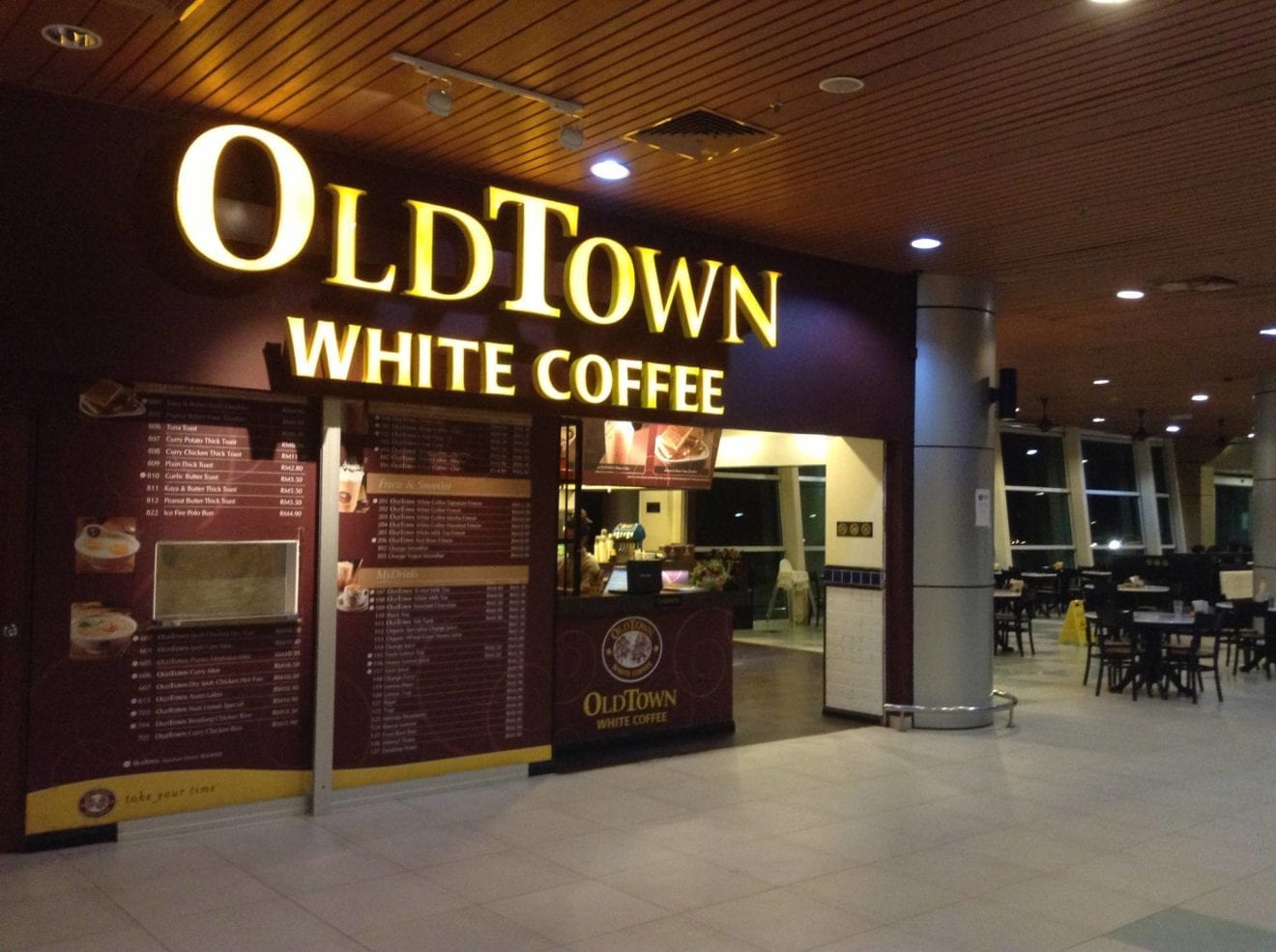
    OldTown White Coffee, a renowned Malaysian coffee brand, is charting an ambitious growth trajectory in the Philippines with a hefty investment amounting to US$21 million (PHP400 million). The funding will facilitate the introduction of 20 additional outlets over the next half-decade.

    This strategic expansion is spearheaded by the brand’s Philippine licensee, Del Mundo Group. This follows hot on the heels of the inauguration of OldTown’s inaugural branch in Zamboanga City. This new entrant marks the 11th OldTown outlet in the Philippines and the first in Western Mindanao.

    The new café, nestled in Tumaga’s Pasonanca Road, is the entrepreneurial venture of Pherhan and Jhulie Saiddi. The duo aims to enrich Zamboanga’s vibrant food and beverage landscape with their venture.

    “We aspire to introduce a global brand to Zamboanga that resonates with quality and cultural authenticity. OldTown White Coffee encapsulates this aspiration perfectly,” expressed the Saiddis.

    Debuting in 1999, OldTown White Coffee has earned a name for its signature roasted white coffee and authentic Malaysian cuisine. With more than 200 outlets across Malaysia, the brand has extended its footprint to Singapore, Indonesia, and Hong Kong.

    The Philippine chapter of OldTown White Coffee began in 2023, under the aegis of Del Mundo Group. The group is also known for managing brands like Mesa Filipino Moderne, Ramen Bari Uma, Buchiton, Hayashi Yakiniku, and Cravy.

    Matt Ablis, the COO of Del Mundo Group, revealed the group’s intention to penetrate key provincial markets with burgeoning consumer demand and local economic growth. “This expansion is not just about opening new stores, it extends to bringing OldTown’s established café format and menu to previously untapped regions,” he shared.

    Questions & Answers

    What is OldTown White Coffee planning for the Philippines?
    OldTown White Coffee aims to expand its presence in the Philippines with a US$21 million investment, planning to open 20 more outlets over the next five years.

    Who is leading the expansion of OldTown White Coffee in the Philippines?
    The expansion of OldTown White Coffee in the Philippines is being spearheaded by the Del Mundo Group.

    What is the vision of the owners of the new café in Zamboanga City?
    The owners of the new café in Zamboanga City aim to enrich the city’s food and beverage scene by introducing OldTown White Coffee, which they believe encapsulates quality and cultural authenticity.

  • Richard Hinson Takes Helm As Ceo Of Minor Dkl, Sets Stage For Coffee Club Expansion

    Richard Hinson Takes Helm As Ceo Of Minor Dkl, Sets Stage For Coffee Club Expansion

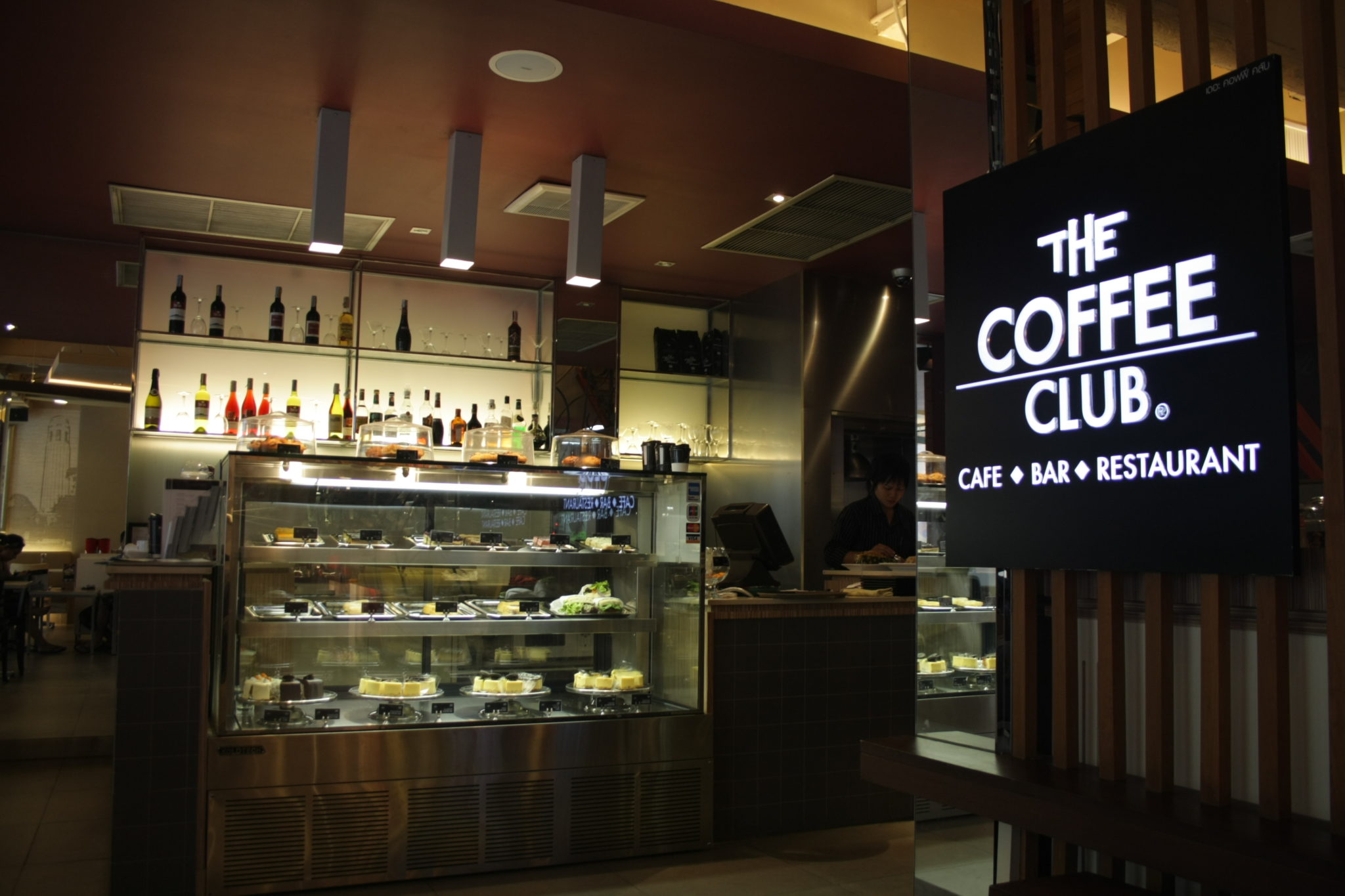
    Minor DKL Food Group, the Australian subsidiary of Thai-based company Minor International, has recently announced the appointment of Richard Hinson as their new CEO. This strategic move sets the stage for the next expansion phase of The Coffee Club.

    Hinson’s Background and Future Roles

    Before joining Minor DKL, Hinson held several high-ranking positions, managing intricate supply chains, high-volume consumer retail, and multi-location hospitality operations. His previous roles involved managing turnaround programs at Retail Food Group and aiding Countrywide in becoming a prominent foodservice distributor in Australia.

    Hinson emphasized the importance of people-centered operations in the success of cafés. “The heart of a successful café lies in its people – our franchise partners, their teams, and the customers who have made The Coffee Club a part of their daily routine,” Hinson stated.

    He pledged his commitment towards bolstering these partnerships and creating a culture that revolves around collaboration and innovation. Hinson aims to ensure a thriving environment for franchise partners and a personalized, memorable experience for every customer. He believes that such an approach will help continue to cultivate a café network that Australians can love and trust for generations to come.

    Hinson’s Plans for The Coffee Club

    In his new role with The Coffee Club, Hinson’s focus will be on strengthening franchise partnerships, boosting operational efficiency, and enhancing the customer experience. He has expressed his intention to support the launch of the new grab-and-go concept, Three Stories Café, which recently opened its first store in South Brisbane.

    Questions & Answers

    What is Richard Hinson’s background?

    Richard Hinson has a wealth of experience in the retail and hospitality sectors, having held senior leadership roles where he managed complex supply chains, high-volume consumer retail, and multi-site hospitality. He has also managed turnaround programs and helped establish a leading foodservice distributor.

    What is Hinson’s primary focus as CEO of Minor DKL Food Group?

    Richard Hinson aims to strengthen franchise partnerships, improve operational efficiency, and enhance the customer experience at The Coffee Club. He also plans to support the rollout of the new grab-and-go concept, Three Stories Café.

    What is the ultimate goal of Hinson’s strategy for The Coffee Club?

    Hinson’s objective is to create a thriving environment for franchise partners and provide a personalized, memorable experience for every customer. He believes that this approach will help build a café network that Australians will continue to love and trust for the years to come.

  • Coca-Cola closer to sale of Costa Coffee – reports

    Coca-Cola closer to sale of Costa Coffee – reports

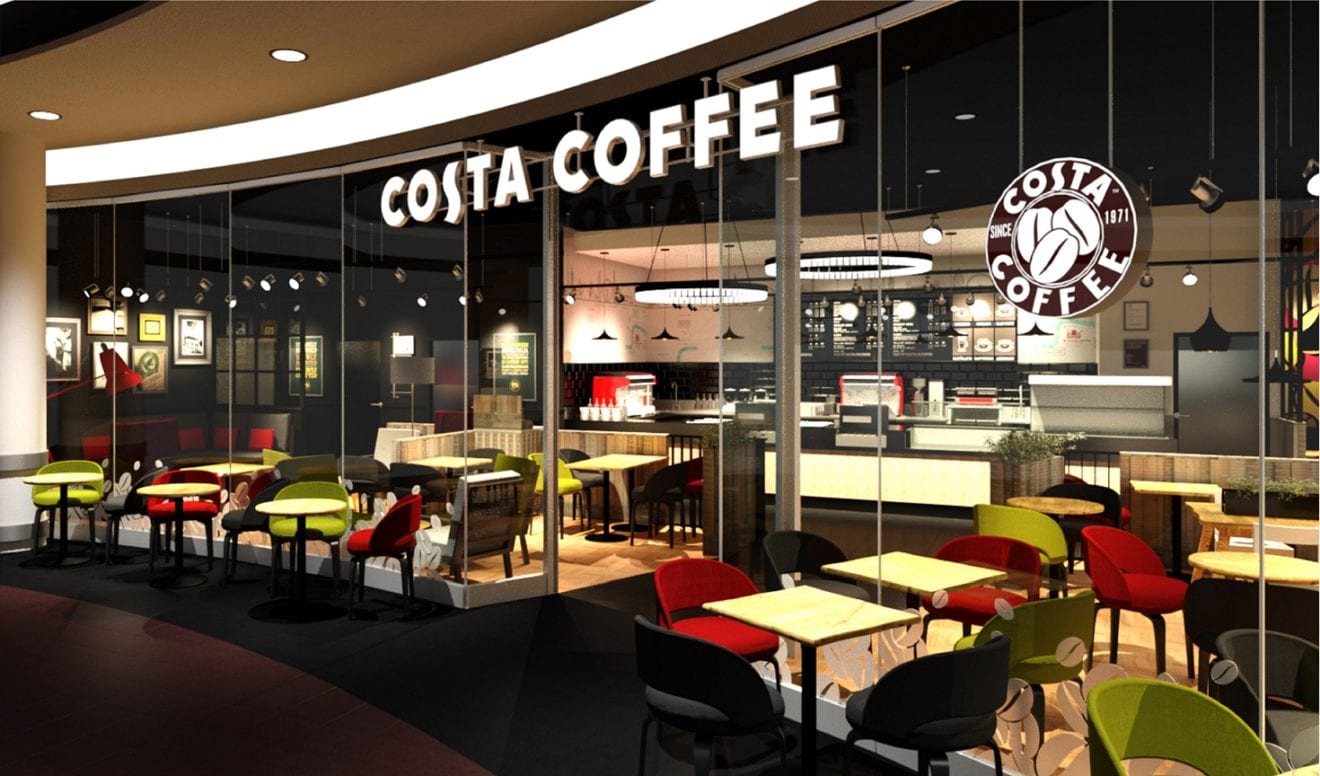
    The Coca-Cola Company is said to have received a bid from Bain Capital’s Special Situations division for its well-known café chain, Costa Coffee. Established in London in 1971 by brothers Bruno and Sergio Costa, the business started as a wholesale operation providing roasted coffee. The coffee chain caught the attention of Whitbread, which acquired the business in 1995. Later, in 2018, Costa Coffee was sold to The Coca-Cola Company for roughly £3.9 billion, equivalent to approximately US$5.1 billion at the time of the transaction.

    Bain Capital’s Bid

    The Special Situations unit of Bain Capital, which has previously invested in British bakery and café chain Gail’s as well as restaurant chain PizzaExpress, has proposed an initial bid for the UK-based coffee chain. Besides Bain, private equity firm TDR Capital has also expressed interest in the deal.

    Costa Coffee’s Global Presence

    Costa Coffee has grown significantly since its establishment, expanding its presence to over 50 countries. It currently maintains more than 2700 stores across the UK and Ireland and operates in more than 1300 locations in other global markets.

    Challenges Amidst the Pandemic

    Despite its global reach and popularity, Costa Coffee has grappled with increasing costs and a decline in consumer spending due to the Covid-19 pandemic. The café chain reported an annual loss of £13.8 million and revenues of £1.2 billion in 2023.

    Bain Capital’s Recent Acquisitions

    Bain Capital has a history of acquiring food and beverage establishments. For instance, the firm purchased the restaurant franchise growth platform Sizzling Platter in July, which operates several well-known brands such as Little Caesars, Wingstop, and Dunkin’.

    Questions & Answers

    Who initially founded Costa Coffee and when was it established?
    Costa Coffee was established by brothers Bruno and Sergio Costa in London in 1971.

    Who submitted a bid for Costa Coffee?
    The Special Situations unit of Bain Capital has reportedly submitted a bid for Costa Coffee.

    What financial impact did the Covid-19 pandemic have on Costa Coffee?
    Due to the pandemic, Costa Coffee has faced a decline in consumer spending and rising costs, resulting in an annual loss of £13.8 million in 2023.

  • Chagee Unveils World’s Largest Flagship Store In Hong Kong, Reinforces Commitment To Authentic Tea Culture

    Chagee Unveils World’s Largest Flagship Store In Hong Kong, Reinforces Commitment To Authentic Tea Culture

    Chagee, a popular Chinese tea chain, has recently launched its biggest global flagship store on Lee Tung Street in Wan Chai. This marks the seventh establishment for the brand in Hong Kong.

    Spacious and Multifunctional Flagship Store

    The new flagship store boasts an impressive 11,000 square feet of space, spread over two levels. The innovative double-storey design of the store blends retail shopping with cultural and social spaces, positioning it as a hub for both business and culture.

    A Unique Tea Experience

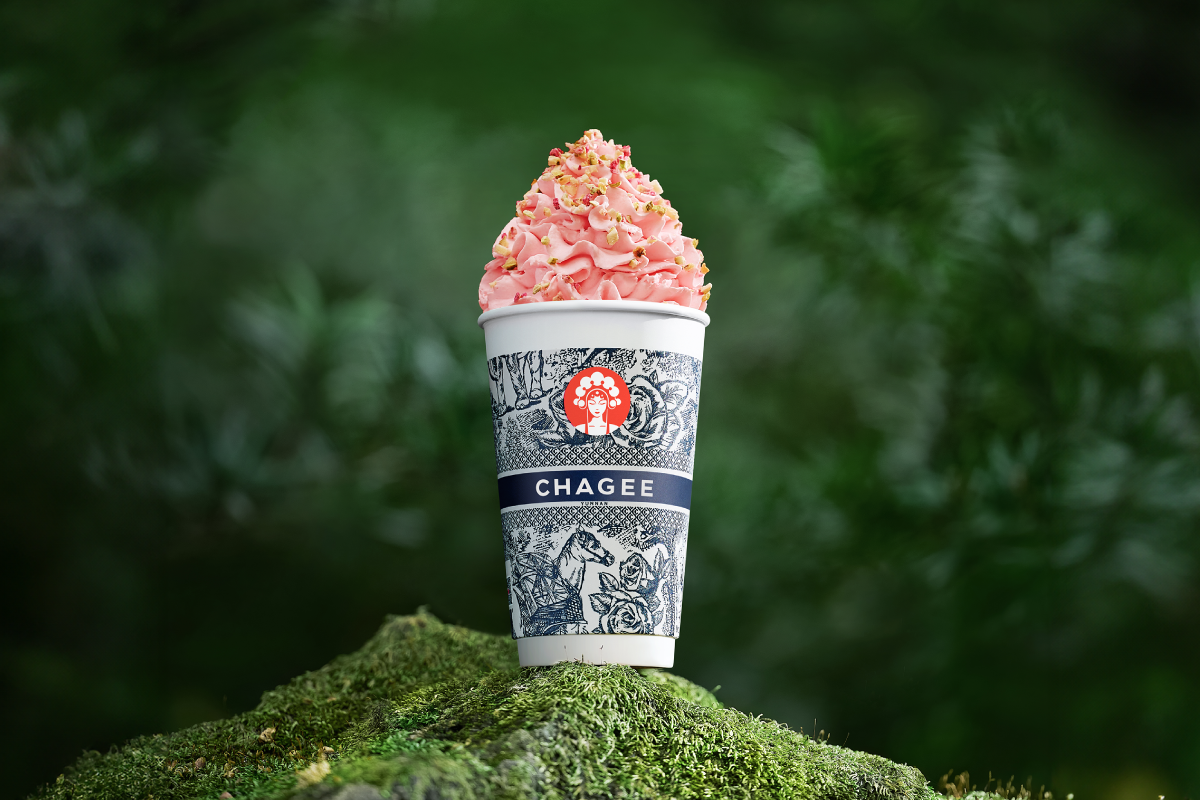
    Chagee stands out in the tea market through its luxury-leaning, minimalist brand identity. The brand is recognized for its commitment to using real tea leaves, fresh milk, and foregoing artificial sweeteners in its products. Their menu offers a contemporary spin on traditional teas, featuring such unique offerings as cream-topped Oolong tea.

    Confidence in Future Growth

    Rex Ho, General Manager for Hong Kong and Macau, expressed a strong belief in the brand’s potential for growth within the Hong Kong market. He stated, “We are optimistic, and we see Hong Kong as a platform for international cultural exchange. This city can help Chagee share the beauty of tea culture with a global audience.”

    With this belief in mind, the decision was taken to establish the world’s largest Chagee store in Hong Kong. Ho affirmed that the company will continue to invest resources to support the evolution and innovation of tea culture in the area.

    Chagee has shown considerable growth since it first entered the Hong Kong market last year. After expanding to seven stores in the city, the brand has plans to open at least 10 more outlets to accelerate its local expansion.

    Global Presence

    On a global scale, Chagee has a strong presence with over 7,000 stores spread across various markets including China, Malaysia, Singapore, Thailand, the Philippines, and the United States.

    Questions & Answers

    What sets Chagee apart from other tea chains?
    Chagee differentiates itself through a minimalist, luxury-leaning brand identity and a commitment to using real tea leaves, fresh milk, and no artificial sweeteners in its products.

    Where is Chagee’s largest global flagship store located?
    The largest Chagee store worldwide is located on Lee Tung Street in Wan Chai, Hong Kong.

    What are Chagee’s future plans in Hong Kong?
    Chagee plans to strengthen its presence in Hong Kong by opening at least 10 more outlets in the city as part of its local expansion efforts.

  • Coffee Exports Surge 61% in 2025, Boosting Global Market and Retail Opportunities

    Coffee Exports Surge 61% in 2025, Boosting Global Market and Retail Opportunities

    Vietnam exported 1.23 million tons of coffee worth US$6.98 billion in the first nine months of this year. In a remarkable surge, Vietnam’s coffee exports jumped 61% compared to the same period last year, fueled by climbing global coffee prices, according to the Import-Export Department. Among these shipments, Robusta beans dominated, contributing $4.9 billion, followed by processed coffee and Arabica varieties.

    Prices for coffee reached historic highs in early 2025 before stabilizing at levels comparable to last year from May to July. However, a rebound in August and September saw Robusta futures for November delivery on the London exchange hitting $4,200 per ton, while December Arabica futures traded in New York at $8,258.

    The rise in global prices has been attributed to a weaker U.S. dollar, coupled with supply disruptions in Brazil and Indonesia, primarily due to the ongoing effects of the El Niño weather phenomenon. Notably, a recent 50% tariff on Brazilian coffee imports imposed by the U.S. has opened a lucrative window for Vietnamese coffee, particularly as the U.S. remains one of the world’s largest coffee importers.

    Moreover, Vietnam stands as one of the few coffee-exporting nations equipped to meet the stringent standards outlined in Europe’s new EU Deforestation Regulation, set to take effect at the end of 2026. This readiness could bolster Vietnam’s position in the international market amid evolving demands.

    Yet, the road ahead is not without its hurdles. Exporters have raised concerns about the long-term challenges of enhancing processing capacities, ensuring consistent quality, and crafting a strong national brand. Industry experts opine that the U.S. tariffs will play a pivotal role in shaping the future landscape for Vietnam’s coffee exports, underscoring a transformative moment in the global coffee trade.

    Questions & Answers

    What factors contributed to the increase in Vietnam’s coffee exports this year?
    The 61% surge in coffee exports is primarily attributed to rising global coffee prices, supply disruptions in key producing countries, and an advantageous U.S. tariff on Brazilian coffee, which opened opportunities for Vietnamese coffee in the U.S. market.

    How is Vietnam preparing for future market regulations in coffee export?
    Vietnam is among the few coffee-exporting nations that can meet the upcoming EU Deforestation Regulation standards, which will be implemented from the end of 2026. This positions Vietnam favorably as market demands evolve.

    What challenges do Vietnamese coffee exporters face in maintaining growth?
    Exporters are concerned about upgrading processing capacities, maintaining consistent quality, and building a robust national brand, which are critical for long-term competitive success in the global market.

  • Starbucks Unveils $1B Restructuring Plan, With Hundreds of Store Closures on the Horizon

    Starbucks Unveils $1B Restructuring Plan, With Hundreds of Store Closures on the Horizon

    Starbucks is facing a significant transformation as it plans to close several hundred stores across the U.S. and Canada, with an overall reduction of approximately 1% expected by the end of fiscal 2025. This decision comes at a pivotal time for the coffee chain, which has experienced six consecutive quarters of declining sales in the U.S. CEO Brian Niccol is keen to reinstate the beloved “coffeehouse” atmosphere to attract customers back into its cafes.

    Closure of Flagship Unionized Locations

    Among the stores set for closure is Starbucks’ flagship unionized location in Seattle, known for its expansive cafe and in-house roastery. This development, confirmed by the company on Thursday, adds to the complexities surrounding ongoing negotiations with the Workers United union, which represents over 12,000 baristas. Talks began last April but have stalled in recent months.

    Strikes and Pickets from Union Baristas

    In December, a strike by union members disrupted operations in multiple U.S. cities during the bustling holiday season. The Seattle store, which voted to unionize in 2022, saw its workers picketing on Monday over contract disputes. In Chicago, another unionized store on Ridge Avenue also closed, with baristas protesting before the closure was announced. Diego Franco, a barista who traveled from a nearby suburb, emphasized their role in drawing customers to the stores, stating, “We’re here to remind the company that it’s the workers who actually bring the people into the stores.”

    Union Response to Store Closures

    In response to the store closures, Starbucks Workers United released a statement highlighting the necessity of union support for baristas, pledging to negotiate for the workers affected so they can be reassigned to other locations. According to estimates from analysts at TD Cowen, around 500 company-owned stores in North America may be affected by this restructuring.

    CEO Niccol’s Revamp Strategy

    Under Niccol’s leadership, Starbucks is doubling down on improving its stores by focusing on service speed and cultivating a more inviting environment. He has reiterated his commitment to trimming layers of management to facilitate a more efficient operation. “We identified coffeehouses where we can’t create the environment our customers and partners expect, or where financial performance seems unattainable; these locations will be closed,” Niccol conveyed in a letter to employees.

    Focusing on Service Improvements

    As Starbucks navigates these challenges, the company commits to investing in better staffing and innovative technologies aimed at streamlining order sequences and enhancing customer experiences. After taking the reins from Chipotle Mexican Grill, Niccol has garnered investor confidence, with analysts observing that the scale of closures exceeded previous expectations, suggesting a significant pivot in the company’s strategy. Although Starbucks reported a marginal drop in share prices following this announcement, they have enjoyed an overall rise of about 9% since Niccol took charge in August 2024.

    Starbucks also plans job cuts within its support teams while simultaneously closing numerous open positions, impacting about 10,000 employees in non-coffee-house roles as of September 29, 2024. “This is a more significant action that we understand will impact partners and customers,” Niccol added, emphasizing the company’s focus on achieving a thriving coffee experience.

    Questions & Answers

    What prompted Starbucks to close several stores across North America?
    Starbucks is closing stores as part of a strategic response to six consecutive quarters of declining sales in the U.S., aiming to enhance the coffeehouse atmosphere and improve customer experience.

    How has the union responded to the closure of unionized locations?
    Starbucks Workers United criticized the closures, stressing the need for union backing for baristas and highlighting their intention to negotiate reassignments for affected employees.

    What changes is CEO Brian Niccol implementing at Starbucks?
    Under Niccol’s leadership, Starbucks is focusing on improving service speed and creating a welcoming environment while restructuring management and investing in new technologies to enhance customer experiences.

  • Starbucks CEO Brian Niccol Lauds Luckin Coffee for Its Impressive Speed of Innovation

    Starbucks CEO Brian Niccol Lauds Luckin Coffee for Its Impressive Speed of Innovation

    Starbucks CEO Brian Niccol has recently extolled the virtues of Chinese rival Luckin Coffee, particularly praising the company’s rapid pace of product innovation. Speaking at the Fast Company Innovation Festival in New York, Niccol remarked, “The one thing that they probably have done a nice job of is just an unbelievable pace of product innovation.” His comments reflect a competitive acknowledgment that emphasizes the importance of adapting and evolving within the fast-paced coffee market. “It sets the tone for, ‘Hey, we cannot be complacent on flavors and drink combinations,’” he added.

    Striking a Balance: Innovative Menus and Smart Discounts

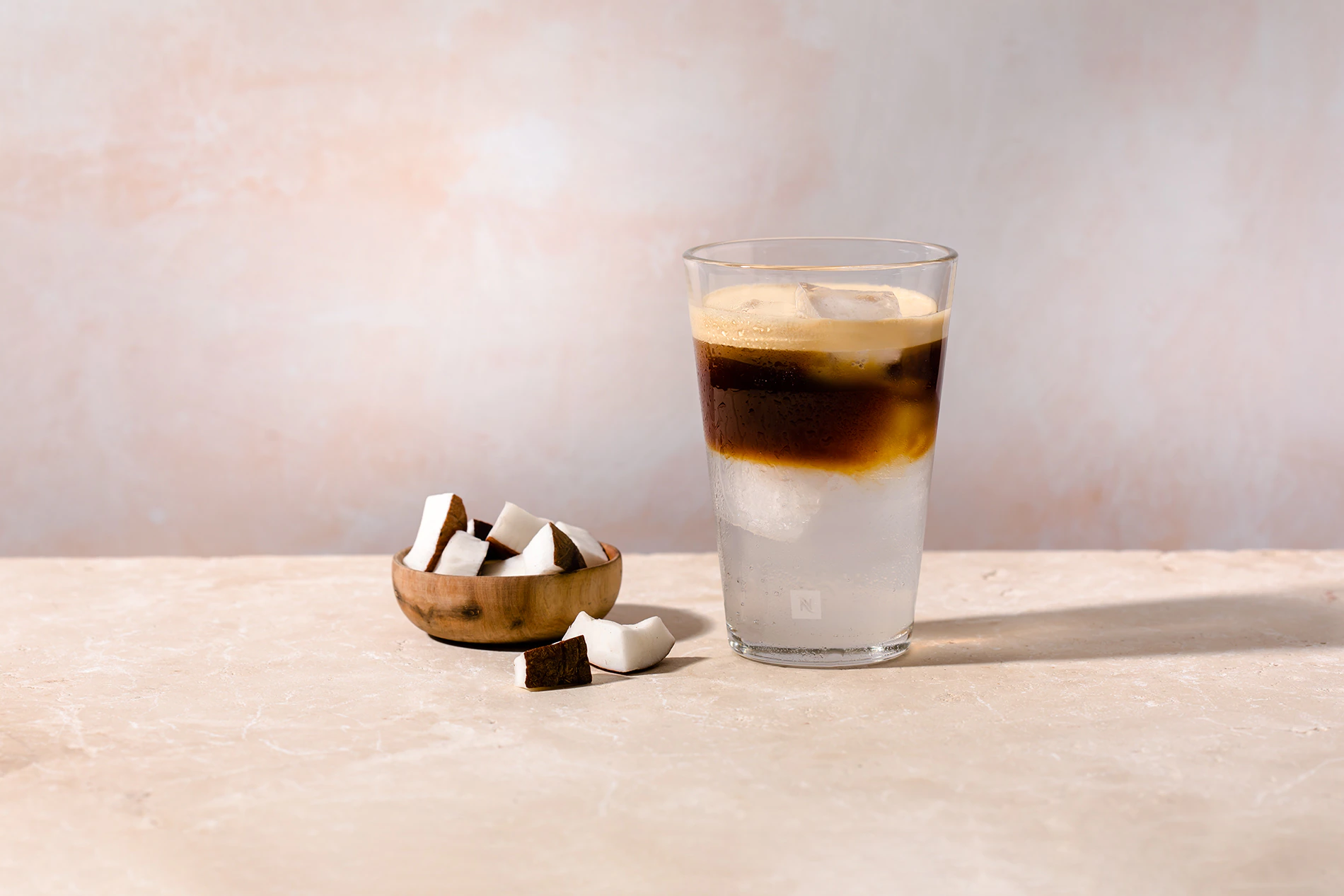
    Luckin Coffee has notably caught the attention of the market with its unconventional beverage offerings, like pineapple cold brew and coconut lattes, accompanied by aggressive discounts ranging from 30% to 50%. This strategy has played a crucial role in its meteoric rise, allowing the company to surpass Starbucks as the leading coffee chain in China, boasting an impressive 26,000 locations against Starbucks’ 8,000.

    A New Era of Order: Luckin’s App-Driven Experience

    An interesting distinction between the two coffee giants lies in Luckin’s operational model, which eschews cashiers in favor of an app-based ordering system. “They’ve done an interesting job on how they’ve turned the app into the only way you can interact with that business. It’s a different approach. I don’t think it’s the right approach for us,” Niccol remarked, highlighting Starbucks’ commitment to creating enriching in-store experiences over purely digital interactions.

    Starbucks’ Strategic Shift in China

    Amid this competitive landscape, Niccol emphasized that Starbucks is experiencing a “nice recovery” in China, achieved in part by reducing prices on select beverages. As part of its growth strategy, Starbucks is actively seeking a local partner to streamline its operations in the region and is looking to open “thousands” of new locations throughout the country. Could there be a Starbucks on every corner in China? Only time will tell.

    Questions & Answers

    What did Brian Niccol praise about Luckin Coffee during the Fast Company Innovation Festival?
    Niccol praised Luckin Coffee’s rapid pace of product innovation and emphasized that Starbucks must not become complacent in its flavor offerings.

    How does Luckin Coffee differentiate itself from Starbucks in terms of customer interaction?
    Luckin Coffee has eliminated cashiers and requires customers to order through its mobile app, unlike Starbucks, which focuses on enhancing in-store experiences.

    What is Starbucks’ strategy to recover its standing in the Chinese market?
    Starbucks is reducing prices on some drinks and is seeking a local partner to manage its operations, with plans to open thousands of new locations across China.

  • Fore Coffee Diversifies Into Donut Market, Taps Into Indonesia’s Rising Demand For Premium Baked Goods

    Fore Coffee Diversifies Into Donut Market, Taps Into Indonesia’s Rising Demand For Premium Baked Goods

    Fore Coffee, the Indonesian F&B retailer, is set to diversify into the donut market, inaugurating their inaugural Fore Donut outlet at Supermal Karawaci, Tangerang.

    Capitalising on Premium Baked Goods Market

    The strategic move into donuts is a bid to leverage the increasing demand for upscale baked items within Indonesia. Market forecasts for the country’s donut sector suggest significant growth, with projected revenues to more than double from $213 million in 2024, to over $518 million by 2030. These predictions were disclosed by internal data from the brand.

    Fore Donuts Expansion Plan

    Fore Donut has ambitions to open at least three more outlets throughout this year. The first outlet boasts a selection of over ten artisanal donuts that blend international and local flavors, including the popular Ayam Pop.

    Discussing the brand’s philosophy, Lomar, a representative from Fore Donut, emphasized the significance of craftsmanship and integrity in their products. “Each donut is handmade using straightforward, natural ingredients, mirroring our dedication to quality and transparency,” Lomar stated.

    The representative continued, “We are convinced that true indulgence lies in care and simplicity, ensuring every morsel is not just tasty, but also uplifting. This philosophy permeates our operations, allowing us to elevate the everyday donut into something genuinely extraordinary.”

    Fore Coffee’s Growth

    Established in 2018, Fore Coffee has rapidly expanded its retail footprint, operating 261 outlets across Indonesia and Singapore. The company registered robust financial growth in the fiscal year 2024, attributed primarily to its assertive retail expansion and a comprehensive omnichannel strategy.

    Questions & Answers

    What is Fore Coffee’s latest venture?
    Fore Coffee is diversifying into the donut market with their new offshoot, Fore Donut.

    What market trend is Fore Donut capitalizing on?
    Fore Donut is capitalizing on the growing demand for premium baked goods in Indonesia.

    What is the projected growth for the donut market in Indonesia?
    The donut market in Indonesia is projected to more than double from $213 million in 2024 to over $518 million by 2030.

  • Fore Coffee Dives Into Donut Industry With Fore Donut: Aiming To Capitalize On Indonesia’s Growing High-end Baked Goods

    Fore Coffee Dives Into Donut Industry With Fore Donut: Aiming To Capitalize On Indonesia’s Growing High-end Baked Goods

    Indonesia’s popular food and drink retailer, Fore Coffee, is making its mark in the donut industry by inaugurating its inaugural Fore Donut store in Supermal Karawaci, Tangerang. This strategic growth initiative enables Fore to take advantage of Indonesia’s escalating need for high-end baked products. Statistics provided by the company predict an impressive increase in the country’s donut market, which is expected to leap from $213 million in 2024 to over $518 million by 2030.

    Fore Donut’s Expansion Plans and Offerings

    Fore Donut has set its sights on launching at least three stores within this year. The pioneer store provides an assortment of over 10 varieties of artisan donuts, intermixing international tastes with domestic favourites like Ayam Pop.

    At a press conference, company spokesperson Lomar stated, “Craftsmanship and honesty form the essence of every product at Fore Donut. Each donut is handcrafted with pure, natural ingredients, mirroring our dedication towards quality and transparency.” He added, “Real pleasure lies in attention to detail and simplicity, ensuring each bite is not just appetizing but also wholesome. This principle permeates throughout our operations, allowing us to morph the ordinary donut into something truly extraordinary.”

    Fore Coffee’s Noteworthy Growth

    Founded in 2018, Fore Coffee currently runs 261 stores across Indonesia and Singapore. The firm witnessed robust financial growth in FY2024, propelled by its assertive retail expansion and comprehensive omnichannel approach.

    Questions & Answers

    What is Fore Coffee’s latest venture?
    Fore Coffee has recently ventured into the donut industry with the launch of its first Fore Donut store in Supermal Karawaci, Tangerang.

    What does Fore Donut plan for its expansion and offerings?
    Fore Donut plans to open at least three outlets this year, offering more than 10 types of handmade doughnuts that blend global flavours with local favourites.

    How did Fore Coffee perform in FY2024?
    Fore Coffee reported strong financial growth in FY2024, driven by an aggressive retail expansion and an effective omnichannel strategy.

  • Indonesian Coffee Chain Toko Kopi Tuku Opens First European Store In Amsterdam

    Indonesian Coffee Chain Toko Kopi Tuku Opens First European Store In Amsterdam

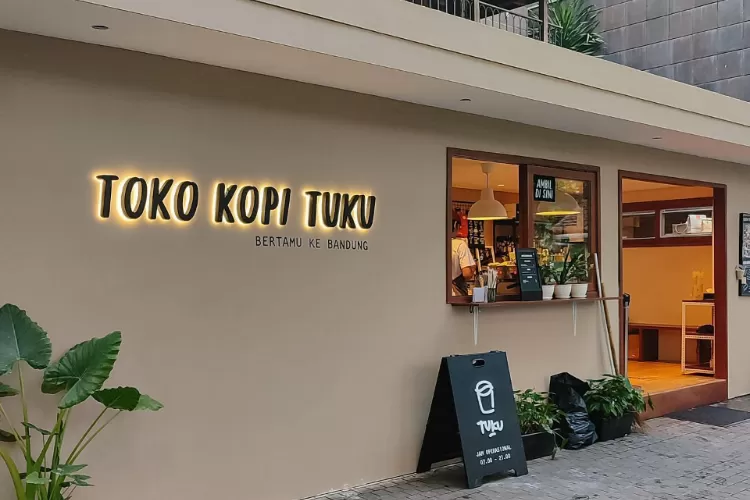
    Toko Kopi Tuku, an Indonesian coffee chain, has recently launched its inaugural European outlet in Amsterdam. This expansion represents the latest step in the company’s global strategy, following a pop-up store in Seoul last year.

    The Amsterdam store is the result of a collaboration with Roemah Indonesia and aims to blend into the Dutch market while simultaneously promoting Indonesian coffee beans, such as those sourced from Aceh and Toraja.

    Expanding the Menu

    Tuku’s menu offers its signature beverage, Kopi Susu Tetangga, as well as an array of food choices adapted to cater to the local palate.

    Rina Radinal Maksum, co-founder of Roemah Indonesia, expressed her confidence in the success of Tuku’s international expansion, following their positive experience with coffee brand Hejo.

    From Small Beginnings to Global Ambitions

    Toko Kopi Tuku’s journey began in 2015 as a modest kiosk located in the Cipete district of Jakarta, under the leadership of CEO Andanu Prasetyo. It has since metamorphosed into a coffee chain with a wide presence throughout Indonesia. The brand maintains an ambitious target of running 72 stores globally by the close of this year.

    Questions & Answers

    What is Toko Kopi Tuku?
    Toko Kopi Tuku is an Indonesian coffee chain that began as a small kiosk in Jakarta and has grown into a popular cafe chain across Indonesia.

    What is the significance of the new store in Amsterdam?
    The newly opened store in Amsterdam marks the first European outlet for Toko Kopi Tuku, signifying a key step in the company’s global expansion strategy.

    What are Tuku’s future expansion plans?
    Tuku aims to operate 72 stores worldwide by the end of the current year, highlighting the brand’s ambitious global growth plan.