Tag: Coles

  • Coles Plans Closure of Crime-Plagued Elizabeth Street Store in Melbourne CBD by 2027

    Coles Plans Closure of Crime-Plagued Elizabeth Street Store in Melbourne CBD by 2027

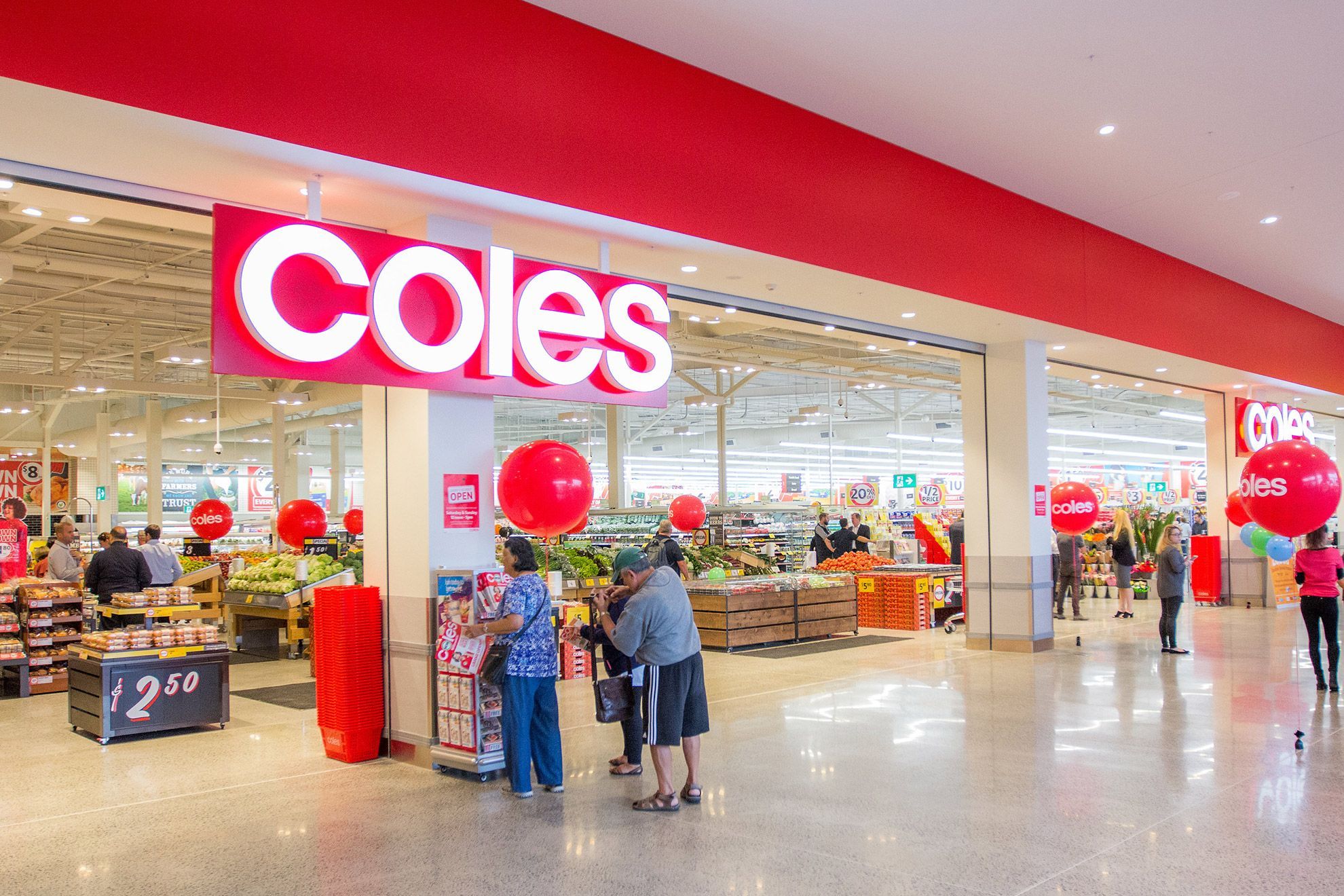
    Coles, a leading supermarket chain in Australia, has disclosed plans to shutter its store on Melbourne’s infamous Elizabeth Street due to the location’s ongoing issues with crime and antisocial behaviour. The location, which has once again come under the spotlight following two separate machete attacks recently, is situated across from Melbourne’s Flinders Street station. The Coles Central store shares its vicinity with Woolworths Metro, located just a few doors down.

    A Strictly Commercial Decision

    Coles has stressed that the decision to vacate the premises at the end of their lease agreement in 2027 is purely a business move. This will result in the supermarket maintaining only one store in Melbourne’s Central Business District (CBD), based in Melbourne Central.

    The supermarket chain has recently made public its extended collaboration with Crime Stoppers Victoria, aiming to address the issue of crime within retail settings. Increasing instances of theft, abuse and hostility towards frontline workers have contributed to a progressively challenging environment within the retail sector, a Coles representative explained.

    Martin Smithson, General Manager of Supermarket Operations at Coles, stated that the rise in retail violence was absolutely unacceptable. He emphasized that the partnership with Crime Stoppers was just one of the steps being taken to tackle it, and called for a collaborative approach involving industry, retailers, government and police.

    Victoria: A Hotspot for Retail Crime

    Victoria, and particularly Melbourne, has been a focal point of Australia’s escalating retail crime issue. In 2025, the state recorded 95,181 criminal incidents at retail locations, marking an increase of 25.7% over the preceding decade.

    According to Chris Rodwell, CEO of the Australian Retail Council, the trend is irrefutable. Retail crime in Victoria continues to surge, posing a persistent, widespread threat to frontline workers and customers.

    Questions & Answers

    What is the reason for Coles’ decision to close its store on Elizabeth Street?
    The decision is strictly commercial, according to a Coles spokesperson.

    How is Coles addressing the issue of retail crime?
    Coles has announced an extension of its partnership with Crime Stoppers Victoria to help tackle retail crime.

    What has been the trend in retail crime in Victoria over the past decade?
    The state has seen a 25.7% increase in criminal incidents in retail locations over the past decade.

  • St Ali Surfs the Cold Coffee Wave: Italo Disco Espresso Hits Coles Supermarkets Nationwide

    St Ali Surfs the Cold Coffee Wave: Italo Disco Espresso Hits Coles Supermarkets Nationwide

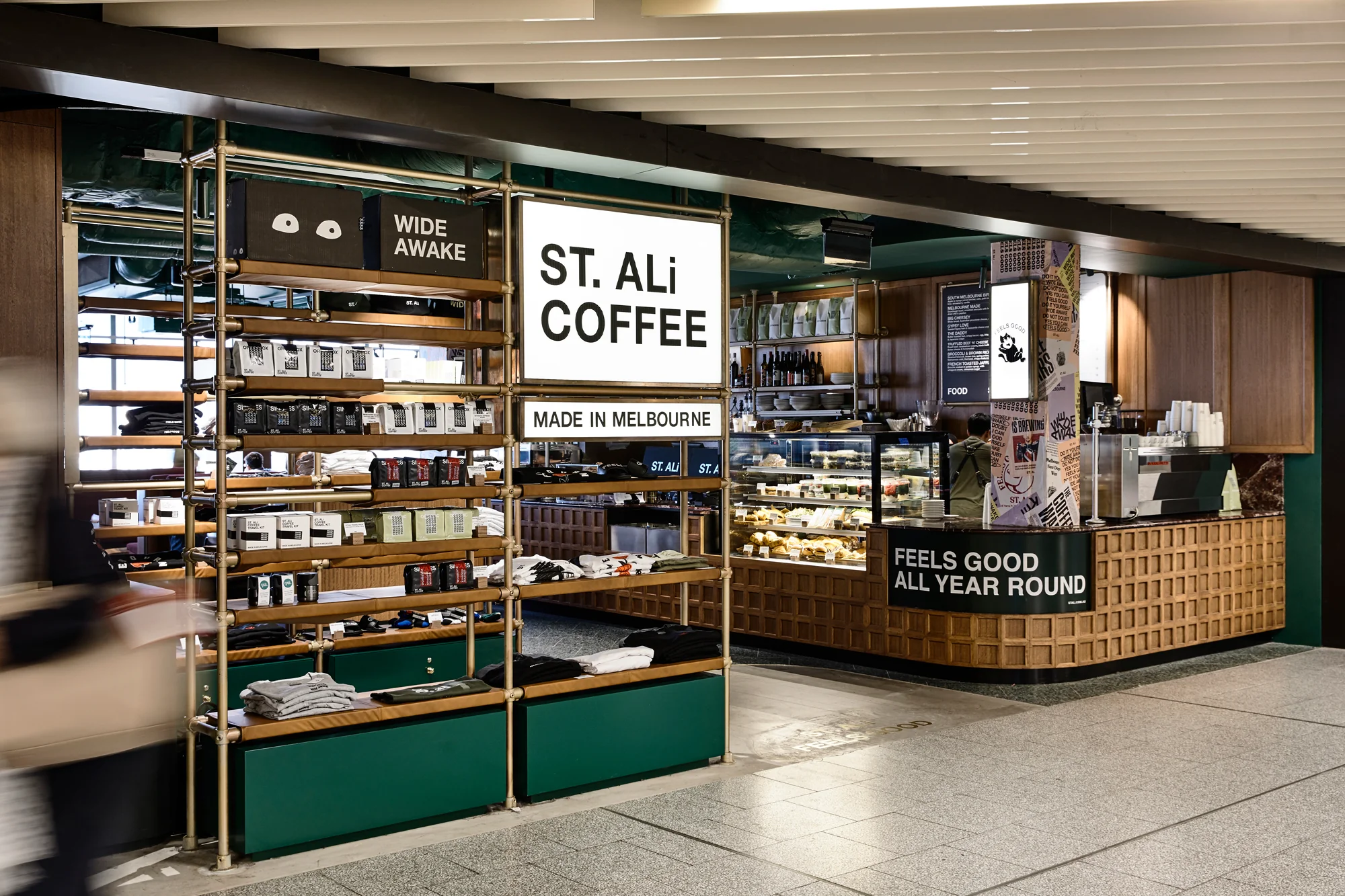
    Melbourne’s prominent coffee roaster, St Ali, has broadened its retail scope with the nationwide launch of its Italo Disco Espresso Concentrate in Coles supermarkets. This move comes after the successful introduction of the brand’s primary assortment of freshly roasted coffee beans in Coles stores in July 2024.

    Meeting Consumer Demand

    This expansion is a strategic response to evolving consumer preferences towards chilled coffee formats. Company data from St Ali’s South Melbourne cafe suggests that cold coffee variants account for approximately 35% of all their beverage sales. Cold coffee has emerged as a significant trend, with St Ali’s CEO, Lach Ward, identifying it as the most noticeable shift in consumption patterns throughout the brand’s 21-year history.

    Sales figures further underline this trend. Innovative cold beverages like the Biscoff Fredo have surged in popularity, becoming the company’s best-selling signature products, outpacing traditional options like magics and black coffee.

    Availability and Trends

    The Italo Disco Espresso Concentrate is accessible to coffee lovers across Australia in a 750ml pouch, retailing at $22. St Ali affirms that the shift towards chilled beverages is not confined to independent specialty outlets. Worldwide statistics reveal that cold beverages represent approximately 60% of total sales in major commercial coffee chains, including notable ones like Starbucks.

    Earlier this year, St Ali further diversified its product range to accommodate the summer season. This expansion included the introduction of two new beverages and the return of a larger-format cold brew.

    Questions & Answers

    What is the Italo Disco Espresso Concentrate?
    It’s a product by Melbourne coffee roaster St Ali, recently made available nationwide at Coles supermarkets.

    What has been the most significant shift in St Ali’s consumption patterns?
    The company has noticed a significant tendency towards cold coffee beverages, marking the most significant shift in their 21-year history.

    What is the current trend in coffee consumption?
    Chilled coffee beverages are the growing trend, with cold drinks accounting for about 35% of St Ali’s sales and 60% of sales in major commercial coffee chains.

  • Coles Bids Farewell to Swaggle: The Unexpected Turn in Australia’s Pet Care Industry

    Coles Bids Farewell to Swaggle: The Unexpected Turn in Australia’s Pet Care Industry

    Swaggle, a pet care subsidiary of supermarket titan Coles, will be shutting down after a two-year run, it has been confirmed. Swaggle marked Coles’ entry into the thriving pet care industry which is currently valued at over $33 billion annually in Australia.

    Headquartered in Victoria, Swaggle was supervised by Chad Burke, previously a category manager at Coles Group. The online marketplace boasted an extensive inventory of items, featuring both niche and prominent brands in the industry.

    Despite its initial promise, Coles has decided to cease Swaggle’s operations beginning from April, just over two years after its inception.

    A representative from Coles praised Swaggle as one of the company’s most important innovation projects. The representative stated, “The venture demonstrated our ability to quickly ideate and trial in the market, and highlighted what a dedicated, nimble team can achieve when they stay attuned to the customer’s needs and are willing to experiment.”

    The company plans to investigate options for relocating Swaggle’s workforce within its group, while providing support to others during the transition.

    The representative further added, “It also serves as a reminder of the need to acknowledge market shifts and to redirect our focus and capital to ensure the continued execution of our strategy.” The spokesperson went on to express, “As the pet market’s demands have transformed and client needs have developed, we have made the difficult decision to close down our Swaggle Pet business from the beginning of April.”

    Questions & Answers

    Why is Coles closing down its pet care business, Swaggle?
    Coles is closing down its pet care business, Swaggle, due to evolving customer needs and shifting demand in the pet market.

    What will happen to the employees of Swaggle after its closure?
    Coles is exploring opportunities to relocate Swaggle employees within its group and promises to support others during the transition period.

    What was the significance of Swaggle to Coles?
    Swaggle was one of the most significant innovation initiatives at Coles, demonstrating the company’s ability to quickly create and test in the market, and highlighting the achievements of a small, talented team.

  • Coles’ Profit Dips Amid Ongoing ACCC Pricing Case and Regulatory Disputes

    Coles’ Profit Dips Amid Ongoing ACCC Pricing Case and Regulatory Disputes

    Despite seeing growth in its supermarket division, leading grocery retailer, Coles, has experienced a significant fall in profits, largely due to what has been referred to as the “case of the century”, instigated by the Australian Competition and Consumer Commission (ACCC).

    Profit Decline Amidst Supermarket Growth

    Coles’ after-tax profit for the first half of this financial year saw an 11.3% decline. This happened in spite of a considerable expansion in the company’s supermarket division, where sales, gross margin and earnings before interest and tax (EBIT) all increased. The phenomenal $23.1 billion in revenue from grocery stores contributed to 90 per cent of Coles’ total revenue for the period.

    Liquor Sales Dwindle

    On the contrary to the supermarket division, Coles’ liquor sales witnessed a “subdued” period, according to the company. The segment experienced a 3.2 per cent fall in revenue along with a significant 37 per cent plunge in EBIT.

    Regulatory Disputes Affecting Profits

    Coles’ after-tax profits were substantially impacted by provisions from regulatory disputes. One such dispute involved allegations of the company not adhering to the general retail industry award (GRIA) guidelines in terms of staff remuneration. The Fair Work Ombudsman passed a judgment on this matter on September 5 of the previous year.

    This case, heard in the Federal Court of Australia, along with subsequent settlements, resulted in a staggering $235 million cost to Coles. The company also warned of the “risk” of further payments. The dispute involved 15,011 staff members and led Coles to pay $31 million in remuneration to employees following an internal review.

    Ongoing ACCC Dispute

    In addition to past disputes, Coles is currently faced with an ongoing disagreement with the ACCC. The dispute involves the supermarket’s longstanding “Down Down” promotion which has not yet been resolved.

    Despite the ACCC’s allegations of misleading customers with its discount promotion, Coles maintains its innocence. The company stated that “at least” 245 products are being reviewed, and the financial impact of any outcome remains uncertain.

    Questions & Answers

    What was Coles’ primary source of revenue in the first half of this financial year?
    The primary source of Coles’ revenue was its supermarket division, which contributed to 90% of the company’s total revenue.

    How have regulatory disputes affected Coles’ profits?
    Regulatory disputes have significantly impacted Coles’ after-tax profits. One such dispute resulted in a $235 million cost to the company with the risk of further payments.

    What is the ongoing dispute between Coles and the ACCC about?
    The ongoing dispute between Coles and the ACCC is regarding the supermarket’s longstanding “Down Down” promotion. The ACCC alleges Coles misled customers with this discount promotion, a claim which Coles denies.

  • Tiffany Chen Takes the Helm at Coles 360: A New Era of Retail Media Innovation Begins

    Tiffany Chen Takes the Helm at Coles 360: A New Era of Retail Media Innovation Begins

    Tiffany Chen has recently been named General Manager for Coles 360, ushering in a fresh period for the retail media arm of Coles Group.

    Tiffany Chen’s Appointment

    The new appointment comes along with Coles 360’s transition into its next developmental phase. Michael Courtney, the Chief Customer Experience Officer at Coles, expressed his faith in Chen’s retail media expertise and its potential to guide the business’s future path. Chen’s extensive international experience and nuanced understanding of both Coles and the Australian retail media market, according to Courtney, equips her to spearhead the next phase of the enterprise and bolster the outcomes for the supplier partners of Coles 360 starting this year.

    Courtney emphasized Coles 360’s clear vision, which is to establish a gold standard for retail media performance in Australia. He voiced his confidence in Chen’s leadership skills, coupled with the existing momentum, to elevate their network to unforeseen heights.

    Chen’s Role and Past Experience

    As Coles 360 embarks on a series of enhancements, including amplified reporting and measurement, scalable performance capabilities, and the burgeoning of advertising offerings, Chen steps in. Her experience spans a decade of work with McKinsey & Company, a global management consulting firm. As a founding member of the company’s Retail Media Network practice, Chen has supported numerous businesses in the development and global scaling of their retail media networks.

    Chen expressed optimism in Coles 360’s position to generate new opportunities for partners and design more effective strategies to engage customers as the new year commences. She expressed her enthusiasm towards expanding upon the already robust foundations and contributing to the next chapter of retail media innovation.

    Impact on Coles Group

    Coles 360 continues to be a significant contributor to the growth of Coles Group, yielding measurable brand and performance results for supplier partners. Coles Group has also recently announced additional developments, including acquiring site leases with the approval of the Australian Competition and Consumer Commission (ACCC).

    Questions & Answers

    What is the vision for Coles 360 under Tiffany Chen’s leadership?
    The vision for Coles 360 is to set the benchmark for retail media performance in Australia. Chen’s international experience and understanding of Coles and the Australian retail media market are expected to guide the business’s future direction.

    What improvements does Coles 360 plan to undertake?
    Coles 360 plans on a series of enhancements, which include amplified reporting and measurement, scalable performance capabilities, and the development of advertising offerings.

    What role did Tiffany Chen play at McKinsey & Company before joining Coles 360?
    Before joining Coles 360, Chen was a founding member of McKinsey & Company’s Retail Media Network practice, where she supported businesses in building and scaling their retail media networks globally.

  • Delivery Showdown: Woolworths Teams Up with DoorDash as Coles Partners with Uber Eats in Australian Market

    Delivery Showdown: Woolworths Teams Up with DoorDash as Coles Partners with Uber Eats in Australian Market

    In the world of grocery delivery services, competition is heating up as two major players, DoorDash and Uber Eats, expand their alliances with top Australian supermarkets. Woolworths, the country’s largest supermarket, has recently joined DoorDash’s delivery platform. This news was quickly followed by the announcement that Uber Eats has expanded its service with Coles and secured an exclusivity agreement.

    The Shift Towards Third-Party Delivery Services

    These developments come in the wake of the dissolution of Menulog, a food delivery brand that ended all its operations in Australia on November 26 after two decades of service. Despite this, Woolworths persists in providing deliveries via its own label, Milkrun, which currently serves over 500 suburbs in Australia’s largest cities, utilizing the brand’s Metro stores.

    Simon Rossi, DoorDash’s VP of Apac, happily welcomed Woolworths to the platform. He expressed that Woolworths’ impending arrival on their platform signifies their commitment to enhancing customer choice, convenience, and value.

    Expansion of Uber Eats and Coles Partnership

    Coles, previously partnered with DoorDash, announced its plans to enhance its product range on Uber Eats by 50%, offering up to 17,000 products. The companies revealed their intention to enter an exclusive partnership by December 26.

    Lucas Groeneveld, Uber Eats’ regional GM of retail across Apac, noted that for many Australians, having their Coles shopping delivered through the Uber Eats app has become an integral part of their daily lives.

    DoorDash Completes Australian Market Penetration

    For DoorDash, Woolworths represents the last of Australia’s top four brands to join its service. Coles, Aldi, and IGA are all current partners, though Coles plans to leave the service on December 26. In the meantime, Woolworths continues to deliver with Uber Eats.

    Amitabh Mall, Woolworths group MD, spoke on the importance of providing customers with fast, flexible options for their grocery needs. He affirmed that the partnership with DoorDash will enable them to leverage their extensive store network to reach more customers on platforms they use every day.

    Jonathan Torr, Coles’ executive GM of e-commerce, lauded the move as “another way of helping our customers get what they need, wherever they need it”.

    Questions & Answers

    Q: What is the significance of Woolworths joining DoorDash?
    A: Woolworths is Australia’s largest supermarket, and its addition to DoorDash’s platform signifies the company’s commitment to expanding customer choice, convenience, and value.

    Q: What changes are taking place in Coles’ partnership with Uber Eats?
    A: Coles is expanding its product range on Uber Eats by 50%, offering up to 17,000 products. The companies also plan to enter an exclusive partnership by December 26.

    Q: How is Woolworths responding to consumer demand for flexible grocery options?
    A: Woolworths continues to invest in a variety of on-demand options, including its own label, Milkrun, and partnerships with third-party delivery services like Uber Eats and DoorDash.

  • Optus Faces Hefty $826K Fine Over Coles Mobile Scam Breach: A Deep Dive into Australia’s Telco Scandal

    Optus Faces Hefty $826K Fine Over Coles Mobile Scam Breach: A Deep Dive into Australia’s Telco Scandal

    Optus Mobile, a renowned telecommunications firm, has been hit with another hefty fine of $826,320 for breaching anti-scam regulations. This recent violation pertains to its business operations under the Coles Mobile brand.

    Investigation and Breaches

    The Australian Communications and Media Authority (ACMA) served the penalty after a thorough investigation into the infractions committed by Optus. The probe revealed that the company had infringed anti-scam provisions on 44 separate instances during September and October of the previous year. These infractions were carried out through Coles Mobile, a collaborative venture enabling consumers to register for a mobile contract via the Coles supermarket chain.

    Investigators unveiled that scammers had managed to exploit a security loophole in a third-party identity verification system employed by Optus. This loophole permitted the fraudsters to sidestep certain parts of the obligatory verification procedure. As a result, these unscrupulous individuals managed to seize control of a minimum of four client mobile services and infiltrate their bank accounts. The reported losses from these scam activities totalled $39,000.

    Implications and Responses

    Samantha Yorke, a member of the ACMA, conveyed the severity of such fraudulent activities. She highlighted the resultant monetary losses and lingering trauma emanating from the task of reclaiming digital identities. Yorke stated that although this was a solitary issue that was promptly addressed, the lack of a sturdy customer ID verification system is unacceptable. This holds particularly true for a prominent provider in the industry such as Optus, which is currently Australia’s second largest.

    Yorke also pointed out that the imposed fine is the maximum monetary penalty that the ACMA has the jurisdiction to enforce in this case. The severity of the fine reflects the seriousness of the breaches committed by Optus.

    The recent penalty adds to the already considerable financial repercussions that Optus has faced this year due to regulatory contraventions. Earlier in September, the firm was directed by the Federal Court to pay a staggering $100 million for engaging in unfair sales practices. These unethical practices affected over 400 customers and were carried out at 16 Optus outlets between August 2019 and July 2023.

    Questions & Answers

    What led to the recent $826,320 fine imposed on Optus Mobile?
    Optus Mobile was fined for breaching anti-scam regulations, specifically in relation to its business operations under the Coles Mobile brand.

    How were scammers able to exploit Optus’s systems?
    Scammers exploited a security loophole in a third-party identity verification system used by Optus, which allowed them to bypass parts of the obligatory verification process and gain control of several consumer mobile services.

    What were the consequences of the scam activities?
    The fraudulent activities resulted in reported losses of $39,000 and caused distress to consumers who had to recover their digital identities.

  • Supercharged Supermarket Sales Propel Coles’ First Quarter Success

    Supercharged Supermarket Sales Propel Coles’ First Quarter Success

    Coles, the prominent Australian supermarket chain, reported an increase in sales for the first quarter, primarily fueled by the robust performance of its supermarket division.

    Sales Increase in the First Quarter

    Coles experienced a 3.9% rise in sales for the 13 weeks ending September 28, totaling $10.9 billion. The supermarket division was the primary driver for this growth, where the sales surged by 4.8% reaching $9.9 billion.

    Dynamic Competitive Market

    Excluding tobacco, the supermarket sales increased by 7%, which was supported by a concentrated effort on product selection and value, enhanced availability, and a 28% increase in e-commerce sales. Amid an ever-changing competitive market, Coles has adjusted its pricing structure across various categories to adapt to the evolving landscape. The retailer has expanded the number of products in its everyday low price (EDLP) range to cater to customer needs.

    Decrease in Tobacco Sales

    The sales of tobacco drastically fell by 57% due to new legislation and growth in the illicit market. Excluding tobacco, the inflation of supermarket prices moderated to 1.2% from 1.5% in the previous quarter.

    Liquor Segment Sales

    Despite the overall sales growth, the liquor segment experienced a minor slip, with sales dropping 1.1% to $842 million. Additionally, the ‘other’ segment, related to the product supply agreement with Viva Energy, witnessed a 17.9% decrease in sales to $156 million.

    CEO’s Comments on Performance

    Coles Group CEO Leah Weckert expressed satisfaction with their performance, attributing the supermarket sales growth to the focus on value, quality, and customer experience. Noting the positive impact of major transformation projects, Weckert mentioned that availability had reached its highest levels since pre-Covid, with e-commerce sales penetration reaching 13.3%.

    Looking Forward

    As Coles enters the second quarter, supermarket sales growth remains at similar levels to the first quarter, whereas the liquor market continues to be challenging with customers staying budget-conscious. As the holiday season approaches, Coles aims to cater to every taste and budget with their Christmas range and continue to focus on improving the omnichannel customer experience.

    Questions & Answers

    What was the key driver for Coles’ sales growth in the first quarter?
    The supermarket segment was the primary driver for first quarter sales growth, accounting for a 4.8% rise.

    What changes did Coles make to adapt to the changing competitive market?
    Coles has adjusted its pricing structure across various categories and expanded the number of products in its everyday low price (EDLP) range.

    How has Coles been performing in the second quarter?
    In the early part of the second quarter, supermarket sales growth has remained at similar levels to the first quarter. However, the liquor market continues to be challenging with budget-conscious consumers.

  • Coles Reports Robust Fiscal Year Results: Supermarket Sales Surge, E-commerce Thrives, Liquor Division Shows Moderate Growth

    Coles Reports Robust Fiscal Year Results: Supermarket Sales Surge, E-commerce Thrives, Liquor Division Shows Moderate Growth

    Coles has announced a 3.6% increase in group sales, reaching $44.3 billion, with an EBITDA rise of 11% to $3.9 billion for the current fiscal year. The group’s net profit after tax also increased, up by 2.4%, yielding a total of $1.07 billion.

    Driving Growth Through Supermarkets

    The company attributes much of its sales growth to its supermarket division, which showed a robust performance, growing by 4.3% and reaching $40 billion. The supermarket division’s EBITDA also rose by 9%, jumping from $2 billion to $2.1 billion. In addition, the division saw a rise in gross margin, from 26.6% to 27.4% on a year-on-year basis.

    This increase in supermarket sales revenue was bolstered by strong volume growth across transactions and basket sizes. Customers reacted positively to the company’s seasonal ‘Great Value, Hands Down’ value campaigns. Notably, the company had strong performance across several special occasions, such as Christmas, Easter, Halloween, and Mother’s Day. The success of collectible and continuity programs, such as the Curtis Stone Glassware and Harry Potter Magical Discs campaigns, played a significant role in bolstering Coles’ supermarket results for this financial year.

    Evolving E-commerce Performance

    Coles’ e-commerce sector within the supermarket division witnessed a rise of 24.4%, reaching $4.5 billion. The increase in penetration to 11.2% was driven by digital campaigns, Black Friday, Coles Fest, and the May Mega Sale.

    However, the group’s liquor division reported a slight increase of 1.1% in sales revenue, amounting to $3.6 billion, with a flat gross margin at 23.5%. The division’s EBITDA saw a decrease of 8.6%, falling from $133 million to $113 million on a year-on-year basis. Despite the decrease, Coles saw positive results in the liquor sales due to new store openings, a Tasmanian acquisition, and the curating of its wine category to meet local customer preferences.

    Liquorland and Future Plans

    Coles’ simplified ‘Simply Liquorland’ banner pilot was well-received in selected stores across South Australia, Victoria, and Queensland. The company plans to complete the ‘Simply Liquorland’ by the third quarter of the next fiscal year at a one-time cost of approximately $20 million. In addition, they plan to open about 19 new liquor stores, close 25 stores, and renew roughly 130 stores.

    Looking forward, Coles’ Chief Executive Officer, Leah Weckert, emphasized that the primary focus for the company will be on cost control and the delivery of the first full year of annualised benefits from its ADC program.

    Questions & Answers

    What drove the growth in Coles’ sales?
    The growth in Coles’ sales was largely driven by a strong performance in its supermarket division and positive customer response to its seasonal value campaigns.

    How did Coles’ e-commerce sector perform?
    Coles’ e-commerce sector within the supermarket division showed a significant rise of 24.4%, reaching $4.5 billion.

    What are the future plans for Coles’ ‘Simply Liquorland’?
    The ‘Simply Liquorland’ is planned to be completed by the third quarter of the next fiscal year, with approximately 19 new liquor stores being opened, 25 stores getting closed, and about 130 stores being renewed.

  • Hunt And Brew Launches Australia’s Highest-protein Milk, Targeting Health-conscious Millennials And Gen Z

    Hunt And Brew Launches Australia’s Highest-protein Milk, Targeting Health-conscious Millennials And Gen Z

    Hunt and Brew, an Australian food and beverage company, has introduced its high-protein milk product, Extra Protein Milk 1L, to the national market. This newly launched product is now available at all Coles supermarkets throughout Australia.

    Product and Market Position

    The brand asserts that this product has the highest dairy protein content currently available, boasting a robust 16 grams of dairy protein per 250ml serving. This offering outstrips standard milk products by 80%, positioning it as a standout in the dairy market.

    The senior brand manager of Hunt and Brew, Jake Calabrese, expressed the company’s objective in introducing this high-protein milk. He cited a distinct market opportunity in the conventional dairy milk sector. The company designed this premium protein-rich milk to satisfy the increasing consumer demand for accessible, wholesome, and natural solutions to augment protein intake.

    Product Source and Uses

    The milk for this product comes from high-quality farms in the Margaret River and the adjacent Southwest region of Western Australia. It is versatile and works well in coffee and tea. It is also a perfect high-protein addition to breakfast cereals and smoothies.

    Target Audience and Market Strategy

    The launch targets younger generations, particularly millennials and generation Z. This strategy aligns with Hunt and Brew’s wider efforts to regain significance in the dairy industry.

    Calabrese further elaborated on the company’s mission, stating that Hunt and Brew aspires to improve the dairy sector. The company aims to attract younger, health-conscious millennials and generation Z back to the dairy milk category.

    Questions & Answers

    What is the protein content of the new Extra Protein Milk from Hunt and Brew?
    The Extra Protein Milk from Hunt and Brew contains 16 grams of dairy protein per 250ml serve, 80% more than standard milk.

    Who is the target market for Hunt and Brew’s new product?
    The company is targeting millennials and Gen Z who are more health-focused and interested in natural, convenient ways to increase their protein intake.

    Where is the milk for Hunt and Brew’s product sourced from?
    The milk is sourced from high-quality farms in the Margaret River and the surrounding Southwest region of Western Australia.

  • Hecho En Mexico Debuts Ready-to-heat Packs At Coles Supermarkets Nationwide

    Hecho En Mexico Debuts Ready-to-heat Packs At Coles Supermarkets Nationwide

    The Melbourne-based Mexican fast-food chain, Hecho En Mexico, has made moves to broaden its horizons into the retail market by introducing two of its most popular dishes in ready-to-heat packs.

    The launch, resulting from a collaboration with cooked-protein provider Country Cooked, includes two of the chain’s fan favorites: Hecho En Mexico Chicken Fajitas and Hecho En Mexico Pulled Pork Tacos. The chicken fajitas consist of a 12-hour marinated chicken fajita mix, while the pulled pork tacos feature seasoned Mexican pulled pork.

    The convenient packs are inclusive of six flour tortillas and tomatillo salsa. Customers need only add shredded cheese and lime to have a well-rounded meal ready in under 20 minutes.

    Since making its first appearance in Fitzroy, Melbourne back in 2013, Hecho En Mexico has experienced rapid growth, resulting in the opening of over 20 restaurants across Australia.

    Loui Marcocci, the co-founder of Country Cooked, expressed his optimism about this new venture. According to him, this partnership illustrates the increasing opportunities for fast-service restaurants to venture into the retail sector.

    Marcocci highlighted that Hecho En Mexico had already been utilizing Country Cooked’s products in its restaurants. He expressed how this move is mutually beneficial, extending the brand’s reach to retail consumers and offering fans of the restaurant the convenience of purchasing their favorite dishes at their local Coles supermarket.

    The new Hecho En Mexico range is currently accessible at Coles supermarkets nationwide.

    Questions & Answers

    What is Hecho En Mexico’s new venture?
    Hecho En Mexico, in collaboration with Country Cooked, is launching two of its popular dishes in ready-to-heat packs for retail.

    What dishes are included in the ready-to-heat range?
    The range includes the Hecho En Mexico Chicken Fajitas, a 12-hour marinated chicken fajita mix, and Hecho En Mexico Pulled Pork Tacos, made with seasoned Mexican pulled pork.

    Where are the ready-to-heat packs available for purchase?
    The ready-to-heat packs are available at Coles supermarkets nationwide.

  • Tahini Neri debuts Moroccan Matbucha dip at Coles

    Tahini Neri debuts Moroccan Matbucha dip at Coles

    Tahini Neri, a leading dip brand from Australia, has broadened its product portfolio by introducing Moroccan Matbucha, a product inspired by Mediterranean cuisine.

    Introduction of Moroccan Matbucha

    Matbucha, as described by Tahini Neri, is a rich, slow-cooked tomato dip that boasts versatility. It can serve as a base for shakshuka, be mixed into pasta, or simply be relished as a snack on its own. The company elaborates that the Matbucha dip is a healthy, wholesome snack that is made from real ingredients, satisfying consumers’ cravings for authentic Mediterranean-inspired flavors.

    Focus on Quality and Innovation

    Tahini Neri emphasizes its dedication to superior quality, taste, and novelty. Through this ethos, the company aims to enhance the snack experience for all types of consumers, food enthusiasts and health-focused individuals alike.

    Availability and Reach

    The new Moroccan Matbucha dip can now be found in Coles stores all over the country, retailing at an RRP of $6. With an expansive reach, Tahini Neri, established in 2018 by the Melbourne-based duo Neriyah and Rikki, is available in over 1000 stores throughout Australia, as well as in Hong Kong and Singapore.

    Questions & Answers

    What is the new product launched by Tahini Neri?
    The new product is a Moroccan Matbucha, a tomato-based dip influenced by Mediterranean cuisine.

    What are some ways to enjoy Moroccan Matbucha?
    Moroccan Matbucha can be used as a base for shakshuka, mixed into pasta, or simply enjoyed as a standalone snack.

    Where can consumers purchase the new product?
    The product is available at Coles stores nationwide and at over 1000 stores throughout Australia, Hong Kong, and Singapore.

  • Coles reports steady revenue growth in supermarkets and liquor

    Coles reports steady revenue growth in supermarkets and liquor

    Coles says its third-quarter revenue was up 3.7 per cent, from $9.065 billion to $9.4 billion this year, citing volume growth and its value offering resonating with value-conscious consumers. 

    E-commerce sales increased by 25.7 per cent to $1.1 billion during this period with an 11.3 per cent increase in penetration. 

    Sales revenue for products exclusive to Coles saw a 4.5 per cent increase to $3.2 billion, with the Coles Finest range recording a revenue growth of 13.7 per cent.

    Total supermarket inflation increased slightly, from 1.4 per cent to 1.5 per cent year on year in the third quarter, despite the impact of flooding in Far North Queensland in February and Cyclone Alfred on Southeast Queensland and northern NSW in March.

    Livestock inflation was mainly seen across lamb, pork and poultry categories by increases in costs, while fresh produce inflation was elevated as a result of Cyclone Alfred and the cycling of abundant supply. 
    A deflation was reported in the categories of health and home, offsetting higher coffee and chocolate prices.

    Coles opened two new stores, with two closings and eight renewals during the quarter. 

    Liquor sales revenue rose by 3.4 per cent to $813 million, benefiting from the addition of 31 net new liquor stores over the last year, including the acquisition of 20 stores in Tasmania last June.

    E-commerce sales revenue for liquor was recorded at $52 million, a 18.2 percent increase from the same period last year, with a penetration rate of 6.5 percent.

    The Simply Liquorland program was announced in March, which will see Coles converting Vintage Cellars and First Choice Liquor Market stores into Liquorland. 

    “We are pleased to have delivered another solid quarter of sales growth, particularly as we were cycling a very strong third quarter in FY24,” said Coles group CEO Leah Weckert.

    “These results reflect the continued investments we are making in value and in improving the shopping
    experience for our customers both in store and online.”

  • TBH Skincare rolls out in 857 Coles stores

    TBH Skincare rolls out in 857 Coles stores

    TBH Skincare has partnered with Coles Supermarkets and will be stocked in 857 stores across Australia.

    The move follows the brand’s recent merger with fellow beauty company Boost Lab under the new umbrella, York Street Brands. Earning more than $6 million in annual turnover just three years after launch, TBH Skincare expects to bring in an estimated $20 million in combined revenue annually.

    “We have been in discussions with Coles for several months, and we couldn’t be more excited,” said Rachael Wilde, co-founder of TBH Skincare.

    “Seeing over 115,000 units leave our warehouse just for the first order and thinking of how many people that will reach is a dream come true.”

    TBH Skincare began as an e-commerce channel in 2020, launching with its Acne Hack Spot Treatment product. Since then, the brand has expanded its product range and stockists, with more than 1200 stores now carrying its products.

    “My mission has been to give consumers ease in access so they feel empowered, and now I feel like, as a brand, we can say that confidently,” said Wilde.

  • Coles posts higher sales as more customers prefer to eat at home

    Coles posts higher sales as more customers prefer to eat at home

    Coles saw higher sales in the first quarter of FY24, attributed to more customers preferring to eat and have entertainment at home to cut back on discretionary spending.

    Group sales rose 3.6 percent yearly to $10.25 billion, attributed to growth in both the supermarket and liquor segments.

    “During the quarter, we continued to focus on providing our customers with more value at the checkout through our ‘Great value. Hands down’ campaign, as well as everyday prices, weekly specials, and personalized Flybuys, offers,” said Leah Weckert, CEO at Coles.

    “We added several features to make it easier and faster for customers to find value through our digital platforms.”

    Supermarket sales jumped 4.7 percent to $9.19 billion, while liquor sales inched 1.8 percent higher to $851 million. Sales from other businesses hit $214 million during the quarter.

    “Our expanded Exclusive to Coles brand portfolio across food and liquor has never been more important, while collectible campaigns have also provided value to customers. Pleasingly for customers, availability continues to improve, and inflation in key categories is moderating,” said Weckert.

    Coles opened one new store and closed one during the quarter.