Tag: Coles

  • Coles rolls out Netflix favourites-inspired frozen food range

    Coles rolls out Netflix favourites-inspired frozen food range

    Coles has rolled out a range of frozen food products inspired by two of the most-watched Netflix shows: Stranger Things and Squid Game.

    The Netflix range includes Stranger Things-themed frozen pizzas, beef brisket BBQ patties, spicy wing nibbles and ice cream, and Squid Game-themed chicken nuggets and stuffed potato mashies.

    Available in two flavours, Rad Pepperoni and the Gnarly Hawaiian, the frozen pizzas are packaged in the same retro-designed boxes as The Surfer Boy Pizzas, the show’s pizzeria.

    Meanwhile, the four-pack beef brisket BBQ patties take inspiration from the show’s family-owned diner, Benny’s Burgers, and the Hellfire Club Spicy Wing Nibbles from the show’s Hawkins High School Society.

    The Stranger Things ice cream is available in 1-litre tubs in three flavours: Butterscotch, Cinnamon Buns Vanilla, and Cookie Pieces.

    The supermarket also launched a 9-pack BBQ chicken nuggets in the shape of triangles, circles, and squares inspired by Squid Game’s guard marks, alongside a 12-pack of Stuffed Potato Mashies with a red and green filling, playing on the red light, green light game from the show.

    Tim Lane, business category manager for frozen at Coles, said the company was thrilled to partner with the streaming service and bring new products inspired by its popular franchises.

    “We’re committed to working with suppliers to expand and diversify our product offering, and this innovative range draws on inspiration from the concepts and brands fans have seen throughout the shows,” said Lane.

  • Coles posts $1 billion profit as customers demand value

    Coles posts $1 billion profit as customers demand value

    With inflation and cost-of-living pressures rising, Coles says its Dropped & Locked value campaigns and own brand offerings boosted sales in FY23.

    For the 52 weeks to June 25, sales from continuing and discontinued operations reached $41.5 billion – up 5.3 percent – while tax-paid profit rose to $1 billion.

    Supermarket sales reached $36.7 billion, up 6.1 percent, with online sales of $2.8 billion, up 1.1 percent as customer shopping behaviour normalized with the return to in-store shopping.

    Due to rising cost pressures, the Exclusive to Coles range delivered $12.4 billion in this financial year, up 9.6 percent.

    The sales growth was attributed to the retailer’s Dropped & Locked value campaigns and the successful execution of trade plans during Easter, Christmas, and Mother’s Day.

    Coles completed 46 store renewals and opened 17 new stores and closed six, taking the network to 846 supermarkets.

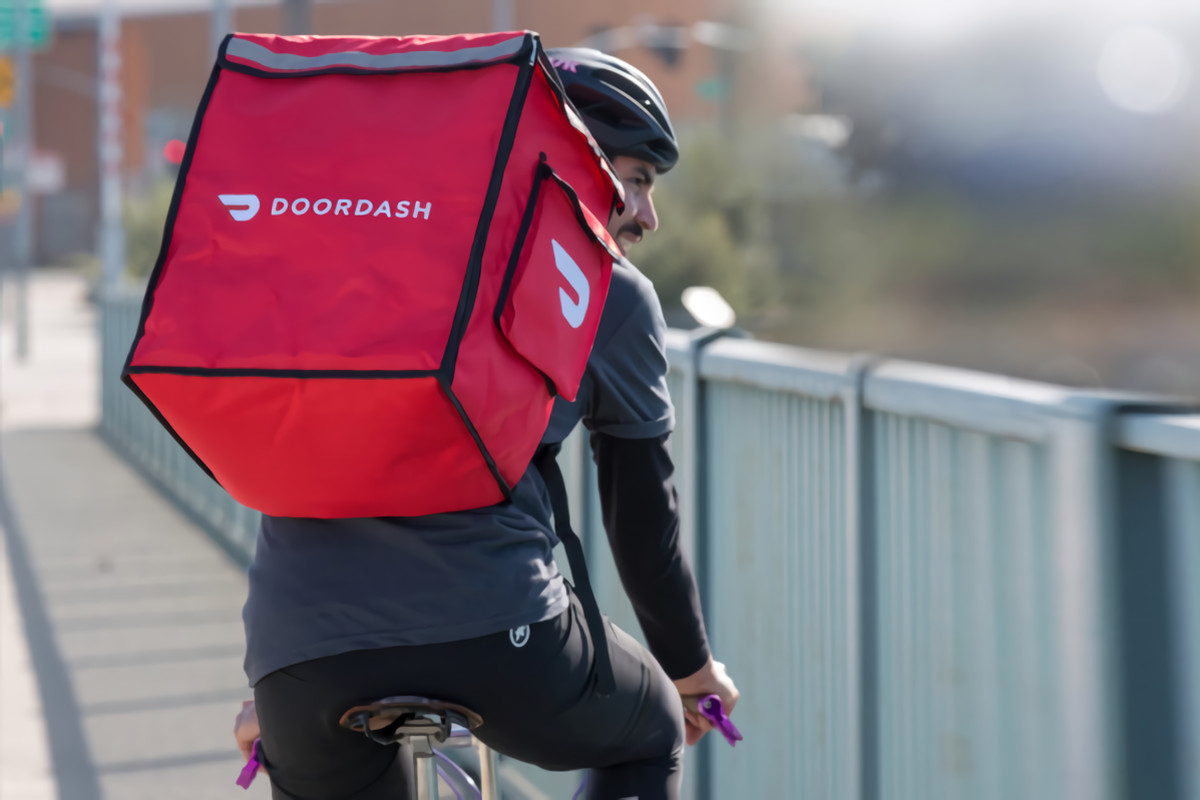
    Sales in Coles’ liquor division reached $3.6 billion driven by strong performance of the Liquourland banner. Online sales increased 22.6 percent to $203 million driven by on-demand delivery and express delivery through Uber Eats and DoorDash.

    The Ready-to-Drink category was the strongest performing segment with its Exclusive Liquor Brand sales increasing by 8.5 per cent for the year.

    Coles Group CEO, Leah Weckert, said the business is continuing to “invest, innovate and drive sustainable growth” since its demerger.

    “Cost of living is the number one focus for our customers right now and we continue to invest in providing value through ‘Dropped & Locked’, everyday trusted pricing, weekly specials, Flybuys and our exclusive brand portfolio.

    “These initiatives are resonating with customers and we remain well positioned to grow in the current environment as more customers choose to eat at home.”

    During the year, Michael Courtney was appointed CEO of Coles Liquor while Anna Croft became the chief commercial officer.

    Moving forward, the retailer says cost of living pressures “are likely to remain” for many Australian households and the business will continue to invest in its physical and digital footprint.

  • Dilmah launches luxury artisanal tea range across Coles stores

    Dilmah launches luxury artisanal tea range across Coles stores

    Sri Lanka’s tea brand Dilmah has launched its luxury artisanal tea collection across 650 Coles supermarkets nationally.

    Dubbed ‘85 Reserve’ – the luxury tea range is sold in tin caddies each consisting of 20 large tea bags.

    It comes with six flavours and herbal infusions, namely Peppermint & Cinnamon, Ceylon Spice Chai, Lychee & Vanilla, Ear Grey & Vanilla, Ceylon Green Tea with Mint, and Royal Ceylon Breakfast – the last three will be available in Coles.

    Dilmah chairman Dilhan C. Fernando said Australians are “among the first in the world” to enjoy the range.

    “In the past six months, we have seen a nearly 60 per cent increase in luxury tea sales on the Dilmah Australia e-commerce website, and we are thrilled to offer the retail shopper this same luxury experience.”

    The full range can be bought online on the Dilmah Website.

  • Australia’s Coles Supermarkets enters Malaysia via Jaya Grocer

    Australia’s Coles Supermarkets enters Malaysia via Jaya Grocer

    Australia’s leading retailer Coles Supermarkets has entered the Malaysian market, bringing in 200 products through an exclusive collaboration with Malaysian supermarket Jaya Grocer.

    The deal allows Jaya Grocer to expand their Australian product offerings with over 1,000 products from Australian-based brands, including Coles, available at all 43 stores and for GrabMart delivery nationwide.

    The well-known Australian home-grown supermarket chain is renowned for its diverse range of quality fresh ingredients and imported goods.

    “Coles has been exporting high-quality Australian food for over 20 years to more than 30 countries.

    “We think Malaysia is a great country and with Jaya Grocer and GrabMart supporting our brand, we hope growth will continue into the future,” said Coles’ general manager for exports Will Mulholland at a ceremony here, today.

    He said Coles would broaden its offerings to include Australian dairy products and ice creams.

    At the moment, most of its products are predominantly placed in the grocery aisle.

    “We are here for the long term. Jaya Grocer’s great offerings and presentation fit very well with our stores in Australia,” said Mulholland.

    Shoppers enjoy up to a 15 per cent off some of Coles’s top-selling products such as Coles Rice Crackers Seaweed, Coles Chocolate Finger Biscuits, Coles Drinking Chocolate and Coles Hot Chocolate Sachets until July 9, 2023.

    There will be more value deals and discounts every month via Jaya Grocer’s membership programme powered by Grab. Access to the membership programme is directly via the Grab mobile app.

  • Coles launches Southern Style Hot Roast Chicken

    Coles launches Southern Style Hot Roast Chicken

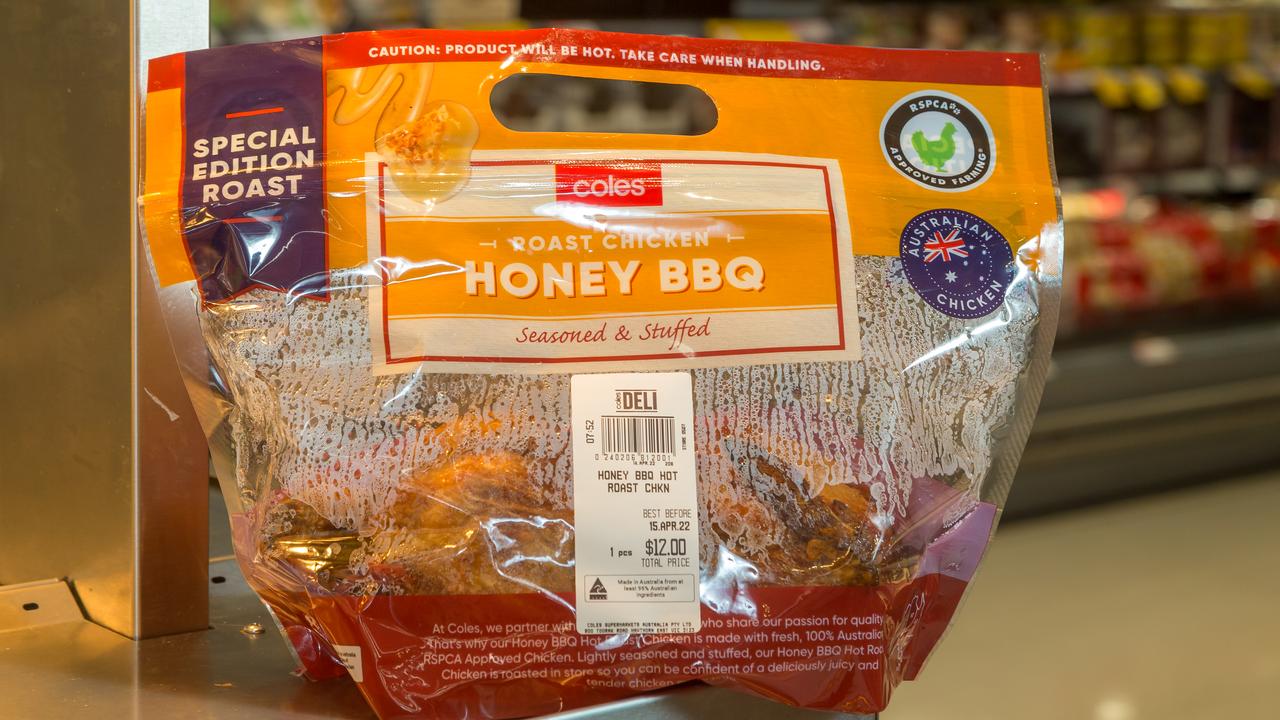
    Coles has announced a major new flavor for its famous hot roast chickens – and it’s sure to be a hit with KFC fans. For the first time, the supermarket giant will release a Southern Style version of the family favorite.

    Coles tells 7Life it “wanted to create a tasty and tangy flavor” to build on its “best-selling” roast chooks.

    “As the weather is cooling down, Aussies want comforting and hearty meals that are easy to prepare but won’t break the bank,” a spokesman said.

    “With a smokey buttermilk marinade and herby stuffing, our Southern Style hot roast chicken is delicious when paired with traditional BBQ-style sides or even a simple green salad and potatoes.”

    The new flavour adds to the existing range of Southern Style products, which includes the Southern Fried Chicken Portions.

    They are prepared with a buttermilk marinade, complete with a “flavor-packed” Southern-inspired stuffing including onion, garlic and a secret blend of herbs and spices.

    The Southern Style inspired Hot Roast Chicken, $13, is now available at all Coles stores nationwide.

  • Coles opens its first automated distribution centre in Redbank, Queensland

    Coles opens its first automated distribution centre in Redbank, Queensland

    The first Australian Automated Distribution Centre (ADC) using global leading Witron technology is the largest of its kind in the Southern Hemisphere. Prime Minister Anthony Albanese MP, Queensland Premier Annastacia Palaszczuk MP, Coles Group Chairman James Graham, and Coles Group CEO Steven Cain are officially opening the ADC at Goodman’s Redbank Motorway Estate in Queensland this morning.

    This is the first of two Witron facilities to open here and comes after Coles Group’s biggest investment into technology in the company’s 109-year history. More than one billion dollars is being invested – with the second ADC opening in Kemps Creek, NSW in 2024.

    The ADCs are designed to create safer and more sustainable outcomes for team members and suppliers and better on-shelf availability for customers.

    The state-of-the-art facility in Redbank is located 30 kilometers southwest of Brisbane and will service 219 Coles supermarkets in Queensland and Northern New South Wales, as far north as Port Douglas and as far south as Laurieton in NSW.

    When operating at full capacity, the site can process up to four million cases per week, the equivalent of 32 million units sold in stores.   For a year, this is around 1.6 billion sales units.

    Chief Executive Officer Steven Cain said today is one of the most significant moments since Coles was founded in 1914 and five years in the making.

    “Modernising our operations is how we improve efficiency and availability in our stores and deliver higher service levels for our customers, team members and suppliers,” Mr. Cain said.

    “Our new ADCs can process twice the number of cases and hold twice the number of pallets compared to one of our current DCs. The ADCs enable us to reduce our total footprint, leading to a more productive and sustainable business model.”

    “Over 90 percent of the cases processed in these automated distribution centres will be processed fully by automation or ergonomically which will be a step-change for the safety of our team as it eliminates almost 18 million kilograms of manual handling in the supply chain each week once the ADC is running close to full capacity.”

    Coles Group Chairman James Graham AM said he would like to thank all those involved for their dedication to this very important project.

    “I’m proud of our team, partners and suppliers who’ve worked together for over five years to create this state-of-the-art facility. Over 3,000 people came together, contributing more than 2.5 million work hours to plan and design the facility, construct the building and install and commission the automation,” Mr Graham said.

    The Redbank ADC has LED and sensor lighting to reduce energy consumption and is fitted with a 180,000 litres of harvested rainwater storage for toilet flushing and landscape irrigation. There are plans for 3.5-megawatt solar installation, which will be among the largest rooftop solar solutions in the Coles network. To minimise food waste, the edible food that can’t be sold in the ADC will be donated to Coles community partner SecondBite.

    The Hon. Prime Minister Anthony Albanese MP said this world-leading technology will help advance supermarket supply chains.

    “This technology is not only a first for Australia, but also a win for the state of Queensland.  As we’ve seen during the pandemic and natural disasters, resilient supply chains are essential to feeding our nation and providing Australians with essential supplies,” Prime Minster Albanese said.

    “Coles is one of the biggest employers in this country and its team was pivotal in ensuring food security during challenging times. A facility like this one in Redbank shows how retailers and manufacturers can look to the future to improve the productivity, safety and sustainability of their operations for all Australians.”

    Queensland Premier the Hon. Annastacia Palaszczuk MP welcomed the significant investment in the strong Queensland economy.

    “The decision to invest in and build this Australian-first facility here in Queensland is a testament to the strength of the Queensland economy,” Premier Palaszczuk said.

    “Coles’ investment will drive productivity growth in Queensland while ensuring food security to one of the fastest growing regions in the country.”

    “It’s great to see Queensland lead the way with the arrival of world-leading technology at the Redbank Distribution Centre. The distribution centre will be powered by renewable electricity provided by Queensland’s publicly owned energy company CleanCo.”

    WITRON Logistik + Informatik CEO Helmut Prieschenk said Coles has partnered with the market leader in warehouse automation systems for major food retailers globally.

    “We have been engaged to build 93 automated distribution centres in 13 different countries, with the latest for Coles being the largest ambient system Witron has ever built,” Mr. Prieschenk said.

    “Witron will work with Coles to provide a technology focused, multi-disciplinary team for day-to-day operations, technical expertise and maintenance support.”

    Witron Founder Walter Winkler is extremely proud, that together with Coles, a powerful logistics platform has been created.

    “This ADC is for the benefit of the entire supply chain and will help the Australian grocery market by introducing the very best technology, and last but not least it creates great value to the Coles business,” Mr Winkler said.

    Coles thanks its partners and consultants Goodman Group, Richard Crookes Constructions and TMX Global for developing, building and managing the complex project to completion.

  • Coles, Uber Eats launch on-demand delivery partnership

    Coles, Uber Eats launch on-demand delivery partnership

    An expanded partnership between Coles and Uber Eats promises to make on-demand grocery delivery services available across Australia. The supermarket giant pledges to add 500 brick-and-mortar stores to the app.

    It marks a statement of intent from the incumbent grocery and rideshare players, given the recent collapse of independent competitor Milkrun and the extreme difficulty of operating an ‘instant’ delivery startup in Australia without major corporate backing.

    Coles and Uber Eats revealed the expanded partnership Thursday afternoon, declaring that products from 40 Coles stores across Melbourne are now available through the delivery app.

    The companies said hundreds of other stores would join the Uber Eats network in the coming months.

    Customers can select fresh food, pantry staples, and other household items through the app, collected from Coles stores and delivered by Uber Eats workers.

    Mirroring the US-based Instacart, shoppers can communicate with the Uber Eats worker assigned to pick and pack their orders while they are in-store, allowing them to substitute out-of-stock products.

    Coles general manager of digital Operations and ventures, Claire Pallot, said the service will provide a “fast, reliable, and affordable” alternative to in-store shopping and Coles Online deliveries, which are usually delivered the next day.

    “Customers can continue to enjoy great value and quality products they find at Coles, but with the convenience of on-demand delivery through Uber Eats,” she said.

    Lucas Groeneveld, Uber Eats’ general manager of retail for the ANZ region, said the expanded partnership aims to “meet customers’ growing desire to get (almost) anything they need delivered on-demand, and this expansion will supercharge the wide variety of groceries available on the app.”

    Coles and Uber Eats publicly revealed the partnership just two days after Milkrun, the last independent player from Australia’s instant delivery boom, declared it will cease trading due to brutal economic and capital market conditions.

    Milkrun, which launched in early 2022 with $75 million in venture capital backing, operated differently from the Coles and Uber Eats model.

    Instead of tasking gig workers with picking and packing goods from a regular retailer, Milkrun owned and operated neighborhood ‘hubs’ that served as grocery warehouses and dispatch centres.

    It also employed riders as staff, unlike the independent contractor model adopted by Uber Eats.

    Ultimately, the cost of those hubs, employee wages, and surging wholesale costs collided with the normalization of shopping habits in a post-lockdown environment and a reticence among investors to pump more funding into a business with an unclear path to profitability.

    Jackie Vullinghs, a partner at VC fund and early Milkrun investor AirTree Ventures, said Milkrun had executed an “ambitious vision” that “forced incumbents to invest in improving their offerings.”

    Coles and Uber Eats proclaiming their updated “offerings” so soon after Milkrun’s demise suggests the incumbents did indeed pay attention to on-demand delivery ventures like Milkrun, and competitors Send, Quicko, and Voly, all of which promised unprecedented convenience but struggled to find a sustainable foothold in the Australian market.

    While the partnership operates vastly differently from those startups, and the success of Instacart abroad shows the viability of some on-demand grocery services, the same cultural and economic factors contributing to Milkrun’s closure may still be felt at Coles.

    In the six months ended January 1, 2023, Coles recorded e-commerce sales of $1.4 billion, a 6.6% drop from the prior corresponding period.

    Coles attributed that drop to Australia’s shopping habits, saying the value of online orders declined “as COVID-19 behaviors normalised and some customers returned to shopping in-store.”

    As more Australians return to the workplace, or integrate out-of-home work back into their routines, the convenience of on-demand delivery will compete against the old-school utility of visiting the supermarket on the way home.

    The partnership caught the attention of the influential Transport Workers Union (TWU), representing workers across the delivery sector and gig economy.

    After declaring Milkrun failed because its employee-rider model could not compete against competitors using cheaper independent contractors, the TWU gave its conditional approval to the Coles-Uber Eats partnership.

    That is because both Coles and Uber, Uber Eats’ parent company, have signed agreements with the TWU vowing to support the rights of workers in the gig sector.

    “For the last decade we have seen major corporates and multi-nationals abuse their position at the top of the supply chain to exert downward pressure on conditions and income, with the gig economy providing one of the major channels for exploitation,” TWU national secretary Michael Kaine said Thursday.

    “For the first time, there is now a genuine, constructive opportunity to turn that around and build better working conditions.”

    Coles in 2019 signed an agreement asserting the “right to annual leave, fair rates, superannuation, safe working conditions and union representation” for workers in the on-demand economy.

    A broader charter arrived in 2020, with Coles CEO Matt Swindells declaring the business and the union have shared priorities.

    “We have a common goal of improving safety through the transport supply chain, and by taking a collaborative approach, we will be even more effective in achieving safer outcomes that benefit everyone,” Swindells said.

    Separately, a 2022 deal struck between Uber and the TWU affirmed their joint support for an independent body capable of setting minimum earnings, benefits, and conditions for platform workers.

    Given those agreements, Kaine described the Coles-Uber Eats partnership as “a potential breakthrough for embedding decency at the heart of on-demand work.

    “A major company like Coles would only take this step because it was confident that core industry standards will be upheld.”

    Even so, the union says it will keep close tabs on what promises to be the most significant expansion of Australian on-demand delivery services to date.

    “We will monitor this hawkishly to make sure it lives up to its potential,” Kaine said.

  • Coles’ profit up, but inflation expected to dull second-half

    Coles’ profit up, but inflation expected to dull second-half

    In its first half, Coles has overcome supply-chain challenges and inflationary pressures to record a 17.1 percent lift in tax-paid profit.

    For the 27 weeks to January 1, sales from continuing and discontinued operations reached $21.4 billion – up 4 percent – while tax-paid profit rose to $643 million.

    Supermarket sales reached $18.85 billion, up 4.6 percent, which the company says was supported by the retailer’s ‘Locked’ and ‘Dropped & Locked’ value campaigns.

    With consumer shopping behavior beginning to normalize post-Covid during the half, online sales dipped 6.6 percent to $1.4 billion. Severe flooding and cool weather conditions resulted in availability challenges during the half across fresh and frozen produce categories.

    Supermarket inflation peaked at 7.7 percent in the second quarter, increasing from 7.1 percent in the first quarter.

    Coles’ liquor division sales fell 2.4 percent to $1.95 billion as the business cycled 15 weeks of Covid-related on-premise closures and restrictions in the previous corresponding period across NSW, Victoria, and the ACT. Store closures from flooding in the eastern seaboard, a wet and cool spring, and the summer’s start affected sales in the first half. Online liquor sales grew 13.7 percent.

    Liquorland continues to be the strongest-performing banner while express delivery was expanded to 560 stores.

    The fuel and convenience business – which has been sold to Viva Energy – earned $607 million, up 5 per cent, driven by growth in the food-to-go category, particularly of coffee and fast food.

    “We are well positioned to navigate the current macro environment and as we look to the future, we expect improving availability, population growth and moderation in out-of-home dining, which has been elevated post-Covid to positively impact the business and provide further opportunities for growth,” Coles said in a statement.

    The business expects inflation to moderate in the second half and farm-related availability to improve.

    Meanwhile, Leah Weckert has been named Coles’ new MD and CEO as outgoing CEO Steven Cain, announced his retirement. He will step down in May.

    Weckert has been a senior member of the executive leadership team since the demerger of Coles from Wesfarmers in 2018. She has also held several leading positions within the group including chief executive of commercial and express, CFO, people and culture director and state GM of Victorian supermarkets.

    Cain said: “I would like to thank the Coles board, team and our many partners for their support, insights and resilience – particularly during Covid, bushfires and floods. I would like to congratulate Leah on becoming my successor and I wish Coles continued success, and know that the best is yet to come.”

  • Coles “drops and locks” price of essentials until Easter

    Coles “drops and locks” price of essentials until Easter

    Australia’s major supermarket chains have dropped prices on hundreds of products as the cost of living crunch continues.
    Coles announced it would “drop and lock” prices on more than 300 new items from Wednesday until April 11, after the Easter weekend.
    Brands including Kellogg’s, Kleenex, L’Oreal, Morning Fresh, Gillette, Uncle Toby’s, Four N’ Twenty, Arnott’s, Steggles, McCain, Carman’s, and Cold Power, along with a number of Coles brand products, will be included in the price lock.
    Coles chief executive of commercial and express Leah Weckert said the new price lock included double the amount of items that had been included in the supermarket’s previous one last year.
    “We understand many Aussie households are feeling the pinch following Christmas and by dropping and locking the price of hundreds of popular and essential items we are honoring our commitment to helping Aussie budgets go further,” Weckert said.
    Woolworths meanwhile said while its 2022 Price Freeze program had ended, hundreds of products were still discounted.
    “We’ve recently reduced the price of more than 300 summer grocery staples as part of our Prices Dropped campaign,” a spokesperson said.
    “We will continue reviewing each cost increase request from our suppliers case-by-case basis, working together to manage market-wide inflationary pressures sensitively.”
    Both Coles and Woolworths committed to a six-month price lockdown in the middle of last year, and grocery prices were expected to boom when that expired.
    Coles said a survey of more than 7500 customers found 82 per cent were making changes to their grocery shopping to counter the rising cost of living.
    More than half (57 per cent) were buying more discounts, cooking more at home (51 per cent) and cutting back on treats (55 per cent).
    Woolworths has said it is also committed to meeting customer needs as the cost of living crisis continues.
  • Coles expands drone-delivery service into southeast Queensland

    Coles expands drone-delivery service into southeast Queensland

    Coles has announced it will offer drone delivery of groceries to customers’ homes in South East Queensland, with a trial set to launch next week. The supermarket chain will be the first major retailer to offer drone delivery, partnering with drone company, Wing, to launch the new service.

    From Wednesday, November 2nd, customers in the Gold Coast suburbs of Ormeau, Ormeau Hills, and Yatala will be among the first to pilot the store-to-door drone delivery model, offering grocery delivery in minutes, directly from the Coles store at Ormeau Village Shopping Centre.

    Coles says the service will gradually expand to include other nearby suburbs, delivering 500 of the most popular Coles grocery items, including bread, fresh produce, convenience meals, snacks, health care items, and household essentials.

    Coles is the first major Australian retailer to trial the new ‘store-to-door’ drone delivery model, with a dedicated fleet of Wing delivery drones to be co-located in the Coles store car park.

    Coles team members will process and pack orders, and Wing staff will load the drones and oversee operation of the delivery service.

    Coles Head of Network Development and Customer Delivery, James Geddes said Coles was proud to expand its partnership with Wing with the first-ever store-to-door drone delivery concept in Australia.

    “We are delighted to be expanding our drone delivery pilot program with Wing to our Queensland customers. The service will provide a convenient and effective way of delivering everyday essentials to our customers’ homes in a matter of minutes,” Mr Geddes said.

    “Customers can now get those urgent items they need in a hurry, delivered by drone, directly from the local Coles Ormeau Village store. Whether they’ve forgotten to pick up a loaf of bread or fresh milk during their weekly shop or are missing an ingredient for dinner-time meal prep or school lunches, they can now get those products delivered quickly, without having to drive to the store.

    “This new service reinforces our commitment to enhancing the way our customers shop with Coles by delivering anytime, anywhere, anyhow shopping, while supporting our ambition to be Australia’s most sustainable supermarket by continuing to reduce the number of trucks on the road.”

    The Coles drone delivery expansion into Queensland follows a pilot program launched in Canberra earlier this year, where Coles co-located its products at Wing’s drone delivery facility.

    Since the Canberra pilot program began in March, more than 5,000 Coles deliveries have been made through Wing, with some of the most popular items including fresh fruit, milk, bread, and eggs, along with confectionery, snacks, and cold drinks.

    As part of the expansion into South East Queensland, Wing will also soon be offering Coles items for delivery from the rooftop of Grand Plaza in Logan, Queensland, where it has been operating a drone delivery service for selected on-site businesses, for just over a year.

    Wing Australia General Manager, Simon Rossi said the company was investing in a range of pilot programs, designed to help enable drone delivery at scale, and bring delivery to more Australians.

    “We’re excited to be teaming up with Coles on this Australian first store-to-door drone delivery service, helping to expand the delivery options available to Coles customers by bringing affordable, sustainable, and fast drone delivery to the skies of South East Queensland,” Mr Rossi said.

    “Since launching our drone delivery service in Logan a few years ago, we’ve heard from customers across South East Queensland who are keen to see drone delivery expand to their region. We’re delighted that through this pilot program with Coles, for the first time, drone delivery will be available to residents in the City of Gold Coast.”

    Customers can download the Wing app (available from the App Store or Google Play), enter their address, and add items to their cart before submitting their order for fulfilment.

    Upon arrival, the drone hovers in the air and slowly lowers the package to the ground at the customer’s delivery location for a contactless delivery.

    Wing drone delivery from Coles in Ormeau will be available from 9am to 4:30pm Tuesday to Sunday.

  • Coles expands parental leave program

    Coles expands parental leave program

    Coles is expanding the support available for current and new team members across its network who are preparing for parenthood or adjusting to being a new parent.

    The supermarket giant has removed the 12-month service eligibility period for team members to apply for parental leave, meaning primary and secondary carers can now access paid parental leave benefits without having to wait.

    Coles has also increased the paid parental leave for secondary carers from two weeks to four weeks, with access to the leave able to be taken up to 24 months after the birth, adoption, or surrogacy birth of a child. Coles will also offer flexibility of how the leave is taken, such as single days, multiple days, or blocks of days.

    Kris Webb, Chief of People and Culture at Coles, said they want to make Coles a great place to work for all team members, which means supporting them through significant life moments such as planning to welcome a new addition to their family.

    “For people who are having a child and wanting to work for Coles, we don’t want them to feel they need to wait to receive primary carers leave, because we know that this is not always possible. No one should feel they need to hold off having a family because of their job.

    “We also are pleased to be extending our secondary carers leave because we know how important it is for primary carers to have the support of their partners during these important times of their lives.  This policy applies to team members who work in our stores, our distribution centres and our store support centre, so it’s really expansive and we hope will make a big difference to our team members planning to grow their families.”

    Coles is also formalising its policy for having paid parental leave extended to primary carers who suffer a pregnancy loss (stillbirth) through birth, adoption, or surrogacy.

  • Coles taps into carbon-negative beer with Lost Lager

    Coles taps into carbon-negative beer with Lost Lager

    An Australian-made, carbon negative beer made with unsold bread from Coles supermarkets is squaring up to some of the best-known beer brands in the country while tapping into surging customer demand for beverage makers taking tangible action on climate change.

    Lost Lager is a premium brew created in collaboration between Coles Liquor and BrewDog Australia – the Brisbane operation of Scottish carbon negative brewer.

    The packaging for Lost Lager is 99% plastic-free and any emissions BrewDog is unable to avoid through the production process are ‘double offset’ through tree planting schemes around the world.

    Coles’ research shows that one in two customers care deeply about the environment and the majority want to do more, while 50% say they have changed what they buy in response to the packaging of a product.1

    Coles Liquor Acting General Manager Customer, Trade Planning and Insights Mia Lloyd said customers frequently told Team Members in Liquorland and First Choice Liquor Market stores that they wanted to support brands that were taking action on the environment.

    “Lost Lager will be hugely popular with customers given the easy-drinking style of the beer and BrewDog’s commitment to the environment and climate change,” Ms Lloyd said.

    “This is not a fleeting consumer trend, it’s a force that our customers are driving and we can already see support for brands that have moved early to embrace sustainable packaging, waste reduction or renewable power.”

    Additionally, BrewDog invests in a number of significant reforestation projects, including the Yarra Yarra Biodiversity Corridor in Western Australia. This is the only emission reduction project in Australia to be certified under the prestigious Gold Standard accreditation, a globally-recognised best practice benchmark.

    Locally, BrewDog donates the grain used in the brewing process to farmers as an alternative feedstock. Internationally, they are also the proud owner of over 9000 acres of Scottish highlands which will be home to a reforestation and peatland restoration project to sequester carbon.

    The brewer’s Australian CEO Ed Bott said the Lost Lager was a premium lager, similar in style to a German pilsner and created to deliver a craft option for Australian lager lovers.

    “Lager accounts for 90% of beer consumed in Australia, and our Lost Lager connects with the premiumisation of this broad segment of the beer market,” Mr Bott said.

    Lager has been at the forefront of beer sales growth for years. With recent consumer demand shifting towards premium lager, hospitality venues and hotels have seen growing consumption.

    As such, premium lager is one of the fastest-growing product segments in recent years, expanding at a compound annual growth rate of 4.5% from 2019 to 2025.2

    “It’s still in its infancy but lager is the last bastion for craft beer and we’re confident the fresh, uncomplicated style of this beer will prove hugely popular with customers who are seeking something more from their lager,” Mr Bott said.

    “We see how engaged our Australian customers are in relation to issues such as waste and emissions reduction and while we know we can’t save the world on our own, we’re proud that we’re doing our bit here in Australia and around the globe.”

  • Coles increases price of its own brand milk

    Coles increases price of its own brand milk

    Mr Forbes, who is a dairy farmer based at Gloucester on the Mid North Coast of New South Wales, said farmers had been facing higher input prices, including for items such as diesel and fertiliser.

    “It means our profit margins have been reduced,” he said.

    “I think we were probably in a stronger position even last year … we’re certainly chasing that inflation at the moment.”

    He said floods and wet weather had also impacted farmers.

    “I think milk on the north coast is back over 20 percent at the moment to what it was last year, and we had a flood year last year as well,” he said.

    “Production throughout the whole country is being suppressed, I think we’ll see June figures probably in excess of 10 per cent, that the Australian production will be down across all states.

    “So there’s a real shortage of milk there now and huge demand for that milk.”

    Ben Geard, from Geard Family Farms in southern Tasmania is a Coles supplier, and said the jump in the price of Coles milk “was bound to happen”.

    “Milk prices for farmers have seen quite a considerable increase this year so, it was probably only inevitable that Coles and other processors are going to try to recoup their costs,” he said.

    “It’s not great for customers although milk has been undervalued for quite a while when you compare it to some of the other staples — water, soft drink, and that sort of thing.

    “We were at a dollar a litre there for some time and that ended nearly two years ago.”

    Mr Geard said “that was a good thing”.

    “$1.60 I still think that’s still pretty reasonable for a litre of milk,” he said.

    “It’s not good these prices just increasing for 12 months.”

    Mr Geard said prices needed to remain competitive with other industries if dairy farmers were going to stay in the industry.

    He said it cost a considerable amount to produce a litre of milk, with fertiliser increasing by 30–40 per cent.

    “We’ve got to use a lot of fertiliser on the grass and this time of year we’re feeling a lot of grain in the dairy to make sure we’ve got milk through the winter,” he said.

    “As good as the prices are this year there’s definitely a lot of payments going out as well.”

  • Coles’ supersized range targets Costco shoppers

    Coles’ supersized range targets Costco shoppers

    Coles is taking a shot across the bows of warehouse retailer Costco with the launch of a range of household grocery products in supersized volumes.

    While Coles has launched the Big Pack Value range as a means of helping families reduce their grocery bills by buying in bulk, the nuanced comparison with Costco is clear in an email circulated among media announcing the new house brand.

    “Making bulk buying easy, with no memberships and no need for a destination shop, Coles’ Big Pack Value range has plenty of choice,” the cover letter said. Consumers shopping at Costco can buy bulk packs but must pay a nominal annual membership for the right to shop there and there are a limited number of Costco stores in Australia, only in major metropolitan cities.

    However, it may be just a trial by Coles, with the 44 products released under the label on sale for an unspecified “limited time”.

    Coles says the bulk deals save up to 60 percent when compared to the price of regular-size packs. Examples include a 2kg tub of Bega Peanut Butter for $16.50 which is 48 percent cheaper than 10 x 200gm jars at $3.20 each, and Obento Panko Breadcrumbs in a 1kg pack for $5 compared with $2.30 for a 200gm packet.

    Coles GM for grocery, Leanne White, said the supermarket company believes offering some of its popular products in bulk is a way to help customers save time and money on their weekly grocery shop.

    “Our Big Pack Value range is helping feed even the largest of families on a budget with significant savings on 44 family favorites in bulk sizes – everything from snacks to sauces, coffee, and dinner staples like a giant 1.32 kilo tin of Milo, a massive 2 kilo tub of peanut butter, and 18 pack of Maggi 2 Minute Noodles.”

    “Buying in bulk works really well for families who are buying the same products regularly so can stock up on their favorites at a cheaper cost overall. Some of the products can last an average family a couple of months, which means customers save time shopping in-store, while managing the family budget,” she said.

    Participating brands include Darrell Lea, Starbucks (Nestle), Smith’s, Pascall and The Natural Confectionery Co (Cadbury), Kewpie and Bega.

    The savings are calculated on the basis of comparable unit pricing.

  • Snickers unveils Creamy Peanut Butter bar in Australia

    Snickers unveils Creamy Peanut Butter bar in Australia

    Snickers has released its limited-edition Snickers Creamy Peanut Butter bar in Australia for the first time.

    The Snickers Creamy Peanut Butter bar is made with real peanut butter, silky smooth caramel and fresh ground peanuts, enrobed in the rich Snickers chocolate.

    Mars Wrigley Australia Marketing Director Ben Hill says the variation has been a smash hit overseas, and he’s excited for Australians to finally get their hands on the product.

    “We know how much our customers love the classic Snickers bar, with its satisfying layers of nougat, caramel, and the signature peanut crunch,” he says.

    “Now, thanks to this innovation in texture, our fans can get Snickers satisfaction in both crunchy and smooth – something that is sure to delight peanut butter fans of all kinds.”

    Snickers Creamy Peanut Butter is available in a 36g twin pack for RRP $2 from leading retailers including Woolworths, Coles, Metcash, 7 Eleven, Coles Express, BP, Ampol, ALDI and Big W.