Tag: commercial real estate

  • Thailand Faces 26,000 EV Charger Deficit as Landowners Target Motorist Dwell Time

    Thailand Faces 26,000 EV Charger Deficit as Landowners Target Motorist Dwell Time

    Thailand needs roughly 26,000 additional electric vehicle charging outlets to build an adequate public network of about 41,000 points, according to data from Sharge Management Co.

    Battery EV registrations reached 169,638 units during the first nine months of 2026, up 93 percent year-on-year. That lifted total battery electric vehicles on Thai roads past 456,000 by late September.

    Network expansion is falling behind the fleet. Thailand counts more than 5,000 public charging locations hosting around 15,000 outlets, leaving a vehicle-to-charger ratio of roughly 30:1 compared to an international average of about 11:1.

    The Fast Charger Bottleneck

    Direct-current fast chargers present the sharpest deficit. The national ratio for DC fast units sits at 47:1, leaving drivers waiting during rush hours along key highway networks.

    Congestion clusters along routes out of the capital. The links connecting Chon Buri and Pattaya, sections between Saraburi and Nakhon Ratchasima into the northeast, and the Prachuap Khiri Khan-Chumphon highway heading south remain underserved by large-scale charging parks despite heavy traffic.

    Peerapatr Sirichantaropart, managing director of Sharge Management, said:

    Looking back over the past three years, EVs across personal, commercial and corporate segments have recorded average annual growth of 155%, highlighting a transition to the EV era that is happening faster than many anticipated.

    Matching Charger Speed to Dwell Time

    For strip malls, souvenir stops, roadside cafes and hotels, charging points are shifting from decorative amenities into commercial real estate drivers. Drivers need to stop, and they spend while plugged in.

    Site planning hinges on duration. Highway rest stops require high-output DC chargers to turn cars around fast. Suburban community malls and lifestyle venues fit medium-capacity DC or AC equipment, while overnight hotels deploy standard AC chargers to refill batteries while guests sleep.

    Hardware choice determines economics. Privately owned land developments turning plots into charging hubs typically see payback periods of three to seven years, depending on location, plug hardware and daily utilisation rates.

    Revenue Shifts for Retail Landlords

    Commercial landlords capture two distinct revenue streams from an installation. Drivers pay directly for power, and they spend cash inside adjacent retail stores during charging intervals.

    Long queues form consistently during public holidays at major tourist stops. Landlords operating dining outlets and convenience retail on those corridors take foot traffic from drivers who would otherwise bypass smaller community venues.

    Sharge figures show battery EV registrations hit 122,384 units in 2025, up 72.1 percent from the previous year. That compounding volume means roadside commercial centres without charging facilities risk losing regular transit customers to nearby plots with open plugs.

    Operators now look to the remaining quarter of 2026 to see whether grid connection approvals and public charger additions can begin closing the 26,000-plug shortfall before seasonal holiday holiday travel peaks.

  • Nio Power Signs Poly Property to Expand EV Battery Swap Network

    Nio Power Signs Poly Property to Expand EV Battery Swap Network

    Nio Power partnered with state-backed developer Poly Property Group on November 11 to install electric vehicle battery swap stations and charging points across commercial and residential developments in China.

    The agreement gives the carmaker access to prime real estate footprint, building on a network that already counts 4,252 swap stations and 5,584 charging stations nationwide.

    Signed in Shanghai by executives including Nio chief financial officer and Nio Power head Stanley Qu, the partnership targets existing and pipeline developments. The installations will focus on residential communities, commercial office complexes and industrial parks in major Chinese urban centres. Neither company disclosed the initial capital outlay or the exact station count.

    Inside the Property Agreement

    Beyond concrete foundations and swap bays, the contract links station operations with retail foot traffic. The two groups agreed to coordinate vehicle sales, showroom locations, user services and operational data management. Energy balancing forms the second tier of the arrangement, combining rooftop solar installations, localized battery storage and vehicle-to-grid power distribution across Poly Property communities.

    Poly Property operates as a primary real estate vehicle for China Poly Group. Its holdings span commercial plazas and high-density apartment blocks across multiple Chinese cities, offering Nio pre-cleared land access in zones where retrofitting heavy electrical infrastructure normally faces strict local property board approvals.

    Landlord Strategy and Infrastructure Costs

    For commercial landlords, bringing power swap hardware on site changes consumer dwell time, shifting footfall toward brief convenience purchases rather than long restaurant visits.

    Competitors across China continue to rely on open-access fast-charging partnerships or third-party depot operators. Nio has chosen a heavier route, shouldering the capital footprint of dedicated swap infrastructure to control the ownership experience. Securing state-owned landlord relationships reduces the real estate acquisition friction that slows down rival private charging rollouts.

    Scaling the Battery Network

    External partnerships have become the standard mechanism for Nio Power to spread execution costs. The unit has assembled ties with more than 40 regional partners, including provincial state-owned investment platforms, jointly delivering over 900 battery swap stations across 25 provinces and municipalities.

    Cumulative spending on charging and battery swapping technology and sites has passed 20 billion yuan ($2.98 billion). The system handled its 130 millionth swap on November 3, taking 88 days to run from 120 million to 130 million while processing more than 110,000 swaps each day.

    Hardware upgrades rolled out ahead of the developer pact. In August, Nio activated its first fifth-generation battery swap stations across seven cities, introducing compatibility for its mass-market Firefly brand alongside Nio and Onvo vehicles. Attention now turns to the first batch of operational Poly Property sites, where station commissioning dates will show how rapidly residential utility connections can be cleared.

  • Shinsegae Acquires Lotte Centum City as Busan Inbound Spending Tops W1 Trillion

    Shinsegae Acquires Lotte Centum City as Busan Inbound Spending Tops W1 Trillion

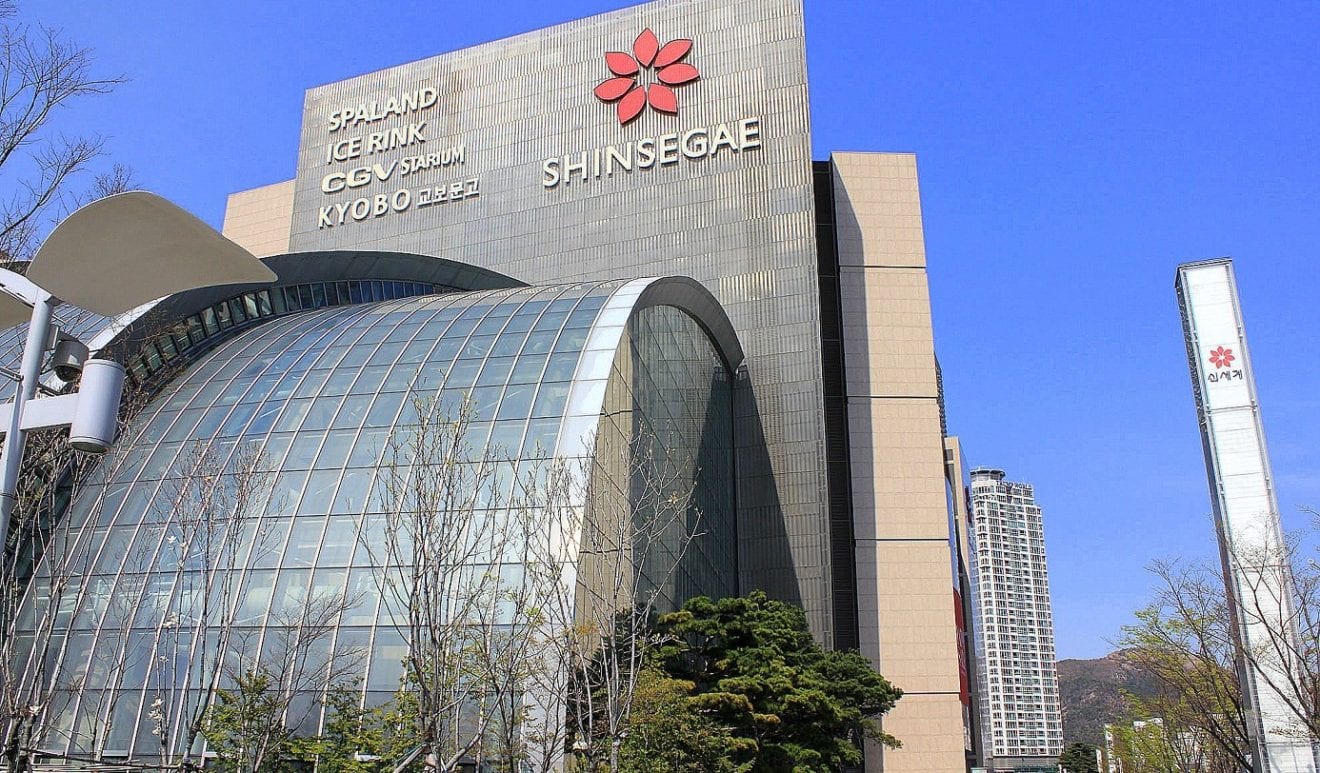
    In late October, Shinsegae announced an agreement to acquire Lotte Department Store’s Centum City branch in Busan after foreign tourist spending in the metropolitan area surpassed 1 trillion won ($745 million) through September.

    The transaction gives Shinsegae control of two contiguous commercial plots in the coastal Haeundae district. The group intends to absorb its direct competitor’s declining asset into a broader mixed-use complex anchored by its existing flagship development.

    Shinsegae Centum City generates more than 2 trillion won in annual gross merchandise value, ranking as the top-selling department store outside the capital region. In contrast, annual revenue at Lotte’s adjacent branch contracted from a historical peak exceeding 300 billion won to approximately 130 billion won by 2023. Shinsegae plans to physically integrate both structures with its neighbouring mall and a vacant parcel designated for luxury hospitality, office space and private residences under the unified moniker Shinsegae Town.

    Lotte Reallocates Capital Across Busan Network

    Lotte is using the proceeds from the Centum City disposal to fund asset renovations across its four remaining stores in the city. Capital will flow directly into its Seomyeon flagship and Lotte Mall Dongbusan, both of which generated rising turnover over the past year. Lotte Department Store is designating its Gwangbok branch in the historic downtown core for incoming international travellers, while assigning its Dongnae outlet to domestic neighbourhood shoppers.

    The Seomyeon flagship recorded 1.2 trillion won in sales last year, supported by an influx of overseas diners. Food and beverage expenditure by foreign visitors at the branch surged 120 percent year on year between January and October.

    Retail traffic across regional South Korea is diverging sharply from historical domestic patterns. In the first nine months of the year, passenger arrivals at regional airports expanded 37 percent to roughly 3.24 million, according to data from Korea Airports Corp. Inbound passenger growth at gateway airports serving the capital area reached 17.3 percent over the same period. By late October, national foreign visitor arrivals had already eclipsed the annual record set in 2025.

    Specialty Chains Build Regional Destination Stores

    Specialty chains are deploying independent capital programs outside Seoul to capture this traffic directly at arrival points. Health and beauty operator CJ Olive Young allocated 123.8 billion won this year to open or refit 43 large-format stores outside the capital region. In Busan, the chain opened a fish market-themed outlet in Millac-dong, merchandising cosmetics and food in display crates, while expanding its Nampo-dong location into its largest store outside the Seoul metropolitan area.

    Olive Young expanded into heritage tourism corridors as well, opening a store in Gyeongju last month featuring a traditional hanok tiled roof and site-specific merchandise. Domestic eyewear label Blue Elephant mirrored that layout, adding a hanok-style storefront in Gyeongju in July alongside new locations in Busan and Jeju Island.

    Apparel platform Musinsa is tracking similar geographic shifts through its physical footprint. Foreign card transactions at its Seomyeon store in Busan reached approximately 30 percent of total sales, representing an 11 percentage point increase from a year earlier. Across the company’s eight regional stores outside greater Seoul, combined sales rose roughly 44 percent over the same period. Following the launch of a Musinsa Standard store in Changwon last month, 10 of its 44 standard offline stores now operate outside the capital region.

    Consolidation Shifts Landlord use Outside Seoul

    For department store operators and commercial landlords, Shinsegae’s acquisition of a competing asset directly next door changes the competitive balance in southern South Korea. Rather than fighting a war of attrition for luxury concessions against an adjacent landlord, Shinsegae eliminates duplicate operating costs and absorbs Lotte’s footprint to expand tenant floorplates. RetailNews Asia sees this as a defensive consolidation: prime brand principals increasingly demand massive, unified destination spaces before committing flagship boutique allocations outside Seoul.

    Lotte’s counter-strategy carries operational execution risks. Distributing capital across four dispersed properties requires four distinct tenant mixes to prevent internal cannibalisation between Seomyeon, Dongbusan, Gwangbok and Dongnae. If international tour groups fail to sustain foot traffic at the older downtown Gwangbok location, Lotte risks holding depreciating square footage while Shinsegae monopolises the coastal luxury trade at Haeundae.

    Earlier Footprint Steps Lead to Haeundae Showdown

    The Busan consolidation follows a multi-year contest between the two retail groups in Seoul’s central tourist district. In Myeong-dong, Shinsegae linked surrounding properties to its flagship to build a dedicated campus for high-spending overseas shoppers, while Lotte renovated its main town store with youth-oriented cultural installations.

    The regional pivot accelerated after Musinsa demonstrated the commercial viability of tier-two retail streets. The fashion platform launched its first non-capital Standard store in Daegu in 2023, converting digital audience data into physical street traffic before expanding into Changwon.

    Attention now turns to municipal planning reviews for the physical bridge linking the two Centum City buildings, and to Olive Young’s remaining fourth-quarter store launches, which will determine how much of its 123.8 billion won regional capital budget translates into active selling space before the year closes.

  • Swire Cuts Taikoo Place Office Rents 14 Percent

    Swire Cuts Taikoo Place Office Rents 14 Percent

    Swire Properties signed office leases at an average 14 percent discount to expiring rents across Taikoo Place, excluding its newest tower, in the first nine months of 2026, failing to catch Central’s rebound.

    The negative rental reversions covered 934,991 square feet of new and renewed tenancies through September, according to the developer’s quarterly operating statement released on Thursday.

    Occupancy across the established Quarry Bay portfolio edged up to 90 percent from 89 percent at the end of 2025. Two Taikoo Place, the one-million-square-foot tower opened in September 2022, remained stuck at 80 percent occupancy at the end of September. That figure was unchanged from June, though higher than the 73 percent recorded at the end of last year.

    Discounts Spread Across Island Portfolios

    Price cuts were not isolated to Hong Kong East. At Pacific Place in Admiralty, on the edge of Central, Swire recorded negative rental reversions of 12 percent through September, even as occupancy rose to 97 percent from 96 percent at year-end. In leasing terms, rental reversions track the rate difference between incoming leases and expired contracts rather than prevailing headline rates.

    Within Taikoo Place, One Island East and One Taikoo Place together logged negative reversions of 13 percent, with occupancy rising to 92 percent from 91 percent at the end of 2025. Other established towers across the Quarry Bay hub booked average reversions of negative 14 percent, with occupancy moving up a point to 89 percent.

    The landlord secured major commitments during the period, including a 200,000-square-foot renewal by BNP Paribas and a renewal and expansion to 83,000 square feet by Prudential Hong Kong. FWD also committed to 330,000 square feet for ten years. None of those deals prevented contract values from resetting lower.

    Central Pulls Divergent District Numbers

    The pricing drag highlights a sharp geographic split across Hong Kong commercial property. Across the city, Grade A office rents rose 0.7 percent in September from August, driven by a 1.6 percent increase in Central, based on JLL data. Citywide vacancy fell for a fifth straight month to 12.4 percent, the lowest level recorded since May 2023.

    Vacancy in Central fell to 7.2 percent in September from 7.8 percent in August. In Hong Kong East, vacancy widened to 14.3 percent from 14.1 percent.

    Agency figures from Knight Frank show Central net effective rents jumped 22.4 percent year on year in the third quarter. Quarry Bay rents dropped 4.4 percent over the same period, despite inching up 0.2 percent from the second quarter. The gap leaves decentralized landlords exposed to prolonged cash-flow drag while core financial district blocks take the initial tenant recovery.

    Retail Cash Flow Offsets Corporate Leases

    Swire found financial ballast in consumer spending. Across mainland China, tenant sales at Beijing’s Taikoo Li Sanlitun surged 59.8 percent year on year in the first nine months, reaching 100 percent occupancy. Sales at Shanghai’s HKRI Taikoo Hui climbed 52.6 percent, with occupancy at 97 percent.

    Taikoo Li Chengdu recorded an 11.3 percent sales gain, while Taikoo Li Qiantan in Shanghai rose 10.2 percent. Both developments stood at 98 percent occupancy at the end of September.

    Hong Kong retail assets also held firm. Pacific Place tenant sales grew 14.8 percent over the nine months, Citygate Outlets rose 14 percent, and Cityplaza gained 2.3 percent. All three shopping centres maintained 100 percent occupancy.

    Capital Recycling and Redevelopment Timeline

    Consumer gains are steering Swire toward Chinese public investment markets. The developer is actively reviewing domestic real estate investment trusts to unlock cash from mainland properties, with no specific seed assets or public listing timetable determined yet.

    Work also continues on its home turf. Swire and Chinachem Group have detailed a plan to build a 27-storey office tower by combining Swire’s Sea View Building and Hoi Wan Building sites with the adjacent Chinachem Exchange Square. The 35,000-square-foot combined site will support 500,000 square feet of gross floor area, including a retail podium, subject to planning approval.

    Swire and Chinachem scheduled construction to begin in 2027, with completion targeted for 2032. On the mainland, Swire secured an occupation permit for Phase A of CDF Taikoo Li Sanya in August and for the west parcel of Taikoo Place Beijing in September.

  • Johor-Singapore Economic Zone Master Plan Launch Could Coincide with December Retreat

    Johor-Singapore Economic Zone Master Plan Launch Could Coincide with December Retreat

    The launch of the master plan for the Johor-Singapore Special Economic Zone could coincide with the two countries’ bilateral Annual Leaders’ Retreat scheduled for December 4. Malaysian Prime Minister Anwar Ibrahim and Singaporean Prime Minister Lawrence Wong have committed to witness the unveiling directly, while officials evaluate whether to hold the ceremony in Ipoh, Perak.

    The joint framework aims to bind Singaporean capital and logistics networks to southern Malaysia’s industrial land, labour pool, and consumer infrastructure. Malaysia’s Economy Minister Akmal Nasrullah Mohd Nasir discussed the arrangements following community events in Johor Bahru, noting that logistical plans for the retreat are currently under review.

    Bilateral Ministerial Committee Convenes

    Before the December summit, delegations from both countries will meet in Singapore on Monday. The session represents the first formal gathering under the new Johor-Singapore Cooperation Ministerial Committee structure.

    Akmal Nasrullah leads the Malaysian delegation alongside Johor Menteri Besar Onn Hafiz Ghazi. Singapore’s delegation is headed by National Development Minister Chee Hong Tat. The discussions will review progress on operational guidelines, customs protocols, and regulatory coordination across the border corridor.

    Implications for Cross-Border Commerce

    For retailers, logistics operators, and commercial developers, the formalisation of the economic zone reduces friction across the world’s busiest land border crossing. Speeding up the movement of goods and personnel alters warehousing strategy for consumer brands operating across Southeast Asia. Singapore-based distribution centres can decentralise fulfillment and inventory staging into Johor’s industrial parks without confronting previous administrative bottlenecks.

    Commercial real estate operators face immediate operational shifts. Cross-border commercial traffic will alter retail catchments in southern Johor, drawing Singaporean household expenditure while encouraging multinational brands to treat both territories as an integrated consumer market. The principal operational risk sits with customs integration and administrative execution, where differences in regulatory clearance speeds often delay freight flows.

    Regional Framework and Preceding Agreements

    The upcoming launch follows a preliminary memorandum of understanding signed earlier to align customs, immigration, and investment incentives across the boundary. Banking institutions and trade bodies have already begun positioning capital, including formal partnerships struck by regional lenders with Singaporean manufacturing federations to fund mid-tier cross-border expansion.

    Industrial clusters in locations such as Sedenak have also begun zoning parcels to accommodate data centres, advanced manufacturing, and regional supply chain hubs. These private sector agreements anticipate the concrete policy incentives expected in the December release.

    Key Dates to Watch

    Focus shifts immediately to the outcome of Monday’s bilateral ministerial talks in Singapore. Those discussions will determine the specific administrative provisions submitted to Anwar and Wong ahead of the December 4 summit in Perak.

  • Jollibee Targets over 1500 Locations in Philippine Provincial Push

    Jollibee Targets over 1500 Locations in Philippine Provincial Push

    Jollibee Group identified more than 1,500 potential trade areas across the Philippines for network expansion running from 2027 to 2030.

    About 71 per cent of those targeted pipeline sites sit in provincial markets, shifting the company’s real estate commitments away from congested urban hubs.

    The expansion plan covers the company’s three primary domestic brands: flagship burger chain Jollibee, grilled chicken chain Mang Inasal, and Chinese fast-food concept Chowking. The restaurant operator aims to tap rising household incomes and commercial sprawl outside the capital region to support the store additions.

    Provincial Real Estate Strategy

    Provincial developers and regional retail landlords gain clear visibility into long-term anchor tenant demand from this rollout. Jollibee, Chowking, and Mang Inasal regularly serve as core foot-traffic drivers for strip malls, transport interchanges, and provincial town squares. Locking down commercial real estate in secondary and tertiary cities helps the group secure prime corners before regional land prices climb.

    Metropolitan Manila remains heavily saturated with quick-service restaurant formats. Competing chains now battle rising floor rents, utility overheads, and high cannibalization rates within primary urban shopping centers. Directing more than seven out of ten future openings into the provinces allows Jollibee to bypass capital-city congestion and protect operating margins.

    Supply Chain and Operational Headwinds

    Spreading 1,500 future locations across regional islands introduces structural supply chain friction. Cold-chain storage, commissary distribution routes, and reliable ingredient deliveries become significantly more expensive when operating deep in provincial trade zones. Any disruption in inter-island shipping routes or localized agricultural shortages hits operating costs directly.

    Rival quick-service operators face the risk of losing prime provincial real estate if they fail to match Jollibee’s site-acquisition pace. Franchise networks must also prepare significant local capital expenditure, because provincial stores demand dedicated logistics investments and local warehouse tie-ups rather than reliance on central metropolitan infrastructure.

    Building on National Scale

    The aggressive pipeline builds directly on an already massive footprint across the domestic market. Jollibee Group Philippines operated more than 3,500 stores across its brand portfolio as of the first half of 2026. That existing baseline gave the group dominant market share in domestic fast food, serving as the financial foundation for multi-brand cluster openings.

    Earlier rollouts concentrated heavily on major metropolitan corridors and primary provincial cities. The new multi-year plan extends that map into lower-tier municipalities that previously lacked modern fast-food infrastructure, relying on standardized commissary production to maintain product consistency across distant branches.

    Milestones Through 2030

    Site development and property negotiations for the identified trade areas will begin rolling out ahead of the 2027 start date. Company executives will monitor provincial franchise take-up rates and commissary capacity as the network tracks toward the 2030 completion window.

  • Metro Manila Office Completions to Hit 231,600 Square Metres in Q4 2026

    Metro Manila Office Completions to Hit 231,600 Square Metres in Q4 2026

    Metro Manila faces 231,600 square metres of Grade A office space scheduled for delivery in the final quarter of 2026 after construction slippages left third-quarter handovers at just 16,900 square metres. The delivery pileup threatens to tip metropolitan vacancy past 20 percent before January.

    Property data from Savills Philippines shows the fourth-quarter concentration accounts for roughly 70 percent of the 329,800 square metres projected for completion across all of 2026. Developers completed only 9 percent of the 183,400 square metres originally slated for handover between July and September.

    Delays Funnel Handouts into Year-End

    Three developments slipped out of the third quarter: Yuchengco Centre, Offices at the Galleon, and SM North EDSA Tower 5. These join Southfield Center and Spectrum in a crowded fourth-quarter schedule that adds about 2.3 percent to the capital region’s total office stock in three months.

    The supply arrives as tenant demand weakens. Metro Manila recorded negative net absorption of 23,900 square metres in the third quarter, down from positive take-up of 144,700 square metres in the second quarter. While gross leasing took up 118,200 square metres, tenants surrendered 142,100 square metres as business operators consolidated, relocated, or trimmed their operating floors.

    Rents Resist Mounting Vacancy Across Key Hubs

    Average Grade A monthly rents across Metro Manila still rose 0.5 percent quarter on quarter to 861.10 pesos per square metre, logging a third straight quarterly advance. Bonifacio Global City stood out as the sole major commercial district to discount space, with rents sliding 0.4 percent to 1,089.60 pesos per square metre.

    Other districts pushed rates higher despite mounting vacancies. Alabang posted the steepest climb at 2.8 percent, while Ortigas Center and Quezon City recorded 1.5 percent increases. Total vacant space across the metropolis reached 1.96 million square metres at the close of September, lifting the overall vacancy rate to 19.2 percent from 18.9 percent in June.

    Makati and Quezon City Face Supply Pressure

    Makati central business district faces sharp vacancy increases once Yuchengco Centre opens its doors. Savills projects the district rate will jump to around 23 percent by December, up from 20.9 percent in the third quarter, after Makati shed 2,100 square metres of occupied space. Gross leasing in the district fell to 13,700 square metres from 24,800 square metres in the prior quarter, though monthly rents rose 0.8 percent to 999.50 pesos per square metre.

    Quezon City registered the sharpest deterioration among all submarkets, with vacancy jumping to 23.1 percent from 19.8 percent in the previous three-month period. A major corporate departure triggered negative net take-up of 30,900 square metres, and completions before December could elevate district vacancy to 26 percent.

    Bay Area Leads Vacancy as Ortigas Center Tightens

    Ortigas Center proved an outlier by logging four straight quarters of declining vacancy, ending September at 18.6 percent with positive net absorption of 7,800 square metres. That reprieve will prove short-lived, with 81,700 square metres of new offices due by the end of the first quarter of 2027, an addition equal to 6 percent of the district’s footprint that could drive vacancy back to 22 percent.

    The Bay Area remains the most oversupplied market in Metro Manila, sitting on an empty-space rate of 35.3 percent despite absorbing 11,600 square metres during the third quarter. Projections indicate Bay Area vacancies will reach 36 percent by year-end and hover near that band through 2027 as more buildings finish construction.

    The contraction in third-quarter absorption broke a streak of six straight quarters of positive net absorption that had held firm since late 2024. Corporate real estate directors now face an aggressive tenant-favoured market as 231,600 square metres of new office space is scheduled for delivery in the fourth quarter.

  • Adani Airports and IHCL Partner on 8 Hotels with over 2,000 Rooms

    Adani Airports and IHCL Partner on 8 Hotels with over 2,000 Rooms

    Adani Airport Holdings Ltd (AAHL) has partnered with Tata Group’s Indian Hotels Co. Ltd (IHCL) to develop eight hotels with more than 2,000 rooms across four Indian cities, the companies announced in a joint statement on Thursday.

    Under the pact, Adani Airports will build the properties while IHCL manages them across its Taj, Vivanta, Gateway and Ginger brand portfolios in Mumbai, Ahmedabad, Lucknow and Guwahati.

    The agreement covers three Taj hotels, two Vivanta properties, one Gateway hotel and two Ginger locations, advancing AAHL’s broader initiative to convert transit hubs into integrated commercial destinations.

    Building airport cities

    The partnership builds on AAHL’s strategy to develop integrated airport cities combining hospitality, retail, entertainment, convention facilities and commercial infrastructure.

    In June, Adani Airport City Ltd, a subsidiary of AAHL, outlined plans to develop integrated airport cities across its airport network. The company plans to develop more than 655 acres across eight airports in seven states, including nearly 440 acres in Mumbai and Navi Mumbai.

    In the first phase, Adani Airport City will invest more than ₹20,000 crore to develop approximately 22 million sq. Ft. Across Mumbai, Navi Mumbai, Ahmedabad, Lucknow, Jaipur and Guwahati, according to the company statement.

    “Across the world, leading airports are evolving into integrated destinations that serve as catalysts for commerce, tourism and urban growth. Our partnership with IHCL is an important step in this journey, bringing together our hospitality-led mixed-use destinations and India’s leading hospitality company to create world-class hotels across key airport cities with its brands including the iconic Taj,” Jeet Adani, director of Adani Airport Holdings, said in the statement.

    Adani Airports’ ambition extends beyond operating airports to developing airport cities that bring together hospitality, business, retail and leisure, while enhancing the overall passenger and visitor experience, Adani added.

    The hotel portfolio will include a Taj property at Terminal 2 of Mumbai airport. Lucknow will get a Vivanta and a Ginger hotel, while Ahmedabad will have a Taj and a Vivanta. Guwahati will have a Taj, a Gateway and a Ginger hotel.

    Together, the eight properties will offer accommodation, dining, meetings and events, wellness and recreational facilities.

    “As India strengthens its position as one of the world’s fastest-growing aviation markets, airport-centric developments are emerging as important commercial and hospitality hubs,” Puneet Chhatwal, managing director and chief executive of IHCL, said.

    “…With these additions IHCL will have 25 hotels across its brandscape at key airports in India,” Chhatwal added.

    Expanding hotel partnerships

    With the IHCL agreement, AAHL has now partnered with hotel brands for 15 hotels across its key airports in India.

    In May, AAHL said it had signed an agreement with IHG Hotels & Resorts to develop five hotels across airport-linked and high-growth urban destinations in India. The portfolio will add close to 1,500 rooms across multiple brands and locations, in line with IHG’s growth plans for the country. The agreement will also bring IHG’s Kimpton brand to India.

    Adani Airports, part of Adani Enterprises Ltd, operates eight airports: Mumbai, Ahmedabad, Lucknow, Mangaluru, Jaipur, Guwahati, Thiruvananthapuram and the newly constructed Navi Mumbai International Airport.

    Airport-linked commercial development is also attracting other real estate players. Earlier this year, Prestige Group said it would develop a large integrated project within Bengaluru Airport City, including an 8,000-seater convention and exhibition centre, two luxury hotels, premium office and hotel space, and a performing arts hub.

  • Index Living Mall Invests up to 100 Million Baht in Bangkok Sports Complex

    Index Living Mall Invests up to 100 Million Baht in Bangkok Sports Complex

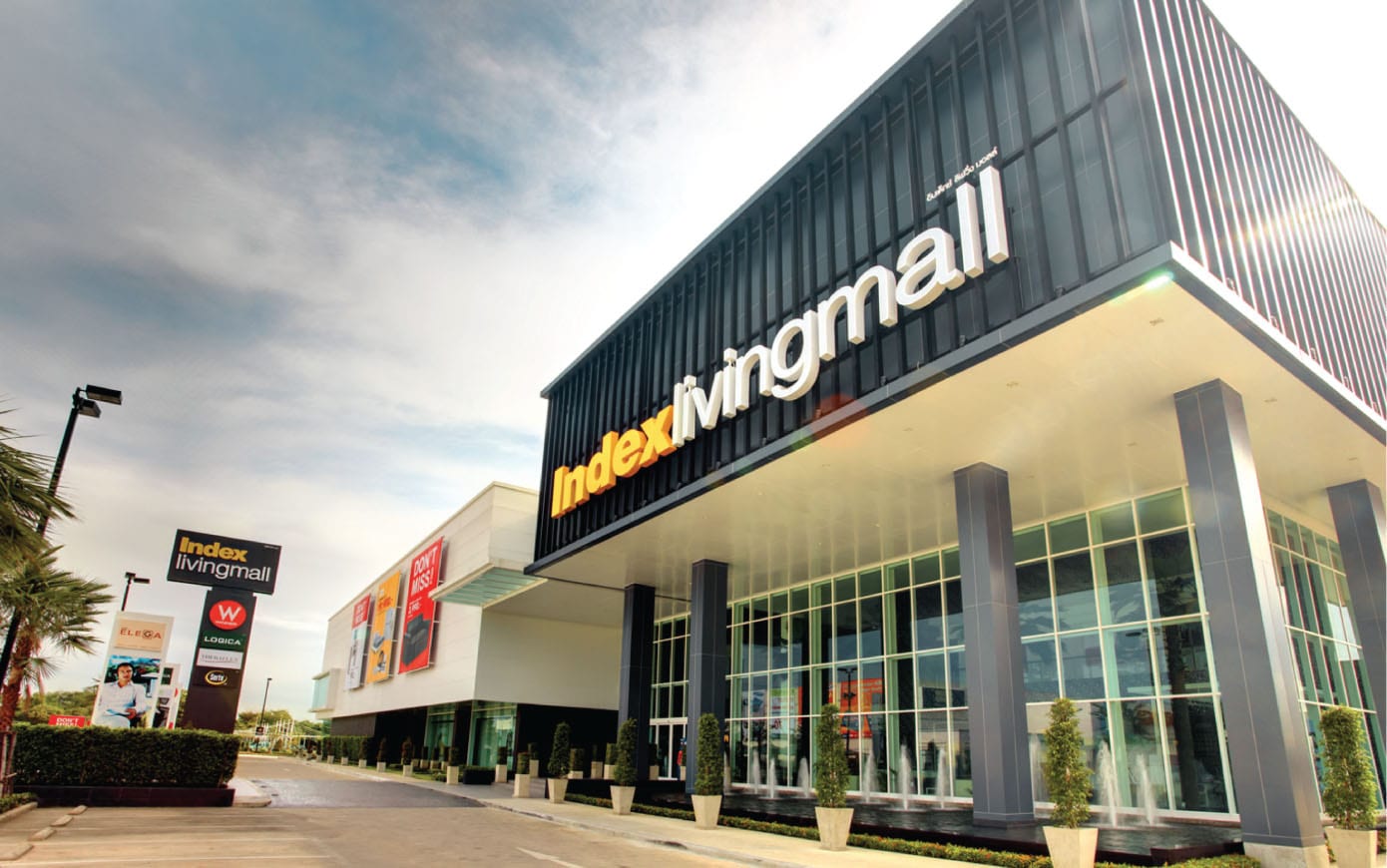
    Index Living Mall Plc (ILM) has invested between 80 million and 100 million baht to launch Talent Sport Academy, an indoor sports complex at The Walk Ratchaphruek in western Bangkok.

    Chief property management officer Ekalak Patamasatayasonthi said the company expects the athletic hub to lift foot traffic at the community mall by 5 to 7 per cent, with consumer spending projected to climb 10 per cent.

    The venue targets annual revenue of 15 million baht directly from the academy, capitalising on rising fitness demand following a year in 2025 when Thailand’s fitness industry revenue topped 12 billion baht.

    Rethinking Community Mall Real Estate

    The Walk Ratchaphruek currently draws about 5,000 visitors a day on weekdays and 8,000 on weekends. The facility features three popular sports — tennis, pickleball and basketball — targeting the “premium mass” segment while also offering customisable training programmes led by professional coaches.

    The location aligns with the Ratchaphruek area’s demographic profile, which comprises high-end families and offers strong growth potential due to robust purchasing power, Mr Ekalak said. The area is also home to international schools, prestigious educational institutions and extensive amenities, with connectivity linking Bangkok to Nonthaburi and Pathum Thani provinces.

    Mr Ekalak said the investment is part of ILM’s growth strategy to develop new revenue streams alongside its core business. The academy will maximise space utilisation and create opportunities to attract new tenants, such as lifestyle brands, apparel retailers, sports equipment stores, and health-focused food and beverage outlets, while broadening the customer base to include sports and wellness enthusiasts.

    The Talent Sport Academy is expected to strengthen the education centre zone, which occupies over 30% of the retail space at The Walk Ratchaphruek, Mr Ekalak said.

    Fitness Sector Momentum

    The academy aligns with the growing wellness trend. The global wellness economy is projected to reach US$7.9 trillion by 2026, with an average annual growth rate of 7.6% over the past three years, according to the Global Wellness Economy Monitor by the Global Wellness Institute.

    Thai consumers are mirroring this trend, with more individuals regularly engaging in physical activities and opting for paid fitness services, Mr Ekalak said. According to Kasikorn Research Centre, Thailand’s fitness industry revenue exceeded 12 billion baht in 2025, an 18% increase, with over 80% of the market concentrated in the Bangkok metropolitan area, which has high purchasing power.

    Pipeline Across Suburban Locations

    The company plans to open 1-2 sports complexes annually in “The Walk” or “Little Walk” projects, initially focusing on high-potential locations with consistent foot traffic. Two additional branches are scheduled to open in 2027 at Little Walk Liap Khlong Song and Little Walk Phran Nok.

    The company currently operates three The Walk and seven Little Walk projects in Thailand.

  • Eternal’s District Plans Dedicated Venues as Temporary Sites Top $1 Million

    Eternal’s District Plans Dedicated Venues as Temporary Sites Top $1 Million

    Eternal’s District is exploring investments in dedicated live-event venues to curb setup costs and protect its business from artificial intelligence disruption, District Chief Executive Rahul Ganjoo said in October 2026.

    Building temporary concert sites can cost more than $1 million only to be dismantled within hours, prompting the platform to hold discussions with property owners and governments on public-private partnerships.

    “Without dedicated live-event venues, it is difficult to build a sustainable business, because you spend a large amount of money setting up a venue only to take it down within a day,” Ganjoo said.

    The Math Behind Temporary Stages

    Organising large shows across major Indian metros currently relies on building temporary arenas on rented grounds. Crews assemble heavy staging, lighting rigs, safety barriers and power networks, only to dismantle the entire installation once the crowd clears.

    District chief executive Rahul Ganjoo pointed out the operational waste built into that model. “Without dedicated live-event venues, it is difficult to build a sustainable business, because you spend a large amount of money setting up a venue only to take it down within a day,” Ganjoo said.

    Sinking capital into recurring setup work drains gross margins for promoters and platforms. A network of dedicated venues would lower the recurring overhead of individual tours, giving the platform predictable acoustic and crowd infrastructure across tour calendars.

    Defending Ground Against AI Agents

    Online booking platforms face structural pressure from autonomous software agents capable of discovering, comparing and booking entertainment directly across open web protocols. When software handles discovery, platform brand loyalty erodes.

    Physical control of the physical gate flips that equation. Holding long-term master leases or co-ownership agreements over premier performance real estate gives an operator exclusive rights to on-site concessions, priority ticketing access and physical food service tie-ins that software aggregators cannot circumvent.

    The Operator Reality in India

    Live entertainment in India has expanded rapidly across tier-one metros such as Bengaluru, yet performance spaces remain scarce. International and domestic tours regularly compete for municipal stadiums, exhibition halls or vacant open plots that demand extensive civic permits and temporary civil works.

    Shifting from an asset-light digital ticketing intermediary to a venue operator introduces balance-sheet exposure. Long leases demand high sustained occupancy rates throughout the year, forcing District to programme mid-week events, regional festivals and corporate bookings alongside marquee headline acts.

    The Pipeline Ahead

    Eternal expanded District to capture out-of-home spending across dining, ticketing and leisure activities, positioning the platform against regional ticketing incumbents. Securing land parcels and municipal clearances for high-capacity performance zones will require clearance from state urban development authorities across targeted metropolitan hubs.

    District remains locked in partner discussions on the initial venue sites, with structural terms and capital commitments for the first dedicated locations pending formal sign-off.

  • YOTEL Expands Asian Footprint to Four Properties with Bangkok Opening

    YOTEL Expands Asian Footprint to Four Properties with Bangkok Opening

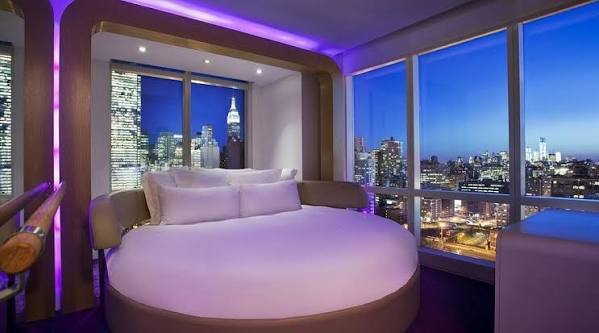
    YOTEL launched its first property in Thailand at Bangkok’s Cloud 11 development in October 2026, anchoring an Asia-Pacific expansion aimed at transit hubs and commercial districts.

    The move brings the company’s operating network in Asia to four locations, following existing outposts in Singapore and Tokyo.

    A debut in Malaysia follows next, with YOTEL Kuala Lumpur City Centre scheduled to open in early 2027.

    Expanding Across Asian Gateway Hubs

    Both additions build on an existing network anchored by YOTEL Tokyo Ginza, YOTEL Singapore Orchard Road, and YOTELAIR Singapore Changi Airport. The company focuses development on high-traffic urban corridors and major transit infrastructure where space constraints command premium yields per square metre.

    Its food and beverage concepts remain central to the floor plans. Properties in Asia feature Komyuniti, a shared multi-functional hub designed for co-working and socialising, alongside casual full-service restaurant Vela and outdoor venue Deck.

    The Micro-Hotel Model Under Pressure

    Compact hospitality models face distinct operating realities across Southeast Asia compared to Western Europe or Japan. In markets like Bangkok and Kuala Lumpur, midscale and upscale four-star rooms frequently trade at lower daily rates, giving corporate travellers and tourists ample full-service alternatives.

    Success for compact pod and cabin operators hinges on non-room revenue and premium real estate integration rather than room count alone. By placing outlets inside multipurpose mega-projects such as Cloud 11, the operator relies on local retail footfall and commercial office tenants to feed its dining and communal areas.

    Transit Hub Lineage and Urban Footprint

    The urban hotel push follows years of building out high-density airside and transit properties globally. The operator established its international transit brand through airport sites at Singapore Changi, Paris Charles de Gaulle, Amsterdam Schiphol, Istanbul, and London Gatwick before pushing further into Asian inner-city commercial districts.

    Outside Southeast Asia, the brand’s global development pipeline includes openings scheduled for Athens in 2027, Belfast in 2028, and NEOM in 2029.

    Next Steps in the Regional Pipeline

    Work now shifts to operational readiness for the Malaysian property due in early 2027. Landlords and retail partners will track occupancy ramp-up numbers from the Sukhumvit property through 2027 to assess whether micro-hospitality concepts can sustain revenue per available room against standard full-service competitors in Southeast Asian capitals.

  • BlackRock in Talks to Sell Shanghai Tower to Rava at 54% Loss

    BlackRock in Talks to Sell Shanghai Tower to Rava at 54% Loss

    BlackRock is in advanced discussions to sell Trinity Place in Shanghai to Hillhouse Investment affiliate Rava Partners for approximately RMB 634 million, taking a 54 percent haircut on the property.

    The prospective deal values the 31,697 square metre tower on Changshou Road at roughly RMB 20,000 per square metre, down from the RMB 1.37 billion the US manager invested in April 2017.

    Trinity Place sits opposite Wuning Road station on metro lines 13 and 14 in Putuo district. Completed in 2006, the asset includes 26,832 square metres of office space across floors 5 through 27, anchored over a 4,865 square metre retail podium occupying the bottom three floors. The transaction remains under active due diligence.

    Rava Plans Residential Pivot

    Rava Partners plans to convert the commercial tower into rental apartments. Claire Tang, now a partner at Rava, oversaw a similar repositioning during her tenure at LaSalle Investment Management in 2022, acquiring a commercial asset in Hongqiao before turning it into multifamily living units.

    Rents in the building currently run between RMB 3 and RMB 5.5 per square metre per day. In 2017, the same space commanded an average of RMB 6.9 per square metre per day. Occupancy inside the tower has dropped to around 60 percent, down from 86 percent at the time BlackRock bought it.

    Yield Pressures Across Fringe Hubs

    Institutional landlords in Shanghai face severe repricing as leasing demand remains concentrated in primary districts. Grade A offices in core Jing An district fetch RMB 258.28 per square metre per month, which works out to about RMB 8.5 per square metre per day. That is nearly double the rental yield achievable at Trinity Place despite the property sitting right on the Jing An district perimeter.

    Peripheral commercial pockets carry vacancy rates hovering near 30 percent, alongside a broader office rent drop exceeding 30 percent across Shanghai since its 2018 peak. Converting older decentralized towers into multi-family housing eliminates dead office stock, but the strategy requires heavy capital expenditure to reconfigure plumbing, fire systems, and floorplates.

    Defaults Preceded Current Divestment

    BlackRock had initially offered Trinity Place for RMB 900 million in March 2025 before lowering its expectations by another 30 percent. The firm originally acquired the property, then known as Shanghai Central Park, from Hong Kong Shanghai Alliance Holdings Ltd.

    The transaction follows earlier distress across BlackRock’s Shanghai portfolio. In January 2018, the asset manager purchased blocks E and G in Waterfront Place from PGIM Real Estate, only to forfeit both office buildings to Standard Chartered in 2024 after defaulting on a RMB 780 million syndicated loan. Standard Chartered subsequently offloaded those Waterfront Place towers to Beijing-based DCL Investment for approximately RMB 695 million in early 2025, a discount of more than 42 percent relative to BlackRock’s initial purchase price.

    Terms to Watch

    Final execution hinges on completion of technical due diligence and local planning sign-offs required to convert commercial zoning into residential operations. Property investors are watching whether closing values fall below the RMB 20,000 per square metre threshold as other institutional owners review decentralized commercial holdings across Shanghai.

  • Knight Frank and CBRE|WTW Market 55-Storey Menara Tun Perak

    Knight Frank and CBRE|WTW Market 55-Storey Menara Tun Perak

    Knight Frank Malaysia and CBRE|WTW have been jointly appointed to advise on the proposed investment opportunity in Menara Tun Perak, bringing the landmark 55-storey commercial tower in central Kuala Lumpur to market.

    Completed in 1988, the 244-metre building along Jalan Tun Perak previously served as the headquarters of Malayan Banking Berhad (Maybank). The former Menara Maybank sits near Merdeka 118, Chinatown, Petaling Street, Central Market and Dataran Merdeka, giving investors exposure to commercial, heritage and tourism precincts.

    The advisory team is marketing the skyscraper for partial or full investment structures. Prospective plans include ongoing commercial use, asset enhancement or repositioning into hospitality, serviced accommodation and mixed-use development, subject to feasibility assessments and regulatory approvals.

    Structure and Conversion Options

    Transit access anchors the property’s location. The site sits roughly 450 metres from Masjid Jamek LRT Station and 550 metres from Plaza Rakyat LRT station, connecting commuters to three RapidKL train lines, Kelana Jaya, Ampang and Sri Petaling, across the Klang Valley.

    Surrounding blocks have seen an emergence of boutique hotels, hospitality concepts and lifestyle destinations, supported by growing tourism activity and the revitalisation of Chinatown and its neighbouring streets.

    “Menara Tun Perak represents a unique opportunity to invest in a property that has played an important role in shaping Kuala Lumpur’s skyline and commercial history. Landmark assets of this nature, particularly those located within the city’s historic core, are rarely made available for investment.

    With the continued revitalisation of central Kuala Lumpur and growing interest in the surrounding heritage and tourism precincts, the property offers considerable potential for investors with a long-term vision to preserve and enhance its legacy while exploring opportunities to unlock further value.”

    James Buckley, Head of Capital Markets at Knight Frank Malaysia, noted that the asset allows buyers with a long-term vision to explore opportunities to unlock further value as downtown rejuvenation proceeds.

    “Menara Tun Perak’s strategic location within Kuala Lumpur’s historic city centre, coupled with its architectural prominence and established identity, presents an interesting proposition for investors. As the surrounding precinct continues to evolve, we see opportunities for the property to benefit from the ongoing rejuvenation of the city centre and increasing demand for well-located assets with the flexibility to accommodate a variety of potential uses.”

    Next Steps for Bidders

    For further enquiries, prospective investors can contact jointly appointed agents James Buckley at Knight Frank Malaysia and Marcus Yeo at CBRE|WTW as marketing outreach progresses.

  • Louis Vuitton Unveils Monumental Installation at Hong Kong’s Landmark

    Louis Vuitton Unveils Monumental Installation at Hong Kong’s Landmark

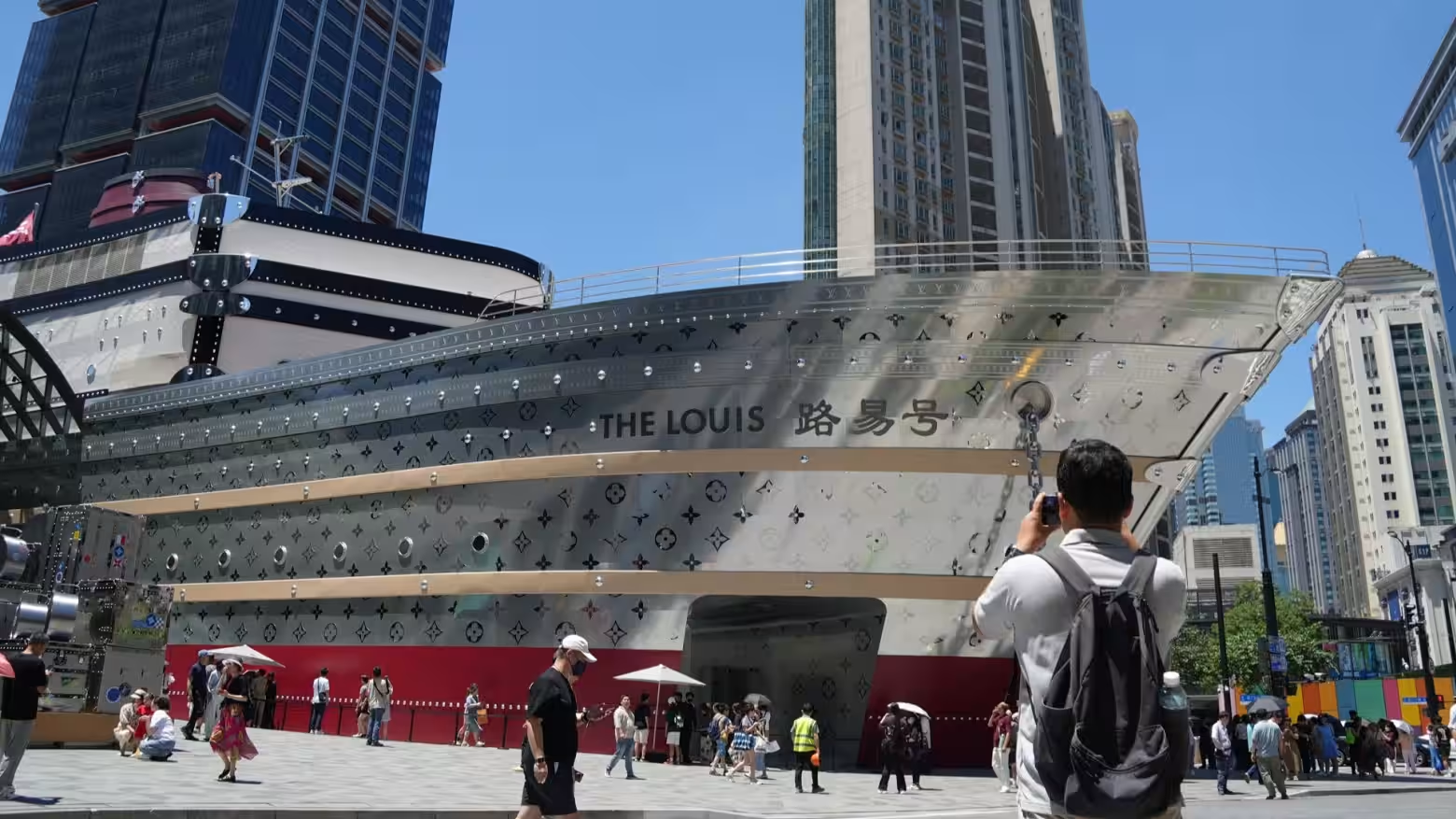
    Louis Vuitton has unveiled a monumental installation at Hong Kong luxury retail destination Landmark on October 23, 2026. The launch coincides with Hongkong Land rolling out Destination Central, a district-wide initiative to attract local residents and international visitors.

    The presentation marks the latest stop in Louis Vuitton’s global rollout of large-scale public shows. Previous editions were held in Paris, New York and Shanghai.

    Drawing inspiration from the maison’s enduring Spirit of Travel motif, the activation arrives as construction continues on its Hong Kong maison, transforming the ongoing site works into a major visual draw.

    Global Sequence of Public Hoardings

    The Central activation follows a sequence of outsized construction wraps the French house mounted across major commercial cities over the past three years. Paris saw the first iteration on the Champs-Élysées in September 2023, followed by a New York installation in November 2024 and a Shanghai presentation in June 2025.

    Each build served to maintain foot traffic and brand awareness around prominent real estate while heavy interior restructuring took place behind the walls. For Hong Kong, the scale of the structure gives Landmark a street-level landmark while primary retail space remains out of service.

    Landlord Strategy and Footfall Defense

    Backing outsized brand takeovers allows prime commercial landlords to treat building sites as visual attractions rather than dead retail corridors.

    The risk sits in the conversion rate. Monogram facades reliably draw spectators and social media attention, but turning passersby outside a construction zone into paying customers inside adjacent mall tenancies requires tight footfall routing. Landlords absorb significant disruption during these overhauls, betting that the eventual multi-floor maisons will restore sales densities once doors reopen.

    Materials and Anniversary Timing

    Louis Vuitton committed to dismantling the installation with sustainable construction practices, stating that all materials used across the temporary exterior will be reused or recycled once building work concludes. The visual scheme centers on the 130th anniversary of the brand’s signature monogram pattern, applied directly across the mock station framework.

    The installation will remain in place while contractor teams complete internal refurbishment of the Landmark maison, with Hongkong Land running coordinated promotions across Central properties throughout the retail district’s renovation cycle.

  • Mirvac Sells Brisbane Office Complex to Alceon for A$124 Million

    Mirvac Sells Brisbane Office Complex to Alceon for A$124 Million

    Mirvac has agreed to sell a twin-tower office complex and adjoining public car park on the northern edge of Brisbane’s city centre to local investment manager Alceon for A$124 million ($87 million).

    Alceon announced on Wednesday that contracts have been exchanged for 410 Ann Street and the neighbouring Cathedral Square car park at a fully leased yield of 11 percent. The transaction prices the asset at about A$6,000 per square metre, falling below A$4,000 per square metre once the excess car parking is stripped out. Mirvac is exiting the property through a separately managed account.

    Yields Split Between Prime and Secondary Stock

    Marking Alceon’s 15th Brisbane office purchase, the deal expands its bet on secondary-grade buildings as city-centre vacancy dropped to 10.2 percent in July. Prime space in the city saw gross effective rents rise 11.8 percent in the third quarter from a year earlier, lifting cumulative gains since 2022 to 47 percent.

    The pricing gap between institutional prime towers and secondary stock in the city has widened sharply. Institutional buyers have paid roughly double the square-metre rate for premium assets, while secondary properties trade at heavy discounts to replacement cost. With 10-year bond rates hovering near 5.35 per cent, buyers of older stock rely on double-digit yields and hands-on leasing turnarounds to make underwriting hurdles pencil out.

    For office landlords and commercial operators, the transaction demonstrates that capital liquidity remains selective rather than frozen. Private syndicators and high-net-worth capital pools are absorbing secondary buildings that institutional funds are paring back. The core risk rests in capital expenditure demands, as incoming landlords must commit fresh funds to older floorplates to compete against premium stock offering stronger sustainability credentials.

    Car Park and Transit Connections

    The Ann Street property occupies a 4,052 square metre freehold parcel containing more than 20,000 square metres of net lettable area and 139 internal parking bays. Beside the towers, the Cathedral Square facility adds 572 vehicle bays across an 8,949 square metre site held under a leasehold tenure running until April 2108.

    Commuter access sits close to the asset, located 375 metres from Brisbane Central Station and near works on the subterranean Cross River Rail network. The complex holds a 5.5-star NABERS Energy rating and a 3.5-star NABERS Water rating under national benchmarking standards.

    “This is a well-located asset that has been under-managed for some time,” said Todd Pepper, managing director and head of Alceon’s Queensland business. “Our plan is hands-on: invest in the building, lift the tenant experience and lease it up into a market where good space is getting harder to find.”

    Planned Capital Works and Lease Expiries

    Alceon intends to refurbish the entrance lobbies, shared amenities and empty office floors to lift the asset to a contemporary B-plus grade. Existing leases run across an occupancy level of roughly 90 per cent with a four-year weighted average lease expiry, anchored by the Public Trustee of Queensland, First Parking, Mipac, Sonic Healthplus and Dye & Durham.

    The transaction follows a comparable secondary deal completed in September, when Quintessential Equity purchased 133 Mary Street from ESR Group for A$81.8 million, or roughly A$6,200 per square metre. That asset also included retail space targeted for a refurbishment program. By contrast, Barings paid A$700 million for 480 Queen Street in July at A$12,727 per square metre, while GPT Group acquired Central Plaza II at 66 Eagle Street for A$400 million in April at A$12,561 per square metre.

    Brokers Peter Chapple and Bruce Baker of CBRE handled the transaction alongside Paul Noonan and Jack Sullivan of JLL. Alceon financed the purchase via its network of wholesale and high-net-worth backers, pushing its Queensland commercial property portfolio past A$1.25 billion under management.

    Near-term performance now depends on tenant retention, with almost half the total floor space at 410 Ann Street scheduled for contract renewal across 2028 and 2029.