Tag: commercial real estate

  • Vincom Retail Partners with Korea’s QooQoo to Expand Dining Formats

    Vincom Retail Partners with Korea’s QooQoo to Expand Dining Formats

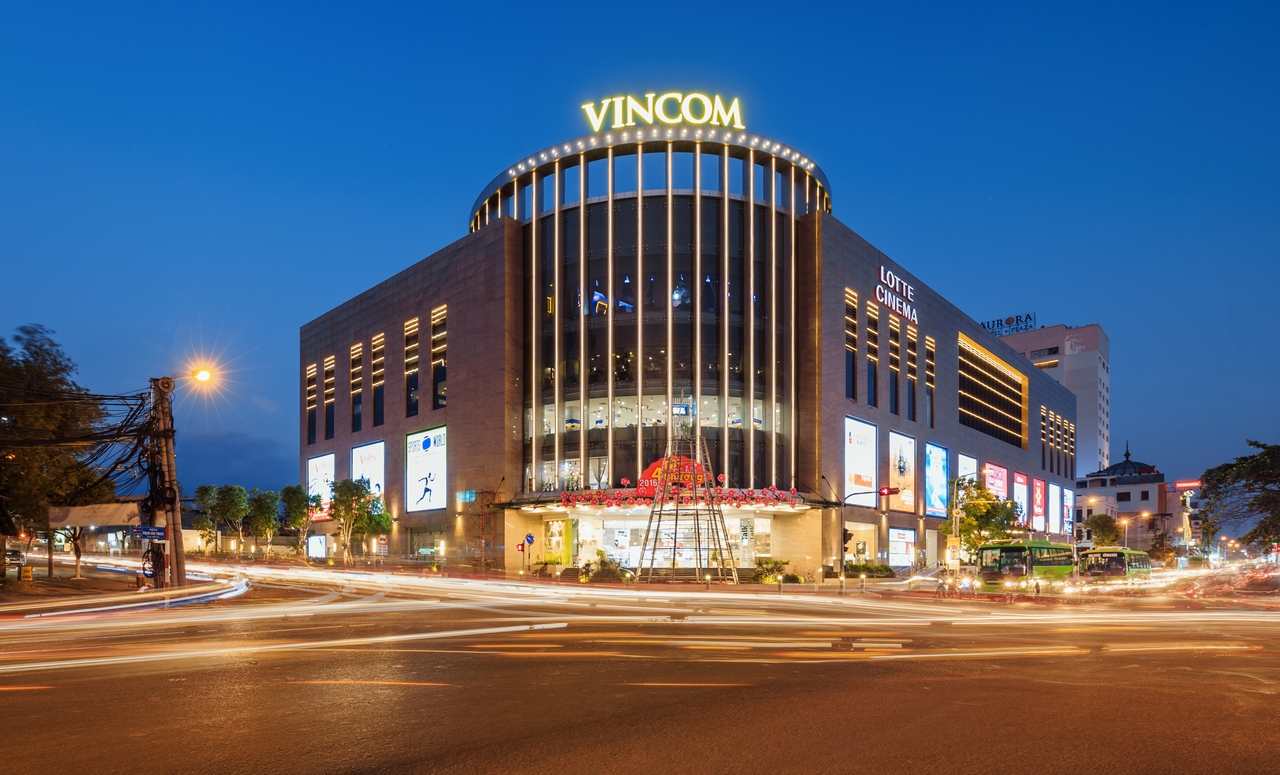
    Vincom Retail entered into an agreement with South Korea’s QooQoo Franchise Group on October 22 to introduce dining concepts to Vietnam. The rollout targets properties across Hanoi and Ho Chi Minh City through 2027.

    Founded in 2011, QooQoo recorded KRW 397.6 billion, or approximately VND 7 trillion, in 2024 system-wide revenue across roughly 90 locations in its home market.

    The partnership introduces QooQoo’s sushi buffet alongside conveyor-belt format Blue Rail and hot pot brand Always Shabu to Vincom Retail’s portfolio. QooQoo Chairman Kim Young-gi and Vincom Retail Deputy Chief Executive of Sales Pham Thi Thu Hien signed the agreement in Hanoi. Under the terms, Vincom Retail will support local marketing, while QooQoo introduces the landlord’s properties to Korean retail groups and investors.

    Anchor Tenants Shift Toward Experiential Dining

    Vietnamese shopping center owners face structural shifts in floor space allocation as standard apparel retail yields ground to large-format dining. Landlords in Southeast Asia increasingly rely on high-capacity food operators to draw steady footfall during weekday evenings and weekends. Dedicating several thousand square meters to a multi-brand Korean buffet group locks in regular traffic, but it also ties rental yields to high customer volume and tight inventory turnover.

    For mall operators, high-turnover buffets reduce vacancy risk in multi-level developments where upper floors struggle to draw fashion shoppers. The risk shifts directly to operational execution. All-you-can-eat seafood concepts require constant cold-chain deliveries and strict waste control to maintain margins, particularly in tropical climates where spoilage costs mount quickly.

    Supply Lines and Franchise Competition in Southeast Asia

    Founded in 2011, QooQoo built its domestic Korean business around an integrated supply chain that handles food imports, logistics and digital commerce. That background protects margins in South Korea, where the business maintained average annual sales gains above 30 percent since 2022. Replicating those logistics in Vietnam tests the company against entrenched regional competitors.

    QooQoo brings recognizable scale from its home market, but it enters Vietnam without an established domestic ingredient network. Sourcing fresh sushi components and maintaining consistent pricing across two major metropolitan areas will determine whether its unit economics survive beyond promotional launch periods.

    Cross-Border Retail Push Through 2027

    The Korean operator expanded steadily over the past decade, securing industry recognition that includes six consecutive Brand of the Year titles in South Korea for its sushi buffet division alongside ministerial awards in 2024 and 2025. Partnering with Vietnam’s dominant commercial property owner gives it immediate access to a market of more than 100 million people without negotiating site leases one property at a time.

    Site selections and initial lease allocations for the first QooQoo outlets in Hanoi and Ho Chi Minh City are scheduled to take shape as the rollout phase runs through late 2027.

  • Hilton Debuts LXR Brand in India with 226-Room Den Bengaluru

    Hilton Debuts LXR Brand in India with 226-Room Den Bengaluru

    Hilton debuted its LXR Hotels & Resorts brand in India in October 2026 with the opening of The Den Bengaluru, adding a 226-room property in Whitefield.

    Owned by Dan Hospitality India Pvt. Ltd. And managed by Hilton, the hotel pairs corporate accommodation with destination-led leisure programming in the city’s primary technology and business corridor.

    Property footprint and dining facilities

    The hotel inventory includes guest rooms, studios and suites tailored for both short corporate trips and extended stays. Food and beverage operations span four venues: Layla, a rooftop restaurant serving Indian and Mediterranean dishes; The Creek, an all-day multi-cuisine restaurant; The Deli, offering speciality coffee and pastries; and The Cold Press, a dedicated counter for juices and health drinks.

    Event facilities cover more than 21,000 square feet across seven separate venues. The meeting inventory features a ballroom, an auditorium, dedicated breakout rooms and an open-air amphitheatre designed for corporate gatherings and private functions.

    Recreation and wellness facilities center on The Sanctuary spa, The Studio fitness centre and an outdoor pool. Leisure spaces also include The Playhouse, equipped with digital tabletop games and a pool table, and The Cave, a private screening room built for small group social gatherings.

    Local programming and operational structure

    Hilton is running two bespoke programmes at the Whitefield site to differentiate the asset from standard business hotels. The Pause Program focuses on sleep amenities, pillow menus, wellness dining and structured arrival rituals for corporate guests.

    A second programme, Whitefield Unscripted, organises neighbourhood-level activities. These include the Whitefield Verandah Trail, which covers local heritage bungalows and historic institutions, and Whitefield’s Farm Story, an agricultural harvesting tour linked to dining experiences on site.

    General manager Vinesh Gupta oversees daily operations at the hotel, linking the independent character of the property with Hilton Honors distribution and direct booking channels.

    Luxury demand shifts in Southern India

    Global hotel operators in India have spent years concentrating luxury flags in traditional leisure belts like Rajasthan and Goa or gateway financial centres like Mumbai and New Delhi. Bengaluru, despite generating high business travel spending, historically absorbed upper-upscale and standard business five-star flags rather than soft-brand luxury collections.

    Bringing LXR to Whitefield reflects changing corporate budgets in tech hubs. Tech executives and affluent business travellers increasingly demand boutique amenities, high-end dining and wellness services without leaving the commercial district where their offices sit.

    Portfolio context and market pipeline

    The launch adds an individualised soft brand to Hilton’s South Asia footprint, complementing its core Hilton, DoubleTree and Conrad properties across the country. By converting and managing existing upscale assets through Dan Hospitality India, the group expands its luxury presence without long greenfield construction lead times.

    Dan Hospitality India and Hilton are now tracking initial booking patterns across corporate accounts and wedding segments for the upcoming high season, with the property’s seven event venues pitched directly against established convention hotels in eastern Bengaluru.

  • China Expands Public REIT Framework to Include Hotel Assets

    China Expands Public REIT Framework to Include Hotel Assets

    China is advancing reforms this week to incorporate hotel properties into its domestic public real estate investment trust market. The expansion opens an institutional exit route for hotel owners seeking to shift toward asset-light operational models.

    Regulators in Beijing are broadening the scope of domestic public REITs beyond 3 traditional asset classes: industrial parks, toll roads, and logistics facilities. Commercial hospitality assets can now access exchange-listed equity capital under the expanded framework.

    Opening Listed Capital to Hotel Portfolios

    The pilot program for infrastructure REITs originally restricted listings to municipal utilities, industrial parks, and affordable rental housing. Expanding the eligible asset pool to hospitality properties allows hotel owners to securitize income-generating developments through domestic exchanges.

    To qualify for a public listing, properties must demonstrate stable operating cash flows, clear land ownership rights, and compliant operational histories. Asset managers package selected hotel real estate into closed-end funds sold to institutional and retail investors.

    Shifting Hospitality Owners to Asset-Light Models

    Hospitality groups operating across mainland China have historically carried heavy balance sheets loaded with freehold real estate. Public hotel trusts provide a domestic vehicle to offload physical properties while retaining long-term management contracts.

    For international and domestic hotel operators, the reform creates an avenue to scale footprint without borrowing heavily from state banks. The capital recycled from asset sales goes directly into brand development, technology platforms, and management operations.

    Pricing Risk and Operational Volatility

    Hotel revenues fluctuate with seasonal travel patterns, corporate spending cuts, and tourism demand far more than standard industrial warehouses or rental housing. That volatility directly affects dividend payouts to public unit holders.

    Trust managers face the challenge of structuring lease and operational agreements that absorb cyclical downturns without breaching minimum yield thresholds. Investors will price these instruments against prevailing corporate bond yields and existing consumer infrastructure trusts.

    Broadening Beyond Traditional Infrastructure

    Chinese financial regulators initiated the domestic REIT market to unlock capital tied up in state and private infrastructure projects. Authorities subsequently expanded the program to shopping centers and consumer infrastructure to support domestic consumption.

    Extending the framework to hospitality assets marks the next phase in establishing a comprehensive commercial property trust market in mainland China. Market participants are monitoring the first batch of hotel trust filings submitted to domestic stock exchanges for indicative valuation multiples and target distribution yields.

  • Australian Malls Post AU$118.8 Billion in Turnover as Dining and CBDs Lead Recovery

    Australian Malls Post AU$118.8 Billion in Turnover as Dining and CBDs Lead Recovery

    Australian shopping centres generated AU$118.8 billion in turnover across 516 properties. Food retail, dining and central business district locations drove the post-disruption growth.

    Trading across 14.6 million square metres of gross leasable area and 46,743 tenants stabilized between 2025 and 2026, according to the latest Urbis Shopping Centre Benchmarks. Spending patterns shifted across categories and geographies.

    Dining and Jewellery Drive Tenant Gains

    Food catering delivered the strongest momentum across all centre categories, rising 7.5 per cent year-on-year. Food retail sales gained 6.9 per cent over the same period.

    Discretionary categories diverged. Jewellery sales jumped 11.6 per cent. Entertainment venues rose 8.8 per cent, and retail services advanced 6.2 per cent. Non-food mini-majors expanded sales by 7 per cent. That segment benefited from apparel brands like Uniqlo taking over floor space previously held by traditional department store anchors.

    Central Precincts Outpace Outer Suburbs

    Downtown centres recorded the strongest geographic performance, lifting retail sales by 7.1 per cent. Super-regional malls followed at 5.0 per cent.

    Outer metropolitan centres trailed the national recovery, posting sales growth of 3.9 per cent despite recording the fastest residential population expansion. High mortgage rates and debt servicing costs curtailed spending in suburban family corridors.

    Shifting Floorplates Across Asia-Pacific

    Landlords across Asia-Pacific are cutting department store allocations. They favour high-turnover fast fashion and experiential dining instead. Australian figures confirm that food and beverage tenancies now anchor footfall better than general merchandise.

    Risks remain concentrated in outer suburban assets. If mortgage stress persists, neighbourhood and suburban centres heavily reliant on mass apparel and homewares will face occupancy pressure unless they rebalance toward essential services and food concepts.

    Stabilisation After Years of Pressure

    The 2026 benchmark results follow multi-year trading disruptions marked by rapid interest rate hikes and inflation across the Australian consumer economy. Comparable mall performance over the 2025 to 2026 window points to normalising floor productivity across major retail hubs.

    The shift towards experiences and in-centre consumption also shows the growing social role of shopping precincts and is helping centres remain resilient as e-commerce continues to expand

    Operators now enter the next leasing review cycle with vacancy rates tightest in prime CBD strips and regional assets. Upcoming leasing negotiations will test tenant margins against rising operational costs.

  • Seoul Starts $184M Yongsan Electronics Market Overhaul into AI Hub

    Seoul Starts $184M Yongsan Electronics Market Overhaul into AI Hub

    Seoul broke ground this month on the redevelopment of Yongsan Electronics Market, committing 247 billion won ($184 million) in developer contributions to transform the district into an artificial intelligence cluster.

    The project covers eight of the market’s 11 commercial zones, replacing a cluster of 20 aging buildings where vacancy rates previously exceeded 60 percent with high-density tech labs, software offices, and modern retail premises.

    Building permits and zoning approvals

    Municipal authorities issued building permits for four initial zones, clearing the way for work to start on Zone 5, the primary gateway into the complex. The approved blueprints designate dedicated floor space for research and development labs, digital media studios, and technology startup incubators alongside leisure, cultural, and sports facilities.

    Pedestrian connectivity forms the backbone of the physical master plan. The municipal government will construct a 570-meter elevated walkway running east to west, linking individual blocks through 11 pedestrian bridges that connect directly to Yongsan Station.

    “With this first groundbreaking, Yongsan Electronics Market is beginning a new chapter as a growth hub for AI and ICT,” said Kim Chang-gyu, director-general of the city’s Balanced Development Headquarters.

    Shift from hardware retail to software capital

    Traditional wholesale hardware districts across Asia face identical structural obsolescence as consumer electronics purchasing shifts to digital platforms. Tokyo saw Akihabara pivot toward gaming and subculture retail decades ago, while Shenzhen turned Huaqiangbei into an agile hardware incubator. Yongsan failed to execute either pivot during the early 2010s, allowing e-commerce platforms to capture consumer hardware sales while physical foot traffic collapsed.

    Landlords and retail operators now face a compressed transition window. Commercial operators that survived on low-margin component sales and physical assembly must pivot toward enterprise tech services, while property managers must lease to institutional corporate tenants rather than independent stallholders. The primary commercial risk rests on leasing speed, as developers must fill vast R&D footprints in central Seoul while tech companies remain selective on commercial real estate commitments.

    Integration with Yongsan Business District

    The overhaul links directly to the adjacent Yongsan International Business District development. Seoul Mayor Oh Se-hoon first framed the district’s repositioning under an ambition to build Asia’s Silicon Valley in 2021, which led to the city’s formal redevelopment master plan in June 2023.

    Work originally began in the area when Yongsan Electronics Market opened in 1987, dominating South Korea’s PC and mobile retail trades through the 1990s before e-commerce platforms eroded storefront sales. The current construction phase will advance across the four permitted zones before the city reviews building permits for the remaining four development sectors.

  • Hashi Market Takes 35,715 Square Feet of Former Amazon Fresh Space in Seattle

    Hashi Market Takes 35,715 Square Feet of Former Amazon Fresh Space in Seattle

    Japanese grocer Hashi Market leased a 35,715-square-foot retail unit in North Seattle to open its first location in the city.

    The store occupies space at 13025 Aurora Avenue N previously run by Amazon Fresh. The site became available after Amazon closed its Fresh- and Go-branded brick-and-mortar grocery stores nationwide earlier this year.

    New footprint on Aurora Avenue

    Hashi Market plans to stock fresh Japanese produce, packaged groceries, and home goods across the single-level footprint. The North Seattle format will also run on-site catering services alongside dedicated sections for beauty products and household essentials.

    Taking over built-out supermarket real estate reduces upfront capital spending on refrigeration and distribution fixtures. Former Amazon Fresh properties feature heavy electrical infrastructure, cold storage rooms, and loading docks that grocery operators can repurpose without full structural refits.

    Filling vacancies left by Amazon Fresh

    Amazon spent years testing automated checkouts and custom grocery layouts before shuttering dozens of Go and Fresh units across US metropolitan markets. That retrenchment opened suburban strip-centre boxes to specialty food operators hunting for turnkey retail space.

    Asian grocery chains have expanded steadily into North American secondary and primary corridors, filling mid-sized footprints between 30,000 and 50,000 square feet. Hashi Market steps into a corridor where demographic demand for imported Japanese pantry staples, prepared foods, and cosmetics remains underserved by traditional supermarkets.

    Asian specialty grocers take suburban sites

    Specialty grocers benefit from higher basket sizes and stronger customer retention than conventional general merchandisers in competitive metro areas. Asian supermarket operators often rely on extensive fresh counters, hot meal programs, and imported stock keeping units that conventional chains do not carry.

    The Aurora Avenue location gives the Japanese banner highway visibility in a dense commercial corridor. Reallocating the floor plate to prepared meals and catering allows the operator to generate secondary revenue streams beyond standard shelf-stable retail sales.

    Timeline and upcoming launch

    Amazon’s decision to exit its experimental grocery formats in 2026 accelerated store turnover throughout the Puget Sound region. Landlords have moved quickly to backfill these suburban shells with established ethnic grocery operators able to draw consistent foot traffic.

    Hashi Market has begun fitting out the 13025 Aurora Avenue N property ahead of its scheduled public opening.

  • The Capital Grille Opens First Asia Venue on 50Th Floor of Bitexco Tower

    The Capital Grille Opens First Asia Venue on 50Th Floor of Bitexco Tower

    The Capital Grille opened its first restaurant in Asia last month on the 50th floor of Bitexco Financial Tower in Ho Chi Minh City. Diners reach the venue via a dedicated private lift overlooking the skyline.

    Taipei-based Ko Hospitality Group operates the steakhouse under a franchise agreement with parent company Darden Restaurants. The opening gives the Taiwanese family business its first restaurant in Vietnam.

    Steakhouse Expansion into Southeast Asia

    Darden chose Vietnam over traditional regional gateway hubs like Singapore or Tokyo for the brand’s regional debut. Guests walk straight into a dining room overlooking the city below. The kitchen serves American steakhouse staples tailored to local executives and expatriate diners.

    Ko Hospitality Group manages daily floor service, kitchen staffing, and brand standards under the licensing agreement. Securing a space in District 1 puts the operator directly in front of corporate accounts, high-net-worth diners, and private event bookings in the country’s commercial center.

    Operator Strategy and Regional Footprint

    Running an upscale steakhouse in Ho Chi Minh City challenges established independent venues and hotel dining rooms. Global brand recognition gives Darden an immediate footprint in a market where demand for imported beef and luxury dining remains steady.

    Cold-chain reliability and imported meat logistics will test the operation. Serving dry-aged beef and wine at standard requires dependable supply partnerships along international shipping routes. Import clearance delays and tariff structures can quickly squeeze kitchen margins.

    High-Rise Commercial Placement

    Securing the 50th floor of Bitexco Financial Tower anchors the property as a destination venue rather than standard mall retail. High-floor commercial tenancies command steep rents. In exchange, they offer built-in differentiation through exclusivity and panoramic views.

    Expanding into Vietnam takes Ko Hospitality Group outside its home market of Taiwan for the first time. Managing cross-border supply chains and local staffing will show whether the operator can scale Western restaurant concepts across Southeast Asian commercial centers.

    The Pipeline for Regional Dining

    Performance in Ho Chi Minh City will serve as a live benchmark for Darden as it evaluates broader franchise expansion across Asia. Fine-dining concepts carry higher overheads than casual formats. Customer retention and average check sizes will be critical in the opening quarters.

    Watch the operator’s corporate bookings and private dining receipts over the coming months to see whether Ko Hospitality Group pushes the brand into Hanoi or neighboring regional markets.

  • Around 100 Wooden Shophouses Drive Retail Trade in Kuala Dungun

    Around 100 Wooden Shophouses Drive Retail Trade in Kuala Dungun

    About 100 two-storey wooden shophouses built from 1933 still house active businesses in Kuala Dungun. They sustain retail trade nearly a century after the town’s mining boom began.

    These timber buildings hold restaurants, hardware stores, electrical retailers and motorcycle dealerships. Plastic goods distributors, grocers and photography shops also trade across the coastal district.

    Commercial Structure and Rental Economics

    Known locally as kedai kayu, the surviving row dates to a 1933 plan by the Dungun District Office. Officials created the commercial lots to capture trade from the Bukit Besi iron ore mine. That mine ran from the 1930s until closing in 1970.

    Tenancy turnover across the strip remains low. Family operators hold leases for decades. Restaurant operator Mohd Kamal Hamid pays RM1,200 a month for a timber unit his father first rented in 1980. A mining employee originally bought the building in the 1930s.

    Retailer Ang Ah Kiang, 76, noted that units built between 1930 and 1960 link early port commerce to modern consumer demand. Several tenants have altered interiors for modern stock and refrigeration. Core timber frames and wooden window structures remain intact.

    Immigrant Capital and Trading Networks

    Merchant migration from southern China drove the area’s early growth from around 1922, according to Wan Mohd Rosli Wan Ngah, honorary secretary of the Malaysian Historical Society’s Dungun chapter. Hokkien traders settled along the Sungai Dungun estuary. They ran rubber collection depots, seafood distribution posts and grocery shops before buying lots in the 1933 town plan.

    Municipal restructuring relocated Malay residents to Kampung Tanah Lot, clearing central plots for commercial timber buildings. Chinese capital then drove the retail footprint through the mining boom of the 1950s and 1960s.

    Retail Shifts Across Secondary Malaysian Towns

    Across peninsular Malaysia, wooden high streets face pressure from suburban developments, concrete commercial parks and franchise formats. Heritage rows in larger capitals like Kuala Terengganu or Kuantan often convert into boutique hotels or tourist cafes. Those shifts drive up rents and push out daily merchants.

    Kuala Dungun follows a different pattern. The shophouses still serve local daily shoppers rather than tourists. This shields tenants from travel market swings, though it leaves them to absorb maintenance costs on ageing timber frames.

    Mining Legacy to Modern Trade Base

    Raw material transport once anchored the local retail economy. Bukit Besi served as the primary inland iron ore source, hauling ore by dedicated rail directly to Kuala Dungun for sea export.

    When mining ceased in 1970 and rail links closed, economic activity shifted south to Kerteh’s oil and gas operations and regional palm plantations. Local retailers adapted their stock. They now serve civil servants, farm workers and maritime crews across the 154,932-resident district.

    Town commerce now centers on the surviving timber properties and a Thursday night market along the old railway line. Tenancy renewals and property valuations across these 100 registered wooden units will determine how long independent operators maintain their grip on the district.

  • CloudHQ Plans to Shrink Tokyo Shopping Mall for Data Centres

    CloudHQ Plans to Shrink Tokyo Shopping Mall for Data Centres

    CloudHQ has proposed rebuilding the struggling BigHop Garden Mall Inzai in Greater Tokyo, shrinking its retail footprint to 13,345 square metres to make room for two data centres.

    The Washington DC-based developer presented the plan, named Project Asahi, to the Inzai City Council on 29 September, seeking an exemption from local development restrictions near commuter rail stations.

    Under the proposal, CloudHQ plans to reduce the 13-hectare property beside Inzai-Makinohara Station on the Hokuso Line into a smaller retail row facing the station, paired with a 6,235-square-metre public park and 8,450 square metres reserved for non-data centre commercial uses and offices. Revenue generated from the server facilities would fund the capital expenditure needed to overhaul the remaining shops.

    Cutting shop space to save the asset

    BigHop opened in 2007 after construction by Takenaka Corporation, but the asset has suffered from stagnant tenant revenue and looming capital expenditure requirements. CloudHQ told city officials that the mall’s sales have stayed flat, trailing the 3.4 per cent growth recorded across comparable Kanto shopping centres in municipalities with fewer than 150,000 residents during 2025.

    Rising expenses for labour, purchasing, and consumables have compressed retailer margins, removing room for rent increases. The developer noted that the mall’s existing rental income cannot cover major equipment renewals scheduled over the next five years. Soundings conducted in 2025 with Japanese trading houses, contractors, institutional asset managers, and foreign developers yielded zero interest in acquiring or backing the site as a standalone shopping destination.

    Of the remaining land on the 13-hectare parcel, roughly half will host two data centres and electrical infrastructure, while the other half will be retained for future development. CloudHQ Japan operates the property and aims to finish the phased reconstruction by the mid-2030s.

    Station-front opposition and council rules

    Securing municipal approval remains the primary hurdle for the project. In August 2025, Inzai’s city council passed a 19-0 resolution barring future data centres from zones immediately surrounding its three railway stations, reserving those plots for civic services, retail outlets, and pedestrian traffic.

    Local sentiment against digital infrastructure in station districts runs high. A city consultation held in April 2025 showed that 90.5 per cent of data centre submissions, representing 114 out of 126 responses, opposed server halls near transit hubs. Legal disputes have already surfaced nearby, with ten residents filing a lawsuit in Chiba District Court in March to cancel building clearance for an Inzai Five TMK project backed by Mitsui & Co near Chiba New Town Chuo Station.

    To defuse community pushback, CloudHQ pledged to build the public park and civic facilities before constructing the data halls. The developer also offered to provide local school scholarships and technical classes to broaden community benefits beyond municipal property tax receipts.

    The shifting economics of suburban retail

    Converting underperforming suburban retail into digital infrastructure represents a hard-nosed pivot for operators trapped in low-yielding regional assets. Japanese suburban malls built during the mid-2000s face structural challenges from an ageing population, online commerce, and escalating utility and refurbishment bills that conventional retail leases cannot cover.

    Replacing low-margin retail space with long-term server capacity provides a guaranteed cash flow that traditional consumer tenants no longer deliver. However, the model risks creating dead zones around railway nodes if municipal councils allow industrial-scale server blocks to displace foot traffic. For retail landlords across suburban Japan, the Inzai case illustrates how hyperscale compute demand is outbidding conventional retail real estate for grid connections and physical land.

    Institutional money in Inzai’s digital hub

    The BigHop parcel already accommodates digital infrastructure. Stack Infrastructure previously built a data centre on a former mall parking lot at the southwest corner of the site as part of its 36-megawatt Inzai campus.

    Institutional investors continue to funnel capital into Inzai due to its seismic stability, proximity to central Tokyo, and robust electrical and fibre connections. In 2025, Keppel DC REIT and Keppel Ltd acquired a Colt data centre in Inzai leased to Microsoft for 707 million Singapore dollars, followed by a 190 billion yen deal to buy a 90 per cent interest in two facilities from an Equinix and GIC joint venture. Digital Realty brought its campus capacity in the city to nearly 100 megawatts in April, joining operators including Google, AWS, AirTrunk, and STT GDC.

    CloudHQ, founded in 2016 by Hossein Fateh and managing over 5 gigawatts globally, previously partnered with ESR on a 2 billion dollar, 130-megawatt campus in Osaka. Public briefing sessions with Inzai residents run through 11 October, setting up the council’s formal review of the zoning exemption.

  • Hong Kong Prime Office Rents Outpace New York as Central Vacancy Falls to 7.8 per Cent

    Hong Kong Prime Office Rents Outpace New York as Central Vacancy Falls to 7.8 per Cent

    Morgan Stanley sees stronger upside in Hong Kong prime office towers than in New York. Central district rents rose 7.3 per cent.

    Vacancy in the core financial hub fell to 7.8 per cent in August from 11.2 per cent a year earlier. Prime office vacancy across the wider city dropped to 12.5 per cent from 13.5 per cent over the same period.

    This pattern mirrors shifts in Manhattan, where top properties tighten ahead of secondary districts. Both hubs share monetary conditions. Hong Kong pegs its currency to the US dollar, which forces local borrowing costs to track US Federal Reserve policy.

    Central leads the recovery

    Tenant demand in Hong Kong clusters in core financial quarters. Towers in Central took the bulk of new leasing. That gave landlords room to lift asking rents after years of post-pandemic stagnation.

    A split between premium and secondary districts is widening. Central posted sharp vacancy drops. Outlying hubs like Kowloon East struggle with oversupply, capping rent recovery outside the core.

    Quality and location drive uptake across the market. Financial institutions and global firms use lower baseline rents to upgrade into Grade A assets. They avoid adding space in decentralized areas.

    Manhattan parallels and rate pressures

    Manhattan data reveals a similar divide. Vacancy in Class A office towers fell 2.1 percentage points year on year to 10.6 per cent in the second quarter of 2026. Rents rose 4.3 per cent, returning leasing activity to pre-pandemic volumes.

    Prime Manhattan submarkets operate at 5 to 10 per cent vacancy, while weaker pockets sit in the mid- to high teens. Commercial capitalization rates reached roughly 8.5 per cent in the second quarter. That touches the upper band of the city’s historical range since 2003.

    Land scarcity gives Hong Kong landlords an advantage over US peers. Tight site supply in Central provides floor pricing as space absorbs. This protects prime assets against overbuilding.

    Capital values lag cash flows

    Asset pricing in Hong Kong still lags operating gains. Prime office capital values remain 50 per cent below earlier peaks. That leaves a wide gap between rental yields and transaction prices.

    Cash flows are recovering faster than capital values in both cities. The trend favors established landlords with low debt over developers reliant on quick land sales and rapid project turnarounds.

    “Higher rates transmit differently into these two cities,” said a team of authors led by Praveen Choudhary, head of Hong Kong and India property research at Morgan Stanley. “Scarcity matters more than rates. We prefer Hong Kong landlords over New York City office owners or Hong Kong developers.”

    Kowloon East oversupply risks

    Hong Kong’s primary risk sits outside the main business district. Kowloon East holds a large pipeline of vacant space. Secondary landlords must discount terms and study alternative land uses.

    Divergence between core towers and outer hubs will sharpen as new supply delivers. Landlords in Central retain pricing power, while secondary owners face sustained cash flow pressure.

    Attention turns to fourth-quarter leasing figures and debt refinancings to see if Central holds its sub-8 per cent vacancy into 2027.

  • Goodman Faces Community Resistance over 3 Trillion Yen Tsukuba Data Center

    Goodman Faces Community Resistance over 3 Trillion Yen Tsukuba Data Center

    Goodman Group faces local opposition at its 3 trillion yen ($20 billion) data center campus in Tsukuba, Japan. The pushback follows the cancellation of a similar project in Sydney.

    The 45-hectare site in Ibaraki Prefecture will reach an eventual capacity of 1 gigawatt. It ranks among the largest foreign-backed digital infrastructure projects in the country.

    Work began earlier this year on the initial 50-megawatt phase in the Oho district, an area of about 20,000 residents roughly 50 kilometers northeast of Tokyo. The site sits next to a residential neighborhood, a hospital and a nursing home. Heavy construction machinery arrived on location in February. Residents say that gave them their first real indication of the project’s scale.

    Dispute over site purpose and consultation

    Neighborhood representatives say initial planning filings obscured the data facility. Municipal documents in 2023 originally described the project as a logistics warehouse. References to a data center appeared later in the planning process.

    Hiroyuki Yanagimachi, who formed a residents group to challenge the project, gathered roughly 800 signatures demanding a public town hall. His group sent two formal letters to Goodman requesting an open session. Yanagimachi said the group will protest at the Tsukuba site and outside the developer’s Tokyo office if open talks do not happen.

    Goodman said in a statement that its door remains open to meet the neighborhood association head. It plans to hold an information meeting after consulting with local authorities. The developer previously hosted two invitation-only evening dinners in August for several dozen attendees at a local restaurant. Participants said the format felt like promotional hospitality rather than an open public forum.

    Grid demand and foreign capital in Japan

    Foreign property groups are pouring record capital into Japanese digital infrastructure to capture demand for artificial intelligence workloads and cloud capacity. Singapore-based GLP and London-based Colt Data Centre Services are building large campuses across Greater Tokyo and regional hubs. Both frequently buy industrial plots close to existing residential districts.

    Power limits and land scarcity force operators to build closer to population centers where local zoning rules offer few formal hurdles. The friction in Tsukuba exposes an operating vulnerability for international developers. Many rely on standard logistics zoning permits to secure land before converting designs to power-heavy computing hubs.

    The Japan Data Center Council, an industry association that includes Goodman, issued guidance in May calling for genuine consultation. Its guidelines state that operators must treat public engagement as a platform for discussion rather than a one-way notification process.

    Sydney cancellation and project pipeline

    In Australia, the developer recently withdrew plans for a major Sydney data center following sustained resistance from local neighborhood groups. That setback raises the operational stakes for its Japanese pipeline, where land acquisition costs and grid allocations are tied to long-term investment timelines.

    Company officials say Goodman has complied with all legal standards and surpassed baseline regulatory guidelines for the Tsukuba site. The project remains on schedule for its initial phase while the developer coordinates with municipal officials on the format for future public meetings.

  • Siam Piwat Commits $300 Million to Build IconPhuket by 2029

    Siam Piwat Commits $300 Million to Build IconPhuket by 2029

    Bangkok mall developer Siam Piwat will invest 10 billion baht ($300 million) to build IconPhuket. The entertainment and retail complex opens on the resort island in 2029.

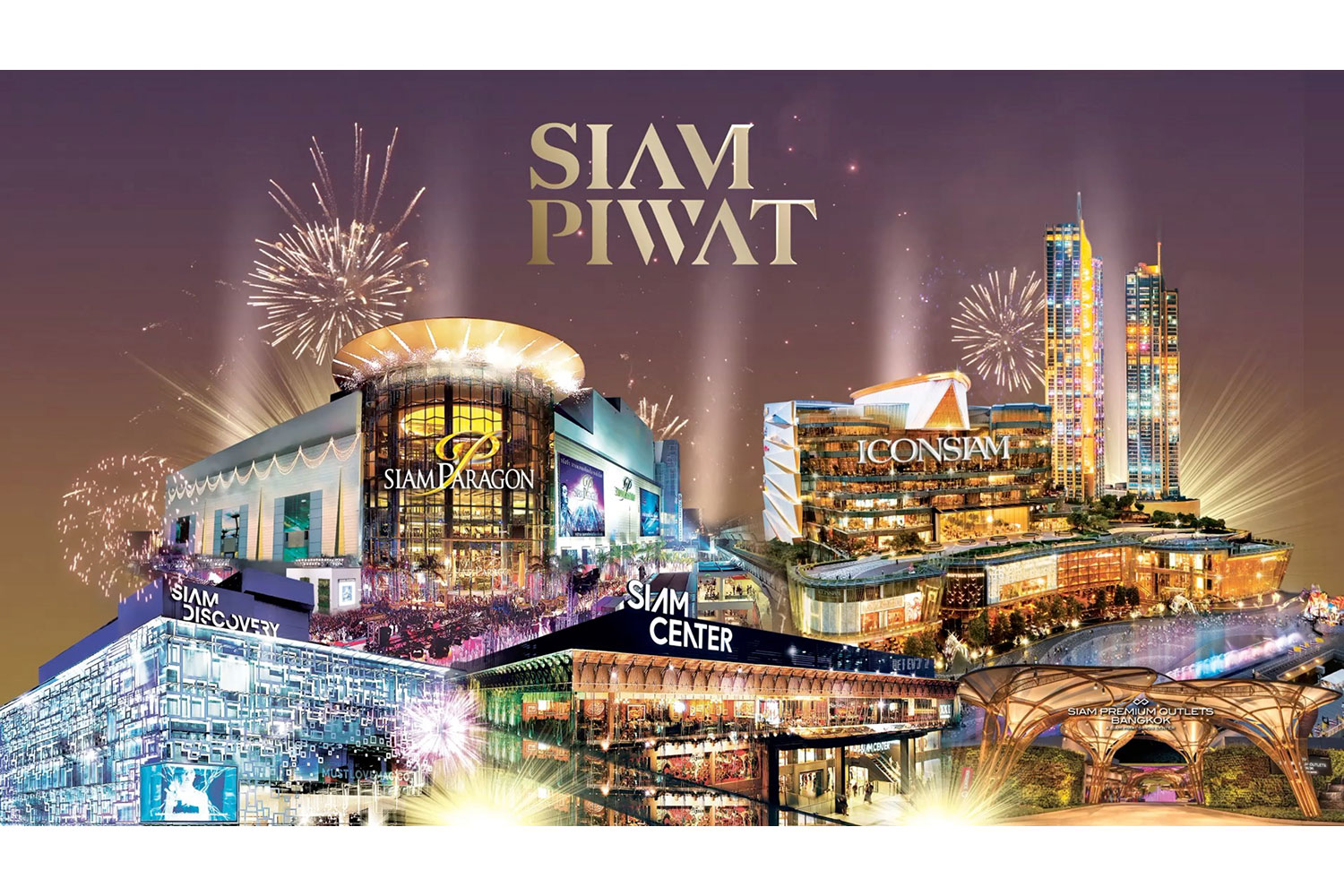
    This is the developer’s first major commercial real estate venture outside Thailand’s capital. In Bangkok, it operates Siam Paragon and IconSiam.

    IconPhuket will anchor Synthesis Ark Phuket, an 80-hectare (500 rai) mixed-use smart city managed by CV Group of Companies with a projected investment of 50 billion baht ($1.5 billion). Groundwork has started. Siam Piwat targets 80,000 to 100,000 visitors a day once the complex opens.

    Anchor Role in an 80-Hectare Smart City

    Plans centre on an open commercial model rather than an enclosed mall. One-third of the floor area will house 12 indoor and outdoor attractions alongside retail, restaurants, and cultural spaces focused on Southern Thailand’s 14 provinces. Open green space will cover over 40 per cent of the site footprint.

    The wider Synthesis Ark master plan includes condominiums, luxury villas, office towers, hotels, and healthcare clinics. Phase one finishes in 2032. Planners estimate the combined development will generate 50,000 to 80,000 direct and indirect jobs across construction and daily operations.

    A consortium of technical firms, Urban Architects, P Landscape, Atelier Ten, and Systra MVA (Thailand), will design environmental systems, smart-city transit, and waste processing.

    “Every project we undertake is designed to create meaningful value for people, partners and communities,” said Chadatip Chutrakul, chief executive officer of Siam Piwat Co., Ltd. “Building on the success of Siam District and ICONSIAM, we are now extending this vision to create a new icon for Southern Thailand and help position Phuket as a leading global destination.”

    Regional Expansion Shift for Bangkok Landlords

    Bangkok’s prime shopping corridors along Sukhumvit and the Chao Phraya riverfront are crowded. Central Pattana, Siam Piwat’s primary domestic rival, spent years opening malls across secondary provinces and tourist hubs, including Central Phuket. Siam Piwat resisted that decentralisation, choosing to concentrate capital on flagship assets in central Bangkok.

    Phuket changes that approach. The island offers direct flights from Europe, India, China, and the Middle East, reducing dependence on domestic spending. Yet relying on tourist footfall brings exposure to seasonal travel swings and geopolitical disruptions. Capital-city malls, backed by office workers and local residents, absorb those shocks more easily.

    Earlier Strategic Partnerships and Timeline

    Earlier digital partnerships laid the groundwork for the southern expansion. In July 2026, Siam Piwat partnered with Alipay+ to broaden mobile payments for Asian travellers. That followed a May 2026 deal with Huawei to introduce travel technology and wearable integration across its properties.

    Work on IconPhuket runs toward a 2029 opening, with the wider 50 billion baht Synthesis Ark district rolling out through 2032.

  • Adrian Cheng Opens 95,000Sqm K11 Select in Xiamen

    Adrian Cheng Opens 95,000Sqm K11 Select in Xiamen

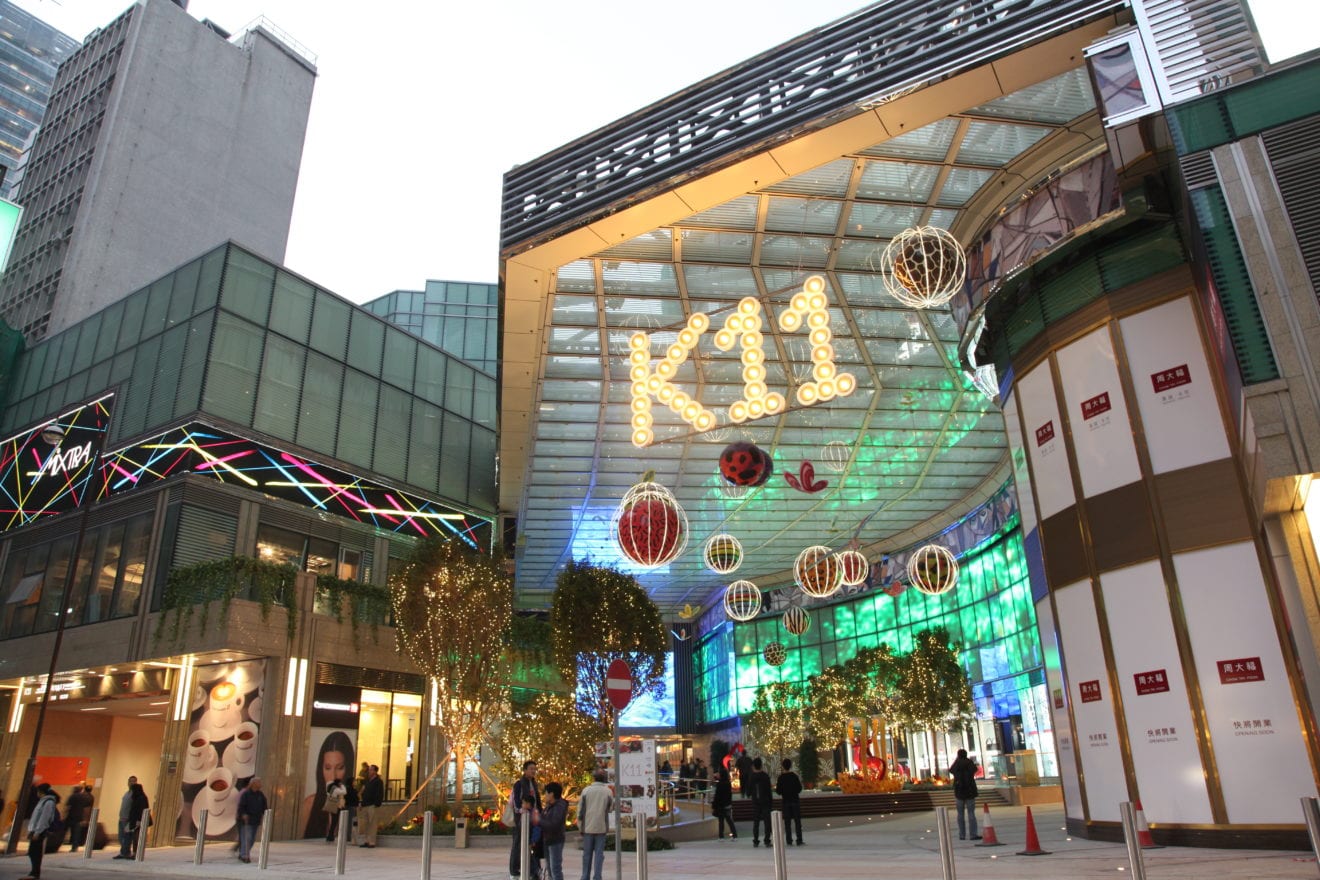
    Adrian Cheng has expanded his K11 retail concept in Mainland China with the launch of Xiamen K11 Select in October 2026. The 95,000sqm destination features around 200 brands.

    Located within the Wuyuan Bay Wetland Park TOD hub in Fujian province, the property combines shopping, art, cultural tourism, and wetland conservation.

    Transit Integration and Brand Mix

    Built with state-backed Xiamen Rail Transit Group, the project integrates direct subway connectivity into a multi-level shopping complex. Around 200 retail, dining, and lifestyle tenants occupy the space next to protected coastal wetlands. The format merges everyday commuter foot traffic with leisure spending.

    Cheng structured the property around an experiential retail model combining storefronts with cultural installations, art exhibitions, and ecological public spaces. The complex targets domestic travellers alongside local commuters who pass through the Wuyuan Bay transit node daily.

    The Cultural Tourism Format

    A cultural tourism district framework links retail revenue to municipal tourism draws. By embedding art installations and public viewing platforms across the commercial footprint, the developer seeks longer dwell times than traditional suburban malls achieve.

    Regional shopping centres in China face climbing tenant turnover and thinner margins as consumer spending shifts toward leisure. Anchoring the tenant mix to a municipal wetland park and transit junction helps insulate footfall from online retail competition.

    Operators Shift to Asset-Light Municipal Deals

    Commercial mall operators across China continue partnering with state rail corporations to secure prime urban plots without bearing sole land acquisition costs. Transit authorities supply the real estate and commuter density. Lifestyle retail specialists manage tenant acquisition, interior architecture, and daily operations.

    Similar transit-oriented retail models have expanded across second-tier Chinese metros. Local authorities require private developers to incorporate civic infrastructure, green spaces, and cultural facilities into commercial zoning approvals. The financial risk rests on tenant productivity. Retailers must generate sustained sales per square metre as discretionary consumer spending stays selective.

    Footprint Expansion Across Tier-Two Hubs

    Launched in 2008 by Cheng, the K11 brand built a network of art-centric luxury malls across Hong Kong, Shanghai, Guangzhou, and Wuhan. Opening in Xiamen pushes that footprint into Fujian province, where competing upscale landlords historically maintained a thinner presence than in the Yangtze River Delta.

    Tenant performance at the complex will test consumer appetite for cultural-commercial formats outside China’s top-tier metros. Leasing velocity and footfall conversion rates across the 200 storefronts will determine whether the joint venture adds further retail phases at adjacent transit terminals.

  • Japan 10-Year Government Bond Coupon Tops 3% for First Time in Decades

    Japan 10-Year Government Bond Coupon Tops 3% for First Time in Decades

    Japan’s 10-year government bond coupon rate rose above 3 per cent during Tokyo trading on October 6. It reached that level for the first time in three decades.

    Secondary market yields climbed alongside the new issue. Investors factored in persistent inflation pressures and sovereign debt supply.

    Yield Pressures in Tokyo

    The latest benchmark bond auction cleared smoothly. Yet pricing reflected deeper unease across institutional desks. Global sovereign debt concerns continue to push long-term interest rates higher, altering the financing market for Japanese corporations that operated under ultra-low borrowing costs for a generation.

    Higher sovereign yields directly increase capital costs for major retail chains, commercial property developers, and logistics operators across Japan. Companies renewing credit lines or issuing corporate paper face heavier interest burdens, squeezing margins while raw material costs remain volatile.

    Consumer Squeeze and Real Estate Headwinds

    Rising rates coincide with broad domestic consumer price increases, including price hikes across 3,000 food and beverage items. Households face higher living costs. Property buyers confront more expensive mortgages, cooling transaction velocity in major metropolitan centres.

    Existing condominium prices in central Tokyo recorded a fourth consecutive monthly decline as borrowing rates climbed. Commercial landlords face similar repricing pressures, forcing institutional property funds to recalculate yield spreads on retail assets and logistics hubs.

    Shifting Fiscal Landscape

    Bond yields climbed after protracted geopolitical conflict in the Middle East kept energy import costs elevated and complicated domestic monetary policy. Secondary trading pushed benchmark rates higher even as equity markets attempted to regain momentum.

    The next government debt auction will test whether institutional demand holds at the 3 per cent threshold as the Ministry of Finance outlines its upcoming bond issuance schedule.

  • KLIA Terminal 2 Retail Occupancy Reaches 93% Despite Traffic Dip

    KLIA Terminal 2 Retail Occupancy Reaches 93% Despite Traffic Dip

    Malaysia Airports Holdings Bhd maintained a 93 percent commercial occupancy rate at Kuala Lumpur International Airport Terminal 2 through August. That is up from 92 percent a year earlier.

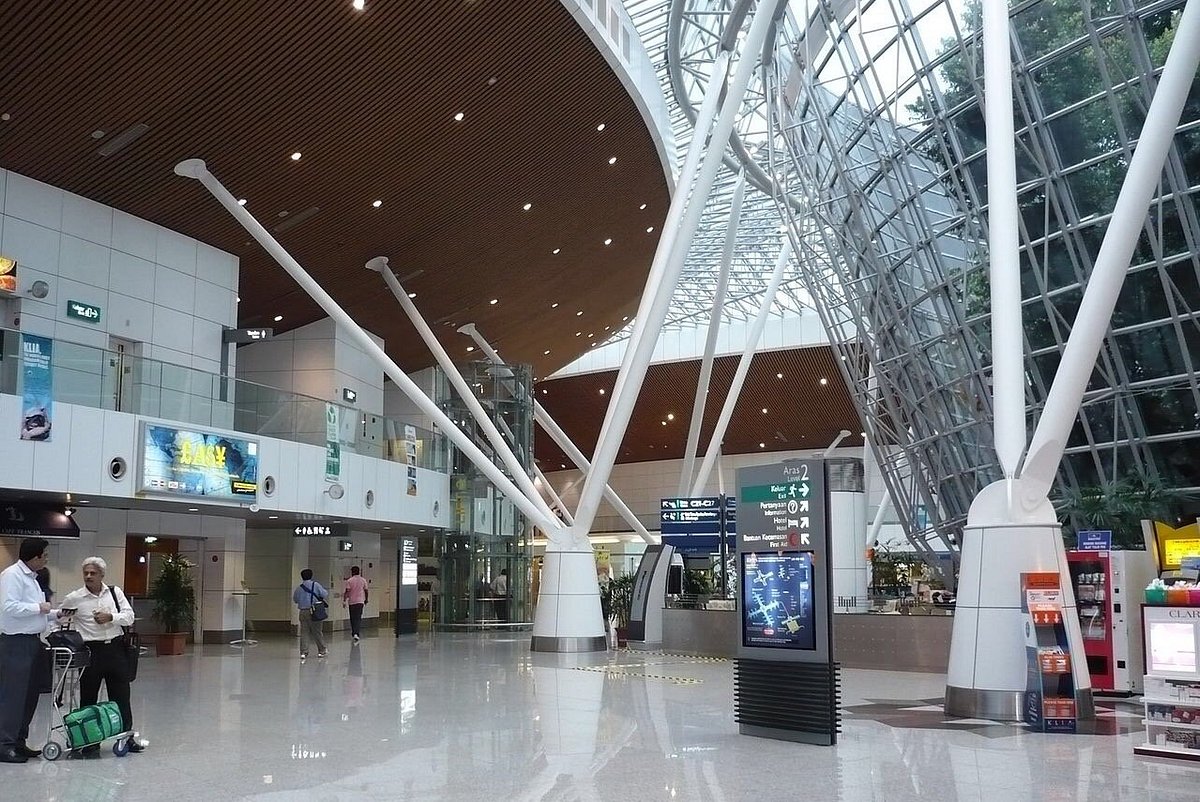
    Tenancy held steady despite a 5 percent year-on-year drop in terminal passenger traffic to 17.48 million travellers across the first eight months of the year. Boarded-up storefronts across the concourse reflect terminal reconfigurations rather than retailer departures, the airport operator confirmed.

    Floor Layouts Under Reconfiguration

    Current hoardings inside the terminal cordon off spaces undergoing renovation to improve circulation and passenger processing. Selected commercial lots in those targeted zones will be phased out before the end of December.

    MAHB withheld tenant sales figures and per-passenger spend, citing commercial sensitivity. Shop revenues depend on traveller profiles, store placement, and individual retail categories rather than gross passenger volume alone, the operator noted.

    “Some of the hoardings currently visible within the terminal are part of a planned reconfiguration of space to improve passenger processing and circulation,” MAHB said in an email response to questions from The Edge Malaysia.

    Jet Fuel Volatility Pressures Low-Cost Carriers

    Traffic declines at Terminal 2 follow route and seat cuts by budget airlines reacting to elevated fuel overheads. Global average jet fuel prices touched US$194.90 per barrel in mid-September. That represents a 116.5 percent surge from the prior year, based on Platts and S&P Global tracking data.

    Fuel expenses represent between 30 percent and 50 percent of operating costs for regional carriers. Unhedged operators such as AirAsia Group Bhd and Batik Air Malaysia absorbed the bulk of the price shock. Both cut flight capacity by up to 30 percent starting in April.

    AirAsia, the anchor operator at Terminal 2, trimmed third-quarter seat capacity by 20 percent to 25 percent. Other carriers using the terminal include Scoot, Spring Airlines, Cebu Pacific Airways, Lucky Air, Qingdao Airlines, and Shandong Airlines.

    Traffic Divergence Between Terminals

    Budget flight cuts created an operational split between the two KLIA terminals. Terminal 1, which houses full-service international carriers, recorded an 8 percent increase in passenger traffic to 24.46 million travellers between January and August.

    Total passenger volume rose 2.1 percent to 41.95 million travellers across the combined facility over the eight-month stretch. Terminal 2 footfall gained month on month during the third quarter. It rose from 1.83 million passengers in June to 1.86 million in July and 1.98 million in August.

    Across both terminals, monthly throughput reached 5.2 million passenger movements in August, up from 4.7 million in June and 5.0 million in July.

    Capacity Adjustments Ahead of Peak Season

    Reduced airline capacity directly alters the sales environment for airport concessionaires by concentrating footfall into tighter flight banks. Higher occupancy rates protect rental revenue for the landlord. However, extended capacity discipline risks dampening overall retail turnover if seat supplies do not rebound.

    Maybank Investment Bank Research calculated that every US$1 rise in jet fuel prices reduces AirAsia annual earnings by RM75 million. AirAsia shares closed at 52.5 sen on Monday, valuing the carrier at RM1.76 billion after a 70 percent drop since January.

    Attention now turns to AirAsia planned capacity restoration during the fourth quarter, alongside the completion of the airport layout modifications before the end of December.