Tag: commercial real estate

  • Singapore Land to Close Marina Square for 76,000-Square-Metre Revamp

    Singapore Land to Close Marina Square for 76,000-Square-Metre Revamp

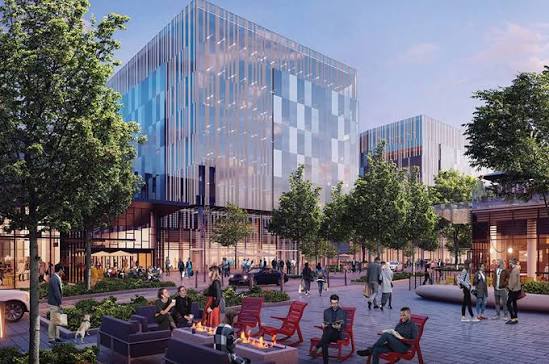
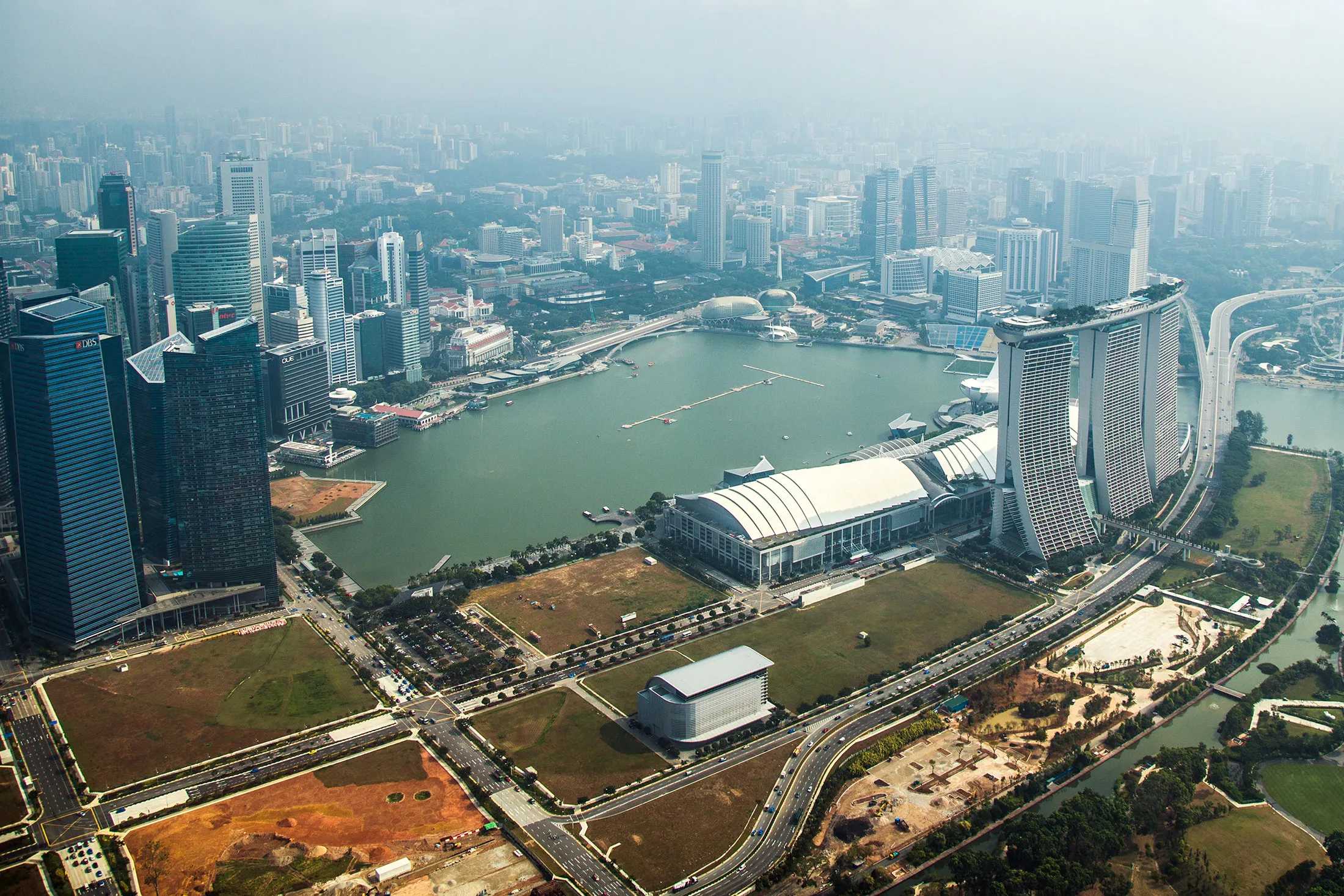
    Singapore Land will close its Marina Square retail mall on March 31 to begin a multi-year redevelopment across more than 76,000 square metres of gross floor area. The project converts the standalone four-storey shopping centre into a mixed-use complex slated for completion in 2031.

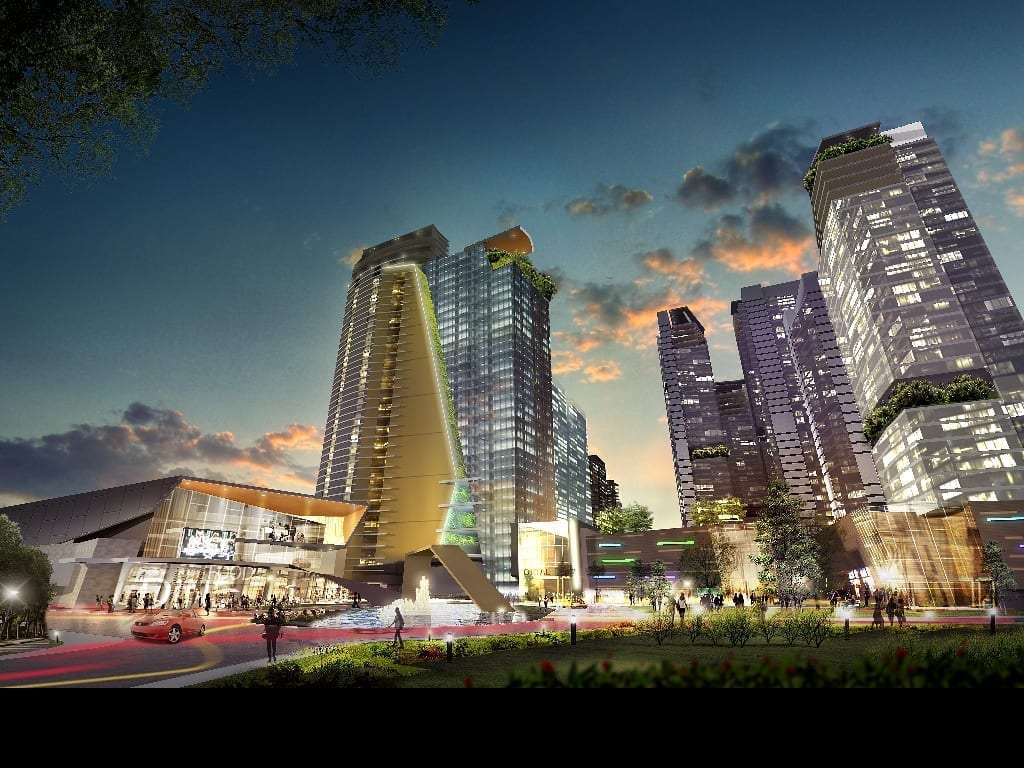
    The overhaul will add three new towers to the site. These buildings will contain 204 luxury homes, a 260-key serviced apartment development, a 304-key hotel, and approximately 13,000 square metres of Grade A office space.

    New Towers and Rooftop Links

    Plans for the redesigned four-storey podium focus on experiential retail, sports, wellness facilities, dining, and pet-friendly outdoor areas. Direct roofscape links will connect the mall to the new towers and the precinct’s three existing hotels, which will remain open during construction.

    Singapore Land intends to use the retail podium as an active conduit between residential, commercial, and hospitality traffic throughout Marina Bay across different hours of the day. The developer plans to run community activations and events before the shutdown to maintain tenant sales and visitor footfall.

    “By adding residences, serviced apartments and workplaces alongside the existing hotels and repositioning the mall around experience-led retail, sports, wellness and community, we are creating a new ecosystem where people can live, work, stay and connect,” said Jonathan Eu, chief executive of Singapore Land.

    Rethinking Prime Downtown Retail

    The project reflects a broader trend across prime Asian commercial districts, where landlords are dismantling single-use suburban-style malls in favour of dense, mixed-use assets. With e-commerce shifting retail spending patterns and office attendance remaining flexible, central developers in Singapore and Hong Kong increasingly rely on on-site residential and hotel populations to guarantee daily mall traffic.

    Tenants at Marina Square will vacate ahead of the March 31 shutdown, with construction work running through to the targeted delivery date in 2031.
  • Universal Studios Japan to Expand Osaka Park for First Time with 30,000-Square-Metre Site

    Universal Studios Japan to Expand Osaka Park for First Time with 30,000-Square-Metre Site

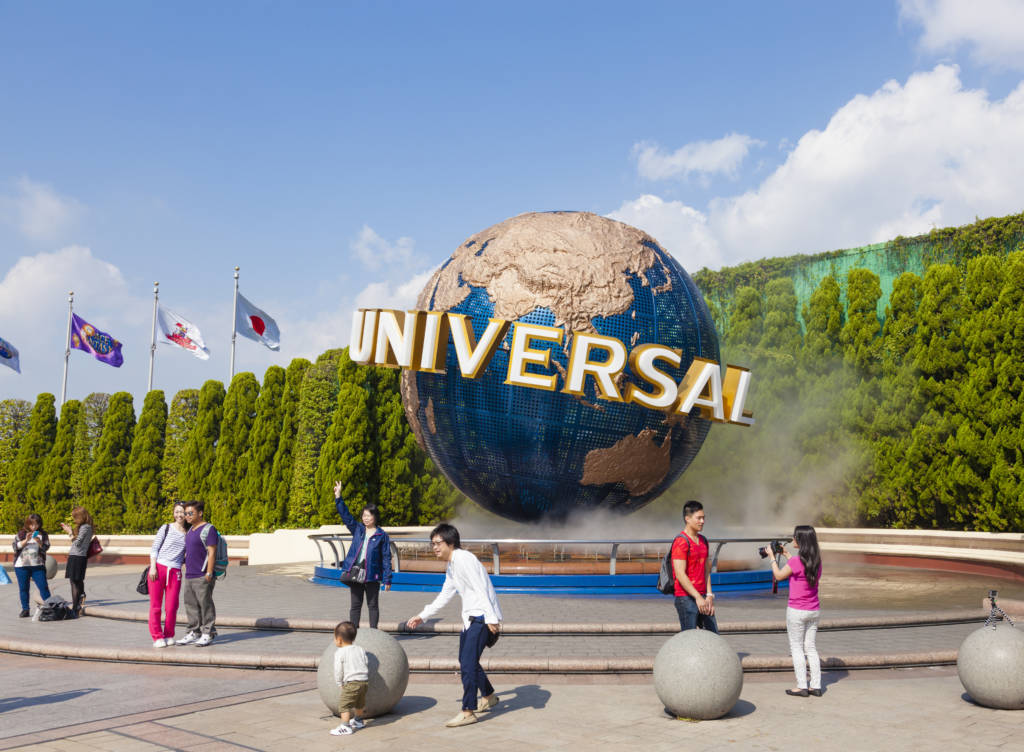
    USJ will expand Universal Studios Japan in Osaka for the first time since 2001 after securing a 30,000-square-metre plot from the city government. The transaction adds roughly 5.5 per cent to the existing 540,000-square-metre footprint, which drew 16 million visitors in fiscal 2024.

    City officials confirmed the municipal government will lease the plot on the northern edge of the park to the operator. USJ approached the city in April 2026 to negotiate long-term access, aiming to build new attractions that increase visitor capacity.

    Expanding the Waterfront Footprint

    Nippon Steel currently leases the 30,000-square-metre parcel and will return it to the city in June 2027. Osaka Mayor Hideyuki Yokoyama backed the transaction as part of a broader municipal effort to revitalize the Osaka Bay waterfront district.

    Theme park operators across Asia are adding real estate to capture rising international tourism flows, competing directly with major resort expansions in Tokyo, Hong Kong and mainland China. In Osaka, physical boundary constraints have long limited USJ to redeveloping internal zones rather than adding raw land.

    Next Steps Toward the 2028 Lease

    Before construction can begin, USJ is running environmental surveys to test for soil contamination across the industrial site. The final lease contract between the municipal government and the park operator is scheduled for completion in 2028.

  • Philippine Mall Rents Reach P1,783 per Sqm as Retail Real Estate Leads Market

    Philippine Mall Rents Reach P1,783 per Sqm as Retail Real Estate Leads Market

    Philippine retail rents rose 1.4 percent year-on-year to 1,783 pesos per square meter a month in the second quarter of 2026, keeping prime shopping malls ahead of hotels and data centers.

    The property market absorbed 26,000 square meters of new space during the three-month period, according to JLL data, while quarter-on-quarter rents edged up 0.4 percent.

    Foot Traffic and Large Formats

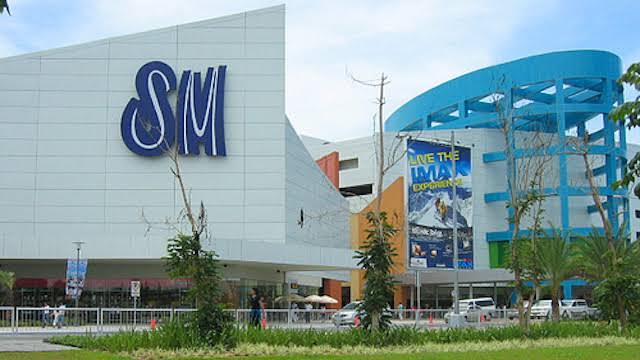
    Physical mall visits remain the core driver of commercial retail space across the country. SM Supermalls logged 1.4 billion total visits in 2025, reaching 153 million in December when holiday crowds averaged 5.5 million visitors per weekend day and 4.6 million on weekdays.

    Operators continue to anchor their portfolios around these consumer flows. SM Mall of Asia spanned about 497,000 square meters of gross floor area by 2025, while competing networks from the Ayala group and grocery operators like Puregold hold steady tenant rosters in key commercial corridors.

    Supply Pipeline and Experiential Shift

    Across Southeast Asia, mall landlords have struggled with digital channel shifts, but Philippine operators have protected yields by converting floorplans toward dining, entertainment and social spaces. Cushman & Wakefield ranked retail ahead of hotels and data centers in the Philippine commercial real estate market in 2025, noting steady leasing demand from international brands entering prime locations.

    The sector faces an influx of new physical inventory before January, with developers scheduled to complete another 160,000 square meters of retail space by the end of 2026.

  • Da Nang Airport Sets $379 Million Terminal 1 Expansion for August 2027

    Da Nang Airport Sets $379 Million Terminal 1 Expansion for August 2027

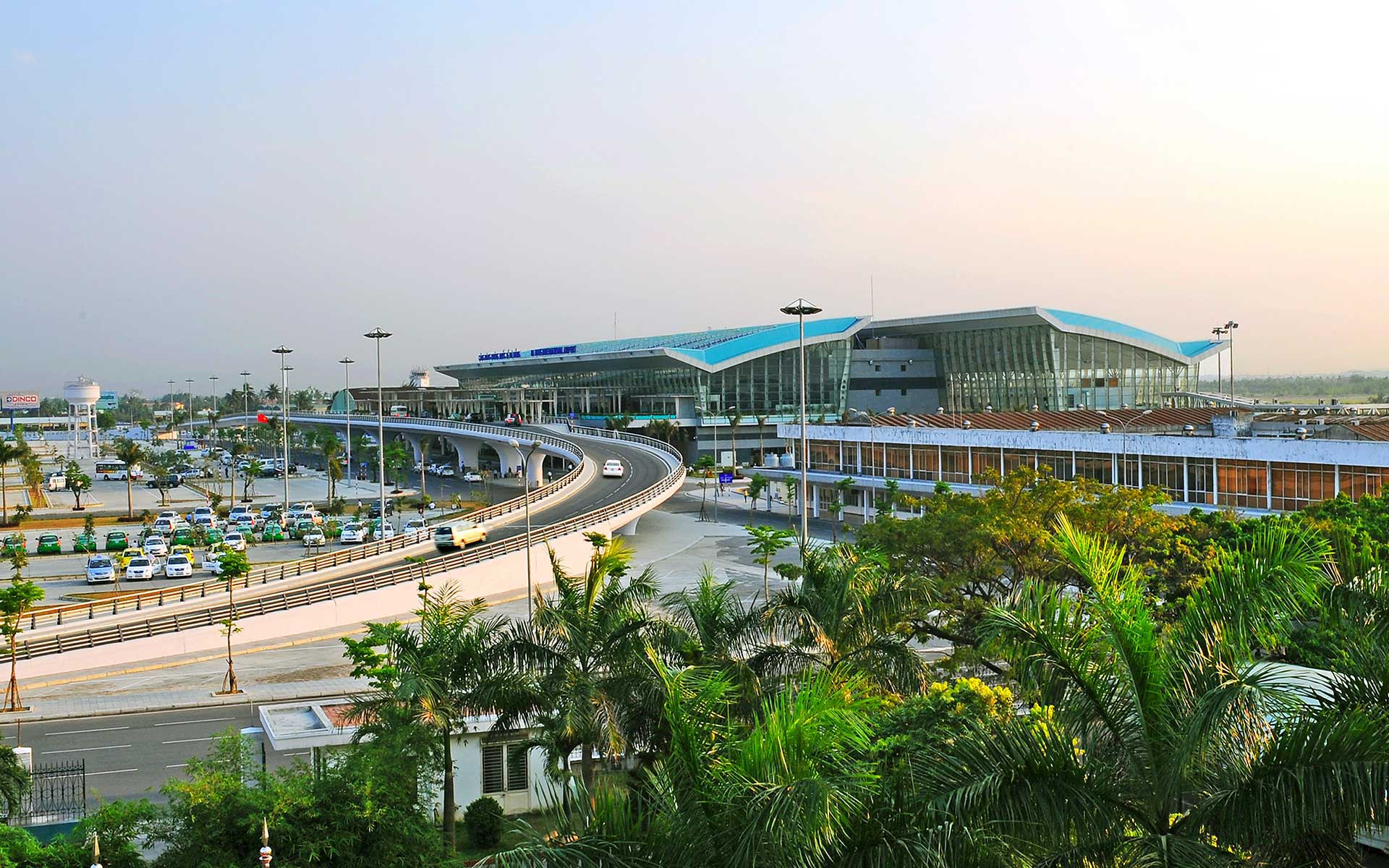
    Airports Corporation of Vietnam will start construction on a VND9.9 trillion ($379 million) expansion of Da Nang International Airport Terminal 1 in August 2027.

    The project will raise the domestic terminal’s processing capacity to 14 million passengers annually, dividing volume between 10 million domestic and 4 million international travelers.

    State operator ACV and the Da Nang municipal People’s Committee confirmed the timeline during a formal project rollout that also includes the first phase of an expanded aircraft apron. Under the construction schedule, the newly built extension will open to passengers in January 2029. Crews will then finish renovating the existing terminal structure by August 2029.

    New Commercial Space and Road Access

    Engineering plans cover auxiliary facilities and airfield infrastructure alongside the main passenger building. Contractors will rebuild the elevated access road, install a wastewater treatment plant, and lay out revised traffic lanes, landscaping, and waste collection stations.

    Commercial real estate forms a central part of the footprint. The blueprint includes a dedicated technical facility and a multi-story car park designed with integrated commercial service floors for retail and food tenants.

    Central Vietnam Gateway Capacity

    Da Nang serves as the primary commercial and tourism conduit for central Vietnam, where air traffic growth has repeatedly outpaced terminal design limits over the past decade. Expanding T1 allows ACV to relieve pressure on domestic gates while capturing higher non-aeronautical revenue from travel retail concessions, passenger dining, and airport parking.

    Work on the apron expansion proceeds first, with full terminal construction tenders expected ahead of the August 2027 groundbreaking date.

  • Makro Returns to Philippines with Four Greater Manila Outlets

    Makro Returns to Philippines with Four Greater Manila Outlets

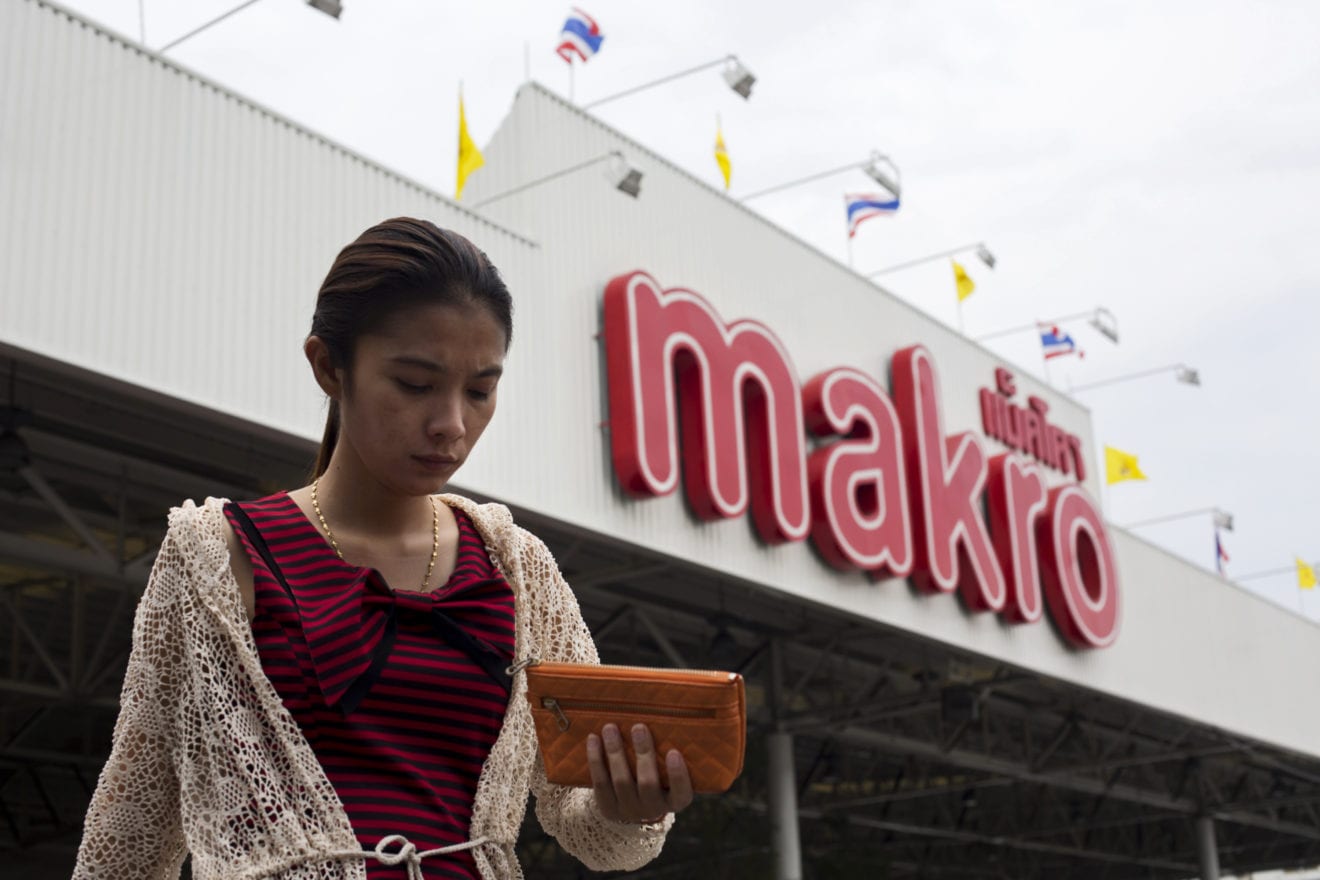
    Thai wholesale operator CP Axtra has partnered with Ayala Corporation to bring Makro back to the Philippines across four commercial estates in Greater Manila.

    Under the deal, the joint venture signed lease agreements with Ayala Land for sites in Quezon City, Taguig, Laguna, and Cavite. The cash-and-carry brand returns nearly two decades after its original footprint was sold off and absorbed by rival operators.

    Four Hubs Across Greater Manila

    All four locations sit inside key transport corridors and commercial zones. In Quezon City, Makro will open at Cloverleaf at the intersection of EDSA and the North Luzon Expressway. In Taguig, the retailer will take space inside Ayala Malls Arca South to serve the capital’s southern gateway.

    Two other branches target corridors south of Metro Manila. Broadfield in Biñan, Laguna, puts Makro inside a dedicated commercial and logistics campus. Meanwhile, Evo City in Kawit, Cavite, places the brand in a fast-growing residential and commercial district.

    Rebuilding an Old Partnership

    Makro first entered the Philippine market in March 1996 through a joint venture among Dutch retailer SHV, Ayala, and the SM Group. Ayala sold its 28 percent stake in 2004. SM took full control five years later, converting all existing branches into SM Hypermarkets by 2009.

    Today, the partnership pairs Ayala with CP Axtra, the retail arm of Thailand’s Charoen Pokphand Group, which operates Makro wholesale centres and Lotus’s supermarkets. The Philippine market offers a strong base of small merchants, food service businesses, and bulk-buying households that CP Axtra targets across Southeast Asia.

    Makro Philippines plans to open its first two stores at Cloverleaf and Arca South between the fourth quarter of 2026 and the first quarter of 2027. Openings in Cavite and Laguna will follow.

  • Robinsons Malls Adds Accessibility Upgrades Across Philippine Network

    Robinsons Malls Adds Accessibility Upgrades Across Philippine Network

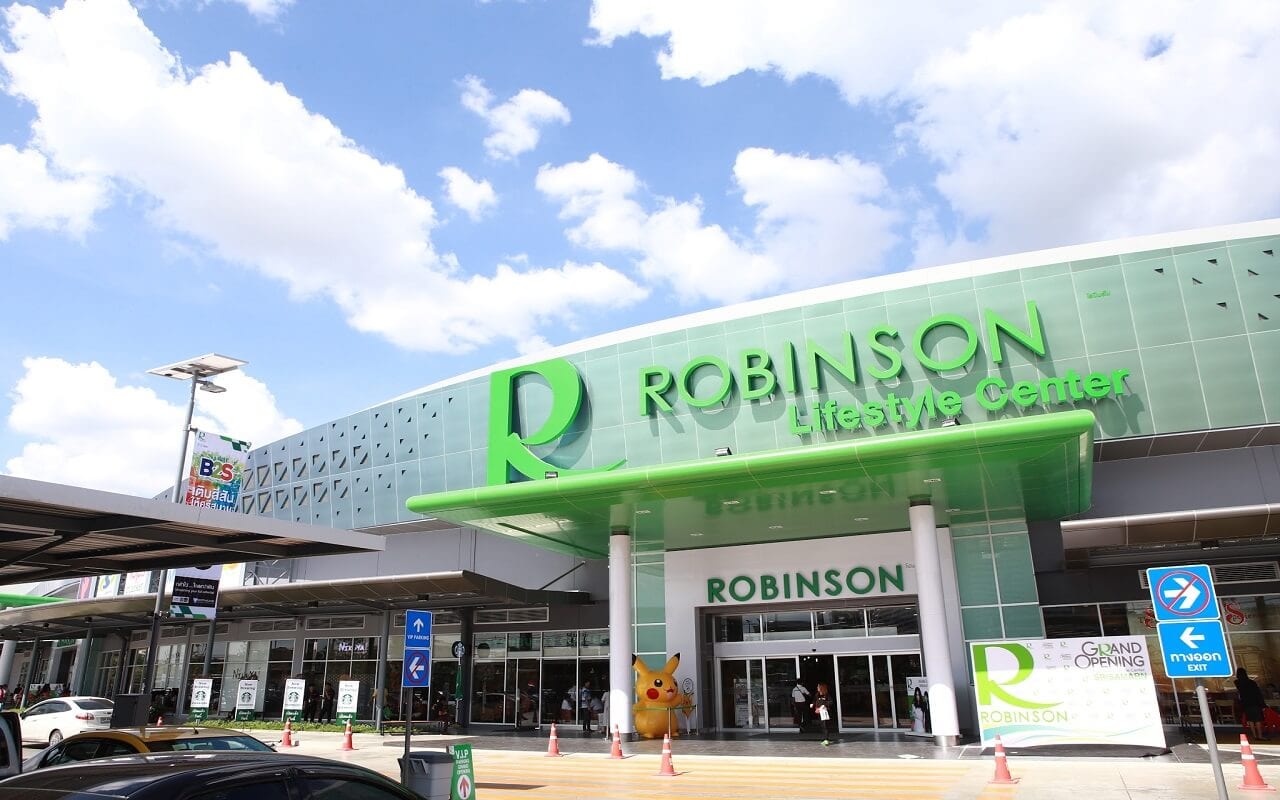
    Robinsons Land Corp. Is rolling out accessibility retrofits across its retail portfolio after Robinsons Las Pinas won a bronze award at the 31st Apolinario Mabini Awards. The recognition evaluated commercial premises on physical design adjustments and day-to-day facilities tailored for persons with disabilities.

    Organised by the Philippine Foundation for the Rehabilitation of the Disabled, the Mabini awards evaluate physical infrastructure, barrier-free pathways, operational assistance, and staff readiness across commercial properties. Robinsons Las Pinas took the Bronze Award in the Disability-Friendly Establishment category.

    Portfolio Retrofits and Building Standards

    Design teams at Robinsons Land Corp. Are adapting architectural layouts across existing properties to align with updated accessibility targets. The program covers ramps, accessible rest areas, dedicated parking bays, transit access points, and service counters designed for wheelchair users and visitors with mobility limits.

    Operational protocols also involve coordination with local community organizations and government agencies to ensure frontline mall personnel handle customer assistance requests correctly. Two other portfolio properties, Robinsons Magnolia in Quezon City and Robinsons Galleria South in San Pedro, Laguna, previously earned Mabini awards under similar operational audits.

    Commercial Footprint in Greater Manila

    Philippine mall developers face rising pressure to modernize older suburban assets as shopping centres evolve into community service centres handling government agencies, clinics, and everyday retail. Metro Manila shopping complexes compete intensely on basic convenience and universal access to retain family foot traffic.

    Property owners that neglect universal design risk losing footfall from multi-generational shopping groups, particularly as suburban transit links bring older shoppers and mobility-impaired visitors directly into retail corridors. Robinsons Malls plans to maintain these design standards as baseline criteria for upcoming renovations and new mall openings across regional provinces.

  • SM Retail Revenue Hits 223.6 Billion Pesos as Network Expands Beyond Manila

    SM Retail Revenue Hits 223.6 Billion Pesos as Network Expands Beyond Manila

    SM Retail posted first-half 2026 revenues of 223.6 billion pesos ($3.7 billion), up 5.6 per cent from a year earlier. Regional consumer spending gathered pace across the Philippines.

    Net income rose 6.0 per cent to 8.9 billion pesos ($270 million). Same-store sales grew 2.9 per cent across a nationwide network of 4,837 stores.

    Food and Speciality Stores Drive Turnover

    Food retail generated roughly 60 per cent of total sales across 2,824 points of sale. It rose 6.1 per cent with same-store gains of 3.3 per cent. SM Store, the group’s 79-location department store chain, grew revenue 3.2 per cent. Speciality store sales expanded 5.9 per cent, even after the operator closed a net 73 outlets to trim marginal locations.

    The company relies on an asset-light format by leasing space within sister developer SM Prime’s commercial properties. Of the 490 physical stores opened over the past year, 80 per cent sit outside Greater Manila. These target provinces where modern retail still represents less than half of household shopping spend.

    Mall Developer Backs Bay Reclamation

    SM Prime lifted first-half revenue 5.3 per cent to 71.7 billion pesos ($1.2 billion). The developer operates 90 malls across the Philippines and nine in mainland China. Rental income provided more than 60 per cent of that total. Revenue from leisure facilities, including cinemas and ice-skating rinks, rose by more than 10 per cent during the same period.

    Expansion into secondary provinces mirrors retail decentralisation across Southeast Asia, where operators such as Central Group in Thailand and Vincom Retail in Vietnam build commercial centers ahead of rising provincial incomes. Remittances from overseas workers feed directly into these regional retail hubs. They underpin Philippine private consumption at 75 per cent of gross domestic product.

    Work continues on Pasay 360, a 360-hectare Manila Bay reclamation joint venture with local authorities. The project will expand the Mall of Asia complex with new commercial, hotel, and residential districts over multiple development phases.

  • Simon Property Group Revenue Jumps 20 per Cent as Retailer Leasing Surges

    Simon Property Group Revenue Jumps 20 per Cent as Retailer Leasing Surges

    Simon Property Group lifted second-quarter revenue by 20 per cent to US$1.79 billion as retailer demand pushed occupancy across its global portfolio to 96 per cent.

    The shopping centre landlord completed more than 1,200 lease deals during the three-month period, up 20 per cent year over year, with rent spreads on new leases gaining 17 per cent.

    First-half revenue reached US$3.548 billion, also up 20 per cent compared to the same period in 2025. Net after-tax income attributable to stockholders fell 13.1 per cent to US$483.1 million in the quarter, leaving first-half profit flat at US$962.7 million. Funds from operations totaled US$1.185 billion in the second quarter and reached US$2.293 billion across the first six months.

    Outlet conversions and tenant mix

    Average base minimum rent across the US properties rose 6.3 per cent to US$62.42 per square foot. The landlord is carving up approximately 1 million square feet of shuttered Saks Off 5th outlet space into smaller parcels, which chief executive Eli Simon said will lift rental revenue on those boxes from US$18 million to US$44 million.

    Leasing demand spanned athleisure, home goods, Gen Z apparel, and Asian beauty and collectables brands entering physical formats. Food and beverage operators form another core target, with incoming restaurant projects expected to generate between US$400 million and US$500 million in incremental sales across regional centres.

    Global footprint and Asia presence

    The company ended June with 175 malls and premium outlets in the United States, 16 Mills properties, and 42 international centres. Its Asian footprint comprises 19 locations, led by 10 properties in Japan and seven in South Korea.

    Asian outlet centres operated through joint ventures continue to capture cross-border retail traffic, serving as low-risk entry points for brands testing overseas demand without committing to high-street flagships. RetailNews Asia tracks how western mall operators increasingly count on Asian beauty, lifestyle, and character-merchandise concepts to fill medium-sized vacancies left by shrinking traditional apparel chains.

    Management allocated all first-half capital expenditure toward densification, hotel additions, and residential mixed-use redevelopments rather than new ground-up mall openings, with re-leasing work on the remaining outlet vacancies scheduled through 2027.

  • Ayala Land Signs Makro Wholesale for Four Mixed-Use Luzon Estates

    Ayala Land Signs Makro Wholesale for Four Mixed-Use Luzon Estates

    Ayala Land Inc. Signed long-term lease agreements with Makro Philippines to open four large-format wholesale stores across its master-planned estates in Luzon.

    The rollout puts the wholesale brand into Cloverleaf in Quezon City, Arca South in Taguig, Broadfield in Laguna, and Evo City in Cavite.

    Lease Terms and Property Footprint

    Under the agreement, Ayala Land retains land ownership across the standalone sites in Broadfield, Evo City, and Cloverleaf. Makro will finance, construct, and operate those three locations. At the 74-hectare Arca South development in Taguig, the retailer will take space directly inside the local Ayala Mall.

    Makro Philippines operates as a joint venture between conglomerate Ayala Corp. And Thailand-based CP Axtra Public Co. Ltd., the wholesale and retail arm of Charoen Pokphand Group. The stores will sell fresh produce, dry groceries, imported lines, and nonfood merchandise to commercial buyers and retail households through physical warehouses and an integrated digital ordering platform.

    Wholesale Expansion Across Growth Corridors

    Wholesale clubs and membership formats across Southeast Asia have accelerated their push beyond central business districts to capture rising suburban grocery spend. CP Axtra has pursued international growth outside Thailand to scale its cash-and-carry model, while Ayala Land gains steady rental yields and anchor foot traffic across its mixed-use land bank.

    Development schedules now shift to site preparations at Broadfield and Evo City as Makro begins construction across the three standalone suburban plots.

  • Scentre Group Lifts Full-Year Guidance to 23.79 Cents on High Mall Occupancy

    Scentre Group Lifts Full-Year Guidance to 23.79 Cents on High Mall Occupancy

    Scentre Group lifted its full-year earnings forecast after generating $612 million in first-half funds from operations across its Westfield shopping centres in Australia and New Zealand.

    The Sydney-headquartered landlord now projects full-year funds from operations to rise at least 4.25 per cent to 23.79 cents per security, with distributions tracking the same percentage increase. Operating earnings reached 11.73 cents per security during the six months to June 30, while distributions rose 4.9 per cent to $481 million.

    Sales and Footfall Gains

    Customer traffic across the portfolio rose 3.5 per cent to 347 million visits during the first half. Westfield membership expanded to 5.2 million users, supporting higher transaction volumes across managed retail space.

    Occupancy reached 99.8 per cent, gaining 10 basis points from the prior year and holding at its highest rate in more than a decade. Specialty retailer sales grew 5.1 per cent over the half, while total partner sales increased 3.7 per cent across the network.

    Property Valuations and Portfolio Value

    Statutory profit for the half finished at $975 million, supported by an unrealised property valuation increase of $478 million. Total portfolio assets stood at $33.7 billion at the close of June.

    The performance reflects solid rental retention across primary retail hubs, matching the previous year’s 4.9 per cent earnings growth when operating funds reached $1.18 billion. Chief Executive Elliott Rusanow confirmed the group will focus on expanding land-use yield and commercial partnerships across its existing properties through the remainder of the fiscal year.

  • Nomura Real Estate Master Fund Buys Tokyo Best Western for $55 Million

    Nomura Real Estate Master Fund Buys Tokyo Best Western for $55 Million

    Nomura Real Estate Master Fund has agreed to acquire the Best Western Hotel Fino Tokyo Akasaka from developer Ichiken for JPY 8.7 billion ($55 million). That prices the 87-key property at JPY 100 million ($626,000) per room. The price represents a 20 percent discount to its July appraisal value of JPY 10.9 billion.

    Settlement will take place on 1 September following signing on Thursday, funded with cash on hand. Ichiken carries the asset at JPY 5.3 billion on its books. The sale delivers a gross spread of JPY 3.4 billion before transaction expenses.

    Property Cash Flow and Operator

    Completed in March 2020, the 13-storey building spans 2,385 square metres in Minato ward. It sits three minutes on foot from Akasaka and Akasaka-mitsuke subway stations. Double rooms make up 86 percent of the inventory. That space includes 22 moderate doubles, 53 superior doubles, 11 superior twins and one accessible deluxe twin.

    Polaris Holdings operates the property under a lease where rent is calculated as a fixed percentage of gross operating profit. Foreign visitors represent 95 percent of all guests and stay an average of 3.7 days. Based on an appraisal net operating income of JPY 385 million, the asset yields 4.4 percent on the purchase price.

    Portfolio Shift Toward Hospitality

    The acquisition expands the trust’s hotel holdings by 31 percent to JPY 37 billion across nine properties. Hospitality now accounts for 3.3 percent of total portfolio assets, up from 2.6 percent. Greater Tokyo hotel exposure increases to JPY 11.1 billion from JPY 2.4 billion. Master Fund holds JPY 1.1 trillion across commercial, logistics, residential and lodging assets.

    Recent portfolio moves include Master Fund’s sale of eight residential buildings to Integral Real Estate for JPY 10.8 billion in March 2025 and its March purchase of two Tokyo properties for JPY 8.9 billion. Looking ahead, Minato ward is targeting more than 9 million overnight stays in 2026, up from 8 million in 2024.

  • Sajo Seafood Buys Hines Cold Chain Shed in Greater Seoul for $65M

    Sajo Seafood Buys Hines Cold Chain Shed in Greater Seoul for $65M

    Sajo Seafood agreed to buy a Greater Seoul cold storage warehouse from Hines and Pebblestone Asset Management for KRW 90 billion ($65 million).

    The purchase gives the South Korean tuna processor and deep-sea fishing group full ownership of Hines Logistics Namyang in Hwaseong, Gyeonggi province. Sajo said the acquisition will expand its storage operations and add a direct distribution hub serving the capital region.

    Payment Schedule and Asset Specs

    Regulatory filings show Sajo paid an initial 10 percent deposit of KRW 9 billion. A second installment of KRW 18 billion falls due on 30 September, with the final KRW 63 billion balance scheduled for payment when the property transfers on 26 November.

    At the agreed price, Sajo is paying just under KRW 2 million per square metre of floor space. Completed in 2023, the four-level facility spans 487,258 square feet of gross floor area across ambient and refrigerated zones, featuring full ramp access, 10-metre clear ceiling heights, and floor load capacities up to 2.5 tonnes per square metre. E-commerce giant Coupang Fulfillment Services and Korea Food Services Corporation occupy space as key tenants.

    Shifting Cold Chain Capital

    Houston-based Hines and Seoul-based Pebblestone broke ground on the Namyang site in late 2021 as Hines made its first direct property investment in South Korea. The exit allows both managers to return capital after building out the multi-temperature asset from scratch on a 30,658-square-metre plot.

    Food producers across East Asia continue to buy dedicated logistics hubs rather than rely entirely on third-party cold chain operators, aiming to lock in temperature-controlled capacity near dense urban populations. The Hwaseong site sits within 50 kilometres of 21 million consumers, positioned between Incheon Airport, Incheon Port and Pyeongtaek Port.

    Hines has stepped up capital recycling across Asia, selling a Tokyo office tower to LaSalle Investment Management while acquiring Singapore retail assets. The final ownership transfer for the Hwaseong cold storage facility remains on track for completion on 26 November.

  • Australia CBD Retail Vacancy Rises to 10.8% on Melbourne Supply Wave

    Australia CBD Retail Vacancy Rises to 10.8% on Melbourne Supply Wave

    Australia’s central business district retail vacancy rate rose 40 basis points to 10.8 per cent in the first half of 2026 as fresh retail completions in Melbourne added new space.

    A survey of 5,669 retail tenancies across five state capitals by real estate services firm CBRE showed that shop vacancies declined in four of the five cities, leaving Melbourne as the lone driver of the national increase. Melbourne’s CBD vacancy rate climbed 160 basis points to 8.1 per cent following the launch of two retail centres. Sydney held the tightest retail core in the country, with vacancy standing at 5.3 per cent.

    State Capital Breakdown

    Adelaide posted the sharpest improvement among metropolitan centres, where retail vacancy dropped 130 basis points to 10.4 per cent. Brisbane recorded an 80-basis-point decline to 16.7 per cent, while Perth edged down 10 basis points to 18.5 per cent.

    Physical retail space in Australian city centres remains structurally tight over the long term. CBD retail stock accounted for just 4.2 per cent of total new retail supply built across the country over the past decade, limiting the risk of prolonged oversupply even as consumer budgets tighten.

    Luxury and Experiential Demand

    Foot traffic gains from returning office workers, inbound tourists, and major events have kept cash registers moving in primary shopping strips. Luxury brands and premium apparel retailers continue to take prime floor space in Sydney and Melbourne, competing directly against dining and wellness concepts that landlords rely on to anchor footfall.

    For retail property operators across the Asia-Pacific region, Australia’s low single-digit prime core vacancies mirror similar supply squeezes in Tokyo and Singapore. Landlords in secondary locations, however, face longer leasing cycles as retail groups focus their capital expenditure almost exclusively on high-traffic street corners and flagship malls.

    Leasing agents now turn their attention to absorption rates in Melbourne’s two newest downtown complexes over the second half of 2026, which will determine whether the city’s vacancy rate stabilizes before next year’s development pipeline delivers.