Tag: commercial real estate

  • Investa and BGO Expand Australian Office Venture to A$1.8 Billion

    Investa and BGO Expand Australian Office Venture to A$1.8 Billion

    Investa and North American investment giant BGO expanded their Australian commercial property partnership to A$1.8 billion with an agreed A$715 million portfolio purchase across Sydney and Brisbane.

    The acquisition covers 123 Albert Street in Brisbane alongside 30-34 and 36 Hickson Road in Sydney, splitting ownership equally between BGO and the Investa Commercial Property Fund at the Queensland site.

    Alongside the joint portfolio purchase, the A$6 billion Investa Commercial Property Fund agreed last month to sell 1 Market Street in Sydney for A$450 million to the Investa Core Plus Office Partnership. Chief Executive Peter Menegazzo said the sale frees capital from a 30-year-old building to manage fund gearing following recent development outlays.

    “Office is back,” Menegazzo told the Mingtiandi Australia Forum in Sydney. “We operate in a cyclical sector and industry, and we knew it would come. It was just a matter of when.”

    Capital recycling and portfolio reshuffle

    The transaction at 1 Market Street relies on rental growth across roughly 50 tenants rather than cap rate compression, offering frequent windows to reset income to current market levels. Sydney has recorded consecutive quarters of net absorption, underpinning institutional demand for well-located assets with manageable vacancy risks.

    Investa signed 133,000 square metres of leases over the past 12 months. Tenants with lease expiries falling between 2029 and 2031 are already opening renewal negotiations early to lock in prime space ahead of projected shortages.

    Development barriers squeeze prime office supply

    Elevated construction costs and tight capital markets have stalled the supply pipeline across major Australian central business districts. New developments require asking rents between 30 and 50 percent above prevailing levels, alongside lower capitalisation rates, to reach commercial viability.

    Sydney faces a four-to-five-year development cycle, prolonging the shortage of modern office space. Institutional buyers are responding by acquiring standing premium buildings at prices below replacement cost rather than taking on greenfield construction risk.

    Brisbane displaces southern office capital

    Brisbane has emerged as one of the strongest office markets globally for effective rental growth over the past 18 to 24 months. Queensland’s commercial property market is drawing allocations away from Melbourne, supported by Olympic infrastructure preparations and tight physical supply.

    Offshore institutions are widening their presence in Brisbane. Recent transactions include Japanese investment into Central Plaza I, TPG’s venture with GPT on Central Plaza II, and Barings’ A$700 million acquisition of 480 Queen Street.

    Asian institutional backing expands into living sectors

    Japanese capital has expanded beyond traditional commercial towers into Australian living sectors. Daibiru bought 135 King Street in Sydney for A$600 million from Investa’s flagship fund last year, adding an ongoing management mandate.

    Tokyo-based groups JR West Real Estate & Development, Sotetsu Real Estate and Sumitomo Mitsui Trust Bank are financing Investa’s 251-studio co-living project at 140 Elizabeth Street in Sydney. The company is now seeking A$500 million in equity to back a co-living platform with A$1 billion in initial development capacity, with negotiations underway on the capital commitment.
  • Southeast Asian Buyers Lead Hong Kong Commercial Property Inflows with HK$3.37 Billion

    Southeast Asian Buyers Lead Hong Kong Commercial Property Inflows with HK$3.37 Billion

    Southeast Asian investors spent HK$3.37 billion on Hong Kong commercial property this year, overtaking mainland Chinese buyers as the city’s largest source of non-local capital.

    The capital injection represents over 11 per cent of the HK$30.36 billion recorded across commercial transactions above HK$50 million so far in 2026, according to transaction data compiled by Savills. Local Hong Kong capital generated HK$25.25 billion, or 83.2 per cent of the total, while mainland Chinese buyers accounted for HK$1.75 billion, representing 5.8 per cent.

    Singaporean groups drove the bulk of the cross-border activity across three distinct profiles: corporate occupiers, private family capital, and specialized accommodation operators. DBS Bank Hong Kong completed the largest corporate transaction, paying HK$2.62 billion for 152,000 square feet across several floors at The Center. In Tai Kok Tsui, Wee Hur Holdings acquired One Bedford Place, an office property measuring 184,041 square feet, for HK$748.8 million.

    Repurposing Commercial Assets for Living Sectors

    Operator capital is targeting conversion opportunities rather than traditional office leasing. Centurion Holdings provisionally agreed to purchase Yan Wo Building in North Point for HK$364 million under a deal registered on August 25. Outside commercial zoning, private vehicle The Style Limited, backed by Singapore directors Luk Kwok Wing and Wee Teng Yuan, paid nearly HK$1.17 billion for the 30-unit luxury residential enclave Jadebeach Villa in Chung Hom Kok.

    Both Wee Hur and Centurion run purpose-built student accommodation platforms across Singapore, Australia, and the UK. Their entry into Hong Kong relies on the government’s Hostels in the City policy, which permits landlords to convert commercial properties into student housing without individual planning approval while retaining existing gross floor area.

    Displacement of Mainland and Western Funds

    This pattern marks an outright reversal of the regional capital hierarchy. Mainland Chinese and Western institutions previously dominated large-ticket transactions in the city, but their deployment has ground to a halt as balance-sheet distress and high debt costs keep them on the sidelines.

    For retailers, hospitality operators, and institutional landlords, Singaporean capital brings operational expertise in managing high-density living spaces rather than speculative office plays. The primary risk sits in execution: commercial conversions carry structural limitations, and returns hinge on sustained non-local student arrivals rather than corporate tenant expansion.

    Resetting Asset Valuations

    Last year, mainland Chinese buyers topped all non-local investors with HK$16.06 billion, or 34 per cent of the HK$47.32 billion total transaction volume. Investors from the United States and Canada deployed HK$7.58 billion, or 16 per cent, while European buyers spent HK$940 million. Southeast Asian capital ranked third in that period at HK$1.74 billion.

    “Pricing has reset far enough for buyers without legacy Hong Kong exposure to underwrite assets that local owners are having to release,” said Nicholas To, senior associate director for investment at Savills Hong Kong.

    The next metric to monitor is the conversion velocity of Yan Wo Building and One Bedford Place as developers test final yields against the government’s expanded 50 per cent quota for non-local university admissions.

  • China August Exports Surge 25% as Real Estate and Retail Slump

    China August Exports Surge 25% as Real Estate and Retail Slump

    Slower consumption and a sharper fall in property investment in August 2026 pushed the Chinese economy deeper into difficulty, showing pressure on policymakers to deliver more stimulus.

    The twin drag from sluggish domestic retail demand and falling real estate outlays left the country dependent on foreign shipments, where outbound trade surged 25 per cent during the month.

    Property Slump Weighs on Household Demand

    Unfinished housing developments in Hebei province, documented by Reuters, illustrate how the property downturn continues to suppress asset values and prompt households to curb discretionary spending.

    Retail operators face a challenging operating environment as domestic shoppers hold back purchases. Brands that expanded floor space across secondary and tertiary cities now confront weaker footfall, leaving store networks with higher inventory overheads and compressed operating margins.

    Export Strength Offsets Domestic Drag

    External trade provided the single major counterweight to weakening internal activity. China’s trade surplus topped $800 billion for the year following the August export surge, keeping industrial assembly lines active even as domestic order books thinned.

    Relying on overseas demand presents clear operational risks for manufacturers and retail suppliers. Export strength cannot replace broad-based retail consumption across China’s tier-one and tier-two metropolitan centers, where commercial landlords and department stores remain exposed to cautious tenant leasing.

    Policy Measures Under Scrutiny

    State planners have approached broad monetary easing with caution, preferring targeted injections rather than wide-scale consumer subsidies. State bank and insurer shares retreated after a proposed $54 billion capital injection plan failed to revive wider market confidence.

    RetailNews Asia sees consumer-facing businesses adjusting expansion budgets across the mainland while monitoring national retail sales prints and property start data scheduled for release in October.

  • Apollo Extends $585 Million Financing to the Executive Centre

    Apollo Extends $585 Million Financing to the Executive Centre

    US-based asset manager Apollo Global Management has extended $585 million in financing to office space provider The Executive Centre, the company announced on Tuesday.

    Proceeds from the deal will be used to refinance existing debt and support expansion plans for Hong Kong-headquartered TEC, which operates more than 260 centres across 38 cities in the Asia-Pacific region and the Middle East.

    Refinancing and expansion terms

    The facility restructures TEC’s balance sheet and provides fresh liquidity for capital expenditure. Flexible office operators need steady outlays to fit out premium corporate floors before lease income starts flowing. Long-term private credit locks in funding for Tier 1 commercial openings. Crucially, it avoids equity dilution.

    Prime financial district locations and enterprise contracts define the model, covering serviced offices, boardrooms and business lounges in Grade A towers rather than low-cost coworking hubs. This setup shields the business. It avoids the volatility that hit mass-market desk-sharing operators.

    Premium workspace economics

    Fresh capital gives the company runway to expand into secondary regional hubs where multinational corporate demand remains steady. Landlords across Tokyo, Singapore and Sydney continue allocating square footage to managed workspace partners to fill vacancies in prime towers. TEC absorbs that floor space under long-term leases or management contracts, passing fit-out costs through structured enterprise fees.

    Financial risk sits in the spread between fixed master-lease commitments and corporate tenant retention. Private credit lenders like Apollo demand strict debt service coverage. Occupancy rates in core gateway markets must therefore hold above historical averages to justify ongoing expansion costs.

    Funding pipeline

    Talks for the loan package surfaced in August, when initial reports indicated TEC sought roughly $500 million for debt refinancing and capital expenditures. Apollo expanded the final facility to $585 million. The larger package clears near-term maturities and backs additional fit-outs.

    Attention now turns to the deployment pace across key Southeast Asian and Middle Eastern growth corridors, where the company plans to commission its next batch of Grade A centres.

  • NFD Korea Starts Work on 300MW AI Data Campus in Dangjin

    NFD Korea Starts Work on 300MW AI Data Campus in Dangjin

    NFD Korea has started development on a 300-megawatt artificial intelligence data center campus in Dangjin, roughly 90 kilometers southwest of Seoul.

    Building permits for an initial 200-megawatt phase came through in September 2026. General contractor DL E&C broke ground in early November.

    A second agreement signed on September 9 with Chungcheongnam-do Province, Dangjin City, and EFD Co. Added a 100-megawatt parcel (Building C) valued at 1.24 trillion won ($920 million). Permitting for that final block wraps up in December 2026. The completed 300-megawatt facility will use liquid cooling engineered for rack densities up to 160 kilowatts to handle AI model training and inference workloads.

    Securing power outside the capital

    Grid bottlenecks in greater Seoul have pushed data center developers into industrial belts further south. Securing high-voltage power allocations near the capital now takes years. Operators also face regulatory delays and local residential pushback.

    Placing the campus inside the Songsan 2 General Industrial Complex avoids urban zoning disputes and secures grid access. Korea Electric Power Corporation has committed a full 300-megawatt supply. LS Electric will deliver step-up transformers in stages across 2027 and 2028.

    Between low community-opposition risk inside the industrial complex, proximity to the Seoul metro, and strong local government backing, Dangjin is positioned to deliver AI data center capacity quickly.

    The race for high-density capacity

    High-density space remains scarce for cloud providers and hyperscalers entering South Korea. Standard enterprise facilities cannot handle the heat generated by modern graphics processing units. Most of these processors require dedicated liquid cooling.

    Institutional real estate investors across Asia are shifting capital away from speculative logistics and into purpose-built computing hubs backed by long-term leases. NFD Korea is currently negotiating terms with international cloud service providers and AI firms to anchor the Dangjin site before commercial rollout.

    Building out a national pipeline

    Dangjin’s buildout follows an initial memorandum of understanding signed in 2023 for the first 200 megawatts across Buildings A and B. Founder and chief executive Choi Jae-woo, a former infrastructure lead at Amazon Web Services and Brookfield-backed DCI Data Centers, launched NFD Korea to develop a gigawatt-scale pipeline across the country.

    In Yongin City, the developer broke ground on an 80-megawatt hyperscale facility in September 2025. That site will also go live in 2028.

    Commercial service for Dangjin’s Phase 1, consisting of Building A, begins in the first quarter of 2028. Phases 2 and 3 are scheduled to come online before the end of that year.

  • SM Supermalls Shifts Tenant Mix to 30 Percent Dining as First-Half Revenue Reaches P41.8B

    SM Supermalls Shifts Tenant Mix to 30 Percent Dining as First-Half Revenue Reaches P41.8B

    SM Supermalls raised its food and beverage tenant share to 30 percent while lifting first-half revenue 8 percent to 41.8 billion Philippine pesos. The shift marks a fundamental redesign of floor plans across the country’s largest retail network.

    Dining accounted for less than 5 percent of the group’s leasable space when current president Steven Tan joined in 2004. The operator is now reallocating square meters from apparel and standard department store goods to dining, sports, and live events under a five-year platform called My SM.

    Retrofitting Floor Space for Food and Sports

    Expanding dining requires heavier investments in physical infrastructure than dry retail. Malls require upgraded water connections, higher-capacity electrical systems, grease traps, and expanded kitchen exhaust ducts to handle restaurant tenants at scale.

    Alongside dining, the landlord is adding non-retail recreation to fill communal areas. The group added 41 pickleball courts during the first six months of the year, taking its total to 102 courts across 32 properties. In June, its commercial complex cohosted the Galaxy Manila Marathon, bringing 25,000 runners onto the grounds.

    Internal merchandising direction now runs partly through an internal advisory unit. The operator created a Gen Z Council of junior staff to evaluate pop-culture trends, such as pop-up matcha fairs, before senior managers commit capital to physical rollouts.

    You have to constantly inject freshness to your centers so that you keep the interest in coming back.

    Regional Realignment from Shelves to Social Space

    Mall operators across Southeast Asia face identical pressures as e-commerce captures routine apparel and consumer electronics purchases. Landlords in Bangkok, Jakarta, and Manila are converting between 25 and 35 percent of gross leasable area to food and leisure to defend foot traffic. SM watched Chinese shopping centers retrofit for hospitality a decade ago and applied the template locally before domestic online shopping reached similar penetration levels.

    The operational risk sits in capital expenditure and lease yields. Restaurants and recreational concepts cost more to fit out, consume more utilities, and post higher tenant turnover rates than legacy fashion retailers. Operators must turn over pop-up concepts and specialty dining fast enough to sustain foot traffic without squeezing margins on rental collection.

    Expanding the Footprint Across South Luzon

    Revenue growth reflects solid consumer spending despite inflationary pressures across basic goods. The 41.8 billion pesos generated in the first half of 2026 improved on 38.6 billion pesos recorded during the same period in 2025, driven by steady leasing income and higher foot traffic across metropolitan centers.

    Construction is underway on SM Nuvali in Laguna, which will serve as the company’s 91st Philippine mall. The property will test an upscale store format aimed at higher-income residential enclaves across Cavite, Laguna, Batangas, Rizal, and Quezon.

  • Central Park Draws 25 Million Visits in First Year

    Central Park Draws 25 Million Visits in First Year

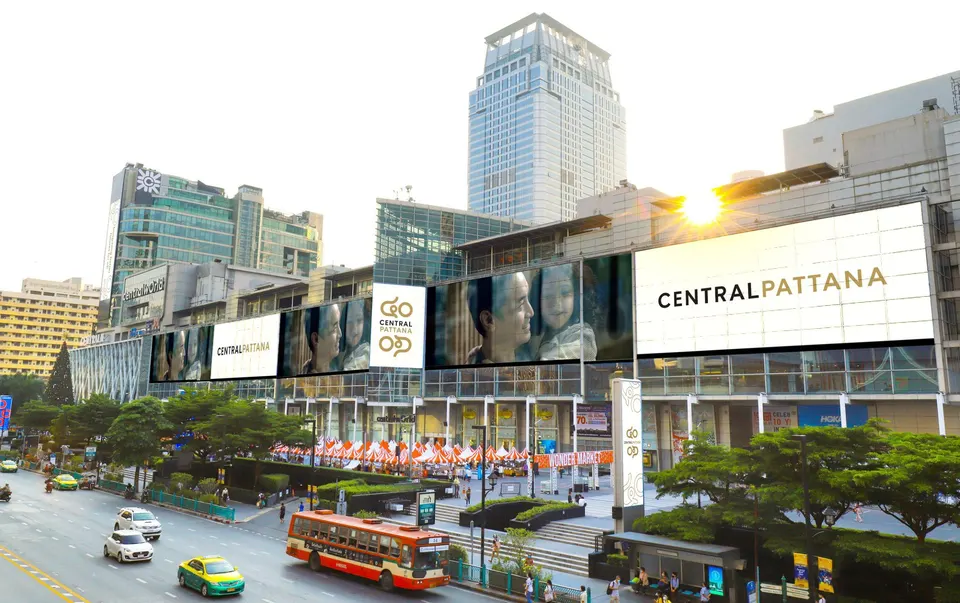
    Thailand’s Central Pattana has unveiled the next phase of growth for Central Park in Bangkok as the shopping centre marks its first anniversary in September 2026.

    The centre welcomed more than 25 million visits in its first year, including over 10 million visits from international tourists, placing it among the top-tier performers in the developer’s portfolio.

    Three Pillars for International Footfall

    Work on the next stage centres on a campaign dubbed Bangkok’s World Stage. This framework splits tenant curation and event programming into three tracks: Global Firsts, Global Culture, and Global Audience.

    Global Firsts secures exclusive product launches, debut store formats, and international brand partnerships new to Thailand. Global Culture runs live music, design exhibitions, and art installations throughout the complex. Global Audience steers marketing spending toward overseas tourists, touring creators, and commercial partners beyond Southeast Asia.

    Mixed-Use Integration in Central Bangkok

    The mall anchors the wider Dusit Central Park mixed-use development alongside grade-A corporate offices, a luxury hotel, and private residential towers. It features more than 1.12 hectares of elevated public green space. That parkland channels foot traffic between the retail concourses and the surrounding Silom and Rama IV commercial districts.

    Across Southeast Asia, retail developers are pivoting away from standard leasing toward event-driven programming. Operators in Bangkok, Singapore, and Kuala Lumpur compete for big-spending tourists through regional brand exclusives and large cultural draws. But the strategy carries higher execution costs. Continuous programming and rapid turnover of experiential concepts demand heavier capital commitments than traditional leases.

    Building Out the Dusit Joint Venture

    Central Pattana conceived the retail asset to replace the historic Dusit Thani hotel through a joint venture between Central Group’s property arm and Dusit International. Construction launched under a multi-billion-baht master plan to protect downtown market share against rival mega-projects along the Sukhumvit and Chao Phraya corridors.

    Tenant handovers and new flagship openings under Global Firsts will roll out over the coming quarters. Remaining office and residential towers across Dusit Central Park will hit completion in phases over that stretch.

  • Royal Holdings and RB Capital Buy Singapore Scotts Square for $245 Million

    Royal Holdings and RB Capital Buy Singapore Scotts Square for $245 Million

    Royal Holdings and RB Capital have agreed to buy the Scotts Square shopping centre in Singapore from Wharf Estates Singapore for $245 million. The deal values the Scotts Road property at S$310 million.

    CBRE brokered the transaction. The sale covers a four-storey luxury retail podium with 130,875 square feet of gross floor area and roughly 76,660 square feet of net lettable space next to the Orchard Road shopping belt.

    Valuation Shifts and Prime Yields

    The agreed price reflects a discount from earlier seller expectations. Wharf Estates Singapore first marketed the retail asset in 2024 at $346 million, then cut that target to $300 million as institutional buyers pushed for higher yields.

    Talks accelerated in August after inquiries began at around $253 million, according to the Business Times. Completing due diligence allowed the parties to lock in the final $245 million valuation ahead of a planned closing before the end of the year.

    Luxury Footprint and Tenant Demand

    Scotts Square maintains an occupancy rate of nearly 99 per cent. Anchor luxury tenants include French fashion house Hermes, Christian Louboutin and Vivienne Westwood, supported by streetwear labels, technology retailers and art installations across four floors.

    For landlords along the Orchard corridor, the transaction sets a clear benchmark for boutique luxury retail space outside mega-malls. While larger landlords rely on heavy tourist traffic and mass entertainment, the buyers are betting on compact footprints with top-tier international brands that retain tenants.

    Capital expenditure remains the central risk for the new owners. Retaining luxury anchors requires continuous asset enhancement, especially as competing developments along Orchard Road upgrade their podium spaces for regional luxury spending.

    RB Capital and Royal Holdings will take full operational control of the retail asset when the acquisition closes before the end of December.

  • QIC Opens 6,842-Square-Metre Racquet Club at Robina Town Centre

    QIC Opens 6,842-Square-Metre Racquet Club at Robina Town Centre

    QIC Real Estate opened a 6,842-square-metre Racquet Club venue at Robina Town Centre on the Gold Coast in September 2026, adding 13 courts to the shopping complex.

    Built outdoors, the project features seven padel courts, six pickleball courts, athlete recovery facilities and a clubhouse food and beverage venue.

    Landlords pivot to social sports

    The project gives major retail space to racquet sports over traditional specialty stores or standard entertainment anchors. Sally Harding, head of alternative income at QIC, noted the shift in asset management: “Some of the most exciting opportunities in our portfolio come from looking at land in new ways; not just where the next store goes but how we create places that get people active and connected.”

    Retail landlords across Asia-Pacific face structural shifts in department store footprints and apparel tenancies. Turning outdoor land and rooftops into sports hubs drives footfall during weekday evenings and weekend mornings. Conventional mall traffic softens during those periods. The risk lies in operational intensity: leisure operators need steady community engagement to justify square footage that produces lower base rent per square metre than luxury or specialty retail tenancies.

    Alternative income and regional footprint

    Founded in Sydney in 2023, Racquet Club previously built permanent facilities in Sydney and Canberra alongside temporary pop-ups. The Gold Coast venue serves as the company’s third permanent Australian location and its second-largest site to date.

    Robina Town Centre celebrated its 30th anniversary in April 2026. That milestone followed a 2024 institutional marketing partnership between QIC, the Australian Sports Commission and the Australian Institute of Sport to lift on-site sports participation.

    Clubhouse launch schedule

    Court bookings at the Robina venue are active now. The adjoining clubhouse food and beverage operation opens before the end of September 2026.

  • Korea Post Names Capstone and IGIS for $368M Property Debt Strategy

    Korea Post Names Capstone and IGIS for $368M Property Debt Strategy

    Korea Post has picked Capstone Asset Management and IGIS Asset Management to manage a 500 billion won ($368 million) domestic property loan strategy. The mandate reopens development lending after three years.

    The state-run postal agency selected the two Seoul-based asset managers as preferred bidders following a July tender. It has not disclosed how the capital will be split between them.

    This is the first domestic real estate debt programme from Korea Post Savings since 2023. Back then, the institution committed 400 billion won to a single manager while banning all development and project financing. Lending to construction projects is now permitted once building work is underway. Bans remain on higher-risk land-backed and bridge loans.

    Lending Terms and Guardrails

    Under the guidelines, the blind-pool funds will focus on senior secured loans backed by South Korean offices, logistics hubs and other commercial real estate. Senior debt must account for at least half of all invested capital. Korea Post is targeting a net internal rate of return of at least 5.5 per cent.

    Each fund vehicle must raise a minimum of 150 billion won. The investment period runs up to three years, with an initial lifespan capped at eight years. Portfolio-level loan-to-value and loan-to-cost ratios are capped at 70 per cent. Individual completed-asset loans may reach 75 per cent LTV, while development loans are limited to 80 per cent LTC.

    Single asset commitments cannot exceed 40 per cent of a fund’s total commitments. Each management team must co-invest at least 1 per cent. Korea Post also retains first-refusal rights on co-investment opportunities across the portfolio.

    Institutional Capital Returns to Development

    South Korean institutional investors pulled back sharply from property project finance following the 2022 Legoland developer default and subsequent interest rate hikes. Korea Post is now providing liquidity to completed and active sites through post-groundbreaking debt. Strict collateral covenants remain in place to prevent land-stage exposure.

    The debt mandate brings Korea Post’s announced domestic property commitments since 2025 to 1.15 trillion won. That total includes up to 500 billion won committed to a Mirae Asset Global Investments core property vehicle deployed into Seoul commercial assets. It also covers a 150 billion won REIT and senior debt mandate awarded to IGIS in June.

    Korea Post manages 157 trillion won in savings and insurance assets, balancing rising returns from alternative credit against persistent deficits in its traditional mail operations. Final manager appointments will conclude once on-site due diligence and investment review committee approvals wrap up.

  • Anaconda Opens 6,000-Square-Metre Flagship in Queensland

    Anaconda Opens 6,000-Square-Metre Flagship in Queensland

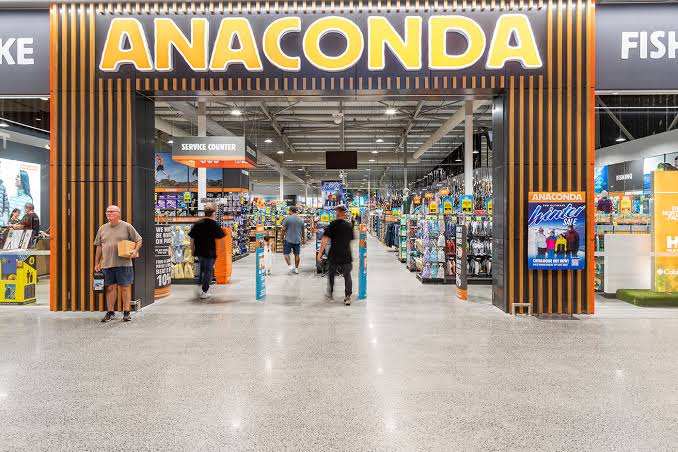
    Anaconda opened a 6,000-square-metre flagship store in Brendale, Queensland, anchoring a 92 million Australian dollar retail development in Moreton Bay. The site, branded Anaconda Adventure HQ, is the outdoor equipment retailer’s largest purpose-built location in Australia.

    Built along South Pine Road and Old North Road, the destination gives shoppers dedicated zones to test equipment before purchase. Chief executive Chris Lude stated the layout targets campers, skiers, and anglers looking for practical demonstrations inside the building.

    Interactive gear testing and live displays

    The Brendale floor plan allocates substantial square footage to working trial areas. Facilities include an alpine-themed snow cave, an indoor boat show with a simulated marina, an outback camping ground, a fishing simulator, and a 12-metre aquarium holding live barramundi.

    Big-box specialty retailers across Asia-Pacific are increasingly turning floor space over to active trials. Dedicating thousands of square metres to live environments raises capital expenditure per site, but operators use the experiential footprint to pull shoppers away from pure-play online merchants.

    Spotlight Group shifts toward destination formats

    Parent company Spotlight Group Holdings financed the expansion as part of a wider push into regional destination centres. Executive deputy chairman Zac Fried said customer buying habits now favor testing gear on site over selecting items directly from warehouse racking.

    Spotlight Group will track trading performance at the Brendale complex as it evaluates whether to scale similar mega-format builds across other high-growth suburban corridors in Australia.

  • Singapore Retail Rents Forecast to Rise 2% as Supply Tightens

    Singapore Retail Rents Forecast to Rise 2% as Supply Tightens

    Singapore retail rents will increase by up to 2% this year as landlord negotiations tighten across prime shopping belts. New retail supply will moderate to 241,000 square feet through 2027.

    Orchard Road mall vacancy held broadly stable at 7.2% in the second quarter. Landlords across prime shopping centers are actively refreshing tenant mixes to capture resilient consumer footfall and tourist spending. Prime commercial assets continue to lead property transactions across the city-state, supported by tight floorplate availability and stable yields.

    Supply constraints cushion mall landlords

    Limited incoming space provides a firm floor under prime mall valuations. Developers face restrictive land releases in core commercial districts, keeping completion volumes well below historical ten-year averages through 2027. Tenants seeking flagship positions in downtown centers must negotiate leases months before existing tenancies expire.

    Retailers are adjusting footprints rather than shedding space outright. International fashion and lifestyle brands are trading underperforming suburban formats for refreshed prime city spaces, balancing higher base rents against stronger foot traffic conversions.

    Yields hold across commercial assets

    Offices and retail assets continue to take the lead in Singapore commercial property deals. Investors favor prime retail assets where tight physical supply cushions net operating income against wider regional macroeconomic pressures.

    RetailNews Asia sees this squeeze accelerating landlord use into the second half of the year. While department store operators reassess floor efficiency, specialty dining and experiential brands are absorbing available prime units as fast as leases turn over.

    The next quarter will test whether luxury consumer spending can maintain rental momentum as 241,000 square feet of replacement retail stock prepares to enter the market through 2027.

  • Dairy Queen Returns to Hong Kong with Four Outlets in Fourth-Quarter Push

    Dairy Queen Returns to Hong Kong with Four Outlets in Fourth-Quarter Push

    American ice cream chain Dairy Queen will open four Hong Kong outlets in the fourth quarter of 2026. The rollout starts with a flagship in Causeway Bay.

    The launch reintroduces the 85-year-old brand to the market 47 years after a brief stint in 1979. Outlets will spread across Hong Kong Island, Kowloon, the New Territories and the outlying islands.

    Locations and Product Formats

    Its first flagship site opens at the One Causeway Bay shopping centre in November. A second store in Kowloon is under hoarding at The Angle shopping centre in Kwun Tong. The remaining two branches will open before the end of December.

    Dairy Queen developed a localised menu for the territory with five core product categories. Offerings include milkshakes, parfaits, ice cream cakes, and its signature soft-serve dessert. The soft serve uses an exclusive full-fat dairy mix and an air overrun of roughly 40 per cent to maintain consistency.

    Shifting Rents and Tourist Spending

    Structural turnover continues across the city’s food and beverage sector. Prime commercial rents in core retail districts remain down 60 to 70 per cent from their 2013 and 2014 peaks. That drop lowers startup overhead for international franchise operators as legacy restaurants exit.

    Lower leasing costs arrive alongside a rebound in inbound traffic. Hong Kong recorded 31.22 million visitor arrivals during the first seven months of 2026, up 11 per cent year on year. Total retail sales value grew 8.9 per cent over the same period.

    Deploying across four separate districts in a single quarter lets foreign fast-casual operators build brand awareness quickly. The footprint tests local demand across tourist and suburban residential catchments.

    Fit-out work continues at the One Causeway Bay site ahead of the November launch. Opening dates for the New Territories and island locations are expected before year-end.

  • Central Pattana Targets 10% Footfall Growth at Central Park Mall

    Central Pattana Targets 10% Footfall Growth at Central Park Mall

    Central Pattana aims to increase foot traffic at its Central Park mall in Bangkok by 10 per cent year on year during its second year of operation.

    The retail hub inside the Dusit Central Park mixed-use development drew roughly 25 million visitors in its first twelve months after opening on Sept 4, 2025. International tourists accounted for 10 million of those visits, while retail occupancy reached 98 per cent with daily visitor counts averaging between 65,000 and 75,000 people.

    Office tenants and residents drive traffic

    Office and residential handovers will feed additional pedestrian volumes into the retail podium over the coming quarters. Central Park Offices currently records an occupancy rate above 80 per cent, with corporate tenants finishing interior fit-outs before moving staff into the tower.

    Residential transfers at The Residences at Dusit Central Park will begin in the fourth quarter of 2026, following pre-sales that reached 96 per cent. Kunayudh Dej-udom, asset director of centralwOrld and Central Park at CPN, stated that these incoming occupants will provide a built-in customer base for the property’s food, service, and lifestyle tenants.

    Bangkok’s prime retail landlords increasingly rely on integrated mega-projects to shield themselves from retail oversupply in the city centre. By embedding high-density office towers and luxury residences directly above retail concourses, developers like CPN and rival One Bangkok secure regular baseline spend before counting on discretionary tourist inflows.

    Transit links and brand launches

    CPN is positioning the mall around first-in-Thailand brand debuts, exclusive merchandise drops, and cross-cultural art installations to broaden international visitor recognition. The strategy pairs global creative partnerships with experiential retail formats to capture high-spending travellers.

    Physical access will expand with a direct pedestrian connection linking the complex to the underground MRT Silom station, scheduled for completion between late first quarter and early second quarter of 2027.

  • Ares Closes $4 Billion Japan Logistics Fund Backed by CPPIB

    Ares Closes $4 Billion Japan Logistics Fund Backed by CPPIB

    Ares Management closed its fifth Japan logistics development fund at JPY 612 billion ($4 billion). The raise hit its hard cap, led by Canada Pension Plan Investment Board.

    Known as Japan Logistics Development Partners V, the vehicle is the largest closed-end institutional fund raised by the Los Angeles firm’s real estate arm. It grew nearly 50 percent beyond its JPY 412 billion predecessor from 2021.

    CPPIB committed JPY 150 billion as cornerstone backer, taking a 24.5 percent stake. Other capital came from sovereign wealth funds, insurers and pension systems across North America, Asia-Pacific, Europe and the Middle East.

    Expanding the Marq Logistics Footprint

    This close follows the integration of GLP’s international fund management business, which Ares bought for $3.7 billion through GCP International in March 2025. That deal handed Ares the Japan logistics series along with digital infrastructure assets under Ada Infrastructure.

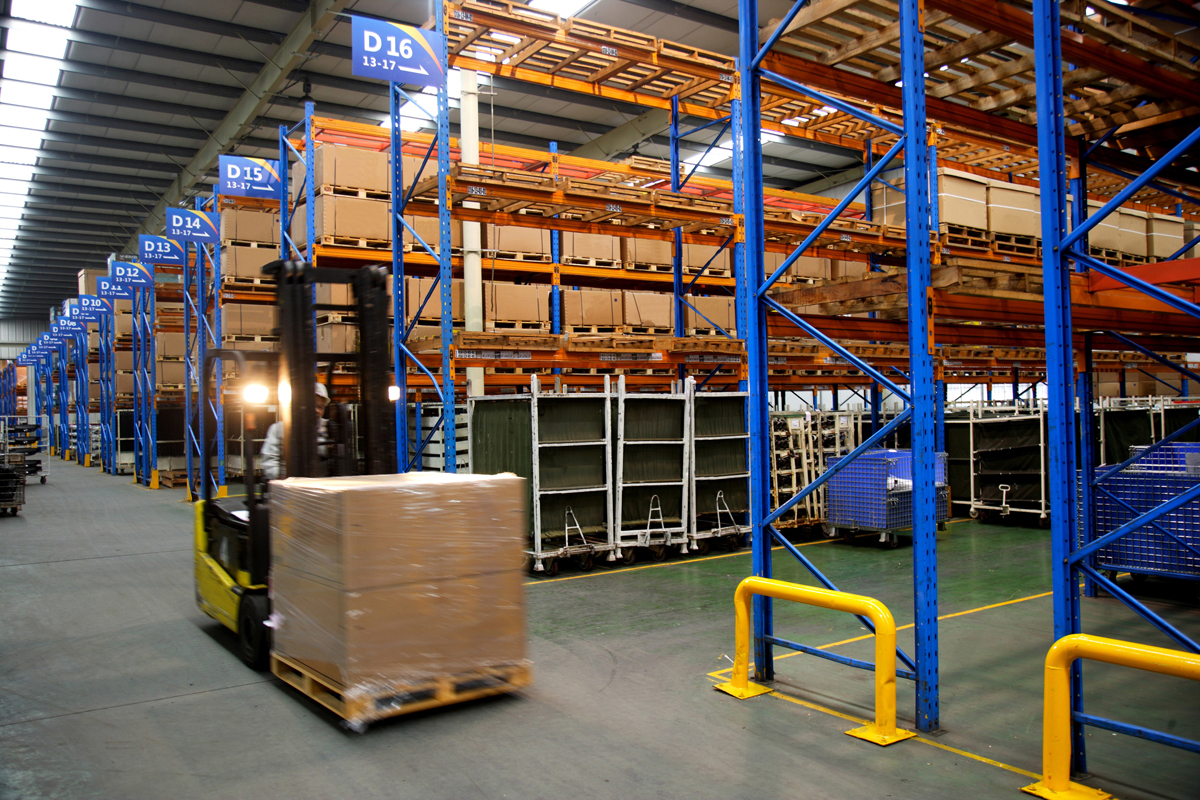
    Marq Logistics will build and manage facilities under the fund. Ares created the platform to oversee its industrial assets. As of June, Marq operated 120 million square feet of warehouse space across Japan and 655 million square feet globally.

    Pipeline Across Core Metro Hubs

    Institutional capital continues to target Japanese logistics space because corporate supply chains face structural warehouse shortages along major metropolitan transport corridors. CPPIB has backed every JDP vintage since 2011. That track record makes it one of the longest institutional partnerships in Asia-Pacific industrial real estate.

    Total investment capacity for the vehicle reaches JPY 1.7 trillion ($11 billion), focused on Greater Tokyo, Greater Osaka and Nagoya. Ares has committed JPY 450 billion, or about 26 percent of that capacity, to initial projects ahead of site acquisitions in the coming quarters.