Tag: commercial real estate

  • Toys R Us to Open 120 Stores in the US Ahead of Christmas

    Toys R Us to Open 120 Stores in the US Ahead of Christmas

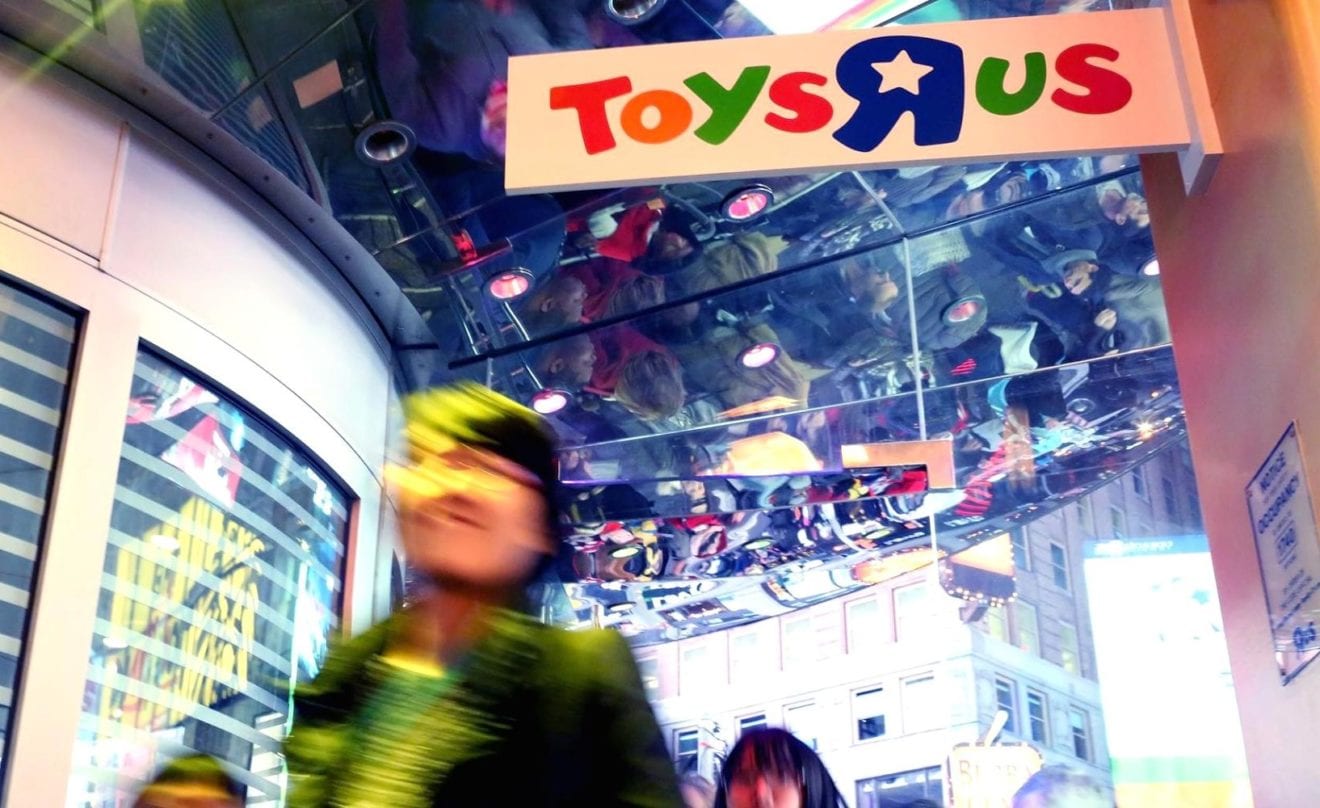
    WHP Global and Go! Retail Group plan to open around 120 Toys R Us stores across the United States in the lead-up to Christmas.

    Most locations will operate on leases of 12 months or less, featuring footprints substantially smaller than the brand’s historic warehouse stores.

    Seasonal foot traffic drives the rollout rather than permanent anchor tenancies, with Go! Retail Group managing store operations and buildouts.

    Smaller footprints and short leases

    The strategy departs sharply from the sprawling suburban stores that defined the brand before its 2017 collapse. Short leases limit downside exposure if footfall drops in early 2027.

    Landlords gain temporary tenants for vacant mall space during peak trading months. Short-term agreements restrict investments in custom fixtures, so stores must generate fast sales to cover fit-out costs.

    The shift toward adult collectors

    New store assortments target adult buyers alongside children. Data from Circana shows overall toy sales climbed 17 percent in the first half of 2026. Adult purchases for personal use rose 25 percent.

    Key drivers include building sets, trading cards, and licensed character collectibles. Older consumers bring larger discretionary budgets than traditional child-focused shoppers.

    Adults are increasingly buying toys, collectibles, and trading cards for themselves, and fandom has become an important part of the category.

    Adult buyers now represent a core retail pillar rather than a secondary demographic, said Jamie Uitdenhowen, executive vice president at WHP Global.

    Rebuilding after liquidation

    Toys R Us filed for Chapter 11 bankruptcy nine years ago, which led to the closure and liquidation of over 800 North American stores.

    WHP Global acquired a controlling interest in parent company Tru Kids Inc. In 2021 to manage global licensing, retail partnerships, and digital extensions. Earlier revival attempts included airport shops and department store concessions.

    The test for temporary real estate

    Running more than 100 temporary stores simultaneously tests supply chains and staffing during the busiest quarter on the retail calendar. Inventory planning must balance collector goods with mass-market holiday toys across dozens of regional sites.

    Openings will run through November 2026. Holiday performance across the 120 locations will determine how many convert into multi-year leases in 2027.

  • Kuala Lumpur Mall Launches Pocket Monsters Mega Retail Campaign

    Kuala Lumpur Mall Launches Pocket Monsters Mega Retail Campaign

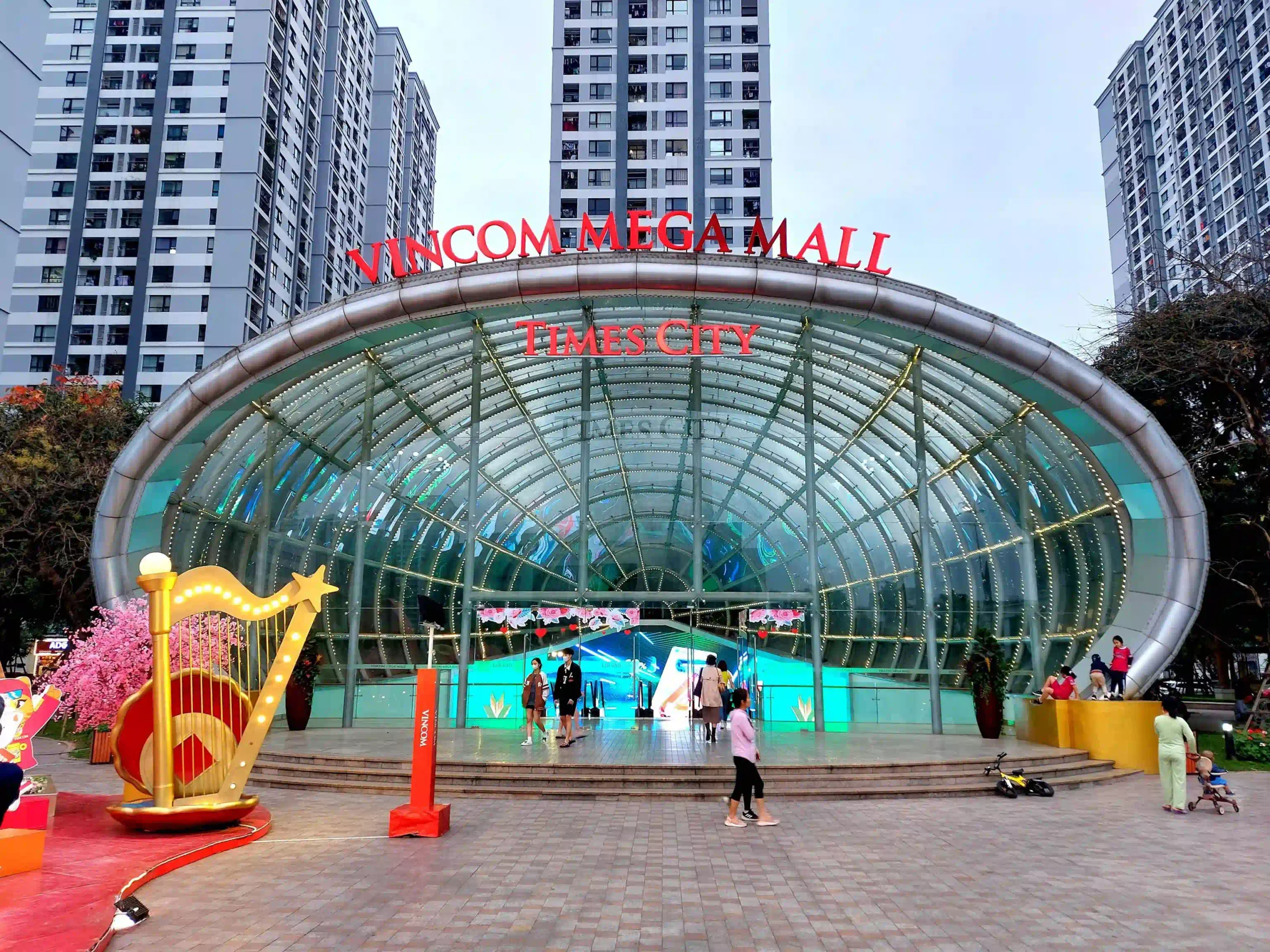
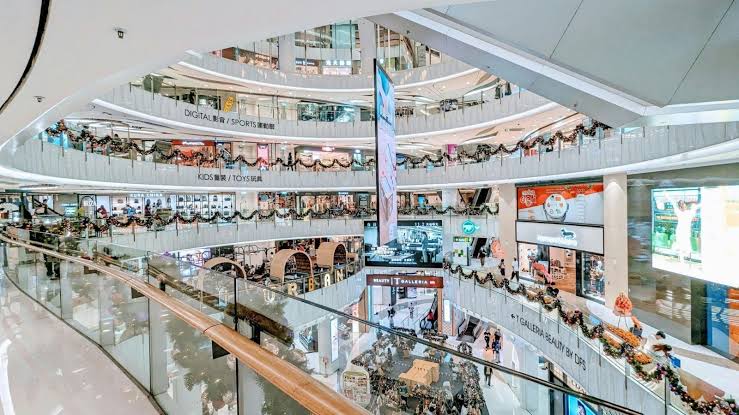
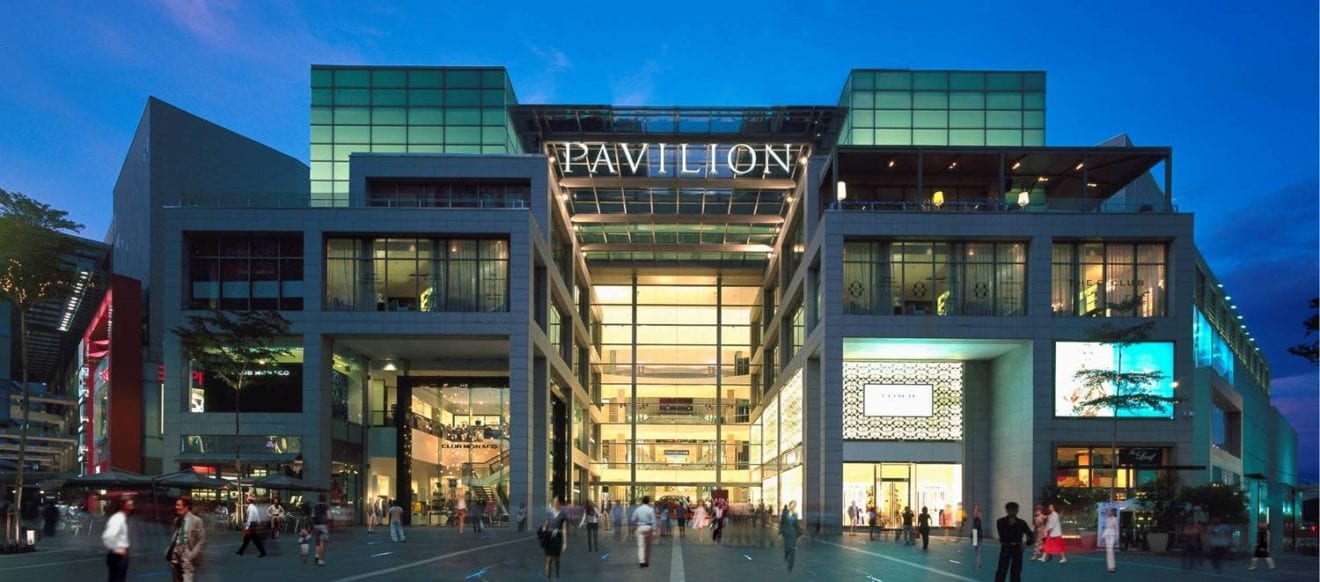
    A Kuala Lumpur shopping mall has launched a mega promotional campaign this week built around the Pocket Monsters entertainment franchise to lift consumer footfall and retail engagement, as reported by The Star.

    The 1 major experiential push combines themed displays, interactive installations and character merchandise across high-traffic retail spaces in the Malaysian capital.

    Entertainment intellectual property in physical malls

    Shopping centres across Southeast Asia increasingly rely on global intellectual property activations to convert casual visitors into paying shoppers. Landlords use character installations and interactive zones to capture family spending during school breaks and weekend shopping peaks.

    Pop culture licensing allows mall operators to differentiate their properties from neighbouring retail hubs without committing to permanent structural overhauls. Merchandising pop-up counters and branded photo opportunities serve as immediate footfall drivers for tenant storefronts nearby.

    Shifting mall footfall strategies in Malaysia

    Malaysian shopping centre operators face persistent competition from suburban developments and expanding e-commerce channels. Securing recognized character franchises provides mall managements with immediate social media visibility and destination appeal.

    Food and beverage outlets and lifestyle retailers positioned near central promotional atriums typically capture the immediate spillover from these events. Landlords structure temporary pop-ups to ensure high tenant dwell times throughout the ground-floor concourses.

    Operational costs and short-term licensing cycles

    Securing franchise rights and building custom exhibition pieces requires substantial upfront capital from shopping centre operators. The commercial return depends heavily on whether increased atrium traffic translates into sustained register receipts across tenanted stores.

    Short-term character campaigns also carry operational limits once the novelty fades among local consumers. Retailers require fast turnaround cycles to rotate seasonal intellectual property before visitor interest wanes.

    The retail pipeline for urban centres

    Experiential retail partnerships continue to dictate leasing and marketing budgets across prime commercial real estate in the Klang Valley. Landlords remain focused on securing exclusive character partnerships to anchor their fourth-quarter marketing calendars.

    Retail operators and tenants will monitor conversion metrics from family-oriented pop-ups as shopping malls finalize their event schedules for the coming retail quarters.

  • Starbucks Plans to Close 250 North American Stores

    Starbucks Plans to Close 250 North American Stores

    Starbucks announced plans last week to close 250 more underperforming stores across North America.

    The cafes represent about one per cent of Starbucks’ 18,000 US and Canadian locations, which COO Mike Grams argued either offered a poor customer experience or were not performing financially.

    The decision follows a similar move last year, when Starbucks reduced its store count by one per cent while investing in renovations and overhauling its loyalty program in a major turnaround push.

    Culling underperforming real estate

    Trimming the bottom tier of a massive store base reflects standard operating discipline for mature retail networks. In dense metropolitan centers, older cafes often suffer from cramped layouts that cannot efficiently process digital mobile orders or accommodate higher-volume food preparation. Shutting these units protects operating margins and eliminates lease liabilities on drag assets.

    For commercial landlords, the loss of an anchor tenant creates immediate vacancy risk, though prime street corners rarely stay empty long. In urban cores, independent operators and regional bakery chains have moved quickly to claim vacated ground-floor footprints, benefiting from existing plumbing, grease traps, and electrical fit-outs left behind by the outgoing chain.

    Transfers and site takeovers

    In Starbucks’ home market of Seattle, two of the 250 locations are slated for closure. At least six previously shut Starbucks sites across the city have already transitioned into local bakeries and independent specialty cafes, including Petit Pierre Bakery, which took over a former cafe in the Ballard neighborhood for its third retail outlet.

    Secondary operators gain substantial capital expenditure savings by stepping into pre-fitted food and beverage real estate. Taking over spaces with established beverage counters and drainage cuts store setup costs significantly compared to building out a raw shell.

    Previous cuts across Europe and America

    The latest 250 closures follow a larger restructuring drive completed last year, when Starbucks closed 627 stores across North America and Europe. That earlier round also trimmed approximately one per cent of the network while the chain directed capital toward store refurbishments and an overhaul of its customer loyalty program.

    Capital discipline has taken priority over raw store expansion in Western markets as operational costs, wages, and lease renewals rise. By pruning weak units, the company channels investment into higher-yielding drive-thrus, digital order pickup hubs, and renovation programs for top-quartile stores.

    What comes next for the network

    Starbucks will manage staff transfers and lease expirations across the 250 affected North American locations through the coming quarter. Financial impacts from the closures and related severance expenses will appear in subsequent quarterly filings as the portfolio adjustment concludes.

  • Hanoi Grade A Towers Add Retail Floors as Office Pipeline Hits 495,000 Sq M

    Hanoi Grade A Towers Add Retail Floors as Office Pipeline Hits 495,000 Sq M

    Hanoi commercial developers are allocating ground floors and podium levels to retail tenancies to protect leasing rates ahead of 495,000 square metres of new Grade A office supply entering the market by 2028.

    Eighteen office projects, concentrated heavily in Hanoi’s western business district, are introducing dedicated retail, dining and wellness hubs to compete for multinational tenants.

    The Starlake Model and Layout Shifts

    Parc Hanoi, a Grade A office project in the Starlake township, has dedicated its entire ground floor to consumer retail and dining. The developer placed a wellness centre, meeting suites and open event spaces across Level 2, pairing physical workspace with consumer services in a bid to secure corporate leases.

    The push reflects shifts in corporate occupier demands across Southeast Asia. A CBRE occupier survey showed 92 per cent of corporate respondents ranked collaborative zones and lifestyle amenities as critical to employee retention and productivity, while 64 per cent prioritized green spaces and natural ventilation.

    Regional Blueprints in Singapore

    Hanoi landlords are replicating models tested in Singapore, where mixed-use office towers use food and beverage to generate revenue outside core business hours. The PLUS tower in Raffles Place runs two floors of retail, gyms and spas underneath prime office suites.

    Marina One in Singapore operates 14,000 square metres of commercial floor plate across its retail podium, The Heart. That space combines supermarkets, gyms and food operators that draw foot traffic through the weekend, ensuring seven-day tenant revenue rather than relying purely on weekday office workers.

    Yield Risks for Commercial Landlords

    Integrating retail into Grade A office towers shifts the commercial risk profile for developers. Office leases in Hanoi typically run on fixed three-to-five-year commercial terms, whereas food and lifestyle tenants require lower base rents, revenue-share structures and higher capital outlays for exhaust, plumbing and grease traps.

    Landlords that misjudge the mix face dead ground-floor space that damages the building’s corporate positioning. Success depends on securing anchor food and convenience brands that turn daily office footfall into steady cash flow without crowding corporate lobbies.

    Supply Pipeline Builds in Western Hanoi

    The developer push comes after five years of decentralized expansion across Hanoi, where western districts drew corporate tenants away from the central Hoan Kiem district. The western submarket now accounts for the largest share of modern floor space under construction in the city.

    Developers will deliver the bulk of the 495,000 square metres across western Hanoi over the next 24 months. Leasing teams are tracking whether podium retail commitments can hold Grade A effective rents steady as all 18 towers open for handover before the end of 2028.

  • Minor Hotels Expands in Paraguay with 116 Room NH Asunción Deal

    Minor Hotels Expands in Paraguay with 116 Room NH Asunción Deal

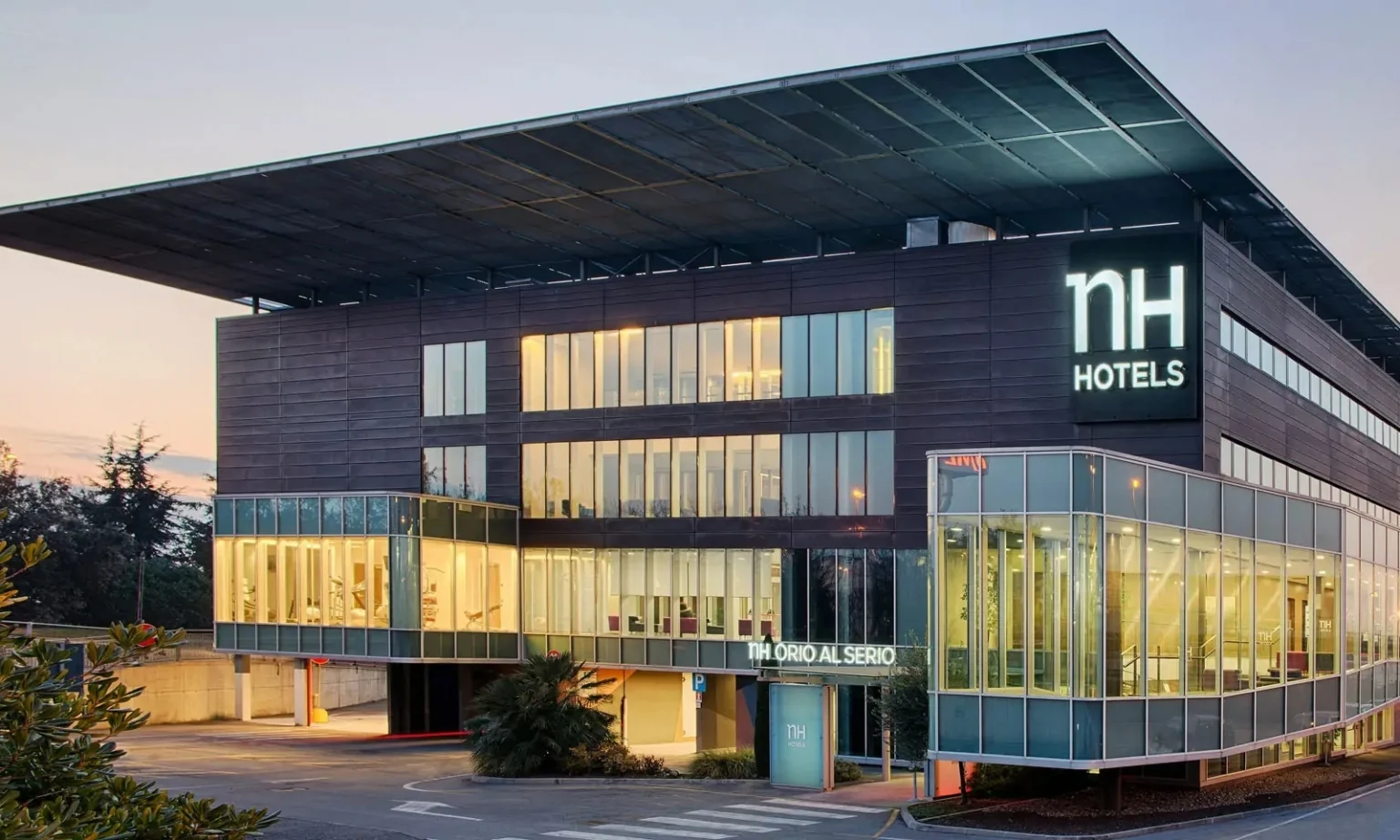
    Minor Hotels has signed two agreements in Madrid with Paraguayan developer Grupo Petra. The deal covers management of a new 116-room hotel in Asunción and future pipeline projects across Paraguay.

    Operating under the NH Hotels & Resorts brand, the four-star property will break ground in the first quarter of 2027. It opens in late 2029.

    The site sits on Calle Quesada in the capital financial district, near Shopping Mariscal and the Inter-American Development Bank. Facilities include 244 square metres of meeting space, a gym, an outdoor pool, and a rooftop bar and restaurant. The location is 10 minutes from World Trade Center Asunción and 20 minutes from Silvio Pettirossi International Airport, connecting directly to Avenida Mariscal López and Avenida San Martín.

    Asset Light Growth In South America

    A companion strategic pact lets Grupo Petra source and develop real estate across Paraguay for Minor Hotels to review for management deals. The partnership targets upscale, upper-upscale, and luxury tiers across three flags: NH Hotels & Resorts, NH Collection, and Tivoli.

    Both groups plan to evaluate future sites in Ciudad del Este, a cross-border trade hub, and Encarnación, a tourism centre. Minor Hotels operates more than 640 properties across 59 countries. It relies on fee-based management and franchise contracts rather than direct property investment.

    Gonzalo Aguilar, chief executive officer of Minor Hotels Europe & Americas, said: “This collaboration allows us to explore new projects alongside a local partner with deep market knowledge and strong development capabilities, while using the strength of our brands, our international operational expertise, and a global commercial platform.”

    Second Project With Grupo Petra

    This Calle Quesada development is the second joint project between the two firms. Their first collaboration, Petra Imperiale, is under construction in Asunción and opens in early 2030 as a mixed-use site housing an NH Collection hotel.

    Securing both NH and NH Collection flags gives the group multi-brand coverage in Asunción ahead of rival chains. Grupo Petra provides local capital and acquires the sites. This structure shields the Bangkok operator from direct balance-sheet exposure to regional property cycles.

    Strategic Shifts For Regional Hospitality

    South America offers high yields and limited multinational competition in secondary capitals for operators diversifying outside Asia. Minor Hotels built its regional presence by acquiring NH Hotel Group. It continues to convert independent properties or partner with local developers instead of funding ground-up builds.

    That asset-light model contrasts with traditional Asian luxury operators that buy physical real estate. Leaving construction to domestic partners avoids local permitting risks. However, it ties brand delivery to regional construction schedules.

    Next Targets In The Pipeline

    The expansion follows Minor Hotels rollouts across India and Southeast Asia under the Avani and Anantara flags. In Paraguay, economic stability, infrastructure spending, and regional corporate travel demand drive hotel development.

    Work on the Calle Quesada NH hotel starts in early 2027 ahead of a late-2029 opening, as the partners prepare further expansion into Ciudad del Este and Encarnación.

  • Nearly 20% of Asia-Pacific Firms Expect AI to Cut Office Space, CBRE Finds

    Nearly 20% of Asia-Pacific Firms Expect AI to Cut Office Space, CBRE Finds

    Nearly one-fifth of surveyed companies in the Asia-Pacific region believe wider adoption of artificial intelligence will reduce their real estate needs, a study by property consultancy CBRE has found.

    More than half, 56 per cent, held a neutral view, believing either that AI had no impact on office space demand or that it was too early to determine its effect, while 25 per cent said AI adoption would require them to expand their office footprint.

    The survey of 651 corporate real estate executives, conducted between May 26 and July 10 across nine regional markets, showed that AI currently has a more significant impact on office operations than on physical space requirements, according to Ada Choi, head of research for Asia-Pacific at CBRE.

    Operational Shift Outpaces Desk Reductions

    Corporate deployment of machine learning in property management expanded sharply over the past two years. The survey, conducted between May 26 and July 10 across nine markets including Hong Kong, mainland China, Singapore, Japan, Australia and India, found that 46 percent of occupiers now classify themselves as active AI adopters in corporate real estate functions. That represents a steep increase from 9 percent recorded in 2024.

    Automation currently assists facility monitoring, leasing analytics, space planning and workplace energy management rather than eliminating core real estate demand. Property teams use algorithmic tools to streamline building maintenance schedules and track daily badge swipes, turning automation into an administrative efficiency tool rather than a headcount guillotine.

    Regional leasing patterns show that companies rebalance rather than abandon their commercial leases. Fifty percent of surveyed occupiers project portfolio expansions through 2029, with 60 percent citing organic corporate growth as the primary catalyst.

    The Flight to Prime CBD Assets

    Commercial tenants are executing a deliberate flight to quality across major Asian financial centres. Eighty-five percent of surveyed occupiers specify Grade A buildings or higher for future commitments, and 48 percent demand space inside central business districts.

    This consolidation into top-tier commercial towers squeezes secondary and decentralised office parks. Landlords holding modern assets with green credentials and flexible floorplates capture leasing activity, while older secondary stock faces structural vacancy as corporate tenants offload low-grade square footage to fund premium addresses.

    The bifurcation penalises owners of dated suburban business parks who banked on decentralisation during earlier cost-cutting cycles. Institutional capital in Asia is now forced to either invest heavily in asset enhancement programmes or accept prolonged rent discounts to retain secondary tenants.

    Stabilised Attendance Anchors Space Requirements

    Physical workplace presence has normalised across the region at levels far higher than in North America or Western Europe. Eighty-eight percent of respondents confirmed their employees work in the office at least three days per week, marking the highest rate recorded since the start of the pandemic. An additional 85 percent stated that desk attendance has reached a permanent equilibrium.

    “With attendance and utilisation largely stabilised at higher levels, companies are no longer focused only on bringing employees back to the office,” said Tom Gaffney, head of leasing for Asia-Pacific at CBRE.

    Space shortages are most acute in Tokyo and major Indian tech hubs, where tight supply limits available Grade A options. In mainland China, corporate expansion continues at a measured pace, led by domestic technology, software development and clean energy enterprises taking advantage of softened prime rental rates in top-tier cities.

    Labour Market Realities and Future Leases

    The resilience of physical leasing contrasts with broader corporate polling on long-term workforce headcounts. A World Economic Forum survey conducted last year across 55 economies found that 41 percent of employers planned to reduce headcount as software automated standard white-collar tasks, raising questions about future desk utilisation.

    Asia-Pacific commercial occupiers have sidestepped immediate floorplate cuts by redirecting automated productivity gains into higher transaction volumes and new service lines. Corporate real estate directors are structuring three- to five-year leases around steady headcounts while monitoring whether generative workplace tools eventually alter administrative staffing models.

    Commercial landlords now watch the final quarter of 2026, when a heavy schedule of prime Hong Kong and Tokyo lease renewals will test whether tenant expansion pledges turn into binding long-term contracts.

  • Shorea Capital Buys Sheung Wan Tower as Amazon Adds Fanling Sites

    Shorea Capital Buys Sheung Wan Tower as Amazon Adds Fanling Sites

    Singapore private equity firm Shorea Capital acquired The Pemberton in Sheung Wan, while Amazon Data Services bought two data centres in Fanling. Shorea plans to convert the 24-storey commercial tower into residential accommodation after buying the 58,000-square-foot asset for an undisclosed sum.

    Conversion plans in Sheung Wan

    Colliers brokered the sale of the mixed office and retail property, which spans 5,388 square metres of gross floor area. Shorea will submit planning applications to convert the commercial space into high-quality living units, targeting sustained residential demand across Hong Kong Island.

    The building last traded in 2010, when AEW Via HK 1 Limited bought the tower for HK$344.34 million (US$43.9 million), Land Registry records show. That transaction established an entry valuation of roughly HK$5,937 per square foot before the current repositioning plan.

    Foreign capital targets alternate uses

    Institutional buyers from Singapore continue to reallocate capital into Hong Kong real estate, favouring conversions to student housing, serviced apartments and long-stay residential property over standard office leasing. Converting commercial assets allows operators to escape elevated office vacancy rates while tapping rental yields supported by incoming professionals and cross-border students.

    Meanwhile, Amazon Data Services expanded its physical footprint in the New Territories by acquiring two industrial facilities in Fanling. Cloud operators and data centre providers face tight power allocations and limited industrial land across the territory, forcing direct asset acquisitions to secure operational capacity.

    Tracking commercial repositioning

    Hong Kong commercial property values have adjusted downward following multi-year shifts in corporate leasing demand and higher financing costs. Those discounted capital values created room for regional private equity funds to purchase whole buildings below replacement cost and change their end use.

    Planning filings for The Pemberton’s change of use will now go before town planning authorities, setting the timeline for construction and eventual residential leasing.

  • Goodman Group Raises $455 Million for Hong Kong Data Centre Partnership

    Goodman Group Raises $455 Million for Hong Kong Data Centre Partnership

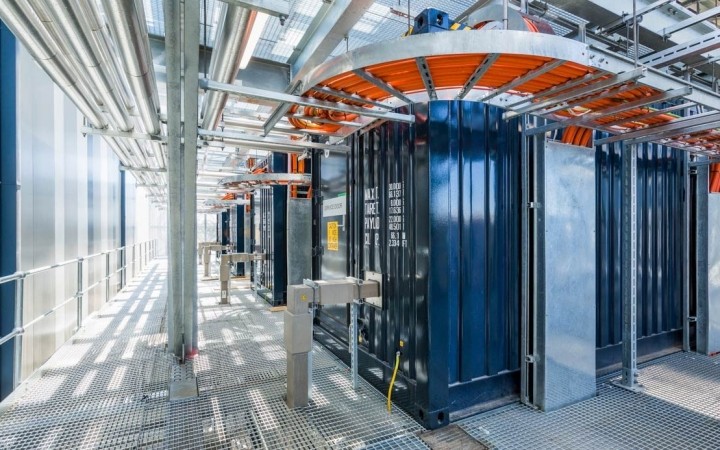
    Goodman Group has raised $455 million in equity for its Hong Kong data centre partnership, with most of the proceeds earmarked to fit out a 50-megawatt facility in Tsuen Wan.

    Existing and new institutional investors backed the fundraising for the $2.7 billion vehicle, the Sydney-based industrial developer announced on Tuesday. The capital will primarily fund mechanical and electrical works at HKG10, which Goodman will operate.

    Funding the Texaco Road Conversion

    Work will focus on mechanical and electrical fit-outs at HKG10, an industrial conversion project at 128 Texaco Road. The facility will provide 32 megawatts of IT capacity backed by 50 megawatts of secured primary power.

    Initial capacity is scheduled to enter service in early 2028. That is later than earlier company projections targeting mid-2026. Goodman will operate the completed site directly.

    Retaining the existing warehouse avoids demolition emissions while cutting raw concrete and steel use during conversion, according to the developer.

    Institutional Capital and Regional Scale

    The transaction tests global pension appetite for Asia-Pacific digital infrastructure as conventional office and logistics yields face pressure. Goodman holds a 20 per cent cornerstone position in the venture alongside Dutch pension managers PGGM and APG, Canada Pension Plan Investment Board, CBRE Investment Management and an unnamed Middle Eastern institutional investor.

    By securing committed capital before commissioning equipment, the partnership limits balance sheet exposure to regional fit-out and engineering costs. The main execution risk now shifts to procurement timing and grid delivery milestones in Hong Kong’s crowded industrial corridors.

    Industrial Shift Toward Power Assets

    That partnership launched in July 2025 with an initial seed portfolio of six properties across 2.3 million square feet and 325 megawatts of planned capacity. Four stabilised facilities at Goodman’s Tsuen Wan West campus accounted for 225 megawatts, with HKG10 and a second conversion making up the rest.

    Data centres now represent 78 per cent of Goodman’s global development work in progress, totaling A$15.4 billion out of A$19.7 billion recorded at the end of June. Operating profit for the financial year rose 15.7 per cent to A$2.7 billion.

    The Next Pipeline Deliveries

    In July, the group started construction on HKG09, a 50-megawatt conversion in Kwai Chung pre-leased to an unnamed Singapore-based data centre operator. Completion is slated for 2029.

    Outside Hong Kong, Goodman secured a 20-year hyperscale lease for the 50-megawatt opening phase of its Tsukuba Tech Central campus in Greater Tokyo, with commercial service starting in early 2028. Power grid sign-offs are next for the developer’s 135-megawatt Project Apollo in Sydney, which carries a development value of A$1.4 billion.

  • True Fitness and True Yoga Abruptly Close All Studios in Singapore

    True Fitness and True Yoga Abruptly Close All Studios in Singapore

    True Fitness and True Yoga abruptly closed all of their studios across Singapore earlier this month, including the flagship 41,000-square-foot TFX club at Millennia Walk. Parent company Kontafarma cited fierce competition from boutique studios, residential condominium gyms, and online workout options for the shutdowns.

    The closures come amid what Singapore Fitness Alliance president Sean Tan calls a golden age of fitness, with Sport SG data showing 76 per cent of residents exercised at least once a week last year, up from 66 per cent in 2019.

    Conventional big-box gyms spanning upwards of 15,000 square feet face steep fixed costs in rent, equipment, and staffing. According to industry experts, mid-market operators are struggling with profitability as consumers migrate to specialized boutique setups or low-cost 24-hour franchises.

    Boutique operators take a different route, running studios between 1,000 and 2,500 square feet for single disciplines like reformer pilates, indoor cycling, or personal training. At the budget end, automated 24-hour chains like Anytime Fitness, Snap Fitness, and 24/7 Fitness lease 4,000 to 6,000 square feet in suburban heartlands. They skip expensive shower blocks and wet areas to protect unit margins.

    The Math Behind Prime Real Estate Leases

    Institutional leasing terms drive most of the pain. Singapore Fitness Alliance data shows industry operating margins historically sit between 15 and 25 percent, with rent absorbing 15 to 20 percent of gross revenue. Recent talks with real estate investment trust landlords tell a different story. Rental demands now eat up 30 to 40 percent of total turnover.

    Commercial REIT managers face pressure to deliver distribution growth each year, driving them to push for tighter base rents and turnover clauses. For independent operators, building out a modern facility requires heavy upfront capital. Commercial strength equipment alone costs between S$15,000 and S$20,000 per machine before shipping, taxes, and installation.

    Monthly overheads add up fast. Running a 4,000-square-foot facility in Singapore’s central business district takes roughly S$40,000 a month across servicing, software, cleaning, and staff wages. Operators carrying fit-out debt from earlier expansions cannot keep up when turnover rents jump at renewal.

    Market Squeeze on the Middle Tier

    Property owners lose reliable anchor tenants when big gyms pull out of upper floors. Those large spaces once drove steady weekday foot traffic. Landlords now must chop multistory tenancies into smaller units, spending extra capital on mechanical and electrical alterations. That shifts leasing risk toward smaller boutique operators on shorter three-year terms.

    Consumers no longer rely on a single club pass. Instead, residents combine free condo gyms and subsidised ActiveSG facilities with boutique class packs, corporate pickleball sessions, and run clubs. Mid-tier operators get squeezed from both sides. Without budget pricing or elite coaching, their retention rates tumble.

    “Demand is not the problem. Being nothing in particular is the problem. Not the cheapest, not the best, so people drift out of the middle.”

    Shifting Footprints and Suburban Relocations

    Rising costs are driving established operators toward suburban transit hubs. Local brand Amore Fitness, which runs women-only gyms and day spas across nine locations, shut branches at Jurong Point and Seletar Mall while securing newer sites at CPF Jurong Building and Punggol Coast Mall. The chain added reformer pilates and recovery areas to keep members from spending elsewhere.

    Specialist studios are betting on high-touch service to fend off price wars. Surge Strength & Results runs three studios focused on one-on-one personal training. The business spent over S$50,000 on coach education last year, prioritising client accountability over basic access. UFIT took a similar tack, adding physiotherapy, podiatry, and sports nutrition alongside group conditioning across its four outlets.

    Upcoming Renewals and Format Adjustments

    Thousands of displaced True Fitness members are now hunting for alternative gyms. That opens a direct customer pipeline for suburban 24-hour franchises and niche studios. Meanwhile, landlords holding empty mega-format spaces are reviewing subdivision plans and reconfigurations ahead of upcoming lease cycles.

    Gyms negotiating 2027 lease extensions will run into stricter landlord terms on fit-out spending and revenue guarantees. Malls now favour high-turnover experiential tenants over traditional, large-format fitness clubs.

  • Wuhan Launches Autumn Consumption Season with 279 Events

    Wuhan Launches Autumn Consumption Season with 279 Events

    Wuhan has launched its autumn consumption season with a schedule of 279 cultural and tourism events designed to lift citywide retail spending.

    The municipal campaign targets shopper footfall across commercial districts, entertainment venues and scenic attractions across the central Chinese metropolis.

    Focus on seasonal consumer demand

    Municipal authorities structured the program around cultural shows, public exhibitions and travel promotions. City planners organized the calendar to capture holiday travel and weekend spending throughout the autumn months.

    Commercial districts across Wuhan are coordinating extended operating hours and venue promotions alongside the public events. Department store operators and dining hubs are synchronizing private sales promotions with the city’s scheduled activities.

    Municipal spending initiatives

    Central Chinese cities have relied on structured event calendars to anchor local retail activity. Wuhan’s 279 scheduled activities span theatrical performances, open-air festivals and community tourism circuits.

    For mall operators and retail landlords, coordinated municipal programming provides steady foot traffic without requiring independent marketing outlays. The concentration of events directs visitor flows directly toward major retail nodes and transit interchanges.

    Commercial footfall and operator response

    Hospitality groups and transport providers across Hubei province face the operational challenge of converting short-term event visitors into retail spending. Department stores in core shopping areas depend on out-of-town visitors during regional tourism pushes.

    Suppliers and local brands frequently increase inventory runs around these civic shopping seasons. The primary operational risk sits with retailers that overstock seasonal merchandise if domestic spending fails to meet municipal projections.

    Tracking seasonal retail targets

    Wuhan carried out similar consumption drives during previous seasonal cycles to support domestic commerce and tourism receipts. Municipal bureaus track passenger entries, hotel bookings and point-of-sale volume during each promotional wave.

    City commercial bureaus will evaluate retail turnover figures and visitor tallies as the autumn event schedule runs through the final quarter of the year.

  • Hong Kong Malls Target Double-Digit Tenant Sales Growth During Asian Games

    Hong Kong Malls Target Double-Digit Tenant Sales Growth During Asian Games

    Sino Group expects foot traffic and tenant sales to rise across four Hong Kong shopping centres during its Asian Games campaign. The landlord projects double-digit revenue growth for selected merchants.

    This campaign follows its World Cup promotions earlier this year. That effort lifted customer visits across three flagship properties by 10 to 15 per cent and produced double-digit sales gains.

    Hong Kong commercial landlords are combining live tournament screenings with athlete exhibits and interactive activities to hold shoppers on-site. The drive coincides with the Asian Games in Nagoya, Japan. Preliminary events have begun there ahead of Saturday’s official opening.

    Shifting Formats From Football to Multi-Sport Events

    Operational demands differ from single-tournament campaigns. Football matches draw concentrated crowds during tight viewing windows. Multi-sport competitions spread visits across varied demographics and longer daylight hours.

    Bella Chhoa, chief commercial officer at Sino Group, noted that the Asian Games and the World Cup generate different footfall dynamics across retail floors. “The competitive schedule, viewing patterns and customer journeys are therefore fundamentally different,” Chhoa said.

    Landlords want to turn those longer viewing cycles into sales. They are targeting dining, athleisure and electronics purchases while visitors remain inside the complexes.

    Defending Domestic Spending Against Shenzhen Outflows

    Mall operators in Hong Kong face sustained pressure as residents travel to Shenzhen, take overseas holidays, or spend online. Retailers must adapt. Atriums are becoming event spaces rather than simple transaction floors.

    Conversion remains the chief commercial risk for landlords. Strong footfall during live broadcasts does not automatically translate into fashion and merchandise sales. That puts heavy pressure on food and beverage tenants to capture event spending.

    Consultants view this shift as a permanent operational requirement rather than a short-term marketing tactic. Roy Ng, head of research at property consultancy Newmark, stated that spending patterns have moved permanently toward experience-led activities. Malls must refresh event formats continuously beyond sports.

    Tracking Event Returns Across Key Portfolios

    Recent sports programming builds on earlier retail entertainment formats across Hong Kong malls. Operators used gaming tournaments and interactive pop-ups over the past year to stem cross-border outflows.

    Operators will track tenant turnover and dwell times throughout the multi-week Nagoya competition. Those metrics will show whether multi-sport programming matches the sales conversion rates of single-sport international tournaments.

  • Anthropic Leases First Stage of $10.4 Billion Queensland Data Centre

    Anthropic Leases First Stage of $10.4 Billion Queensland Data Centre

    Artificial intelligence laboratory Anthropic has agreed to lease the first stage of a A$14.5 billion ($10.4 billion) data centre campus in Queensland proposed by Singapore-based Zerra DC, marking the US company’s first major commitment in Australia.

    Queensland state premier David Crisafulli announced the agreement on Wednesday in parliament, indicating that San Francisco-based Anthropic will invest in the 1.44-gigawatt Western Downs Digital Park located roughly 250 kilometres northwest of Brisbane.

    Consortium structure and power design

    Development filings detail four 360-megawatt facilities built across a 726-hectare site near Dalby over a four- to six-year delivery timetable. The campus sits within an energy corridor hosting 5.4 gigawatts of installed generation, linking directly to the Braemar transmission substation with on-site battery storage to smooth load swings.

    Ownership runs through a joint venture between Macquarie Capital and Zerra DC, the data centre vehicle of Singapore group AGP Sustainable Real Assets. Australian property giant Dexus holds exposure via its 85 per cent stake in Australian Data Centres, which owns a 25 per cent interest in the development entity.

    Anthropic will direct the Queensland compute capacity toward live inference processing for its Claude platform rather than foundation model training. The operator had previously evaluated up to 5 gigawatts of capacity across New South Wales before committing to the Queensland campus.

    Shifting regional capacity and power competition

    For cloud and enterprise operators across the Asia-Pacific region, the Dalby commitment confirms that mega-scale computing demand is migrating away from congested primary metro hubs. Real estate availability and electrical grid capacity in Sydney and Melbourne face severe constraints, pushing wholesale occupiers into regional utility corridors where transmission lines already exist.

    The scale of the project alters capital allocation for digital infrastructure investors across Australia. Total domestic data centre pipeline capacity stands at 16.2 gigawatts across projects worth A$155 billion, but physical grid connection timelines remain the decisive bottleneck for operators seeking to deliver operational halls before 2028.

    Regulatory friction across state and federal policy

    Resource competition is already forcing metropolitan authorities to slow down approvals. While Goodman Group secured clearance for a 135-megawatt asset in Sydney’s Macquarie Park, local councils halted a planned 90-megawatt build in Lane Cove West over municipal water consumption.

    Federal and state policy approaches are also diverging. Canberra outlined rules taking effect in early 2027 that require commercial operators to underwrite dedicated new clean power generation and pay network reinforcement costs. Queensland state ministers, however, have opted to process regional approvals independently to capture private capital investment without mandating exclusive new renewable builds.

    Prior commitments and next milestones

    The lease follows a preliminary memorandum of understanding signed between Anthropic and the Australian federal government in April covering safety frameworks and local technology adoption. Dexus separately initiated a formal capital raising process for its Australian Data Centres subsidiary to bring outside institutional equity into the delivery vehicle.

    Execution of the project now rests on two formal clearances: a development permit from the Western Downs Regional Council and foreign investment approval from the Foreign Investment Review Board. Long-term master plans allow the consortium to expand the campus to six buildings totaling 2.16 gigawatts, which would raise total private investment to A$31.9 billion.

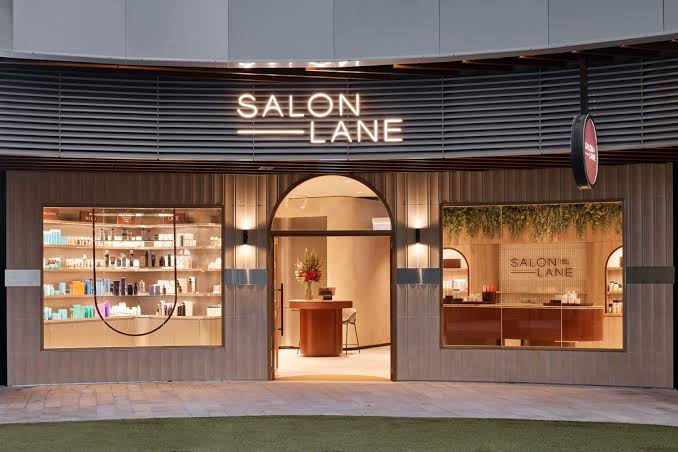
  • Salon Lane Opens 675-Square-Metre Melbourne Duplex in Victorian Expansion

    Salon Lane Opens 675-Square-Metre Melbourne Duplex in Victorian Expansion

    Salon Lane will open a 675-square-metre duplex at Richmond Square in Melbourne in February. The launch expands the shared salon operator into Victoria.

    Up to 50 independent practitioners will work out of the two-level facility. They cover hair, aesthetics, skin, brows, lashes, wellness and nail care. It is the company’s sixth location nationally.

    Inside the Richmond Square Layout

    The space holds 21 private studios and 14 open workstations alongside specialized service stations. Architecture firm X+O designed the interior layout. The design brings an artistic visual identity tailored to Melbourne’s retail corridor.

    Customer amenities include a dedicated wash lounge, nail and colour stations, a client lounge with a coffee bar, and an on-site retail store. Independent beauty professionals get access to a private member lounge and back-of-house infrastructure. They run autonomous businesses under one roof.

    The Shared Real Estate Model

    Co-working salon hubs alter conventional retail leasing by gathering independent operators into a single anchor tenancy. For commercial landlords, this structure lowers vacancy risk. It replaces individual small-lease negotiations with a single master tenant.

    Commercial pressure falls directly on workstation utilization and tenant retention. Independent practitioners must generate steady foot traffic to cover recurring station costs. At the same time, the operator relies on full occupancy across private suites and open chairs to protect margins.

    Expanding From East Coast Hubs

    Salon Lane built its footprint across five locations in Sydney and Brisbane before committing to Melbourne. This expansion tests whether the shared-space beauty model can duplicate its northern East Coast momentum in a competitive personal care market.

    Doors open at Richmond Square in February for the initial intake of 50 independent operators.

  • Vietnam Enters Global Top 10 for Property Transparency Gains

    Vietnam Enters Global Top 10 for Property Transparency Gains

    Vietnam ranked among the world’s ten most improved real estate markets for transparency between 2024 and 2026, according to JLL’s latest global transparency index. The country placed 50th among 88 evaluated territories with a composite transparency score of 3.15, keeping its position in the semi-transparent tier.

    Asia-Pacific led global transparency advances over the two-year cycle, claiming five of the top ten improvement spots alongside India, South Korea, Australia and Thailand. Poland, Qatar, Saudi Arabia, Dubai and Abu Dhabi completed the global top ten list. Improving market clarity helped direct cross-border property transactions across the region hit record levels during the past 12 months.

    Regulatory Overhaul Drives Commercial Clarity

    Vietnam’s upward trajectory follows the implementation of overhauled legal frameworks governing land, housing and real estate business that took effect in 2024. The legislative changes tightened market conduct by requiring property transactions to clear through formal banking channels and mandating verifiable transaction trails.

    Valuation practices also faced stricter scrutiny under the revised Law on Price. The rules require certified valuation professionals and clear audit trails for commercial asset pricing, replacing informal assessment methods that previously clouded asset underwriting.

    Administrative reforms accelerated in 2026 with Decree 357, which regulates the construction, management and operation of nationwide housing and property information systems. The mandate establishes a formal framework to compile comprehensive transaction registries into a single repository by the end of 2026.

    Valuation Gaps and Institutional Friction

    Data fragmentation continues to impose measurable transaction costs on cross-border capital deploying into Vietnamese commercial real estate. Valuation accuracy across semi-transparent markets sits at roughly 70 per cent, with transaction assessments taking up to 20 days to complete.

    Highly transparent markets operate under an entirely different speed and precision profile. In jurisdictions where asset registries and lease disclosures are open to the public, valuation accuracy reaches 90 per cent and execution cycles take five to ten days.

    Narrowing this performance gap requires completing digital land registries, setting up a unified national title database and enforcing international valuation benchmarks across domestic institutions. Institutional investors also require deeper coverage of commercial debt markets and broader adoption of certified green building standards before raising core fund allocations.

    Regional Standing and Capital Flows

    Southeast Asian peers continue to hold varying positions along the transparency scale. Singapore remains the regional benchmark with a top-tier score of 1.9, followed by Thailand at 2.48, Malaysia at 2.56, Indonesia at 2.74 and the Philippines at 2.94.

    Vietnam’s steady ascent from a low-transparency classification before 2020 reflects deliberate structural repositioning. The initial catalyst emerged in 2016 when the government entered the Trans-Pacific Partnership negotiations and committed to building a centralized real estate database.

    Capital allocations have responded directly to the institutional cleanup. Registered foreign direct investment in Vietnam totaled 38.1 billion dollars in the first seven months of 2026, matching full-year tallies from previous cycles and marking a ten-year peak in inbound commitments.

    The fact that Vietnam is ranked among the global top 10 markets with the strongest improvements in transparency is the result of a long and sustained process.

    Next Benchmarks for Market Infrastructure

    For institutional retailers, mall developers and logistics operators, transparent title registries reduce the legal drag that historically stalled greenfield site acquisition and store rollout schedules. Better asset pricing data allows retail landlords to structure verifiable commercial leases and debt facilities without relying on excessive risk discounts.

    The principal operational test now sits with local municipal governments responsible for digitizing cadastral archives ahead of the December 2026 national database deadline. Investors will track whether commercial credit exposure data and listed property company disclosures meet international transparency standards during the upcoming reporting period.

  • Blackstone-Backed AirTrunk Seeks S$2 Billion Loan for Singapore Reit IPO

    Blackstone-Backed AirTrunk Seeks S$2 Billion Loan for Singapore Reit IPO

    Blackstone-backed data centre operator AirTrunk is in talks with commercial banks in September 2026 to raise approximately S$2 billion in debt to fund the Singapore listing of an asset-backed real estate investment trust.

    The package spans multiple debt tranches ranging from three to seven years, structured in Singapore dollars and Japanese yen to match the underlying portfolio.

    Refinancing Assets and Securing Liquidity

    Proceeds from the loan will go directly to the planned real estate investment trust. The vehicle will use the funds to purchase operational hyperscale assets from AirTrunk and refinance existing credit facilities across its regional footprint. Pricing and final terms remain under negotiation with participating lenders.

    Regional lenders have extended nearly US$29 billion in data centre debt across Asia since the beginning of 2025. As balance sheet limits tighten at major regional institutions, banks have grown stricter on underwriting criteria, favoring sponsors with institutional backing over smaller regional competitors.

    Asset-Backed Structures and Bank Limits

    Carving operational facilities into a publicly traded trust lets AirTrunk release balance sheet capacity while retaining operational control. The transaction also offers regional banks a route to distribute their credit exposure rather than holding long-term project loans to maturity on their books.

    Sponsors across Asia face higher power costs and tighter underwriting requirements for server real estate. Moving cash-generating properties into a yield-focused vehicle provides an alternative pool of public capital, insulating the development pipeline from tightening private credit markets.

    Building Out the Listing Roadmap

    The borrowing plan follows an aggressive regional expansion by the operator. AirTrunk recently completed a US$2.3 billion green loan to fund its hyperscale campus development in Johor, Malaysia, expanding its footprint across Southeast Asia.

    Preparations for the public offering have advanced over recent months, with the company preparing confidential filings for the trust. The planned Singapore listing aims to raise roughly US$1.5 billion in equity once terms and regulatory approvals are settled.