Tag: consumer electronics

  • Sony Unveils $5,900 Gold-Plated Walkman for Audiophiles

    Sony Unveils $5,900 Gold-Plated Walkman for Audiophiles

    Sony unveiled a premium, gold-plated Walkman priced at $5,900 in Tokyo on Friday, targeting audiophiles with superior sound quality.

    The launch dispels rumors among users that the iconic music player might be discontinued after shipments of previous models ended this summer.

    Pricing and Hardware Position

    Engineers built the flagship unit with a gold-plated chassis to isolate audio signals and reduce distortion. It caters to buyers willing to pay luxury prices for standalone digital players.

    Mass-market listeners shifted to smartphones and subscription streaming over the past decade. By setting the price at $5,900, the Japanese electronics group has repositioned the Walkman as a luxury item rather than a mainstream gadget.

    Niche Hardware Versus Mass Streaming

    Specialty audio players face intense competition from boutique brands across East Asia. Makers in China and South Korea produce dedicated high-resolution music gear, while Sony relies on heritage brand recognition and proprietary tuning to defend retail share in the premium category.

    Retail buyers in consumer electronics departments across Asia now treat standalone audio players as collectible personal audio equipment. For brick-and-mortar retailers, high-margin niche hardware helps offset shrinking floor space for entry-level electronics.

    Earlier Shipments and Portfolio Shifts

    Rumors regarding cancellation spread after Sony halted deliveries of older portable units earlier in the year. The release confirms that the product line remains active, shifting away from volume sales toward high-margin specialist buyers.

    Sony established the personal audio market when it introduced the original cassette Walkman in 1979. It later adapted the name across portable CD, MiniDisc, and digital file players. The latest release narrows that legacy to high-resolution digital playback.

    Retail Availability and Market Tracking

    Distribution for the $5,900 player centers on specialty audio retailers and flagship Sony showrooms across key Asian and global markets. Store displays and pre-order delivery schedules will track demand among dedicated listeners for premium playback devices.

  • 32,000 Exhibitors Show AI Appliances at Canton Fair

    32,000 Exhibitors Show AI Appliances at Canton Fair

    Chinese manufacturers introduced artificial intelligence-enabled kitchen gear and service robots at the Canton Fair in Guangzhou. The push defends overseas sales against rising factory costs.

    The biannual trade expo drew 32,000 exhibitors and an estimated 310,000 buyers. AI-related shipments generated 38 per cent of China’s total exports in the first half of the year.

    Smart hardware on the trade floor

    Exhibitors used the 70th year of the fair to display consumer appliances designed to automate kitchen tasks. Shaoyang-based Topim Intelligent Manufacturing showed an air fryer that uses an internal camera and image recognition to identify food items. It executes cooking cycles without manual programming. The unit is unreleased, but the company reported early order interest from buyers in the Middle East.

    Commercial coffee equipment supplier Gemilai demonstrated an espresso machine fitted with a touchscreen recipe interface. The system lets cafe staff run precise extraction settings automatically. That replaces manual calibration steps found on traditional European units. Gemilai is distributing compact versions of the format tailored for cafe operators in Southeast Asia.

    Hangzhou robotics firm Rotunbot presented a 185-kilogram spherical security robot designed for facility and police patrols. The hardware drew queues outside the fair’s dedicated service robot pavilion. Organizers first introduced the pavilion in April.

    Margin pressure at the factory gate

    Producers face a widening gap between production expenses and consumer pricing. China’s producer price index climbed 5 per cent year on year in September, driven by higher energy and raw material costs. The consumer price index rose just 0.9 per cent over the same period. That left manufacturers unable to pass wholesale increases to domestic shoppers.

    Export pricing faces equal resistance from international retail buyers. Scale manufacturer Guangdong Winburg Technology kept wholesale prices for bathroom scales at roughly $7.20 per unit despite rising component bills. Price increases risk immediate order losses. Rival domestic suppliers compete for the same international procurement contracts.

    Western trade barriers and regulatory friction

    Adding software, cameras, and connectivity to everyday hardware introduces regulatory hurdles in Western markets. United States regulators have restricted imports of specific Chinese robotics categories. Buyers in Europe face shifting trade policy as European Union officials negotiate to narrow the bloc’s trade deficit with Beijing.

    It seems like AI applications are still in an experimental stage. It’s unclear whether AI will make the coffee taste better.

    Higher-value hardware anchors China’s trade balance. Data from Citi shows AI-related categories, including semiconductors, smartphones, and power equipment, doubled their share of national exports from 20 per cent in 2025 to 38 per cent in the first half of the year.

    The diplomatic calendar ahead

    Premier Li Qiang opened the Guangzhou exhibition by calling on trading partners to lower trade barriers and balance bilateral exchanges. The appeal followed high-level trade discussions in Beijing. There, European Union and Chinese envoys agreed to stabilize commercial ties ahead of a European summit on trade deficits.

    A temporary trade truce agreed between Chinese President Xi Jinping and United States President Donald Trump runs through Jan. 10. The two heads of state are scheduled to hold direct talks in Shenzhen in November. Those discussions will set the immediate operating terms for manufacturers exhibiting through the fair’s close on Nov. 4.

  • Apple Launches $299 HomeView Smart Display in Siri AI Connected Home Push

    Apple Launches $299 HomeView Smart Display in Siri AI Connected Home Push

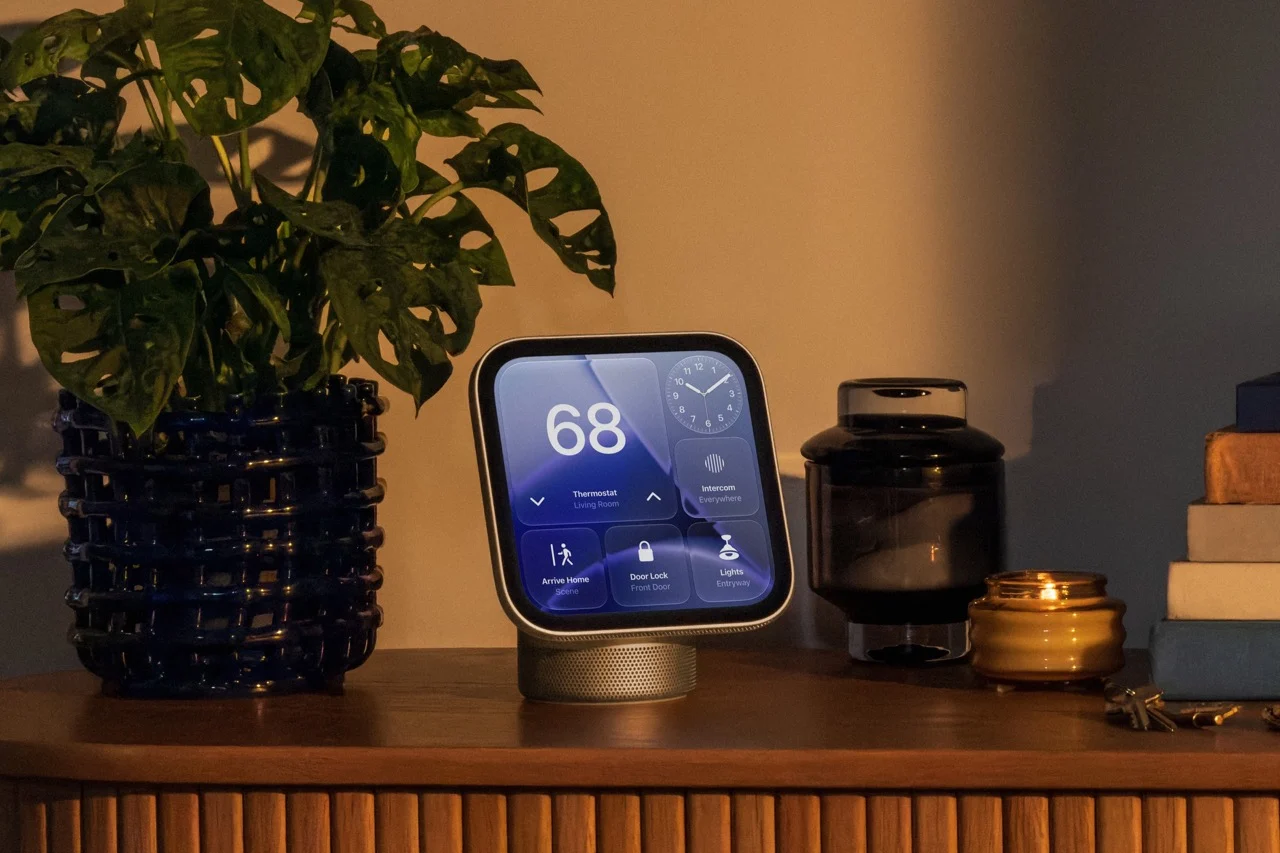
    Apple rolled out its HomeView smart display on Tuesday priced from $299. The device aims to revive the company’s connected home division with upgraded Siri artificial intelligence features.

    Shipments of the 7-inch touchscreen begin next month. The hardware incorporates facial recognition to control doorbells, thermostats and digital locks across household networks.

    The display resembles the arm-mounted screen of Apple’s classic sunflower iMac desktop. It displays customized app icons based on which resident stands in front of the camera. Voice control through Siri handles primary navigation rather than manual taps, tying the hardware directly to Apple’s home operating environment.

    Hardware specifications and partner accessories

    Alongside HomeView, Apple updated its HomePod smart speaker and Apple TV set-top box. To solve peripheral compatibility hurdles that stalled previous smart home initiatives, Apple partnered with South Korea’s LG and European industrial group Schneider Electric to release companion doorbells, indoor cameras and smart thermostats tailored for the ecosystem.

    That collaboration aims to widen peripheral distribution through third-party retail channels and regional electronics chains. Apple has struggled to build standalone smart home market share in those venues over the past decade.

    Services revenue and platform competition

    Hardware expansion into residential hubs serves a broader financial target: sustaining subscription revenue across services including iCloud, Apple TV and Apple Pay. Visible Alpha Research at S&P Global Market Intelligence projects Apple’s annual services revenue will rise 12 per cent to $138 billion by 2027.

    Securing the living room countertop is essential for that growth curve. Smart displays act as persistent digital billboards inside consumer households, driving daily engagement with paid streaming and cloud storage platforms.

    Competitors hold an entrenched lead. Amazon expanded its smart hardware lineup last week with dedicated tablets running Alexa, backing an existing base of Echo smart speakers and Ring security systems. Artificial intelligence developer OpenAI is also exploring proprietary consumer devices.

    “Apple needs to demonstrate that its AI capabilities can deliver meaningful benefits beyond basic voice commands, simplifying everyday tasks and bringing greater intelligence to the home,” said PP Foresight analyst Paolo Pescatore.

    Upgraded Siri and multi-year AI deals

    Apple overhauled Siri’s underlying software architecture during its Worldwide Developers Conference earlier this year. That work leaned on a multi-year foundation model partnership signed with Google in January 2026. The upgraded assistant processes conversational commands locally and via secure cloud servers, matching query context across connected household devices.

    Retail availability begins across global markets in November 2026. Initial shipments will test consumer appetite for premium smart home displays against lower-cost alternatives.

  • Seoul Starts $184M Yongsan Electronics Market Overhaul into AI Hub

    Seoul Starts $184M Yongsan Electronics Market Overhaul into AI Hub

    Seoul broke ground this month on the redevelopment of Yongsan Electronics Market, committing 247 billion won ($184 million) in developer contributions to transform the district into an artificial intelligence cluster.

    The project covers eight of the market’s 11 commercial zones, replacing a cluster of 20 aging buildings where vacancy rates previously exceeded 60 percent with high-density tech labs, software offices, and modern retail premises.

    Building permits and zoning approvals

    Municipal authorities issued building permits for four initial zones, clearing the way for work to start on Zone 5, the primary gateway into the complex. The approved blueprints designate dedicated floor space for research and development labs, digital media studios, and technology startup incubators alongside leisure, cultural, and sports facilities.

    Pedestrian connectivity forms the backbone of the physical master plan. The municipal government will construct a 570-meter elevated walkway running east to west, linking individual blocks through 11 pedestrian bridges that connect directly to Yongsan Station.

    “With this first groundbreaking, Yongsan Electronics Market is beginning a new chapter as a growth hub for AI and ICT,” said Kim Chang-gyu, director-general of the city’s Balanced Development Headquarters.

    Shift from hardware retail to software capital

    Traditional wholesale hardware districts across Asia face identical structural obsolescence as consumer electronics purchasing shifts to digital platforms. Tokyo saw Akihabara pivot toward gaming and subculture retail decades ago, while Shenzhen turned Huaqiangbei into an agile hardware incubator. Yongsan failed to execute either pivot during the early 2010s, allowing e-commerce platforms to capture consumer hardware sales while physical foot traffic collapsed.

    Landlords and retail operators now face a compressed transition window. Commercial operators that survived on low-margin component sales and physical assembly must pivot toward enterprise tech services, while property managers must lease to institutional corporate tenants rather than independent stallholders. The primary commercial risk rests on leasing speed, as developers must fill vast R&D footprints in central Seoul while tech companies remain selective on commercial real estate commitments.

    Integration with Yongsan Business District

    The overhaul links directly to the adjacent Yongsan International Business District development. Seoul Mayor Oh Se-hoon first framed the district’s repositioning under an ambition to build Asia’s Silicon Valley in 2021, which led to the city’s formal redevelopment master plan in June 2023.

    Work originally began in the area when Yongsan Electronics Market opened in 1987, dominating South Korea’s PC and mobile retail trades through the 1990s before e-commerce platforms eroded storefront sales. The current construction phase will advance across the four permitted zones before the city reviews building permits for the remaining four development sectors.

  • Mibro Launches AeroPace Running Smartwatch for 149.99 EUR

    Mibro Launches AeroPace Running Smartwatch for 149.99 EUR

    Smart wearables maker Mibro launched its AeroPace running smartwatch on Oct. 13, 2026, with pricing starting at 149.99 EUR through official sales channels.

    Designed for beginner runners, the device introduces Mibro Coach, an intelligent training system developed by the Mibro Sports Science Lab that combines sports physiology models with AI agents to guide users through assessment, planning, recovery, and review.

    Hardware specifications and tracking features

    During workouts, the system tracks cadence, stride length, ground contact time, and vertical oscillation. Post-session analysis combines these metrics with training load, heart rate variability, and sleep quality to highlight strengths and suggest next steps.

    Post-session software logs compile these telemetry readings alongside estimated cardiovascular load, recovery windows, and recent sleep metrics.

    Training software and conversational coaching

    Developed by the Mibro Sports Science Lab, the companion training software structures guidance around the VDOT running index, estimated VO2max benchmarks, and predictive race finishing targets from 5K distances up to full marathons. The platform offers more than 20 preconfigured training programs running between four and 20 weeks in duration.

    Daily workouts adjust based on recorded sleep duration, fatigue metrics, and recent training stress. Users can select between five AI coaching personas or interact directly via Just Talk, a conversational feature designed for voice and text interaction regarding pacing and recovery adjustments.

    Market positioning in entry-level fitness wearables

    At 149.99 EUR, the device targets recreational runners looking for structured physiological metrics without paying the premium commanded by dedicated endurance hardware from Garmin, Polar, or Coros. Chinese consumer electronics brands continue to push mid-tier price points by bundling algorithmic coaching features into lightweight hardware, challenging incumbent sportswear and GPS equipment makers.

    Software retention presents the real commercial test for Shenzhen hardware makers. Selling a low-cost fitness watch is straightforward through direct-to-consumer digital channels. Keeping runners engaged requires algorithmic training advice accurate enough to prevent injury and justify long-term platform loyalty.

    Corporate background and product roadmap

    Founded in 2015, Mibro operates as a consumer hardware brand under ZhenShi Information Technology (Shenzhen) Co., Ltd. The business previously expanded third-party fitness ecosystem compatibility by integrating the Mibro Fit application with Strava in December 2024, followed by the release of the Lite3 Pro smartwatch in July 2024.

    Product expansion continued with three sports-oriented smartwatches in June 2025 and the Kids Watch Phone S1 in November 2025, before direct commercial distribution began in the United States market in March 2026.

    Mibro will distribute the AeroPace across Europe and Asia through its online storefronts and authorized regional distributors as initial retail shipments begin this quarter.

  • Australia Probes Shenzhen Qingcheng over HeyCyan Smart Glasses App

    Australia Probes Shenzhen Qingcheng over HeyCyan Smart Glasses App

    Australia’s privacy regulator announced on Wednesday that it has launched an investigation into Shenzhen Qingcheng Future Technology, the maker of the HeyCyan smart glasses application sold through retailers including Big W Marketplace and Amazon.

    The Office of the Australian Information Commissioner (OAIC) had been monitoring the rollout of smart glasses since early 2026 before receiving a formal request from the Attorney-General in August to examine the privacy implications of the devices.

    Regulator Demands Answers on Recording and Storage

    The OAIC opened the probe after Shenzhen Qingcheng failed to respond to inquiries sent to manufacturers and distributors, including Meta, Google and Kmart, regarding how camera-equipped eyewear records information, who can access it and where data is stored.

    Global tech majors including Meta and Google received the same questions alongside retailer Kmart. Unlike those firms, the China-based software maker did not provide the requested disclosures. Customers must download the software for full functionality across multiple hardware models distributed under varied merchant labels.

    Retailers Face Hardware Supply Chain Pressure

    For department store operators and online marketplaces, the scrutiny exposes the risks of white-label electronics sourcing. Low-cost wearable tech often relies on overseas third-party software vendors operating outside local compliance frameworks. That dynamic leaves local retail brands carrying the reputational fallout when software fails domestic privacy audits.

    Discount retailers expanded into entry-level smart wearables throughout 2026 to compete with premium devices from consumer electronics giants. That margin advantage evaporates if chains must pull non-compliant inventory or rework product software after regulatory intervention.

    Canberra Broadens Workplace and Security Reviews

    Federal scrutiny follows an escalating review of wearable cameras across public and commercial spaces in Australia. Canberra began assessing restrictions in September 2026 on camera-enabled glasses inside government workplaces due to surveillance and data security risks.

    Monitoring originally started in early 2026. The pace accelerated following a formal request from the Attorney-General in August to scrutinise consumer privacy safeguards on optical devices.

    Next Steps for Marketplace Operators

    The OAIC is now determining whether Shenzhen Qingcheng breached Australian privacy laws during the software’s distribution. Retailers selling hardware dependent on the HeyCyan platform must decide whether to suspend device sales as the formal investigation proceeds.

  • TCL Opens Industrial Museum in Huizhou to Mark 45 Years in Hardware

    TCL Opens Industrial Museum in Huizhou to Mark 45 Years in Hardware

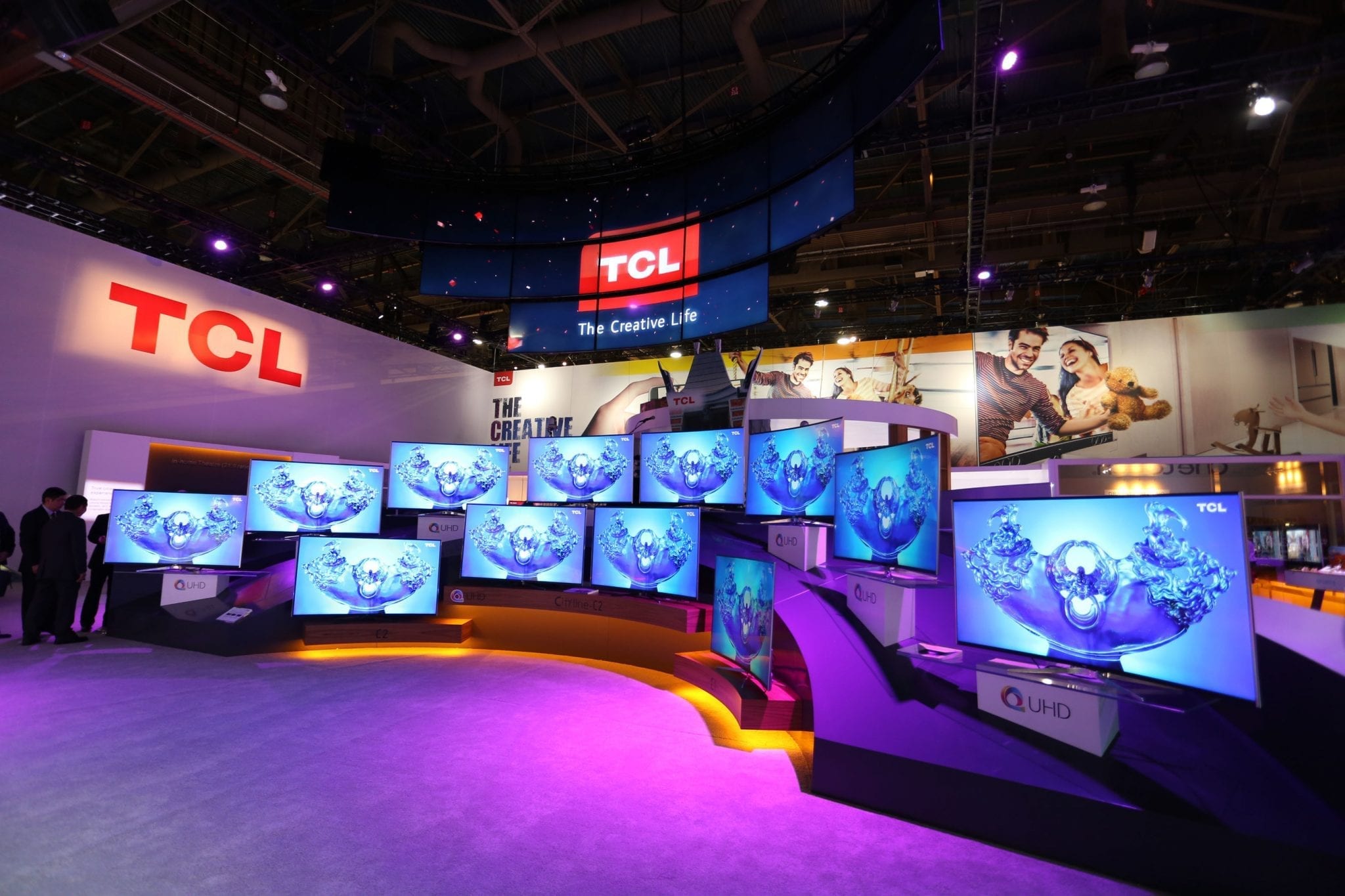
    TCL opened its new Industrial Museum in Huizhou on Monday, celebrating 45 years since its establishment as a local electronics maker in 1981. The facility shows the company’s evolution from a domestic magnetic tape workshop to an international consumer tech and display hardware manufacturer.

    The installation documents four and a half decades of factory automation, semiconductor display engineering, and overseas expansion.

    From Magnetic Tapes to Global Displays

    Founded as TTK Home Appliances Co., the company began by manufacturing cassette tapes before shifting into landline telephones, television sets, and mobile handsets. Today, the group operates across two listed entities, TCL Technology and TCL Electronics, spanning display panels, photovoltaics, and smart home appliances.

    Exhibits at the new museum track key shifts in manufacturing capability. These include the development of early cathode-ray tube televisions through to modern Mini-LED panels and automated fabrication facilities.

    Industrial Heritage and Corporate Strategy

    Corporate museums in China increasingly serve as public relations anchors for industrial conglomerates seeking to demonstrate domestic supply chain maturity. By establishing a dedicated site in its home base of Huizhou, TCL mirrors moves by Japanese and South Korean hardware giants that built legacy centers to project technical longevity to enterprise clients and government partners.

    For supply chain partners and component buyers, the facility highlights how vertically integrated Chinese panel production has become. TCL’s panel subsidiary, TCL CSOT, now supplies display modules to global television and monitor brands, competing directly with BOE Technology and LG Display.

    Display Capacity and Panel Investments

    The 45-year milestone follows aggressive expansion across high-generation display lines over the past decade. TCL CSOT invested heavily in 8.5-generation and 11-generation liquid crystal display lines in Shenzhen and Wuhan to capture share in large-screen home televisions and commercial monitors.

    That panel footprint allowed the company to secure lower manufacturing costs for its branded televisions in key export markets across North America, Europe, and Southeast Asia. Rivals such as Hisense and Skyworth have taken alternative routes by purchasing panels externally while focusing capital on retail distribution and branding.

    Next Steps on Next-Gen Displays

    Operational attention now shifts to the commercial output of printed OLED panels and advanced Mini-LED backlighting modules across the group’s production lines. TCL CSOT continues to run pilot validation for inkjet-printed OLED screens, with commercial yield rates remaining the key performance benchmark to watch through the next production cycle.

  • Insta360 Opens Times Square Store as Global Shipments Pass 10 Million

    Insta360 Opens Times Square Store as Global Shipments Pass 10 Million

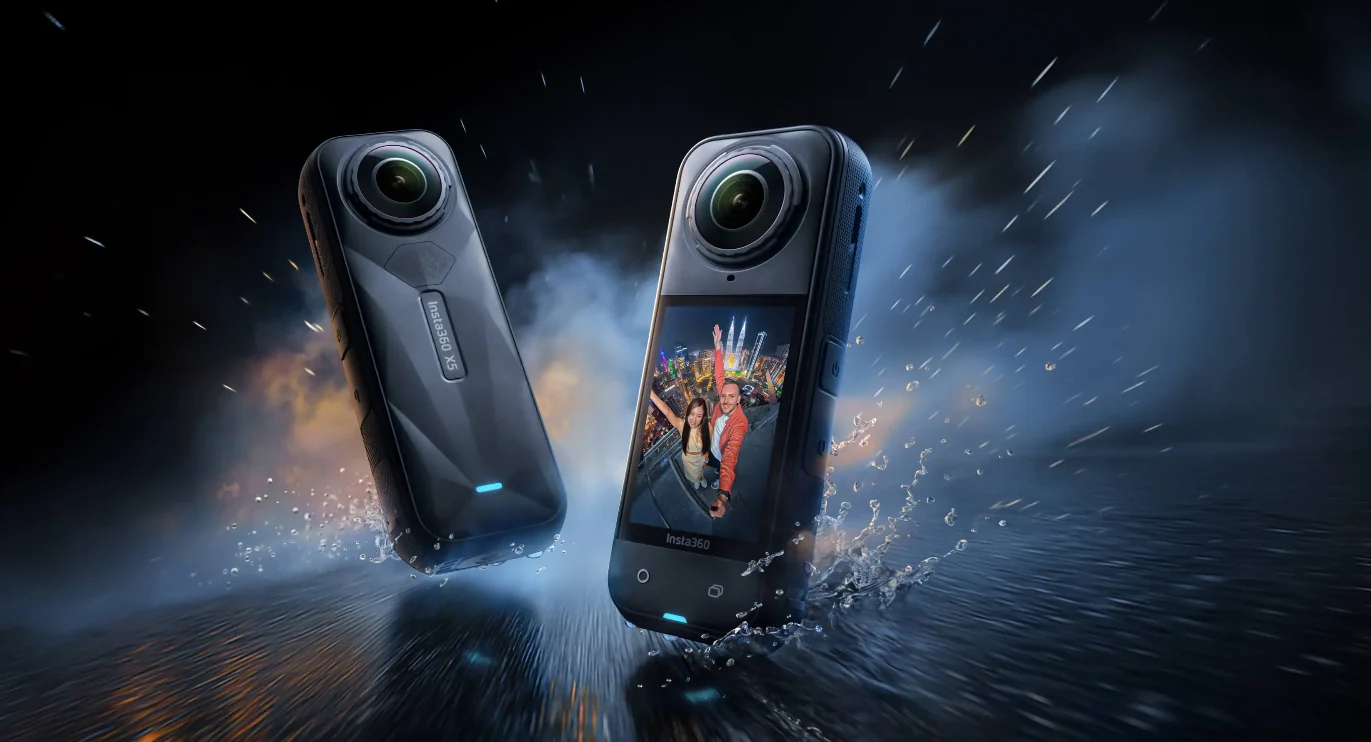
    Insta360 opened its first flagship store outside Asia at 1515 Broadway in New York’s Times Square on September 19. The opening follows 10 million total camera shipments worldwide.

    The company held nearly 70 per cent of the global 360-degree camera shipment market in the first quarter of this year, according to IDC data.

    Inside, visitors test action cameras, pocket gimbals, 360-degree capture rigs, and wearable hardware before buying. Staff provide live technical demonstrations and setup support on site. The store sits in one of the world’s densest pedestrian corridors. Co-founder and vice-president of marketing Max Richter led the opening alongside digital video creator Casey Neistat, an early adopter of the hardware.

    Shifting from Viral Feeds to Prime Real Estate

    For Asian hardware makers, physical retail in prime Western shopping districts is an expensive structural pivot. Insta360 built its export business through direct digital sales, Amazon storefronts, and third-party electronics retailers. Taking direct leases in high-rent transit hubs changes the equation. It shifts inventory holding costs, retail staffing overhead, and lease liabilities directly onto the corporate balance sheet.

    Direct flagships solve a conversion problem that e-commerce cannot fix. High-end panoramic and action cameras require hands-on demonstration. Casual buyers need proof that editing spherical footage is practical. By placing physical units directly into consumer hands, the company cuts return rates and avoids marketplace platform fees. The risk lies in fixed overhead if foot traffic fails to yield high-margin hardware purchases.

    The Asian Retail Template Moves West

    This Times Square location mirrors the retail playbook Asian consumer electronics brands deployed across regional capitals over the past decade. The company opened a direct flagship in Tokyo in August. It already oversees dozens of authorized partner stores across mainland China and Southeast Asia. Expanding that network across North America gives the hardware brand parity against legacy action-camera competitors on their home turf.

    Suppliers and component makers in Shenzhen gain direct visibility into Western consumer demand through owned point-of-sale channels. Selling directly at full retail price protects gross margins against distributor discounts and retailer margin squeeze. That cushion gives the manufacturer more room to absorb rising overseas logistics expenses and import tariffs.

    Ten Years from Launch to Global Scale

    Insta360 entered the United States market in 2016. It initially distributed compact smartphone clip-on cameras before expanding into modular action systems. Tracking data from Circana shows the brand led the United States market in 360-degree capable camcorder dollar and unit sales between January 2020 and February 2025. That domestic position supported its wider portfolio rollout, which now includes the X Series action units and thumb-sized GO cameras.

    Reaching 10 million cameras shipped worldwide is a milestone we owe to our community, but opening in Times Square is about building lasting roots.

    Munich Flagship Next in European Pipeline

    New York serves as the staging ground for a broader rollout outside Asia. Corporate retail plans outline direct expansion into mainland Europe, starting with a flagship location in Munich. Operations at 1515 Broadway will establish the sales and inventory benchmark for those forthcoming European sites.

  • Samsung India Profit Drops 36% to Rs 7,228 Crore in FY26

    Samsung India Profit Drops 36% to Rs 7,228 Crore in FY26

    Samsung India Electronics posted a 36 per cent drop in net profit to Rs 7,228.10 crore for the financial year ended March 31, 2026, as operational expenses outpaced revenue gains.

    Revenue from operations rose 1.2 per cent to Rs 1.12 lakh crore, keeping the South Korean brand as the sole consumer electronics and appliances maker in India with an annual turnover exceeding Rs 1 lakh crore.

    Margin pressure across consumer divisions

    Filings submitted to the Registrar of Companies and compiled by business intelligence platform Tofler show total consolidated income, which includes other income, reached Rs 1,14,738.60 crore during FY26. That compares with a total operating revenue of Rs 1,11,183.40 crore in FY25, when net profit stood at Rs 11,287.50 crore.

    Smartphones generated the bulk of top-line earnings across the twelve-month period. The Indian subsidiary also sells tablets, televisions, home appliances and personal computers through national retail chains, brand-owned stores and online platforms.

    Cost structures test electronics retail

    For appliance and device retailers across South Asia, the margin erosion at the market leader reflects broader inventory and component inflation. Rising bill-of-materials costs across display panels and memory chips have squeezed unit economics faster than retail shelf prices could absorb them.

    The sharp profit contraction confirms that volume stability in mobile handsets no longer guarantees bottom-line expansion in India. Premium device sales kept headline revenue flat, yet promotional discounts and elevated retail dealer commissions eroded operating margins across Tier 2 and Tier 3 distribution networks.

    Rival performance and regional positioning

    Korean competitor LG Electronics reported total income of Rs 2,46,049.12 in its corresponding local filing, marking an increase of nearly 1 per cent. While LG maintains strong white-goods distribution, Samsung continues to hold the dominant scale advantage in India through its combined appliance and mobile ecosystem.

    Samsung pushed through workforce reductions in early September, cutting roughly 100 positions in divisions facing margin stress, including televisions. The company also saw senior management changes during the same quarter following the departure of public policy director Rajiv Aggarwal after four years in the role.

    What to watch in the next cycle

    Retail partners now face tighter credit terms and stricter inventory allocations as the manufacturer shifts capital expenditure toward domestic production lines for artificial intelligence-enabled appliances and premium handsets.

    The key metric to track over the coming quarters is whether Samsung can lift gross margins during the autumn festive shopping season without conceding market share to aggressive Chinese handset rivals in the sub-Rs 20,000 retail segment.

  • Apple Passes $10 Billion in India Sales as Made-In-India Pro Models Ship Worldwide

    Apple Passes $10 Billion in India Sales as Made-In-India Pro Models Ship Worldwide

    Apple crossed $10 billion in annual revenue in India in fiscal 2026 as local production lines began supplying flagship devices directly to overseas store shelves.

    Revenue rose at a double-digit rate from roughly $9 billion a year earlier, driven by premium handset upgrades and larger contributions from MacBooks and iPads.

    The milestone coincided with the retail rollout of the iPhone 18 Pro and Pro Max, which started selling on Friday from Rs 164,900 ($1,970) and Rs 179,900 respectively. Foxconn and Tata Electronics assembled the devices locally around the clock, exporting launch-day inventory to the United States and other international markets ahead of the retail debut. Last year, Indian factories assembled only the standard iPhone 17 variants for worldwide launch day, while Pro assembly followed months later.

    Value Gains Defy Falling Shipment Volumes

    Consumer demand in India continues to tilt toward higher price brackets even as overall unit volume contracts. Handset shipments fell 4.1 per cent year-on-year to 31 million units in the first quarter of 2026, according to IDC data. Market value rose 5.8 per cent over the same period as average selling prices climbed 10.4 per cent to a record $302.

    Counterpoint Research data recorded premium devices accounting for 29 per cent of the total Indian smartphone market by volume during the first half of 2026. Apple captured 28 per cent of total market revenue in the first quarter despite accounting for only 9 per cent of unit volume, according to IDC. Samsung and Apple together took the vast majority of premium sales.

    Retailers across major metro markets reported steady traffic driven by structured financing, trade-in allowances, and multi-year credit card instalments that offset upfront list prices. Reliance Digital and Apple’s six company-owned flagship stores saw pre-dawn queues across Mumbai, Delhi, and Bengaluru as shoppers traded in older handsets.

    Contract Manufacturers Expand Pro Production

    For electronics manufacturers across Asia, the shift alters the operational playbook. Apple is no longer using Indian assembly plants solely to bypass local import tariffs or serve domestic buyers with older models. Placing day-one global manufacturing of flagship Pro hardware in Tamil Nadu and Karnataka shifts industrial weight away from mainland China’s assembly clusters.

    Suppliers face tighter technical requirements. Assembling top-tier hardware demands tighter tolerances, specialized cleanroom environments, and faster component turnaround times than entry-level lines require. Foxconn and Tata Electronics have absorbed those requirements, forcing second-tier domestic component suppliers to upgrade production quality or lose supply allocations to global tier-one vendors.

    Industrial Policy Drives Supply Chain Deepening

    The transition reflects years of targeted state incentives designed to build a domestic tech manufacturing base. Total mobile phone production in India climbed from Rs 18,900 crore in fiscal 2015 to Rs 6.27 lakh crore in fiscal 2026. Handset exports rose from Rs 1,566 crore to Rs 2.60 lakh crore over the same decade, making mobile phones the country’s largest single export category.

    Federal support through the Production Linked Incentive program drew more than Rs 20,600 crore in cumulative capital investment by March 31, 2026. Cumulative production under that program reached Rs 11.62 lakh crore, with exports topping Rs 6.53 lakh crore.

    New Delhi is now pushing beyond surface-mount assembly into core components through the Electronics Component Manufacturing Scheme. Ashwini Vaishnaw, the electronics and information technology minister, described the initiative as a deliberate step to build domestic supply lines for precision parts and raw materials. Regulators approved 106 component projects representing Rs 69,548 crore in pledged investment, with 38 factories operational as of August.

    Imported Foldable Tests Peak Price Ceilings

    Apple will test the upper limit of domestic purchasing power next month with the launch of its first foldable handset, the iPhone Duo. That model starts at Rs 299,900 for the 256GB version and rises to Rs 444,900 for the 2TB configuration. Unlike the Pro line, the foldable device will arrive as a fully imported unit assembled outside India.

    Retail networks will monitor inventory turnover for the ultra-premium foldable closely to assess whether local credit appetite can absorb handsets priced above Rs 300,000 without dedicated manufacturing subsidies.


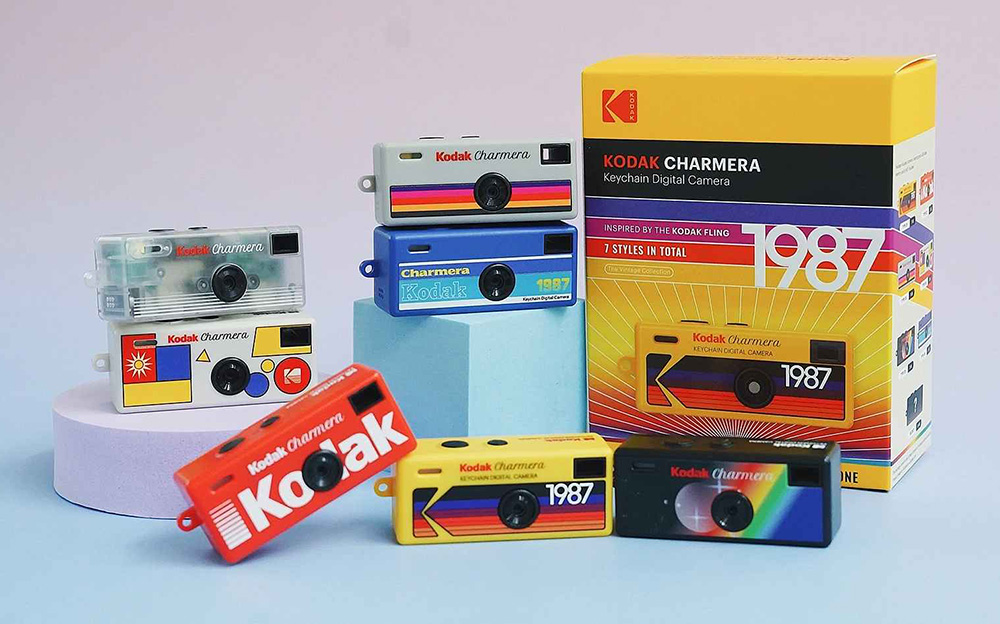
  • Eastman Kodak Overtakes Canon as Japan’s No. 1 Camera Brand in Fiscal 2025

    Eastman Kodak Overtakes Canon as Japan’s No. 1 Camera Brand in Fiscal 2025

    Eastman Kodak overtook Canon as the No. 1 camera brand in Japan by sales volume in fiscal 2025. The result ended the Japanese company’s 20-plus-year streak at the top of the market.

    American digital cameras captured the top spot after striking a chord with Gen Z and boosting appeal among young buyers.

    Budget compacts challenge high-end mirrorless

    Distributed by Maspro Denkoh in Japan, the Kodak Pixpro FZ55 led the surge while affordably priced below 30,000 yen.

    That price point separated Kodak from legacy domestic rivals. Over the past decade, Japanese camera makers largely abandoned budget compacts. They focused instead on high-margin mirrorless bodies costing well over 100,000 yen.

    Canon loses unit leadership after 20 years

    For over two decades, Canon dominated Japanese sales tables with both entry-level compacts and interchangeable-lens systems. Domestic makers then shifted production capacity toward premium gear and video tools. That shift left the sub-30,000 yen tier bare.

    Electronics chains stocked the Pixpro line to fill that opening. Younger buyers snapped them up, wanting dedicated point-and-shoot cameras without flagship smartphone price tags.

    Demographic shifts alter store assortments

    Demand in Japan has split along demographic lines. Older hobbyists and commercial creators still buy premium mirrorless systems. Younger shoppers choose pocket digital cameras for everyday snapshots.

    Fujifilm broke into Japan’s top three digital camera makers on strong interest from female shoppers. Combined gains by Kodak and Fujifilm show demand for standalone cameras reaching beyond traditional photo enthusiasts.

    Distribution networks realign for budget hardware

    Store buyers across Tokyo and regional hubs handle a starkly different product mix today. High-end camera counters still produce substantial revenue per ticket. Unit volume, however, belongs to lower-cost lines.

    Maintaining steady inventory across retail chains will test distributor Maspro Denkoh and Kodak as demand persists. Japanese camera brands must now decide whether to contest the budget category again or permanently yield volume to protect high margins.

  • Global Memory Shortage to Squeeze Device Makers Through 2027

    Global Memory Shortage to Squeeze Device Makers Through 2027

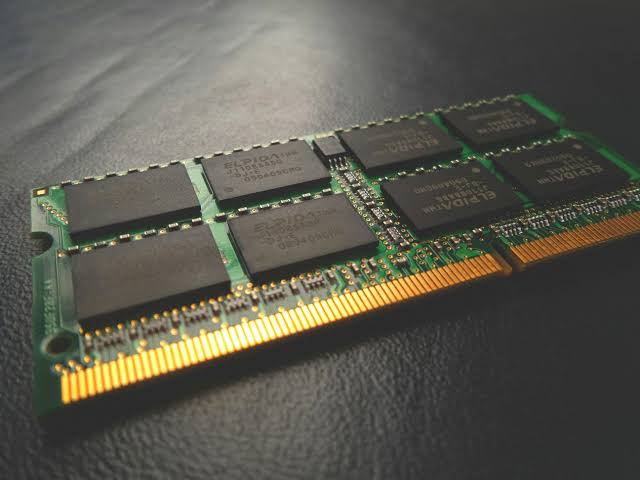
    A global memory chip shortage will squeeze independent phone and laptop makers through 2027, forcing product redesigns and price increases across entry-level consumer electronics.

    Counterpoint Research forecasts worldwide smartphone shipments will drop 13.9 per cent this year to 1.08 billion units, marking the steepest annual decline on record as memory costs make low-cost handsets uneconomical to produce.

    Memory now accounts for almost 60 per cent of the bill of materials on handsets priced around $400, according to Raymond van Eck, chief executive of Dutch repairable-phone maker Fairphone. Component availability rather than unit price has become the primary operational bottleneck for smaller manufacturers.

    Surging Prices and Supply Bottlenecks

    Market researcher TrendForce expects conventional volatile memory (DRAM) contract prices to climb 13 to 18 per cent this quarter, following a 93 to 98 per cent surge in the first quarter. The prolonged imbalance stems from severe production limits at major Asian fabricators.

    In July, the chief executive of South Korea’s SK Hynix warned that 2027 would be the worst year in industry history for supply availability, projecting that demand will exceed fab capacity past 2030.

    If you don’t have allocation, you’re out of the game anyhow.

    Smaller hardware makers are taking defensive operational measures to secure volume. Framework, a US-based modular laptop producer, now submits noncancelable purchase orders without confirmed delivery schedules, prices or volumes to maintain supplier allocation.

    Engineering Workarounds on the Factory Floor

    Hardware teams are altering board layouts to bypass supply chokepoints. Finnish handset maker Jolla created two distinct motherboard configurations so production lines can switch between integrated memory packages and discrete silicon chips.

    Counterfeit risks have mounted alongside component costs. Jolla now runs stress tests on sample components from every incoming batch to confirm shipments contain new silicon rather than recycled parts repackaged as firsthand inventory.

    Retail pricing strategies differ across hardware brands. Framework reprices machines immediately as raw component invoices arrive, Jolla introduced a standalone paid tier for memory upgrades, and Fairphone has held retail prices steady to protect volume.

    Shifting Inventory Dynamics

    Supply hoarding accelerated late last year when hardware makers realised the severity of Asian fabrication deficits. Companies attempted to build inventory buffers simultaneously, pulling forward chip volumes and compounding market tight spots.

    Jolla executives noted that combined storage and DRAM module costs peaked in late March and held flat through summer, averting earlier projections that component prices would double by autumn. Supply parity across mobile and personal computing memory lines is not projected to return until 2028.

  • Taiwan Telecoms Sell Out Initial iPhone 18 Pro and Foldable Duo Preorders in Minutes

    Taiwan Telecoms Sell Out Initial iPhone 18 Pro and Foldable Duo Preorders in Minutes

    Taiwan telecom carriers sold out initial preorder allocations for Apple’s iPhone 18 Pro series and foldable iPhone Duo within two minutes of opening online reservations on Thursday.

    Preorder volume for the flagship series surged nearly 200 percent compared to last year’s iPhone 17 Pro cycle, Taiwan Mobile reported. Far EasTone Telecommunications saw customer registrations more than double.

    Rising prices did not dampen demand. Next-generation silicon drove cost increases across the lineup. Apple’s base 6.3-inch iPhone 18 Pro starts at NT$44,900 ($1,419), up from NT$39,900 for the previous-generation device. The 6.9-inch iPhone 18 Pro Max entered the market at NT$49,900, up from NT$44,900. Pricing for the foldable iPhone Duo ranges from NT$74,900 for the 256GB version to NT$118,900 for the top-tier 2TB configuration.

    Premium Configurations Drive Carrier Allocations

    Buyer demand tilted heavily toward top-specification models during the opening reservation window. Chunghwa Telecom stated that 70 percent of surveyed subscribers targeted either the iPhone 18 Pro or the iPhone 18 Pro Max. Within that group, 45 percent chose the 512GB storage option. Taiwan Mobile reported that the iPhone 18 Pro Max alone accounted for roughly 50 percent of all new iPhone preorders placed through its myfone online retail channel.

    Shoppers also favored newly introduced finishes. Chunghwa Telecom noted that 46 percent of surveyed buyers selected Glacier, while 26 percent chose Burgundy. Burgundy emerged as the most requested colorway for Taiwan Mobile and Far EasTone, followed by Glacier. For the foldable iPhone Duo, Chunghwa Telecom recorded 60 percent demand for Star White, with the remaining 40 percent opting for Night Sky.

    Hardware Pricing Tests Regional Carrier Subsidies

    The sharp price jump tests consumer willingness to absorb higher upfront equipment costs on multi-year 5G service contracts. Taiwan serves as a key testing ground for East Asian smartphone demand, where carrier subsidies cushion high entry prices. Quick clearance of early allotments shows premium buyers remain price-inelastic. They purchased immediately, even as standard models pushed well past traditional retail thresholds.

    Component costs are also squeezing supply chain margins. Vendors passed advanced semiconductor and hinge engineering expenses directly onto retail price tags. Carriers must now manage device inventory financing without eroding retail margins. Replenishment speed poses the immediate risk. If early device allocations stay constrained, subscriber upgrade conversions could taper before the fourth-quarter holiday sales push.

    Launch Timelines Across Taiwan Outlets

    Apple formally unveiled the lineup earlier in the week. Far EasTone opened its official preorder channel at 8 p.m. On Saturday following several days of interest registration. Chunghwa Telecom and Taiwan Mobile activated bookings immediately after the product announcement.

    Physical deliveries will roll out in two separate phases across the island. Chunghwa Telecom, Taiwan Mobile, and Far EasTone outlets will start retail sales of the iPhone 18 Pro series at 8 a.m. On Sept. 18. Store inventory for the foldable iPhone Duo arrives on retail shelves on Oct. 23.

  • Cellboy Deploys Anchanto Software Across More Than 200 Stores

    Cellboy Deploys Anchanto Software Across More Than 200 Stores

    In September 2026, Philippine mobile phone and gadget retailer Cellboy announced the deployment of Anchanto’s cloud-based Order Management System across its network of more than 200 stores nationwide. The 17-year-old retail brand previously faced operational challenges with manual store-level tracking that delayed inventory and financial reporting.

    The roll-out links Cellboy’s warehouse operations directly to its physical storefronts and online platforms. While the Quezon City-based retailer already utilized a warehouse management system for internal hub operations, the new integration automates transactions from purchase to delivery with real-time updates.

    Connecting Warehouses to Store Shelves

    Under the partnership, Singapore-based commerce technology provider Anchanto supplies a unified system architecture that synchronises online and offline data. The platform provides store teams with real-time inventory visibility across every sales touchpoint, eliminating after-the-fact processing and reducing manual reconciliation work.

    “One of our biggest challenges was the lack of real-time visibility,” said Alvin Teng, chief executive officer of Cellboy. “Transaction data was only updated after processing, making it hard to get an accurate view of inventory and act quickly.”

    The Omnichannel Hurdle for Philippine Retail

    Consumer electronics chains across the Philippines face margin pressure from both organised mall-based competitors and digital marketplaces like Shopee and Lazada. For multi-store operators, carrying excess stock in backrooms to prevent stockouts ties up working capital, while running lean without live data leads to missed sales when shoppers cross between physical counters and online listings.

    By removing batch processing at the branch counter, Cellboy reduces the labour hours spent on nightly reconciliations. The risk now shifts to store-level compliance, where cashiers and stock clerks must maintain disciplined system entry to keep the live data stream accurate across 200 locations.

    Software Consolidation Across Southeast Asia

    Anchanto has built its footprint by targeting regional merchants that outgrow disparate legacy software. The Singaporean software vendor currently operates across 12 countries in Southeast Asia, the Middle East and Europe, maintaining direct integration links with more than 200 third-party logistics firms and marketplace platforms.

    Cellboy started operations 17 years ago as a mobile phone and accessories seller before expanding into wider gadget retail across Philippine shopping malls. The operational test now turns to how fast the retailer cuts order fulfilment lag as holiday device buying ramps up across its nationwide store footprint.

  • Speediance Signs Mark Cavendish to Lead Global Smart Fitness Push

    Speediance Signs Mark Cavendish to Lead Global Smart Fitness Push

    Smart fitness equipment maker Speediance signed 35-time Tour de France stage winner Sir Mark Cavendish on September 12. Cavendish will serve as global brand ambassador for the company’s new Build for Belief campaign.

    The deal pairs the Shenzhen-founded connected gym manufacturer with cycling’s most decorated sprinter. It lands as hardware makers battle cooling post-pandemic demand for premium home workout gear.

    Speediance launched the campaign with a digital training film featuring Cavendish. The video focuses on resistance training and physical rehabilitation routines. Speediance develops digital cable resistance machines, including its flagship Gym Monster series and VeloNix stationary bike, using electronic motors instead of weight plates to adjust loads.

    Hardware Pivot to Athletic Credibility

    Bringing in an elite endurance athlete shifts the brand away from casual lifestyle marketing toward performance training. Connected fitness startups spent years targeting recreational home users with touchscreen consoles. Falling hardware margins and subscription fatigue changed that approach. Now, brands must prove real functional value to dedicated athletes.

    For retail buyers and fitness distributors across Asia and Europe, the push signals an effort to challenge commercial gym suppliers directly. Speediance must convince specialty sports retailers that multi-functional digital resistance units can win floor space from traditional free weights and stationary cardio machines.

    Defending Intellectual Property in Global Markets

    High-profile athletic endorsements also give the Chinese manufacturer clear identity in crowded Western retail channels. Distributors in Europe and North America often hesitate to stock new Asian hardware brands facing patent or design disputes from copycat rivals.

    Speediance is actively defending its industrial designs abroad. Earlier this month, the company secured an injunction in the Cologne Regional Court against rival maker AEKE over Gym Monster design infringements. Strong athlete partnerships give distributors added legal and commercial confidence when allocating prime floor space.

    Expanding Physical Retail Footprint

    Founded in 2020, the company builds compact home workout machines using direct digital motor resistance. It expanded its reach through physical concessions earlier this year, placing its Gym Monster 2s line inside Smartech flagship department stores.

    Wholesale conversion is the next major test. Speediance must now turn online marketing buzz into firm stock orders from department stores and athletic retail chains ahead of the year-end holiday shopping cycle.