Tag: consumer electronics

  • TSMC Agrees to Produce Three 3Nm Chips for Xiaomi

    TSMC Agrees to Produce Three 3Nm Chips for Xiaomi

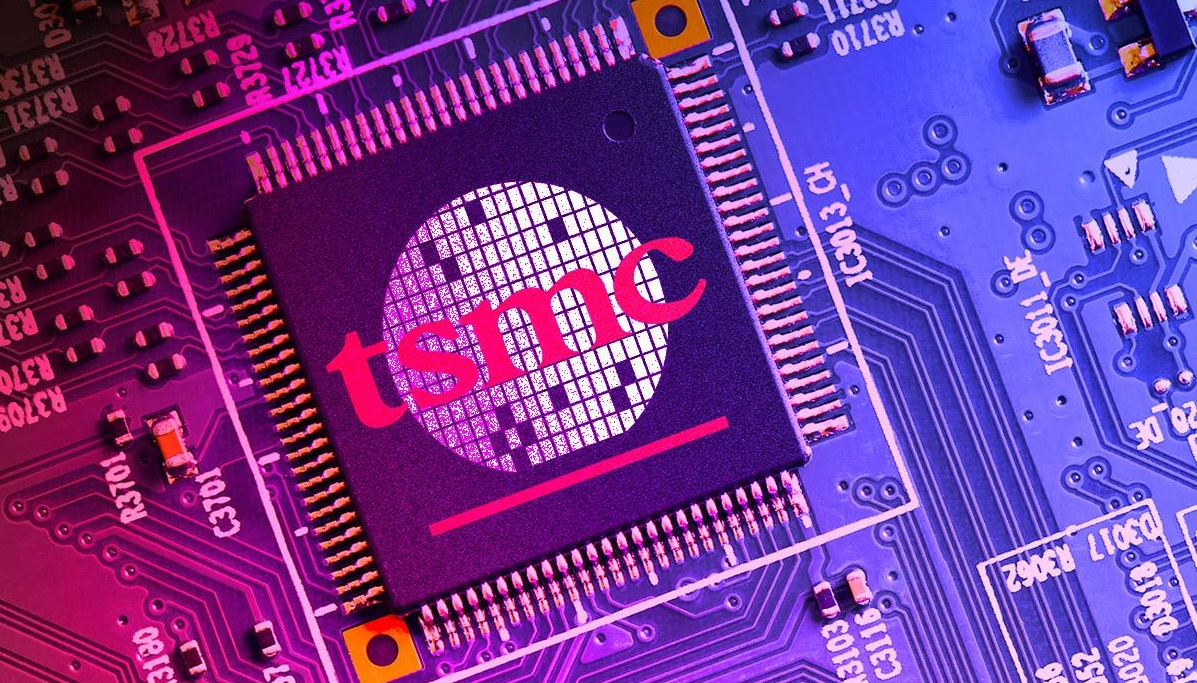
    Taiwan Semiconductor Manufacturing agreed to produce three custom chips for Xiaomi, including a next-generation three-nanometre smartphone processor starting in 2026.

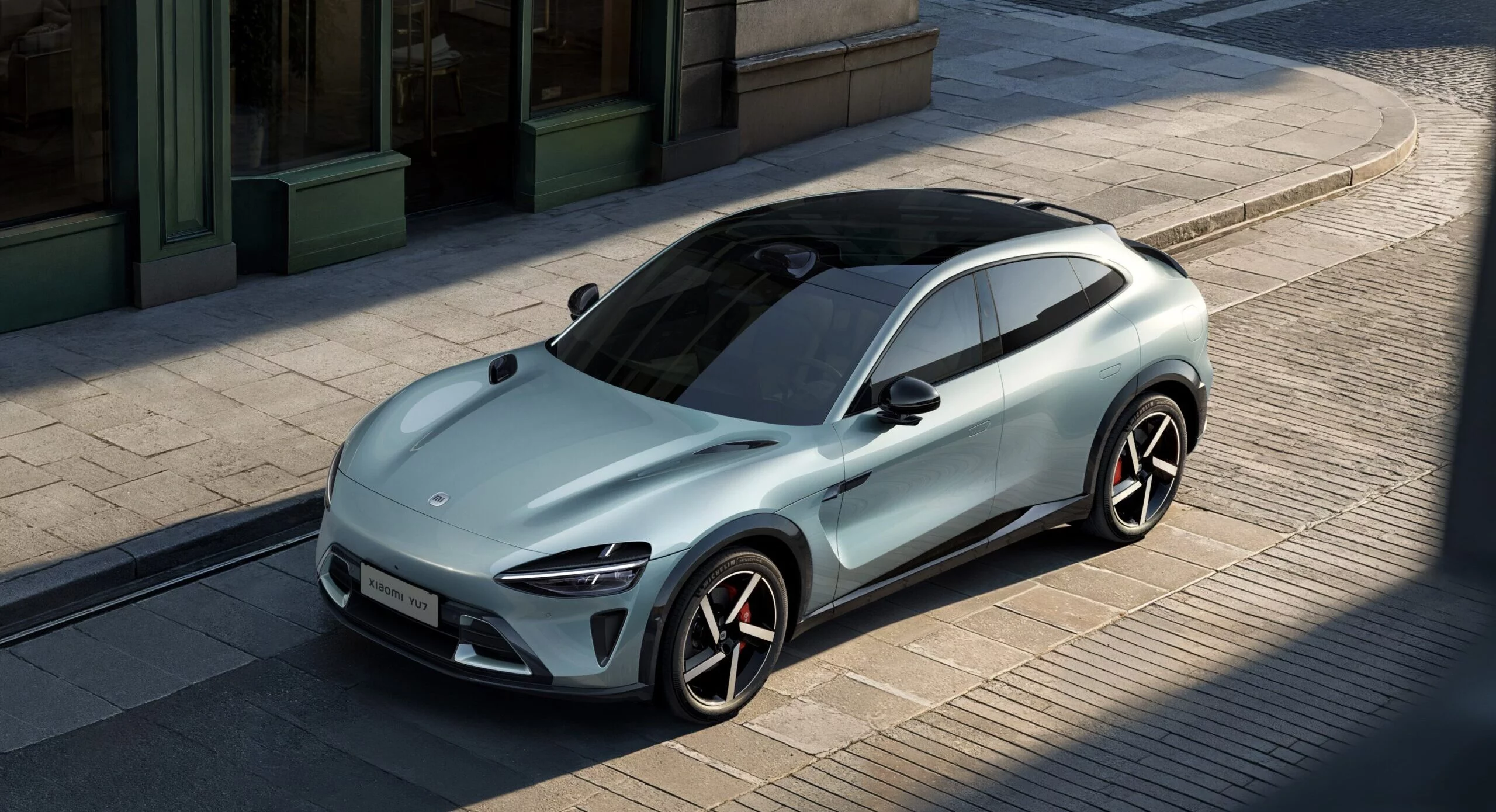
    The contract ties the $2.0 trillion Taiwanese foundry directly into the Chinese brand’s hardware expansion across flagship handsets, smart devices and automotive platforms. Xiaomi plans to deploy the primary 3nm design, designated the Xring O3, in its premium smartphones before rolling out two companion processors for consumer artificial intelligence devices and autonomous vehicle controls.

    Expanding beyond data centres

    Adding Xiaomi diversifies TSMC’s advanced-node order book at a time when top-tier 3nm wafer allocation has remained heavily concentrated among Western computing and mobile clients. Handset manufacturers in Asia have spent three years attempting to bring proprietary silicon in-house to reduce their dependence on merchant chipmakers. Xiaomi’s commitment to custom designs manufactured on TSMC’s cutting-edge lithography mirrors earlier silicon strategies from rival hardware makers, though extending those designs into vehicle autonomy widens the operational scope.

    For consumer tech brands in Asia, controlling chip architecture allows tighter software integration across connected ecosystems, from living-room appliances to electric sedans. The arrangement secures advanced fabrication capacity for Xiaomi while providing TSMC with volume demand outside its core server and cloud computing base.

    Wafer volume targets

    Initial commercial success hinges on the manufacturing yield and delivery pace of the Xring O3 line during 2026. Market performance will depend on the speed at which Xiaomi ramps retail shipments of its 3nm handsets and incorporates the subsequent automotive silicon into its production vehicles.

  • South Korea Smartphone Shipments Slip 0.5% as Premium Devices Take 73% Share

    South Korea Smartphone Shipments Slip 0.5% as Premium Devices Take 73% Share

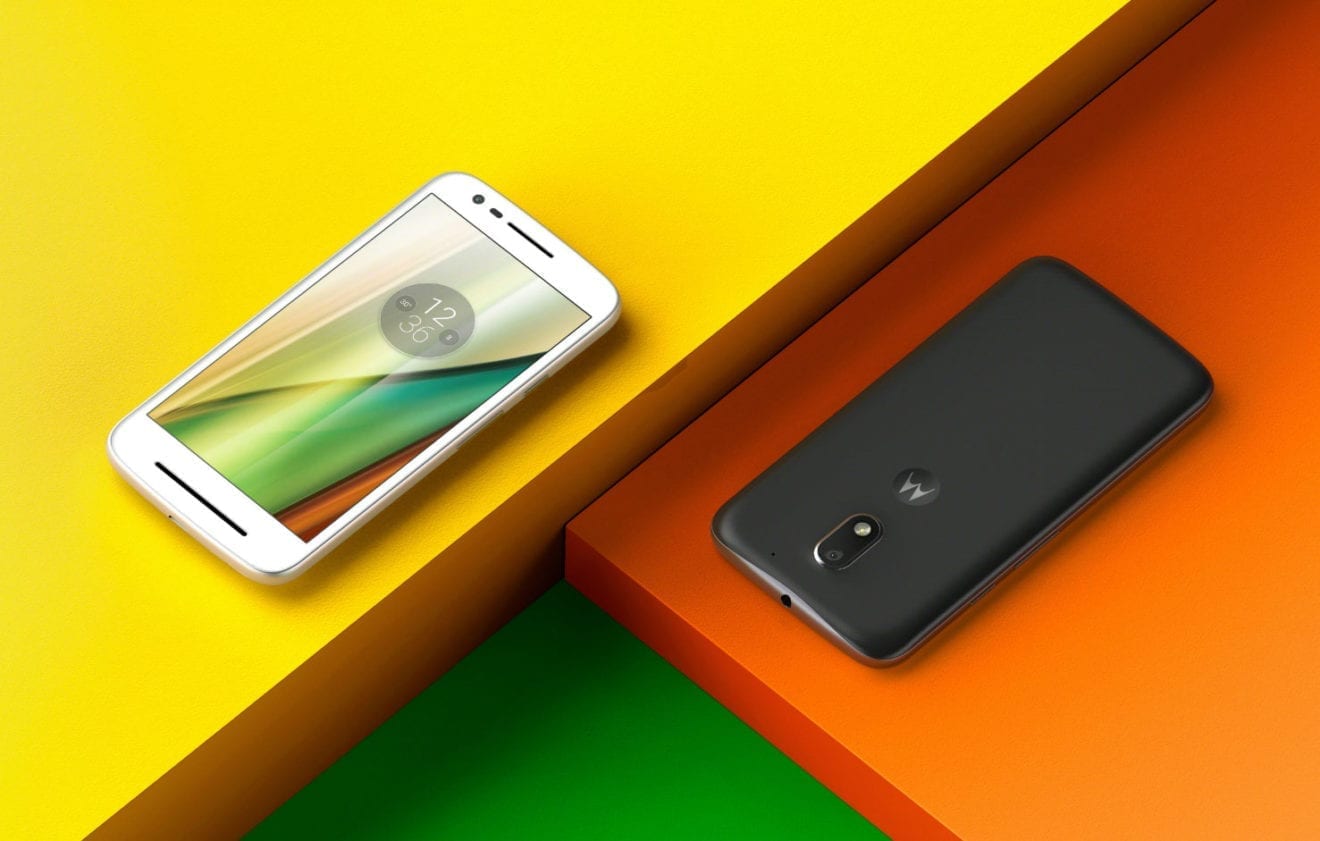
    South Korea’s smartphone market shipped 3.78 million units in the first quarter of 2026, dipping 0.5 per cent year-on-year, according to data from IDC Korea.

    Handsets priced at $800 and above captured 73.2 per cent of total volume, gaining double digits over the same period last year as buyers gravitated toward top-tier devices.

    Persistent inflation, volatile financial markets and geopolitical tension in the Middle East dampened entry-level purchases. Budget and mid-tier devices lost market share despite fresh product rollouts, weighed down by channel inventory accumulated ahead of the new school term.

    Foldables Surge as 5G Hits 95% Penetration

    Foldable devices led unit expansion during the quarter. Shipments reached 190,000 units, delivering triple-digit percentage growth compared to the opening quarter of 2025.

    Fifth-generation network connectivity became standard across nearly the entire market. 5G-capable devices accounted for 95.5 per cent of all smartphone shipments nationwide, supported by steady flagship purchases and a wider spread of affordable 5G models in secondary price tiers.

    Direct Sales and Price Hikes Drive Margins

    Across East Asia, mature consumer tech markets are splitting along spending lines. Rather than chasing unit volume through discounting, hardware brands in Seoul are steering promotional spend toward high-margin halo models to protect operating profitability against elongated replacement cycles.

    Manufacturers plan to lean heavily on flagship releases to generate demand through the first half of 2026, according to Jihae Kang, a researcher on IDC Korea’s mobile phone market research team.

    Brands will pursue profitability by raising retail prices on high-capacity storage tiers and expanding direct-to-consumer sales channels through the second half of the year.

  • China Halts Cooperation with EU Regulators over JD.com Ceconomy Bid

    China Halts Cooperation with EU Regulators over JD.com Ceconomy Bid

    Chinese authorities have halted regulatory cooperation with the European Commission over its antitrust investigation into JD.com’s proposed investment in German electronics retailer Ceconomy. The standoff complicates the Beijing-based e-commerce giant’s biggest push yet into Western Europe’s brick-and-mortar retail sector.

    European officials are scrutinising whether JD.com benefits from state-backed subsidies that distort competition under the bloc’s Foreign Subsidies Regulation. Without data from Chinese ministries, Brussels must rely on publicly available market disclosures and submissions from competing European merchants.

    Regulatory Standoff over State Subsidies

    JD.com targeted Ceconomy, the parent group of MediaMarkt and Saturn, to secure a vast logistics and physical retail footprint across Germany, Austria and southern Europe. The transaction requires regulatory clearance in Brussels before any formal share transfer or operational integration can proceed.

    Ministry officials in Beijing refused requests from European investigators seeking internal financial records, citing national data security rules and sovereignty limits. The resistance marks a sharp turn in cross-border corporate oversight, leaving transaction counsel to navigate conflicting legal mandates in both jurisdictions.

    European Ambitions Meet Cross-Border Friction

    For Chinese e-commerce operators, European expansion has shifted from direct cross-border parcel delivery to acquiring established logistics networks and physical storefronts. Alibaba pursued logistics hubs in Belgium and Spain, while PDD Holdings focused purely on discount marketplace app Temu. JD.com chose physical retail scale through Ceconomy, betting that owning store networks would shield it from rising import scrutiny.

    The European Commission will decide in its preliminary review whether to open an in-depth phase-two investigation or demand asset sales before approving the transaction.

  • China Targets 80 Brain Tech Standards by 2030 to Rival Neuralink

    China Targets 80 Brain Tech Standards by 2030 to Rival Neuralink

    China will draft or revise more than 40 brain-computer interface standards by 2028, according to draft guidelines issued by the Ministry of Industry and Information Technology.

    The roadmap aims to expand that framework to over 80 standards by 2030, pushing at least 100 domestic companies to adopt uniform technical rules for medical, industrial and consumer hardware.

    Under the ministry plan, Beijing also wants to lead or join the creation of more than 10 international standards. The directive aligns with China’s 15th five-year plan, which designates neural interface technology as one of six priority industries of the future.

    Domestic hardware and commercial trials

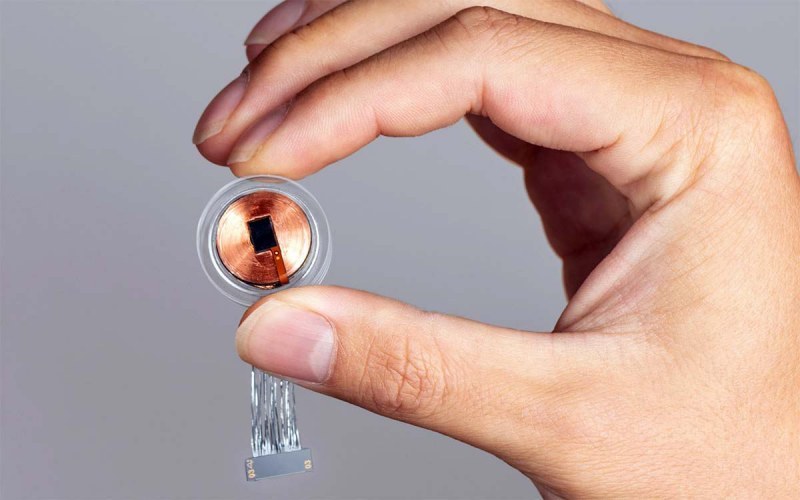
    Brain-computer systems decode electrical signals from the brain to control external devices directly. In China, several startups have progressed beyond laboratory testing into working hardware. Neuracle secured regulatory clearance for an implant that restores hand movement in paralysed patients, while BrainCo produces non-invasive headbands and brain-guided prosthetic limbs.

    Other domestic players, including StairMed and NeuroXess, develop invasive signal recording arrays and neural decoding software. These developers compete against Elon Musk’s Neuralink, which leads global headlines in commercial neural trials.

    Setting global rules for neural devices

    Drafting domestic standards early allows Chinese hardware makers to establish component specifications before foreign competitors dominate international supply chains. While American ventures focus predominantly on surgical clinical implants, Chinese developers are dividing capital between medical therapies and high-volume consumer gadgets.

    Regulators will now collect industry feedback on the MIIT draft, with the initial batch of 40 national standards scheduled for completion by 2028.

  • CES Asia Unveiled Expands to Seoul in Partnership with KES

    CES Asia Unveiled Expands to Seoul in Partnership with KES

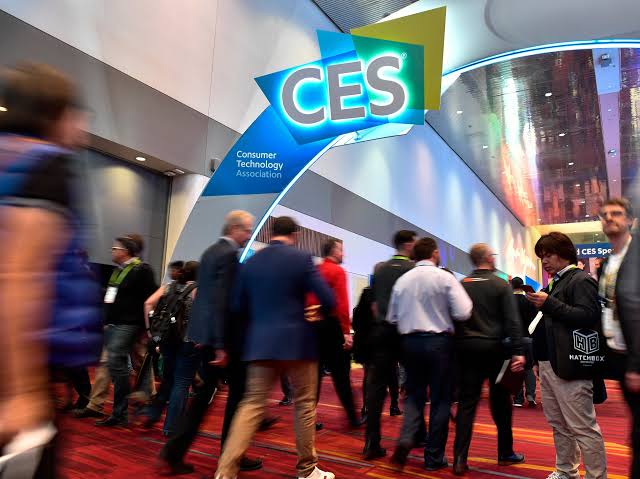
    CES Asia Unveiled is expanding into Seoul through a formal partnership with the Korea Electronics Show. The tie-up connects the regional preview platform directly with South Korea’s primary trade gathering for consumer electronics, appliance manufacturers and component suppliers.

    Organisers designed the Seoul event to give domestic tech makers, retail buyers and international media an early look at product launches ahead of the main global exhibitions. South Korean conglomerates and hardware startups will gain a dedicated stage to demonstrate consumer hardware, artificial intelligence applications and smart home devices to regional distributors.

    Bringing Preview Formats to South Korea

    The Seoul expansion reflects South Korea’s position as a dominant exporter of consumer electronics and display technologies. By collaborating with the Korea Electronics Show, the platform integrates local exhibition infrastructure with international brand networks that typically anchor large-format consumer technology shows across Asia.

    Participating companies will present products across smart appliances, mobility solutions, gaming hardware and personal devices. The format focuses on direct business matchmaking, pairing device manufacturers with Asian retail operators, ecommerce platform buyers and regional supply chain partners seeking early product inventory.

    Regional Competition in Consumer Electronics

    Trade event organisers across the Asia-Pacific region continue to adjust their calendars to secure hardware debuts from top tier manufacturers. While previous editions of regional technology shows concentrated heavily in Shanghai and Tokyo, trade bodies are increasingly setting up multi-city formats across key consumer markets in Northeast Asia.

    For South Korean electronics suppliers and regional distributors, the joint event provides immediate access to product roadmaps without requiring travel outside the domestic market. Registration timelines and exhibition schedules for the joint Seoul show will open through official trade channels as participating brands finalize their regional product lineups.

  • India Unveils 62500 Crore Rupee Scheme to Lure Apple and Google Hardware

    India Unveils 62500 Crore Rupee Scheme to Lure Apple and Google Hardware

    India has notified a 62,500-crore rupee smartphone manufacturing scheme. The policy aims to push Apple beyond iPhones and shift Google device exports away from China.

    Replacing the earlier production-linked incentive programme, the scheme runs through the 2030-31 financial year to deepen local component sourcing.

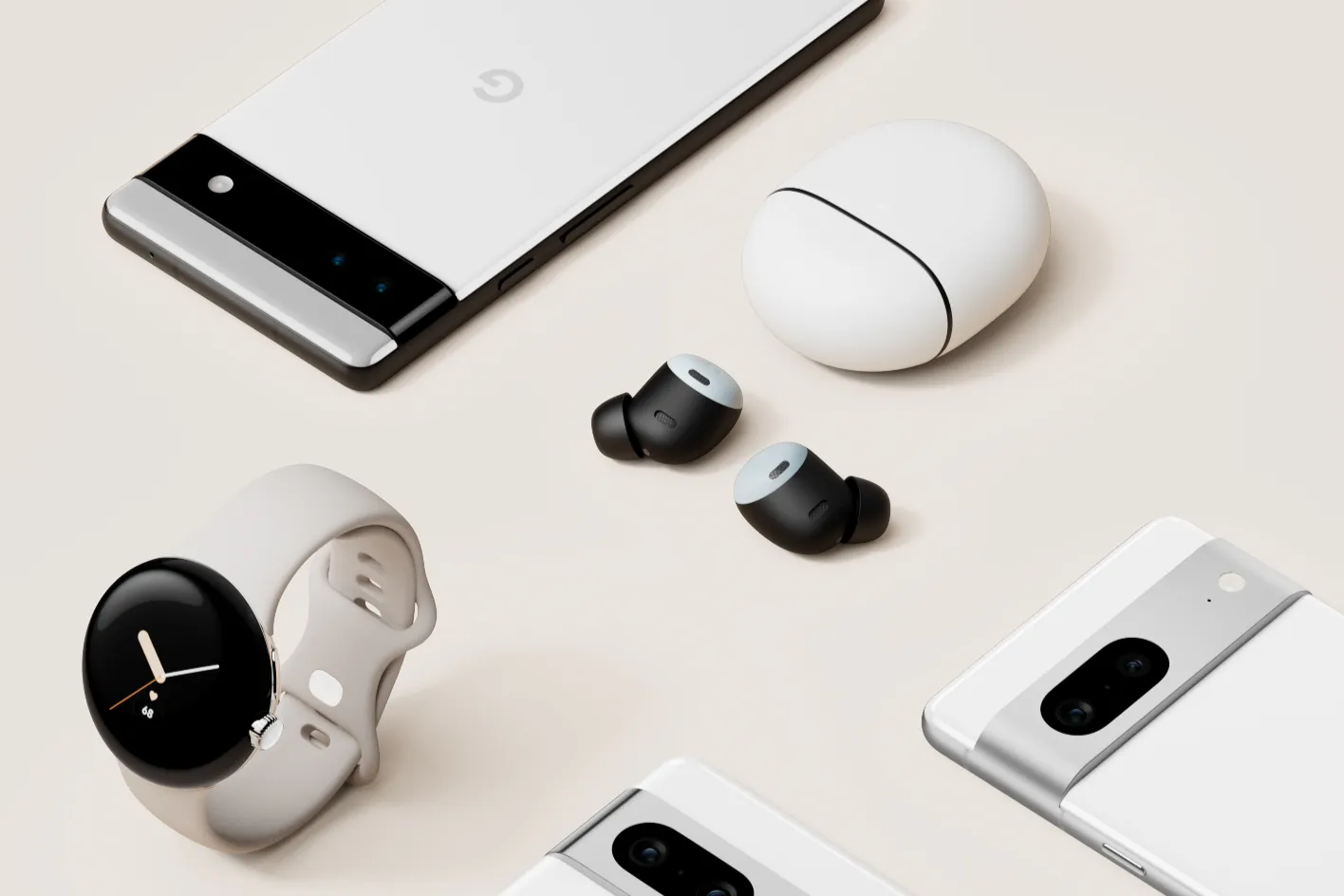
    Electronics and IT minister Ashwini Vaishnaw said New Delhi expects Apple to expand into other product categories using its existing iPhone assembly base. Google will also route a major share of export-oriented device production away from Chinese facilities into Indian factories.

    Manufacturers can claim incentives between 2.25 per cent and 5 per cent on eligible sales under the framework. An extra payout of up to 1.5 per cent applies to firms sourcing parts locally, including display modules, camera assemblies, enclosures, batteries and USB cables.

    Incentives for domestic brands and design

    Domestic brands get a dedicated track. Indian smartphone makers qualify for a 5 per cent sales incentive, alongside a 3 per cent reward for local research, development and product design. The government is working with three domestic companies to launch high-volume device designs within 10 to 14 months.

    Official data shows mobile phones delivered 61 per cent of India’s electronics exports last year, up from 4 per cent in the 2014-15 fiscal year, according to Electronics and IT secretary S Krishnan. Mobile device output now accounts for 48 per cent of total domestic electronics production, up from 10 per cent a decade ago. Overall phone exports grew 166-fold between 2014 and 2025 at a compound annual rate of about 59 per cent. India is now the world’s second-largest phone maker by volume.

    Moving from assembly to component integration

    Global electronics brands across Asia face fresh pressure to localise sub-assemblies rather than snap imported kits together in final assembly plants. Competitors in Vietnam and China will face sharper export competition as Indian suppliers scale up module fabrication.

    Attention now shifts to the 10-to-14 month delivery window for the three state-backed Indian phone designs, alongside Apple’s first confirmed hardware assembly lines outside the iPhone family.

  • Asian Tech Giants Taiwan and South Korea Form AI Hardware Alliance Amid Surging Demand

    Asian Tech Giants Taiwan and South Korea Form AI Hardware Alliance Amid Surging Demand

    Long-standing technological competitors Taiwan and South Korea are joining forces to address the booming global demand for AI accelerators, the specialized hardware critical for training generative AI models. This alliance marks a significant shift from decades of intense rivalry to a necessary partnership in the digital age.

    The insatiable demand from tech giants for computing power has strained the capacity of key accelerator suppliers like Nvidia and AMD. Their products rely on an increasingly interconnected supply chain linking Taiwan and South Korea, making cooperation essential to meet the massive market need.

    Nvidia CEO Jensen Huang highlighted the urgency at Computex 2026 in Taipei, personally requesting more memory wafers from South Korean firm SK Hynix. This collaboration underscores that no single country can satisfy the current scale of AI infrastructure expansion alone.

    From Intense Competition to Interdependence

    For decades, South Korea and Taiwan fiercely competed for supremacy in technologies ranging from televisions and smartphones to memory chips. Both nations, former Japanese colonies, built their economies on exports, initially focusing on labor-intensive goods before advancing to electronics. This rivalry saw Taiwanese brands like Acer and Asus compete against South Korean giants Samsung and LG.

    South Korea often pulled ahead due to the integrated structure of its conglomerates, such as Samsung, which controlled multiple stages of the supply chain. A notable example involved Samsung reportedly aiming to dominate industries where Taiwanese firms competed, though Samsung denied such a specific ‘Kill Taiwan’ strategy.

    Taiwan’s strength, however, lay in its highly specialized contract manufacturing ecosystem. Unlike South Korea’s vertically integrated companies, Taiwan developed a dense network of firms each focusing on a narrow part of the manufacturing process. This specialization allowed for greater flexibility and adaptability, enabling enduring partnerships with global tech firms like Apple, which eventually made Taiwan Semiconductor Manufacturing Company (TSMC) its primary chip supplier over Samsung.

    Taiwan’s AI Hardware Dominance and Future Outlook

    In the current AI era, Taiwan’s multifaceted ecosystem has proven highly advantageous. Taiwanese companies now hold dominant positions in crucial niches, from power supplies to chip packaging and advanced cooling systems. This allows global customers to select and combine suppliers, maintaining production flexibility. Nomura’s May report ranked Taiwan first globally in AI hardware production, with its AI-related exports contributing to a 15-year high economic growth of 8.7% last year.

    This economic divergence saw Taiwan surpass South Korea in GDP per capita in 2025 for the first time in over two decades. However, this has not deepened the rivalry; instead, the AI boom has fostered greater interdependence. South Korea excels in High Bandwidth Memory (HBM), with SK Hynix and Samsung together accounting for approximately 80% of global HBM production. These critical memory components are then integrated with computing chips from Taiwan’s TSMC using advanced packaging techniques, a final step in creating AI accelerators.

    This dynamic has resulted in South Korea achieving a record trade surplus with Taiwan last year. The relationship is best described as a ‘frenemy’ dynamic, driven by the sheer scale of AI demand. Despite lingering competitive sentiments, the complementary strengths of Taiwan’s contract chipmaking dominance and South Korea’s memory market stronghold make them indispensable partners in powering the next wave of artificial intelligence.

  • Chip Squeeze Drives up Smartphone Prices in India, Boosting Apple and Samsung over Chinese Rivals

    Chip Squeeze Drives up Smartphone Prices in India, Boosting Apple and Samsung over Chinese Rivals

    Rising memory chip costs are significantly impacting India’s smartphone market, leading to a surge in average selling prices and a shift in consumer preferences. The average smartphone selling price in India has reached a record $315, marking a 14.4 percent increase from the previous year, according to recent market data.

    This price inflation is particularly affecting budget-focused Chinese smartphone brands, which have historically dominated the sub-$150 segment. As cheaper chips become scarce and more expensive, these companies are forced to raise their prices, diminishing their traditional value-for-money appeal. Conversely, premium and mid-range players such as Samsung and Apple are gaining market share, partly due to improved financing options that make their higher-priced devices more accessible to consumers.

    Chinese Brands Face Mounting Pressure

    Chinese smartphone makers, including Vivo, Oppo, Xiaomi, and Realme, experienced significant declines in shipments during the June quarter. Vivo’s shipments fell by 13.9 percent, Oppo by 8.5 percent, Xiaomi by 10 percent, and Realme by 14.2 percent year-on-year, according to IDC. Only OnePlus, which caters to a higher-end segment, saw a smaller decline of 2.5 percent.

    Industry experts indicate that the era of sub-$150 smartphones is effectively over in India. New Chinese models with similar features are now expected to cost between $200 and $250, a substantial increase from their previous pricing. This pricing pressure has already led to some budget brands raising smartphone prices by up to 40 percent.

    This development is crucial for RetailNews Asia readers, as India represents one of the world’s largest and fastest-growing consumer markets. The shift towards premiumisation, driven by supply chain economics, presents both challenges and opportunities for retailers and brands operating across Asia-Pacific. As affordability dynamics change, retailers may need to adapt their product assortments and financing solutions to cater to evolving consumer demand.

    Samsung And Apple Expand Their Foothold

    In contrast to the struggles faced by Chinese brands, Samsung and Apple have demonstrated resilience and growth. In the June quarter, Samsung’s shipments rose by 0.4 percent, and Apple’s by 0.7 percent. This enabled Samsung to narrow the gap with the leading player, Vivo, increasing its market share by nearly 200 basis points. Apple also saw its market share rise by 100 basis points in the same period.

    Samsung, with its diverse portfolio spanning from $200 to over $800, is intensely competing with Vivo in the $200-$300 segment. A key advantage for Samsung is its access to in-house memory chip supplies, which mitigates some of the cost pressures affecting competitors. Many Chinese firms rely on external suppliers like MediaTek, SK Hynix, and even Samsung for their chips, making them more vulnerable to price fluctuations.

    The global memory chip shortage, exacerbated by increased demand for AI and data center applications, has driven chip prices up fourfold since September 2025, with further increases anticipated. This trend is expected to continue pushing smartphone prices higher, accelerating the Indian market’s shift towards more premium products as financing options become more prevalent for expensive handsets.

  • Xiaomi SU7 Electric Vehicle Surpasses Half Million Deliveries Amid Strong EV Sales

    Xiaomi SU7 Electric Vehicle Surpasses Half Million Deliveries Amid Strong EV Sales

    Xiaomi’s SU7 electric vehicle has reached a substantial delivery milestone, with over 500,000 units now in the hands of customers. This achievement underscores the robust growth in electric vehicle (EV) sales and signals the increasing influence of technology companies in the automotive sector.

    The SU7’s rapid adoption reflects a broader trend of accelerating EV demand, especially within the Asia-Pacific region. As traditional automakers face heightened competition, new entrants like Xiaomi are quickly capturing market share with their tech-integrated vehicles.

    Accelerating EV Market Penetration

    The half-million delivery mark for the SU7 demonstrates Xiaomi’s successful entry into the highly competitive EV market. The company, initially known for its smartphones and consumer electronics, has used its brand recognition and technological expertise to quickly establish a presence in automotive manufacturing. This pivot highlights the convergence of consumer tech and mobility, a trend reshaping retail and consumption patterns across Asia.

    Strong sales figures for the SU7 contribute to the overall surge in electric vehicle adoption globally, with China remaining the largest market. Consumer preferences are shifting towards sustainable transportation options, driven by environmental concerns, government incentives, and advancements in battery technology and charging infrastructure.

    Broader Implications for Retail and Tech

    Xiaomi’s performance with the SU7 provides a clear example for other tech companies considering expansion into new hardware categories. The success in automotive highlights the potential for brand diversification beyond core products, particularly in high-value consumer goods. This move also forces traditional automotive retailers and brands to adapt their strategies, focusing on digital integration, advanced features, and a smooth customer experience that tech-savvy consumers expect.

    The competitive market in Asia’s EV market is intensifying, with both established brands and new startups vying for dominance. RetailNews Asia has been tracking similar moves by companies like Sony, which is also exploring mobility solutions, indicating a strategic shift among tech leaders to diversify their product ecosystems and tap into lucrative automotive opportunities.