Tag: consumer electronics

  • NFL Australia Fixture Drives 400 per Cent Surge in Online Merchandise Traffic

    NFL Australia Fixture Drives 400 per Cent Surge in Online Merchandise Traffic

    Online traffic for National Football League merchandise surged roughly 400 per cent in Australia during the month before Melbourne’s inaugural regular-season game.

    More than 100,000 spectators attended the fixture between the Los Angeles Rams and the San Francisco 49ers at the Melbourne Cricket Ground. That capped a week of commercial activations across the city.

    Merchandise demand and consumer spending spikes

    Digital traffic for NFL gear was already running 310 per cent above baseline levels across the twelve months ending in August, according to data from Adobe. Sponsors hold high expectations. Adobe found 72 per cent of brands investing in the Melbourne fixture anticipate a 1.5-times return on spend. Another 30 per cent expect to double their outlay.

    Local spending patterns mirrored established habits. Carly Lynch, principal strategist of retail, media and travel at Adobe’s digital strategy group for Asia-Pacific, noted that 79 per cent of Australian households buy goods tied to major Australian Football League finals. During similar sporting windows, spending on streaming hardware jumps 74 per cent as consumers upgrade home setups.

    The commercial stakes for regional retailers

    For electronics retailers and licensed apparel distributors, foreign sports codes create a revenue window outside the traditional domestic footy calendar. Department stores and specialty chains face sharp demand spikes. These require precise inventory timing rather than prolonged shelf space. The immediate payoff sits with official merchandise and home viewing tech, leaving general retailers with minimal spillover.

    Buying teams face real risks if they overcommit stock beyond headline event weeks. Domestic leagues offer six months of consistent weekend matches. In contrast, overseas touring properties generate intense, narrow purchasing bursts that drop quickly once teams leave.

    A four-year runway in Victoria

    The Melbourne match is the first stage of an agreement between the league and the Victorian Government to host three games across four years. It follows a sustained effort by NFL Australia to build fan engagement and retail tie-ins before bringing full-scale games to the region.

    Charlotte Offord, general manager of NFL Australia and New Zealand, now targets a permanent annual fixture at the MCG under future scheduling arrangements.
  • Film & Tape Expo 2026 Sets Shenzhen Gathering for 1,200 Materials Suppliers

    Film & Tape Expo 2026 Sets Shenzhen Gathering for 1,200 Materials Suppliers

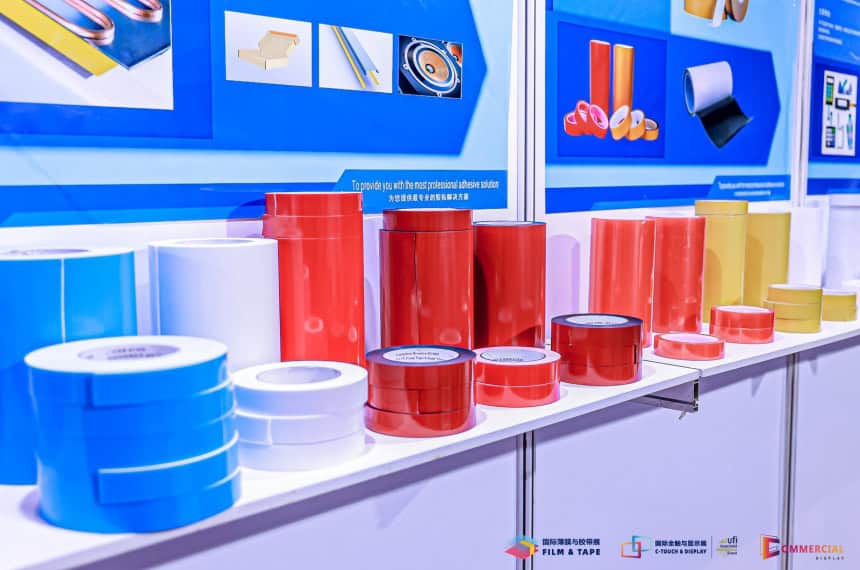
    Kuozhan Exhibition Services will run Film & Tape Expo 2026 in Shenzhen from October 27 to 29, gathering 1,200 exhibitors across 80,000 square meters of floor space. The trade show targets component makers in consumer electronics, automotive manufacturing and semiconductor packaging.

    Organisers expect more than 60,000 commercial buyers at the Shenzhen World Exhibition & Convention Center in Bao’an. The show includes 30 technical conferences, over 200 product launches, and roughly 3,000 pre-arranged one-to-one supplier meetings under a dedicated matchmaking programme.

    Sourcing Across Hardware and Battery Chains

    Exhibitors will present functional films, adhesive tapes, chemical raw materials, and precision converting machinery. Demand centres on high-grade materials for lithium battery separators, aluminum-plastic packaging, and tab adhesives required for electric vehicle powertrains.

    Display manufacturers will source optically clear adhesives, polyimide films, and optical layers tailored for foldable handsets and automotive digital dashboards. Semiconductor suppliers plan to exhibit wafer tapes, thermal interface materials, and protective release films used in microchip assembly.

    Supply Chain Consolidation in South China

    Shenzhen remains the operational centre for South China’s consumer hardware ecosystem. Staging the event inside Asia Material Week allows industrial buyers to source specialty chemical inputs alongside downstream converting equipment in one visit.

    For consumer electronics brands and automotive tiers across Asia, access to domestic film and tape producers offers a way to trim bill-of-materials costs. Heavy capital spending on advanced coating machinery in China has steadily narrowed the quality gap with Japanese and Korean specialty chemical makers, tightening price competition across standard optical and protective grades.

    Trade Matching and Technical Forums

    The 2026 edition follows previous annual gatherings that expanded from base converting equipment into precision semiconductor substrates. Industrial procurement teams increasingly require custom die-cutting and heat dissipation solutions rather than off-the-shelf roll stock.

    Technical sessions across the three days will cover thermal management, multi-layer ceramic capacitor materials, and flexible printed circuit substrates. Floor registration and commercial matchmaking bookings open ahead of the October 27 start date.

  • UGREEN Launches Local AI Smart Home Hubs and Liquid-Cooled Wireless Chargers

    UGREEN Launches Local AI Smart Home Hubs and Liquid-Cooled Wireless Chargers

    UGREEN unveiled its first smart home ecosystem and liquid-cooled magnetic chargers at Gillette Stadium in Massachusetts on September 1. Pre-orders opened ahead of a formal crowdfunding drive in October 2026.

    The Shenzhen-headquartered hardware manufacturer wants to shift smart home processing away from third-party cloud platforms. Running workloads on local hardware eliminates recurring subscription fees for end users.

    Local Processing and NVIDIA Silicon

    Hardware in the new lineup includes the HomeAgent HA100, the HA100 Pro, and the MasterAgent MA100. The MasterAgent runs on NVIDIA’s Jetson Thor T5000 processor and delivers up to 2,070 FP4 TFLOPS of local computing power. That lets it manage multi-device task coordination and voice interactions locally. Household data never routes through external servers. Both HomeAgent models support the Matter interoperability protocol. They connect accessories such as SynCare indoor and outdoor cameras, the Uliya smart speaker, and digital display frames.

    Alongside the computing hubs, the company introduced three 25W magnetic wireless charging devices under its MagFlow badge. A 10,000mAh magnetic power bank priced at $149.99 uses a micro-pump liquid cooling system to control heat during fast charging. Other products include a three-in-one desktop charging stand for $159.99. A foldable two-in-one travel charger sells for $59.99 on Amazon and direct retail channels.

    Hardware Margins Versus Subscription Revenue

    Consumer electronics makers across Asia face slowing replacement cycles for basic charging accessories and cables. Moving upmarket into local computing hubs lets hardware vendors capture higher initial ticket prices. However, this strategy cuts off the recurring software subscriptions favored by Western competitors like Amazon Ring and Google Nest. UGREEN expects customer fatigue with monthly cloud storage fees will drive hardware sales.

    Engineering risks center on software execution. Local AI models demand sustained developer support and reliable edge performance across third-party Matter devices. If on-device image parsing and voice recognition lag behind cloud alternatives, buyers will balk at the upfront hardware premium.

    Expanding Beyond Commodity Accessories

    Founded in 2012, UGREEN built retail distribution across more than 180 countries on fast chargers, cables, and storage enclosures. The push into AIoT hardware follows a rollout of high-end network-attached storage units earlier this summer. The firm also signed an official partnership with the NFL’s New England Patriots in April.

    Pre-orders for the HomeAgent and MasterAgent hubs opened September 3. A $50 deposit locks in a 50 per cent discount before the full Kickstarter campaign launches on October 27, 2026.

  • TCL Picks up over 30 Product Awards at IFA 2026 Across Displays and Hardware

    TCL Picks up over 30 Product Awards at IFA 2026 Across Displays and Hardware

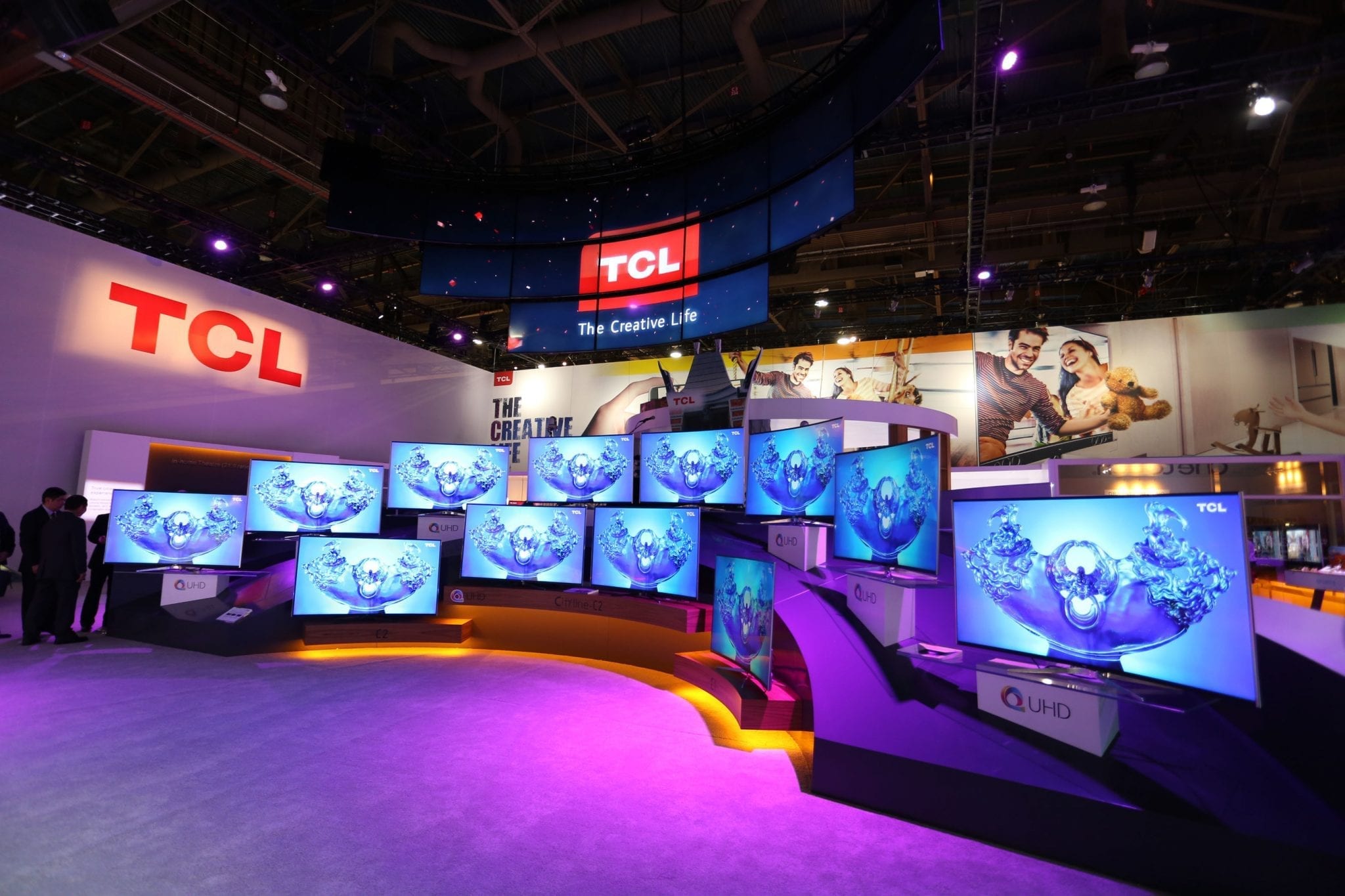
    TCL secured over 30 product awards at IFA 2026 in Berlin. Its flagship SQD-Mini LED television line and connected smart home hardware led the haul. The Chinese consumer electronics manufacturer operates in more than 160 markets worldwide. It holds the top global market position in Mini LED and displays measuring 85 inches and above.

    Judges awarded the group seven IFA Innovation Award Honoree titles alongside five Global Product Technology Innovation Awards. Consumer tech publications gave top hardware prizes to the TCL X11L SQD-Mini LED television. The companion C8L model and the X3 Series OLED gaming monitor won separate honors for high refresh rates and panel contrast.

    Display Standards and Visual Certifications

    Beyond consumer televisions, the Shenzhen-headquartered group pushed into commercial display validation. TCL and testing agency TÜV Rheinland released a joint SQD-Mini LED Display Industry White Paper in Berlin. The document establishes testing parameters for real-world ambient lighting conditions. Testing firm SGS also granted visual comfort verification under a co-developed natural light standard.

    On the mobile and wearable side, the slim TCL P80 series led the phone division. The P80 Ultra model took an innovation honoree prize for its camera and screen setup. TCL’s augmented reality unit picked up hardware recognitions for two optical products. These included the RayNeo iO smart glasses with built-in voice assistance and the RayNeo GT Max AR glasses with Dolby Vision certification.

    Expanding From Screens into Connected Appliances

    For appliance retailers and electronics distributors across Asia-Pacific, the product spread shows a supplier determined to lock consumers into a broader ecosystem rather than selling standalone television screens. East Asian display makers face tighter margin pressure in budget segments. Proprietary white goods and connected home robotics provide a necessary volume buffer.

    That strategy directly challenges entrenched regional rivals who built their retail dominance on comprehensive living room and kitchen lineups. Competing on standalone panel specifications is no longer enough. Brands need broader catalogs to command prime floor space in modern department stores and multi-brand regional retail chains.

    Smart Home Ecosystem Rollout

    White goods featured heavily in the European show. Honors went to the TCL Solar Series air conditioner, the TwinMag Prime Fresh series refrigerator, and the heyAiMe companion robot. The TCL 5G AI CPE X5 router links the fleet. It took a dedicated innovation prize for automated network management features.

    Chinese hardware manufacturers continue an aggressive multi-year push to trade up from entry-tier pricing into premium display and connected home categories. Retail buyers across European and Asian distribution networks now await commercial release schedules and regional pricing sheets for the X11L display and RayNeo optical lines ahead of peak fourth-quarter consumer shopping cycles.

  • Apple to Unveil First Foldable iPhone as Sector Shipments Grow 30%

    Apple to Unveil First Foldable iPhone as Sector Shipments Grow 30%

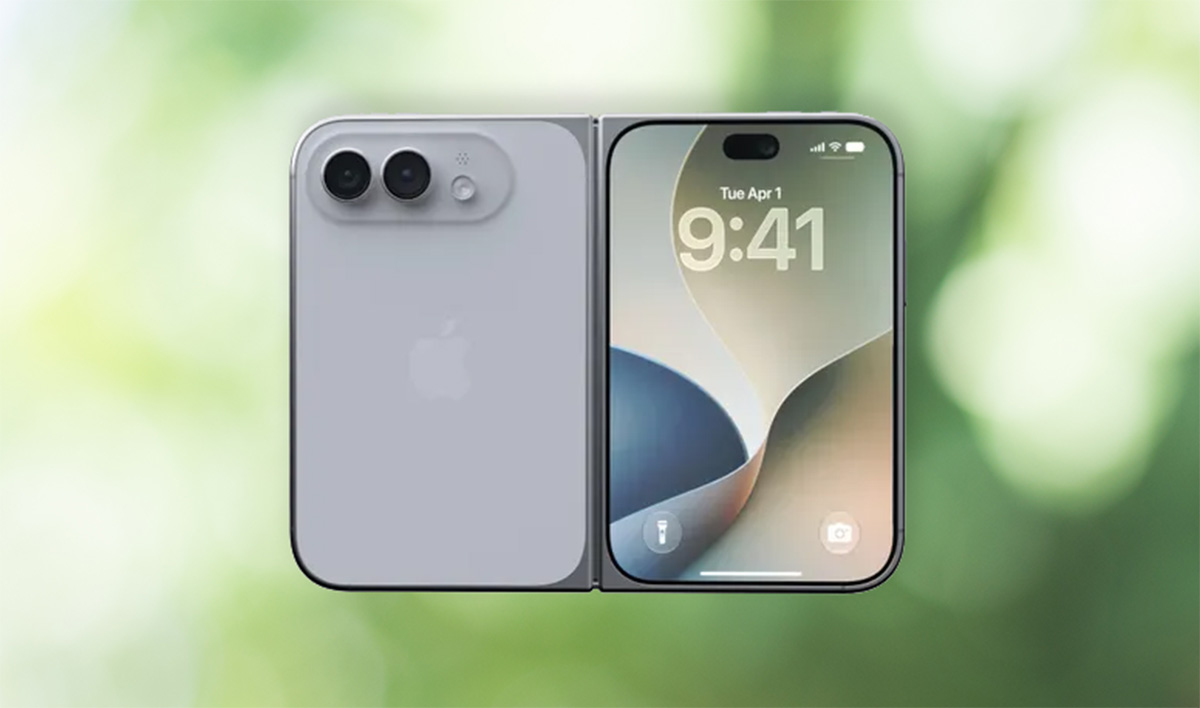
    Apple is expected to unveil its maiden foldable iPhone at its Cupertino headquarters later on Wednesday, entering a product category where Asian rivals hold a combined 70 per cent share.

    Samsung leads the global foldable smartphone sector with a share of about 40 per cent, followed by Huawei with 30 per cent, according to research firm Counterpoint.

    The new handset is expected to adopt a wider passport-style aspect ratio geared toward video and media consumption, arriving as supply-chain advances make flexible displays more durable and less prone to creasing.

    Asian Rivals Defend Premium Dominance

    For Samsung and Huawei, Apple’s entry turns a high-margin hardware niche into an open battleground across Asian retail channels. Both manufacturers spent years refining flexible hardware, using early technical missteps to improve hinge durability and lock down premium market share in China, South Korea and Southeast Asia.

    Asian component suppliers and display manufacturers stand to gain volume as Apple scales production. The primary risk sits with Android hardware makers in the upper price tiers, who lose their sole hardware differentiator once iOS software is available on a flexible screen.

    The Long March from Early Hinges

    Chinese display maker Royole shipped the first commercial foldable device in 2018 with its outward-folding FlexPai. Samsung launched the US$2,000 Galaxy Fold in 2019, withdrawing initial review units to redesign the display before releasing refined models such as the Fold 8. Huawei followed with the Mate X in 2019, before pushing hardware boundaries further in September 2024 with a US$2,800 tri-fold model.

    Apple’s entry will surely increase competition at the premium end. However, foldables are still a very small part of the overall smartphone market, so there is room for the category to grow well beyond current volumes.

    Growth Divergence in Handset Shipments

    Foldable devices account for a single-digit percentage of total handset sales, constrained by high retail pricing and consumer doubts over long-term screen durability. Google entered the segment in 2023 with the US$1,799 Pixel Fold, while Microsoft discontinued its dual-screen Surface Duo line.

    Research firm IDC expects global foldable shipments to grow nearly 30 per cent this year, outpacing an estimated 1.4 per cent decline in standard smartphone sales as Apple unveils its device later on Wednesday.

  • Hisense Extends UEFA Partnership Through 2028 European Championship

    Hisense Extends UEFA Partnership Through 2028 European Championship

    Hisense extended its sports sponsorship portfolio on September 3, 2026, signing on as an official partner for the UEFA EURO 2028 tournament.

    The agreement secures the Chinese consumer electronics manufacturer its fourth consecutive European championship contract since its tournament debut in 2016.

    Announced during the IFA consumer technology trade show in Berlin, the agreement retains Hisense as UEFA’s dedicated display technology partner. The Chinese appliance maker has integrated display hardware across match operations and fan venues while operating marketing zones at European and global football events.

    Expanding Global Screen Presence

    Chinese television manufacturers continue to channel marketing budgets into high-profile athletic tournaments to dislodge South Korean and Japanese incumbents across Western retail channels. Hisense, which took the top global market share position in television sets sized 100 inches and above between 2023 and the first quarter of 2026 according to Omdia data, relies heavily on large-format sports broadcasts to move premium RGB MiniLED sets.

    Rival panel manufacturers TCL and Skyworth deploy similar sporting playbooks across basketball and regional leagues, but Hisense holds the most extensive European football footprint among Asian consumer electronics brands. The commercial payoff rests entirely on whether Western consumer demand for premium home theatre setups offsets the escalating rights fees charged by international sports federations.

    Sponsorship Track Record

    The company became the first Chinese brand to sponsor the UEFA EURO tournament during the 2016 event in France, subsequently renewing for the 2020 and 2024 competitions. Outside European continental football, Hisense backed the FIFA World Cup tournaments in Russia in 2018 and Qatar in 2022.

    As the first Chinese sponsor of the UEFA EURO, over the past decade we have grown beyond pure brand sponsorship to become UEFA’s dedicated display technology partner, progressing hand-in-hand.Catherine Fang, Vice President of Hisense Group and President of Hisense Global Commercial Center

    Football investments sit at the core of the group’s overseas expansion strategy, which now reaches retail channels across more than 180 countries. UEFA reinvests 97.5 per cent of its total commercial revenue back into football development, providing top-tier brand partners with year-round visibility across 55 national member associations.

    Hardware Deliveries for 2026

    Commercial execution now shifts to the FIFA World Cup 2026, where Hisense serves as an official sponsor ahead of the 2028 European tournament. Retail inventory planning across European retail chains for the company’s next-generation RGB MiniLED lineup begins in early 2027.

  • TCL Affiliate RayNeo Launches GT and iO Smart Glasses Across 40 Markets

    TCL Affiliate RayNeo Launches GT and iO Smart Glasses Across 40 Markets

    RayNeo launched its GT Series and iO smart glasses across 40 retail markets on September 4, 2026. Pricing ranges from US$329 to US$549.

    The Chinese hardware maker held a 23.7 per cent global market share in the first quarter of 2026. That made it the world’s largest consumer augmented reality vendor.

    Hardware Pricing and Regional Distribution

    Sales started immediately through Amazon and the company’s direct web store. Distribution spans 40 countries and territories, including Singapore, Malaysia, Thailand, Vietnam, Japan, Australia, New Zealand, Saudi Arabia, the United Arab Emirates, the United States, Canada, Mexico, the United Kingdom and the European Union.

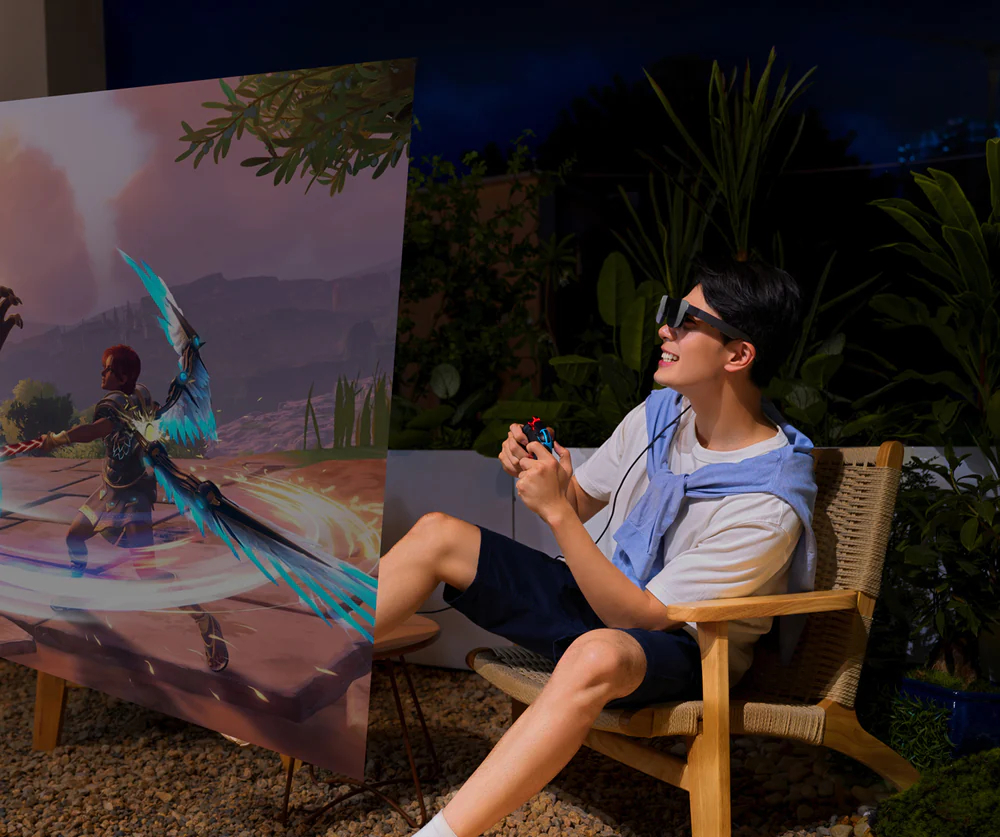
    Products fall into two distinct hardware tiers. The 33-gram RayNeo iO operates as a heads-up display for navigation, teleprompting, live translation and voice recording summaries. It costs US$499 with a standard case, or US$549 with a charging case bundle. For entertainment, the RayNeo GT retails at US$329, and the GT Max costs US$429. Both GT models feature audio co-tuned with Danish specialist Bang & Olufsen. They also support Dolby Vision playback when paired with the companion RayNeo Pocket TV Pro accessory.

    Competitive Shift in Consumer Wearables

    For electronics retailers and distributors in Southeast Asia, the rollout signals a shift from crowdfunding campaigns to volume consumer retail. At an entry price of US$329, the TCL-backed company takes direct aim at portable monitors and external displays rather than bulky mixed-reality headsets.

    Hardware margins in this segment stay tight. That puts pressure on companion accessories, such as the Pocket TV Pro and optical prescription inserts, to generate operating profit. Ecosystem lock-in presents the main commercial risk. Smart glasses still rely heavily on external host processing and content partnerships to attract buyers beyond early adopters.

    From Domestic Lead to Global Retail Footprint

    RayNeo built up to the Berlin release with several hardware announcements earlier in 2026. It debuted eSIM-enabled glasses at CES in January and introduced the Air 4 Pro at Mobile World Congress in March. Tracking databases from IDC, RUNTO, CINNO Research and AVC all ranked the company first for shipments in China.

    Demonstrations and executive interviews run through September 8 at Hall 21A at IFA 2026 in Berlin. Buyers can access introductory promotional discounts of US$30 during this opening sales window.

  • Xiaomi Launches 18 Fold Smartphone at 10,999 Yuan with Custom Silicon

    Xiaomi Launches 18 Fold Smartphone at 10,999 Yuan with Custom Silicon

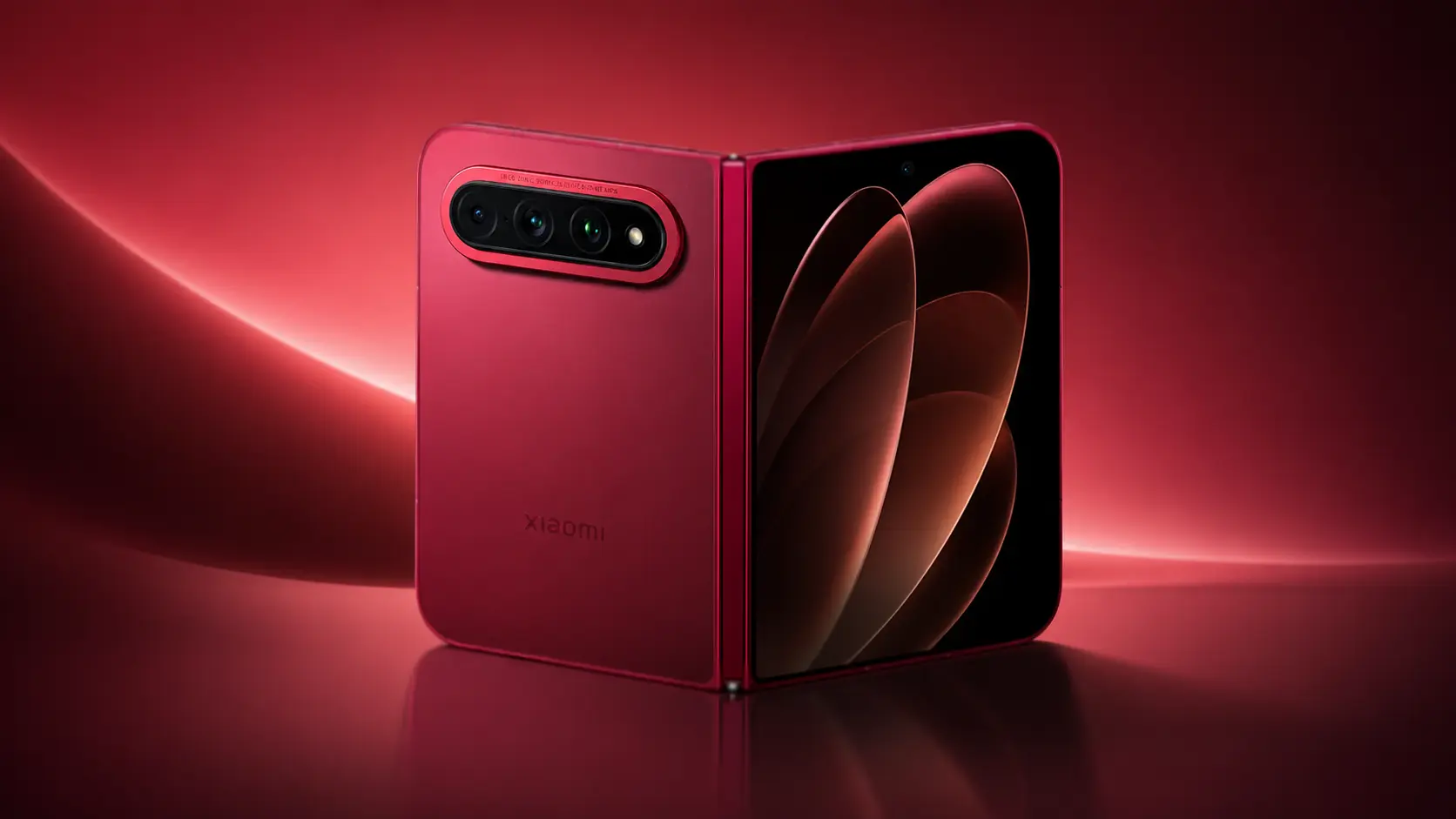
    Xiaomi launched its flagship 18 Fold smartphone in Beijing on Monday, pricing the device from 10,999 yuan (US$1,639) to compete directly with high-end foldables from Huawei and Apple.

    The phone carries Xiaomi’s proprietary Xring O3 processor and LPDDR6 memory from ChangXin Memory Technologies, with sales opening on Thursday at 10am across mainland retail channels.

    Founder and chief executive Lei Jun detailed the hardware specifications at the Beijing presentation. The device includes a 7.58-inch inner display, a reinforced hinge mechanism, an aluminium chassis, and strengthened cover glass. The 24-billion-transistor Xring O3 artificial intelligence processor raises central processor performance by 60 per cent over the prior Xring O1 generation while cutting energy consumption on select workloads by 25 per cent. Lei said Xiaomi has earmarked 50 billion yuan specifically for custom chip development, part of a wider 200 billion yuan research and development budget planned over the next five years.

    Silicon Independence and Electric Vehicle Pricing

    Alongside the phone, Xiaomi rolled out its Pad 9 Pro Max tablet starting at 4,799 yuan, also powered by the Xring O3, and priced its extended-range Skynomad sport utility vehicles. The five-seat N70 Pro SUV starts at 209,900 yuan, while the seven-seat N90 Max begins at 269,900 yuan. Both undercut Tesla’s Model Y L, which retails from 339,000 yuan in China. The extended-range powertrain uses an auxiliary petrol engine to charge the battery pack, delivering a driving range exceeding 1,000 kilometres on a single cycle.

    For consumer tech retailers and premium device vendors across Asia, Xiaomi’s dual offensive in mobile silicon and electric mobility tightens pricing pressure across two categories simultaneously. By pairing domestic memory from CXMT with proprietary processors, the company shields its bill of materials against international component shortages that are squeezing entry-level hardware margins. The aggressive SUV pricing also demonstrates that Xiaomi is treating hardware margins as secondary to ecosystem lock-in, forcing traditional carmakers and handset specialists to defend their retail territory on compressed margins.

    Premium Tier Resists Smartphone Downturn

    The product blitz lands during an intense competitive window in China. Huawei unveiled its Mate XT 2 trifold handset on Monday starting at 19,999 yuan, using its Kirin 9050 Pro processor. Richard Yu Chengdong, chairman of Huawei’s Consumer Business Group, confirmed that Huawei has sold more than 1 million trifold devices worldwide. Meanwhile, Apple is scheduled to present its product line-up on Wednesday in California, where analysts anticipate the launch of a foldable model priced above US$2,000.

    This surge in premium launches contrasts sharply with the broader consumer hardware environment. Counterpoint expects global smartphone shipments to contract 12.4 per cent this year, hit by surging memory costs and lengthening replacement cycles among budget consumers. Premium foldables remain an exception. Counterpoint projects cumulative worldwide foldable shipments will cross 100 million units by year-end, with annual category shipments set to expand 37 per cent in 2027.

    Xiaomi built up to this release after spending 105.5 billion yuan on research and development over the past five years and first previewing the Skynomad vehicle architecture in late July. The group had previously rolled out the first-generation Xring O1 chip last year to test its custom silicon pipeline in select devices.

    Market attention now shifts to Thursday morning retail sell-through figures for the 18 Fold, followed by initial delivery volumes for the Skynomad SUV series ahead of fourth-quarter earnings.

  • Indian Appliance Makers Swap Copper for Aluminium to Defend Shrinking Margins

    Indian Appliance Makers Swap Copper for Aluminium to Defend Shrinking Margins

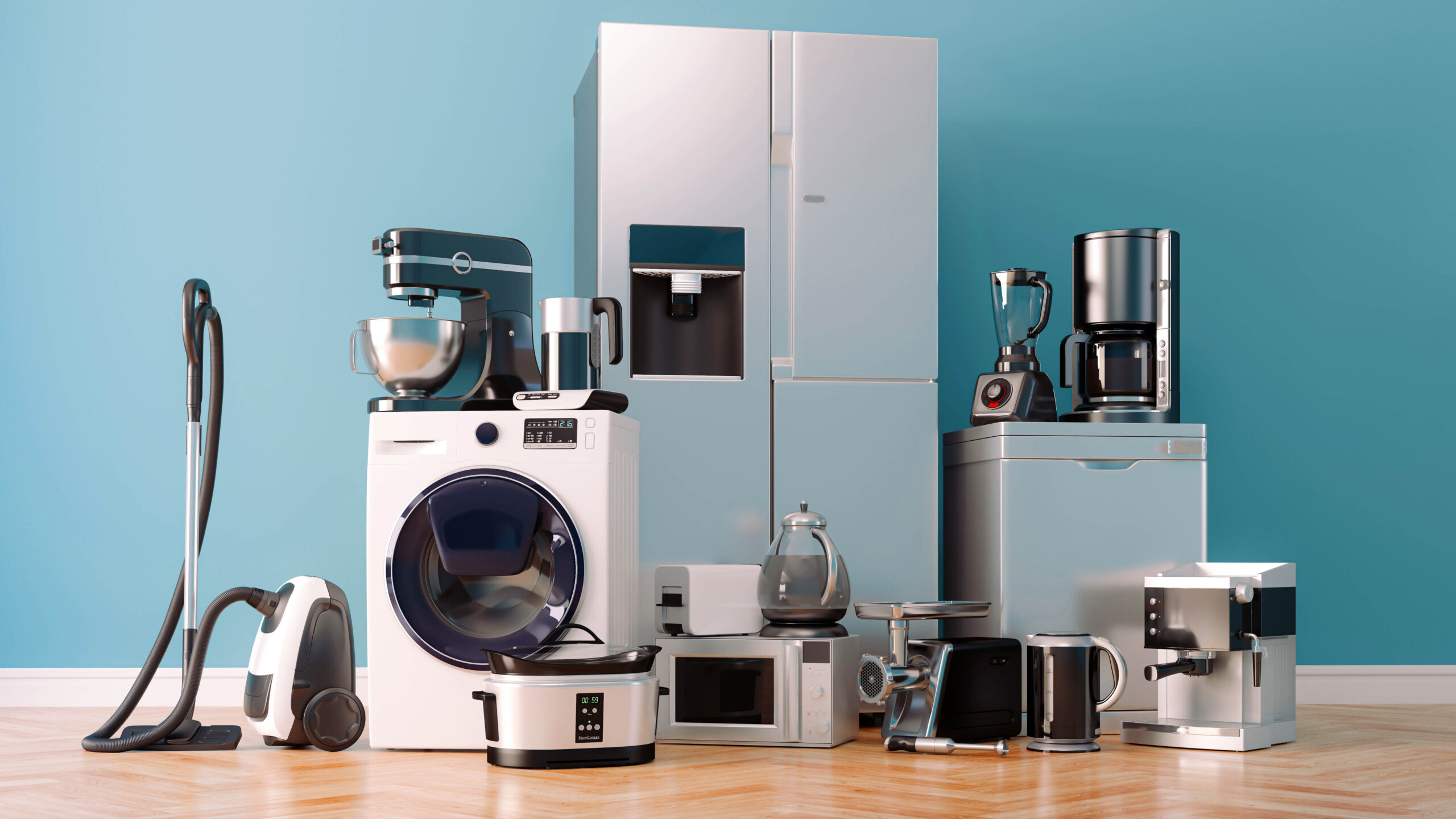
    Electronics and appliance manufacturers across India are replacing copper with aluminium and expanding domestic component sourcing after input inflation squeezed industry operating margins into single digits.

    Producers have already raised retail prices on air conditioners, refrigerators, and washing machines by 10 to 12 percent across three rounds since January, while absorbing an additional 7 to 10 percent to protect sales volumes.

    Value Engineering and Sourcing Shifts

    Surging copper prices, which rose roughly 45 percent year on year, have forced appliance brands to redesign motors, connecting pipes, and coils. Replacing copper with aluminium, steel, or alternative alloys saves between 2 and 6 percent of final manufacturing costs. Strong buying from artificial intelligence data centres and electric vehicle producers has tied up global copper output months in advance.

    Memory component prices have also doubled or tripled on heavy AI infrastructure demand, driving price hikes of 20 to 40 percent on smartphones, laptops, and televisions. Indian consumer electronics manufacturers import between 30 and 40 percent of their inputs, leaving factory gates exposed to higher freight rates and currency depreciation.

    Supply chain snarls have caused direct revenue losses. Crompton Greaves Consumer Electricals missed out on nearly Rs 200 crore in sales during the previous quarter because of material shortages. At contract manufacturer PG Electroplast, the cost to build 500,000 air conditioners climbed from Rs 700 crore last year to Rs 940 crore.

    Local Manufacturing Expansion

    Brands are countering these cost pressures by shifting away from overseas suppliers. LG Electronics India now sources a key moulding resin domestically after importing its entire requirement until March, while engineering teams adjust product designs to trim material volume per unit. Voltas and Bajaj Electricals have rolled out similar value engineering programs across their appliance lineups.

    Cost restructuring of this scale reflects a broader defensive pivot across Asian consumer hardware manufacturing. When consumer demand resists further retail price hikes, brands must either cut bill-of-materials costs or surrender volume in price-sensitive suburban and rural markets.

    PG Electroplast plans to commission domestic production of air conditioner compressors between December and January, alongside a separate manufacturing line with an annual capacity of two million units.

  • Laifen Adds Curling Iron and Smart Mirror to Challenge Dyson

    Laifen Adds Curling Iron and Smart Mirror to Challenge Dyson

    Personal care device maker Laifen launched three new hardware products on September 1, expanding beyond hair dryers. Its global household footprint now tops 30 million units across 60 countries.

    The lineup includes the Swift 4 high-speed dryer, the AutoCurl curling iron, and the Glowy vanity mirror. The rollout pushes the Shenzhen-founded hardware maker directly into multi-category personal care tech.

    Motor tech and sensor additions

    Positive and negative ion emitters in the Swift 4 dryer generate 470 million ions. A dedicated nozzle infuses bottled hair treatments directly into the airflow. It sells in platinum, titanium, and burgundy finishes through the company’s direct digital storefronts.

    The AutoCurl curling iron uses a micro-servo motor that detects rotational resistance in real time to stop snagging. An automated chamber feeds hair strands in either direction. This eliminates manual switching between left and right barrels.

    Bathroom fixtures mark the next hardware expansion with the Glowy Vanity Mirror, which goes on sale September 4. The 8.5-inch unit embeds a 24 GHz radar sensor. It activates full-spectrum LED illumination when a user steps in front of the glass and saves lighting preferences to internal memory.

    Hardware playbook outside China

    Laifen built its initial commercial success across Asia by undercutting Dyson on price while matching brushless motor speeds. Extending that playbook into curling wands and smart mirrors brings new competition. The brand now faces legacy salon suppliers and beauty gadget makers with entrenched shelf space in Western department stores.

    That shift exposes the business to different replacement cycles. Hair dryers are daily essentials with high purchase frequency. Lit vanity mirrors and curlers face slower replacement rates and tighter specialty demand. Margins will depend on whether direct online buyers buy into the broader three-piece routine.

    From motor engineering to retail shelves

    Founded in 2019, Laifen established its manufacturing base on proprietary brushless motors. It holds over 600 patents. The company broadened its catalog in May 2025 with the Wave Special electric toothbrush, followed by physical distribution expansion into US warehouse chain Costco in July 2026.

    Laifen will show all three devices at its first brand media presentation in New York City on September 17. Retail distribution agreements for brick-and-mortar storefronts are scheduled for presentation at the event.

  • Solum Expands Electronic Shelf Labels Across Australian Retailers

    Solum Expands Electronic Shelf Labels Across Australian Retailers

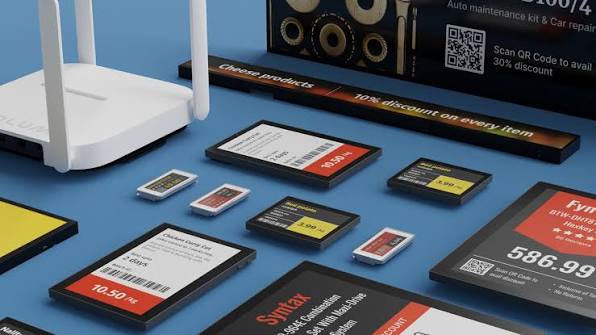
    Retail technology provider SOLUM has expanded its electronic shelf label network across Australia. The deployment covers rollouts with appliance chain Bing Lee and The Natural Grocery Company.

    Bing Lee is extending digital price tags across multiple consumer electronics stores. The chain aims to eliminate paper ticketing and curb pricing discrepancies on shop floors.

    Centralised Pricing at Scale

    The system connects in-store tags directly to a central management platform. Store managers can push real-time price updates and promotions instantly. Staff no longer need to replace physical shelf tags manually.

    Across its grocery aisles, The Natural Grocery Company has deployed the same digital setup. Freeing employees from manual repricing shifts floor labor toward customer service. It also cuts paper waste from recurring promotional cycles.

    “For The Natural Grocery Company, our ESL solution supports real-time pricing, rapid promotional updates, and greater pricing accuracy,” said Paul Kyriakos, General Manager at SOLUM Australia.

    Automation on Shop Floors

    Australian retailers face elevated labor costs and high operational overheads. Automated shelf-edge tools have become an operational priority across electronics and food retail. Supermarket operators and specialty chains across the Asia-Pacific region have accelerated similar rollouts to compete with dynamic pricing used online.

    SOLUM plans to roll out additional digital store infrastructure across retail partners in Australia and the wider Oceania region.

  • HarmonyOS Hits 24 per Cent Share in China as Global Smartphone Sales Fall

    HarmonyOS Hits 24 per Cent Share in China as Global Smartphone Sales Fall

    Huawei’s HarmonyOS captured 24 per cent of China’s smartphone sales in the second quarter of 2026, squeezing Android down to 58 per cent. The domestic operating system expanded its footprint as overall worldwide smartphone shipments dropped 11 per cent year on year.

    Global handset demand contracted faster than the 4 per cent drop recorded in the first quarter, with the sharpest drops hitting budget and mid-tier devices across developing markets. Android felt the brunt of that pullback. Its worldwide sales share dropped four percentage points to 75 per cent, even with stronger sales from Samsung’s Galaxy S26 lineup.

    Shifts in Component Sourcing and Pricing

    Huawei insulated its handset business from rising component prices by sourcing more parts from domestic suppliers in mainland China. High demand for the Enjoy 90 Pro Max alongside steady sales of legacy models helped HarmonyOS reach a 5 per cent global volume share.

    Chinese Android manufacturers took a different path. Pinched by memory chip shortages and higher bill-of-materials expenses, brands scaled down their low-cost phone lineups to focus on higher-margin premium devices. That pivot opened room for Apple at the top end of the market.

    Apple Takes Record June Quarter Share

    Apple captured 20 per cent of worldwide sales during the three months ending June, its highest second-quarter share on record. Deliveries were anchored by the iPhone 17 family and the entry of the iPhone 17e, supported by trade-in programs and retail installment plans.

    In India, Android maintained a dominant 91 per cent volume share, leaving iOS with 9 per cent. In the United States, Apple took 51 per cent of sales against Android’s 49 per cent.

    For retailers and hardware distributors across Asia, the product mix is shifting upmarket as low-end volumes shrink. Brands are preparing their product allocations for the fourth-quarter holiday cycle, where component pricing will dictate whether entry-tier production rebounds or stays constrained.

  • Tim Cook Steps Down as Apple Chief Executive and Hands Reins to John Ternus

    Tim Cook Steps Down as Apple Chief Executive and Hands Reins to John Ternus

    Tim Cook will step down as Apple chief executive to become executive chairman, handing control of the 4.5 trillion dollar company to hardware chief John Ternus.

    The transition ends a 15-year tenure that increased Apple’s annual sales from 108 billion dollars to 416 billion dollars, with net profit surging fourfold to 112 billion dollars.

    Cook will guide Apple’s government relations and trade strategy between Washington and Beijing starting September 1. A regulatory filing shows Ternus receives a base salary of 3 million dollars and an annual equity target of 55 million dollars beginning in 2027. Cook will draw an annual salary of 2 million dollars effective September 26, alongside a 45 million dollar target award in restricted stock units.

    The Asian Manufacturing Pivot

    Ternus inherits a hardware empire undergoing its biggest geographic realignment since the launch of the original iPhone. Apple is shifting assembly lines outward from mainland China to insulate its retail pricing from tariffs and geopolitical disputes. The company plans to manufacture the majority of US-bound iPhones in India by the end of 2026, while routing AirPods and iPad assembly through Vietnam.

    Cook built Apple’s initial dominance on Chinese factory scale, but the post-pandemic supply map demands distributed capacity. For electronics retailers and component suppliers across Asia, the succession confirms that Apple’s diversification away from single-country manufacturing will continue under a hardware-focused chief executive.

    Hardware Strategy and Artificial Intelligence

    Beyond factory logistics, Ternus faces immediate product hurdles across consumer markets. Wearables generated 35 billion dollars in fiscal 2025 sales from devices like the Apple Watch and AirPods, yet the 3,499 dollar Vision Pro headset struggled to capture high volumes. Apple also scrapped its decade-long electric vehicle program in 2024 and continues working to catch rivals in artificial intelligence features and voice assistance.

    The new leadership team must now execute the late-2026 India iPhone production target without eroding gross margins across the 2.5 billion active device base.

  • John Ternus to Take over as Apple CEO as Tim Cook Becomes Executive Chairman

    John Ternus to Take over as Apple CEO as Tim Cook Becomes Executive Chairman

    Apple chief executive Tim Cook will step down after 15 years, handing leadership of the US$4.5 trillion tech company to hardware head John Ternus.

    Cook expanded Apple from a US$350 billion business into the world’s most valuable hardware maker before preparing to shift into the executive chairman role in September.

    Hardware leadership and AI priorities

    Ternus takes charge as Apple faces growing pressure across artificial intelligence development and device assembly. Having run Apple’s hardware engineering division, he oversaw major product portfolios across iPhone, Mac, and iPad product cycles.

    Cook built Apple’s post-2011 growth on rigorous manufacturing coordination and deep consumer distribution networks. His operational playbook turned the brand into a retail powerhouse across China, Japan, and newer retail growth corridors such as India and Southeast Asia.

    Production footprint and next steps

    For electronics supply chains in Asia, the executive change lands as hardware brands reshape procurement and expand production footprints beyond mainland China into India and Vietnam. Regional competitors are simultaneously pushing rapid consumer AI deployments to test Apple’s premium smartphone sales.

    Ternus takes the top post this September as Cook moves into the board chairmanship.

  • TCL Sues Samsung in US Court over Alleged Mini LED Television Claims

    TCL Sues Samsung in US Court over Alleged Mini LED Television Claims

    Chinese electronics manufacturer TCL sued Samsung in Los Angeles federal court, accusing its South Korean competitor of falsely marketing standard screens as Mini LED televisions.

    The complaint targets Samsung’s M Model line, which launched in March at price points below TCL’s entry-level display range. TCL claims the rival sets contain conventional LED hardware rather than the smaller, high-contrast diodes required for true Mini LED performance.

    Dispute Over Screen Technology

    According to the filing, TCL held the lead in US Mini LED television sales between 2023 and 2025 after pricing its units below Samsung’s premium lines. TCL attorney R.C. Harlan stated that Samsung peddled a recycled product line as a supreme tier model to claw back retail buyers.

    Samsung rejected the claims on Tuesday. The company said it intends to vigorously defend itself in court and stands fully behind the accuracy of its product specifications.

    Fight for US Market Share

    Chinese display makers have steadily squeezed South Korean rivals by scaling up advanced panel manufacturing in mainland factories, driving down retail prices across Western markets. While Samsung built its dominance on premium OLED and Quantum Dot hardware, TCL used competitive Mini LED pricing to erode Samsung’s volume share in major retail chains.

    TCL is asking the court for an injunction to halt Samsung’s Mini LED marketing claims alongside unspecified monetary damages. The case now moves toward initial procedural hearings in the Central District of California.