Tag: consumer spending

  • Wuhan Launches Autumn Consumption Season with 279 Events

    Wuhan Launches Autumn Consumption Season with 279 Events

    Wuhan has launched its autumn consumption season with a schedule of 279 cultural and tourism events designed to lift citywide retail spending.

    The municipal campaign targets shopper footfall across commercial districts, entertainment venues and scenic attractions across the central Chinese metropolis.

    Focus on seasonal consumer demand

    Municipal authorities structured the program around cultural shows, public exhibitions and travel promotions. City planners organized the calendar to capture holiday travel and weekend spending throughout the autumn months.

    Commercial districts across Wuhan are coordinating extended operating hours and venue promotions alongside the public events. Department store operators and dining hubs are synchronizing private sales promotions with the city’s scheduled activities.

    Municipal spending initiatives

    Central Chinese cities have relied on structured event calendars to anchor local retail activity. Wuhan’s 279 scheduled activities span theatrical performances, open-air festivals and community tourism circuits.

    For mall operators and retail landlords, coordinated municipal programming provides steady foot traffic without requiring independent marketing outlays. The concentration of events directs visitor flows directly toward major retail nodes and transit interchanges.

    Commercial footfall and operator response

    Hospitality groups and transport providers across Hubei province face the operational challenge of converting short-term event visitors into retail spending. Department stores in core shopping areas depend on out-of-town visitors during regional tourism pushes.

    Suppliers and local brands frequently increase inventory runs around these civic shopping seasons. The primary operational risk sits with retailers that overstock seasonal merchandise if domestic spending fails to meet municipal projections.

    Tracking seasonal retail targets

    Wuhan carried out similar consumption drives during previous seasonal cycles to support domestic commerce and tourism receipts. Municipal bureaus track passenger entries, hotel bookings and point-of-sale volume during each promotional wave.

    City commercial bureaus will evaluate retail turnover figures and visitor tallies as the autumn event schedule runs through the final quarter of the year.

  • Philippine Cash Remittances Reach Seven-Month High of $3.2 Billion in July

    Philippine Cash Remittances Reach Seven-Month High of $3.2 Billion in July

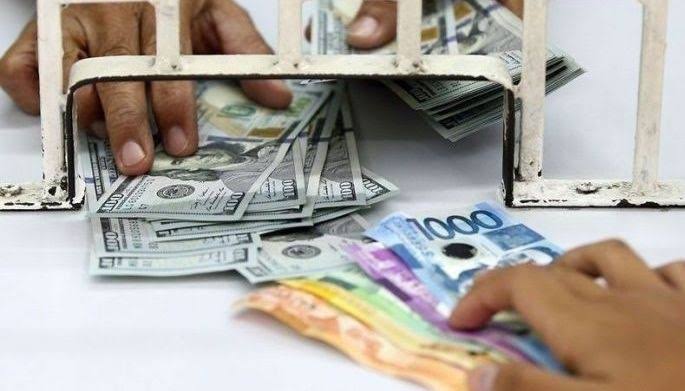
    Cash remittances sent home by overseas Filipinos rose 1.9 percent year on year to $3.2 billion in July, according to the Bangko Sentral ng Pilipinas.

    That is the highest single-month inflow since December 2025. Inflows reached $3.5 billion that month.

    Commercial bank transfers gained 2.3 percent through the first seven months to reach $20.4 billion. Full-year remittances should reach $36.6 billion under central bank projections. That would represent a 2.7 percent increase over 2025.

    Currency weakness and household purchasing power

    Growth came as the Philippine peso weakened toward 63 against the US dollar. A softer peso yields more local currency per transferred dollar. While that often prompts overseas workers to trim wire volumes, total dollar values climbed anyway.

    Retail chains and packaged goods suppliers rely on these monthly transfers to sustain basic basket sales. Headline inflation remains above the central bank’s 3 percent target. Because of that, grocers need family incomes bolstered by overseas cash to maintain volume growth.

    Top source markets and correspondent banking channels

    The United States generated the largest share of reported funds, followed by Singapore and Saudi Arabia. North America hosts major global remittance and correspondent banking clearing hubs. That concentration skews the reported US total higher, the central bank noted.

    These inflows anchor domestic private spending for mall landlords, department stores, and consumer goods distributors across Manila and regional urban centers. Retail foot traffic slowed in the third quarter due to Middle East tensions and severe monsoon storms at home. Steady foreign transfers kept merchant revenue afloat.

    Remittances continue to demonstrate resilience and remain a critical buffer for the Philippine economy.

    Rebound from second-quarter deceleration

    July’s 1.9 percent pace marked a rebound after remittance growth slipped to multi-year lows in June. Overseas workers continue to prioritize family allowances despite economic uncertainty across host countries.

    Banks and digital money platforms have cut cross-border transfer friction to boost deposit volumes. Faster processing sends household liquidity straight to local checkout counters without clearing delays.

    What to watch through year-end

    Monetary officials will track third-quarter figures to see if transfers match the $36.6 billion annual projection. Store operators will focus on whether fourth-quarter holiday transfers match the $3.5 billion seasonal peak recorded at the close of 2025.

  • At Least 8 Longevity Centres Open in Singapore as Young Consumers Drive Demand

    At Least 8 Longevity Centres Open in Singapore as Young Consumers Drive Demand

    At least eight longevity and recovery wellness centres have opened across Singapore over the past four years. Consumers in their twenties and thirties drive this growth by paying for preventative physical therapies. Facilities offer non-invasive services including infrared saunas, cold plunge tubs, magnesium salt baths and red light therapy.

    Commercial wellness spending is shifting away from traditional gym memberships toward recovery-focused retail spaces. Younger patrons now pay hundreds of dollars out of pocket each month. They are building health regimens decades before retirement.

    Shifting Consumer Demographics at Recovery Spaces

    Primary customer intake at specialized longevity centres no longer consists solely of older demographics or rehabilitating athletes. House Longevity brand manager Lukas Kok noted that most of the centre’s roughly 50 regular clients are in their early thirties. These customers seek non-invasive routines with lower entry costs than medical clinical procedures.

    Younger consumers are establishing steady spending patterns. Garrison Lim, a 24-year-old occupational therapy assistant, spent approximately S$400 since June on bi-weekly sessions covering saunas, cold plunges, magnesium baths and red light exposure. Young professionals and content creators treat these visits as routine personal maintenance, not occasional spa indulgences.

    Commercial Real Estate and Clinic Formats

    Clinic fit-outs demand specialized commercial plumbing, high-power electrical setups for saunas, and dedicated drainage for cold plunges. Operators are taking up retail and shophouse space across Singapore. They are building communal recovery hubs funded by membership tiers or single-session bookings.

    Recovery spaces compete directly with boutique fitness studios and premium day spas for discretionary wellness budgets. Operators position their services as functional health investments rather than cosmetic pampering. They focus on cellular recovery, inflammation reduction and joint preservation.

    Social Visibility and Consumer Psychology

    Social platforms play a direct role in customer acquisition for these clinics. Chen Lou, an associate professor studying consumer psychology at Nanyang Technological University, observed that younger cohorts encounter longevity concepts primarily online. In these feeds, recovery practices double as lifestyle markers.

    “These treatments are quite experiential so they can become not only a wellness activity, but also part of someone’s lifestyle and social identity that is shareable on social media,” Lou said. Visual spaces allow operators to lean on organic user posts rather than traditional outbound advertising.

    Market Outlook for preventative Health Retail

    Client education and treatment efficacy present ongoing operational challenges. Operators must balance customer throughput with strict safety protocols. Cold-water immersion and intense heat therapies can pose cardiovascular risks to unconditioned clients.

    Recurring subscription costs will test consumer retention across the sector in coming quarters. Landlords and operators are watching whether independent recovery studios consolidate into regional retail chains across Southeast Asian cities.

  • China Tech Boom Fuels August Factory Output as Domestic Spending Stalls

    China Tech Boom Fuels August Factory Output as Domestic Spending Stalls

    China’s industrial sector showed renewed strength in August as an AI-driven tech boom fuelled factory output, according to data reported by Reuters this week.

    The readings highlighted deepening imbalances in the world’s second-largest economy, where resilient manufacturing and exports are sustaining growth even as sluggish consumption and a worsening investment slump weigh on domestic demand.

    Factory gains split from retail demand

    Industrial production accelerated through August on higher orders for computing equipment, semiconductors, and automated factory machinery. Tech supply chains absorbed high component volumes, keeping coastal industrial belts busy throughout the month.

    Consumer-facing businesses saw none of that momentum. Retail cash registers recorded sluggish turnover across apparel, home furnishings, and department stores, extending a pattern where consumers withhold discretionary spending while property values slide.

    Property drag hits consumer sentiment

    Household wealth remains tied up in residential real estate, where falling prices continue to deter family spending on non-essential goods. Shoppers in major metropolitan areas have shifted budgets toward essentials and discounted product lines rather than big-ticket purchases.

    For retail landlords and store operators across tier-one and tier-two cities, this split complicates leasing and store expansion plans. Brand owners face rising warehouse inventories because finished goods leave assembly lines faster than domestic retail networks can clear them.

    The export reliance risk

    The gap between manufacturing capability and domestic retail absorption leaves consumer goods makers dependent on overseas shipments to balance their books. That trade balance face headwinds if external import demand slows or overseas tariffs tighten on Chinese-made goods.

    Retailers across the country now look to third-quarter national retail sales totals and upcoming autumn trade figures to gauge whether household demand will stabilize before the year-end shopping season.

  • Malaysia Q2 Retail Sales Growth Falls Short as Spending Tightens

    Malaysia Q2 Retail Sales Growth Falls Short as Spending Tightens

    Malaysia recorded weaker than expected retail sales growth in the second quarter. Households curbed discretionary spending under persistent cost of living pressures.

    Store operators were caught off guard. They had anticipated stronger post-holiday consumption across shopping malls and high street locations.

    Squeeze on Household Budgets

    Shoppers across urban centers like Kuala Lumpur redirected budgets toward essential groceries and basic utilities. They cut visits to apparel boutiques, specialty food outlets and consumer electronics chains. That left retailers managing slower foot traffic, smaller basket sizes and rising price sensitivity across mid-market categories.

    Department stores and specialty chains felt the sharpest pinch during the quarter. Food and beverage operators also saw customers trade down to cheaper meals and cut back on cafe visits.

    Operator Margins and Inventory Risk

    This slowdown creates inventory friction for regional retailers that built up stock expecting resilient consumer demand. Excess seasonal merchandise forces heavier discounting. Gross margins take the hit while operating overheads, logistics costs and mall service charges stay high.

    Commercial landlords face tougher lease renewal talks as tenant turnover risk mounts. Shopping center operators across Southeast Asia counted on domestic spending to balance uneven tourist arrivals. A local slowdown weakens tenant revenue-sharing agreements and dampens rental reversion rates.

    Broader Southeast Asian Pattern

    Similar patterns are playing out across neighboring markets, including Thailand and Indonesia. Post-pandemic retail rebounds there also gave way to cautious household budgeting. Earlier quarterly gains relied on festival spending, but momentum vanished once promotional cycles ended.

    Retail groups are now recalibrating third-quarter procurement orders and delaying non-critical store refits. Attention turns to upcoming third-quarter performance data and year-end holiday order books to gauge whether revenue stabilizes before 2027.

  • China August Exports Surge 25% as Real Estate and Retail Slump

    China August Exports Surge 25% as Real Estate and Retail Slump

    Slower consumption and a sharper fall in property investment in August 2026 pushed the Chinese economy deeper into difficulty, showing pressure on policymakers to deliver more stimulus.

    The twin drag from sluggish domestic retail demand and falling real estate outlays left the country dependent on foreign shipments, where outbound trade surged 25 per cent during the month.

    Property Slump Weighs on Household Demand

    Unfinished housing developments in Hebei province, documented by Reuters, illustrate how the property downturn continues to suppress asset values and prompt households to curb discretionary spending.

    Retail operators face a challenging operating environment as domestic shoppers hold back purchases. Brands that expanded floor space across secondary and tertiary cities now confront weaker footfall, leaving store networks with higher inventory overheads and compressed operating margins.

    Export Strength Offsets Domestic Drag

    External trade provided the single major counterweight to weakening internal activity. China’s trade surplus topped $800 billion for the year following the August export surge, keeping industrial assembly lines active even as domestic order books thinned.

    Relying on overseas demand presents clear operational risks for manufacturers and retail suppliers. Export strength cannot replace broad-based retail consumption across China’s tier-one and tier-two metropolitan centers, where commercial landlords and department stores remain exposed to cautious tenant leasing.

    Policy Measures Under Scrutiny

    State planners have approached broad monetary easing with caution, preferring targeted injections rather than wide-scale consumer subsidies. State bank and insurer shares retreated after a proposed $54 billion capital injection plan failed to revive wider market confidence.

    RetailNews Asia sees consumer-facing businesses adjusting expansion budgets across the mainland while monitoring national retail sales prints and property start data scheduled for release in October.

  • China Migrant Worker Reforms Could Unlock US$95 Billion in Spending

    China Migrant Worker Reforms Could Unlock US$95 Billion in Spending

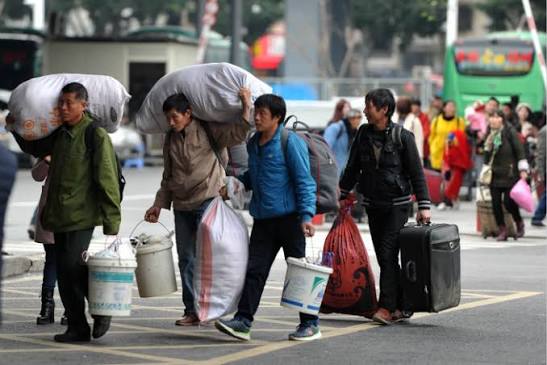
    Improving living conditions for China’s 131 million urban migrant workers could release US$95 billion annually in consumer spending, according to research released on Thursday by HSBC. That spending lift equals roughly 0.5 per cent of China’s gross domestic product.

    The bank found that the country’s broader consumption revival rests far less on high-income earners and more on easing the financial strain on urban migrant families. Mainland cities housed 130.9 million migrant workers last year, a number that expands to roughly 170 million when including dependents.

    The Savings Gap

    Precautionary financial habits keep those households from spending. Migrant workers in Chinese cities save an average of 54 per cent of their income, compared with a 36 per cent savings rate among registered urban residents. High healthcare costs, housing instability, and limited access to public services drive that defensive cash accumulation.

    Similar patterns constrain younger demographics. New workforce entrants, including recent university graduates, display elevated savings rates that restrict discretionary retail sales and leisure outlays across metropolitan centers.

    Asia Drives Consumer Expansion

    The demographic rebalancing forms part of a wider regional transformation. HSBC projects the global economy will add 1.2 billion middle- and high-income consumers by 2050. Asia will generate 77 per cent of that expansion.

    India will deliver almost half of the total regional increase. China and neighboring Asian markets will account for the remainder, cementing Asia’s position as the primary driver of worldwide consumer demand over the next two decades.

    The Shift for Retailers

    For brands and retail operators across mainland China, the findings point toward a necessary realignment. Growth will depend on mass-market volume and entry-level household goods rather than premium luxury lines that cater to top-tier wealth.

    Previous policy measures focused on subsidies and targeted tax relief for established urban households, which produced modest gains in discretionary spending. Broadening social safety nets and residency access would direct liquidity straight to essential retail categories, daily groceries, and consumer durables.

    Mainland provincial governments are now setting updated targets for municipal residency access and basic medical coverage transfers through the end of the year.

  • Chinese Shoppers Ditch Supermarkets for Small Community Stores

    Chinese Shoppers Ditch Supermarkets for Small Community Stores

    Chinese consumers are ditching traditional supermarkets in favour of small neighbourhood community stores that offer low prices and instant delivery services.

    In Guangzhou, 20-something shopper Cindy Wang now stops by a local community store after work, finding it cheaper than a standard supermarket and better stocked than convenience chains like 7-Eleven.

    Discount Pricing at the Doorstep

    On an early September evening, Wang bought a bottle of milk for 7 yuan (US$1), a beer for 2.5 yuan, and mangoes priced at 10 yuan per kilogram at the newly opened outlet near her home.

    These residential outposts carry a wider assortment of fresh produce and pantry goods than traditional convenience chains like 7-Eleven. They also eliminate the commute and layout friction associated with sprawling edge-of-town hypermarkets.

    Pressure Mounts on Hypermarket Operators

    Traditional big-box chains across mainland China face structural headwinds from this shift. Large hypermarkets built on multi-tier lease models and high supplier listing fees cannot easily match the ultra-lean operating costs of ground-floor residential shops. For commercial real estate landlords, shrinking footfall at anchor supermarket tenants weakens foot traffic across entire suburban retail developments.

    Instant-delivery networks also shift bargaining use toward smaller operators. Neighbourhood storefronts function simultaneously as walk-in retail units and micro-fulfilment hubs, cutting last-mile delivery times down to minutes without the capital expense of dedicated dark stores.

    The Next Front in Grocery Competition

    The transition follows years of aggressive online penetration by instant grocery apps and group-buying platforms across major metropolitan areas. As consumer spending turns more value-conscious, physical proximity and clear price transparency carry greater weight than brand loyalty.

    Retail operators now race to secure high-density residential leases across southern China to protect market share before legacy grocery chains can reconfigure their floor space.

  • China Gains 221 Million Formula 1 Fans as Brand Backing Lags

    China Gains 221 Million Formula 1 Fans as Brand Backing Lags

    China counted an audience of 221 million Formula 1 fans in March 2026, yet commercial brand activations across the domestic market remain largely muted despite a sold-out Shanghai Grand Prix.

    Ticket allocations for the Shanghai race cleared out immediately as a younger demographic increasingly directs discretionary spending toward live sports and experiential hospitality over traditional product purchases.

    Premium hospitality meets young consumers

    The core of luxury engagement at Formula 1 centres on the Paddock Club, an exclusive hospitality tier positioned directly above team garages that provides pit lane access and curated dining. Premium lifestyle houses use these paddock suites as private commercial salons, bringing VIP clients into high-touch environments that combine networking with entertainment.

    Global luxury conglomerate LVMH established the modern benchmark for motorsport marketing by securing a 10-year, billion-dollar worldwide sponsorship deal covering multiple brands across its portfolio. That agreement placed watches, champagne, and fashion labels directly into the race weekend ecosystem across international circuits.

    Hesitation among domestic consumer labels

    Chinese domestic labels have hesitated to commit major marketing budgets to motorsport, leaving trackside activations dominated by traditional global sponsors. Local consumer brands often prioritize short-term e-commerce livestreaming conversions over multi-year experiential sports rights that require extensive hospitality infrastructure.

    This reluctance creates an opening for European luxury groups and regional lifestyle retailers to capture high-net-worth race attendees without facing heavy counter-bidding from local players. The risk for brands sitting out the circuit is losing direct access to young, affluent consumers who view live racing as a primary cultural identifier.

    The shift toward live entertainment spend

    The current race sellouts follow years of steady motorsport audience building in mainland China, accelerated by digital streaming access and international team promotion. Younger urban consumers who cut back on conventional luxury goods are still allocating capital to ticketed trackside events and associated travel.

    Commercial focus now turns to whether local consumer electronics makers and domestic apparel groups step into paddock hospitality tiers before the next regional race calendar locks in multi-year partner rosters.

  • Thailand Water Heater Sales Face 10% Drop as Property Market Slows

    Thailand Water Heater Sales Face 10% Drop as Property Market Slows

    Thailand’s water heater market will shrink by 10 per cent this year. Weak consumer spending and a property glut have stalled home equipment purchases.

    The drop follows a 2025 market valuation of 3.3 billion baht. Regional appliance makers must now lean harder on overseas shipments and replacement fittings. High household debt and tighter urban budgets have pushed shoppers to delay non-essential bathroom upgrades. Meanwhile, an oversupply of unsold homes across Bangkok and neighbouring provinces has choked off bulk orders from residential developers.

    Property Slump Curbs Domestic Demand

    Stiebel Eltron Asia runs three production facilities in Thailand and targets 1.4 billion baht in sales revenue this year despite the slump. Domestic sales make up 77 per cent of that target. Exports provide 21 per cent, while original equipment manufacturing accounts for the remaining 2 per cent. The German manufacturer aims for 2 per cent annual revenue growth by redirecting commercial teams toward home renovations, online retail and new product launches.

    Rising costs have compounded the domestic slowdown. Industrial copper prices climbed alongside electricity tariffs tied to Middle East tensions, driving up per-unit manufacturing costs at local assembly plants. Retail suppliers across Southeast Asia face similar margin squeezes. In response, hardware distributors are trimming inventory holding times and demanding faster stock turnarounds from brand owners.

    Export Buffer Across Southeast Asia

    Foreign markets offer vital relief for factories based in Thailand. Stiebel Eltron ships appliances across the Asia-Pacific region, led by volume shipments to Indonesia, Vietnam and the Philippines. Expanding distribution agreements across ASEAN helps protect regional production lines when domestic housing absorption stalls.

    Competitors in Southeast Asia have taken a similar approach. They balance domestic factory capacity against export demand to keep plant utilisation rates high. Weak Thai consumer credit drove the shift. Brands that once relied on Bangkok condominium handovers must now compete directly for retail shelf space and e-commerce baskets in faster-growing developing markets.

    Weather Takes a Back Seat to Debt

    Climate patterns are also playing a role. In August, the Thai Meteorological Department warned that developing El Nino patterns would drive temperatures above normal through November. Hotter weather traditionally dampens water heater adoption in tropical markets. Even so, factory chiefs view macroeconomics as the real drag on consumer behaviour.

    “In general, I worry more about the economy than the weather,” said Roland Hoehn, chief executive of Stiebel Eltron Asia.

    Manufacturers are now rolling out revised product catalogues for the final quarter, testing whether renovation demand can deliver the 1.4 billion baht revenue benchmark before year-end.

  • China Aims for $8.94 Trillion in Retail Sales as Price Wars Persist

    China Aims for $8.94 Trillion in Retail Sales as Price Wars Persist

    China’s physical retailers are retooling floor space into leisure and entertainment hubs to counter entrenched price competition as Beijing targets $8.94 trillion in annual consumer sales by 2030.

    First-half retail sales reached $3.7 trillion, but Bain & Company partner Weiwen Han warns the market will stay muted over the next three years as discounting continues to squeeze operating margins across shopping centres and supermarket chains.

    Experience Costs and Margin Pressures

    Official policy guidelines urge store operators to blend standard shopping with immersive dining, social spaces, and entertainment. The strategy shifts the industry away from chasing raw foot traffic toward extracting higher margins from shoppers who do enter. Transforming selling space into experience zones raises the fixed cost per square metre, penalising operators whose foot traffic fails to convert at the cash register.

    The policy combines experience-led flagships in commercial districts and transit hubs with neighbourhood infrastructure upgrades dubbed 15-minute life circles. These local clusters focus on daily essentials through convenience stores, supermarkets, and wet markets.

    Digital Convergence and Supply Chains

    Pure physical retail has ceased to exist in the Chinese market. With online sales of physical goods rising 4.8 per cent year to date compared to 1.3 per cent growth for total retail sales, shoppers routinely compare shelf prices against live e-commerce listings on their phones within seconds.

    Instead of trying to defeat digital platforms on pricing, operators are adopting automated inventory systems, drone delivery, and private-label merchandise. Developing proprietary private-label lines allows chains to offer price value directly without slashing headline gross margins on national brands.

    “They are asking stores to be worth visiting for reasons beyond price,” said Jotham Lim, head of global marketing at Beijing Taomi Technology Co. Ltd.

    Winners and Structural Consolidation

    Mid-sized domestic grocery, convenience, and food and beverage operators stand to gain the most from planned regional deregulation, which removes long-standing barriers preventing chain retailers from expanding across provincial borders. Independent single-store merchants face steep hurdles absorbing the capital expenditure required for digital traceability and store fit-outs, accelerating industry consolidation into regional chains.

    Financing rules now allow qualifying retail operators to raise capital through asset-backed securities and commercial real estate investment trusts, alongside interest subsidies from commercial banks. Landlords and property-owning retailers can tap these vehicles to fund store refits without burning operating cash flow.

    The retail sector entered this transition carrying heavy overcapacity in commercial floor space following decades of rapid mall construction across second- and third-tier cities. Moojing Market Intelligence recorded a steady increase in consumer discussions regarding in-store price checking against e-commerce platforms between the first half of 2024 and the first half of 2026.

    Market operators now face the rollout of regional licensing reforms and the government target to lift retail sales from ¥24.87 trillion to ¥60 trillion over the next four years.

  • Over 90 per Cent of Luxury Consumers Seek Experiences Beyond Products

    Over 90 per Cent of Luxury Consumers Seek Experiences Beyond Products

    More than 90 per cent of luxury consumers now seek brand experiences outside the product itself, including hospitality, travel, dining, and wellness, according to a 2026 report by MG2 Advisory.

    Craftsmanship remains the primary purchasing driver for 62 per cent of buyers, yet luxury houses such as Hermès, Gucci, and Kith are increasingly evaluated on the ongoing relationships and environments they build around their goods.

    More than three-fourths of respondents associate luxury with rarity and exclusivity, while nearly half expressed interest in private, members-only spaces and repair services that preserve product value.

    Hospitality reshapes flagship formats

    Houses are reacting by building operational ecosystems that extend past apparel and leather goods. Kith opened its members-only Ivy concept to integrate sport, dining, and retail, while Gucci expanded its culinary presence through Gucci Osteria da Massimo Bottura. In London, Hermès opened its sixth Hermès Maison concept store, replicating mixed hospitality and retail formats already operating in Tokyo, Seoul, Shanghai, Paris, and New York.

    For prime landlords across Asia-Pacific, this shift changes leasing economics entirely. Retailers no longer evaluate store footprints solely on sales density per square metre. Instead, top-tier brands require larger floorplates to accommodate private client salons, cafes, and preservation workshops, forcing mall operators in Hong Kong, Singapore, and Tokyo to reallocate prime ground-floor space from transactional sales to experiential services.

    The operational risk sits squarely in execution. Running fine dining, bespoke tailoring, and hospitality requires different supply chains and labour models than selling boxed leather goods. When service levels in brand-run restaurants or repair centres slip, the reputational damage flows directly back to the core fashion label.

    After-care moves to the balance sheet

    Post-purchase services have evolved from back-office cost centres into client retention mechanisms. Hermès and Louis Vuitton have reinforced dedicated repair units to extend product lifespans, while Coach runs its circular (Re)Loved restoration and resale division across major retail markets.

    Physical flagships in major regional capitals will increasingly reflect this split between exhibition and maintenance. The next metric to watch is whether luxury groups maintain capital expenditure for multi-floor experiential maisons as store construction costs and prime commercial rents across Asia climb through late 2026.

  • Sheng Siong Wins Singapore Affluent Shoppers as Consideration Jumps to 52 per Cent

    Sheng Siong Wins Singapore Affluent Shoppers as Consideration Jumps to 52 per Cent

    Singapore grocer Sheng Siong lifted customer consideration among higher-income households to 52 per cent in August 2026, up from 33 per cent a year earlier. That 19-point surge put wealthy shoppers ahead of middle-income consumers for the first time in brand tracking records.

    Across the island, the supermarket chain’s overall consideration score rose 9.1 points to 50.0 between September 1, 2025 and August 31, 2026. Current customer reach climbed 11.2 points to 50.7 per cent, tracking adults who shopped there within the past three months. Total customer satisfaction increased from 39.3 to 49.9 over the same 12-month period.

    Shifting the Customer Base

    YouGov data shows the sharpest demographic realignment occurred among households earning more than 200 per cent of the national median income. That affluent cohort started September 2025 as Sheng Siong’s least frequent customer group at 33 per cent. By August 2026, it became its most frequent at 56 per cent. Middle-income shoppers rose from 41 per cent to 51 per cent, while lower-income patronage reached 51 per cent.

    Higher-income satisfaction showed an even steeper climb. Net satisfaction in that bracket reached 55.7 in August 2026, up from 28.0 a year earlier. That topped the 52.4 score recorded by lower-income households.

    Pricing Staples and Town Locations

    Sheng Siong engineered this shift through steep discounts on core household baskets and real estate expansion outside suburban strongholds. Targeted price cuts included doubling Community Health Assist Scheme discounts in June. The grocer also discounted pantry staples such as eggs and rice by up to 50 per cent through Community Development Council voucher promotions.

    Store location backed the pricing strategy. The company pushed beyond public housing heartlands by opening a town-centre branch at The Cathay in August 2025. The outlet caught central office workers and professional commuters who previously defaulted to premium grocers.

    Margin Pressures on Mid-Tier Rivals

    Competitors in the mid-tier space face immediate pressure, including FairPrice and DFI Retail Group’s Cold Storage network. When budget operators secure affluent volume on everyday staples, mid-tier chains risk margin erosion as they defend market share with matching promotions.

    Operating costs present risks for the value grocer. Serving shoppers in high-rent central commercial spaces lifts baseline overheads, requiring higher spend per ticket to offset narrow margins on discounted staple goods.

    Logistics upgrades and footprint modernization drove these retail gains over the past two financial years. BrandIndex metrics will show whether the numbers hold when government voucher programs taper off ahead of the 2027 fiscal year.

  • Over 60 per Cent of Black Friday Shoppers Pre-Plan Holiday Purchases

    Over 60 per Cent of Black Friday Shoppers Pre-Plan Holiday Purchases

    Australian retailers face a structural shift in holiday spending as 57 per cent of shoppers concentrate gift purchases in November after pre-selecting brands in October.

    Data compiled by market research agency Retail Safari and consultancy PwC shows 64 per cent of holiday budgets remain unspent entering November, even as buyers finalise purchase shortlists weeks earlier. Black Friday alone now captures 55 per cent of holiday shoppers, turning the discount window into an execution phase rather than a discovery channel.

    The Split Between Early Planning and Peak Spending

    Consumer research from Mintel indicates more than six in ten Black Friday shoppers choose their target products before promotional events begin. Shoppers use September and October to compare specifications, check customer reviews and track merchant pricing before committing funds. In Australia, research from the Australian Retailers Association and Roy Morgan showed 29 per cent of consumers started browsing earlier in 2025 than the previous year, while only 8 per cent started later.

    The US-based National Retail Federation recorded an identical baseline, with roughly 40 per cent of consumers starting holiday research before November. Shoppers cite three main drivers: managing household budgets over time, avoiding store congestion, and eliminating late delivery risks.

    Big-Ticket Sales Diverge From Headline Retail Growth

    Official figures mask underlying pressure across discretionary categories. Australian Bureau of Statistics data analyzed by investment research firm MST Marquee placed July retail turnover growth at 6.6 per cent year on year, running above the 4.9 per cent historical average. Food services rose 9.3 per cent and clothing gained 7.1 per cent, but major durable goods operators failed to capture that momentum.

    First-quarter trading updates reflect the divide. Online furniture seller Temple & Webster reported sales down 13 per cent across its first seven weeks, department store operator Myer posted a 4 per cent decline, and Accent Group recorded a 2 per cent like-for-like drop. Electronics chain JB Hi-Fi saw comparable sales slip 1.4 per cent, while its home appliance unit The Good Guys declined 1.7 per cent and furniture retailer Nick Scali tracked flat from July 1.

    Household Wealth Pressures Shorten Brand Lists

    For store operators and suppliers, the divergence means consumers are buying smaller items frequently while delaying expensive, considered purchases until deep discounting begins. Retailers that spend their marketing budgets solely on late November discounts risk losing shoppers who eliminated unfamiliar brands during the October evaluation window. Merchant margins face compounding pressure if price cuts merely settle competition among pre-selected names rather than bringing in new foot traffic.

    The shift follows a broader contraction in gift-buying participation. ARA and Roy Morgan figures showed 68 per cent of Australian adults planned holiday gift purchases last year, down 9 per cent from 2024, while average spend per remaining buyer climbed 7.1 per cent to A$757.

    MST Marquee projects household goods demand will soften further through the fourth quarter as property price weakness and potential interest rate hikes from the Reserve Bank of Australia curb discretionary outlays.

  • Australian Retail Health Index Drops to Negative 1.07 as Insolvencies Rise

    Australian Retail Health Index Drops to Negative 1.07 as Insolvencies Rise

    Australian retail conditions worsened sharply in the three months ending June 2026, dragging KPMG’s Retail Health Index down to negative 1.07 from negative 0.37 in the previous quarter.

    A steep 11.4 per cent drop in consumer sentiment drove the decline, even as total household spending and producer prices recorded modest gains.

    Pressures on cash flow and demand led to 254 retail insolvencies during the three-month period. Employers pulled back hiring across store networks, cutting job vacancies by 15.3 per cent to leave 26,000 open roles across the country. The index measures spending, sentiment, turnover, pricing and underlying business performance to gauge sector viability.

    Value Hunting Alters Store Economics

    Shoppers across Australia have shifted their habits toward planned, price-sensitive purchases rather than halting expenditure entirely. Foot traffic and checkout totals increasingly concentrate around major promotional windows such as End of Financial Year sales, thinning margins for operators between events.

    For regional retail groups and brand distributors, this concentration creates sharp operational volatility. Inventory holding costs rise between discount periods, while staffing models must flex quickly to handle brief spikes in transaction volume without blowing out payroll costs.

    Digital Channels and Labour Adjustments

    Suppliers face renegotiations on wholesale terms as storefront operators fight to protect gross margins against higher input costs. Landlords in secondary shopping centres risk longer lease negotiations, particularly where specialty fashion and discretionary merchants struggle to sustain standard rent-to-sales ratios.

    The contraction follows a prolonged period of cautious buying that started when higher borrowing costs began constraining disposable income across major metropolitan centres. Earlier quarters had managed to absorb rising operational overheads through modest price adjustments, but consumer pushback against shelf prices has now limited further retail pass-through.

    Promotional Execution Takes Centre Stage

    Relief for the sector depends heavily on whether lower supply chain disruptions and sustained population growth can offset cautious household budgets. Retailers are directing investment into automated personalisation and inventory tracking systems to lift conversion rates ahead of high-volume seasonal trading.

    Merchant performance across the market now hinges on order execution during the upcoming Black Friday and Cyber Monday discounting calendar.