Tag: Consumers

  • World Cup Fever Ignites Retail Boom: How Vietnamese Consumers Score Big with Huge Discounts

    World Cup Fever Ignites Retail Boom: How Vietnamese Consumers Score Big with Huge Discounts

    In Vietnam, the excitement of the 2026 World Cup has sparked a shopping frenzy, as consumers eagerly take advantage of retail promotions. With retailers offering substantial discounts on household appliances and fashion items, Vietnamese shoppers have been quick to seize the opportunity.

    Major Discounts on Household Appliances

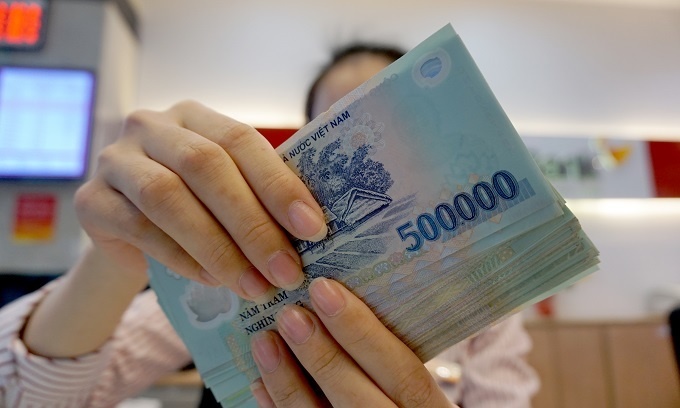
    One shopper, Hang, who resides in Ho Chi Minh City (HCMC), had been monitoring prices for a few months. In early June, she successfully purchased a slow juicer at half its regular price, thanks to a World Cup promotion. She excitedly shared how previous discounts on the product, which only ranged from 10-20%, hadn’t been enticing enough. However, with the price slashed by over half, she made the purchase immediately.

    Another Ho Chi Minh City resident, Lan Anh, also capitalized on the ongoing promotions to purchase a variety of household appliances, including a television and a vacuum cleaner. Anh noted that aside from the significant markdowns, retailers were also providing additional incentives such as vouchers and gifts as part of interactive match prediction programs.

    The World Cup’s influence also extends to the electronics retail market. Several electronics retailers in HCMC have been actively promoting televisions in light of the football event. Various TV models have been discounted significantly, with some prices reduced by as much as 61%. This has been described as the most substantial price-cutting campaign for TVs to date, with large-screen models being heavily discounted to meet the tournament-driven demand.

    Boost in Retail Sectors Beyond Electronics

    While electronics retailers are witnessing a surge in sales, other consumer goods retailers haven’t been left behind. Saigon Co.op, for example, offers discounts of up to 30% on almost half of their snack, beer, and beverage bundles, targeted at football fans. They are even rewarding customers making large purchases with gifts.

    Fashion retailers are also leveraging the World Cup frenzy to their advantage. Pierre Cardin Shoes and Oscar Fashion reported the simultaneous launch of their World Cup’s Vancouver 2026 collection in six markets: Vietnam, Cambodia, Myanmar, Thailand, Laos, and Canada. Since the campaign’s inception, store traffic has reportedly increased by more than 55%, and sales have reached approximately 65% of the campaign’s target.

    The World Cup’s impact on global retail activity is projected to be highly positive, with predictions suggesting it could contribute up to $41 billion to global GDP by stimulating tourism, services, and consumption.

    Questions & Answers

    Q: How have Vietnamese consumers reacted to the World Cup retail promotions?
    A: Vietnamese shoppers have been quick to take advantage of the significant discounts offered by retailers during the World Cup, leading to a shopping frenzy.

    Q: Which sectors have seen a boost in sales due to the World Cup?
    A: The electronics sector, particularly TV sales, has seen a substantial boost, along with other consumer goods retailers and the fashion industry.

    Q: What has been the impact of the World Cup on global retail activity and GDP?
    A: The World Cup is expected to have a highly positive impact on global retail activity and could potentially contribute up to $41 billion to the global GDP by boosting tourism, services, and consumption.
  • Muji’s Expansion in China: Winning Over Consumers with Localization Strategy

    Muji’s Expansion in China: Winning Over Consumers with Localization Strategy

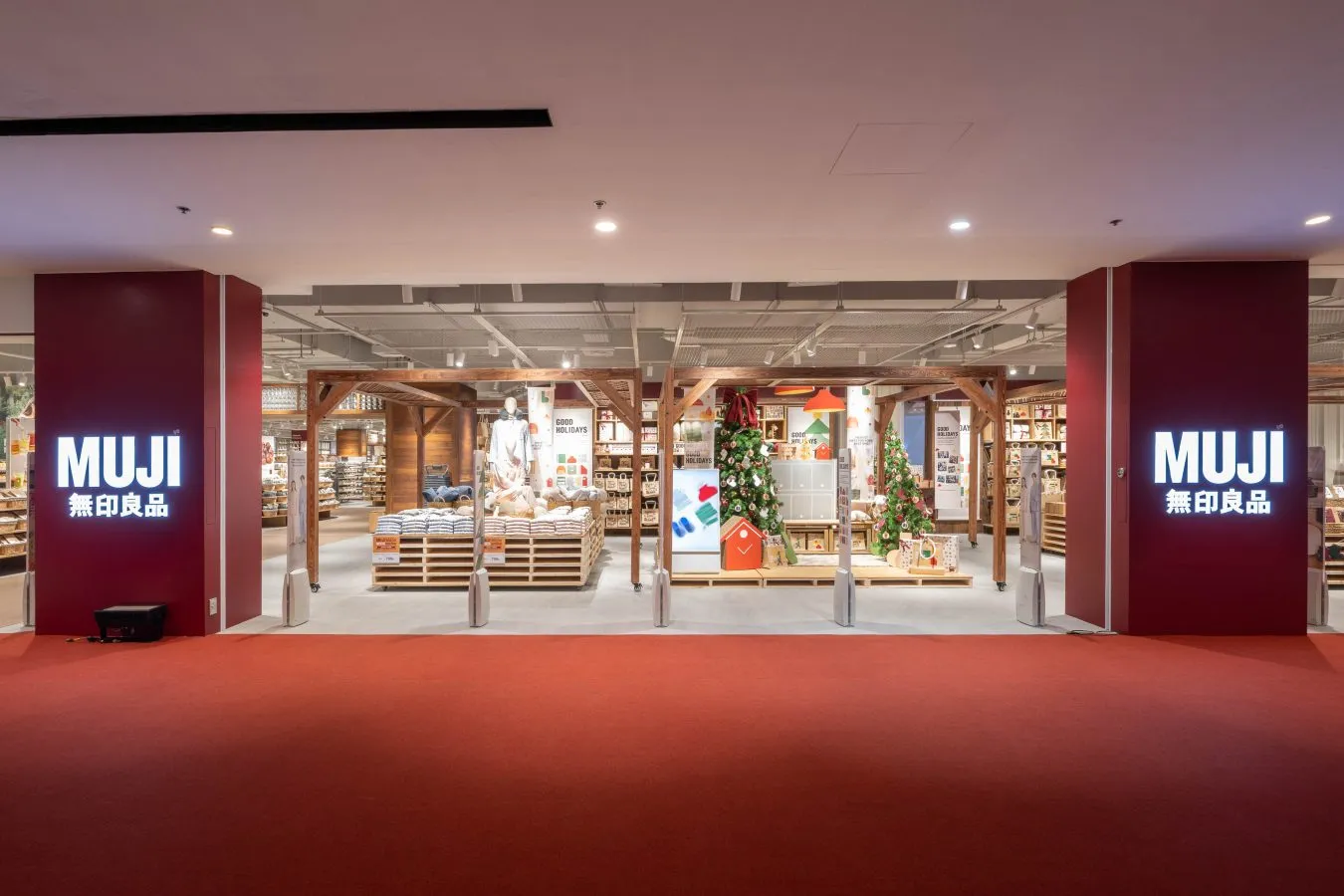
    In 2005, Muji, the Japanese lifestyle retailer, established its first store in Mainland China at one of Shanghai’s prime retail destinations, Nanjing West Road. Today, 20 years later, the company has adopted a subtler growth approach in China. Despite making adjustments to its store network, including closing some retail locations as part of its standard optimization, Muji’s focus remains on expansion, localisation, and fostering a deeper engagement with customers.

    China is currently Muji’s largest foreign market with over 400 stores. The brand’s growth strategy in the region is increasingly focusing on local product development, flagship store experiences, and the integration of online and offline retail.

    Muji’s Strategic Approach

    According to Shu Wu, a board member and CMO, China, the focus is not only on launching more stores but also ensuring that the brand remains relevant as Chinese consumer behaviour transforms.

    “Muji strives to be a fundamental brand for a superior lifestyle,” Wu stated. She highlighted that the brand’s intention is to support a lifestyle that is both materially and spiritually rich while using as few resources as possible. The brand’s philosophy is centred around the ‘Power of Nature’ concept, which manifests in the production of goods from natural materials and minimal disturbance of nature, resulting in a sustainable and truthful lifestyle for everyone.

    Moreover, Wu emphasized that expressing this philosophy in China requires a stronger local connection. She stated, “In the local market, while staying true to this positioning and approach, Muji places even greater emphasis on local connections. With respect for Chinese nature, culture, and society, we continue to deepen our roots here.”

    Competitive Stance and Digital Growth

    In an increasingly competitive market with brands such as Miniso and other lower-cost alternatives, Muji’s approach is not to compete solely on price. Instead, the company focuses on reinforcing product quality, purpose, and relevance.

    Furthermore, as the brand continues to invest in physical stores, China’s digital ecosystem has become a significant part of its overall retail strategy. Wu revealed that e-commerce now accounts for more than 20% of Muji’s total sales in the local market. The company views online and offline channels as complementary, enhancing the consumer experience instead of competing with each other.

    Muji sees its next stage of growth in China as less about defending its existing position and more about adjusting its global brand philosophy to a changing local market.

    Questions & Answers

    What is Muji’s growth strategy in China?
    Muji’s growth strategy in China focuses on expansion, localisation, and fostering deeper engagement with customers. The company aims to stay relevant as Chinese consumer behaviour transforms.

    How is Muji competing in an increasingly competitive market?
    Muji’s approach to competition is not to compete solely on price. Instead, the company focuses on reinforcing product quality, purpose, and relevance.

    What role does digital growth play in Muji’s strategy?
    Digital growth plays a significant role in Muji’s strategy. With e-commerce accounting for over 20% of Muji’s total sales in the local market, the company views online and offline channels as complementary, not competitive. The brand aims to enhance the customer experience across all platforms.

  • Asia’s War-Driven Price Surge: From Instant Noodles to Cosmetics, Consumers Brace for Impact

    Asia’s War-Driven Price Surge: From Instant Noodles to Cosmetics, Consumers Brace for Impact

    As the conflict in Iran intensifies, both consumers and businesses across Asia are bracing for a potential crisis. The war is causing a squeeze in oil and plastics supplies, leading to an increase in prices on a broad range of products, from ramen noodles to cosmetics.

    Impact on Plastic Industries

    Choi Gun-soo, manager of a 57-year-old South Korean factory producing plastic films, gives an insight into the harsh realities of the situation. The factory, which caters to farmers for crop coverage and television manufacturers, is dealing with a substantial hike in raw material prices and shortages. Some suppliers have escalated prices by as much as 50%, while others have completely run out of stock. The next couple of weeks are likely to be critical; if the shortage of raw materials continues, it will force a systematic shutdown of the machinery.

    While the company has previously managed to survive oil shocks and the Covid-19 pandemic, the current crisis due to the Iran war is unparalleled. Choi shares that they have reduced their production to merely 20-30% of the regular output, marking the first time they have been hit this severely.

    The Strait of Hormuz: A Key Factor

    A vital cog in the supply chain disruption is the Strait of Hormuz, a narrow water channel off Iran’s southern coast. Around one-fifth of the world’s oil and liquefied natural gas usually passes through this strait. Asia, which is heavily dependent on crude oil, gas, fuel, and fertilizer from the Middle East, is most susceptible to supply disruptions.

    Currently, the most critical shortages are in oil derivatives like naphtha, predominantly sourced from the Gulf and used in refineries across Asia to produce plastics and other petrochemicals. These materials are integral to almost every manufactured product.

    Soaring Prices

    Prices for essentials of modern life, including plastic and rubber, are reaching record highs. South Korea’s Samyang Foods, the manufacturer of the renowned spicy Buldak instant ramen noodles, warns of a potential shortage of packaging materials and increased costs due to the ongoing conflict.

    Rival ramen producer Nongshim is preparing for the possibility of prolonged warfare by maintaining two to three months’ worth of packaging material inventory.

    The Cosmetic Industry’s Struggle

    Yonwoo, a container producer for L’Oreal and K-beauty firms like Amorepacific, is scrambling to secure stocks of plastic resin, a key material in manufacturing pots used for skincare and cosmetics. The company fears little visibility on material supply beyond June.

    Global Impact

    The conflict has instigated fuel shortages worldwide, with businesses ranging from airlines to supermarkets and used car dealers struggling with challenges such as rising costs, weakening demand, and disrupted supply chains.

    In Japan, department store operator Takashimaya has expressed concern that if the crisis persists, it could lead to price increases and supply issues spreading to clothing and household appliances.

    China’s Struggle with Raw Material Shortages

    China, the world’s largest synthetic rubber producer, is also feeling the strain. Shortages of naphtha, essential for synthetic rubber production, are impacting the supply chain and forcing manufacturers of goods like tires and gloves to consider raising prices or shifting to natural rubber.

    Effect on the Toy Industry

    Liu Chaonan, who owns a toy company that supplies to major U.S. retailer Walmart, revealed the escalating raw materials costs are taking a toll on the toy industry.

    Panic Buying due to Supply Concerns

    The crisis has also led to panic buying among consumers, resulting in them hoarding goods like garbage bags. With supermarkets reporting shortages and limiting purchases, consumers like South Korean student Ryu June-ho are buying in bulk in anticipation of price hikes.

    Questions & Answers

    What factors are contributing to the increased prices of goods in Asia?
    Increased goods prices in Asia are primarily due to the ongoing conflict in Iran, which is causing disruptions in oil and plastic supplies.

    How is the conflict in Iran affecting industries in Asia?
    The conflict is causing a crisis in various industries, including food, cosmetics, and manufacturing, due to increased raw material costs and supply shortages.

    How are consumers reacting to the escalating prices and supply shortages?
    Consumers are reacting with panic, leading to hoarding of goods such as garbage bags and ramen noodles in anticipation of further price increases and shortages.

  • Apple Slashes App Store Commission Fees in China: A Big Win for Developers and Consumers

    Apple Slashes App Store Commission Fees in China: A Big Win for Developers and Consumers

    Apple will decrease the commission fees it collects from App Store transactions in mainland China, marking a substantial victory for Chinese developers. This decision comes in response to the perceived pressure from regulators in the U.S. technology behemoth’s second-largest market.

    Lowered Commission Fees

    Beginning Sunday, the California-based company will reduce fees for in-app purchases and paid transactions to 25%, down from the present 30%, according to a statement on the company’s website. For developers in Apple’s small business and mini apps partner programmes, in-app purchase transaction fees will be decreased to 12% from the current rate of 15%.

    The term ‘mini apps’ denotes smaller applications that function within a larger parent application, such as Tencent’s WeChat.

    Significant Impact for Chinese Developers

    This change is a significant advancement for Chinese app developers, including operators of ‘super apps’ such as Tencent and ByteDance, the owner of TikTok. These platforms offer numerous smaller apps developed by third-party creators.

    The reduction could potentially save Chinese developers more than 6 billion yuan (US$873 million) in annual operating costs. The measure has been presented as a win for Chinese digital consumers.

    Improved Consumer Choices

    The adjustment will enhance consumer choices and information transparency. The premium for digital goods and services within iOS will gradually decrease, and prices for membership subscriptions, game charges, live broadcast tips, mini programs, and other scenarios are predicted to drop, potentially saving consumers up to nearly 1 billion yuan per year.

    Global Scrutiny of Apple Tax

    The 30% ‘Apple Tax’ continues to be a significant target of regulatory scrutiny worldwide. In the U.S., Apple permits users to pay in-app fees using alternative payment methods, while the EU implemented new legislation in 2024 that mandated Apple to reduce commission fees to a range of 10% to 17% for developers.

    In China, Apple has been in discussion with the IT ministry and other departments about reducing their fees.

    World Consumer Rights Day

    The reduced commission fees will take effect on World Consumer Rights Day, a day often marked by Chinese state media spotlighting domestic and foreign companies accused of consumer rights violations. Apple was targeted by this campaign in 2013, when its after-sales service was criticized, compelling the company to issue a public apology.

    Going forward, the Chinese government may require Apple to collect App Store revenues within China, rather than overseas, and increase regulatory oversight of foreign apps published in China.

    Previously, Apple has removed apps such as virtual private networks (VPNs) from its China App Store at the Chinese internet regulators’ request.

    International Developers Also Benefit

    Apple’s fee reduction also extends to international developers whose apps are available on the China App Store. As an example, Duolingo, the highest-grossing education app in China, stands to save a substantial amount of money given its annual revenue from the Chinese market is around US$50 million.

    Questions & Answers

    What is the new commission fee rate for in-app purchases and paid transactions in mainland China?
    The new commission fee rate in mainland China is being reduced to 25% from the previous 30%.

    Who stands to benefit from these reduced commission fees?
    Chinese developers and operators of ‘super apps’ such as Tencent and ByteDance, along with international developers with apps available in the China App Store, will benefit from these reduced commission fees.

    When will the fee reduction take effect?
    The fee reduction will take effect on World Consumer Rights Day, which falls on Sunday.

  • Singapore’s Electronics Giants, Courts and Prism+, Face Legal Action for Misleading Consumers: Unfair Trading Exposed

    Singapore’s Electronics Giants, Courts and Prism+, Face Legal Action for Misleading Consumers: Unfair Trading Exposed

    Two Singapore-based electronics and home appliance retailers, Courts and Prism+, are currently facing legal action. This action is being brought by the country’s consumer protection agency, the Competition and Consumer Commission of Singapore (CCS), due to allegations of misleading online customers.

    Alleged Misleading Practices

    The CCS has determined that both Courts and Prism+ have violated trading laws. The retailers are accused of either charging consumers for items they did not select or implementing website features that falsely encourage immediate purchasing decisions.

    In particular, Courts’ website was reported to automatically add certain items to consumers’ carts during promotional periods, without the shoppers’ approval. This practice risks consumers unintentionally paying for additional, unwanted items. An instance of this was when a consumer chose an Apple iPad for purchase, and an Acer vacuum cleaner was subsequently added to their cart without their knowledge.

    Despite receiving customer complaints about these issues early last year, Courts did not amend their practices until the CCS intervened in June.

    Generating False Urgency

    In a separate investigation, the CCS discovered numerous design features on Prism+’s website that pressured customers into making rushed buying decisions.

    The features identified included unauthentic countdown timers for product discounts, which would reset once they reached zero. Additionally, deceptive stock indicators were used, falsely stating that certain products were ‘running low’. Overstated discounts were also observed.

    According to the CCS, these practices by Courts and Prism+ are considered to be unfair trade practices under Singapore’s fair trading laws.

    Corrective Measures

    Courts has pledged to immediately halt these deceptive practices, make adjustments to its website, and provide refunds to affected customers. Similarly, Prism+ has rectified its website’s issues and has promised not to engage in any unfair trade practices in the future.

    “COURTS confirms that it had been contacted by the Competition and Consumer Commission of Singapore (“CCS”) regarding design features on its website that may have misled consumers.

    The issue resulted from legacy marketing practices, which are aligned with COURTS’ promotions in its physical stores, where consumers were offered the option to purchase an additional item at a discounted rate after their purchase of an item.

    After being made aware of the issue, COURTS had given an undertaking to CCS to cease this practice immediately. Following which, we have made changes to our website to rectify the issue and processed refunds to all affected customers.

    COURTS had been working closely with CCS since June 2025 to resolve the issue. Since September 2025, the issue had been fully rectified, and we have not received any recent customer complaints. We have also reviewed our website thoroughly to ensure all information are accurately displayed, so as to deliver a transparent shopping experience for customers and to minimise confusion.

    We regret the impact this incident may have had on our customers and are fully committed to enhancing our consumer protection policies to prevent similar occurrences in the future.”

    Questions & Answers

    What actions are Singapore-based retailers Courts and Prism+ facing?
    They are facing legal action from the country’s consumer watchdog, the Competition and Consumer Commission of Singapore (CCS), for allegedly misleading online customers.

    What practices led to these legal actions?
    Courts is accused of automatically adding items to consumers’ shopping carts without their consent, and Prism+ is alleged to have used various website features to pressure consumers into hasty purchases.

    What measures are Courts and Prism+ taking in response to these allegations?
    Courts has pledged to halt these practices, update its website, and refund affected customers. Prism+ has also committed to making necessary changes to its website and not engaging in any unfair trade practices in the future.

  • Supreme Court Allows Reassessment of Vodafone Idea’s AGR Dues: A Win for 200 Million Consumers

    Supreme Court Allows Reassessment of Vodafone Idea’s AGR Dues: A Win for 200 Million Consumers

    Vodafone Idea (Vi) recently experienced a substantial win in the Supreme Court after the government agreed to revisit its request for additional adjusted gross revenue (AGR) dues from the corporation. The government’s decision is expected to be in accordance with the law.

    Government’s Interest in Vi

    Tushar Mehta, the Solicitor General representing the Union government, presented the case before a bench chaired by Chief Justice of India B.R. Gavai. Mehta noted an extensive shift in circumstances since the most recent AGR litigation involving Vi in the Supreme Court.

    He informed the Court of the government’s significant 49% equity investment in the company, suggesting that the government’s interests were now tightly intertwined with those of the company and, in turn, the public. He added that the company’s decisions directly affect its 200 million consumers, and the government intended to thoroughly examine any issues, such as over-invoicing, to ensure they are adequately addressed.

    Entering the “Policy Domain”

    According to the Court, the matter has transitioned into the “policy domain” due to the government’s substantial equity investment and the involvement of 200 million customers. The Court had no objections to the government’s decision to revisit its demand for additional AGR dues for the fiscal year 2016-2017 and to make an appropriate decision that would serve the larger public interest.

    Vi’s Appeal to the Supreme Court

    Vi had approached the Supreme Court to contest the additional AGR demand issued by the Department of Telecommunications (DoT) for the 2016-2017 period. The corporation argued that the liabilities had already been calculated and shouldn’t be altered or increased. It sought the Court’s dismissal of the additional DoT demand and requested a comprehensive reassessment and reconciliation of AGR dues up until FY 2016-17.

    Previous Rejections

    This most recent litigation follows only months after the Supreme Court denied earlier appeals by Bharti Airtel, Vi, and Tata Teleservices. These companies were seeking relief from paying interest on dues, penalties, and interest on penalties related to their AGR liabilities, citing significant financial constraints.

    In its May verdict, the Supreme Court labelled their pleas as “misconceived.” The Chief Justice had previously stressed the necessity for a conclusion in the AGR litigation. About a year ago, the Supreme Court rejected a curative petition filed by telecom companies, including Bharti Airtel and Vi, against the court’s October 2019 ruling that upheld the DoT’s move to recover approximately INR 92,000 crore in AGR from them.

    Questions & Answers

    What is the government’s stake in Vi?
    The government holds a significant 49% equity investment in Vi.

    What significant shift in circumstances was noted by the Solicitor General Tushar Mehta?
    Tushar Mehta observed a major change in circumstances since the last AGR litigation involving Vi in the Supreme Court, particularly the government’s large equity investment in the company.

    What was Vi’s argument to the Supreme Court against the additional AGR demand?
    Vi argued that the liabilities had already been calculated and should not be altered or increased. The company sought a comprehensive reassessment and reconciliation of AGR dues up until FY 2016-17.

  • Asia’s Retail Revolution: The Rise Of E-commerce And The Reinvention Of Brick-and-mortar Stores

    Asia’s Retail Revolution: The Rise Of E-commerce And The Reinvention Of Brick-and-mortar Stores

    With the rapid evolution of retail landscapes in Asia, understanding current trends is more critical than ever for industry players. The momentum generated by shifting shopping behaviors continues to challenge traditional models, sparking innovation across sectors from e-commerce to brick-and-mortar.

    The Surge of E-Commerce and Its Impact on Retail

    As consumers increasingly gravitate toward online shopping, e-commerce has burgeoned into a dominant force in the Asian retail market. In 2022 alone, e-commerce sales in Asia surged to around 1.04 trillion USD, capturing nearly half of the global e-commerce market share. This boom not only reflects a shift in consumer preference but also highlights the pressing need for retailers to adapt swiftly to this digital-first environment. Retailers are investing heavily in user-friendly apps, streamlined logistics, and personalized shopping experiences to captivate the evolving demographic of online shoppers.

    Brick-and-Mortar Retail: Reimagining the In-Store Experience

    Yet, the physical store isn’t surrendering its relevance just yet. In fact, many retailers are creatively transforming brick-and-mortar locations into immersive experiences that go beyond mere shopping. Think of stores as destinations where consumers can engage with products firsthand, attend specialized events, or even participate in exclusive workshops. This experiential approach brings a vibrant twist to conventional retail, ensuring that customers aren’t just passive buyers, but active participants in their shopping journey. Ultimately, the goal is to create an environment where purchasing becomes a delightful experience rather than a mundane task.

    Asia’s Unique Consumer Behavior: The Playful Twist

    What sets Asia apart in the retail scene? An intriguing blend of cultural diversity, rapidly changing technology, and age demographics. Millennials and Gen Z, who comprise a substantial portion of consumers, favor brands that resonate with their values, placing an emphasis on sustainability and social responsibility. Ironically, this demographic enjoys frequenting stores—not just for shopping but as social hotspots where they can unwind or snap that perfect Instagram shot. Who would have thought that retail therapy could also be about capturing social media fame?

    Future Trends and Challenges Ahead

    As we look to the future, the retail industry must navigate complex challenges, including supply chain disruptions and evolving consumer expectations. Retailers in Asia are employing omnichannel approaches, allowing for seamless transactions across platforms, while also leveraging data analytics to comprehend consumer behavior better. The key to thriving in this competitive sphere lies in the ability to embrace change and innovate continuously.

    In a rapidly evolving retail landscape, one thing remains clear: while the tools and platforms may change, the heart of retail will always be about connecting with customers in meaningful ways.

    Questions & Answers

    How is e-commerce shaping the retail market in Asia?
    E-commerce has become a juggernaut in Asia, accounting for around 1.04 trillion USD in sales in 2022 and significantly reshaping how consumers shop, pushing retailers toward more digital-first strategies.

    What innovative strategies are brick-and-mortar stores employing?
    Retailers are transforming physical stores into immersive experiences, offering exclusive events and interactive workshops that make shopping a more memorable journey beyond mere transactions.

    What consumer trends are influencing retail strategies in Asia?
    The Asian consumer landscape is shaped by Millennials and Gen Z, who prioritize brands that align with their values of sustainability and social responsibility, and seek engaging social experiences in retail spaces.

  • Singaporeans Shift Focus: Declining Interest in Brand Ads and Social Media Messaging Revealed

    Singaporeans Shift Focus: Declining Interest in Brand Ads and Social Media Messaging Revealed

    Nearly half the population of Singapore appears to have tuned out traditional marketing efforts, as a recent report by Blackbox reveals that 49% of Singaporeans ignore brand advertising or social media outreach. This figure rises to an eye-opening 57% among consumers under 30, indicating a significant generational divide in receptivity to marketing messages.

    What’s particularly striking is that about 48% of all respondents admitted they can’t even remember the last ad that caught their attention. Among younger consumers, this figure climbs to a staggering 55%. Analysts blame the phenomenon on an “attention economy,” where consumers—especially younger ones—have perfected the skill of filtering out the marketing din surrounding them.

    Consumer Trust Takes a Hit

    As if these numbers weren’t sobering enough, 51% of Singaporeans feel that current brand messaging often “feels fake or tries too hard.” More than half (56%) outright dismiss the notion of “brand trust” as little more than empty rhetoric. In a telling statistic, half of the respondents—along with nearly two-thirds of those under 30—expressed a preference for trusting personal connections over brands.

    This disconnect between brand communications and consumer perceptions reveals a growing chasm. According to the findings, two key attributes influence whether a brand message resonates: honesty and proof. Consumers are increasingly drawn to messages that feel unscripted and are supported by tangible evidence, leaving clever slogans and polished presentations in the dust.

    The Challenge of Engagement

    The report suggests that brands are navigating a “double-disconnect,” struggling to capture consumer interest while also failing to listen to their audiences meaningfully. Traditional survey formats have only added to consumer frustration, as individuals cite long forms and repetitive questions as major turn-offs.

    Yet, there’s a glimmer of hope: six in ten respondents expressed openness to engaging with AI interviewers, a figure that jumps to 70% for younger consumers. Still, a quarter of participants remain unyielding, preferring a human touch. The suggestion here is clear—brands must find ways to create genuine dialogues rather than pushing out impersonal surveys.

    Authenticity is Key

    To bridge this growing gap, the report calls for marketers and researchers to shift gears—from surveying to conversing, treating consumers as active participants instead of passive respondents. Brands need to integrate authenticity into every interaction, moving away from superficial messaging and toward engaging, evidence-backed narratives.

    The potential of AI also looms large in the conversation. While technology can enhance speed and scale in brand communications, it’s essential that brands maintain a human-like presence—empathetic, responsive, and authentic. In a world rife with skepticism, delivering genuine connections might just be the secret ingredient for success.

    Questions & Answers

    How did the report measure consumer attitudes toward brand messaging?
    The report by Blackbox surveyed Singaporeans about their perceptions of advertising, finding that a significant percentage ignore ads, particularly younger consumers who have grown skilled at ignoring marketing noise.

    What key qualities do consumers look for in brand messaging?
    Consumers prioritize honesty and tangible proof, favoring unscripted messages supported by data over polished slogans that lack credibility.

    What innovative approach does the report suggest brands take to engage consumers?
    The report recommends transitioning from traditional surveys to authentic conversations that treat consumers as active participants, while also leveraging AI to create more meaningful interactions.

  • Vietnamese Online Shoppers Prioritize Reliability Over Discounts: A Shift in Consumer Preferences

    Vietnamese Online Shoppers Prioritize Reliability Over Discounts: A Shift in Consumer Preferences

    Vietnamese consumers are dramatically elevating their expectations for online shopping, demanding not just value but also accountability and reliability from e-commerce platforms. As the market begins to burst at the seams, eclipsing a remarkable $25 billion, a recent report from Milieu Insight reveals an insightful shift in consumer priorities.

    Reliability Takes Center Stage

    In a climate where 53% of Vietnamese shoppers now prioritize dependable service, it’s clear that reliability has become a crucial element of their online shopping experience. Surprisingly, only 45% are concerned with lower delivery fees, a stark contrast to the 56% across the wider Southeast Asian region who still place cost savings at the forefront of their needs.

    This relentless pursuit of quality service is further illustrated by the finding that a staggering seven out of ten consumers are willing to pay more for consistent delivery standards. However, this demand for excellence comes with a catch: one in three Vietnamese shoppers would ditch a retailer after experiencing late or subpar deliveries. Additionally, 46% would abandon their purchase outright if a return policy was absent.

    Platforms Under Pressure

    The Milieu Insight report highlights that accountability largely rests with the platforms themselves. A robust 90% of respondents believe that e-commerce platforms—and not the couriers—should enforce delivery standards. The overwhelming preference is clear: a reliable service is paramount, as nearly 79% of users showcased indifference to which courier is utilized, so long as deliveries arrive on time.

    This emphasis on centralized accountability is further accentuated by the fact that half of the surveyed shoppers would prefer to take complaints straight to customer service, signaling a strong expectation for platforms to shoulder the responsibility for their logistics.

    Shifting Consumer Mindset and Growth Trends

    The report doesn’t stop there; it also reveals that 41% of Vietnamese shoppers have ramped up their online spending in the last six months, nearly doubling the regional average. While affordability remains an essential factor—acknowledged by 64%—there’s a notable shift as diverse product offerings (52%), livestream shopping experiences (50%), and AI-powered recommendations (32%) capture consumer attention.

    “Vietnamese shoppers are raising the bar for e-commerce,” stated Juda Kanaprach, Chief Marketing Officer at Milieu Insight. “They want more than just bargains; they expect platforms to stand behind every step of the shopping experience, from accurate product descriptions and transparent fees to, most critically, dependable delivery.”

    As Vietnam’s e-commerce scene evolves, this shift in consumer expectations promises to redefine how platforms operate, ensuring service quality becomes as essential as competitive pricing.

    Questions & Answers

    What are the main priorities for Vietnamese consumers in e-commerce?
    Reliability is the foremost priority, with 53% of consumers seeking dependable service, followed closely by demands for better package handling and accountability from platforms.

    How has online spending changed among Vietnamese consumers recently?
    A remarkable 41% of shoppers have increased their online expenditures in the past six months, significantly exceeding the regional average.

    What are consumers willing to do in response to poor service?
    One in three Vietnamese shoppers would stop purchasing from a retailer after experiencing late or poor deliveries, emphasizing the need for reliable service in the e-commerce sector.

  • Chinese Consumers Embrace Cautious Spending Amid Slowing Economic Growth Trends

    Chinese Consumers Embrace Cautious Spending Amid Slowing Economic Growth Trends

    China’s consumer market is shifting gears as it embarks on a journey defined by slower, single-digit growth and a more cautious spending landscape, according to the latest insights from McKinsey & Company. This transformative phase comes after a comprehensive survey encompassing over 17,000 consumers, revealing that while sentiment is mixed, shoppers are adapting to a more stable—albeit restrained—economic atmosphere. Gone are the days dominated by optimism; spending is now increasingly dictated by income and assets.

    Steady Growth Amid Challenges

    With China’s GDP projected to grow around 5% in 2024 and early 2025, annual consumption is expected to reach 2.3% in 2025, mirroring the 2.4% increase from 2024. The urbanization trend is supporting structural growth, evidenced by an increase in the urbanization rate from 65.2% in 2022 to 67% in 2024.

    Confidence in Limbo

    Despite a semblance of stabilization in consumer confidence, the outlook varies widely across demographics. More than one-third of respondents indicated feelings of “job anxiety,” with almost half of urban residents considering the job market “challenging,” according to the People’s Bank of China (PBOC). While overall confidence appears to be stabilizing, rural areas have seen a surge, buoyed by faster income growth and government revitalization strategies. In 2024, rural incomes surged by 6.6%, compared to a 4.5% increase in urban regions.

    Generational Divide

    Conversely, affluent elderly urban dwellers experienced a staggering 20% drop in confidence, largely due to asset depreciation. Low-income millennials in Tier 1 and Tier 2 cities remain the most pessimistic, grappling with job insecurity and rising expenses. Interestingly, Tier 3 consumers and urban Gen Z still exhibit a sense of optimism, even amid the specter of high youth unemployment.

    Shifting Priorities

    The latest consumer behavior trends indicate a shift from a confidence-driven outlook to one that emphasizes concrete financial factors. Many shoppers are prioritizing personal fulfillment and maintaining their quality of life, even if it means tapping into savings. Affluent urban consumers expect to ramp up daily spending by 2.6% this year, channeling their resources toward home upgrades, automobiles, and enriching experiences. Spending is becoming increasingly intentional, with consumers on the hunt for value and emotional returns rather than mindless aspirational purchases.

    Adapting to Evolving Demands

    Companies must recalibrate their strategies to cater to this pragmatic, value-driven demand. Although challenges loom large, the market still brims with potential for brands that can align themselves with the evolving priorities of consumers—a quest that is as critical as it is rewarding.

    Questions & Answers

    How is consumer spending in China changing?
    Consumer spending is shifting from being driven by optimism to being more influenced by individual income and asset stability, with consumers focusing on intentional spending.

    What demographic factors are influencing consumer confidence?
    While overall confidence is stabilizing, rural consumers are more optimistic due to income growth and government support, contrasting with elderly urban residents facing declining asset values.

    What should companies do to remain competitive in this market?
    Brands need to adjust their strategies to meet the pragmatic and value-driven demand of consumers, focusing on emotional returns and practical purchases over mere aspirational spending.

  • Chinese Cherries Delight Vietnamese Consumers, Priced Sweetly at $19 per Kilogram

    Chinese Cherries Delight Vietnamese Consumers, Priced Sweetly at $19 per Kilogram

    Thanh Loan recently indulged her taste buds in Ho Chi Minh City by purchasing 2 kilograms of premium Chinese cherries for nearly VND1.2 million. To her delight, these cherries were not only more affordable than their counterparts from the U.S. or Australia but also offered a significant quantity—two kilograms for the same price that would typically fetch just one.

    What swung her vote in favor of Chinese cherries? It was their meticulous greenhouse cultivation, devoid of chemical fertilizers or growth stimulants, ensuring a product that is both delicious and healthy. Vendors have recently introduced Chinese cherries as a striking new option on the Vietnamese fruit scene. These cherries, resembling their Australian cousins in size, boast a sweet flavor and a satisfyingly crispy texture.

    Fresh from Orchard to Table

    “They are harvested and air-freighted, arriving in Vietnam within one or two days, which helps maintain their freshness,” explains Han, a vendor in HCMC. However, due to limited supplies, her shop typically receives only a few dozen crates per shipment.

    Phuong, a representative of an import company in the city, mentions that they have acquired approximately 100 crates of these luscious fruits. “I always recommend storing them in the refrigerator and consuming them within a week since they contain no preservatives,” she adds, highlighting the cherries’ short shelf life.

    While these greenhouse cherries have begun to make their mark, a report from the Thu Duc Agricultural Wholesale Market reveals that they have not yet been officially imported, primarily due to low production levels that result in most of them being hand-carried into the country.

    The Cherry Story from China

    Yantai in Shandong Province holds the distinction of being the first region in China to pioneer greenhouse cherry cultivation. Cherries from this area are typically sold between CNY45 and CNY55 (about US$4.8–7.6). In contrast, cherries from Wafangdian in Dalian have reached a jaw-dropping CNY130 this year, marking them as the priciest cherries in China.

    China’s cherry cultivation spans over 1.5 million acres, reflecting a robust 12% increase from last year. Around 50,000 acres in Shandong are devoted to greenhouse cherries, contributing 100,000 tons, or a quarter of the nation’s total production.

    However, growers are grappling with soaring production costs. The construction of a single acre of greenhouse facilities in Shandong now costs about 150,000 yuan, a 12% increase from the previous year. Additionally, the daily wage for fruit pickers has surged to CNY200, representing a staggering 40% rise since 2020, and hinting at the ever-evolving landscape of fruit production.

    Who knew cherry troubles could be this complex? Next time you savor your cherries, think of the journey they took to reach your table!

    Questions & Answers

    **What are the benefits of choosing Chinese cherries?**
    Chinese cherries are cultivated in greenhouses without chemical fertilizers or growth stimulants, making them a healthier choice.

    Why are these cherries in limited supply?
    Their limited supply is due to ongoing low production levels, and most cherries are currently hand-carried into Vietnam.

    How do the prices of Chinese cherries compare to others?
    The price of Chinese cherries can provide better value, with 2 kilograms available for the same cost as just 1 kilogram of U.S. or Australian cherries.

  • VN-Index Declines as Retail Trading Activity Reaches Two-Week Low

    VN-Index Declines as Retail Trading Activity Reaches Two-Week Low

    On Monday, Vietnam’s benchmark VN-Index saw a modest drop of 0.20%, closing at 1,226.8 points. This decline marks the index’s lowest trading activity in over two weeks, reflecting a period of cautious investor sentiment.

    Highlighted Trends in Trading Volume

    The VN-Index concluded the day down 2.43 points, following a gain of 5.88 points in the previous session. Trading on the Ho Chi Minh Stock Exchange fell significantly, decreasing by 30% to VND 14.153 trillion (approximately USD 544.3 million), the lowest level since April 10. Notably, this dip is attributed to a lack of available sellers amidst eager buyers.

    Excluding this unusually quiet session, current trading levels would represent the lowest in two months, emphasizing a shift in market dynamics.

    Key Movements in Major Stocks

    Within the VN-30 basket, which includes the 30 largest capped stocks, the day reflected mixed fortunes. Thirteen stocks within the basket saw declines, with major players such as Vinhomes Holdings (down 6.1%), FPT Corporation (down 2.6%), and Vietjet Air (down 2.1%) leading losses.

    On a positive note, fifteen blue-chip stocks advanced, with Sabeco (SAB) rising 3.4%, SeABank (SSB) climbing 2.8%, and Fortune Vietnam Bank (LPB) up by 1.5%.

    Foreign Investment Activity

    In a noteworthy trend, foreign investors remained net buyers, accumulating VND 6 billion primarily in shares of Mobile World (MWG), a leading electronics retail chain, and MB Bank (MBB).

    Trends on Other Exchanges

    The Hanoi Stock Exchange’s HNX-Index saw a slight decline of 0.13%. Similarly, the UPCoM-Index for the Unlisted Public Companies Market edged down by 0.03%, reflecting a general trend of subdued trading across the Vietnamese stock market.

    Conclusion: What This Means for Retail and Consumers

    The recent fluctuations in the VN-Index and the accompanying decline in trading volume suggest a cautious atmosphere among investors, potentially impacting broader consumer sentiment and retail growth. As the market adjusts, stakeholders will be keenly observing these trends to gauge their implications for the retail sector and consumer behavior in the coming months.

  • Decathlon in Australia fined A$1.5 million for breaking consumer law

    Decathlon in Australia fined A$1.5 million for breaking consumer law

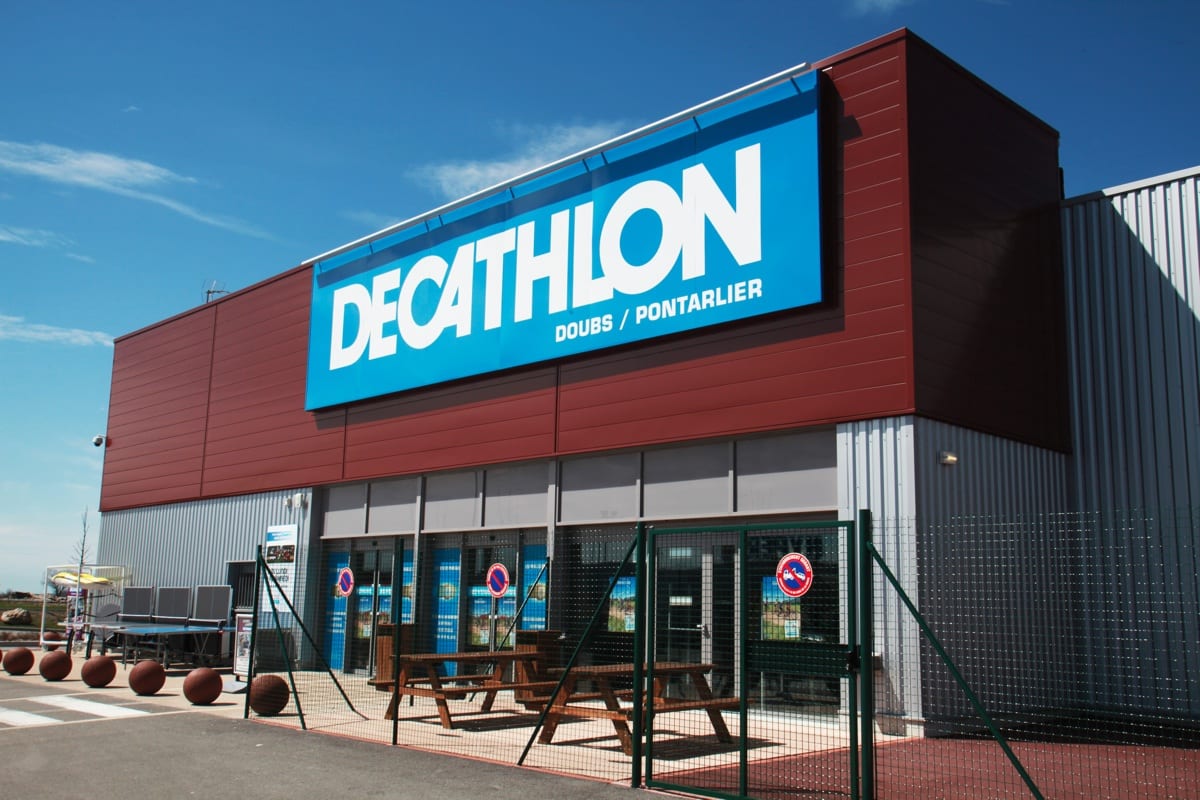
    French sporting goods business Decathlon has been fined $1.5 million for selling products that failed to meet Australia’s mandatory safety standards – an act in breach of consumer law.

    The Federal Court handed down the ruling, according to the Australian Competition and Consumer Commission, after the business sold more than 400 unsafe basketball rings and backboards, and over 300 portable pools, which failed to include relevant safety labelling, or installation and use instructions.

    “Mandatory safety standards exist to reduce the risk of death and serious injury to consumers, especially children, when using these types of products,” ACCC Deputy Chair Delia Rickard said.

    “By not including these important warnings, Decathlon put consumers at risk of serious harm when they were using the Decathlon swimming pools, basketball rings and backboards.”

    The basketball rings and backboards were made to appear safe to attach to brick walls, which is untrue: if a customer utilised the product in this way they risked fatal injury if the wall failed to hold the weight.

    Similarly, the portable pools failed to warn parents that children had drowned in pools of similar size (over 30 centimeters deep), and that adequate supervision and pool fencing laws applied to the product.

    “It is illegal to sell products in Australia that do not comply with mandatory safety standards, and consumers have a right to expect that products they purchase will not endanger their safety, or the safety of their family and others,” Rickard said.

    Decathlon admitted that it had contravened consumer law, and consented to issue a corrective notice to customers and implement an Australia Consumer Law compliance program to ensure it complies moving forward.

  • Shiseido confirms sale of consumer business for US$1.5 billion

    Shiseido confirms sale of consumer business for US$1.5 billion

    Japanese beauty company Shiseido said it plans to sell its personal-care business, which includes its lower-priced hair care and skin care products, to private equity firm CVC Capital Partners for 160 billion yen (US$1.5 billion).

    Shiseido’s personal-care unit includes popular brands like Senka face wash and Tsubaki shampoo.

    Under this deal, the assets will be transferred in July to a new company. Private equity fund CVC Asia V will acquire a 65% stake in the venture and Shiseido will hold a 35% stake.

    “We see significant potential for growth by investing further in employees, brands, and R&D, as well as by driving digitalization and accelerating overseas expansion, with the possibility of going public in the future,” said Yukinori Sugiyama, partner and co-head of CVC Japan, in a statement.

    Founded in Tokyo in 1872, Shiseido is focused on its premium beauty brands such as NARS Cosmetics, Bare Escentuals, and its namesake Shiseido line. As part of this strategy, the company is planning.

  • Chinese consumer trends are changing

    Chinese consumer trends are changing

    Covid-19-induced changes in consumer behavior could prove a new tidal change in the direction of China’s influence, according to new research by market intelligence agency Mintel.

    The report suggests that mass self-quarantine, caused by the outbreak, will leave an indelible shift in how Chinese consumers – and through the country’s influence, Asia-Pacific – behave going forward.

    The research shows that most consumers across Asia-Pacific are active online while they have extra time on their hands, suggesting that brands can use live stream, online, and interactive ways to engage with their customers at home.

    According to the data, three-quarters of consumers across Asia-Pacific agree that they find themselves wanting to learn more about things than they used to, including information on brands as well as social issues – creating an opportunity for brands to offer authoritative expertise. Elderly people, previously reticent to shop online, are now coming to terms with the technology.

    Mintel has pointed out distinct benefits to both consumers and brands in having consumers’ time, technology, and attention. In China, the group has seen live-stream presentations by chefs, gym instructors, club DJs, real-estate agents, new movie releases, performers, farmers, auto dealers and retailers.

    “Even while online shopping has been boosted, and food delivery carries on (despite delivery restrictions), will the slow-it-all-down zeitgeist lead to a furthering of the shift towards consumers seeking more meaningful experiences, rather than just accumulating things?” Mintel asked in a statement. “Based on Mintel’s 2030 Global Consumer Trends, we think so.”

    The group advises that just as in wartime, brands need to keep marketing their products and services while innovating their strategy through changes in the consumer market, including the effect of the epidemic.

    As China now begins its economic reboot and supply chains regain traction, Mintel contends that we will witness a reconfiguration of industries into new consumer behaviours.