Retail News CRM

Tag: Consumers

  • Retail slow in January despite Luxury growth

    Retail slow in January despite Luxury growth

    While several retailers have talked about conditions improving since a somewhat dismal holiday trading period, the Australian Bureau of Statistics have released a more muted view of month of January, with retail sales having improved by 0.1 per cent.

    This increase followed a fall of 0.4 per cent over December 2018, and a 0.5 per cent increase in November off the back of successful Black Friday and Cyber Monday sales events.

    “While January hasn’t proved to be a ground-breaking month by any stretch, on the plus side it does indicate that retail is slowly picking itself up and heading in the right direction,” National Retail Association chief executive Dominique Lamb said.

    Department store spending saw a 2.1 per cent decline over the month, while spending on clothing, footwear and personal accessories dipped 0.3 per cent.

    Food retailing and cafes, restaurants and takeaway services saw spending 0.3 per cent higher than the month prior, while ‘other retailing’, which brings together several industries such as pharmaceuticals, books and recreational goods, saw a jump of 0.7 per cent.

    The increase in cafe spending could be indicative of consumers beginning to feel more comfortable spending on ‘little luxuries’, according to Australian Retailers Association executive director Russell Zimmerman.

    “We hope this trend will continue to increase and spill into other retail categories across the retail sector,” Zimmerman said.

    The NRA’s Lamb went on to point to the upcoming Federal Budget, stating the importance that the Government puts a focus on encouraging consumer spending.

    “Measures such as tax cuts, infrastructure spending and initiatives that ease the burden on small businesses can all help improve the economy and assist retail in getting out of this sluggish phase it’s experiencing,” Lamb said.

  • Consumers watch almost 7 hours of online video per week

    Consumers watch almost 7 hours of online video per week

    Consumers worldwide are watching more online video than ever, with average consumption growing to of 6 hours and 45 minutes per week, according to a new survey.

    This figure is even higher in Singapore, with the average Singaporean watching eight hours and 13 minutes of online video content each week.

    This were the findings of the new “State of Online Video” report from Limelight Networks, which was based on 5,000 responses from consumers living in Europe, Asia (Japan, Philippines, Singapore, South Korea) and the US. Only those who watch one hour or more of online video content per week were polled.

    Insights from report

    What are some insights that could be gleaned? For one, performance issues with online video continue to turn Singaporean viewers off. Specifically, the experience of video buffering was cited as the most frustrating aspect of watching a video online (46%) followed by poor video quality of online content (32%), with more than half (59%) reporting they will stop watching a video if it re-buffers twice.

    Singaporeans are also price-sensitive and will cancel services due to price increases. Some 63% of Singaporean respondents said that price is the reason why they would cancel a subscription video on-demand (SVOD) service. This is second to only Italy (70%) and exceeds the global average (55%).

    Marketers will be glad to know that Singaporeans are tolerant of advertising in online videos. Indeed, 87% are not opposed to a short advertisement before an online video if the content they are viewing is free. However, they are less accepting of mid-roll ads in free content, and only 24% willing to accept multiple advertisements.

    “Singaporean viewers are very savvy when it comes to exploring online mediums, especially for their entertainment needs. We expect this trend to continue in the coming years, especially in the area of growing video on-demand adoption,” said Jaheer Abbas, the senior director of Southeast Asia and India at Limelight Networks.

    “Yet, service providers should be aware that factors such as price and quality have strong influence on viewers. To encourage viewers to make the switch from traditional television options, the issue of latency and quality at a competitive price need to be addressed. At Limelight, we seek to partner with businesses to make this possible, by enabling live broadcast streaming in less than a second, providing online viewers with the same experience enjoyed by broadcast viewers,” he said.

  • Kinofy app opens door to 1 billion Chinese consumers on WeChat

    Kinofy app opens door to 1 billion Chinese consumers on WeChat

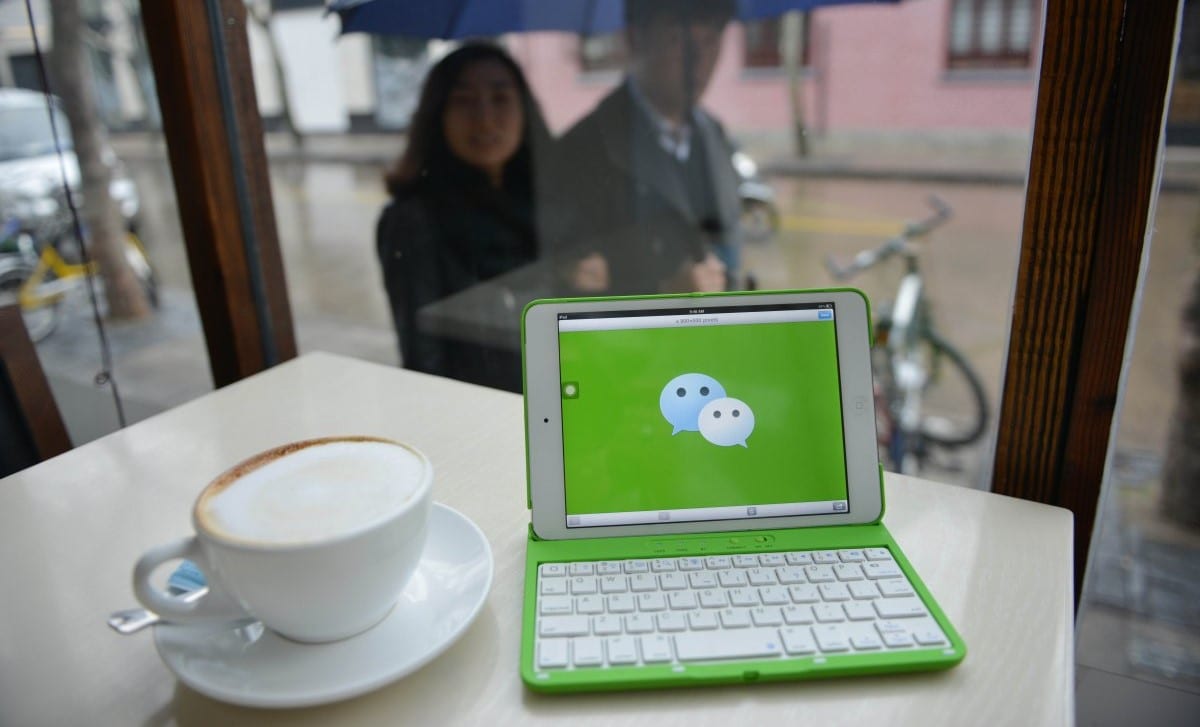
    Singaporean brands have been promised access to more than 1 billion Chinese consumers through a new cross-border e-commerce app which runs on the WeChat ecosystem.

    Kinofy Group has launched its plug-and-play, cloud-based, platform which is designed to allow international brand owners and small- and medium-sized businesses to sell goods and services in China.

    The platform offers merchants a single view of their business and customers across sales channels and enables them to manage products and inventory, process orders and payments, build customer relationships and leverage WeChat’s analytics and reporting. From a legal perspective, the Kinofy platform enables merchants to export and sell their products seamlessly across different sales channels through an official product registration and importation channel. The platform integrates multiple channels: e-commerce, social selling tools and operational management of product registration, importation, warehousing and logistics, last-mile delivery and overseas-payment settlement into a single platform, allowing brands to enter the Chinese market faster and more efficiently. Kinofy also offers warehousing and logistics solutions at the Ningbo Free Trade Zone (NFTZ) giving businesses infrastructure to reach China’s 613 cities.

    Leveraging the platform, brands can accelerate their entry into the fast-growing Chinese market – reducing entry time to three months with official product registration approval.

    Singapore trade and industry minister S Iswaran officially launched the platform to an audience of 300 guests including some of Singapore’s top brand owners.

    Kawee Chong, CEO of Kino Biotech Group and co-founder of Kinofy Group, said the opportunity for Singaporean brands in China is immense – and Kinofy being smart, simple and seamless makes market entry frictionless.

    “We are proud to welcome brands like Naturext, Health Domain, Yohmo Tonic, GreenLife, Lipaddict, SkinSoul, SWANZ, Kinohimitsu, Fitwhey and Esthemedica to the Kinofy family and look forward to inviting more of our fellow Singaporean brands to join us on this exciting journey.”

    Kinofy is a pre-approved solution supported by the SkillsFuture Singapore grant. The partnership enables local companies to construct digital business channels and grow sales plus revenue through cross border trade. Local small and medium enterprises will enjoy a 70 per cent subsidy for their first year subscription to the Kinofy platform through SkillsFuture Singapore. Training is also provided at 90 per cent subsidy from SkillsFuture Singapore. The Kinofy Group also works extensively with Enterprise Singapore to conduct outreach efforts in markets like the US, Germany, Korea, and Thailand.

  • Chinese brands earn youth’s trust

    Chinese brands earn youth’s trust

    Young people visit a self-service shop in Qingdao, Shandong province. Today’s Chinese youth recognize major domestic brands better than well-known international brands, an AT Kearney report said.

    Chinese millennials, or people born in the late ’80s and early ’90s, and the internet generation, or those born after 1998, recognize major domestic brands better than well-known international brands, according to an AT Kearney report.

    The global consultancy surveyed more than 7,000 consumers in different age-group across China, Japan, India, the United States, the United Kingdom, France and Germany, and found several trends that will drive markets in the future.

    The report found that 71 percent of internet native consumers in China showed an increasing trust in major domestic brands, whereas 57 percent of those showed an increasing trust in international brands.

    “Chinese consumers, especially the young generation, have significantly increased their trust in local big brands. This signals a very positive sign for the rise of Chinese brands,” said He Xiaoqing, partner and head of consumption and retail industry at AT Kearney Greater China.

    “Compared with five years ago, well-known international brands will have an increasingly difficult time to gain or retain consumers’ trust merely by offering quality products and services,” she said.

    In the next 10 to 20 years, young Chinese born in the digital age will become the largest consumer group.

    The report showed that instead of swearing by big brands, about 60 percent of them are expected to prefer brands that commit to social causes, support environmental conservation and have distinctive brand values.

    This trend is particularly obvious in the food sector, with 93 percent of millennials and the internet native consumers willing to pay an extra 5 percent of the price for those products that are environmentally friendly or with a strong sense of social responsibility.

    Young Chinese consumers also tend to pay attention to the history of the brands, the report said.

    The gradual loss of trust in big international brands has been particularly significant in the UK, France, the US, and Germany.

    Now in China and India, they are still able to play the “cool kid” and “quality” cards. In the next few decades, however, it will be a different situation in China, as the younger consumers showed less trust compared to older generations, the survey stated.

    The report found that in today’s age of hyper-connectivity and social networking, individual voices can be amplified to influence the entire market, and companies are facing significant risks of losing their brand values in a short time.

    For instance, in April, a video showing a man being violently dragged off an overbooked United Airlines flight has led to an uproar on social media, and later the market value of the airline shrunk by $1 billion.

    “Consumers in the old world were defined by their possessions, and companies were able to meet their customers’ needs to an adequate degree with static business models and a ‘one size fits all’ marketing strategy that followed major trends,” AT Kearney’s He said.

    “But now, the new business model calls for highly differentiated approaches, which rely on individual influencers and those who are capable of immediately understanding consumers’ signals and translating them into action.”

    In this case, one of the most important steps is to identify the right “influencers”, also known as KOLs, or key opinion leaders.

    The report also introduced the concept of “macro influencer”, such as sports or pop-culture stars with huge number of followers of their social media accounts, as well as “micro influencer”, who are likely to be more segmented.

    For example, “micro influencers” can be bloggers with a fashion sense or foodies. They have fewer followers, but may have more impact than macro influencers because they engage more actively with their followers and therefore build trust more effectively.

  • Chinese consumers most well-informed and demanding globally

    Chinese consumers most well-informed and demanding globally

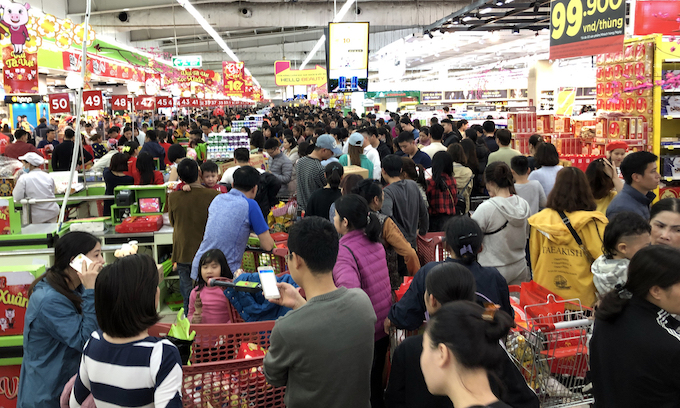
    “The Chinese consumer in my opinion is the most well-informed, sophisticated, demanding consumer in the world,” declared Terry von Bibra, general manager for Alibaba during his keynote at Shoptalk Europe this week.

    “They have a disposable income and they want to invest in quality products from around the world,” he said. “They have complete access to products, information choice and they are engaging with these products and brands in an intensive way with a common theme – they want to improve their quality of life and their family members.”

    To illustrate the sheer size of China, Von Bibra pointed out there are 10 cities in the US with a population of 1 million or more. There are 18 such cities in Europe. In China, there are 102 cities today with that population and it’s forecast to grow to eventually 220 cities.

    Von Bibra emphasised the need for retailers to offer seamless online and offline experiences to customers, something which Chinese shoppers now expect from retailers, especially with the country’s high penetration of smartphones and use of mobile payment system, Alipay.

    According to Von Bibra, 80 per cent of the China’s e-commerce transactions take place on smartphones, 500 million of which are used via Alipay.

    While Alibaba may be known as an e-commerce platform, the business has invested in several physical store initiatives over the past few years, including the acquisition of InTime Department Stores and their investment in Suning electronic stores.

    In addition, Alibaba has now opened 20 Hema stores in China, a hyper local supermarket best known for its fresh seafood offering that blends on and offline services.

    “People can go into Hema and say, ‘I’m going to order the stuff at home, get into the store, actually, but I want to order more stuff and actually that crab I ordered, I want to eat it in 15 minutes with my friends, so please prepare it in Szechuan-style and the rest of the stuff I bought? I’d like you to deliver it to my house’,” explained Von Bibra.

    Another Alibaba initiative is known as Rural Taobao, where the business has launched Alibaba stores in the centre of 16,000 villages in China. After all, while there are 731 million Chinese online, there are 600 million who don’t have access to the internet, Von libra pointed out. The plan is to eventually reach 100,000 villages.

    “Customers can go into a shop, order something online, get it delivered in a few days, or you can take the products you produce in your village and sell them online. It’s a long-term idea about how we can help the Chinese consumer in the rural world,” he explained.

    Despite the fact that many believed that commerce would kill the local mum-and-dad corner store, six million of these stores currently exist in China, said Von Bibra.

    “This is how [people] want to engage, this is how people want to buy. So we provide an app where people can run their shops, order their products wholesale, sell them retail in their stores and we give them access to data and access to logistical solutions so they can offer products like food, which many of them could not because of the logistical challenge,” he explained.

    “We try to make it easy for corner shops to enter the world of new retail and how we’ll experience it in the future.”

    “The transformation in China of the retail experience has been driven to a great degree by e-commerce in the past few years. In the future, it will be driven by how people are able to build a seamless retail experience that combines offline in a way that is best for that particular consumer for that particular brand experience.”

  • Consumer confidence up in August

    Consumer confidence up in August

    New Zealand consumer confidence rose in August with little sign that a cooling housing market is hurting consumer sentiment.

    The ANZ-Roy Morgan consumer confidence index rose to 126.2 in August from 125.4 in July.

    Of that, the current conditions index was unchanged at 124.9 and the future conditions measure rose 1.3 points to 127.1.

    ANZ Bank New Zealand chief economist Cameron Bagrie said that on a seasonally adjusted basis, confidence rose to its highest level since July 2014 and that Thursday’s survey shows consumers remain in a “buoyant mood”.

    The consumer confidence survey follows the release of business confidence for July which showed a net 19 per cent of firms surveyed in the ANZ Business Outlook expect general business conditions to improve over the coming year, down from 25 per cent in June.

    The latest housing data from the Real Estate Institute showed a sharp slowdown in house sales with volumes dropping 25 per cent nationwide last month compared to July 2016, with Waikato sales dropping 32 per cent and Auckland sales down 31 per cent.

    Bagrie noted, however, the moderation across the housing market “is not taking the wind out of consumers’ sails”.

    Among other things, house prices outside of Auckland are still lifting, albeit more modestly and “outside of the housing market, jobs are plentiful, and commodity prices are strong – it’s no accident that the South Island (excluding Canterbury) is now the most upbeat region”.

    ”The Budget put $2 billion on the table for families and the election lolly scramble is underway,” he said.

    A net 12 per cent of those polled felt financially better off than they did a year ago.

    For the economy as a whole over the next 12 months, a net 25 per cent expected better times financially.

  • UPS expands alcohol shipping to consumers around the world

    UPS expands alcohol shipping to consumers around the world

    UPS is expanding its ability to ship alcohol, wine and beer to consumers around the world. Using one of the UPS Express shipping services, wine connoisseurs can have their favourite cases of wine shipped directly from the vineyards to their home.

    UPS is helping wineries reach consumers living in 24 of the top 35 wine importing countries, and distilleries in 9 of the top 25 spirit importing countries. Depending on the destination, orders can arrive at the business or consumer’s home within 3 days. All alcohol shipments require an adult signature upon delivery.

    According to the International Organization of Vine and Wine, 43% of all wine is consumed in a country other than where it is produced. The global wine market is expected to reach US$380 billion by 2022.[1] The countries producing and exporting the most wine include Italy, Spain, France, Chile, Australia, South Africa and the United States.[2]

    Europe is the market leader in wine production and consumption. UPS will ship to 23 countries in Europe including these primary markets: Belgium, France, the Netherlands, Switzerland and the United Kingdom.

    Wine consumption is growing rapidly in Asian markets. By 2020, China is expected to surpass the U.S. as the world’s third-largest largest wine importer.[3] The fast growing middle class is driving the demand for premium alcohol. Last year, China imported US$890 million worth of spirits globally.[4]

    UPS will now ship wine, beer and liquor to consumers and businesses in 11 countries throughout Asia Pacific including: China, Hong Kong, Japan, Macau, New Zealand, Philippines, Singapore, South Korea, Taiwan and Thailand. In Malaysia, only businesses can import wine and beer.

    Mexico is earning its place at the table of major wine countries, as consumption has increased by more than 40% in the last 10 years.[5] UPS is shipping wine to Mexico, Argentina and the Dominican Republic. Mexicans are also thirsty for America’s beer, importing $187 million worth in 2016.6

    Canada and the U.S. are key trade partners and as more Canadians buy products online they’re also adding alcohol to their shopping carts. With the expansion, UPS can deliver to 5 of the Canadian Provinces covering 95% of all alcohol imports.[7] The Provinces include Alberta, British Columbia, Manitoba, Ontario and Quebec.

    Boeger, a small family-owned winery in Northern California, recently started global shipping. “It was hard telling our international visitors they couldn’t have our wine because we couldn’t get it to them,” said Tara De La Rosa, hospitality and logistics manager. “We are always looking for ways to expand globally and have our wines on tables around the world.”

    De La Rosa and her team use Paperless Invoice to simplify customs clearance. The UPS shipping system helps wineries, breweries and distilleries avoid delays by uploading all of the required alcohol-related documentation for each country electronically.

    UPS provides automatic tracking and visibility allowing the consumer to follow an order on its global journey. Boeger winery visitors will receive an email notification, in their own language, the day before the scheduled delivery.
    The UPS Express shipping portfolio features three unique service levels: UPS Worldwide Express Plus for early morning delivery, UPS Express for midday deliveries and UPS Express Saver for end-of-day deliveries.

  • Connected consumers driving growth of smart devices in Asia Pacific

    Connected consumers driving growth of smart devices in Asia Pacific

    Action cameras, flat panel TVs and wearables were the fastest-growing technology products in the past year.

    The consumer technology market in Asia Pacific (APAC) has grown tremendously over the past year, with the introduction of new technologies and advancements of existing technologies.

    One innovative product that is gaining popularity in the market is the action camera. More brands (from 2 brands in 2015 to 13 brands in 2016) that offer 360-degree features have entered the market. In the last 12 months, emerging markets in APAC have been the key growth driver for such action cameras, registering 57% and 33% increase in sales volume and value respectively, while the region’s developed markets experienced a corresponding 9% and 40% growth last year.

    Action cameras with 4K features are also selling well with sales accounting for 47% and 52% growth in volume and value respectively in APAC. Meanwhile, emerging markets in the region contributed up to 46% share of the pie in both volume and value terms.

    “Nowadays, consumers are increasingly sharing videos, contributing to the rising popularity of action cameras,” said Gerard Tan, Senior Director, Technology at GfK Asia. “Besides one of its key draw factors of being able to connect seamlessly to today’s smartphones, action cameras also tend to appeal to active consumers who are seeking new and interesting ways to record their lifestyle activities to view or share in full HD quality.”

    Another product which has jumped onto the 4K bandwagon is TVs. In the past year, 4K TVs, also known as Ultra High Definition (UHD), have been gaining traction as sales growth hit over 103% in units across APAC in the past 12 months, with the market upgrading the display resolutions from Full High Definition (FHD) to UHD. Demand is expected to continue to rise at a rate of 42% in 2017, with emerging economies projected to register higher growth (55%) due to the erosion of UHD prices.

    “There is a rising uptake of 4K TVs as discerning consumers are increasingly choosing UHD TV technology due to its sleek design and better image quality,” observed Tan. “The popularity of UHD will subsequently create more opportunities for content studios to produce better image content, especially when more recording devices are beginning to support 4K recording, enabling more UHD content to be made readily available for consumers.”

    Since the advent of the Smart TV in 2011, there have been ample opportunities for companies to develop TV software for its platforms. In the last 12 months, sales of Smart TVs in APAC continued to increase by 40% to reach over 5 million units.

    One of the latest technologies available in the TV market is OLED TV—a TV display technology based on the characteristics of organic light-emitting diodes. According to GfK findings, OLED TV has been registering significant growth since its launch in APAC in 2014, growing in demand from 7,000 units in 2014 to 98,000 units in 2016. As more brands continue to come into the equation, the OLED TV market is projected to expand further by more than 63% in 2017, with huge growth anticipated from the developed markets in APAC.

    Meanwhile, core wearables, comprising smart watches, and, health and fitness trackers, is yet another thriving category within the consumer electronics. Total sales units in the last year reached 3.3 million across developed APAC markets as consumer spending on the product category grew 9% year on year.
    “Heart Rate Sensor and GPS are generally the key features that appeal to consumers looking to purchase a wearable device, and this is reflected in the significant increase in devices that provide these features. The sales of wearables with heart rate sensors rose by 28% within a year, while devices with inbuilt GPS almost doubled (98%) during the same time period,” said Tan.

    With consumers embracing the digital lifestyle and using smart devices, the overall consumer technology market in APAC is expected to perform positively this year, with TVs, action cameras and wearables likely to experience further growth.

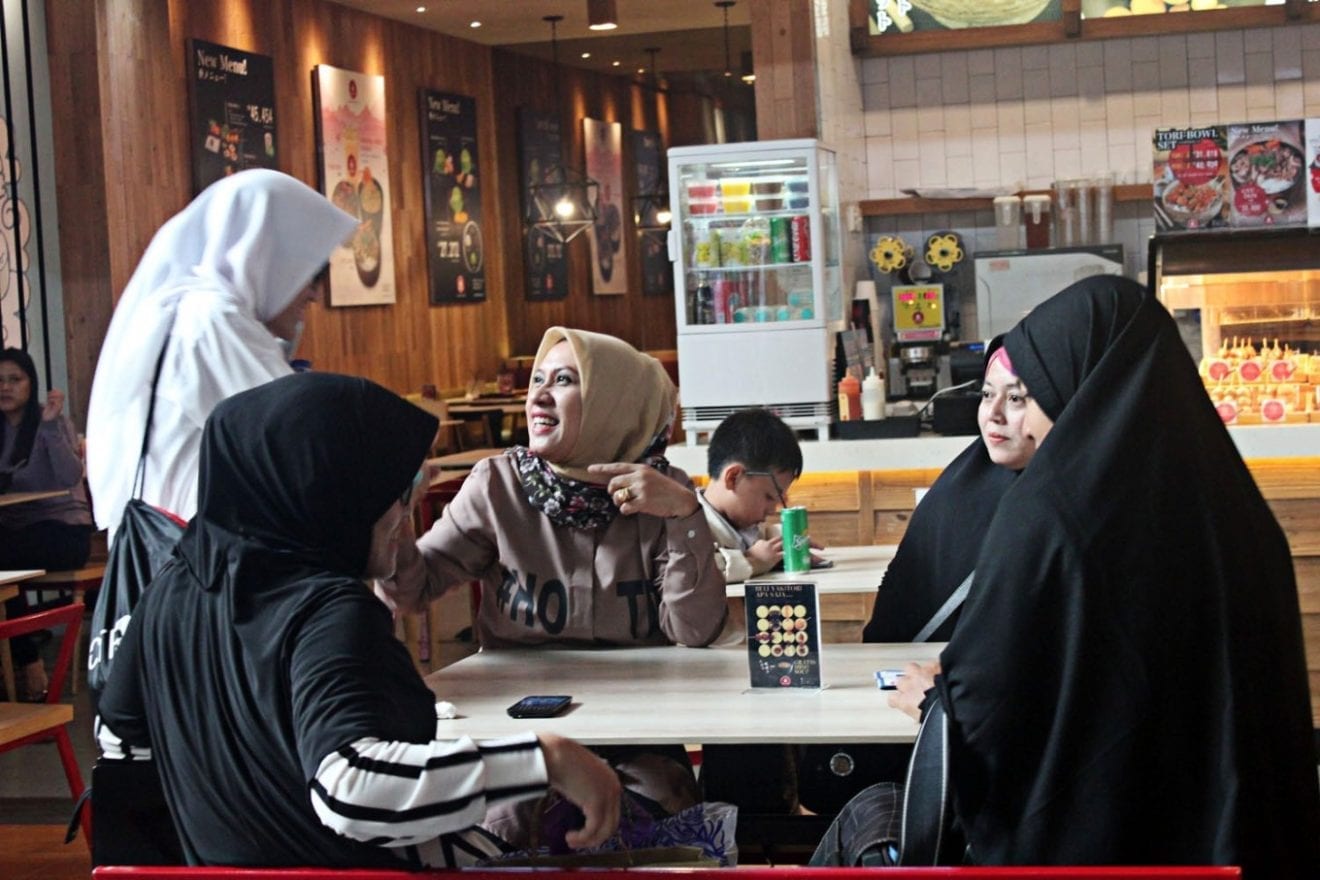
  • Engagement opportunities with Muslim consumers in Southeast Asia

    Engagement opportunities with Muslim consumers in Southeast Asia

    According to the “State of the Global Islamic Economy Report” by DinarStandard, Muslim consumers spent an estimated US$243 billion on apparel in 2015.

    Modest fashion purchases by Muslim women, estimated at US$44 billion that year, accounted for 18 percent of that total. Muslim consumer spending on apparel is expected to reach US$368 billion by 2021 – a 51 percent increase from 2015.

    The rise of modest fashion

    What is modest fashion? It generally refers to looking stylish while remaining relatively covered. Most importantly, the modest fashion movement is more mainstream and multi-brand than ever before. It is not reserved just for those who follow religious customs when it comes to apparel.

    Modest fashion is gaining momentum, driven by eCommerce and social media. Mass market retailers and designers are taking notice of the market potential and joining the modest mix. Prominent eCommerce players like Zalora and Lazada are already offering more than 3,077 and 13,310 pieces of modest fashion respectively. Brands like Nike, Zara and Mango have also introduced special collections for the Ramadan season.

    The Asia-Pacific region is home to 63 percent of the world’s Muslim population, or nearly one billion people. It is therefore no surprise that we see retail spikes during Ramadan, especially in Indonesia, Malaysia and Singapore.

    Based on an analysis of more than 8 million transactions across Southeast Asia, Criteo observed a 67 percent increase in retail eCommerce sales during this period in 2016. This trend is expected to continue during this year’s fasting month, which commenced on 26 May 2017 and will be followed by Eid al-Fitr from 25 to 27 June 2017.

    The Eid festival is the biggest holiday in Indonesia and amongst the most widely celebrated in Singapore and Malaysia. During this period, families customarily visit the homes of their relatives and friends, and households would be decorated lavishly and stocked with an abundance of food and snacks to welcome their guests. Naturally, they would also have bought new clothes to mark the beginning of the festivities.

    Overall, this represents a great opportunity for retailers, if they take note of the following seasonal shopping trends.

    Engaging consumers at the right time

    The third week of Ramadan represent the biggest opportunity for retailers to engage consumers when they are actively browsing and purchasing items for upcoming celebrations. During this period in 2016, there was a 67 percent uplift in online retail sales, especially on mobile devices. To reach mobile shoppers, apart from promoting their offers on mobile just before the start of Ramadan, eCommerce players must also intensify their digital marketing efforts towards the season’s end.

    One of the hallmarks of Ramadan is dawn-to-dusk fasting, which ends once the sun goes down. That means that throughout the 30-day period, daytime quiet gives way to night time buzz when people can eat and drink, giving retailers more opportunities for incremental sales increases at night.

    In Southeast Asia, nearly a third (29 percent) of retail sales happens between 9pm and 5am during the Ramadan period – a 21 percent increase as compared to the pre-Ramadan period. This means that eCommerce players should optimise marketing efforts for the time of day (or night) when Muslim consumers are most likely to shop online.

    Engaging consumers on the right device

    In Southeast Asia, 46 percent of Ramadan retail buyers use multiple devices prior to purchase, while one in four shoppers switched devices at least three times during their purchasing journey. No matter where your shoppers are, one thing is clear – they are browsing and toggling between mobile devices, desktops and various applications before making the actual purchase. During this season, eCommerce players must ensure that their digital storefronts are optimised for differing consumer paths to purchase.

    The success of eCommerce businesses in Southeast Asia will depend on their ability to enable or encourage users to complete purchases on their web, mobile web or app storefronts. To do so, these businesses can turn to machine learning based performance marketing technology that automatically understands customers’ shopping behaviour across devices, browsers and apps, and delivers personalised and compelling advertising content based an individual’s online habits and preferences.

    Modesty is both a fashion choice and a lifestyle. Today’s modest fashion buyers select pieces based on style and takes inspiration from many sources – they are no longer just relying on larger mainstream brands, but also turning to smaller players with niche interests and products. Social media platforms also allow individuals who dress modestly to share styles, experiences and views.

    Whether it is festive season or beyond, Muslim and modest fashion is still a relatively untapped market, but with massive growth potential. There is therefore no better time than now for eCommerce players to respond to and maximise the opportunities presented by this unique market, by leveraging mobile and cross-device strategies and technology.

  • Vietnam ranks 8th among world’s top gold consumers

    Vietnam ranks 8th among world’s top gold consumers

    Vietnam ranks eighth among the countries in the world with the highest gold consumption in the first quarter of 2017, shows a recent report by the World Gold Council.

    Vietnam ranks eighth among the countries in the world with the highest gold consumption in the first quarter of 2017.

    As per the report, the demand for gold in Vietnam in Q1 was close to 17 tonnes, a slight rise compared to last year.

    In the first quarter, China topped the list, with a total demand of 280 tonnes of gold, an increase of 8 per cent compared to the same period last year. India came second with 123 tonnes.

    Overall, the total global demand for gold touched 1,035 tonnes in the first quarter of this year, an 18 per cent drop against the same period in 2016.

    Vietnam’s gold consumption has declined over the years, from nearly 100 tonnes in 2013 to 58 tonnes in 2016.

  • Vietnamese consumers the most socially-conscious in Asia-Pacific

    Vietnamese consumers the most socially-conscious in Asia-Pacific

    Vietnamese consumers are the most socially-conscious in Asia-Pacific according to the Corporate Sustainability Report from Nielsen released on April 26. The report indicates that up to 86 per cent of consumers in Vietnam are willing to pay higher prices for products and services that come from companies that are committed to positive social and environmental impacts, compared to 76 per cent of consumers in Asia-Pacific.

    After Vietnamese, Filipino, Indonesian and Chinese consumers are the most socially-conscious in Asia-Pacific, with 85 per cent, 83 per cent, and 80 per cent of respondents, respectively, stating a willingness to pay extra for products and services that come from companies who demonstrate their commitment to having a positive impact on society and the environment.

    According to Mr. Rakesh Dayal, Head of Consumer Insight at Nielsen Vietnam, in the last couple of years, people have witnessed some of the negative impacts of adverse weather conditions and pollution on Vietnam’s living and business environments.

    Therefore, it would be difficult to find consumers who do not show concern for environmental and societal issues nowadays.

    In small and big ways, consumers are trying to be responsible citizens, and they expect the same from corporations.

    “Committing to sustainability might just pay off for consumer brands,” he said. “Integrating sustainability into their business models and objectives helps society and, at the same time, raises goodwill toward their brands.”

    He added that companies with strong reputations can outperform others when it comes to attracting top talent, investors, community partners, and, importantly, consumers.

    The survey indicates that the top sustainability factors influencing the purchasing intentions of Vietnamese consumers are high-quality products (79 per cent), products known for their health and wellness benefits (77 per cent), and products made with fresh, natural and/or organic ingredients (77 per cent).

    Moreover, products known for their high standards of safety carry quite similar weight with consumers in Vietnam (76 per cent).

    “Finding opportunities to bridge health benefits and the ingredients that support the claim is a powerful and impactful way to connect with consumers,” Mr. Dayal advised.

    Equally important among consumers in Vietnam is brand trust. Seventy-five per cent of Vietnamese consumers indicate they would buy products from a brand or company that they trust.

    When it comes to purchasing intentions, a commitment to the environment has the power to sway product purchases for 62 per cent of consumers in Vietnam.

    Commitments to either social values or the consumer’s community are also important, influencing 61 per cent and 62 per cent of respondents, respectively.

    “We are seeing a change in the hierarchy among drivers of consumer loyalty and brand performance,” Mr. Dayal observed.

    “Commitments to social and environmental responsibility are surpassing some of the more traditional influences for many consumers. Consumer-goods brands that fail to consider this run the risk of falling behind.”

  • SEA consumers online at least 16 hours a week

    SEA consumers online at least 16 hours a week

    Smartphones are the go-to device for accessing the internet throughout South East Asia, and consumers expect fast performance of websites across all devices.

    This is among the key findings of a new “State of the user experience” research report released by Limelight Networks.

    “Our new research shows that nearly half of adult consumers in South East Asia are online 16 hours or more each week, outside of work, and they have high expectations for website performance, especially when it comes to e-commerce,” said Jaheer Abbas, Regional Sales Director at Limelight.

    “Nearly everyone surveyed said that they’re likely to recommend a brand to a friend if they have a positive web experience, and on the flip side, that they’ll leave and go to a competitor if it isn’t a good experience.”

    While there is a great deal of behavioral consistency throughout the region, some interesting regional differences were identified. Personalized web experiences were ranked as very important in all countries, but were slightly less so in Singapore. Also, while the majority of respondents regionally will abandon a website if the experience is slow, there is slightly more tolerance in the Philippines.

    Despite these differences, the report clearly illustrates the need for organizations to prioritize the optimization of mobile experiences, understand the expectations of consumers within each country rather than implementing a “one-size-fits-all” approach, and accelerate website performance to keep visitors engaged.

    Time spent online varies by country and generation. People in the Philippines spend the most time online closely followed by those in Malaysia. People in Singapore are online the least. In Thailand, millennials are online the least, with 34% online 16 hours or more a week compared to 42% for all other age groups. The gap is even greater in the Philippines, where 39% of millennials versus 56% of all other age groups are online this amount of time.

    The survey also suggests that nearly half (43%) of consumers will leave a website and go to a competitor if a webpage takes too long to load. Websites should also load quickly on all connected devices as 84% of respondents report they expect equally fast load times on any device.

    Social media is the top online activity closely followed by online video, and fresh and updated content ranks as the top expectation for web experiences. Most consumers (67%) surveyed want a website to remember them and make recommendations based on previous visits.

  • Brandline – Bring Your Brands to Life

    Brandline – Bring Your Brands to Life

    Consumers are exposed to more than 3000 messages a day. The real question now is, what will make your brand stands out? As consumers only spend a few seconds in front of retailer shelf, are the in-store messages targeted properly and relevant? Hence, design solutions that boost the traffic and sales potential in retail environments are sorely needed.

    As the expert in merchandising and in-store communication, HL Display Thailand has the most innovative design and ideal solutions to create a more desirable shopping experience and brand awareness that includes

    • Creating a place where the consumers want to shop
    • Developing impulse buying and customer loyalty
    • Making differentiation from competition
    • Increasing basket size and footfall

    Communicate the brand values and product benefits with Brandline™, the collection of shelf liners, highlighters and accessories, specifically designed to create highly effective on-shelf communication and segmentation. Extending the message areas with additional accessories such as lighting is also reinforcing brand awareness and instantly adding positive disruption visually.

    https://www.youtube.com/watch?v=DUECYwjKfjA

    Health and Beauty category for instance, is a category characterized by many new products introductions coupled to variety of pack sizes and shapes. State of the art message conveyer, cosmetic front rails, sample tester holder, lighting accessories are becoming a must have in store environment, and this is when Brandline™ becomes even more important than ever.

    For further information, Bangkok based HL Display Thailand can be directly contacted during office hour at +66 2276 2445 with the attention to Mr. Thanasun Sakchuenyod, or e-mail to [email protected] or [email protected]. Visit the company website at www.hl-display.com/asia

  • Higher attrition rate seen among digital consumers

    Higher attrition rate seen among digital consumers

    Customer retention dropped by 7% in 2016 compared to one year previously, a study from Verint Systems shows.

    This research was commissioned by Verint from June 23 to July 20, 2016 in association with Opinium Research. Interviews were conducted among 24,001 consumers in Australia, Brazil, India, France, Germany, Japan, Mexico, Netherlands, New Zealand, South Africa, United Kingdom and United States.

    Results show that consumers who prefer to do business through digital channels are more likely to swap providers than those that engage with businesses through human touch interactions, such as those that take place by phone via the contact center or in-store.

    Across all sectors, 57% of consumers have been with their service providers for more than three years. Banks led in terms of customer retention, with 73% of consumers reporting they have been with their provider for more than three years, whereas only 8% said they have been with their bank for less than a year.

    Mobile operators ranked second best, with 63% of consumers remaining with their provider for more than three years.

    Japanese companies had the highest retention rates of all countries surveyed—an average of 64% of consumers have been with their providers for more than three years.

    French and American companies also fared well, with 60% of French consumers and 55% of American consumers  staying with their providers for more than three years.

    The study also shows a clear link between communication channel preferences and retention. Consumers who prefer to engage with organizations digitally are more prone to switching providers.

  • Consumers willing to accept ads on IoT devices

    Consumers willing to accept ads on IoT devices

    The majority of consumers, at least in the US, are fine with the idea of ads on IoT devices, according to an Interactive Advertising Bureau (IAB) study on consumer adoption patterns and trends.

    In the survey of 1,200 US adults, 65% of IoT device owners said that they are willing to see ads on their IoT screens. What’s more, 62% already do, the study added.

    Devices examined in the study included connected cars, internet-enabled home control devices, internet-enabled appliances, smart watches, wearable health trackers, internet-enabled voice command systems, smart TVs, VR headsets and smart glasses.

    Incentives are the prime motivators.

    The report showed that 55% browsed through ads get coupons, while 30% searched for extra features and 22% loved playing exclusive games.

    Affluence and age matter when gauging consumers’ willingness to see ads on their IoT devices.

    According to the report, 69% of those who earn $100,000 or more and 68% of those aged 18-34 years are “more likely to see the value exchange of receiving such ads on their devices.”

    While the above results cater to only US consumers, it does indicate a growing willingness among consumers to view ads if the rewards are clear.

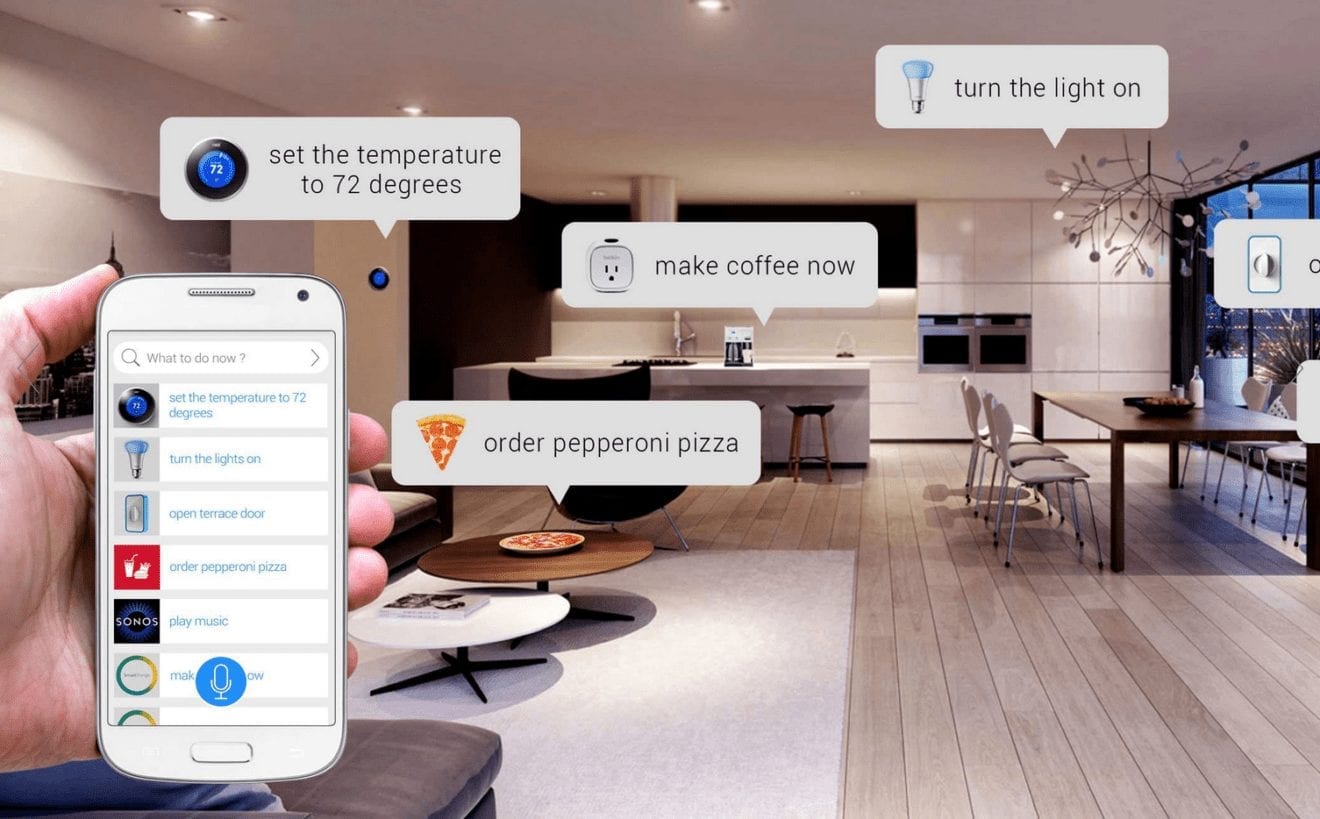
    It also offers valuable clues for CMOs who are looking to cash in the upcoming IoT boom and get into the living spaces of consumers.