Retail News CRM

Tag: convenience store

  • Shell Malaysia Launches 24-Hour Unmanned Petrol Mart

    Shell Malaysia Launches 24-Hour Unmanned Petrol Mart

    Shell Malaysia has opened its first unmanned Select convenience store. Located at Shell Tezz Enterprise on Jalan Tun Razak, the store trades 24-seven and is powered by technology from BingoBox. Customers can select goods from the shelves and place them on the store counter which automatically calculates the price. Payments can be made by debit or credit cards, or by BingoBox’s mobile app.

    BingoBox is based in China and has launched in Malaysia through a joint venture with local company Scientific Retail.

    “Using BingoBox Retail Technology, we can provide customers with a seamless shopping experience when they are at Shell at any time of the day,” said CEO of Scientific Retail, Ng Seong Ping.

    Shell Malaysia MD Shairan Huzani Husain said the technology will improve customer service.

    “Our Shell site employees now have more time to attend to customers’ needs, thus ensuring they are able to leave our station a little happier,” he said.

  • New CEO boosted 7-Eleven Malaysia profit

    New CEO boosted 7-Eleven Malaysia profit

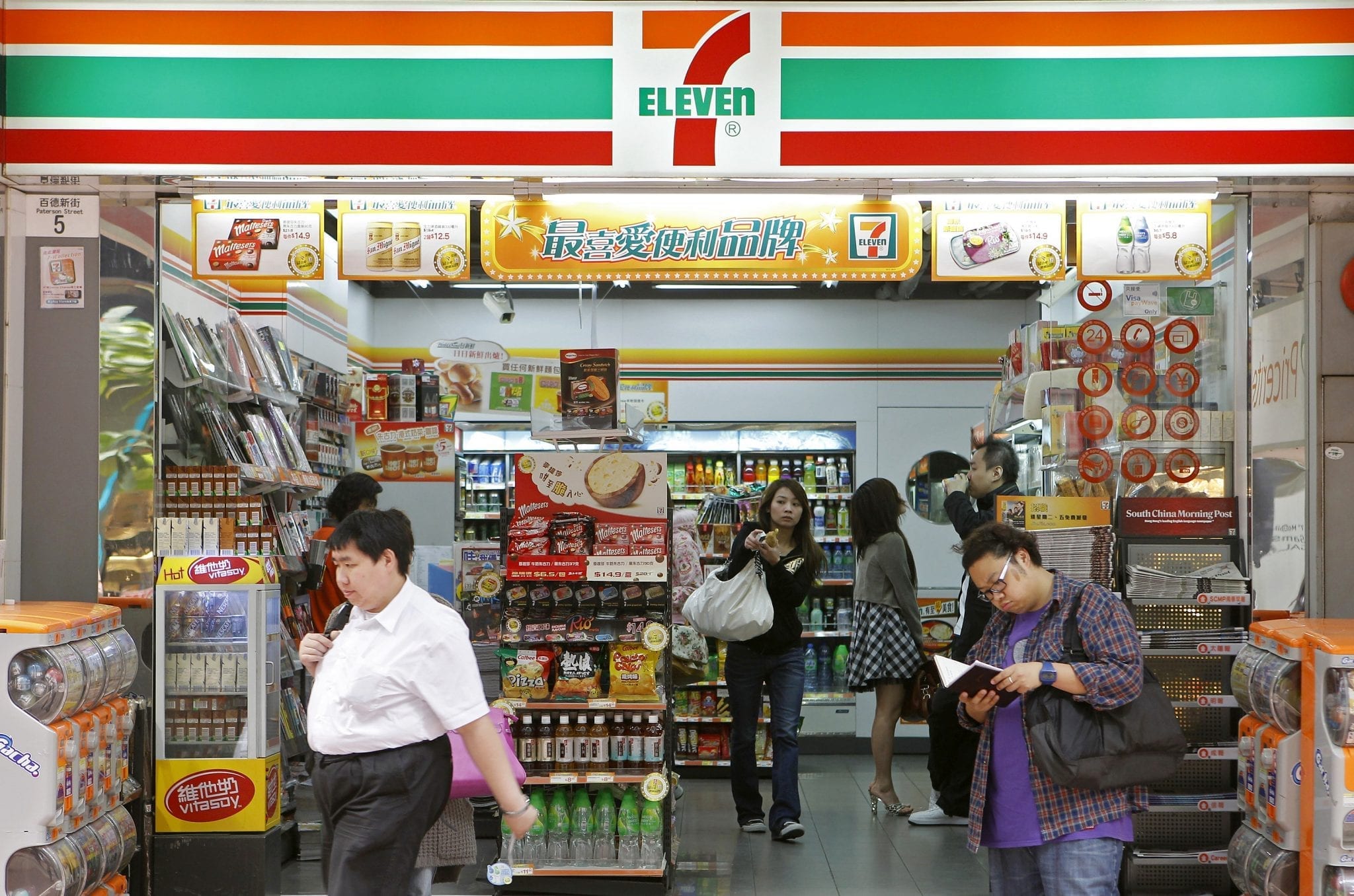
    7-Eleven Malaysia says its net profit surged 29.4 per cent in the latest quarter as internal reorganisation began to pay off. Net sales inched up by just 0.4 per cent during the same time.

    Incoming CEO Colin Harvey – into the role just two weeks – said while the result was satisfying there is still room for improvement on key metrics.

    “I am confident that a strategy roadmap focussed on strengthening the key areas of assortment, supply chain, operational excellence, store base, and digitally enabling the organisation will bear fruit in terms of financial performance, and overall customer shopping experience,” he said.

    Revenue for the quarter reached RM557.6 million (US$135 million) on the back of new stores and improved consumer promotion strategies. Post-tax profit reached RM13.1 million, up (US$3.17 million).

    Revenue for the first half reached RM1.09 billion, 1.4 per cent against the same time last year, while post-tax profit was up 21.6 per cent to RM3.9 million.

    The company’s board expects trading conditions during the next quarter to improve, with anticipated heightened consumer sentiment. “We expect to see further improvements in the next quarter by pursuing our core strategy pillars of operations excellence, cost management and commercial innovation.”

    At the end of the second half, 7-Eleven Malaysia operated 2241 stores.

  • Japanese convenience store ready to fight new challenge

    Japanese convenience store ready to fight new challenge

    Healthcare is becoming a staple category for Japanese convenience store chains as they seek to counter the encroachment of pharmacies on their traditional product ranges.

    According reports, while Japanese drugstores are increasingly offering snacks and quick meals, convenience stores are now selling medicines and even setting up health consultation stations in stores.

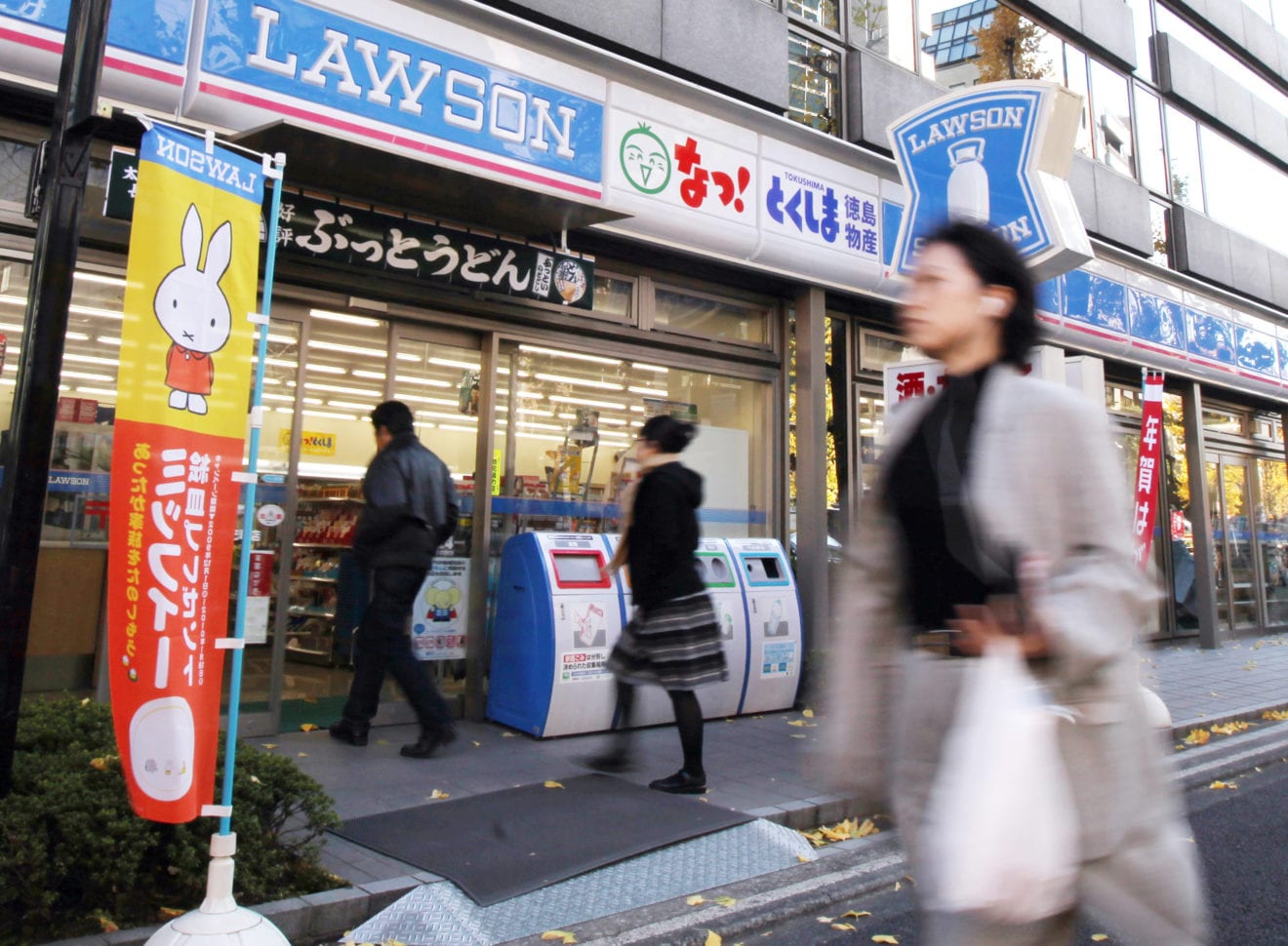
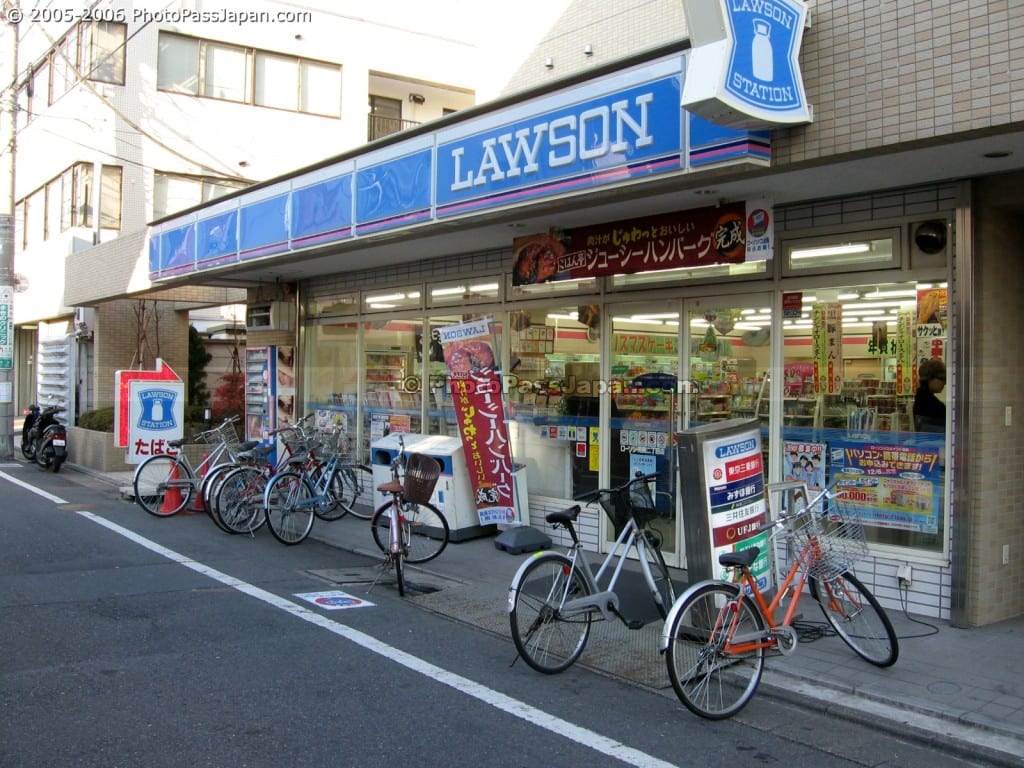
    Lawson-branded stores have launched 17 in-store consultation corners and plans to expand this number to 100 locations.

    Lawson president Sadanobu Takemasu said the company wants to resolve the community issues that arise “in an age where many people live to be 100”. The service is intended to attract more families and elderly people.

    FamilyMart and Seven-Eleven convenience chains in Japan have also been found to be selling medicines, with some also offering pharmacy-style advice.

    Japanese drugstores have been increasingly expanding beyond medical products in recent years, which has paid off. The value of pharmacy industry sales has gone up five per cent in the past two years, as opposed to two per cent on convenience store sales over the same period.

    The number of pharmaceutical outlets increased 11 per cent since 2015, during which time convenience store expansion was limited to just three per cent.

  • Convenience store in Korea enjoying revenue boost

    Convenience store in Korea enjoying revenue boost

    South Korean convenience store operators GS25 and CU received a boost from in-house brands in the second quarter.

    GS Retail, which operates the GS25 chain, recorded a net profit jump of 11.1 per cent year on year to 45.8 billion won (US$41 million) in the April-June period, on sales up 5.3 per cent to US$2 billion.

    GS Retail attributed the growth to development of new products at its convenience stores, with 36.7 per cent of GS25’s sales excluding alcohol and cigarettes coming from its private-label products in July.

    South Korean convenience store operators have been developing private-label products to attract more customers.

    GS25’s main rival CU posted a net profit of US$60 million from April to June, an increase of 105 per cent from the first quarter of this year, on sales of $1.3 billion.

  • Imported beer sales at convenience stores on rise

    Imported beer sales at convenience stores on rise

    Sales of imported beer at South Korean convenience stores have risen sharply, store operators Sunday, as more consumers opt for variety and a growing number of people drink at home.

    BGF Retail Co., the operator of CU, South Korea’s largest convenience store chain, said sales of foreign beer brands accounted for 60.2 percent of the total in the two months of this year.

    The figure has steadily increased from 58.3 percent in 2015, with numbers surpassing the 60 percent mark for the first time ever.

    Industry insiders said the rise of single-person households also boosted the trend of demand for light alcoholic beverages. This has resulted in rising demand for imported beer sales at discount chains and convenience stores.

    “A total of US$250 million worth of beer were imported last year to set a new record,” said a CU official, noting that discounts on imported beer have also reduced the price gap with domestic beers.

    Local convenience stores have recently offered aggressive price promotions for foreign beers to meet strong demand for various flavors beyond the lager-dominated domestic brands.


  • Foreign convenience store chains expansion plans

    Foreign convenience store chains expansion plans

    Nguyen Thu Ha has abandoned traditional markets on her afternoon shopping trips in favor of a more convenient option.

    Uncomfortable with the crowds and dubious origins of the food, the 35-year-old from Hanoi now prefers to spend her money in the convenience stores that are mushrooming across the city.

    “The quality in convenience stores is guaranteed, unlike grocery shops and traditional markets,” she said. “That’s why I go to them now.”

    Like Ha, many shoppers are turning to convenience stores, encouraging foreign retailers to expand their presence in the market.

    The number of convenience stores had increased to over 1,500 as of June 2016, according to market research firm Nielsen Vietnam. Famous foreign brands now occupy 70 percent of the market.

    In June, Seven & i Holdings, which operates Japan’s biggest convenience store chain 7-Eleven, opened its first outlet in Ho Chi Minh City.

    A company representative said that it plans to open 100 stores in Vietnam within three years and expand the number to 1,000 in the next decade.

    American chain Circle K has around 250 stores, mostly in the country’s two biggest cities, Ho Chi Minh and Hanoi.

    FamilyMart, Japan’s second largest convenience store chain, has a combined 130 stores in Ho Chi Minh City, the nearby resort town of Vung Tau and Binh Duong Province.

    Southeast Asian chains Shop&Go and B’s mart are running another 300 stores.

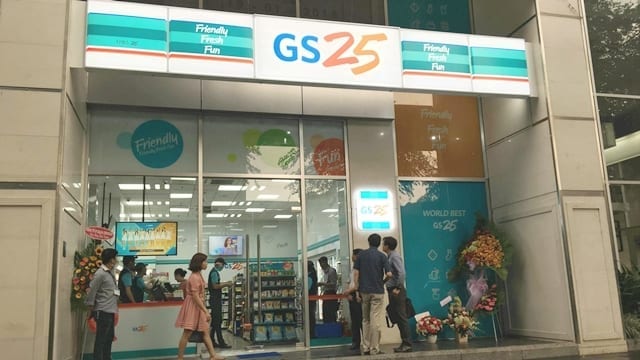
    South Korea’s GS Retail also plans to enter the market in the near future with the first outlet bearing its GS25 convenience store brand in Ho Chi Minh City.

    GS25, which will be the first Korean convenience store chain operator to enter the Vietnamese market, is expected to open 2,500 outlets in the next 10 years.

    “We have received requests from many countries, including China and other Southeast Asian countries, to export our brand,” said a GS Retail spokesman. “After months of research, we concluded that Vietnam had the largest potential for growth.”

    A.T. Kearney’s Global Retail Development Index this month named Vietnam the sixth most attractive retail market in the world. The country made headlines worldwide when it topped the list in 2008.

    International market research organization IGD forecasts double-digit compound annual growth rate over the next four years in Vietnam, reaching 37.4 percent in 2021.

    “Convenience stores in Vietnam have become popular destinations for young consumers to shop and hang out, as the stores provide them with an air-conditioned environment, well-organized shelves and seating areas, high quality products and, in some stores, free Wi-Fi,” said Nick Miles, head of Asia-Pacific at IGD. “It is also easier to get licenses for stores under 500sq.m, which is why retailers have been expanding to gain market share.”

    Vu Vinh Phu, former chairman of the Hanoi Association of Supermarkets, said convenience stores have expanded with the growing middle class, who are increasingly willing to pay a little more for the convenience of mini-marts that are open for longer hours and can be found in more locations.

    Economists say Vietnam has great potential for convenience store expansion, considering the number of existing stores now is still small compared to the population.

    There is one convenience store for every 2,100 residents in South Korea, 2,300 in Japan, and 24,900 in China. The ratio in Vietnam is one per 54,400 residents, according to a recent report by international property research firm Savills.

    Vietnam’s trade ministry has projected the country’s retail market will hit $179 billion by 2020, a jump of 52 percent from last year.

    Uneasy to earn

    Despite bright prospects for convenience stores in Vietnam, their development has not always been smooth, as in the case of FamilyMart. Japan’s second largest convenience store chain plans to stay focused on its domestic market after reporting losses in several Southeast Asian countries, including Vietnam.

    Koji Takayanagi, the company’s president, said the firm is reviewing its loss-making businesses in Indonesia, Thailand and Vietnam. “If we can get them to rally we will, but we cannot continue to pour in resources,”

    Another example is the case of a joint venture between Ministop, an affiliate of Japan’s second largest retailer AEON, and G7, an arm of local coffee producer Trung Nguyen. The joint venture aimed to develop 500 convenience stores across the country within five years from 2011. However, the partnership ended in 2015 when Trung Nguyen withdrew from the deal after only 17 stores had been opened. The venture reportedly failed to reach the target because of difficulties in finding premises in Hanoi and Ho Chi Minh City.

    Ministop now has only 80 convenience stores in Ho Chi Minh City and Binh Duong Province.

    As well as the difficulties they face finding retail space, convenience stores must also compete with other retail channels, which are also expanding rapidly, especially online shopping, said head of the Association of Vietnam Retailers, Dinh Thi My Loan.

    Explaining why retailers are continuing to expand in the convenience store market, despite losses, an industry insider said their current goals is to stretch their influence in the market. Retailers often suffer losses in the first four to seven years, he said. “It’s not time to make a profit yet. It’s time to grab more market share.”

  • Convenience stores seek ways to differentiate themselves from rivals

    Convenience stores seek ways to differentiate themselves from rivals

    In the past, convenience stores differentiated themselves from privately run groceries by position, diverse goods and modern services. Now, they tend to set up large stores integrated with fast food shops to attract youth and office workers.

    HCMC residents were reported as queuing up at the first 7-Eleven shop at Saigon Trade Center on June 15, the opening day of the shop.

    N.N. Huong, who visited with her teenage daughter, said she was curious about the new brand and she wanted to find out if there was any difference with the Ministop shop located next to her house.

    Seven System Vietnam said 7-Eleven offers hundreds of dishes suitable to Vietnamese taste, and provides lunches to office workers with 20 alternatives. Besides the products with private brands, 7-Eleven also provides facilities such as dining area, wifi and card payment services.

    After a decade of slow development, convenience stores have been developing strongly in the last three years.

    FamilyMart, Ministop and B’s, after changing the joint venture model, have been stepping up the expansion of the chains.

    Each of the brands has had 40-50 new shops set up every year. In the last three years, the network of 24/24 convenience stores has grown threefold and expanded to other provinces and cities besides Hanoi and HCMC.

    Analysts said though the high retail premises rent remains the biggest obstacle for the development of convenience stores (which accounts for 40 percent of operation costs), convenience stores have overcome a difficult period to form large-scale chains.

    Most convenience store chains are part of large corporations such as Aeon, Central Group, Saigon Co.op, Vingroup and SATRA.

    Aeon, for example, now owns many retail chains in Vietnam, including Ministop, which is open 24/24 hours, located in central districts; Aeon Fivimart, known as food shops; Aeon Citimart B&B, located in apartment blocks; and Daiso, the single-price chain, which all connect other models, from supermarkets, hypermarkets and shopping malls to other potential segments of the retail market.

    Zakkamart, a 100 percent Vietnamese owned chain, established three years ago, opens two new shops every month on average. The difference between Zakkamart and other convenience stores is that the chain sells fresh food, vegetables and fruits and frozen products.

    Nguyen Van Khoa, deputy general director of Satra, said Satra provides daily meals, and does not only focus on FMCG (fast-moving consumer goods).

  • Japanese convenience store sales grow

    Japanese convenience store sales grow

    Sales at Japanese convenience stores rose 0.1 per cent in January from a year earlier, up for the fourth consecutive month.

    Industry data shows there were brisk sales of hot food and side dishes.

    Same-store sales for eight major chains totalled ¥753.16 billion (US$6.7 billion), the Japan Franchise Association says.

    While the number of customers dropped 1.1 per cent to about 1.2 billion – declining for the 11th straight month – spending per customer rose 1.2 per cent to ¥620, up for the 22nd consecutive month, according to the association.

    The number of convenience stores increased 2.5 per cent from a year earlier to 54,496.

  • 7-Eleven Malaysia committed to store expansion

    7-Eleven Malaysia committed to store expansion

    7-Eleven Malaysia is committed to further store network expansion despite the economic headwinds in the nation.

    Releasing the company’s third quarter results, CEO Gary Brown said the network now numbering 2057 stores achieved sales growth of 5.5 per cent in the three months to September 30, despite a sluggish retail market.

    However there was a “significant negative impact” from the increase in the minimum wage from July 1 on third-quarter profit.

    “The third quarter of 2016 highlights the tough retail market in which we have operated since the introduction of GST coupled with low consumer sentiment and spending.

    “[However] we remain confident that continuous store expansion, refurbishment, promotional activity, improved merchandise mix and expanded in-store services will continue to deliver positive results despite the challenging headwinds.”

    Brown noted that average spend per customer increased by about 4 per cent during the third quarter, compared with the same period last year.

    Group revenue for the quarter totalled RM547.8 million (US$23.31 million) driven by new stores, improved merchandise mix and consumer promotion activity.

    Gross profit of RM169 million improved by 5.8 per cent, mainly attributed to the 5.5 per cent revenue growth.

    Selling and distribution expenses for the quarter increased by RM14.8 million or 10.4 per cent, mainly caused by new store expansion resulting in higher staff cost, rental cost, store depreciation expense and utility costs. The increase in the minimum wage caused store staff costs to rise by approximately 10 per cent in the current quarter.

    The pre-tax profit of RM15.5 million decreased by RM7.0 million or 31.2 per cent, despite positive sales growth – and due to higher selling and distribution expenses caused by new store expansion and the impact of minimum wage increase.

    For the nine months to September 30, the group’s revenue grew by 4.9 per cent against the corresponding nine months’ revenue.

  • Korea convenience store boom causes concern

    Korea convenience store boom causes concern

    Around 15 convenience stores were opened in South Korea every day on average last year.

    And the Korea convenience store boom is worrying a ruling lawmaker, who has urged the nation’s fair trade watchdog to seek measures to avoid excessive competition in the market.

    According to the data compiled by Rep. Yoo Ui-dong of the Saenuri Party, 5508 convenience stores were newly established in 2015 alone, casting concerns over a potential oversupply of such shops in the domestic market.

    Yoo said while the numbers may seem to reflect the boom in the industry, such a sharp gain may have an adverse impact on the livelihoods of the shop owners.

    “Currently, we do not have a law that can regulate the opening of a new convenience store right next to another,” Yoo said.

    “The Fair Trade Commission needs to come up with measures to limit the number of new shops.”

  • Xiaomi Products Come to Korean Convenience Stores

    Xiaomi Products Come to Korean Convenience Stores

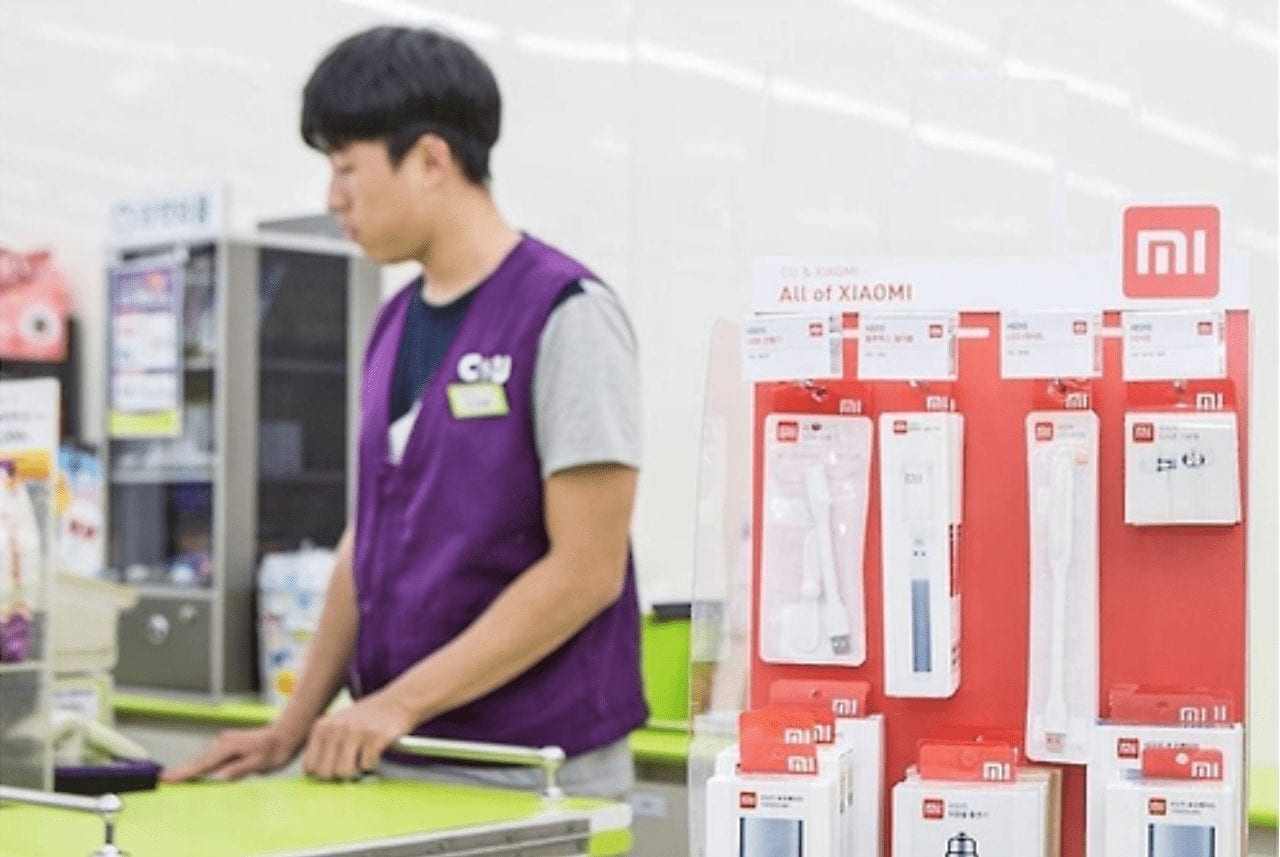
    Ticket Monster (T-Mon), Korea’s leading social commerce platform, announced Thursday that it will be supplying convenience store franchise CU with Xiaomi products for offline distribution.

    CU outlets have already been selling Xiaomi portable battery packs (5000mAh) since the beginning of September, which were also supplied by T-Mon, but they will now have nine other products from the Chinese company on offer, including ear phones, selfie sticks, LED lights, and USB fans. 

    The move is a win-win for both CU and T-Mon. 

    “With the widespread use of smartphones, sales of smartphone-related products such as portable battery packs have increased by 69 percent this year,” said official.

    “We’ll be increasing our Xiaomi inventory at outlets closer to universities, offices, and entertainment districts, while also targeting Chinese tourists at our stores near tourist attractions like Myeongdong and Gwanghwamun.” 

    As for T-Mon, it will be securing an offline distribution channel to further expand its revenue stream. 

    “By allowing offline sales of products that used to be sold exclusively online, we’ll be offering our partners new opportunities to increase their profits,” a T-Mon official said. 

    Xiaomi products have grown increasingly popular on Korea’s ecommerce platforms for their affordability. The company’s 5000 mAh battery pack, in particular, makes up about 80 percent of all portable battery sales on T-Mon. 

    Although the Chinese electronics giant has yet to introduce its smartphones to Korea, the brand has gained widespread recognition with massive popularity on ecommerce platforms like T-Mon and Coupang. 

    Xiaomi made its official entrance here in March through an exclusive deal with local distributor Youmi, and has since been selling a wide range of electronics and consumer goods including the Mi Band (fitness wearable), an air purifier, Bluetooth speakers, a bicycle, and even backpacks.

    The company also opened its first offline store at the Yongsan Electronics Market in June, and is rapidly expanding its outlets across the Seoul Metropolitan Area.


  • Foreign convenience stores in China to face lower-tier challenge

    Foreign convenience stores in China to face lower-tier challenge

    • Convenience store growth is surging, bucking the trend of weakening physical retail store sales. 7-Eleven is the market leader, though FT Confidential Research’s latest consumer brands survey found that other foreign chains were increasingly popular.
    • This is, however, a highly fragmented market and foreign chains will struggle to expand into lower-tier cities, where domestic operators offer greater competition, sometimes supported by local governments.
    • International operators are also coming under pressure from other big foreign retailers in China, while domestic newcomers are expanding aggressively in the belief that online-to-offline (O2O) services will help them seize market share and overcome short-term profitability issues.

    Convenience stores continue to eat into the retail market share of larger formats. In a second-quarter FT Confidential Research survey, 83.4 per cent of urban consumers described themselves as regular convenience store patrons, 0.9 percentage points up on our previous survey in the fourth quarter of last year, while the proportion regularly frequenting supermarkets or hypermarkets fell 1.2 percentage points (see chart).

    The convenience store format has been a standout in an otherwise gloomy market for bricks-and-mortar retailers. Though nationwide sales of fast-moving consumer goods rose 13.2 per cent last year, according to Kantar Retail, a consultancy, hypermarket sales slipped 0.2 per cent and sales at traditional, independent grocery stores fell 10.4 per cent.

    Convenience store chains are stealing market share, with store count growing an average 10 per cent each year from 2010 to 2015. Our survey found that 88.6 per cent of younger shoppers, aged 24-29, frequently go to convenience stores, up 3.4 percentage points from our survey six months ago. In contrast, the proportion of this cohort regularly going to supermarkets or hypermarkets fell 0.8 percentage points in that time.

    Despite growing demand, the convenience store market remains fragmented, with no national leader. The most popular chain was different in 10 of the 11 major markets in China, according to our survey (see chart).

    Beyond Shanghai

    Growth is concentrated in first-tier cities such Beijing and Shenzhen and certain second-tier cities. Shanghai, the biggest market by far, is now saturated, with store count increasing just 2.9 per cent in 2015, having shrunk in 2013, according to the China Chain Store & Franchise Association. Shanghai had one convenience store for every 3,466 residents, a far greater concentration than in Beijing (7,185 people per store) and Chongqing (28,846 people per store). Second-tier Harbin, Wuhan and Changsha were the three cities with the fastest-growing store count in 2015, while Beijing came in seventh (see chart).

    Foreign chains out in front

    Our survey found that foreign brands remain more popular than their domestic peers. Japanese brand 7-Eleven was the most popular, with 20.4 per cent of respondents saying they frequently shopped at its stores, up 1.1 percentage points from the fourth quarter of last year (see chart). The popularity of two other Japanese chains, FamilyMart and Lawson, also rose, up 0.8 and 1.2 percentage points, respectively.

    After years of losses, foreign brands may finally have found ways to consistently turn profits in China. Shanghai FamilyMart, a joint venture between FamilyMart Japan and Ting Hsin Group formed in 2004, turned a profit for the first time in 2013. This ¥745m ($7.4m) profit expanded to ¥1.5bn last year.

    FamilyMart’s clean, reliably stocked outlets appeal to white-collar workers, but it is the prepared fresh food options that have really proved popular. The company now has four factories preparing ready-made food in or around Shanghai and reportedly sells about 300,000 bento boxes each day in the city. Prepared fresh food makes up roughly half of the total sales of each FamilyMart store, according to Ting Hsin vice-president Wei Yingxing.

    Bottlenecks to expansion

    The nature of convenience stores makes brand loyalty tough to engender: is a Shanghai urbanite going to walk further to their favourite chain for something as basic as a bottle of water?

    This is helps explain why the expansion of foreign brands into lower-tier cities has been harder than they anticipated. In 2010, FamilyMart set a goal of opening 4,500 stores in China, but had only reached one-third of that by February 2016. Three years ago, Lawson targeted 1,500 stores in Shanghai and 500 in Chongqing by 2015. As of May 2016 it had opened just 506 and 111, respectively. Among the top 10 chains nationally, the market share of domestic chains has actually rebounded slightly since 2012, while the rapid growth of foreign chains has slowed, according to Kantar (see chart).

    Domestic competition tough to overcome

    Shanghai has provided domestic companies with a case study in how to compete against foreign entrants. Almost all big domestic convenience store chains have beefed up their offerings of ready-to-eat food products, mimicking FamilyMart’s success in Shanghai. Many are now accelerating store openings in areas dominated by foreign chains, while some have managed to poach middle managers from international companies.

    This competition from domestic chains is dragging on store count growth for the multinationals: the number of 7-Eleven stores in Chengdu dropped to just 56 by May this year from 87 in February 2013 (see chart). FamilyMart has also expanded only slowly in Chengdu. In contrast, local leader Hongqi has 1,543 outlets in the city, and reported a 15.2 per cent increase in operating revenue and a 5.3 per cent rise in net profits to Rmb170m ($26m) in 2015.

    The target demographic of foreign convenience stores is much smaller in second-tier cities than in the major coastal hubs, given lower incomes and different consumption patterns. In Beijing in 2015, the daily revenue of each 7-Eleven outlet was, on average, more than Rmb16,000. The equivalent figure in Tianjin and Chengdu rarely breaks Rmb10,000. This has forced foreign companies to be more strategic about where they open outlets in these cities.

    Government policy may also limit expansion. Since 2009, the Chinese government has banned retailers with foreign backgrounds from selling cigarettes nationwide, a business we estimate could account for a third of convenience store sales. In Shanghai, the municipal government also offers subsidies to state-owned firms, and in second-tier cities the relationship between local companies and local government is usually even closer.

    In response, Lawson has signed a franchise contract with Wuhan Zhongbai, authorising Hubei’s leading retailer to open Lawson convenience stores in the province — even though Zhongbai has its own convenience store chain, named Haobang. These sorts of tie-ups may be a solution for foreign chains to expand in the provinces, but maintaining service quality will prove a challenge.

    Here come the newcomers

    Furthermore, the market’s rapid growth is luring in new players. Large, established foreign retailers are looking to leverage their brand popularity and existing infrastructure. Carrefour, for example, has already opened 13 Carrefour Easy convenience stores in Shanghai. Germany’s Metro also recently opened its first two My Mart convenience stores in the city.

    Domestic entrants are even more aggressive. Quanshi has opened 270 stores in Beijing since it was established in 2011. In comparison, 7-Eleven had 192 stores in Beijing as of May 2016, having entered the market in 2004.

    Quanshi’s ampm brand (not to be confused with BP’s chain of service stations) is one of a swath of Chinese operations, across numerous industries, banking on O2O services to drive growth. The chain claims that short-term profitability issues from its model can be overcome once economies of scale are achieved. Companies like Quanshi see O2O services, including package storage but also delivery, as the future of the convenience store business.

    The commercial viability of this strategy is so far unproven. A deal between JD.com and Taiyuan Tangjiu, a Shanxi chain, in which the online mall hosts the convenience store’s online presence while its couriers provide one-hour delivery, has not been a success.

    Given such intense competition, we believe the convenience store market will remain fragmented and locally focused. For now, it is unclear that a national leader will emerge, as 7-Eleven has in Japan. In second- and third-tier cities, lower incomes and local protectionism mean that foreign chains may take over bustling, high-rent street corners, but will struggle to establish a dominant position.


  • Pokemon Go game changer in Malaysian retail scene?

    Pokemon Go game changer in Malaysian retail scene?

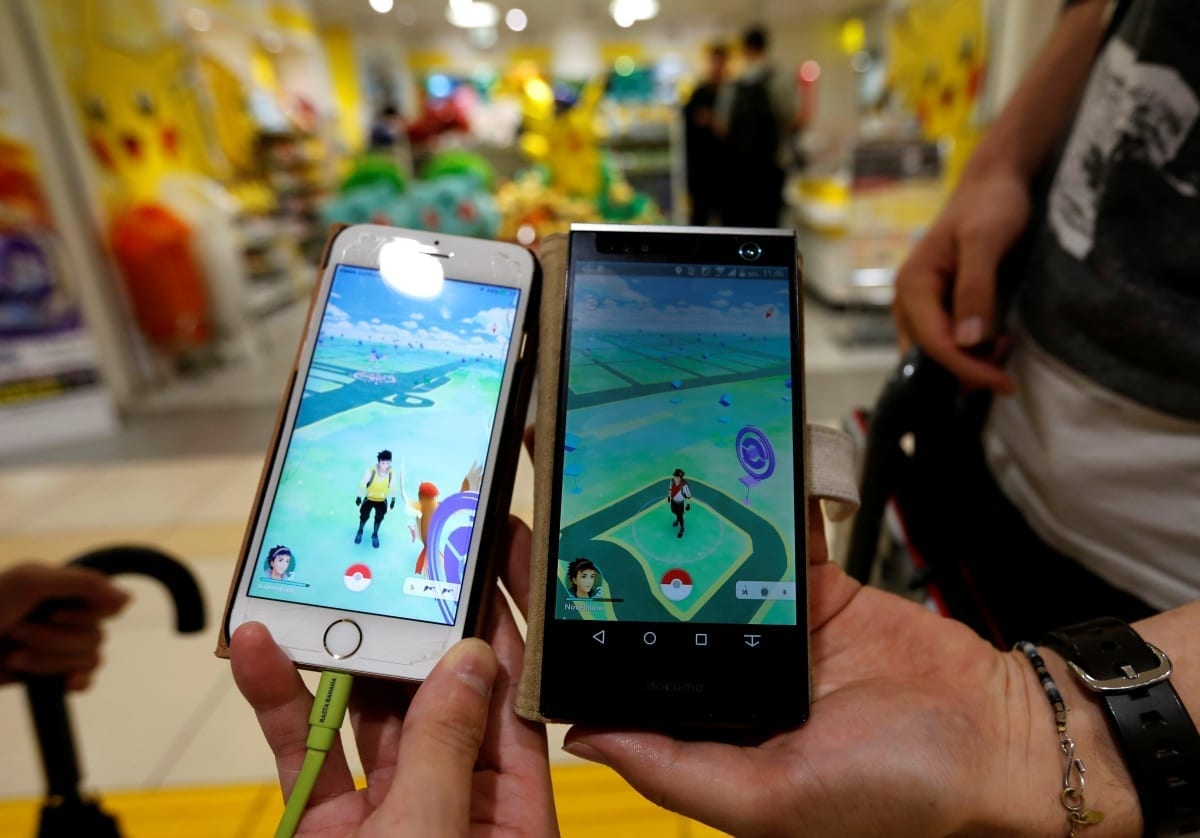
    The runaway success of augmented reality game Pokemon Go can be a potential game changer in the local retail scene.

    UOBKayHian said in a report that the game could also be seen as a revenue booster for retail real estate investment trusts (REITs) and modestly positive for food and beverage (F&B)/convenience store retailers and cellular companies.

    “Pokemon Go creates higher footfall in malls. Although turnover revenue accounts for less than 10% of retail REITs’ revenue, sustained higher footfall leads to better rental reversion.

    The research house said Sunway REIT has reportedly experienced a double-digit hike in average footfall at its malls.

    “Car count has increased by 10%. Similarly, Suria KLCC and Pavilion have also garnered attraction from Pokemon Go ‘hunters’.

    UOBKayHian said F&B retailers like Starbucks, OldTown and other F&B retail chains surveyed saw minimal impact with sales being consistent before and after Pokemon Go’s launch.

    “Nevertheless the higher footfall in the malls and shoplots could eventually translate into higher sales for the F&B retailers.”

    As for convenience stores, the research house said KK Supermart, which operates a chain of 223 convenience stores in shoplots, had reportedly seen a surge in footfall, with the sales of some store shooting up by up to 20%.

    “Approximately one-third of both 7-Eleven and Bison’s stores are located in the malls. The higher footfall in the malls may translate into higher sales for these convenience stores.

    “However, we note from these companies that at this juncture, impact on earnings is minimal.”

    UOBKayHian said it was “potentially marginally positive” on the telecommunications sector on higher data usage and pre-paid reloads.

    It pointed out that Pokemon Go had hastened the adoption of smart phones, currently accounting for around 30% of global mobile phones.

    “The game could hasten global conversion to smart phones, which benefits Malaysian electrical and electronics component suppliers like Inari. Among the potential beneficiaries, our top pick is Sunway REIT.”

    The research house noted that public response to Pokemon Go, which was released on Aug 6, has been overwhelming in Malaysia.

    Pokemon Go, which is by far the highest revenue grossing game in history, can provide at least a short-term lift to various Malaysian companies.

    “Although widely seen as a fad, this game’s shelf life could well exceed common expectations; 90% of players who downloaded the app continue to play after its launch,” according to a media report.

  • Circle K Hong Kong sales defy downturn

    Circle K Hong Kong sales defy downturn

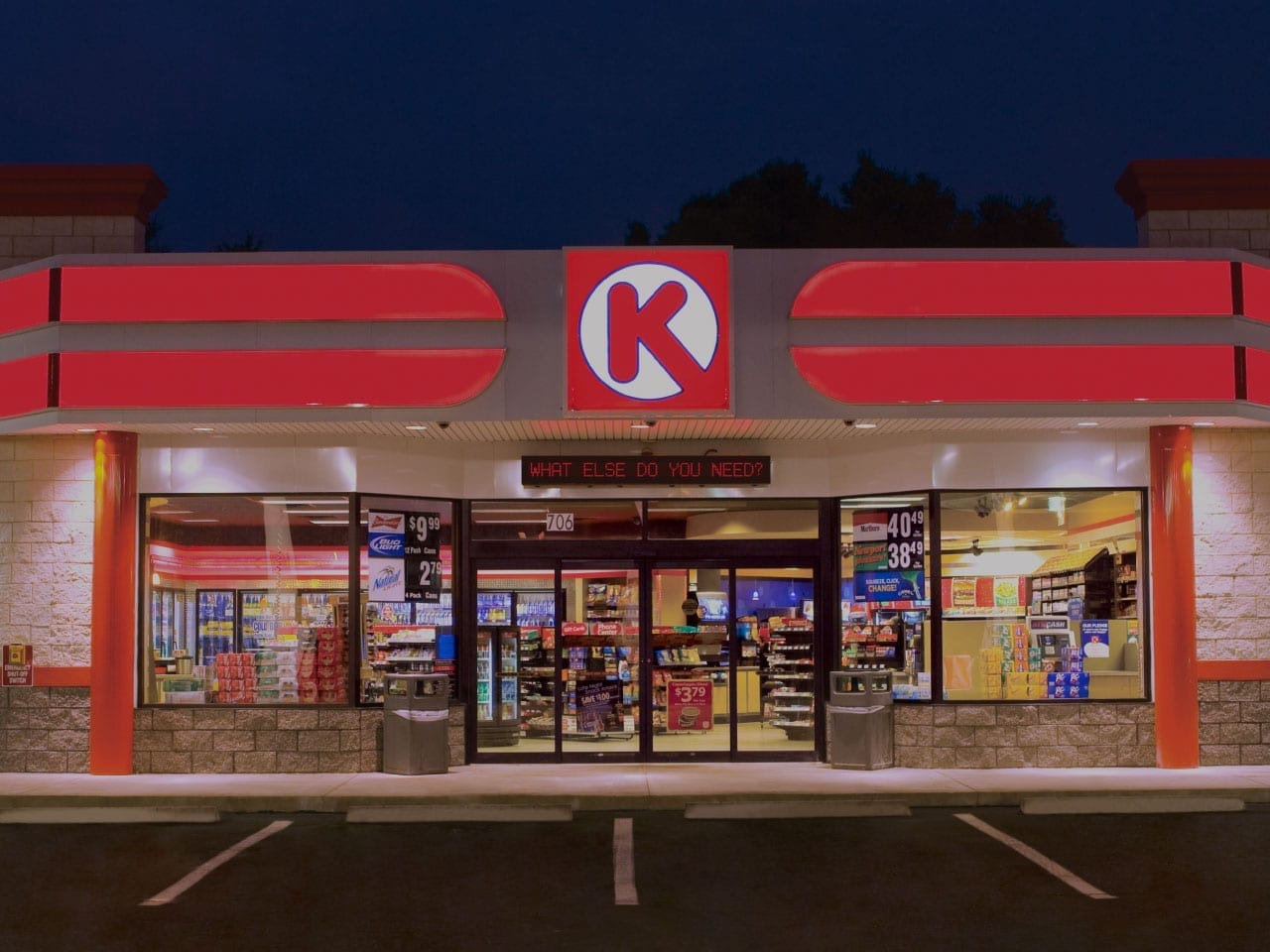
    Circle K Hong Kong sales rose 4.7 per cent in the first half of this year, defying the retail downturn.

    Parent Convenience Retail Asia has reported an overall turnover boost of 3.4 per cent to HK$2.339 billion. Same-store sales grew 5.2 per cent year on year in the six months to June 30.

    Turnover in the company’s Saint Honore bakery business decreased slightly, by 0.5 per cent to $496 million, with low-single-digit growth in comparable store sales in Hong Kong.

    Convenience Retail Asia has 324 Circle K stores in Hong Kong, 118 in Macau, Zhuhai and Guangzhou; and 94 Saint Honore stores in Hong Kong and 50 in Macau, Shenzhen and Guangzhou.  In the first half of this year, it opened six new Circle K stores in Hong Kong and closed 10 for a net decrease of four, and it opened seven new Saint Honore stores in Hong Kong and closed two for a net increase of five.

    The group’s net profit increased 68.4 per cent to HK$52 million for the six months, primarily due to the disposal of Circle K business in Guangzhou last year..

    “Despite weak retail market sentiment, convenience store and bakery operations achieved

    satisfactory comparable store sales growth in Hong Kong,” the company said in a stock exchange filing. “Core operating profit increased 7% on back of stabilised operating costs and improvement in Saint Honore operations.”

    With the stabilisation of the commercial property rental market, store expansion has become a key growth strategy for the Saint Honore chain.

    Convenience Retail Asia says during the second half of 2016, it will seek to grow profit at existing stores “by continuing to improve efficiency, reduce costs, and drive sales through innovative product development, marketing and category management”.

    “With the commercial rental market on the downswing, cautious store expansion will play a role in driving revenue across the convenience store and bakery businesses.

    “Although the business environment has been challenging, the group’s core operations remain

    strong and healthy, and it has a solid balance sheet with a good cash position. We will continue to monitor the market closely for merger and acquisition opportunities that can help us grow our business, at the same time as we strive for healthy organic growth.”

  • Convenience stores make inroads into North Korea

    Convenience stores make inroads into North Korea

    An increasing number of convenience stores, similar to those in South Korea, have been appearing in North Korea, especially in the border areas with China, a U.S.-based media report said Tuesday.

    Citing a Chinese source who frequently visits the North for trade, Radio Free Asia (RFA) said the number of 24-hour convenience stores have steadily increased in the border cities of Musan and Hoeryong, North Hamgyong Province.

    The Chinese source said that the convenience stores are small scale businesses that can be started with 20,000 Chinese yuan (US$3,000).

    According to the Chinese trader, the stores initially opened to sell leftover goods of Chinese traders in the North, but they have now transformed into the around-the-clock operations.

    The RFA said that the retail stores sell liquor, cigarettes, groceries and household items, such as nail clippers, adding that these stores are now spreading out to such large cities as Rason, Hamhung and even the capital city of Pyongyang.

    Related to the rise of convenience stores, a North Korean female defector who settled in South Korea last year said there are five such convenience stores in Musan County alone.

    The woman said these stores pay some 300 yuan to the North Korean state organizations per month. They also give bribes to security officials.