Retail News CRM

Tag: customers

  • Subway Malaysia Apologizes After Unsettling Discovery of ‘Cockroach Legs’ in Customer’s Coffee

    Subway Malaysia Apologizes After Unsettling Discovery of ‘Cockroach Legs’ in Customer’s Coffee

    An unsettling incident unfolded at a Subway outlet in Malaysia, causing discomfort to a customer who allegedly found insect parts in her coffee cup. The incident further led to Subway issuing an apology and taking immediate actions to rectify the situation.

    A Disturbing Discovery

    The incident was first made known on a social media platform by a user named Fara Lee. Lee stated that the unpleasant incident occurred at the Subway outlet located in Mydin Mall Meru Raya, Ipoh, where a colleague of hers had bought the coffee. The colleague, upon feeling something odd in her throat, discovered what seemed to be cockroach legs in her coffee cup, after consuming half the drink.

    The shared images depicted what were believed to be insect legs stuck to the sides of the cup and floating in the half-drunk beverage. The post rapidly garnered attention, receiving more than 3,200 likes and over 420 comments.

    Subway’s Response

    Responding to the incident, Subway Malaysia issued an apology and assured the public that immediate proactive steps were taken. The fast-food chain temporarily closed the outlet in question to conduct a comprehensive inspection and thorough cleaning.

    In its commitment to maintaining high hygiene standards, Subway Malaysia further stated that it would enforce appropriate measures to prevent such an incident from recurring in the future.

    Earlier this week, Subway Malaysia shared images of the outlet’s coffee machine and premises undergoing a detailed cleaning process. The company stated that despite having regular hygiene protocols in place, a full deep clean of the outlet had been performed as an additional step of reassurance.

    Questions & Answers

    What did the customer find in her coffee cup?
    The customer allegedly found what appeared to be cockroach legs in her coffee cup.

    What actions did Subway Malaysia take in response to the incident?
    Subway Malaysia temporarily closed the outlet for a thorough inspection and cleaning. The company also conducted a deep clean of the outlet as an added reassurance measure.

    What preventive measures will Subway Malaysia apply to avoid such incidents in the future?
    Subway Malaysia has committed to maintaining high hygiene standards and will enforce appropriate measures to prevent such incidents from recurring in the future.
  • Coupang Data Breach: Unmasked Details of 33 Million Customers Sparks Privacy Fears

    Coupang Data Breach: Unmasked Details of 33 Million Customers Sparks Privacy Fears

    Increased apprehension has gripped South Korea following a significant data leak at e-commerce giant, Coupang. Officials have indicated that this breach could have been overlooked for an extended period.

    Scale of Data Leakage

    Coupang, a United States-listed merchant, revealed on a recent Saturday that the private information of 33.7 million consumers, essentially its entire client base, had been jeopardized. The vulnerable data encompass names, contact numbers, email addresses, and delivery locations. The company reassured that financial information, credit card specifics, and login details remained untouched.

    Based on Coupang’s findings, unauthorized infiltration into the delivery-related private data seems to have been carried out via foreign servers from June 24 onwards.

    Investigation Update

    Individuals familiar with the situation have shared that the police have pinpointed at least one suspect. The person is allegedly a former Chinese worker of Coupang who has since dissociated from both the company and the nation. The authorities initiated an inquiry after receiving a complaint.

    Coupang confirmed detecting the data leak on November 18 and informed the regulators within the subsequent two days. The corporation initially stated that approximately 4,500 accounts had been impacted.

    Implications of the Breach

    The magnitude of the data exposure, which is now proven to be considerably more extensive and long-standing than initially conveyed, has unsettled consumers. They are apprehensive that their data might be exploited for fraudulent activities or phishing strategies. The event now surpasses the cyber breach at SK Telecom in April, which affected data from 23.2 million users and led to a record penalty of 134.8 billion won.

    The final repercussions could escalate as the investigation progresses. A similar recent incident involving Lotte Card initially denied leakage of financial data following a breach in September. The company had to backtrack two weeks later and admit that credit card numbers and other critical data had indeed been laid bare.

    Questions & Answers

    What type of data has been compromised in the breach at Coupang?
    Names, phone numbers, email addresses, and delivery locations of customers have been exposed.

    Who has been identified as a possible suspect in this data breach incident?
    The police have identified a former Chinese worker of Coupang as a possible suspect.

    What are the possible implications of the data breach at Coupang?
    This breach has unsettled consumers who fear their personal data might be exploited for fraudulent purposes or phishing schemes. There is also a possibility of monetary penalties for the company.

  • ZUS Coffee Backlash: Customer’s Viral Video of Coffeegate Sparks Nationwide Outrage in Malaysia

    ZUS Coffee Backlash: Customer’s Viral Video of Coffeegate Sparks Nationwide Outrage in Malaysia

    A recent incident involving a customer at a ZUS Coffee outlet, the largest coffee chain in Malaysia, has sparked outrage and controversy on social media. The customer’s aggressive behaviour, captured on video, has been widely shared, igniting conversations about customer service and workplace respect.

    The Viral Outburst

    The video, allegedly recorded at a ZUS Coffee outlet in Malaysia, reveals a heated exchange between a female customer and a female barista. In the footage, the barista can be heard instructing the customer, who is filming the incident, to leave the store. The customer, reacting aggressively to the request, retorts in Mandarin, “Why should I leave? I’ve already paid for my coffee!”

    In a display of anger, the customer knocks over a cup of coffee, splashing the contents across the counter and onto the barista’s hand. She then throws the cup at the employee. The barista, in response, tosses the empty cup back over the counter, barely missing the customer. The customer continues her tirade, hurling the cup directly at the employee, hitting her head, and unleashing a flurry of obscenities.

    While the video does not disclose what led to the altercation, sources have indicated that it may have been triggered by the customer’s dissatisfaction with the speed of the service.

    The Social Media Reaction

    News of the incident spread rapidly across social media platforms, eliciting support for the barista and prompting calls for ZUS Coffee to back their employee. Many social media users underlined the importance of a comprehensive investigation by the company and emphasised the need to protect local workers from abusive behaviour by foreign customers.

    One social media user, reflecting on the incident, commented, “I sincerely hope ZUS doesn’t let her go. Working in the retail sector is challenging enough without having to deal with difficult customers.”

    This incident has also sparked broader discussions about respect and treatment of staff in the retail and service industries. Some individuals have even threatened to boycott ZUS Coffee if the company remains silent or takes punitive measures against the barista, thereby applying pressure on the coffee chain to respond promptly.

    ZUS Coffee’s Response

    Responding to the incident, ZUS Coffee released a statement later the same day supporting the barista, referred to affectionately as a ‘Zurista’ within the company. The statement read, “Since the incident, we have initiated the necessary procedures to conduct a thorough investigation. We stand by our Zurista during this difficult time.”

    The statement continued, “Working in retail can be challenging, and the situation should never have escalated to the point it did. Ultimately, we’re all just human trying to do our best.”

    ZUS Coffee also urged the public to respect the employee’s privacy and to avoid disseminating false information online or offline while the investigation is ongoing. The coffee chain reiterated its intolerance of any disrespectful behaviour towards its communities and its commitment to creating a safe, respectful, and supportive environment for everyone.

    Questions & Answers

    What was the incident at a ZUS Coffee outlet in Malaysia?
    A female customer at a ZUS Coffee outlet in Malaysia was filmed throwing coffee and shouting obscenities at an employee, triggering a heated debate on social media about customer service and workplace respect.

    How has the public reacted to the incident?
    The incident has sparked strong reactions on social media, with many expressing support for the employee and calling for a thorough investigation by ZUS Coffee. Some individuals have threatened to boycott the coffee chain if it doesn’t take appropriate action.

    How has ZUS Coffee responded to the incident?
    ZUS Coffee has issued a statement supporting the employee, assuring that a comprehensive investigation is underway and urging public respect for the employee’s privacy. The coffee chain has also reiterated its commitment to a safe, respectful, and supportive working environment.

  • South Korean Beauty Brands Leverage Immersive Experiences For Enhanced Customer Engagement

    South Korean Beauty Brands Leverage Immersive Experiences For Enhanced Customer Engagement

    As the beauty industry becomes more competitive, leading South Korean beauty brands are transforming their stores into immersive spaces. These spaces offer customers an opportunity to trial products and gain a deeper understanding of the brand’s ethos.

    Space Dosan: A Unique Testing Ground

    APR Co, a significant player in the beauty industry, operates ‘Space Dosan’ in Seoul’s Sinsa-dong. Here, customers can try the Medicube skincare range and experiment with the brand’s beauty device – Age-R. Trying creams or perfumes can be straightforward, but the opportunity to test electronic skincare appliances, which call for time and careful instruction, has garnered special interest. Staff members are present to help customers with product applications and device usage. This service was so well-received in the store’s initial phase that appointments had to be made by reservation. According to an APR official, some international visitors said they visited specifically to see and try the products personally. “Offering a direct, in-person experience is becoming crucial to expressing a brand’s complete value,” they said.

    Sulwhasoo: Storytelling and Ginseng Classes

    Amorepacific’s Sulwhasoo brand is placing a focus on experiences that tell a story and reflect its heritage. The brand’s Bukchon Sulwhasoo House in central Seoul hosts the popular ‘Ginseng Class.’ This hands-on workshop underscores six decades of ginseng research. Here, participants can make tailored ginseng-scented sachets and bath soaks using Sulwhasoo’s signature ‘Beauty Saponin’ and ‘Jaumdan’ ingredients. Since the reservations opened in July, more than 1,800 people have signed up in just a few days. The sessions continue to sell out within an hour each month, and a modest participation fee was introduced this month. The program, which will soon be available to foreign tourists, aims to increase awareness of the cultural and cosmetic importance of ginseng.

    The History of Whoo: Beauty Classes

    LG Household & Health Care is another beauty industry stalwart providing beauty classes for its product line, The History of Whoo. These classes are offered to department store VIP clients, who have achieved a specific spending level at luxury stores like Lotte and Shinsegae. Each session, with around ten participants, includes traditional experiences such as crafting a royal pouch and enjoying private catering. Since January, approximately 900 customers have participated. An LG H&H representative said, “These classes allow VIPs to connect with our brand identity as a ‘royal dermatology’ cosmetics line.” Meanwhile, LG H&H plans to expand such offline experiences to provide a distinct, premium interaction that reinforces The History of Whoo’s prestige.

    This trend in South Korea’s beauty sector mirrors a broader transition: the sale of not just products but sensory experiences that connect brand identity, tradition, and technology. This strategy is seen as critical in maintaining customer loyalty in an increasingly crowded global market.

    Questions & Answers

    What are the unique experiences Korean beauty brands are providing?
    Korean beauty brands are offering unique experiences that combine product trials with brand storytelling. Examples include the trial of skincare devices at Space Dosan, the ginseng classes provided by Sulwhasoo, and The History of Whoo beauty classes catered to VIP clients.

    What is the purpose of these experiences?
    These experiences aim to create a direct, offline connection between the customer and the brand. They allow customers to understand and appreciate the brand’s complete value, heritage, and identity.

    How are these experiences impacting customer engagement and loyalty?
    These immersive experiences are helping brands stand out in a crowded market and are seen as key to retaining customer loyalty. They provide a unique, sensory encounter that allows customers to connect more deeply with the brand.

  • Heritage Retailer Sincere Revolutionizes Customer Engagement With Successful Whatsapp Reactivation Campaign

    Heritage Retailer Sincere Revolutionizes Customer Engagement With Successful Whatsapp Reactivation Campaign

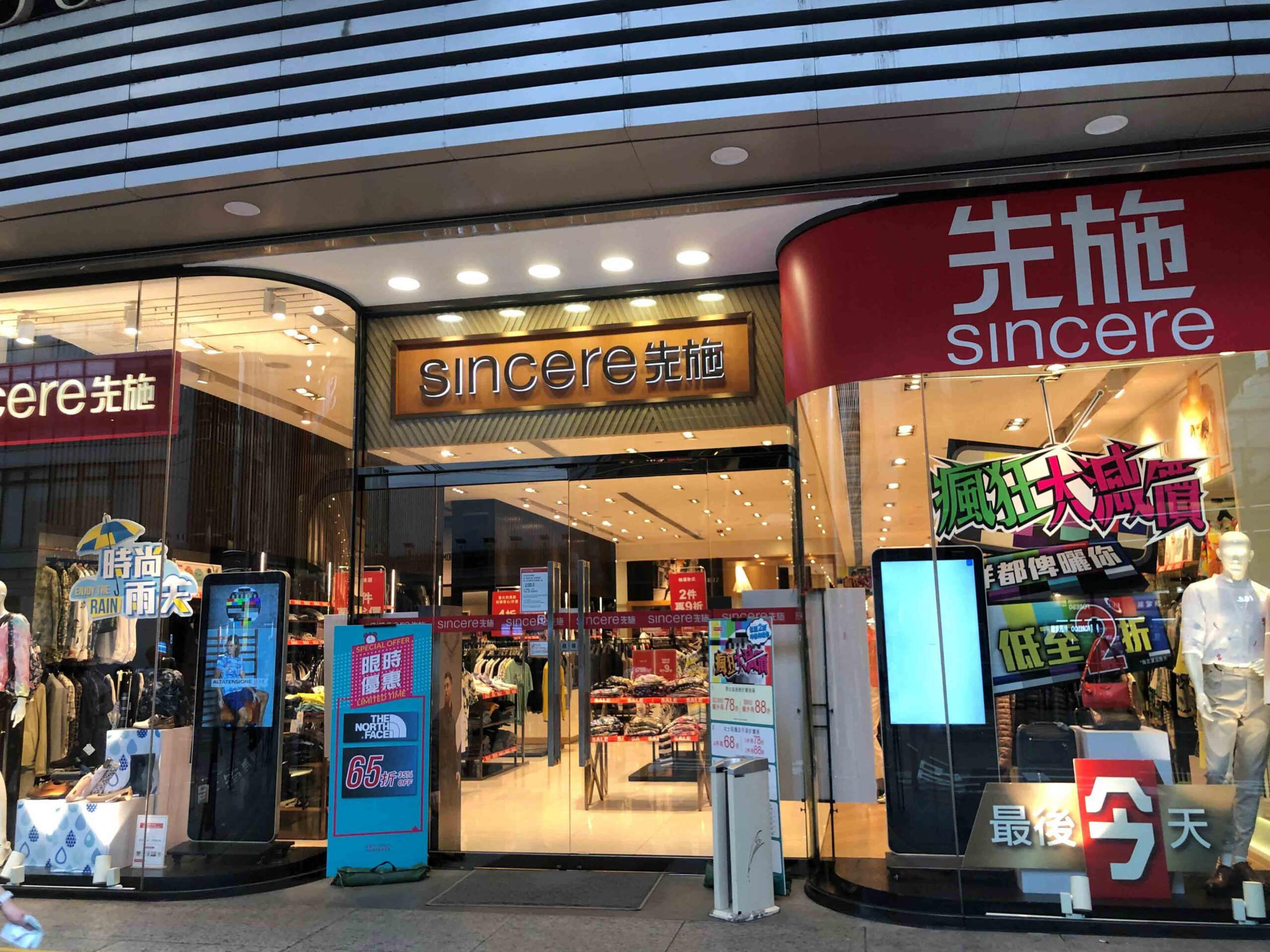
    In the face of evolving consumer behaviour and economic instability, traditional department stores such as Sincere, a well-established name since 1900, are required to modernize. Recently, Sincere demonstrated that not only is digital transformation viable for heritage retailers, but it can also be highly lucrative.

    Partnering for Success

    To achieve this, Sincere collaborated with Sanuker, a WhatsApp business solution provider, and Linkage, a retail solution expert, to launch a comprehensive WhatsApp reactivation campaign. This campaign aimed to re-engage inactive customers and increase visitor numbers in physical stores. The results were exceptional, with a 72 per cent coupon redemption rate, a 25 per cent click-through rate, and an incredible 290X return on ad spend – achievements that have since been hailed as a success story.

    The strategy behind the “Sincere Crazy Sale” campaign involved using WhatsApp for message broadcasting and real-time coupon redemption through POS. The campaign harnessed Sincere’s previous customer purchase activity data to distribute highly personalized digital coupons via WhatsApp, which could be redeemed in-store through a QR code system validated by Linkage’s POS. This approach developed a seamless and trackable online-to-offline (O2O) experience, successfully increasing foot traffic back to physical stores.

    David Li, Marketing Manager at Sincere, stated, “We succeeded in effectively re-engaging our inactive and VIP customers. The execution of this campaign significantly improved store visitor numbers and yielded results that greatly surpassed our expectations.”

    The Power of Integration

    Despite its potential, many retailers are still running their business messaging in isolation from their POS or CRM systems, which limits scalability and personalization. In contrast, the solution provided by Sanuker and Linkage enables programmatic audience targeting, campaign automation, and performance feedback loops, transforming WhatsApp into a valuable engagement tool rather than a one-time messaging platform.

    Sanuker and Linkage combined their expertise to offer a fully integrated, scalable solution specifically for Hong Kong retailers. With over three decades of experience in retail systems, Linkage ensures the synchronization of POS and CRM data and campaign logic. This enables precision in programmatic marketing, such as targeting customers who have previously purchased specific product categories, setting up tier-based offers for high-spending members, and providing real-time insights on response rates, redemptions, and even post-campaign purchasing behaviour.

    WhatsApp has proven to be an effective channel for re-engaging inactive customers and reaching high-value segments due to its extensive reach and immediacy. It offers better open rates than other channels such as email or SMS.

    Transforming the Retail Landscape

    In an era where customer loyalty is increasingly hard to secure, providing personalized, timely, and trackable promotions is crucial. Sincere’s campaign has not only proven beneficial for the brand, but it also serves as a template for how traditional retailers can thrive in a digital-first world, placing WhatsApp at the heart of a broader customer strategy.

    Questions & Answers

    What is the significance of Sincere’s recent campaign?
    The campaign demonstrates how traditional retailers can successfully transform digitally without losing their heritage, offering a blueprint for others to follow.

    How does the solution provided by Sanuker and Linkage work?
    By integrating with a retailer’s existing POS and CRM systems, the solution allows businesses to target audiences programmatically, automate campaigns, and receive real-time performance feedback.

    Why is WhatsApp an effective channel for re-engaging customers?
    WhatsApp offers unmatched reach and immediacy, with open rates often surpassing those of email and SMS, making it an effective tool for reconnecting with lapsed customers and activating high-value segments.

  • Korean retailer launches do-not-disturb shopping service

    Korean retailer launches do-not-disturb shopping service

    Lotte Department Store, one of South Korea’s country’s major department-store chain operators, will introduce a do-not-disturb shopping service it dubs ‘shop-alone’.

    Aimed at customers who do not wish to be approached by sales clerks and other employees – a bugbear of many consumers used to shopping in many Asian countries – has been inspired by the Covid-19 crisis and social-distancing practices.

    Customers will be able to shop alone without any offer of assistance from staff if they carry a ‘shop-alone’ sticker or bag ring available near stores’ information desks or escalators.

    The do-not-disturb shopping service is the brainchild of new, young staff born after the 1980s, and will be tested at Lotte Department Store’s flagship Young Plaza, and the company’s Jamsil branch starting today.

    For VIP customers, a personal-shopping consultant will be available for reservations, made via Lotte Department Store’s smartphone app, after they choose an item of interest.

  • Cartier tells customers some data stolen in cyberattack

    Cartier tells customers some data stolen in cyberattack

    Cartier, the luxury jewellery brand owned by Richemont, recently experienced a cyber attack that led to the theft of some customer data. This information was relayed to clients through an email.

    Cyber Attack on Cartier

    This incident is the latest in a string of cyber attacks on companies, with several retailers, including Marks & Spencer and Victoria’s Secret, reporting similar occurrences. Cartier, known for its watches, necklaces, and bracelets, which have been sported by celebrities like Taylor Swift, Angelina Jolie, and Michelle Obama, stated that an unauthorized party had gained temporary access to their system.

    The compromised data included limited client information, such as names, email addresses, and countries. Cartier reassured customers that more sensitive data, including passwords, credit card details, or other banking information, were not accessed during the breach. The company has since resolved the issue.

    Enhanced Security Measures

    In response to the attack, Cartier has taken measures to strengthen the protection of its systems and data. The company has informed the relevant authorities about the breach and is also collaborating with leading external cybersecurity experts to prevent future incidents.

    Julius Cerniauskas, CEO of web intelligence firm Oxylabs, highlighted that no brand is immune to cybercrime. According to him, cyber criminals are becoming increasingly opportunistic and sophisticated, targeting brands that hold valuable customer data.

    Other Retailers Affected

    Victoria’s Secret, a U.S. lingerie company, also recently reported a security incident related to its information technology systems. This forced the company to temporarily shut down its website for a few days. Victoria’s Secret claimed that the breach did not significantly impact its financial results for the first quarter but warned that its second quarter could be affected by the additional expenses incurred following the incident.

    Last month, British retailer Marks & Spencer revealed that a highly sophisticated and targeted cyber attack in April would cost the company about 300 million pounds (US$405 million) in lost profits.

    Fashion brand The North Face also reported a small-scale attack in April. The hackers used a method known as “credential stuffing,” in which they try usernames and passwords stolen from other data breaches, hoping that customers have reused the credentials across multiple accounts.

    Last month, Harrods, a London department store, reported attempts to infiltrate its systems, following similar incidents at Marks & Spencer and the Co-op Group.

    Questions & Answers

    What type of data was stolen in the cyber attack on Cartier?
    Names, email addresses, and countries of some customers were stolen in the cyber attack on Cartier.

    What measures has Cartier taken in response to the cyber attack?
    Cartier has enhanced the protection of its systems and data, informed the relevant authorities about the breach, and is working with leading external cybersecurity experts.

    Have other retailers been targeted by cyber attacks recently?
    Yes, Victoria’s Secret, Marks & Spencer, The North Face, and Harrods have all reported cyber attacks recently.

  • Elevating Customer Experience in the Telecom Sector

    Elevating Customer Experience in the Telecom Sector

    Communication service providers (CSPs) understand the value of elevating customer experience and digital engagements to stand out from competition. This shift to an increased focus on digital customer experiences is essential to CSPs’ transformational journeys.

    Customer experience is a critical aspect in every service business and a main differentiator in a competitive telecom landscape. Instead of merely being focused on upgrading network capabilities, CSPs are increasingly challenged to prioritize intuitive, seamless designs that simplify customer engagement in order to provide what they want and need. For instance, a single mobile app can serve as a  one-stop platform for myriad services, even billing.

    As CSPs reinvent their relationships with customers, cloud capabilities and features such as virtual assistants or chatbots are also becoming commonplace to streamline customer service processes. Looking ahead, customer experiences can be enhanced with augmented reality to support user functions across markets.

    In a report specific to the Indian market, KPMG cited that improving customer experiences can help companies, including telcos, raise their valuation by 125% to 400%. Enhanced customer experience is key to building long-term customer relationships and creating sustained value to help companies grow.

    Personalization Key to Evolving Customer Experiences

    Personalization in services is important in elevating customer experiences. Big data and analytics are instrumental in creating tailored and specific experiences based on the characteristics of customers. They provide useful metrics that allow operators to track customer satisfaction and more.

    Round-the-clock and consistent, reliable services add value to an omnichannel customer journey that facilitates meaningful touch points. Building from past behaviours and patterns, customer engagement is advanced to a new level that allows customers to access a multitude of services across multiple channels whenever desired, ensuring that an end-to-end experience is created for customers.

    Multi-Faceted service assurance is key, as customers expect more from their voice, text and mobile services. With pay TV growing, operators need to have a unified view of customers wants and needs, leveraging real time analytics to achieve relevant breakthroughs.

    In order to capture more subscribers, billing and payment is another area to target improvements. In one such example, countries such as Indonesia and the Philippines have implemented staggered mobile data plans so that subscribers who tend to spend in small amounts are not bound by long-term data plans. This includes giving postpaid pay-as-you-go subscribers the option to switch to volume-based plans should their data limit be exceeded, or a “pay-to-boost” option where needed.

    SaaS to Gain Competitive Advantage

    Traditional legacy models are giving way to engagement-centric SaaS models for customer engagement functions as one way to achieve scalability and quicker . Another benefit is lower set cost and increased IT cost savings, estimated by Analysys Mason to amount to as much as approximately 25% IT cost savings over the course of five years. The value of the global SaaS market for OSS and BSS is estimated to be at $10.7 billion by 2023, representing a 29.5% compound annual growth rate since 2018.

    As CSPs continue to digitally transform, SaaS spending has been growing. In 2019, SaaS accounted for 5% of CSP’s operational expenditure. This figure is expected to reach at least 11% by 2023.

    In Singapore, Circle Global recently completed the acquisition of the mobile virtual network enabler (MVNE) business, a US-based cloud software, communications platform company. With this strategic move, Circle Global aims to expand its SaaS and 5G capabilities.

    Service providers are also capturing growth opportunities in this market, as they roll out more SaaS in their service portfolios targeting CSPs that will need to update processes in the 5G era. As a cloud-first strategy takes root in the industry, CSPs step forward with a suite of easy-to-adopt solutions to take customer experience to the next level.

    Since “one” makes a “w” sound, the article is “a”

    Not sure about this: “turnaround” is a more natural process of services or fulfillment whereas “turnabout” is a more sudden move in a different direction. A turnaround is smoother and a turnabout is a sudden reaction

  • Vietnamese customers continue to love Korean cars

    Vietnamese customers continue to love Korean cars

    The market share of Korean auto brands Hyundai and its subsidiary Kia increased from 18 percent in 2017 to over 30 percent last year.

    Hyundai continued to lead the market with sales of 70,518 units, though down 13.3 percent from the previous year.

    Japan’s Toyota followed with 67,339 units, down 4.7 percent, and Kia was third with 45,532 units, up 16.2 percent.

    For a third consecutive year the two Korean brands were among the top three, and they had a combined 30.2 percent share, almost the same as in 2020.

    With sales of 116,110 units, Vietnam was far and away the most important market for Korean automakers in Southeast Asia.

    To put numbers in perspective, their sales in Vietnam was four times higher than the combined sales in five other markets in the region: Thailand, Indonesia, Malaysia, the Philippines, and Singapore.

    Competitive pricing compared to Japanese brands and a wide of options have helped Korean become popular in Vietnam.

    Hyundai and Kia cars are assembled by Thaco and TC Motors respectively in the northern province of Ninh Binh and central province of Quang Nam.

  • StarHub and Chubb partner to safeguard customers against online risks

    StarHub and Chubb partner to safeguard customers against online risks

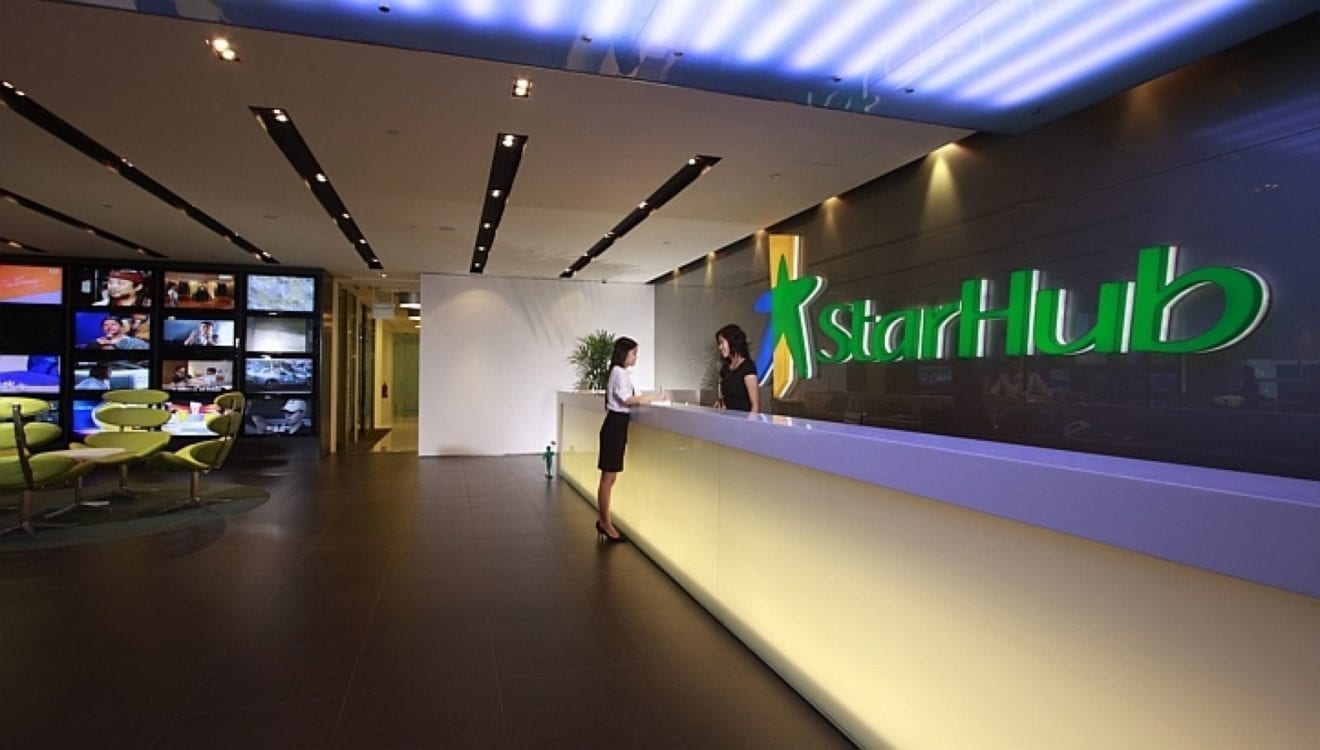
    Digital service provider to help customers mitigate the impact of online risks, StarHub and Chubb Insurance Singapore Limited (Chubb) have introduced CyberCover, a cyber protection policy designed to provide financial support for StarHub mobile and broadband customers affected by cyber-bullying, identity theft, unauthorized transactions, and undelivered or discrepancies in online purchases.

    With CyberCover, cyber protection, traditionally offered to only enterprises, has now become accessible and affordable for all consumers, providing individuals and families with financial support in the event of cyber threats.

    “Boldly embarking on DARE+ to be the digital service provider with the most enriching experiences for our customers, we are taking a leap towards offering much-needed services that complement our mobile and broadband subscriptions as well as our best-in-class network,” said Johan Buse, chief, consumer business group, StarHub. “Cybercrimes are on the rise, and as the cases strike closer to home, we want to give our customers peace of mind, knowing that StarHub will be there to help them get back on their feet during difficult times. Following the recent launch of our CyberSecure Business Solution to safeguard enterprises, we are now pleased to work with Chubb to extend a safety net to our customers, empowering them to do more of what they love without feeling threatened by dangers online.”

    Chubb’s country president for Singapore, Kevin Bogardus said, “The COVID-19 pandemic has prompted an increase in digital consumption – users are spending more time on social media platforms and consumers are engaging more in digital payments. As digital footprint goes up, so does the likelihood of cyber risk exposure. We are very excited about our partnership with StarHub to offer CyberCover. It is through this personal protection solution that we want to provide StarHub’s customers and their family members with practical support in the face of cybercrimes.“

  • Uber Eats leaving Hong Kong at the end of 2021

    Uber Eats leaving Hong Kong at the end of 2021

    Food delivery giant Uber Eats revealed on Tuesday it would wind down its Hong Kong operations by year’s end after seeing slower-than-expected growth.

    “Uber Eats has unfortunately not grown as expected in Hong Kong,” the company said in response to a Post inquiry. “This decision has been made independent of the global pandemic, and is in line with our broader strategy on Uber Eats.”

    One of the city’s three main food delivery platforms – along with Deliveroo and Foodpanda – Uber Eats launched in Hong Kong in October 2016 and has seen a sharp rise in orders throughout the coronavirus pandemic over the past two years.

    “After five years of partnering with restaurants and delivery people in Hong Kong, we have made the difficult decision to discontinue Uber Eats in Hong Kong on December 31, 2021,” the company said earlier in the day.

    Uber Eats said its priority was now to support its employees, restaurant partners, delivery people, and customers as it moved towards shutting down, but added it was “more committed than ever” to growing its ride-hailing services in the city.

    “We will keep investing and serve more riders and drivers in coming years by bringing the very best technology to Hong Kong,” the company, which operates in a legal grey area in the city, said.

    The spokesman said the company would continue providing support to customers and partners until the end of January.

    Uber Eats employs 5,000 delivery workers, some of whom signed up after losing their jobs amid the pandemic, and its service covers 16 of the city’s 18 districts.

    In July, Uber Eats launched a campaign in support of the small and medium-sized restaurants that use its platform, snagging celebrity endorsements from singers Alfred Hui and Joyce Cheng.

    In recent months, with almost no local transmission of the coronavirus, Hong Kong’s restaurant industry, along with other businesses such as hotels, have seen signs of recovery, and bookings are healthy for the year-end holiday season.

    Although social-distancing restrictions limiting the number of people permitted at venues such as bars and restaurants remain in place, about a third of the city’s 16,000 restaurants can now seat up to six per table, as long as diners have received at least one dose of a vaccine and use the government’s “Leave Home Safe” risk-exposure app.

    The latest data from SevenRooms, a booking platform used at more than 350 of Hong Kong’s high-end restaurants, showed people were dining out and spending more this year when compared with two years ago, before the pandemic hit.

    Earlier this month, Foodpanda couriers, upset with a cut to their delivery fees and other issues, went on strike for two days.

    The strike ended after the company agreed to make changes to its mobile app and fee calculation system as well as look into other demands

  • UOB Targets Doubling of Digital Retail Customers by 2026

    UOB Targets Doubling of Digital Retail Customers by 2026

    The bank said it would invest up to $500 million in digital innovation initiatives to reach its goal of serving more than 7 million customers in Asean.

    With digital banking now the preferred choice among UOB customers, the bank is «doubling down» on its data-driven model to create hyper-personalized digital experiences for its customers.

    The bank will be combining TMRW, its digital bank that launched in 2019 and is available in Thailand and Indonesia, with its mobile app «Mighty» on to one platform: UOB TMRW, the bank said in an announcement on Wednesday.

    By harnessing the best of TMRW and UOB Mighty in one platform, we can tap economies of scale to accelerate innovation especially in the area of hyper-personalised digital banking experiences and speed to market, Wee Ee Cheong, UOB deputy chairman and CEO, said.

    Upon the successful completion of its beta pilot currently underway among UOB employees, the platform will be launched for all UOB customers in Singapore later this year, the announcement said.

    UOB TMRW will be progressively rolled out across its key Asean markets, with the next markets expected to launch in the next 18 months.

    In this next phase, we are making it our goal to explore how technology can enable us to make the digital banking of tomorrow smarter and even more intuitive for our customers, Kevin Lam, head of TMRW and group digital banking, said.

  • Volvo Cars To Harness Real-Time Data From Customer Cars To Set New Safety Standards

    Volvo Cars To Harness Real-Time Data From Customer Cars To Set New Safety Standards

    The next generation of Volvo cars are set to be the company’s safest ever, thanks to cutting-edge software and hardware levels, coupled with continuous and more rapid improvements to safety features with the help of real-time data. Volvo Cars has always taken a data-driven approach to safety, using traffic data from real-life situations to develop new safety technologies and make its cars even safer. For its next generation of cars, Volvo Cars is now looking towards processing data from customer cars in real-time, if customers choose to share data and help Volvo Cars make its cars safer.

    Volvo Cars and Zenseact are investing in a data factory that will contain over 200 PebiBytes (225 million gigabytes) of data within the next few years.

    By allowing customers to choose and be a part of improving safety levels and traffic safety in this way, Volvo Cars can make continuous and much faster improvements to its cars, constantly improving safety levels. This data would include continuous inputs on the car’s environment from sensors like the high-resolution LiDAR delivered by technology company Luminar.

    Volvo Cars engineers would be able to validate and verify autonomous drive (AD) features quicker, to promote a safe roll-out of AD technology. Thanks to the data generated from millions of kilometers driven by tens of thousands of Volvo drivers around the globe, engineers would be able to validate AD features for specific geographic locations much quicker than with a limited number of cars on a test track.

    Verified updates to existing systems and new features can be rolled out rapidly through over-the-air updates, increasing the safety of Volvo cars step by step. The first car to benefit from this new approach to safety development is the company’s first SUV on a completely new electric-only technology base.

    To process the real-time traffic data they will collect, Volvo Cars and Zenseact are investing in a data factory that will contain over 200 PebiBytes (225 million gigabytes) of data within the next few years. By using artificial intelligence (AI) capabilities, data can be crunched at record times. Customers will be able to choose whether this data is collected about them, and all collected data will be aggregated with adequate safeguards for customer privacy.

    Volvo Cars engineers would be able to validate and verify autonomous drive (AD) features quicker, to promote a safe roll-out of AD technology.

    The use of real-time data is part of Volvo Cars’ longer-term vision for a future where collisions simply no longer happen, by equipping its cars with some of the best sensors available and advanced, continuously improving safety and autonomous drive systems.

    Volvo Cars’ forthcoming fully electric flagship SUV will have industry-leading safety technology as standard, helping the company to save even more lives as it sets a new standard for automotive safety. It will come with state-of-the-art sensors, including a LiDAR developed by Luminar and an autonomous driving computer powered by the NVIDIA DRIVE Orin system-on-a-chip, as standard.

    By combining this state-of-the-art hardware with software by Volvo Cars, Zenseact and Luminar for the next generation of its well-established collision avoidance technology, Volvo Cars expect its new safety package to reduce fatalities and accidents as a whole.

    Over time the car will improve and have the hardware and software capabilities to allow the car to take over on its own, in case the driver does not respond in life-threatening situations after repeated warnings. So while the driver always remains in ultimate control, the car and its safety technology can both support and watch over the driver like an extra pair of eyes and brains.

  • Mercedes-Benz Introduces ‘Direct To Customer’ Retail Sales Model In India

    Mercedes-Benz Introduces ‘Direct To Customer’ Retail Sales Model In India

    Mercedes-Benz India today introduced its new retail sales model called ‘Retail of the Future’ (ROTF). With this new model, the company plans to promote a ‘direct to customer’ retail approach to creating a more customer-centric brand. To the effect, under this business model, Mercedes-Benz India will own the entire stock of cars, sell them via appointed Franchise Partners, invoice the new cars to the customers directly, process the order, and fulfill them. This would also mean that the company will offer one transparent price across India. The new retail model will be applicable only for new car sales, whereas other verticals like – customer service, pre-owned cars, and allied businesses will remain unchanged.

    Talking about the introduction of the new retail sales model, Martin Schwenk, MD & CEO, Mercedes-Benz India said, “This long-term strategic move will strengthen our customer focus by introducing a fundamental transition in the retail business in the market. It also will deliver a win-win solution for both customers and Franchise Partners, underscoring our clear vision for a future that is sustainable, empowering and digital. The advent of new sales channels has brought sweeping changes in customers’ aspirations and requirements and being a customer-obsessed brand, we have adapted our current business models to meet our customers’ aspirations and needs.”

    Commenting on Mercedes-Benz India’s new retail model, Vinkesh Gulati, President, FADA India said, “The agency model introduced by Mercedes India will be an out-of-the-box thinking by the company. Even though the model has tested waters internationally, India is a unique market where customer physic is very different as they change Dealers and even brands on any additional discount. Even though on the face of it, this model looks beneficial for the dealer community dealing in Premium Brands with low Volume but we will need to see if this model can work with mass-market brands so that every dealer can benefit from it.”

    Now, for customers, this might not be a big change. They will still have to visit the showroom or go online to purchase the vehicle, and, they will continue to the facilitated by the franchise representatives. What will change, however, is they’ll get uniform and transparent pricing, larger stock availability for choosing, and better customers service as that will become the major focus areas for dealerships. However, things will be widely different for franchise partners, the dealers, who will be operating on reduced risks and liabilities right now. A direct-to-customer retail model would mean they won’t have to worry about inventory cost, warehousing of the stockpile, which is added cost to dealers right now.

    However, this also means that dealers won’t be able to offer selective discounts or deals to attract buyers to compete with other dealers and gain more margin. Instead, now, in order to compete with other franchise partners, dealers will have to offer improved customer service, which will be measured based on what the company calls the CSI rating. In short, dealers will get commissions instead of sales margin.

    As for Mercedes-Benz India, it will be responsible for centrally managing the selling price of all new cars. The company will also be owning and managing the entire stock of new cars and will have to take care of order processing and fulfillment. This means the company will stop wholesale despatches to dealers. The company says that this new retail model will allow Mercedes-Benz to have better control over volume scalability and achieve price stability within segments. The company will also get improved forecasting with regards to the market trends and customer insight, along with better inventory management.

    Mercedes-Benz India will implement its new Retail of the Future sales model starting from the fourth quarter (Q4) of the 2021 calendar year.

  • Spar sales soar in Australia as lockdown keeps customers local

    Spar sales soar in Australia as lockdown keeps customers local

    Netherlands-based supermarket chain Spar saw sales increase 7.4 percent for the year to December 2020, hitting $62.5 billion (€39.8 billion).

    And growth was highest in its Australian business, which saw strong revenue growth of 16.5 percent off the back of its proximity and neighborhood format, as communities increasingly shopped locally due to the onset of the Covid-19 pandemic.

    Spar currently has around 120 supermarkets across Australia.

    Sales in the wider Asia-Pacific region grew by 1.5 percent, with $2.9 billion (€1.88 billion) in retail turnover driven by the strong result in Australia and China, which recorded retail sales growth of $2.4 billion (€1.55 billion).

    “Last year was very much characterized by the impact of the global Covid-19 pandemic and its severe consequences, but it was also a year that saw accelerated growth as a result of the dedication and focus of our highly committed SPAR colleagues across all parts of our global SPAR network,” said Spar International chief executive Tobias Wasmuht.

    “Crisis situations do invariably bring out the best in people and we at Spar can be proud of the astoundingly selfless and brave response of the Spar worldwide organization.”

    According to Wasmuht, the resilience shown by the Spar format has given the group confidence for the future, with developments accelerated across its retail and supply chain throughout the year despite the disruptions.

    “A key positive factor of the last year has been the benefits of close international cooperation wrought by new, remote ways of working,” Wasmuht.

    “The advantages of this intensity of cooperation are beneficial to all in Spar as we increasingly reap the benefits of our international presence and scale, whilst adding purposeful value to the local communities we serve.”