Retail News CRM

Tag: customers

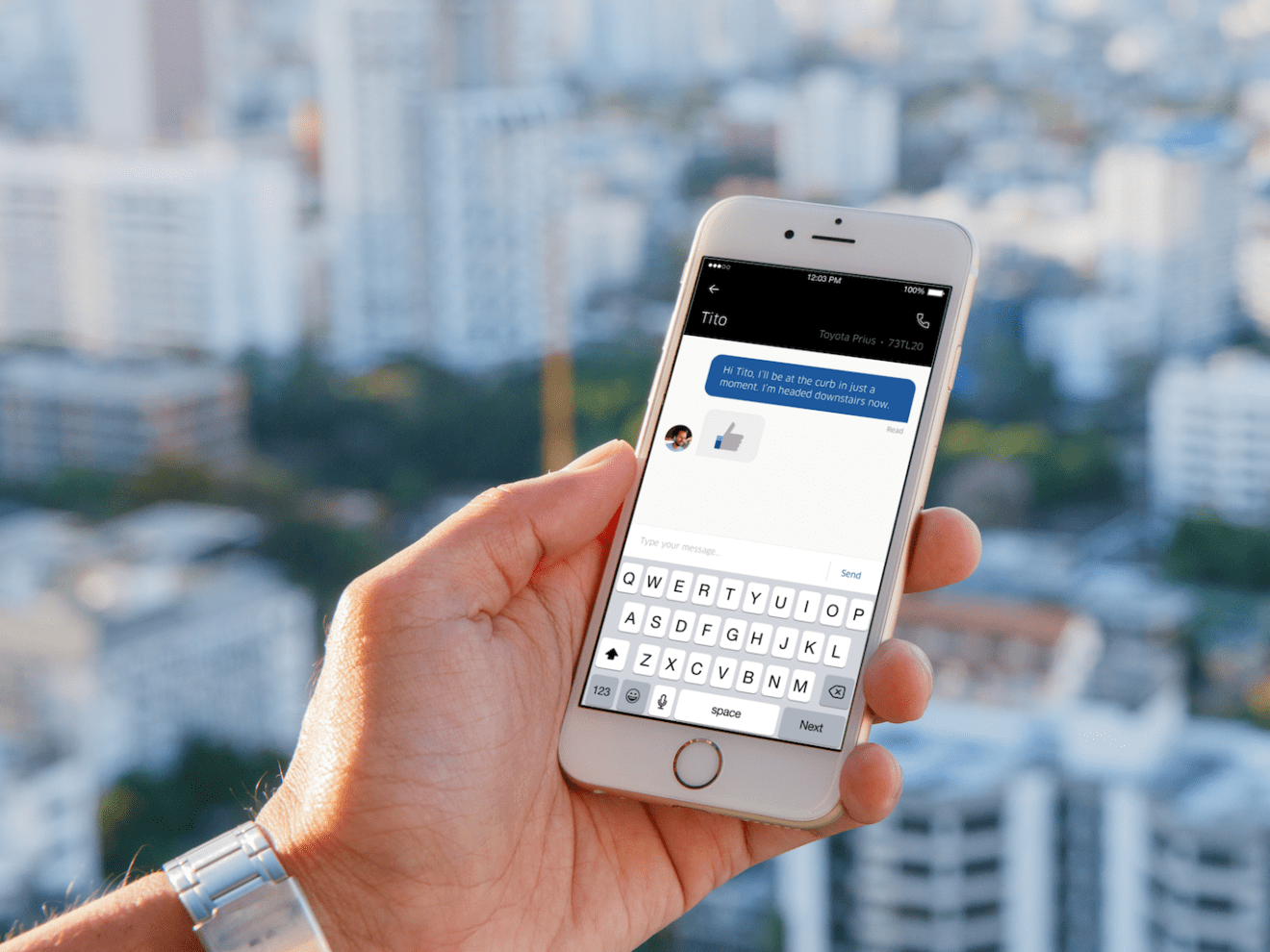
  • Chatbots are backfiring, ‘pushing away customers’

    Chatbots are backfiring, ‘pushing away customers’

    Chatbots in customer support can backfire and result in the loss of business, according to a new Brunel Business School study.

    The research, published in Services Industry Journal, investigates factors that make chatbot interaction a negative experience for customers, which can cause them to abandon a purchase or even a brand altogether, blaming the company rather than themselves for any communication failure.

    “For firms, chatbots promise improvements in customer service while enabling big cost savings,” said Brunel Business School professor Dr. Ana Canhoto. “The negative experiences identified in our study mean firms end up with unhappy customers, may lose customers or face a PR crisis which makes it hard to attract new ones.”

    Unpleasant chatbot interactions are caused by inauthenticity, explains the study, when customers feel tricked into conversing with a non-human; excessive questions or repeated answers on the part of the bot; failure to exhibit appropriate empathetic responses causing upset; and failure to deal with complex queries due to a limited operational scope.

    If customers conclude the chatbot cannot resolve their inquiry, they will grow frustrated and ask to speak with a human – and if this cannot be arranged, they are likely to cut off the chat and abandon the firm, as well as potentially taking to social media to express their dissatisfaction, the study concludes.

    “When customer interactions with AI chatbots are negative, it can have serious negative ramifications on service providers, as customers can opt for more costly customer support channels, such as a phone channel,” said Canhoto.

    “In such cases, investment in AI technology intended to result in cost savings might backfire and result in a heavier load on other support channels. Or customers may terminate the service, switch to a competitor, or complain on social media.”

    Dr. Canhoto advises businesses to use these insights to fine-tune both their bots and customer expectations of them to avoid negative experiences.
    According to the Services Industry Journal, chatbots are involved in two out of three customer interactions.

  • Apparel retailer Bossini reveals customer data hack

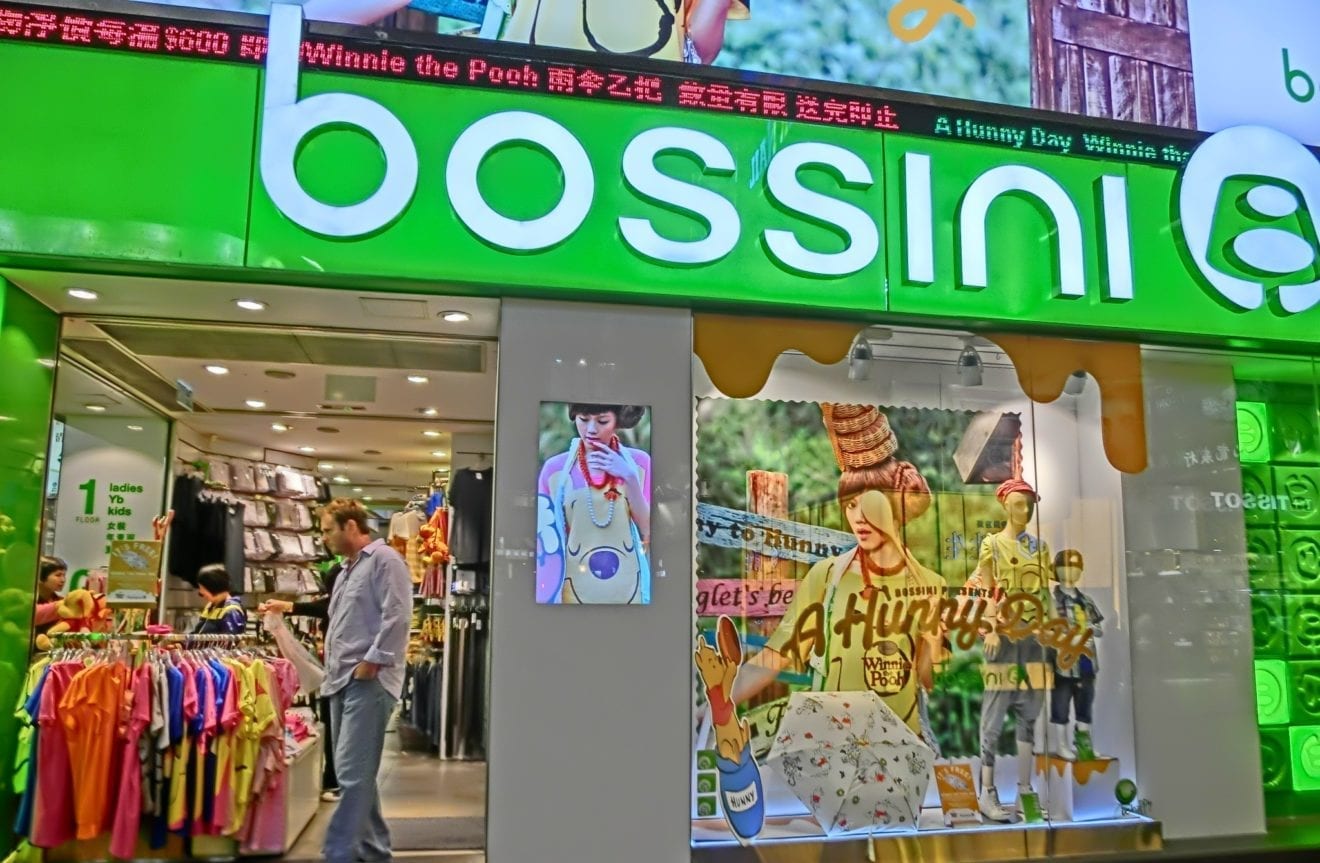
    Apparel retailer Bossini reveals customer data hack

    Hong Kong-based apparel retailer Bossini says its database of loyalty program members and online customers was hacked earlier this month.

    The company says the information accessed without authorization on or around June 3 included customers’ names, addresses, phone numbers, email addresses, gender, age range and month of birth.

    “The leaked files do not contain any information on the identification card numbers and credit card numbers or payment information of these customers,” the company said in a statement released under the name of its chairman Bess Tsin.

    “Upon discovery, we took immediate action to contain the event and commenced a detailed investigation with the assistance of a leading cybersecurity firm. With the steps taken, we believe that the data breach situation has been contained.”

    Customers with concerns about the breach have been invited to email Bossini at the address [email protected] for further information.

    Tsin said that for customers to complete a purchase on its website they are directed to a secure third-party payment gateway. No credit card information is stored by Bossini during any transactions either instore or online.

    Bossini has reported the data breach to Hong Kong police.

    “We will continue to monitor the security of our systems and take further steps as necessary and as of now, to the best of our knowledge and that of our cyber security adviser, we have substantially secured the company’s systems,” said Tsin.

  • McDonald’s to buy AI voice-technology company Apprente

    McDonald’s to buy AI voice-technology company Apprente

    Fast-food restaurant giant McDonald’s is underscoring its increasing focus on technology by acquiring AI voice-technology company Apprente.

    The company says the investment will expand its presence in the Bay Area technology sector and allow the company to integrate new teams with advanced technology skillsets into its business.

    Apprente is described as an “early-stage leader” in voice-based conversational technology.

    “The agreement marks another bold step in advancing employee and customer-facing innovations while further strengthening McDonald’s technology capabilities,” the company said in a statement.

    The Apprente team will be the founding member of a new, integrated, internal group within McDonald’s Global Technology team called McD Tech Labs. McDonald’s says it expects to grow its presence in Silicon Valley with the hiring of additional engineers, data scientists and other advanced technology experts to join McD Tech Labs to meet future business needs and support deployment.

    Before signing the deal, McDonald’s extensively trialled Apprente’s solutions in test restaurants, along with evaluating products from other companies in the voice-technology space.

    Apprente was founded in 2017 in Mountain View, California, to create voice-based platforms for complex, multilingual, multi-accent and multi-item conversational ordering.

    “In McDonald’s restaurants, this technology is expected to allow for faster, simpler and more accurate order taking at the Drive Thru with future potential to incorporate into mobile ordering and kiosks,” the company said.

    “Building our technology infrastructure and digital capabilities are fundamental to our Velocity Growth Plan and enable us to meet rising expectations from our customers, while making it simpler and even more enjoyable for crew members to serve guests,” said Steve Easterbrook, president and CEO at McDonald’s Corporation.

    “Apprente’s gifted team, and the technology they have developed, will form McD Tech Labs, a new group integrated in our global technology team that will take our culture of innovation one step further.”

    Dr Itamar Arel, co-founder of Apprente and VP of McD Tech Labs, said it was quite clear from various engagements that McDonald’s is leading the industry with technology.

    “Apprente was borne out of an opportunity to use technology to solve challenging real-world problems and we’re thrilled to now apply this to creating personalised experiences for customers and crew.”

    Previously, McDonald’s acquired Dynamic Yield, a leader in personalisation and decision-logic technology, which is now deployed in more than 8000 US restaurants and will be integrated into nearly all drive-thru restaurants in the US and Australia by the end of this year. McDonald’s will use the decision technology to provide a more personalised customer experience by varying outdoor digital Drive Thru menu displays to show food based on time of day, weather, current restaurant traffic and trending menu items. The decision technology can also instantly suggest and display additional items to a customer’s order based on their current selections.

    Earlier this year, McDonald’s also invested in Plexure, a mobile app vendor, to further advance the development of McDonald’s Global Mobile App.

  • Luxiee secures six-figure funding from Singapore angel

    Luxiee secures six-figure funding from Singapore angel

    Singapore-headquartered online diamond marketplace, Luxiee, has raised a six-figure investment in a private seed-funding round.

    The team secured financier Kewee Kho, also vice-chairman of Roadbull Logistics and independent director of Courts Asia, as the leading investor.

    Luxiee, launched in January, bills itself as the world’s first online diamond marketplace that connects consumers directly to established suppliers in a transparent matching model that removes the middle-man, resulting in better value for customers. The funds raised will be channeled towards marketing, branding, public relations, and media placement, as well as building the business’ staff.

    “It’s about time a traditional industry like diamonds experience a new way of delivering real value to customers. It is a disruption to an old school economy,” said Kho in a statement. “The impressive background of Luxiee’s solid management team, with experts coming together from the creative, digital marketing, and precious gems industries, reinforces my belief in this new and current business model. Transformative growth awaits, and I look forward to an exciting and rewarding journey with the team.”

    Luxiee CEO Nicholas Lim said it was exciting to have an experienced investor like Kewee Kho on board.

    “We look forward to his strategic direction and advice. His confidence in the business is added assurance to the formula of our business model, and we are driven by opportunities to accelerate our growth.”

    Luxiee says the direct connection between supplier and consumer through its platform allows consumers to enjoy up to a 300-per-cent reduction in the diamond price compared with those sold at luxury retail outlets. For example: a 1.0 Carat, F Color, VS2 Clarity, Excellent Cut diamond can sell for as low as SG$7000 (US$5000).

  • MG Motor Introduces Waiting Period Benefits For Its Existing Customers

    MG Motor Introduces Waiting Period Benefits For Its Existing Customers

    MG Motor has come out with an interesting and unique approach for those customers who have already booked the Hector but are waiting to get the delivery. It has started a new reward scheme under which it is giving 1000 points per week to its customers till the time they get their SUV delivered. The points can be redeemed to purchase MG’s range of accessories the company is offering on the Hector or can be spent on the prepaid maintenance package it had announced at the time of launch. However, the company has not clarified the value of these points in terms of Rupees which may vary.

    Commenting on the new initiative, Rajeev Chaba, President & Managing Director, MG Motor India said, “As part of our commitment to customer satisfaction, our ‘Worth Waiting For’ programme has been further augmented with a unique rewards initiative. Apart from driving the cause of girl child education, the rewards initiative brings delight to our HECTOR customers as they take deliveries.”

    The latest initiative is in succession to the IIMPACT NGO scheme MG had announced earlier according to which it would educate one girl child for every two weeks’ waiting period. MG Motor had stopped taking bookings for the Hector after it bagged 28,000 bookings. The company has said that it wants to prioritise the deliveries first for its existing customers and then proceed ahead with further bookings. On an average, there is a six month waiting period for MG Hector.

  • AirAsia Wants Tools to Engage Customers Moving to Messaging Apps

    AirAsia Wants Tools to Engage Customers Moving to Messaging Apps

    Consumers now want to talk to businesses and find resolutions the way they talk to their friends and family, and this is pushing a big transition towards messaging channels, according to Adam Geneave, chief customer happiness officer for the low-cost Asian airline.

    The carrier added support for Tencent’s WeChat in China earlier this year and was seeing significant adoption for the platform, Geneave said in an interview. In fact, the messaging tool since had grown to become AirAsia’s biggest communication channel in the Chinese market, he noted.

    The airline’s engagement with customers through such channels played a key role in its business strategy as they enabled consumer queries to be addressed quickly, he said, and urged technology and other solutions providers to integrate messaging tools into their products.

    According to Geneave, AirAsia currently provides WeChat support via a plugin developed by Salesforce.com, which suite of products had been rolled out over the past year as part of the airline’s overhaul of its customer service infrastructure. These included Salesforce Sales Cloud, Marketing Cloud with Social Studio, Service Cloud, and Community Cloud.

    The deployment enabled AirAsia service agents across eight markets to access a unified view of customer cases from all communication channels, encompassing online, email, live chat, phone, and airport communications.

    With the transition into messaging evolving so rapidly, though, it has been difficult for the airliner and its technology partners to keep pace, Geneave said. For instance, support for Facebook’s WhatsApp still was lacking, he noted.

    “We have been very vocal in wanting such support, including for Line and KakaoTalk,” he said, noting that WhatsApp processed 65 billion messages a day worldwide and there were 1 billion active WeChat users. “The way people are interacting is changing.” He attributed AirAsia’s plans to close all its call centers this year in part as a response to this trend.

    The airline is estimated to fly 100 million passengers this year and 20 million of its service cases each year are facilitated on Salesforce platforms, which currently support more than 22,000 AirAsia employees in nine languages.

    The data that runs through these systems also allow the airline to deliver personalized experiences and facilitate better decision-making.

    Geneave explained that the different datasets were collated onto a single platform and managed at AirAsia’s command center. This was manned by duty managers who would track Salesforce dashboards to identify patterns that could affect its business and monitor tweets as well as other social media messages coming through on Social Studio.

    This provided valuable learnings about its customers and, with these insights, enabled his team to work on projects and improve processes and systems to further enhance customers’ engagement with AirAsia, he said.

    The ability to study the data and identify emerging trends also meant his team could be aware of service outages even before the IT team was alerted of it, he noted, adding that his team also tracked other relevant developments such as airports and other airlines that might and might not compete directly with AirAsia.

    The airline in January also introduced its artificial intelligence-powered (AI) chatbot, named AVA, which could handle eight languages including Bahasa Indonesia, Vietnamese, and Simplified Chinese.

    Geneave said the chatbot had been performing well and handled a significant chunk of queries coming through on its live chat. AVA also was deployed on the airline’s Facebook Messenger platform.

    Apart from operating on a strong knowledge base, he said the chatbot also continued to learn from conversations it had with customers. His team also trained it on a daily basis, he added.

    AVA’s deployment was critical to enable the airline to be more agile in the way it managed its customers, he said, noting that the chatbot could take on a significant volume and allow queries to be handled more quickly.

    Geneave also pointed to the emergence of AI and machine learning technologies as a crucial development as these would further enable AirAsia agents to react more quickly and identify trends that otherwise would have taken hours to analyse.

    Beyond customer services, too, it would give airlines the ability to save fuel – for example, by improving the way it scheduled crew rosters and managed its resources, he said.
  • Apac consumers embracing shopping apps

    Apac consumers embracing shopping apps

    Users of shopping apps users are becoming increasingly purchase-happy in what is poised to be mobile commerce’s biggest year so far, according to a recent study by Liftoff.

    The report by the mobile-app marketing and retargeting platform also uncovers key insights into Asia Pacific (Apac) mobile shopping behaviour, suggesting the rise of “Mobile Window Shopping” in the region, which is underpinned by the low costs of installing shopping apps and acquiring new users.

    Analysing more than 90.9 billion ad impressions across four global zones, 13.6 million installs and 3.9 million registration and purchase events between April 2018 and April this year, the report identified several trends relevant to the Apac region.

    In Apac, users are clearly open to exploring retail apps, with registration rates skyrocketing and acquisition costs dropping year-on-year. But the data points to a surprising new trend – “Mobile Window Shopping”. While users install and register in retail apps with ease, the joint report shows a sizeable drop-off at the all-important purchase stage. Apac’s cost-per-first-purchase comes in at US$31.26 (up 13.3 per cent year-on-year), coupled with a low 10.1 per cent conversion rate.

    This could point to a larger retail trend: the demand for a more user-friendly shopping experience. While price tends to dominate purchasing decisions, factors such as having personal engagements with retailers and concerns on whether the retailers can capably fulfill orders are also seen as crucial by mobile shoppers.

    “For marketers looking to boost purchase rates, the key is to utilise the data they have, understand potential drop-off points and to segment and target properly,” said Adjust co-founder and CEO Christian Henschel. “Brands can then create and deliver the perfect user interaction strategies for their marketing initiatives. This personalisation is key to winning over fickle consumers and building long-term loyalty.”

    Southeast Asia’s largest country – Indonesia – presents a dynamic landscape for marketers operating in APAC; especially in terms of the number of users that can be acquired. However, turning those acquisitions into actual purchases will likely depend on how convenient the mobile app shopping experience is. The cost of an application installment is just US$1.65, but this is paired with somewhat meagre conversion rates. Another concern for marketers and retailers is that retention rates of shopping apps in Indonesia trail behind other markets studied in the region, the prime reasons being consumers having a low learning curve, lack of patience with the app onboarding process and failing to understand the long-term value of installing an app.

    “The shopping app market in Asia is growing dynamically and at an all-time-high, yet based on our findings, the number of purchases made through such apps are not as high as they could be; despite the general trend of consumers moving their browsing from store windows to the phones’ screens,” said, Liftoff VP marketing Dennis Mink.

    “Indonesia is a microcosm of the behaviors and concerns of the region’s shoppers. So, finding the right message and conveying it in the right context to the consumer can help remove these roadblocks, thereby improving retention and interest.”

  • YouTube TV gives away some freebies to long-time subscribers

    YouTube TV gives away some freebies to long-time subscribers

    YouTube TV is giving fans a bit of recognition for being loyal to the service for a long time. If you’re not a YouTube TV subscriber or just subscribed recently, you’re not be getting this freebie, but don’t be disappointed, perhaps the promotion will be back at some point in the future.

    But right now, many long-time YouTube TV subscribers are getting free Showtime this summer. You don’t have to do anything to get the deal, if YouTube TV thinks you’re subscribed for enough time, you’ll be getting Showtime for no cost until September 5, 2019.

    Showtime subscription costs $10.99/month, so YouTube TV is giving some of its subscribers a little bit over $30 for free for being loyal. It’s not much, but it’s free and those who like Showtime may continue to pay for the service after September 5th.

    Think of it like a 3-month trial rather than the 7-day trial that Showtime typically offers to those who wish to try its service before becoming a subscriber. Unfortunately, it’s unclear for how long you have to be subscribed to receive the freebie, but if you qualify for the promotion, you’ll most certainly be notified by YouTube.

  • Farfetch opens flagship on JD.com China

    Farfetch opens flagship on JD.com China

    Farfetch China has opened a flagship store on JD, one of its strategic investors.

    The move follows Farfetch China’s purchase of Toplife announced in February and gives the global luxury-fashion technology platform access to more than 300 million customers in Mainland China.

    According to a statement, Farfetch now has a ‘Level 1’ entry point on the JD app, providing customers with instant access to more than 3000 brands via Farfetch’s network of more than 1000 luxury brand and boutique partners.

    “The partnership builds on the existing successful relationship between Farfetch and JD, started in July 2017,” said Farfetch China MD Judy Liu.

    Since then, the fashion platform has built its China presence by sharing JD’s logistics capabilities and its insights into the behaviour of Chinese luxury consumers.

    “Brands crave ever-better access to the Chinese market, and we are thrilled to deliver this for them,” said Liu.

    “This is an important expansion of our strategic partnership with JD, which strengthens the Farfetch China business as part of our truly global offering. Being able to offer the full suite of Farfetch’s technology and logistics platform to brands wanting to reach high-end Chinese consumers is a major competitive advantage as we seek to continue to grow market share in the rapidly expanding online luxury market.”

  • Alibaba’s 618 Mid-year Shopping Festival targets Specific China Regions

    Alibaba’s 618 Mid-year Shopping Festival targets Specific China Regions

    Alibaba Group has launched this year’s 618 Mid-year Shopping Festival from Taobao and Tmall, allowing brands and merchants to tap into China’s less-developed regions with 1.5 million new products and multiple promotions.

    This year’s festival aims to engage customers in emerging cities, counties and villages across China. To do so, Taobao and Tmall are boosting promotional resources to elevate excitement and help brands reach this rapidly growing market. Altogether, more than 200,000 brands and retailers will participate in the shopping event.

    The shopping event officially started on June 1 and will continue though June 18. Within the first hour, from midnight to 1am, gross merchandise volume (GMV) exceeded that of the first 10 hours last year. And at 11.23am, less than 12 hours after the start, total GMV surpassed last year’s full-day figure.

    Branded products are so far proving extremely popular. Top brands like Apple, Xiaomi, Haier, Aux, Midea, L ‘Oreal, Lancome, Nike and Adidas each notched more than RMB100 million in sales in the first hour. Among them, Apple sold over RMB100 million worth of products in two minutes and 45 seconds, while Midea and Nike both hit that mark in four minutes.

    “In addition to rising discretionary spending, consumers in China’s less-developed regions are becoming more-sophisticated shoppers who are looking for lifestyle upgrades,” said president of Taobao and Tmall Jiang Fan. “This increased consumption potential could mean bright prospects for our merchants. People in these areas might have less access to physical shopping facilities than those in big cities, and this year we are working closely with our partners to address their needs and offer them the same good quality products on our platforms with innovative and fun programs.”

    The number of people living in smaller cities and rural areas accounts for nearly 70 per cent of China’s total population, according to Chinese market-research firm Analysys. These consumers are catching up with first- and second-tier markets in valuing quality over price. Tmall’s figures also show that more than half of the sales generated on its Luxury Pavilion comes from customers outside China’s first- and second-tier cities.

    In view of this trend, Taobao and Tmall are leveraging Alibaba Group’s ecosystem and technology and an array of marketing channels and tools to build momentum from early June. Key initiatives to offer opportunities in fast-growing markets and enhance customer engagement include:

    Tmall product debuts – About 1.5 million products will debut on Tmall during the festival with customers enjoying heavyweight promotional offers on these items. Many were developed by brands on an accelerated cycle, thanks to consumer insights provided by Tmall. In addition to deals on the 1.5 million new products, brands are offering millions of other products at a discount. All products are available to consumers nationwide, but brands are paying special attention to the needs and desires of customers in lower-tier Chinese cities.

    Flash Sales – Alibaba’s flash sales channel, Juhuasuan, allows brands to offer deep discounts to reach new customers in fast-growing markets. Juhuasuan will organise dozens of 618-themed group-selling campaigns featuring must-buy items recommended by brands. Statistics show that Juhuasuan is a tried-and-true channel for brands to attract first-time buyers. Since last year, 80 per cent of the transactions for branded goods through Juhuasuan were from new customers, and nearly half were from lower-tier cities.

    Taobao Livestreaming – Few marketing tools have proved more effective than livestreaming for brands to introduce and recommend 618 products to potential consumers in less-developed regions. Last year, sales generated by Taobao Livestreaming exceeded RMB100 billion. This year, US brands, including Stadium Goods, the streetwear and sneaker resale store backed by LVMH Luxury Ventures; Korean beauty brands, like Laneige and Innisfree; and Japanese cosmetics brands Shiseido will host livestreams for 618.

    Daily Deals – This channel on the Taobao app provides special offerings directly from manufacturers and is highly popular among consumers from less-developed areas in China. Equipped with insights from consumer preferences and behaviors, manufacturers are able to adjust their production processes on a real time basis to meet consumer demands. These manufacturers will introduce 100,000 promotional items for the 618 celebration.

    With a reach of 654 million annual active consumers in China, strong technical support and in-depth market knowledge, Alibaba’s ecosystem is offering a strong growth potential for brands.

    Alibaba Group’s annual results this year reflect that growth potential, with more than 70 per cent of the more than 100 million new active users added during the year ended March 31, 2019 coming from less-developed cities.

  • Reebonz launches buy-back guarantee Program in Thailand

    Reebonz launches buy-back guarantee Program in Thailand

    Online luxury marketplace Reebonz has launched a guaranteed buy-back program in Thailand.

    The service, which applies to leather goods and jewellery, gives customers a guaranteed price that the company will pay to buy back products initially sold on its platform.

    Customers will be offered currency, called Reebonz Credits, that can be used for future purchases on the platform.

    Pre-owned jewellery from selected brands such as Chanel, Harry Winston, Hermes, and Christian Dior, among others, will be eligible.

    Daniel Lim, Reebonz co-founder and CPO, said the company hopes to further expand its services across new geographies and categories, giving customers even more ways to engage with the brand. “We truly believe we can be a one-stop ecosystem for everyone’s luxury needs.”

    The guarantee is now available in Singapore, Hong Kong, Taiwan, Malaysia, Australia, Indonesia, and the US.

    Headquartered in Singapore, Reebonz is a C2C platform that allows customers to buy and sell their pre-owned items to a community of more than 5.5 million members.

  • Turning data into information in the age of IoT

    Turning data into information in the age of IoT

    If you think about what your home was like even just a few years ago, life was very different.

    Think about what grocery shopping was like. You’d open your fridge door to check out what’s missing, scribble down on a notebook a shopping list of what you need, turn off the aircon and switch on the alarm before you left the house and leave.

    Now, your smart fridge automatically knows when you’re running low on milk and will order the specific brand and size that you prefer and have it delivered to your front door. Left home and forgot to switch the aircon or alarm on or off? Simply view the app on your smartphone and tap your appliances on or off.

    Known as the Internet of Things (IoT), people are consuming information from more connected devices and as a result, marketing practices are rapidly changing. Retailers need to learn how to speak to customers through more channels than before.

    As IRI’s product solution director Adam Fisher explains, while more devices are creating more communication, marketers are getting blocked where they weren’t before. What happens when your fridge starts ordering groceries for you? Where a marketer could previously capture customers at the shelf in a grocery store, they now need to work out how to get your attention when the fridge automatically orders milk to your doorstep.

    “From a marketer’s standpoint, there are so many devices vying for people’s attention —How do you get the right person’s attention at the right time?” Fisher says.

    According to Fisher, one of the biggest challenges for retailers is knowing how to turn all the data into actionable information.

    “It’s knowing how do I bring [the information] in, how do I make sense of it, but on top of that, how do I know when I need to do something when it’s signalling something?” he points out.

    Marketing automation can give brands more insights and data into how people are responding to these different channels and how they should be approached, suggests Fisher. It’s one of the biggest trends in retail today

    and can help businesses engage with their customers by programmatically finding the optimal marketing and promotional activities for defined customer segments.

    A major benefit of IoT is the fact that based on all this new information from devices, brands and retailers are able to bring products to market faster, allowing them to keep up with the ever-changing retail landscape.

    However, it is vital that businesses have the right infrastructure in place in order to deliver real business growth.

    Fisher says: “It is important that they have the technology and right partner in place. In order to do this, brands and retailers will have to combine mobile and cloud technology infrastructure and go entirely digital to build a new business model by connecting people, things, processes, and data to keep up with technological innovation. That is the essence of what we do at IRI, is connecting the dots to help make faster and stronger business decisions.”

  • Two million Shoppers to receive first eBay catalogue

    Two million Shoppers to receive first eBay catalogue

    EBay Australia is mailing its first-ever printed catalog to two million Australian households on Tuesday to remind customers that 90 percent of the products on its platform is brand new.

    The 16-page catalog contains over 100 items from the 40,000 Australian retailers that sell on the online marketplace, which is by far the most visited e-commerce site in the country.

    It features items from a range of categories, including electronics and technology, men’s and women’s fashion, heating, bedding, kitchen and cleaning, appliances, liquor, glassware, toys and gaming, entertainment, backyard, and garage.

    EBay selected items to reflect the range and value it offers compared to bricks-and-mortar retailers.

    “We partnered with our sellers to get the best deals on a variety of items including brands like Dyson, KitchenAid, and Apple – reflecting the unbeatable range and value on eBay,” Julie Nestor, chief marketing officer at eBay Australia said.

    “The product selection is also seasonal, showcasing our top picks for the winter months,” she said, hinting at the possibility of more seasonal catalogs to come.

    The catalog provides a way for eBay to reach customers offline. It’s another example of the growing trend of pure-play retailers branching out into the physical world, as they come to understand that shoppers don’t stick to a single channel.

    “We’re adopting a similar strategy many traditional bricks-and-mortar retailers have – by having both a physical and online presence,” Nestor said in an email announcing the catalog.

    EBay is also launching a shoppable digital catalog from May 21.

    Nestor declined to say whether the printed catalog is a precursor to other offline initiatives, such as a pop-up or bricks-and-mortar store, in future.

    “As Australia’s number one online shopping destination, eBay is always looking for new ways to engage with buyers and empower its seller community,” she said.

    “Both online and physical channels will continue to be important. “

    The two million households receiving the catalog are located across metro Sydney, Melbourne, Brisbane, and Perth and include existing buyers as well as those who may not have considered eBay before, Nestor said.

  • Citibank Singapore to Instantly Approve Debt Consolidation Plan

    Citibank Singapore to Instantly Approve Debt Consolidation Plan

    Citibank Singapore announced that it is the first bank in Singapore to introduce instant in-principle approval for debt consolidation plans. Customers applying online for Citibank Singapore’s debt consolidation plan will receive an immediate indication of their application status, as the bank is the first in Singapore to offer eligible customers instant in-principle approval.

    «The ability to grant instant in-principle approval resolves a key customer pain point by giving customers a better sense of their application’s eventual outcome, even before they go through the effort of gathering their financial documents and sending them to the bank,» said Vikas Kumar, Head of Cards and Personal Loans at Citibank Singapore, in a media statement.

    This new capability, which will be launched on Tuesday, enhances convenience for prospective customers who previously had to wait for up to three days for a decision after the bank receives their applications through email or post.

    Upon receiving a debt consolidation application, the bank will access the customer’s credit report through its API integration with Credit Bureau Singapore. The customer’s credit situation is assessed through a fully automated process, enabling the bank to grant instant in-principle approval for eligible individuals.

    Customers can then submit their supporting documents – which are required by industry regulations – consisting of their various credit statements from different financial institutions, income records, and proofs of identification. The bank will also proactively reach out to customers should they need assistance after receiving their in-principle approval.

    Debt consolidation plans were introduced by Singapore’s financial institutions in January 2017 to help borrowers reduce their debt over time. Debt consolidation plans consolidate a borrower’s existing unsecured credit balances across various institutions under a single entity and offer effective interest rates that are lower than card and credit line rates.

    Customers on debt consolidation plans will have lower monthly repayments as compared to the total individual payments a customer incurs, and the benefit of making repayments to a single bank. Customers of Citibank Singapore can choose a loan tenure of up to seven years and will receive a credit card with a limit of one month’s income.

  • Jio raising $3.89b for tower unit spinoff:

    Jio raising $3.89b for tower unit spinoff:

    The fiber network unit Reliance Jio Infocomm is reportedly planning to raise around 270 billion rupees ($3.89 billion) in syndicated loans to help expand the newly created infrastructure business.

    Jio Digital Fiber plans to use the proceeds to expand its business and allow it to serve external customers from the telecom, ISP, power and other sectors.

    Reliance Jio is spinning off its fiber business as well as its tower business into standalone subsidiaries in an attempt to monetize the assets. The tower business is being spun out into Reliance Jio Infratel.

    Reliance Jio received approval for the demerger plan from the National Company Law Tribunal last month.

    Meanwhile Reliance Jio has reportedly also crossed the 300 million subscriber mark after just two and a half years in operation, putting it close to second-placed rival Bharti Airtel, which has around 340.3 million customers.

    According to Indian media, it took Airtel 19 years to pass the 300 million subscriber mark. If Reliance Jio continues its trajectory, it will knock former market leader Airtel into third place. The 2018 merger between Vodafone India and Idea Cellular created the current market leader Vodafone Idea, which has over 400 million customers.