Retail News CRM

Tag: customers

  • Google delivery drones cleared for Australian Airspace

    Google delivery drones cleared for Australian Airspace

    A sister company of Google has been given the green light to launch drone delivery in Australia after years of test flights.

    The drone company Wing, owned by Google’s parent company Alphabet, was given permission this week to deliver takeaway food and drinks and over-the-counter medicines by drone to about 100 homes in Canberra.

    Wing, which has been trialing deliveries for the last 18 months, began testing its drones in Australia in 2014, but faced initial opposition from residents who complained about the noise.

    Although the drones were below legal noise limits, Wing developed a new, quieter model and said the feedback obtained during its trials had been “valuable” and it hoped to “continue the dialogue”.

    “We will continue to engage with the local community and stakeholders as we expand our service and are hosting community information stalls and delivery demonstrations in the serviceable areas over the next few weeks,” the company said in a statement.

    According to Wing, the delivery service will initially be available to a limited set of eligible homes in the suburbs of Crace, Palmerston and Franklin.

    “We expect to gradually expand to more customers in Harrison and Gungahlin in the coming weeks and months.”

    Australia’s Civil Aviation Safety Authority gave Wing permission to launch a commercial service after examining its safety record and operational plans.

    The drones will only be allowed to fly 11-12 hours a day and must be piloted, rather than fully automated.

    Wing’s initial launch partners include Kickstart Espresso, Capital Chemist, Pure Gelato, Jasper + Myrtle, Bakers Delight, Guzman Y Gomez and Drummond Golf.

    “We’re excited to connect with more local businesses in the Gungahlin area about how we can help them reach more customers faster, safer and more sustainably and encourage any local merchants who are interested in learning more to get in touch with us.”

    Wing had said that drone deliveries reduce traffic and pollution and can deliver goods in six to 10 minutes.

  • Secrets Improving on its Online Ecommerce Offering

    Secrets Improving on its Online Ecommerce Offering

    Australian jewellery retailer Secrets is gearing up for international expansion online, with New Zealand slated to be its next major market.

    Customers in New Zealand can currently order from the Australian Secrets website, and while details are scarce, the retailer said in a statement that it will be launching a New Zealand website mid-year to better cater to the market.

    The business currently has 16 stores across Australia, as well as an online portal.

    It sells man-made diamond alternatives known as a diamond simulant, which are made in laboratories from natural mineral base zirconium oxide. According to Secrets, they possess all the optical qualities of fine quality diamonds – being visibly whiter and brighter than most middle-market stones.

    “Our stones exhibit all the fire, brilliance and scintillation of the rarest diamonds unearthed, which is why women worldwide love the Secrets brand,” Secrets chief executive Mike Parsell said.

    “We believe we offer the world a better beautiful.”

    This also means the products are more environmentally-friendly than mining for natural diamonds, Parsell points out.

    “We do not displace tonnes and tonnes of earth to find a single one-carat diamond. Our stones are conflict-free.”

  • H&M disclosing to customers where their clothes were made

    H&M disclosing to customers where their clothes were made

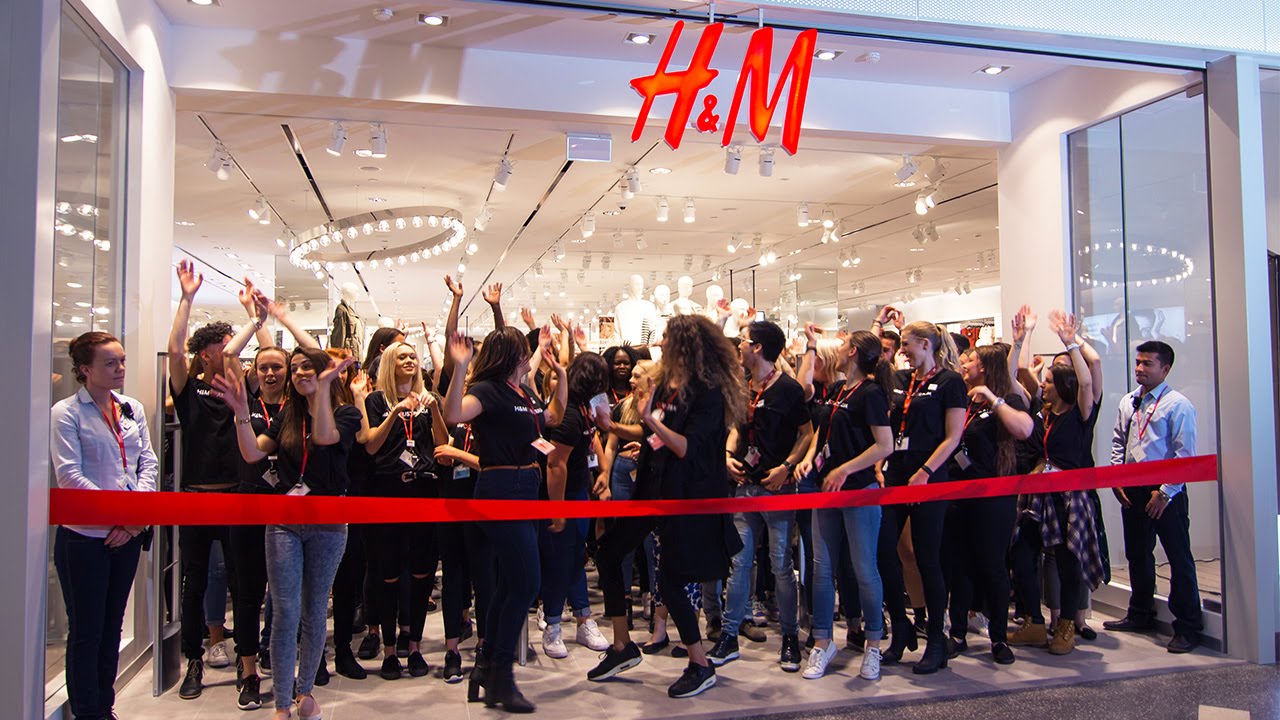
    Swedish fast fashion retailer H&M announced it will add more information to its products on its website later this month as part of a move to create greater product transparency.

    The new information will allow H&M customers to find out which factory produced a given garment, the material composition and solutions for re-using and recycling products that are worn-out, the company stated on its latest sustainability report.

    According to H&M, the company is making strong progress toward its goal to use 100 per cent recycled or other sustainably-sourced materials by 2030.

    H&M said it saw a 35 per cent increase in its goal to use recycled and other sustainably sourced materials for products, with 57 per cent of all materials classified as “sustainable” in 2018.

    The equivalent figure for cotton was 95 per cent, close to the company’s goal to reach 100 per cent next year.

    “Recycled materials are truly a win-win: they stop waste material from going to landfill and reduce the use of virgin raw materials,” said Cecilia Brännsten, H&M’s environmental sustainability manager.

    “However, for many types of textiles, viable recycling solutions either do not exist or are not commercially available on a large scale.”

    Brännsten said the company has been collaborating with scientists and innovators to increase alternative sustainably sourced materials as quickly as possible.

    H&M has also reported it has reduced its CO2 emissions from operations by a further 11 per cent and has set additional green goals, such as reducing the absolute greenhouse gas emissions in the company’s operations by another 40 per cent by 2030.

    The new goals, which are part of H&M’s vision to become climate positive by 2040, were approved by the Science Based Targets Initiative.

    The company said it also wanted all packaging used to be made of 100 per cent recycled or sustainably sourced materials by 2030, a goal which is part of a newly developed packaging strategy.

  • M1 taps UOB for QR code payment

    M1 taps UOB for QR code payment

    Singapore operator M1 has partnered with the nation’s United Overseas Bank (UOB) to offer PayNow as a payment mode for M1 customers.

    Under the agreement, M1 customers can now make mobile payments for purchases via PayNow at all M1 Shop outlets, as well as make monthly bill payments via PayNow by scanning the QR Code on the bill.

    M1 is the first communications provider in Singapore to enable retail customers to make e-payments via PayNow, providing customers with an additional payment option, in addition to existing payment modes. UOB is the key provider of PayNow Corporate services to M1, and will help enable the safe and hassle-free scan-and-pay experience for M1’s customers.

    To pay for in-store purchases, customers need to scan a dynamic QR Code that is generated at the counter using the mobile banking application of any PayNow participating banks with QR scanning functionality. Customers can also use PayNow to pay for their monthly bills by scanning the dynamic QR code on their bill statement. Customers can complete the payment by confirming the transaction details that have been automatically filled in, such as the payment amount and recipient.

    “Today, about eight in 10 consumers in Singapore have adopted e-payments and PayNow is a very convenient e-payment platform which will enhance our customers’ payment experience. This new initiative is one of many, as part of our digitalization journey to deliver a seamless digital experience for our customers,” M1 CMO  P. Subramaniam said.

  • Singtel targets Millennials with all-digital mobile plan

    Singtel targets Millennials with all-digital mobile plan

    Singtel has announced the launch of an all-digital mobile service plan targeted at technology-savvy Millennial customers.

    The new product, GOMO Mobile, offers functionality including immediate online sign up and same-day SIM card delivery, 24/7 live chat for customer service inquiries and a dedicated customer care app.

    The S$20 GOMO Mobile plan includes 20GB of data, 200 minutes of talktime and 200 SMS. The no-contract plan is based on a 30-day payment cycle, and additional allocations can be instantly purchased using a debit or credit card.

    As part of its strategy of targeting Millennials, Singtel is also offering lifestyle rewards such as discounts at selected hipster restaurants and cafes, and plans to expand these rewards to include ride hailing, entertainment events and activities and travel promotions.

    Singtel is also offering a GOMO Travel SIM that provides 3GB of data for 10 days across eight overseas destinations – Australia, Hong Kong, Macau, Taiwan, Indonesia, Malaysia, Thailand and Philippines.

  • Asos’ US warehouse struggles to cope with demanding customers

    Asos’ US warehouse struggles to cope with demanding customers

    UK digital fashion store Asos said its new US warehouse struggled to cope with demand last quarter, hitting sales there and causing delayed shipments. Asos CEO Nick Beighton said the unexpected high demand in the Atlanta warehouse caused a significant short-term despatch backlog, which has now been cleared.

    “As our Atlanta warehouse went fully online, demand far exceeded our expectations,” Beighton said.

    “While very encouraging for the longer term, this caused a significant short-term despatch backlog which we have now cleared. These delayed shipments will be recognised in P3 and US trading is now regaining momentum.”

    The upsurge in US demand caused Asos to cancel marketing and promotions, Beighton said. These will now run in the second half of the financial year. The online fashion retailer posted a 13 per cent increase in group sales for the latest quarter with retail gross margin improving by 40bps.

    “We continued to outperform in the UK with sales growth of 14 per cent,” Beighton said.

    Sales in Europe were up 12 per cent, although, according to Beighton, France and Germany, the two largest markets, continue to be challenging.

    “Our ROW segment returned to good growth of 20 per cent after a disappointing Q1,” he said. “Our retail gross margin guidance for the year remains.”

    Beighton said Asos will be increasing investment in price and marketing in the second half, particularly in France and Germany.

    “Given the actions we are taking together with an improving US performance, we believe the group will deliver stronger growth in the second half,” he said.

    “Consequently we remain confident that we will meet guidance for the full year.”$

  • AEON gives hefty prizes for the lucky winners of the “AEON Happy Pay” campaign

    AEON gives hefty prizes for the lucky winners of the “AEON Happy Pay” campaign

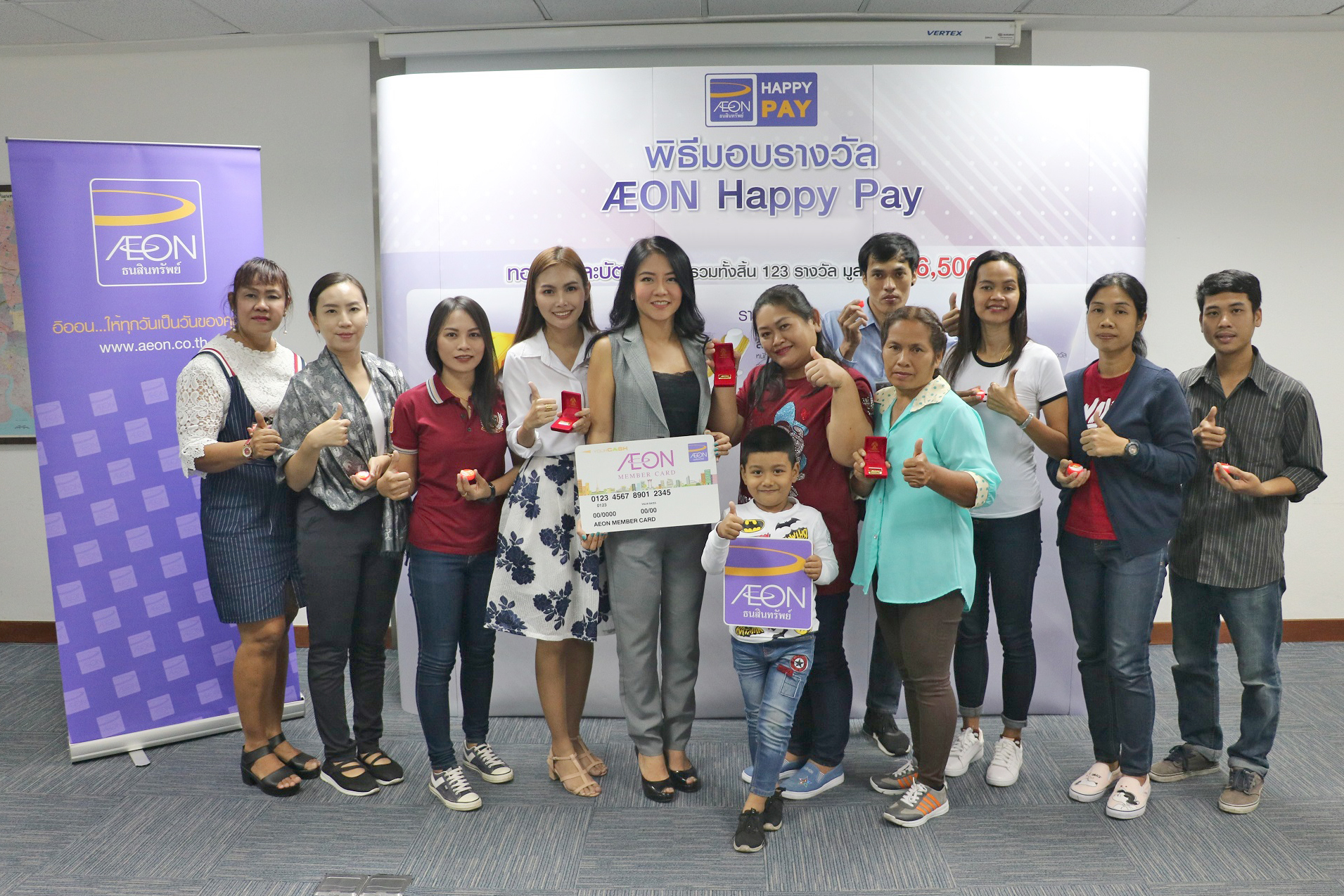
    Recently, Ms. Saranya Pipoppinyo (5th from left), Vice President Marketing of AEON Thana Sinsap (Thailand) Public Company Limited awarded prizes to the lucky winners of the “AEON Happy Pay” campaign. The grand giveaway comprises of three prizes of gold bars, worth 100,000 baht each, the second is 20 prizes of 50 satang gold necklaces and the third is 100 vouchers with a combined value of 586,500 baht.  Eligible participants include AEON Your Cash customers that make an installment payment at participating department stores and shops from 30 August – 30 November, 2018.


  • Starbucks Plans To Step Up Digital Marketing Efforts

    Starbucks Plans To Step Up Digital Marketing Efforts

    The coffee chain added 1.6 million new U.S. members to its Starbucks rewards program. In addition, Starbucks discovered that members of Starbucks rewards were buying more: Over the quarter, their spend increased to 39 percent of U.S. company-operated sales.

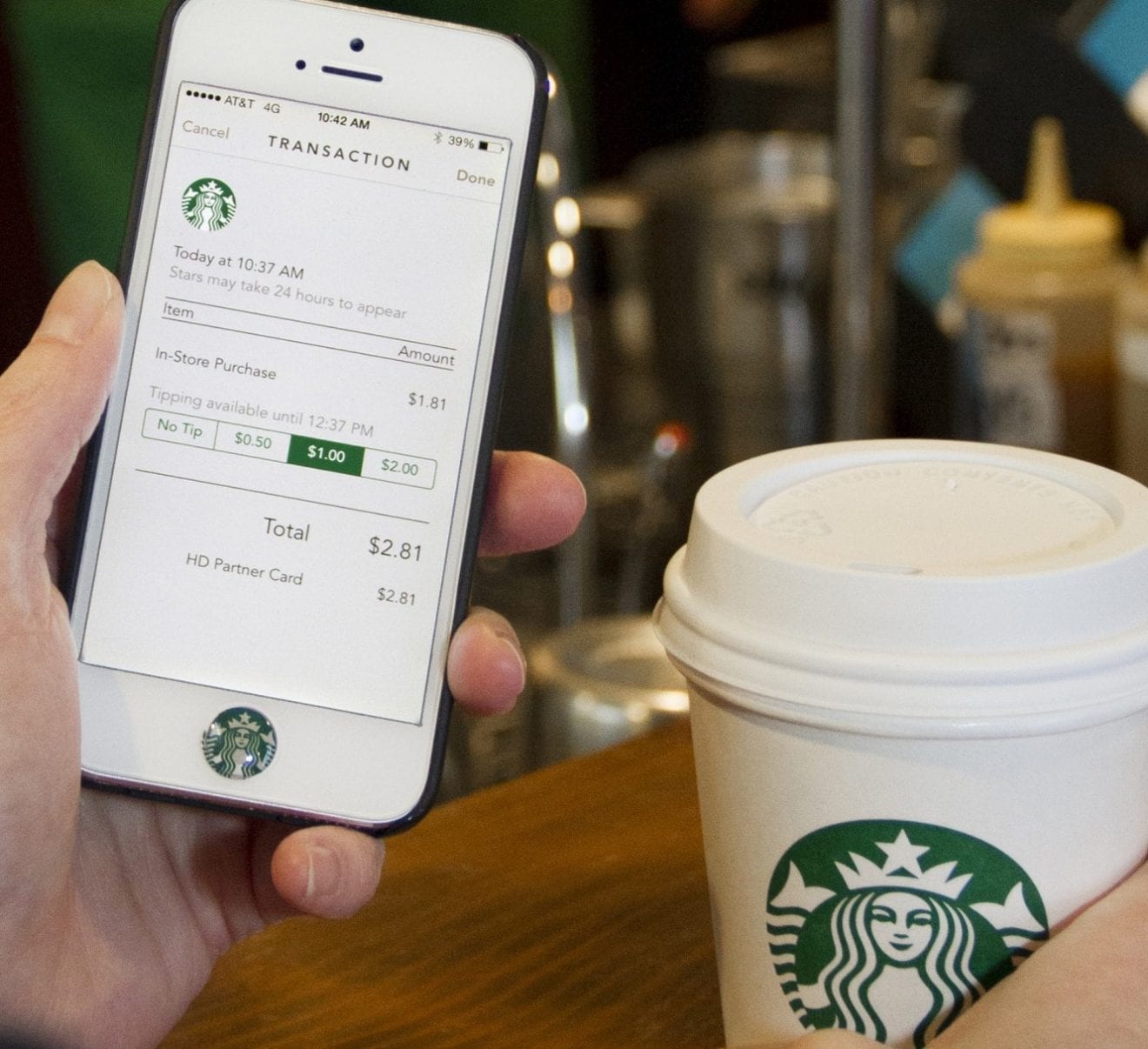
    Beyond its loyalty program, Starbucks noted that customers were taking advantage of opportunities to skip the counter: Mobile Order & Pay represented 12 percent of U.S. company-operated transactions during the quarter.

    Overall, Starbucks also saw growth in comparable store sales in both the U.S. and abroad. Global comparable store sales rose by 2 percent, essentially in line with analysts’ estimates of 1.9 percent. Americas and U.S. comp store sales also increased 2 percent, while China comp store sales rose at the slightly higher rate of 4 percent.

    In terms of financials, Starbucks reported better-than-expected sales: The coffee chain beat revenue estimates by $100 million, with revenues of $6 billion, and met analysts’ earnings estimates at $0.53 per share. Starbucks President and CEO Kevin Johnson said the company reported solid results for the quarter.

    “Starbucks Q2 of fiscal 2018 represented another quarter of record financial results, highlighted by accelerating momentum across our Americas business — particularly in the U.S. — continued strong performance in China and our strongest comp growth in Japan in five quarters,” Johnson said in a press release.

    Digital Expansion

    One of Starbucks’ key priorities is to expand its digital interactions with customers.

    “Establishing digital relationships with many more customers represents a significant growth opportunity, as we have proven that a direct communications channel combined with personalization enhances the customer experience and drives customer engagement,” Johnson said during the call.

    To expand its digital relationships, Starbucks is implementing new ways to attract digitally registered customers beyond the rewards program. For example, the coffee chain is offering its Mobile Order & Pay to all customers and leveraging Wi-Fi sign-ins at its brick-and-mortar stores. In addition, Starbucks is reinventing Frappuccino Happy Hour through the use of single-use digital coupons. Johnson said these efforts are already yielding results and will generate a few million more registered users by the year’s end.

    This difference is driving a shift in Starbucks’ marketing strategy. In the past, Starbucks has offered a drumbeat of promotional offers that have not necessarily led to sustained sales. For example, the company offered a Frappuccino Happy Hour to all of its customers over a short period of time. But that strategy didn’t work: The deal didn’t improve sales of other drinks in 2017. The promotion saw “a lower-than-expected lift in non-discounted Frappuccino beverages following Happy Hour,” Chief Financial Officer Scott Maw explained on a July 2017 conference call.

    As a result, the company is taking a new approach. Starbucks’ updated program will sign customers up for direct digital relationships and promote a variety of beverages throughout the year. In essence, the goal behind the shift is to transition from a short-term, one-and-done approach for promotions to more sustained marketing efforts. Through this strategy, the company is expanding its digital reach beyond its loyal rewards members to connect with as many non-rewards customers as possible. Starbucks can now personalize its communications to customers while also gaining direct access to them.

    China Expansion

    Starbucks already has 3,200 company-operated stores in 141 cities across Mainland China, but the coffee chain anticipates a larger potential market there.

    “The opportunities for Starbucks in China, which are significant, are growing along with the size and scale of our business,” Johnson said on the call.

    To that end, the company is holding a China Investor Tour. Of course, the company is no stranger to China: It’s been in the Chinese market for 20 years. According to Johnson, the middle-class population in China stands around 600 million people, which could provide an expanded market for the company.

    “No Western company or brand is better positioned to benefit from the rapidly expanding Chinese middle class than Starbucks,” Johnson said.


  • Retailers find winning strategy in online-only

    Retailers find winning strategy in online-only

    Retailers have long been using online channels to make up for sluggish sales at their brick-and-mortar stores, but recently, they have taken the shift to another level, introducing products exclusively for online.

    The trend-conscious fashion and cosmetics sectors are at the forefront of this new strategy. Beanpole Ladies, a brand under Samsung C&T, recently introduced Lime Beanpole, a series of products sold exclusively through its website. The target demographic is Koreans in their teens to 30s, and the prices are around 60 to 70 percent of Beanpole’s original lineup. The designs are youthful, including engraved prints and embroideries for fruit.

    The nearly 30-year-old brand has been releasing clothes aimed at younger consumers since 2016 starting with Choco Beanpole. The last line before Lime Beanpole, called Coffee Beanpole, released for the fall and winter season last year, was a success – 80 percent of the stock was sold out.

    AmorePacific brand Innisfree’s True Care cosmetics line is popular among consumers in their teens and 20s and can only be purchased online. Another AmorePacific brand, Etude House, sells its Tapa sheet masks this way. Iope’s Whitegen Essence Cushion foundation, exclusively sold online, has a demo target of consumers in their 30s.

    “In the past, online-only products were special editions for those who don’t shop at brick-and-mortar stores but nonetheless have a sense of loyalty to the brand,” said Lee Min-kyu, senior vice president at AmorePacific. “Now, they’re starting to make exclusive products rather than one-time events.”

    Similarly, LG Household and Health Care’s The Face Shop sells 14 products from its Bifida line only online. Another well-known cosmetics brand, Nature Republic, has 18 products from its series Bulgarian Rose sold the same way.

    The biggest reason why companies are developing online-only products is their cost effectiveness. Operating brick-and-mortar stores incur high maintenance costs and investment in various stages of distribution.

    “If a product is sold at brick-and-mortar stores, it’s practically impossible to sell the same thing at a lower price online,” one industry source said. “Online-exclusive products can be sold at a lower price while maintaining the same level of quality, which is why it’s more effective in attracting new customers.”

    Another important motivating factor in the strategy is boosting brand loyalty among younger consumers. If something is sold exclusively online, this can attract more people to the company’s website, even if it’s just out of curiosity.

    “To prevent a brand from aging, it’s important to constantly pull in younger consumers,” said Won Eun-kyung, head of Bean Pole Ladies. “But conventional ways [of rebuilding a brand image] through [such methods as] a logo change are expensive, whereas the same results can be obtained by releasing online-only products.”

    Companies anticipate that if they succeed in creating a more favorable perception of the brand, sales will be affected positively in the long run.

    Some companies think online is a better channel to present the product’s differentiating points to the public.

    “A characteristic of online consumers is that they tend to compare the pros and cons of a product through multiple sources like blogs rather than rely on one-sided information offered by the manufacturer’s ads,” said Koh Hyang-sook, who leads one of Woongin Foods’ marketing teams. “Apart from raising awareness of the brand, online-only is now a method used to effectively highlight the product’s advantages.”

  • Hanoi shops employ topless men to lure customers

    Hanoi shops employ topless men to lure customers

    The trend started at a restaurant on Thai Ha Street. The images of young men without a shirt on and hot body made many curious and went to the restaurant to see for themselves.

    Tran Thai Linh, a local in Dong Da District, said she also went to the restaurant out of curiosity but then she was disappointed after discovering that the men only appeared for two minutes when the restaurant introduce new dishes.

    Linh said the restaurant definitely hit the nail on the head as everybody liked beautiful things. The images were shared by women are those who came to the restaurant at that moment.

    “I wasn’t there personally but it looked like both adults and children were at the restaurants while the topless waiters appeared. This may not be good for children as they are too young and people of different age groups also come here to eat and may find it offensive,” Linh said.

    After the images and the video clip were shared widely on the internet, many people commented that the PR stunt was crude and that they prefer waiters in ties and shirts.

    Nguyen Minh Hoang, head of the marketing department of the restaurants, said, “This is a private event to introduce new dishes. All 120 guests we invited are students and office workers age 18 to 35. However, some people who couldn’t attend gave their tickets to their relatives and acquaintances. That’s why there are elderly people and children.”

    Hoang said the restaurants couldn’t exactly tell the guests to leave then. He said such private event had been held in many countries before but the restaurant failed to predict the unexpected outcome.

    Not long after, another clip was quickly shared on Facebook, showing hairdressers in only trousers and ties serving customers. Many said they would ask their friends to go to the salon.

    Trinh Minh Hang from Quang Ninh Province said, “I needed my hair done and wanted to experience the service by those muscular and handsome men so I called the salon. However, they said the men were there for a special event and they only washed and dried your hair.”

    Kim Anh, an office worker in Thanh Tri District, said at first she wanted to try too but then was persuaded by her friends that it was not very appropriate.

    Hanoi Department of Culture, Sports and Tourism fined the Tran Anh Company which runs electronic goods stores VND40 million (USD1,920) fast year for employing promotional girls wearing bikinis to greet customers last year. The company claimed that they just co-operated with a partner to make a sex education video series, and it was not a marketing campaign.

    In 2012, VietJet Air was also fined VND20m for in-flight bikini show to celebrate its first flight between Ho Chi Minh City and Nha Trang.

  • Customer traffic dropping fast at Korean online shopping malls

    Customer traffic dropping fast at Korean online shopping malls

    Online shopping malls are fast losing customer traffic, industry data showed , compounding their massive business losses last year. According to the data, the number of unique visitors to the six top online shopping sites totaled 84.86 million last month. This is 9.2 percent less than the same month last year, with each site losing between 2 to 19 percent. For Ticket Monster, the monthly tally for April was 9.91 million, the smallest among the six sites.

    It is the first time that the number fell under the 10-million mark since the latter half of 2014.

    Industry analysts say the market has become overcrowded with both large retailers and smaller competitors all strengthening their online platforms. Customers consequently have scattered in the face of more choices. E-shoppers have also matured, making purchases at select sites best suited for them instead of hopping through different malls.

    A growing number of online customers shop through portals like Naver instead of directly visiting the sites, which is contributing to the decrease in traffic among online malls, analysts said.

    Industry experts estimate that losses by e-shopping sites last year exceeded 1 trillion won (US $892.85 million). Given that most of the companies are making ends meet through monetary increase in transactions, they may be pushed to the brink if the current loss in traffic leads to bigger operational deficits, analysts say.

    “The number of unique visitors is not the absolute indicator,” an industry official said. “However, since it is related to transactions, we are closely watching the situation.”

  • APEJ consumers more wary of sharing personal data

    APEJ consumers more wary of sharing personal data

    Almost four in five (78%) of consumers in the APEJ region will not choose to purchase from a brand again if their data had been used without knowledge, according to the latest SAP Hybris Consumer Insight survey

    Despite that fact that more than 83% of respondents are willing to share at least some form of personal information with brands, APEJ consumers (67%) expect brands to protect their interest when using their personal data.

    Consumers also want transparency in data usage (52%) and want brands to ensure customer privacy in the event of criminal investigations (47%).

    Nicholas Kontopoulos, Global Vice President of Fast Growth Markets Marketing at SAP Hybris, said APAC accounts for half of the world’s total 3.6 billion internet users and the fastest growing region, accounting for 70 percent of total growth in global internet users in 2016.

    “This rapid growth of the internet, mobile phones, and other digital technologies has created opportunities and challenges for millions of consumers and brands in the region,” he said.

    The SAP Hybris survey found that APAC consumers are most comfortable with sharing the email addresses (58%), shopping history and preferences (49%), and mobile numbers (36%) with brands. However, while these allow brands to create personalized customer experience for the consumers, usage of consumer data has to be approached with extra caution.

    APAC consumers also have higher expectations. Over 80% of respondents in APAC indicated that they expect brands to respond to their queries within 24 hours, and 56% expect responses within three hours, setting that as the baseline expectations on the speed of response.

    Thailand and China are the most demanding markets in the region, with almost 1 in 2 (48%) expecting brands to respond to their queries within the hour. More than half (56%) of consumers from these two countries also indicated that there will not use of brand again if it makes a mistake twice.

    “With customer expectations higher than ever due with digitization, the pressure is on for marketers to keep up with tech-savvy, always-on consumers—or risk getting trampled by the competition,” Kontopoulos said.

    “In addition to speed and timeliness, relevance and personalisation of content served to consumers have also become key measures of success for brands attempting to connect with customers.”

  • Indian cellcos told to re-verify all customers

    Indian cellcos told to re-verify all customers

    The Indian government has instructed the nation’s mobile operators to re-verify all their mobile subscribers with a system that uses biometric authentication by next February.

    All existing subscribers will need to be re-verified using the Aadhaar-based system, which includes a unique identifying number and biometric data.

    Both prepaid and postpaid subscribers will need to be registered under the new system, and all licensees will need to inform existing subscribers about the requirement through advertisements in print and electronic media as well as SMS.

    The new requirement stems from a Supreme Court order in February that requires operators to complete the verification system for existing subscribers within one year.

    Operators plan to use and share a common device ecosystem for the verification process and will work on mechanisms to limit public inconvenience.

    But the Cellular Operators’ Association of India (COAI), the peak body for India’s GSM operators, has complained that the re-verification exercise will cost 10 billion rupees in infrastructure and training costs, and these expenses will need to be borne by operators.

    COAI also indicated it may need to seek an extension from regulator Trai if its members are not able to complete the process of re-verifying millions of subscribers within a year.

  • DHL eCommerce offers e-commerce expertise and logistics services to help Thai rice farmers

    DHL eCommerce offers e-commerce expertise and logistics services to help Thai rice farmers

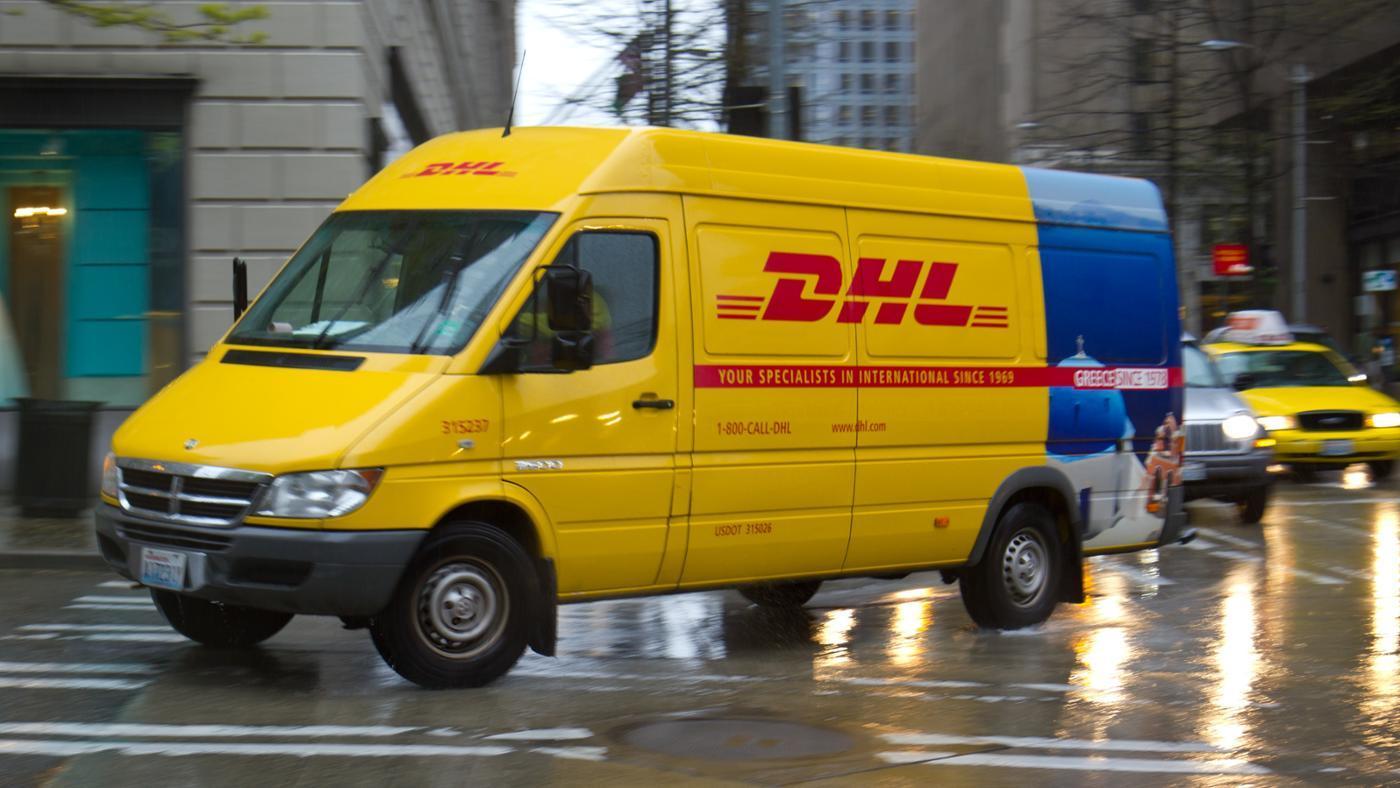
    DHL eCommerce, a division of Deutsche Post DHL Group, has collaborated with the Ministry of Commerce in Thailand to offer e-commerce expertise and logistics services free of charge for a period of four months to help Thai farmers grow their business and reap the benefits from selling on e-commerce platforms. This follows recent challenging market conditions which have seen an oversupply of rice and strong export competition.

    do_download

    Partnering with the Thailand Ministry of Commerce’s Department of International Trade Promotion (DITP), DHL eCommerce works with farmer co-ops across Thailand to help set up and enable an easy and streamlined process to manage their online inventory and ship to consumers domestically. Experts from DHL eCommerce advise and support farmers by integrating their sales processes with e-commerce portals on BentoWeb, a local e-commerce services provider which has been pre-integrated with the DHL eCommerce Customer Web Portal. Once on BentoWeb, farmers will be able to easily arrange for deliveries and shipments quickly at a click of a button, allowing rice goods to be picked and dispatched to end consumers located in Thailand.

    The collaboration combines the global logistics experience of DHL with the in-depth local market knowledge from DHL eCommerce Thailand, the Ministry of Commerce Thailand and BentoWeb, allowing farmers to benefit from solutions that are tailored to their specific needs. The Ministry of Commerce will work on promoting and registering farmers on www.thaitrade.com/rice while BentoWeb will enable the online order process and inventory management for the farmers. DHL eCommerce will pick up the products from the farms and deliver them free of charge to the consumers directly.

    “We are extremely honored to have this opportunity to use our e-commerce expertise and logistics services to make a positive impact on the farmers’ businesses and their livelihoods. As an organization operating in Thailand, providing both domestic as well as international delivery services to the local businesses, we are committed to the Thailand market. Wherever and whenever we can contribute to the local communities, we will do our utmost best to support,” said Kiattichai Pitpreecha, Managing Director, DHL eCommerce Thailand.

    Thailand is one of the world’s leading rice exporters with an expected output of 25 million tonnes of rice expected in the 2016/17 production year. “The Ministry of Commerce has been rolling out a series of programs aimed at helping the local farmers and one such initiative is this collaboration with DHL eCommerce Thailand to help farmers sell their produce online. We have been working together in the past three weeks to onboard these farmers onto the e-commerce platform so that domestic consumers can place orders and have DHL eCommerce deliver to their doorsteps. We are extremely heartened that an organization such as DHL eCommerce is putting their foot forward to help the local communities,” said Mrs Apiradi Tantraporn, Minister of Commerce, the Royal Thai Government.

    For farmer co-ops like Ban Um-sang Rice Community, they have managed to take the matter of the rice supply glut in their stride and tap onto the opportunities of e-commerce thanks to DHL eCommerce. Ban Um-sang Rice Community explained, “The internet has opened up more possibilities for us farmers to do business. We can communicate and connect with customers directly, previously impossible with more traditional methods. We don’t have to worry about organizing our deliveries too, as they are taken care of by experienced logistics specialists. By giving us more options, e-commerce makes us less affected by existing market forces and gives us the freedom to improve our sales in new ways.”

    In addition to DHL eCommerce’s international delivery capabilities, it has since the beginning of this year been offering domestic delivery services in the Thai market. Identifying the country as one of the fast-growing e-commerce markets, DHL eCommerce established end-to-end domestic and international delivery solutions for Thai e-commerce merchants. The company has a 3,000 sqm central distribution center in Bangkok and a network of over 40 depots located throughout the country for nation-wide logistics connectivity. By 2017, DHL eCommerce aims to more than double the number of depots and enhance its fleet with two-wheel vehicles that can surmount Thailand’s complex last-mile delivery challenges.

  • House of Chivas pours Regal Ultis to Qantas First Class customers

    House of Chivas pours Regal Ultis to Qantas First Class customers

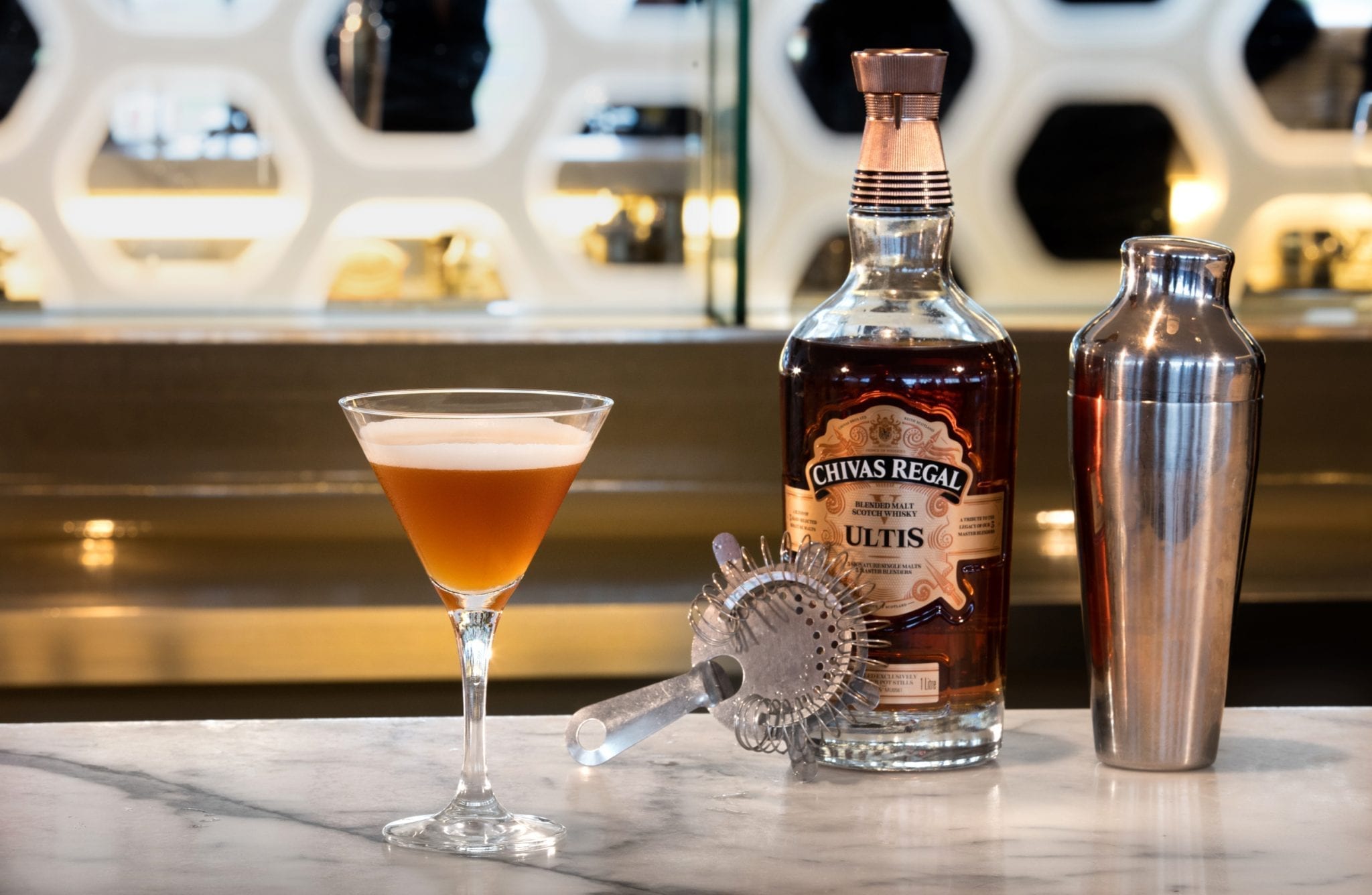
    To celebrate the launch of Chivas Regal Ultis, Pernod Ricard Travel Retail Asia Pacific is offering the blended malt Scotch whisky to Qantas First Class customers until March.

    Chivas Regal Ultis features on the summer menu in the Sydney and Melbourne First Lounges and in a bespoke cocktail called ‘Fine St Blend’. First Class Qantas passengers will also be offered the spirit onboard and can buy it through Qantas epiQure and Qantas inSky shopping pre-order sites.

    Pernod Ricard Travel Retail Asia Pacific Senior Brand Manager Katie Gee said: “We know our Chivas Regal drinker travels frequently and is always discovering and seeking out new experiences. Showcasing our new product, Chivas Regal Ultis, with Qantas is a fantastic platform to connect with whisky enthusiasts along their journey.”

    To further promote the Chivas Regal Ultis launch in the region, Pernod Ricard Travel Retail Asia Pacific has partnered with duty free retailers to create large scale promotions in airports. Tasting bars, ambassador appearances and gifts-with-purchase were featured in December and will continue in selected locations throughout January.

    Chivas Regal Ultis is available now in global travel retail and in selected domestic retailers. The Scotch is also available through Qantas epiQure and Qantas inSky shopping pre-order channels in Asia Pacific.