Retail News CRM

Tag: delivery

  • Uber’s $14.8 Billion Acquisition of Delivery Hero Bolsters Global Food Delivery Dominance

    Uber’s $14.8 Billion Acquisition of Delivery Hero Bolsters Global Food Delivery Dominance

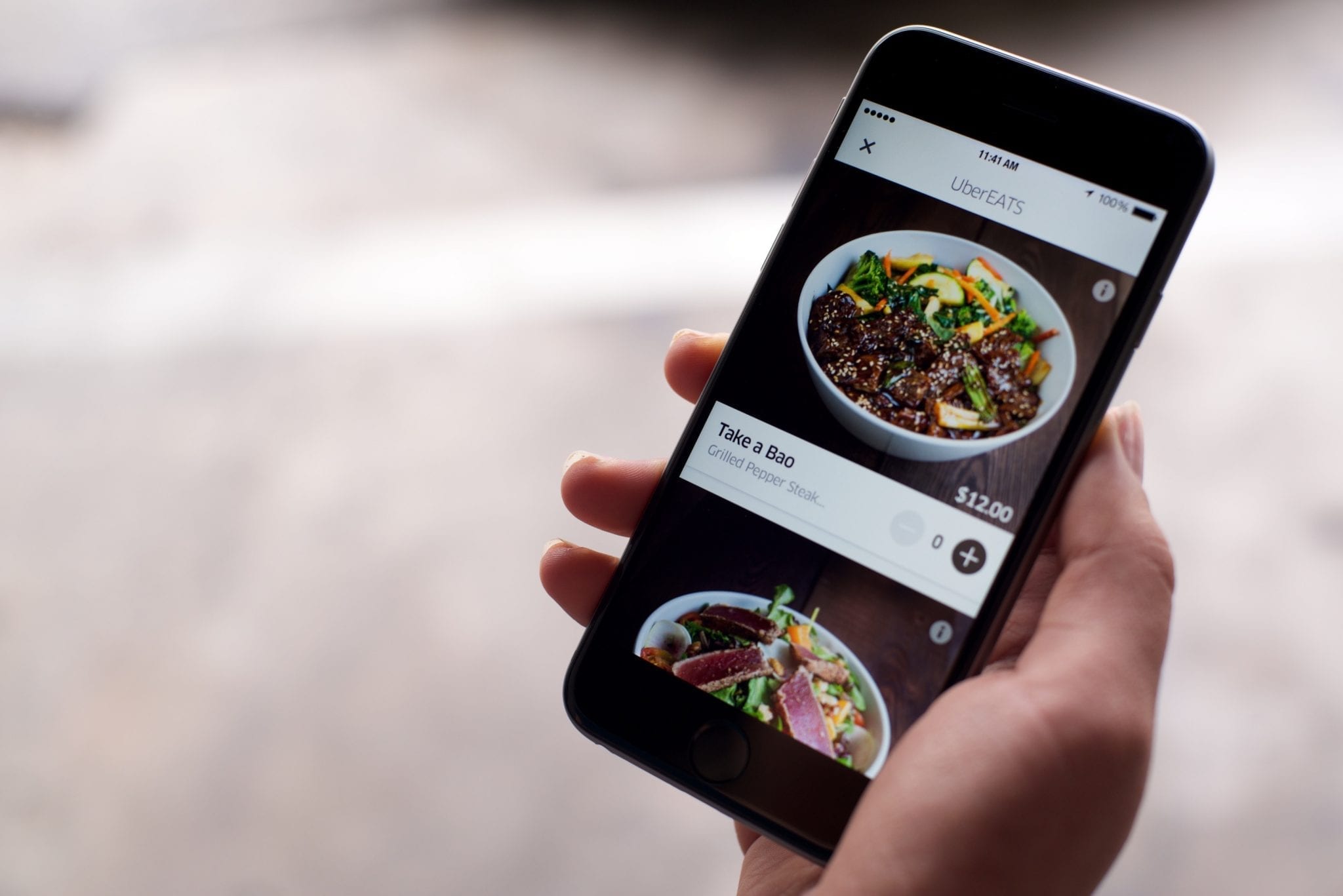
    Uber, one of the leading global mobility and food delivery platforms, has confirmed its decision to acquire another significant player in the industry, Delivery Hero. The agreement, which values Delivery Hero at approximately €13.0 billion (US$14.8 billion), follows earlier disclosures by the latter about being in advanced talks with Uber amidst market rumors of a potential takeover.

    Uber’s proposal outlines a voluntary public takeover offer, which will see it pay Delivery Hero shareholders €41.50 per share in cash. This move will significantly broaden Uber’s global delivery operations through the integration of Delivery Hero’s portfolio of brands. These include Foodpanda, Glovo, Talabat, HungerStation, and PedidosYa. Consequently, the amalgamated businesses will operate in 99 markets, offering services in ride-hailing, food delivery, and quick commerce.

    Future Plans and Investments

    Niklas Östberg, the co-founder and CEO of Delivery Hero, has expressed his confidence in the acquisition. He asserts that the deal, along with Uber’s planned investment in Germany, highlights the appeal of the European tech ecosystem. Furthermore, he expresses the company’s intent to continue contributing to its growth.

    To ensure regulatory approval for the acquisition, Delivery Hero will divest its operations in 14 markets where it overlaps with Uber. The divestment will be done to investment firm SSW Partners before the transaction is finalised.

    Uber, for its part, has pledged to uphold Delivery Hero’s Berlin headquarters and its staff until at least the end of 2029. In addition, the company has promised to invest €2 billion in Germany by 2031.

    The transaction is anticipated to be concluded in the second half of 2027, subject to shareholder acceptance and regulatory approvals.

    Questions & Answers

    What is the value of the proposed acquisition of Delivery Hero by Uber?

    The deal values Delivery Hero at approximately €13.0 billion (US$14.8 billion).

    How will the acquisition expand Uber’s business?

    The acquisition will allow Uber to integrate Delivery Hero’s portfolio of brands, including Foodpanda, Glovo, Talabat, HungerStation, and PedidosYa. This will significantly expand Uber’s operations across 99 global markets.

    What commitments has Uber made towards Delivery Hero’s existing operations and workforce?

    Uber has committed to maintaining Delivery Hero’s Berlin headquarters and workforce until at least the end of 2029. It also plans to invest €2 billion in Germany by 2031.
  • From Delivery Uniforms to Designer Accessories: DHL and Eric Wongs Eco-Friendly Upcycled Collection Takes Flight

    From Delivery Uniforms to Designer Accessories: DHL and Eric Wongs Eco-Friendly Upcycled Collection Takes Flight

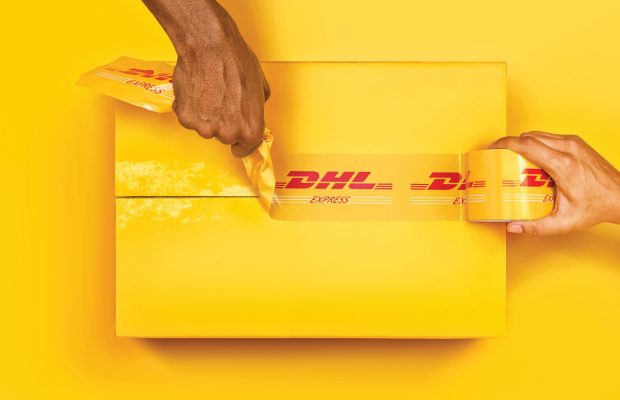
    In a novel sustainability initiative, DHL Express has teamed up with Eric Wong, a renowned Hong Kong-based fashion designer, to create the DHL x Absurd Laboratory BFFS Upcycled Collection. This unique line of accessories is fashioned from old courier uniforms which have been taken out of service.

    Eric Wong, the creative mind behind Absurd Laboratory, earned the DHL GoGreen Plus Alumni Prize at the Redress Design Award held the previous year. His design philosophy is commonly recognized for its utilization of deconstruction and upcycling techniques.

    The Upcycled Collection

    The upcycled collection features an array of items crafted from repurposed DHL polo shirts and cargo trousers. Included in the collection is a multipurpose bucket hat, a sling bag, a pair of clogs, and bear-shaped pendants that boast cartoon-inspired designs.

    The revenue generated from this assortment will be used to fund Redress and its initiatives aiming to help budding designers who are passionate about sustainable and circular fashion.

    A Step Towards Sustainability

    Andy Chiang, Senior Vice President and Managing Director of DHL Express Hong Kong and Macau, expressed that this project aligns with the company’s wider sustainability objectives.

    DHL, being a crucial logistics ally to the fashion industry, will be fulfilling international orders of this collection using its GoGreen Plus service. It is a purposeful move aimed at lowering CO2 emissions by employing Sustainable Aviation Fuel.

    Eric Wong shared that this project was a chance to breathe new life into discarded materials. By reusing old DHL courier uniforms, he endeavored to create modern accessories that tell a tale of sustainability and circular design.

    The DHL x Absurd Laboratory BFFS Upcycled Collection can be purchased from the Absurd Laboratory’s online store, Midwest Vintage stores, and The Redress Closet.

    Questions & Answers

    What is the DHL x Absurd Laboratory BFFS Upcycled Collection?
    It’s a collection of accessories created from old courier uniforms which are no longer in use. The collection includes a convertible bucket hat, sling bag, clogs, and bear-shaped pendants.

    Where will the profits from this collection be directed?
    The revenue generated from the sales will fund Redress, an organization that supports emerging designers with a focus on sustainable and circular fashion.

    How does this project support sustainability?
    This initiative contributes to sustainability in two ways: firstly, it upcycles old courier uniforms into fashionable accessories, reducing waste. Secondly, DHL will be using its GoGreen Plus service, which employs Sustainable Aviation Fuel, to ship international orders of the collection, thereby reducing CO2 emissions.

  • Meituan Sees Silver Lining as Food Delivery Battles Cool Down Despite Another Quarter Loss

    Meituan Sees Silver Lining as Food Delivery Battles Cool Down Despite Another Quarter Loss

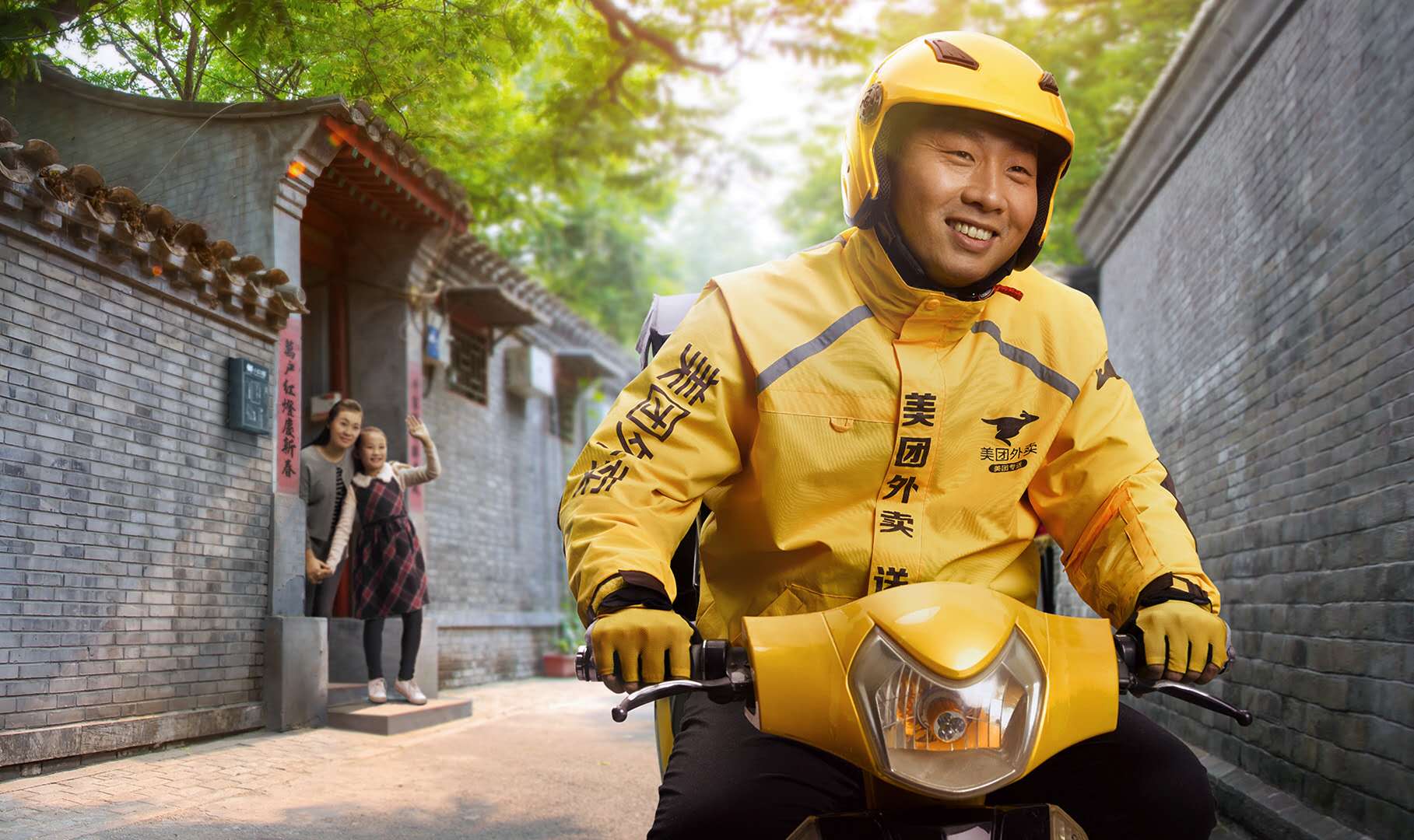
    Meituan, China’s foremost food delivery company, reported its third consecutive quarterly loss this Monday. However, it did manage to meet revenue growth projections. The company has been weathering a particularly tough year, characterized by fierce, subsidy-driven competition in China’s one-hour delivery sector. However, the market shows signs of normalizing again.

    In earlier years, the rapid expansion and profits of Meituan were put under strain when Taobao, owned by Alibaba, and JD introduced their ‘instant retail’ services in 2025. Instant retail, also known as quick commerce, involves online purchases of items such as food, bubble tea, and daily essentials that are delivered within an hour.

    In 2026, after persistent disapproval from Chinese regulators who coined the term ‘race to the bottom’ to describe the fierce instant retail competition, the excessive discounting on food delivery platforms began to moderate. This shift indicated that the industry was moving into a phase of more regular growth.

    The revenue for Meituan for the quarter ending on March 31 was reported to be 91 billion yuan (equivalent to US$13.45 billion). This represented a 5.6% increase from the previous year and was in line with financial analysts’ predictions.

    The adjusted net loss of the company shrunk to 4.97 billion yuan, which was a significant improvement from a loss of 15.1 billion yuan in the last quarter. During the same period in the previous year, Meituan had reported a profit of 10.9 billion yuan.

    CEO Wang Xing addressed the situation optimistically, stating, “With industry-wide subsidies finally getting more rational, we are seeing a shift back to the fundamentals of operational efficiencies and user experience. This transition plays to our strengths.”

    However, the company has also faced regulatory challenges. In April, the Chinese market regulator imposed fines amounting to a total of 3.6 billion yuan on seven e-commerce platforms, including Meituan, for violating food delivery safety regulations.

    Last week, China’s State Administration for Market Regulation instructed local authorities to conduct a special inspection campaign until December on companies operating in sectors ranging from live-streaming to food delivery.

    Questions & Answers

    What is Meituan’s standing in China’s food delivery industry?
    Meituan is the leading food delivery company in China.

    What challenges has Meituan been facing in recent years?
    Meituan has been dealing with intense competition in the instant retail sector, regulatory penalties for food delivery safety violations, and financial struggles reflected in consecutive quarterly losses.

    What is the ‘race to the bottom’ that Chinese regulators refer to?
    The ‘race to the bottom’ refers to the extreme competition in the instant retail sector, characterized by excessive discounting by food delivery platforms.

  • Delivery Hero CEO Niklas Ostberg Announces Planned Departure amid Strategic Shift

    Delivery Hero CEO Niklas Ostberg Announces Planned Departure amid Strategic Shift

    Niklas Ostberg, the founder and CEO of Delivery Hero, has announced that he will be stepping down from his executive role after 15 years steering the global food delivery enterprise. The company has initiated a hunt for Ostberg’s successor, aiming to fill the position by March 31 of the coming year. The complete transition is expected to be finalized by the end of the year.

    Ostberg believes that this is the optimum time to initiate the transition as Delivery Hero is entering a new phase of strategic development and operational emphasis. “This is the appropriate moment to commence the process of transitioning the company into its future stage,” stated Ostberg. He also added that the long-term course was set during the Strategic Review, which was announced in December. The focus of this review was to deepen the market penetration, enhance the customer experience, and improve the consumer offering under the Everyday App strategy.

    Started in 2011, Delivery Hero has broadened its reach to more than 60 markets via brands like Foodpanda, Glovo, and Talabat. In a significant move, earlier this year, the Singapore-based multi-service platform, Grab, acquired Delivery Hero’s Foodpanda delivery business in Taiwan. The cash deal, which amounted to US$600 million, marked Grab’s first expansion beyond Southeast Asia.

    Questions & Answers

    Why is Niklas Ostberg stepping down from his role as CEO of Delivery Hero?
    Ostberg believes the timing is right as Delivery Hero is poised to enter a new phase of strategic development and operational focus. He wishes to allow the company to transition smoothly into its future stage under new leadership.

    What is Delivery Hero’s future strategy post-Ostberg’s departure?
    The company’s long-term strategy is to deepen its market penetration, enhance customer touchpoints and improve consumer offerings under the Everyday App strategy.

    How has Delivery Hero expanded its operations?
    Delivery Hero operates in more than 60 markets via brands like Foodpanda, Glovo, and Talabat. Additionally, its Foodpanda delivery business in Taiwan was recently acquired by Grab, marking the latter’s first expansion beyond Southeast Asia.

  • Delivery Hero Initiates CEO Successor Hunt as Niklas Ostberg Announces Resignation

    Delivery Hero Initiates CEO Successor Hunt as Niklas Ostberg Announces Resignation

    Niklas Ostberg, the founder and CEO of Delivery Hero, is set to step down from his leadership role after a notable 15-year tenure at the helm of the global food delivery enterprise. As a result, the company has launched a search to find a suitable successor to fill Ostberg’s shoes.

    Ostberg will continue to manage the operations and lead the team until his successor is officially appointed, with the deadline for this set for March 31st of next year. The transition is likely to be finalized by the end of the year, ensuring a smooth transfer of responsibilities.

    Delivery Hero: Entering a New Era

    According to the company, this succession plan comes just as Delivery Hero is on the brink of stepping into a new phase that’s characterized by strategic development and a renewed focus on operations.

    Ostberg feels confident that this transition comes at an appropriate time. He stated, “This is the right moment to begin handing the company over to its next chapter.” He elaborated on the company’s future direction, pointing out the strategic review announced in December, which has paved the way for deeper market penetration, increased customer engagement, and enhancements to the consumer offering under the Everyday App strategy.

    Founded in 2011, Delivery Hero has grown to operate in over 60 markets worldwide, with multiple brands, including Foodpanda, Glovo, and Talabat under its umbrella.

    In a significant development earlier this year, Grab agreed to purchase Delivery Hero’s Foodpanda delivery business in Taiwan for a whopping US$600 million in cash. This marks the first major expansion of the Singapore-based super app beyond the boundaries of Southeast Asia.

    Questions & Answers

    Who is expected to replace Niklas Ostberg as CEO of Delivery Hero?
    A replacement for Niklas Ostberg has not been announced as yet. The company is currently in the process of finding a suitable successor.

    What is the future strategy of Delivery Hero as announced in their December review?
    The future strategy of Delivery Hero includes penetrating deeper into their markets, increasing customer touchpoints, and improving the consumer offering under the Everyday App strategy.

    What is the significance of Grab’s acquisition of Delivery Hero’s Foodpanda in Taiwan?
    Grab’s acquisition of Foodpanda in Taiwan marks the first major expansion of the Singapore-based super app beyond Southeast Asia. This could potentially lead to further expansion and growth for Grab in the future.

  • KFC China Rides High on Delivery Boom, Yet Battles Margin Squeeze

    KFC China Rides High on Delivery Boom, Yet Battles Margin Squeeze

    The surge in food deliveries is significantly transforming KFC China, the country’s top restaurant brand, leading to increased sales but tighter profit margins.

    Delivery sales for the brand witnessed a year-on-year growth of 33%, making up approximately 55% of total sales, a significant increase from 43% the previous year, according to parent company Yum China.

    Adrian Ding, the CFO of Yum China, communicated to investors during the earnings call that they consider this a sustainable trend.

    Despite Yum China’s same-store sales remaining constant, the launch of new outlets increased sales by 4%, and the operating profit rose 12% to US$447 million.

    The food delivery sector in China has seen fierce competition in recent times. E-commerce powerhouses Alibaba and JD have been actively striving to dominate the market share by offering enticing deals and discounts on a variety of menu items, including ice cream, takeaway coffees, and KFC’s signature fried chicken.

    A trend referred to as “instant retail,” which involves delivery of goods within an hour, has attracted the attention of Chinese regulators. They have consistently cautioned against extreme competitive practices among food delivery firms.

    While the growth in deliveries has boosted sales, it has also put pressure on profit margins since Yum China subsidizes them in collaboration with tech companies. Ding indicated that margins would have contracted by 190 basis points due to the increased costs associated with delivery drivers. However, about half of this impact was offset by operational improvements in other areas of the business. The company anticipates a margin expansion throughout the entire year.

    During the earnings call, company executives noted that subsidies for delivery apps have recently decreased, and these apps are now focusing more on larger food orders. “We appreciate this shift and believe it will positively impact our industry in the long run,” stated CEO Joey Wat. The executives also shared that delivery driver expenses account for approximately 30% of the company’s labour costs. Yum China also operates the Chinese divisions of Pizza Hut, Taco Bell, and other restaurants.

    Questions & Answers

    How much have delivery sales grown for KFC China?
    Delivery sales for KFC China have grown by 33% year-on-year.

    What is the impact of the growth in food deliveries on Yum China’s profit margins?
    While the surge in food deliveries has led to increased sales, it is also exerting pressure on profit margins due to the company’s decision to subsidize them.

    What percentage of labour costs at Yum China is attributed to delivery driver expenses?
    Delivery driver expenses account for roughly 30% of the company’s labour costs.

  • Chinese Regulator Slaps Billion-Dollar Fines on Food Delivery Giants over Safety Violations

    Chinese Regulator Slaps Billion-Dollar Fines on Food Delivery Giants over Safety Violations

    China’s market regulator recently imposed fines and seizures on seven e-commerce platforms, totaling 3.6 billion yuan (US$527.32 million), for failing to adhere to food delivery safety guidelines. The offenders include prominent companies such as Pinduoduo, Meituan, JD, ByteDance’s Douyin, and Alibaba’s Taobao Shangou.

    Violation of Safety Protocols

    Investigations revealed that these companies did not implement necessary measures to protect consumers. They were also found to be negligent in verifying the licenses and qualifications of online food vendors. The regulator has expressed concern over this lax approach towards consumer safety and vendor credibility.

    Pinduoduo responded to the penalties by stating that the company “sincerely accepts and will resolutely comply” with the regulator’s decision. It also pledged to learn from this episode, standardize its business procedures, and make necessary improvements. However, Meituan, ByteDance, and Alibaba did not respond immediately to requests for comments.

    Intense Competition in China’s Food Delivery Market

    In the past year, food delivery in China has witnessed escalating competition, with e-commerce giants like Alibaba and JD actively trying to gain market share. These companies have been offering attractive discounts and coupons on a wide range of products, including ice cream and takeaway coffees.

    This battle to establish dominance in the ‘instant retail’ domain, where goods are delivered within an hour, has affected profits and attracted regulatory attention. Chinese regulators have repeatedly cautioned against the unhealthy “race-to-the-bottom competition” prevalent among food delivery firms.

    Questions & Answers

    What prompted the fines on the e-commerce platforms?
    The companies violated food delivery safety protocols and failed to verify the qualifications and licenses of online food vendors.

    How have the companies reacted to the fines?
    While Pinduoduo has openly accepted and pledged to comply with the regulator’s decision, Meituan, ByteDance, and Alibaba have not responded immediately to the penalties.

    Has the increased competition in food delivery affected the companies?
    Yes, the escalated competition, epitomized by discounts and coupons, has not only squeezed profits but also attracted regulatory scrutiny due to a “race-to-the-bottom competition” mentality.

  • Meituan’s Struggles Continue Amidst Food Delivery Frenzy: Can Signs of Easing Price War Restore Profits?

    Meituan’s Struggles Continue Amidst Food Delivery Frenzy: Can Signs of Easing Price War Restore Profits?

    Meituan, the leading food delivery company in China, reported its second consecutive quarterly loss, slightly missing revenue growth forecasts. This comes after a year of aggressive, subsidy-intensive competition in China’s one-hour delivery market.

    Meituan’s revenue growth and profits have been under pressure for several consecutive quarters since the introduction of new ‘instant retail’ platforms by e-commerce heavyweights Taobao, which is owned by Alibaba, and JD.com in early 2025.

    The term ‘instant retail’ or ‘quick commerce’ refers to online orders that typically include food, bubble tea, and everyday items, delivered within an hour.

    However, the early part of 2026 has signaled a potential slowdown in the instant retail pricing battle, which has been condemned as a “race to the bottom” by Chinese regulatory bodies.

    For the quarter ending on December 31, Meituan’s revenue reached 92.1 billion yuan (approximately US$13.3 billion), marking a 4.1% increase from the previous year. This figure is slightly below the 92.2 billion yuan analysts had predicted.

    The company managed to reduce its adjusted net loss to 15.1 billion yuan, down from 16 billion yuan in the third quarter. This is a stark contrast to the same period a year earlier, when Meituan reported a profit of 9.8 billion yuan.

    During a post-earnings call with analysts, Meituan’s CEO, Wang Xing, claimed that the regulatory stance on the instant retail competition is “already quite clear”. Wang stressed that regulatory authorities are vehemently against the escalating ‘neijuan’ competition and are keen on promoting a healthy, orderly market. ‘Neijuan’, or ‘involution’, refers to a situation where individuals or companies are forced into intensifying competition that yields minimal benefits.

    Earlier in the week, Meituan’s shares experienced a surge of 14% following the re-publication of a state media editorial by Chinese regulators. The editorial called for an end to the ongoing food delivery price wars, and its re-publication was perceived by industry experts as an official endorsement.

    Questions & Answers

    What is ‘instant retail’?
    Instant retail, also known as quick commerce, refers to online orders typically comprising food, bubble tea, and daily use items, delivered within an hour.

    What does ‘neijuan’ mean?
    ‘Neijuan’, or ‘involution’, refers to a situation where companies or individuals are pushed into a state of intensifying competition that brings very little benefit.

    What was the response of the market to the call for an end to the food delivery price wars?
    Following the re-publication of a state media editorial that called for an end to the food delivery price wars, Meituan’s shares experienced a 14% increase, suggesting a positive market response.

  • Meituan Faces Second Quarter Loss Amid Intense Food Delivery Competition in China

    Meituan Faces Second Quarter Loss Amid Intense Food Delivery Competition in China

    In a fiercely competitive market, Chinese food delivery titan Meituan has reported a second consecutive quarterly loss, slightly missing projected revenue growth. Over the past year, the company has weathered intense competition sparked by aggressive subsidy tactics in China’s burgeoning one-hour delivery sector.

    The Rivals and the Battle

    The company’s profit margins and revenue growth have faced significant challenges following the emergence of ‘instant retail’ platforms introduced by e-commerce behemoths Taobao and JD, both subsidiaries of Alibaba, in early 2025. Instant retail, also known as quick commerce, is characterized by online orders—typically food, bubble tea, or daily essentials—delivered to customers within an hour.

    A Glimmer of Hope in 2026

    Despite the tough conditions, the early months of 2026 have shown promising signs that the cutthroat price competition in the instant retail sector may be easing. This phenomenon, which has been disparaged by Chinese regulators as a destructive ‘race to the bottom’, has begun to show signs of abating.

    Meituan’s Financial Status

    Meituan’s revenue for the quarter ending December 31 amounted to 92.1 billion yuan (US$13.3 billion), marking a 4.1% increase over the previous year. This figure fell slightly short of the 92.2 billion yuan forecasted by industry analysts. Meanwhile, the company’s adjusted net loss narrowed to 15.1 billion yuan from 16 billion yuan in the previous quarter. A year earlier, Meituan had reported a profit of 9.8 billion yuan.

    Regulatory Guidance and Market Health

    During a post-earnings call with analysts, Meituan’s CEO, Wang Xing, stated that the regulatory guidance regarding the price war in the instant retail sector is “already quite clear.” He also noted that regulators strongly oppose the relentless ‘neijuan’, or involution, competition and are focused on fostering a healthy, orderly market. The term ‘neijuan’ represents a form of competition where entities are forced to engage in increasingly intense rivalry that yields minimal benefits.

    In the wake of a state media editorial calling for an end to China’s food delivery price wars being republished by Chinese regulators, Meituan’s shares experienced a significant 14% surge. Industry observers viewed this as a sign of official approval.

    Questions & Answers

    What is the instant retail or quick commerce model?
    This refers to online purchases, often consisting of food, bubble tea, and daily necessities, which are delivered to customers within 60 minutes.

    What is meant by ‘neijuan’ competition?
    ‘Neijuan’, or involution, indicates a situation where individuals or companies are compelled into increasingly intense competition that offers little benefits.

    How did the market respond to regulatory intervention in the price war?
    Following a state media editorial urging an end to the food delivery price wars being republished by Chinese regulators, Meituan’s shares saw a significant 14% increase, signaling market approval of regulatory intervention.

  • Yum China Ends FY25 Strong: Delivery Boom and Store Expansion Fuel 9% Q4 Revenue Surge

    Yum China Ends FY25 Strong: Delivery Boom and Store Expansion Fuel 9% Q4 Revenue Surge

    Yum China Holdings ended the 2025 fiscal year on a strong note, with an increase in delivery orders and expedited store openings fueling a rise in sales and profits, even amidst muted consumer spending in China.

    Performance Overview

    During the quarter that concluded on December 31, Yum China, the operator of KFC, Pizza Hut, and other dining brands throughout mainland China, recorded a revenue of US$2.8 billion, a 9% increase compared to the previous year.

    The company saw a 3% growth in same-store sales, the third consecutive quarter of positive growth, while system sales experienced a 7% increase.

    Delivery service played a crucial role in driving growth, with delivery sales surging by 34% and contributing to around 53% of the total revenue. Yum China’s emphasis on digital ordering and convenience due to fluctuating dine-in customer counts across regions remains an integral part of its strategy.

    Store Expansion & Sales

    Store expansion significantly contributed to the company’s performance. Yum China inaugurated an astonishing 587 new stores in the fourth quarter, with franchise partners opening nearly 36% of these stores. Over the year, the group opened 1706 additional stores, raising its total to more than 18,100 restaurants across the nation.

    For the 2025 fiscal year, Yum China reported a revenue of US$11.8 billion, a 4% increase from the previous year, while the operating profit climbed 11% to approximately US$1.3 billion.

    Words from the CEO

    Joey Wat, CEO of Yum China, praised the hardworking team for ending 2025 on a high note by delivering growth in same-store sales for three consecutive quarters and same-store transaction growth for twelve quarters in a row.

    Wat noted that KFC had discovered new consumption opportunities via its KCoffee cafe format and Kpro side-by-side modules. Meanwhile, Pizza Hut enhanced its value proposition and launched its Wow model to extend its presence to previously untapped locations, particularly in lower-tier cities.

    Future Plans

    In terms of future plans, the company aims to operate more than 20,000 restaurants by the end of the current year, supported by the opening of over 1900 new stores. Yum China predicts that franchised outlets will represent 40-50% of all new openings across KFC and Pizza Hut, as it continues to extend its hybrid ownership model.

    Questions & Answers

    What was the revenue of Yum China for the 2025 fiscal year?
    The revenue was reported to be US$11.8 billion, a 4% year on year increase.

    What role did delivery service play in Yum China’s growth?
    Delivery service was a major growth driver, with delivery sales rising by 34% and making up around 53% of the total revenue.

    What are the company’s future expansion plans?
    Yum China aims to operate over 20,000 restaurants by the end of the year, supported by the opening of more than 1900 new stores.

  • Singapore’s Food Delivery Market Growth Lags Behind Southeast Asia Peers

    Singapore’s Food Delivery Market Growth Lags Behind Southeast Asia Peers

    Last year saw Singapore experiencing the second-slowest growth rate in its food delivery market among prominent Southeast Asian nations, according to recent research. The Food Delivery Platforms in Southeast Asia report by Momentum Works reveals that Singapore’s food delivery gross merchandise value rose by 13% in 2025, totaling US$2.9 billion.

    Regional Growth Rates

    This growth rate is notably slower than the average 18% growth recorded across six Southeast Asian markets. Only the Philippines saw a slower growth rate than Singapore, at 12%, which was explained by the frequent disruptions caused by tropical cyclones.

    Thailand led the way as the fastest-growing market, with its gross merchandise value increasing by 22%. This rapid growth was attributed to the affordability of delivery platforms, heightened competition, and the government’s “half-half” subsidy scheme, which offsets a portion of consumers’ food costs.

    Following Thailand, Indonesia, Malaysia, and Vietnam each reported growth rates of around 18% to 19%. Indonesia, the most populated market in the region, experienced the largest absolute increase, approximately $1 billion.

    Singapore’s Market Challenges

    Momentum Works’ CEO Li Jianggan shed light on Singapore’s slower growth, pointing out the wide-ranging consumer behaviors and market conditions that differ between countries. Factors such as city layouts, spending power, and the supply dynamics of riders and restaurants all play a role.

    “Food delivery can be costly in Singapore, particularly when there are numerous affordable in-person dining options,” he shared. While Singapore’s double-digit growth reflects a resilient demand, keeping pace with this growth could put pressure on delivery platforms to enhance their efficiency, especially as customers consider other options like dining out or picking up orders themselves.

    Li further noted that Singapore faces a unique structural challenge due to a limited pool of delivery riders, an issue not shared by its larger, more populous neighboring countries. “While the adoption of technology can aid in overcoming this, the key drivers to increasing the market ceiling will be the platforms’ relentless focus on building density and operational efficiency,” he added.

    Market Shares and Trends

    On the platform front, Grab maintained its spot as the leading food delivery player in Southeast Asia, increasing its regional market share from 53.8% in 2024 to roughly 55% in 2025. In total, Grab generated an estimated $12.5 billion in food delivery value across the region last year.

    ShopeeFood surpassed Foodpanda to secure the position of the region’s second-largest platform, with an estimated $3.3 billion in transactions. Meanwhile, Foodpanda’s value decreased to around $2.6 billion. Both Gojek and Thailand-based Lineman reported similar figures, with each reaching about $2 billion, which reflects Lineman’s strong performance in its home market.

    The study also underscored Southeast Asia’s high order volume compared to other emerging markets. Despite having approximately double the population of Southeast Asia, India’s estimated 4-5 million daily orders were nearly half of what platforms in Southeast Asia fulfilled, between 8.5 million and 9.5 million orders per day on average. This discrepancy may be due to India’s local eating habits and a limited number of food establishments.

    China, whose population is smaller than India’s, fulfills an estimated 180 million to 200 million food delivery orders daily. “This emphasizes that food delivery penetration is influenced less by population size and more by urban density, substitution for dining out, and platform-led affordability mechanisms,” the study concluded.

    Questions & Answers

    What was the growth rate of Singapore’s food delivery market in 2025?
    The food delivery market in Singapore grew by 13% in 2025.

    Which country had the fastest-growing food delivery market in Southeast Asia?
    Thailand had the fastest-growing food delivery market in the region, with a growth rate of 22%.

    Which platform consolidated its lead as Southeast Asia’s dominant food delivery player?
    Grab consolidated its lead as Southeast Asia’s dominant food delivery player, increasing its regional market share to about 55% in 2025.

  • Singapore Struggles With Slow Growth in Booming Southeast Asian Food Delivery Market

    Singapore Struggles With Slow Growth in Booming Southeast Asian Food Delivery Market

    A recent study reveals that Singapore experienced the second-lowest growth in its food delivery market in the previous year amongst significant Southeast Asian nations. The gross merchandise value (GMV) for food delivery in Singapore escalated by 13% in 2025, reaching US$2.9 billion. This rate of growth trailed behind the mean growth rate of 18% observed across six Southeast Asian markets.

    Regional Growth Variances

    Singapore’s expansion only superseded that of the Philippines, which marked a 12% increase – reportedly, this sluggish growth was due to recurring interruptions triggered by tropical cyclones.

    In contrast, Thailand’s food delivery market noted the highest growth, with the GMV surging by 22%. The report suggests that this expansion was facilitated by various factors such as affordable initiatives launched by platforms, intensifying competition, and the government’s “half-half” subsidy scheme which underwrites a portion of consumers’ food expenditures.

    Other countries like Indonesia, Malaysia, and Vietnam also witnessed substantial growth, each marking a rise of roughly 18% to 19%. Indonesia, being the region’s most densely populated market, registered the most significant absolute increase, contributing approximately $1 billion.

    Factors Influencing Singapore’s Slower Growth

    Addressing Singapore’s slower growth, Momentum Works CEO Li Jianggan highlighted that consumer behavior and market conditions significantly differ between countries. He referenced variations in city architectures, spending capacities, and the supply dynamics of delivery personnel and eateries.

    He pointed out that food delivery can be quite costly in Singapore, particularly considering the availability of numerous affordable offline alternatives. Nonetheless, Singapore’s double-digit growth signifies a steady demand. However, keeping up this rate could put increasing strain on platforms to enhance their efficiency, especially as customers explore other options like dining out or self-collection.

    Furthermore, Li noted that Singapore has a unique structural challenge – a limited pool of delivery riders – compared to larger and more densely populated neighboring countries. Adopting technology can help address this, but the key to raising the bar would be platforms’ relentless focus on establishing density and operational efficiency.

    Market Leaders

    At the platform level, Grab fortified its position as the predominant food delivery player in Southeast Asia, raising its regional market share from 53.8% in 2024 to around 55% in 2025. In absolute terms, Grab generated approximately $12.5 billion in food delivery value across the region last year.

    ShopeeFood overtook Foodpanda to become the region’s second-largest platform, with estimated transactions totaling $3.3 billion. Meanwhile, Foodpanda’s value dipped to roughly $2.6 billion. Gojek and Thailand-based Lineman reported comparable values of about $2 billion each, indicating Lineman’s impressive performance in its local market.

    The report underscored that compared to other emerging markets, Southeast Asia had a high order volume. The study estimated that collectively, platforms in the region handled between 8.5 million and 9.5 million food delivery orders per day on average in 2025. This volume is nearly twice that of India’s estimated daily orders of 4-5 million, despite India having approximately double the population of Southeast Asia.

    The study concluded that the penetration of food delivery is less determined by population size, and more by urban density, eating-out substitution, and platform-led affordability mechanics.

    Questions & Answers

    What was the growth rate of Singapore’s food delivery market in 2025?
    The food delivery market in Singapore grew at a rate of 13% in 2025.

    Which was the fastest-growing market in Southeast Asia’s food delivery industry?
    Thailand was the fastest-growing market in Southeast Asia’s food delivery industry, with a 22% increase in gross merchandise value.

    Which platform consolidated its lead as Southeast Asia’s dominant food delivery player?
    Grab consolidated its lead as Southeast Asia’s dominant food delivery player, increasing its regional market share to about 55% in 2025.

  • DoorDash Expands Aldi Partnership: Liquor Delivery to NSW and Victoria, Special Buys Nationwide!

    DoorDash Expands Aldi Partnership: Liquor Delivery to NSW and Victoria, Special Buys Nationwide!

    Starting January 21, Aldi customers in New South Wales and Victoria will have the option to purchase the retailer’s exclusive range of alcoholic beverages via DoorDash. This new service is a part of the ongoing partnership between Aldi and DoorDash, which was established a year ago.

    Expanding Delivery Options

    In addition to alcoholic beverages, Aldi’s popular Special Buys will also be available for nationwide delivery from most store locations through DoorDash. This move is in line with the company’s efforts to make more of its products conveniently accessible to customers.

    Simon Padovani-Ginies, Group Director at Aldi Australia, has emphasized the company’s commitment to making as much of Aldi’s offerings as possible available for delivery. The inclusion of their exclusive liquor range for shoppers in New South Wales and Victoria, as well as the nationwide availability of Special Buys, means that more customers will be able to access Aldi’s high-quality, low-cost products from the convenience of their homes.

    Improving Customer Experience

    This move is not just about expanding product availability – it’s also about elevating the customer experience. With the current pandemic, online shopping has become the norm and businesses that offer home delivery services are increasing in popularity. By offering delivery of their exclusive liquor products and Special Buys, Aldi is catering to the evolving needs of its customers, making shopping more convenient and stress-free.

    Questions & Answers

    When will Aldi customers in New South Wales and Victoria be able to purchase liquor products via DoorDash?
    Starting January 21, Aldi will offer delivery of its exclusive liquor products to customers in New South Wales and Victoria through the DoorDash service.

    What other products will Aldi make available for delivery via DoorDash?
    In addition to its exclusive range of alcoholic beverages, Aldi will also make its popular Special Buys available for nationwide delivery from most store locations.

    What is the aim of this new service?
    The new service aims to make shopping more convenient for Aldi customers. It is also a part of the company’s efforts to cater to the evolving needs of consumers in the current pandemic climate, where online shopping and home delivery services have become increasingly relevant and popular.

  • Delivery Showdown: Woolworths Teams Up with DoorDash as Coles Partners with Uber Eats in Australian Market

    Delivery Showdown: Woolworths Teams Up with DoorDash as Coles Partners with Uber Eats in Australian Market

    In the world of grocery delivery services, competition is heating up as two major players, DoorDash and Uber Eats, expand their alliances with top Australian supermarkets. Woolworths, the country’s largest supermarket, has recently joined DoorDash’s delivery platform. This news was quickly followed by the announcement that Uber Eats has expanded its service with Coles and secured an exclusivity agreement.

    The Shift Towards Third-Party Delivery Services

    These developments come in the wake of the dissolution of Menulog, a food delivery brand that ended all its operations in Australia on November 26 after two decades of service. Despite this, Woolworths persists in providing deliveries via its own label, Milkrun, which currently serves over 500 suburbs in Australia’s largest cities, utilizing the brand’s Metro stores.

    Simon Rossi, DoorDash’s VP of Apac, happily welcomed Woolworths to the platform. He expressed that Woolworths’ impending arrival on their platform signifies their commitment to enhancing customer choice, convenience, and value.

    Expansion of Uber Eats and Coles Partnership

    Coles, previously partnered with DoorDash, announced its plans to enhance its product range on Uber Eats by 50%, offering up to 17,000 products. The companies revealed their intention to enter an exclusive partnership by December 26.

    Lucas Groeneveld, Uber Eats’ regional GM of retail across Apac, noted that for many Australians, having their Coles shopping delivered through the Uber Eats app has become an integral part of their daily lives.

    DoorDash Completes Australian Market Penetration

    For DoorDash, Woolworths represents the last of Australia’s top four brands to join its service. Coles, Aldi, and IGA are all current partners, though Coles plans to leave the service on December 26. In the meantime, Woolworths continues to deliver with Uber Eats.

    Amitabh Mall, Woolworths group MD, spoke on the importance of providing customers with fast, flexible options for their grocery needs. He affirmed that the partnership with DoorDash will enable them to leverage their extensive store network to reach more customers on platforms they use every day.

    Jonathan Torr, Coles’ executive GM of e-commerce, lauded the move as “another way of helping our customers get what they need, wherever they need it”.

    Questions & Answers

    Q: What is the significance of Woolworths joining DoorDash?
    A: Woolworths is Australia’s largest supermarket, and its addition to DoorDash’s platform signifies the company’s commitment to expanding customer choice, convenience, and value.

    Q: What changes are taking place in Coles’ partnership with Uber Eats?
    A: Coles is expanding its product range on Uber Eats by 50%, offering up to 17,000 products. The companies also plan to enter an exclusive partnership by December 26.

    Q: How is Woolworths responding to consumer demand for flexible grocery options?
    A: Woolworths continues to invest in a variety of on-demand options, including its own label, Milkrun, and partnerships with third-party delivery services like Uber Eats and DoorDash.

  • Alibaba’s Revenue Surges, Thanks to Fast Delivery and AI Investments: Outpaces Quarterly Estimates

    Alibaba’s Revenue Surges, Thanks to Fast Delivery and AI Investments: Outpaces Quarterly Estimates

    In Tuesday’s quarterly report, Alibaba, the Chinese e-commerce behemoth, exceeded analysts’ revenue predictions. This success was primarily attributed to the company’s significant investments in one-hour delivery services, which attracted more users to its shopping applications. Additionally, the company’s cloud division demonstrated remarkable growth.

    Share Performance and Revenue

    Following the announcement, the company’s US-listed shares increased by 2% in initial trading. Alibaba reported a second-quarter revenue of 247.80 billion yuan (approximately US$35 billion). This figure surpassed the anticipated revenue of 242.65 billion yuan. However, the adjusted profit of 4.36 yuan per American Depository Share fell short of an estimated 5.49 yuan.

    Fierce Competition in the Quick Commerce Sector

    Alibaba’s performance comes amidst an expensive competition in China’s ‘instant retail’ or ‘quick commerce’ sector. Here, major corporations are investing billions in expedited delivery services to secure a larger market share. Simultaneously, Alibaba has been making significant investments in artificial intelligence (AI), positioning itself as a frontrunner in the industry within China.

    Investment in AI

    The company announced in February plans to allocate 380 billion yuan over three years to AI and cloud investments. However, CEO Eddie Wu hinted at potential additional investments to address supply chain challenges while meeting customer demand. Indicating the company’s aggressive stance on AI investment, Wu suggested that the planned investment may be insufficient given the scale of customer demand.

    Profit Impacts

    Despite the investments causing a 53% reduction in net profit to 20.61 billion yuan, this figure still surpassed analysts’ predictions. These investments, particularly in AI, are anticipated to establish long-term competitive advantages, notwithstanding the immediate pressure on profit margins.

    Instant Retail Sector

    In the instant retail sector, aggressive discounting and subsidies from Alibaba and its competitors have led to concerns over margins and substantial cash expenditure. However, with its diversified business model and significant resources, Alibaba is less vulnerable than its rivals. The company projects that the instant retail sector could add 1 trillion yuan in yearly gross merchandise value over the next three years. Notably, Alibaba’s instant retail business has significantly improved unit economics recently, with cost per order decreasing by half since summer.

    Singles’ Day Subsidies

    The Singles’ Day sales period, stretching from early October to November 11, witnessed considerable subsidies and discounting by retailers to stimulate demand. Sales across major platforms during this period escalated to 1.70 trillion yuan, an increase from 1.44 trillion yuan the previous year.

    Expansion into Consumer AI

    Alibaba has also recently intensified efforts to penetrate the consumer AI market, a sector where it has been comparably less active due to its greater emphasis on enterprise clients. Despite launching a free app, which gained 10 million downloads within its first week, it remains behind the market leader, ByteDance’s Doubao, which boasts 150 million users. Consequently, an ongoing price war in China’s domestic AI market, triggered by competitors focusing on affordable computing and app development, has forced Alibaba to reduce prices.

    Questions & Answers

    What led to Alibaba exceeding analysts’ revenue expectations?
    Alibaba’s investments in one-hour delivery services attracted more users to its shopping apps, leading to increased revenue.

    What challenges is Alibaba facing in the quick commerce sector?
    The sector is highly competitive, with corporations investing billions in expedited delivery services to secure a larger market share.

    How is Alibaba responding to competition in the consumer AI market?
    Alibaba has intensified efforts to penetrate the consumer AI market and launched a free app that gained 10 million downloads within its first week. It has also reduced its prices to remain competitive.