Retail News CRM

Tag: delivery

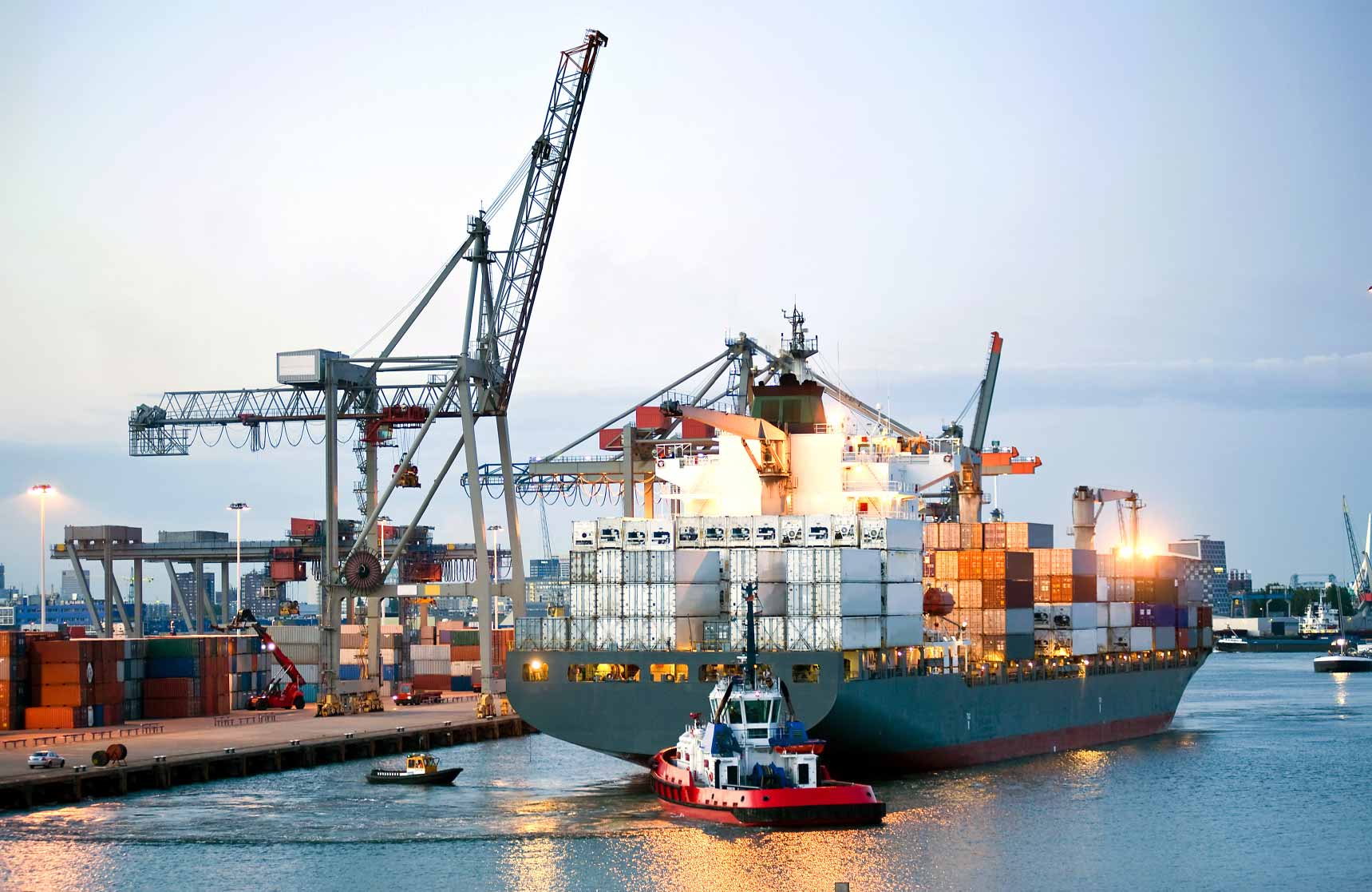
  • Sanctions hit Vietnamese exports to Russia

    Sanctions hit Vietnamese exports to Russia

    Vietnam’s exports to Russia fell by nearly 60% year-on-year to US$205 million in the first two months of this year.

    Iron and steel, footwear and electronics exports almost came to a halt while those of agriculture produce like rice, vegetables and seafood fell by 20-50%, according to the Vietnam Trade Office in Russia.

    Rubber, garment and coffee were the only items whose exports increased.

    The ongoing Russia-Ukraine war is said to be the main cause as sanctions on Russia limit its trade with other countries, including Vietnam.

    Major shipping firms and airlines have stopped their Russia operations, and so Vietnamese business have trouble sending goods to the country.

    Bilateral trade fell by nearly 62% to $402 million.

    The trade office said Russian businesses are increasingly interested in establishing trade partnership with their Vietnamese counterparts, and the number of Russian companies participating in Vietnam’s fairs and exhibitions is rising.

    Many Russian retailers want to sell agricultural products, clothes and footwear from Vietnam, it added.

  • South Korean restaurants feel the pinch of surging delivery costs

    South Korean restaurants feel the pinch of surging delivery costs

    Higher demand for food delivery workers has ramped up the industry’s labor cost. The rapid growth of South Korea’s food delivery market during the COVID-19 pandemic has inadvertently caused a sharp rise in delivery fees, leaving small business owners and consumers struggling to cope with the added costs, Korea Bizwire reported.

    According to a government-issued report, the number of domestic delivery workers in South Korea has doubled in just three years, reaching 237,100 in the first half of 2022.

    Amidst surging demand for food delivery services, delivery companies have been struggling to secure enough delivery workers to meet the demand, compelling them to offer increasingly attractive pay packages. The higher cost of labor has been passed on to consumers through higher delivery fees.

    Companies such as Baemin and Coupang Eats paid delivery workers an additional fee of $1.54 (KRW2,000) to $1.92 (KRW2,500) per delivery in 2021 to secure their services. Some also offered prizes such as camping cars or pure gold.

    Popular delivery apps such as Baedal Minjok and Coupang Eats said they have had to raise their brokerage and delivery fees in response to rising labor costs.

    Consumers are paying almost the same amount for delivery as their food, with the average delivery tip based on the maximum distance being $3.84 (KRW5,000) in February. The average amount for Baemin delivery tips was higher at $4.46 (KRW5,810).

  • McDonald’s unveils delivery service in Australia

    McDonald’s unveils delivery service in Australia

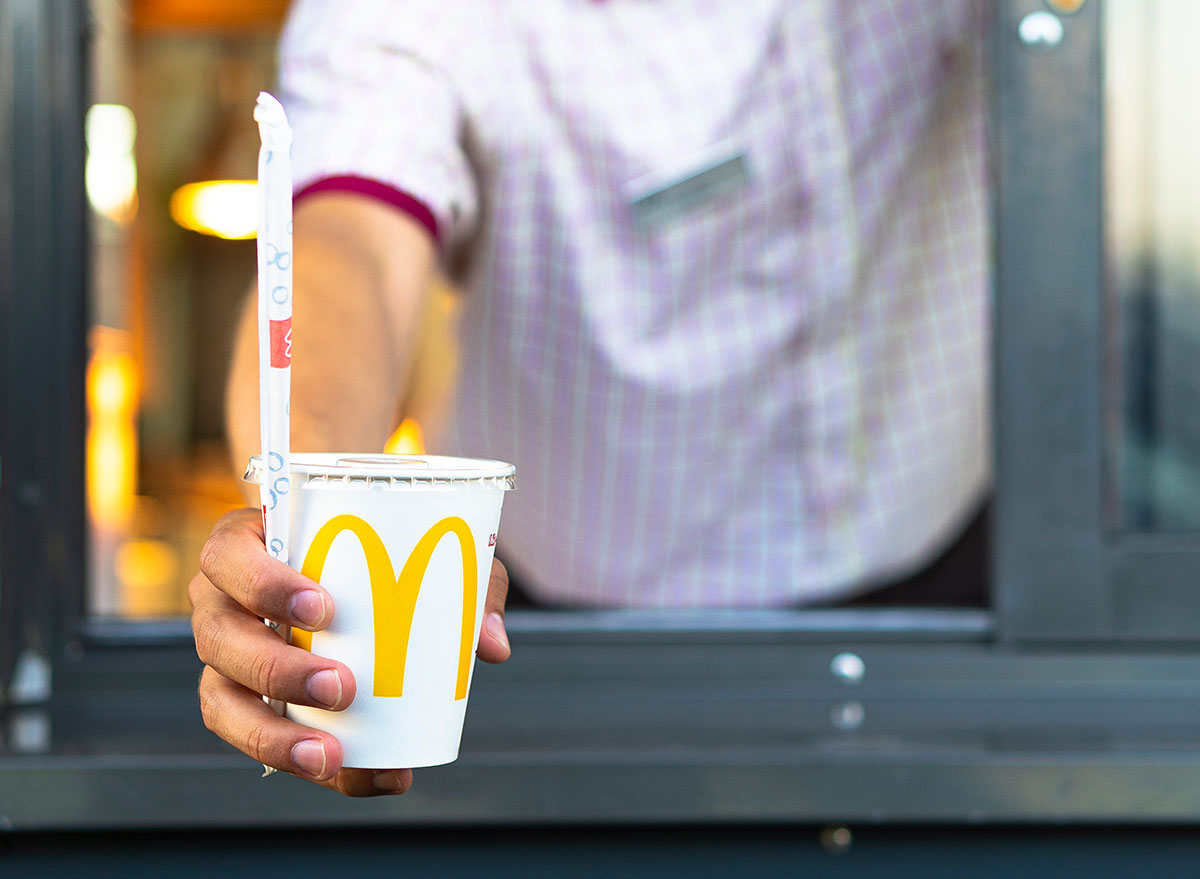
    McDonald’s Australia has confirmed that it is rolling out its own home delivery service to customers across Australia.

    Starting today, Macca’s fans in participating New South Wales restaurants can have their favorite foods sent directly to their homes when they order via the MyMacca’s app.

    The McDelivery service will be made available in more McDonald’s restaurants across the country in the coming weeks.

    “McDelivery via the MyMacca’s app is now available in participating restaurants across New South Wales, with plans to roll it out across participating restaurants nationwide over the coming weeks,” a McDonald’s spokesperson said.

    “McDelivery allows customers to place delivery orders using the MyMacca’s app, while also earning and redeeming MyMacca’s Rewards points.

    “This is part of our ongoing commitment to providing greater value, convenience and rewards for our customers.

    “McDonald’s continues to be available across other delivery services in Australia, including Uber Eats, Menulog and DoorDash.

    “Customers can check their MyMacca’s app to see if McDelivery is available at a restaurant near them.”

    More information on the nationwide McDelivery rollout will be available in the coming weeks.

  • Gojek Vietnam’s co-founder resigns

    Gojek Vietnam’s co-founder resigns

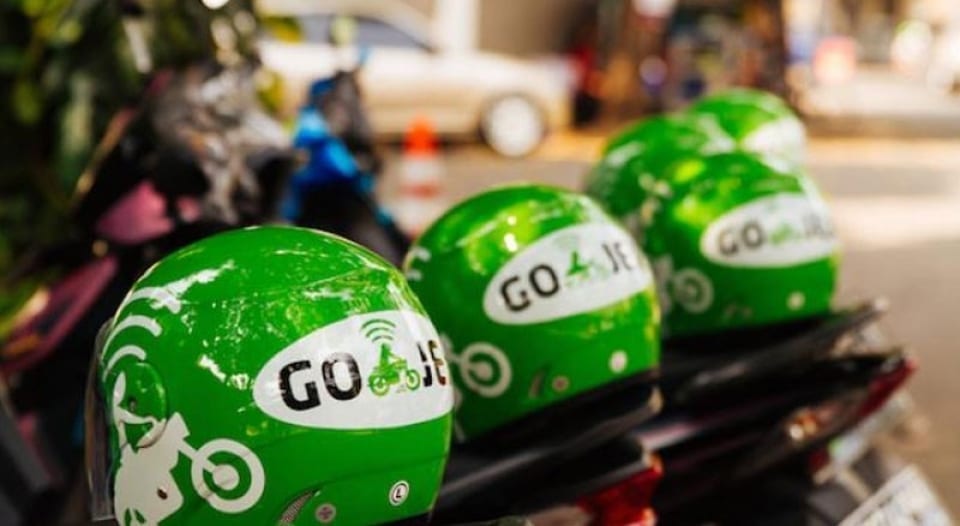
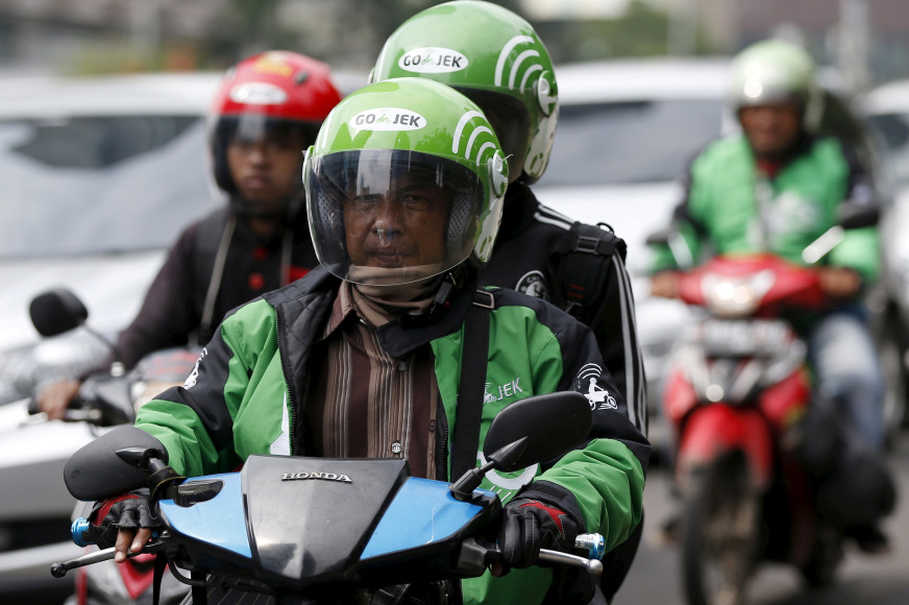
    Indonesian ride-hailing and delivery service company Gojek has named Sumit Rathor as the new GM of its Vietnam operations.

    Rathor has succeeded Tuan Duc Phung, former GM of Gojek Vietnam since 2020. According to a Gojek statement, Phung has decided to pursue other professional challenges outside the company.

    With over 20 years of experience in strategic planning, operations and finance, Rathor joined Gojek in 2019 as a regional manager for Indonesia, in charge of the Central and East Java areas.

    “Vietnam is an important market for Gojek, and we expect that our energy and acumen, along with our market experience, inherited from our previous triumphs, will enable us to maximize the market’s potential,” said Rathor.

    After entering Vietnam in 2018 under the name GoViet, Gojek Vietnam rebranded in 2020 to attract more customers and grow the business. The Indonesian company provides transportation, food delivery, and logistics services and has offices in Vietnam, Thailand, Singapore, and Indonesia.

    According to local sources, this is Gojek Vietnam’s third CEO change since its establishment.

    Last month, Grab Vietnam also appointed former MD at Grab Thailand, Alejandro Osorio, as MD at Grab Vietnam, supervising overall company operations and the development of the Vietnam business.

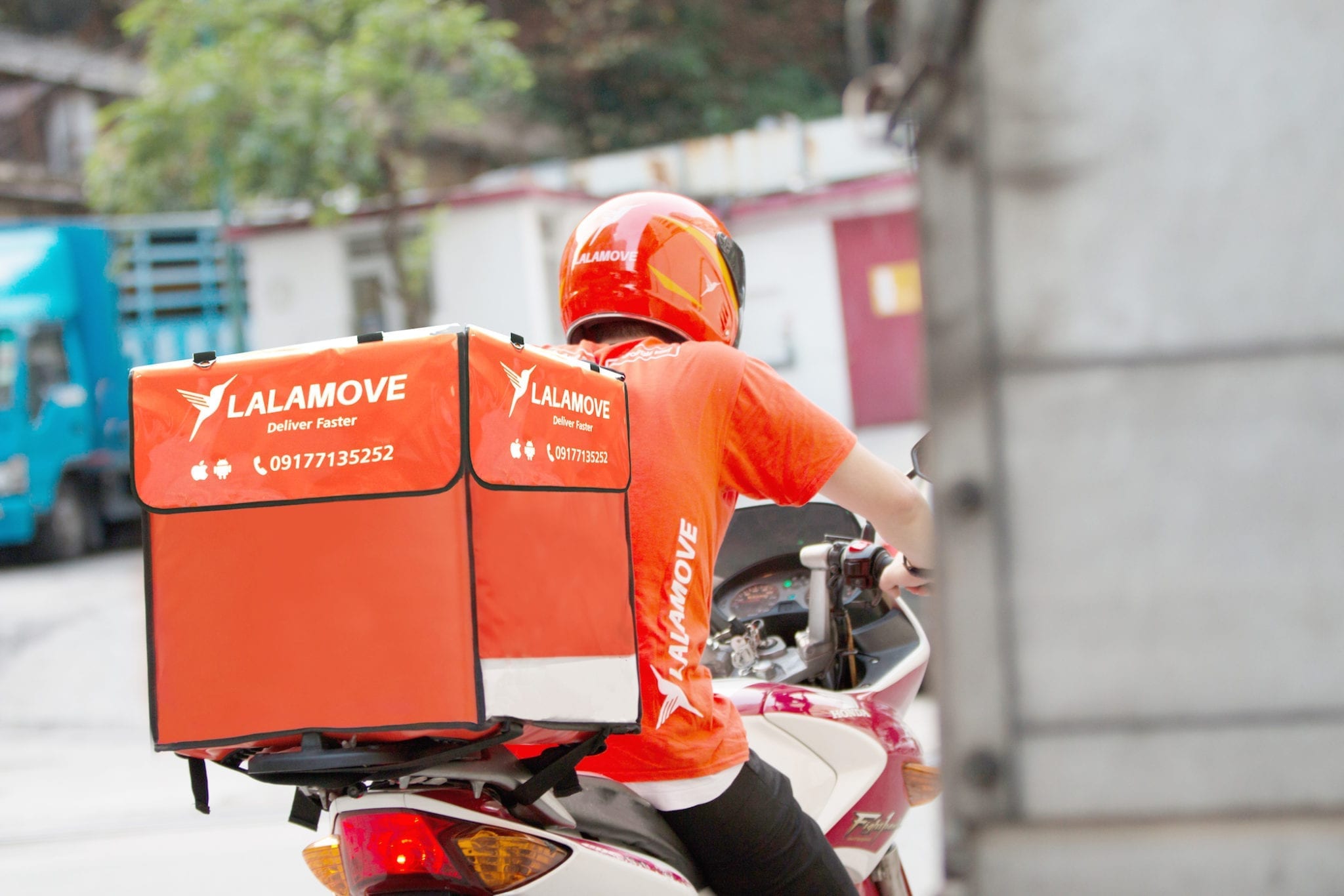
  • Hong Kong delivery platform Lalamove doubles growth in Vietnam

    Hong Kong delivery platform Lalamove doubles growth in Vietnam

    Hong Kong delivery platform Lalamove has claimed its year-on-year growth in Vietnam doubled in the first 11 months this year.

    But it has not released figures for either year. Vietnam is a key and positive market, its CEO Paul Loo said during a recent visit to the country, and his company has seen opportunities in long-distance delivery grow.

    It now covers 40 localities.

    “Inter-province delivery still accounts for a small ratio of our revenues but it is growing very fast,” Loo said.

    The e-commerce boom has also contributed to the growth, he said.

    Vietnam’s e-commerce market is estimated at $14 billion this year, up 14% from 2021, and is set to reach $32 billion in 2025, according to a report by Google, Temasek and Bain & Company.

    The report said 85% of urban residents use online delivery services. Lalamove, which operates in over 350 cities in mainland China, has a presence in 11 global markets.

    Since entering Vietnam in 2017 it has signed up over 100,000 drivers and 20,000 business partners.

    Businesses are now reluctant to invest in their own vehicles and drivers due to fear of risks amid an uncertain future, which is why they rely on delivery services to transport their products, Loo said.

    His company is investing in technology to improve the algorithm connecting vehicles and customers, he said.

    With $700 million invested in online private transportation companies in the first half of this year, the sector is believed to have high competition.

    There is great potential to increase market share as long as a company meets the needs of its customers and increases the value of its ecosystem, Loo added.

  • Why Ikea Australia is using tuk tuks for last-mile delivery Down Under

    Why Ikea Australia is using tuk tuks for last-mile delivery Down Under

    Electric Tuk Tuks are to make their debut in Australia as part of a new initiative by logistics giant ANC and retailing monolith Ikea get serious about the cleaning up of “last mile” delivery transport in Australia.

    “Last mile” refers to the final journey of cargo and parcels from distribution centre to the customer, and it is seen – because of the short distances and its operation in built up areas – as an obvious sector to target as the transport world dumps polluting fossil fuels for electric drive trains.

    In Europe, electric vans are being rolled out at pace – largely because residents and city and national governments are sick and tired of polluting trucks in their local area. Delivery times are tightly controlled, and within years it is expected that diesel and petrol vans will be banned from built up areas. They already are in some locatios.

    Australia, as with most things EV, is dragging the chain. But on Thursday, last-mile delivery specialist ANC and leasing specialist Orix announced a strategic partnership to show how fleet electrification can be achieved.

    ANC currently has ten electric vans – out of a total fleet of more than 1,100 vehicles – but wants to ramp this up rapidly, at least doubling the numbers in the next year and then again the next.

    On Thursday, it unveiled an Australian first: a specially-designed electric TukTuk manufactured by Biliti Electric in India and imported exclusively by Brisbane-based company EMoS.

    The electric three-wheelers will be used by Ikea’s Tempe store in Sydney and will feature swappable 9kWh batteries. However, they will be limited to speeds of 50km/h  due to Australian homologation rules.

    One Tuk Tuk was on display after being flown in from India, but without its battery which has to be shipped. Their drivers will need to wear helmets.

    “We’re very excited to be pioneering these new 3-wheel EVs in Australia,” says ANC CEO Joe Sofra.

    “They’re being used globally – including by IKEA – and will be launched into the US market in coming months. Initially, our two e-TukTuks – which we’ve nicknamed BUDDe – will be deployed to carry out deliveries for IKEA Australia’s Tempe store for a 3-month trial to prove concept.”

    Sofra says there is a global revolution underway as the last-mile delivery sector accelerates fleet electrification and EVs are a perfect match for the sector.

    “We didn’t want to sit idly by and wait for the perfect economic environment to accelerate our EV goals. We could miss the boast, or in this case truck, van or Tuk Tuk. We now urge other last-mile delivery providers to take up the challenge.

    “It’s just a question of how hard and fast we can go.”

    Sofra is hopeful that the deal with Ikea can trigger other big retailers and suppliers to follow suit, and is hopeful also for government to also lend its support to ease the cost of the transition. Electric trucks remain expensive, and although there is an expected “after-market” in used batteries – for homes and the grid – the monetary benefits of that remain ill defined.

    The partnership with Orix will help create a “capital light” expansion into EVs, and demonstrate that the running costs are favourable, and better than renting.

    “It’s still early days for EVs as fleet vehicles and there are still many challenges, however, partnering with like-minded organisations helps overcome barriers and creates greener, more sustainable outcomes,” says Reggie Cabal, the CEO of Orix.

    He says many companies are in a “holding pattern” as they seek to undertand the market and the technology.

    “We are helping remove the complexity for delivery professionals to adopt EVs by aligning vehicles, infrastructure, energy and optimisation into a single, practical plan for a decarbonised fleet future,” he said. “It’s important we act now.”

    Ikea is aiming for 100 per cent zero emissions delivery by 2025, and is also calling on government to provide incentives and to help with charging infrastructure.

    “We are committed to this goal and want to bring the retail sector on the journey with us,” said Mirja Viinanen, the CEO of Ikea and its chief sustainability officer.

    “So we are calling on the government to help us get there by introducing targeted incentives and charging infrastructure for last-mile delivery and logistics to boost the uptake of EVs.”  

  • DHL teams up with Coldplay to make their tour as sustainable as possible

    DHL teams up with Coldplay to make their tour as sustainable as possible

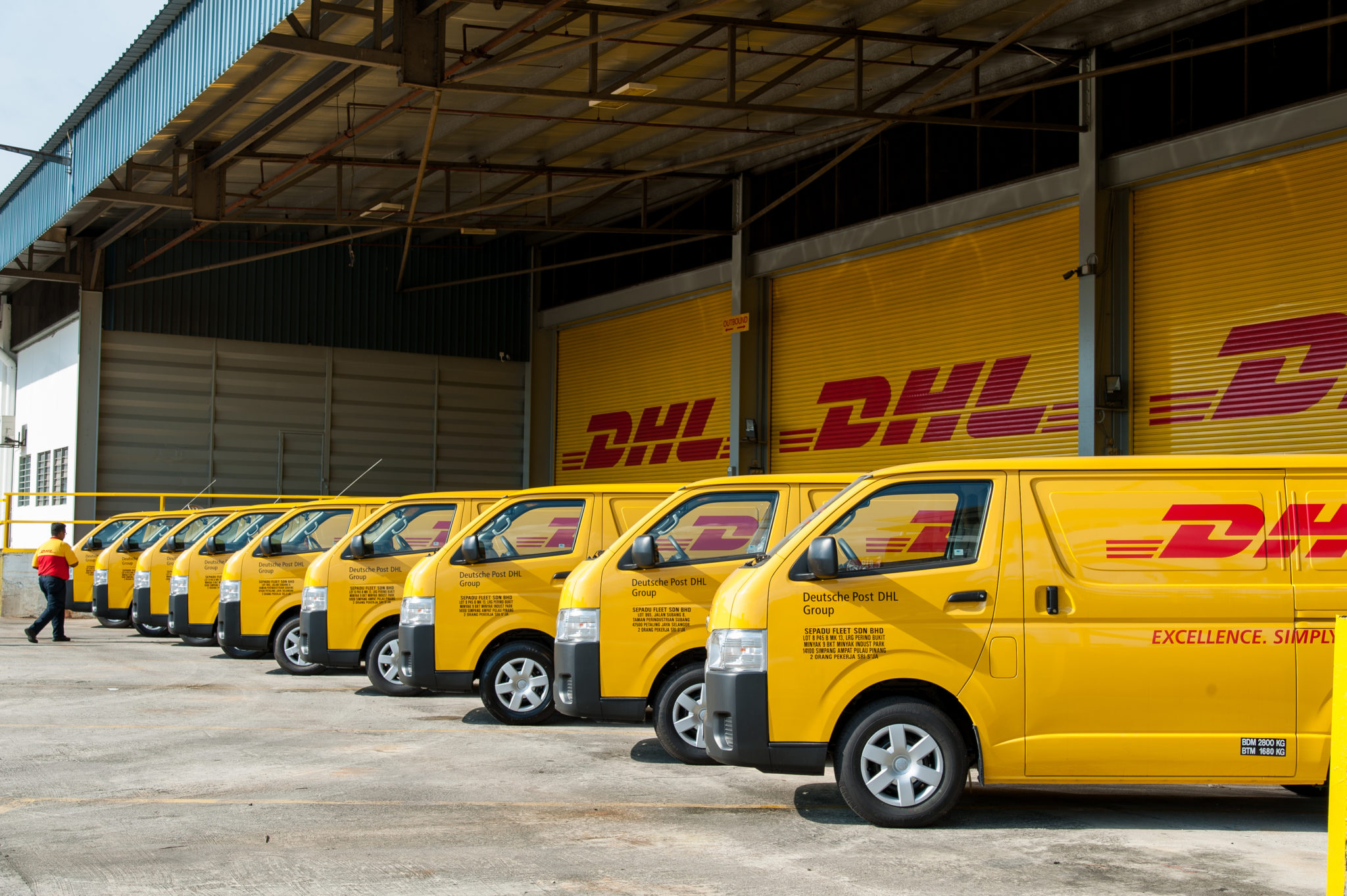
    DHL, a pioneer in the field of sustainable transport and logistics, has announced that it will support Coldplay’s efforts to reduce CO2 emissions by more than 50% during its Music of the Spheres concert tour.

    While every global music tour requires intensive preparation and complex logistics, Coldplay has added to this complexity by setting an ambitious goal to make the tour as sustainable as possible, with the support of DHL’s extensive expertise in the field.

    “As leaders in our industries, it is our responsibility to lead the change but also inspire and facilitate sustainable solutions for other businesses and brands. We feel honored and proud that Coldplay has selected DHL to embark on this journey for change,” commented Monika Schaller, Executive Vice President of Corporate Communications, Sustainability & Brand, Deutsche Post DHL Group.

    Coldplay selected DHL as its logistics partner due to the company’s extensive expertise in sustainable logistics solutions. As the world’s leading logistics provider, DHL will support Coldplay’s efforts, especially in the field of sustainable transportation, by offering multi-faceted approach to lowering CO2 emissions.

    With its GoGreen Plus Service, DHL’s customers are offered a suite of solutions for minimizing logistics-related emissions and other environmental impacts along the entire supply chain. Ocean and air freight emissions are reduced by the use of advanced biofuels. For land transportation, DHL is able to call upon an extensive fleet of electric vehicles and trucks fueled with Bio-LNG (liquified natural gas made from organic waste). The remaining part of the supply chain is made climate neutral by full lifecycle emission compensation – drawing down and offsetting any residual carbon emissions. DHL can ensure the lower CO2 emissions of their services are transparently passed onto its customers.

    DHL and Coldplay’s shared hope is that the Music of the Spheres Tour will provide lessons and best practices for other artists to build on and push the live music industry towards an ultra-low-carbon and sustainable future.

    Coldplay’s co-manager Phil Harvey stated: “When we announced this tour, we pledged to reduce primary carbon emissions by more than 50% compared to the last tour.   This can only happen with tour partners who share this vision and are willing to invest the necessary resources to make it happen.   We’re grateful to DHL for their help in minimizing our tour’s freight emissions through their expertise and investment in sustainable logistics.”

    In line with the company’s sustainability strategy to achieve net-zero emissions by 2050 (“Mission 2050”), DHL is committed to sustainable logistics solutions that will decarbonise the entire logistics sector. As part of Deutsche Post DHL Group’s mid-term sustainability roadmap for 2030, the group strives to achieve the sub-target of having at least 30 percent of fuel requirements covered by sustainable fuels. To reduce CO2 emissions in line with the Paris Climate Agreement, the Group will spend €7 billion on sustainable fuel and clean technologies by 2030.

  • FedEx and eBay Team Up to Boost APAC Businesses Through New E-commerce Offerings

    FedEx and eBay Team Up to Boost APAC Businesses Through New E-commerce Offerings

    FedEx Express, a subsidiary of FedEx and one of the world’s largest express transportation companies, announced a new alliance with eBay, a leading e-commerce marketplace platform for fast-growing and established brands worldwide. eBay sellers in the Asia Pacific region can now sign up for a FedEx account and gain access to the full spectrum of FedEx e-commerce delivery service options at competitive rates.

    Marketplace sales account for 67% of e-commerce globally, with the Asia Pacific e-commerce market expected to grow by about 14% annually, reaching US $352.68 trillion by 2030. This collaboration will help propel e-merchants – especially small business owners – amidst booming e-commerce in the region, driven by consumers’ changing behaviors toward shopping online accelerated by the pandemic.

    Through this collaboration, eBay sellers will be able to provide their customers with a more premium delivery experience powered by FedEx shipping solutions. Key benefits under the current strategic program include:

    • Competitive rates: eBay sellers will receive competitive discount rates on FedEx Express services.
    • Enhanced shipping capabilities: FedEx offers eBay sellers a wide range of services that are critical for cross-border e-commerce, including FedEx Electronic Trade Documents; FedEx Home Delivery, which now delivers seven days a week; a portfolio of flexible, simple returns options; and the FedEx Hold-at-Location which gives consumers a choice to have their packages delivered conveniently and safely to various grocery stores, pharmacies and FedEx Office locations.
    • Direct contact with FedEx: eBay sellers will get their own FedEx account to use any shipping solution from the vast portfolio that FedEx provides. Additionally, eBay sellers can contact FedEx directly for pickups and billing questions, as well as to order shipping forms or other delivery supplies, reroute packages and manage their My FedEx Rewards account.

    “E-commerce has become the new growth engine behind the APAC economy. Logistics services providers like FedEx, therefore, play a critical role in helping e-commerce businesses deliver seamless customer experiences from online to the physical world,” said Kawal Preet, president of Asia Pacific, Middle East and Africa (AMEA) at FedEx Express. “We’re thrilled about this collaboration with eBay that enables easier access to more markets through our international logistics services. By providing international shipping solutions at highly competitive rates, we are helping eBay sellers make the most out of our premium services and products as they continue expanding overseas.”

    “eBay has been driving retail export in the region and enabling our sellers to grow their business via our global marketplace,” said Jenny Hui, General Manager of Cross Border Trade, Hong Kong, Taiwan and Global Emerging Markets at eBay. “Shipping is a critical component of the cross border e-commerce ecosystem. Teaming up with FedEx, one of the world’s most well-respected e-commerce transportation and logistics carriers, gives our sellers access to a unique set of capabilities and rates, which ultimately enables them to provide their global customers with retail-standard buyer experience.”

    The collaboration reflects the latest effort in strengthening the FedEx leadership in the e-commerce ecosystem through strategic collaborations with leading marketplaces and technology providers. To date, FedEx has integrated with more than 17 marketplace providers, including BigCommerce, an open SaaS e-commerce platform, allowing hundreds of thousands of e-tailers across Asia Pacific direct access to FedEx services, using their FedEx account number, to manage shipments and grow their cross-border e-commerce business.

  • Woolworths launches rapid delivery app Metro60

    Woolworths launches rapid delivery app Metro60

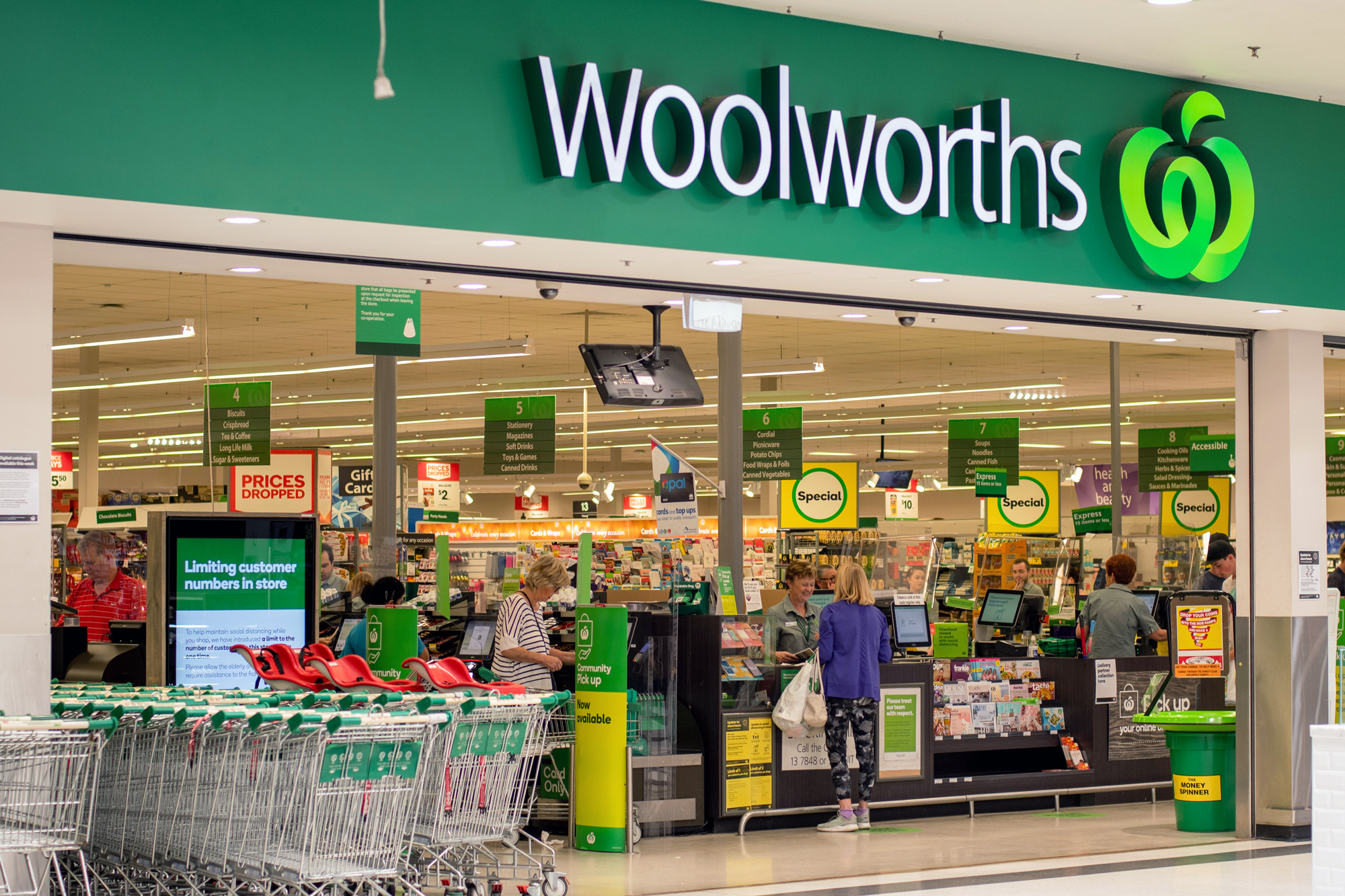
    Woolworths has launched a new app that promises groceries door-to-door within an hour for a $5 fee in a move that poses a huge challenge for a crop of start-ups that offer a similar service but a boon for consumers who have grown used to speedy deliveries during the pandemic.

    The app, Metro60, launched this week in 11 eastern Sydney suburbs, including Bondi, Vaucluse and Rose Bay, to little fanfare. The supermarket giant plans to roll it out in hundreds more neighbourhoods across NSW and other states in coming months as it fights for market share in the $100 billion-a-year sector during an economic downturn.

    About 4000 products from fresh produce to cleaning supplies will be available from Woolworths’ small format Metro stores via Uber couriers. The first three deliveries are free, with a $5 delivery fee and $20 minimum order thereafter.

    Woolworths’ chief transformation office, Von Ingram, described Metro60 as a way for customers to quickly get last-minute snacks, ingredients or meals.

    “Our busy customers are already familiar with the convenience a Woolworths Metro provides when
    they’re on the go, and we see Metro60 as an opportunity to offer a new level of ultra convenience and help customers save even more time,” Ingram said.

    Woolworths’ move follows a string of start-ups in Australia that sprung up last year offering supermarket deliveries in 10 or 15 minutes, including Milkrun, Voly and Send.

    Send collapsed in May while The Sydney Morning Herald and The Age revealed Voly had cut staff and stores earlier this month amid a technology downturn that has made it harder for start-ups to raise money.

    But Woolworths poses an even greater challenge for the two surviving firms. Even compared to Milkrun, which has announced capital raises totalling $86 million, Woolworths is a financial colossus with a market capitalisation of more than $42 billion, an established supply chain and a huge store network across the country.

    Its partnership with Uber means it will likely save on labour costs too because the gig economy company uses contractors who have flexible working arrangements and are paid per job rather than a minimum hourly wage.

    Milkrun and Voly use employees and offer faster delivery times, with Milkrun in particular also displaying a particular flair for branding, such as wrapping vehicles in its eye-catching blue and white logo.

    Metro60’s launch comes at a hard time for the retail sector, which is dealing with shortages of vegetables such as lettuce and suppliers demanding price rises to cover the increased cost of things like fuel, power and fertiliser.

    The Reserve Bank of Australia, charged with controlling inflation, has also been trying to convince consumers to cut back their discretionary spending by increasing interest rates.

    Woolworths currently offers deliveries for fees ranging from nothing to $15, depending on the time frame, using a range of couriers that includes Uber for some of its fastest services.

    Last year it announced a partnership with Uber Eats to offer about 1200 products at Woolworths Metros on the US giant’s app.

    Coles has a partnership with another gig economy delivery company, DoorDash.

  • Uber, BP partner in global grocery delivery partnership

    Uber, BP partner in global grocery delivery partnership

    Convenience giant bp is teaming with Uber Technologies on a new global strategic convenience delivery partnership, extending their existing local arrangements to reach more consumers across the world, the companies announced Tuesday. Together, bp and Uber Eats will offer an extensive range of quality convenience products, including fresh and prepared foods, from select retail locations in parts of the United States and globally.

    bp is the first convenience retailer to team up with Uber Eats on a global level and aims to have more than 3,000 retail locations available on the delivery platform over the next three years. The partnership supports bp’s goal of growing its access to customers and expanding its delivery footprint, in response to soaring demand for food, groceries, and everyday essentials brought to the door.

    The new partnership covers retail sites on the West Coast of the United States as well as Australia, New Zealand, Poland, and South Africa. Sites in the eastern United States and UK will be added to the app for the first time this year, with plans to launch in other European markets beginning in 2023.

    “We’re thrilled to team up with Uber Eats globally giving us the opportunity to reach many more consumers online in addition to those who currently visit our retail sites,” said Emma Delaney, executive vice president of customers & products for London-based bp. “We’ve seen how the pandemic has accelerated customer demand for delivered convenience and this partnership will allow us to scale up quickly on the Uber platform. And for the first time, we will be able to offer delivery options to existing customers on our own BPme app by the end of 2023.”

    With 20,500 bp retail sites across the world and 550 million customers living within 20 minutes of a bp retail site, bp and Uber see enormous opportunities for growth. bp sites offer a range of products tailored to local markets that include hot and cold drinks, prepared food options, grocery staples, fresh produce, as well as wine, beer, and flowers.

    As part of the agreement, Uber Eats and bp will work to introduce delivery options onto bp’s own app, BPme — initially planned to be available in the U.S., UK, and Australia by the end of 2023 — powered by Uber Direct. This new offer will allow bp to directly connect its customers to delivery riders, making Uber Eats the select partner in fulfilling these orders. Since 2019, bp has seen a three-fold increase in users of the BPme app, with 16 million active loyalty users worldwide.

    In the U.S., Uber Eats will be made available to bp’s network of independently owned retail locations with the goal of making it easy for these partners to sign up to the Uber Eats platform and access benefits based on bp’s scale.

    “With more than 20,500 locations around the world, bp’s reach is enormous — making them critical partners as we pursue our ambitions of helping consumers across the world get what they need delivered to their doorsteps,” said Pierre Dimitri Gore-Coty, Uber’s senior vice president of global delivery. “We are proud to support this next phase of the company’s convenience growth through this delivery partnership and look forward to deeper collaboration in the future.”

    bp and Uber already work together in mobility with bp providing electric vehicle charging for Uber’s ride-hail drivers. The companies will explore other areas for future cooperation in convenience, including opportunities to utilize low carbon delivery methods to fulfill orders from bp sites.

    The bp partnership falls in line with Uber Eats’ plans to add more grocery delivery options. Since launching grocery delivery in July 2020, Uber has seen consistent growth in the U.S. for the category. The San Francisco-based tech company partnered with Southeastern Grocers, operator of Winn-Dixie and Fresco y Más stores, in September 2020, and last summer expanded its home delivery reach with the addition of 1,200 Albertsons Cos. stores, began a pilot program with Costco in Texas, expanded on-demand delivery to pharmacy chains Walgreens and Rite Aid and partnered with the Smart & Final grocery warehouse chain in January of this year.

  • KFC Australia pilots drone-delivery service in Queensland

    KFC Australia pilots drone-delivery service in Queensland

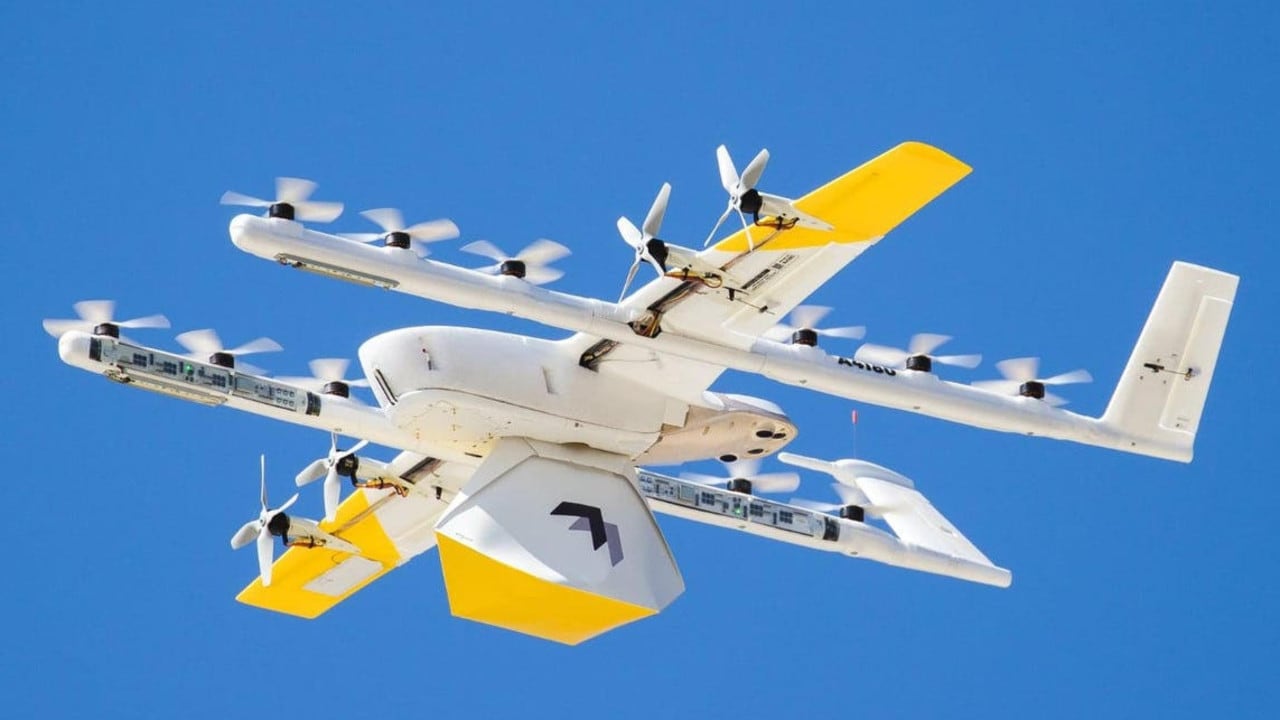
    In an Australian-first, KFC has enlisted a drone delivery company to bring Zingers and other fried faves to homes and workplaces in the Logan area between Brisbane and the Gold Coast.

    Wing, owned by Google parent Alphabet, launched in Canberra in 2019 in a world-first, and in Logan the following year.

    Since then, suburbs within a 10km radius have been having burgers, groceries, pharmacy items, hardware products, coffee and other products zoomed in via 5kg styrofoam drones that can carry up to 1.5kg.

    Under a pilot program kicking off on Friday, the world’s most famous fried chicken brand will initially be available to a small number of households in the South East Queensland suburbs of Kingston, Logan Central, Slacks Creek, Underwood, and Woodridge.

    The service will gradually expand to include other nearby locations, Wing says, dubbing Logan “the drone delivery capital of the world”.

    “You know the future truly is here when you can get hot, fresh Kentucky Fried Chicken delivered by a drone from the click of a few buttons,” KFC Australia chief marketing officer Kristi Woolrych said.

    Wing says the number of deliveries rocketed last year as the pandemic raged on and strong demand has continued in 2022.

    Earlier this week, spokesman Jesse Suskin said the company was planning expansion in Australia.

    “We’ll be in more places in southeast Queensland. We’ve submitted for those permissions from our regulators,” Mr. Suskin said.

    “For other states, we’re actively starting to have those conversations right now.”

  • HungryPanda acquires Easi to strengthen Asian food delivery

    HungryPanda acquires Easi to strengthen Asian food delivery

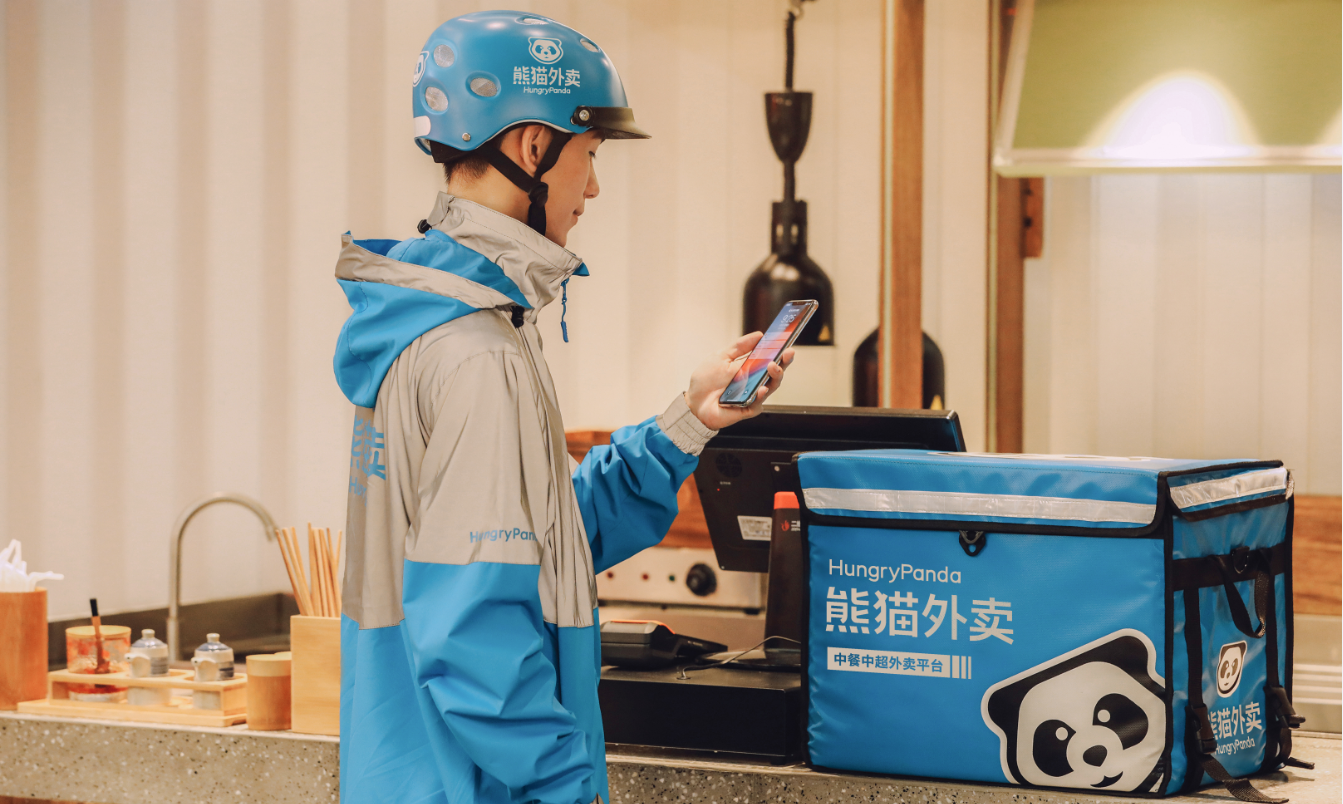
    HungryPanda, the global leader in Asian food delivery, is today pleased to announce that it has acquired Australian food delivery platform EASI and New Zealand Asian food delivery platform BUY@HOME.

    These two transactions will help HungryPanda improve its local operations, empower restaurants to achieve greater business success, and improve consumer experience by widening their choice of authentic Asian restaurants. Coming on the back of HungryPanda’s successful US$130m fundraising in December 2021, these transactions now position the business strongly to capture the huge overseas Asian food delivery market globally.

    Founded in 2017, HungryPanda has become the largest overseas Asian food delivery platform in ten countries, including the US, UK, and Australia, operating across more than sixty cities. With these transactions HungryPanda is now the Asian food delivery leader in Australia and New Zealand, bringing the greatest choice of authentic Asian food to customers in all the major cities.

    Founder and CEO of HungryPanda, Kelu Liu said: “These acquisitions are an important milestone for HungryPanda in continuing to build the leading overseas Asian food delivery platform. By combining our world-class technology and delivery network with the wider coverage of restaurants we can now offer consumers, I am hugely excited about the future potential for our business in these important markets.”

    Kitty Lu, National Operations Manager at EASI, explained, “This is a strategic alliance that will increase our effectiveness and reach in a busy marketplace, both regionally and internationally. EASI has been growing nationally at a rapid pace since our launch in Australia and internationally and we are excited by the potential we can achieve working with Eric and the team at HungryPanda.”

    Mr. Liu continued “Improving the local Asian food delivery service is only the first step for us. We are dedicated to introducing a complete Asian fresh food and grocery delivery service, and adding local merchants’ activities and targeted discounts for our consumers with our aim to establish a comprehensive one-stop lifestyle service for overseas Chinese and local residents who have an interest in Asian food culture.”

  • Gojek drives car service into Hanoi

    Gojek drives car service into Hanoi

    Ride-haling platform Gojek has launched its GoCar Protect service in Hanoi a month after introducing it in HCMC.

    The Indonesia-headquartered company guarantees that all its drivers have got two doses of Covid-19 vaccines and all cars are equipped with an air purifier and a transparent protective shield to separate drivers and passengers.

    Drivers must take a selfie to prove they have a mask on at the start of the day.

    Gojek Vietnam general manager Duc Phung called the launch in HCMC a success after seeing a “multifold increase” in the number of bookings.

    “The risk of infection continues to be our users’ top concern when considering mobility options,” and that this is why the company continues to adopt stringent safety practices, he said.

    The launch adds a third car ride-hailing option in Hanoi after GrabCar and beCar.

    Gojek, which entered Vietnam in 2018, introduced its car services much later than its competitors, who have been at it for years.

    Ride-hailing and food delivery revenues rose by 35 percent in 2021 to $2.4 billion, according to a report by Google, Temasek and Bain & Company.

  • Gojek Vietnam GM reveals ambitions after launch of car service

    Gojek Vietnam GM reveals ambitions after launch of car service

    Launched amid the Covid-19 pandemic, GoCar is one of two big products Gojek planned to introduce this year to complete its golden triangle in Vietnam, including transportation, food delivery and payment.

    Phung Tuan Duc, Gojek Vietnam GM shared stories behind the launch of car service during the Nguy – Co talk show hosted by Thai Van Linh.

  • Singaporean logistics unicorn eyes Vietnam as key expansion market

    Singaporean logistics unicorn eyes Vietnam as key expansion market

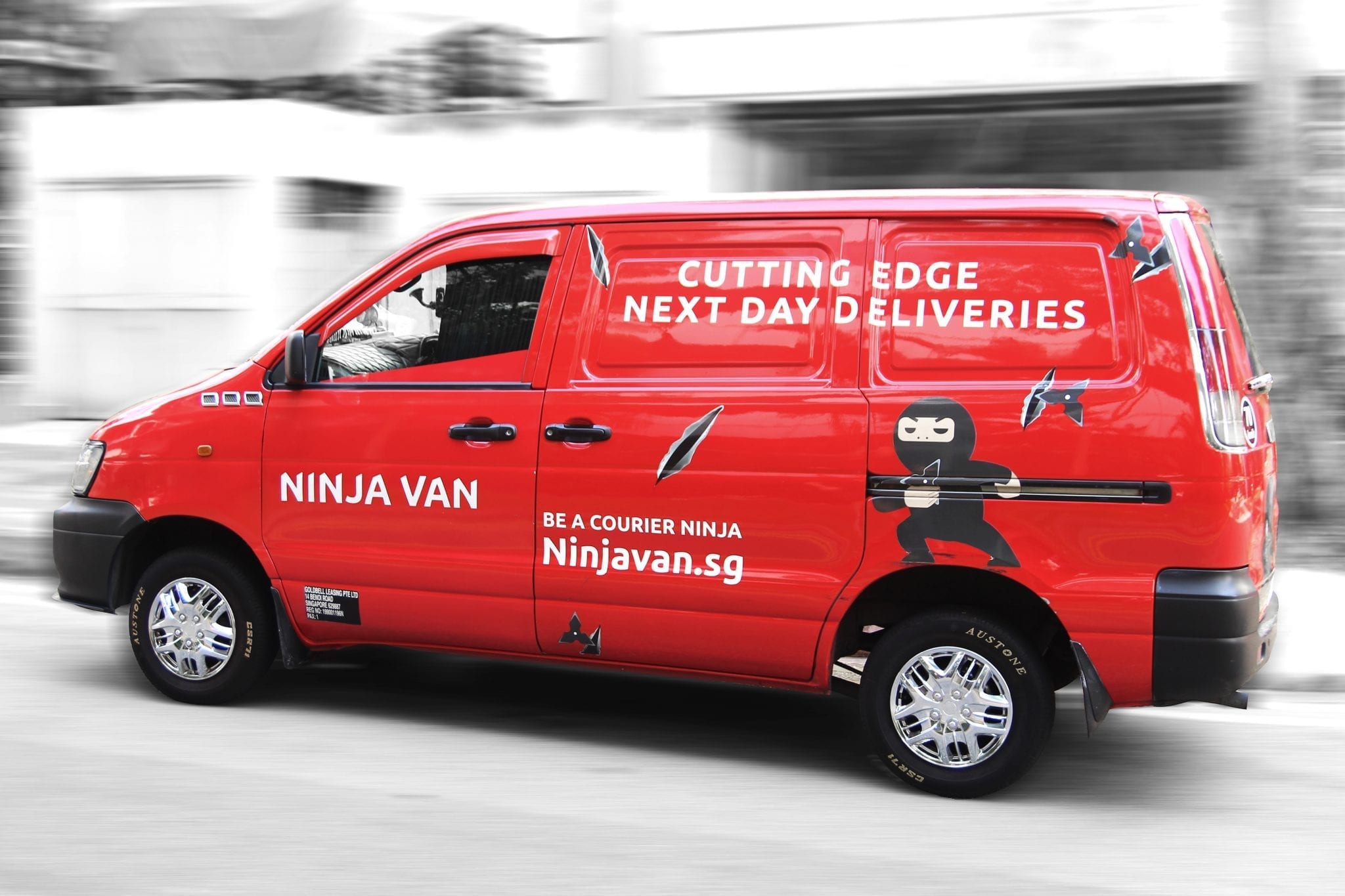
    Ninja Van, a Singaporean logistics startup and new ASEAN unicorn, is set to drive a broad strategy in Vietnam to benefit from the country’s strong e-logistics market growth.

    After successfully raising $578 million in Series E funding, Ninja Van has officially become an ASEAN “unicorn,”.Dzung Phan, president of Ninja Van, said while revealing the startup’s expansion plans for Vietnam and his assessment of its e-logistics market.

    Why did Ninja Van choose Vietnam as a key investment market?

    We believe Vietnam is ready for a new phase of growth in e-logistics. According to Agility, Vietnam ranks 8th among the top world’s fastest-growing logistics markets and 3rd among ASEAN in 2021. Vietnam E-commerce Association (VECOM) also stated the number of postal parcels sent through express delivery services shot up by 47 percent last year.

    Also, e-logistics is strongly driven by the rapid growth of e-commerce. Vietnam’s e-commerce market expanded an average of 30 percent per annum during the period 2016-2019, from $4 billion (2015) to $11.5 billion (2019). According to VECOM, the market will grow at 29 percent annually in 2020-2025, to reach $52 billion (2025).

    The strong potential of Vietnam’s e-logistics market is a good foundation for our ambitious plan. A market with 600,000 sellers and 49.3 million buyers across e-commerce platforms and social networks will generate significant demand for logistics.

    Leading a new unicorn in the e-logistics industry, how do you assess its competitive advantage in Vietnam?

    The domestic e-logistics market is competitive with several “deep pocket” players. The market comprises three main segments: local shipping companies, international shipping companies, and e-commerce platforms with their own in-house shipping ecosystems.

    Domestic enterprises only account for 20 percent of the logistics market share; the remaining 80 percent belongs to international firms with strengths in capital, technology, and experience. Local firms may be backed by international groups, including GHTK by Kerry and AhaMove by Temasek.

    Although the e-logistics market is vibrant, its growth potential is not fully invested in. A survey showed that 60 percent of sellers and 80 percent of buyers are not satisfied with the current quality of express delivery services. Buyers are frustrated by late delivery or the inability to track the flow, while sellers expect more parcels to be delivered.

    Is pricing a major competitive edge in the current e-logistics market?

    Except for the inhouse shipping units of e-commerce platforms, domestic and international players are using price competitiveness to acquire customers quickly. Whenever there is a “newcomer”, delivery costs will drop significantly to maintain the market share and retain customers. Notable discounts were given at the entry of J&T in 2018 and Best in 2020.

    The average shipping price in the Vietnam market fell continuously by 15-20 percent per year from 2017 to 2020. The trend has a negative impact on smaller domestic players, for example, GNN in 2017 suffered a sharp drop in revenue that led to its liquidation. Even international players without strong financial support cannot survive this market, with DHL e-commerce ceasing operations in Vietnam during 2021.

    How does Ninja Van improve the customer experience? Ninja Van focuses on providing a quality and authentic service experience to customers, rather than on pricing alone. Parcel tracking and recovery services for lost or damaged parcels need to be improved.

    Given a tech-enabled personalization of the customer experience, Ninja Van’s nationwide personal delivery service on the Grab app has stepped up during the Covid-19 pandemic. Additionally, we are strengthening our partnership with e-commerce giants including Shopee, Lazada, Tiki, and Sendo.

    With more than 300,000 orders per day, Ninja Van is among the top three partners on all major platforms in Vietnam. These collaborations brought Ninja Van into the top growth 15 companies in the Asia-Pacific region in 2021 as reported by Financial Times.

    To gain trust, we do all possible to help our customers succeed, such as ensuring timely pickup, prompt delivery without loss. In addition, we understand that our partners are working at a large scale, so we do our utmost to optimize our cost structure and provide an attractive rate.

    As a result, we became the most active provider by offering various value-added services, such as return pickup to Lazada, bulky and super bulky delivery for Tiki, or installation services for Shopee.

    With an additional $578 million in Series E, what is the level of ambition in terms of your expansion strategy?

    – Ninja Van is committed to driving a broad strategy in Vietnam in particular and in ASEAN in general. This strategy will cover all three sectors: operations, technical systems, ecosystems for small and retail customers.

    Specifically, Ninja Van will increase its coverage in 63 cities and provinces to reach 100 percent of the Vietnamese population. We will also prepare an automatic sorting system with a capacity of two million packages at five major cities to increase delivery speed.

    We will build and improve web and mobile application platforms to enhance customer experience. We seek to enable both sellers and buyers to track parcels and make inquiries in real-time.

    Notably, we will broaden our cross-border delivery with two new services: Ninja Direct, which helps Vietnamese sellers look for better sourcing with better rates in multiple countries; and Ninja Crossborder, which helps Vietnamese manufacturers reach out to buyers all over the world.

    Moreover, we will complete business activities for the fourth quarter of 2021. For example, based on our big data analytics, we have opened training courses to detect anomalies and outliers to provide timely resolutions for all customers. In 2020, we created 40 different training modules for our shippers and warehouse staff to avoid recalcitrant buyer behavior on COD free delivery services.

    Ninja Van will launch a promotional campaign in Vietnam “Giao thong suot, Nhan ven nguyen” (Smooth delivery, Parcel intact) to support sellers in the fourth quarter. With all staff vaccinated against Covid-19, Ninja Van will maintain its service delivery price during the pandemic to support hard-hit customers.