Retail News CRM

Tag: delivery

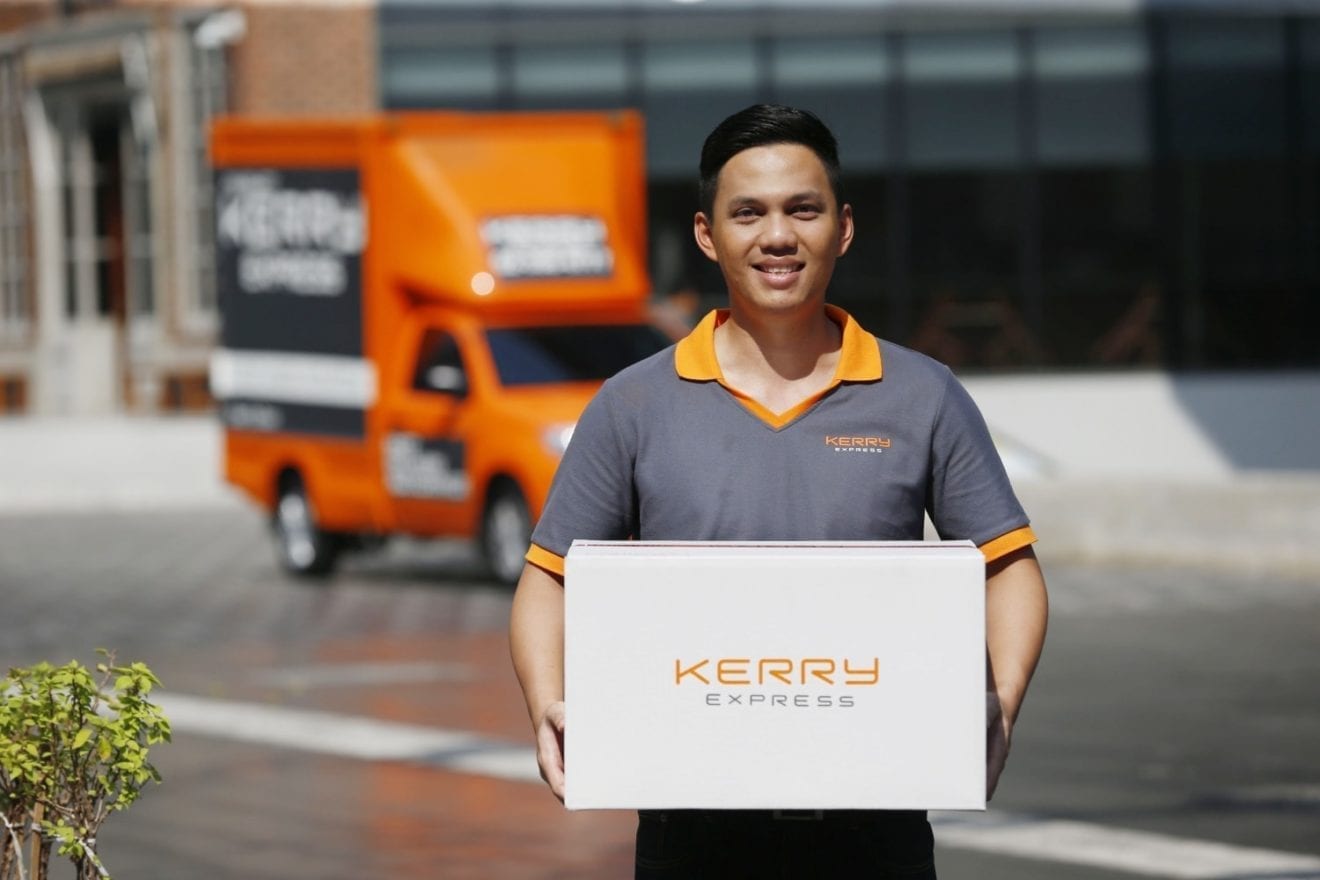
  • Kerry Logistics Appoints New Managing Director

    Kerry Logistics Appoints New Managing Director

    Kerry Logistics Network Limited has appointed Daniel Hegwein as the new Managing Director for Belgium and the Netherlands.

    Effective immediately, Hegwein will oversee the company’s activities in the Benelux region from the Kerry Logistics office at Brussels Airport in Zavantem.

    Hegwein has more than 30 years of experience in the logistics sector, having previously worked for a number of international logistics providers in Hong Kong, Germany, Australia, Switzerland, Taiwan and most recently Belgium.

    The main business fields for Kerry Logistics in Belgium and the Netherlands are air and ocean freight logistics as well as warehousing services and fiscal representation.

    As the Managing Director for both countries, Hegwein will focus on streamlining the operations and sales activities for Kerry Logistics in the Benelux region.

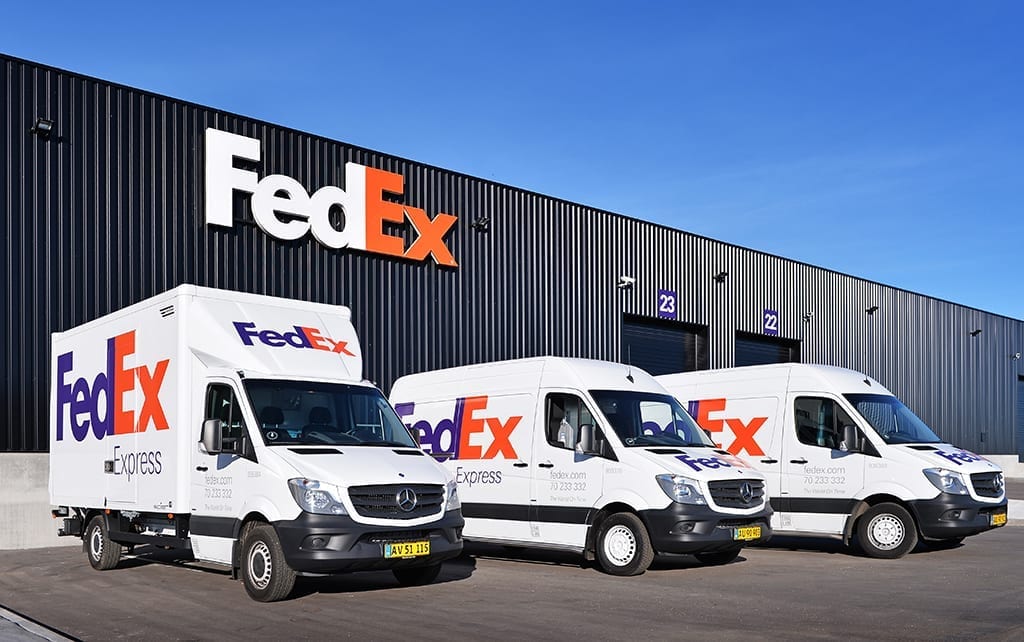
  • FedEx Acquires TNT Express

    FedEx Acquires TNT Express

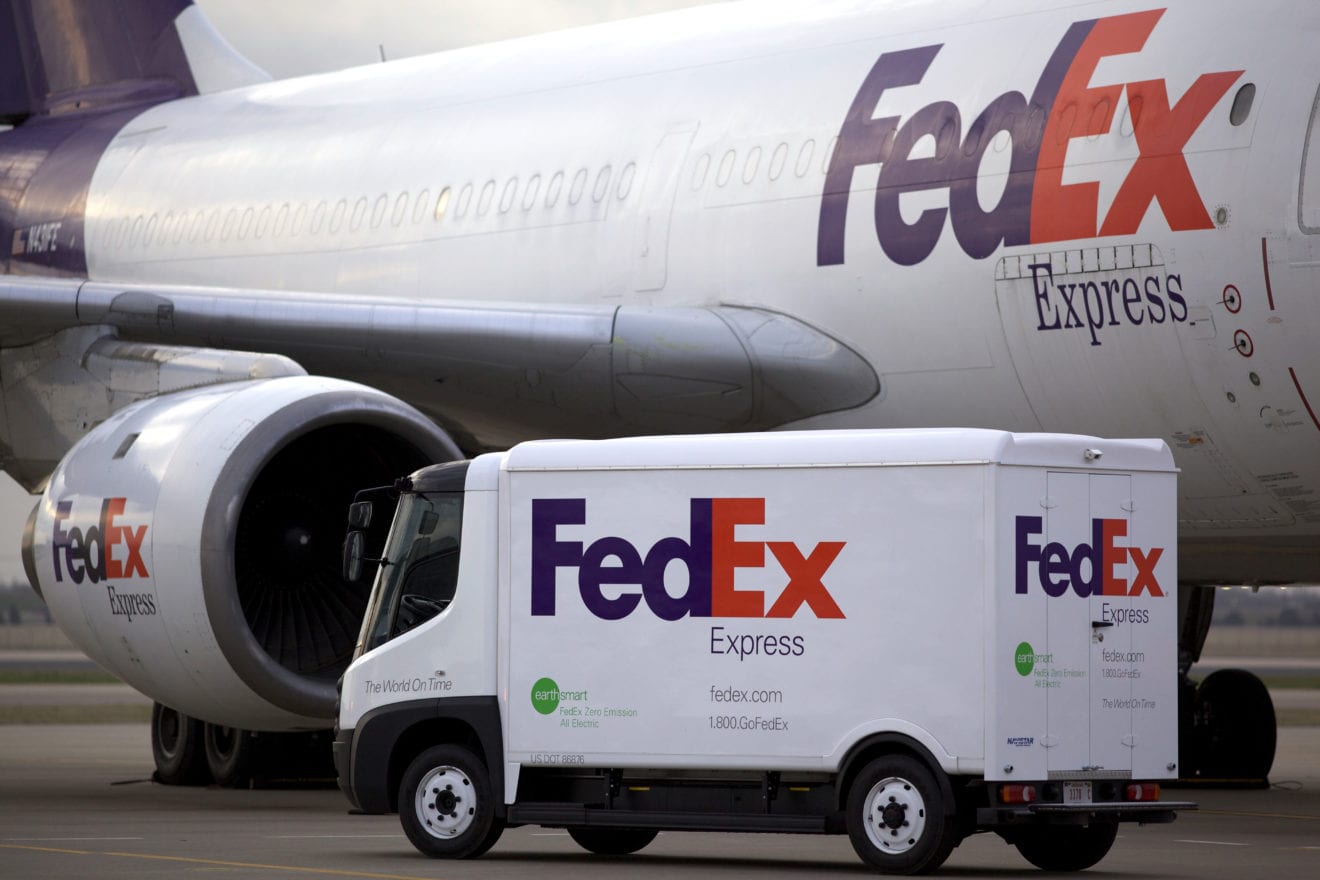
    FedEx Corporation, FedEx Acquisition B.V. and TNT Express N.V. have jointly announced that FedEx has acquired TNT Express. The €4.4 billion acquisition combines the strengths of the companies – the world’s largest air express network and an unparalleled European road network, which will expand the existing FedEx portfolio and reshape the global transportation and logistics industry.

    “This acquisition is a significant accomplishment and marks the beginning of a new era, filled with promise for our people, customers and shareowners,” said Frederick W. Smith, Chairman and CEO of FedEx. “We are proud to celebrate the joining of two iconic companies and the approximately 400,000 team members who are committed to serving customers around the world.”

    “The timing of this historic event is important, particularly in the current market environment where global e-commerce is growing at double-digit rates,” Smith added. “Adding TNT’s capabilities to our existing world-class suite of services, including GENCO and the recently re-launched FedEx CrossBorder, will further expand the ability of FedEx to support business connections around the world.”

    “Over our 43 year history, FedEx has repeatedly reinvented and revolutionized the industry, from the first overnight express service backed by a money-back guarantee to the invention of internet shipping. And just as we revolutionised the U.S. domestic parcel business through the acquisition and development of what is now FedEx Ground, the acquisition of TNT will change the way customers view FedEx around the world,” Smith continued.

    “We believe that this strategic acquisition will add significant value for FedEx shareowners, team members and customers around the globe, particularly in Europe where we will establish a strong new competitor,” said Alan B. Graf, Jr., FedEx Executive Vice President and Chief Financial Officer. “The TNT team members bring 70 years of diverse experience, which combined with that of FedEx team members, will make this integration a success.”

    Now that FedEx has acquired TNT Express, the integration process will begin immediately. The FedEx track record of successful acquisition integrations in the U.S. and globally will serve the combined companies well to leverage investments in technology, infrastructure, facilities and operational capabilities to position the combined companies for long-term growth and success.

    In the near term, customers can expect to interact with each company as they always have and receive the world-class service they have come to expect. Once the integration is complete, FedEx expects customers to enjoy an expanded global offering that draws upon the breadth of expertise from both companies.

  • Lalamove delivers good luck during Chinese New Year

    Lalamove delivers good luck during Chinese New Year

    Hong Kong based logistics app provider, lalamove is going bananas over the Year of the Monkey with delivery discounts for new and existing customers in Thailand. The number eight symbolizes good luck and prosperity in Chinese culture and lalamove is bringing eight days of delivery discounts leading up to Chinese New Year.

    From today, Monday, February 1st until Monday, 8th February, 2016, inclusive, first-time lalamove customers are being gifted with a good-fortune THB 88 discount off their first delivery fee.

    To claim their Chinese New Year gift, newbie customers simply download the free android and iOS app and enter the promo code: CNY88 while making the booking.

    Loyalty is being rewarded by lalamove too, with free credit for lucky customers who already use the 24-7 delivery service. The first 100 lalamove customers who request eight deliveries in one day, during the promotion period, will be gifted with a THB 200 delivery credit for that day.

    2653554c-6a5b-4849-a5e2-727f2137dbe6

    The reliable Bangkok-wide express courier and delivery service is expecting greater demand over the Chinese festive period and its fleet is ready for a prosperous new year. Businesses and individuals find lalamove services an ideal way to send special gifts to corporate customers and partners, as well as good wishes, wealth and happiness for the future to family and friends during the week-long Chinese New Year celebrations.

  • Restaurant delivery startup foodora launched in Hong Kong

    Restaurant delivery startup foodora launched in Hong Kong

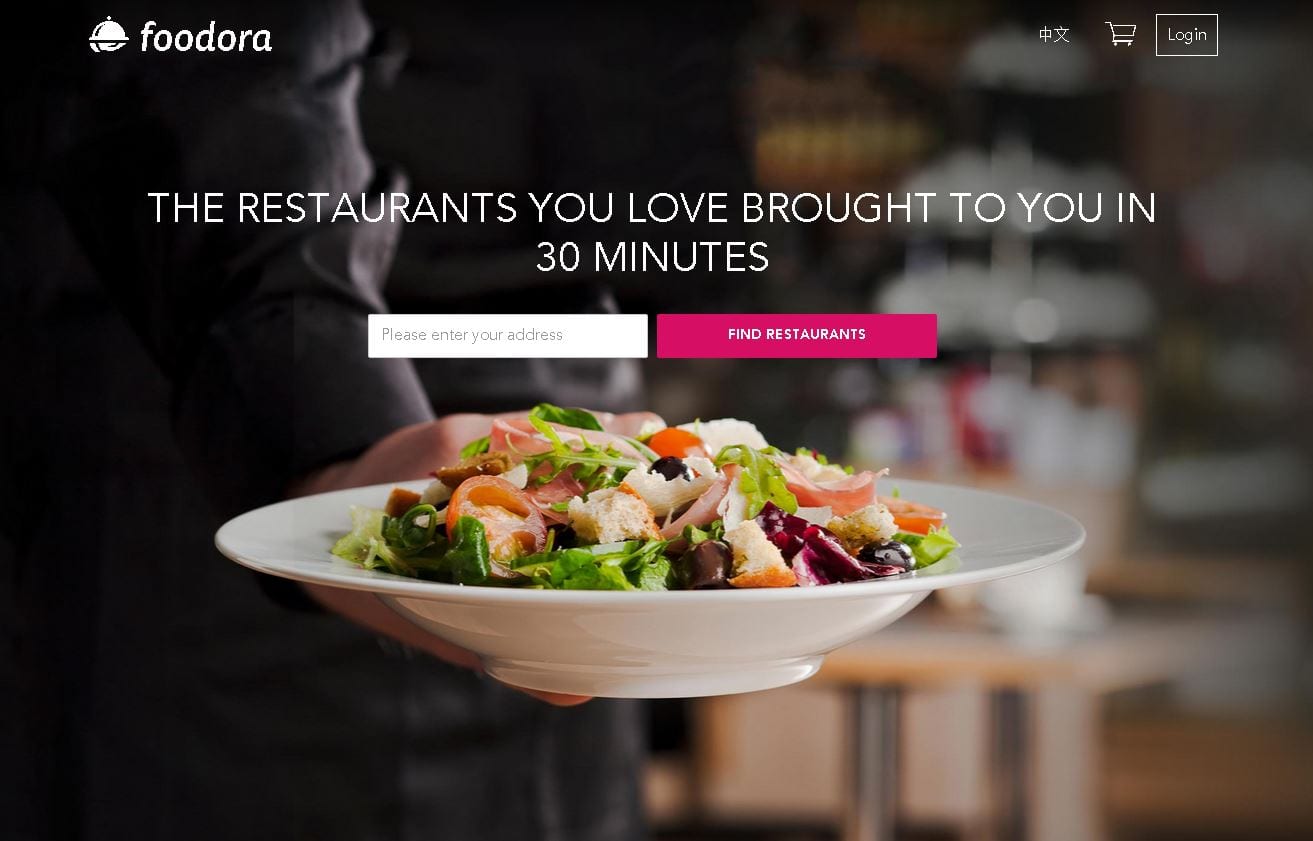
    Berlin-based premium-restaurant delivery service foodora is expanding to Hong Kong.

    The startup offers an alternative to traditional takeaway options and employs an advanced logistics algorithm to ensure that food maintains its high quality and arrives at the customer’s doorstep or office, on average, within 30-minutes.

    Founded less than one-year ago, foodora has set itself apart from traditional delivery services by working only with high-end and trendy restaurants such as Dragon-i, Iberico, Check-In Taipei, The Boss and Le Port Parfume. Exclusive delivery contracts with no-reservation restaurants such as Little Bao will offer Kongers an alternative to waiting in a queue for trendy eats. 

    Behind the scenes, foodora’s proprietary logistics system determines the optimal route between restaurants and customers to help drivers navigate the dense traffic of Hong Kong.

    “Hong Kong is one of the world’s great global cities and as such should have access to world-class food delivery services. foodora wants to introduce a new benchmark of reliability, speed, and quality, bringing Hong Kongers what other markets already enjoy,” said Mat Podesta, CEO of foodora Hong Kong, remarks: “Hong Kong is one of the world’s great global cities and as such should have access to world-class food delivery services. foodora wants to introduce a new benchmark of reliability, speed, and quality, bringing Hong Kongers what other markets already enjoy.”

    foodora Hong Kong currently delivers to Central and Sheung Wan and plans to expand their delivery area to TST, Wan Chai, and Causeway Bay with 400 restaurants by the end of 2015.

  • FedEx sees record holiday shipments on rising retail

    FedEx sees record holiday shipments on rising retail

    Package delivery company FedEx Corp said on Monday that it expects to see a record number of shipments during this year’s busy holiday season, driven by rising retail sales and a jump in ecommerce.

    The Memphis-based company said it expects to handle 317 million shipments between Black Friday, traditionally the busiest U.S. shopping day of the year, and Christmas Eve, an increase of 12.4 percent over the previous year.

    “Each year we face a challenge that’s greater and that’s driven by ecommerce,” Patrick Fitzgerald, FedEx senior vice president for integrated marketing and communications told Reuters. “We’ve learned that planning and preparation is key.”

    The National Retail Federation has predicted retail sales in November and December – excluding automobiles, fuel and restaurant sales – will increase 3.7 percent to US$630.5 billion after a 4.1 percent increase last year. The NRF said online retail sales could increase up to 8 percent, to as much as US$105 billion.

    FedEx said that it expects to see three spikes in package volumes during peak season, on Cyber Monday and the first two Mondays in December. The company said its holiday projections are included in its full-year fiscal 2016 earnings guidance of between US$10.40 and US$10.90 per share.

    The rapid rise of ecommerce poses challenges for retailers and package delivery companies alike. In 2013 bad weather and a late surge in online retail packages caught FedEx and main rival United Parcel Service Inc off guard, leaving an estimated 2 million packages undelivered on Christmas Eve, the majority in UPS’ network.

    Last year both companies touted investments in their networks and close collaboration with major retailers to manage package flows during the holidays. UPS ended up over-spending to prepare for package volume spikes that did not materialize, hurting its fourth-quarter earnings. FedEx did not report any problems.

    This year FedEx has invested US$1.6 billion in capacity and automation projects at FedEx Ground to help with peak season.

    FedEx’s Fitzgerald said that if retailers come in way above forecast with a sudden surge in packages, the company may “need to cap volumes” in order to protect its network.

  • Alibaba promises faster deliveries to US

    Alibaba promises faster deliveries to US

    Cainiao, Alibaba Group’s logistics affiliate, has agreed to work with the US Postal Service to speed delivery of merchandise ordered by US consumers on Alibaba’s international online shopping platforms.

    Under a Memorandum of Understanding (MoU), Cainiao and the US’s national mail carrier agreed to collaborate on the development of enhanced shipping solutions for cross-border eCommerce. In addition to helping provide more efficient shipping channels into the US for Chinese merchants and manufacturers selling on Alibaba’s AliExpress global-shopping website, the USPS will also work with Cainiao to expand its worldwide shipping capabilities, especially in South America, according to a press release.

    The global B2C cross-border eCommerce market is expected to grow from $230 billion in 2014 to $1 trillion in 2020, according to a report from global consulting firm Accenture and AliResearch, Alibaba Group’s research arm. To reduce barriers to shipping small parcels quickly on a global scale, Alibaba and related companies have been working with several national mail carriers including Singapore Post and Spanish Post.

    Cainiao VP Wan Lin cited the agreement with the USPS as “a key part of Alibaba’s globalisation strategy and our vision to enable consumers around the world to enjoy the convenience and benefits of e-commerce”.

    With more than 600,000 employees, the USPS is the leading postal and shipping service provider in the US, the world’s biggest consumer market.

    Cainiao and the USPS said by working together they are aiming to make it easier and more efficient for Chinese companies to sell and deliver goods directly to the homes of US consumers by improving the way goods purchased from China are processed and handled during international shipping.

    “As cross-border eCommerce grows rapidly, it is critical that we evolve shipping services to the next level, with shorter delivery times and easier methods to track a shipment,” said Wan in a statement.

    “The collaboration between Cainiao and USPS will enable us to create new solutions and ultimately improve the overall customer experience.”

  • Happy Fresh pilots next hour grocery delivery in Southeast Asia

    Happy Fresh pilots next hour grocery delivery in Southeast Asia

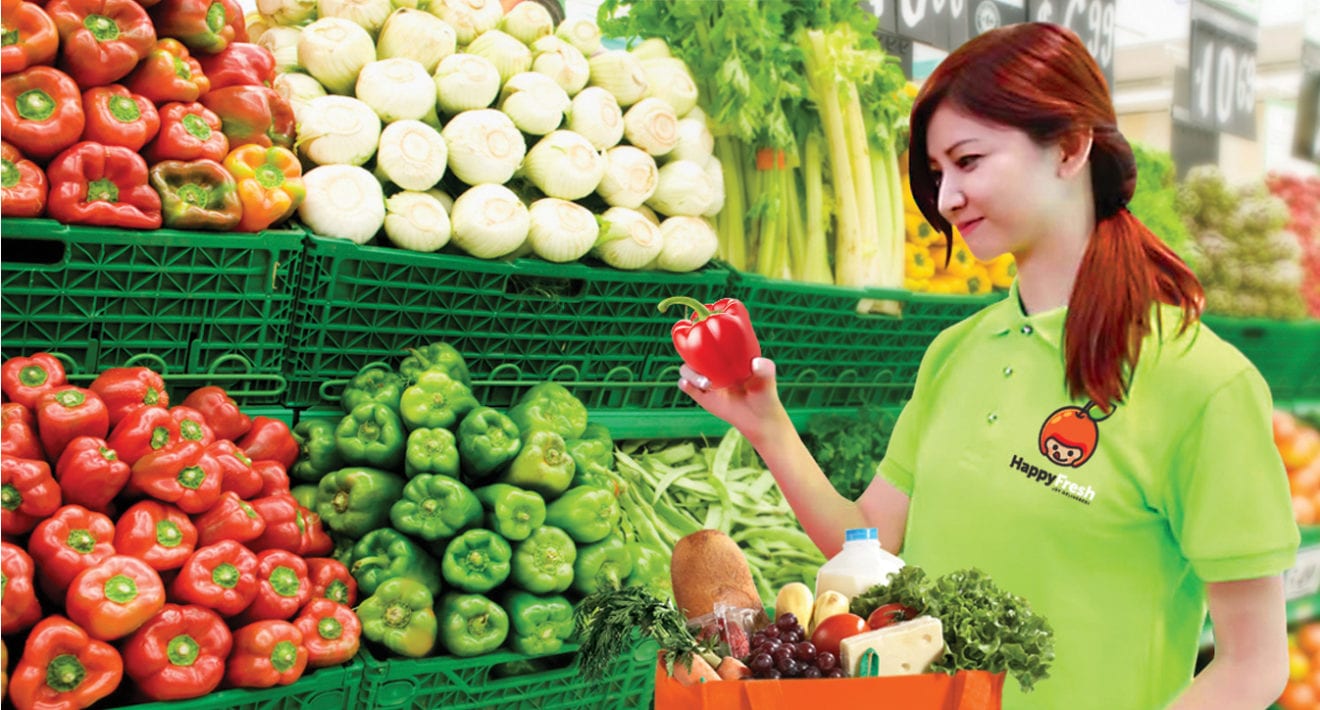
    Groceries delivered to customers’ doorstep in an hour by professional shoppers. This was the promise of online grocery delivery service Happy Fresh when it started last March in Kuala Lumpur and Jakarta.

    Today, the service is available as well in Bangkok and will soon open in Taipei.

    “Our plan is to become Southeast Asia’s leading food marketplace company, and we want to operate in all major, traffic-congested mega cities in the region,” said Markus Bihler, Group CEO and Co-founder of HappyFresh.

    Bihler is optimistic that online grocery delivery in the region is poised for take off.

    “The outlook for the retail industry in Southeast Asia has never been more promising. Opportunities abound in this region with its ever more sophisticated and food-loving consumers, growing populations and steady economies,” he said, adding that Kuala Lumpur and Jakarta, in particular, are very interesting markets.

    “Spending power and credit card penetration are higher in KL than in Jakarta, and in general people are more used to buying things online there. Jakarta, on the other hand, is interesting because we really feel we can solve a huge problem here. We all know about the infrastructure challenges this city faces, and the traffic problems this often leads to,” he explained.

    Happy Fresh believes that with online grocery shopping, it’s one fewer trip customers need to make, which often translates into several hours saved that they can now spend on other activities.

    “In Indonesia, Bihler he said middle and upper-income consumers will continue to drive the growth of modern, online retailers as customers are increasingly quality-conscious, demanding higher levels of service and quality,” Biller said.  “Demand for processed foods and dairy is growing, particularly in urban areas, driven by changing lifestyles as people work longer hours and seek greater convenience.

    Happy Fresh targets to bring the service to the capital cities of Southeast Asia one step at a time.

    Though it does not plan to set up a physical store, it partners with the most established offline grocery retailers in a locality. In-house trained professional shoppers who pick  the best fresh products for customers also provide an advantage.

    Delivery hours are based on the opening hours of its partner stores, which is usually between 10 a.m. and 10 p.m.

    “Our message to our partners is simple: Focus on what you are really good at, which is running grocery stores. Then let us help you bring your brand and your products to an incremental set of customer groups: those one mobile devices, those who would like to order from their home, office or wherever they happen to be, and those who value the convenience of next hour delivery,” he said.

    Happy Fresh also strive to help partners reach customers that are normally outside of their catchment area or would have otherwise ordered a pizza rather than next hour ingredients for home cooking.

    Bihler said they offer ready to use solution to its retail partners at no upfront cost, a  fleet of drivers, and customer service agents. “In short: we help supermarkets grow, reach new customers and move into digital,” he said.

    “The food industry is among those that will always remain a physical, haptic, very sensual core. Yet – as any other – it will see heavy disruption by mobile technologies, ever-changing supply chains and faster lifestyles,” he added.
  • Flipkart launches 20 pick-up centres to mitigate delivery issues

    Flipkart launches 20 pick-up centres to mitigate delivery issues

    A pilot project, Flipkart claimed, has received an overwhelming response from customers with more than 80% of shipments picked up through the stores over a period of 6 months. Banking on the success of the first phase launch, the company aims to open 100 such centres by March 2016.

    Logistics and good customer experience are the most common sticking points for e-commerce companies in India. As a result, most online retailers are increasingly partnering with logistics firms to address the problem.

    “Our efforts are focused on expanding our delivery network without compromising on the customer service levels and expectation,” said Neeraj Aggarwal, Senior Director (Delivery Operations) at Flipkart. “We also plan to offer several value added services like instant returns, spot trials, open box deliveries and exclusive product demos at these experience zones to enhance customer engagement.”

    Online retailer Flipkart on Tuesday introduced 20 pick-up centres for its customers in 10 cities across the country. These so-called ‘experience zones’ will allow customers to walk into a centre at their own convenience and collect products ordered online.

    The centres have been set up by Flipkart’s logistics and delivery unit Ekart.

    Unavailability of customers during delivery and restricted entry of delivery boys into informationtechnology parks, gated communities and educational institutions are among the primary reasons that leads to customer dissatisfaction with the delivery process, Flipkart said in a statement.

    Flipkart expects this alternative delivery model to catapult customer convenience, while enhancing scale and reach in supply chain expansion.

    The company said these collection points will form a key element of Flipkart’s rural expansion strategy. “Flipkart plans to expand their reach into Tier 4 towns and rural areas by making the entire town serviceable from a pick-up centre, a reliable alternative to door delivery in small towns,” it said.

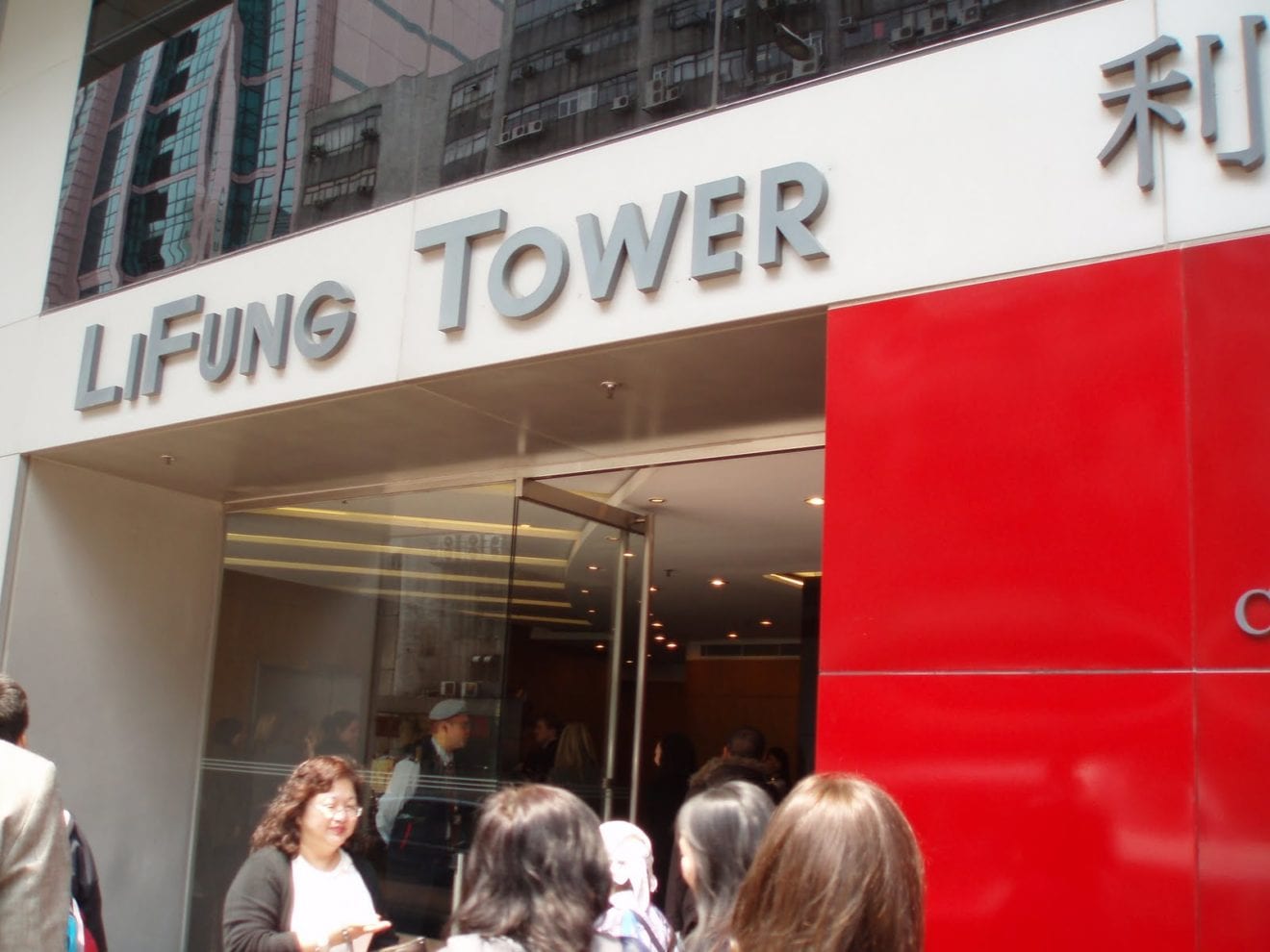
  • Li & Fung sets up China retail JV

    Li & Fung sets up China retail JV

    Global exporter Li & Fung Ltd has formed a joint venture with two Chinese department store operators, with the aim of setting up as many as 300 stores and developing its own private labels, the Hong Kong firm said on Tuesday.

    The firm will own 20 percent of the joint venture, while Beijing Wangfujing Department Store Group Co and Shanghai Bailian will each hold a 40 percent stake.

    The joint venture, which will be called BaiFuLi Co, may help Li & Fung to make up for some of the business it recently lost from US retail giant Wal-Mart Stores Inc.

    Li & Fung reported an 11.8 percent fall in 2014 net profit in March.

    BaiFuLi will have a registered capital of 48 million yuan ($7.7 million).

    Li & Fung said developing proprietary brands would help the joint venture differentiate from rivals “amid increasing competition in a fast-evolving retail landscape.”

    The venture aims to develop between one and three private labels and up to six licensed brands over a three-year period, said the company.

    This could see the venture opening up to 300 stores and pulling in up to 1 billion yuan ($161 million) in sales.

  • Foodpanda seals $110m funding

    Foodpanda seals $110m funding

    One of the world’s best-known merchant bankers has taken a strategic stake in fast-growing food delivery service Foodpanda.

    Just 50 days after securing $110 million cash injection from its parent and other new investors, the Rocket Internet subsidiary says Goldman Sachs has invested another $110 million into the business and will take a seat on its advisory board.

    The funds are being used by Foodpanda to snap up rival delivery services in new and existing markets to help it gain critical mass and eliminate competition. Since its launch in 2012 the business has now raised more than $310 million.

    Its latest acquisitions have been in Malaysia and other Southeast Asian markets, along with Russia, Mexico and Eastern Europe.

    Foodpanda says it will use the Goldman Sachs funds to expand its own delivery activities and improve overall customer experience across its 40 markets.

    Foodpanda’s service standards are slipping in some established markets and customers often lack an alternative supplier due to Foodpanda’s ‘scorched earth’ acquisition strategy. Improving delivery times, the temperature control and delivery condition of food and improving customer response times is becoming a major challenge for the company in some markets.

    “Last-mile delivery has been part of Foodpanda’s operations since the beginning. It will now accelerate its efforts to drive customer satisfaction, aiming to offer the most convenient way of ordering food – from the mobile app and online,” the company said in a statement.

    Ralf Wenzel, co-founder and CEO of Foodpanda group, said Goldman Sachs has deep expertise in online marketplaces and will help the company build the leading mobile food delivery marketplace in Emerging Markets targeting over 3 billion consumers.

    “The Emerging Markets represent the largest opportunity in online food delivery and we are committed to create the most convenient way for ordering and delivering food.”

    Foodpanda now has partnerships with more than 45,000 restaurants across 40 countries, and claims market leadership in 32 of those markets.