Retail News CRM

Tag: delivery

  • DHL Launches Same-Day Delivery for E-commerce Merchants

    DHL Launches Same-Day Delivery for E-commerce Merchants

    DHL eCommerce launched a same-day and next-day delivery service for online retailers that is targeted to compete with Amazon, FedEx Corp., UPS Inc., and the U.S. Postal Service.

    The Parcel Metro service is a network of local and regional delivery vendors and crowd-sourced drivers and vehicles designed to ensure flexibility and capacity in last-mile deliveries, according to DHL. It has begun operating in Chicago, Los Angeles and New York, and DHL plans to expand the service to Atlanta and Dallas in the second quarter, San Francisco in the third, and Washington, D.C., later this year.

    DHL’s software platform allows it to find the best drivers for each route. Customers can choose from several delivery time windows, including two-hour, same day and next day, as well as their preferred delivery address. Consumers can use a mobile device to track shipments in real-time, send instructions to their courier, reschedule a delivery and rate the experience. Retailers can customize the mobile interface with their own branding.

    “DHL Parcel Metro is part of a number of innovations we are actively implementing, including augmented reality glasses for greater pick accuracy, ‘follow me’ robots and autonomous vehicles,” said Charles Brewer, CEO, DHL eCommerce.

    E-commerce sales grew 16% in 2017 while total retail sales grew 4.4%, according to the U.S. Census Bureau.

  • Bukalapak teams up with TIKI to ease delivery

    Bukalapak teams up with TIKI to ease delivery

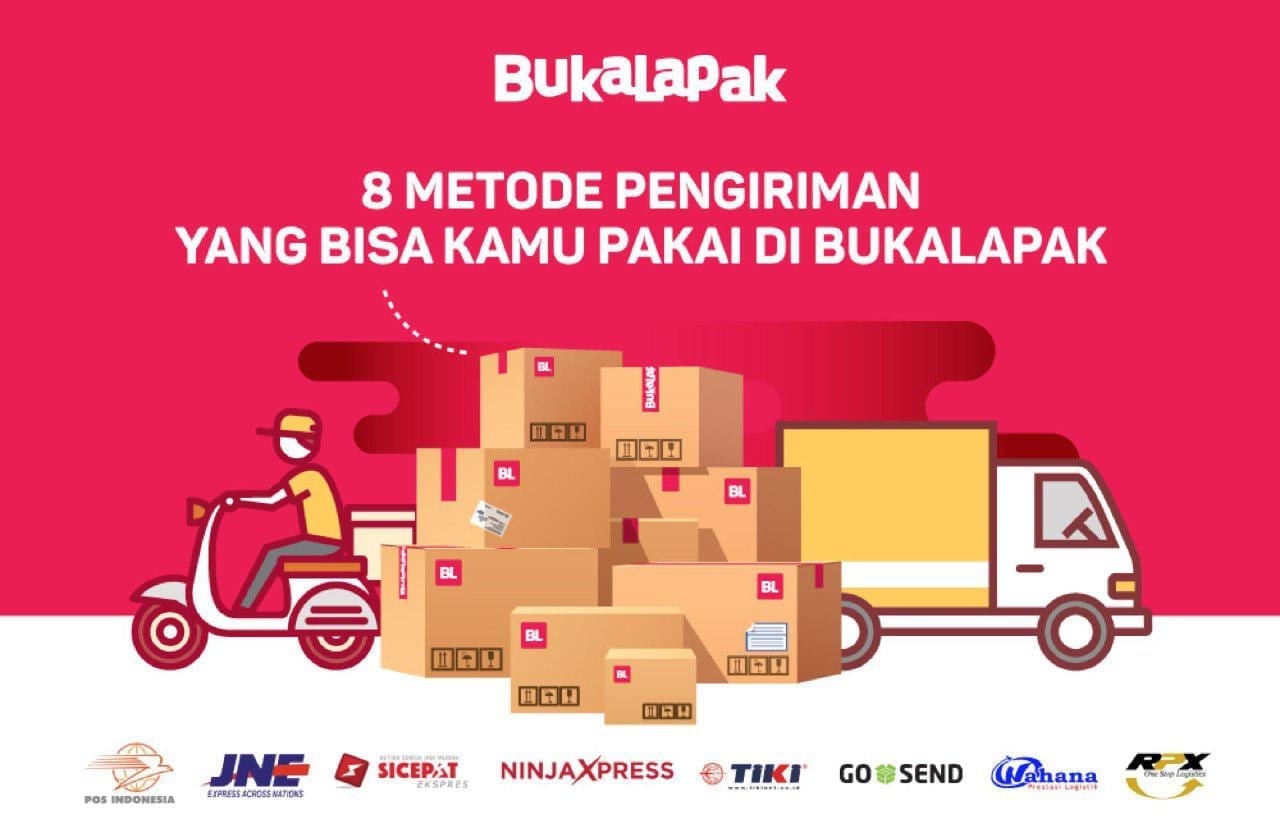
    E-commerce platform Bukalapak kicked off on Wednesday the expansion of its partnership with courier service and logistics company TIKI to facilitate small and medium enterprises (SMEs) in selling their products.

    The new partnership will enable vendors to accelerate product delivery.

    For instance, TIKI provides a “booking code” feature in which vendors can fill in the data of senders and receivers online before sending the packages. When vendors arrive at a TIKI branch, they do not need to wait for TIKI employees to fill in the information anymore.

    “There will be [system] integration between Bukalapak and TIKI. The new features will be launched soon,” Bukalapak co-founder and chief financial officer Muhammad Fajrin Rasyid told at its headquarters in Kemang, South Jakarta.

    Another new feature offered to vendors is pick-up service that allows TIKI couriers to pick up goods from the vendors’ locations. Bukalapak has more than 1.7 million vendors with more than 38 million products offered on its online marketplace. About 500,000 vendors at Bukalapak use TIKI’s services.

  • SingPost raises rates for international small packets

    SingPost raises rates for international small packets

    Singapore Post Limited is revising its rates for the international delivery of small packets from Jan 2 next year, following new rates set by a United Nations agency.

    Also from the same date, it will stop accepting delivery of international small packets by ship as several postal organisations have ceased to accept such forms of conveyance, it said. Demand for such a service is also low, with most senders choosing to use airmail.

    International postal settlement rates – the amount that SingPost compensates other postal organisations for mail delivery in their country – are being raised on Jan 1 next year.

    These rates are set every four years by the Universal Postal Union (UPU), a UN agency that sets the rules for international mail exchanges.

    Small packets currently come under international airmail rates, said a SingPost spokesman. With the separate pricing structure for small packets, customers sending small packets will have to pay a maximum increase of S$3.40 per item or enjoy maximum savings of S$1.10, depending on the destination and the item weight, he added.

    The firm told The Business Times that international small packets from public consumers do not currently make up a significant part of its volumes, and it is monitoring the effect of the new rate structure for international small packets on its postal business.

    The changes made by UPN reflect rising volumes of e-commerce packets and the higher cost of delivering such packets, said SingPost.

  • StarHub launches autonomous delivery robot

    StarHub launches autonomous delivery robot

    Singapore’s StarHub has entered a partnership with ST Kinetics to supply autonomous delivery robots to local businesses.

    Under the partnership, the companies will deploy Aethon TUG robots to business environments, starting with a roll out in three hotels to streamline the laundry supply chain.

    TUG robots (pictured) were designed by ST Engineering’s land systems business Aethon. They are designed to transport materials of up to 635kg per trip.

    The robots are integrated with a customer’s Wi-Fi infrastructure, elevator and IT systems to allow it to navigate autonomously on premises, including by opening doors and riding elevators.

    TUG will be the second robotics solution introduced by StarHub for corporate customers. The operator is offering managed robotics solutions through an as a service business model, which includes round-the-clock technical support and maintenance services.

    In addition, the partnership is part of StarHub’s connected building initiative to provide IoT solutions for companies to solve environmental sustainability, productivity or safety challenges.

    “Faced with continued manpower crunch, the hospitality industry is increasingly turning to innovation and automation to drive better business outcomes,” StarHub chief of enterprise Dr Chong Yoke Sin said.

    “We are pleased to partner ST Kinetics to offer the TUG to our customers, for tasks involving heavy lifting. This can help reduce lifting hazards and boost productivity, ultimately saving costs for customers.”

  • Pizza delivery by robot cars has arrived with big questions

    Pizza delivery by robot cars has arrived with big questions

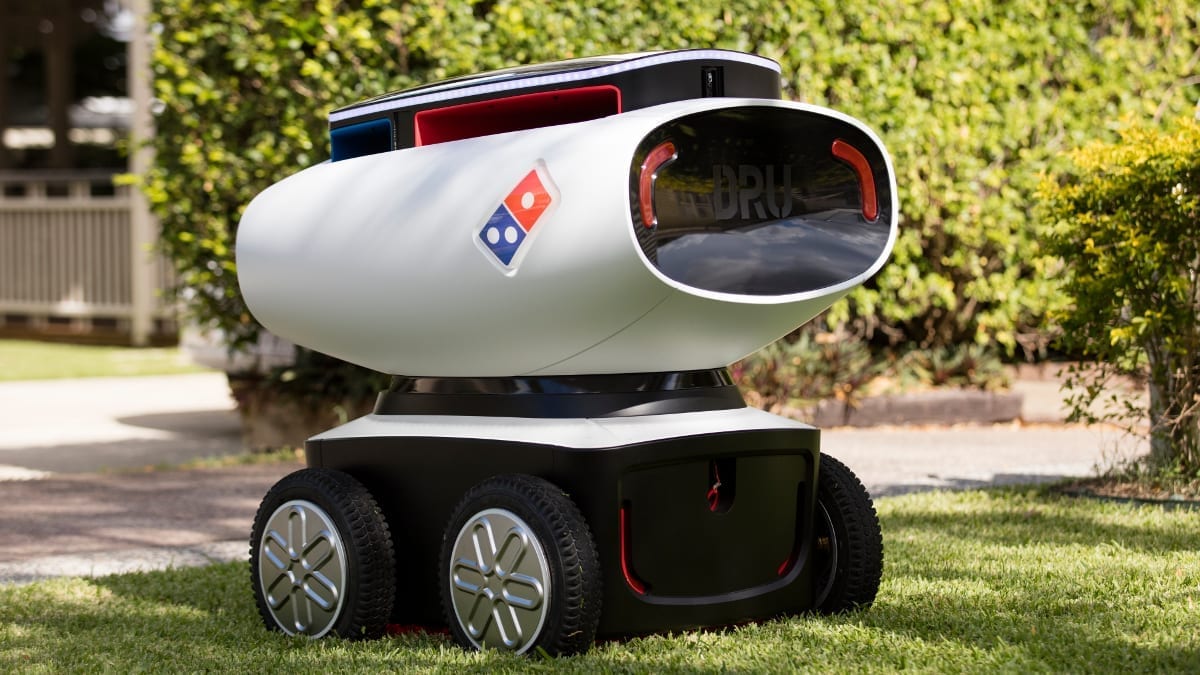
    Domino’s Pizza and Ford have paired up in a pilot project that will look at how humans interact with driverless food-delivery cars. Ann Arbor is home to thousands of students, an age group not likely to view this new technology with suspicion. But it could turn into a fascinating social experiment for the food industry.

    Customers ordering through Domino’s will be able to track their delivery in real time by using a downloadable app on their smartphones. They receive a text message that gives them a four-digit code to use once the car arrives.

    But it’s the final portion of the drive that could prove unpredictable for Domino’s. The driverless delivery vehicle could end up in the driveway, or near the curb. Customers may not want to go out to the car if it’s raining or snowing. Domino’s USA president Russell Weiner says these challenges are a major part of the experiment.

    “We’re interested to learn what people think about this type of delivery,” he said in a recent statement. “The majority of our questions are about the last 50 feet of the delivery experience.”

    No tipping attractive to students

    Human behaviour can be difficult to predict at the best of times, especially when dealing with food. This will be the first time a food service or retail company has used driverless cars to interact with actual consumers.

    The experience will certainly offer convenience for customers in a variety of ways. With the app, expectations will be managed, and quality of service — Domino’s key strategic focus — will be more consistent.

    That’s because delivery times will be streamlined, fewer pizzas will be damaged in handling mishaps and the customer won’t have to deal with tips — at least not for now. No tipping will reduce price points, making delivered pizzas more affordable. For cash-strapped students, that’s key.

    For Domino’s, the business case for a driverless fleet is unquestionably strong. Lower insurance costs, lower fuel consumption, consistent delivery times, no thefts, controllable temperatures to keep food safe for customers so therefore less waste — the list goes on.

    Domino’s delivers more than a billion pizzas annually, and has more than 100,000 drivers. Running a driverless fleet could save the company millions.

    Embracing the concept of home food deliveries without having to hire drivers cannot come soon enough for the food service industry, which is looking for ways to increase revenue beyond their regular foot traffic.

    Restaurant operators won’t need to deal with the headache of hiring the right people for delivery, and delivery is an important means of expanding the brand outside their facilities.

    Home delivery can be dicey

    Most of us who have ordered home-delivered food have had mixed experiences.

    Some drivers make convicted felons look like choir boys, causing customers to be hesitant about the food. But home delivery is no walk in the park for the drivers, either.

    Drivers in the U.S. have told of finding themselves in unbelievably awkward situations,including being tipped with weed, being asked to eat with the customer to offer company, showing up during domestic disputes and being greeted by a naked customer as the front door opens.

    There’s an endless list of unpleasant scenarios that would discourage anyone from contemplating home food delivery as a full-time job or even part-time job.

    A humanless home food delivery experience, on the other hand, also offers a unique perspective on the market currency of convenience.

    For years, price has been king. In study after study, price has trumped any other feature consumers were looking for in food service.

    Consumers crave convenience and privacy

    Younger generations, however, have a different take on convenience. Price remains a significant factor for higher revenues of course, but the constant quest for more convenience on both sides of the food continuum is now reaching the point of obsession.

    Getting rid of delivery personnel is now a realistic approach. With driverless home food delivery, one could potentially get food delivered without seeing a single human being — a frightening thought for some, a reassuring one for others.

    In the future, consumers could binge on their favourite junk food several times a week without the embarrassment of seeing the same delivery person.

    No matter how you look at it, Domino’s and Ford are onto something. After all, driverless technologies are consistent with what Domino’s is all about.

    The company has been successful over the years with its mastery of home delivery. Joining forces with Ford could make the company even more efficient.

    Nonetheless not all of us needs Domino’s to get our food fix. Divorcing the human aspect from food is simply impossible for many food service companies — thousands of them, in fact. And thank goodness for that.
  • Amazon to raise the bar in Australian delivery

    Amazon to raise the bar in Australian delivery

    The arrival of Amazon will catalyse an uplift in consumer expectations around the speed, price and reliability of retail delivery, putting pressure on businesses to improve supply chain practices to remain competitive.

    That’s the message from Greencross chief information officer (CIO) Paul Kennedy, who isn’t buying the typical arguments against the viability of best practice delivery in Australia.

    “We like to use excuses,” he told an audience at Online Retailer on Wednesday. “We say Australia’s big, or that it’s not very densely populated…some of those things are true, but two-thirds of Australia’s population live within a day’s drive of Melbourne or Sydney.”

    “If you have distribution in those cities you should be able to get out to customers within a day…there are things within the retailers control, if it can get out of your DC the day it’s ordered then it has got a lot better chance of getting to customers the next day.

    “We need to focus on our internal teams, on order by here, ship it by there, get it to the customer by there,” he said.

    Kennedy, one of the architects behind John Lewis’ omnichannel strategy in the UK and former CIO of APG & Co., believes it’s only a matter of time before on-demand or so-called ‘uberised’ delivery becomes widespread in the Australian market

    He expects Amazon’s entry to propel the market towards that reality, redefining what Australian consumers see as acceptable offer.

    “You can overplay the Amazon threat, but you can’t overplay customer expectations – they’ll continue to go up and we need to respond to it.

    “That’s the most notable difference between sites in the UK and Australia. They’ll say, ‘order it by there and it’ll get delivered by here’,” Kennedy explained.

    Greencross, which owns pet supplies retailer Pet barn, is one of many publicly listed companies to have been thrown under a cloud in recent months, having had its earnings guidance cut by UBS earlier this year.

    Its share price is down almost 15 per cent since January as uncertainty over the impact of Amazon’s entry, as well as macroeconomic headwinds, continue to weigh on the market.

    It makes Kennedy, who was poached from APG & Co in late 2015, all the more important. As he says, supply chain may not be the sexiest part of retail, but it is where the money is made.

    He expects stores to be the cornerstone of logistical success for established retailers in an Amazon enabled environment, advising retailers to implement omnichannel strategies that leverage pre-existing assets.

    But there remains a disparity between what customers say they want and what they are willing to pay for it, Kennedy said.

    “Lots of people talk about same day delivery, lots of couriers do it, lots of vendors offer it and every customer will tell you they want it.

    “It’s a good idea, and I can see why in some sectors it’s really valuable, but the big challenge is that customers just don’t want to pay for it,” he said.

    Kennedy cautioned against investing too heavily in ultra-fast delivery services, noting that investing in same-day as a premium offer only makes sense if an adequate number of customers are prepared to pay for it.

    There are, however, ways to make it work. Kennedy agrees that the prime model has been successful in helping Amazon justify free same day, or next day delivery in many parts of the US and UK, and that a subscription/replenishment model has its place.

    “If you have replenished able items it might make sense to say, ‘sign up for $50 a year and we’ll cover your freight under this arrangement for the whole year’…we already do subscription dog food and that sort of thing, but for most retailers with less frequent purchases it would be a harder argument.”

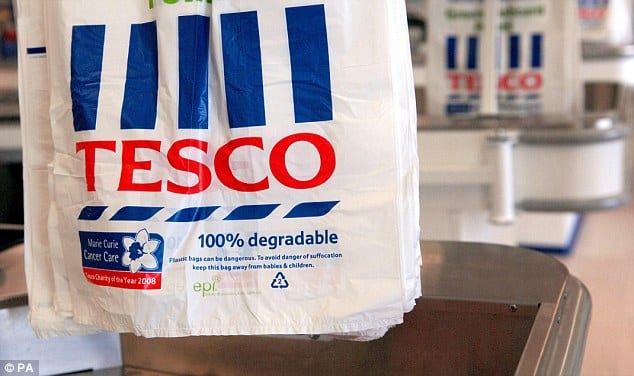
  • Tesco same day delivery plan ‘a defensive measure’

    Tesco same day delivery plan ‘a defensive measure’

    The Tesco same day delivery plan announced this week is partly a logical improvement to its existing online services and partly a defensive measure against the potential rise of Amazon in the UK.

    In a cutthroat market where grocers are vying for share, Tesco’s move will likely be followed by other players and will, ultimately, give shoppers much more flexibility.

    While the barriers for Amazon will be higher in the UK, they will not deter the behemoth from its grocery ambitions. Amazon typically takes a long-term view and will continue to invest in growing its UK grocery business. It will be assured by its systems and logistics capability, which will prove to be an advantage as it scales up.

    However, today’s announcement by Tesco makes it even more likely that Amazon will, over the medium term, look to make an acquisition in the UK grocery market. While this is unlikely to be one of the larger players, an operator like Ocado would give Amazon the scale and flexibility it needs to offer a sustainable UK wide online grocery service.

    Although Tesco now has first-mover advantage on same-day grocery delivery, the long-term implications are not necessarily so rosy. Margins in online grocery remain wafer thin, and while consumers will pay a premium for same-day service, they will not bear the full cost. As such, as other players increase flexibility in deliveries and as delivery prices come under further pressure, the move could ultimately be dilutive to profits.

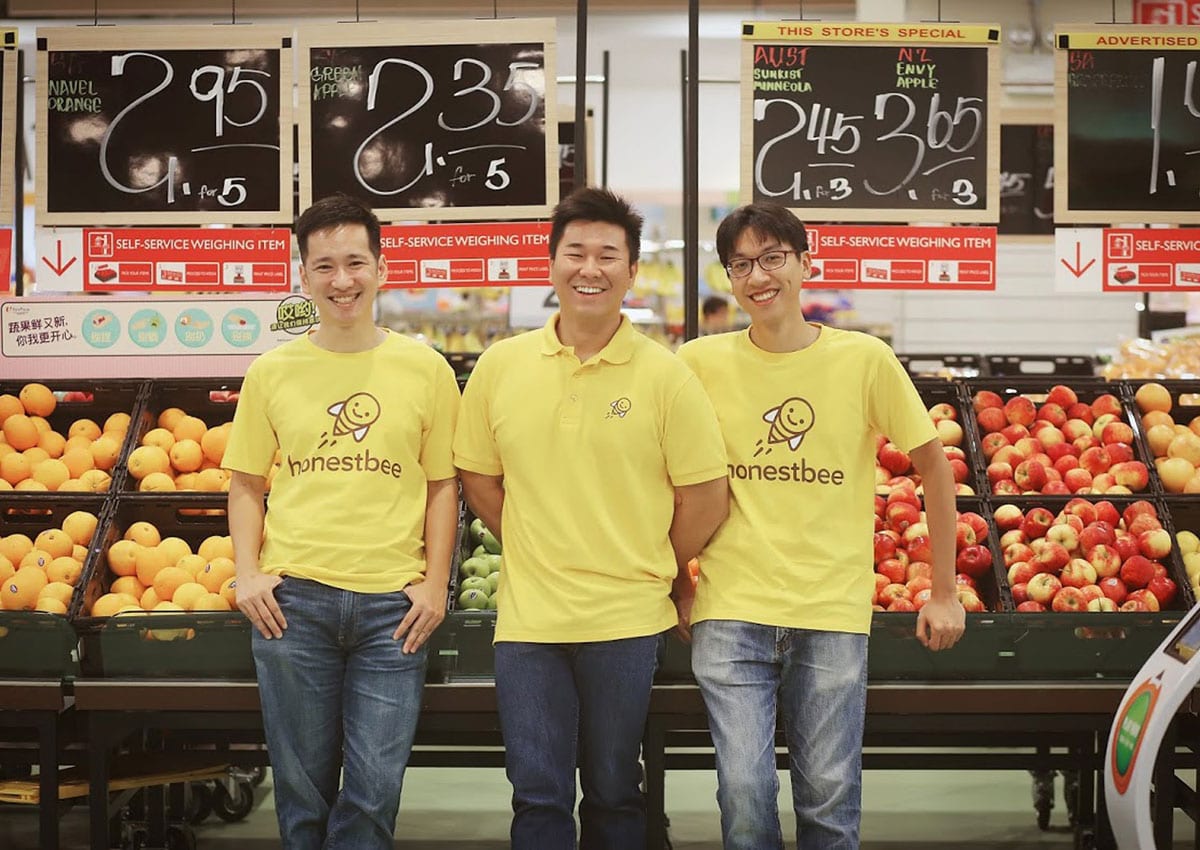
  • Honestbee Food launches meal deliveries

    Honestbee Food launches meal deliveries

    Honestbee Food restaurant delivery service has been extended to Hong Kong.

    This follows the grocery and concierge service Honestbee partnering last month with eight major supermarkets, including UK retailer Tesco.

    To mark the launch of the meal-delivery service, Honestbee Food is offering special deals to Hong Kong customers, plus a free delivery promotion, until September 20.

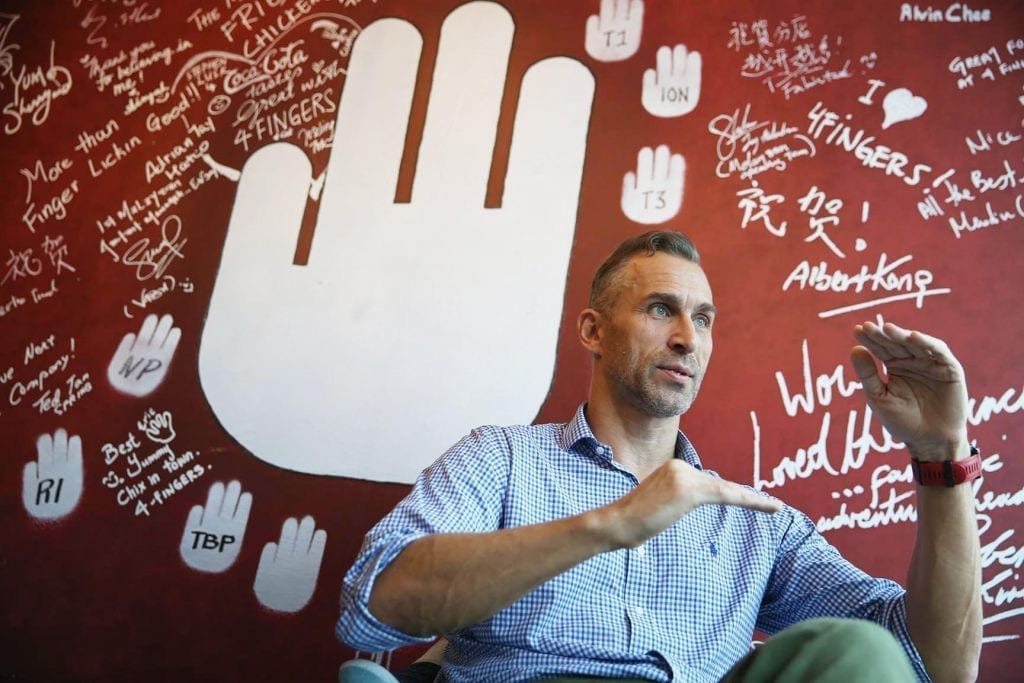
  • 4Fingers to open first delivery-dedicated outlet

    4Fingers to open first delivery-dedicated outlet

    Seeking to cash in on the rising demand for food delivery, crispy chicken restaurant chain 4Fingers will soon open its first delivery-dedicated outlet in the Clementi area. The Singapore brand also plans to handle some of its deliveries in-house to help mitigate the profit leakage from selling through food delivery companies, its Chief Executive Steen Puggaard said in an interview.

    The new thrust is expected to result in shorter delivery times while reaching out to more customers. The new outlet will be about two-thirds of the size of its current shops, but will also have a small shopfront and some seats for eat-in customers. There are plans to open more of such outlets across Singapore in the next one or two years.

    “We recognise that home delivery is only going to grow, so we need to make sure that we match our business model to the way that people are changing in spending their money,” Mr Puggaard said. “We see that as an important change in our strategy to accommodate the fact that people will be eating more and more food at home.”

    The west side of the island was chosen because it was easier to get a good location and the area has seen strong demand in home deliveries, he said. Home deliveries have helped the business by “a lot” and have been growing “faster than anticipated,” he added.

    4Fingers has seen its delivery segment grow to become a seven-digit business this year after the service was introduced early in 2016. The segment can take up to 30 per cent of a shop’s volume. The service is provided only in about half of the fried chicken chain’s stores, mainly those in the central and western areas of Singapore.

    At present, most of 4Fingers’ home deliveries are carried out by Foodpanda. It has recently joined Deliveroo and is also in talks to sign up with Ubereats. Depending on traffic and weather conditions, orders via the food delivery apps usually to take about 30 to 45 minutes to reach the customer.

    However, selling through these food delivery companies means low or even no profit margin for 4Fingers. “Food delivery comes with an additional cost – the commission for delivery companies. All of a sudden, the revenue we are generating with our food is weighed down by the additional cost,” said Mr Puggaard.

    “Companies like Foodpanda, Deliveroo, Ubereats: they basically deal with the customer, then they will tell us what we need to supply, then they will take care of the rest and send us a cheque once a month. We now say that that model does not really work for us. So we are saying, while we are opening up our first delivery-skewed kitchen in the west of Singapore, we will also test our handling of orders from customers and the payment, then using a third party to deliver food to people’s homes.

    “Right now, the cost structure linked with home deliveries actually doesn’t make us any money. It’s something we do for our customers because they want to eat 4Fingers. As long as we don’t lose money, we have to go along with it. But because it has now grown to seven digits this year, we say now is the time for us to begin to find a way where the cost structure makes more sense for us,” he said.

    Mr Puggaard has more than 20 years’ experience in food and beverage, much of it in Singapore, where he is now a Permanent Resident. The Dane began his F&B career with McDonald’s in 1996 in Eastern Europe before coming to Singapore in 1999 to run the regional marketing for the brand. He then made subsequent moves to Burger King and Les Amis.

    Mr Puggaard joined 4Fingers in February 2013 after the previous owners reached out to him to help expand the brand that made its debut in 2009. However, he left after only seven months because he felt the company was not structured for growth then. He rejoined the company in 2014 after a change in ownership and also took a 3 per cent stake in the venture.

    Since then, 4Fingers has expanded to 12 outlets across Singapore, and several more in Malay-sia and Indonesia. Revenue has grown from about S$2 million to S$30 million from its owned outlets, excluding franchised outlets. A majority of the stores are owned by the company. Besides quality food, what makes the brand stand out for eat-in customers is the dining experience, said Mr Puggaard. 4Fingers focuses on details such as design, lighting and music as well as service to enhance the overall experience.

    Even while the business grows in Singapore and the region, 4Fingers is looking to expand fur-ther afar: It will be launching in Australia in the next few weeks. It is also scouring locations in the US and expects to open one outlet there by the end of the year, said Mr Puggaard. There are also plans to open outlets in the United Kingdom and Germany in the first quarter next year.

  • Food delivery and out-of-home dining are thriving in China

    Food delivery and out-of-home dining are thriving in China

    China is one of the world’s largest e-commerce economies, but that doesn’t mean people are only opting to consume in the comfort of their homes.

    In fact, a study by consultancy Bain and Company and Kantar Worldpanel found that the growth rate of FMCG (fast-moving consumer goods) home consumption is only tepid compared to the strong growth of dining out.

    According to that 2017 China shopper report, released on Tuesday, dining out and food delivery are seeing robust growth with Chinese consumers, who have traditionally cooked at home.

    The results revealed that while the value of food purchased for in-home meal preparation grew by only 3 percent annually from 2013 to 2016, food delivery rose by 44 percent and dining out grew by 10 percent over the same period.

    “You can still have family lunches and dinners at home but there is so much variety of delicious food that is available at 30 minutes from where you live or where you work, why would you bother cooking at home?” said Bruno Lannes, partner in Bain’s Greater China Consumer Products Practice.

    The study analyzed responses from a panel of 40,000 households and 4,000 individuals in tier 1 and tier 2 cities.

    The report’s findings this year are a continuation of a “two-speed” trend identified last year, said Lannes.

    In the case of dining, it’s “high-speed dining out and delivery versus low-speed home cooking” and this divergence will present new opportunities and strategies for food businesses, the report added.

  • Compass Yacht Delivery will be appearing at the celebrated Singapore Yacht Show

    Compass Yacht Delivery will be appearing at the celebrated Singapore Yacht Show

    Leading yacht and boat company Compass Yacht Delivery will be appearing at the celebrated Singapore Yacht Show early next year, and offering nautical enthusiasts the chance to win a day’s instruction with one of the most experienced skippers around.

    The Singapore Yacht Show, held in April, is one of the highlights of the Asian seafaring calendar, hosting a plethora or top brands, celebrated speakers and the latest innovations in boating technology 2018 will see Compass Yacht Delivery take a stand for the first time after almost a decade of successful operation, and they are celebrating their appearance with an exclusive competition.

    Attendees to the show are invited to enter Compass Yacht Delivery competition, in which one lucky winner will be able to take advantage of eminent skipper Sven’ wealth of knowledge with a full day of yacht instruction.

    Sven has racked up an impressive 200,000 nautical miles including 18 trans-Atlantic crossings, and his extensive experience makes a one-of-a kind opportunity for boat lovers to take instruction from a real yacht master of the sea.

    Sven said, “We are thrilled to be exhibiting at the Singapore Yacht Show for the first time. We’ll be on hand to offer advice on yacht delivery, maintenance, consultation and of course where the best places are for your next yacht holiday.”

    Experts in all things yacht and boat, Compass Yacht Delivery have expanded from international yacht delivery to a service providing world-class skipper and crew hire to a soft landing packages that takes the stress out of buying and setting out on a boat. Ever-focused on exceedingly high standards of customer service and professionalism, the Singapore Yacht Show is the perfect opportunity to see how the exacting and experienced Compass Yacht Delivery team can take yachting to the next level.

    Compass Yacht Delivery will be appearing at the Singapore Yacht Show from 12-15 April at the Sentosa Cove.

    To find out more visit www.compassyachtdelivery.com

  • Amazon launches direct air delivery from US to Zhengzhou

    Amazon launches direct air delivery from US to Zhengzhou

    Amazon has begun its direct air delivery service to Zhengzhou – the capital of central China’s Henan Province.

    Carrying close to one thousand different products each, the planes will embark to China from New York, Chicago and Los Angels – arriving at Zhengzhou Xinzheng International Airport.

    Employees of Amazon logistics services provider WherExpress, told Xinhua news agency that Zhengzhou Xinzheng International Airport offers efficient logistics services to cross-border e-commerce platforms including a swift customs clearance. From here, imports will now be distributed nationwide, reported the news source.

    The US online retail giant made the air delivery decision as more Chinese consumers are shopping online with Amazon, ordering thousands of items including food, clothes and household appliances.

    Talking about China, Amazon had said in March that it was “currently developing the air cargo service and will introduce it soon.”

    The airport in Zhengzhou posted 275,000 tonnes of throughput of imported cargo in 2016, which included imported fruit, aquatic products, meat and live Australian cattle.

    Amazon has been in China since 2004 when it bought the country’s biggest online bookseller Joyo.com for $75 million.

  • China Online Retail Giant Wants to Build a Drone That Can Literally Deliver a Ton of Stuff

    China Online Retail Giant Wants to Build a Drone That Can Literally Deliver a Ton of Stuff

    JD.com, one of the most prominent online retail companies in China, plans to create a drone capable of carrying—literally—a ton for long-distance deliveries.

    The retail giant plans to use the technology for food deliveries to and from agricultural centers in remote areas to cities, the company said.

    “We envision a network that will be able to efficiently transport goods between cities, and even between provinces, in the future,” Wang Zhenhui, chief executive of JD’s logistics business group, said in a statement.

    The company told the drone capable of carrying one ton will likely not be available for two or three years. The drones wouldn’t deliver directly to customers’s doorsteps. Multiple packages would be delivered to a local employee, who will deliver them to customers.

    The retail giant will work on the technology in Shaanxi, a Chinese province, where it reached an agreement to test low-altitude drones and flight routes. The company will also create a research and development center at the Xi’an National Civil Aerospace Industrial Base in that province to develop, manufacture, and test the drones.

    Headquartered in Beijing, JD (jd) has more than 236 million customers and a delivery system with 65,000 employees. The company launched its first drone delivery program in Nov. 2016 for the country’s “Singles’ Day” shopping festival.

    In the United States, e-commerce giant Amazon (amzn) has plans to use drones to deliver packages of up to five pounds to Amazon Prime customers. The company opened testing facilities in the U.K.

  • Online Shopping Concierge & Delivery Service honestbee Celebrates Thai New Year with Freebies

    Online Shopping Concierge & Delivery Service honestbee Celebrates Thai New Year with Freebies

    Honestbee, Asia’s leading and trusted online concierge and delivery service, is following its Bangkok launch in March 2017 with 3 free water-festival weekly giveaways with all shopping orders from now until April 17th, 2017. A bonus gift of a traditional Songkran Aloha shirt is also delivered on the next order for those shop-happy customers who have already collected the trio of Songkran freebies. 

    With no minimum spend, honestbee customers will receive a free pair of goggles on all shops until April 1st, 2017, with a free water gun included in the delivery between April 2nd – 8th, 2017. In the final week, from April 9th – 17th, the last day of the Thai New Year celebrations in Bangkok, honestbee customers will find a waterproof phone pouch in with their delivered groceries.

    As a Happy New Year wish, honestbee is also gifting every customer with a one-time B200 discount on orders over B890 to be used at any time from now until April 17th, 2017.

    honestbee customers who are Songkran-ready, with their goggles, water gun and mobile-phone case can happily venture out and join in some water-splashing festival fun. At the same time, they can rest assured that with personal shoppers –  so-called honeybees-  will be picking out the freshest quality produce and delivering straight to their doorstep at their convenience with a same-day service available; fast, reliable and more importantly during Songkran, dry!

    The ethos behind honestbee is to be lifestyle-friendly according to the Singapore company’s Co-Founder and CEO Joel Sng. “We want to celebrate the real community spirit of Songkran and how life is really about spending time doing what we enjoy with those we care about, from friends and family to neighbors. honestbee enables busy people in the city to outsource the time and effort of shopping whilst still getting that personalized service that fits in with them. This also benefits our shoppers with sustainable employment on a full-time or part-time basis, offering a main or supplementary income. This is truly the spirit of New Year!”

    Along with the Songkran freebies and discount special, new customers can take advantage of FREE DELIVERY on first-time orders over THB 590 to celebrate the honestbee Bangkok launch.

    honestbee offers its personalized shopping concierge service from Bangkok’s 26 Villa Market supermarket outlets as well as bistro and cooking studio The Gastro Just For You hamper gifts and the Villa Market Holiday Store all of which are owned by Villa Market. Other brand specialty partners comprise K-Market; Wishbeer; Ja Guem Song; Happy Flavour; Pierre Hermé; Perfect Earth Organics; Ahmad Tea London; Pipper Standard; Simply W, La Paloma and Meyer.

  • Online retailers feed craving for fresh food on demand

    Online retailers feed craving for fresh food on demand

    Gmarket launched a service on Monday called Gtable that provides seasonal fresh food from farms around Korea. The online retailer will oversee the entire process, including selection of fruits and vegetables, washing and packing them, and delivery.

    For Gmarket, whose main business model is providing an online sales channel to individual merchants, the launch of an in-house service with such high degree of direct management is rare.

    “We noticed that more consumers were purchasing fresh food online,” said Park Young-geun, head of the fresh food team at Gmarket. “The service aim is not just delivery but to suggest a more healthy lifestyle to our users.”

    The service is starting with nine products including salads, oranges, nut mixes and vegetable sets, mainly priced between 10,000 won ($9) and 30,000 won.

    For the past decade, the dominant retail channel for fresh food has been brick-and-mortar discount chains. Buying groceries online, though, is becoming a more popular option, especially among young people living alone who don’t need to buy in bulk and childless couples who don’t consume as much as families with children. Both demographic groups are growing in Korea.

    As a result, many online retailers with fresh food services are packaging their groceries in small sets. Lotte.com’s Garak Store, for example, which delivers vegetables and fruit purchased from daily wholesale auctions at Garak Market, a traditional Korean marketplace in Garak-dong, southeastern Seoul, lets consumers buy in small quantities, even by the gram.

    The market for online groceries is a promising one. Last year, 1.73 million won worth of fruits, vegetables seafood and meat were bought online, according to Statistics Korea, a 20 percent increase from 2015.

    Among its peers, Auction was the first to spot an opportunity in selling fresh food online. In 2014, it launched the service Farmer Story, which directly connected producers and consumers. Farmer Story posted six-fold sales growth during last year’s second half compared to 2014.

    WeMakePrice was the next online retailer to enter the market, in October last year, with Sinseonsaeng, a portmanteau of “fresh” and “mister” in Korean. The company is targeting single-person households with its small packaged groceries and fast delivery. During the first nine weeks, the number of orders jumped almost fivefold and sales volume increased fourfold.

    Ticket Monster jumped on the bandwagon in January with Tmon Fresh. Apart from the small packaging that rival services offer, Tmon Fresh also gives customers the option of choosing when to receive deliveries. The company reported a 240 percent increase in grocery sales after Tmon Fresh’s launch.

    SK Planet, operator of online retail platform 11st, in December acquired the start-up Hello Nature, which runs a service that sends groceries to consumers within 24 hours.

    For a long time, fresh food has been considered an exception in an age when people can buy clothing, electronics and even daily necessities like diapers and toilet paper online. One concern is that something could go wrong with the produce during transportation. Another is prevailing convention that fresh food ought to be bought in person, where customers can thoroughly examine the produce themselves and ask vendors questions.

    This hesitance means credibility has become an essential differentiating factor for competing e-commerce grocers. On top of fast delivery, companies are making sure consumers know that their food teams are putting in extra effort to ensure product quality. WeMakePrice, for instance, touts its more than 2,000-square-meter (21,000-square-foot) refrigeration facility in Gwangju, Gyeonggi.

    “We believe online shopping platforms have a chance in the groceries market if they can prove that they can provide products of freshness and quality equal to the level of discount chains,” said Ha Song, head of the direct buying team at WeMakePrice.