Retail News CRM

Tag: delivery

  • DHL looks to pilot driverless trucks

    DHL looks to pilot driverless trucks

    A driverless car on Indian roads may still be a distant dream, but companies are actively looking at ways to use other autonomous vehicles like tractors, buses, trucks, and even choppers. German logistics giant DHL, for instance, feels driverless trucks can halve logistics costs and improve customer service.

    “In the last mile, on the line haul itself, the driverless technologies that are being piloted in Germany, we believe, have the potential to reduce line haul costs by 50 per cent,” Malcolm Monteiro, CEO, DHL eCommerce India told.

    About 65 per cent of logistics movements in India happen by road and about 85 per cent of these are in the unorganised sector; typically, a driver takes a truck for a long distance, and has to make stops for rest and food, which reduces the efficiency of truck use.

    “There’s a tremendous shortage of skilled drivers. We’re looking to see whether these vehicles can ply driverless in line haul on the last mile. If that happens, it brings in a lot of reliability into the system, besides reducing cost. Then we’ll probably not have to work on a hub-and-spoke model; we can even work point to point. So the entire business models could be looked at afresh with these technologies,” Monteiro said.

    Govt ‘favourable’ to idea

    Monteiro said the initial discussions with the Indian government over driverless technologies have been positive. “The government is favourable in terms of looking into it because it does realise there is a tremendous shortage of skilled drivers. So it will look at any technology to make sure the demand side is addressed. But we don’t have a concrete timeline. The intent is there, there’s ongoing discussion,” he added.

    Safety aspects

    But Moteiro said the company will test the safety aspects of driverless technologies in Germany before beginning pilots in India to ensure there is no scepticism about the technology here.

    “If we get this to work, it might look at it, pilot it. The intent is there, there’s ongoing discussion,” said Monteiro.

    DHL, however, is taking it one step at a time. “For a vehicle to be autonomous, driven fully, one of the first things that needs to happen is the electrification; we have a concrete target for electrification. And for autonomy to happen, we need everything electric. So, we are really focussing more of our efforts to electrify all our vehicles as a first step,” said Pang Mei Yee, Vice-President, Head of Innovation, Asia Pacific, Customer Solutions & Innovation, DHL.

    Yee feels these technologies can make the existing trucks a lot safer and more efficient even as the company prepares itself for a fully autonomous future.

    “Our smart trucks are a fantastic example where we are introducing a lot of optimisation efforts, notification to drivers for their behaviours. There are sensors that allow drivers to get reminded when they are eating while driving or when they are dozing off. So, progressively you’ll see intelligence built into the truck. Full autonomous vehicles are still some time off,” Yee said.
  • Some of Amazon’s brand-new Mercedes delivery vans are facing mechanical failures

    Some of Amazon’s brand-new Mercedes delivery vans are facing mechanical failures

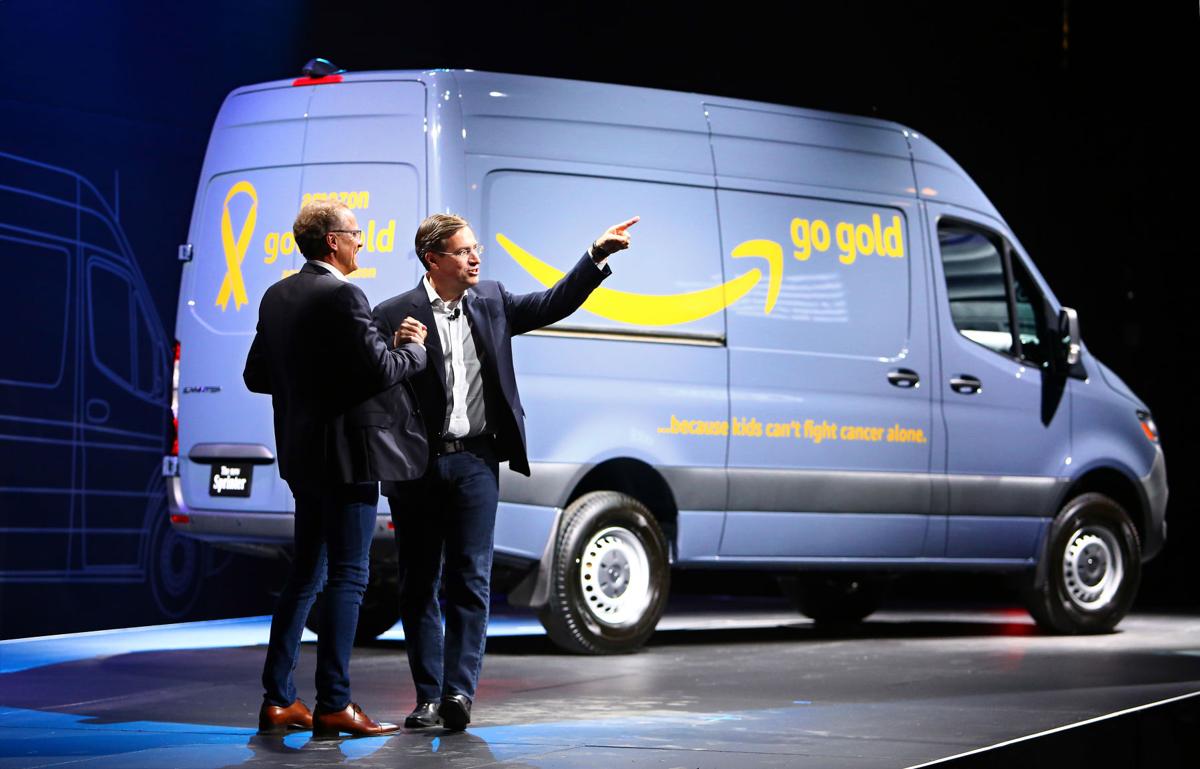
    Mercedes-Benz has identified a power-steering problem plaguing its highly touted Sprinter vans. The cause of the problem is a fluid leak that can make it difficult to turn the wheel of the vehicle, a Mercedes-Benz spokeswoman, Catherine Gebhardt. It has affected Amazon, which recently became Daimler AG’s biggest buyer of Mercedes-Benz Sprinter vans with an order of 20,000 vehicles — up from a previous order of 5,000 — for its growing last-mile-delivery program. The program enables courier companies to lease the vans, which are emblazoned with the Prime logo, for Amazon package deliveries.

    One Amazon delivery service provider has encountered the power-steering problem in about a quarter of the 40 Mercedes-Benz vans that the company received at a delivery station in early September, according to an employee of the company, who asked to remain anonymous. This person said Mercedes-Benz had since repaired the affected vehicles.

    Mercedes-Benz notified Amazon’s delivery service partners of the issue on September 18 and asked them to schedule an on-site inspection of the power-steering system with their local Mercedes-Benz dealer, Gebhardt said.

    “This is being done as a proactive measure to minimize downtime,” she said, adding that the vehicles can still be driven safely in the event of a leak.

    “If there is a leak in the power-steering system, the power assist (especially at a standstill) may be greatly reduced,” Gebhardt said. “When driving at slow speeds it will require some additional steering effort, but again, the van can still be controlled.”

    It’s likely that other Mercedes-Benz Sprinter customers in addition to Amazon have been affected by the issue. Mercedes-Benz declined to comment on other customers and on how many vehicles have been impaired by the power-steering issue overall.

    Amazon announced its bulk order of the Prime-branded vans at a joint press conference with Mercedes-Benz in September celebrating the opening of the automaker’s new factory in North Charleston, South Carolina, which specializes in making Sprinter vans.

    The vans can be leased to Amazon’s existing delivery service partners, some of which have worked for Amazon since 2015, as well as partners that have been recruited through the new program.

  • DHL MENA launches new e-com campaign for merchants

    DHL MENA launches new e-com campaign for merchants

    DHL Express, the world’s leading international express service provider, is set to launch its global campaign ‘Where Everything Clicks’ in Middle East and North Africa (MENA) region, to guide online merchants to navigate and access the booming and lucrative global e-commerce marketplace. DHL Express aims for the campaign to reach companies ranging from start-ups to large enterprises, advising merchants on how to optimize their websites for international sales and to create a competitive advantage via shipping options offered. DHL helps sellers traverse an increasingly global landscape, in which buyers progressively make purchases from international websites.

    The campaign reveals purchasing habits of online shoppers, including always important delivery preferences, and shows merchants how to use this information to increase sales.

    ‘Where Everything Clicks’ includes a rich database of how-to videos, white papers, customer insights, and trend videos that inform merchants and business about evolving consumer behaviour.

    A 2017 study by KPMG reports that consumers across Middle East and Africa were the most likely to import consumer products bought online, almost 50 percent of purchases, showcasing  the rise in cross-border shopping that is driving international retail trade.

    The survey also revealed ‘Enhanced Delivery Options’ as one of the key company attributes that contribute to deciding where shoppers choose to buy online.

    The study findings illustrate that companies must continually innovate to improve and shorten delivery times, to satisfy increasingly demanding consumer expectations.

    “The MENA region is witnessing rapid growth and change in e-commerce trends. Cross border e-commerce presents strong growth opportunities that is yet to be tapped into by many businesses in the region,” said Nour Suliman, CEO MENA, DHL Express. “With the proliferation of online trade, a product in one corner of the world today is now easily accessible to customers at the opposite end in just a few clicks. This has allowed online merchants to access markets and customers from around the globe.”

    Faysal Elhajjami, DHL Express MD, Kingdom of Saudi Arabia said: “We recognise that our customers’ success is closely tied to their buyers’ satisfaction with the delivery experience and the delivery options offered. With ‘Where Everything Clicks’ campaign we want to showcase to business across KSA  how an international express shipping option can increase e-commerce value helping merchants boost revenue and tap into new markets.”

    Geoff Walsh, UAE Country Manager, DHL Express said DHL would be particularly focusing on SMEs and start-ups. “We aim to support local ecommerce start-ups by providing them with tailor made solutions that will allow them to easily address potential global consumers, therefore improving their e-commerce proposition within the current market,” he said. “The ‘Where Everything Clicks’ campaign highlights how an international express shipping option can increase e-commerce value helping merchants boost revenue and tap into new markets.”

    DHL has developed services that enhance customer experience and support web merchants as they access new markets. Using advanced market intelligence tools, DHL can quickly identify shopping sites that receive traffic from international locations, identifying potential sales outside of the seller’s core market. DHL can compare website engagement metrics and suggest service enhancement via addition of a cross-border express delivery option.

    With DHL’s On Demand Delivery, buyers are notified proactively via email or SMS about a shipment’s progress. Receivers can schedule delivery for another day, arrange delivery to a nearby DHL Service Point or an alternate address, and even request that a shipment is held during vacation. DHL Express offers On Demand Delivery in over 100 countries, with about 50 more coming this year.

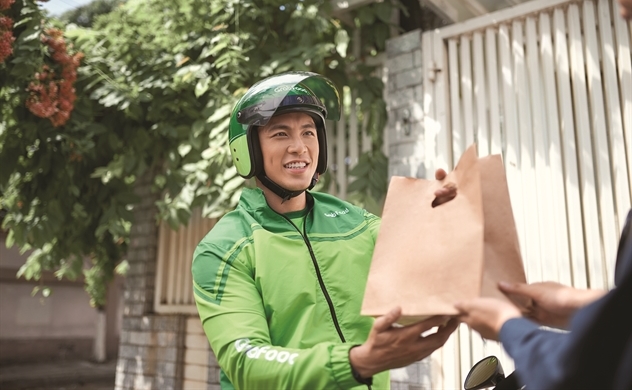
  • Grab launches grocery delivery service

    Grab launches grocery delivery service

    It will kick off in Indonesia in July, followed by Thailand and Malaysia by late 2018.

    Grab teamed up with Indonesian start up HappyFresh to launch its grocery delivery services, an announcement revealed. The move is part of Grab’s open platform strategy as it eyes to become Southeast Asia’s first everyday superapp.

    Through GrabFresh, consumers can pick grocery products which will be delivered by GrabExpress drivers and other delivery partners within an hour or at a pre-arranged time.

    “We’ve gone from offering our tech as a booking platform for taxi operators, to providing a fleet of delivery drivers for e-commerce companies,” Grab CEO and co-founder Anthony Tan said.

    Available through the main Grab app, the on-demand grocery delivery platform will kick off as a beta service in Jakarta from July. Thailand and Malaysia can access it by late 2018.

    “Grocery delivery is a huge opportunity in Southeast Asia,” HappyFresh CEO Guillem Segarra said. “From our research, 70% of grocery delivery app users shop at least once per week, and they like to shop from the stores that they are familiar with.”

    The platform includes a selection of about 100,000 grocery products from over 50 large supermarket chains and specialty grocery chains as well as trained personal shoppers who could help pick items for customers.

  • DHL eCommerce brings same-day metro deliveries to Vietnam

    DHL eCommerce brings same-day metro deliveries to Vietnam

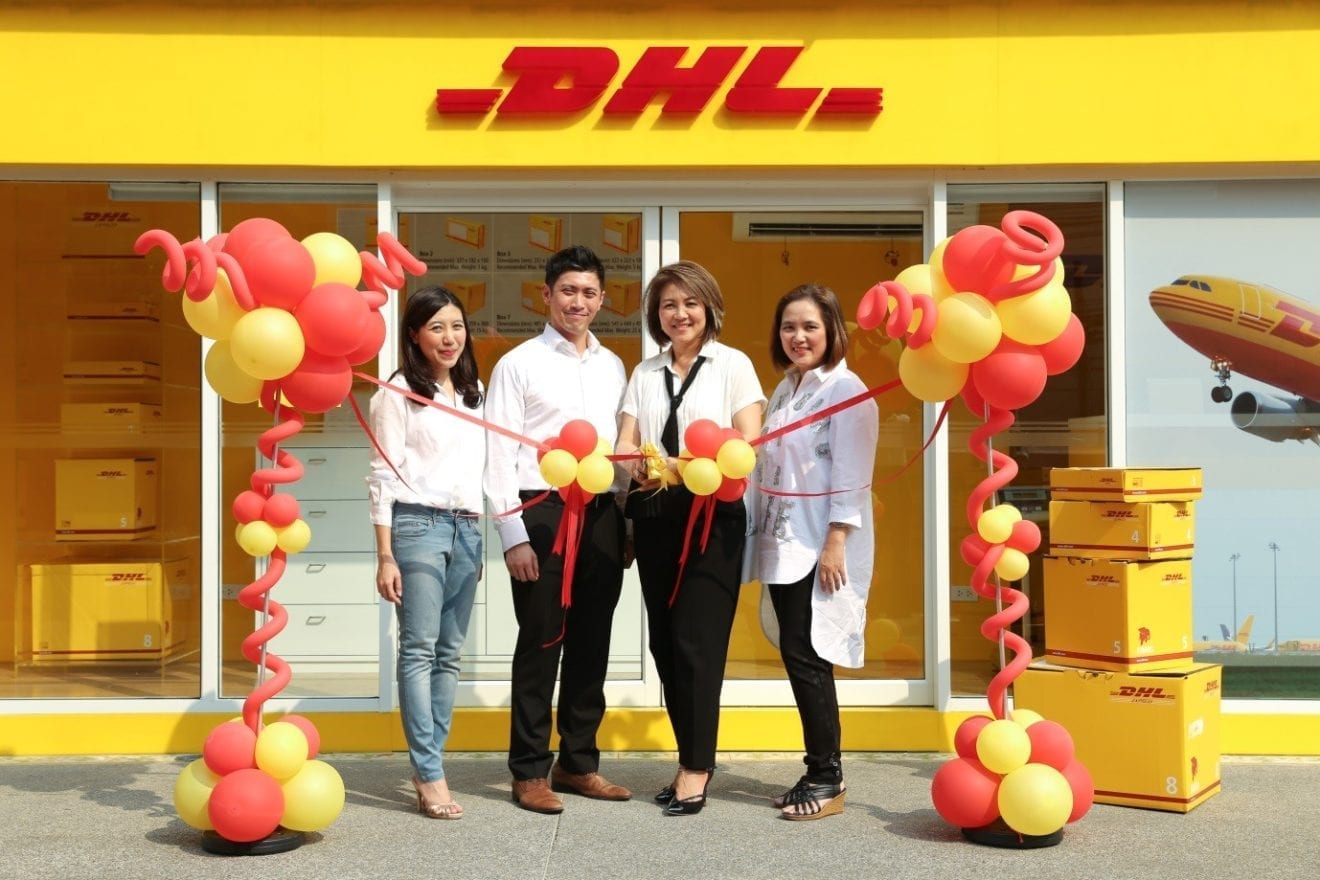
    DHL eCommerce, a division of Deutsche Post DHL Group, today announced the introduction of DHL Parcel Metro Same Day in Ho Chi Minh City and Hanoi. The service allows Vietnamese online retailers to offer same-day delivery to consumers in both cities with real-time tracking and rescheduling of deliveries through DHL’s digital platform. The service uses an “elastic delivery” concept where DHL taps into a varied set of delivery service providers. This allows deliveries to be fast and flexible while allowing same-day service to remain affordable for retailers.

    DHL Parcel Metro Same Day service allows retailers to offer same day delivery to consumers with real-time tracking and rescheduling of deliveries through its fully customizable digital platform.

    “Vietnam remains an exciting market for us with immense potential — Ho Chi Minh City is forecast to be the second fastest-growing Asian economy by 2021, with predicted annual growth of 8% . With about 30% of the Vietnamese population expected to shop online by 2020[2] , demand for e-commerce parcel deliveries will only increase,” said Charles Brewer, CEO, DHL eCommerce.

    “Globally, the demand for same-day delivery is expected to grow 43% till 2025 and capture 22% market share of domestic B2C delivery by then[3] . While the number of e-commerce parcel deliveries continues to soar, urban consumers are at the same time expecting instant and same-day delivery amid growing pressures of congestion, overtaxed infrastructure and costs. DHL Parcel Metro Same Day’s urban-friendly and flexible same-day delivery service aims to relieve last-mile pressures while providing retailers with fast, flexible, visible and reliable deliveries necessary to build consumer trust,” Brewer added.

    DHL Parcel Metro Same Day adds to DHL eCommerce Vietnam’s existing nationwide domestic delivery service supported by its fleet of vans and bikes, and regular air and road connections between its hubs for next-day delivery in Ho Chi Minh City, Hanoi and other primary markets. Coupled with its growing network of over 200 DHL ServicePoints, DHL eCommerce provides sellers and consumers with convenient pick-up and drop-off locations across the country. DHL eCommerce will also offer its fulfillment services along with DHL Parcel Metro Same Day to provide retailers a localized e-commerce solution, allowing them to store their inventory closer to their consumers and to deliver parcels faster and more efficiently to their shoppers.

    “Vietnam’s e-commerce market is growing 32% CAGR from 2018-2022 according to Euromonitor, and consumers — particularly the millennial and urban population — are increasingly expecting instant and same-day deliveries for their online purchases. For a great customer experience, retailers need not only fast and reliable delivery services, but also a personalized and seamless digital experience that inspires customer confidence from the very first click. DHL Parcel Metro Same Day’s customizable designs and Application Programming Interface (APIs) make it even easier for Vietnamese e-tailers to provide their customers with a seamless delivery experience and win their trust,” said Thomas Harris, Managing Director, DHL eCommerce Vietnam.

    DHL Parcel Metro Same Day also allows retailers to offer a fully branded experience in their delivery, with real-time tracking and rescheduling of deliveries through DHL’s fully-customizable digital platform. The digital platform uses a dynamic dispatching and routing engine to improve cost and operational efficiency, and supports a range of delivery modes — including motorcycles, bicycles, and foot couriers, alongside more conventional vans and cars — for maximal speed and agility in complex and often congested urban environments. This includes DHL’s own network of couriers and crowd-sourced partners that meet DHL’s stringent quality and standards.

    DHL eCommerce is part of Deutsche Post DHL Group, established in 2014 as part of the Group’s growing focus in e-commerce logistics solutions. Along with its sister divisions DHL Express, DHL Supply Chain and DHL Global Forwarding as well as its subsidiary Blue Dart Express in India, the Group offers end-to-end solutions for e-commerce retailers. This includes cross-border shipping with a premium offering from DHL Express and affordable solutions from DHL eCommerce; fulfillment solutions through DHL eCommerce and DHL Supply Chain; and air/sea/road/rail freight solutions from DHL Global Forwarding.

  • Ebay launches free delivery with Myer, Target, Chemist Warehouse

    Ebay launches free delivery with Myer, Target, Chemist Warehouse

    Ebay Australia has officially launched its new membership program, Ebay Plus, offering free delivery and returns on 15 million products from tens of thousands of retailers, including Myer, Target and Chemist Warehouse.

    Ebay Plus members also get access to exclusive deals, such as up to 60 per cent off of popular items, early access to new products, a dedicated customer support team and collect double Flybuys points on all Ebay Plus purchases.

    The membership program, which went live last Friday, follows the introduction of Ebay’s Guaranteed Delivery, which provides faster and more precise delivery times for shoppers.

    The online marketplace now guarantees delivery in four days or less on millions of items, with the option to search for and filter items by delivery speed.

    The changes come as Amazon is reportedly gearing up to launch its own membership program, Amazon Prime, in Australia in mid-2018. With Prime, Amazon customers gain access to free shipping, including 2-day and in some cases same-day delivery, among other benefits.

    However, while Prime now costs US$119 (approximately A$160) annually, Ebay Plus costs only $49 for 12 months.

    According to research commissioned by Ebay in May, Australians spend over $71 on delivery each year, with 8 per cent spending in excess of $200.

    Ebay Australia & New Zealand managing director Tim MacKinnon said the introduction of Ebay Plus is a game-changer for Aussie shoppers and will address the pain-point of delivery costs.

    “We know our customers love the value and convenience of online shopping but our research shows the cost of delivery can stack up over time,” MacKinnon said.

    “Ebay Plus is the ultimate shopping membership. It’s like getting free delivery from your local shopping centre without leaving home. You sign up to Ebay Plus and receive free delivery and returns on 15 million items from tens of thousands of Aussie retailers including Myer, Target and Chemist Warehouse.

  • Kerry logistics acquires stakes in Saga Italia

    Kerry logistics acquires stakes in Saga Italia

    With their newly acquired stakes in Saga Italia S.p.A, Kerry logistics is looking to strength their project logistics capabilities.

    Kerry Logistics Network Limited (Kerry Logistics) has acquired a majority stake in Saga Italia S.p.A. (Saga Italia) as part of its ongoing global expansion strategy. With the acquisition of the Milan-based logistics company, Kerry Logistics strengthens its overall service portfolio by adding Saga Italia’s specialised know-how in the fields of project logistics, heavy lift services, and material management.

    The acquisition will also add three new countries to Kerry Logistics’ network, namely, the Republic of the Congo, Uganda, and Egypt, as well as new offices in Kazakhstan, Turkmenistan, United Arab Emirates, Russia, and the US.

    Founded in 1985, Saga Italia provides end-to-end solutions tailored to its customers’ project requirements. More than 150 logistics professionals manage projects for multinational corporations across the globe, particularly for customers in the oil and gas industry. Saga Italia’s comprehensive range of services also includes a complete suite of international freight forwarding services covering air, ocean, and overland transportation.

    Thomas Blank, Managing Director of Europe, Kerry Logistics, said, “With this step, we continue to build upon our expertise in project logistics which currently spreads across China, The Philippines, Indonesia, The Commonwealth of Independent States, and India. Saga Italia’s specialised knowledge further strengthens our activities and will support us to tap into the immense business opportunities as more Belt and Road projects get off the ground. With Saga Italia on our team, we are able to provide a platform to consolidate our project logistics capabilities across the globe.”

  • Ninja Van ready to pounce on rivals in Singapore

    Ninja Van ready to pounce on rivals in Singapore

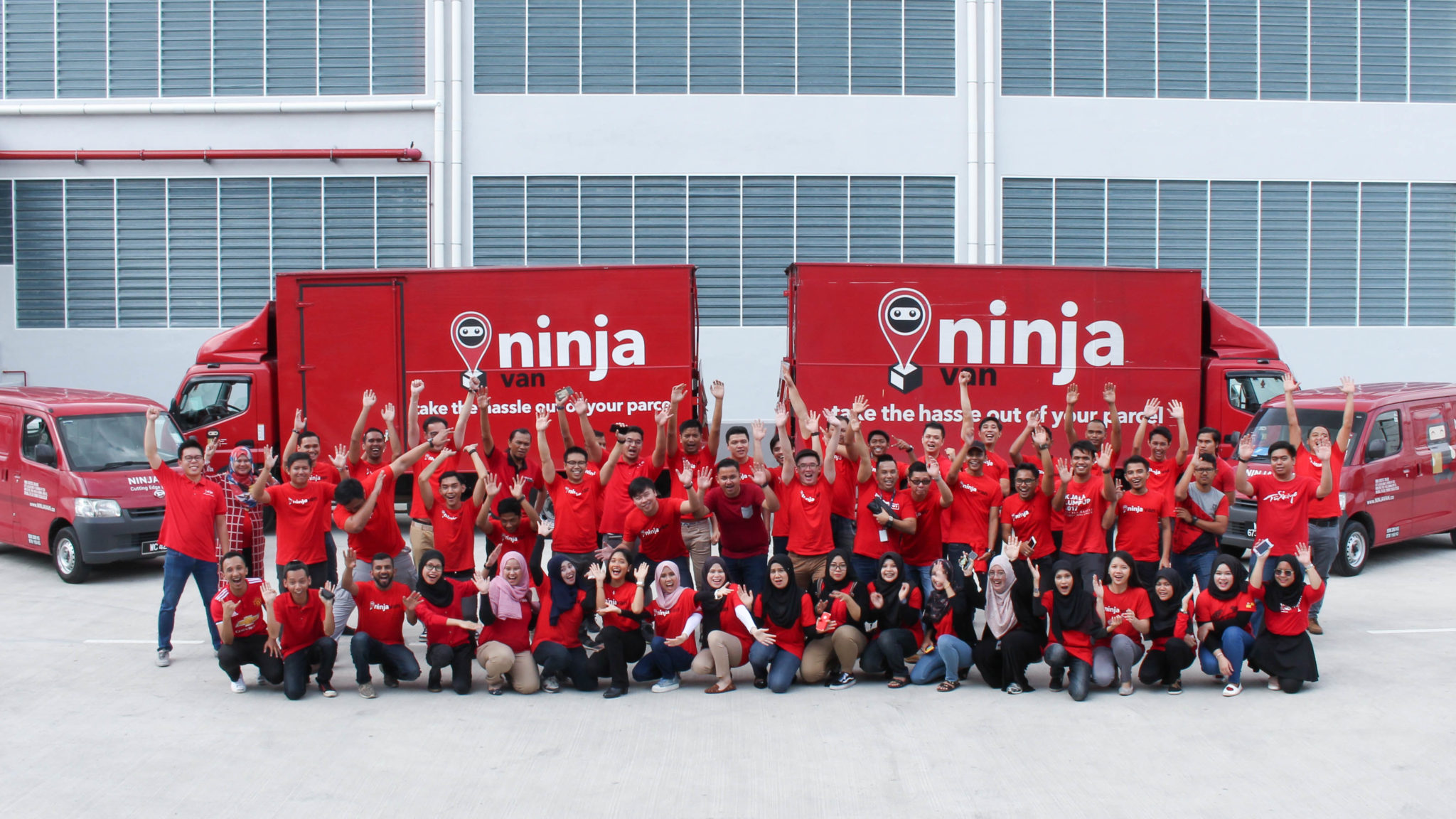
    Like the Japanese warrior it is named after, homegrown logistics tech startup Ninja Van is taking the fight to its rivals in its bid to become the top delivery e-commerce service here and in the region.

    For a start, Ninja Van plans to increase its parcel collection points to 500 by the end of the year — more than doubling its current number of 200 stations around the island. They are usually found near MRT stations and in shops, and the locations include Toa Payoh, Woodlands, Clementi, Punggol, and Orchard Road.

    To help enhance the customer’s delivery experience, it plans to give them a “live” option to redirect their parcels. Mr Lai Chang Wen, 31, Ninja Van’s co-founder and chief executive, said in an interview with TODAY that the service will be launched here before the end of the year, and will be gradually rolled out in other countries in South-east Asia.

    It will provide customers with information on when their parcels will arrive, and if they are unable to receive it in person, they can redirect it to a nearby Ninja Point, or request for it to be left at the door or neighbour’s house via the company’s website or mobile application.

    Mr Lai said this service is designed to cater to customers’ demands, making it “hassle-free”, and that it will help improve the collection experience.

    “We want to give customers more options, rather than just tracking,” he said.

    Currently, customers can also choose to self collect the parcels rather than have them delivered to their homes. Some collection points, such as those at shopping malls, are very “popular”, he added.

    The collection point service, known as Ninja Collect, includes automated parcel lockers called Ninja Box, as well as Ninja Points that allow for collection at retail shops.

    Ninja Van’s 500 points islandwide ensures that there is a pick-up point located within 500 metres from any residential home, said Mr Lai. TODAY understands that its rival, government-linked company Singapore Post (SingPost), has over 150 automated parcel lockers, called POPstations, in Singapore.

    While this push by Ninja Van could be seen as a threat to SingPost, Mr Lai insisted that both firms can “co-exist and challenge each other to keep improving”. He believes that Ninja Van’s e-commerce parcel delivery service is “on par” with SingPost’s.

    In the next three to five years, the firm will focus on strategies such as social commerce where customers shop on social media platforms such as Facebook, Instagram and Internet forums.

    He added: “We are looking at how we can allow mid-tier Korean cosmetic brands to sell (their products) in South-east Asia. For social commerce… the sellers need to find a way to ship the parcels. We provide that solution for them.”

    Ninja Van’s social commerce business is currently focused on Indonesia, Thailand and Vietnam. An expansion within the region would potentially increase their driver numbers by over 300 per cent, bringing the total count in the region to between 30,000 and 50,000 drivers.

    WE’RE A RHINOCEROS, NOT A UNICORN

    Founded here in 2014 by Mr Lai and his partners, Ninja Van has since expanded its business to the rest of South-east Asia, including Malaysia, Indonesia, Thailand, Vietnam, the Philippines, and Myanmar.

    The Singapore office employs 200 staff and 400 drivers, while its businesses overseas have a total of 2,000 full time staff and 10,000 drivers.

    Early this year, the tech company raised a record amount — believed to be over US$85 million (S$111.5 million) — in its series C funding round. It is believed to be the largest series C funding raised for the region.

    The development drew the attention of observers, who said that Ninja Van could be the next “unicorn”, which is a privately held startup company that is valued at US$1 billion or more.

    Ninja Van has raised more than US$115.5 million to date.

    Mr Lai said that the company’s expansion plans are “on track”. The startup currently covers about 80 per cent of South-east Asia, and with the funding, it can grow its network of depots, trucks, drivers and sorting spaces, he added.

    He also said that the firm is focused on South-east Asia for now. There are also no plans to diversify from its core logistics business, nor does it plan to pursue new projects such as ride hailing firm Grab’s e-wallet payment solution Grabpay, for instance.

    Dismissing talk that the company could be a “unicorn”, Mr Lai prefers for it to be seen as a rhinoceros instead.

    “A unicorn gives the connotation of being sexy, too prim and proper, and elusive,” he said.

    “A rhinoceros is more grounded. It’s rare but you can actually find it. It is a bit grungy, and dirty and real. That’s the business we are in.”

    LIVING THE DREAM?

    Looking to the future, Mr Lai said that Ninja Van needs to keep its digital and innovative culture alive and well in order to prevent it from being “disrupted” by competitors.

    Aside from its staff, technology is also a key part of its business. For example, in Vietnam, the company uses a “certain form of machine learning” and tech algorithms to identify addresses in the country and check if the location is accurate.

    While running a startup and being your own boss might sound like he is “living the dream”, Mr Lai, who did not have any experience in logistics when he co-founded Ninja Van, said that would-be entrepreneurs should not think that way.

    He said: “People join for the wrong reasons. They think it is very cool, but it is quite tiring. The real reason to start a company should be because you want learn, to challenge yourself, and to try to make a difference.”

    The busy entrepreneur works seven days a week, and he is always on his phone replying to messages and taking business calls. He only spends around 80 days a year in Singapore, with the rest of his time spent travelling around the region for his business.

    He added: “There is no line (between business and leisure). Whatever needs to be done, you do it.”

  • GrabFood deliveries kicks off in Vietnam

    GrabFood deliveries kicks off in Vietnam

    Grab Vietnam is the first ride-hailing service in Southeast Asia to expand to GrabFood deliveries.

    Starting today in Ho Chi Minh City, the service enables consumers to order food from nearby restaurants that have signed up to the new app. Merchant partners have an online storefront, and there is no minimum order requirement. The app also features promotions and recommendations.

    The roll-out follows in such cities as Hanoi, Danang, Ha Long and Nha Trang.

    “Food delivery is a natural extension of our transport offerings,” says Grab Vietnam country head Jerry Lim. “Each day, millions of people in Southeast Asia rely on ride-hailing services, while food-delivery services save them time.”

    Meanwhile, in Indonesia and Singapore, the company will also add UberEats, which runs until end of this month, to its business.

    GrabFood was launched in Jakarta in 2016, with Bangkok having a beta test last year. It is also currently in beta phase within the Singapore CBD.

  • Shopee teams up with DHL eCommerce in Thailand to offer a seamless delivery experience

    Shopee teams up with DHL eCommerce in Thailand to offer a seamless delivery experience

    DHL eCommerce, a division of the world’s leading logistics company, Deutsche Post DHL Group, is partnering with Shopee, the leading e-commerce platform in Southeast Asia and Taiwan, to offer greater convenience and choice to Shopee users in Thailand. Sellers on Shopee can now access over 500 DHL ServicePoints across Thailand to drop off their parcels and have them delivered to their shoppers across Thailand. Alternatively, sellers can also arrange a pickup from DHL for door-to-door delivery service to their buyers.

    “We are thrilled to be partnering Shopee to offer greater ease, choice and control over  the online delivery experience. Shoppers’ expectations are growing with regards to their entire purchasing experience — they expect a great and seamless experience from the time they click to purchase until the goods are received. A recent report states that 60% of consumers purchased from one online merchant over another because delivery options were more convenient for their needs, highlighting the pivotal role of delivery in the overall online shopping experience[1] ,” says Kiattichai Pitpreecha, Managing Director, Southeast Asia, DHL eCommerce. 

    “Shopee is excited to work with DHL eCommerce and we are confident that our users will benefit from the suite of services and features offered by DHL. We aim to become the online shopping destination of choice in all our markets and will continue to explore synergies between the two companies to make both buying and selling on Shopee as easy and seamless as possible,” says Terence Pang, Chief Operating Officer of Shopee.

    DHL’s domestic delivery network in Thailand offers high quality delivery service and a range of other services, such as easy IT and API integration, end-to-end tracking, delivery insurance, cash on delivery and more, tailored for the booming e-commerce industry. This enables sellers and leading brands on Shopee to efficiently reach out to customers across the country. Shoppers on the other hand will benefit from the consistent quality and convenience of delivery options. DHL eCommerce will also be growing its ServicePoint footprint in Thailand to over a thousand in the coming months to offer increased touchpoints with users.

    To mark the start of the partnership, Shopee and DHL will be extending a limited period free shipping promotion. Shopee sellers can enjoy free shipping nationwide (terms and conditions apply) from now until 30 June 2018 when they select DHL as the logistics provide for their shipments.

  • Amazon offering deliveries to parked vehicles

    Amazon offering deliveries to parked vehicles

    Expanding on its Amazon Key, which enables access for in-home deliveries, Amazon has started offering deliveries to vehicles.

    With Amazon Key-in-Car, Prime members with compatible vehicles can have packages delivered to the boots and back seats of their cars when parked at home or in public areas.

    Customers need to have a compatible vehicle from Buick, Cadillac, Chevrolet, GMC or Volvo, reports The Verge.

    Free for Prime members, the service is so far available in 37 US cities following beta tests in California and Washington State for the past six months. Amazon is using multiple layers of verification to secure the in-car deliveries.

    The Amazon Key app also shares notifications with users throughout the four-hour delivery-time window, such as when the delivery is on its way, when the package was delivered and when the car was relocked.

    The service expands on the Amazon Key program, a lock-and-camera service that enables Prime members to receive packages directly inside their homes.

  • Food2U scores a long term investment

    Food2U scores a long term investment

    Myanmar food-delivery platform Food2U has raised a six-digit investment from Premium Distribution, which handles retail, food services and non-food products.

    It imports and distributes products from such food brands as Cadbury, Ferrero, Fontana and Nestle, as well as items from Lock & Lock and Luminarc.

    The valuation of the startup, founded in early 2015, is said to be more than US$2 million. The company is led by founder/MD Kyaw Myo Thet, whose background is software engineering. In May last year, Food2U raised a six-digit amount from three individual investors including iMyanmarHouse.com founder Nay Min Thu.

    Food2U, which handled about 5000 deliveries a month last year, has expanded its services beyond Yangon to Mandalay and Taunggyi. It has also forged a partnership with Pizza Hut in Myanmar, a JV involving Pizza Hut Myanmar, City Mart Holding and Jardine Restaurant Group.

  • Cosco’s inland push expands Asia, Europe logistics footprint

    Cosco’s inland push expands Asia, Europe logistics footprint

    Maersk Line may have captured the headlines with its new focus on becoming a global provider of integrated container logistics, but it is a strategy that China’s Cosco has been pushing for the last couple of years with increasing assertiveness.

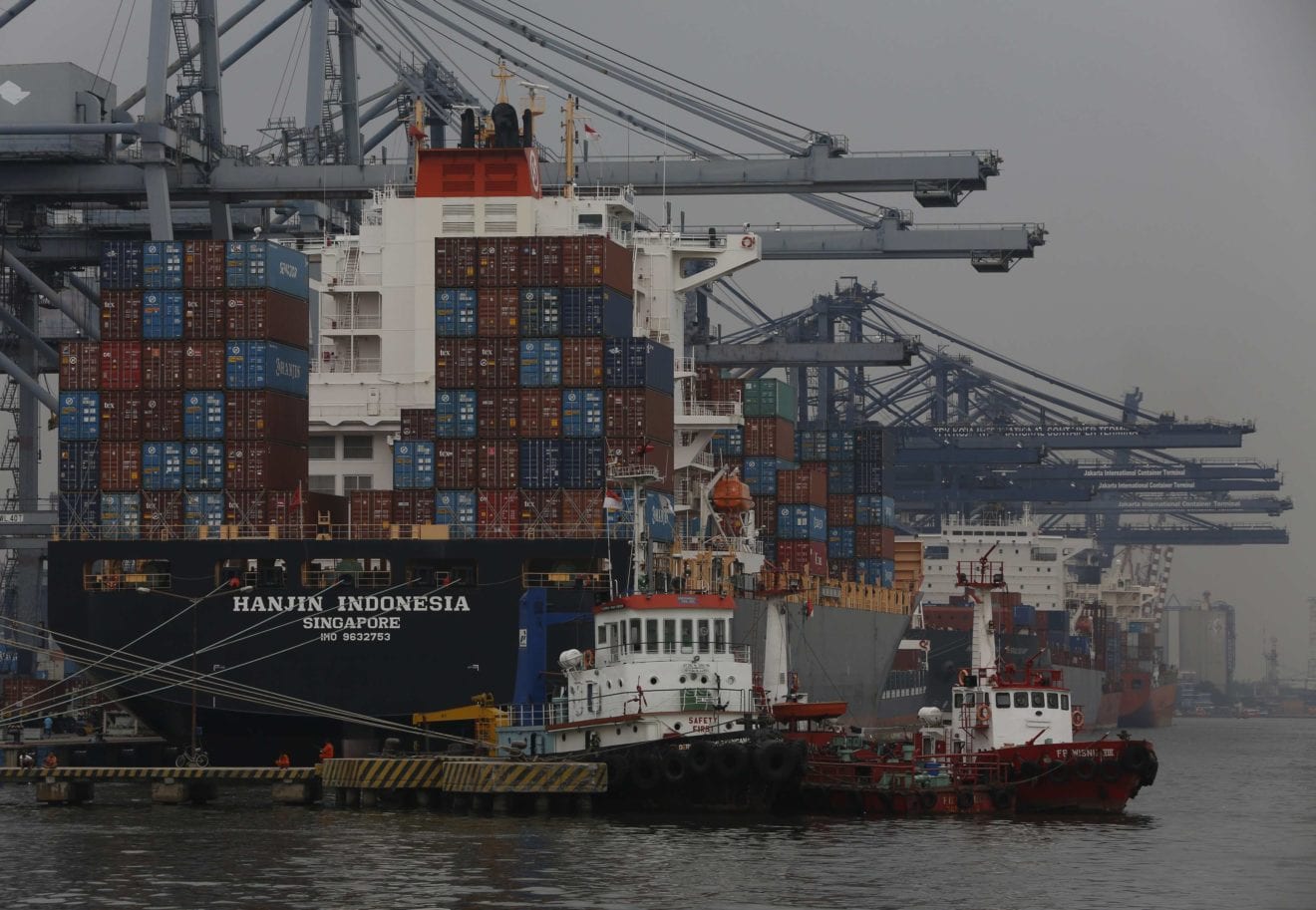
    Cosco Shipping Holdings, China’s largest shipping company, has continued to aggressively expand into landside logistics, building on Beijing’s Belt and Road strategy to grow its terminal and inland footprint in Asia and Europe.

    The group — which consists of carrier unit Cosco Shipping and terminal operator Cosco Shipping Ports  — steamed back to profitability in 2017, with a recovering market and freight rates driving up revenue 22 percent compared with 2016 to $14.3 billion, with generous government subsidies leading the company to a $423 million net profit.

    Cosco has returned to profitability at the right time. Not only is the container shipping market recovering — the carrier’s volume in 2017 increased by 23.7 percent to 20.9 million TEU while Cosco Shipping Ports handled more than 100 million TEU during the year — Beijing’s is also placing increasing importance on investment along the land and ocean Belt and Road routes.

    Belt and Road logistics channels progress

    Cosco Shipping Holdings said it had made progress regarding the construction of logistics channels along the Belt and Road route. By consolidating its global shipping networks, the company said it has increased service frequency and efficiency along the ocean route, and also connected the shipping routes with other important, emerging, regional markets, such as the United States, West Africa, the Caribbean, and North Europe.

    It is difficult to separate Cosco’s global shipping network from its Belt and Road routes, with the carrier including most of its services under the trade strategy umbrella. For instance, Cosco said 62 percent of its entire container shipping capacity was deployed on the Belt and Road routes, comprising 180 container vessels with a total capacity of 1.15 million TEU.

    But it is in the terminal and inland services where the carrier’s move into controlling the landside supply chain can be seen more clearly. This is especially true within China, where Cosco operates more than 150 sea-rail container transportation routes, covering more than 100 major ports and hinterland stations across 27 provinces, autonomous regions, and centrally administered municipalities.

    Cosco stated early last year, “The company will also increase its efforts in construction of ancillary facilities in important logistic nodes in the supply chain, and gradually achieve the transition from a shipping carrier to a provider of comprehensive container logistics solutions.”

    Logistics solutions push started in 2017

    Those efforts in 2017 began in January when Cosco Shipping Ports entered into a strategic cooperation agreement with Qingdao Port International, taking an 18.41 percent equity interest.

    Outside China, Cosco continues to strengthen the position of Piraeus Port in Greece as a transportation hub and accelerate the development of what it called the China-European sea-rail express business. In 2017, the freight volume carried on the service, which includes China-Europe rail, increased by 134 percent compared with the previous year, Cosco said in its earnings statement. Cosco Shipping in May 2017 acquired 24.5 percent equity interest in the KTZE-Khorgos Gateway, the rail hub on the Kazakhstan-China border that is a key point in the landbridge.

    Then in October 2017, Cosco Shipping Ports completed its acquisition of a 51 percent equity interest in Noatum Port Holdings, a port company in Spain. The controlling stake gives China’s second-largest port operator access to several terminals on the Iberian Peninsula.

    In November 2017, Cosco Shipping Ports began the construction of a terminal in Abu Dhabi, and in the same month completed the acquisition of additional equity interests in APM Terminals Zeebrugge in Belgium, taking full control of operations.

  • Asia Pacific’s foodie hotspots deliver real estate benefits

    Asia Pacific’s foodie hotspots deliver real estate benefits

    For many cities in Asia Pacific, being known as a foodie destination is more than a badge of honour; it’s fast becoming a key driver of real estate development well beyond the retail and hospitality sectors.

    Take the South Australian capital of Adelaide, which boasts plenty of home grown produce and has several renowned wine regions like Barossa Valley and McLaren Vale on its doorstep. For international, and even domestic visitors, the city has traditionally been eclipsed by better known – and better developed – rival Melbourne, but recent urban re-furbishment plans are shining the spotlight on its foodie credentials.

    There’s certainly an appetite for its growing restaurant scene. ““Our year-on-year retail spending growth in the cafes and restaurants category has been in double-digits since mid-2016. It’s all about food and wine down here,” says Rick Warner, Strategic Research Manager for JLL Australia, says.

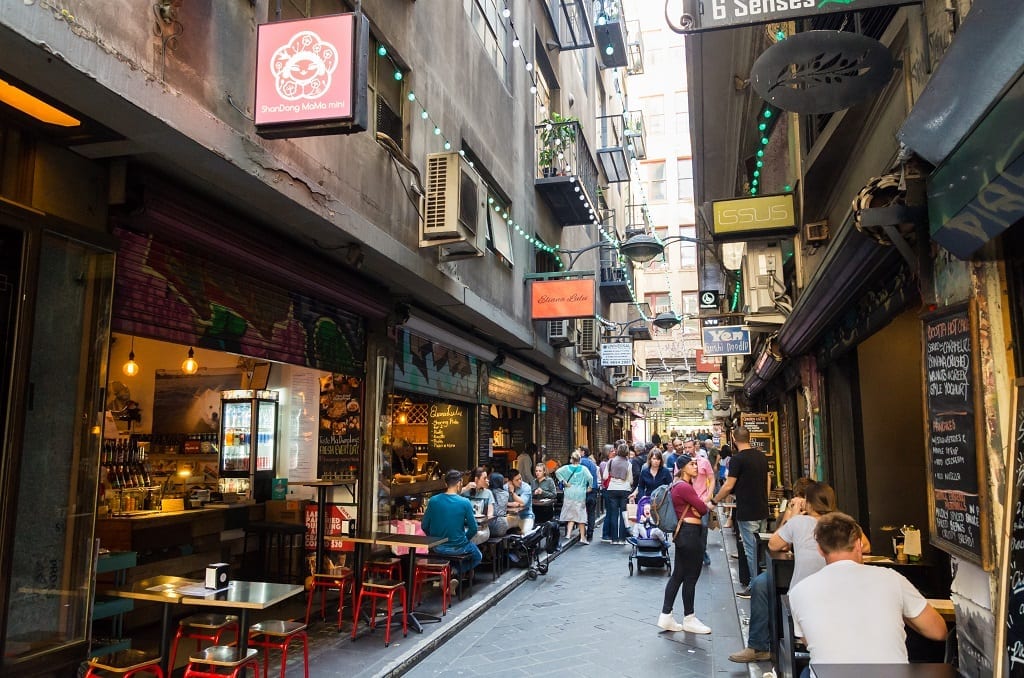
    Stage one of Adelaide’s laneways regeneration saw hospitality groups clambering for space, transforming once under-utilized units into prime real estate. Local authorities followed this up with the ongoing Laneway Master Plan, which aims to create a new hospitality and retail spine in the city and breathe new life into its nightlife.

    Warner says: “The most obvious benefit to the commercial property market is the positive impact on CBD retail vacancy, albeit in areas outside the city’s major retail destination, Rundle Mall. However, the multiplier effect of the Laneway Master Plan is the increased vibrancy and attractiveness of the city as a place to do business, a place to study and as a place to live.”

    Indeed, the area along the River Torrens is being transformed with several major projects, including the large–scale redevelopment of Festival Plaza. Also in the pipeline are several big name hotels and residential projects: Accor’s premium Pullman brand will make its debut in October, Crowne Plaza Adelaide is set to open in 2020 in the city’s tallest building, Frome Central, and luxury names Sofitel and Langham are also entering the city. The City Of Adelaide Council has also given the green light to a number of residential projects including the 40-level Realm Adelaide tower.

    The rise of foodie destinations

    Similar transformations have taken place in in other Australian cities. For example, along Sydney Harbour, old shipping yards have been converted into a world-class food and tourist destination at Barangaroo. It boasts a range of stylish apartments and offices, yet the biggest draw is its dining precinct along the foreshore which opened in 2016 and includes popular eateries like Belle’s Hot Chicken, Old Tow Hong Kong and Nola Smokehouse.

    Hobart’s food scene is also drawing in visitors and new residents. The city’s waterfront area is awash with new food and drink venues, which are supporting the revitalization of the surrounding area. New developments such as sustainable The Commons apartments are slated to open in 2019, while new hotels include the boutique MACq1 and the soon-to-be-launched Tasman Hobart, housed in an assortment of repurposed heritage buildings.

    Meanwhile, in Noosa on Queensland’s Sunshine Coast, a bustling food scene has sprung up on Hastings Street, its main retail strip, which is pulling in growing numbers of visitors. New apartments have followed, including the upcoming Settler’s Cove residential complex and  Parkridge units, both in Noosa Heads.

    Warner points out that the lifestyle such foodie destinations offer has become increasingly important to prospective residents and tourists alike. “It’s why developers and planners are focused on locations like these – people want vibrant places to live with plenty of amenities on their doorstep. For investors, this can create strong returns and for landlords, there’s a good pipeline of tenants looking to live in the area.”

    Food-obsessed in Asia

    Across Asia, cities with a strong epicurean culture have welcomed more food and beverage (F&B) retailers and have seen their real estate bolstered accordingly.

    “In Hong Kong, the leasing market has become much more accommodating towards F&B operators with the broader retail sector in the midst of a three-year long slump,” observes Cathie Chung, Research Director, JLL Hong Kong.

    Last year, F&B operators accounted for 66 percent of all international newcomers, compared to only 51 percent in 2016.

    Chung adds that the popularity of F&B, combined with consumers seeking out more unique experiences, is leading to more creative uses of retail space. Indeed, experiential concepts such as Speedway Diner in Kowloon City Plaza and Strokes, the first restaurant in the city to offer a mini golf course, have opened up in the past year.

    Over in Kuala Lumpur, the city is steadily growing its F&B credentials with new speakeasies and eateries. The neighbourhood of Damansara Heights has been listed among the world’s most buzzing neighbourhoods for its trendy restaurants and cafes, which form a key part of its appeal for residents and visitors. This has boosted the lifestyle credentials of developments such as Damansara City, which includes a new Sofitel hotel, office towers and an F&B-centric mall, as well as luxury apartments Aira Living.

    “It’s a journey – you need sufficiently a large population to support the food and beverage openings and once a new neighbourhood has matured, more new residents will move in because of the high-quality local amenities,” explains Veena Loh, Head of Research for JLL Malaysia. Penang and Malacca, for example, have attracted much foreign investment because of their famed cuisine.

    While a flourishing foodie scene isn’t an automatic recipe for the success of a neighborhood, when done well, it can spur the type of development and regeneration which bring long-term benefits.

  • DHL takes 2-wheeled ride to Southeast Asian growth

    DHL takes 2-wheeled ride to Southeast Asian growth

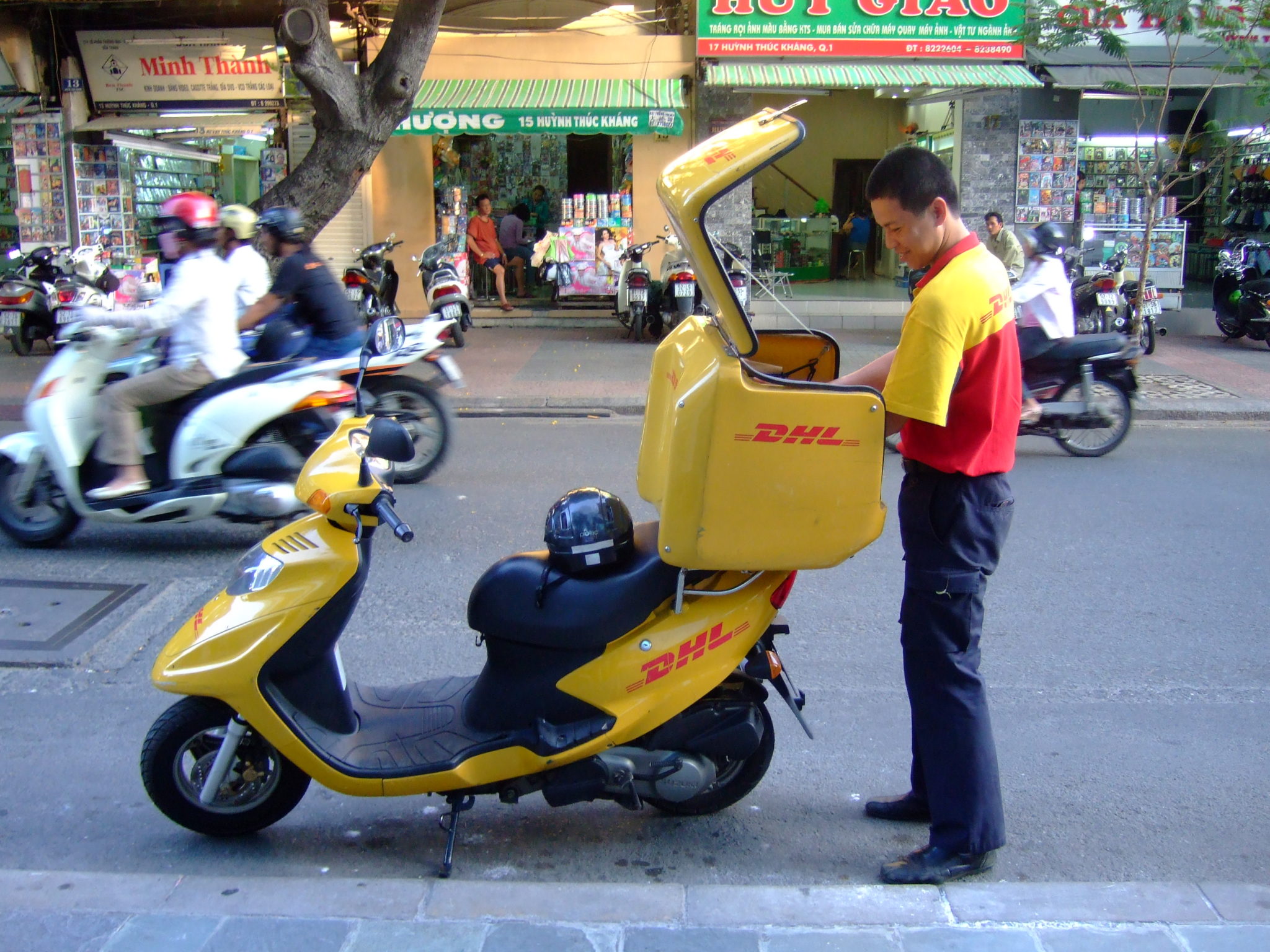
    DHL is making headway in Southeast Asia’s highly competitive ground shipping market largely by adopting a so-called microdelivery model employing motorcycles.

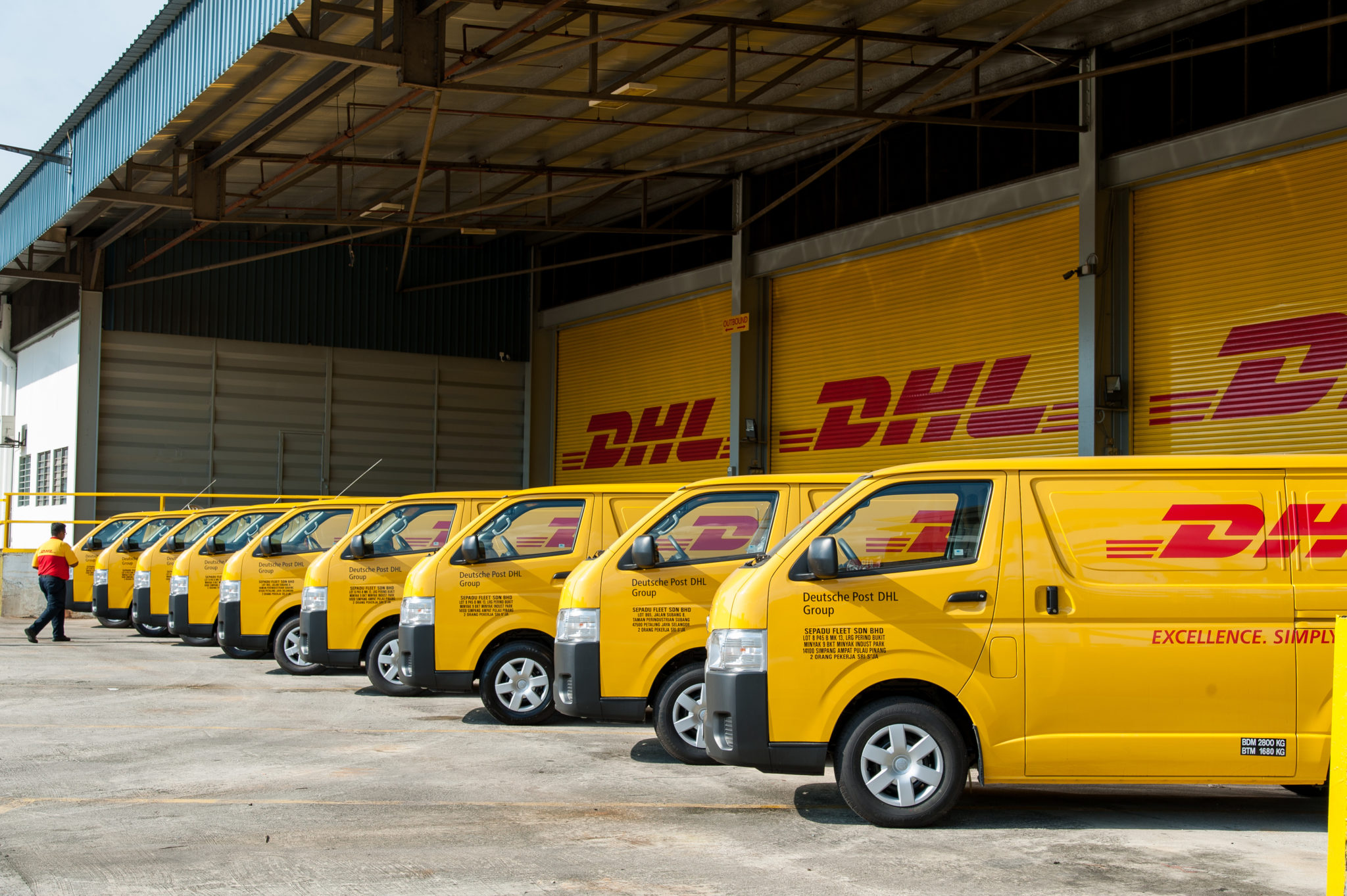
    In the two years since entering Thailand’s door-to-door-delivery sector, DHL has built up a network of 200 service locations and will raise the tally to at least 1,000 this year. It has also amassed a fleet of motorcycle couriers, recognizable by the yellow shipping containers on their bikes.

    “I feel at ease whenever I see the DHL logo,” said a 43-year-old man who frequently purchases clothing and electronics online.

    Retailers have similarly warm sentiment. “Delivery satisfaction is directly linked to an online store’s ratings,” said a representative of a womenswear seller that does business with DHL.

    DHL has already established a strong track record in Thailand through its international air transport and corporate-client logistics businesses. Its regular local staffers number more than 500.

    The package volume DHL handles for e-commerce clients has climbed to 15 million units a year. DHL can pick up and pack an item for a seller when needed, and deliver the item to the recipient in one or two days. Customers can pay with cash upon receiving the item.

    This type of home delivery service has yet to fully take root throughout Southeast Asia. DHL has sought to get a head start by setting up shop in Malaysia and Vietnam last year. It now has 1,000-plus service locations in three countries, with short-term plans to expand the network to thousands of locations.

    Online shopping is on the verge of igniting the home delivery business in Southeast Asia. The home delivery market in six key nations of the region will grow to $7.5 billion in 2020, or more than double 2015 levels, according to Nomura International (Hong Kong). Online retailing’s share is expected to rise to 38% from 15%.

    “There is currently no single global player in e-commerce logistics that is able to offer an end-to-end solution from fulfillment, cross-border to last-mile delivery” besides DHL, said Charles Brewer, CEO of DHL eCommerce.

    The DHL group also has the Chinese market, where it established a footprint before heading to Southeast Asia. “China has massive growth potential for outbound cross-border e-commerce,” Brewer said. Southeast Asia, with its population of 600 million, is key to realizing its promise.