Retail News CRM

Tag: delivery

  • Starbucks Hong Kong partners with Deliveroo to launch delivery services

    Starbucks Hong Kong partners with Deliveroo to launch delivery services

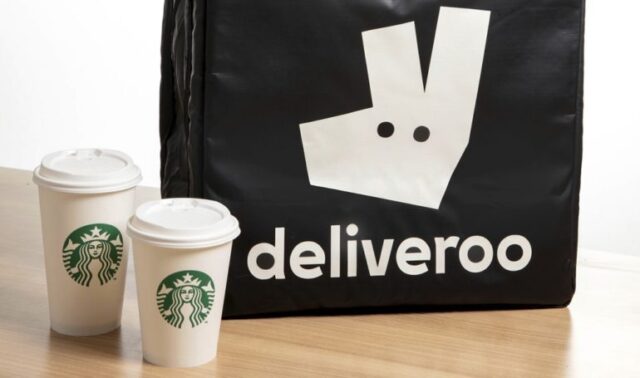
    Starbucks Hong Kong and Deliveroo Hong Kong, the online food delivery company, announced an exciting partnership to launch a pilot delivery service starting on 21st January 2019. The service will first roll out at 18 participating stores across Hong Kong Island, Kowloon, and the New Territories with plans to expand the program to more stores over time.

    To celebrate the launch of Starbucks delivery service, customers can enjoy free delivery from January 28 to February 3 – an exclusive offer for Hong Kong customers to try out this new offering.

    Also, new Deliveroo customers can enjoy HK$25 discount on each of their first four Starbucks orders on Deliveroo with the code “STARBUCKS100”.
    As the first retailer in Hong Kong to launch mobile ordering feature using its mobile payment technology, Starbucks has continued to embrace the relentless pursuit of digital innovations to meet the high expectations and demand for convenience in Hong Kong.

    The introduction of delivery services with Deliveroo will elevate Starbucks Fourth Place experience, the digital and mobile touchpoint that connects Starbucks with its customers. The delivery service is expected to reach over 30 stores in second quarter, offering convenience to more customers in Hong Kong.

    Deliveroo, the largest food delivery platform in Hong Kong, is growing and this year expects to work with 4,000 riders and 6,000 restaurants in Hong Kong. The company is intent on expanding its offer to consumers, in particular with partnerships such as this. Based on its exclusive data insights, Deliveroo knows that customers are increasingly searching for hot beverages and coffee on the platform. Searches surged by 185% in 2018 while orders for coffee and tea increased by a staggering 245%. Therefore, Deliveroo and Starbucks will go together brilliantly.

    As part of Deliveroo’s corporate offering, Deliveroo for Business, for companies across Hong Kong, Deliveroo will offer bulk Starbucks coffee deliveries to meet the rising in breakfast, lunch and teatime coffee orders in Hong Kong’s business districts. Given the rapid growth of Deliveroo for Business to date, Deliveroo believes this will be incredibly popular amongst Hong Kong workers. As part of this, 25 major businesses with more than 100 employees have already expressed interest in the new Starbucks-Deliveroo offer.

    The pilot delivery partnership allows customers to order and customize some of their favorite Starbucks beverage* and food items to their door step, including the option to modify size, number of espresso shots and dairy selections. We target to ensure every order meets the unparalleled experience and quality that customers are accustomed to in Starbucks stores.

    “We are continuously looking for ways to evolve and innovate our features that are relevant to our customers, thus we are happy to partner with Deliveroo who is as passionate as we are in food and beverage, to offer trusted delivery services and bring ease to our customers,” said Andrew Hui, General Manager, Starbucks Hong Kong & Macau. “The pilot delivery program is a seamless addition to our commitment to explore digital solutions, and the perfect complement to our in-store offerings, further extending the holistic Starbucks experience for customers to enjoy wherever they may be.”

    Brian Lo, General Manager of Deliveroo Hong Kong, said: “Deliveroo is constantly looking for new ways to ensure customers have access to amazing food and drink whenever and wherever they want it, and so we are delighted to work with Starbucks. This partnership will again show people that, on Deliveroo, every option and every occasion is catered for. Deliveroo is growing across Hong Kong and across the world, and with exciting new partners and new offers such as this, we are looking forward to expanding our reach even further. This collaboration will be available for our corporate customers on Deliveroo for Business, for workers who want that vital coffee.”

  • Pizza Hut India betting big on delivery in 2019

    Pizza Hut India betting big on delivery in 2019

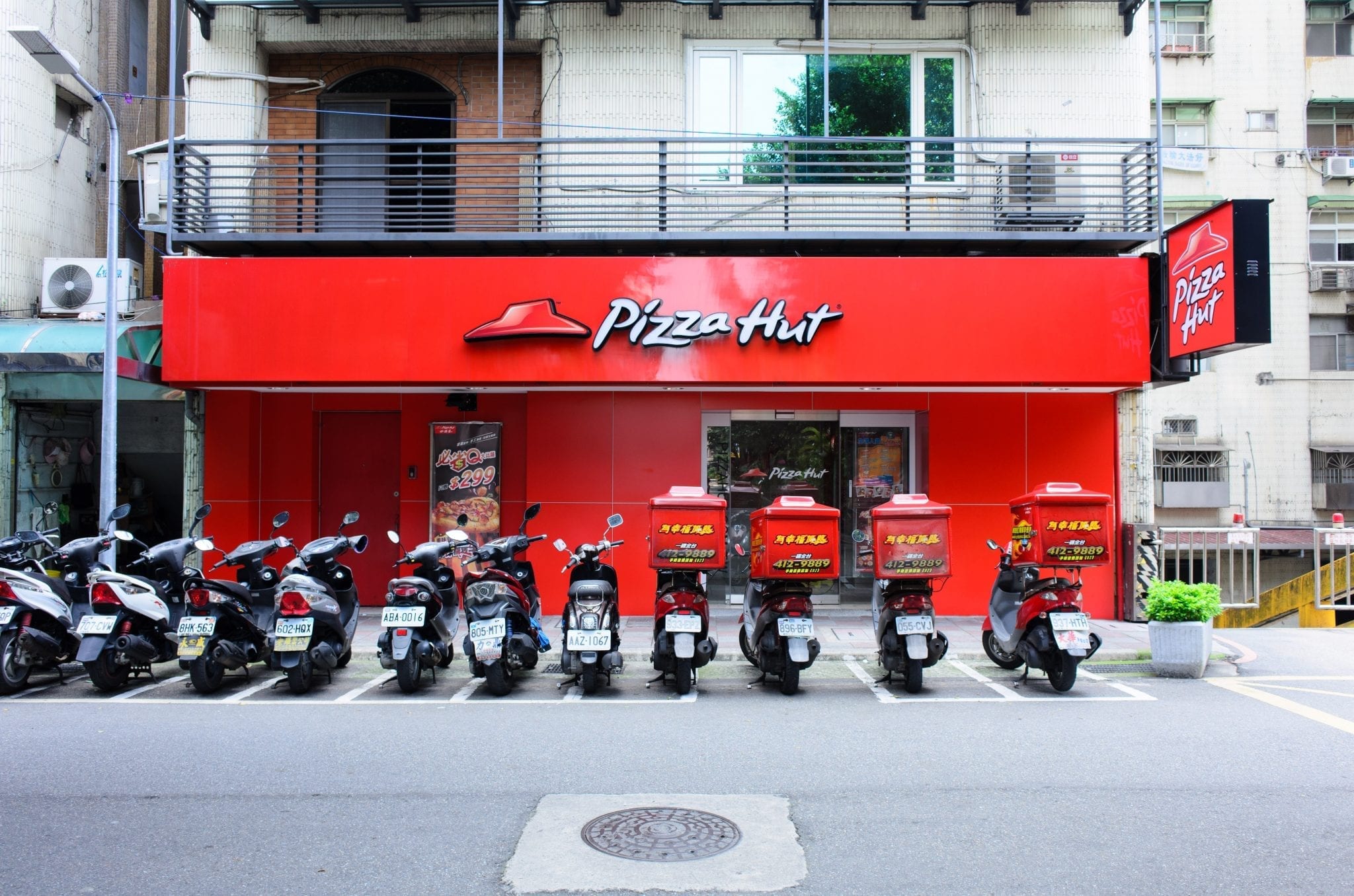
    Pizza Hut India has announced that the company will focus on delivery as a key driver of business growth in 2019 and introduce various initiatives to further enhance the delivery experience for consumers. Coherent with this aim, the brand has launched a rider tracking feature across its digital ordering platforms – mobile-site, mobile app and desktop site. The feature is available across all cities where Pizza Hut has delivery services.

    The rider tracking feature has been launched by Pizza Hut as a solution based on key behavioral findings of the brand’s large consumer base, majority of whom are tech-savvy, on-the-go millennials. The findings have shown that consumers choose brands which adapt to their lifestyle, understand their preferences and enable them to take charge. Also, with changing consumer habits, pizzas have evolved from being a special occasion treat to becoming a part of everyday food consumption in India. Therefore, hassle-free and seamless food ordering and delivery experience has become a vital deciding factor, apart from taste and quality. Rider-tracking is an enabler of the convenience that consumers are seeking, further bolstered by value offers.

    Commenting on the launch of the feature, Prashant Gaur, Chief Brand and Customer Officer, Pizza Hut India Subcontinent said, “At Pizza Hut, we take a lot of pride in serving the freshest and the tastiest pizzas to all the pizza lovers in the country. Apart from great taste, elevating the overall experience across every consumer touchpoint is our biggest focus, and we are implementing this strategy through initiatives like rider tracking feature and value offers. We are confident that these initiatives will further enable us to stay relevant and blend even more seamlessly into the daily lives of our consumers.”

    The upscaling of the delivery channel comes at a time when Pizza Hut India Subcontinent has achieved strong business results with 10 successive quarters of positive Same Store Sales Growth. The brand has been steadily expanding its physical store footprint and launched its 500th physical store in the Indian Subcontinent. Pizza Hut also pioneered the Fast-Casual Delco (FCD) concept in India, which offers a seamless integration of dine-in, takeaway and delivery channels, all under one roof. The company recently upgraded all its digi-tech assets including the website, m-site and mobile app. These initiatives have enabled Pizza Hut to deliver on the promise of providing the easiest, fastest and the tastiest pizza experience to consumers in India. As a result, Pizza Hut has been voted the most trusted brand in India for the 12th time in a row (as per a reputed media house) and was awarded the prestigious EFFIE Gold in the Foods and Confectionery category in 2018 for its outstanding consumer-centric performance.

  • Milkbasket India launches operations in Bengaluru

    Milkbasket India launches operations in Bengaluru

    Milk delivery startup Milkbasket Wednesday said it plans to hire 2,500 people over the next two years and announced the launch of its services in Bengaluru. According to a report, the company said it will hire people to support the operations and growth in Bengaluru. “Within next two years, we hope to have the largest operations in Bengaluru and will be creating employment for over 2,500 people in the process,” Anant Goel, Co-founder and CEO, Milkbasket was quoted by PTI as saying.

    Hiring will be made for ground operations as well as the corporate office, the company said. The startup has 1,500 employees in Delhi-NCR and Bengaluru.

    It has raised close to US$ 16 million from Mayfield Advisors, Beenext, Kalaari Capital, Unilever Ventures, Lenovo and Blume Ventures.

  • Burger Singh India to launch 10 drive thru outlets by 2022

    Burger Singh India to launch 10 drive thru outlets by 2022

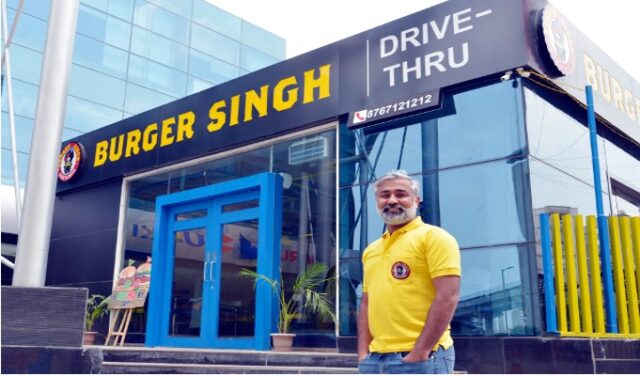
    Burger Singh, the chain of Indianised burgers, has announced its plans to invest substantially in the burgeoning concept of drive thrus, and launch 10 drive thru outlets within the next three years. Overall, the company aims to open 100 outlets in the country by 2022. Speaking on the launch, Kabir Jeet Singh, Co-founder and CEO of Burger Singh said, “Consumer experiences are evolving, and the demand for swift and efficient food outlets has been validated by the popularity of drive thrus. By 2022, over 10 percent of our outlets in the country will be drive-thru outlets.”

    Located on the Golf Course Road in Gurugram, the first Burger Singh drive thru offers swift Indianised burger feasts to the busy and rushed of the city.

    Burger Singh is the largest chain of homegrown Indian flavour burgers in the QSR category in India, with a strong presence in West & North India with 25 outlets in Delhi NCR, Jaipur, Dehradun, Nagpur and Pune. The brand has also ventured in the UK with two outlets in London and has emerged as the most popular brand of Indian burgers in the state.

    The brand has also announced its aggressive expansion plans for the next three years. The company will be hiring over 450 employees by 2020, setting up 100 new outlets.

    Kabir Jeet Singh said, “2019 is expected to be a landmark year for Burger Singh, and we are looking at growing our operations and revenues at least by double in the year. We are planning to expand our operations to more cities in India, which would demand additional manpower to manage the new outlets, and will be hiring aggressively to support our growth. Also, we need to multifold our staff in the corporate office, especially marketing, procurement and hiring teams, to keep up with the expansion, and business targets”

    “We plan to hire resources across all profiles, for delivery and outlets, pan-India and for the corporate office,” he added.

    Known for Indianizing a typical western flavour, Burger Singh specialities include the vegetarian Keema Pao, the Pao Bhaji Burger, the Malabar Express Chicken Burger & Channa Burger for the vegetarians, the Jaatputt Chicken Burger, the Amritsari Murgh Makhani Burger, the Udta Punjab Burger, the Bunty Pappeh Da Aloo Burger and the United States of Punjab Burgers in both vegetarian & non-vegetarian options, amongst others.

    The company is headquartered in Gurgaon, Haryana

  • JD.com has just marked a breakthrough for drone delivery in Southeast Asia

    JD.com has just marked a breakthrough for drone delivery in Southeast Asia

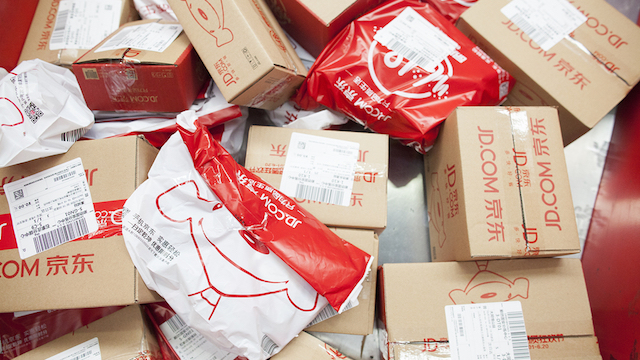
    JD.com announced the completion of Indonesia’s first government approved drone flight – a breakthrough for drone delivery in Southeast Asia. The successful pilot opens the door for future commercial drone use in Indonesia and the Southeast Asia region, subject to further regulatory approvals. Representatives from Indonesia’s Ministry of Transportation, Civil Aviation and Air Navigation were present for the flight. The news was announced during the World Economic Forum Annual Meeting.

    The test flight took place on January 8, 2019, in West Java, Indonesia, where the drone flew from Jagabita Village, Parung Panjang to MIS Nurul Falah Leles Elementary School to deliver backpacks and books to students.


    The items delivered by drone were part of a larger donation of supplies from JD.com to the school. JD has a long history of offering philanthropic support to those in the communities where it operates. The company often taps its technology and nationwide logistics network to provide immediate support for natural disasters such as earthquakes in China.

    JD.com and its JV partner, e-commerce company JD.ID, were early movers in bringing high quality e-commerce to Indonesia. JD.ID, which launched e-commerce operations in 2016, sells 1 million SKUs and serves more than 20 million consumers across the country. Its operations leverage a logistics network consisting of ten warehouses across seven islands, covering 483 cities and 6,500 counties.

    Given the fact that the country is spread out across many islands, the implementation of drones for regular use in e-commerce deliveries, as well as other logistics-related services, will enable citizens in Indonesia to enjoy more efficient and reliable services, and help JD.ID realize its goal of being able to deliver 85% of orders same- or next-day. JD.ID is also committed leveraging its logistics and other resources to support humanitarian efforts like earthquake disaster relief.

    “It is a privilege to have contributed to this important moment in Indonesia’s history,” said Jon Liao, Chief Strategy Officer at JD.com. “We have been using drones for real deliveries in China for over two years now, and have seen the profound impact that the technology can have on people’s lives around the country. We look forward to working closely with WEF and the Indonesian government to realize the full potential of this technology, and provide more convenience to Indonesian citizens.”

    JD.com is a strategic partner of WEF and a partner of WEF’s Centre for the Fourth Industrial Revolution. The C4IR is a global hub for multi-stakeholder cooperation to develop policy frameworks and advance collaborations that accelerate the benefits of science and technology. Leveraging drone technology to deliver supplies to areas in need is a high priority on the C4IR’s agenda. WEF and JD have been working closely together to ensure the success of the pilot in Indonesia.

    “This trial represents the first government approved drone delivery operation in Indonesian history,” said Timothy Reuter, Head of Drones and Tomorrow’s Airspace at the World Economic Forum. “These tests are an opportunity for Indonesia to become a leader in the Southeast Asia region by leveraging drone delivery to improve access to vital medical, humanitarian, and commercial goods in remote areas.”

  • Myntra India taps 9,000 kirana stores to boost last-mile delivery

    Myntra India taps 9,000 kirana stores to boost last-mile delivery

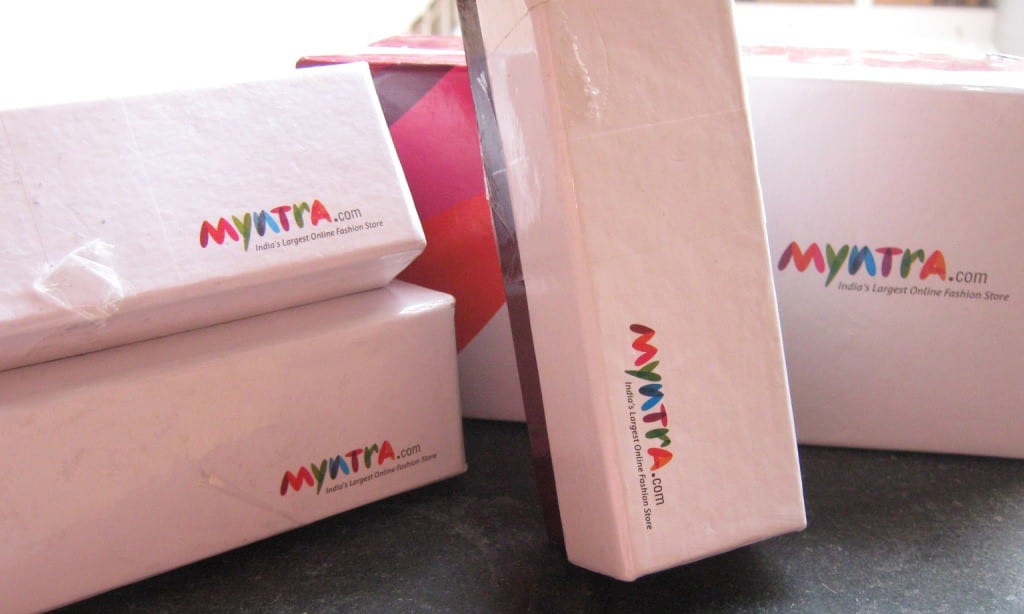
    Flipkart-owned ecommerce platform Myntra that saw 80 percent revenue fall in FY2018 has doubled down on last-mile delivery, tapping into over 9,000 kirana stores across 50 cities to fast deliver packages. Today, nearly 60 percent of all Myntra’s product pick-ups and deliveries happen through its ‘Kirana Delivery Programme’ — helping the company reduce delivery costs, the company said on Tuesday.

    “Myntra’s ‘Kirana Delivery Programme’ is a successful model introduced by the company to accelerate order delivery in the most efficient way possible, while ensuring we provide a good partnership opportunity to our kirana partners,” a company spokesperson said.

    “We will continue to innovate, expand and hope to register more kirana partners in the future as well,” the spokesperson added.

    The ‘Kirana Delivery Programme’ is an ingenious model introduced by the company to accelerate order delivery, while creating a platform for kirana stores to have an additional source of income.

    “A mutually beneficial model, it has helped Myntra achieve greater consumer satisfaction and is enhancing the standard of living of the owners of several ‘mom & pop’ stores across the country,” said the company.

    Several tailors and beauty parlour owners, among others, have also signed up with Myntra for the programme.

    The online fashion retailer narrowed its consolidated losses to Rs 178.7 crore for 2017-18, compared with a loss of Rs 655.8 crore in the previous fiscal.

    According to business intelligence platform Tofler, the company saw its income growing nearly threefold to Rs 427.4 crore in 2017-18 as against Rs 155.6 crore in the previous financial year.

    Ananth Narayanan, Chief Executive of e-tail portals Myntra and Jabong, stepped down from the post on January 14 “to pursue external opportunities”.

    The 11-year-old Flipkart Group, owned by US retail giant Walmart, includes e-tail sites Flipkart, Myntra, Jabong and digital payment platform PhonePe.

    In May last year, Walmart bought a 77 percent equity stake in the company for a whopping US$ 16 billion.

  • GreyOrange to launch new products at LogiMAT 2019

    GreyOrange to launch new products at LogiMAT 2019

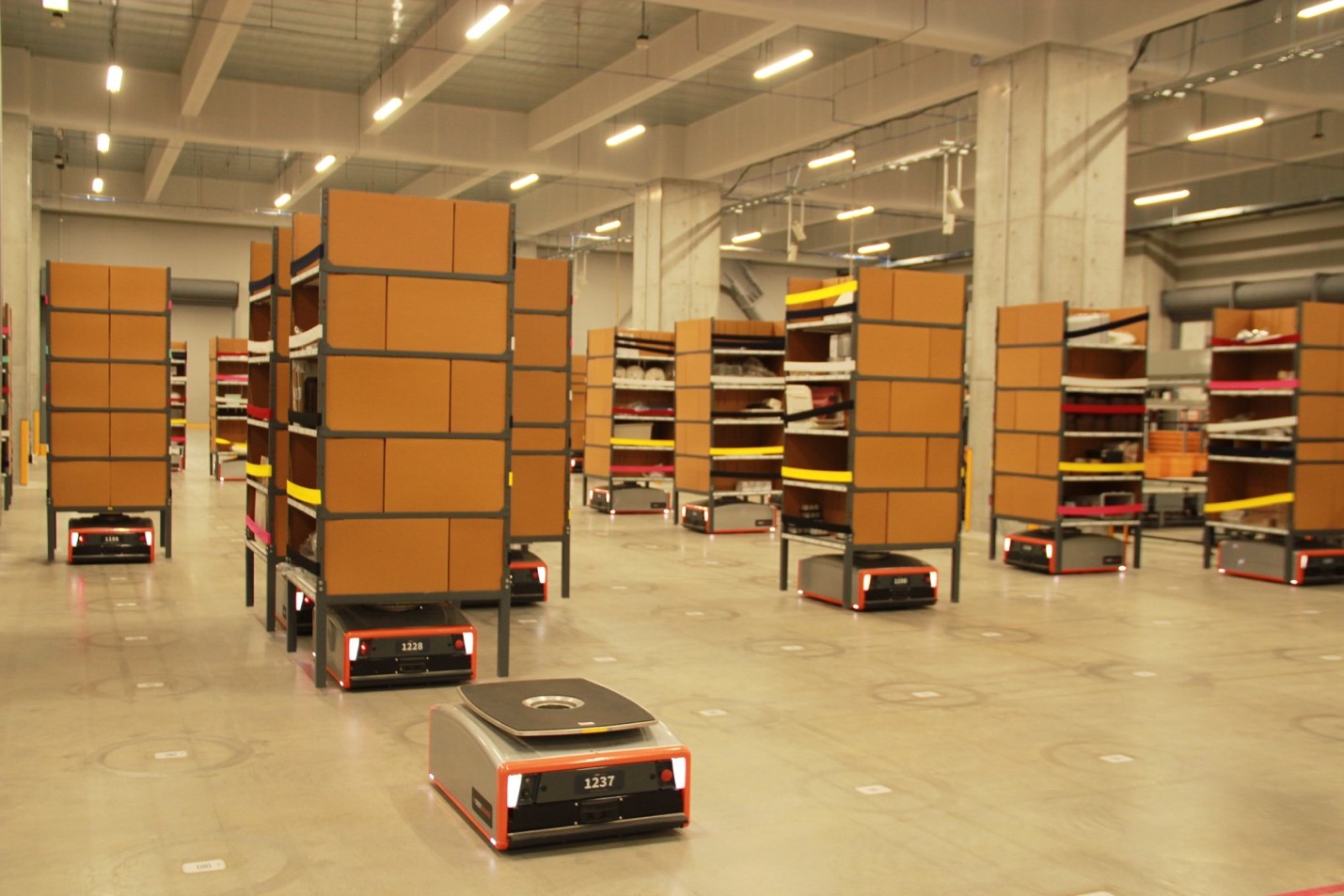
    Robotics and warehouse automation company, GreyOrange, will launch its new modular sortation system and demonstrate upgraded versions of its Butler and PickPal at LogiMAT 2019, the 17th International Trade Fair for Intralogistics Solutions and Process Management in Stuttgart, Germany on 19-21 February.

    Nowadays, retailers and logistics businesses face many new kinds of complexities and challenges due to the unprecedented growth in volumes, combined with the volatility of peak periods and increased pressure to cut operational costs. GreyOrange will present a portfolio of AI-powered solutions that bring Flexible Automation to life; it reduces complexities and delivers maximum productivity, from inventory management and picking to sortation.

    Sid Chatterjee, Vice President – Products, GreyOrange, said, “The GreyOrange solution portfolio offers a strong business case for Flexible Automation. In the past year it has been adopted globally by industry-leading players in retail, 3PL and e-commerce. At LogiMAT we will demonstrate how our new solutions can help address the complexities of retail distribution. We invite everyone to visit our booth to get a hands-on demo to see how higher throughput can be achieved.”

    The new GreyOrange modular sortation system, designed for flexibility and portability, comprises modular components that deliver significantly higher throughput per unit area; it improves space utilization and reduces operating costs. The AI-enabled robotics system can be easily scaled making it more investment-friendly and usable for a range of applications across retail and logistics industries.

    In the demo of the GreyOrange Butler goods-to-person system, visitors will see how this robotics solution uses an AI-first approach to optimize order fulfillment processes from inventory management to order picking. It has been deployed in distribution centres in Japan, India, Europe and the Americas across industries such as 3PL, e-commerce, electronics and retail. Additionally, the Butler PickPal handles high-speed auto-fulfillment with AI-powered shelf picking.

    GreyMatter, the Warehouse Execution System, is the software platform developed by GreyOrange to make flexible warehouse automation a reality, and address the complexities of warehouse operations caused by ever-changing retail trends. By connecting people, processes and material more efficiently using Artificial Intelligence and Machine Learning, it provides granular control and visibility across warehouse processes and enables systems to adapt flexibly to changing business demands.

  • Last-mile delivery investment will boost sales

    Last-mile delivery investment will boost sales

    Increased investment by retailers in last-mile delivery is essential to uncover new revenue streams, according to a new study released by the Capgemini Research Institute. According to the report, 97 per cent of organisations believe that current last-mile delivery models are not sustainable for full-scale implementation across all locations, and that free shipping costs cannot be maintained unless delivery costs are reduced through automation.

    “Today, customers are neither satisfied with the quality of delivery services, nor willing to bear the total cost of last-mile delivery,” said Tim Bridges, global sector leader, consumer products, retail and distribution at Capgemini.

    “Therefore, the dilemma facing retailers is to provide last-mile delivery services that customers value, without damaging their own profitability. If done right, and their last-mile experience can win over customer satisfaction, retailers stand to gain loyalty, increased purchase value and frequency, while mitigating profitability risk through automation and optimisation of fulfillment locations,” he said.

    Among its conclusions, the report stated that with warehouse and product sorting representing one-third of supply chain costs, there is a significant opportunity in automation. Recognising this opportunity, 89 per cent of organisations are investing in the mechanisation and automation of store back-rooms to expedite fulfillment and deliveries.

    Speed boosts sales

    Fast and effective last-mile delivery were also shown to increase customer spend and loyalty. Seventy-four per cent of satisfied customers intend to increase spend by as much as 12 per cent with retailers they frequently purchase from. The majority (82 per cent) of customers have shared positive experiences with friends and family, and just over half (53 per cent) would be willing to purchase a paid membership for a good delivery service. However, despite 55 per cent of customers expressing that offering two-hour deliveries would increase loyalty, only 19 per cent of firms currently provide this compared to 59 per cent of firms that offer a delivery timeframe of more than three days.

    The report found that consumers are not satisfied with the current state of last-mile delivery with high prices (59 per cent), non-availability of same-day delivery (47 per cent), and late deliveries (45 per cent) driving delivery dissatisfaction.

    According to the findings, 97 per cent of organisations believe that current last-mile delivery models are not sustainable for full-scale implementation across all locations. As such, they must be viewed as a key investment for this year, with only 1 per cent of customers willing to absorb the total cost incurred for last mile deliveries.

    Despite low delivery costs being the top priority for half of all customers, only 30 per cent of organisations considered it a top priority for themselves.

    Recommendations for retailers

    The report closes with the following recommendations for last-mile delivery success:

    Optimise fulfillment locations: Increasing store-based deliveries by 50 per cent could potentially lead profit margins to soar by as much as nine per cent. Dark stores – retail outposts with store-like layouts intended only to fulfil online orders – can also process high delivery volumes and are 23 per cent cheaper than conventional stores for same-day deliveries. Additionally, if 30 per cent of deliveries and returns are routed through parcel locker collection arrangements, organisations could expect an eight percent increase in profit margins.

    Automate delivery options: Back-room automation could increase profits by up to 14 per cent by reducing the cost of click-and-collect orders and deliveries from store. Furthermore, automation offers a range of benefits including reduction of fulfillment errors and managing returns (which forms 26 per cent of the delivery cost).

  • Amazon to soon deliver packages right in customer’s garage

    Amazon to soon deliver packages right in customer’s garage

    To enhance its in-home delivery service, Amazon has launched new products and tools within its ‘Key by Amazon’ offering for Prime members, beginning with the US. The online retail giant unveiled ‘Key for Garage’ that will allow customers to monitor and control their garage door via the Key app. “In addition to receiving deliveries at home and in your car, eligible Amazon Prime members will soon be able to get deliveries in their garage,” Amazon said in a statement on Tuesday.

    ‘Key for Garage’ is made possible by integrating Key with CGI’s proprietary ‘myQ-connected’ technology.

    “We started with the idea of in-home package delivery and quickly learned that our customers found peace of mind from the control Key gives them over their most important place – their homes – even when they aren’t there themselves,” said Rohit Shrivastava, GM of Key by Amazon.

    The online retail giant unveiled ‘Key for Garage’ that will allow customers to monitor and control their garage door via the Key app

    Amazon launched ‘Key’ in 2017 and the in-car delivery facility later. The new delivery services are available to Prime customers in some markets at no additional cost.

    Other offerings include the new Schlage Encode Smart Wi-Fi Deadbolt — the first WiFi-enabled smart lock for Key.

    The smart lock offers an innovative option for any customer who wants to experience the magic of a keyless life without any additional hub or hardware.

    “Even with all the advancements in the category, we recognized there was still a gap in simple, secure, high performance and cost-effective, all-in-one access solutions,” said Lee Odess, Vice President, Solutions Providers Business at Allegion, maker of Schlage locks.

    ‘Key for Business’ is a smart fob for drivers delivering Amazon packages to commercial and residential properties.

    “The technology allows building owners and managers to give controlled access to delivery drivers to drop off Amazon packages to their residents, and eliminate the need for building staff to manually give access each time deliveries are made,” said amazon.

    The Schlage Encode Smart Wi-Fi Deadbolt is available for pre-order for US$ 249.99 or US$ 299.99 when bundled with an Amazon Cloud Cam. It will begin shipping to the US customers on March 5.

    Key for Garage will be available in the US in the second quarter.

  • JD driverless delivery vehicles up for test

    JD driverless delivery vehicles up for test

    JD driverless delivery vehicles have been deployed in live testing in two Mainland China cities. The technology-cum-e-commerce company has opened two smart-delivery stations in the cities of Changsha and Hohhot, strengthening its autonomous logistics capabilities. The stations are carrying out research and development testing and personnel training to solve issues related to last mile delivery.

    The JD driverless delivery vehicles can be loaded with up to 30 parcels before autonomously delivering them within a 5km radius. The vehicles can plan routes, avoid obstacles and recognise traffic lights.

    The vehicles have locked boxes so each customer’s purchases are kept separate. Once the robots reach their destination, facial recognition technology enables customers to easily and securely collect their parcels from the correct locker.

    When running at full capacity, the two delivery stations, operating with a half-half split between robots and human couriers, can deliver up to 2000 packages a day.

    The JD driverless delivery vehicles are part of the company’s Boundaryless Retail vision, in which consumers can buy whatever they want, wherever and whenever they want it.

    “As China’s largest retailer, JD is in the unique position of being able to research and develop, and commercially deploy, innovative new technology that is shaping the future of shopping worldwide,” said Chen Zhang, JD’s chief technology officer.

    “As JD opens its technology up to other companies and industries, the features that we’ve already rolled out in China from automated warehouses to virtual shopping are going to be enjoyed by consumers everywhere,” he said, referring to the company’s Retail as a Service strategy.

    CES debut

    The opening of the smart delivery stations comes days before JD attends its first Consumer Electronics Show in Las Vegas, Nevada – the world’s largest event for the latest technology, innovation and creative thinking.

    The company will showcase cutting-edge technology which is changing the way consumers shop in China, and which it says will revolutionise global commerce. Visitors will be able to see how JD uses its drones to deliver consumer goods and medical supplies to remote areas in China, and catch a glimpse of the world’s first fully-automated fulfillment centre. They will also see how underground urban logistics will make shopping more convenient than ever, and fundamentally alter how cities work.

    This year, CES attendees will be able to see JD’s futuristic technology up close and even try some of it for themselves at the company’s interactive booth.

    Aside from drones and delivery robots, visitors will be able to experience drone flights in virtual reality, as well as JD’s augmented-reality fitting and styling software. They will also see how JD is developing Internet of Things technology that enables consumers to remotely control the smart devices in their homes, even from their cars.

    JD will also give people the chance to try a special exoskeleton worn by staff in JD warehouses that makes lifting heavy objects easier.

  • FamilyMart expands Bangkok delivery service with Kerry

    FamilyMart expands Bangkok delivery service with Kerry

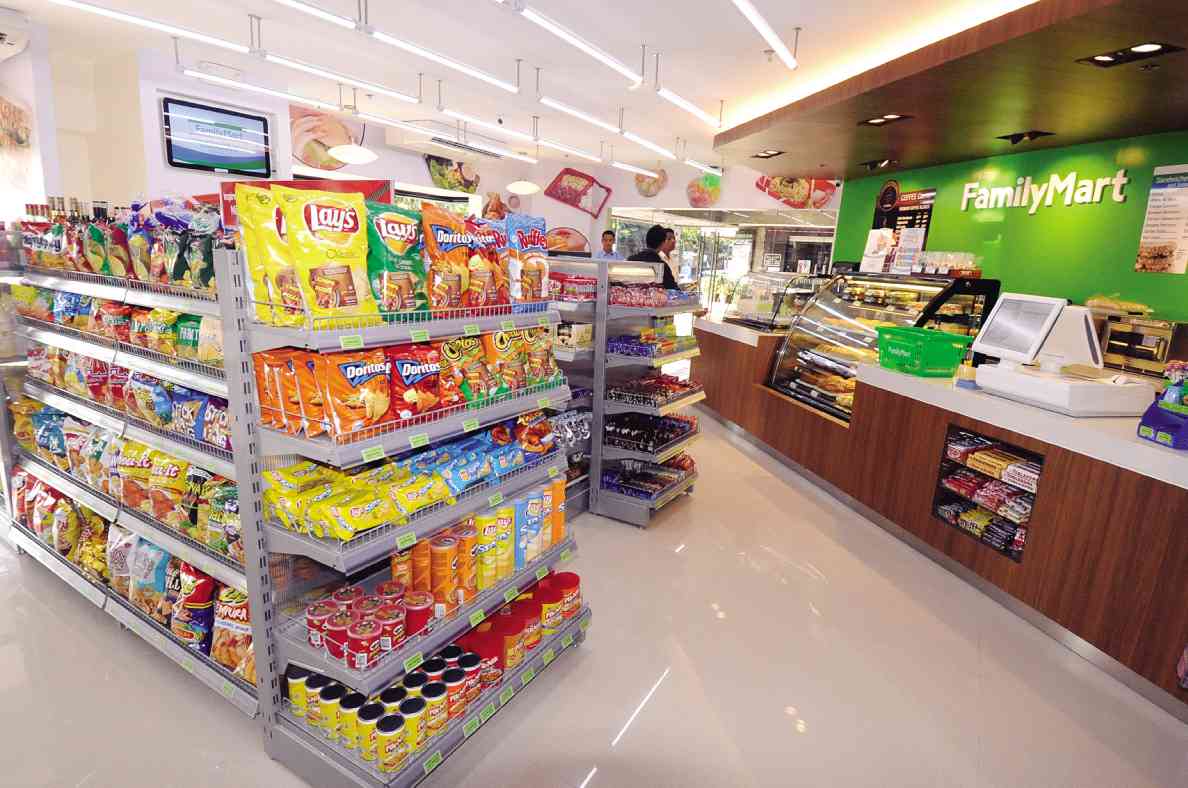
    Convenience store chain FamilyMart has partnered with logistics operator Kerry Express to expand its Bangkok delivery service. “Today, the e-commerce market has grown continuously for more than 20 per cent annually, and individual consumers have also had a greater demand for express delivery over the past three to five years,” said Central FamilyMart president Chiranun Poopat.

    “We have introduced Kerry Express, an express delivery service, available 24 hours a day at our FamilyMart stores in Bangkok and surrounding locations. The door-to-door express delivery will be provided to our individual customers so that they will be able to send their parcels to any locations throughout the Kingdom with fast and high-standard delivery process.”

    The new service is being promoted with a free limited-edition parcel delivery box available to customers during the Christmas period. The box will be provided to customer spending more than THB79 (US$2.42) via its express delivery service.

  • 7-Eleven Korea launches locker service

    7-Eleven Korea launches locker service

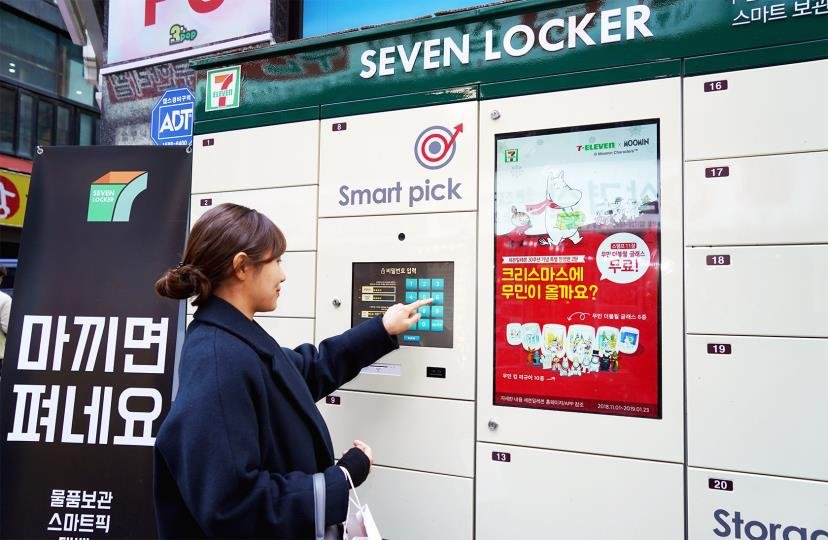
    7-Eleven South Korea has launched an unmanned locker service called Seven Locker at two stores in Seoul.

    The initiative is part of the company’s effort to diversify operations and generate more profits for its convenience stores.

    The Seven Locker trial operations started at two stores in Seoul’s Hongdae and Jongno districts, with another eight on track to open by year’s end to better gauge customer response and growth potential. The plan calls for 100 lockers to be placed at 7-Eleven stores across the country in the first half of next year, with the service to be extended to all key stores going forward.

    The lockers will be set up near tourist attractions and entertainment districts where there is demand for such services among locals and foreigners alike.

    The convenience store chain said depending on the size of the space, storage fees will range from 2000 won (US$1.76) to 4000 won for a four-hour period, with users allowed to make payments using their credit cards.

    “The lockers can create more profit for stores, while providing a differentiated service to our customers,” a local 7-Eleven executive said.

  • FedEx QR Pay targets SMEs in five major Asian markets

    FedEx QR Pay targets SMEs in five major Asian markets

    Transport company FedEx has launched a QR-code based mobile payment system in Hong Kong, Malaysia, Philippines, Singapore, Thailand and Australia. The system, FedEx QR Pay (the QR stands for quick response), is targeted specifically at SMEs.

    Supplementing the firm’s existing online payment methods, FedEx QR Pay is a secure mobile payment option activated by QR codes embedded with unique payment links. QR Pay eliminates the need to have shopping carts, booking engines or checkouts, allowing customers to make payments with credit cards and e-wallet services.

    FedEx’s president for Asia Pacific Karen Reddington said: “FedEx is constantly looking for ways to innovate, pioneer new solutions and offerings to address customers’ evolving needs in the region … QR Pay provides greater flexibility and convenience for our customers, and ultimately a better experience when it comes to managing their logistics needs.”

    Asia Pacific leads the world in mobile payment with 53 per cent of connected consumers using their mobile devices to pay for goods or services at point of sale. Rising mobile penetration is a key driver, with the number of smartphone users across region now over a billion. Seeing the clear trend towards mobile payment adoption, SMEs are also harnessing new technologies to expand their business.

    According to a recent research commissioned by FedEx, 73 per cent of SMEs are already current users of mobile payments, with 69 per cent of these businesses likely to increase usage in the next 12 months. Thirty per cent of current non-users are likely to begin using mobile payments as well.

    FedEx QR Pay will soon be expanded to other markets in Asia Pacific.

  • JD start to have parcel delivery in logistic division

    JD start to have parcel delivery in logistic division

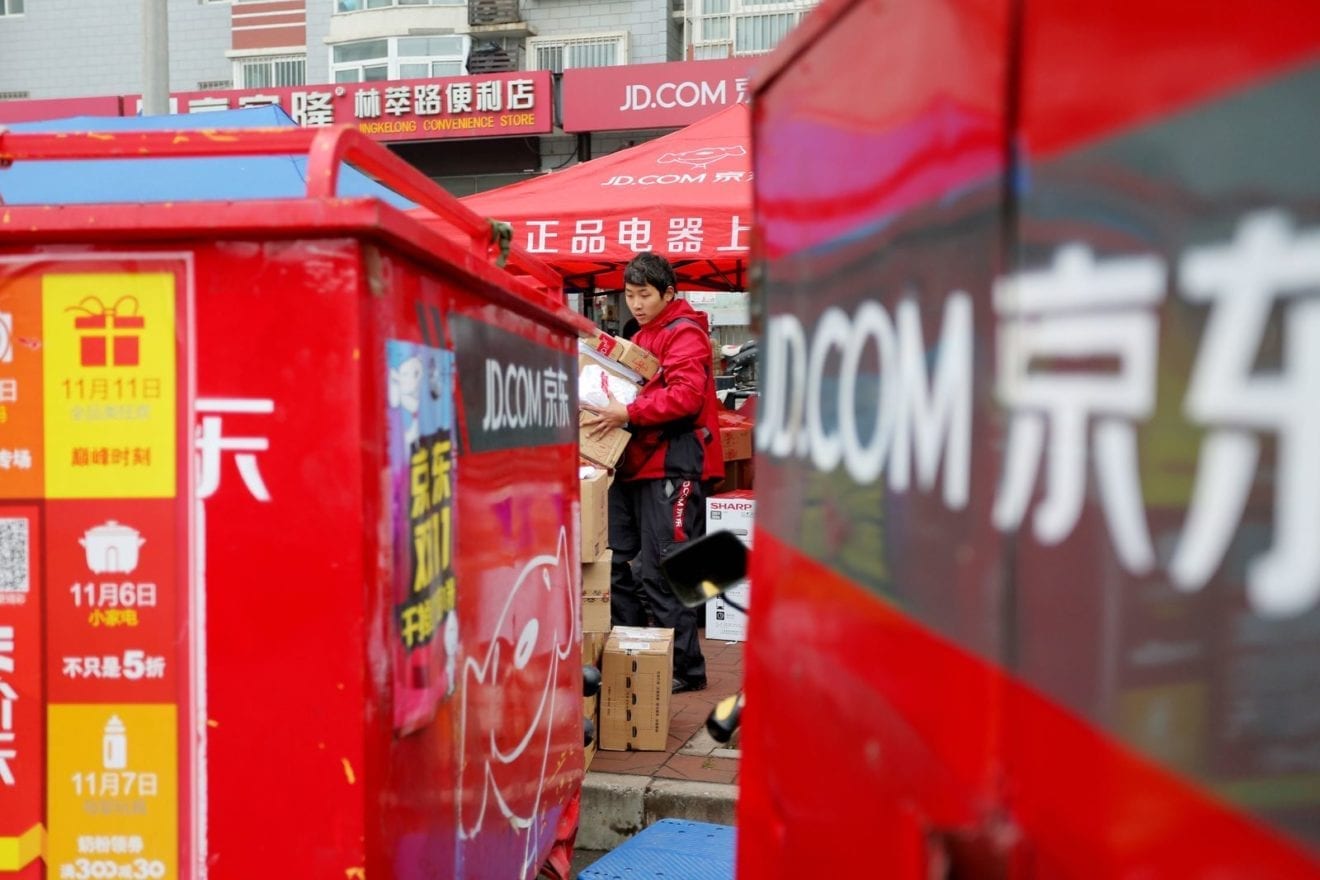
    Chinese e-commerce company JD is opening its logistics network up to consumers to send parcels around the country, marking the first entry by an e-commerce company into the parcel delivery business. The new JD parcel delivery service announced enables users of the company’s app in Beijing, Shanghai and Guangzhou to send items intra-city and throughout Mainland China, using the same fast and reliable delivery service JD offers with online purchases. The company, which will expand the program to include high-value items like luxury products and high-end consumer electronics, as well as more diverse options based on delivery timing, aims to eventually make residential and business deliveries for shippers from anywhere to anywhere within Mainland China in the future.

    JD is the only large-scale e-commerce company in the world to operate a nationwide in-house logistics network, down to the last mile. The company says its network, powered by its proprietary supply chain management technology, is able to deliver more than 90 per cent of orders same- or next-day, and reaches 99 per cent of China’s population.

    The new JD parcel delivery service includes a range of competitively priced options, including same-day delivery between different cities; same-day intra-city delivery; standard next-day or two-day delivery and next-day delivery between cities.

    “Depending on the delivery option chosen, packages may be sent by high-speed rail or air,” the company said in a statement. “Individual shippers can use the same JD app they use for shopping to schedule a pickup by one of JD’s full-time logistics staff, and have a parcel delivered thousands of miles away at the speed they choose. They will even be able to select JD’s luxury ‘white glove’ delivery service if they want to make the delivery extra special.”

    Zhenhui Wang, CEO of JD Logistics says the JD parcel delivery service marks the next step in leveraging the nationwide logistics network that JD has built over the past decade, to expand the range of services offered to its customers.

    “JD is known throughout China for the fastest and most reliable delivery, and we are confident that users will appreciate the convenience of this new service.”

    The program has already begun user trials with multiple ways for customers to request pickups. In addition to the JD app, shippers can request pickups on a JD Delivery mini program in WeChat, China’s largest social network operated by JD’s partner Tencent, and a JD “Delivery Team” WeChat account.

    JD unveiled the parcel delivery service at its 2018 Global Smart Supply Chain Summit held in Beijing today. Other initiatives announced at the summit – part of JD’s Global Smart Supply Chain Network Strategy – include JD’s smart warehouse management system initiative, an expansion of the company’s green initiatives, and the formation of a new energy union with 20 industry partners.

  • Ericsson, LimeLight to collaborate on content delivery

    Ericsson, LimeLight to collaborate on content delivery

    Ericsson has announced an agreement with Limelight Networks to add content delivery capabilities to its new Ericsson Unified Delivery Network (UDN) platform.

    Ericsson aims to develop UDN as a webscale edge delivery network, and is using the agreement with Limelight Networks to add content delivery as the first application built on the platform.

    Edge computing promises to address rapid increasing demand for data by leveraging distributed infrastructure to support low laency applications such as IoT, gaming and virtual reality.

    “We are always looking for ways to improve the performance and reach of our network,” LimeLight Networks CEO Bob Lento said.

    “The strength of Ericsson’s partnerships with communications service providers through the UDN Network is a key component of this agreement that enable us to offer even better reach and performance for our customers. We are delighted to work with Ericsson on this initiative.”

    According to Frost and Sullivan principal analyst Dan Rayburn, edge computing and content delivery are a powerful combination.

    “Combining content delivery technologies with an edge cloud platform that’s distributed inside ISPs is one of the best ways to guarantee optimal performance and allow application providers to use edge services to improve the end-user experience,” he said.