Tag: delivery

  • Online fashion retailers Starting to Limit Free Deliveries

    Online fashion retailers Starting to Limit Free Deliveries

    Zalando, Europe’s largest online-only fashion retailer, has said it will begin to charge delivery for smaller orders across more markets in response to shrinking order size.

    The e-commerce business initially enjoyed rapid growth due to its free delivery and returns, but the rise of mobile commerce has changed customer behaviour, with the size of orders getting smaller, driving up logistics costs.

    Zalando has already introduced a minimum order value to qualify for free delivery in Italy, Spain, Britain and Ireland, which has had no effect on customer satisfaction, according to the company’s finance chief David Schroeder.

    The initiative now will be extended to Denmark, Sweden, Finland and Norway at the end of May.

    The move echoes H&M’s announcement last month that it would reintroduce delivery fees for its loyalty club members to cut down on similar logistics costs and restore profitability.

    “We have a lot of logistics around the customers that shop online,” H&M head of customer loyalty Samuel Holst told.

    “For the plus level, deliveries will remain free for all purchases, but for the base level there will be a cap. You will need to shop for a certain amount to get free delivery.”

    While many retailers have invested significant sums in designing their websites and ad campaigns for mobile, these changes suggest that more work is needed to adapt retail businesses to the smartphone era.

  • L’Oreal Extends Lazada Partnership to next-day deliveries

    L’Oreal Extends Lazada Partnership to next-day deliveries

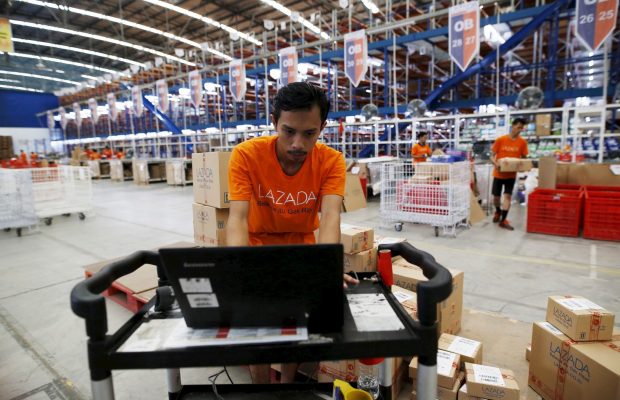
    L’Oreal has signed a joint business plan with Lazada to fulfil next-day delivery in top metro cities by June this year. This L’Oreal-Lazada logistical pact demonstrates the cosmetics company’s ambition to grow its e-commerce business in Asia. Both companies will also pilot consumer engagement tools such as in-app live streaming, and jointly launch products exclusively available to Lazada customers.

    “We are confident of creating the leading online beauty destination in Southeast Asia by combining Lazada’s extensive last mile logistics network to bring L’Oreal’s products faster into our customers’ hands,” said Jing Yin, president of Lazada Group.

    “Our partnership today signals our commitment and joint ambition of dominating the Southeast Asian beauty and skincare e-commerce market share by providing the best customer experience.”

    Other technological advancements such as new search features will ensure L’Oreal products are easily searchable within app to bring the most personalised products to its fans.

    “Lazada and L’Oreal will collaborate in many areas, from technology, sales and marketing to logistics,” said Pierre-Yves, MD, Southeast Asia, at L’Oreal.

    “Lazada’s technology infrastructure, logistics network and brand-engagement capabilities are the gold standard of the industry. Our joint efforts will take us one step closer to creating a true beauty-shopping destination on Lazada.”

    The L’Oreal-Lazada collaboration started in 2014, bringing 820,000 followers to the L’Oreal store on the platform. E-commerce sales now comprise 11 per cent of its global sales.

  • Deliveroo Plus Service Launched in Hong Kong

    Deliveroo Plus Service Launched in Hong Kong

    Food-delivery service Deliveroo has launched a subscription model in Hong Kong, dubbed Deliveroo Plus.

    For HK$98 a month, customers can get unlimited free delivery on meals ordered throughout the day. The service is being launched with a two-week free trial.

    Deliveroo Plus is being rolled out internationally after a successful launch in the UK. Deliveroo says that during their first two months of signing up to the pilot, half of the UK customers saved nearly £25 ($260), whilst one in 10 saved more than £75 (HK$770).

    Brian Lo, Deliveroo Hong Kong GM, said Deliveroo Plus aims to reward frequent customers by offering better value for money.

    “This new subscription service provides a more affordable option to the frequent users while the earnings of riders is expected to rise with the increasing demand for food delivery.”

    By its nature, the service will also likely make customers commit to one platform rather than shopping across rival services.

    Customers throughout Hong Kong wishing to subscribe to Deliveroo Plus will see the option to sign up to the service on their basket at checkout and in the ‘account’ section of the app and website.

    Deliveroo operates in more than 500 towns and cities across 14 markets: Australia, Belgium, France, Germany, Hong Kong, Italy, Ireland, the Netherlands, Singapore, Spain, Taiwan, UAE, Kuwait and the UK.

  • Deliveroo Supports 2K+ Jobs and Adds HK$1.3 Billion Revenue to Hong Kong Economy

    Deliveroo Supports 2K+ Jobs and Adds HK$1.3 Billion Revenue to Hong Kong Economy

    Showcasing its positive influence on the Hong Kong economy, Deliveroo today published a new report assessing its impact on partner restaurants and the wider market. Amongst other findings, the research indicates that Deliveroo supports 2,100 jobs in Hong Kong and adds HK$1.3 billion in revenue.*

    The major, independent study was commissioned by Deliveroo and conducted by leading independent economic consultants Capital Economics. It shows the full, positive economic impact of Deliveroo’s activities in Hong Kong and globally, examining increased revenues received by restaurants and their suppliers as a result of partnering with Deliveroo; the impact of spending of Deliveroo riders and employees; the impact of spending by Deliveroo on suppliers; and the tax generated by Deliveroo’s operations.

    The report reveals that in Hong Kong:

    • Deliveroo supports approximately 2,100 jobs across the Hong Kong economy. This is on top of the approximately 2,500 riders and walkers in Hong Kong to whom Deliveroo currently offers flexible, well-paid work delivering meals.
    • Deliveroo supports 1,700 additional jobs in the Hong Kong restaurant sector, of which 1,200 are in chain restaurants and 490 are in independent restaurants.
    • Deliveroo generates HK$956 million in additional revenue for the restaurant sector in Hong Kong, of which HK$668 million is in chain restaurants and HK$288 million is in independent restaurants.
    • In total, Deliveroo supports HK$1.3 billion in revenue across the economy of Hong Kong.
    • 54% of restaurants who partner with Deliveroo in Hong Kong say that, as a result, they have seen increased revenue from people dining in at their restaurant.
    • Deliveroo’s tax contributions in Hong Kong amount to HK$29 million in employee taxes and HK$74 million in corporation taxes.
    • Deliveroo’s contribution to economic growth (measured by Gross Domestic Product) in Hong Kong is HK$596 million.
    • Capital Economics project that if Deliveroo continues to grow at its current rate, the report projects that the company’s operations would support somewhere in the region of 4,500 jobs and HK$1.1 billion of economic output (measured by Gross Domestic Product) in Hong Kong by 2020.

    The report was conducted across all of Deliveroo’s 13 markets worldwide. Globally, the report found that:

    • In total, Deliveroo supports 67,000 jobs across the economies of the markets in which it operates, which is on top of the 130,000 riders to whom Deliveroo provides flexible, well-paid work.
    • Deliveroo supports 59,000 additional jobs in restaurant sectors across the economies of the markets in which it operates, of which 41,000 are in or from chain restaurants and 18,000 are in or from independent restaurants.
    • Deliveroo generates a total of HK$22.2 billion in additional revenue for restaurant sectors across the economies of the markets in which it operates, of which HK$15.4 billion is in chain restaurants and HK$6.8 billion is in independent restaurants.
    • Capital Economics project that if Deliveroo were to continue to grow at the same rate it is today, the report estimates that it would support somewhere in the region of 200,000 jobs and HK$41.1 billion of economic output globally by 2020.

    Brian Lo, General Manager of Deliveroo Hong Kong, said, “Hong Kong boasts one of the most dynamic F&B markets in Asia, with fierce competition, demanding diners and an ever-evolving landscape of local, regional and international players. In this context, Deliveroo is proud to be an innovative and influential force for the restaurant sector, making a positive economic impact. Deliveroo helps to increase restaurants’ sales, increase the number of people employed in restaurants and ultimately helps restaurants to grow their businesses.

    This, as a result, brings more choice and food options to local communities, so more people can have more amazing food whenever and wherever they want it.”

    *         NB: all figures cover the output arising from Deliveroo’s operations/activities over the 12 months to November 2018.

  • Google delivery drones cleared for Australian Airspace

    Google delivery drones cleared for Australian Airspace

    A sister company of Google has been given the green light to launch drone delivery in Australia after years of test flights.

    The drone company Wing, owned by Google’s parent company Alphabet, was given permission this week to deliver takeaway food and drinks and over-the-counter medicines by drone to about 100 homes in Canberra.

    Wing, which has been trialing deliveries for the last 18 months, began testing its drones in Australia in 2014, but faced initial opposition from residents who complained about the noise.

    Although the drones were below legal noise limits, Wing developed a new, quieter model and said the feedback obtained during its trials had been “valuable” and it hoped to “continue the dialogue”.

    “We will continue to engage with the local community and stakeholders as we expand our service and are hosting community information stalls and delivery demonstrations in the serviceable areas over the next few weeks,” the company said in a statement.

    According to Wing, the delivery service will initially be available to a limited set of eligible homes in the suburbs of Crace, Palmerston and Franklin.

    “We expect to gradually expand to more customers in Harrison and Gungahlin in the coming weeks and months.”

    Australia’s Civil Aviation Safety Authority gave Wing permission to launch a commercial service after examining its safety record and operational plans.

    The drones will only be allowed to fly 11-12 hours a day and must be piloted, rather than fully automated.

    Wing’s initial launch partners include Kickstart Espresso, Capital Chemist, Pure Gelato, Jasper + Myrtle, Bakers Delight, Guzman Y Gomez and Drummond Golf.

    “We’re excited to connect with more local businesses in the Gungahlin area about how we can help them reach more customers faster, safer and more sustainably and encourage any local merchants who are interested in learning more to get in touch with us.”

    Wing had said that drone deliveries reduce traffic and pollution and can deliver goods in six to 10 minutes.

  • New Deliveroo Subscription Service gives Food Lovers Free Delivery

    New Deliveroo Subscription Service gives Food Lovers Free Delivery

    Deliveroo the leading food-delivery company is today launching Deliveroo Plus, a new subscription service available for food lovers across Hong Kong. The new service, priced at HK$98 a month, will enable customers to get unlimited free delivery. Customers will be able to benefit further by trialling Deliveroo Plus free for two weeks or more.

    Deliveroo Plus is being rolled out following a successful launch in the UK. During their first two months of signing up to the pilot, half of all customers saved nearly £25 (around HK$ 260) over the time period, whilst one in ten saved over £75 (around HK$ 770).

    Brian Lo, General Manager, Hong Kong at Deliveroo said, “At Deliveroo, we are continuously striving to innovate our offer as well as expand our delivery platform. Through the launch of Deliveroo Plus, Deliveroo aims at rewarding our users with a better value for money. This new subscription service provides a more affordable option to the frequent users while the earnings of riders is expected to rise with the increasing demand for food delivery.”

    Customers throughout Hong Kong wishing to subscribe to Deliveroo Plus will see the option to sign up to the service on their basket at checkout and in the ‘Account’ section of the app and website.

  • Subway strikes delivery deal with Uber Eats In New Zealand

    Subway strikes delivery deal with Uber Eats In New Zealand

    Subway has struck a deal with Uber Eats to offer delivery from more than 100 restaurants in select New Zealand cities. Chris Churchmichael, country director for Subway New Zealand, said the agreement would allow Subway restaurants to tap into the rapidly growing delivery market in New Zealand, at breakfast, lunch, dinner and anytime in between.

    “We know Kiwis want freshly-made and nutritious delivery choices, however, having their favorite Subway foot long meal delivered hasn’t been an option until now,” Churchmichael said.

    Church Michael said all the Subway favorites like meatball and pork riblet will be available for delivery along with fresh new choices like spicy buffalo chicken with blue cheese dressing and smashed falafel with tsatziki.

    “Searches for ‘nutritious’ options in the app are increasing and Subway is the perfect partner to help us respond to this demand and provide a greater selection of delicious meals to eaters whether they are at work, home or even the park,” said Andy Bowie, Uber Eats country manager for New Zealand.

    Subway recently unveiled a brand refresh to modernize its offerings and a new website that highlights key supplier stories and educates customers about the chain’s fresh ingredients.

    According to Subway, its new “Real Fresh” website aims to give guests a look behind the scenes at some local growers and suppliers who support the business from all over New Zealand.

    Ben Miles, senior manager for brand marketing at Subway, said the sandwich chain is a strong supporter of Kiwi produce. Some of their supply partners include local business Yarrows, which has supplied Subway New Zealand with their dough for more than 20 years and NZ brand Tegel, which has partnered with Subway since the brand opened its first restaurant in the country in 1995 and now supplies restaurants with a range of chicken and turkey products.

    “We estimate we’re one of the largest national purchasers of fresh produce in New Zealand and we’re committed to supporting farmers, growers and producers around the nation,” Miles said.

    “We wanted to shine a light on the incredible work they do, bringing the fresh factor to our restaurants multiple times a week.”

    Miles said many of the company’s customers are unaware that their fresh vegetables are sliced and prepared in-restaurant before serving, so this information is also shared on the site.

    “We also know it’s important to our guests that each ingredient in their sub is of the highest quality – for both freshness and taste,” he said. “We’ve been making considerable changes to our menu and we’re committed to ensuring as many of our ingredients as possible are locally sourced.”

    The Real Fresh website was recently awarded a Gold Ava Digital Award, an international competition reorganizing excellence in website design and creative.

  • Deliveroo Presents Hong Kong’s First Rider Restaurants Award

    Deliveroo Presents Hong Kong’s First Rider Restaurants Award

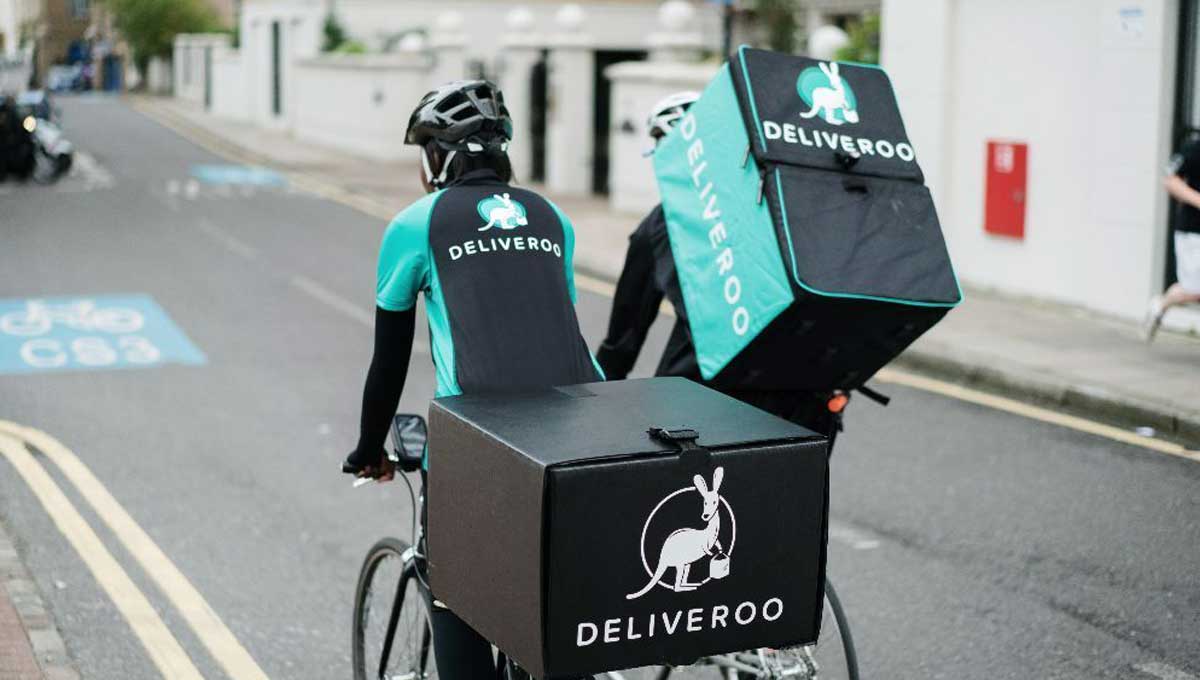
     Celebrating the collaboration between riders and restaurants, the backbone of Hong Kong’s food delivery industry, Deliveroo has launched the new Rider Restaurants Award. This is a first-of-its-kind initiative, promoting the spirit of hospitality and asking riders in every Hong Kong district to vote for their favourite restaurants to work with.

    The unique teamwork between riders and restaurants is fundamental to Deliveroo’s mission to bring a huge variety of delicious food direct to people’s doors. In the first ever Rider Restaurants Award, riders in Hong Kong have voted for their favourite restaurants based on criteria such as the courtesy and friendly attitude of staff, order preparation time, and being offered extra hospitality touches such as a glass of water or access to a phone charger.

    Brian Lo, General Manager of Deliveroo Hong Kong, said, “The Rider Restaurants Award are yet another fantastic way for Deliveroo to support the thriving growth of food delivery in Hong Kong. We’re thrilled to shine the spotlight on the symbiotic relationship between Deliveroo riders and restaurants, recognizing their joint efforts to bring fresh, tasty meals to people in Hong Kong, fast. With Deliveroo, restaurants get more customers, riders get well-paid and flexible work, and everyone can enjoy more access to great dining options.”

    A total of 975 votes were received, representing nearly half of the Deliveroo fleet. Key findings include:

    • Amongst winning restaurants, the average prep time from when an order is received to when it’s ready for delivery is 7.6 minutes
    • 20 out of the 23 winning restaurants offer an order prep time under 10 minutes
    • Cheung Hing Kee Shanghai Pan-fried Buns (Central), Marugame Seimen (Kowloon Bay) and Pak Don (Yau Tong) boast the fastest order prep times, at 4.6, 4.9 and 5.3 minutes, respectively
    • In terms of how long riders must wait once they arrive to a restaurant, on average, 83.8% of riders enjoy 5-minute-or-less waits across all winning restaurants
    • McDonald’s (Wan Chai) wins on snappy service, with more than 96% of riders saying their wait time is under 5 minutes
    • All winning restaurants offer a wait time of under 5 minutes to at least 60% of riders

    Drawing top scores from Deliveroo riders, the winning restaurants in Deliveroo’s first Rider Restaurants Awards received their trophies from Deliveroo this week. They are:

    Hong Kong Central:

    • La Rotisserie
    • McDonald’s
    • Eric Kayser

    Hong Kong Island East

    • The Night Market
    • Ki’s Roasted Goose Restaurant
    • McDonald’s

    Hong Kong Island South

    • Viet’s Choice
    • GCX
    • Tam’s Shop
    • Meen & Rice
    • Shanghai Lao Lao

    Hong Kong Island West

    • Cheung Hing Kee Shanghai Pan-fried Buns
    • BEP Vietnamese Kitchen

    Kowloon Central

    • Dumpling Pro
    • King of Sheng Jian

    Kowloon East

    • Marugame Seimen
    • PakDon Yau Tong
    • Viet’s Choice

    New Territories East

    • California Pizza Kitchen
    • KTS

    New Territories West

    • Crystal Jade Jiang Nan
    • FOODBOX

    Furthering the company’s commitment to support Hong Kong’s burgeoning food delivery industry and bring added value to partners and customers wherever possible, Deliveroo collected a number of learnings during the awards process. These have been collated into a list of insights on which restaurant hospitality practices make the biggest difference to riders. These practices can deliver a higher quality of service and a better experience for riders, restaurants and customers alike. Key points from the winning restaurants include:

    • Treating riders and walkers with the same level of warm, welcoming service as customers
    • Encouraging hospitality training for staff, e.g. courses conducted by the Hong Kong Quality Assurance Agency
    • Double checking orders for delivery to ensure they have been correctly prepared
    • Being ready to give prepared meals to riders as soon as they arrive

    Brian Lo added, “Leading the Riders’ Restaurants Awards has been an amazing opportunity to learn more about how restaurants in Hong Kong can deliver the best hospitality experience, whether interacting with guests in person or working with delivery riders to reach hungry customers at home. In Hong Kong’s highly competitive F&B market, cultivating the right service philosophy can help restaurants stand out from the crowd and win lasting loyalty from guests – whether they’re eating in or ordering takeaway from Deliveroo.”

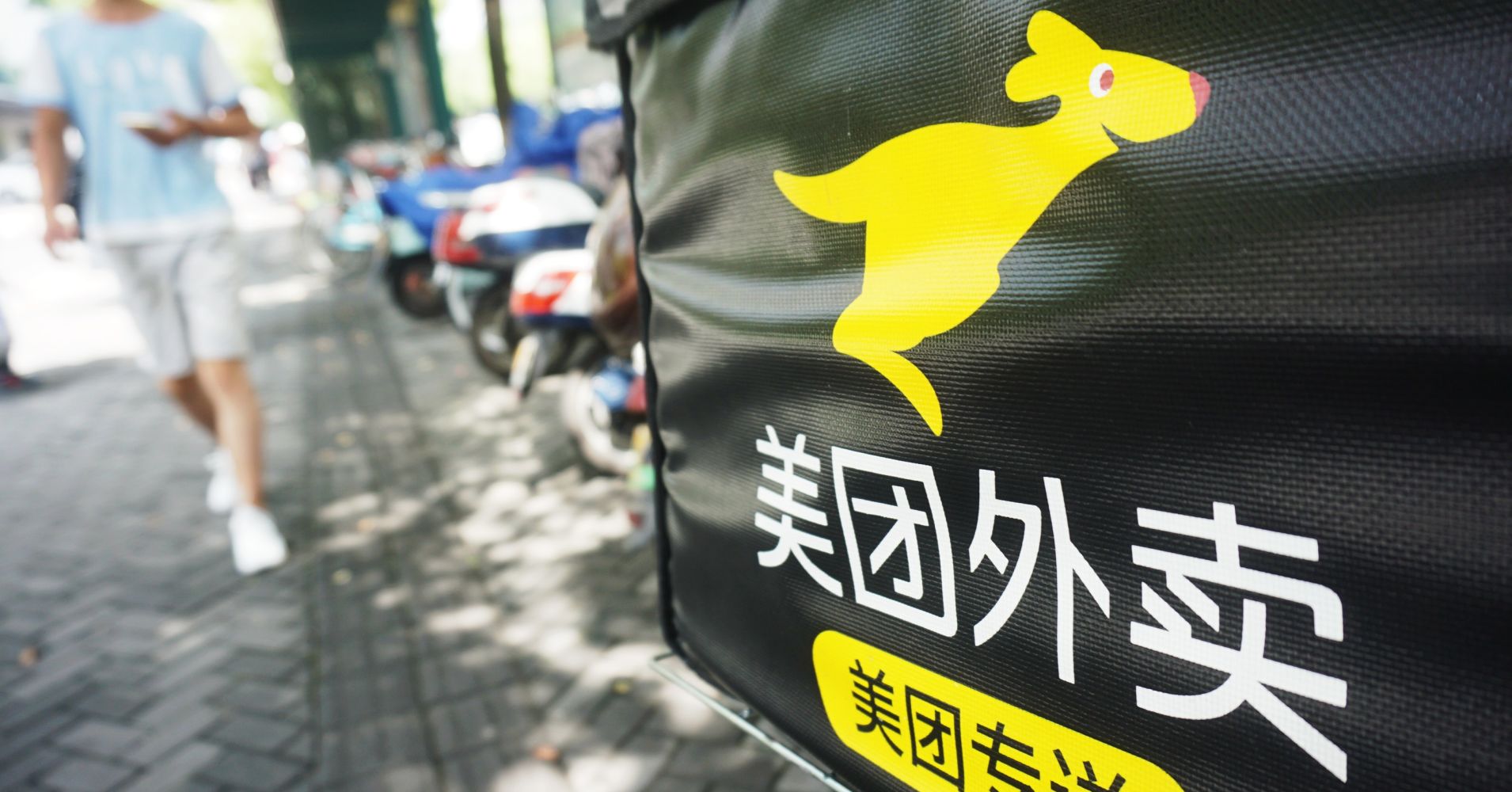
  • Meituan Dianping nearly doubled revenue

    Meituan Dianping nearly doubled revenue

    China’s Meituan Dianping, the world’s largest food-delivery service, nearly doubled its revenue last year, but the tech startup is still bleeding cash.

    In the second set of results since its high-profile IPO, Meituan Dianping reported total revenues of RMB65 billion (US$9.68 billion), up 92.3 per cent on its 2017 result. Gross profit rose to RMB15.1 billion ($2.25 billion), but its adjusted net loss blew out to RMB8.5 billion ($1.27 billion).

    In its results statement, the company said strong revenue growth was achieved across all major business segments and its food-delivery business and in-store, hotel and travel segments on a combined basis generated positive adjusted operating profit.

    Total gross transaction volume grew by 44.3 per cent to RMB515.6 billion and the number of annual transacting users rose from 309 million to 400.4 million last year.

    The losses have been incurred by new services including ride-hailing and bike sharing.

    During the last year, Meituan Dianping has been boosting its customer base by targeting internet users who have not previously used food-delivery services from an online platform. It also launched a rewards program to maintain customer loyalty and incentivise user referrals through social media platforms.

    “In addition, through creating more diversified service categories, consumption scenarios and upgrading marketing programs, we increased users’ transaction frequency and further boosted transaction volume growth,” the company said in a results filing.

    “We continued to expand the service categories on our platform to include breakfasts, afternoon tea and midnight snacks. Delivery volume of fast food, snacks, desserts and drinks achieved strong growth during last year.”

  • Dubai now as important as Singapore for DHL

    Dubai now as important as Singapore for DHL

    Brexit, trade wars, an economic slowdown in China and humanitarian crises on the regional doorstep – despite these headwinds, Amadou Diallo, DHL Global Forwarding CEO for the Middle East & Africa, isn’t worried. The outlook for the logistics sector in the UAE for 2019 is upbeat, DHL’s recent Global Connectedness Index put the country at number five among the most connected countries in the world in terms of logistics, and Emirates NBD’s Dubai Economy Tracker Index shows that the wholesale and retail sectors (major drivers of demand for 3PL services) are at their strongest outlook since the post-2008 years.

    There is light on the horizon, then. But, despite this, the major players in the market are worried. At the World Government Summit in Dubai, DP World chairman and CEO Sultan Ahmed Bin Sulayem hit out at the UK government over its handling of the Brexit process.

    “Our problem is the indecisiveness of the government,” he said. “We don’t care as businessmen whether they have Brexit, or Brexit with an agreement, or Brexit with a good agreement, or Brexit with a bad agreement,” he said. “Once they decide, as businessmen, we are capable of running our business once all this basically indecisive environment disappears.”

    The statement was unprecedented from one of the most mild-mannered (and most powerful) figures in the Middle East logistics industry. But, he was venting a frustration expressed privately by many executives this magazine has interviewed during the last year. The world’s sixth-largest economy is at risk of crashing out of the world’s largest trading bloc without a contingency plan in place for trade and logistics.

    As the award-winning journalist James Ball wrote in a recent CNN piece, “The world needs to start panicking about Brexit”. The UK’s crisis was therefore a natural starting point for our wide-ranging interview with Amadou Diallo, DHL Global Forwarding CEO for the Middle East & Africa – but unlike many industry commentators, he insisted there was no need for concern in this region.

    Brexit is one of a handful of challenges we’re currently facing“Brexit is one of a handful of challenges we’re currently facing,” he says. “DHL’s Logistics Trends Radar has highlighted Brexit as a potential headwind, among evolving trade tensions between the US and China, and China’s own domestic economic slowdown, that will likely impact trade volumes transhipping through the Arabian Gulf.”

    “This is an evolving and dynamic market. It’s always changing.”

    According to Diallo, DHL’s history and sheer size (DHL Group is the largest courier in the world), gives it the stability and resources to mitigate these challenges. “DHL has been around for more than 24 years and we’ve seen our fair share of market shifts,” he says. “Because we’re present in more than 220 countries around the world, we’re sustainable and dynamic enough to find new solutions and opportunities amid these global dynamics.”

    For this reason, he doesn’t see DHL Global Forwarding’s regional operations being unduly hampered by Brexit, whether it be hard or soft. In fact, he suggested the process might have a positive effect on the Middle East and African markets.

    “The UK trades with many markets, our region covers anything that goes to or from Afghanistan, Turkey, the Middle East and Africa, and many countries in this region have a solid trading relationship with the United Kingdom,” he says. “So, any enterprises and people in the UK who find themselves suffering due to Brexit may look to their existing trade relationships in other parts of the world to find some measure of mitigation and stimulate these trade flows. If people are inward-oriented, trade flows are the first thing to suffer.”

    For DHL Global Forwarding itself, the uncertainty and shifting nature of supply chains will likely drive demand for its services, he added. “DHL Global Forwarding is a sizeable organisation in the United Kingdom and we’re market leaders worldwide when it comes to logistics. We do supply chain services, customs brokerage, and other services that are going to be in high demand from UK companies if a hard Brexit occurs,” he says.

    And while Brexit remains a question mark looming large over the industry, what Diallo feels is a certainty of support to the market is the EXPO 2020 Dubai, which the government is spending US $9-billion to host, as part of a wider series of infrastructure investments amounting to US $3.2-billion in 2019 alone for the UAE Vision 2021 and Vision 2030 initiatives to diversify the economy.

    Dubai EXPO 2020 is definitely an opportunity for us, for growth“Dubai EXPO 2020 is definitely an opportunity for us, for growth,” he says. For a company like DHL Global Forwarding, providing air and ocean freight forwarding services and major logistics projects under the brand name DHL Industrial Projects, the opportunity is two-fold. “We had this experience in Milan and in China and we shouldered the burden of getting all the goods into the country for the expo itself for countries wanting to come and promote their cultures and countries, but also for the immense infrastructure development that comes with events of this kind,” says Diallo.

    “And then once the EXPO is over, there’s a lot of material that needs to be shipped by air or sea back to the point of origin, or donated, which is often the case, to other countries,” he says. “These are operations that need to be completely flawless and it’s something that we have become very good at.”

    DHL Global Forwarding is working closely with key partners in the run-up to the event, such as Emirates SkyCargo. “Emirates SkyCargo is helping us ensure that we provide a seamless service to foreign and domestic clients ahead of EXPO 2020. They’re a key provider of air freight solutions for DHL Global Forwarding,” he said. “We operate in all the same markets as the airline and work very closely with Nabil Sultan, the head of cargo for Emirates.”

    Emirates SkyCargo, like Emirates itself and DP World’s Jebel Ali Port, has turned Dubai into a major global logistics hub, and because of this DHL is significantly expanding its operations in the city. The DHL Group at the beginning of February established its first Global Competence Centre for Humanitarian Logistics in Dubai.

    “The centre is a cross-business unit involving the entire DHL Group to help logistics companies and NGOs respond to the various disasters and humanitarian crises occurring in the region,” says Diallo.

    “The competence centre will support the work of the International Humanitarian City. We see that many NGOs and aid organisation have offices and DCs here, and so this is the ideal city to use as a logistics hub for humanitarian relief.”

    Dubai is one of three global humanitarian logistics hubs for DHL’s disaster relief teams, and this, along with the Competence Centre, underscores the city’s significance within the wider DHL network.

    “This is the largest hub we have in the Middle East and Africa region,” says Diallo. “It’s up there with Singapore, Shenzhen, Germany and the United States.”

    DHL Global Forwarding has around 300,000sqm of warehousing space in the Middle East, with 260,000sqm of that located in Dubai. It’s also in Dubai that it has the AOG competence centre for all the airlines carrying air cargo into and out of the region, and a dedicated team of 75 people working in Dubai on its infrastructure logistics solutions through DHL Industrial Projects. “With a lot of energy plants and oil & gas projects in the region, and immense infrastructure developments in Saudi Arabia and other GCC countries and in Africa, and Dubai’s global connectedness, it makes sense to concentrate a lot of these tools here in Dubai,” says Diallo.

    When it comes to infrastructure and development projects in Saudi Arabia, as part of the massive Saudi Vision 2030 plan, Diallo says this represents another major logistics opportunity. When asked whether initiatives such as the development of King Abdullah Port and King Abdullah Economic City could challenge the UAE’s logistics dominance via Jebel Ali Port, he’s more hesitant.

    “There is a long lag time between deciding on a goal and achieving it,” he says. And while the ultimate impact for the UAE may be so way away, he also doesn’t feel that the redevelopment of Saudi Arabia’s logistics industry is intended to challenge the UAE’s dominance.

    “We are actively participating in, and working on, the Logistics 2030 strategy of Saudi Arabia, which is part of the Vision 2030 initiative. I’m part of the advisory board in that effort, so we know the ambitions and goals that are being worked on,” he says.

    “The UAE has been a major driver of logistics development in Saudi Arabia organically, so many of its imports and exports still transit through Dubai and I don’t think that will change any time soon. And when it does, it won’t be a zero-sum game,” he adds.

    According to Diallo, it’s not dissimilar to the rise of Singapore and China as major economic and logistics powerhouses. “Singapore was the first major logistics hub in the region, before China was the economic giant it is now,” he explains. “China is a logistics leader now, but that doesn’t mean that Singapore has suffered or been displaced as a regional and global logistics hub. I think the same will apply here in the region.”

    In Saudi Arabia, the investments being made are aimed at supporting the domestic economy, and the Kingdom’s ability to diversify and grow. “These changes are related firstly to growing the economy to satisfy the needs of a growing population. Saudi Arabia is the largest economy in the GCC and there’s liberalisation, industrialisation, and diversification taking place,” he says.

    These changes require an evolution in the country’s supply chains and logistics networks. “It’s logistically more economically feasible to have cars assembled in Saudi Arabia than shipped via roro in a turn-key state from Japan, South Korea, and Mexico. The same goes for other consumer goods. This creates more job opportunities, and therefore more personal wealth, and therefore more demand for goods.”

    The goal then is to enable the economy to be more diverse, more self-sustaining and more stable. The changes taking place in Saudi Arabia’s logistics sector are going to boost the country’s ability to meet these targets, to become a larger, more diversified economy, says Diallo. “But it won’t take traffic or logistics capabilities away from Dubai.”

  • DHL Expands For Temperature Sensitive Shipments

    DHL Expands For Temperature Sensitive Shipments

    The WMX service in Mexico will expand by early Q2 2019 into 17 new origin cities, including Zapopan, Toluca, Cuernavaca, Cuatla, Pachuca, Saltillo, Aguascalientes, Puebla, Celaya, San Luis Potosi, Torreon, Morelia, Leon, Guanajuato, Jalapa, Orizaba and Durango.

    The integrated transportation solution, which DHL launched in Mexico in July 2018, facilitates the delivery of Mexico-based patient samples to U.S. central labs in less than 24 hours. This reduces transit times for these urgent temperature sensitive shipments from primary cities (beyond Mexico City) by an additional day.

    “Sponsor pharmaceutical companies have told us that the enhanced transit times have delivered significant improvements during prospective sample analysis, and improved testing results – particularly for Biomarkers and Flow Cytometry Assays,” says Brian Bralynski, Director Life Sciences Healthcare for DHL Express Americas. “Those types of gains are highly impactful and a direct benefit to patients requiring such treatment or sample analysis.”

    DHL can provide improved transit times, in part, due to its asset-based air-network and ability to export from multiple gateways in Mexico. DHL operates direct daily flights from Mexico City, Guadalajara and Monterey, linking to its regional hub at Cincinnati/Northern Kentucky International Airport (CVG), and then connecting to most U.S. cities and central lab locations the next morning and in less than 24 hours from patient draw time.

    For Mexico origins, exporters of record (typically sponsors or Clinical Research Organisations / CRO’s) will administer a one-time administrative change process, in order to authorise DHL to export samples on their behalf from three export points.

    “DHL Medical Express continues to meet the needs of the pharmaceutical industry and clinical research sectors with forward-thinking, intelligent healthcare solutions, while also expanding our wide range of services in Mexico,” said Mike Parra, CEO of DHL Express Americas. “At DHL, we focus on connecting healthcare stakeholders, deeply caring about the ultimate link of the chain – the patients, and to do so, we ensure we strictly comply with every regulation – global or local, and innovate in every front. A combination of responsiveness, transparency and cost-effectiveness will enable this service to be advantageous to all clinical trial stakeholders and, most importantly, clinical trials’ patients.”

    Qualified customers for the service receive a choice of temperature options (ambient, chilled and frozen) through specialised thermal packaging. Pre-determined contingencies circumvent delays, and DHL quality control centres monitor the shipments 24/7. The service is suitable for transporting laboratory kits and medical devices, biological samples, research products, vaccines and drugs for commercial and non-commercial use.

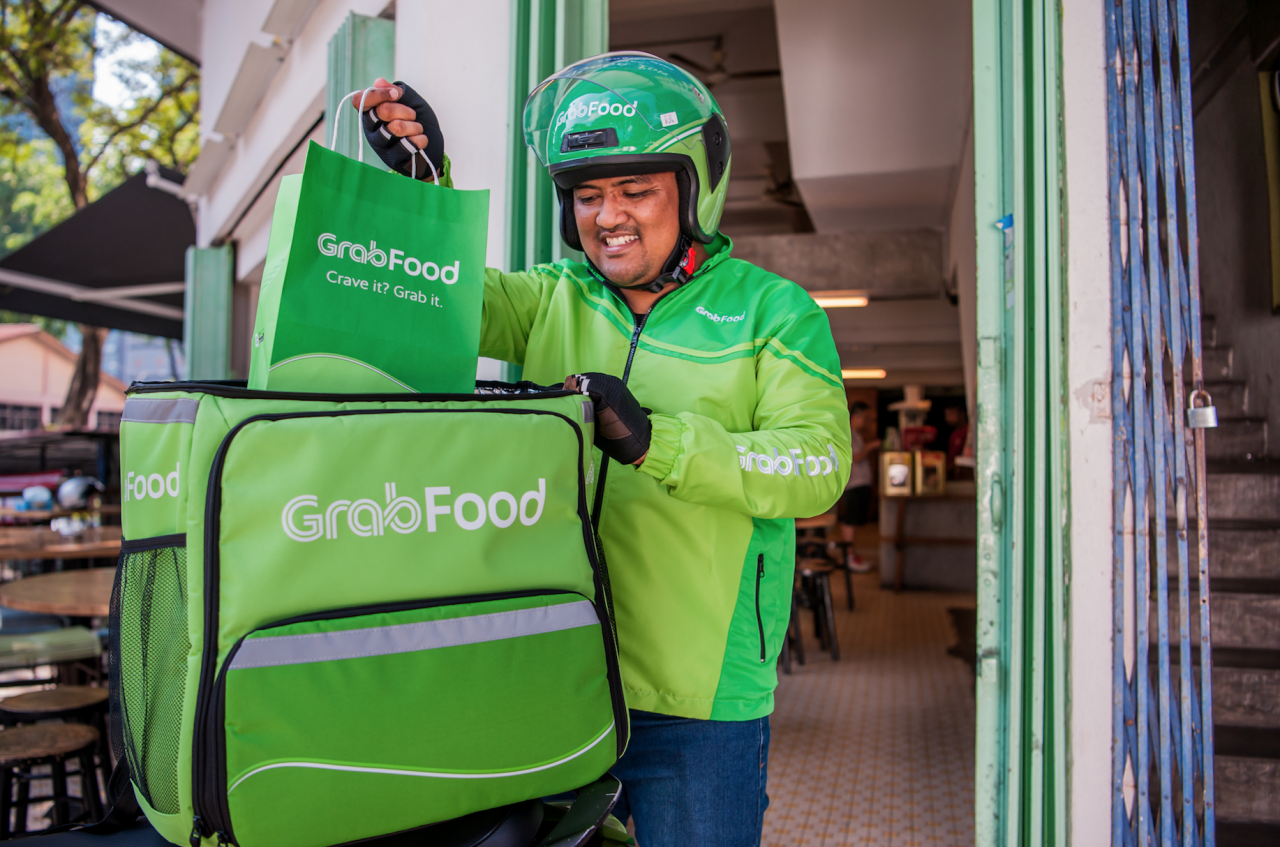
  • GrabFood grabs pole position in Vietnam food delivery market

    GrabFood grabs pole position in Vietnam food delivery market

    Despite being a new entrant, GrabFood has experienced rapid growth in the online food delivery market. GrabFood recently announced that it has grown 25 times since June 2018, in terms of orders received. A survey by Kantar TNS in January 2019 found that GrabFood was the most often used food delivery service in Hanoi and Ho Chi Minh City, as cited by 68 percent of respondents.

    The GCOMM market research company, which polled 600 people in Hanoi and Ho Chi Minh City, said in a recent report that 98 percent were satisfied with GrabFood’s service.

    This was a surprising outcome, given that GrabFood is a new entrant in Vietnam’s food delivery market, which is witnessing fierce competition with the likes of Foody.vn, Now and Vietnammm all in the fray.

    Grab’s ecosystem with a large network of driver-partners has greatly contributed to this success. More than 175,000 driver-partners in 15 cities and provinces have joined GrabFood’s network within seven months. The problem of recruiting a huge number of partners, which demands a large recruitment team and financial resources and yet takes many years, has been overcome.

    Driver-partners also saw a 20 percent increase in income from delivering food and parcels, according to latest statistics from Grab.

    Instead of offering a slew of discounts and other promotional programs to attract customers, GrabFood competes based on creative strategies, adapting to the diverse demands and tastes of customers in the various regions. GrabFood has also focused on building a network of merchant-partners. According to a Grab representative, an expansion in the number of merchant-partners was imperative for further growth. GrabFood cares about its partners’ growth and wants to build a win-win relationship so that they can grow together, the representative said.

    For example, GrabFood has many exclusive menus of well-known restaurants with “GrabFood Signatures”. These co-created dishes and drinks are constantly in the top three of most ordered items at big partners like Gong Cha and MeetFresh.

    In addition, GrabFood has reduced the average delivery time to just 20 minutes, which means customers can enjoy their favorite food delivered fresh and delicious. This, in turn, means that merchant-partners can retain customer loyalty. At the same time, marketing campaigns undertaken in cooperation with GrabFood help them increase their customer base.

    The Grab representative also said that on average, merchant-partners earn up to 300 percent in incremental revenue within two to three months of being on the platform.

    GrabFood has the advantage of being a technology mobile platform to which smart functions have been integrated, including locating the nearest restaurants, updating status of orders and chatting with drivers via GrabChat.

    Cashless payment for food delivery via GrabPay by Moca has been beta tested in Hanoi, and will soon be expanded to all three cities GrabFood currently operates in.”Our goal is to become the number one on-demand food delivery service in Southeast Asia and Vietnam in 2019,” the representative said.At the beginning of 2019, GrabFood announced that it was expanding its network to 15 cities and provinces.

    “On the whole, Grab’s management has made good moves. Expanding into payments and food delivery are smart, synergistic moves,” said Nitin Pangarkar, Associate Professor, Department of Strategy and Policy at the National University of Singapore (NUS) Business School.

  • JD.com and Rakuten to collaborate on drone delivery

    JD.com and Rakuten to collaborate on drone delivery

    Chinese online retailer JD and Rakuten, the Japanese e-commerce firm, will collaborate on developing unmanned delivery solutions in Japan. According to a new agreement signed between JD and Rakuten, JD’s drones and autonomous delivery robots will be used in Rakuten’s unmanned delivery services, which the firm launched in 2016. The two companies will collaborate on Rakuten’s lineup of unmanned delivery services to suit a wide range of applications and situations.

    Rakuten has already gained experience through providing delivery services and trials in collaboration with corporate partners and local governments. In 2018, its first delivery trial was conducted using a combination of drones and autonomous delivery robots, a step toward solving the last mile challenge for the logistics sector in Japan.

    “We are delighted to begin this collaboration with JD, which boasts the most cutting-edge proprietary delivery network in China as well as a track record and knowhow in delivery with drones and UGVs,” said Koji Ando, group managing executive officer of Rakuten. “By using JD’s drones and UGVs with the unmanned delivery solutions created by Rakuten, we hope to accelerate innovation in the Japanese logistics sector and contribute to building a society that can offer greater convenience to all citizens.”

    JD began developing its drone program in 2015, and launched the world’s first commercial drone deliveries in 2016 in rural China. It currently operates drones in Jiangsu, Shaanxi and other provinces.

    Since then, JD’s drones have logged more than 400,000 minutes of flight time. In January this year, the company announced the success of Indonesia’s first government-approved drone test flight, opening the door for future commercial drone use in Indonesia and Southeast Asia.

    On the ground in China, its autonomous delivery robots are being used in urban areas in several cities and are becoming frequent sights on a number of university campuses and in office parks. JD has also launched two smart delivery stations in the cities of Changsha and Hohhot, transforming last-mile logistics and further increasing delivery speed for customers.

    “We have been using drones and autonomous delivery robots for real deliveries in China for more than two years,” said Jun Xiao, president of JD-X, JD’s logistics innovation lab. “This is one way we are innovating to make logistics more accessible, reliable and cost-effective.

    “In Japan, there are many opportunities for drones to make deliveries in mountainous areas, remote islands and in emergency situations. As we push the bounds of what our autonomous delivery technology can do, and explore its use in a wide range of applications from e-commerce to humanitarian support, we believe it will continue to bring significant benefit to people around the world.”

  • Kerry Logistics expands e-commerce fulfilment through E-Services Group JV

    Kerry Logistics expands e-commerce fulfilment through E-Services Group JV

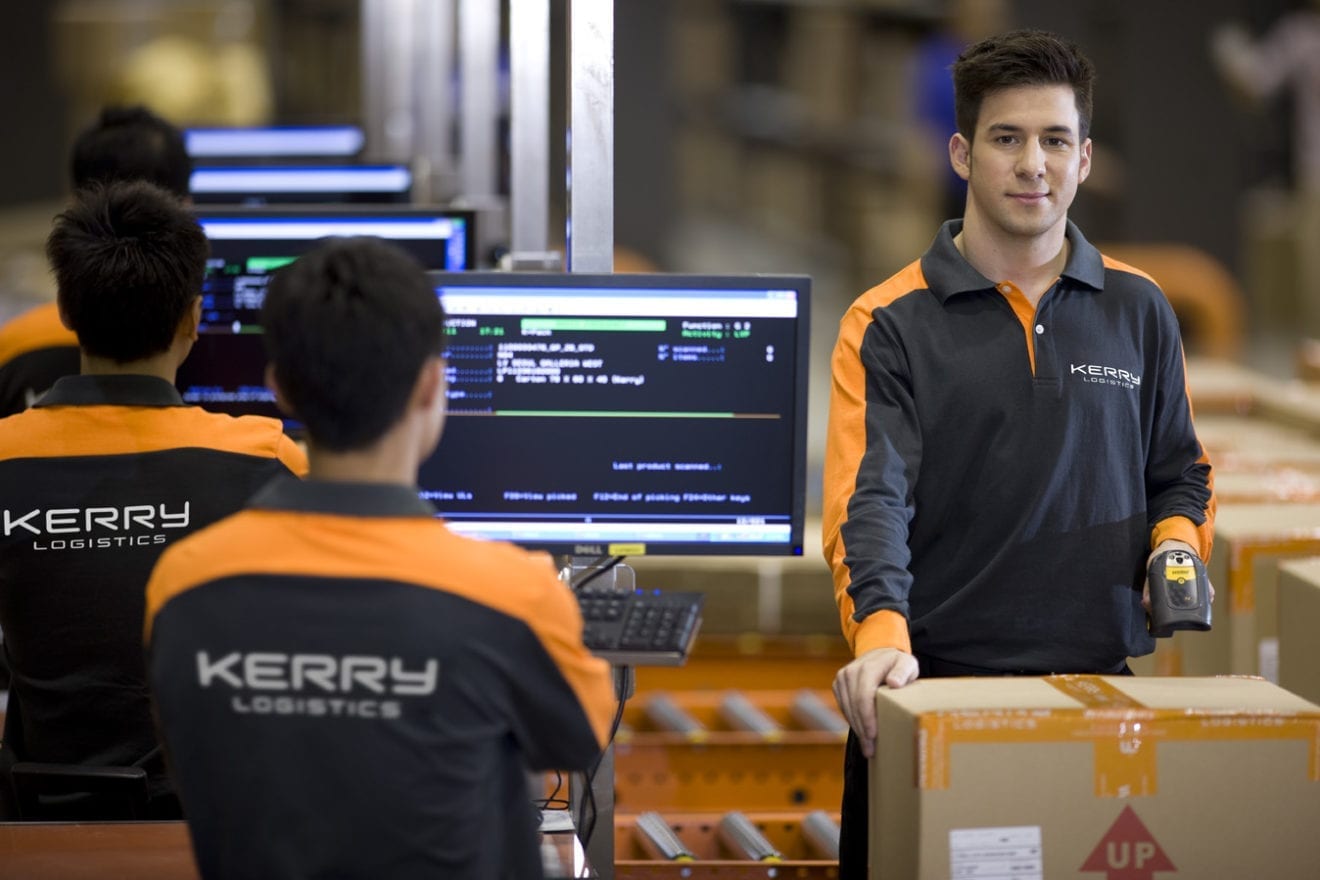
    Hong Kong-based Kerry Logistics is expanding its e-commerce fulfillment capabilities through a joint venture with Asian e-commerce specialist E-Services Group. Their joint venture, Kerry ESG (HK) Company Limited, will combine Kerry Logistics’ global supply chain capabilities with ESG’s technology platform, global marketplace networks, and e-commerce expertise to offer etailers cost-efficient solutions internationally.

    ESG, founded in 2002, claims to be ‘the leading international end-to-end e-commerce company in Asia’, headquartered in Hong Kong, with offices in China, Singapore, and Taiwan. As the strategic partner to over 20+ leading global marketplaces such as Rakuten, JD.id, and Cdiscount, ESG not only enables its 28,000+ etailers to grow their businesses internationally through marketplaces, but also supports them with comprehensive shipping solutions.

    Kerry ESG, set to debut in March 2019, aims to become one of the leaders in global e-commerce fulfillment solutions, enabling etailers to deliver products to customers anywhere in the world quickly and cost-effectively. Through direct integration with leading shopping carts and global marketplaces, etailers using Kerry ESG’s services will be able to seamlessly manage their order fulfillment, inventory, and returns to and from multiple logistics centres through one platform.

    William Ma, Group Managing Director of Kerry Logistics, said: “We are thrilled about the growth opportunities in global e-commerce. With Kerry ESG, we are creating a unique platform with total solutions from upstream marketing to downstream logistics that will capitalise on the booming international marketplace model to facilitate the exports for our international brand customers. Combining forces as industry leaders, Kerry Logistics and ESG are well-positioned to unlock the potential in the market with this new joint venture.”

    Alan Lim, Founder and CEO of ESG, added: “Winning at e-commerce means getting every piece of the puzzle right, and fast, reliable fulfillment is a critical component of success. This partnership gives etailers access to an extensive distribution network to support e-commerce fulfillment in every market and with every online channel. With Kerry Logistics we have found a great partner, whose capabilities complement ours and whose culture and vision matches that of our team. I am excited about how we can grow this business together.”

    Kerry Logistics said it has identified cross-border e-commerce, particularly between Greater China and ASEAN, as a major growth sector which plays to its strengths. The new partnership with ESG, which is the official partner of leading marketplaces including JD.id, Rakuten, and Newegg.com, will play a pivotal role in strengthening the foothold that the two companies have in this area.

    Kerry Logistics has a network covering 53 countries and territories, and is managing 53 million sq ft of land and logistics facilities worldwide.

  • How technology shape the future of retail in India

    How technology shape the future of retail in India

    The Indian Retail Industry is considered one of the fastest growing industries in the world and technology has emerged as a helping hand to the industry. The world has seen a transition in retail planning –with the industry going from being product-centric to being customer-centric – and retailers are leveraging technologies to reach the modern shoppers.

    Over time, retail technology has transcended from an aspiration to an expectation and has wedged itself securely between consumer and experience to create an everyday interface. While it has definitely made life easier for consumers, retailers in India have spent a better part of the last decade on their heels, reacting to profound changes throughout the sectors of the industry.

    Retailers today are not fighting with retailers anymore; instead they’re fighting with different technological interventions in order to be the most competitive in the world. With growing competition, it has become extremely vital for retailers to innovate continuously and implement cutting-edge technologies to fulfil today’s demanding customers’ need.

    In order to stay relevant in a highly competitive market, every retailer needs to stay on top of technological advances and also learn how to exploit these technical innovations to forward their business goals.

    Over the past few years, a number of technology trends have evolved and dramatically altered the retail industry. The emergence and the transformational growth of the new economy has unleashed powerful forces which are eventually and successfully reshaping the retail industry at a transformational speed. In order to succeed, today’s retailers have to offer a seamless shopping experience across all channels – and should not lose track of their customers.

    Today, the entire retail ecosystem has smartened with technology. There are so many things one can experiment with if a retailer uses technology, for example: smart displays, in-store services, smart shelves, home delivery, brand optimization options, supply chain optimization, logistics automation to name just a few.

    Then there are wallets, point of sale data, social networking – where you can home in on complaints as well as get appreciated. All this is driven by the retailer into applications where the consumer sees, feels, asks the retailer questions and eventually buys the product.

    Giant players of the retail industry have accepted technology with arms wide open to captivate and secure customers and have made optimum use of technology to optimize their business. Whereas small retailers, most of them belonging to the unorganized sector, are yet to adopt technology to be adept with the changes and technological innovations taking place in the retail market. If the entire unorganized retail trade, which is 80 percent of the entire retail trade, adopts technology, the retail industry will usher in a new era providing a much-needed thrust to the Indian economy. Technology is the knight on the white horse that will ride the retail market towards prosperity and triumph.

    What took the year 2018 by storm is phrase ‘Experiential Retail’. It became the code of the moment; delivered through convenient accessibility, in-store features, customer engagement through ATL and BTL animation or out-of-the-box blends of the physical and digital shopping universe.

    Some other trends that impacted the retail industry in a big way in 2018 are:

    IoT (Internet of Things)

    IoT has big implications for in-store marketing efforts of retailers and brands. Connected devices aren’t just changing the way consumers live, work and play – they’re dramatically reshaping the entire industry. The IoT movement offers retailers opportunities in three critical areas: customer experience, supply chain and new channels-revenue streams.

    Leading retailers across the globe are already investing heavily in IoT. They are beginning to transform their business practices and recognize that, in time, IoT will touch nearly every area of retail operations and customer engagement. In the IoT of today, everything has the potential of coming under the IOT umbrella. From the lighting system in the store, the PoS (Point of Sales) system, to the electric switches and even garbage disposal units…IOT is at the heart of retail transformation. It connects people, machines, items, and services to streamline the flow of information, enable real-time decisions, and heighten consumer experiences.

    While the IoT may still seem like science fiction, it is becoming reality faster than most of us can comprehend. Retailers that hesitate to develop and execute an IoT strategy will open the door for competitors – old and new alike – to swoop in and capture early IOT mind and market share.

    SMAC (Social, Mobile, Analytics & Cloud)

    The relationship between consumers and enterprises has never been as intrigued as in the 21st century. As digital technologies augmented by SMAC are creating new touch points for enterprises to awe their consumers, there has been an evolution in consumer experiences. Social, mobile, analytics and cloud or SMAC are the nexus of forces, which are reshaping how consumers experience a brand.

    SMAC are currently driving business innovation. It creates an ecosystem that allows a business to improve its operations and get closer to the customer with minimal overhead and maximum reach. Digital is now an essential part of the whole shopping experience and the entire business of retail, inside as well as outside the store. You don’t need to leave a physical store to get your digital fix. Instead, retailers are leveraging a wide array of in-store technologies meant to draw consumers in the door. As the impact continues to increase, the way retailers think of digital and invest in it, besides addressing the digital wants and needs of their customers is changing dramatically.

    Big Data

    Today, retailers are constantly finding innovative ways to draw insights from the ever-increasing amount of structured and unstructured information available about their customers’ behaviour.

    Data gathering, and analytics are playing a key role in evolving business models in retail. Usage of data and analytics to better understand consumers in the form of branding, product management, leveraging loyalty card information to tracking customer buying behaviour and making better pricing decisions are the key factors. Collecting and leveraging customer information to provide personalized recommendations is the norm going forward.

    Retailers – large and small – have been reaping the benefits of analysing structured data for years but are only just starting to get to grips with unstructured data. There is undoubtedly still a great deal of untapped potential in social media, customer feedback comments, video footage, recorded telephone conversations and locational GPS data. Great benefits have come to those who put it to best work, and the best solutions have more likely come from innovative thinking and approaches to analytics, rather than those who simply try to collect as much data as possible and then see what it does.

    Omnichannel Retail Adaptation

    Omnichannel is a term that extends and supersedes multi-channel. Multi-channel (or cross-channel) refers to delivering content and considering consumer experience on more than one channel. Omnichannel is about understanding and optimizing for the entire journey across all channels.

    Omnichannel today is a necessity. Brick-and-mortar retailers have been left with no option but to add online channel to their offline operations in a bid to reach as many customers as possible, and quickly. Omnichannel retailing creates benefits for consumers and opportunities for retailers. For consumers, it empowers connected consumers by making it easier for them to access information and compare product details; by increasing choice; and by increasing convenience and the range of options for shopping. For retailers Omnichannel creates opportunities, ranging from potential extension of sales and increasing brand awareness and loyalty.

    A poorly executed Omnichannel or personalization strategy, however, can do more harm than good. Handling one or two channels discretely but satisfying expectations is better than disappointing your consumers when you fail to deliver added value — or worse still, confuse or frustrate — while tackling all channels. Personalization can be even more dangerous because of very real risks that your brand can be given the dreaded creepy label.

    To be successful at delivering a personalized experience in Omnichannel marketplace, adaptive content is a requirement. It is content that is designed for both personalization and delivery across many channels.