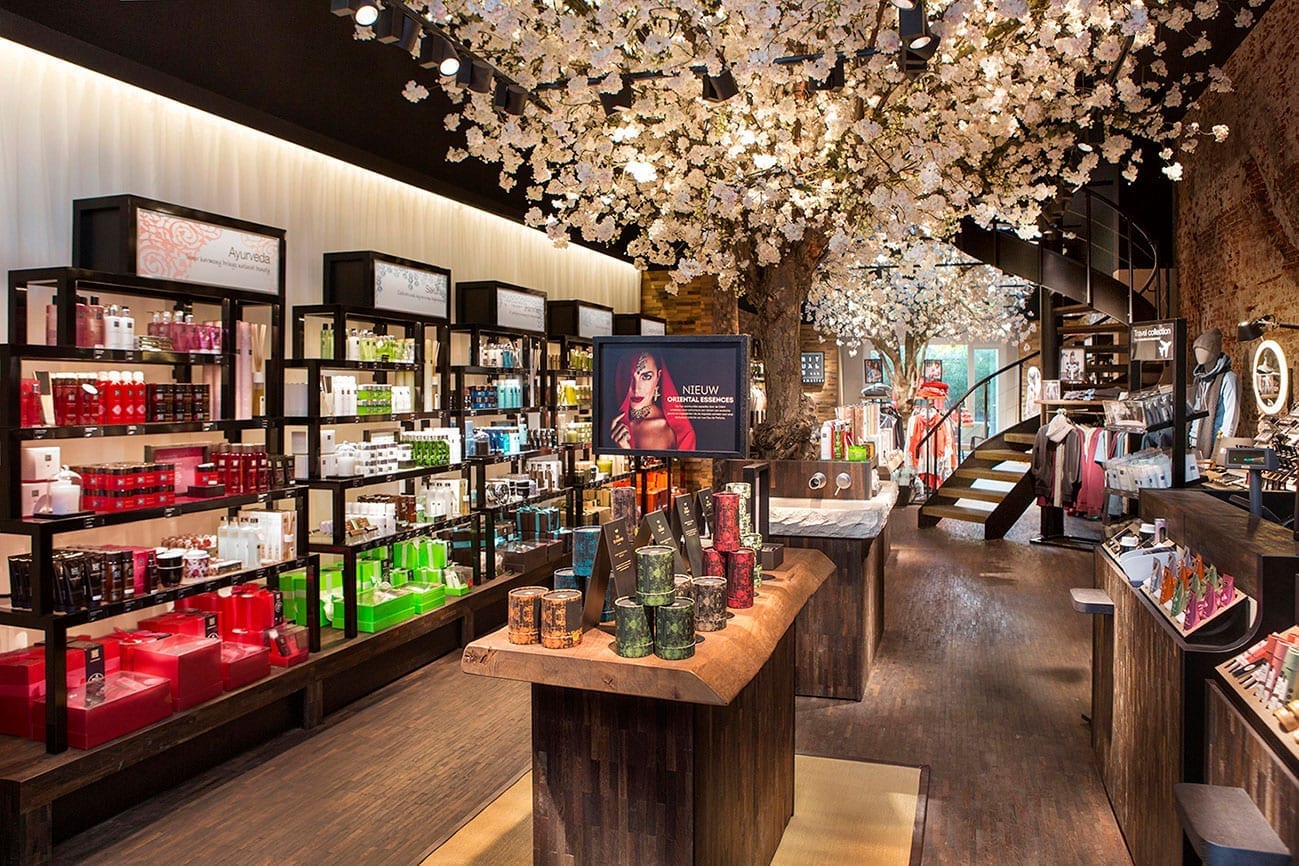
Mobile pickup app Ritual has launched in Hong Kong as it expands its global footprint, targeting cities with strong restaurant industries.
At the same time, the Canadian-and US-headquartered tech company is launching in Amsterdam, Hamburg and Berlin.
“Whenever we expand into a new city or country, we look for population density, strong restaurant coverage, and a food-focused culture,” said Ray Reddy, co-founder and CEO of Ritual. “Hong Kong, Berlin, Hamburg and Amsterdam met that criteria for us while also allowing us to maximize on how much we could learn from new, non-English speaking markets.”
Ritual provides restaurants with real-time data on store experience, food quality and customer satisfaction metrics so operators can increase their customer base, and keep up with customers’ favorites and run a better business, overall. The company’s social-ordering feature Piggyback connects more than 150,000 teams globally to connect and collaborate on lunch and coffee orders, making ordering more social and convenient.
The mobile pickup app Ritual now covers more than 50 cities in seven countries globally. The company was founded in 2014 and has raised US$127.5 million in venture funding to date with headquarters in San Francisco and Toronto.
Starbucks and Alibaba have teamed up to allow consumers in China to order coffee using their Tmall Genie smart speaker.
From the comfort of their sofa, those seeking a hot latte or an iced tea can simply call out “‘Tmall Genie: I want Starbucks delivered’. And within 30 minutes of placing a verbal order for food and beverages, it will arrive, thanks to Alibaba’s Tmall.
They can also track the delivery status of their orders in real-time, as well as connect membership accounts to the smart speaker to earn Star rewards with every purchase, which add up to free food and drinks.
Soon, members will also receive personalised recommendations based on their previous orders and trending items from Starbucks’ seasonal menu, says Miffy Chen, GM of Alibaba A.I. Labs, the artificial-intelligence research unit behind the Tmall Genie.
She said the collaboration helps both companies meet the needs of China’s digitally savvy consumers, who are increasingly expecting seamless, on-demand deliveries for everything from ordering groceries to food and medicine.
Molly Liu, VP and GM of the digital ventures division at Starbucks China, said the new smart speaker marks a new era of digital customer engagement for Starbucks and will help “[elevate] their connection with customers to new heights.”
“We are focused on ensuring that Starbucks voice-ordering is truly personal, and we look forward to offering our customers more convenient moments and new opportunities to engage with Starbucks on a single integrated platform as they move throughout the day,” Liu said.
As part of the partnership between Starbucks and Alibaba, the Seattle-based coffee chain has also exclusively debuted a new Starbucks-themed Tmall Genie through its flagship store on Tmall, Alibaba’s B2C e-commerce site. The smart speaker, which comes in the brand’s classic shade of green, features its teddy-bear mascot “Bearista” behind a DJ turntable. Users can play music from a curated playlist by telling the Tmall Genie to “play some Starbucks music,” a feature powered by Alibaba’s music-streaming app Xiami.
About 3000 Starbucks Genies, priced at RMB 199 (US$28) each, sold out instantly during a livestream hosted by popular Taobao livestreamer Viya Huang on Monday. Huang’s five-hour stream had attracted more than 829 million views.
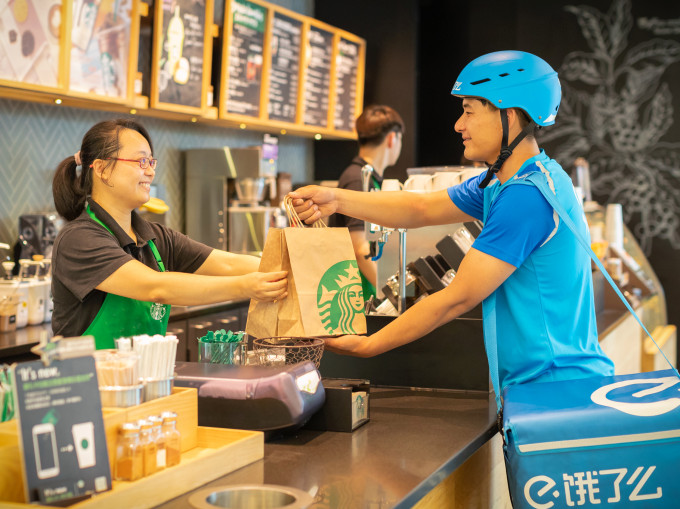
The new Tmall Genie feature comes as Starbucks and Alibaba celebrates the one-year anniversary of their strategic partnership to transform the coffee experience in China. Starbucks has since tapped Alibaba’s New Retail infrastructure, such as partnering with Ele.me to expand its delivery coverage or opening back-of-room “Star Kitchens” inside Freshippo, which leverage the supermarket chain’s fulfillment capabilities to enhance its delivery speed and reach.
In 2017, Starbucks’s cafes began accepting mobile wallet Alipay for payment. In December of the same year, Starbucks opened its first roastery outside of its home market in Shanghai, which featured mobile technology and augmented-reality experiences designed by Alibaba.
While China’s per-capita demand for coffee is still a fraction of US consumption – an average mainland Chinese consumer drinks three cups a year versus 363 cups in the US – total consumption grew at an average annual rate of 16 per cent in the last decade, significantly outpacing the world average of 2 per cent, according to the International Coffee Organization.
Ride-hailing giant Grab has followed Russian delivery firm Dostavista and local ride-hailing app Be to invest in express delivery services. The Singapore-based ride-hailing firm announced last week that it plans to invest $500 million in Vietnam over the next five years to expand its transport, food and payment networks. The money will also go towards developing fintech, mobility solutions and logistics, it said.
In the beginning of August, Grab signed a strategic partnership agreement with budget carrier Vietjet Air, tech-based courier Swift247 to launch an integrated express digital platform that provides delivery solutions by ground and air in Southeast Asia.
The new service would allow goods to be delivered between Hanoi and HCMC in as little as five hours, Vietjet had said in a statement.
In mid-August, Dostavista, a “crowd-sourced” same-day delivery startup founded in Russia, raised $15 million in its series B round to invest in Southeast Asia. Dostavista owns express delivery app MrSpeedy Vietnam, which was launched in June 2018 and now has 6,000 partner drivers and 2,000 supplier clients in Vietnam.
With competition from foreign firms heating up, domestic enterprises have also been boosting their operations in this industry. On August 6, ride-hailing service Be Group launched the beExpress delivery service in Vietnam, focusing on e-commerce deliveries and aiming for 30 percent of Vietnam’s express delivery market by next year.
In July, logistics startup Giao Hang Nhanh JSC (GHN) also opened a fully automated warehouse in Hanoi to support its quick delivery services. It will open a second in Ho Chi Minh City before November, and is currently building a third with an area of 50,000 square meters in Hanoi, GHN said.
With competition heating up, delivery firms are trying to differentiate themselves by racing to offer increasingly fast shipping services.
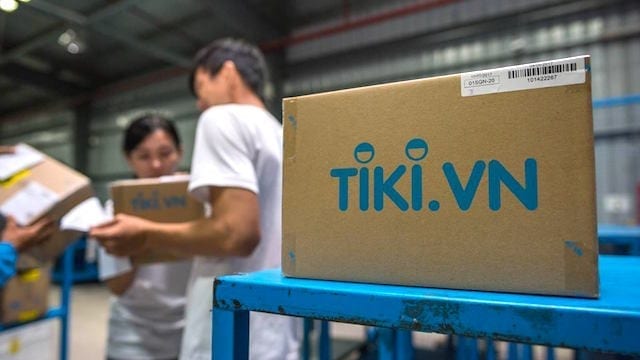
E-commerce platform Tiki has a shipping policy that offers delivery of over 100,000 products within two hours. Shopee, the biggest e-commerce player in terms of users, offers delivery of certain products in four hours, Sendo in three hours, South Korea’s Lotte, one hour, and electronics retailer giant Mobile World has committed to ship some items in as little as 30 minutes.
This is a particularly fierce period for the express delivery market, and the advantage falls to large enterprises or those who can raise large amounts of capital from investment funds, Do Hoa, CEO of business consultancy IME Vietnam, told local media.
“Speed is the most important factor in delivery. In this competitive stage, large apps with many services will have an edge because they can cross-subsidize express delivery with profits from other segments, allowing them to hang on for longer.
“This is a long-term game, requiring large investments, partners and warehouse networks. Smaller businesses with fewer financial resources will be easily eliminated,” Hoa said.
Growth in Vietnam’s e-commerce industry will drive demand for express delivery services, especially in the business-to-consumer segment, Ken Research said. The e-commerce industry itself is also recording robust growth, with online sales rising by 30 percent last year to over $8 billion, according to the Ministry of Industry and Trade.
Vietnam’s express logistics market is expected to reach over $1.4 billion by 2022, growing at an average CAGR of 22.8 percent per year, according to market research firm Ken Research.
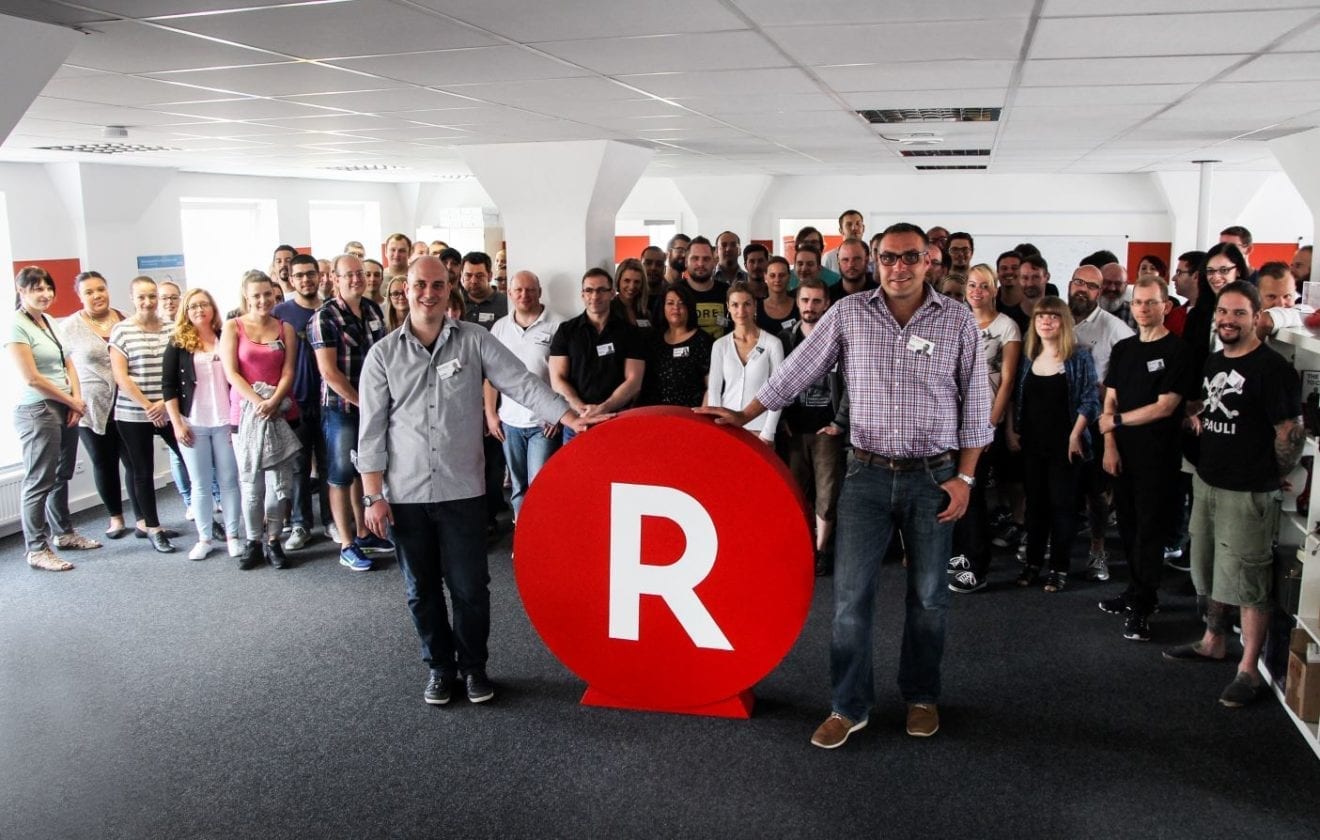
Rakuten has partnered with Seiyu to launch Japan’s first autonomous delivery robots service with JD in Umikaze Park.
Using the Rakuten Drone app, Umikaze Park visitors can place their orders from the Seiyu Livin Yokosuka Store and receive the products delivered by the Rakuten UGV (unmanned ground vehicle).
“JD develops unmanned technologies to provide customers a superior experience, and we highly value the partnership with Rakuten,” said Qi Kong, head of autonomous driving at JD Logistics. “This is a demonstration of how we are opening up our solutions to customers beyond JD.”
The autonomous delivery robots service will be available only from September 21 to October 27.
Earlier this year, JD and Rakuten signed a partnership to develop unmanned delivery solutions, one of which was drone-delivery service on Sarushima Island in Tokyo Bay.
FedEx Corp has launched the FedEx SameDay Bot, an autonomous delivery device designed to help retailers make same-day and last-mile deliveries to their customers.
Retailers will be able to accept orders from nearby customers and deliver them by bot directly to customers’ homes or businesses the same day. FedEx is collaborating with companies such as AutoZone, Lowe’s, Pizza Hut, Target, Walgreens and Walmart to help assess retailers’ autonomous delivery needs. On average, more than 60% of merchants’ customers live within three miles of a store location, demonstrating the opportunity for on-demand, hyper-local delivery.
“The FedEx SameDay Bot is an innovation designed to change the face of local delivery and help retailers efficiently address their customers’ rising expectations,” said Brie Carere, executive vice president and chief marketing and communications officer for FedEx.
“The bot represents a milestone in our ongoing mission to solve the complexities and expense of same-day, last-mile delivery for the growing e-commerce market in a manner that is safe and environmentally friendly.”
The FedEx bot is being developed in collaboration with DEKA Development and Research Corp and its founder Dean Kamen, inventor of many life-changing technologies including the iBot personal mobility device and the Segway.
“The bot has unique capabilities that make it unlike other autonomous vehicles,” Kamen said. “We built upon the power base of the iBot, an advanced, FDA-approved, mobility device for the disabled population with more than 10 million hours of reliable, real-world operation. By leveraging this base in an additional application, we hope that the iBot will become even more accessible to those who need it for their own mobility.”
The FedEx bot is designed to travel on sidewalks and along roadsides, safely delivering smaller shipments to customers’ homes and businesses. The bot features include pedestrian-safe technology from the iBot, plus advanced technology such as surveying method lidar and multiple cameras, allowing the zero-emission, battery-powered bot to be aware of its surroundings.
These features are coupled with machine-learning algorithms to detect and avoid obstacles, plot a safe path and enable the bot to follow road and safety rules. Proprietary technology makes the bot highly capable, allowing it to navigate unpaved surfaces, curbs, and even steps for an extraordinary door-to-door delivery experience.
FedEx plans to test the bot this summer in select markets, including Memphis, Tennessee, pending final city approvals. The initial test will involve deliveries between selected FedEx Office locations.
FedEx Office currently offers a SameDay City service that operates in 32 markets and 1,900 cities using branded FedEx vehicles and uniformed FedEx employees. The FedEx bot will complement the FedEx SameDay City service.
“The FedEx SameDay Bot represents the next chapter in our long legacy of delivering innovation and outstanding service, supported by an already existing FedEx logistics ecosystem,” said Brian Philips, president and CEO of FedEx Office.
“We are excited to bring this technology to address new markets and better support our customers. The companies who have provided feedback on its potential use have been instrumental in ensuring we are looking toward the future of e-commerce.”
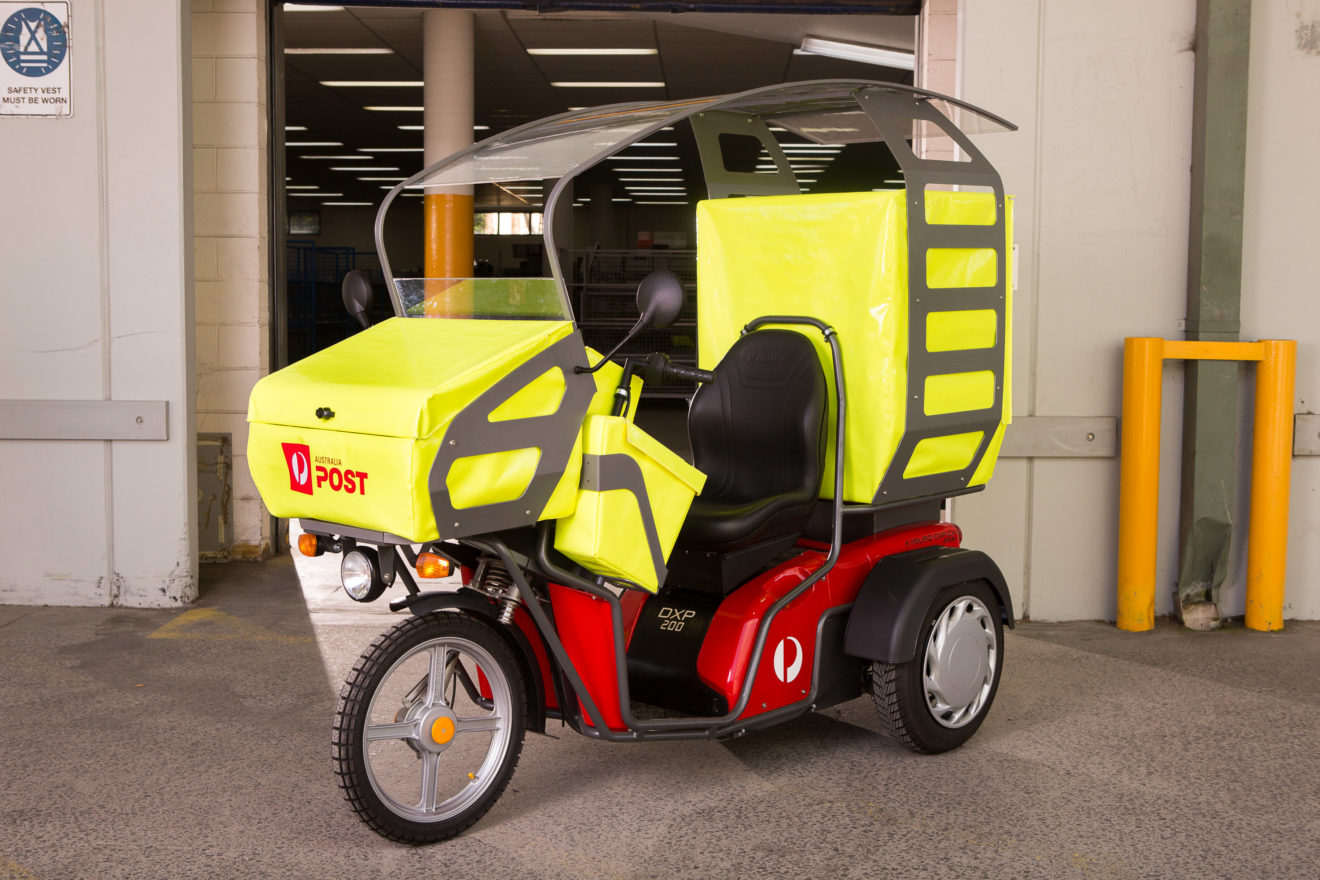
Australia Post has announced the trial of a new Australian-built three-wheeled electric delivery vehicle.
Built in Melbourne’s south-eastern suburbs, the new Stealth OzPOD will service residents in the suburb of Lilydale over a five-week period, as Australia Post tests its features over different terrains in a bid to complement existing electric vehicles in operational use.
Australia Post general manager of network optimization, Mitch Buxton, believes Lilydale is a perfect area to trial the new vehicle, with locals increasingly embracing online shopping and more small parcels being delivered than ever before.
“We know that residents in Lilydale love online shopping. Health and beauty, fashion and media are the most popular purchases among residents in the trial area,” he added.
“The yearly growth rate in Lilydale is higher than the national average, at close to 21%. The area saw almost 79% of households purchasing online in 2018, above the national average of 73%.
“The Stealth OzPOD has been developed over the past 2.5 years and is designed to cater for Australian conditions, with added safety and stability, wet weather, and gradient and surface measures.”
Buxton continued, “As our business continues to transform, we are equipping our posties to deliver more small parcels. In February we announced an order of 1,000 Swiss-built three-wheeled electric delivery vehicles, so this trial is another example of how we are looking at ways to keep our posties delivering for Australians and supporting local manufacturing businesses.”
The Stealth OzPod has an increased carrying capacity of up to 720 liters and can travel up to 50km/h (31mph). Australia Post will use the trial to review the vehicle’s performance and identify where it can be introduced.
Express firm UPS has revealed a series of investments in Asia that it claimed would increase its service footprint and expedite delivery times.
The company said that in the first half of the year it had invested in the following:
• Shenzhen Asia Pacific Air Hub upgrades that increased the hub’s processing capacity by nearly 50% in preparation for volume gains in the coming three years.
• Transit times reduction across 2,300 trade lanes: Intercontinental transit times reduction by up to four days, while shipments with destinations in Asia see transit times improved by up to two days.
• Improved geographic reach of UPS Worldwide Express services, offering international shipping with time-definite deliveries in Australia, Hong Kong, Japan, Singapore, and South Korea; Customers in Xi An, China and new provinces in Vietnam can now access UPS Worldwide Express Freight, guaranteed door-to-door service for palletized shipments over 70kg.
• Extended pick-up times by up to five hours for export shipments from China, Japan, Taiwan, and South Korea, widening production windows and giving businesses additional time to fulfill customer orders.
UPS’s Shenzhen Hub serves as a transfer point for shipments moving within the region, and the enhancements improve both reliability and quality of service provided to UPS customers in Asia.
“At the root of the investments in our Smart Logistics Network is a simple desire to make global commerce easier for Asian businesses—because when they grow, we grow too,” said Ross McCullough, President, UPS Asia Pacific Region.
“More UPS customers in the region will now be able to have their shipments sent and received in less time; they’ll be able to find us easily in more cities and towns, and they’ll be able to send shipments later in the day than before—all of which will open new opportunities for businesses in the region to trade more efficiently with the rest of the world.”
Wilfredo Ramos, Vice President of Strategy, UPS Asia Pacific Region, added: “We’re seeing new realities in this region that demand not only inventive solutions but also higher levels of service.
“Businesses have come to rely on UPS’s extensive experience to help them navigate the volatile highways of trade today. Together with our brokerage capabilities, upgrades like the one at our Shenzhen Hub will give UPS the flexibility to support increases in intra-Asia trade volumes in the coming years.”
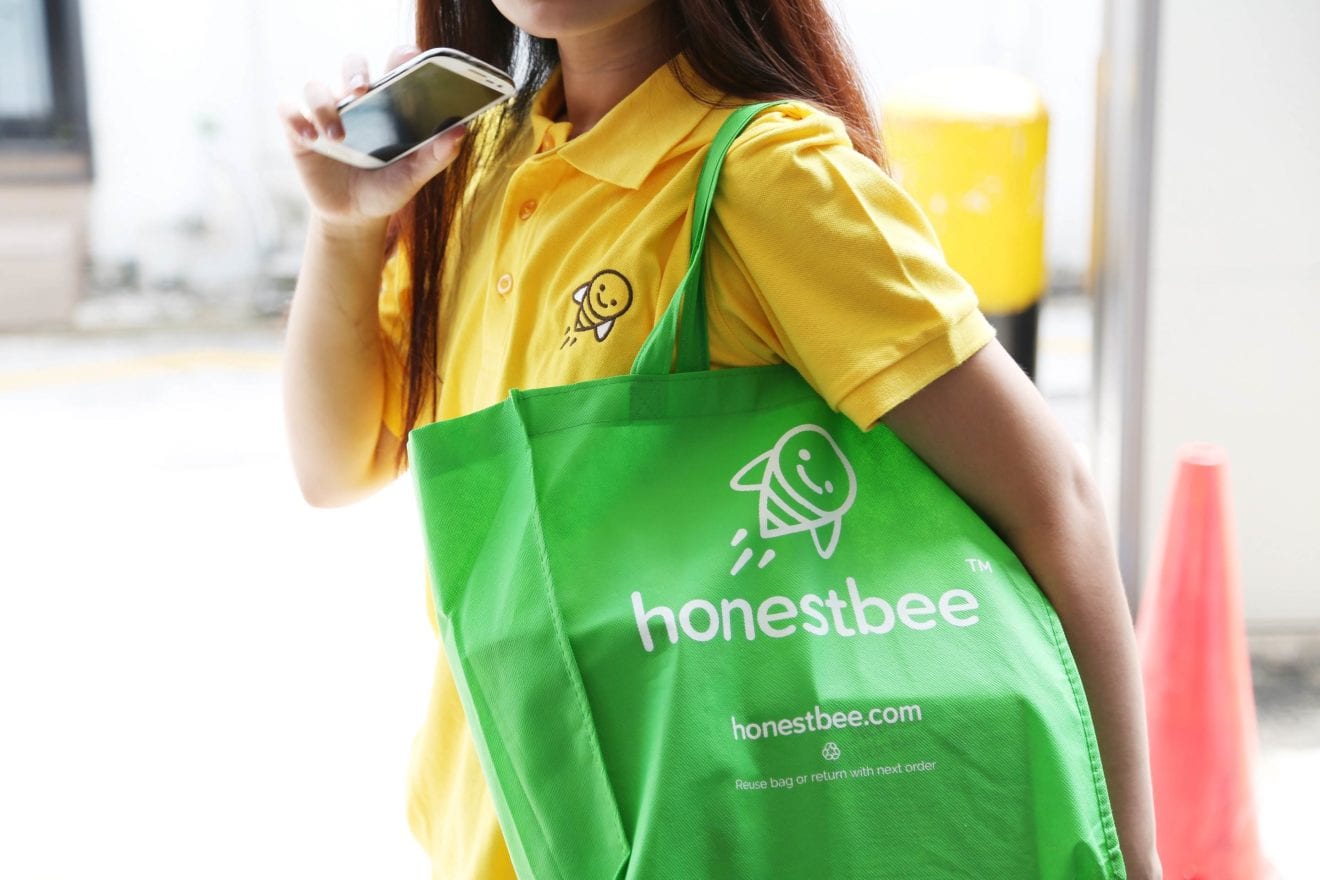
Sinking in debts of around US$180 million, Singapore grocery retailer Honestbee is seeking court protection from creditors to allow it to restructure.
The company has applied to the High Court to commence a process which reportedly would give it six months protection from creditors lodging winding up procedures or other legal attempts to recover what they are owed.
News of the move surfaced late Friday at the same time the company confirmed it was laying off 38 staff in Singapore.
“As a result of our reduced operations globally, the company has made a decision to rightsize the company in order to cut costs and streamline its business,” a spokesman said in a statement to the Straits Times.
“The move is necessary to ensure that the company has the right structure in place for long-term stability and success.”
Friday’s news came one week after the company announced the appointment of a new CEO, Ong Lay Ann, who has actually been in the role since July 15, atkin over from interim CEO and investor Brian Koo, who remains chairman. That followed the resignation of CTO and co-founder Jonathan Low four days earlier.
Koo is also a founding partner in Formation Group, one of Honestbee’s largest creditors. Koo is part of the family which owns South Korean industrial giant LG. Parties associated with the Koo family are said to be owed as much as $50 million by Honestbee.
In a statement, Honestbee said a court-supervised restructuring would allow management to focus on re-evaluating the business free from interference, to streamline operations, improve efficiencies and reduce overheads.
“As part of the restructuring process, Honestbee will work closely with their advisers, creditors and stakeholders to achieve the best possible outcome for all interested parties,” the company said.
Struggling grocery delivery company and grocer Honestbee has won another new lease on life with the appointment of a new CEO who has promised to revive the business with the support of investors.
Details of the additional investment were not immediately clear.
Ong Lay Ann took up the role without fanfare on July 15 from interim CEO and investor Brian Koo, who remains chairman. That followed the resignation of CTO and co-founder Jonathan Low four days earlier.
Koo had taken over from Honestbee former CEO and cofounder Joel Sng in early May, clearing the way for fresh funding to be injected into the company by Koo’s investment vehicle.
New appointee Ong has almost 20 years experience in IT, infrastructure, commodities and real estate. He has experience turning around failing companies, including Perth Precast in Australia which he rebuilt and listed via a reverse takeover.
Low cofounded Honestbee in 2015 with partners Sng and Isaac Tay.
“It is my privilege to have worked with some of the best talents during my time here,” he said in a statement confirming his departure.
“The decision to leave Honestbee was made before Lay Ann had come on board. However, I have full confidence that Lay Ann will help Honestbee enter its next phase and recover from its recent setbacks,” Low said.
So far this year, Honestbee has curtailed services, suspended operations or exited altogether markets including Thailand, Hong Kong, Japan, Indonesia, Taiwan and the Philippines.
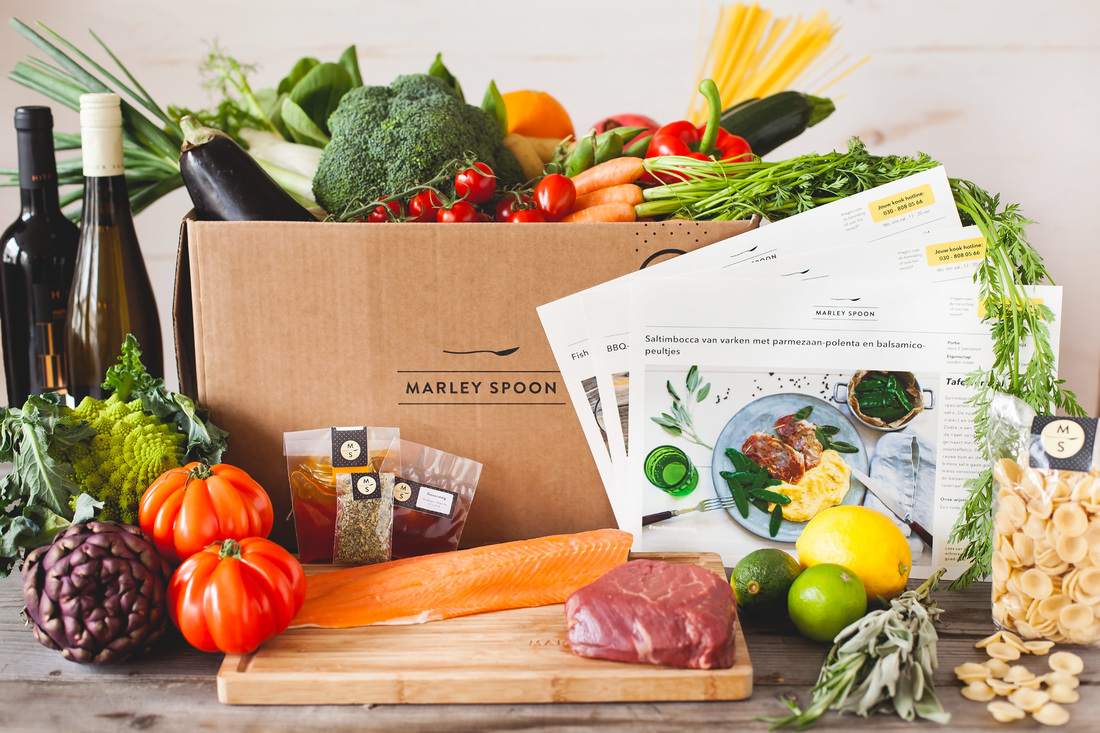
Marley Spoon launched its meal kit service in Tasmania on Wednesday, making it the first service of its kind available on the Australian island state.
The delivery service will initially cover the greater Hobart and Launceston areas, but Marley Spoon said it will expand to more locations throughout the state in the near future.
“Tasmania is known as one of Australia’s premier food destinations, but now locals can benefit from having some of the best products delivered straight to their doors,” Marley Spoon Australia managing director and co-founder Rolf Weber said on Wednesday.
“We’re excited to bring stress-free, delicious and sustainable cooking to even more Aussie households.”
Woolworths announced a strategic partnership with the meal kit company last month, along with a $30.05 million investment.
The meal kit service launched in Australia in 2015 and is available nationally. Customers in Tasmania can pre-order their boxes from today, with the first deliveries to take place on August 5.
Consultancy firm AlixPartners has challenged whether the battle to deliver the fastest shipping is worth fighting, following Amazon’s move to free one-day shipping for Prime members from the two-day norm.
The firm’s Home Delivery Shopping Survey this year found that US customers are willing to wait up to 4.3 days to receive an item if they get it shipped for free.
AlixPartner’s research notes that while faster shipping translates to a higher perceived value for the customer, sustainability and social responsibility are also important to consumers. The implications of transportation and other shipping logistics on carbon emissions are substantial – some estimates say home deliveries add millions of metric tons of carbon to the atmosphere every year. There are also safety concerns for warehouse workers. Labour unions have questioned whether Amazon’s fulfillment centers can safely accommodate faster deliveries given that they manage 200–300 orders per hour over 12-hour shifts with two-day shipping.
Then there is the tremendous burden of added expenses. Amazon has spent more than 20 years and an estimated US$150 billion globally to build out its capabilities. It is improbable many other retailers would be able to invest at the same level.
Competitors have scrambled to follow Amazon’s lead. Most notable was Walmart, which announced that its own next-day shipping program – to be test launched in a handful of cities – would not even require an annual membership fee. Target also appears poised to become similarly competitive in its shipping offerings.
“Instead of blindly matching Amazon, you may be better placed ascertaining what your customers actually want and expect from you around service and experience and creating strategies to deliver on those expectations,” read an editorial released by the firm.
“Retailers must mine data insights to understand what’s being purchased in each specific store location as well as what customers expect from shipping options.”
In-store pickup
The survey found that more than 60 percent of US shoppers have taken advantage of an in-store pickup program, and one in two are expecting to use such options more often.
Consumers were shown to sometimes prefer to receive access to all items in their order in one go or prize incentives such as discounts or store credits.
About 76 percent of respondents said retailers who use more mobile technology provide a faster shopping experience. The best way to harness stores is through a real-time inventory management system, which means having a precise view of what is available in the store and when, including for returns. Target’s Drive Up service, for example, allows online consumers to order items from a local location, pull up to the store’s parking lot about an hour or two later, and then have an employee deliver merchandise directly to their car within two minutes.
The pressures of maintaining an e-commerce edge have become harder, but trying to jump into battle on every single front can turn out to be counterproductive and, with something like ultra-fast shipping, potentially an expensive mistake. Consumers today have strong opinions and won’t shy away from conveying exactly what they need or expect.
Amazon’s massive annual sale, Prime Day, will kick off on Monday, July 15th and run for 48 hours until 5pm AEST on Wednesday, July 17th.
For the duration of the event, Prime members will also enjoy free expedited international shipping, with no minimum order threshold, on all Prime eligible products through the global store.
“We all love a bargain, and last year’s Prime Day confirmed this, being our biggest day since the launch of amazon.com.au,” Amazon Australia country manager Rocco Braeuniger said.
“We are excited to announce that this year will be even bigger, with Prime members down under not only being the first in the world to have access to Prime Day but also having the longest Prime Day event worldwide.”
Prime Day deals will be split across all categories, including TVs, smart home, kitchen, pantry food and drinks, toys, fashion, video games, books, as well as everyday essentials.
According to Amazon, small and medium-sized businesses surpassed US$1.5 billion in sales globally during last year’s Prime Day, with Brisbane-based Astivita noting it was the company’s “biggest single day of online sales ever.”
“It was mainly down to one product, a monitor,” Astivita chief executive Joseph Mizlkovsky said.
“We are excited to be taking part again this year and we will be discounting that same product at an even lower price, alongside a number of bathroom products.
“We hope that customers will snap up the change to shop our products at brilliant discounts, making this Prime Day even bigger than last year for us.”
A Japanese collective including Yamato Transport and Rakuten will partner with the Japanese government in a road test of autonomous delivery robots.
A government-appointed team will monitor the testing to identify potential issues, with a special focus on safety concerns, as well as considering new operating rules for inclusion in the Road Traffic Act. The team includes representatives from Mitsubishi Estate, Japan Post, Panasonic and self-driving tech firm ZMP, as well as officials from the National Police Agency, Ministry of Land, Infrastructure, Transport and Tourism, Ministry of Economy, Trade and Industry and local governments.
Japan’s logistics sector, under pressure from burgeoning online sales, is currently experiencing a shortage in labour that could be answered with robot delivery units equipped with cameras and GPS capabilities, giving rise to industrial opportunities for robotic systems developers.
The tests are expected to be wound up by March next year.
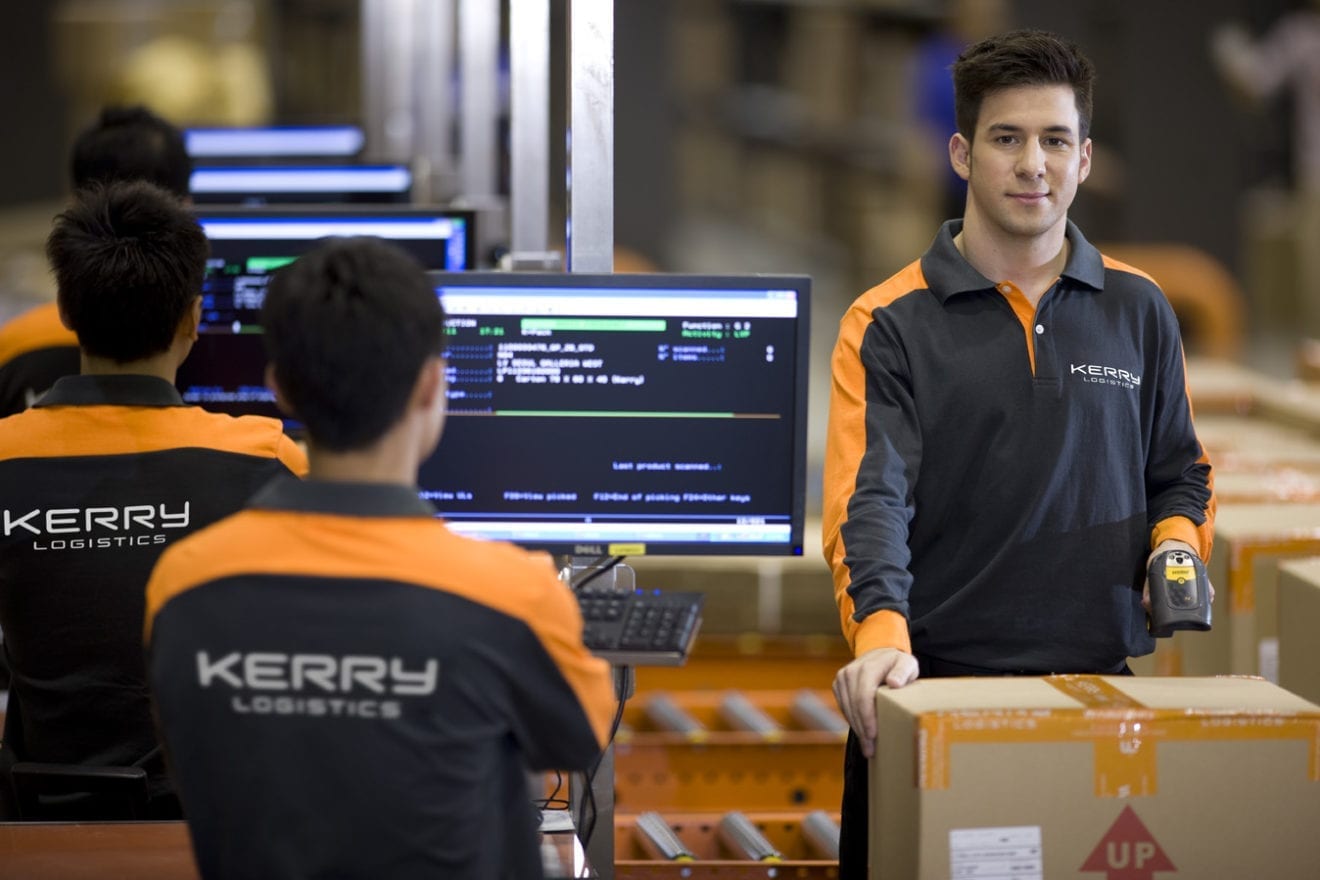
Kerry Logistics Network Limited (‘Kerry Logistics’; Stock Code 0636.HK) proudly continued its winning streak at the 2019 Asian Freight, Logistics and Supply Chain Awards (‘AFLAS’) by receiving the titles of Best 3PL for the fourth year running and the Best Logistics Service Provider – Air Freight for the fourth time. The awards presentation ceremony was held on 17 June 2019 in Hong Kong.
Robert Berger, Executive Director – Fashion & Lifestyle of Kerry Logistics (Hong Kong), said, “We are thrilled to win the titles again and deeply grateful to the AFLAS organisers and readers of Asia Cargo News for their votes of confidence. Kerry Logistics has been steadily expanding its global network coverage and broadening its range of international freight and logistics solutions, working hard to help its customers to respond to the changes in the international logistics landscape. Leveraging our established network in Asia to take advantage of the booming intra-Asia trade, we are set to continue our business growth in Asia. The AFLAS accolades prove the industry’s trust in us and that, in times of trouble, we are the logistics provider for our customers to call on.”
Aimed to commend top industry players for demonstrating leadership and consistency in service quality, innovation, customer-relationship management, and reliability, the AFLAS is presented annually by Asia Cargo News, the shipping and supply chain industry news platform for the Asia-Pacific region. The recipients of the awards were determined through the nominations and voting by over 10,000 Asia Cargo News readers, representing the consensus of the regional logistics industry.
Kerry Logistics has been named the Best 3PL by AFLAS since 2016, and has previously won the Best Logistics Service Provider – Air Freight title in 2015, 2017, and 2018. In the ranking published by Transport Topics and Armstrong & Associates, Inc. for 2019, Kerry Logistics places sixteenth among the Top 50 Airfreight Forwarders and seventh among the Top 50 Ocean Freight Forwarders.
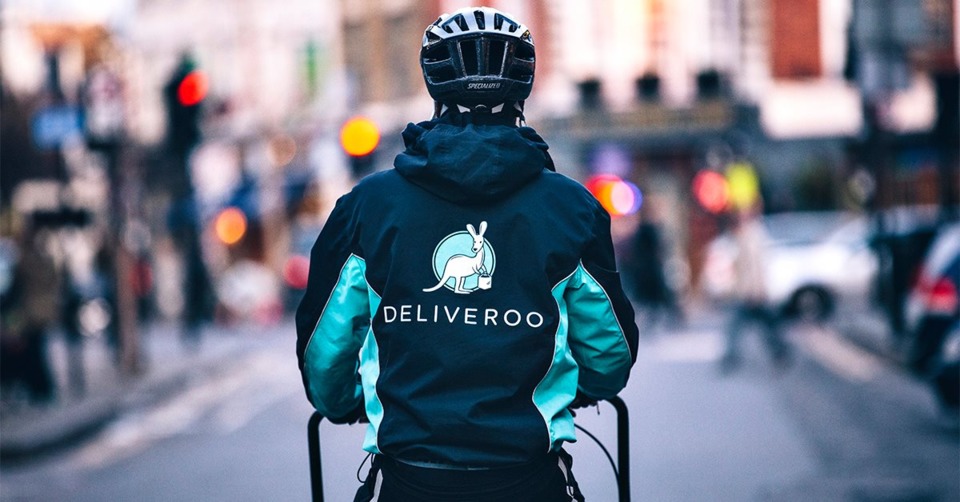
Deliveroo riders in Hong Kong can now get paid quicker as part of a new initiative being introduced by the company. The leading food delivery service has launched ‘Get Paid’, which allows riders to opt to receive their fees as early as the same day at the tap of a button, should they wish to.
This new feature will help riders manage their finances, to access money in an emergency or simply if they need instant money. Whether it’s a student needing extra cash before their loan arrives, someone with a part-time job needing money to tie them over until their payslip arrives, or a parent needing funds to pay for an unexpected household bill, Get Paid will help ensure riders’ fees have access to their earnings when they need it most.
Riders in Hong Kong currently receive their earnings on a bi-weekly basis, however they can now also choose to get these earnings more quickly. If they want, riders can get their earnings on the same day if requested by midday, or on the following day if requested after midday; rather than waiting. It is completely riders’ free choice whether they want to make use of this new service.
This new feature reflects the changing world of work, with more and more people choosing flexible, on-demand ways of working to fit their lifestyle. Just as riders’ work is on-demand, many now also want to be able to access their earnings on-demand.
This new option for riders cements Deliveroo’s commitment to offering flexible work and attractive earnings. Riders can not only login and logout where and when they want, they can now get paid when they want.
Brian Lo, General Manager of Deliveroo Hong Kong, said, “Workforce today want flexible work that puts them in control of their hours and earnings, and Deliveroo is proud to continually innovate our offerings to deliver on these demands. ‘Get Paid’ empowers our outstanding fleet of riders, so they can enjoy more control over when and how they get paid. This is great news for riders and it’s an exciting step forward for Deliveroo in our ongoing push to offer the flexible, well-paid work riders want.”
Since its global launch in March, 70% of Deliveroo’s riders have used Get Paid, and up to 25% of active riders on a given day are using it to access their pay. Deliveroo is also seeing riders Get Paid more than once a week, at an average of every four to five days, with Sundays being the biggest day.
Mr. Leung, a 28 year-old Deliveroo rider in Hong Kong who is a part time rider and a full time car maintenance technician has tried the Get Paid feature, said, “Get Paid is a great option in case I need to access my pay earlier than expected. I appreciate that being a rider with Deliveroo means I get more choice and flexibility, which is essential for my busy lifestyle. I can decide when I want to work and access well-paid work on demand, and now thanks to Get Paid I can also access my earnings when I need them.”
Get Paid emerges on the heels of other recent Deliveroo initiatives to support the needs of riders in Hong Kong and help them enjoy well-paid, secure, flexible work from Deliveroo which can be combined with other responsibilities such as studying. In 2018 Deliveroo launched a completely free, first-of-its-kind insurance package for all on-demand self-employed Deliveroo riders in Hong Kong and worldwide. This year, Deliveroo is providing over 150 riders in Hong Kong with access to 13 first aid training courses administered by the Hong Kong Red Cross, to equip them with life-saving skills which can benefit the riders and the Hong Kong community where they live and work.