Tag: delivery

  • Deliveroo Supports Riders With New Riders Forum, a First-of-its-Kind Initiative for Any Hong Kong Food Delivery App

    Deliveroo Supports Riders With New Riders Forum, a First-of-its-Kind Initiative for Any Hong Kong Food Delivery App

    Dedicated to listening to rider feedback, and providing a collaborative working environment to deliver more to its riders, Deliveroo today announced the launch of it’s first-ever Hong Kong Riders Forum, an initiative set to take place quarterly with Hong Kong General Manager and the operation Team.

    Since the outbreak of COVID-19, many Hong Kongers have had to cope with job losses across the city, with the current unemployment rate hitting over 6% since April this year. As many struggle to find new ways to make an income, Deliveroo is hard at work to make room amongst its fleet and help offset the rising numbers of unemployed Hong Kongers. Deliveroo has received over 35,000 rider applications in the first half of 2020 – up more than 100% from application numbers in H1 2019. As COVID-19 continues to impact businesses and day-to-day life in the city, rider applications have continued to grow. Deliveroo’s rider onboarding strategy is designed to match estimated growth in demand to rider numbers, to ensure protection of riders’ earnings. Since January, Deliveroo has added over 3,000 riders taking the firm’s total rider fleet from 4,000 in December 2019 to more than 7,000 today.

    With the increase in rider fleet, Deliveroo is dedicated to exploring new ways of listening and communicating with their riders. Being held for the first time in late August, the 2 hour-long Riders Forum was held virtually due to COVID-19, and focused on providing Deliveroo Riders with a space to voice their opinions directly. Throughout the session, riders asked questions about the company and their concerns on their overall delivery experience, provided feedback, as well as the general sentiments of the fleet as they see it, to the company. Issues discussed include orders assignment, restaurant wait time, support given by rider operations and the customer service team, and Deliveroo expansion plan in Hong Kong. Deliveroo’s Rider Forum is the first of its kind among the city’s food delivery apps, a testament to Deliveroo’s commitment to actively engaging with riders and providing a progressive working environment.

    To ensure diversity among the participants in The Riders Forum, Deliveroo has chosen 15 riders who expressed interest in participating in the event. Gathering input from a broad scope of riders and walkers across a range of districts, whether they drive a motorcycle, ride a bike or walk to deliver meals, Deliveroo is committed to hearing from a vast amount of voices. Participants will have the opportunity to discuss issues currently facing the fleet, how to foster stronger communication, and how the overall delivery experience can be improved. After each forum is completed, the discussion notes will then be communicated to the wider fleet of Deliveroo riders. According to the latest monthly rider survey, over 70% of Deliveroo riders are satisfied with how they are able to choose where and when to work with Deliveroo. Deliveroo will continue to make an effort to understand riders’ needs and concerns.

    The Riders Forum initiative is part of Deliveroo’s ongoing commitment to providing new enriching programs that provide support for its riders, which have included first aid training from the Red Cross, and with over 60 riders to be trained later this year. Additionally, Deliveroo has provided its riders with a further fuel discount of ~20%  in partnership with Shell, at all Hong Kong gas stations (aside from Hong Kong Airport), as well as offering special medical benefits to riders and their families through the virtual insurer Bowtie. Earlier this year, Deliveroo launched the Deliveroo Rider Academy, a virtual online learning space with over 700 courses to help upskill riders and their family members.

    Brian Lo, General Manager of Deliveroo Hong Kong, said, “The purpose of the Deliveroo Riders Forum is to allow our riders to share their ideas and experiences directly with me, and the rest of our Deliveroo team, and make appropriate strategic and technical adjustments based on what we hear from our riders. That’s why we’ve taken the steps to introduce an initiative that is the first of its kind in Hong Kong’s food delivery industry. We’re proud to offer some buffers for those who have lost their jobs and are in need of earnings to make a living during their transition period, and to hear from both them and our veteran riders.

    We are always looking for new ways to improve our riders’ engagement, and so, we felt that the best way to do so was to provide them with an engaging and open space. The Deliveroo Riders Forum has been set up to be a place where riders’ voices are not only heard but also empowered. We want our riders to know that we support them and that everyone’s voice counts. I’m looking forward to being a part of this new initiative to regularly meet our rider partners and finding practical ways to incorporate rider feedback into our overarching strategy.”

    Jacky Yan, a Deliveroo cyclist who joined in late February this year and attended the first Riders Forum, said, “I lost my previous job as a buyer for a UK supermarket chain because of COVID-19, but I was able to apply Deliveroo to be a walker (and then became a cyclist later) and earn a living. When Deliveroo informed us that they’d be launching The Rider’s Forum, I was pretty eager to participate in the programme, as I felt it’d be a great opportunity to have my voice heard. While working on your own may come with perks, such as more independence and a flexible schedule, it can also be nice to connect with the management to bounce ideas off each other. The conversation during the first session was very useful covering off the questions we have in mind about the platform’s operations and future plan. I have just started a new full time job last week but I will still be a cyclist delivering Deliveroo orders during weekends or evening time if my schedule allows.”

     

  • Most Asia-Pacific consumers unhappy with delivery experiences

    Most Asia-Pacific consumers unhappy with delivery experiences

    Only 22 percent of Apac consumers report having product delivery experiences that meet their expectations every time, according to a new study by BluJay Solutions.

    The research finds that with contactless delivery options becoming more prevalent against the backdrop of the coronavirus pandemic, consumers’ expectations for transparent, reliable, and accurate delivery information is greatly enhanced. In spite of this, deliveries often fall below expectations.

    “With consumers stuck at home due to Covid-19 restrictions, we’re seeing a shift in delivery needs and preferences towards contactless ‘click and collect’ in addition to increased demand for precise collection and delivery times,” said BluJay Solutions GM Apac Katie Kinraid.

    “However, the delivery experience is being hindered by issues such as delayed deliveries, long wait times, and a lack of proactive communications.”

    The research also indicated that consumer age groups previously reluctant to switch habits to shopping online are now making e-commerce purchases on a fortnightly basis, predominantly purchasing clothing, footwear, small electronics, groceries, and supplements/beauty products. Half of all Apac consumers surveyed reported shopping more online since the outbreak.

    A significant problem is a delay in delivery, with only 14 percent of respondents reporting regular timely deliveries. While 87 percent of consumers check the cost before completing purchases, 71 percent check the delivery timeframe and 51 percent consider delivery tracking functions.

    BluJay surveyed more than 7000 shoppers throughout the region, including Australia, New Zealand, Singapore, Thailand, Philippines, Malaysia, and Indonesia in the course of the report.

    “Retailers and carriers must adapt to suit consumer preferences that have transformed as a result of this pandemic,” said Kinraid. “Returns policies, for instance, will become more important as consumers increase their online shopping.

    “With consumers now preferring contactless, same-day delivery, retailers and carriers need to reassess how they will manage the new model moving forward,” she said.

    “Areas for improvement that retailers and carriers should consider include the need for new communication channels with customers, as well as the need for greater transparency and accuracy on the delivery and collection times. Most importantly they will need to look at how they can help ensure a seamless and safe delivery that maintains zero contact and reduces the potential for theft.”

  • Singapore competition starts regulating food-delivery services

    Singapore competition starts regulating food-delivery services

    Singapore’s competition regulator has effectively cleared the activities of food-delivery platforms and dark kitchens in the city-state after a 10-month probe.

    The investigation by the Competition and Consumer Commission of Singapore (CCCS) began on September 30 last year after concerns were raised that food-delivery services were refusing to work with dark kitchens operated by rivals. (Dark, or virtual, kitchens are where meals are prepared for delivery or takeaway with no seating for customers.)

    CCCS says that conduct has since ceased and while it will continue to monitor online food delivery and virtual kitchens, it has no cause for concern at this time.

    “CCCS notes that competition in the virtual-kitchen sector remains dynamic, with players entering and competing for market share,” the organization said in a statement posted online.

    Singapore’s online food-delivery industry is highly competitive with three main operators battling for market share:  Deliveroo, Foodpanda and GrabFood.

    Each has started providing virtual kitchens as an additional service to food & beverage operators. Meanwhile, Smart City Kitchens (SCK) competes with them to offer virtual kitchens to F&B companies but does not operate any online food-delivery service itself, leaving it reliant on Deliveroo, FoodPanda, and GrabFood to deliver the meals.

    The CCCS launched an investigation into the sector after reports the delivery services were refusing to work with companies using SCK’s virtual kitchens.

    “Following CCCS’s investigation, GrabFood and Deliveroo have started supplying their online food delivery services to F&B operators in SCK’s virtual kitchens which already have access to FoodPanda’s online food delivery service,” said the CCCS. “As a result, F&B operators using SCK’s virtual kitchens now have the choice of using multiple online food delivery providers to expand their consumer reach.

    “There is greater competition in the virtual kitchen sector, and consumers are also able to enjoy a greater choice of food ordered online. With greater competition, businesses are incentivized to innovate to cater more efficiently to the evolving needs and preferences of their customers.”

  • Changing the Way Singapore Buys Wine

    Changing the Way Singapore Buys Wine

    With few people having wine cellars, the minimum order size required by many wine merchants in Singapore makes buying a case of each both time consuming and inconvenient. Wine. Delivery solved this issue.

    How can you replicate the pleasures of purchasing wine in a physical shop in the online space? Where can you go to get the personalized service and recommendations available from your favorite wine merchant while still having access to a vast array of diverse options?

    How can a specialized wine importer have access to a larger audience online without needing to develop expensive tech? These were the questions that Alex Caballero sought to answer in creating a specialized marketplace, where quality, user experience, and a love of wine are celebrated.

    The premise was simple: Create top-notch tech, get quality importers on board, ensure impeccable service, and improve the experience of wine and spirit drinkers everywhere. Amongst Alex Caballero’s first steps was acquiring the URL www.wine.delivery. Beautiful in its simplicity, the ultimate wine shop had just become digital.

    From the very beginning, Wine.Delivery was a tech company that sold wine and not the other way around. The goal was to build a platform that would provide seamless customer experience and make it easy for specialized merchants to sell their wine to the general public. The website launch was quickly followed by an app, making it even easier to order whenever and wherever.

    Building a marketplace from scratch was very much a learning experience. In-house developers allowed the company to quickly develop new solutions and adapt to the changing needs of both the end-user and the importers in real-time, with feedback from both sides being quickly put into practice.

    New functionalities allowed the consumer to explore different wine regions or grapes, much like in their local wine store. Recommendations were added to guide the novice wine drinker and sections were developed to steer the last-minute buyer towards wines available the next day, including weekends.

    Wine.Delivery Singapore soft-launched in 2016 with early-adopter importers keen to experiment. All saw the potential of the platform and the opportunity linked to the change in Singaporeans’ online purchasing behavior.

    Today the marketplace counts over 40 importers and showcases more than 1,500 labels from all over the world, with bottles ranging from the cheap and cheerful to exclusive collector’s pieces. Fully armed with the lessons gleaned in Singapore, the company is excited to expand its horizons.

    Today’s consumer is looking for a large variety of wines; a typical order could see a few bottles of Italian wine for a dinner party, a bottle of Champagne for a gift, some South African wine to reminisce over a past holiday, a Bordeaux for a romantic dinner and some Chilean wine for Saturday’s BBQ.

    With few people having wine cellars, the minimum order size required by many wine merchants in Singapore makes buying a case of each both time consuming and inconvenient. Wine.Delivery solved this issue, making it possible to find everything in one place, with free delivery on all orders, even for a single bottle.

  • Grab expands grocery-delivery service into eight SE Asian markets

    Grab expands grocery-delivery service into eight SE Asian markets

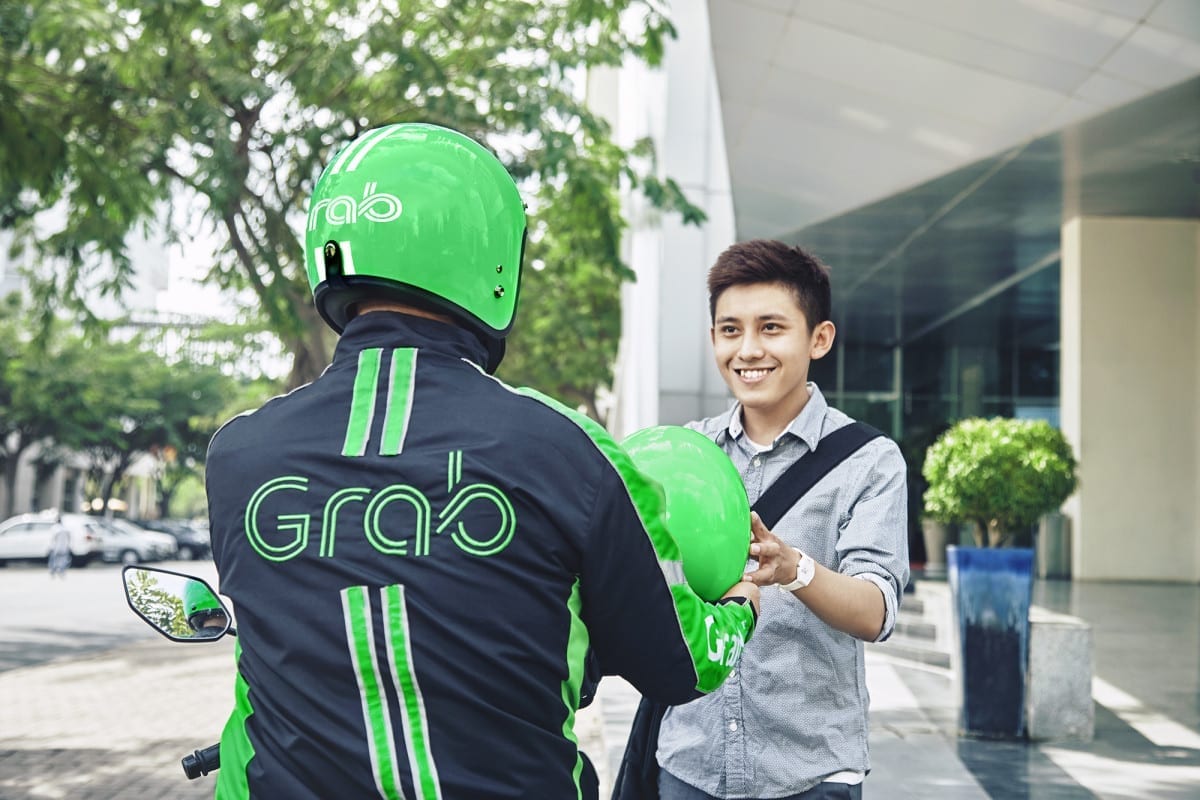
    Grab has expanded its grocery-delivery service GrabMart into eight Southeast Asian markets within the last three months.

    Initially launched in two countries as an on-demand daily essentials delivery service during the Covid-19 pandemic, GrabMart is now available in 50 cities across eight Southeast Asian countries, including Myanmar and Cambodia.

    “Covid-19 has accelerated the adoption of on-demand delivery services across Southeast Asia, and we were able to tap on existing technologies, our extensive delivery network, and operational footprint to quickly scale GrabMart across the region,” said Demi Yu, regional head of GrabFood and GrabMart.

    The delivery company has teamed with more than 3000 stores and supermarkets in the region including FairPrice Xpress in Singapore, Lawson in the Philippines and FamilyMart in other countries.

    In Indonesia and Malaysia, GrabMart partnered with traditional market operators, delivering fresh produce from several market stalls in a single order to customers’ doors.

    “In a post-Covid-19 normal, we anticipate demand for grocery-delivery services to remain elevated. We will continue to double down on expanding our GrabMart service to support consumers’ shopping needs,” she said.

  • Korean food delivery app Yogiyo fined for market dominance

    Korean food delivery app Yogiyo fined for market dominance

    South Korea’s antitrust regulator has fined food-delivery app Yogiyo US$382,000 for exploiting its dominant position in the local market.

    The Fair Trade Commission (FTC) also ordered Yogiyo to take corrective measures, saying the company unilaterally introduced a scheme to prevent its contracted restaurants from selling their foods at lower prices through other apps between 2013 and 2016.

    During the three-year period, Yogiyo returned as much as $4 to customers if an order from its app was more expensive than that from other apps.

    Yogiyo terminated the contracts for 43 restaurants which refused to follow the scheme, the FTC said, ruling that Yogiyo undermined fair competition by banning restaurant owners from voluntarily setting prices.

    The food-delivery app Yogiyo, owned by Germany’s Delivery Hero, is South Korea’s second-largest.

    Delivery Hero’s Korean unit expressed regrets over the FTC’s ruling, saying that the commission scheme was abolished after the regulator began a probe into the company.

    Late last year, the German firm struck a deal to acquire an 87 percent stake in Woowa Brothers, which operates the nation’s largest food-delivery app Baedal Minjok, or Baemin, from existing investors, including Goldman Sachs and Singaporean fund GIC.

    In April, Baemin came under fire for changing its commission scheme, with critics saying it would place a heavier burden on restaurants hit hard by the coronavirus pandemic.

    At that time, Baemin began to charge restaurant owners and franchisees a 5.8 percent commission for every online order. Previously, the fixed monthly commission was $72.

    The change sparked a strong backlash from restaurant owners and franchisees, prompting Baemin to retract the new scheme.

    The combined users of Yogiyo and Baemin account for some 98 percent of all users of food delivery-related apps in South Korea, triggering concerns that the megadeal could hamper competition in the fast-growing market.

    South Korea’s food-delivery app market reached $8.2 billion in 2018.

  • Foodpanda in Singapore starts to deliver Guardian products

    Foodpanda in Singapore starts to deliver Guardian products

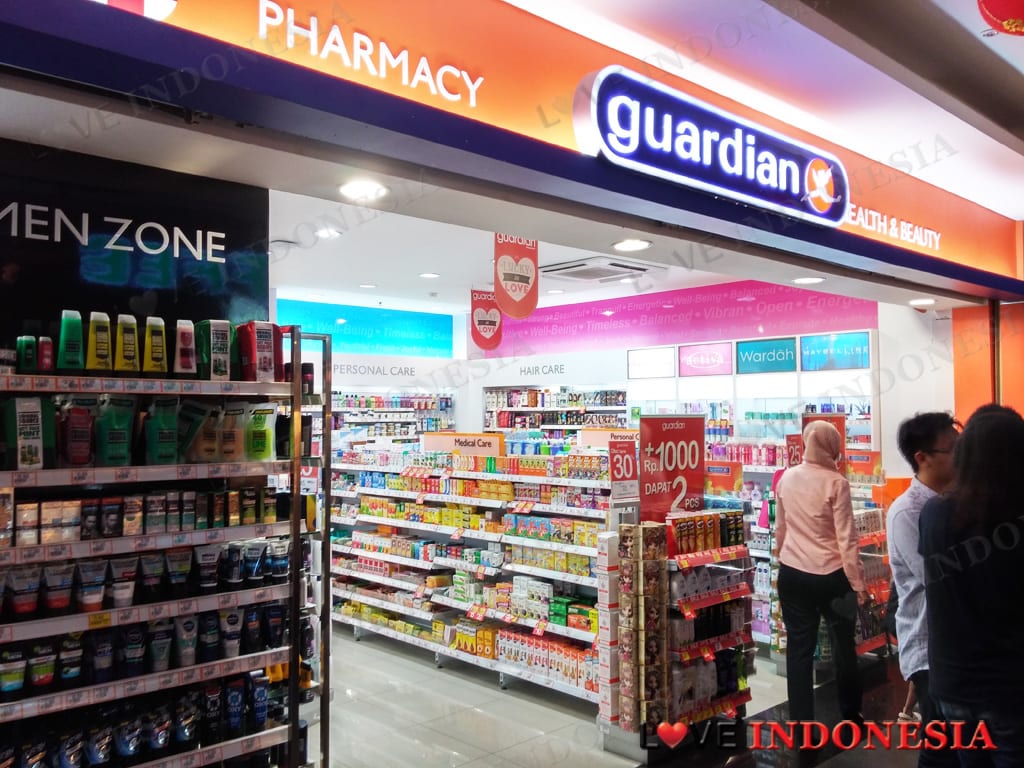
    Delivery platform Foodpanda in Singapore is to start delivering health and beauty products from Guardian stores.

    Guardian is the first major health-and-beauty retailer to be listed on Foodpanda’s Shops, offering more than 280 products and on-demand delivery service.

    “This collaboration with Guardian Singapore is timely as we are now able to deliver a greater variety of products to customers in the comfort and safety of their homes,” said Luc Andreani, MD at Foodpanda in Singapore.

    “Giving our customers the best choice of products delivered within the shortest amount of time will continue to be our priority.”

    Customers can now access products, including health supplements, skincare, and beauty products, with promised delivery times of under an hour.

    “Given the new climate and changing shopping behavior, we want to ensure that our customers still have access to their essentials from a trusted brand like us,” said Soren Lauridsen, CEO at Guardian, Southeast Asia.

  • Harley-Davidson India Introduces Home Delivery Of Motorcycles

    Harley-Davidson India Introduces Home Delivery Of Motorcycles

    Harley-Davidson India has introduced home delivery of motorcycles during the months of April and May, along with extended service warranties and a completely online version of what the brand calls, the Harley-Davidson Passport To Freedom, the experience of riding a new Harley-Davidson motorcycle. Members of the Harley Owners Group (H.O.G.) from across India have also shot and made a film, which has been published online to share the spirit of camaraderie and stand strong with the extended Harley-Davidson family. Bikes whose product warranties are expiring during the lockdown will also get extended.

    “For an experiential brand like ours, it is critical to stay engaged with customers and enthusiasts continuously, keeping them hooked to the brand. We have introduced a number of initiatives to keep them motivated and look forward to riding,” said Sajeev Rajasekharan, Managing Director – Asia Emerging Markets and India, Harley-Davidson.

    Harley-Davidson India is also offering an extension of warranty on its motorcycles

    The Harley-Davidson Home Delivery Program will help customers explore the range of Harley-Davidson models on the Harley-Davidson website, and then directly contact a dealer expert via the dealer locator to discuss the purchase and payment opportunities. Home deliveries of the motorcycles are free for a distance of up to 40 km from the dealership and chargeable for every extra kilometer.

    Harley owners whose product warranties are expiring during the lockdown period will get a 30-day extension. The brand will also provide a 60-day extension to customers who fall under the HDFS (Harley-Davidson Financial Services) planned maintenance program. The H-D contact center and Road-Side Assistance will continue to provide support services to all customers. Harley-Davidson India has also rolled out a completely online avatar of its popular program- ‘Passport to Freedom Online series’ in partnership with some notable names in motorcycling to talk about motorcycling at large and some of their Harley experiences. Harley-Davidson India has also pledged its support to PM Cares fund for fight against COVID-19.

  • South Korea’s Kurly wins funds for expansion

    South Korea’s Kurly wins funds for expansion

    Kurly, a South Korea-based grocery-delivery startup, has netted Series E funding totaling KRW200 billion (US$160 million).

    The funding round for the five-year-old company was led by DST Global, with additional participation from several existing backers – including Hillhouse Capital, Sequoia Capital China, Fuse Venture Partners, SK Networks, and Translink Capital. Newcomer Aspex Management also contributed to the new financing.

    Total funding in Kurly has now reached KRW420 billion won ($328 million), confirming unicorn status for the venture. The company expects to use the funding to set up a new fulfillment center in Seoul, more than twice as large as its current facilities.

    “Kurly has been showing incomparable growth in the fast-expanding online grocery market,” said DST Global investment partner and head of Asia Pacific John Lindfors, “and as the first to establish morning deliveries, has demonstrated its ability to disrupt the logistics industry and change the grocery shopping habits of Korean consumers”.

    The firm recorded annual average revenue growth of 3.5 times since opening, and extended its fulfillment capability area by a factor of 4.9 last year, with a 2.9 times increase in total deliveries.

  • FamilyMart Taiwan starting delivery service with Foodpanda

    FamilyMart Taiwan starting delivery service with Foodpanda

    FamilyMart Taiwan is partnering with the food-delivery platform Foodpanda to launch a delivery service.

    Starting Wednesday next week, the firm plans to offer delivery services from its 1000 outlets nationwide by June, with initial services commencing out of Familymart Taiwan’s 146 locations within Taipei and New Taipei. The service will be rolled out to the remaining outlets in two further phases.

    Deliveries will be made between the hours of 5.30 pm to 2 am on the day following the purchase, and will serve almost 200 of its food items including snacks, beverages, groceries and pre-packed meals.

    FamilyMart Taiwan partnered with Uber Eats last year to start a food delivery service before the advent of the Covid-19 pandemic. That partnership ended in March.

    The new partnership is expected to address the sharp rise in e-commerce trading in response to the coronavirus outbreak as consumers are staying home. The firm has seen demand for delivery of its products rise 15 percent since February, according to senior executive Lee Ching-hsien.

  • Demand overwhelms grocery-delivery services in Malaysia, Singapore

    Demand overwhelms grocery-delivery services in Malaysia, Singapore

    Online grocery-delivery services in Malaysia are facing overwhelming demand, with some firms forced to suspend or limit delivery operations.

    A 600-per-cent spike in orders recorded last month was fuelled by panic buying while stay-at-home orders remain in force throughout the territory.

    Jaya Grocer suspended online deliveries in response to the surging demand, while Tesco is still operating as usual but has requested customers who have pre-booked delivery slots to cancel orders if they expect not to be at home so as to free up resources for other buyers. Restrictions have been put in place allowing only three items per customer across every product line.

    Local hypermarket chain Mydin has asked customers to avoid panic buying due to delays in restocking supplies. It has placed restrictions on buying to ensure that all customers can make purchases.

    “This situation has stemmed from the sudden growth of demand, and hypermarkets and grocery stores were not prepared for this outage,” said Malaysia Retail Chain Association VP Datuk Liew Bin. “The delivery team could not complete their rounds, although some of them work from morning to night to deliver all the customers’ orders.”

    Liew added that many independent sellers and small farmers now have found their own way to sell their goods, with some trading directly with buyers via instant messenger apps such as Whatsapp and food ordering platform Oddle.

    The situation is similar in Singapore, where Lazada’s RedMart e-commerce grocery unit refused to accept new orders for a period earlier this month. The Singaporean public had been advised by the island’s government to purchase groceries online.

    Online grocery-delivery services “now have to deal with a new situation where demand for essential items outpaces operational capacities,” said Insignia Ventures founding managing partner Yinglan Tan. “Players that manage shorter supply chains may be more equipped to handle the stress.”

    Shoppers “have been buying four to 10 times more food staples, 3.5 to five times more paper products, and two to six times more personal care and household cleaning supplies,” said Lazada Singapore CEO James Chang.

    Since the temporary suspension of operations, RedMart has limited orders to 35 items, blocked customers from adding items once an order is placed, and has stated that orders exceeding 100 kg may be canceled.

  • Uber is concentrating on food-delivery, nudges its drivers to do the same

    Uber is concentrating on food-delivery, nudges its drivers to do the same

    Recently, ride-hailing drivers have been losing income as more people stay at home and less people travel due to the public health crisis. Uber has recently started concentrating more of its services on food delivery as demand for this is growing.

    Drivers in the US are encouraged to take on food delivery, even if they hadn’t participated in Uber Eats before. Last week, drivers were sent notifications with instructions on how to access the Delivery view on the app because of an increased demand for food-delivery services.

    In particular, Uber is witnessing a growing number of requests for food delivery in Seattle and San Francisco. According to Uber Eats’ vice president, Pierre-Dimitri, the coronavirus outbreak is starting to affect routines and the changes benefit the food delivery business, so drivers are encouraged to focus on it.

    In addition to that, Uber has been trying to mitigate the effect of the coronavirus on drivers and recently, Uber’s CEO, Dara Khosrowshahi, asked Uber’s drivers and delivery workers to be included in the coronavirus stimulus package, that would make people eligible to receive insurance and up to $1,200 direct deposit from the US government.

  • 7-Eleven Thailand recruits thousands delivery staff

    7-Eleven Thailand recruits thousands delivery staff

    Convenience-store chain 7-Eleven Thailand is recruiting 20,000 workers to make deliveries in the midst of the coronavirus outbreak.

    With many Thai nationals, visitors and residents confining themselves to home in the interests of social distancing, and malls and most shops and entertainment venues closed, 7-Eleven Thailand parent CP All has announced moves to increase delivery services to support those in isolation.

    New staff would be working deliveries from all 7-Eleven locations throughout the country.

    Those eligible for the employment opportunity must be over 18 and ideally have their own vehicles. The firm is accepting online applications for the positions.

    With more than 800 coronavirus cases and climbing, Bangkok has largely shut down its retail sector as department stores, bars, dine-in restaurants and outlets not trading in essential goods have been forced to shut for several weeks.

  • Hong Kong malls join Deliveroo programme to rescue plunging F&B sales

    Hong Kong malls join Deliveroo programme to rescue plunging F&B sales

    Twenty Hong Kong shopping malls have joined a program launched by Deliveroo to help food & beverage tenants survive the coronavirus by expanding their delivery business.

    Deliveroo expects the mall partnership program to generate at least HK$20 million (US$2.6 million) in incremental online sales for the restaurants, “a critical avenue of additional income” for retail food & beverage tenants hit by decimated footfalls as consumers avoid crowded places such as malls.

    Deliveroo estimates about 300 restaurants will benefit from the program which has benefited from a $1.5 million investment by the company and partner malls.

    The program will include a fast-tracked onboarding for mall tenants and cross-marketing opportunities for malls to work with Deliveroo.

    The 20 shopping malls which have already signed on to partner with Deliveroo, include K11 Musea and K11 Art Mall from New World Development; Lee Gardens, Lee Theatre and Hysan Place From Hysan Development; East Point City, New Town Plaza, Popwalk, APM, World Trade Centre, Tai Po Mega Mall, Yuen Long Plaza and New Jade Shopping Plaza from Sun Hung Kai Properties; Tseung Kwan O Plaza and Nan Fung Place from Nan Fung Group; MegaBox from Kerry Properties; and Amoy Plaza, Kornhill Plaza, Fashion Walk and Grand Plaza from Hang Lung Properties.

    Discussions are ongoing with other malls across Hong Kong to join the program.

    Deliveroo says research of its 6500 restaurant partners has shown that online delivery channels which used to comprise 15 to 25 percent of turnover before the advent of the coronavirus crisis, now accounts for 50 percent total sales and for some, even more.

    Besides the fast-track onboarding, Deliveroo has developed a voucher program enabling malls and tenants to create coupon offers at a reduced rate, encouraging higher spend from existing customers and drawing in new customers to place food-delivery orders with restaurants located inside partner malls.

    Deliveroo and participating malls will develop locally relevant offers to drive demand and turnover for restaurant tenants’ delivery and pick-up services. User codes are being created for tenants of offices or apartments located above the malls and district-specific push notifications will be sent via social media and digital channels.

    Deliveroo says it has already signed on about 150 new restaurant partners due to the incentives provided by the mall partners, representing more than 25 per cent of all new sign-ons since the onset of the coronavirus crisis.

    In the case of one New Territories partner mall, restaurant tenants have seen sales increase by 1500 over the last fortnight.

    “The 30 restaurant outlets in the property are projected to earn at least HK$15,000 to $20,000 more in sales than they achieved in February delivery sales,” Deliveroo said in a statement.

    Brian Lo, GM of Deliveroo Hong Kong, said he is encouraged to see the positive momentum in engagement in the programme from leading developers and mall operators in Hong Kong.

  • Hong Kong food-delivery companies join WWF campaign to combat plastic use

    Hong Kong food-delivery companies join WWF campaign to combat plastic use

    Hong Kong food-delivery companies, Deliveroo and Foodpanda, have joined WWF’s Plastic Action Initiative (PACT) to help reduce single-use plastics.

    According to PACT rules, both companies have to follow sustainable requirements including setting up a default opt-out option for single-use plastic cutlery and creating a program for its merchants to improve packaging material.

    “At WWF, we recognize the effectiveness of business at influencing change, so it is really encouraging to see that businesses are taking responsibility to rein in the plastic crisis,” said Laurence McCook, head of oceans conservation of WWF Hong Kong. “PACT is only a starting point to catalyze actions.”

    With the partnership of the two companies, PACT initiative aims to clear unsustainable packaging by 2025 and set up a more circular economy for plastic in the city.

    “We see the commitment to WWF’s PACT initiative to be a crucial step towards building a more sustainable future for the food delivery industry,” said Brian Lo, GM of Deliveroo Hong Kong. “It is fundamental for not only us but the entire F&B industry to rethink our approach when it comes to packaging and products.”

    After the PACT signing, Deliveroo has collaborated with WWF to offer co-branded paper bags for customers ordering from its Editions sites.

    Meanwhile, Foodpanda has committed to activating online formats, promoting the initiatives for PACT. The CEO of Foodpanda Hong Kong, Arun Makhija, said that since 2018, the company has been taking steps towards driving a more sustainable delivery service by having customers opt-out of tableware. “This year we are committed to do more.”

    Both companies have eliminated 60 tonnes of plastic last year and aim to boost that to 130 tonnes in 12 months after joining PACT.