Retail News CRM

Tag: delivery

  • Southeast Asia’s online food delivery to soar through 2025

    Southeast Asia’s online food delivery to soar through 2025

    Southeast Asia’s online food-delivery market is expected to treble in the next five years, reaching US$28 billion in transactions, according to a report released by Grab and Euromonitor International.

    The growth is expected to be seen in emerging markets such as Myanmar, Vietnam, and the Philippines. The regional online food delivery gross merchandise value (GMV) is estimated to grow from US$9 billion last year to US$28 billion in 2025.

    “The pandemic has accelerated the shift in consumer behavior towards buying food and groceries online,” said Russell Cohen, group MD for Operations at Grab. “However, online grocery delivery penetration is extremely low in the region, at just over 1 percent here compared to 8 percent in China and 9 percent in the US.

    “With infrastructure and connectivity improvements, we believe that the next wave of growth will come from smaller cities,” Cohen added.

    By 2025, the region’s overall prepared meal sales is projected to reach US$170.5 billion, with online food delivery penetration increasing to 16.4 percent. This will be driven in part by a rising middle class and increasing smartphone adoption in Tier 2 cities.

    Meanwhile, spending on online food delivery is expected to increase two times faster than foodservice spending in the next five years, with a compound annual growth rate of 24.4 percent.

  • Alphabet Owned Wing Has Over 100,000 Drone Deliveries In Two Years

    Alphabet Owned Wing Has Over 100,000 Drone Deliveries In Two Years

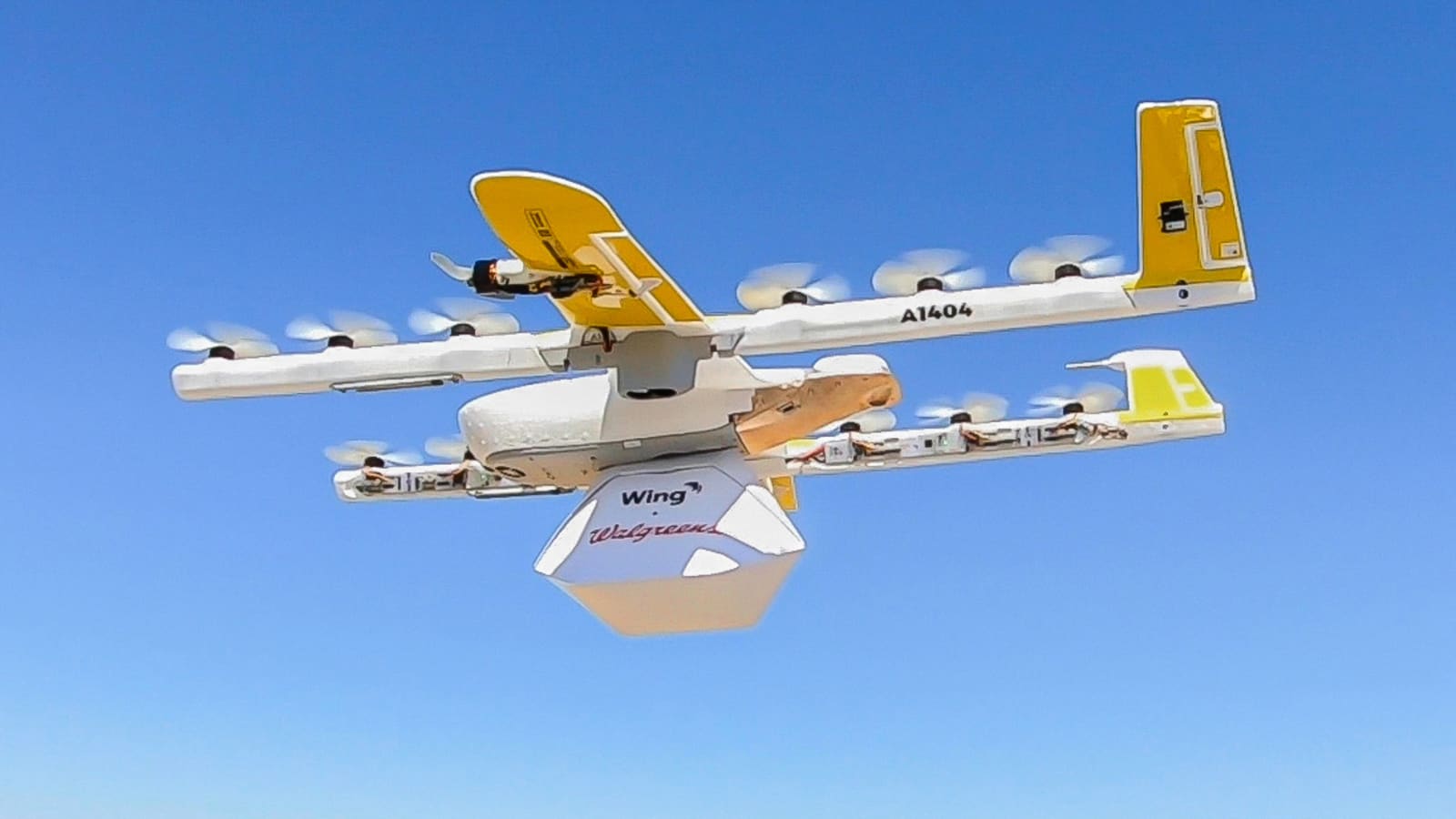
    Alphabet-owned Wing has said that it will hit a landmark of 100,000 drone deliveries over the weekend. This news comes after two years of the launch of service in the Australian city of Logan which only has 300,000 people. This is happening at a time where there are reports stating that Amazon’s plans of drone deliveries are collapsing. Wing has said that it will be entering new markets in the coming months.

    “I think we’ll expand quite a bit. I think we’ll launch new services in Australia, Finland and the United States in the next six months. The capabilities of the technology are probably ahead of the regulatory permissions right now,” said Jonathan Bass, the comms head at Wing.

    Of all the deliveries more than half were completed in Logan itself in the last eight months. In the first week of August customers have placed orders for over 4,500 deliveries that works out to be one order every 30 seconds during its delivery window. Over 10,000 cups of coffee have been ordered, alongside 1,700 children’s snack packs, 1,200 hot chooks, 2,700 sushi rolls, and 1,000 loaves of bread.

    These drones have a range of 9.6 kms as they are limited by the capacity of their batteries and larger batteries are not possible because that will inhibit their ability to fly. This means the short trips are ideal for food delivery which happens in a package that resembles a McDonalds happy meal. Batteries add weight but apart from that, even parcels add weight, so these drones cannot carry anything more than 1.36 kg. But the system works well with fragile objects like eggs which don’t break.

    The drones cruise at a height of 100 to 150 feet in the air and lower down to about 23 feet when they reach the destination. There is a tether that lowers the package to the ground which is unhooked. No person is required to receive the package, something that Amazon’s solution needed.

  • AirAsia Super App launches Bangkok food service as it expands across ASEAN

    AirAsia Super App launches Bangkok food service as it expands across ASEAN

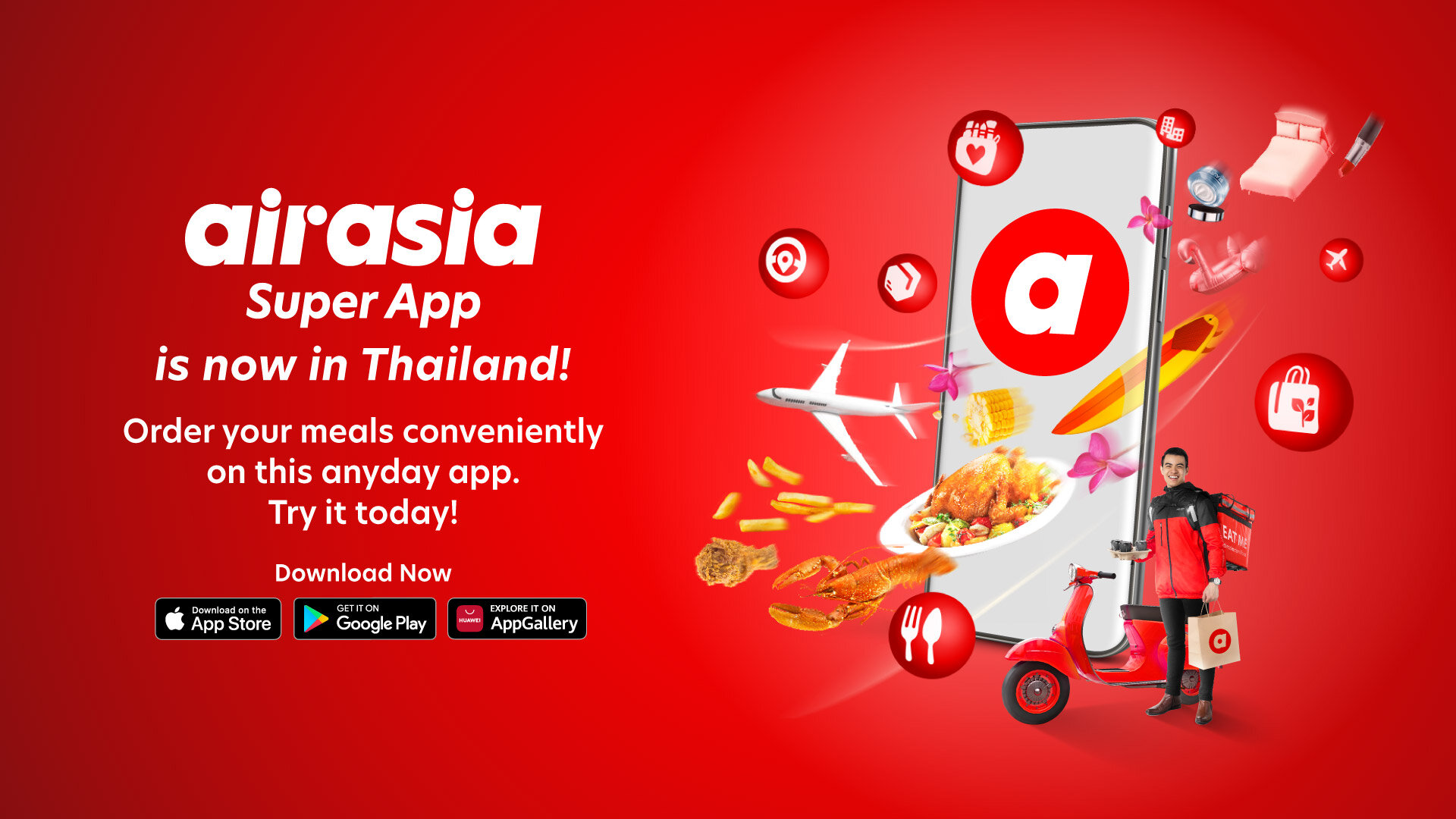
    AirAsia Group’s digital arm has launched a food-delivery service in Thailand as it ramps up its non-airline business operations to mitigate falling demand for travel during the Covid crisis.

    AirAsia Digital operates Super App that has already been downloaded more than 50 million times and the company says it now has 75 million people using it across Singapore, Malaysia and Thailand.

    Last month, the company bought the Thai operations of Indonesian ride-hailing app Go-Jek which gave it instant market share in passenger transport and delivery services in the market.

    At that time, Air Asia CEO Tony Fernandes said the company had already created a complete digital economy ecosystem. “We have successfully established over 15 different non-airline products and lifestyle services on our digital e-commerce platform in Malaysia. Now it’s time to take it to the next level. In response to overwhelming regional demand, we are setting our sights on bringing our Super App offerings to all of our key markets, following the successful rollout in Thailand.”

    Other features of the app include digital motor vehicle insurance, financial services, travel, lifestyle and rewards, flight and accommodation bookings, beauty, health, and content services.

    With the Thai launch this month, the Super App is offering 30,000 free meals for 30 days for users in four parts of Bangkok: Din Daeng, Chatuchak, Lat Phrao, and Huai Khwang. Partners in that program include McDonald’s, Flash Coffee and Cafe Amazon.

    The app plans to expand service delivery across more areas of Bangkok during the coming weeks.

    “AirAsia food marks the beginning of our digital revolution in Thailand, and we are currently preparing for courier, grocery, ride-hailing and beauty services, which will be launched in coming weeks,” said Amanda Woo, AirAsia Super App CEO.

    “The Covid-19 pandemic has permanently reshaped our everyday lives, food delivery and take-outs have undeniably become an integral part of our consumption behaviour. The key goal of AirAsia Super App is to be the best value one-stop travel and lifestyle application for everyone and every need.

    “AirAsia Super App aims to rise as the e-commerce marketplace of choice for everyone in ASEAN, be it for travel, food delivery or logistics.”

  • Delivery companies miss out on demand surge amid stay-at-home orders

    Delivery companies miss out on demand surge amid stay-at-home orders

    Delivery companies are unable to capitalize on rising demand since drivers are not keen amid mobility restrictions and delayed vaccination. Hung, a shipper in Hanoi, has shut down his driver’s app for over a week now after the city imposed travel restrictions.

    Through his company, AhaMove, does provide paperwork for the 22-year-old to pass through checkpoints set up to discourage people from coming out into the streets, he is concerned about contracting Covid and spreading it at home.

    “It is difficult financially, but since I do not know when I’ll be vaccinated, I’d rather stay at home for safety,” he said.

    Nghia, who works for Grab, does not have the liberty to make that choice since the city does not allow his company to operate.

    Hanoi allows delivery people from supermarkets, e-commerce platforms and postal services but not from ride-hailing companies like Grab, Be Gojek, MyGo, and FastGo.

    “It is unfair. Three or four trips a day would help me earn enough for food, but we cannot do anything but wait.”

    The shortage of drivers and ambiguous and inequitable regulations mean delivery companies are unable to take advantage of the surging demand amid the lockdowns in Hanoi and HCMC.

    AhaMove reported a tenfold rise in the number of orders after the lockdown began, but it cannot accept much of them since its drivers are not allowed past checkpoints. Hanoi does not allow delivery of “non-essential” goods.

    “Many shippers refrain from working since they have to pay for their own Covid-19 tests,” Tuoi Tre newspaper quoted Phan Tuong Bach, operating director of AhaMove, as saying.

    In HCMC, there are times when the number of orders is triple the normal rate, but a driver shortage means they could not be accepted, he said.

    There is also confusion occasionally as authorities in Hanoi and HCMC abruptly change regulations catching delivery companies unawares.

    AhaMove last week had to apologize to its drivers and customers in HCMC after some of its drivers were fined for delivering goods after 6 p.m. amid a ban on people leaving their homes at night.

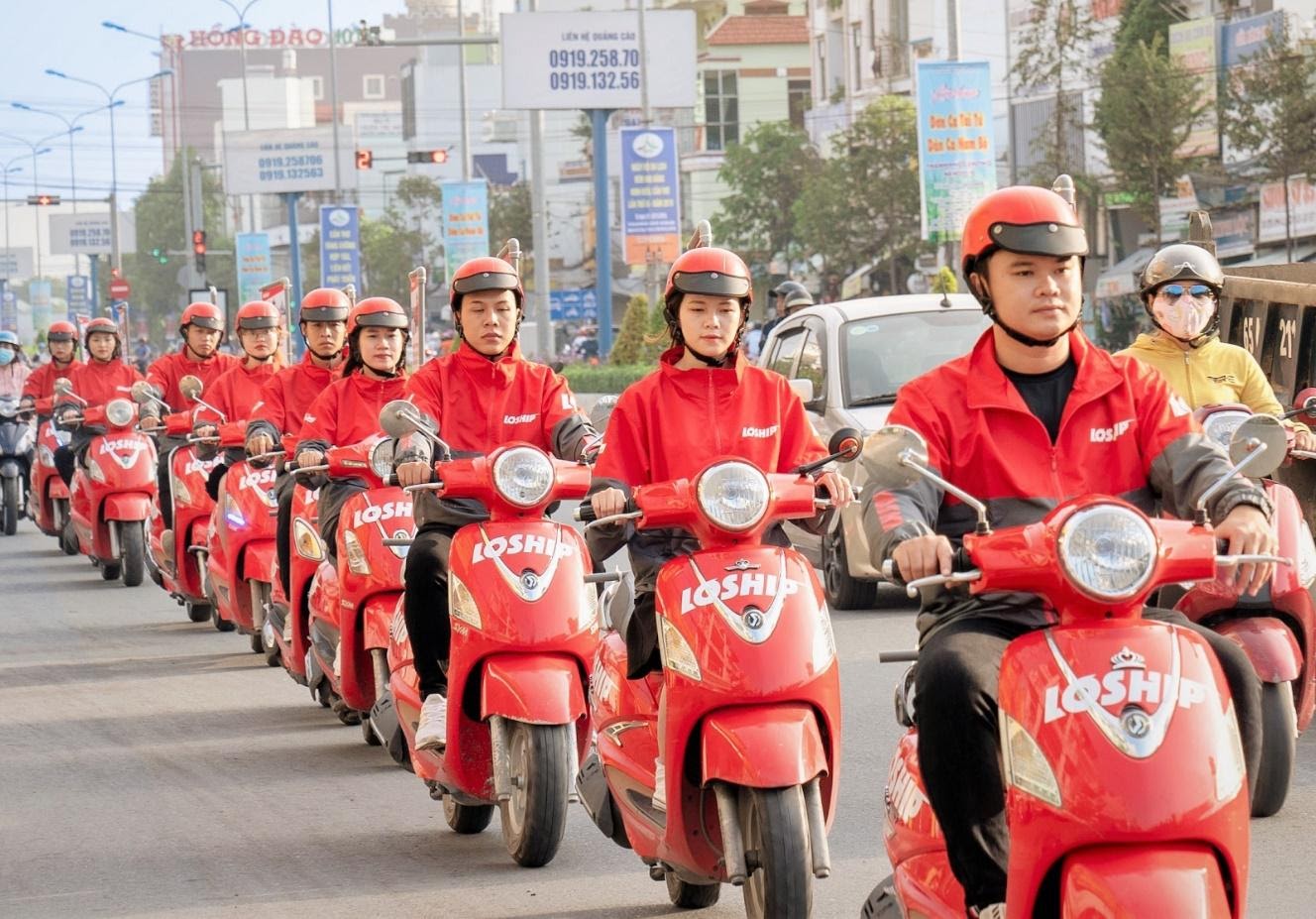
    Startup Loship is facing similar difficulties as many of its drivers had stopped working.

    CEO Nguyen Hoang Trung said working conditions have become extremely difficult for delivery people because of lack of clarity on what constitute essential goods.

    The company has doubled the minimum income in the hope of attracting more drivers back to work.

    Be Group saw orders rise tenfold in mid-July but had to suspend operations two weeks later to keep its drivers safe.

    Ride-hailing giant Grab asked to be allowed to deliver food, saying Hanoi’s suspension of its services while allowing other delivery companies to operate goes against its policy on fair competition. But its demand has yet to be approved.

    HCMC has had strict social distancing regulations since July 9, and they will continue until August 16. Its Covid-19 tally now is more than 112,000.

    Hanoi is in the 14th day of a 15-day social distancing campaign. The city has had nearly 1,800 cases.
  • Delivery platform Now resumes Hanoi service

    Delivery platform Now resumes Hanoi service

    Delivery platform Now is resuming delivery of groceries and other essential goods in five Hanoi districts starting Wednesday.

    The firm announced the resumption of NowFresh and NowShip in the districts of Cau Giay, Dong Da, Hai Ba Trung, Ba Dinh and Thanh Xuan under strict supervision following advice from the municipal Department of Transport and the Department of Information and Communication.

    NowFood, the food delivery service that accounts for majority of its users, remains suspended.

    All the drivers will complete daily health declarations and temperature checks before beginning to work and follow Covid-19 safety measures including wearing masks, keeping distance, avoiding crowds, and disinfecting delivery packages regularly.Only drivers approved by the Hanoi Department of Transport are allowed to deliver.

    Now had temporarily suspended all of its services from July 28, following Grab, Gojek and Be. Among these platforms, it is the first to announce resumption of operations in Hanoi.

    Hanoi is implementing a 15-day social distancing period starting July 24. The city has recorded 1,668 cases since the fourth wave began late April.

  • Delivery startup raises $12 mln from Alibaba-backed fund

    Delivery startup raises $12 mln from Alibaba-backed fund

    Delivery startup Loship has raised $12 million from a consortium co-led by an Alibaba-backed investment fund. The lead investors are BAce Capital, which counts Ant Financial of Jack Ma as its largest limited partner, and Hong Kong investment firm Sun Hung Kai & Co.

    Loship plans to use the money to increase its presence in five main areas, including Ho Chi Minh City, Hanoi and Da Nang. It hopes to sign up 10 percent of the country’s population in the next two years and to have a presence in 10 localities.

    Loship CEO Nguyen Hoang Trung said that the company eyes top spot in the one-hour delivery segment. One-hour delivery is not as popular yet in Vietnam as in the U.S., Europe or China, he said. Loship’s aim is to deliver everything quickly to customers, including vegetables, meat and cosmetics, he said.

    Its challenges include delivery quality the fact that new competitors are set to enter the market including e-commerce platforms that could develop their own delivery units, he said.

    “All strategies can be easily copied and the only way to deal with this is for us to go faster than our competitors.”

    Loship was established in 2017 by transforming Lozi, a food recommendation platform.

    It has over 70,000 drivers and 200,000 seller-partners, and nearly two million customers, it said.

  • Let shippers deliver food, says Grab

    Let shippers deliver food, says Grab

    Delivery app Grab wants food delivery services resumed in Hanoi since they help reduce the number of people gathering to fulfill various needs.

    “Since Hanoi authorities have been limiting the number of people at supermarkets and retail locations to lower the risk of contagion, services like GrabFood, GrabMart and GrabExpress have provided valuable assistance,” it said in a proposal, referring to its food, retail and parcel delivery services.

    They could help meet the city’s desire to ensure adequate supply of essential goods, it said.

    It assured its delivery people would meet social distancing requirements and it would limit delivery to essential items.

    Hanoi on Saturday ordered five ride-hailing and delivery platforms, Grab, Gojek, Be, MyGo and FastGo, to suspend their services, but still let other delivery platforms operate.

    Grab said the decision was inconsistent with the city’s policies and feared could cause unfair competition.

    Hanoi began a 15-day social distancing order starting 6 a.m. Saturday amid rising coronavirus concerns in both the capital and nationwide.

    It has recorded over 900 cases in the latest wave.

  • FedEx’s bot opens possibilities for on-demand, same-day delivery

    FedEx’s bot opens possibilities for on-demand, same-day delivery

    Roxo is an autonomous specialty delivery device, designed to travel on sidewalks and along roadsides, safely delivering smaller shipments to customers’ homes and businesses. Its features include pedestrian-safe technology, multiple cameras and LiDAR allowing the zero-emission, battery-powered bot to be aware of its surroundings. These features are coupled with machine-learning algorithms to detect and avoid obstacles, plot a safe path, and allow the bot to follow road and safety rules. Proprietary technology makes it highly capable, allowing it to navigate unpaved surfaces, curbs, and to even climb deep flights of steps for an extraordinary door-to-door delivery experience.

    Roxo is currently undergoing testing in the U.S. to generate data to ‘train’ the self-driving software and validate safe performance, in compliance with all applicable safety regulations and guidelines. There is significant opportunity in Japan to identify local, case-specific applications to make the best use of the technology to benefit FedEx customers.

    “We are thrilled to have Roxo in Japan, a country that is a global leader in robotics implementation. The FedEx SameDay Bot is truly an innovation opening new possibilities for on-demand, same day, hyper-localized delivery,” said Kawal Preet, president of the Asia Pacific, Middle East, and Africa (AMEA) region at FedEx Express. “As we sit at the intersection of physical and digital networks, Roxo brings a glimpse of the future of logistics, where customers can enjoy same day, contactless delivery services at their doorsteps. With businesses of all kinds embarking on digital transformation, we look forward to collaborating with future-ready companies to advance delivery services in Japan and elsewhere in Asia Pacific.”

    The bot is being developed in collaboration with DEKA Development & Research Corp., a prominent research and development company which also produced the Segway. The bot uses DEKA’s established iBOT electric wheelchair base, capable of negotiating rough terrain, traversing steps, and steep inclines. Its sensors maintain 360-degree awareness of its surroundings and uses artificial intelligence, or AI, to choose the safest path or course of action. With a tall profile it is easy for pedestrians and road users to see. It also uses signals, lights and a signaling screen that clearly communicate its directional intent.

    Roxo was unveiled in February 2019 and has been undergoing tests with major retailers in the U.S. U.S. cities where Roxo has been tested include Memphis, Tennessee; Manchester, New Hampshire; and Plano and Frisco, Texas. It made its first international appearance in Dubai, United Arab Emirates in October 2019 for an experimental project with local businesses including Dubai Airports.

  • Rivian’s Amazon Delivery Vans Hitting Mass Production

    Rivian’s Amazon Delivery Vans Hitting Mass Production

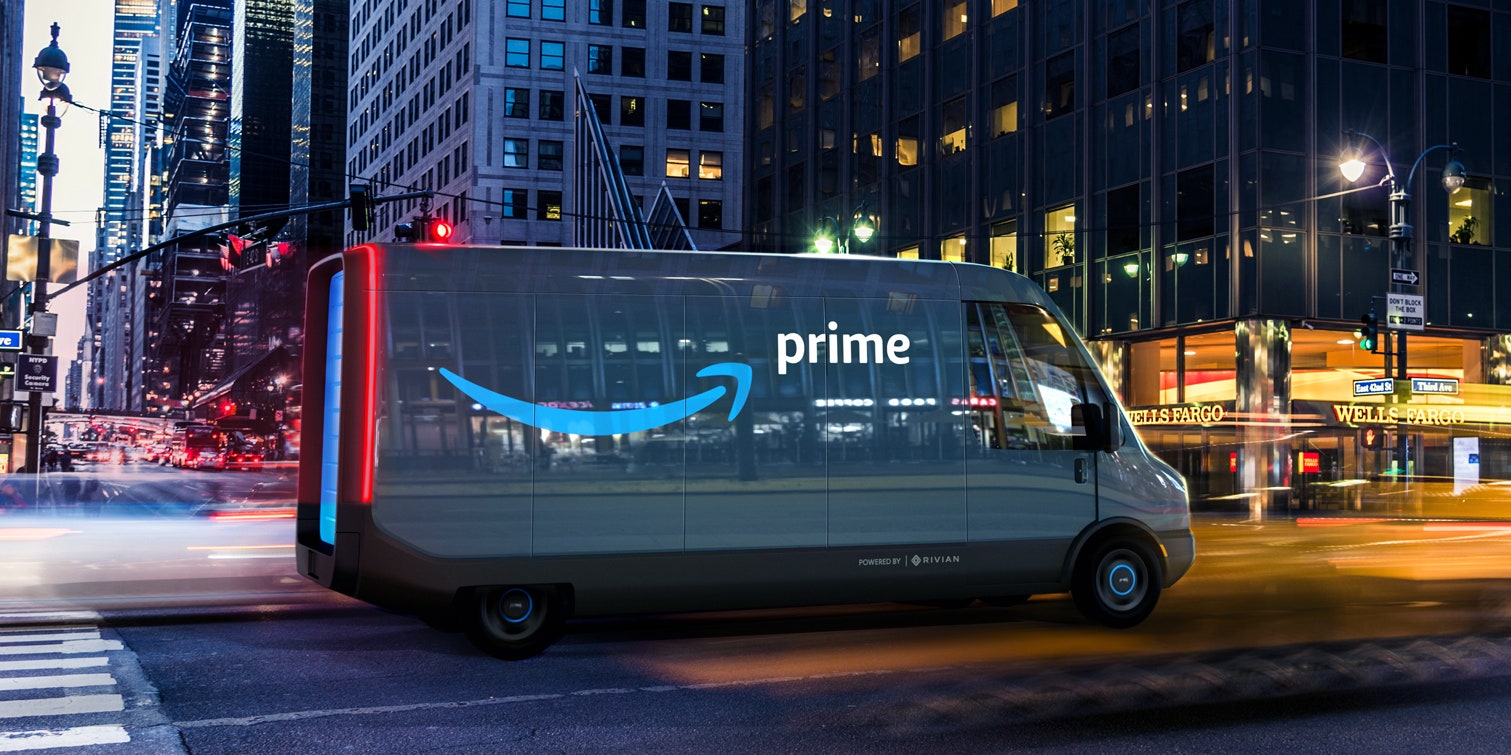
    Rivian is one of the hottest EV startups doing the rounds. It has deep pockets thanks to investments from Ford, Amazon, and many venture capital firms. Amazon’s investment in Rivian originally was $700 million which entailed the startup producing 100,000 electric delivery trucks. It was supposed to be delivering the first tranche of 10,000 vehicles by the end of 2022.

    Looks like Rivian is right on track with achieving the same. Its vehicles have already been popping up in cities like San Francisco, Denver, and Oklahoma – but these were prototype vehicles that were doing real-world testing.

    Rivian CEO and co-founder RJ Scaringe has posted a photo of eight Rivian vans which look identical to the one that Amazon has been teasing which even feature the “Powered By Rivian” signage. He also shared tweeted videos that showed the initial production process.

    A lot of it is not known about these vans as they have probably been customized and tailored for Amazon’s logistics. These vehicles are obviously different from the R1T and R1S vehicles which Rivian are going on sale soon in July and August.

    The R1T has been even showcased in the Apple TV+ original “the Long Way Up” and is expected to duel with the likes of the Tesla Cybertruck and the Ford F-150 Lightning.

  • Apple now allows the App Store to host apps for firms that deliver weed

    Apple now allows the App Store to host apps for firms that deliver weed

    Apple has decided to change its mind and is now allowing apps for marijuana delivery services to be listed in the App Store. Apple made the change last month and the tech giant says that apps related to the consumption of marijuana are restricted to areas where cannabis is lega. In addition, they must be submitted to the App Store “by a legal entity that provides the services, and not by an individual developer.”

    Apple’s original policy said “Apps that encourage consumption of tobacco and vape products, illegal drugs, or excessive amounts of alcohol are not permitted on the App Store. Apps that encourage minors to consume any of these substances will be rejeacted. Facilitating the sale of controlled substances (except for licensed pharmacies), marijuana, or tobacco is not allowed.”

    But on June 7th, Apple changed the policy to read, “Apps that encourage consumption of tobacco and vape products, illegal drugs, or excessive amounts of alcohol are not permitted on the App Store. Apps that encourage minors to consume any of these substances will be rejected. Facilitating the sale of controlled substances (except for licensed pharmacies and licensed or otherwise legal cannabis dispensaries), or tobacco is not allowed.”

    While Apple appears to be more open to the changing policies in the U.S. regarding weed, Google is not. The latter updated its policy in 2019 to prohibit the listing of any app that connects Play Store users with marijuana even if it is legal in the jurisdiction where the user lives. Google says that some examples of violations would be “allowing users to order marijuana through an in-app shopping cart feature” or “assisting users in arranging the delivery or pick up of marijuana.”

    Google also says that “facilitating the sale of products containing THC (Tetrahydrocannabinol), including products such as CBD oils containing THC” is against its policies. So what changed Apple’s policies toward allowing marijuana services apps in the App Store? According to Chris Vaughn, CEO of the California delivery service Emjay, the recent legalization movements in states like New York along with Amazon’s decision to stop testing workers for the substance led Apple to change its mind. Vaughn believes that Google will choose to join Apple and update its policies in favor of listing Pot delivery apps in the Play Store rather quickly.

  • Global delivery firms increase flights to Vietnam amid e-commerce boom

    Global delivery firms increase flights to Vietnam amid e-commerce boom

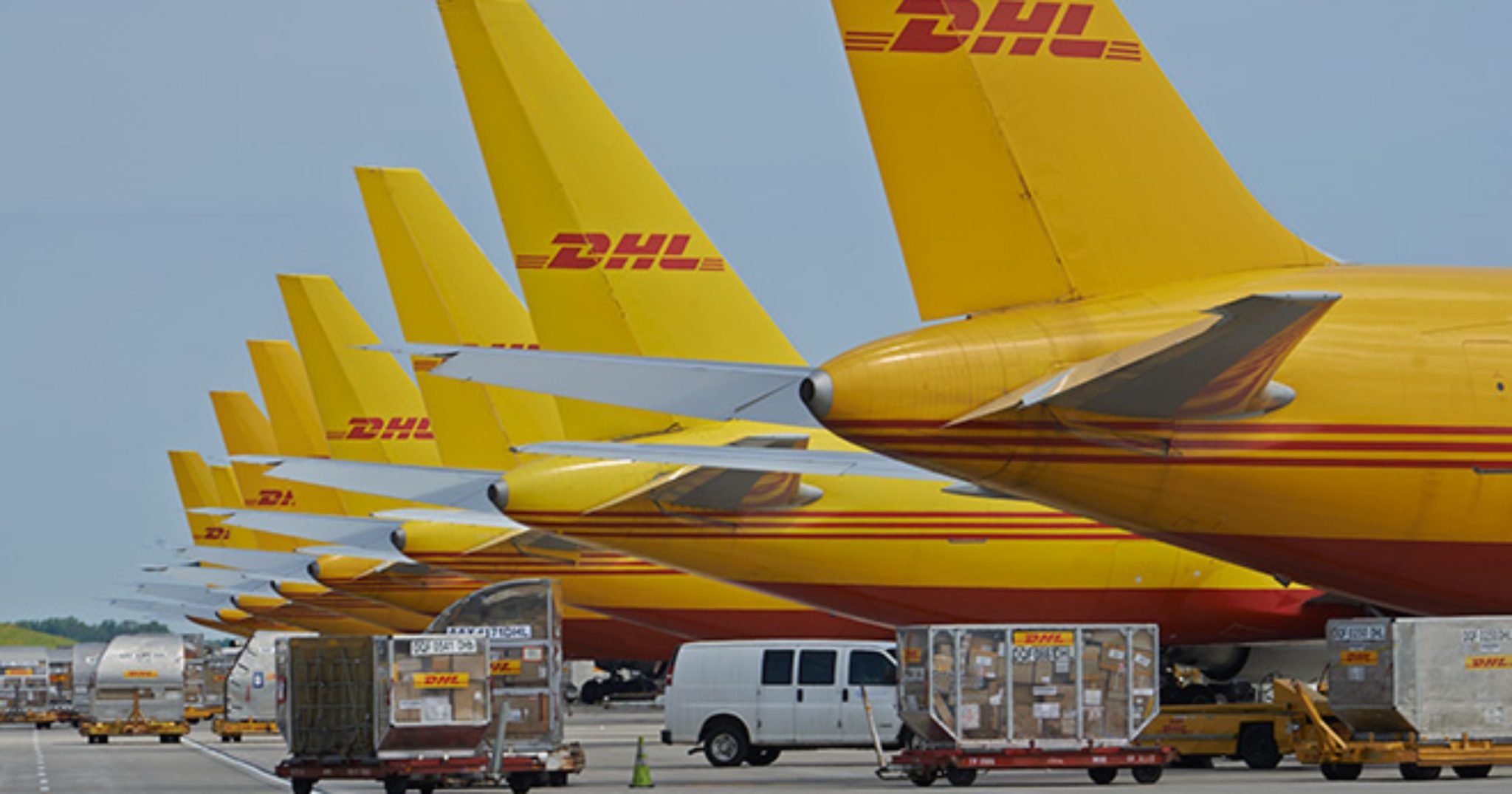
    Express delivery giants like DHL and UPS are increasing their transport capacity to Vietnam thanks to rising demand due to the Covid-19 pandemic.

    Germany-headquartered DHL Express recently announced a new delivery route from Hong Kong to Ho Chi Minh City using wide-body Airbus A330 aircraft.

    There would be six one-way trips a week, each with a capacity of up to 62 tons of cargo, it said.

    This is to mainly serve the rising online shopping demand, it added.

    It will also upgrade the aircraft used on the Hanoi – Hong Kong route from Boeing 737-400s to 737-800s to serve Vietnam’s surging exports.

    Most consumers are now looking at delivery speed as a key component of their shopping experience, Bernardo Bautista, CEO of DHL Express Vietnam said.

    Last year U.S.-based UPS launched its first service to Vietnam from its hub in China to increase delivery speed.

    Vietnam does not have a dedicated cargo airline, and industry insiders estimate foreign companies hold an 80 percent aviation logistics market share.

    Johnathan Hanh Nguyen, chairman of retail company Imex Pan Pacific Group, recently announced plans to establish a cargo airline at an investment of $100 million.

    Vietnam’s e-commerce market expanded by 18 percent last year to $11.8 billion, the only country in Southeast Asia to record double-digit growth amid the pandemic, according to the Vietnam e-Commerce and Digital Economy Agency.

  • Uber CEO Makes Deliveries For Uber Eats In San Francisco

    Uber CEO Makes Deliveries For Uber Eats In San Francisco

    Uber CEO, Dara Khosrowshahi, delivered food to people’s doorstep in San Francisco for those ordering from Uber Eats. He completed 10 trips and managed to rake in $98.91. He tweeted about this from his personal handle saying “Spent a few hours delivering for @UberEats. 1. SF is an absolutely beautiful town. 2. Restaurant workers were incredibly nice, every time. 3. It was busy!! – 3:24 delivering out of 3:30 online. 4. I’m hungry – time to order some”

    While it was great to see the CEO of the company getting into the groove and making deliveries, Twitter absolutely erupted calling this a ‘PR stunt’

    User Dan Skelley who has been the most vociferous of the lot in calling it a PR stunt questioned the stats presented. He said “Let’s discuss ur BOGUS stat page. U did 10 orders ON A BIKE in 3 hrs 24 min. First, U can’t get 45pts for 10 trips. Max is 30. U imply 1ride/18 min incl travel time to the pickup with no waiting. Short travel time EVERY time to perfect dropoff EVERY time + only 6 min of downtime”$

    Twitterati Brice Sopher too spoke out about the experience saying “Wow what a surprising conclusion that you, the ceo of Uber, had a great experience working this job. Now try doing it as your only source of income.

    There were many such replies questioning this exercise by the Uber CEO, suffice to say, that though it was all well-intentioned, there’s no wondering how social media will react to it.

  • FedEx To Test Package Deliveries With Self-Driving Startup Nuro

    FedEx To Test Package Deliveries With Self-Driving Startup Nuro

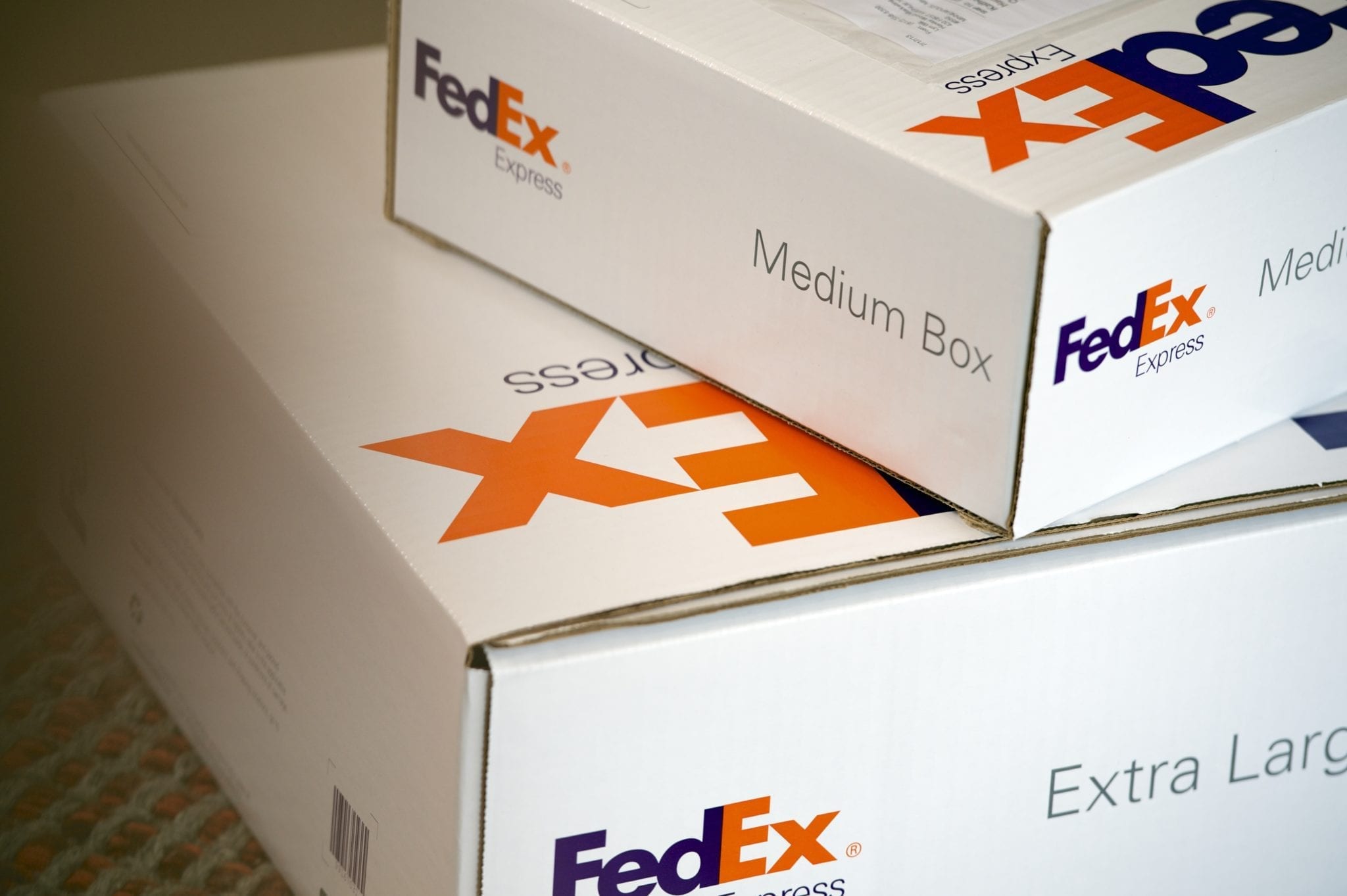
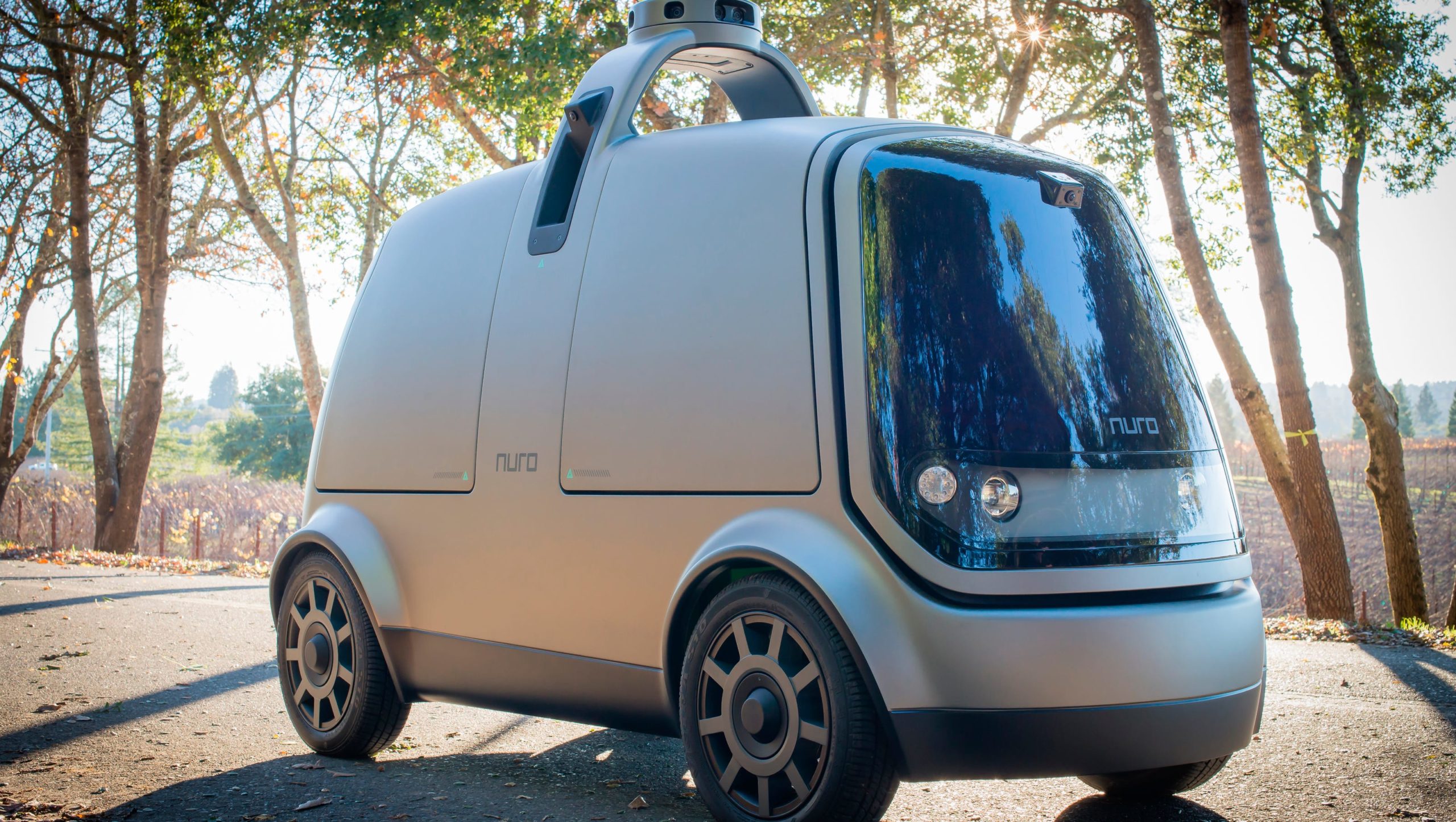
    FedEx Corp and robotics company Nuro on Tuesday announced a multi-year agreement to test self-driving vehicles in the package delivery company’s network, starting with a pilot program in Houston. The partnership comes as parcel companies race to reduce the cost of last-mile delivery, which surged during the pandemic. The companies will target delivery scenarios where Nuro’s low-speed, unmanned vehicle can provide “the biggest bang for your buck,” Cosimo Leipold, Nuro’s head of partnerships, told Reuters in an interview.

    That will likely include inefficient tasks like late-night pickups in out-of-the-way places, said Rebecca Yeung, FedEx vice president for advanced technology and innovation. “Instead of dispatching a driver to get those packages, a device like Nuro could be super helpful,” said Yeung, who called the FedEx/Nuro tie-up a “very serious, long-term commitment” that aims to reduce headaches, not human drivers.

    Nuro vehicles are already making deliveries for U.S. supermarket operator Kroger Co and Domino’s Pizza Inc in the Houston area. Nuro continues to test its technology in Arizona. Nuro, whose R2 unit has space for delivery cargo but not a human driver, said last year it has raised $500 million. In a separate project, FedEx is using DEKA Research & Development Corp’s smaller robot, dubbed “Roxo,” for on-demand, same-day deliveries in Plano, Texas.

    Nuro vehicles are already making deliveries for U.S. supermarket operator Kroger Co and Domino’s Pizza Inc in the Houston area.

    Rival United Parcel Service Inc is centering its unmanned delivery efforts on drones. UPS has ordered electric delivery vans from British startup Arrival. Those vehicles are fitted with sensors and cameras that should gradually enable autonomous features, but will still require a human driver.

    Transporting people via self-driving taxis is proving more difficult and expensive than delivering packages and food. As a result, freight and logistics companies are exploring ways to roll out the technology on predictable and simple routes, including on highways.

  • Coles ramps up safety for online delivery of alcohol

    Coles ramps up safety for online delivery of alcohol

    Supermarket giant Coles has joined a coalition of some of the world’s largest liquor companies to promote better standards of alcohol sale and prevent underage consumption through online purchasing.

    The International Alliance for Responsible Drinking (IARD) aims to address the harm of overconsumption of alcohol on a worldwide scale, and promote the understanding of responsible drinking behaviors.

    “Most people consume alcohol in a sensible and responsible manner, however, we are committed to harm minimization initiatives that reduce excessive consumption,” said Coles Liquor chief executive Darren Blackhurst.

    “We saw a change in customer behavior during Covid-19 and continue to see strong performance in eCommerce, so we have worked to adopt best practice safety protocols online and are pleased to join the IARD to share information on global initiatives and drive further improvement across the industry.”

    In an effort to cut down on underage drinking made possible by the increase in online delivery of goods throughout the pandemic, Coles is introducing a number of new safety measures to its delivery practices.

    These measures include no unattended same-day delivery, or standard delivery for new or guest customers; no deliveries to be made to a public place in an alcohol-free zone; delivery agents will not be penalized for failing to complete delivery if they believe the recipient is under 18 years of age, or is intoxicated; as well as a ‘self-exclusion program’ where customers can opt-out of delivery services.

    Coles is also a signatory on the Alcohol Beverages Advertising Code and is a founding member of the not-for-profit organization DrinkWise.

  • Youfoodz begins selling groceries online

    Youfoodz begins selling groceries online

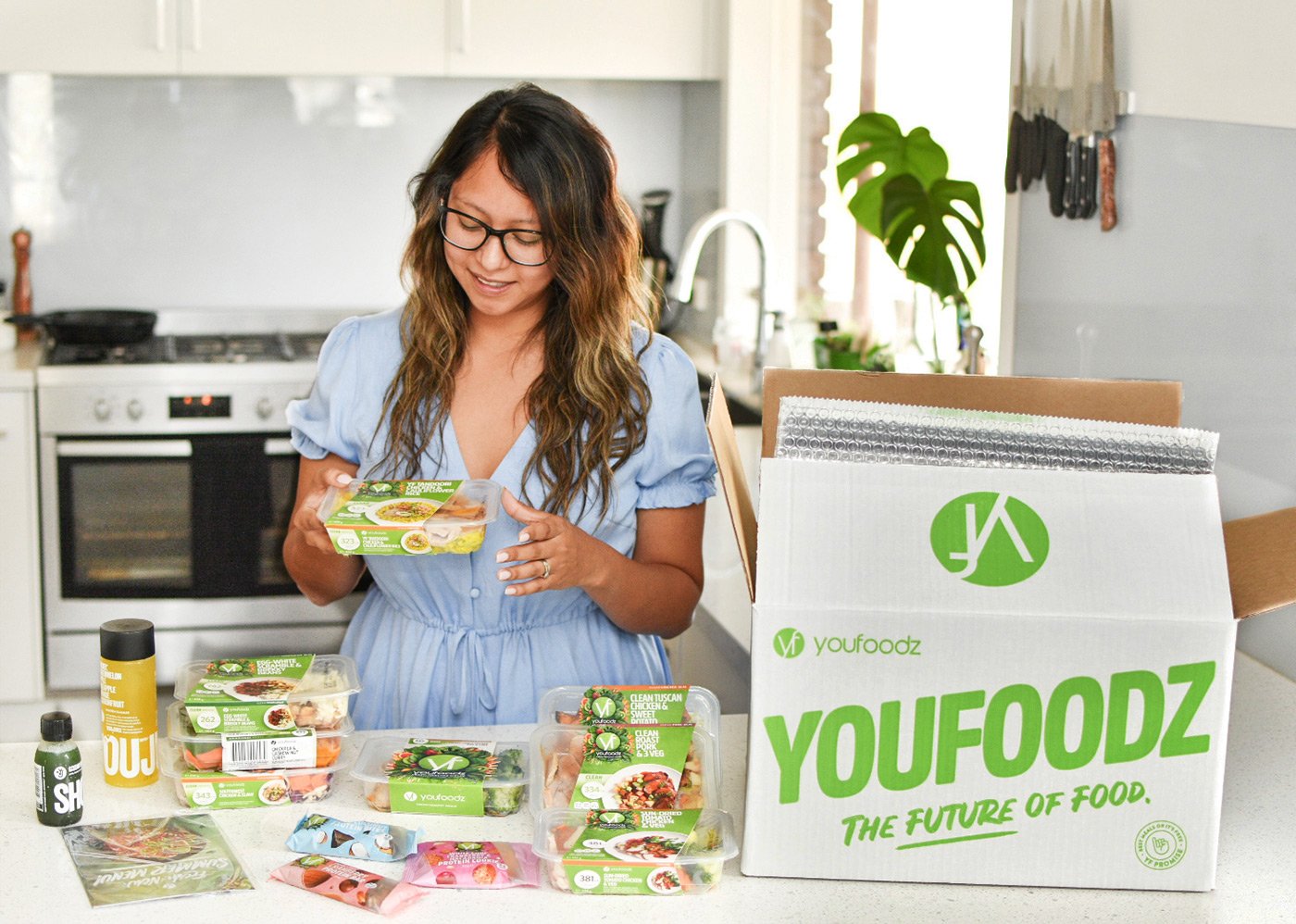
    Ready meals business Youfoodz has begun selling groceries essentials for home delivery, alongside Seasonal Fruit & Veg Boxes, amid high demand for online groceries during COVID-19.

    Youfoodz’s Grocery Essentials, includes a selection of grocery items, from proteins such as chicken breast, mince, Porterhouse steak, and Tasmanian salmon, all of which are under $12, to eggs, milk, and vegetables.

    The convenience meals business said the range is “premium yet affordable” and will allow customers “to purchase all their fresh food from one place”.

    “In this time of unprecedented uncertainty and disruption many Aussies are doing it tough and as a business Youfoodz have a duty of care to play a small part in supporting the local community, customers, partners, and suppliers to ensure they come out the other end ok – if not better,” the convenience meals business said in a statement.

    “That’s why Youfoodz have boosted production capability, are continuing to develop and introduce new products, as well as taking an active role in supporting great initiatives.”

    The decision to pivot into online groceries is likely in response to changing shopping behavior prompted by COVID-19.

    Last week at Coles Q3 results, CEO Steven Cain noted that consumers are doing more home cooking and baking during the lockdown, and convenience meals are taking a hit.

    Cain said that Coles, which is a stockist of Youfoodz ready meals, has seen people shopping fewer times per week, and buying more when they shop.

    “With fewer trips, you get fewer impulse items being purchased,” Cain said.

    “Home cooking is a more economic way to feed the family than buying convenience meals or impulse items.”

    Cain noted that consumers are eating more fresh food, with veg sales at the highest penetration they have ever been.

    Youfoodz is also taking advantage of increased demand for fresh produce, with a selection of Fruit & Veg boxes available, ranging in price from $44.95 to $69.95.

    Chief executive Lance Giles said the concept for Fruit & Veg Boxes came about when a local supplier felt the hit when restaurants and cafes slowed trading due to Coronavirus.

    “I received a call from Michael, one of our key suppliers, and the director of V One. He explained how his business had been significantly affected by COVID-19 and that he was days away from having to lay off the majority of his workforce,” Giles said.

    “After helping each other grow our businesses for many years, I felt there must be a way to help. That’s how fruit and veg boxes was created.”

    Youfoodz grocery items and fresh produce are sold online alongside the ready meals range, as individual items are as part of The Ultimate Grocery Box, but are packed separately for delivery. Discounts are offered if ready meals are bought alongside the grocery box.