Retail News CRM

Tag: delivery

  • FedEx Bolsters APAC-Europe Trade Lane with Five New Weekly Flights, Fueling E-commerce and Retail Growth

    FedEx Bolsters APAC-Europe Trade Lane with Five New Weekly Flights, Fueling E-commerce and Retail Growth

    Federal Express Corporation (FedEx), a prominent international express transportation corporation, recently disclosed its plans to add five additional weekly flights connecting the Asia Pacific region (APAC) with its European base at Paris Charles de Gaulle Airport. This move will not only reinforce the reliability of services on the Asia-Europe trade route but also paves the way for businesses to access European markets swiftly and reliably. Moreover, this move comes just in time for the year-end holiday shopping season, offering businesses increased flexibility.

    Details of the Expansion

    The additional flights will emanate from two main hubs: three flights from the FedEx APAC hub at Guangzhou Baiyun International Airport and two from the FedEx Shanghai International Express and Cargo Hub. Employing Boeing B777 freighters, all flights will connect directly to the FedEx European hub at Paris Charles de Gaulle Airport.

    This expansion will augment the average daily capacity between APAC and Europe, enabling businesses in the area to leverage growth prospects in sectors experiencing high demand, such as e-commerce, manufacturing, hi-tech, and retail industries. The Europe-Asia trade lane has been thriving, with a consistent increase in air freight volume over the previous two and a half years and an impressive 13% year-on-year surge in August 2025.

    The European Union serves as the largest import market for more than 100 countries, with APAC economies being among the fastest-growing suppliers. This upward trend is expected to accelerate as businesses are seeking out new trade and growth prospects in Europe.

    Supporting Asia-Europe Trade

    Salil Chari, Senior Vice President of Marketing and Customer Experience, Asia Pacific, FedEx, noted that the Asia-Europe corridor is one of the fastest-growing trade routes. According to a survey conducted by FedEx of nearly 4,000 customers in Asia this year, over 20% stated plans to shift their trading focus to Europe within the coming year.

    FedEx’s increased service frequency between APAC and Europe means that the company now operates 26 weekly flights connecting APAC deliveries to Europe. This enhanced service allows express shipments to reach major European destinations in as little as 48 hours. FedEx has also improved its connectivity from Northern Vietnam to Europe, further strengthening trade links for Asia’s importers and exporters.

    Long-term Commitment

    This expansion of flight services underlines FedEx’s long-term commitment to facilitating global commerce and boosting the success of businesses across the Asia Pacific and beyond.

    Questions & Answers

    How is FedEx enhancing its services?
    FedEx is adding five additional weekly flights connecting the Asia Pacific region to its European base at Paris Charles de Gaulle Airport.

    Which sectors will benefit from this expansion?
    High-demand sectors such as e-commerce, manufacturing, hi-tech, and retail industries will benefit from this expansion.

    What is the frequency of FedEx’s service between APAC and Europe?
    With the increased service frequency, FedEx now operates 26 weekly flights connecting Asia Pacific deliveries to Europe.

  • Weightwatchers Teams Up With Amazon Pharmacy: A Strategic Move For Medication Delivery Boosting Shares By 9%

    Weightwatchers Teams Up With Amazon Pharmacy: A Strategic Move For Medication Delivery Boosting Shares By 9%

    WeightWatchers announced on Monday its collaboration with Amazon to distribute medications such as injectable GLP-1 obesity treatments to its members. This partnership led to a 9% increase in the telehealth provider’s shares, as investors anticipated financial gains from facilitating prescription fulfillment.

    New Partnership to Boost Medication Delivery

    WeightWatchers clients can now confirm medication availability and arrange more efficient delivery of refrigerated drugs using the Amazon Pharmacy feature on the WeightWatchers website, said COO Jon Volkmann. The company, alternatively known as WW International, emerged from bankruptcy in July with a plan to vie for online weight-loss clients, sans debt. The announcement of the collaboration led to a surge of over 9% in the company shares, reaching $29.39 by the afternoon.

    Focus on Branded Drugs

    While competitors concentrated on compounded replicas of Wegovy from Novo Nordisk and Zepbound from Eli Lilly, WeightWatchers chose to align with branded drugs. They announced a collaboration with Novo to supply Wegovy to cash-paying clients through NovoCare and its partner, CenterWell Pharmacy. The company assured that it would still allow clients to fill prescriptions through other pharmacies.

    Demand for GLP-1 obesity treatments skyrocketed following clinical trials that demonstrated their effectiveness, helping individuals lose around 15% of their body weight by inducing a feeling of fullness. In 2022, the US Food and Drug Administration reported a shortage of these drugs, creating difficulties for rural WeightWatchers customers to access them through physical pharmacies.

    Improving Access in Rural Areas

    Despite an abundance of both drugs, Amazon stated that access remains a challenge in rural regions. “With GLP-1s specifically, there’s been an issue with people hopping from one pharmacy to another, searching for these drugs,” said Tanvi Patel, a VP at Amazon Pharmacy.

    Amazon recently launched kiosks at some of its One Medical clinics, allowing patients to pick up common prescriptions. Although Amazon delivers GLP-1s by mail, drugs requiring cold storage will not be available in the kiosks.

    The e-commerce giant’s commitment to quick delivery, particularly for perishable items, has enabled Amazon to maintain appropriate temperatures for GLP-1 shipments nationwide, Patel added. Amazon has been delivering GLP-1s to patients since 2020. Amazon Prime subscribers can expect to receive their medications within one to two days, while non-Prime members may anticipate an average four-day delivery time, though actual delivery often occurs more quickly.

    In June, Amazon announced plans to extend same-day and next-day delivery to 4000 additional locations by year-end, focusing on small towns and rural areas. The company also intends to invest over US$4 billion to triple its delivery operations by 2026.

    Questions & Answers

    What is the partnership between WeightWatchers and Amazon?
    WeightWatchers has partnered with Amazon to facilitate the delivery of medications, including injectable GLP-1 obesity treatments, to its members via Amazon Pharmacy.

    What impact has the partnership had on WeightWatchers’ shares?
    Following the announcement of the partnership, WeightWatchers saw a 9% increase in its shares, suggesting investor optimism about the financial benefits of the collaboration.

    What measures is Amazon taking to improve medication access in rural areas?
    Amazon has plans to expand same-day and next-day delivery, especially focusing on rural areas. The company has also begun setting up kiosks at some of its One Medical clinics for patients to collect common prescriptions.

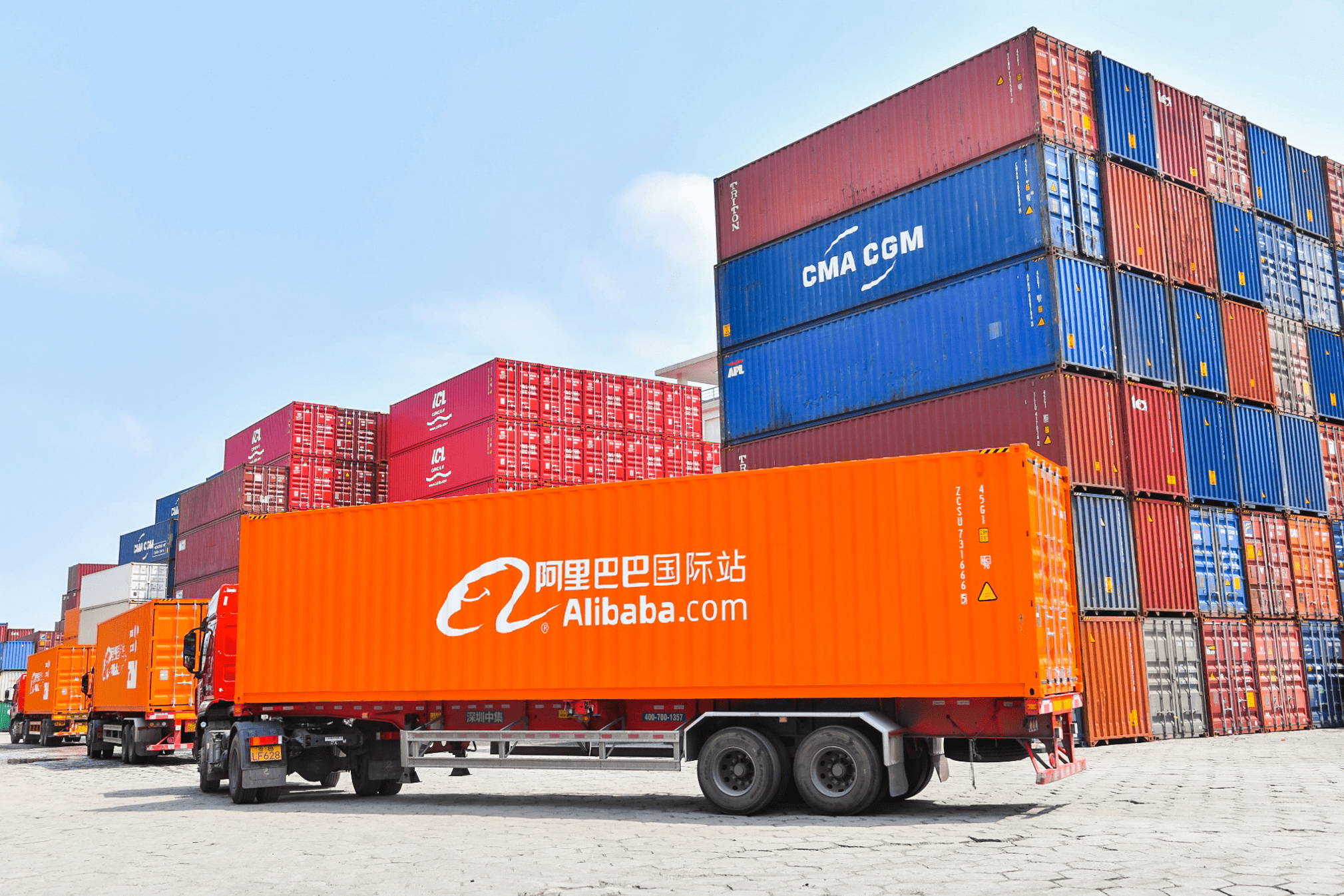
  • Alibaba Unveils Bold One-hour Delivery Strategy Amidst Intense E-commerce Competition

    Alibaba Unveils Bold One-hour Delivery Strategy Amidst Intense E-commerce Competition

    In a significant shift within the Asian retail landscape, e-commerce giant Alibaba has unveiled an ambitious plan to reshape its supply chain infrastructure. As the competitive landscape intensifies, Alibaba aims to enhance its logistics capabilities and streamline operations, responding to the increasing demand for faster delivery times and improved customer satisfaction.

    Alibaba’s Strategic Goals for Enhanced Logistics

    At the core of this initiative is Alibaba’s commitment to achieving a “one-hour delivery” promise in major urban centers. This bold goal reflects a broader industry trend towards rapid fulfillment and personalized service. The retail behemoth is pouring substantial resources into its logistics arm, Cainiao, which is expected to lead the charge in implementing innovative technologies such as artificial intelligence and data analytics to optimize delivery routes and inventory management.

    “Hurry up and wait” could soon be a phrase of the past for Alibaba shoppers, as the company plans to leverage its extensive network of fulfillment centers and last-mile delivery partners to reduce shipping times to unprecedented levels. With consumers increasingly expecting instant gratification from their online purchases, Alibaba is determined to stay ahead of the curve, and this strategic pivot could make all the difference.

    A Competitive Edge Among Retail Rivals

    Alibaba’s strategy comes at a time when its competitors are also racing to improve their logistics operations. Companies like JD.com and Pinduoduo are enhancing their own supply chains to capture a larger share of this rapidly expanding market. However, with its robust resources and technological prowess, Alibaba is well positioned to maintain its dominance in the e-commerce sector.

    The company also aims to address the growing challenge of sustainability within the logistics space. By implementing greener practices in its supply chain, Alibaba hopes not only to reduce its carbon footprint but also to appeal to a customer base that is increasingly eco-conscious. Amidst frequent reports about the environmental impact of e-commerce, this move could give Alibaba a dual edge — improving both its operational efficiency and public image.

    Collaborations and Innovations on the Horizon

    Key to Alibaba’s logistical overhaul will be strategic partnerships with third-party delivery services and technology firms. This collaborative approach is expected to help the company integrate cutting-edge solutions, thus paving the way for more seamless and efficient retail experiences. With the help of emerging technologies like drone deliveries and automated warehouses, Alibaba is venturing into uncharted territory, raising the stakes in the race for e-commerce supremacy.

    Not to be outdone, Alibaba has also doubled down on social commerce, creating an ecosystem where shopping and social interaction are intertwined. This not only enriches consumer engagement but also allows the company to harness valuable data insights to tailor its offerings more effectively.

    As this logistics game plan unfolds, Alibaba’s commitment to a more responsive and responsible supply chain model could set a new standard in the Asian retail arena.

    Questions & Answers

    What is Alibaba’s primary goal with its new logistics initiative?
    Alibaba aims to achieve “one-hour delivery” in major urban centers, significantly improving delivery times to enhance customer satisfaction.

    How is Alibaba addressing sustainability in its logistics operations?
    The company plans to implement greener practices in its supply chain to reduce its carbon footprint and appeal to environmentally conscious consumers.

    What role do partnerships play in Alibaba’s logistics strategy?
    Strategic partnerships with third-party delivery services and technology firms will help Alibaba integrate innovative solutions, enhancing the efficiency and effectiveness of its retail operations.

  • Meituan’s Profit Plummets Amid Intense Competition In China’s ‘instant Retail’ Sector

    Meituan’s Profit Plummets Amid Intense Competition In China’s ‘instant Retail’ Sector

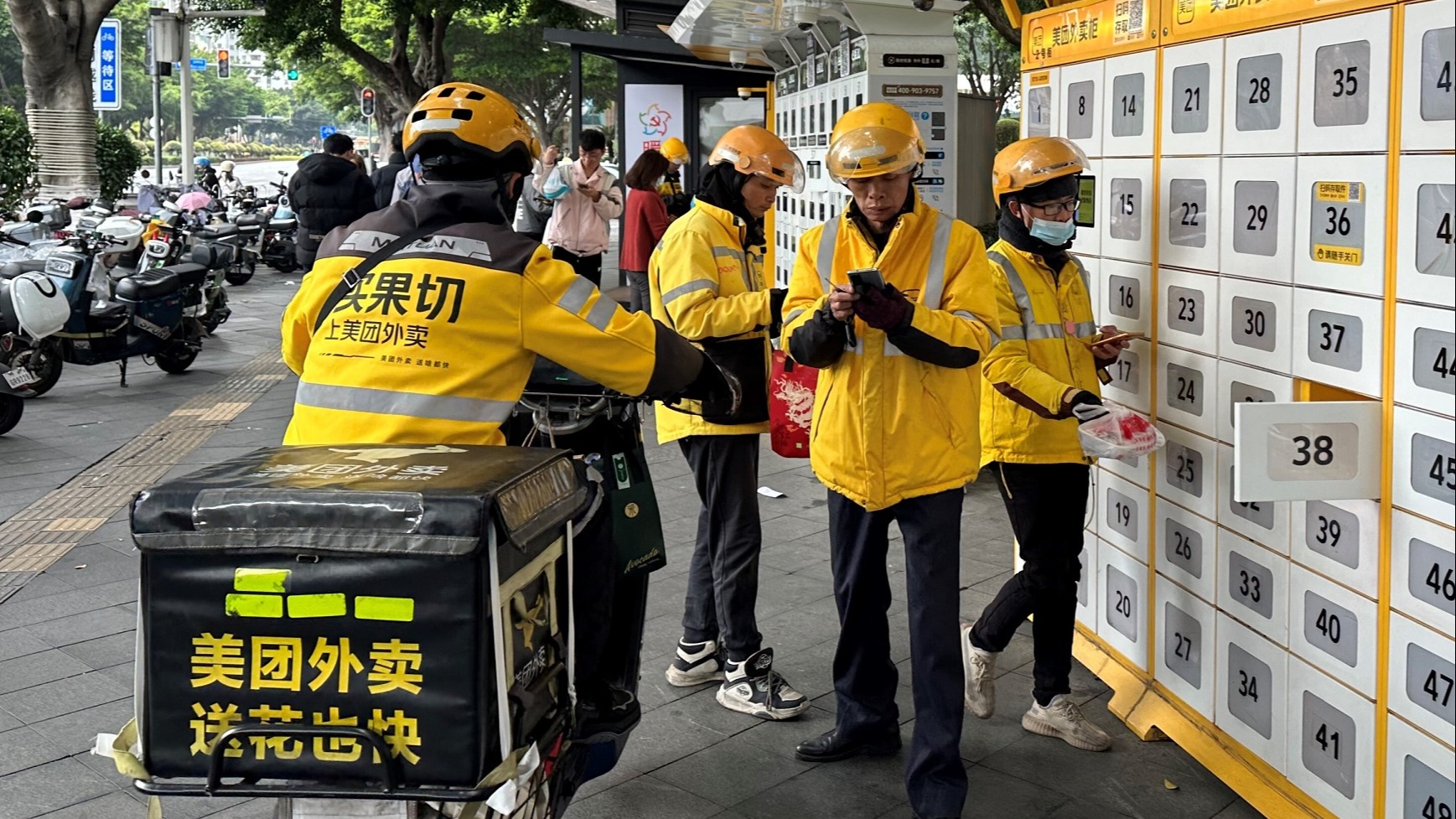
    Meituan, China’s top food delivery company, has reported an 89 per cent decrease in its net profit during the second quarter. The company attributes this major drop to escalating competition in the ‘instant retail’ sector, which specializes in delivering goods within an hour.

    Meituan boasts almost 70 per cent of China’s delivery market. However, the company has expressed concerns that maintaining this dominance will prove costly. The fierce competition is putting the company’s profit margins under significant pressure, at least in the short term. This has led to a fall in the company’s shares, which have declined by over 20 per cent this year.

    The Battle for Market Dominance

    According to analysts, the food delivery sector in China is now in the middle of a full-blown delivery war in which Meituan cannot afford to be defeated. They expect the intensity of the subsidy to gradually decrease after the third quarter. The focus will then shift towards unit economic discipline in the coming year.

    In addition to delivering food, Meituan offers services ranging from bike-sharing to ticket-booking and map services. The company’s CEO, Wang Xing, acknowledges the intense competition, emphasizing that the company will continue to prioritize doing the right things such as ensuring quality selection, competitive pricing, superior service, and prompt delivery.

    New Competitors and Regulatory Challenges

    This year, online retailer JD made its move against Meituan’s attempt to expand beyond meals by aggressively entering the food delivery business, which is Meituan’s core operation. Alibaba, which operates Ele.me, the second-largest food delivery app, also increased its investment in instant retail. Both JD and Alibaba have promised billions of yuan in subsidies to increase sales.

    Future challenges may arise from regulatory adjustments. Chinese authorities are planning to implement new rules for pricing following complaints from merchants and customers about misleading or unfair pricing on major internet platforms. Meituan, alongside Alibaba and JD, released statements last month committing to end price wars. However, Wang Xing has stated that they will stand their ground and defend their market position as the competition becomes even more intense.

    Despite the heightened competition in China, Meituan is broadening its horizons with overseas expansion. The company has boosted the global presence of its Keeta app in Hong Kong, Qatar, and Saudi Arabia. They have also made a significant investment of US$1 billion in Brazil.

    Questions & Answers

    What factors contributed to Meituan’s drop in net profit during the second quarter?
    The 89 per cent drop in Meituan’s net profit was primarily due to increased competition in China’s ‘instant retail’ sector.

    How is Meituan responding to the increasing competition in the market?
    Meituan’s strategy focuses on doing the right things such as ensuring quality selection, competitive pricing, superior service, and prompt delivery. They have also committed to ending price wars.

    What plans does Meituan have for international expansion?
    Meituan has expanded its Keeta app to markets in Hong Kong, Qatar, and Saudi Arabia. The company has also invested US$1 billion in Brazil.

  • Swiggy’s Losses Double Amid Marketing Surge And Delivery Challenges

    Swiggy’s Losses Double Amid Marketing Surge And Delivery Challenges

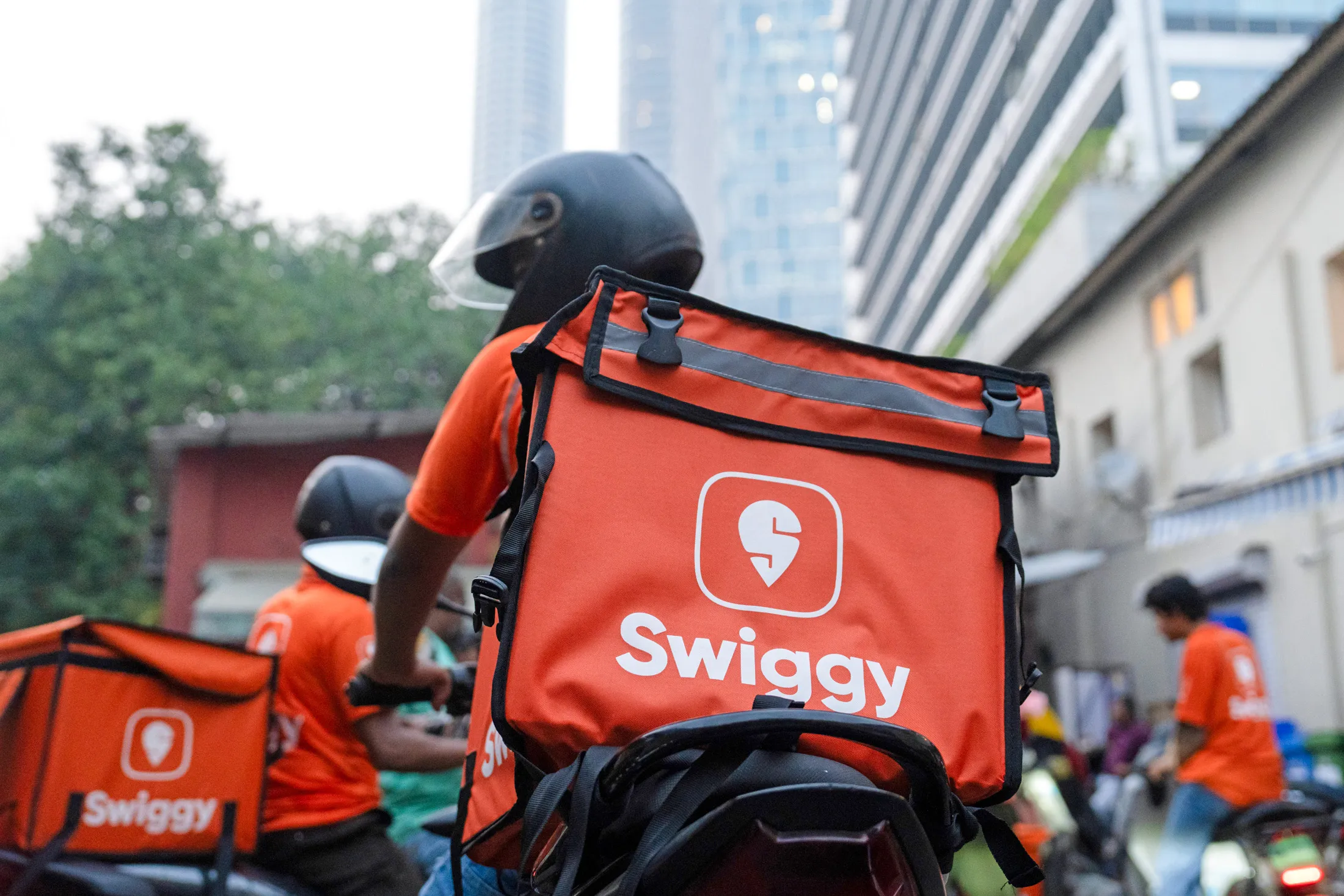
    Swiggy, one of India’s leading online food delivery platforms, has reported a near-doubling of its quarterly loss compared to the same period last year. This increase in losses is attributed to a significant rise in marketing expenditures aimed at securing a larger customer base in an intensely competitive market.

    Growth Strategies and Challenges

    In its decade-long presence in the market, Swiggy has maintained its position among the top contenders in the food delivery industry through continuous investments in marketing, platform enhancements, and customer loyalty programs. The company is also directing funds into its rapid retail division, Instamart, as part of efforts to expand its network of stores, fortify logistics, and provide enticing discounts.

    However, the company’s operations have been affected by issues relating to a shortage of delivery partners, a situation exacerbated by unanticipated monsoon rains in India. Concurrently, the need for sustained, high levels of marketing investments has been necessitated by persistent competition.

    The competition is not just limited to the food delivery sector. The rapid retail sector in India is becoming increasingly crowded, with competitors such as the Tata-backed BigBasket and Amazon vying for market share. Furthermore, Swiggy faces additional competition in the food delivery space from the ride-hailing platform, Rapido, where Swiggy holds a 12 per cent stake.

    Financial Performance

    Despite these challenges, Swiggy’s total revenue for the quarter ending June 30 increased by 54 per cent, amounting to 49.61 billion rupees (US$566.2 million). However, consolidated expenses also saw a significant jump, up by around 60 per cent to 62.44 billion rupees, with sales promotions more than doubling. Consequently, the company’s consolidated net loss for the quarter rose to 11.97 billion rupees, a significant increase from the 6.11 billion rupees loss reported in the same period last year.

    Expansion and Order Value

    Despite these financial setbacks, Swiggy continued to expand its geographical reach, adding three new cities to its network to stand at a total of 127. The company also added 41 stores and increased the size of existing ones. The gross order value from its food delivery segment climbed by approximately 19 per cent to 80.86 billion rupees in the June quarter. Meanwhile, Instamart’s gross order value saw a massive surge of nearly 108 per cent, reaching 56.55 billion rupees.

    Questions & Answers

    What factors contributed to Swiggy’s increased quarterly losses?
    Increased marketing spend to attract customers in a fiercely competitive market, along with the expansion of its quick-commerce arm, Instamart, significantly contributed to Swiggy’s increased losses.

    What challenges did the company face recently?
    Swiggy experienced a shortage of delivery partners due to earlier than anticipated monsoons in India. Additionally, the company faced stiff competition, necessitating high marketing investments.

    Did Swiggy see any growth despite these challenges?
    Yes, Swiggy reported a 54 per cent surge in total revenue for the quarter ending June 30. The company also expanded its services to three new cities, added 41 stores, and saw a substantial rise in gross order value from both its food delivery segment and Instamart.

  • Grab Holdings Surpasses Wall Street Expectations With Multi-service Superapp Strategy Amid Global Economic Uncertainties

    Grab Holdings Surpasses Wall Street Expectations With Multi-service Superapp Strategy Amid Global Economic Uncertainties

    Grab Holdings, a Singapore-based tech company, surpassed Wall Street’s revenue expectations in Q2, with a surge in consumption across its ride-hailing and food delivery services, seemingly unaffected by global economic uncertainties.

    Superapp Drive Pays Off

    The company’s robust growth can be attributed to its strategic efforts to transform its platform into a multi-functional, superapp. This expansive integration of various digital services, including ride-hailing, food, and grocery delivery, continues to entice a growing number of users, who are increasingly investing in the offered subscription plans.

    Despite the unease in global economic stability induced by ongoing US trade negotiations, resulting in worries over tariffs and heightened costs, particularly in Southeast Asia, the Singaporean economy remains robust. In Q2, it witnessed a growth rate of 4.3%, successfully averting a technical recession.

    According to Peter Oey, Grab’s CFO, the company’s growth strategy focuses on affordability, which not only encourages growth but also serves as a protective shield against global macroeconomic factors. In a bid to attract price-conscious consumers, the company has been simultaneously working on expanding its driver base to keep up with the rising user demand.

    Financial Performance

    Grab reported an impressive revenue of US$819 million for Q2, surpassing analyst predictions of $811.3 million. The company attributed a significant portion of this success to its robust performance in Indonesia. Previously identified as a market with potential for deeper penetration, the company is now striving to capitalize on the country’s vast population and expand its market share.

    According to Oey, Indonesia has proved to be a profitable market for the company, prompting increased investment efforts in the region.

    Market Consolidation

    The online service market in Southeast Asia is witnessing a phase of consolidation, with larger entities acquiring smaller firms to diversify their service offerings. Though rumors of Grab’s potential acquisition of smaller Indonesian competitor GoTo were circulating earlier this year, Oey confirmed that no such discussions are underway.

    The company’s Q2 financials indicate a remarkable turnaround, with a profit of $20 million, in stark contrast to a $68 million loss in the same period the previous year.

    Questions & Answers

    How has Grab Holdings managed to exceed Wall Street’s revenue expectations in Q2?
    Grab Holdings has successfully surpassed revenue projections by transforming its platform into a superapp, integrating various digital services and appealing to a growing number of users.

    How is the company responding to global economic uncertainties?
    Grab Holdings is focusing on affordability as a protective shield against global macroeconomic factors. It is also endeavoring to keep up with increasing user demand by expanding its driver base.

    What is Grab Holdings’ strategy for the Indonesian market?
    Considering the robust performance and profitability in Indonesia, Grab Holdings is aiming to capitalize on the country’s vast population and increase its market share by investing more in the region.

  • Aldi Australia Embraces Digital Era: Launches First Grocery Delivery Trial With Doordash

    Aldi Australia Embraces Digital Era: Launches First Grocery Delivery Trial With Doordash

    Aldi Australia Goes Digital

    Aldi’s low-cost, no-frills approach has distinguished it in Australia’s hyper-competitive supermarket industry. However, the German supermarket chain is transitioning into a new era that emphasizes comfort, while preserving its fundamental principles.

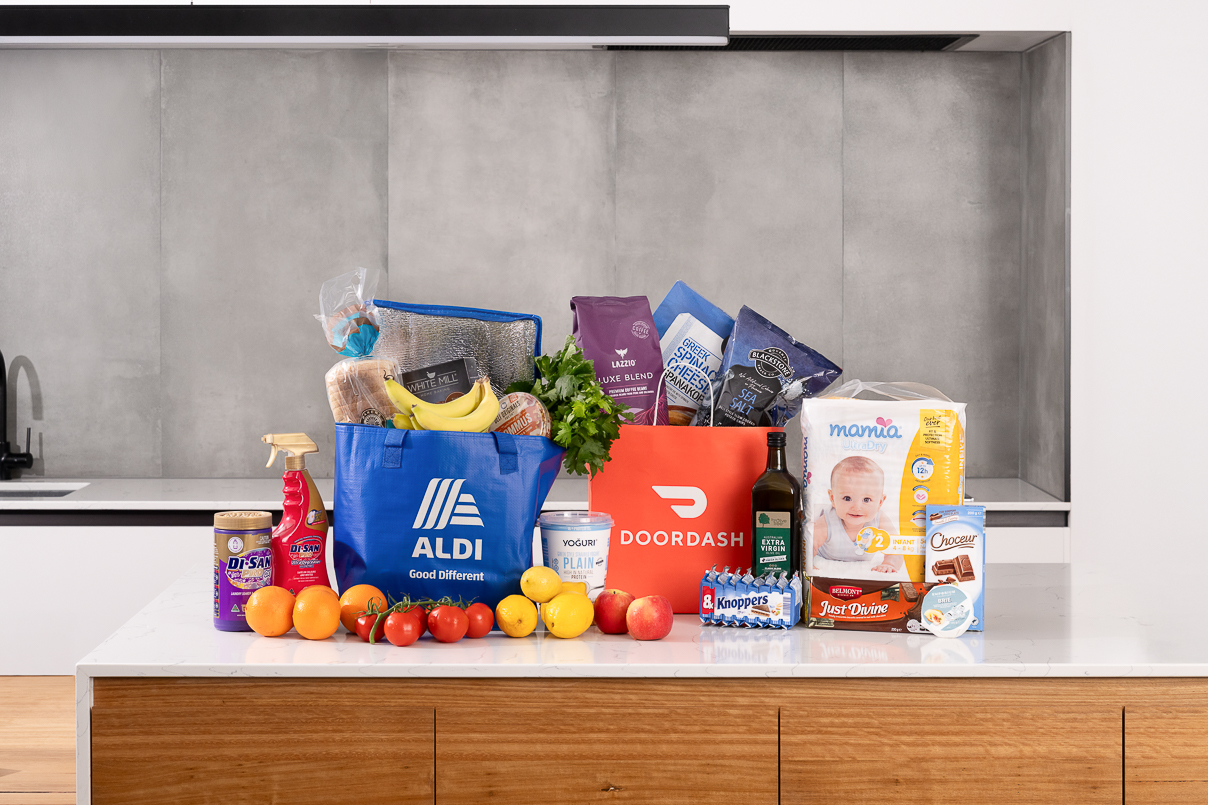
    In a surprising move, Aldi Australia is trialling its first grocery delivery service, collaborating with DoorDash to provide on-demand shopping to customers in Canberra.

    The pilot program began on July 8, allowing ACT residents to use the DoorDash app or website to order a selection of over 1800 Aldi products. These range from fresh produce and meats to home necessities, all of which can be delivered directly to customers’ homes.

    This trial denotes a notable strategic evolution for Aldi, a company that has traditionally maintained a distance from digital channels. It also brings up an intriguing query: how can a brand like Aldi, renowned for its simplicity, adapt to a world where an omnichannel approach is mandatory?

    Aldi Australia’s Chief Commercial Officer, Jordan Lack, stated that Aldi’s mission since entering the Australian market has been to offer high-quality groceries at the lowest possible prices for Australian households, and this aim remains steadfast. He expressed his excitement for Canberra customers to shop with Aldi from the comfort of their homes, bringing their “Good Different” shopping experience to a wider audience with the click of an app.

    Cost-effective Convenience

    Aldi’s approach to this trial is calculated. Instead of investing in expensive logistics infrastructure or in-house e-commerce capabilities, the retailer has transferred the complexity to DoorDash. DoorDash’s delivery contractors, known as Dashers, will select, package, and deliver orders from local stores. This model enables Aldi to maintain operational effectiveness and cost control.

    This third-party approach is capital-light and allows for rapid expansion of the trial if it proves successful, without the strain of warehousing or internal fulfilment logistics.

    Anticipating Market Shifts

    Teresa Sperti, founder and director of digital consultancy Arktic Fox, believes Aldi’s move into e-commerce mirrors wider changes in how Australians shop for groceries and their expectations from retailers.

    On the other hand, Aldi’s decision to partner with DoorDash holds on to its famously lean cost base. However, it also comes with both strengths and strategic limitations.

    Aldi’s model may not build the same customer loyalty as major supermarkets that use proprietary data to personalize experiences, and help understand preferences to drive repeat sales. In Aldi’s case, DoorDash owns the shopping basket and the customer relationship, not Aldi.

    There are also potential challenges around pricing transparency. Aldi will need to navigate this carefully as historically, grocery and supermarkets offering different pricing in-store vs online, have eroded customer trust.

    Strategic Moves in Digital Transition

    Unlike its competitors, Coles and Woolworths, Aldi’s digital transition has been slower but seemingly intentional. Aldi’s every digital step, from checkout upgrades to delivery trials, has been meticulously planned and operationally efficient.

    Aldi has also been trialing self-checkout kiosks in 10 stores across New South Wales since 2021, indicating another strategic move for a retailer known for thin profit margins and high staff productivity.

    Last-mile delivery may attract new customer segments such as busy professionals, young families, and urban residents who appreciate Aldi’s low prices but lack the time to shop in person. By partnering with DoorDash, Aldi can offer convenience without the financial burden of infrastructure.

    This trial will not only examine operational feasibility but also gauge customer appetite. It remains to be seen if Aldi can replicate its in-store experience online or maintain its low prices while sharing the margin with DoorDash.

    Questions & Answers

    What is Aldi’s strategic shift in Australia?
    Aldi has begun a trial of home grocery delivery in Canberra, a notable shift from its traditional approach of keeping digital channels at arm’s length.

    How does Aldi’s partnership with DoorDash work?
    DoorDash’s delivery contractors, known as Dashers, will select, pack, and deliver orders from local Aldi stores to customers’ homes. This third-party approach enables Aldi to maintain operational efficiency and cost control.

    What challenges might Aldi face with its move into e-commerce?
    Aldi’s business model may not build the same level of customer loyalty as other supermarkets that use proprietary data to personalize experiences. Additionally, there may be challenges around pricing transparency, an important cornerstone of Aldi’s brand.

  • Asia Pacific Sees Food Delivery Market Surge to 23% Amid Growing Consumer Demand

    Asia Pacific Sees Food Delivery Market Surge to 23% Amid Growing Consumer Demand

    In a remarkable shift, delivery has emerged as the leading channel in Asia Pacific’s foodservice market, skyrocketing from 10% in 2019 to a projected 23% by 2024, according to the latest insights from Euromonitor International. This evolution is part of a larger trend, with the region now accounting for a staggering 40% of global foodservice sales and poised to grow at an impressive 6% compound annual growth rate (CAGR) through 2029.

    Globally, the appetite for delivery services has also doubled, constituting 21% of the market in 2024, up from just 9% in 2019. Even against a backdrop of inflation and economic uncertainty, the global foodservice sector expanded by 5.5% in 2024, reaching a hefty $3.2 trillion. Asia Pacific contributed significantly, hitting $1.3 trillion— a 6% increase from 2023 and surpassing pre-pandemic levels.

    “Inflation and economic uncertainty weigh heavily on consumers,” remarked Rocio Franco, senior consultant at Euromonitor International. “While transaction levels have rebounded to pre-pandemic figures, signaling robust demand within the industry, consumers are increasingly selective, opting for budget-friendly dining choices.”

    Looking ahead, delivery is expected to climb to 26% of Asia Pacific’s foodservice market by 2029, while traditional dine-in options will likely plateau at 64%. The surge is largely fueled by third-party delivery apps that entice customers with aggressive discounts, loyalty incentives, and waived service fees, driving order frequency through the roof. Limited-service restaurants are also thriving, catering to price-sensitive consumers with smaller, more affordable menu items.

    “For restaurant operators, the challenge lies not only in competitive pricing but also in creating memorable experiences, embracing digital strategy, and fostering brand loyalty,” Franco added, shedding light on the new rules for thriving in this dynamic market.

    Among the standout segments, specialist coffee and tea shops experienced an impressive 13% growth in 2024, totaling $39 billion in the Asia Pacific region. Seen as affordable luxuries, these establishments are rapidly proliferating, particularly in cities like Singapore, as they expand their offerings and footprint.

    Questions & Answers

    What is the current market share of delivery services in Asia Pacific’s foodservice sector?
    Delivery services have surged to account for 23% of Asia Pacific’s foodservice market in 2024, a significant increase from just 10% in 2019.

    How has the global foodservice market performed in the face of economic uncertainties?
    Despite inflation and economic challenges, the global foodservice industry grew by 5.5% in 2024, reaching $3.2 trillion, with Asia Pacific seeing a robust growth to $1.3 trillion.

    What strategies should restaurant operators consider to remain competitive?
    Operators are encouraged to focus on providing value beyond just price, enhancing customer experiences, harnessing digital tools, and cultivating brand loyalty to thrive in the current market landscape.

  • Alibaba Unites Food Delivery and Travel Divisions to Propel ‘Instant Retail’ Initiative Forward

    Alibaba Unites Food Delivery and Travel Divisions to Propel ‘Instant Retail’ Initiative Forward

    In a significant shift within its operational strategy, Alibaba Group has announced plans to merge its food delivery service Ele.me and online travel platform Fliggy into its China e-commerce business segment. This development, revealed by CEO Eddie Wu in an internal letter to employees on Monday, reflects a rollback of the company’s previously ambitious restructuring initiatives, signaling a keen focus on enhancing the efficiency of order fulfillment.

    A Strategic Upgrade in Focus

    “This marks a strategic upgrade as we transition from an e-commerce platform to a broader consumer platform,” Wu articulated, as reported by Nikkei Asia. This pivot is aligned with the e-commerce giant’s commitment to streamline operations and adapt to rapidly changing market dynamics. The integration of Ele.me and Fliggy into the core e-commerce unit is expected to foster a more cohesive approach to consumer services, tapping into the growing demand for integrated shopping experiences among Chinese consumers.

    Wu’s announcement comes as Alibaba navigates a competitive landscape marked by shifting consumer behaviors and economic uncertainties. The decision to streamline operations comes not just as an internal strategy, but as a necessary move to remain agile in a sector that demands quick adaptations and seamless customer service.

    The Bigger Picture of Consumer Demand

    As the company looks to redefine its role in the marketplace, the consolidation of these platforms underscores Alibaba’s recognition of the evolving consumer landscape. In recent years, the appetite for quick delivery and comprehensive service options has surged, making it essential for the e-commerce behemoth to integrate more responsive solutions into its repertoire.

    In a retail universe where customer expectations are as high as a skyscraper and competition often feels like a sprint, Alibaba is positioning itself to not just keep pace, but to set the tempo.

    Questions & Answers

    What prompted Alibaba to merge Ele.me and Fliggy?
    The decision stems from a strategic shift aimed at enhancing efficiency and better responding to the changing dynamics of consumer demand in the e-commerce market.

    How does this merger align with Alibaba’s broader goals?
    This merger reflects Alibaba’s transition from a traditional e-commerce platform to a more comprehensive consumer service provider, reinforcing its commitment to seamless customer experiences.

    What impact could this merger have on consumers?
    Consumers can expect a more integrated service offering from Alibaba, with improved order fulfillment and a potentially wider range of services available at their fingertips.

  • Delivery Worker Faces $20 Fine for Exposing Counterfeit Watch to Recipient

    Delivery Worker Faces $20 Fine for Exposing Counterfeit Watch to Recipient

    On a day like any other, a delivery driver found himself in a dilemma that would leave him counting his losses. Tasked with delivering a watch touted as a Japanese brand, he couldn’t shake the feeling that something was off. Sensing it was a counterfeit, he made the decision to alert the customer. But instead of gratitude, he was met with ire. The customer reported him to the seller, who promptly escalated the matter to his employer. The fallout? A fine of VND500,000 (approximately $20), alongside a deduction of two days’ wages and a cut to his monthly bonus.

    Back to the Scene

    Just days later, fate had a peculiar sense of humor as he was assigned to deliver another package to the same customer. This time, she recognized him and unleashed her frustration over the counterfeit watch. An exasperated question hung in the air: if she bought the watch on Facebook, how could he possibly return it? This incident has sparked conversations around the contentious issue of counterfeit goods, as others have shared similar stories of when delivery workers took it upon themselves to caution customers about the authenticity of their purchases.

    Voices From the Delivery Front

    The debate has captivated readers, with one delivery worker, who has been in the job for five years, commenting, “When I spot a counterfeit, I always inform the customer and urge them not to accept it. But some insist on taking it, only to later call me asking if they can return the item.” The helplessness is palpable when the line between professionalism and integrity blurs. Another reader pointed out that fake goods are rampant on online platforms. Some buyers, fully aware of the dubious nature of these items, still succumb to their temptations, while others might be none the wiser, simply drawn in by low prices.

    Concern over counterfeit goods is on the rise, with many advocates calling for stricter regulations. “I would rather invest in a lesser-known genuine brand than buy an obviously fake item,” shared one concerned reader. “If I can’t swing a brand-new watch, a second-hand authentic piece will do just fine.”

    Questions & Answers

    What sparked the initial incident involving the delivery driver?

    The driver, sensing that the watch he was delivering was a counterfeit, warned the customer, but this led to his penalization after she complained.

    How did the customer react to the driver’s warning?

    Instead of being grateful, the customer was upset and reported the driver to the seller, leading to heavy penalties for him.

    What are other delivery workers saying about counterfeit items?

    Many delivery workers echo the same experience, stating they often inform customers about counterfeit goods, only to face backlash or discover the customers still choose to accept them.

  • Costco and DoorDash to deliver groceries to the doors of Aucklanders

    Costco and DoorDash to deliver groceries to the doors of Aucklanders

    Costco has teamed up with DoorDash to deliver its range of groceries and household essentials to homes in Auckland at bulk-saving rates.

    The partnership will enable Costco members and non-members to get everything from toilet paper to fresh fruits and vegetables or premium poultry and meat delivered to their homes.

    “We’re always looking for ways to make everyday shopping easier, and our partnership with Costco means Aucklanders can now get incredible value and quality delivered straight to their doorstep,” said DoorDash New Zealand GM Bradley Thomas.

    To launch the new partnership, New Zealand customers will receive NZ$20 off their first Costco order when they spend $150 or more.

  • SingPost appoints Neo Su Yin as Group Chief Operating Officer

    SingPost appoints Neo Su Yin as Group Chief Operating Officer

    Singapore Post (SingPost) announced the appointment of Neo Su Yin as Group Chief Operating Officer (GCOO), effective 2 January 2025. In this newly created role, Su Yin will be responsible for the Singapore Business Unit, the International Business Unit and Property. Under transitional management arrangements, she will take guidance from the Chairman of the Board, Simon Israel.

    The position of the GCOO is a pivotal role to translate transformation into tangible results, ensuring high quality execution, while fostering a culture of innovation and continuous improvement.  Su Yin will also support the Board in a review of the International Business Unit.

    “The Board is pleased to welcome Su Yin back to SingPost as our Group Chief Operating Officer,” said Simon Israel, Chairman of the Board. “She has a proven track record and deep understanding of SingPost’s business and operations. Her appointment greatly strengthens our leadership’s focus on driving operational performance and excellence – a core foundation for sustainable growth.”

  • Japan Airlines’ vision for the future of pharmaceutical logistics

    Japan Airlines’ vision for the future of pharmaceutical logistics

    Japan Airlines (JAL) is taking a significant leap forward in the logistics and healthcare sectors by incorporating drone technology into its broader business strategy. This initiative is part of JAL’s Digital Transformation (DX) strategy, which focuses on integrating advanced technology with the airline’s expertise in safe operations. By collaborating with other companies and aligning with government policies, JAL aims to revolutionise air mobility through drones and electric Vertical Take-Off and Landing (eVTOL) vehicles.

    At the core of this transformation is the Air Mobility Operation Platform (AMOP), a social infrastructure designed to manage the safe operation of next-generation air mobility services. AMOP offers more than just operational management systems providing consulting, communication support, insurance, aircraft provision, and pilot training services. While the platform’s applications are vast, JAL sees particular potential in using drones to deliver lightweight, high-value, and time-sensitive medical supplies.

    “Combining our expertise in safe operations with advanced technology, we are collaborating with other companies to promote the next-generation air mobility business,” explains Eriko Yano, Manager, Drone Business Group, Air Mobility Business Creation Department, Innovation Division, at Japan Airlines. The airline envisions a future where drones and eVTOLs are a common feature of healthcare logistics, transforming how medical supplies are delivered.

    Pioneering drone-based pharmaceutical delivery
    One of JAL’s most promising ventures is its drone-based pharmaceutical delivery system, which aims to streamline the transportation of essential medications. In a demonstration in Tokyo, JAL partnered with consortium companies to deliver low-frequency, high-value pharmaceutical products from warehouses to hospitals. This initiative aims to reduce wastage caused by expired pharmaceuticals, while also addressing the unique logistical challenges faced by hospitals in densely populated areas like Tokyo.

    JAL has also expanded its efforts to more remote locations. On Amami Oshima Island, in collaboration with the Setouchi Town Office, JAL established “Amami Island Drone Co., Ltd.” to deliver pharmaceuticals to residents of remote islands. These efforts demonstrate how drone technology can bridge logistical gaps, ensuring that vital medical supplies reach even the most isolated communities.

    Enhancing healthcare logistics with drone ports
    A key takeaway from JAL’s recent demonstration in Koto-ku, Tokyo, was the potential of drone ports in hospital settings. These ports could allow hospitals to receive pharmaceutical deliveries at their convenience, reducing reliance on traditional logistics systems. As the airline continues to explore the capabilities of drone technology, it also recognises the importance of addressing the shortage of manpower in the pharmaceutical industry.

    In terms of operational efficiency, JAL is focusing on safety and reliability. The airline sees drone ports as an essential component in achieving this, allowing for automated takeoff and landing procedures that minimise human involvement while ensuring temperature control and delivery management. Hospital personnel involved in the demonstration expressed enthusiasm for the potential of drone ports, particularly in emergencies when road closures or disasters isolate healthcare facilities.

    Overcoming challenges and advancing technology
    JAL has faced challenges in its pursuit of drone-based logistics, particularly regarding Level 4 flights—drones flying beyond visual line of sight (BVLOS) in populated areas. Currently, only one drone model, the PF2-CAT3 by ACSL, is certified for these flights. To overcome this limitation, JAL works with partners to diversify drone options and expand operations into urban areas. “We need drones with advanced control capabilities and high-precision landing, especially for operations in limited spaces like urban areas,” Eriko noted.

    In addition to enhancing drone technology, JAL is also developing a flight management system that allows a single operator to control multiple drones. This would significantly reduce operational costs and improve efficiency, paving the way for widespread drone adoption.

    Building strategic partnerships
    Collaboration is key to JAL’s success in the drone industry. The airline has partnered with several organisations, including KDDI Corporation, East Japan Railway Company, and local hospitals, to bring its vision to life. Each partner plays a unique role: KDDI provides essential LTE communication, East Japan Railway Company offers implementation support, and local hospitals serve as demonstration sites, providing valuable feedback on the practicality of drone deliveries.

    These partnerships are vital not only for the technical success of the project but also for gaining public acceptance of drones in everyday life. JAL has been proactively educating the public and healthcare professionals about the benefits and safety of drone technology through workshops and demonstrations. The airline is also working on initiatives to help hospital staff acquire the necessary skills to handle drone operations.

    Navigating regulations and ensuring safety
    Navigating Japan’s regulatory landscape for drone operations has been a complex process for JAL. The airline is working closely with Prodrone Co., Ltd. to meet the stringent requirements for Type 1 Certification, which allows for Level 4 flights in densely populated areas. In addition, JAL has introduced training programs based on Crew Resource Management (CRM), a concept used in aviation to improve safety and coordination among pilots.

    JAL is also taking steps to ensure the sustainability of drone operations. One of its long-term goals is to reduce manpower and increase aircraft utilisation by allowing a single pilot to control multiple drones. Supported by the New Energy and Industrial Technology Development Organization (NEDO), JAL is conducting technological verification to achieve this.

    The future of drone-based healthcare logistics
    JAL’s drone initiatives can potentially transform healthcare logistics in Tokyo and beyond. Drones could be crucial in maintaining healthcare systems in depopulated areas, ensuring patients receive necessary medications and blood supplies even in remote regions. During emergencies, drones could provide uninterrupted delivery services, ensuring the continuous flow of critical supplies.

    “We believe that drones can contribute significantly to maintaining medical systems in areas where healthcare infrastructure is difficult to maintain,” Eriko states. The airline also sees potential for expanding drone deliveries to sectors beyond pharmaceuticals, such as food supplies and newspapers, as demonstrated by its operations on Amami Oshima Island.

    Ultimately, JAL’s vision is to create a sustainable, efficient, and reliable drone logistics service that benefits healthcare providers and patients. By reducing medication waste, improving delivery times, and enhancing operational safety, drones have the potential to revolutionise the healthcare industry—not just in Tokyo, but across the globe.
  • FedEx launches ‘Picture Proof of Delivery’ in Singapore

    FedEx launches ‘Picture Proof of Delivery’ in Singapore

    FedEx is supporting e-commerce growth in Singapore and enhancing the customer experience of online shoppers in the city state with the launch of Picture Proof of Delivery (PPOD) for express residential deliveries.

    Customers in Singapore who choose the ‘no-signature-required’ delivery option can now receive a photo showing the exact location where their package was delivered, by tracking on the FedEx website and the FedEx Mobile app. The express operator said PPOD is a free delivery service option and will not require enrolment, an account, or login.

    The move comes amidst an increase in the number of deliveries spurred by growth e-commerce growth in Singapore, which is expected to jump 11 percent annually to reach US$16.4 billion in 2023. In November last year, it launched similar service option for Hong Kong and New Zealand.

    “We are witnessing an increasing trend of Singaporean consumers choosing to shop online. Picture Proof of Delivery (PPOD) is just one of the many steps we are taking to differentiate our service offerings and enhance the customer experience through our digital solutions,” said Eric Tan, Managing Director, FedEx Express Singapore.

    FedEx is committed to facilitating the growth of e-commerce and helping businesses succeed in cross-border trade in Singapore. In June 2023, FedEx announced the addition of 800 new collection points across the island. It also recently launched an e-commerce delivery solution with the integration of WhatsApp into FedEx Delivery Manager International.

  • SingPost’s Li Yu on e-commerce, logistics and more

    SingPost’s Li Yu on e-commerce, logistics and more

    Singapore Post announced dividends in May as the group posted a record revenue of S$1.9 billion for the financial year 2022/2023, with the international business contributing around 90 percent of the total. In an unpredictable market environment, SingPost’s logistics unit contributed 90 percent of the total operating profit, serving as a buffer for the decline in the postal segment. The postal group is on the verge of transforming into a global e-commerce logistics enterprise with its recent expansion in Australia, newly formed partnerships and the development of international cross-border e-commerce logistics. In this interview, Payload Asia catches up with Li Yu, CEO international at SingPost, to discuss the company’s performance this year as well as the Group’s strategy to capitalise on growing demand for e-commerce logistics.

    What can you say about the company’s full-year performance?

    The Group achieved a record revenue of S$1.9 billion for the financial year 2022/2023. Seventy percent was contributed by logistics versus just 38 percent back in FY2020. More importantly, logistics contributed 90 percent of the total operating profit. Our growth in the logistics segment has mitigated the structural decline of the postal segment, a trend that is prevalent globally.

    The other key highlight is 86 percent of our revenue was generated internationally. With our expansion into Australia and the development of our international cross-border e-commerce logistics business, SingPost is transforming into a global e-commerce logistics enterprise and is well positioned in high growth markets across the Asia Pacific region.

    Can you give us a rundown of your division’s top priorities? Where does e-commerce sit in your priorities and growth strategy?

    According to McKinsey’s projections between 2023 and 2026, the Southeast Asian eCommerce market is expected to triple, boasting a compound growth rate of 22 percent. It is estimated that the market will reach approximately US$230 billion in gross merchandise volume. In a separate report from June 2022, Statista’s forecasts underlined significant growth in the ecommerce market across Asia, Australia, and the Americas.

    At SingPost, we will continue to build on our strengths and establish ourselves as a leading eCommerce supply chain and logistics provider within the 4PL space across Asia Pacific region. Internationally, we have expanded into offering our global customers inbound Australia services, expanding the China/Hong Kong to Singapore lane with efficiencies and offering Europe to Asia services with direct line-haul, and establishing a dual hub system using Hong Kong alongside Singapore to facilitate seamless e-commerce delivery.

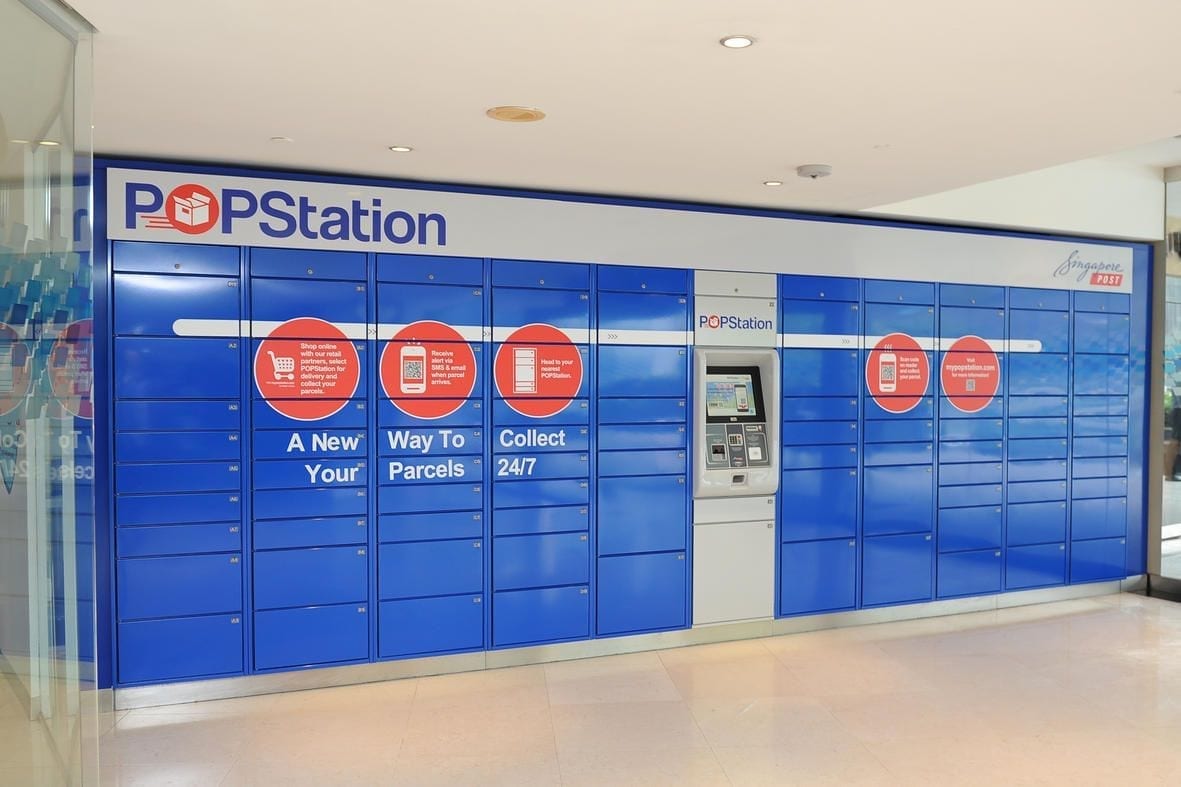
    Strategically, we are focusing on three growth drivers. First is enhancing our digital capabilities and leveraging the 4PL model as a supply chain orchestrator, to support the continuous eCommerce growth across Asia Pacific. Second is expanding our hubs in Singapore, Hong Kong and Europe to shorten delivery times and better serve e-commerce flows and delivery into, out of and within Asia. One of the recent partnerships is with SATS to address a growing demand for e-commerce transshipment by leveraging our combined expertise. Third is expanding our infrastructure in domestic markets through pick-up, drop-off (PUDO) network growth to provide convenience and efficiency to our merchants and users, handling the increasing volume of eCommerce parcels

    International business contributed an enormous 86 percent of the Group’s overall revenue? Can you share more about your business in Australia? What makes this market special?

    Australia is the major contributor to our transformation and growth of the logistics business. Over the last 3 years we have seen the business grow three times in size. The logistics business we have built down under caters to both the B2B and B2C segments. The move to go big in logistics is already underway. In December 2020, SingPost took a 28 percent stake in Australia’s Freight Management Holdings (FMH) for A$58.9 million. The stake was eventually raised to 51 percent just over a year later and to a further 88 percent this March. The acquisition of FMH places 4PL (fourth-party logistics) technology at our core. We intend to expand with this asset-light approach in mind, powered by the 4PL digital platform. FMH has performed outstandingly since our initial investment and is a key growth driver in the group’s logistics business.

    Besides FMH, SingPost also owns CouriersPlease, a first and last-mile delivery courier network covering 90 percent of Australia’s population. FMH’s digitally enhanced logistics capabilities, together with our CouriersPlease last-mile delivery network allows us to provide technology-driven, fully integrated logistics solutions for both business-to-business and business-to-consumer operations in the Australian market.

    Does it make sense for big e-commerce players to enter logistics or at the very least insource it? What’s your take on this move?

    There are always two sides of a coin. By undertaking their own logistics, big e-commerce players may gain more control over their supply chain and enjoy more seamless operations. However, substantial initial investment costs are required to set up the logistics systems and infrastructure. Expertise in logistics management, time and resources will need to be devoted to manpower training and technology to provide high-quality logistics services. Fluctuations in e-commerce volumes would also call for the ability to scale their operations efficiently. The decision to establish in-sourcing of its logistics should be based on a thorough analysis and alignment to the company’s long-term growth and strategic objectives.

    In many cases, it is more practical and cost-effective to establish partnerships with reliable logistics providers, increasingly to a 4PL player. Merchants gain immediate access to advanced technologies, established networks, and scalable operations. This allows them to focus on core business functions while the 4PL handles day-to-day logistics tasks, reducing operational burdens.

    The 4PL’s global reach also facilitates international expansion and efficient cross-border shipments, enhancing overall supply chain efficiency, improves customer service, and contributes to the merchant’s business growth in a cost-effective manner.

    With your recent MoU with SATS, what kind of services or enhancements are you looking to unveil in Singapore based on your recent trials in February?

    The partnership with SATS is designed to harness our unique strengths in order to meet the changing demands of e-commerce companies. With a cutting-edge transshipment hub facility, we aim to decrease delivery times and lower operating expenses and labour requirements. By eliminating the need for transportation between SATS and SingPost facilities, we will streamline cargo logistics workflows, reduce reliance on conventional cargo vehicles, and optimise warehouse space usage.

    Based on a 3-month joint operations trial with SATS, we achieved a remarkable 60% reduction in the time taken from arrival to departure. The new approach cut the initial processing time of 21.8 hours to just 8.5 hours. With our extensive air connectivity and flights in Singapore, logistics players who partner us can expect an expedited delivery of products to Asia within a total timeframe of 15.5 hours. The Global eCommerce Hub is poised to disrupt the eCommerce logistics industry by enabling end-to-end delivery within 1-3 days in Asia.