Tag: delivery

  • Youfoodz begins selling groceries online

    Youfoodz begins selling groceries online

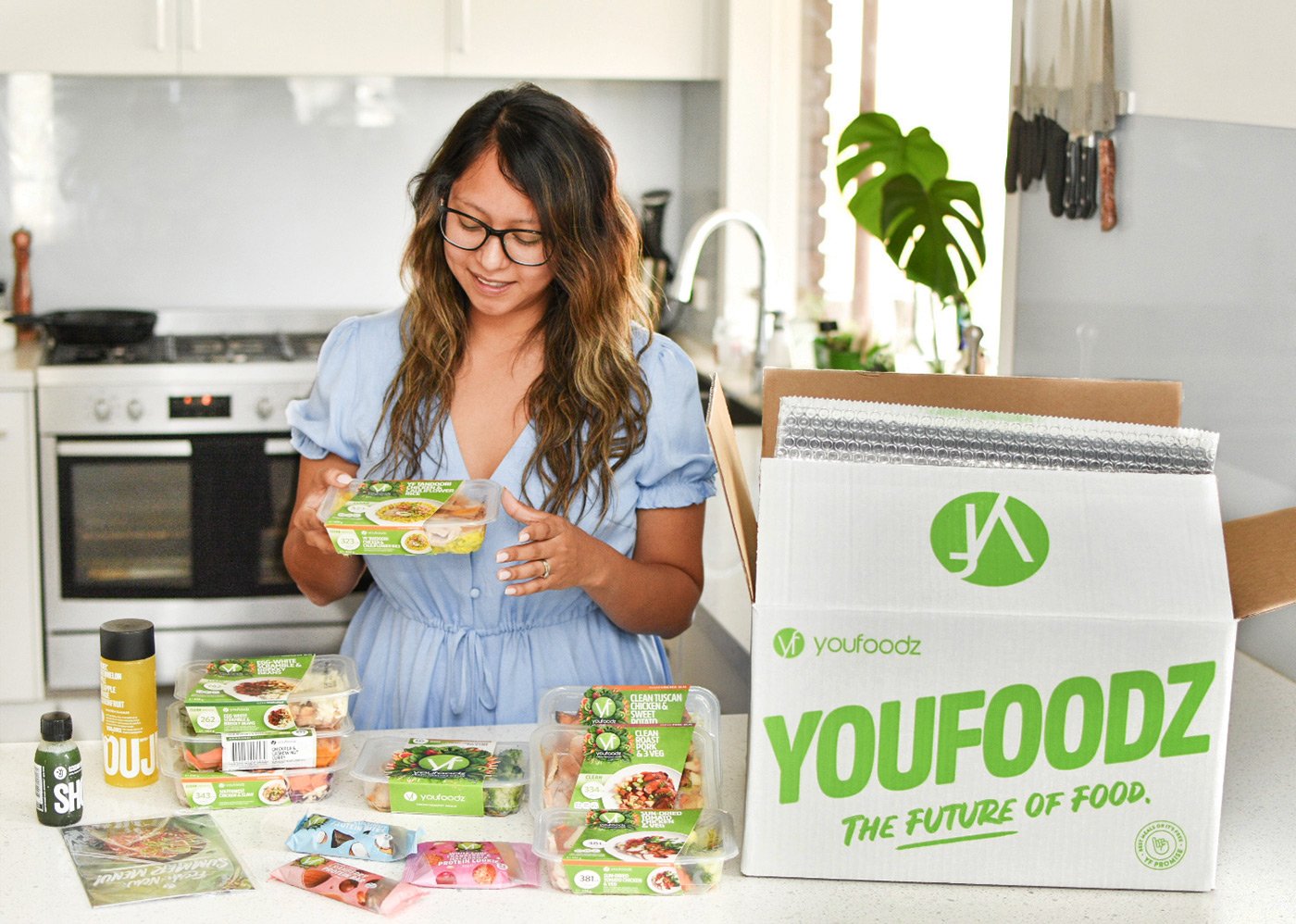
    Ready meals business Youfoodz has begun selling groceries essentials for home delivery, alongside Seasonal Fruit & Veg Boxes, amid high demand for online groceries during COVID-19.

    Youfoodz’s Grocery Essentials, includes a selection of grocery items, from proteins such as chicken breast, mince, Porterhouse steak, and Tasmanian salmon, all of which are under $12, to eggs, milk, and vegetables.

    The convenience meals business said the range is “premium yet affordable” and will allow customers “to purchase all their fresh food from one place”.

    “In this time of unprecedented uncertainty and disruption many Aussies are doing it tough and as a business Youfoodz have a duty of care to play a small part in supporting the local community, customers, partners, and suppliers to ensure they come out the other end ok – if not better,” the convenience meals business said in a statement.

    “That’s why Youfoodz have boosted production capability, are continuing to develop and introduce new products, as well as taking an active role in supporting great initiatives.”

    The decision to pivot into online groceries is likely in response to changing shopping behavior prompted by COVID-19.

    Last week at Coles Q3 results, CEO Steven Cain noted that consumers are doing more home cooking and baking during the lockdown, and convenience meals are taking a hit.

    Cain said that Coles, which is a stockist of Youfoodz ready meals, has seen people shopping fewer times per week, and buying more when they shop.

    “With fewer trips, you get fewer impulse items being purchased,” Cain said.

    “Home cooking is a more economic way to feed the family than buying convenience meals or impulse items.”

    Cain noted that consumers are eating more fresh food, with veg sales at the highest penetration they have ever been.

    Youfoodz is also taking advantage of increased demand for fresh produce, with a selection of Fruit & Veg boxes available, ranging in price from $44.95 to $69.95.

    Chief executive Lance Giles said the concept for Fruit & Veg Boxes came about when a local supplier felt the hit when restaurants and cafes slowed trading due to Coronavirus.

    “I received a call from Michael, one of our key suppliers, and the director of V One. He explained how his business had been significantly affected by COVID-19 and that he was days away from having to lay off the majority of his workforce,” Giles said.

    “After helping each other grow our businesses for many years, I felt there must be a way to help. That’s how fruit and veg boxes was created.”

    Youfoodz grocery items and fresh produce are sold online alongside the ready meals range, as individual items are as part of The Ultimate Grocery Box, but are packed separately for delivery. Discounts are offered if ready meals are bought alongside the grocery box.
  • Domino’s And Nuro To Start Robot Pizza Delivery In Houston, Texas

    Domino’s And Nuro To Start Robot Pizza Delivery In Houston, Texas

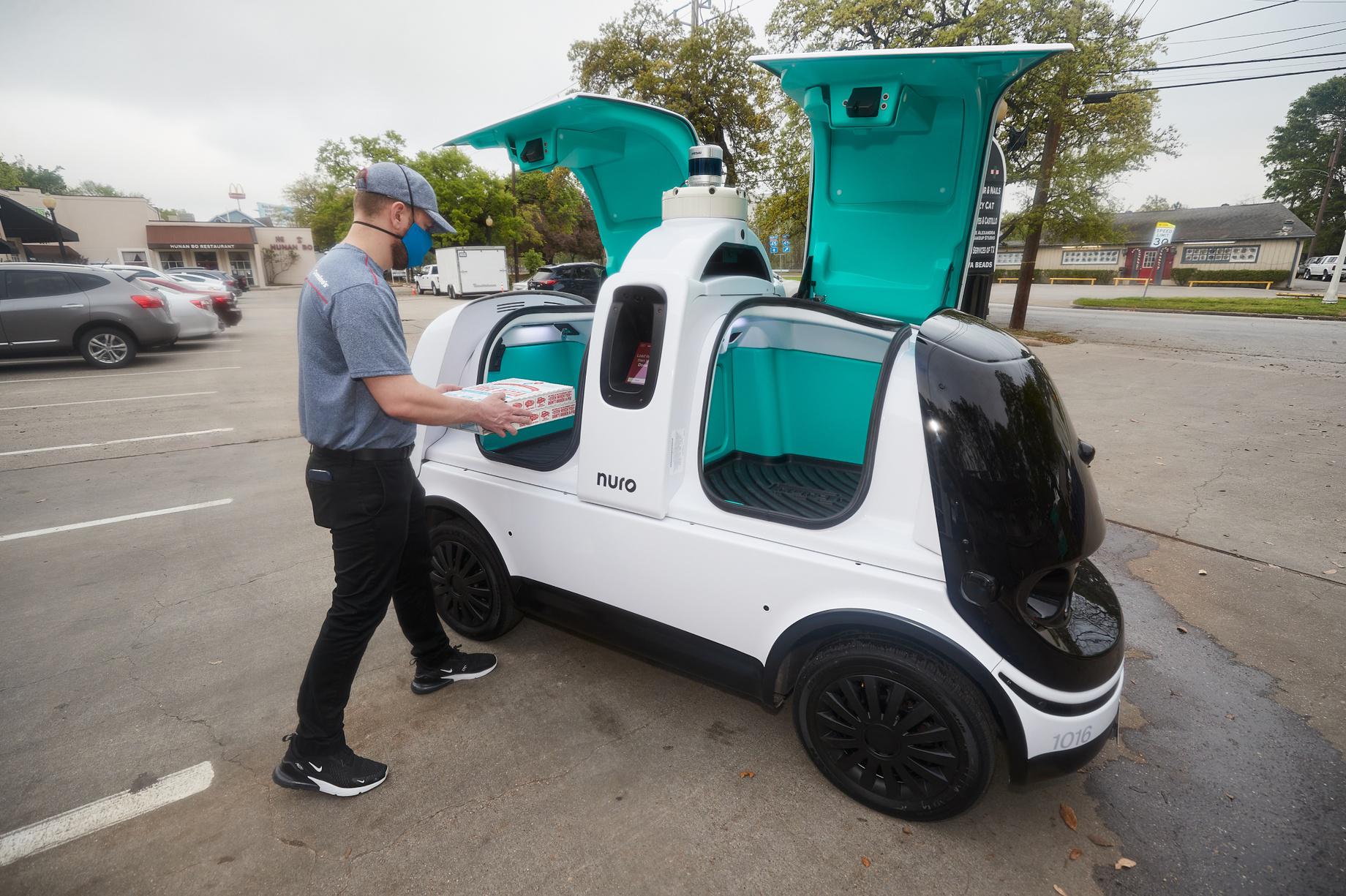
    Domino’s Pizza Inc and Nuro Inc, a Silicon Valley startup, said on Monday they will launch a robotic pizza delivery service in Houston this week as they seek to satisfy increasing online orders during the pandemic. With small, low-speed vehicles to carry packages instead of people, Nuro has been pulling ahead of other autonomous vehicle startups in gaining regulatory approvals. It won U.S. clearance last year to start unmanned delivery services. Nuro recently secured a $500 million including an equity investment from Woven Capital, the mobility investment arm of a Toyota Motor Corp subsidiary, which made its total valuation more than $5 billion, a person familiar with the matter said.

    The delivery service will begin at a Domino’s outlet in Houston before expanding to serve customers in many other locations as part of a long-term partnership, said Cosimo Leipold, Nuro’s head of partner relations. “It’s generally difficult for large companies to hire enough drivers to fill their delivery demand,” Leipold said in an emailed statement to Reuters. Leipold said Nuro, which has already partnered with retailers Kroger Co, Walmart Inc and CVS Health Corp to deliver groceries and prescriptions, said its weekly deliveries had nearly tripled in the first three months of the pandemic. Houston, the fourth-largest U.S. city, has one of the country’s highest road fatality rates. “Houston’s roadways create challenging scenarios for our technology to work with,” Leipold added.

    Nuro and Domino’s had said in 2019 they expected to launch robot pizza delivery late that year. “Nuro and Domino’s have taken a measured approach to prioritize a smooth and safe deployment,” Leipold said. Nuro, founded by two former Google engineers in 2016, previously raised $940 million from the SoftBank Vision Fund.

  • Foodpanda to drive Covid-19 vaccination awareness campaign across Asia

    Foodpanda to drive Covid-19 vaccination awareness campaign across Asia

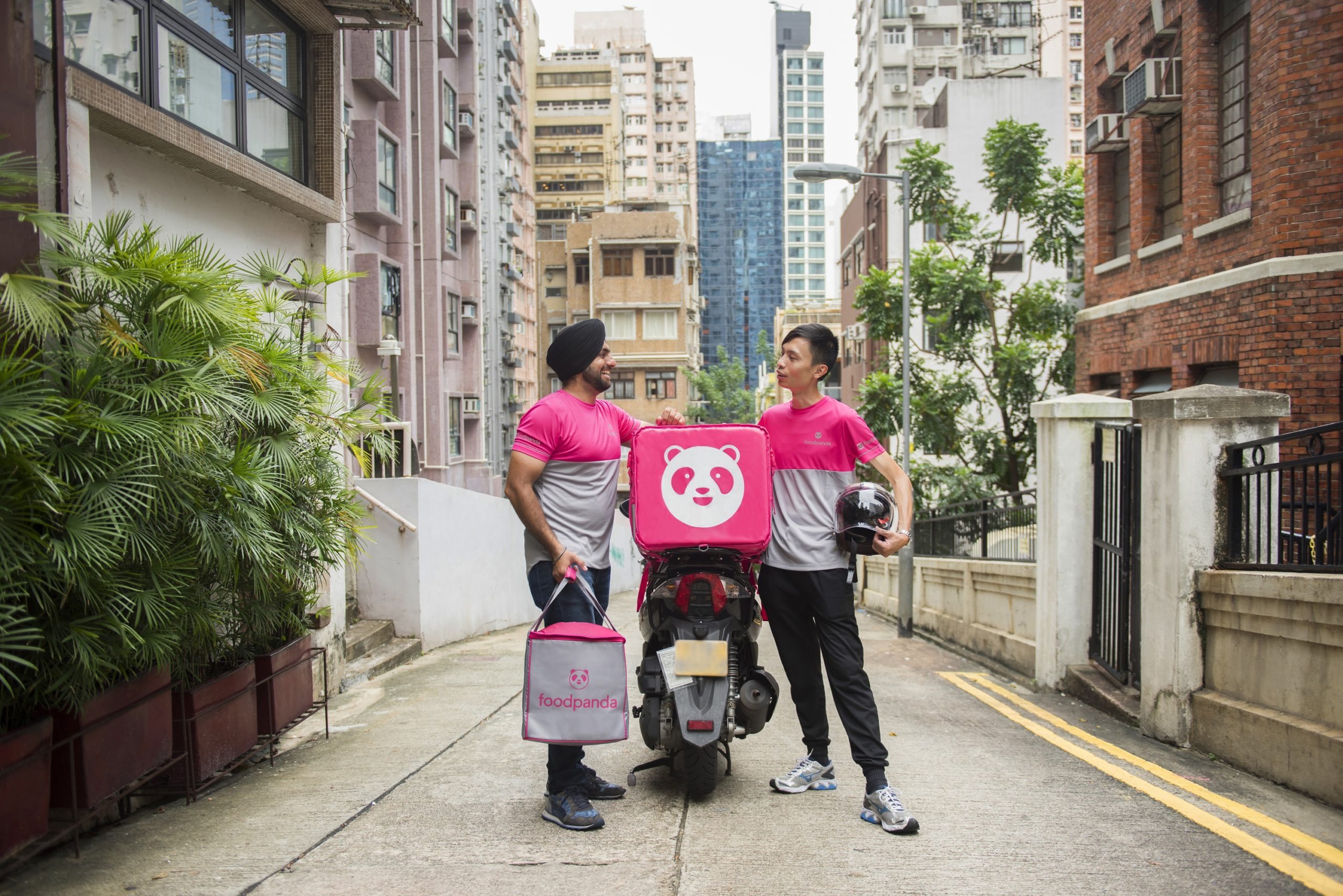
    Food and grocery delivery service Foodpanda has launched a Covid-19 vaccination awareness campaign across Asia in the lead-up to WHO’s World Immunisation Week. The campaign, which aims to reach more than 10 million people across Asia, will include a series of content across digital and social media channels, providing information and resources on local vaccination programs.

    It will be rolled out in phases across Singapore, Malaysia, Thailand, Hong Kong, Cambodia, Japan, Bangladesh, Pakistan, and the Philippines.

    “The region’s battle with Covid-19 is ongoing, and we have to stay vigilant on keeping our ecosystem safe,” said Jakob Angele, CEO of Foodpanda. “Leveraging existing channels with our network of riders, merchants, employees and customers, we can raise greater awareness around fighting misinformation and share information around local vaccination programs so that our entire delivery ecosystem can be informed and mobilized.”

    Besides its social media campaign, Foodpanda will also join hands with local authorities to support vaccination programs in Singapore, Cambodia, and the Philippines.

    “We will continuously explore ways to play a part in the fight against Covid-19.”

  • Eateries keen to go on board with AirAsia’s food delivery service

    Eateries keen to go on board with AirAsia’s food delivery service

    Eateries say they are keen to go onboard with airasia food because of its low commission and islandwide delivery. The newcomer is offering them free delivery within 8km for two weeks until March 16, and charging a 15 percent commission after that.

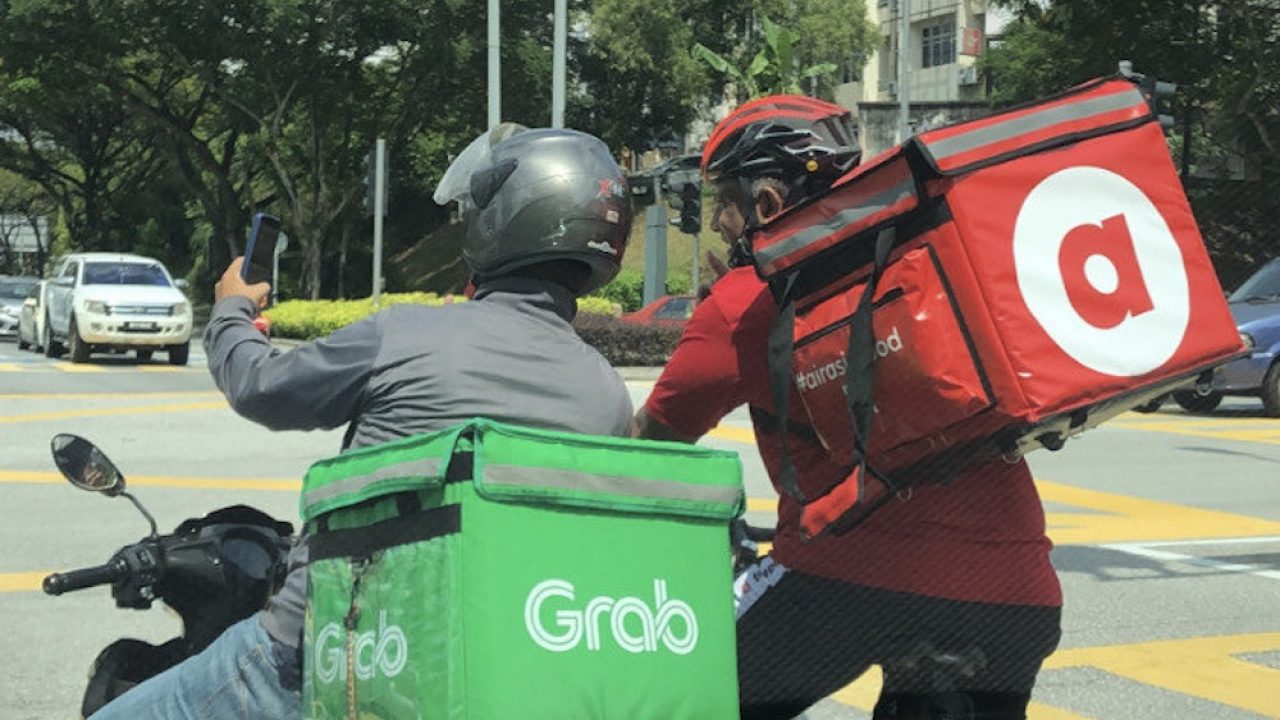
    Other food delivery platforms like Deliveroo and Foodpanda charge commissions of 30 percent to 35 percent and deliver within a restricted radius of 2km to 6km, while GrabFood delivers islandwide for only selected partners. Oddle charges 10 percent for islandwide service but uses Lalamove for deliveries, which can cost eateries another $12 to $20 for each order.

    Swee Choon Tim Sum Restaurant signed up with airasia food on Tuesday (March 2) because of its low rates and islandwide delivery. But owner Ernest Ting raised concern over the availability of riders.

    “We often face issues such as lack of riders and service reliability,” he said.

    Baoshi F&B Management goes on the platform today with five of its outlets, while the rest will go onboard three weeks later. It runs the Wee Nam Kee chicken rice, Monga Fried Chicken and Lai Bao Fish Head Steamboat eateries.

    The company’s co-founder, Mr Lem Cheong, said he, too, was attracted to airasia food’s attractive rates and islandwide delivery.

    Mr Douglas Ng, who runs Fishball Story in Circuit Road selling fishball noodles, said he messaged airasia food for more information last Thursday after learning about its launch, and will sign up due to the attractive rates.

    He currently uses GrabFood, which he finds efficient, and he considers the 20 percent commission fair. But he finds its delivery radius of 3km too small – which is why he also does his own deliveries.

    Mr Melvin Chew of Jin Ji Teochew Braised Duck & Kway Chap in Chinatown Complex said he heard about airasia food’s low commission and was keen to find out more, such as the availability of drivers or riders.

    The founder of Facebook group Hawkers United – Dabao 2020, which supports hawkers during the pandemic, said he will likely sign up so he can understand how airasia food’s system works and share the information with fellow hawkers.

    All the eateries agree that having more delivery platforms is good for them.

    Baoshi’s Mr Cheong said: “Being on more platforms makes our food more accessible. We are positive that as the competition increases, the rates and prices offered to us will be better.”

  • Deliveroo for Business Survey Reveals: Challenges faced by companies post pandemic present opportunities for boosting staff morale

    Deliveroo for Business Survey Reveals: Challenges faced by companies post pandemic present opportunities for boosting staff morale

    Deliveroo announces today the results of its Deliveroo for Business survey, in which nearly 100 corporate partners with over 10,000 employees were polled to reveal changing workplace food habits amidst the COVID-19 pandemic. Main findings reveal that businesses in Hong Kong are eager to embrace more workplace catering options, as well as extend food allowances and rewards to employees working from home.

    2020 saw many offices throughout the city adopt new work from home policies. 91% of Deliveroo’s corporate clients have implemented various types of work from home or flexible work arrangements since the start of the pandemic. With more than half of businesses (55%) surveyed saying they plan to maintain this way of working for the foreseeable future, Deliveroo is seeking new ways to assist its Deliveroo for Business partners, and offer solutions to their employees so that they feel engaged, connected and rewarded whether they are working in offices or remotely. With more remote work being adopted, still companies have yet to implement new measures in view of this. 34% of companies have not organised any virtual social events since the outbreak of Covid, and 47% of companies wanted to organise events or celebrations but were not able to because of the pandemic.

    Jeanette Smerin, Head of Deliveroo for Business, Hong Kong & Singapore, said: “We understand that the past year has been a difficult one for team and company bonding with the ongoing social distancing restrictions, but despite the challenges we remain dedicated to creating new and exciting ways to bring Deliveroo perks to our client’s employees.  As staff parties, year-end celebrations and holiday events have long been linked to employee appreciation and boosting staff morale, we are working with our partners to optimise services that can conveniently reward staff from the comfort of their homes. This includes offering vouchers from Deliveroo partnered restaurants and on-demand grocery stores so that employees can easily order their favourite food or grocery items to their home.”

    Last year Deliveroo announced grocery delivery partnership with British retailer Marks & Spencer, renowned convenience chain 7/11 and Japanese mega-store Don Don Donki to deliver not only delicious food but also household items. These services are not only seen as a valued company perk, but are beneficial in a practical sense, with Deliveroo on-demand grocery services on the rise and more neighbourhoods beginning to offer a variety of popular restaurant options.

    With Hong Kong infamous for its late working hours, whether it be from the office or at home, 45% of companies polled revealed that they offer individual food allowances to employees, however only 10% allow employees to order from anywhere they want. With work from home trends showing no signs of abating, Deliveroo is encouraging more companies to adopt flexible ordering policies, which will subsequently help foster a more caring corporate culture, particularly if they adopt health-focused food allowances. Currently, nearly half (47%) of employers from the survey said they had provided team lunch orders in the past, while 34% offered snacks and sweets, and 29% opted to give employees fresh fruit. With food being a vital tool in maintaining healthy and attentive employees, companies would be advised to expand their offerings outside the office, with 35% of those polled limiting their food orders to the workplace, in comparison to home-based orders.a

    Other data within the survey revealed that Chinese cuisine was the most popular to order for office meals (71%), followed by Western (65%), and Japanese (57%). 38% reported ordering salads, a trend Deliveroo expects to increase as more health-focused policies may be adopted post-COVID-19. Meanwhile 74% of businesses listed employee preference as the key factor when they consider which restaurants to order from, showing a growing interest amongst employers in listening and responding to the needs of their teams. The survey also found that online food platforms now have an important role to play in how people recycle, with 77% of surveyed partners indicating that they are more inclined to order from restaurants that supply eco-friendly packaging, an encouraging figure that will likely push the industry into adopting more sustainable practices.

    Smerin added: “Here at Deliveroo for Business, we’re committed to catering to our clients’ needs and expanding our DFB offerings whether it be in office catering, or at home solutions from our restaurants partners or on-demand grocery services or corporate pantry services. That is why the survey is vital to unlocking evolving trends and keeping up to date with the city’s ever-changing needs. We are interested to learn that companies would welcome pantry services providing fruits and snacks to their employees. As we create new campaigns and release new offers to keep spirits up throughout the pandemic and beyond, we are dedicated to providing more options for companies in this new working style in the future.”

    As more employers embrace Deliveroo for Business and see the potential for its office catering services, the food delivery platform is dedicated to expanding its corporate offerings. For instance, Deliveroo is exploring the possibility of adding a corporate pantry subscript on service this year to offer companies snacks, fruits, and nuts in the office – 58% of respondents indicated that they would be interested in this type of service. Deliveroo also remains committed to providing new and innovative employee reward-based schemes, such as gift cards to restaurant partners and grocery stores, as well as helping companies to improve on their green credentials.

  • AirAsia food to start deliveries in Singapore in March in first foray outside Malaysia

    AirAsia food to start deliveries in Singapore in March in first foray outside Malaysia

    AirAsia Food, budget carrier AirAsia’s delivery service, is looking to spread its wings and start operations in Singapore.

    Ms Amanda Woo, Air Asia’s chief commercial officer, told The Straits Times on Thursday (Feb 18)  that its food delivery service will launch here next month, and that it has obtained all the necessary approvals from Singapore authorities.

    On top of food and beverage outlets, AirAsia is also calling for those in the beauty, fashion, fresh produce, and hotel industry to register their interest, as it is preparing to launch more products, said Ms Woo.

    AirAsia’s chief executive Tony Fernandes had said in a LinkedIn post on Wednesday that his company’s latest venture would be coming to “Singapore with a roar”.

    The food delivery service began operations in Malaysia in May 2020. According to the carrier, it had served 500 restaurants and delivered close to 15,000 orders in its first three months of its operation.

    Coming to Singapore will be AirAsia Food’s first overseas foray.

    “As a disruptive leader, we’re ready to take on the new challenge in Singapore, providing value, simplicity, and inclusivity for everyone,” Mr Fernandes said.

    Miss Sabrina Khaw, head of AirAsia food, said that the company pivoted towards food delivery after considering that food delivery platforms in Malaysia were charging “exorbitant commission rates”, averaging between 20 percent and 35 percent.

    She added that there was very little control given to merchants over their own store when it came to food deliveries.

    “AirAsia food runs on a zero-commission model. Merchants are able to choose from flat-rate plans powering payment and delivery,” she said.

    The budget carrier has been heavily affected by the Covid-19 pandemic’s disruptions to air travel. Last July, its auditors filed a report with the stock exchange in Kuala Lumpur saying the airline may not survive.

    Three months later, it was reported that its long-haul arm was out of money and needed to raise up to RM500 million ($164 million) to restart.

    AirAsia is not the only airline forced to provide other services to survive after being battered by travel restrictions due to Covid-19.

    Singapore Airlines has started restaurant services in its airplanes and conducted behind-the-scenes tours at its training facility.

    Other airlines around the world have launched sightseeing “flights to nowhere” and started selling themed merchandise.

    AirAsia food now aims to cut itself a slice of the lucrative food delivery pie here. According to research firm Statista, online food delivery was a US$464 million (S$616 million) business in Singapore last year.

    Foodpanda, Deliveroo, and GrabFood – which entered the market in 2012, 2015 and 2018 respectively – remain the major players in food delivery here, with several new platforms such as WhyQ, Chope On, and Pickupp having leaped onto the food-delivery bandwagon.

    Mr Fernandes said that he was sure AirAsia food will do well in Singapore despite the crowded food delivery space.

    “It took me seven years to get approval to fly to Singapore but better late than never. So I’d say, we’re way ahead of schedule on food. I’m sure we (are) going to get a great welcome,” he said.

    “So Singapore: here we come.”

  • South Korea’s online food market booming due to Covid-19

    South Korea’s online food market booming due to Covid-19

    In South Korea, some of the world’s biggest food delivery firms are scrambling to surf an estimated $4 billion wave of new orders, contracting thousands of new riders in a boom triggered by the scourge of the global economy – the coronavirus pandemic.

    Koreans had already developed such an appetite for meal deliveries that the country ranked third in the world last year for food order services, according to consultancy Euromonitor. Now, tough social distancing rules and work-from-home policies to counter the pandemic have fuelled explosive growth.

    South Korea’s food delivery market is expected to jump 40% this year to around $15.4 billion from $11 billion in 2019, Euromonitor data showed, topped only by China and the United States.

    Surging coronavirus-era consumer demand has stoked orders, supported meal pricing and made the prospect of a career as a self-employed rider – earning more per hour than many other part-time jobs – an attractive option for many after the pandemic drove Korea’s jobless rate to a 10-year high earlier this year.

    Contractor jobs like delivery riders will keep growing in number amid the pandemic, predicted Kim Sung-hee, professor of labour studies at Korea University, highlighting the need for government scrutiny of “non-regular work”.

    “A lot of the contractor jobs, including riders, have minimal access to labour rights,” Kim said, “they have no access to occupational health and safety insurance and no employment safety net.”

    Responding to the demand surge, Woowa Brothers, the operator of leading food delivery service Baedal Minjok, said it expanded its pool of motorbike delivery riders this summer by nearly 50% from 2,100 previously. Smaller peer Barogo, which like Woowa Brothers doesn’t disclose details of its financial performance – said it is recruiting 5,000 more, creating openings for some otherwise unlikely riders.

    Among those is Chey Young-ah, a 37-year-old former art teacher in Seongnam, 20 km (12.43 miles) south of Seoul. After the pandemic forced classes at her day job to shut, she saw brisk delivery orders at a fried chicken restaurant where she worked part-time, opted to become a rider herself instead in mid-August.

    “I feel lucky I found this field at a time when deliveries are booming,” she said. “One of the merits of this job is that the entry barrier is low. They don’t care whether you’re a man or a woman, you don’t need a job interview.”

    Chey, who already owned a motorbike, says she earned around 1.8 million won ($1,565.22) last month while working six to eight hours a day, seven days a week – already nine times the pay as an art instructor.

    Chey rides for Baedal Minjok and Coupang Eats, operated by SoftBank-backed e-commerce firm Coupang. Like other services, delivery jobs are offered to riders on call via an app, with riders selecting which jobs to take depending on distance and payment terms.

    Riders say most orders earn them around 3,300 won per delivery – the minimum rate – with the influx of new riders creating greater competition even to secure those deliveries, and to get the job done faster.

    “The competition is getting fiercer … Some (riders) violate traffic rules to make one more delivery, putting their safety at risk,” said Chey, who herself has already been involved in a minor accident.

    Delivery companies are also offering bonuses hoping to secure faster riders. Coupang Eats said riders can earn up to 15,000 won per order, depending on order volume and weather conditions.

    Data from Rider Union, a labour union representing the new dispatch workers, showed one of its members earned as much as 585,700 won – comparable to 68 hours of work by minimum wage – on a single day in August.

    Numbers like this are a magnet in an otherwise depressed jobs market.

    You Young-sik, a 28-year-old Seoul internet cafe worker who has seen his pay halved since the coronavirus hit and now fears losing his job, recently signed up for motorbike lessons to get his licence.

    “As I was looking for new openings, I figured delivery business is in vogue these days,” said You, who currently makes below 1 million won a month. “Riders’ salary looks way higher than what I get paid now.”

  • Uber Reduces Losses On Food Delivery Expansion, Modest Uptick In Ride Bookings

    Uber Reduces Losses On Food Delivery Expansion, Modest Uptick In Ride Bookings

    Uber Technologies Inc on Wednesday posted a narrower loss as its ride-hail and delivery businesses rebounded slightly from pandemic lows, and the company said it was well on track to reach its goal of achieving an adjusted profit by year-end.

    Uber said customers in cities’ outer boroughs and suburbs had returned to its rides platform during the quarter.

    Nearly complete recoveries in markets including Brazil and Australia point to leisure travel to restaurants and cultural events bouncing back quickly once the pandemic ends, with business travel returning more slowly, as many employees continue to work from home.

    Shares fell 3% in after-hours trading after gaining around 6% during the day. Shares had risen after smaller ride-hail rival Lyft Inc said on Tuesday it might become profitable during the third quarter, three months ahead of a previous goal, thanks to a rebound and cost cuts.

    Uber reported a loss on an adjusted basis before interest, taxes, depreciation and amortization of $454 million, significantly less than analysts’ average expectations for a $514 million loss, according to Refinitiv data.

    Uber cut costs throughout 2020, including reducing staff by nearly 30% from the beginning of the year. A focus on its core rides and food delivery business and divestments of ancillary units will allow Uber to emerge from the pandemic a slimmer company.

    Adjusted EBITDA, which excludes the cost of the company’s extensive stock-based compensation and other potentially significant items, is the profitability metric Uber uses.

    Uber reported $3.17 billion in total revenue in the months from October through December.

    Fourth-quarter mobility revenue, largely comprised of rides, declined by 52% from last year, but at $1.47 billion was up 8% on a quarterly basis despite new lockdown measures in the United States, Europe and the Middle East.

    The company said it could not predict the quarter in which ride-hail volumes might return to pre-pandemic levels. Airport travel, which made up 15% of gross bookings before the pandemic, will take longer to return than leisure and business trips, Uber said.

    It expected first-quarter adjusted EBITDA to be flat or down compared with the fourth quarter.

    Orders at Uber’s food delivery platform, Uber Eats, further grew during the fourth quarter, as many countries and U.S. states issued new lockdown orders, closing restaurants and prompting many people to order in.

    Delivery revenue more than tripled from last year and at around $1.36 billion, grew 19% compared with the third quarter.

    Uber has expanded its footprint in the competitive space and acquired smaller food-delivery rival Postmates for $2.65 billion and alcoholic beverage delivery service Drizly for $1.1 billion.

    Both deals were largely stock-based, with the Drizly deal expected to close later this year.

    Uber also said it had further lowered costs in the fourth quarter, with total costs and expenses dropping 14% in that period.

    Following a directive by Chief Executive Dara Khosrowshahi to focus on the company’s core businesses, Uber has sold two cash-burning units.

    The company in December sold its self-driving Advanced Technologies Group (ATG) in a $4 billion equity deal at a steep drop in valuation. Khosrowshahi at the time said the deal would accelerate Uber’s profitability goal.

    The same month, Uber also handed over the keys to its air taxi business Elevate, without disclosing the terms of the deal.

  • OnTheList launches Asian arm of Phenix to save food from landfill

    OnTheList launches Asian arm of Phenix to save food from landfill

    Chefs and caterers at hotels in Asia-Pacific will work on ways to cut food waste, including tweaking buffets and promoting the use of doggy bags, in a scheme led by environmental group WWF.

    The Asian arm of the Hotel Kitchen program, funded by The Rockefeller Foundation, is due to be launched on Friday at a Singapore meeting of international and regional hotel chains.

    “This is about accelerating change and getting people to think differently about food,” said Pete Pearson, Washington-based director for food waste at WWF.

    About a third of food produced around the world is never eaten because it is spoiled after harvest and in transportation or thrown away by shops and consumers.

    That amounts to economic losses of about $940 billion per year, according to the U.N. Food and Agriculture Organization.

    Yet 815 million people around the world go to bed hungry every night, U.N. figures show.

    Throwing out food wastes the water, energy and fuel required to grow, store and distribute it, campaigners say, while discarded food ends up in landfill where it rots, releasing climate-changing gases such as methane.

    Joao Campari, food practice leader with WWF International, said the conservation group – best known for its work with wildlife – began focusing on food because its production is responsible for more than 70 percent of the world’s lost biodiversity.

    “The planet cannot supply enough resources at the rate we are consuming today,” he said.

    Hotel Kitchen, which was piloted in the United States last year with international hoteliers including Hilton, Hyatt and Marriott International, is part of WWF’s push to halve per capita food waste by 2030, in line with global development goals.

    Those hotel groups are expected to participate in the Asia-Pacific expansion of the initiative, Pearson said.

    Friday’s meeting, backed by the UK-based Waste and Resources Action Programme and the Pacific Asia Travel Association, will chew over with regional hospitality workers how food waste can be identified, managed and minimized.

    In the United States, hotel chefs worked to ensure menus for buffets and large events could be adjusted quickly, and some of the excess food reused.

    Instead of loading a buffet with cheeses and meats, for example, most of it could be kept fresh behind the counter until customers ask for it, said Pearson.

    The U.S. scheme has also trained staff, developed recipes using leftover ingredients, separated food waste from regular rubbish, monitored it, and raised awareness among customers.

    Donating unused food and helping customers take home uneaten meals will also be discussed on Friday, said Pearson.

    “Squandering food is squandering everything that goes into food – including habitat and wildlife,” he said. “We’re just running out of time.”

    The WWF program is due to be rolled out in Europe within the next three months.

    Hotels save an average $7 for every $1 spent on curbing food waste, according to a new report by the Champions 12.3 coalition, which analyzed 42 hotels in 15 countries.

    Within the first year of implementing a food waste-reduction program, more than 70 percent of hotels in the study recouped their investment, it added.

  • Foodpanda opens 150th Pandamart cloud grocery store

    Foodpanda opens 150th Pandamart cloud grocery store

    Foodpanda has launched its 150th Pandamart in Asia and prides itself as Asia’s largest grocery cloud store with a network rolled out across 40 cities.

    Pandamart, an on-demand service primarily to deliver groceries and household essentials, leverage technology, and data intelligence for its accessibility, variety, and speed. From determining its location to the products carried in each store and inventory are arranged within the space for maximum picking efficiency, so groceries and household essentials can be efficiently packed and delivered to consumers within 25 minutes.

    Foodpanda Director of New Verticals, Abhishek Sahay shared,“Launching 150 pandamart across 40 cities in the midst of a pandemic was no easy task, but foodpanda realized the critical importance in bringing our consumers what they really needed quickly and safely, especially during times of movement constraints,” he noted.

    In Malaysia, pandamart became an essential service when the Movement Control Order (MCO) went into effect earlier this year, with grocery orders increasing by almost 70 percent in the single month of January 2021. Recognizing the importance of supporting local food producers, pandamart worked with local partners to source more than 60 percent of products in Malaysia, offering consumers with more locally SMEs produces and a local grocers.

    To meet fast-changing consumer needs and preferences, foodpanda has invested to grow quick commerce offerings. Beyond its core food delivery vertical, foodpanda is accelerating the rollout of pandamart and foodpanda shops in partnership with retailers, to offer consumers greater convenience, speed and variety.

    Currently, Foodpanda covers eight markets in Asia includes Singapore, Malaysia, Thailand, Taiwan, Hong Kong, Bangladesh, Pakistan, and the Philippines.

    “Now that we’re operating in eight markets, our goal in 2021 is to take pandamart into more cities within our existing markets, plus launch pandamart in all 12 operating markets by the end of 2021,” Abhishek commented.

  • Chinese smartphone shipments continue to fall although iPhone deliveries rose last month

    Chinese smartphone shipments continue to fall although iPhone deliveries rose last month

    Brokerage firm Goldman Sachs analyzed smartphone data compiled by the China Academy of Information and Communications Technology (CAICT). The numbers revealed that November smartphone shipments in China amounted to 29.6 million units last month, down 15% from last year. On a sequential basis, shipments rose 13% from October. Shipments of international brands, of which Apple is believed to be the leader, were up a whopping 99% to 6.9 million units last month from the same month in 2019. From October 2020 to November 2020, international shipments rose 18%.

    The aforementioned 15% decline in November smartphone shipments in China compares to year-over-year declines of 13%, 36%, and 27% for August, September, and October respectively. Goldman’s Rod Hall said that despite strong demand for 5G enabled phones, the overall smartphone market was weak in the country. Hall told clients, “We see these ongoing weak trends as interesting given Chinese 5G units have been better than we expected but not enough to offset the very weak overall demand environment.”

    According to Goldman Sachs, Apple iPhone deliveries in China were up during November. In the investor note, Hall stated, “In our opinion, the overall market weakness that we continue to see in China may be beginning to translate into higher-end demand stagnation at Apple. We also note that lower-end market strength in China is important for the absorption of refurbished/2nd hand iPhones which could have a negative effect on device resale pricing and the trade-in value that new iPhone buyers experience.”

    Hall is bearish on Apple and expects the price of the stock to drop from the current $122.10 to $75 over the next 12 months. That would be a 39% decline; the analyst maintains his “sell” rating on the stock. While the consensus expects Apple’s first 5G iPhone models to generate growth in China, Hall says that year-over-year growth “may not be as pronounced as many investors believe it will be in the iPhone 12 cycle.”

  • Profit up for Yum China despite Covid-19

    Profit up for Yum China despite Covid-19

    Yum China has reported a flat third quarter to September, with sales up 1 percent year on year to US$2.35 billion.

    The company said operations improved during the period, but sales were still impacted by reduced traffic at transportation and tourist locations, a delayed and shortened school-holiday season, and other lingering effects of the Covid-19 outbreak.

    “Dine-in volume has been recovering, while delivery and takeaway remained popular options,” the company said in a statement. “Our primary focus continues to be safety, efficiency, and driving traffic.”

    The fast-food company, which completed a secondary listing on the Hong Kong stock exchange during the quarter, said it has launched digital and membership campaigns offering strong value propositions to consumers to drive a recovery in sales post-pandemic.

    Yum China achieved productivity improvements and improved operating profits through trimming costs and improving productivity, however, the company now plans to increase staffing levels in the coming months to balance service and efficiency.

    Same-store sales declined 6 percent year on year, excluding foreign exchange, but the results included the consolidation of the Huang Ji Huang chain since April and a further 25 percent ownership of the Suzhou KFC operator since August.

    The company opened 312 new stores during the quarter taking its count to 10,150 at the end of September.

    Operating profit rose 86 percent from $300 million to $556 million (excluding foreign exchange impact), largely due to the gain from remeasuring the contribution of the Suzhou KFC business, of which Yum China now owns 72 percent. Net income increased 96 percent to $439 million.

  • DHL Express to Create Gateway at Hartsfield-Jackson

    DHL Express to Create Gateway at Hartsfield-Jackson

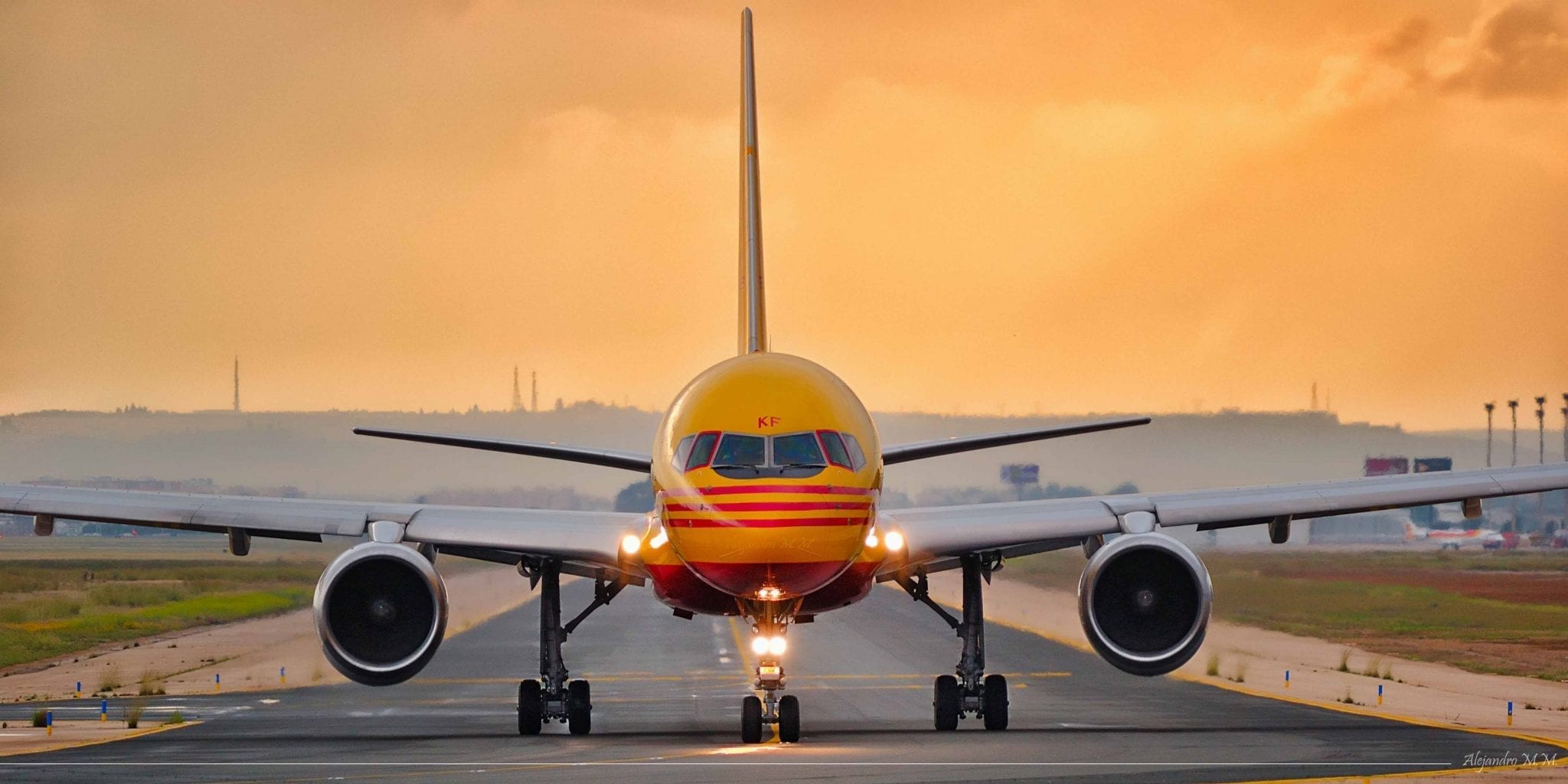
    DHL Express plans to move into a new cargo building at Hartsfield-Jackson International and create a “gateway to the Southeast” as it expands its presence in the region.

    DHL Express, which serves the U.S. market with only international shipments, saw a nearly 60% year-over-year increase in shipping volume in Atlanta for the March-July period as consumers increasingly shop online during the COVID-19 pandemic.

    “I think it’s fair to say that individuals’ buying behaviors for e-commerce has changed,” said DHL Express U.S. CEO Greg Hewitt. “We’re seeing huge amounts of flow as American buy items from Asia and Europe,” and as people overseas buy American goods.

    UPS and FedEx, the two biggest U.S. shipping companies, also have seen explosive growth in demand for shipments.

    Hewitt said DHL is growing its employee base in the Atlanta area by more than 29% and is starting to invest more in airport operations. “”We see Atlanta being really a growing market for us. We’re going to expand and create a gateway at Hartsfield- Jackson.” He called Atlanta “really our gateway for the Southeast.”

    DHL is moving from a smaller space on Toffie Terrace near Hartsfield- Jackson to the new Cargo Building C, and is adding the needed infrastructure for its operations there.

    “DHL’s expansion into Cargo Building C is welcome and will increase their footprint here, add jobs and lead to more cargo flights into ATL,” Hartsfield- Jackson director of air service development Elliott Paige said in a written statement.

    Hartsfield- Jackson’s 130,000-square-foot Cargo Building C has been in development since 2015. The $27.6 million construction project by JE Dunn was part of the airport’s long-envisioned plan to expand air cargo. It was originally expected to be operational in 2017, but leasing out the building took years. In September 2019, Atlanta City Council approved a 20-year lease with ground handler Worldwide Flight Services.

    DHL is subleasing space from Worldwide Flight Services, according to Hewitt.

    “We’ve wanted to have a bigger facility. Atlanta’s long been on our roadmap,” Hewitt said. He added that the company looked for airports where it could bring in goods from Asia and Europe, with “a good understanding” with Customs authorities.

    “All that moved us towards Atlanta,” he said. “We think it will be kind of a growth center for the next decade.”

    Eventually, the DHL plans to hire about 300 employees at the airport.

    That’s in addition to about 120 jobs for couriers and dockworkers for DHL’s other operations in the Atlanta area. The company has facilities in Norcross, where it is expanding, as well as in Atlanta and Smyrna.

    DHL has flights into Atlanta from its primary U.S. hub in Cincinnati, as well as from New York, and plans to add capacity for more shipping volume.

    ” Cincinnati is growing so fast and so big, we want to de-stress that by opening other gateways,” Hewitt said. ” Atlanta is an attractive airport because of the number of commercial flights that come in.”

    DHL is booking cargo space on Delta Air Lines planes for this holiday peak season.

    In addition to belly cargo space on its passenger planes, Atlanta-based Delta also has converted a Boeing 777-200 ER jet into a cargo-only freighter plane by removing the seats. Delta says it is operating more than 20 cargo-only flights a week.

    By the fourth quarter of next year, DHL will “be in a position to be operating our own cargo fleet direct in from Europe and Asia, rather than have that come down from Cincinnati,” Hewitt said.

    Some of the biggest areas of growth in goods coming from overseas are consumer electronics, clothing, medical equipment and personal protective equipment, he said.

    Hartsfield- Jackson also plans to add a new air cargo facility in the airport’s South cargo area.

  • Japan’s first gourmet restaurant delivery app lifts off

    Japan’s first gourmet restaurant delivery app lifts off

    Starting today, Tokyo foodies will no longer have to compromise when they order food for delivery. Japan’s first gourmet restaurant delivery app, Food-e, launches today in central Tokyo. With a curated collection of Tokyo’s best restaurants, exclusively available on Food-e, such as Nobu Tokyo, Elio Locanda, Oak Door, Shunbou and Chinaroom, consumers and companies can order great food, professionally delivered to their homes, offices or other locations of their choice.

    Users can access the app at www.food-e.jp from a browser on their smartphones, tablets or PCs and make their selections from menus of mouth-watering professional photos. The food will be delivered in high-quality packaging, with hot and cold items separated to control temperature. Food-e’s drivers are uniformed and insured, full-time professionals, expert in Tokyo’s roads, who will delicately handle the food to your door. Food-e is also the first delivery app offering bilingual customer service to both restaurants and users.

    For restaurants owners, Food-e has changed the traditional business model of delivery apps by charging users a fair fee for delivery and significantly lowering the commissions paid by restaurants. This allows restaurants to make a fair profit on delivery orders while gaining new customers for in-store dining.

    For users, Food-e offers a choice of great restaurants, most of which have never been available for delivery before, at prices generally the same as in-store dining. All of Food-e’s restaurants are not available on any other delivery app.

    Initially, Food-e’s delivery area is a 5km radius from Nishi Azabu, which includes parts of Minato, Chuo, Chiyoda, Shibuya, Meguro and Shinjuku wards. In the near future, Food-e will expand to other parts of Tokyo and eventually to other major cities in Japan.

    Following the official launch today, Food-e will regularly add new restaurants, offering users high quality and an increasing variety of cuisines.

  • 7-Eleven Japan to start home delivery from stores

    7-Eleven Japan to start home delivery from stores

    Japanese convenience-store operator 7-Eleven is launching a home-delivery service from its outlets to meet continued demand sparked by the Covid-19 outbreak.

    The service will commence this year initially with 100 Tokyo stores, to be expanded to 1000 from next year. The service will take on other e-commerce operators in the territory such as Amazon with a 30-minutes target delivery time and by accepting late-night ordering, partnering with Seino Group to handle logistics.

    Tests of the service are already being conducted at 39 stores in the Tokyo area within a limited delivery radius. Observers say a full rollout of the service may depend on 7-Eleven’s ability to secure the necessary workforce at a time of labor shortage in the market.

    The news comes as the firm deals with what may be a growth ceiling on its 50,000-store network, while e-commerce continues to blossom in Japan.