Retail News CRM

Tag: delivery

  • Lalamove Releases ChomChob

    Lalamove Releases ChomChob

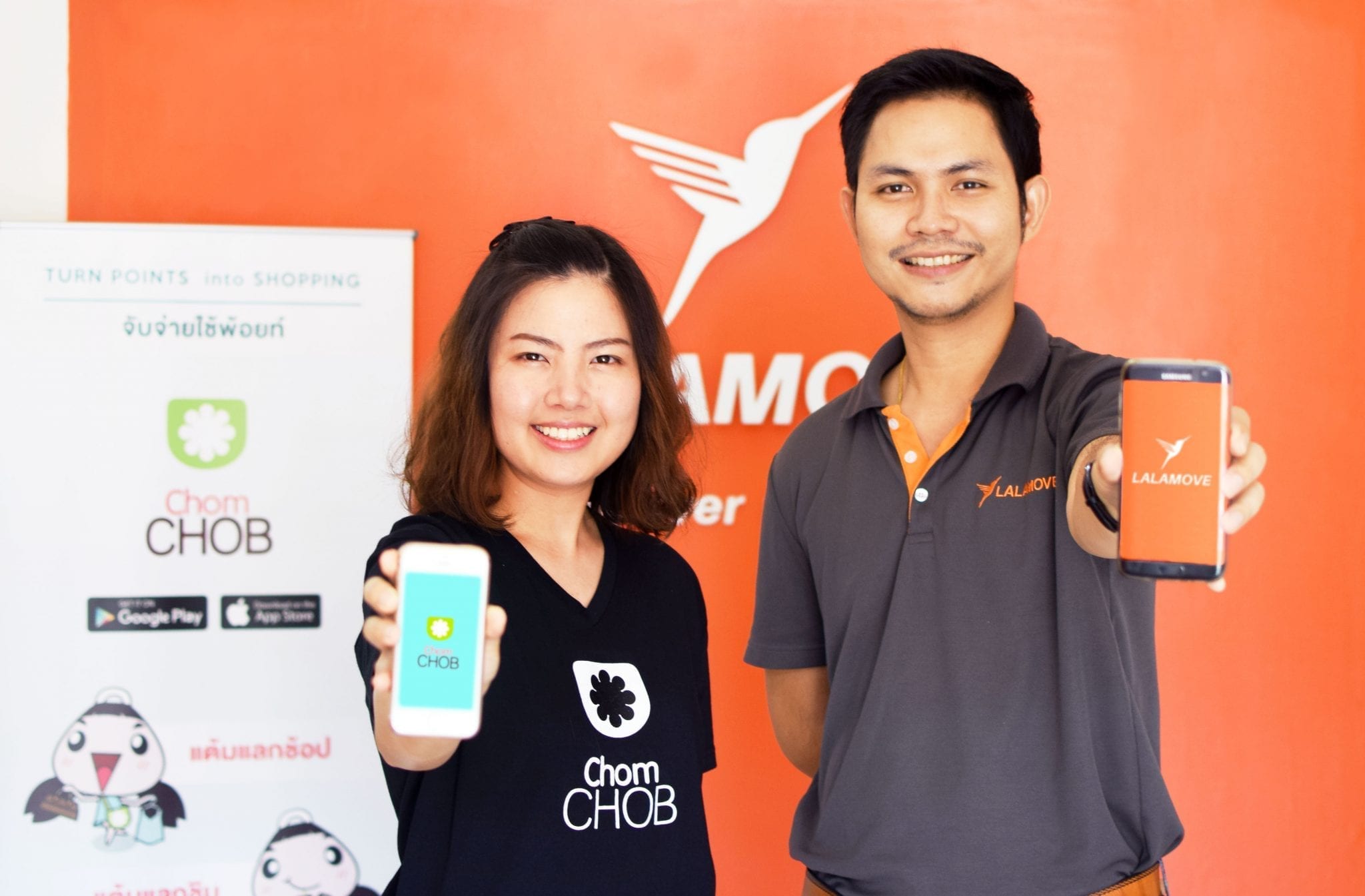
    Lalamove, the Hong Kong based on-demand delivery company has joined hands with ChomCHOB, a point accumulation app that converts a customer’s credit and debit card points into reward points, allowing them to purchase an extensive range of products and services from over 1000 merchants.

    From now until April 30th, ChomCHOB points can be redeemed towards Lalamove motorbike and pick up delivery services. Photo shows Thanwarat Chailert, COO & Co-Founder of ChomChob Group, (left) with Lalamove’s Managing Director Chanon Klahan.

  • Korean shopping mall launches international delivery service

    Korean shopping mall launches international delivery service

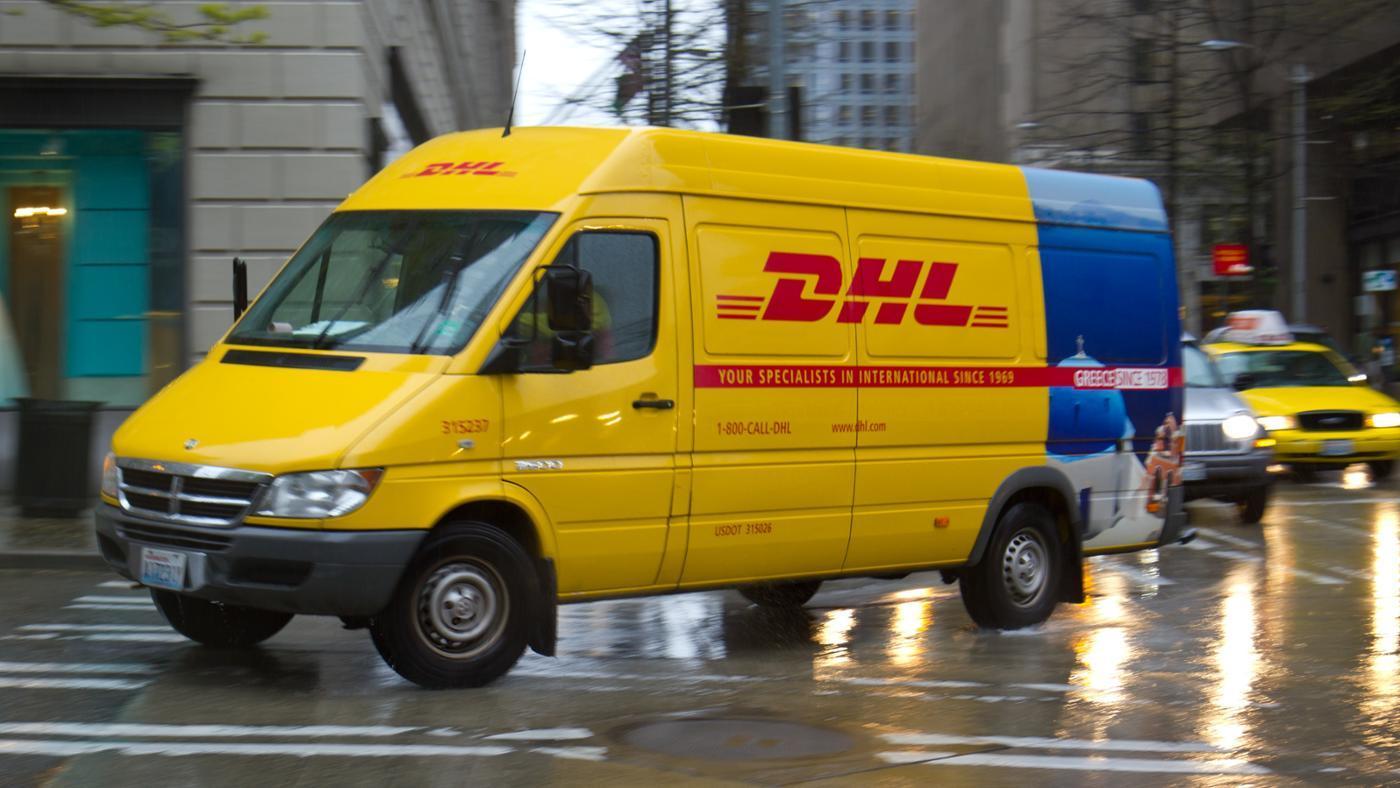
    Paju Premium Outlets has launched a new service through which products bought at its shopping mall in Paju, Korea can be delivered to countries across the world. The retail company has offered the service through an agreement with DHL Korea.

    The mall, located in South Korea’s Gyeonggi Province, is operated by Shinsegae Simon. Brands sold at the mall include Armani, DKNY and Polo Ralph Lauren.

    “The delivery service will make it possible for foreigners to enjoy shopping without the worry of how to take the purchased products home,” a Shinsegae Simon spokesperson was quoted as saying.

  • S.F. Express to build Asia’s largest air freight hub in China

    S.F. Express to build Asia’s largest air freight hub in China

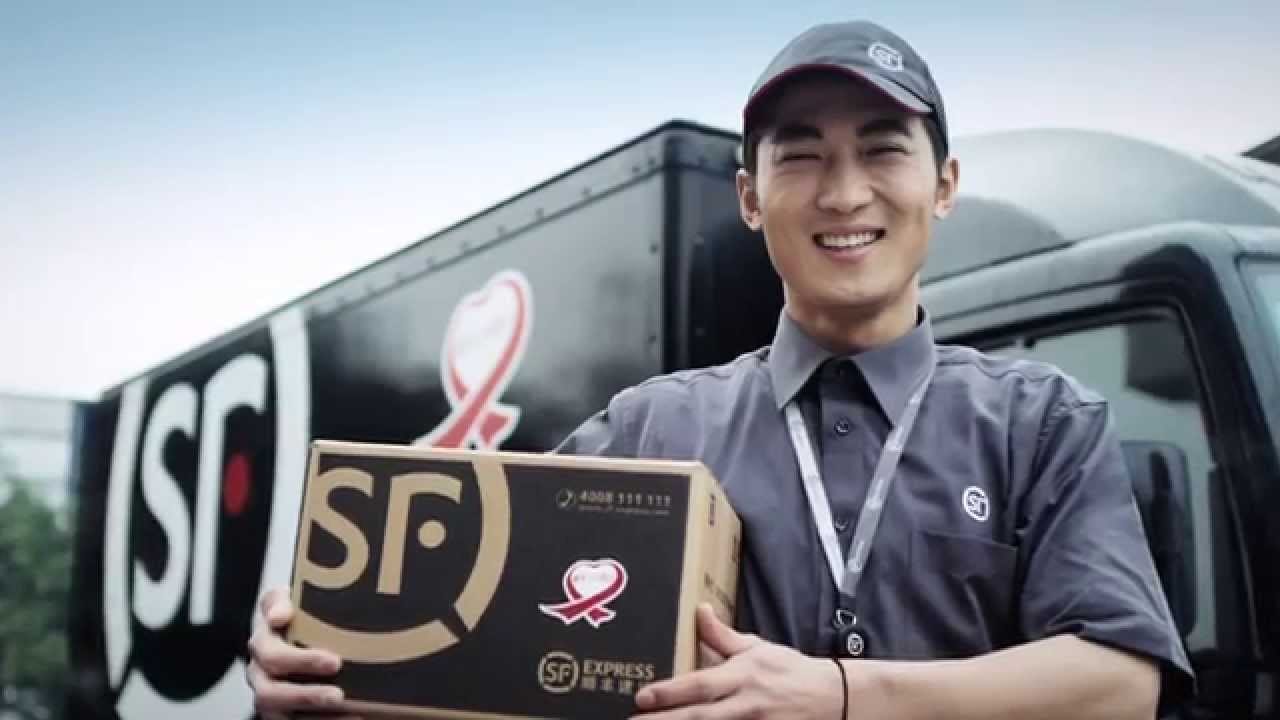
    Chinese private logistics giant S.F. Express Co Ltd has pledged to build the busiest air cargo hub in Asia, reaching areas accounting for 80% of the country’s Gross Domestic Product within two hours, including major cities like Beijing and Shanghai.

    The firm said it would construct an airport in Ezhou city, Hubei province in central China, that could handle more than 2.6 million tonnes of freight and 1.5 million passengers by 2025. The airport would be the fourth busiest in the world and could cater for all jets except the Airbus’ superjumbo A380.

    The joint venture in charge of building the air hub has an investment capital of 100 million yuan (US$14.4 million). The venture will be responsible for the design, construction as well as the operation and management of the mega development project.

    A unit of S.F. Express – S.F. Airport Investment – and China VAST Industrial Urban Development Company have contributed 40 million yuan and 60 million yuan, respectively, to set up the joint venture.

    S.F. Airport Investment had invested 470 billion yuan in VAST late last year. S.F. Express, founded in 1993, is the largest private courier in China, and started building its own fleet in 2009. As of November 30, it owned a fleet of 36 aircraft, according to the company’s website.

    China’s logistics industry has boomed following the development of e-commerce giants, such as Alibaba’s Taobao. In 2016, more than 250 million people used courier services each day, according to the state Xinhua news agency.

    At the annual Singles’ Day e-commerce sale last year on November 11, postal services handled 251 million parcels, a 52% increase compared to 2015, according to another Xinhua news report. S.F. Express even rented high-speed trains to ensure punctual delivery of goods.

    The new airport project is part of an aero city mega development, spanning an area of 36 square kilometers, for a population of only a million.

  • DHL eCommerce offers e-commerce expertise and logistics services to help Thai rice farmers

    DHL eCommerce offers e-commerce expertise and logistics services to help Thai rice farmers

    DHL eCommerce, a division of Deutsche Post DHL Group, has collaborated with the Ministry of Commerce in Thailand to offer e-commerce expertise and logistics services free of charge for a period of four months to help Thai farmers grow their business and reap the benefits from selling on e-commerce platforms. This follows recent challenging market conditions which have seen an oversupply of rice and strong export competition.

    do_download

    Partnering with the Thailand Ministry of Commerce’s Department of International Trade Promotion (DITP), DHL eCommerce works with farmer co-ops across Thailand to help set up and enable an easy and streamlined process to manage their online inventory and ship to consumers domestically. Experts from DHL eCommerce advise and support farmers by integrating their sales processes with e-commerce portals on BentoWeb, a local e-commerce services provider which has been pre-integrated with the DHL eCommerce Customer Web Portal. Once on BentoWeb, farmers will be able to easily arrange for deliveries and shipments quickly at a click of a button, allowing rice goods to be picked and dispatched to end consumers located in Thailand.

    The collaboration combines the global logistics experience of DHL with the in-depth local market knowledge from DHL eCommerce Thailand, the Ministry of Commerce Thailand and BentoWeb, allowing farmers to benefit from solutions that are tailored to their specific needs. The Ministry of Commerce will work on promoting and registering farmers on www.thaitrade.com/rice while BentoWeb will enable the online order process and inventory management for the farmers. DHL eCommerce will pick up the products from the farms and deliver them free of charge to the consumers directly.

    “We are extremely honored to have this opportunity to use our e-commerce expertise and logistics services to make a positive impact on the farmers’ businesses and their livelihoods. As an organization operating in Thailand, providing both domestic as well as international delivery services to the local businesses, we are committed to the Thailand market. Wherever and whenever we can contribute to the local communities, we will do our utmost best to support,” said Kiattichai Pitpreecha, Managing Director, DHL eCommerce Thailand.

    Thailand is one of the world’s leading rice exporters with an expected output of 25 million tonnes of rice expected in the 2016/17 production year. “The Ministry of Commerce has been rolling out a series of programs aimed at helping the local farmers and one such initiative is this collaboration with DHL eCommerce Thailand to help farmers sell their produce online. We have been working together in the past three weeks to onboard these farmers onto the e-commerce platform so that domestic consumers can place orders and have DHL eCommerce deliver to their doorsteps. We are extremely heartened that an organization such as DHL eCommerce is putting their foot forward to help the local communities,” said Mrs Apiradi Tantraporn, Minister of Commerce, the Royal Thai Government.

    For farmer co-ops like Ban Um-sang Rice Community, they have managed to take the matter of the rice supply glut in their stride and tap onto the opportunities of e-commerce thanks to DHL eCommerce. Ban Um-sang Rice Community explained, “The internet has opened up more possibilities for us farmers to do business. We can communicate and connect with customers directly, previously impossible with more traditional methods. We don’t have to worry about organizing our deliveries too, as they are taken care of by experienced logistics specialists. By giving us more options, e-commerce makes us less affected by existing market forces and gives us the freedom to improve our sales in new ways.”

    In addition to DHL eCommerce’s international delivery capabilities, it has since the beginning of this year been offering domestic delivery services in the Thai market. Identifying the country as one of the fast-growing e-commerce markets, DHL eCommerce established end-to-end domestic and international delivery solutions for Thai e-commerce merchants. The company has a 3,000 sqm central distribution center in Bangkok and a network of over 40 depots located throughout the country for nation-wide logistics connectivity. By 2017, DHL eCommerce aims to more than double the number of depots and enhance its fleet with two-wheel vehicles that can surmount Thailand’s complex last-mile delivery challenges.

  • South Korea c-store launches own parcel service

    South Korea c-store launches own parcel service

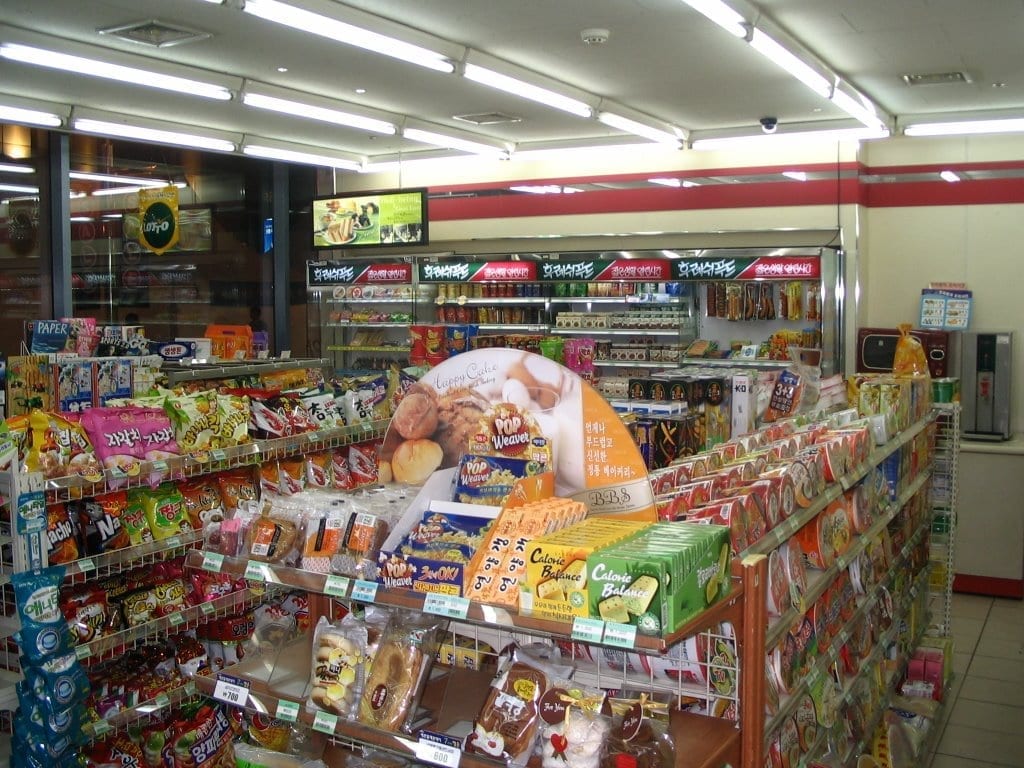
    South Korean convenience store chain CU has launched BGF Post, a c-store-specific parcel delivery service unit. A Korean Economic Daily article reported that BGF Post has been set up to distinguish CU’s parcel service from other convenience store chains’.

    CU previously operated CVS Net, a joint parcel service with GS25 convenience stores. As it independently operates the new subsidiary, GS25 plans to run CVS Net on its own, says the report.

    The company will also explore new business opportunities through BGF Post amid increasing number of convenience store parcel delivery users.

    CU is a subsidiary of BGF Retail and has more than 8,000 convenience stores in the country.

  • Express, Uber team up to tap opportunities in Indonesian market

    Express, Uber team up to tap opportunities in Indonesian market

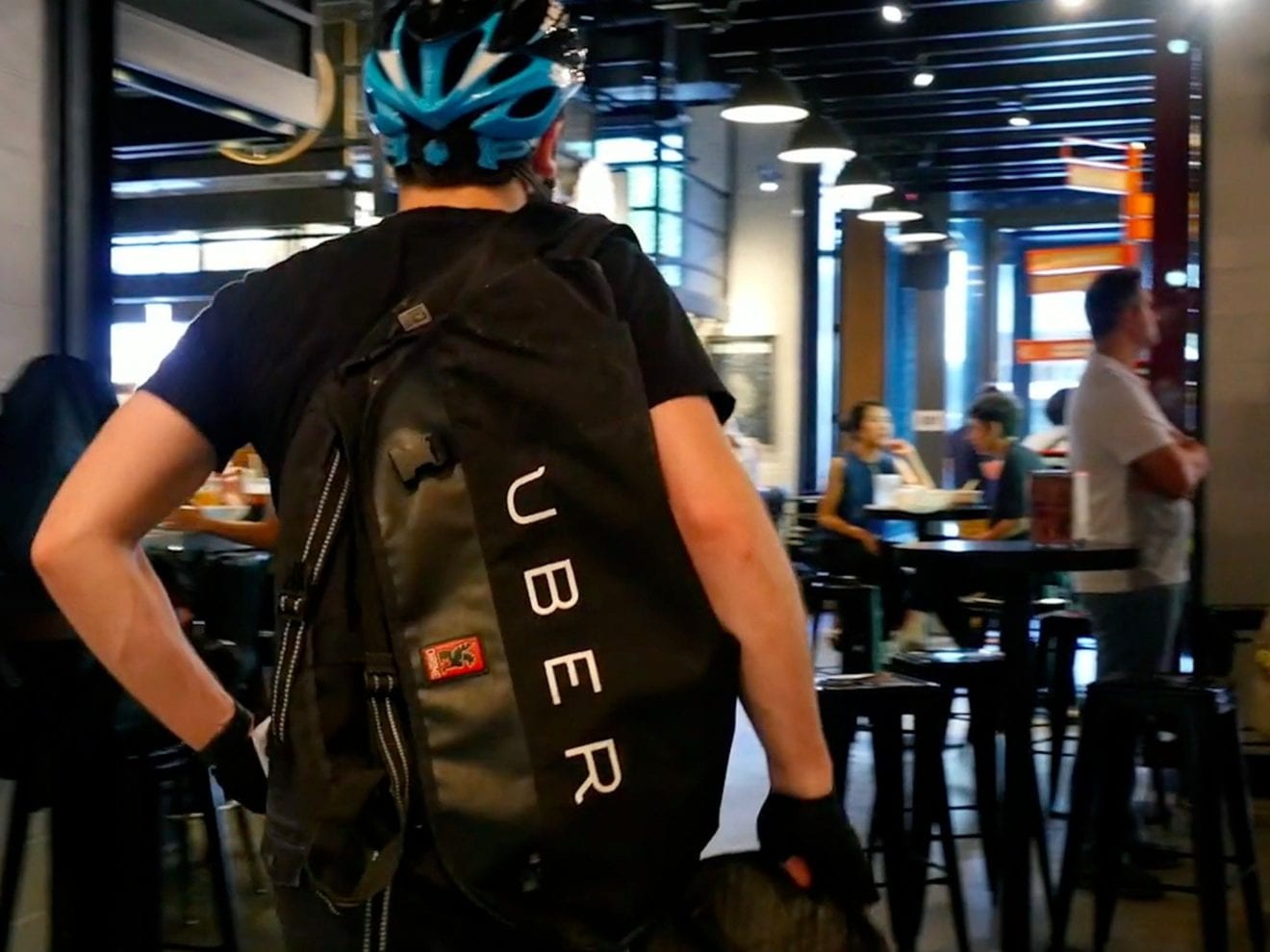
    Despite its roller coaster relationship with new competitors, publicly listed taxi operator Express Transindo Utama announced on Monday it would team up with ride-hailing application Uber for a ride-sharing integration in hope to improve services and increase revenue.

    Under the collaboration, Express drivers will be able to use Uber’s application to take uberX orders apart from running conventional services.

    “Through collaboration with Uber, we expect to improve the utilization of our fleet,” Express Group chief operating officer Benny Setiawan said in a statement.

    Express, Benny went on, was also developing a scheme that would allow Uber partner drivers to purchase cars from Express through an installment scheme.

    Uber also shared enthusiasm about its partnership with Express.

    “We are enthusiastic that Express Group, a prominent taxi operator in Indonesia, now uses ride-sharing and technology to expand its market,” Uber Asia Pacific head of business Eric Alexander said.

    On March 22, over 10,000 conventional transportation drivers—mostly Express and Blue Bird taxi drivers, as well as drivers of angkot (public minivans), buses and bajaj (three-wheeled vehicles)—took to several thoroughfares in Jakarta to stage a protest.

    The protesters accused the government of failing to regulate increasingly popular app-based transportation services, such as Grab, Uber and Go-Jek, which they say were eroding their incomes.

    During the protest, conventional taxi drivers initially targeted Go-Jek and Grab drivers, though groups of ojek (motorcycle taxi) drivers later retaliated, smashing cab windows.

  • Rocket Internet sells Foodpanda business

    Rocket Internet sells Foodpanda business

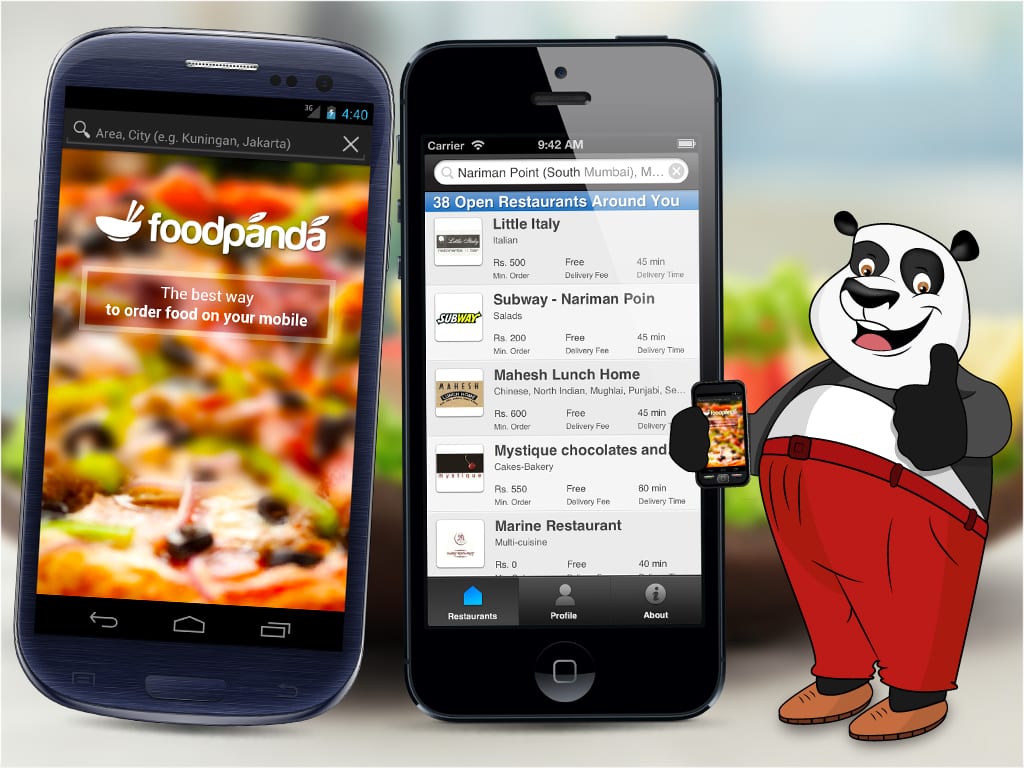
    Rocket Internet has sold its mobile and online food ordering portal foodpanda to rival Delivery Hero for an undisclosed sum.

    Berlin-based Delivery Hero was founded in 2011 by Niklas Östberg. The company said in its announcement that the purchase would increase its stake in the global online food ordering and delivery business. With the acquisition, the combined group will now be processing over 20 million orders per month across 47 countries.

    Delivery Hero will also be able consolidate its market leadership position in the Middle East and will be adding 20 new countries in Eastern Europe, MENA, and Asia to its platform. Before the acquisition, foodpanda operated in 22 countries with market leading positions in 17 of them, according to Rocket.

    In exchange for all its shares in foodpanda, Rocket Internet received newly issued shares in Delivery Hero, which effectively increases its stake in the company to 37.7% (on a fully diluted basis).

    “The combination of foodpanda and Delivery Hero, one of our most important companies, further consolidates key markets resulting in significantly improved market positions. Delivery Hero is also acquiring new markets with leading market positions further broadening its geographic footprint,” said Oliver Samwer, Rocket Internet’s CEO, in a media statement.

    The transaction is subject to customary closing conditions and is expected to close prior to December 31.

    “We look forward to working with the team to continue creating unparalleled take away experiences for our customers around the world,” Östberg said.

    In the first half of the year, Delivery Hero reported more than 83 million processed orders globally, which is up 45% compared to the same period the previous year. It said revenues during the first half of 2016 also grew by 53%.

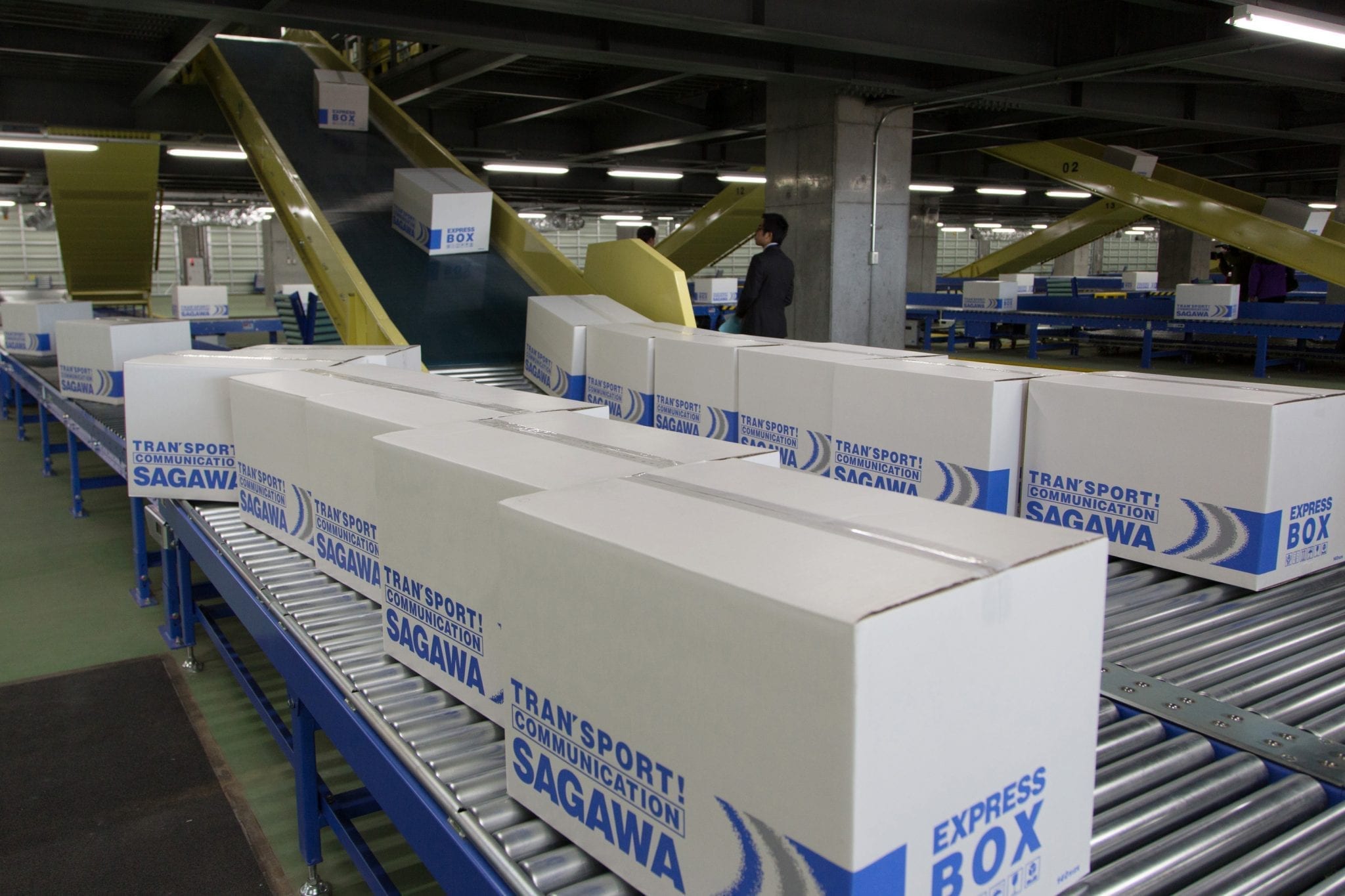
  • Sagawa to buy Vietnamese delivery service

    Sagawa to buy Vietnamese delivery service

    The Sagawa group will acquire Phat Loc Express, Vietnam’s fifth-largest delivery service, gaining a foothold to expand operations nationwide as online shopping continues to grow.

    Japan’s SG Holdings, the parent of Sagawa Express, will buy all of Phat Loc’s shares from management. The Vietnamese company was established in 2001 and has about 1,200 employees. Its roughly 60 branches cover deliveries in the entire country. Phat Loc logged sales of over $9 million in 2015, and the purchase price likely will be a similar amount. With a market share of just a few percent, the company is dwarfed by Vietnam’s two major delivery services.

    SG Holdings began deliveries in Vietnam via a local subsidiary in 2012. The company handles its own deliveries in Ho Chi Minh City and Hanoi but contracts local businesses for other regions. The purchase of Phat Loc will let SG Holdings expand service nationwide.

    Vietnam’s service quality remains rather low, and packages sometimes arrive late or damaged. The Sagawa group will tap its Japanese know-how to try to boost the quality of Phat Loc’s service in order to challenge Vietnam’s delivery leaders.

    SG Holdings teamed with major Vietnamese real estate and retail company Vingroup in November. The Japanese business will deliver products for the group’s supermarkets and convenience stores. The delivery company is accelerating its Southeast Asian expansion, partnering this year with companies in Indonesia and the Philippines.

  • Some eateries charging more for meal deliveries

    Some eateries charging more for meal deliveries

    Ordering in for dinner? You could be paying more than you bargained for. Some restaurants are charging higher prices for menu items on delivery service platforms such as Deliveroo and Foodpanda, with increases varying from 20 cents to several dollars.

    A check of 50 restaurants found nine that had higher menu prices on these platforms compared to in-house menus.

    Among them are major chains Crystal Jade Kitchen, Crystal Jade La Mian Xiao Long Bao, Nando’s and NamNam Noodle Bar.

    Rochor Thai, NamNam Noodle Bar and Verve Pizza said the mark-ups were necessary to cover packaging and commissions paid to the delivery services, which are as high as 37 per cent per order.

    Rochor Thai, which is partnered with Deliveroo, Foodpanda and UberEats, charges an extra 20 cents for deliveries.

    NamNam’s four outlets on Deliveroo include mark-ups ranging from an average of $1.50 to $10.90 for one of its pho items.

    Verve Pizza, which has three outlets – in Clarke Quay, Bukit Merah and Marina Bay – switched from doing its own delivery to partnering with Deliveroo a month ago, said Ms Karen Coldman, director and owner of parent company Verve Holdings.

    While some of its thin-crust pizzas are costlier by up to $2 to cover extra costs, “entry-level pizzas” are kept low to attract new customers.

    “We are competitively priced, and one of the cheaper ones out there,” said Ms Coldman, 39.

    Crystal Jade and Nando’s declined to comment when queried on the price discrepancies.

    PS Cafe, which was one of the earliest to sign on with Deliveroo when it launched here last year, does not mark up prices for deliveries.

    Said the group’s director of operations, Mr Michael Di Palma: “Overheads are a lot less for deliveries compared with dine-in guests, and we’ve always done takeaway so that cost has been built in for a long time.”

    Its eight cafes and Chop Suey outlets fulfil about 1,000 orders a week through Deliveroo.

    Delivery service providers said that menu prices are not under their purview, and that the commissions they charge restaurants are necessary to cover costs.

    UberEats said restaurants retain the bulk of what they charge customers for their menu items.

    Said a spokesman for Deliveroo, which has over 2,000 restaurant partners in Singapore: “The overwhelming majority of our restaurant partners offer the same prices on Deliveroo as they do in their restaurants, and we strongly encourage them to do so.

    “In a few exceptional cases, some restaurants decide to marginally increase prices to make up for the customary service charge that is added to the bill for on-site consumption.”

    To avoid confusion for customers, Foodpanda said it is updating all prices on its platform to include GST and will absorb the GST for its deliveries.

    This will bring it in line with competitors Deliveroo and UberEats, which include GST charges in menu items and exclude the $3 delivery fee from GST.

    Singapore Polytechnic marketing and retail lecturer Amos Tan said that with the increasing popularity and accessibility of food delivery services, restaurants must be careful not to damage their brands with inconsistent pricing.

    “From a consumer’s point of view, whatever deal a restaurant has with a service provider is not relevant to me. If they are going to charge more, they’d better give me back in value, such as with vouchers.”

    While the issue does not appear to be widespread, “if it escalates, not only will brands suffer, but service providers may lose the trust of customers”, said Mr Tan.

    Art therapist Caitlyn Sarkar, who orders from Deliveroo and Foodpanda at least once a week, said she was surprised to learn of the price difference.

    “I don’t mind paying the delivery fee, but if restaurants want to pass on costs to customers, they should be upfront because consumers assume they’re paying the same price as in the restaurant,” said Ms Sarkar, 33.

    She said: “If it’s hidden, it’s kind of tricking customers.”
  • Enhancing last mile delivery, consumer experience with SMS Services

    Enhancing last mile delivery, consumer experience with SMS Services

    E-commerce is a fast-moving game and major forces are changing the rules. Forward-thinking retailers are investing to maximize the potential of both physical and digital channels. Global players that once stood on the sidelines are now poised to compete in South East Asia. Just recently, Indonesian department store chain MatahariMal raised $500 million to develop their e-commerce venture. Alibaba too, has invested $249 million in SingPost to expand their delivery network in SEA.

    As the world’s fastest growing internet region with 260 million users, South East Asia is fast becoming a unique e-commerce market. Primed for tough competition, e-commerce companies are fast prioritizing customer service as a way to stand out from their competitors. Keeping customers at the heart of their business strategy, and delivering the best possible value to them is becoming more important than ever.

    Today, last-mile delivery has become a priority for both e-commerce companies and their customers. Ensuring speedy, but prompt delivery has been proven to give companies an edge in the competitive landscape, while showing customers that companies could go the extra mile for them.

    In fact, local and regional players have still emerged as early winners, largely due to their ability to provide a better-tailored experience for local consumers than what global competitors usually offer. For instance, Singapore-based Lazada built local logistics footprints in each market to increase delivery reliability, and added motorbike fleets to provide speedier options to traditional truck deliveries.

    That said, enhancing last-mile delivery for consumers in the region comes with its own set of challenges.

     Consumer trust, diversity, slow infrastructure serve as roadblocks

    Firstly, the lack of consumer trust is one of the challenges the Southeast Asian e-commerce market is facing. Consumers today are wary of making transactions online due to various security issues such as fraud. According to the e-conomy SEA report by Google and Temasek Holdings, 58 percent of citizens in South East Asia expressed concerns over financial information being shared online. With cyber attacks on the horizon, trust between customers and e-commerce companies have been shaken and today, assurances must be given to customers on a consistent basis to maintain strong relationships.

    The region also encompasses a wide range of ethnicities, languages, consumer preferences and regulations, coupled by a politically and economically complex landscape. With such diversity, consumers in different markets have conflicting preferences and expectations, which means more time and money must be invested carefully into business planning to ensure that this is addressed adequately.

    Despite the immensely positive steps taken towards ASEAN economic integration, there are still socio-political and economic issues that can put a dampener on overall business growth of regional delivery companies.

    Southeast Asia also lacks a solid regional payment and logistics infrastructure, which were the foundation for China’s astounding digital-retail growth. Even though larger businesses today are investing in the development of delivery infrastructure, they are still weak and getting your goods delivered affordably and efficiently may still be an issue. As a result, organisations often find it a challenge to make a scalable business model work, and to justify the high levels of initial investment.

    The use of SMS to represent reliability and optimization

    In order to manage deliveries in a reliable and robust manner while ensuring customer trust is being built, e-commerce companies are looking at the option of sending SMS notifications to customers, and are turning to SMS services to manage the surge in SMSs.

    SMS services have been selected over mobile apps as it is ideally equipped for both application-to-person (A2P) or machine-to-machine (M2M) applications. While not a popular choice of communication between people today, businesses still leverage SMS because it is always delivered even when customers do not have smartphones or data connection, representing reliability and consistency.

    This step is critical for business continuity as it helps to ensure continued trust with customers. To best manage their communication processes when it comes to delivery, e-commerce companies can consider working with a messaging solutions provider to create a reliable and efficient distribution process and enhance overall customer experience.

    By outsourcing their communication processes to messaging solutions, companies can efficiently manage the large volume of messages they send to customers and delivery partners, through unlimited scalability and transmission capacity.

    Through implementing SMS messaging services, delivery processes are more convenient and transparent for e-commerce companies, their business partners and customers. SMS services can not only be used during the registration process to authenticate customers’ account mobile numbers, but also more importantly, update recipients on specific parcel delivery information such as estimated time of arrival.

    By selecting a provider with high quality of service, reliability, security levels and transparency, e-commerce companies can experience increased customer and partner satisfaction as communication becomes more efficient with important messages being sent and delivered in seconds.

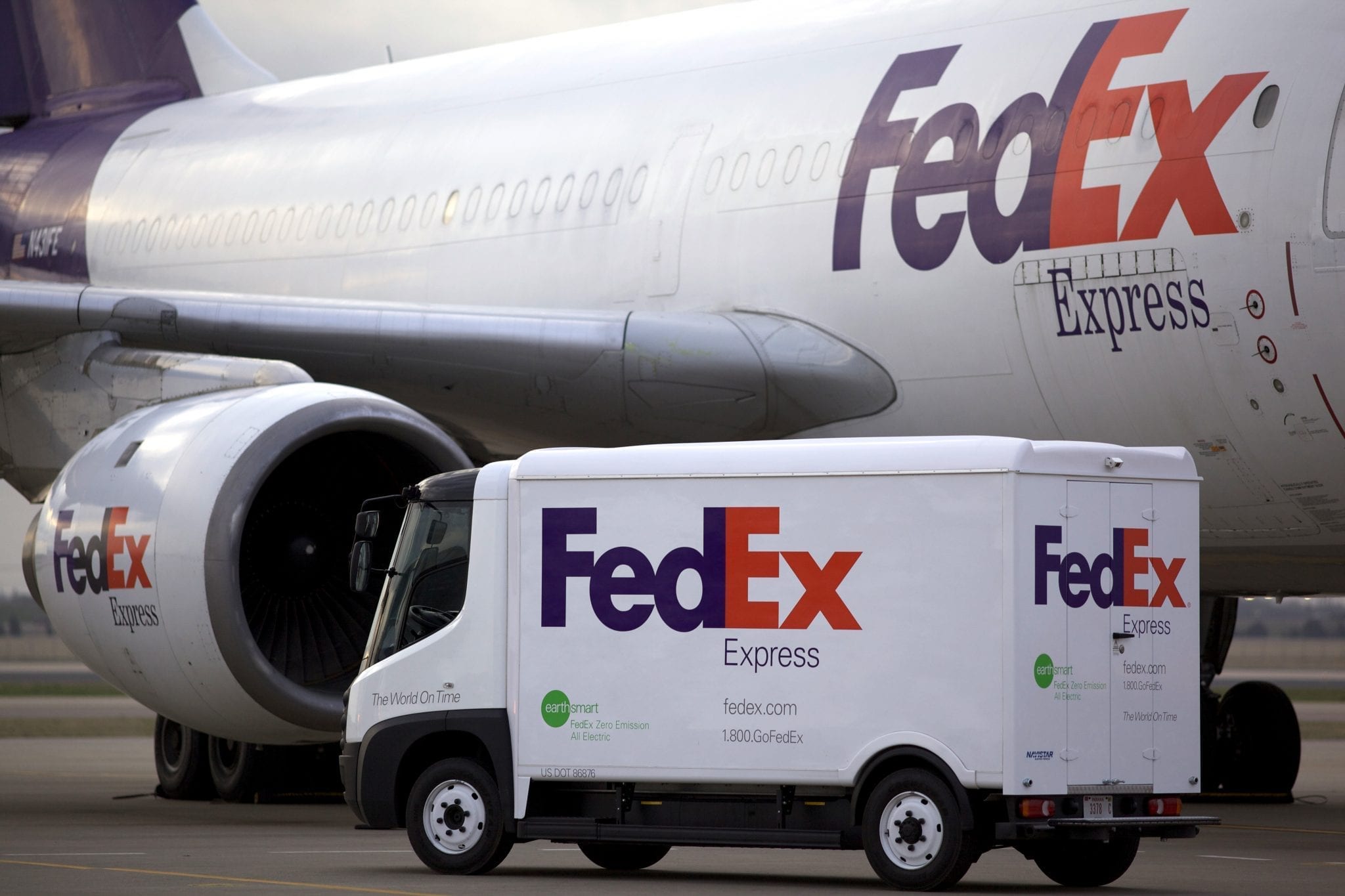
  • FedEx has rolled out its Delivery Signature Options in the Asia-Pacific region.

    FedEx has rolled out its Delivery Signature Options in the Asia-Pacific region.

    FedEx has rolled out its Delivery Signature Options in the Asia-Pacific region.

    According to FedEx, the new service allows customers to decide how they want their customers to confirm receipt of their shipments. Four options are available, under which FedEx can either release the package without a signature; with a signature from a neighbour; with a signature from any person at the recipient’s address; or with a signature from an adult at the delivery address.

    FedEx expects the service to be of particular benefit to retailers and their end-customers.

    The four options are available for outbound shipments in all Asia-Pacific markets where FedEx International First, FedEx International Priority and FedEx International Economy are available, according to FedEx.

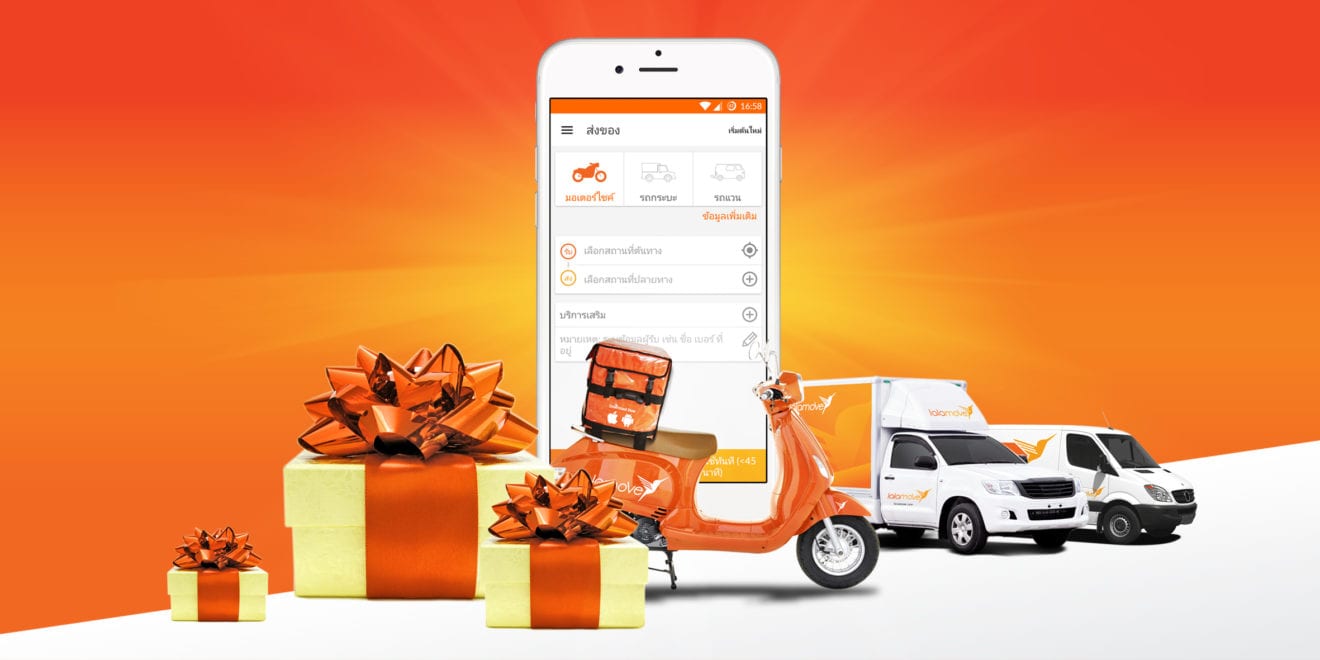
  • Lalamove Satisfies City’s Hunger for Food Delivery

    Lalamove Satisfies City’s Hunger for Food Delivery

    Hong Kong based on-demand delivery app Lalamove is moving into restaurant and food delivery across Bangkok to feed the growing appetite for appetizing restaurant dishes and produce to be brought straight to customers’ doors.

    Restaurants and food producers invited to use Lalamove’s 24/7 dedicated courier service receive a stamp of approval with a ‘Lala Recommended’ graphic featured on Lalamove social media. Invitees are selected for their high quality cuisine, outstanding reputation and popularity amongst customers.

    Alongside this insignia, dishes and produce are promoted on Lalamove’s Facebook and Instagram pages, giving businesses a real boost and satisfying demand for reliable delivery for hungry customers too.

    In return, ‘Lala Recommended’ restaurants and food companies are promoting Lalamove services via their own social media too; reminding customers that Lalamove is the go-to app for all delivery needs in the city, from important documents via motorcycle courier to large items of furniture via pickup truck, and everything in between.

    The food delivery scheme which began recently already offers a wide array of  tempting ‘Lala Recommended’ cuisine, from high-class dinners to nourishing comfort foods and lunches for health-conscious workers across the city. This includes fresh seafood from Lobster Gangster and The Cooking Crab, Japanese dishes with Taka Sashimi Express, plus juices and wheatgrass shots with Own Your Own Fresh, plus much more.  

  • UPS wins package network visibility tool award

    UPS wins package network visibility tool award

    UPS has been named to the 2016 CIO 100 listing for the successful launch and integration of the UPS Near Real-Time Service Performance Reporting tool (NRT) – marking the tenth time the company has been honored at the annual IDG CIO 100 Awards.

    The annual listing to recognize technology innovation is selected by the CIO editorial team, working with more than three dozen judges including industry experts, academics and former CIOs.

    A business intelligence platform, NRT uses advanced analytics to take traditional network management, package tracking and package visibility tools to the next level. It provides UPS operations with the ability to see the state and performance of the service network across all packages moving through all modes of transportation and all buildings, for all UPS customers.

    “NRT is an industry-first solution, designed to find new ways to improve our network performance, overall customer service, and ultimately, customer satisfaction,” said Juan Perez, UPS chief information officer.

    “NRT represent the next step in UPS’s big data and analytics journey, complementing proven customer visibility services like UPS My Choice, and our award-winning route optimization platform, ORION. It’s another example of how UPS is using data to transform our operations and continually improve the customer experience.”

    With the ability to execute complex analytics processes for over 1.5 billion information records daily, NRT consumes data at a rate of 8,700 transactions per second from multiple global sources around the clock, including pick-ups, sorting, transfers and deliveries being moved by truck, train or airplane.

    Applying predictive analytics, NRT provides the ability to proactively identify weather or other conditions that may require alternate plans to meet service commitments and maintain an on-time network. UPS ships more than four billion packages worldwide each year using this real time status monitoring platform.

    The end result is improved visibility across the supply chain and enhanced quality of service for millions of customers every day.

    “Delivering innovation and business value are top priorities for CIOs everywhere, and our CIO 100 awards program celebrates the leading IT organizations that excel at both,” said Maryfran Johnson, Editor in Chief of CIO Events.

    “Our 2016 winners are raising the bar even higher this year with their outstanding work in digital transformation, customer focus and IT-business collaboration.”

    The 29th annual award program recognizes organizations around the world that exemplify the highest level of operational and strategic excellence in information technology.

  • Foodpanda is selling its Indonesia business and rethinking the rest of Southeast Asia

    Foodpanda is selling its Indonesia business and rethinking the rest of Southeast Asia

    Foodpanda, the food delivery startup backed by Rocket Internet, is selling its operations in Indonesia and evaluating its presence in the rest of Southeast Asia as part of a push towards profitability.

    Multiple sources close to the company told that its business in Indonesia, the world’s fourth-most populous country, is available to potential acquirers for less than $1 million — and an all-cash deal isn’t even a requirement. Foodpanda, which is active in 500 cities across five continents worldwide, has slashed the asking price for its Indonesia operations to basically zero after more than a year of unsuccessfully trying to offload it, one source added.

    The intention mirrors the sale of its business in Vietnam last year. The company reportedly tried to offload its India business earlier this year without success.

    Foodpanda provided the following statement which, if you strip out the grandiose terms, does hint at transactional activity up ahead:

    Foodpanda has grown very fast in Southeast Asia over the last couple of months and strengthened its market leading position in the region. Driven by our increased dominance in the region we have experienced interest from a variety of different parties to partner or to invest which we are evaluating now.

    Indonesia may be Southeast Asia’s largest economy but it has proven to be a challenge due to factors including competition and local market conditions. Go-Jek, a motorbike taxi-on demand company that this month raised $550 million, is the primary thorn in Foodpanda’s side. The company offers food delivery as one of its many services, and it is able to price that business competitively thanks to its massive fleet of 200,000 drivers and revenue from other services. Grab also offers services like food delivery, while Uber is tipped to follow suit.

    One source close to Foodpanda added that Jakarta’s challenging traffic congestion and a lack of infrastructure have added complexities.

    Reviewing regional presence

    Foodpanda is actively seeking to cash out of Indonesia, but that may not be its only exit from Southeast Asia.  We understand from a source that the company is reevaluating its entire business across the region, and it has already made tentative efforts to sell in some countries. The company expanded in Asia via a series of acquisitions, which, in many cases, ironically leaves it without obvious suitors.

    News of its reassessment of Southeast Asia comes just weeks after Foodpanda co-founder and CEO Ralf Wenzel claimed that the company is profitable in two of its markets — Europe and the Middle East — but not Asia.

    Wenzel told Reuters his company is “focused on improving market share” in Asia, which has included asset exchanges with competitors, in order to turn its finances positive there.

     “Over the next couple of months we will turn break-even and then profitable in the first Southeast Asian countries,” Wenzel added.

    While the Foodpanda CEO claimed profitability in Asia is “just a matter of scale,” our sources said that discarding under-performing units — which Wenzel did not mention — is a very key part of the plan.

    Challenging investment climate

    Foodpanda raised $210 million last year — including a $100 million injection from Goldman Sachs and a separate $110 million round — but the climate for investment is tougher now. One source close to Rocket Internet told us that the venture builder is not optimistic about landing capital for many of its older, more capital-intensive businesses, including Foodpanda.

    That’s evidenced by a recent round of capital for Global Fashion Group (GFG), a collection of Rocket Internet-backed fashion marketplaces worldwide. GFG raised $330 million but the capital came from a collection of trusted Rocket Internet entities and at a huge mark down. The group’s valuation plummeted from $3.4 billion at its last raise to $1.1 billion.

    Sources speaking at the time told us that GFG CEO Romain Voog met with more than 90 investors, but came home empty-handed.

    GFG had already preempted that challenge by discarding some of its unprofitable business units in Southeast Asia — does that sound familiar?! — which included the sale of Zalora Thailand and Lazada Vietnam for low prices and triggered high-level execs to leave. Rocket Internet isn’t alone to struggle in Southeast Asia, though. Groupon sold its Indonesia business to fitness membership startup KFit, a fairly unorthodox acquirer, after it had already exited other Asian markets.

    Now it looks like Foodpanda is following a similar approach. While Southeast Asia is often noted for its 600 million cumulative population and growth potential, today its nascent digital economy is challenging for many online retail companies.

    This year has marked a different approach for Rocket Internet in Asia. This summer, it finally offloaded Jabong, its fashion marketplace in India, to rival Myntra in a $70 million deal this summer, while Alibaba bought a majority stake in Amazon-like Lazada for $1 billion in April. Despite a seemingly decent outcome on the face of it, many Lazada investors were left disappointed, and the company itself ran out of money thanks to spiraling loses.

  • 7-Eleven, Amazon UK test drone deliveries

    7-Eleven, Amazon UK test drone deliveries

    On opposite sides of the Atlantic, two major global retailers are testing delivery by drone.

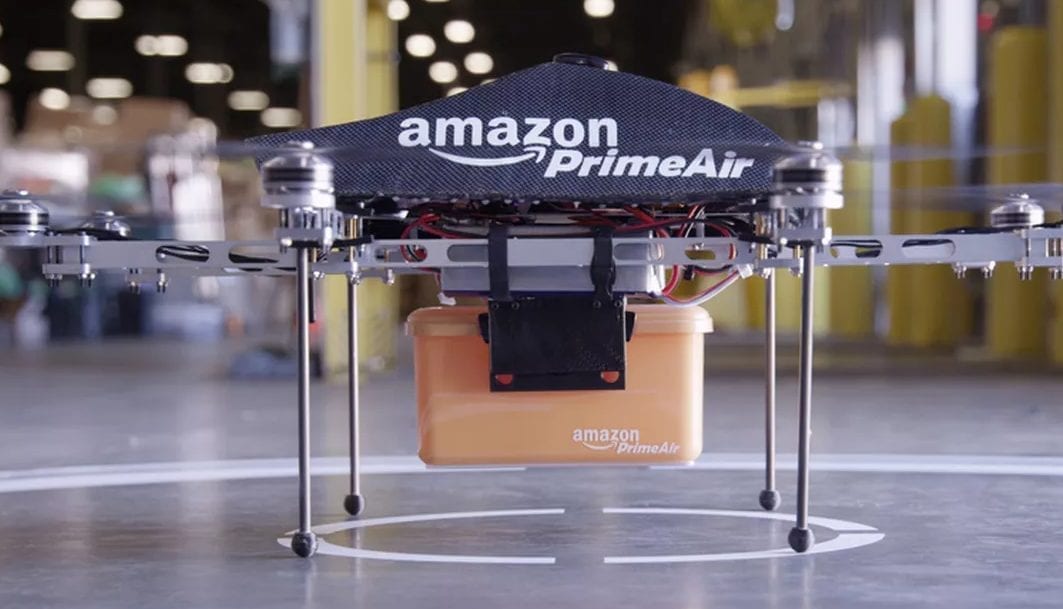
    In the UK, eCommerce giant Amazon has partnered with the government to test some aspects of its drone delivery parameters.

    And in the US, 7-Eleven has partnered with Flirtey, an independent drone delivery service, to complete the first fully autonomous delivery to a customer’s residence to advance research toward integrating drones into the US national airspace system.

    The Amazon tests include piloting the machines beyond the line of sight of its operators, testing sensor performance to make sure the drones can identify and avoid obstacles and flights where one person operates multiple highly-automated drones are to begin immediately with the support of the UK Civil Aviation Authority.

    Amazon drone

    “The UK is a leader in enabling drone innovation; we’ve been investing in Prime Air research and development here for quite some time,” said Paul Misener, Amazon’s VP of Global Innovation Policy and Communications.

    “This announcement strengthens our partnership with the UK and brings Amazon closer to our goal of using drones to safely deliver parcels in 30 minutes to customers in the UK and elsewhere around the world.”

    Amazon’s Prime Air is a future delivery system designed to safely get packages up to 2.5kg to customers in 30 minutes or less using small drones.

    Amazon and the UK government said the partnership will enable them to understand how drones can be used safely and reliably in the logistics industry. It will also help identify what operating rules and safety regulations will be needed to help move the drone industry forward.

    “Using small drones for the delivery of parcels will improve customer experience, create new jobs in a rapidly growing industry, and pioneer new sustainable delivery methods to meet future demand,” said Misener.

    “The UK is charting a path forward for drone technology that will benefit consumers, industry and society.”

    Meanwhile, in Reno

    Meanwhile, at a Reno, Nevada 7‑Eleven store, two deliveries were successfully completed.

    The 7-Eleven drone delivery is the first time a US customer has received a package in their home via drone. The delivery coincides with the celebration of the convenience store chain’s 89th birthday.

    https://www.youtube.com/watch?v=_sysBQ5-tZA


    “This delivery required special flight planning, risk analysis, and detailed flight procedures ensuring residential safety and privacy were equally integrated,” said Chris Walach, director of operations for Nevada Institute for Autonomous Systems (NIAS).

    7‑Eleven merchandise – including hot and cold food items – were loaded into a unique Flirtey drone delivery container and flown autonomously using precision GPS to a local customer’s house. Once at the family’s backyard, the Flirtey drone hovered in place and gently lowered each package.

    The purchases were delivered to the family in the span of a few minutes. Products included Slurpee drinks, a chicken sandwich, donuts, hot coffee and 7-Select candy.

    In the future, both companies expect drone packages to include “everyday essentials” such as batteries and sunscreen.

    The deliveries also mark Flirtey’s largest commercial relationship to date and bring the drone delivery startup even closer to its vision of reinventing the delivery process for humanitarian, online retail and food delivery industries.

    Building on this initial collaboration, the two companies have plans to expand drone delivery tests and work closely together, according to 7‑Eleven EVP and chief merchandising officer Jesus Delgado-Jenkins.

    “Drone delivery is the ultimate convenience for our customers and these efforts create enormous opportunities to redefine convenience. This delivery marks the first time a retailer has worked with a drone delivery company to transport immediate consumables from store to home. In the future, we plan to make the entire assortment in our stores available for delivery to customers in minutes,” he said.